For Ghanaian food processors, pharmaceutical manufacturers, agribusinesses, and consumer goods producers, investing in reliable packaging machinery is a critical step toward improving efficiency, ensuring product quality, and scaling production to meet both local and export market demands. The choice of a packaging machine supplier can significantly impact your operational costs, production uptime, and long-term business growth. This guide highlights five leading packaging machine manufacturers that are actively serving international markets, including Africa, and provides a detailed framework to help Ghanaian businesses select the best supplier for their specific needs.
Understanding the Ghanaian Packaging Landscape
Ghana’s manufacturing sector is diverse, encompassing food and beverage processing (like spices, beverages, and instant noodles), pharmaceuticals, agricultural products (cocoa, grains), and personal care items. A common challenge for many local manufacturers is balancing the need for cost-effective automation with the requirement for machines that can handle local product variations, sometimes inconsistent power supply, and the need for durable, easy-to-maintain equipment. Furthermore, with the African Continental Free Trade Area (AfCFTA) creating new export opportunities, Ghanaian companies are increasingly seeking packaging solutions that produce goods meeting international quality and presentation standards. This makes partnering with an experienced, globally-oriented supplier more important than ever.
Key Considerations for Ghanaian Buyers
Before evaluating suppliers, define your core requirements:
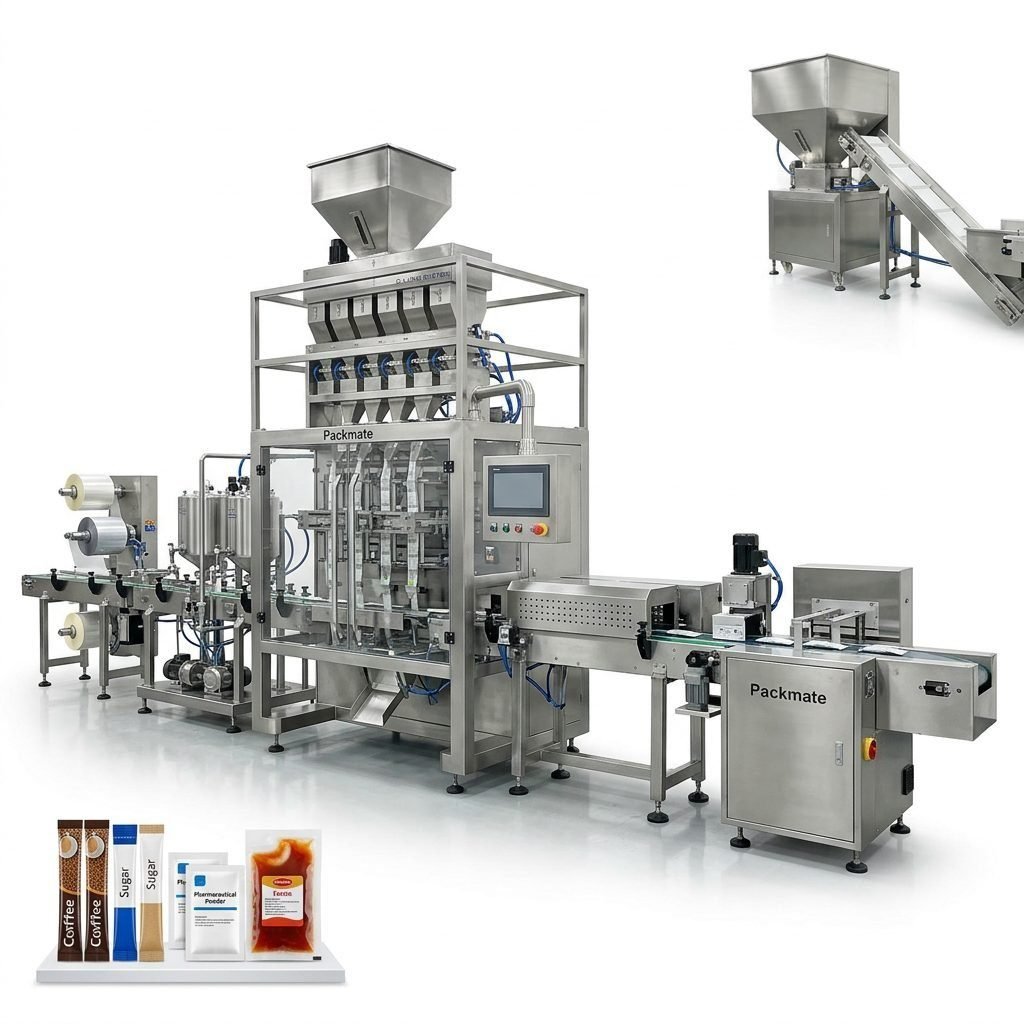
- Product Type: Are you packaging powders (flour, spices, milk), granules (coffee, grains, supplements), liquids (oil, sauces, sanitizers), or pastes?
- Output Capacity: What is your target production speed (e.g., bags or sachets per minute)?
- Packaging Format: Do you need stick packs, sachets, pouches, or bulk bags?
- Budget & ROI: What is your investment range, and what payback period are you targeting?
- Local Support: How crucial is after-sales service, technical training, and spare parts availability in Ghana?
Top 5 Packaging Machine Manufacturers for the Ghanaian Market
The following manufacturers have established strong export operations and offer technologies highly relevant to Ghana’s key industries. Their experience in diverse international markets often translates into robust machines suitable for various operating conditions.
1. Ludyway: The Established All-Rounder
With over 30 years in the industry, Ludyway is a major Chinese manufacturer known for its wide product range and strong export footprint, including across Africa. For a Ghanaian business looking to automate packaging for food, pharmaceuticals, or supplements, Ludyway offers a compelling one-stop solution.
Why Ghanaian Companies Might Consider Ludyway:
- Broad Applicability: Their machines handle granules, powders, liquids, and pastes, which covers many locally produced goods.
- Scalability: They supply everything from single machines to complete turnkey lines, allowing businesses to start small and expand.
- International Experience: Serving over 100 countries means they are likely familiar with the documentation, shipping, and support logistics for Ghana.
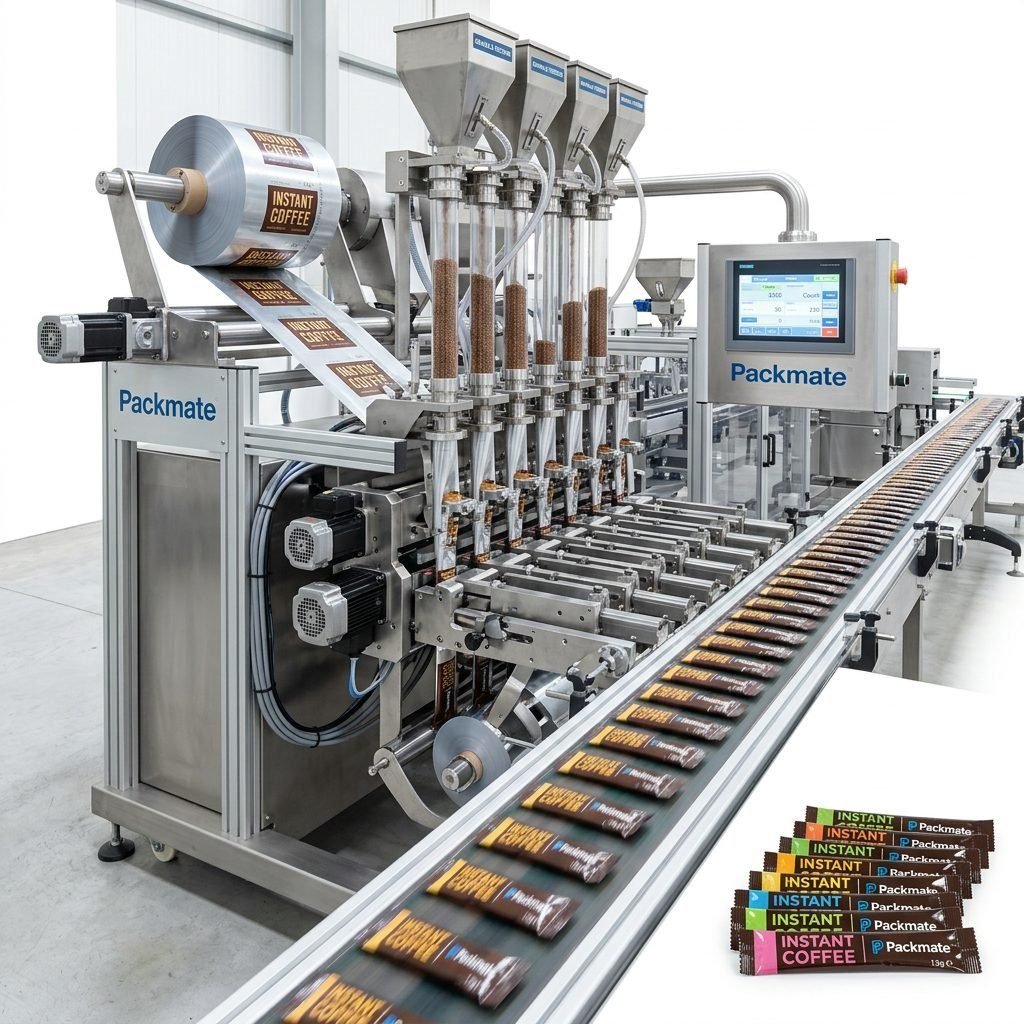
Their large factory (20,000+ sq m) and extensive machine catalog (100+ configurations) provide options for different budget and capacity levels. A food processing company in Accra, for example, could use a Ludyway multi-lane stick pack machine for seasoning or beverage powder, while a pharmaceutical manufacturer in Kumasi might opt for their precision sachet packagers.
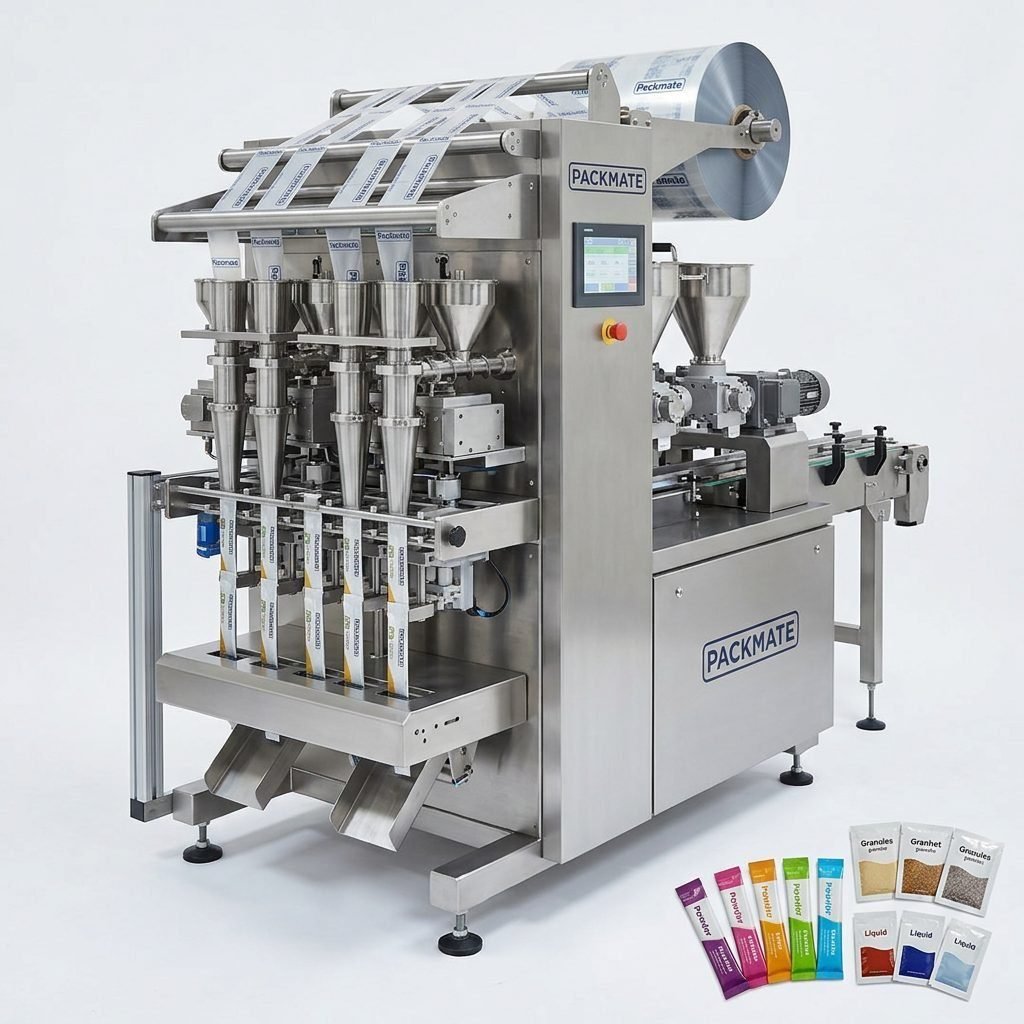
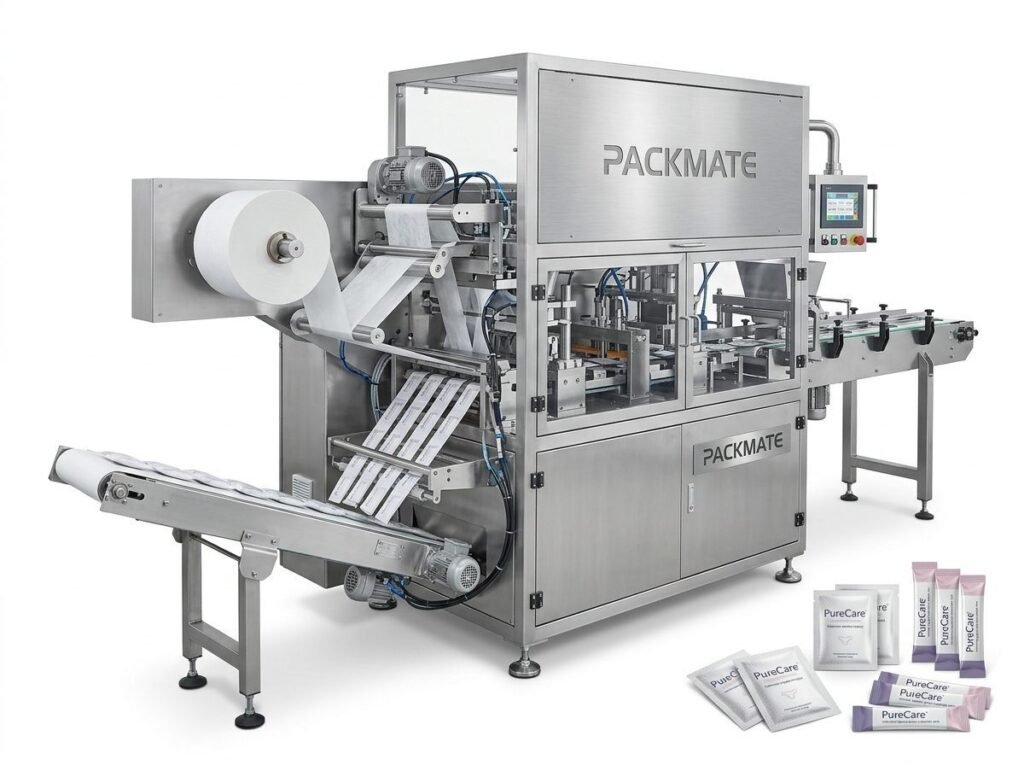
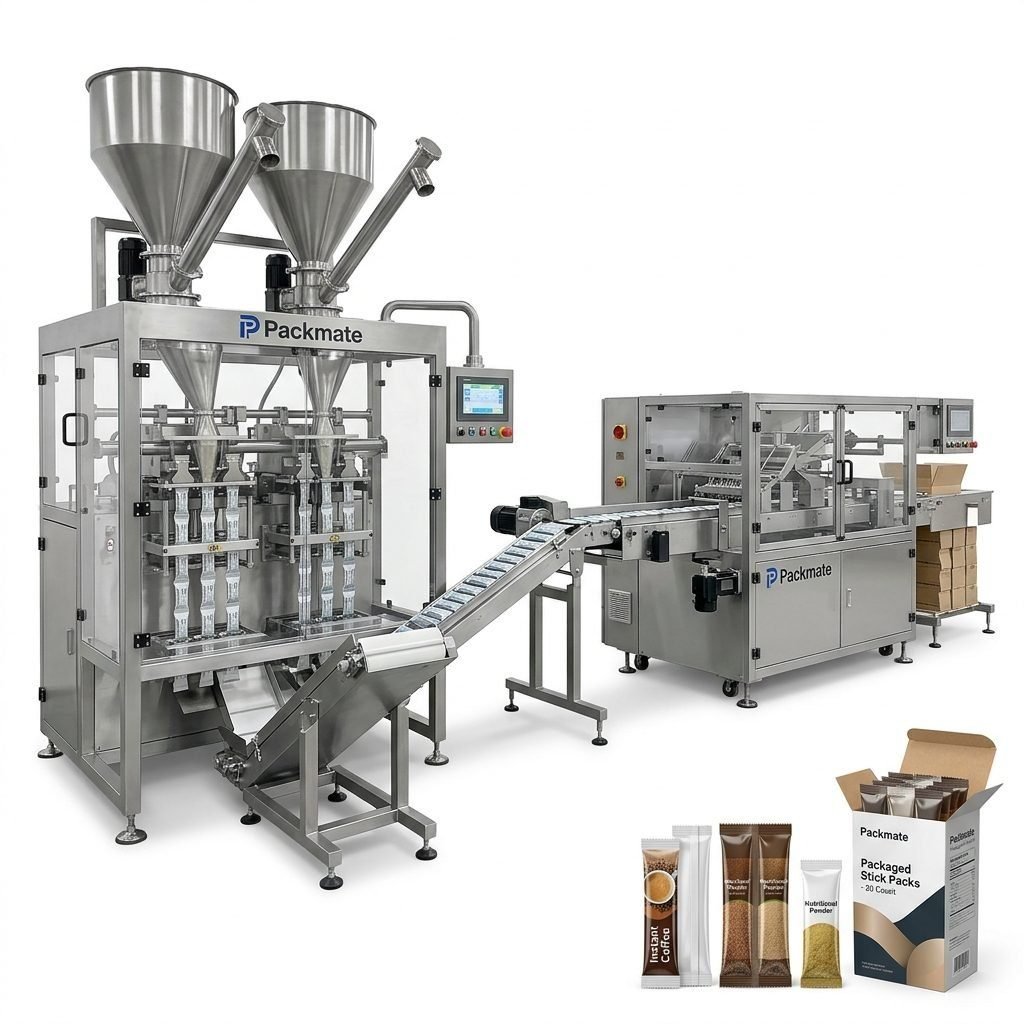
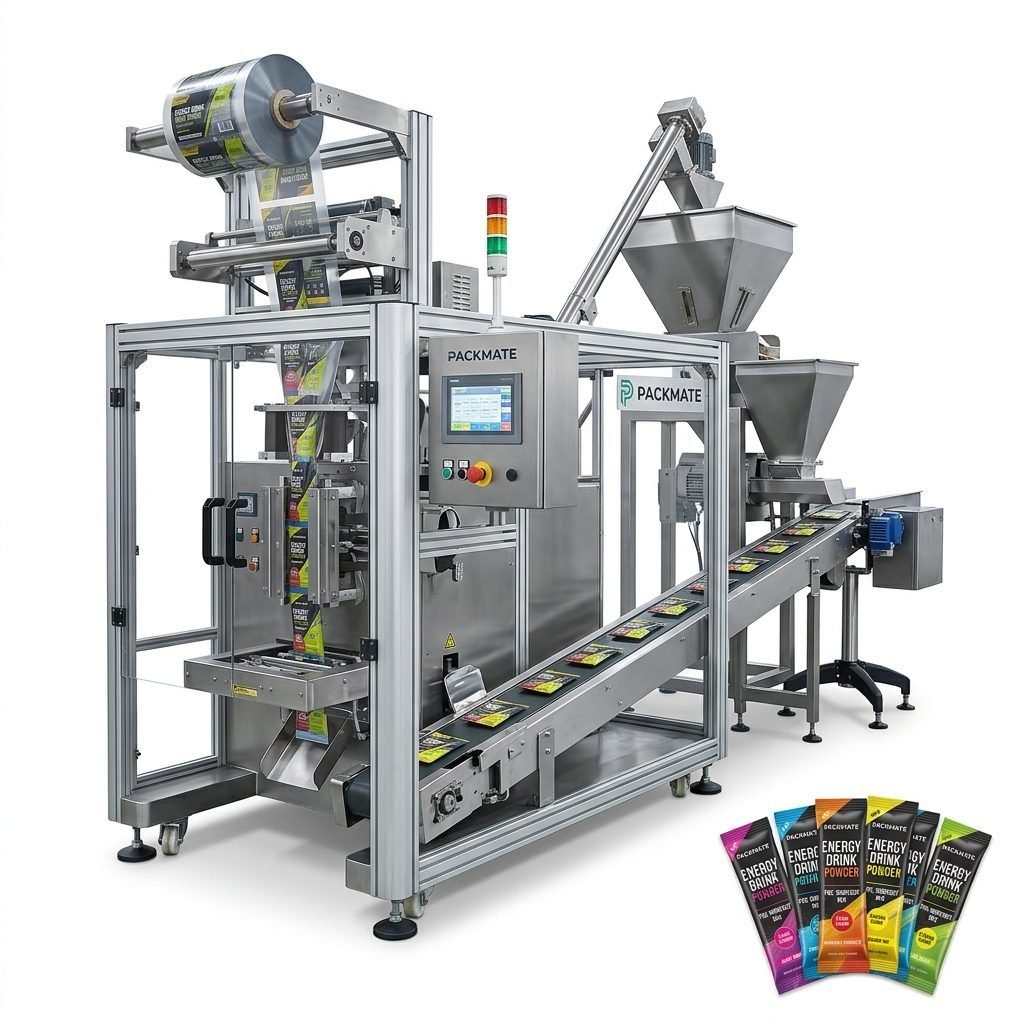
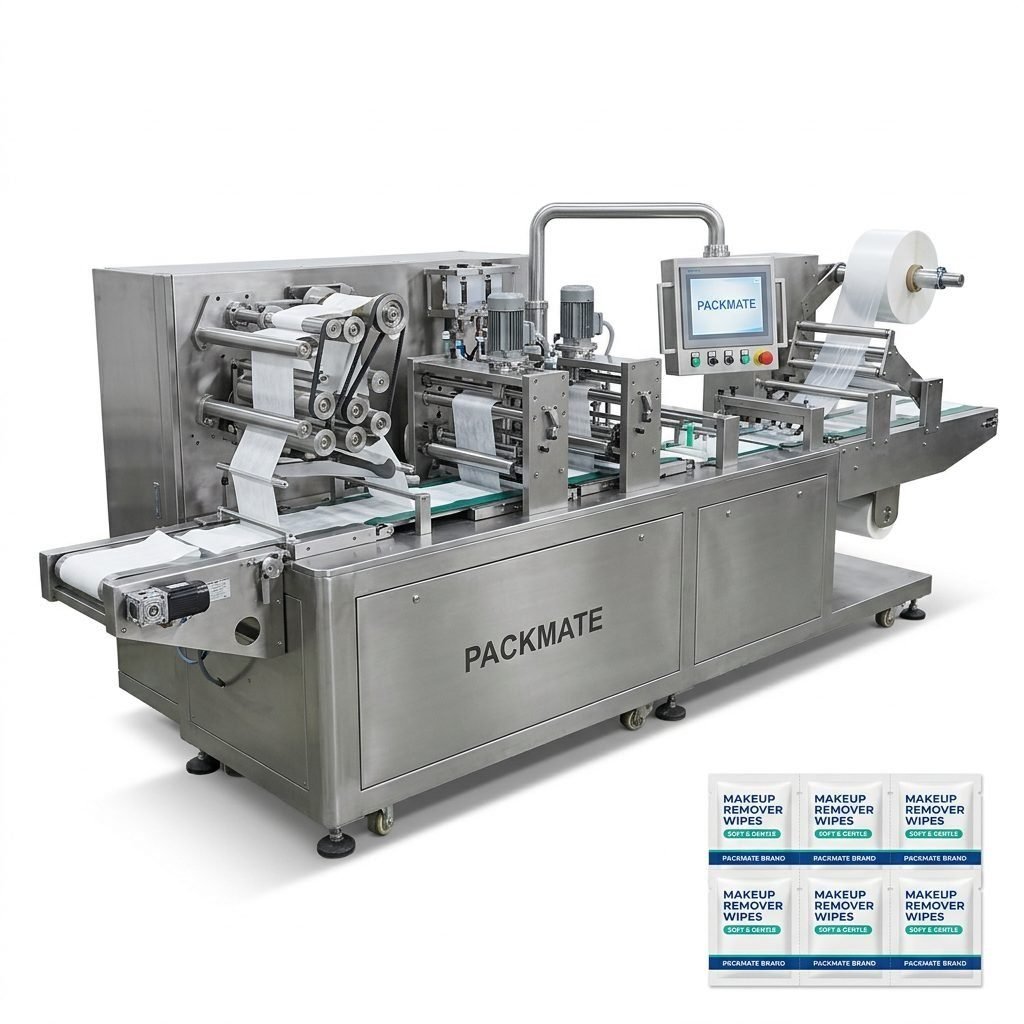
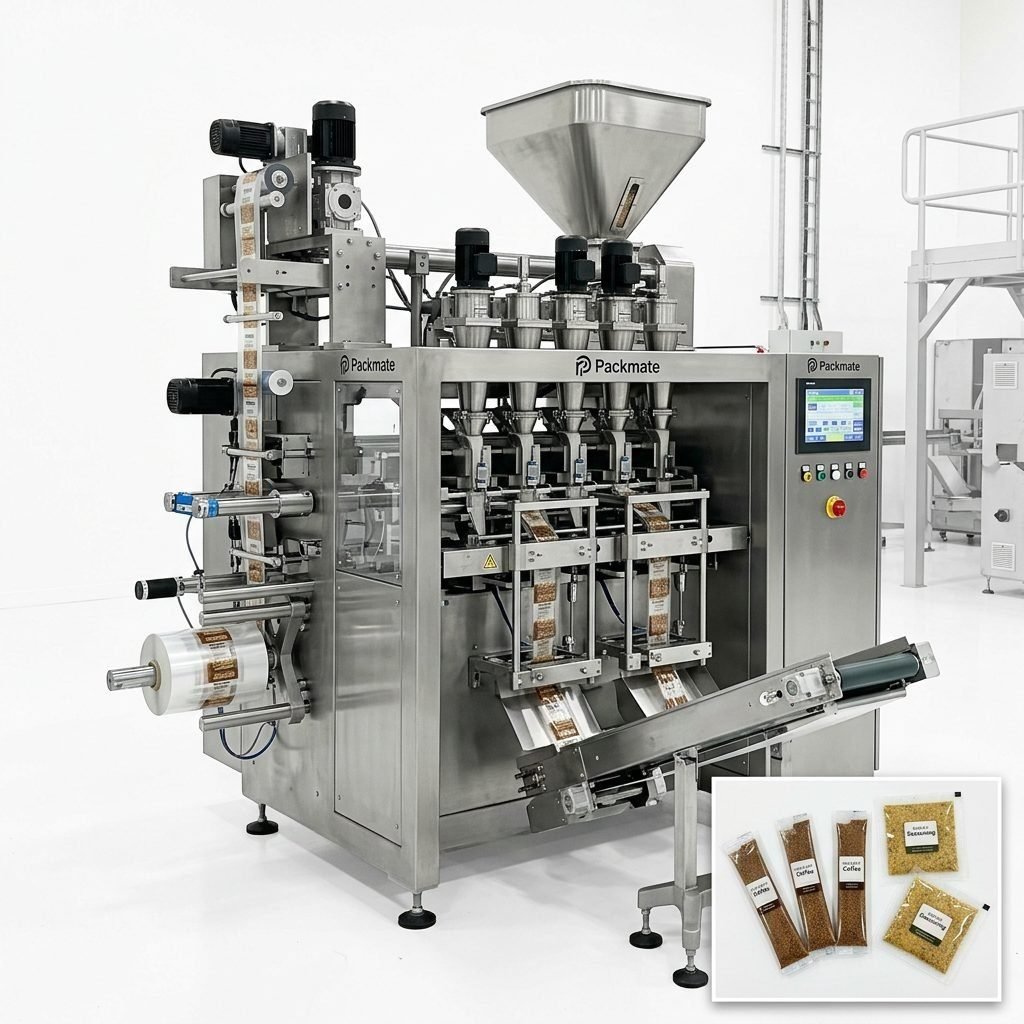
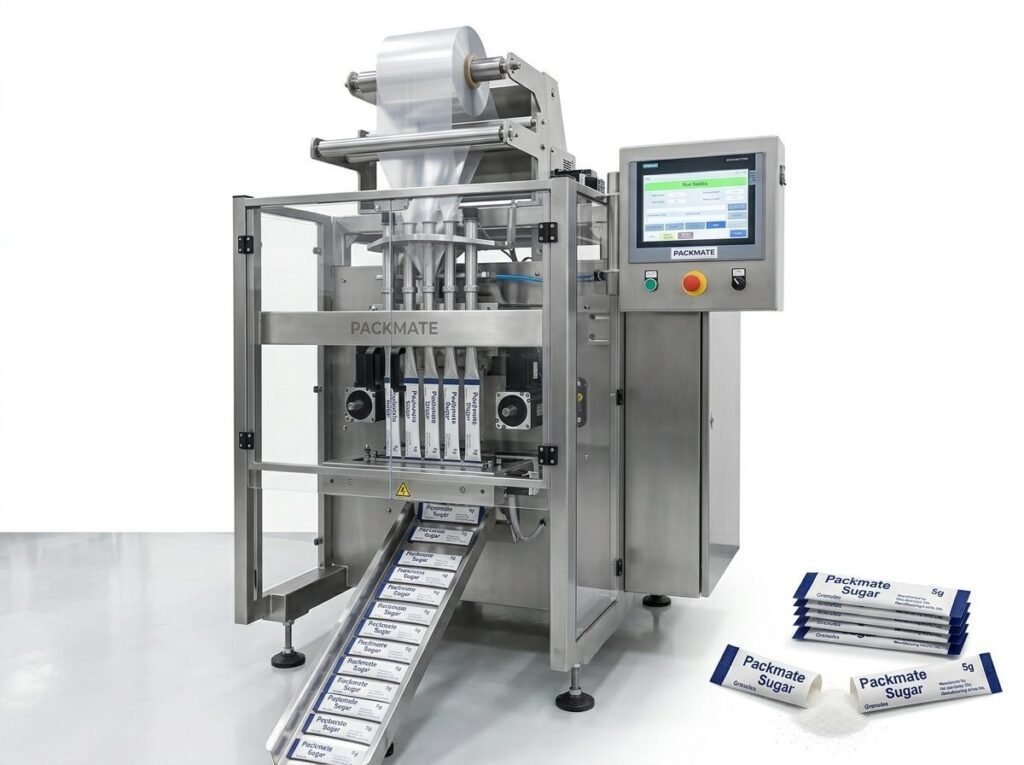
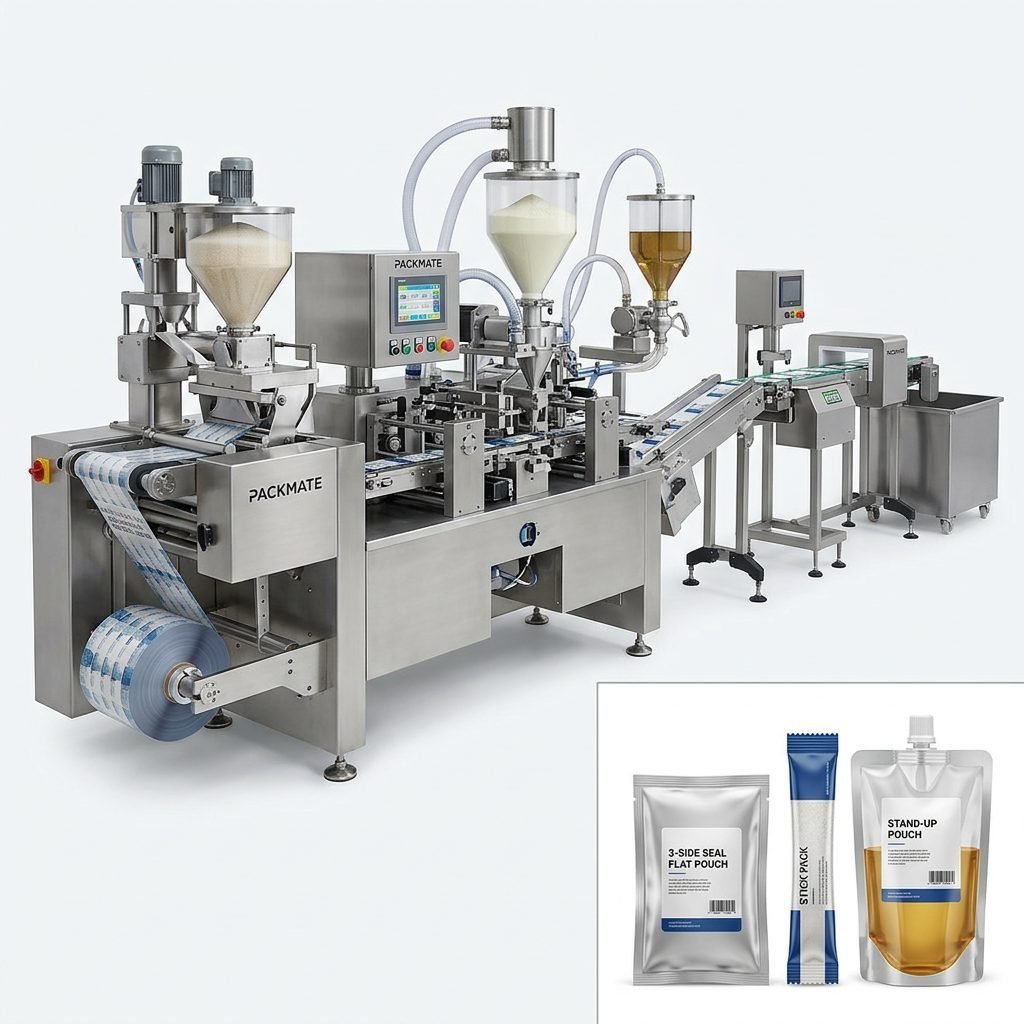
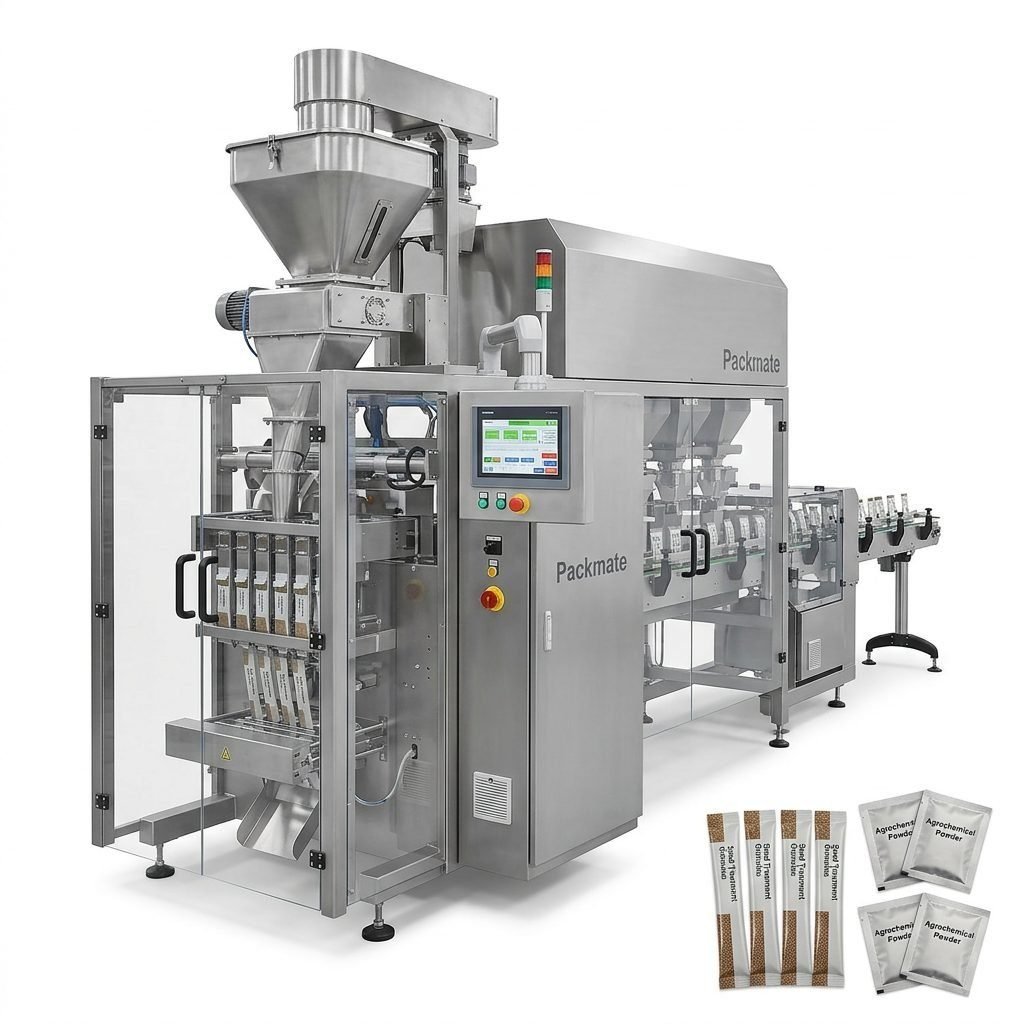
2. Packmate Machinery: The Reliable Partner for Food & Pharma
Packmate Machinery brings more than three decades of focused experience in packaging equipment for the food, pharmaceutical, and health supplement sectors. They emphasize practical automation and stable performance, which are key for maintaining consistent production in Ghana.
| Strength | Benefit for Ghanaian Buyer |
|---|---|
| Over 80 machine models | High probability of finding a standard machine close to your needs, reducing customization cost and time. |
| Strong in granule & powder packaging | Ideal for packaging local products like spices, cereal mixes, powdered drinks, and pharmaceutical powders. |
| Good cost-performance balance | Provides an accessible entry point into automation without overly compromising on build quality or features. |
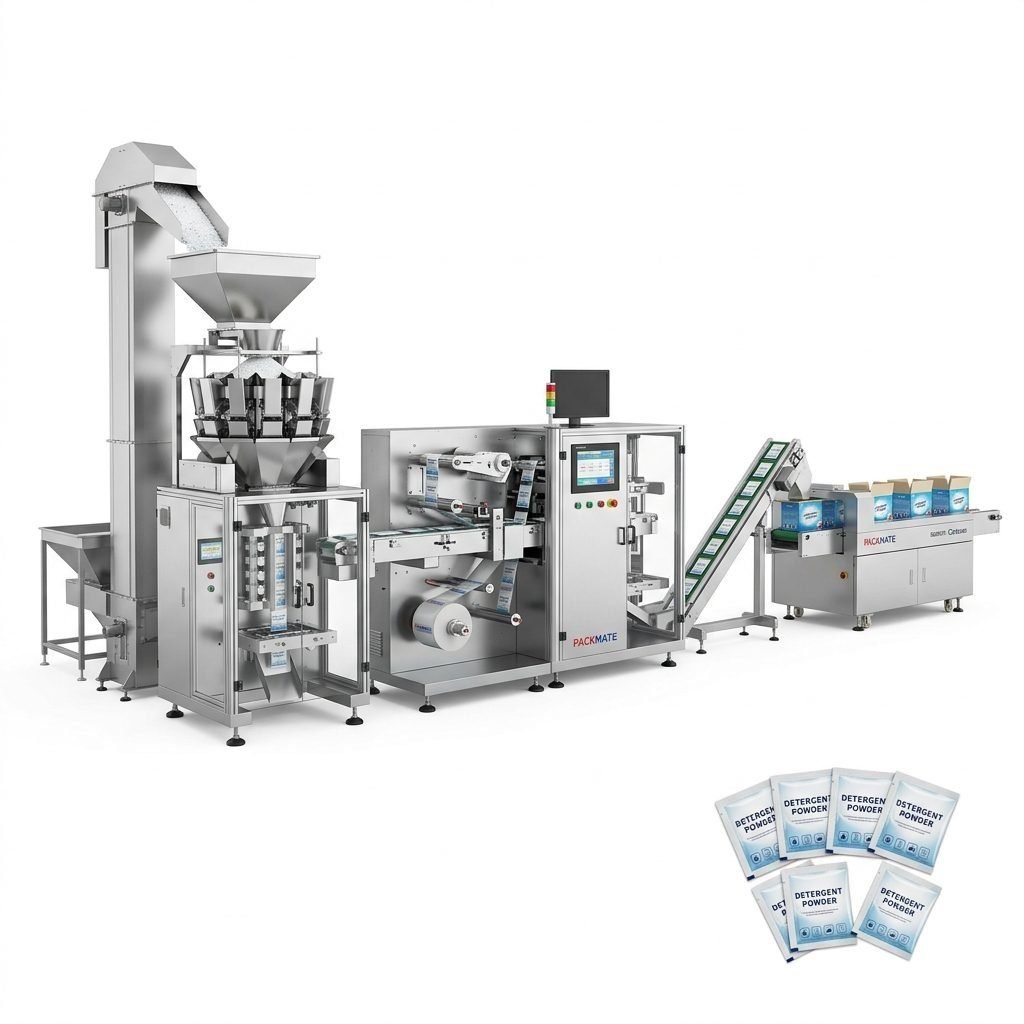
For a medium-sized factory in Ghana aiming to upgrade from semi-automatic to fully automatic packaging, Packmate’s focus on reliable, user-friendly machines makes them a strong contender.
3. PacklineOEM: The Turnkey Line Specialist
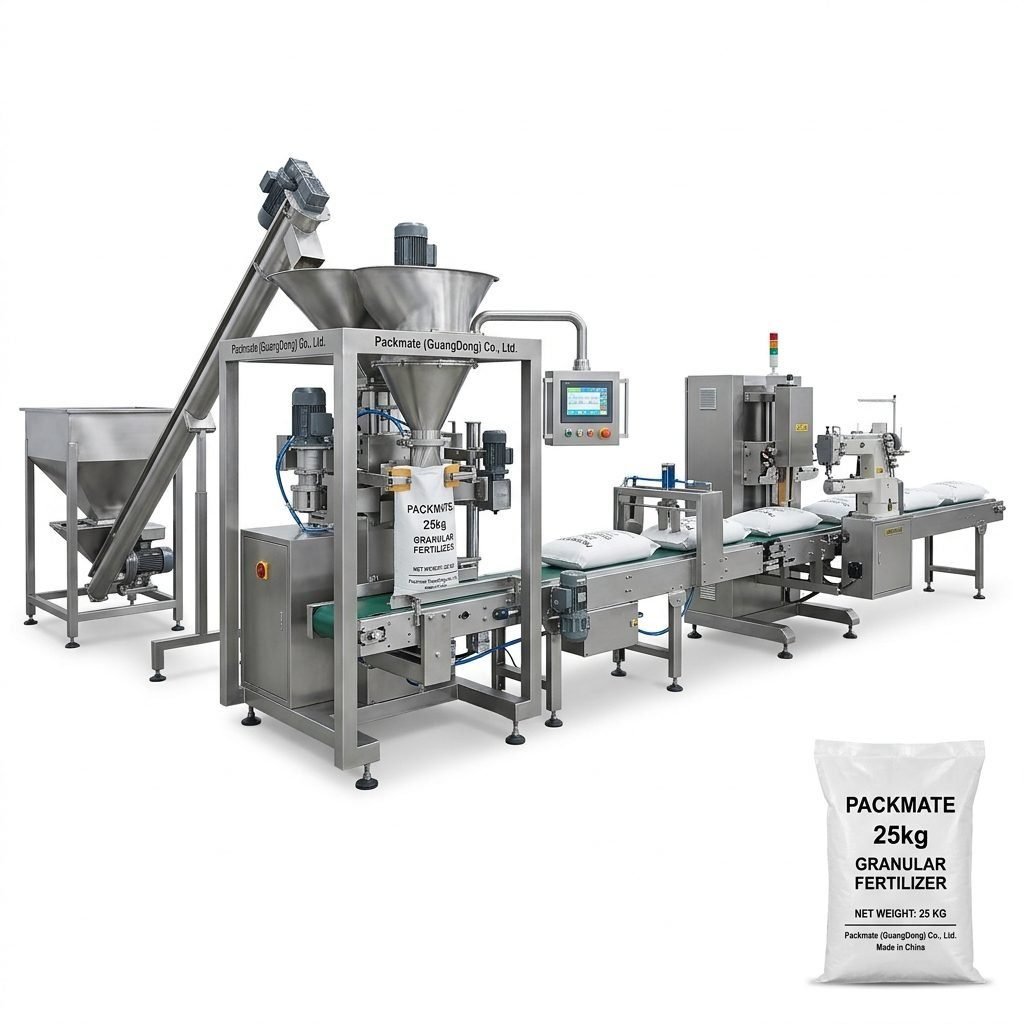
If your project involves setting up a completely new, integrated packaging line rather than just buying a standalone machine, PacklineOEM is a manufacturer worth serious consideration. They specialize in designing and building complete production lines, which is valuable for larger-scale investments or greenfield projects.
Their turnkey approach is particularly relevant for: Ghanaian companies launching new products, expanding capacity significantly, or those needing a fully synchronized line with feeding, weighing, filling, sealing, and conveying systems. For instance, a large-scale producer of fertilizer or animal feed looking to bag product into 10kg or 25kg bags would benefit from their integrated bulk bagging systems. Their engineering focus on line integration helps ensure different machines work together seamlessly, reducing bottlenecks.
4. PackingMachineOEM: The Customization Expert
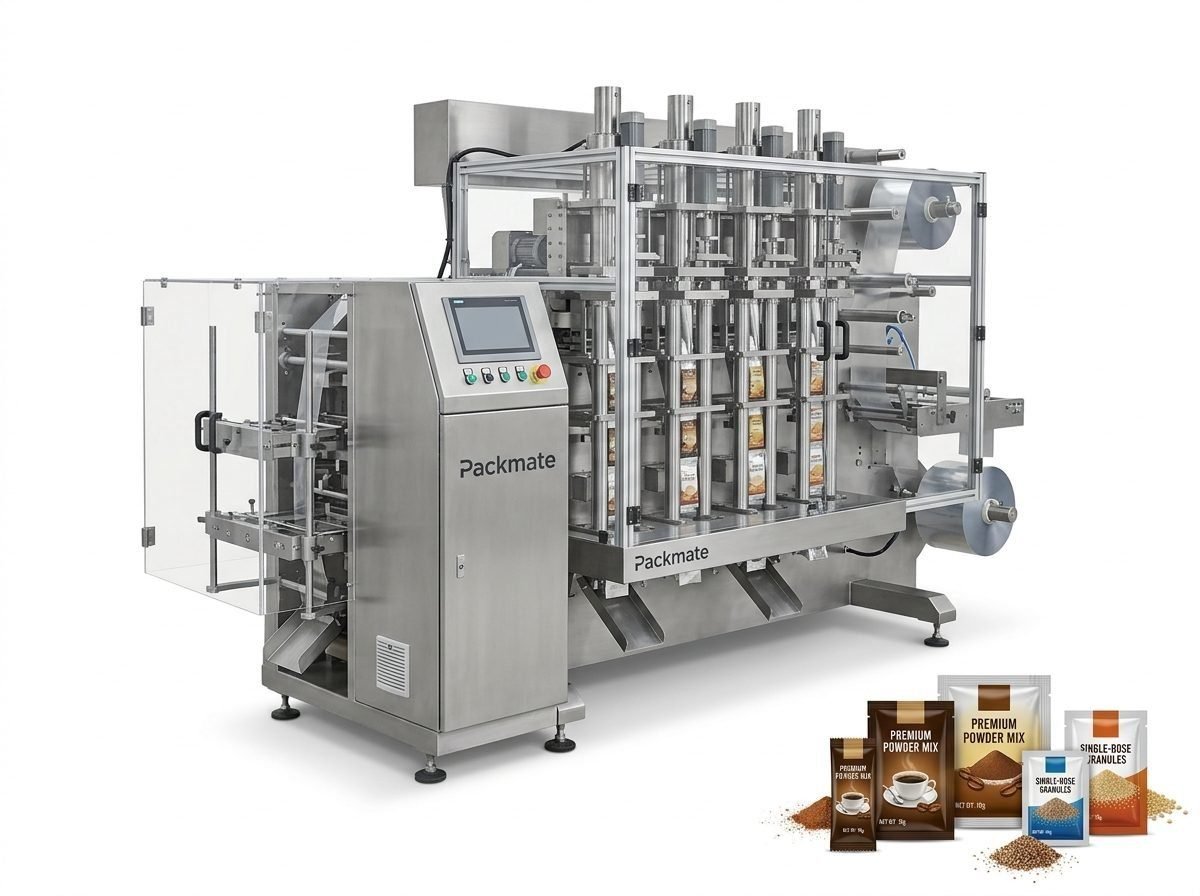
Does your product have unique characteristics that standard machines struggle with? PackingMachineOEM positions itself as a leader in non-standard and customized packaging solutions. This is crucial for Ghanaian innovators or companies using local materials with specific packaging challenges.
Consider this supplier if your project requires:
- Packaging in unique, pre-made pouch shapes or sizes common in local markets.
- Handling viscous local products like shea butter, peanut paste, or thick sauces.
- Adapting machinery to work with specific locally-sourced packaging film or laminates.
- OEM/Private label projects where the machine needs to be branded or integrated into a unique plant layout.
Their flexibility can be a major advantage, though it’s essential to have clear specifications and communicate them thoroughly during the quotation and engineering phase.
5. SnusMachinery: The Niche Pouch Specialist
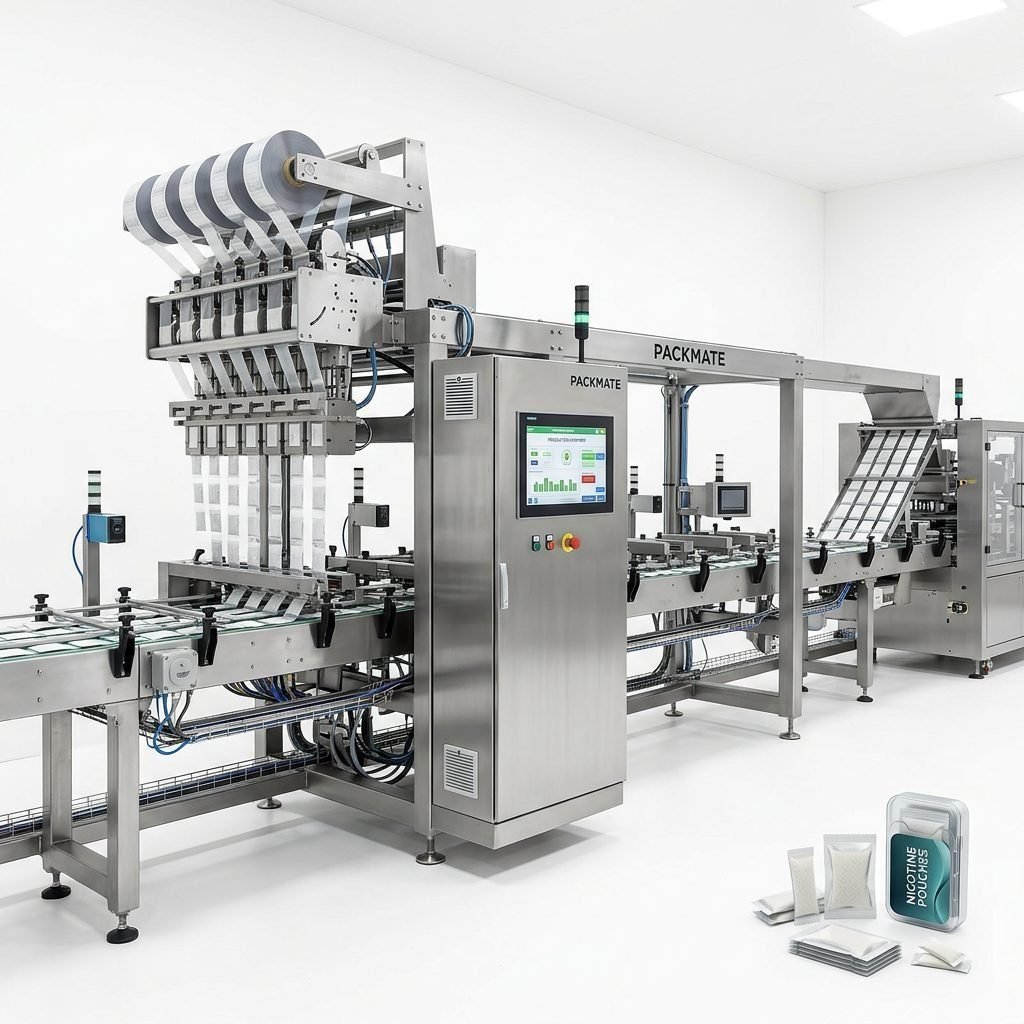
For businesses in the specific and growing niche of nicotine pouch, snus, or precision pouch packaging, SnusMachinery offers targeted expertise. While this is a specialized field, their knowledge in high-precision, multi-lane pouch filling and sealing is also applicable to other high-value powdered or granular products requiring exact dosing and excellent seal integrity.
Relevance for Ghana: While the primary snus/nicotine pouch market might be for export, the underlying technology is perfect for other products. For example, a company producing premium herbal teas, single-serve coffee, high-value supplements, or medical powders could benefit from their precision pouch packaging systems. Their focus on this niche often means they have deeper application knowledge for challenging powder flow characteristics or strict hygiene requirements.
How to Choose the Best Supplier for Your Ghanaian Operation
Selecting the right partner goes beyond comparing machine specs and prices. Use this step-by-step evaluation framework.
Step 1: Technical & Commercial Assessment
- Request Detailed Proposals: Ask each shortlisted supplier for a proposal including machine specifications, layout drawings, output guarantees, and a complete commercial offer (EXW, FOB, CIF Tema port).
- Ask for Application Proof: Request videos or case studies of their machines packaging a product similar to yours. Ask for references from clients in similar climates or regions.
- Clarify Customization Scope & Cost: Understand what is included in the standard price and what modifications incur extra charges and time.
Step 2: Evaluate Manufacturing & Support Capability
Critical Questions to Ask:
- What is your experience with shipping and installing machines in West Africa or Ghana specifically?
- What is the warranty period and what does it cover?
- How is after-sales support provided? (e.g., online video support, remote diagnostics, availability of local service agents, spare parts delivery time to Ghana).
- Do you provide installation supervision, commissioning, and operator training (onsite or at your factory)?
Step 3: Due Diligence & Final Decision
- Factory Audit (Virtual or In-Person): If possible, visit the factory or arrange a detailed video tour to assess their manufacturing processes, quality control, and company scale.
- Check Legal & Financials: Verify the company’s business license, and consider using secure payment methods like Letter of Credit (L/C) for large orders.
- Consider Total Cost of Ownership (TCO): Factor in not just the machine price, but also estimated shipping, customs clearance in Ghana, installation, maintenance, spare parts costs, and potential downtime.
Frequently Asked Questions (FAQs)
Q1: What are the typical lead times for receiving a packaging machine in Ghana?
Lead times vary based on machine complexity and customization. For standard models, expect 30-60 days for production after order confirmation, plus 30-45 days for sea freight shipping to Tema Port. Customized or turnkey lines can take 90-120 days or more. Always confirm production and shipping schedules with your supplier.
Q2: How can I ensure the machine will work reliably with Ghana’s power supply?
Discuss power requirements explicitly. Most industrial machines can be configured for 220V/380V, 50Hz, which is standard in Ghana. However, voltage fluctuations are common. It is highly recommended to invest in a voltage stabilizer or uninterruptible power supply (UPS) for sensitive electronic components (like PLCs and servos) to protect your investment.
Q3: What about technical support and spare parts after installation?
This is a crucial factor. Choose a supplier with a proven track record of supporting international clients. Before purchasing:
- Clarify the terms of technical support (e.g., 24/7 online support).
- Ask for a list of recommended critical spare parts to keep in stock locally.
- Understand their process for shipping spare parts and typical delivery times to Ghana.
- Inquire if they have any service partners or technicians who have visited West Africa.
Q4: Are there customs duties and taxes I should budget for?
Yes. When importing machinery into Ghana, you will be responsible for customs duties, VAT, and other applicable levies. It is essential to work with a reliable customs clearing agent in Ghana who can provide an accurate estimate of these costs based on the machine’s Harmonized System (HS) code and value. Your supplier should provide all necessary shipping documents (commercial invoice, packing list, certificate of origin, etc.) to facilitate smooth clearance.
Q5: Is it better to buy a single machine or a complete line?
This depends on your current production stage and future plans. A single machine is suitable for automating one specific step, is lower risk, and requires a smaller initial investment. A complete turnkey line is ideal for new factories or major expansions, as it ensures all components are designed to work together for maximum efficiency. It offers higher automation but requires more capital and planning. Many Ghanaian businesses start with a core machine (like a filler-sealer) and later add upstream/downstream equipment (like feeders or cartoners) as they grow.