Selecting the right seed packaging equipment is a critical investment for seed companies, agricultural cooperatives, and distributors worldwide. The right machine not only protects the viability of the seeds but also enhances brand presentation, ensures accurate portioning, and dramatically increases packaging efficiency. With a vast array of technologies available, from simple volumetric fillers to complex multi-lane systems, making the best choice requires understanding your specific needs, product characteristics, and production goals.
Core Types of Seed Packaging Equipment
The market offers several primary types of seed packaging machines, each suited to different formats, scales, and seed varieties. Understanding these categories is the first step in narrowing down your options.
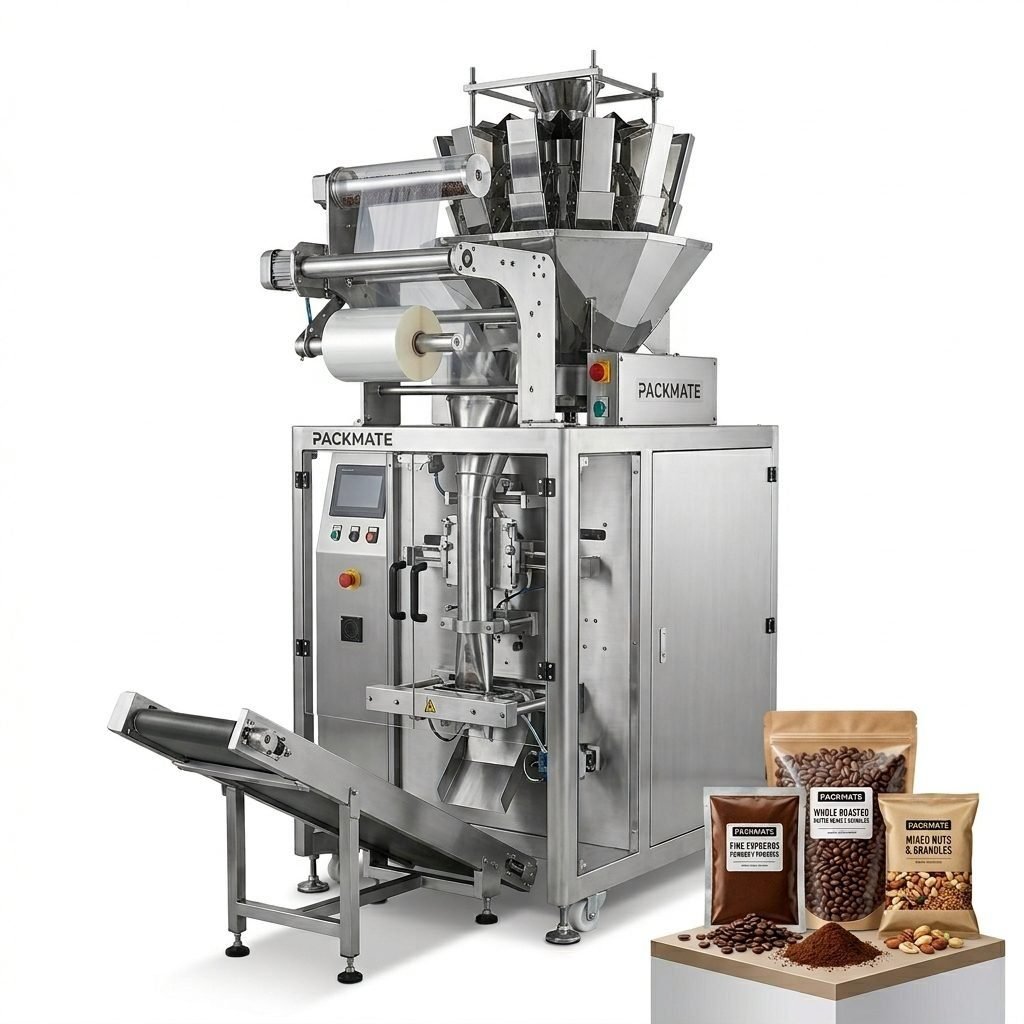
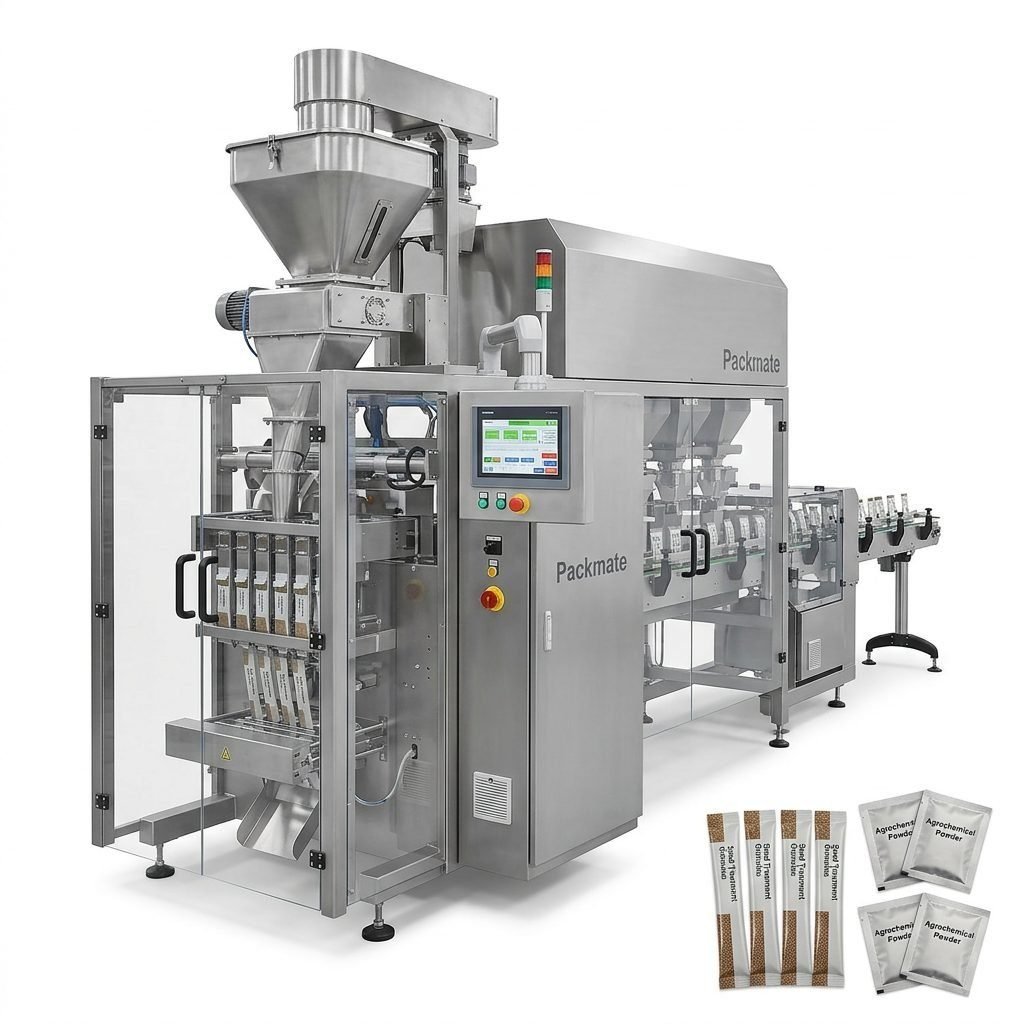
1. Vertical Form-Fill-Seal (VFFS) Machines
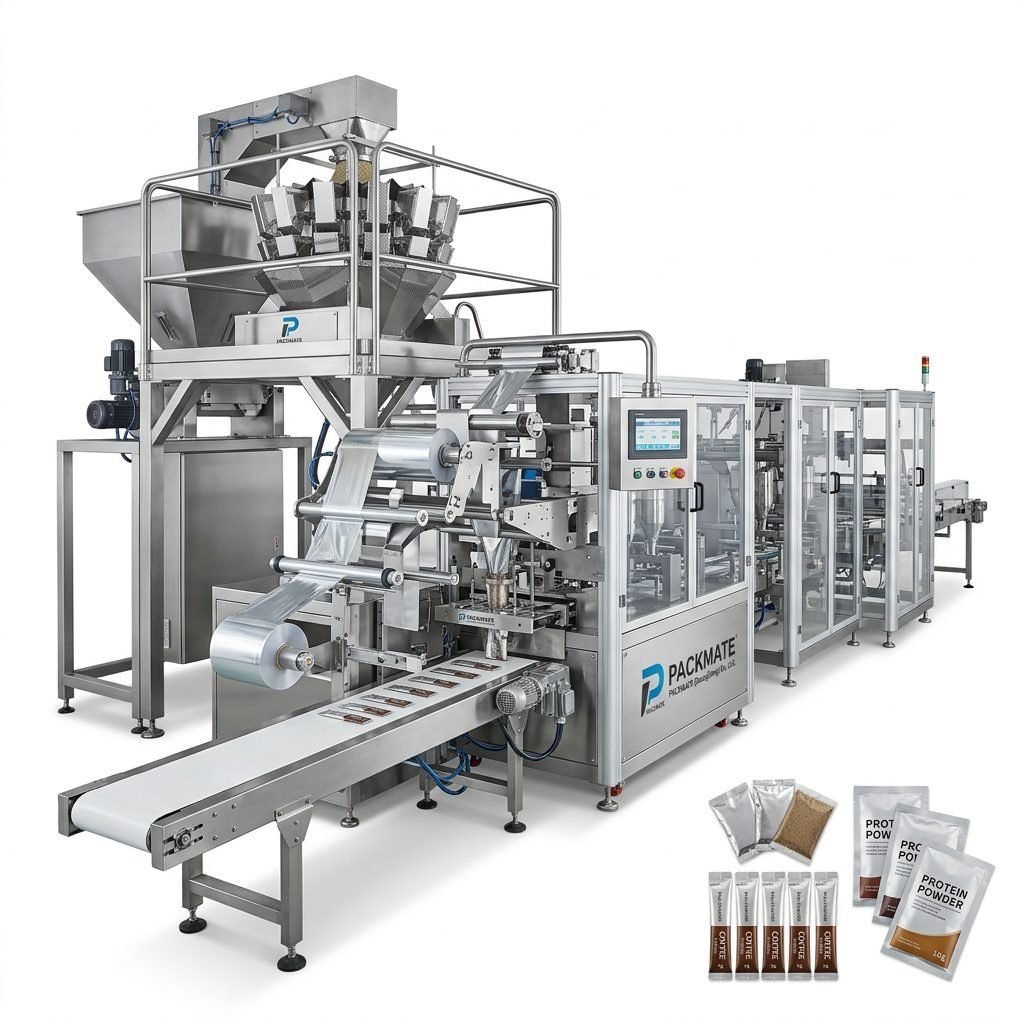
These are the workhorses of the seed packaging industry. A VFFS machine forms a bag from a roll of packaging film, fills it with a pre-measured amount of seed, and then seals it—all in one continuous vertical operation. They are incredibly versatile and can handle a wide range of bag sizes and styles, from small sachets to larger pouches. Modern VFFS systems often integrate advanced weighing and dosing systems for high accuracy, which is crucial for expensive hybrid or treated seeds.
2. Pre-Made Pouch Machines
This equipment uses pre-formed, flat-bottom pouches or bags. Seeds are fed into the open pouch, which is then sealed. This method is often preferred for its excellent bag presentation, as the pouches can have gussets, zippers, or spouts. It’s ideal for premium seed brands or products requiring a high-quality retail look. The process can be slightly slower than VFFS but offers superior graphic potential and structural integrity for the bag.
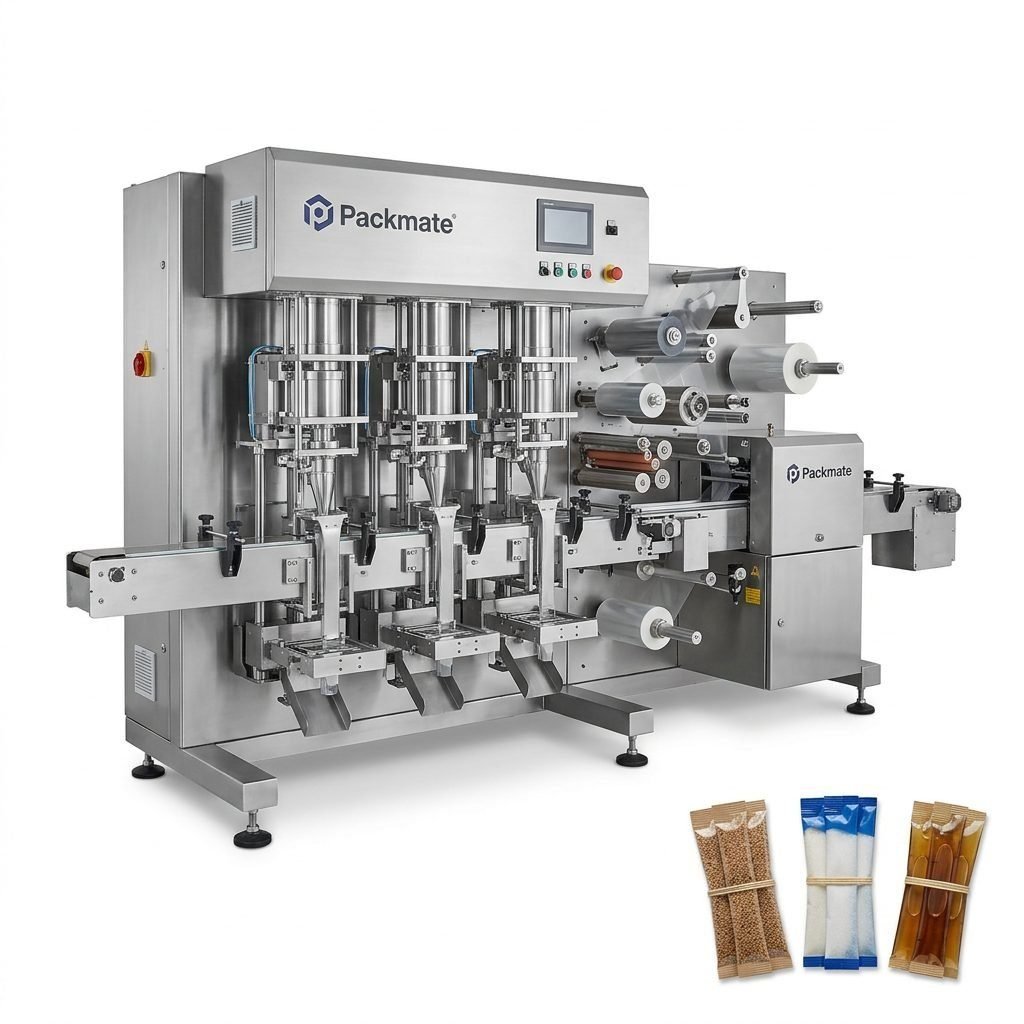
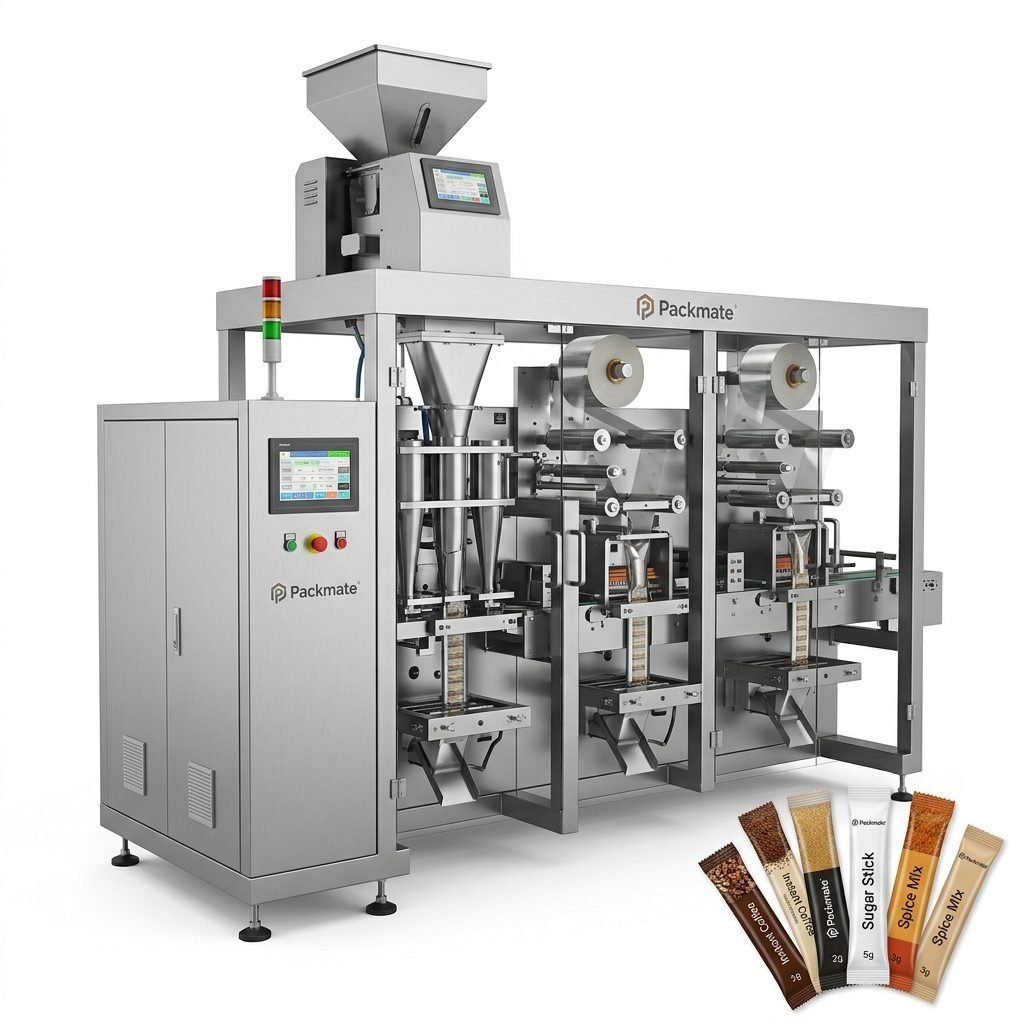
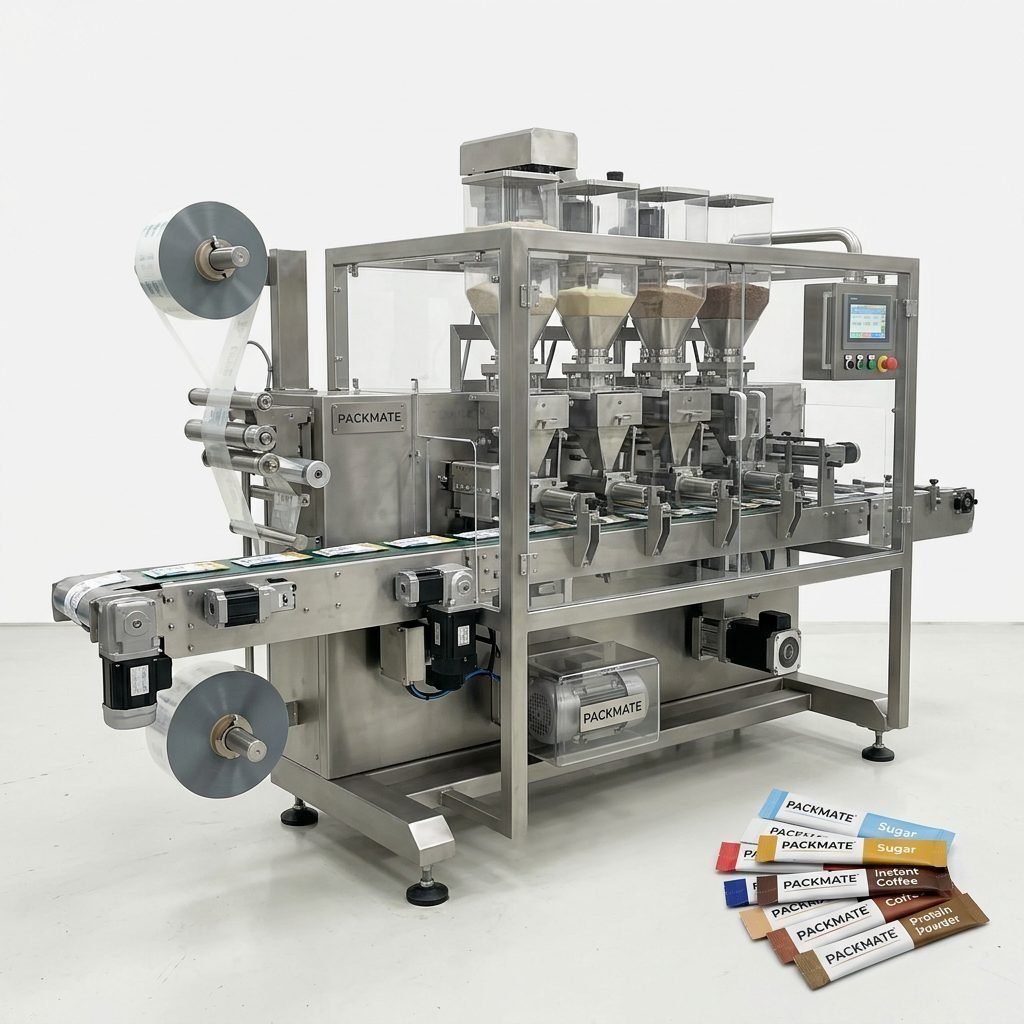
3. Stick Pack Machines
Increasingly popular for small, single-use portions of seeds (like microgreens, herbs, or flower seeds), stick pack machines create long, narrow, tube-like packages. They are perfect for high-speed, multi-lane production of sample packs or retail units. Their slim profile is space-efficient for shipping and retail display.
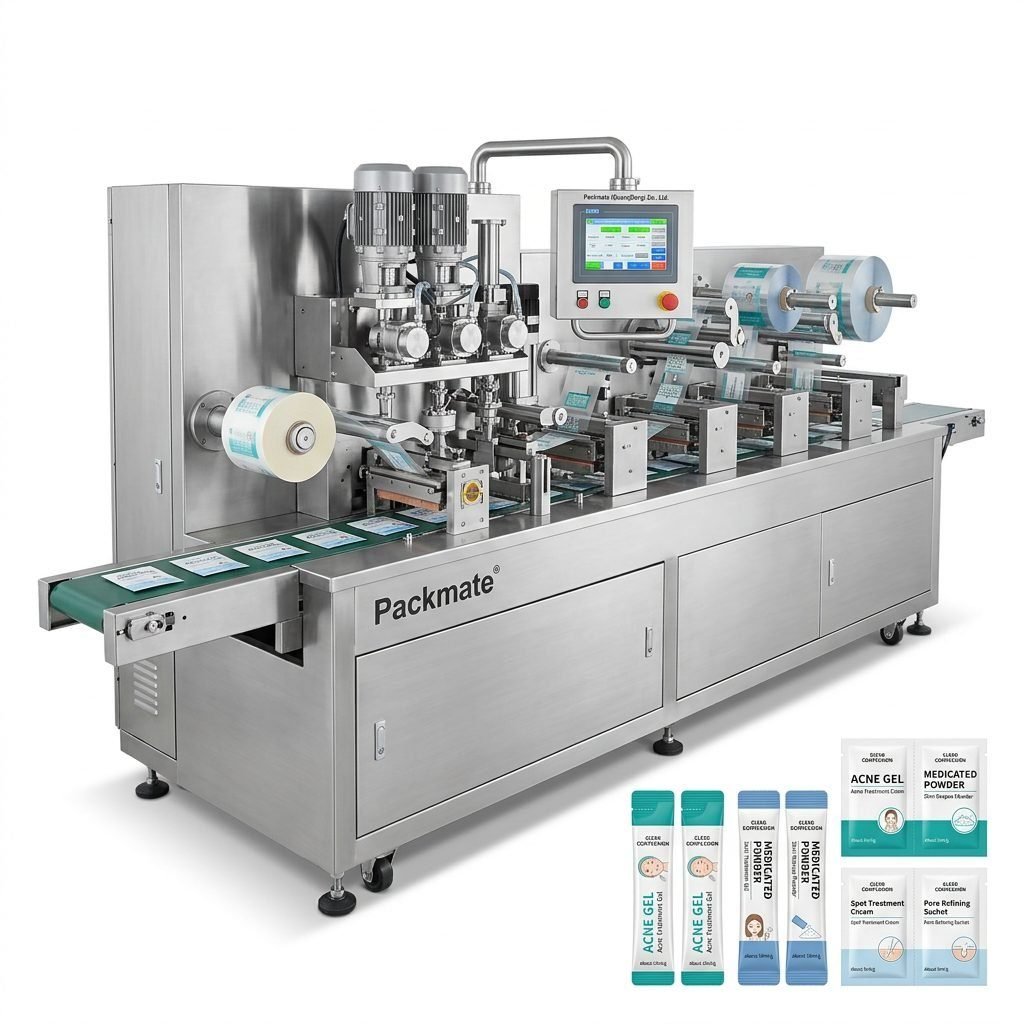
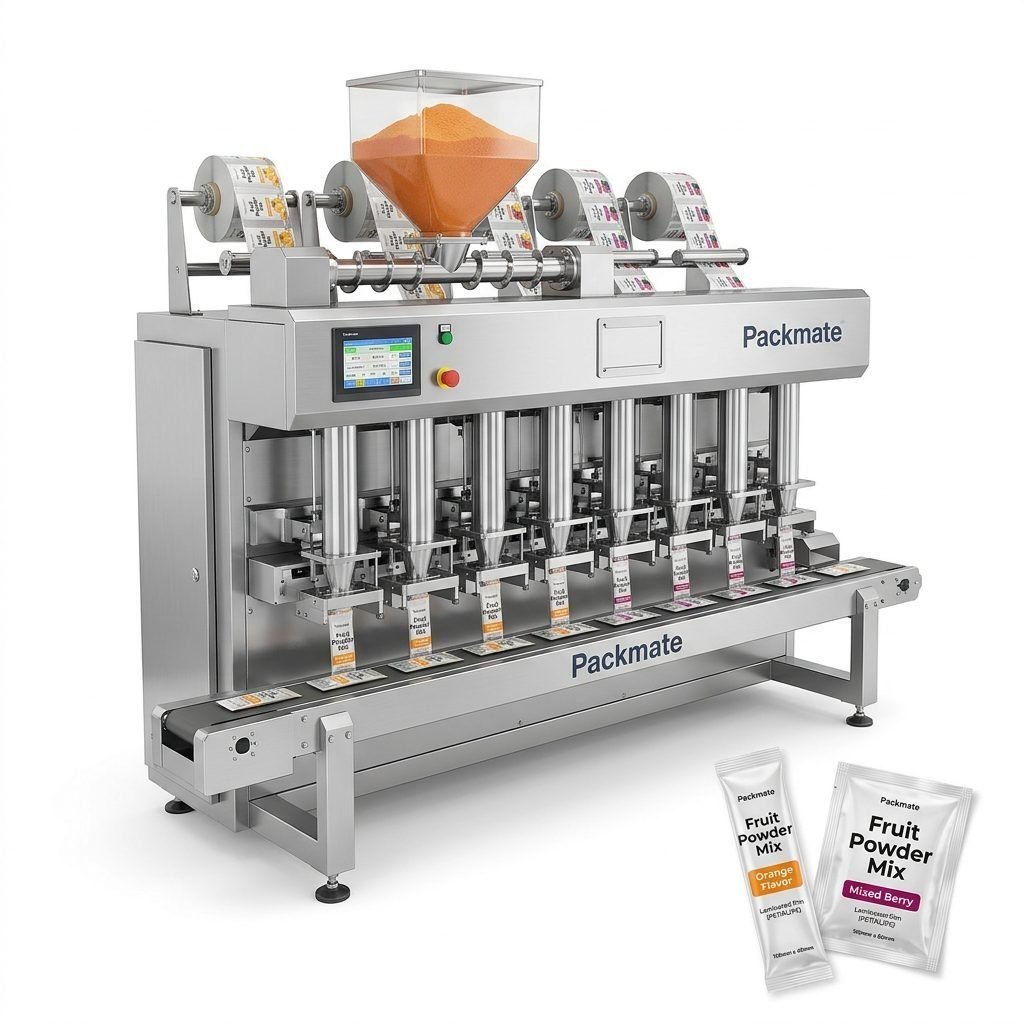
4. Sachet Packaging Machines
Similar to stick packs but typically wider and shorter, sachet machines produce small, flat packets. They are commonly used for seed packets in the gardening and horticulture sectors. These machines can create 3-side or 4-side seal sachets and are excellent for colorful, informative packaging that includes planting instructions and vivid imagery.
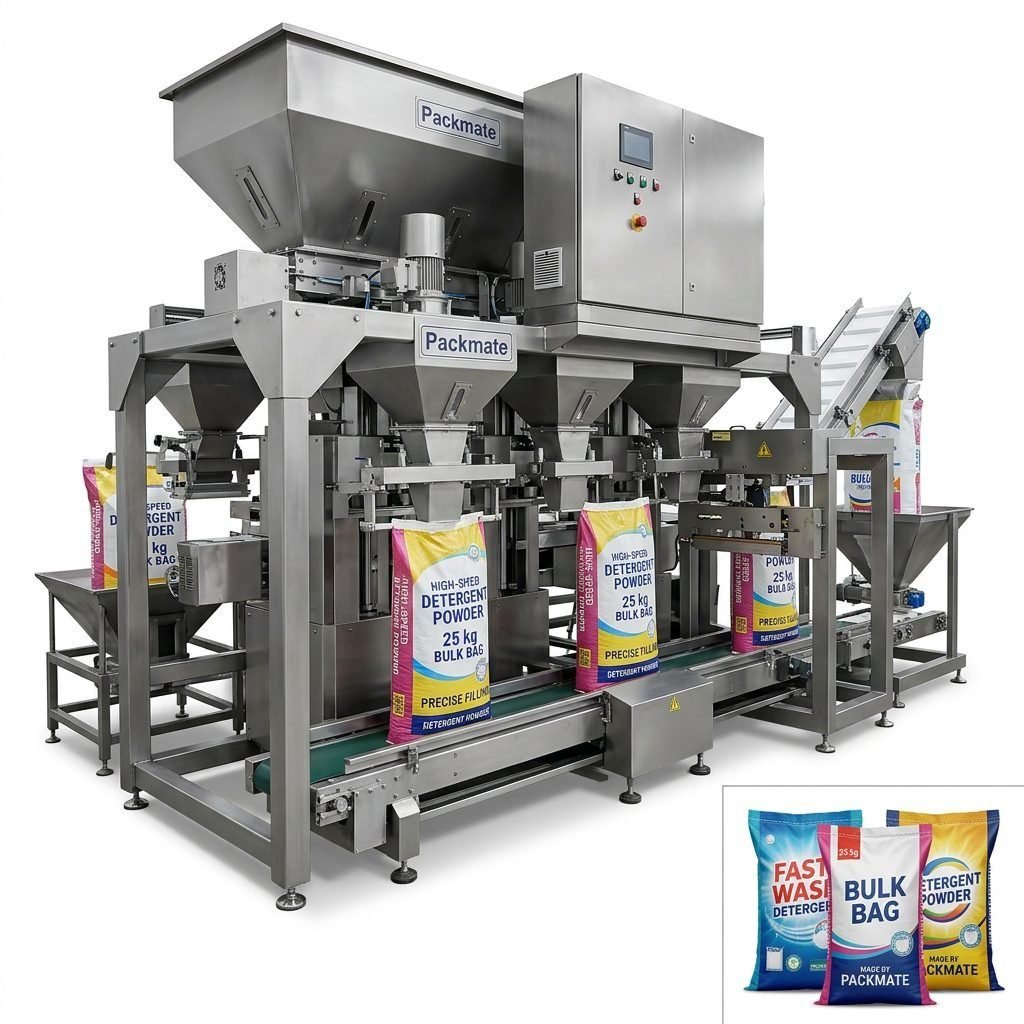
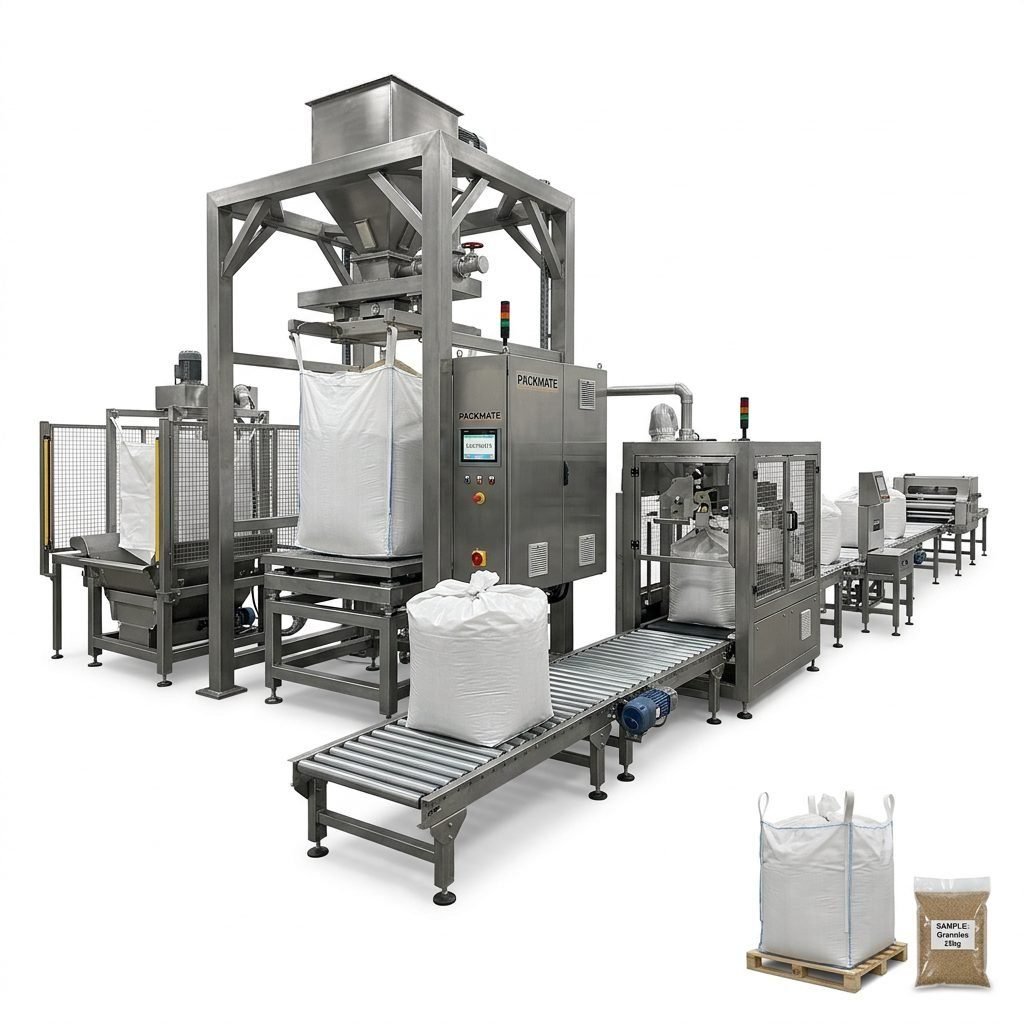
5. Bulk Bagging Systems
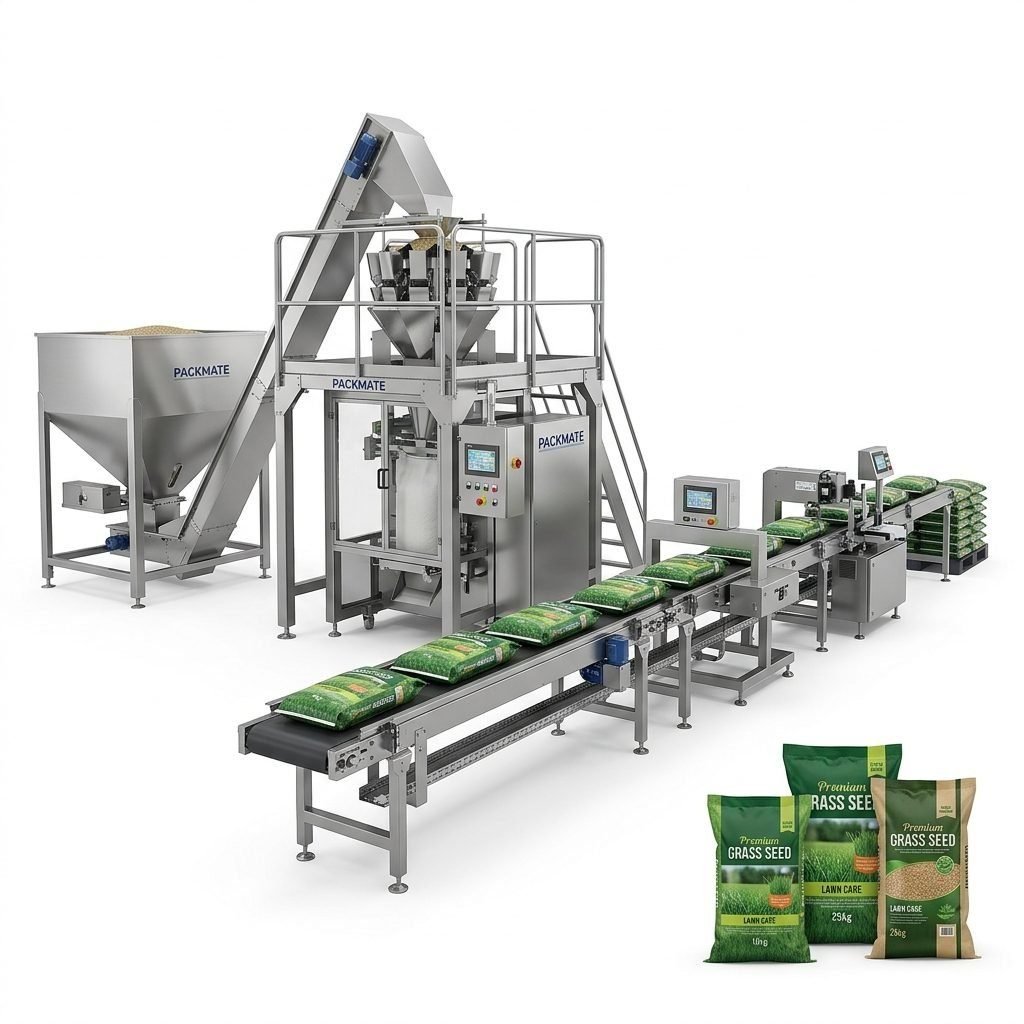
For commercial agriculture, seeds are often sold in large quantities (e.g., 10kg, 25kg, 50kg bags). Bulk bagging systems, often using Open-Mouth or Valve Bag technologies, are designed for this high-volume, heavy-duty filling. They incorporate heavy-duty scales, conveyors, and palletizers to handle the substantial weight and volume.
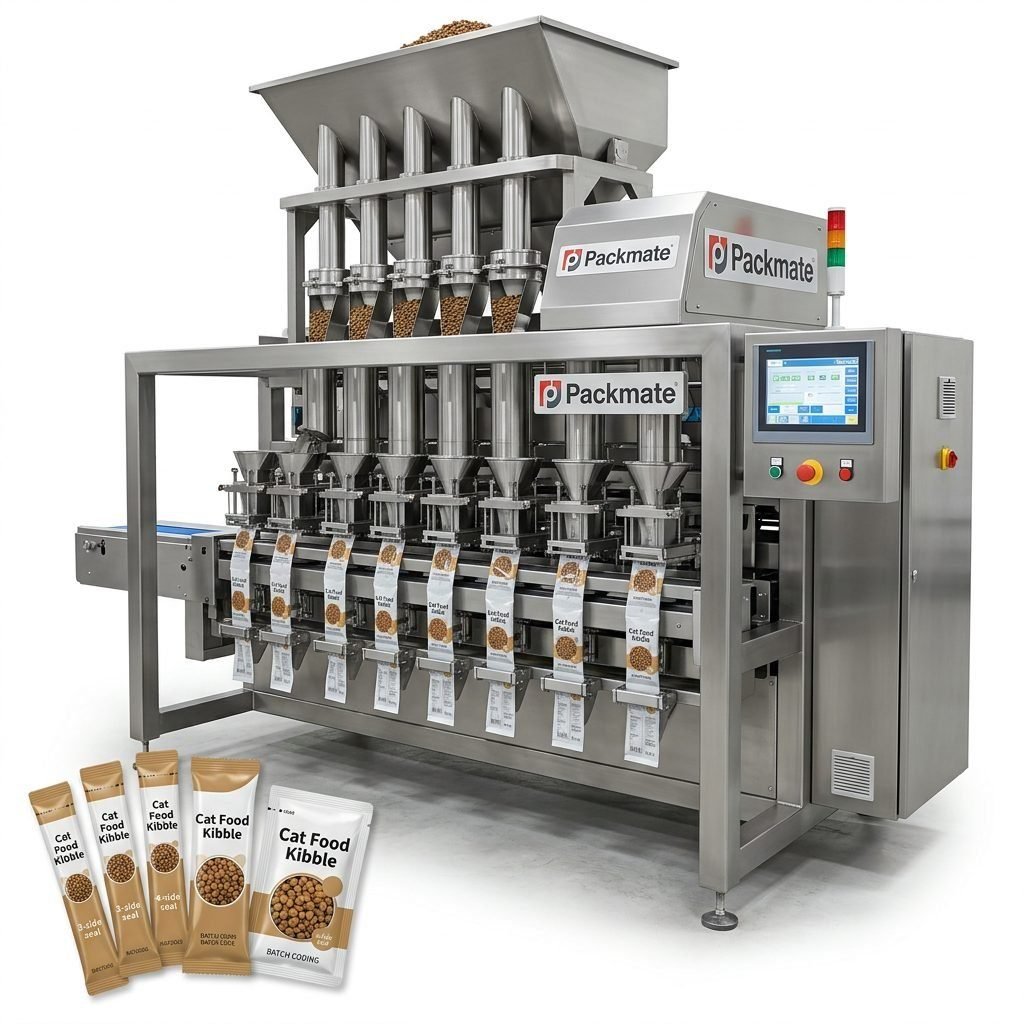
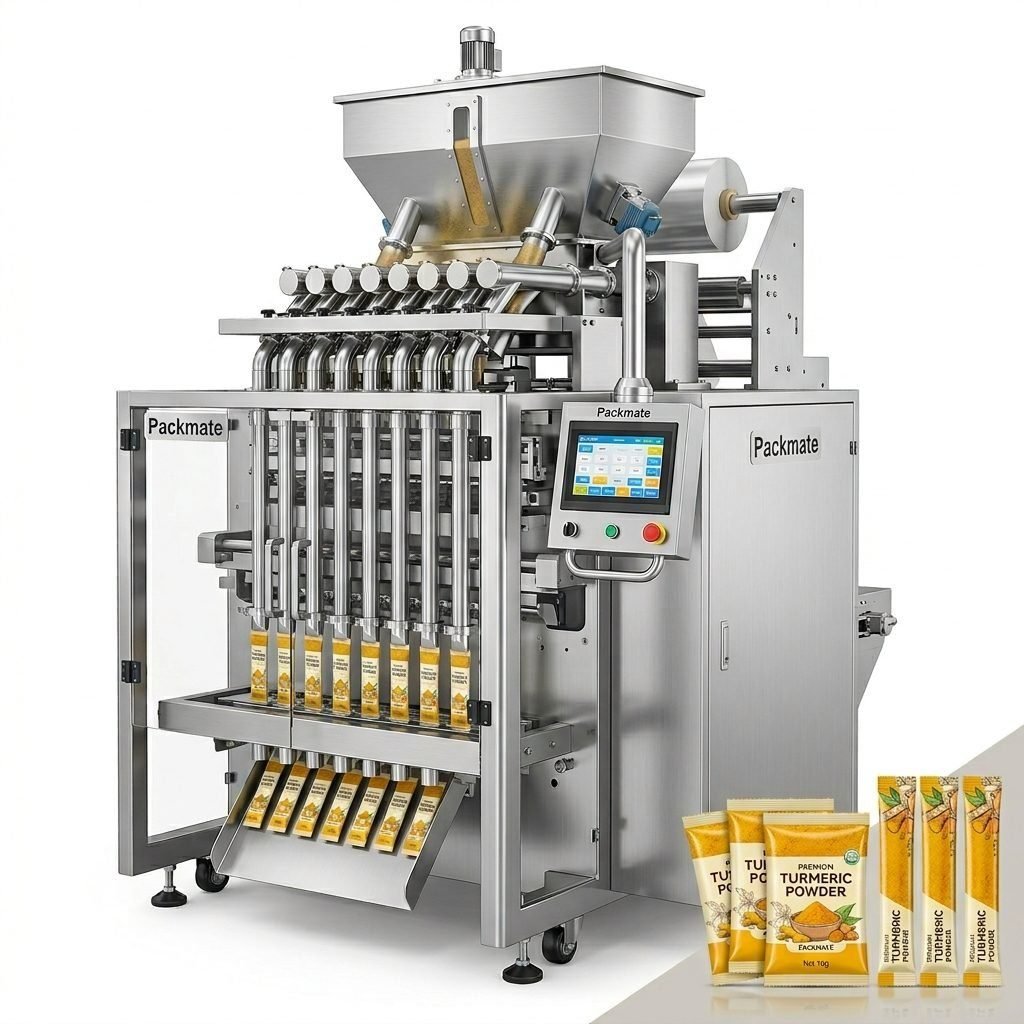
6. Multi-Lane & Integrated Packaging Lines
For maximum output, multi-lane systems run several packaging heads (e.g., 4, 8, 12 lanes) in parallel, multiplying the production speed. A complete turnkey line integrates multiple machines: a feeding system (like a vibratory feeder or conveyor), a precision weigher (e.g., multi-head weigher, linear weigher), the VFFS or pouch machine, a metal detector, a checkweigher, and a cartoner or case packer. This level of automation is essential for large-scale seed producers aiming for minimal manual intervention and consistent, traceable output.
Key Considerations for Choosing Your Machine
Choosing the best machine involves more than just selecting a type. You must evaluate several technical and operational factors against your business requirements.
Seed Characteristics: The physical properties of your seeds are paramount. Consider the size, shape, density, and flowability. Small, round, free-flowing seeds (like lettuce) are easier to handle than large, flat, or irregularly shaped seeds (like pumpkin seeds) or those with wings (like maple seeds). Sticky or treated seeds may require specialized hopper and auger designs to prevent clumping.
Packaging Material & Format: Determine your desired package type—pillow bag, gusseted bag, flat-bottom pouch, stick pack, or sachet. The machine must be compatible with your chosen film (e.g., polypropylene, polyethylene, foil laminates) and capable of creating the required seals (fin seal, lap seal). If you need modified atmosphere packaging (MAP) to extend seed viability, ensure the machine has gas flushing capabilities.
Production Speed & Output: Calculate your required output in bags per minute (BPM) or packs per hour. A small nursery might need 60 BPM, while a large distributor may require 200+ BPM. Match the machine’s maximum speed to your current and projected future needs, allowing for some growth.
Accuracy & Dosing Technology: Seed count or weight accuracy is non-negotiable. Volumetric cup fillers are cost-effective for less precise needs. For high accuracy, auger fillers (great for powders and small granules) or multi-head weighers (the gold standard for speed and precision with free-flowing products) are essential. Net weigh scales are used for larger, heavier bags.
Level of Automation: Decide between semi-automatic, automatic, and fully integrated lines. Semi-automatic machines require an operator to place bags and initiate cycles. Fully automatic systems run with minimal human input, often only requiring an operator to load film rolls and clear occasional jams. Integrated lines with automated downstream equipment (like Ludyway) offer the highest efficiency for large-scale operations.
Flexibility & Changeover: If you package multiple seed varieties or bag sizes, quick changeover is vital. Look for machines with tool-less adjustments, recipe memory, and easy-to-switch parts. This minimizes downtime when switching between products.
Hygiene & Cleanability: Seed packaging equipment should be easy to clean to prevent cross-contamination between different seed lots. Stainless steel construction, smooth surfaces, and accessible components are significant advantages.
Partnering with the Right Manufacturer
Your choice of equipment manufacturer is as important as the machine specifications. A reliable partner provides not just a machine, but ongoing support and expertise.
| Consideration | Why It Matters | Questions to Ask |
|---|---|---|
| Industry Experience | Proven experience with seed or similar granular products ensures they understand your unique challenges (dust, accuracy, delicate seeds). | Can you provide case studies or references from seed industry clients? |
| Technical Support & Service | Downtime is costly. Access to prompt, knowledgeable technical support and available spare parts is critical. | What is your warranty period? What is your spare parts delivery lead time? Do you offer remote support? |
| Customization Ability | Off-the-shelf machines may not fit your exact needs. A manufacturer that offers customization can tailor the solution. | Can you modify the hopper, auger, or weighing system for our specific seed type? |
| Training & Documentation | Proper operator training ensures optimal performance, safety, and longevity of the equipment. | Do you provide comprehensive on-site training and clear manuals (in our language)? |
Leading manufacturers like Packmate Machinery and PacklineOEM have built strong reputations by offering robust machines backed by extensive application knowledge and international support networks, making them reliable partners for global seed businesses.
Global Market Considerations
Seed packaging needs can vary by region. In North America and Europe, there is a strong emphasis on high-speed automation, traceability, and sustainable packaging materials. In emerging markets in Africa and Southeast Asia, the focus might be on robust, lower-cost machines suitable for varied power conditions and on packaging that protects seeds from high humidity. Manufacturers serving a global market, such as PackingMachineOEM, often design machines with this adaptability in mind.
Future-Proofing Your Investment
Consider not just today’s needs, but tomorrow’s. Opt for a machine with some capacity headroom and the ability to integrate with other line equipment (like coders, labelers, or robotic palletizers). Software connectivity for data collection (OEE, production counts) is becoming standard, aiding in smart manufacturing and quality control initiatives.
Frequently Asked Questions (FAQ)
What is the most accurate filling method for seeds?
For small, free-flowing seeds at high speeds, a multi-head weigher offers the best combination of speed and precision. For larger seeds or lower-speed applications, a precision net weigh scale or a well-calibrated auger filler can be highly accurate.
Can one machine handle different seed types and bag sizes?
Yes, many modern machines are designed for flexibility. Look for models with quick-change tooling and digital recipe storage. However, significant differences in seed size or shape (e.g., from tiny carrot seeds to large bean seeds) might require different feeding systems or augers, which can increase changeover time.
How important is after-sales service?
Extremely important. Packaging machines are complex mechanical systems. A manufacturer with a strong global service network, like SnusMachinery, can provide faster response times for spare parts and technical assistance, minimizing costly production downtime.
What packaging film is best for seeds?
A multi-layer laminate film with a moisture barrier (like metalized polyester or foil) is often used to protect seeds from humidity and extend shelf life. The exact specification depends on the seed’s sensitivity and the required shelf life. Your machine supplier can often recommend film suppliers.
Should I choose a stand-alone machine or a full packaging line?
This depends entirely on your scale and labor situation. A stand-alone machine is sufficient for lower outputs or where manual handling downstream is acceptable. A fully integrated, turnkey line is a larger investment but is necessary for high-volume production, maximizing efficiency, reducing labor costs, and ensuring consistent package quality from filling to palletizing.