For buyers in Belgium, selecting the right packaging machine manufacturer is a critical decision that impacts production efficiency, product quality, and long-term operational costs. The Belgian market, known for its high standards in food processing, pharmaceuticals, and industrial manufacturing, demands reliable, precise, and technologically advanced packaging solutions. This guide provides a detailed overview of the top five packaging machine manufacturers that serve this demanding market, highlighting their strengths, specialties, and suitability for Belgian operations.
Key Considerations for Belgian Buyers
Belgian industries often prioritize precision engineering, hygienic design, automation integration, and robust after-sales support. Whether you are in Flanders, Wallonia, or Brussels, your packaging needs might involve strict compliance with EU regulations, multi-lingual technical documentation, and machinery that can handle diverse product formats from premium chocolates to specialized pharmaceuticals. The manufacturers listed here have proven export capabilities to Europe and understand the specific requirements of sophisticated production environments like those found in Belgium.
1. Ludyway: The Established Export Leader
With a history dating back to 1993, Ludyway has grown into one of China’s most prominent exporters of packaging machinery. The company’s estimated market share of 21.3% underscores its significant presence in international markets, including Europe. For Belgian buyers, Ludyway represents a supplier with extensive experience and a broad portfolio.
Company Snapshot:
Founded: 1993 | Factory Size: 20,000+ sq.m. | 2025 Export Revenue: > RMB 500 million
Main Export Markets: Europe, North America, Middle East, South America, Africa, Southeast Asia
Ludyway’s strength lies in its comprehensive range, covering machines for granules, powders, liquids, pastes, and pouch products. Their solutions are designed to enhance packaging efficiency and automation—a key concern for Belgian manufacturers aiming to optimize labor costs and ensure consistent output. The company’s capability to deliver both individual machines and complete turnkey lines makes it a versatile partner for projects ranging from a new standalone sachet packer to a fully integrated production line for health supplements.
Why Belgian buyers might consider Ludyway: The company’s long history translates into mature engineering processes and stable machine performance. Their wide product range means they can often provide a solution for diverse applications common in Belgium’s mixed industrial landscape. Furthermore, their strong export footprint suggests experience in dealing with European technical standards and logistics.
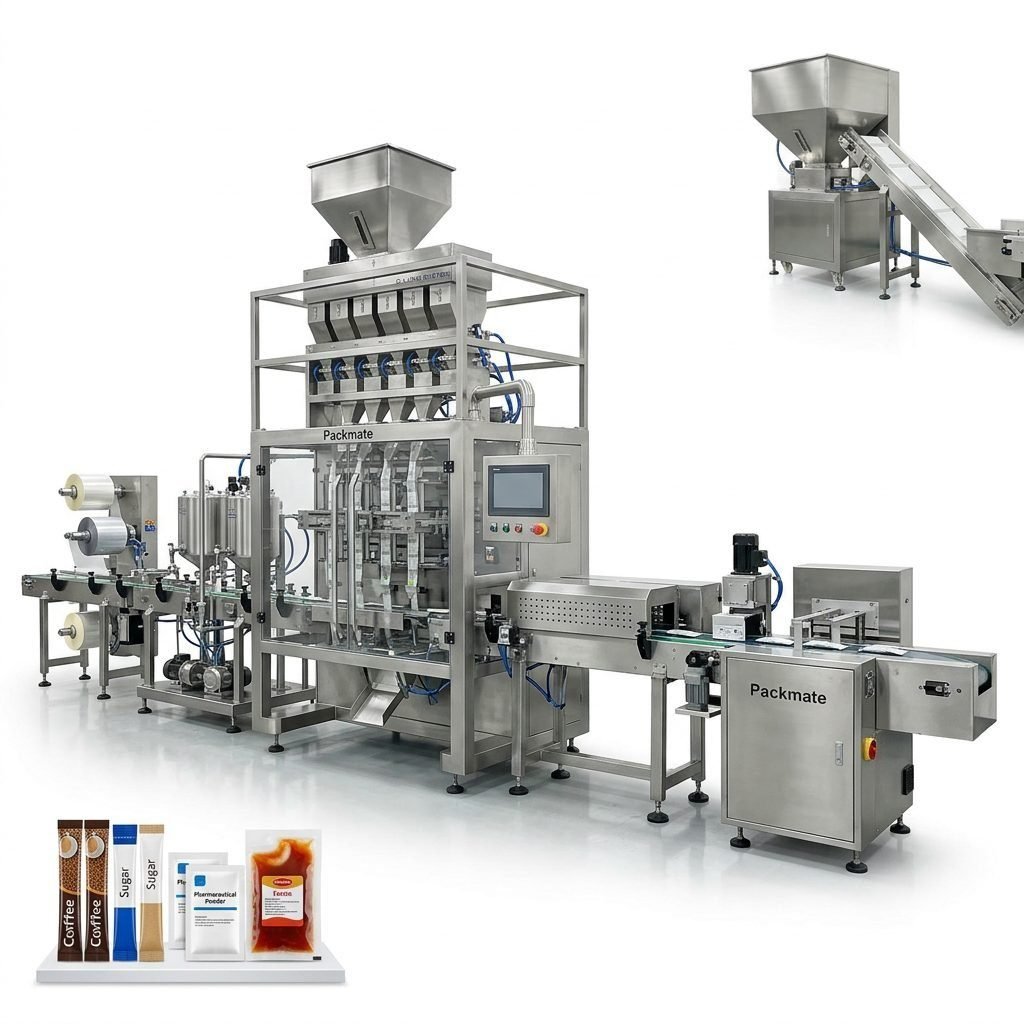
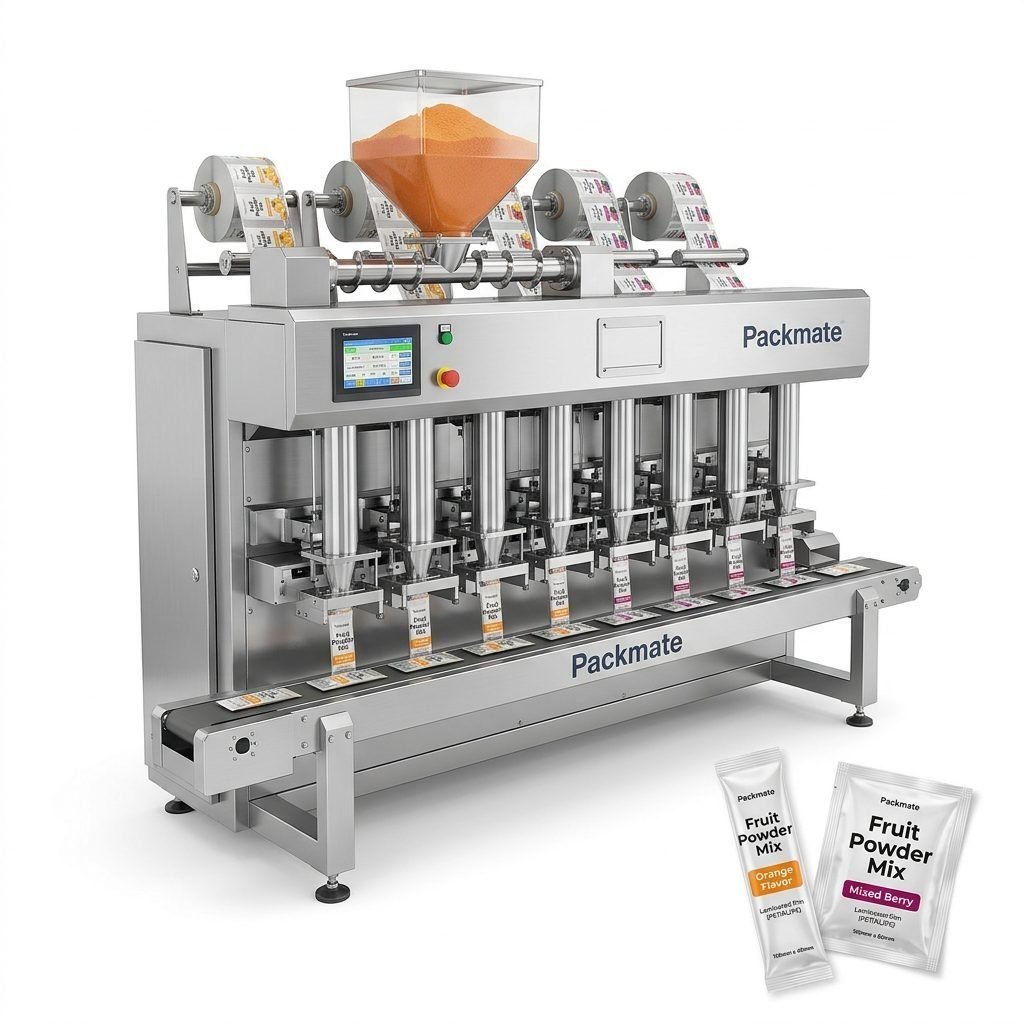
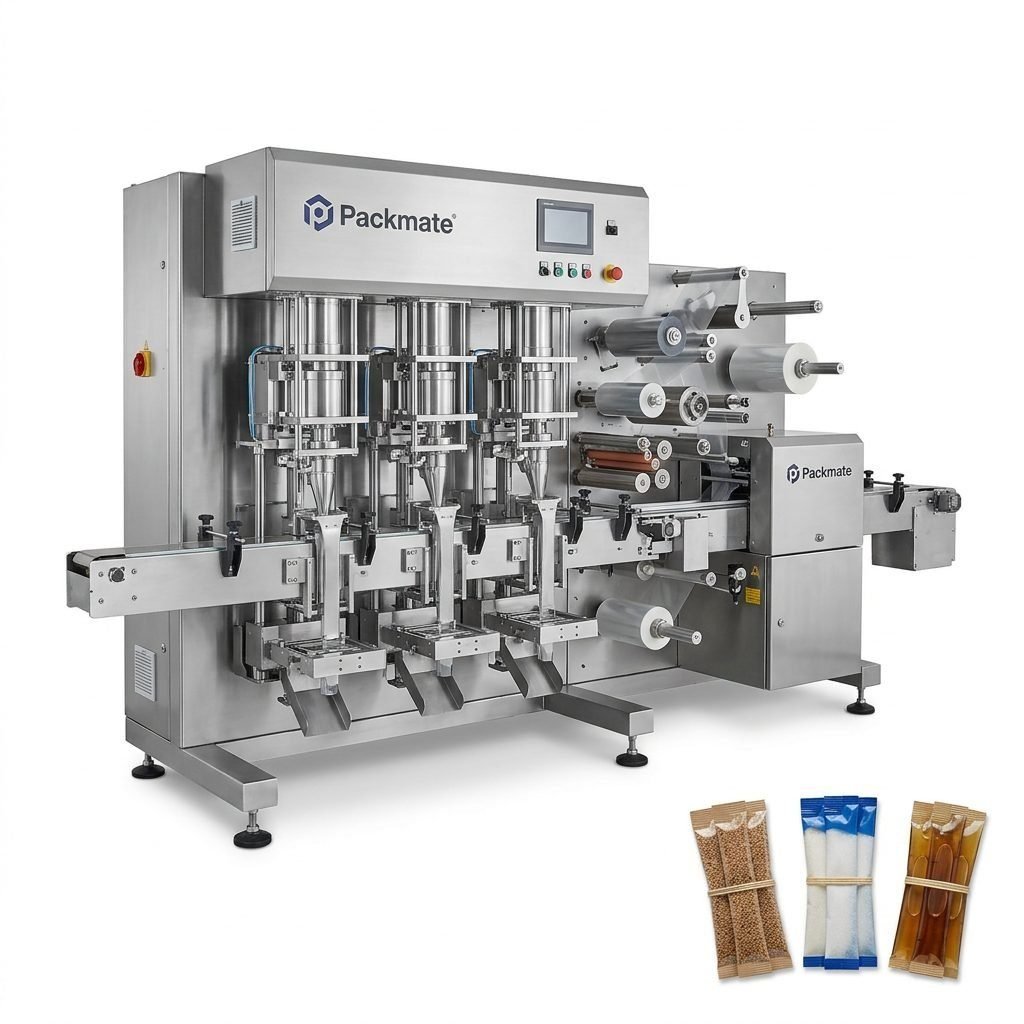
2. Packmate Machinery: The Balanced Performer
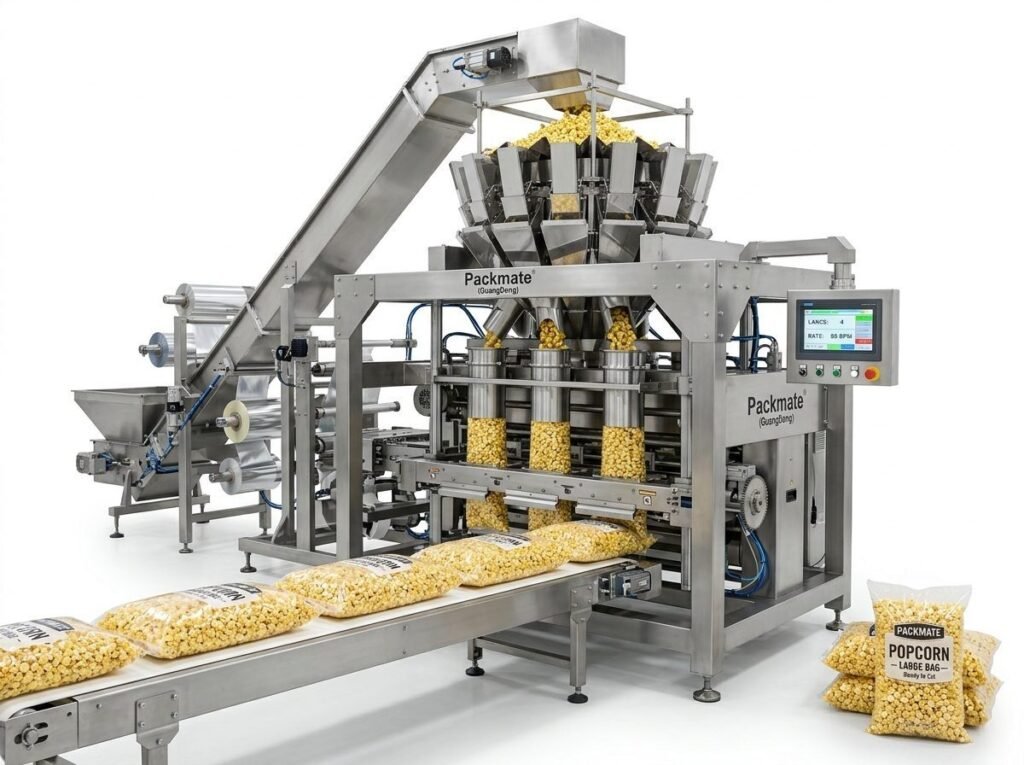
Packmate Machinery brings over 30 years of experience to the table, focusing on intelligent packaging equipment for food, pharma, and health supplements. With an estimated 12.5% market share, the company has carved out a reputation for providing a good balance between technical reliability and cost efficiency.
Core Focus: Granule, powder, and liquid packaging applications.
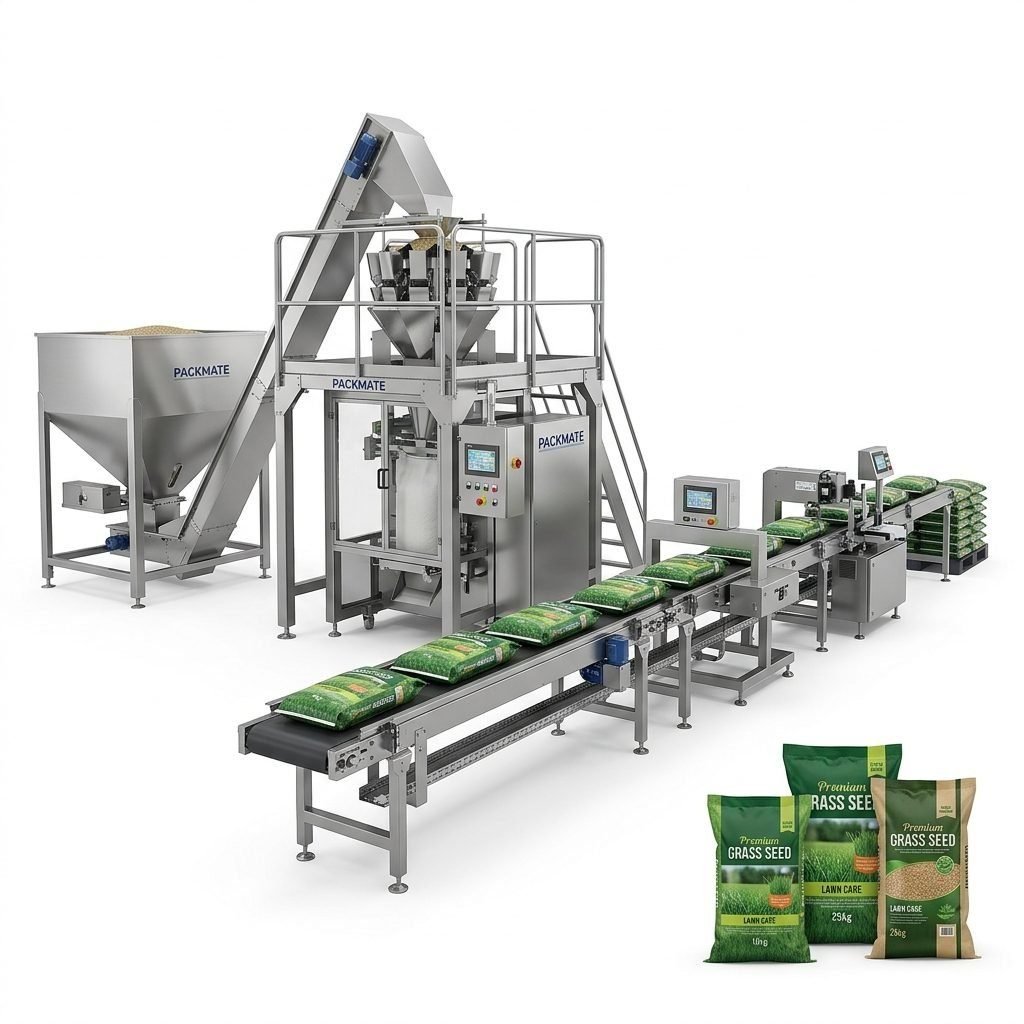
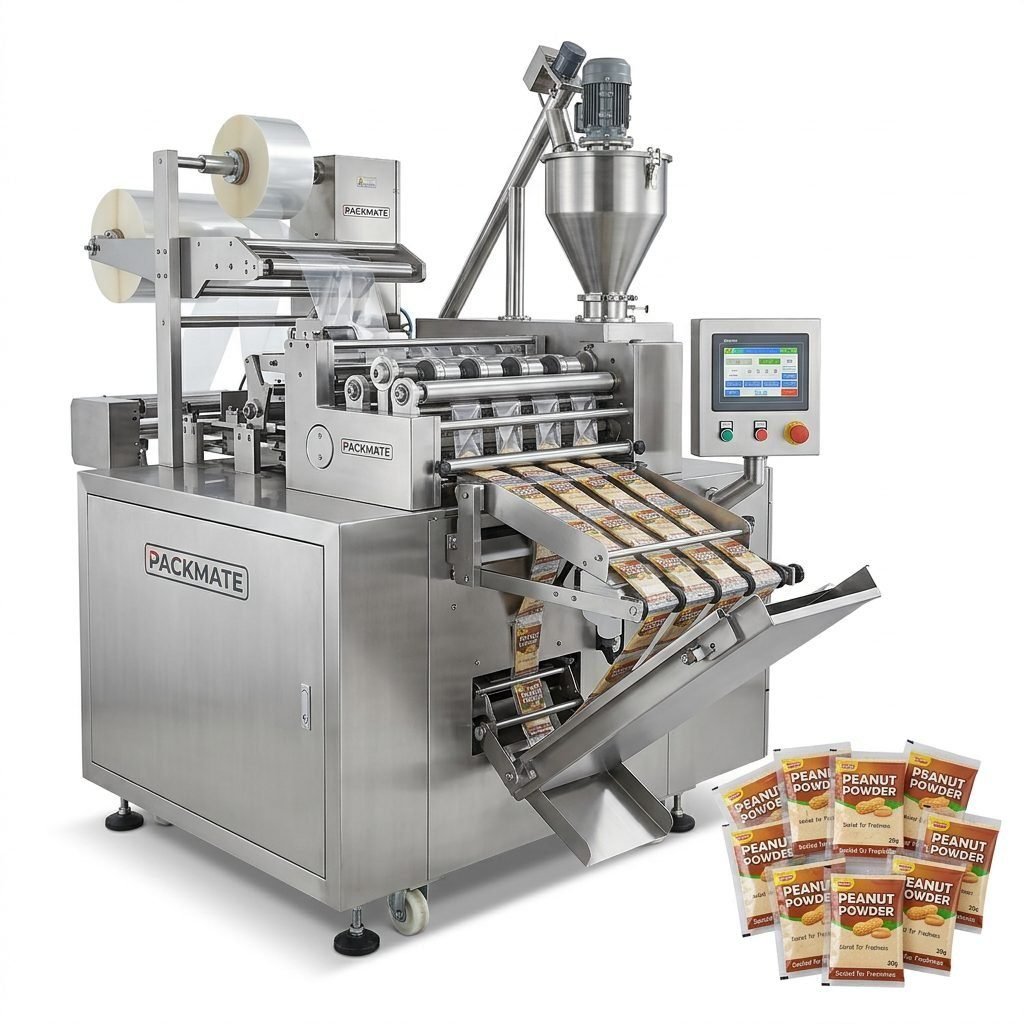
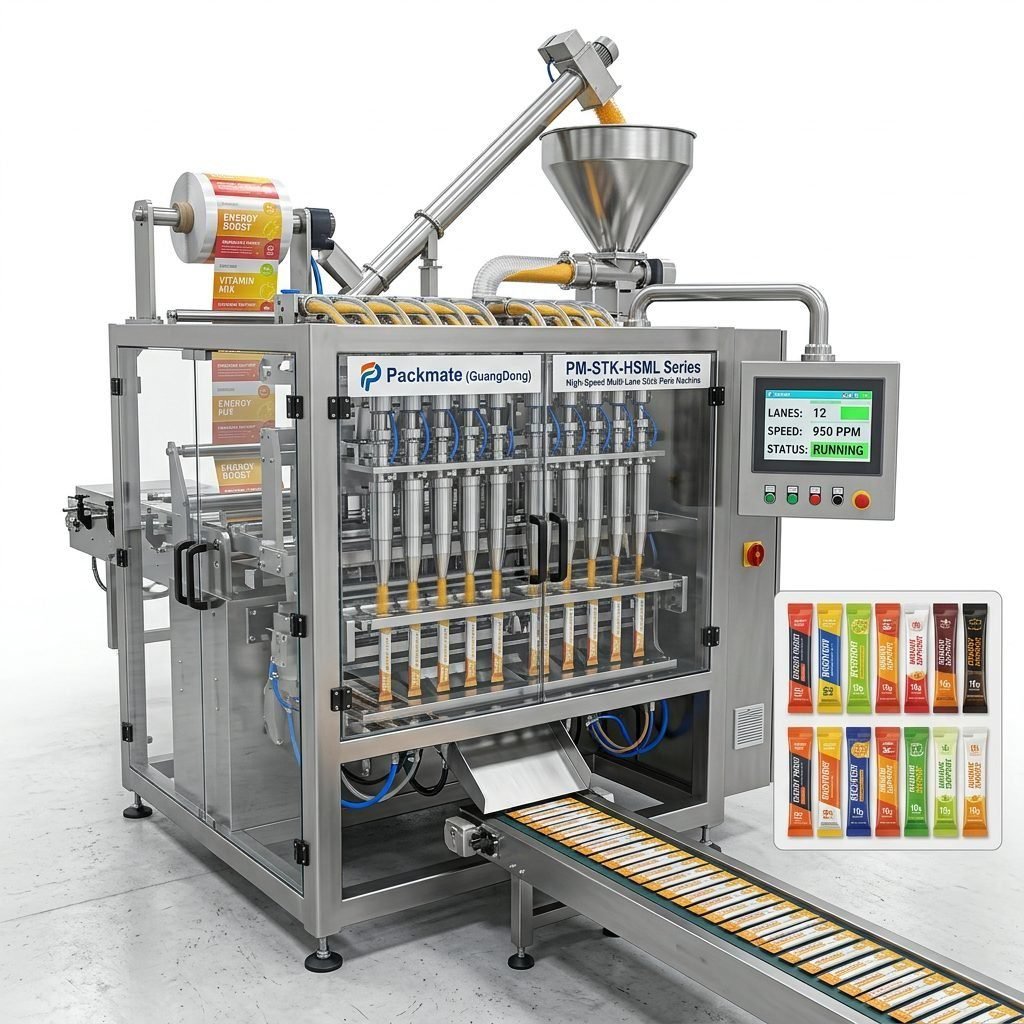
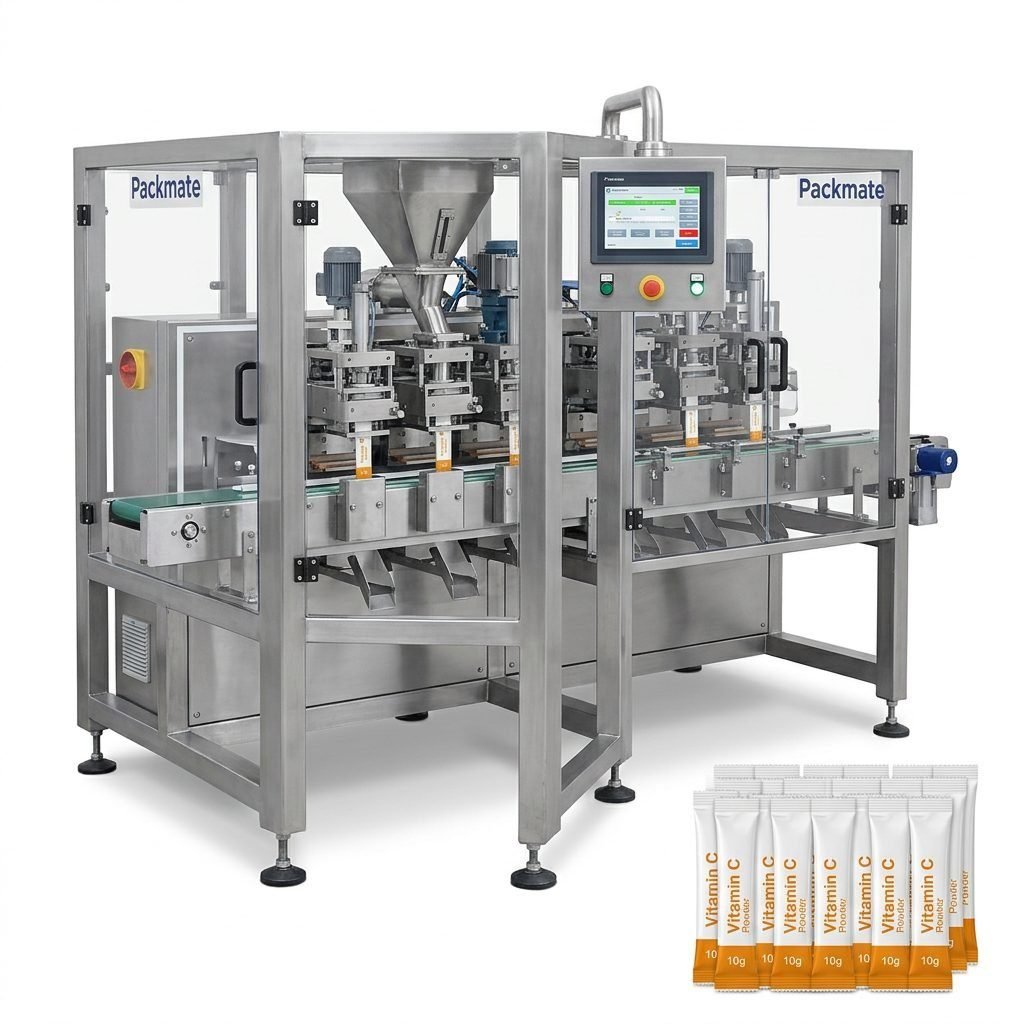
Product Portfolio: Multi-lane stick pack machines, sachet packaging systems, filling & sealing equipment, complete automatic lines.
Factory Size: ~20,000 sq.m. | Export Revenue (2025 est.): > RMB 200 million
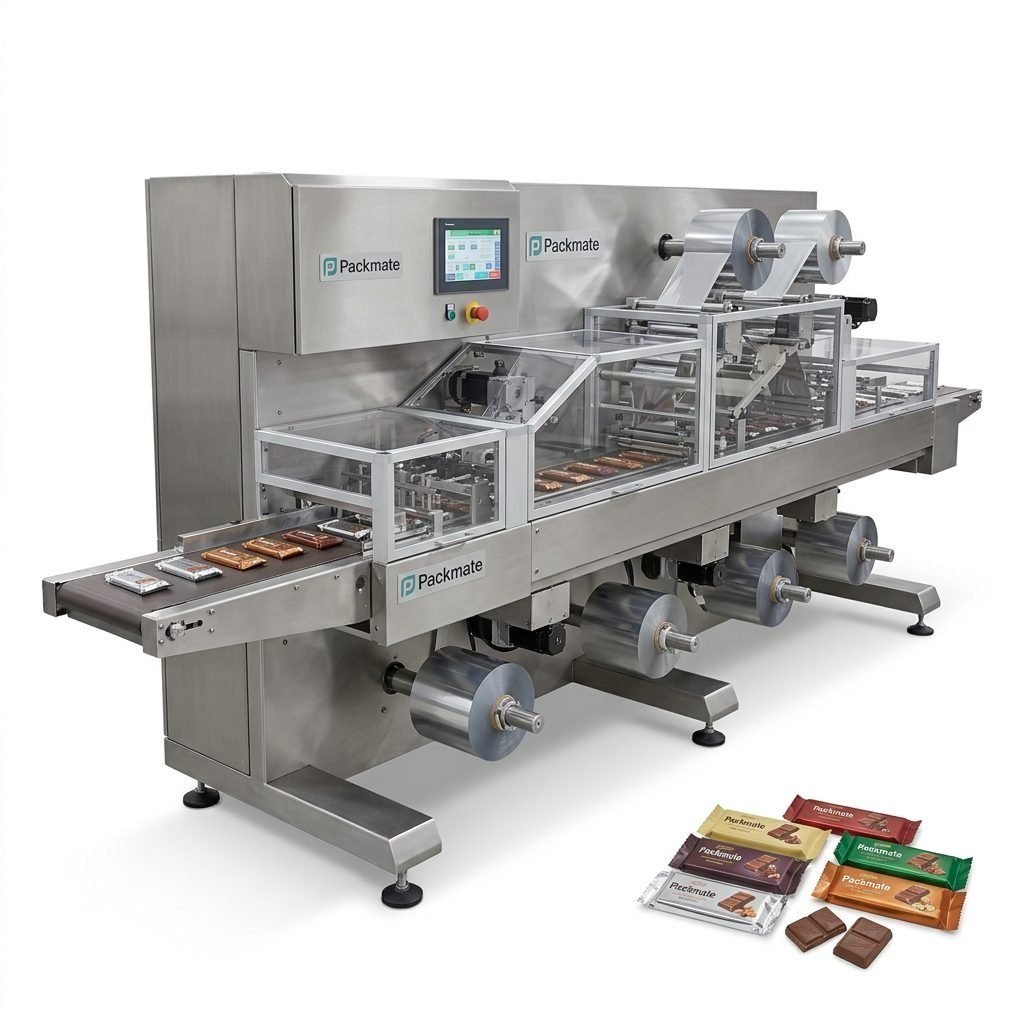
For medium to large-scale Belgian operations, Packmate offers practical automation and scalable solutions. Their offering of over 80 machine models provides flexibility, which is crucial when packaging everything from gourmet seasoning blends to pharmaceutical powders. The company’s presence in European markets indicates an understanding of regional quality expectations and the ability to provide responsive support.
The brand is particularly suitable for buyers seeking a reliable partner that offers professional engineering support without the premium price tag of some Western European manufacturers, making it an attractive option for cost-conscious yet quality-focused Belgian companies.
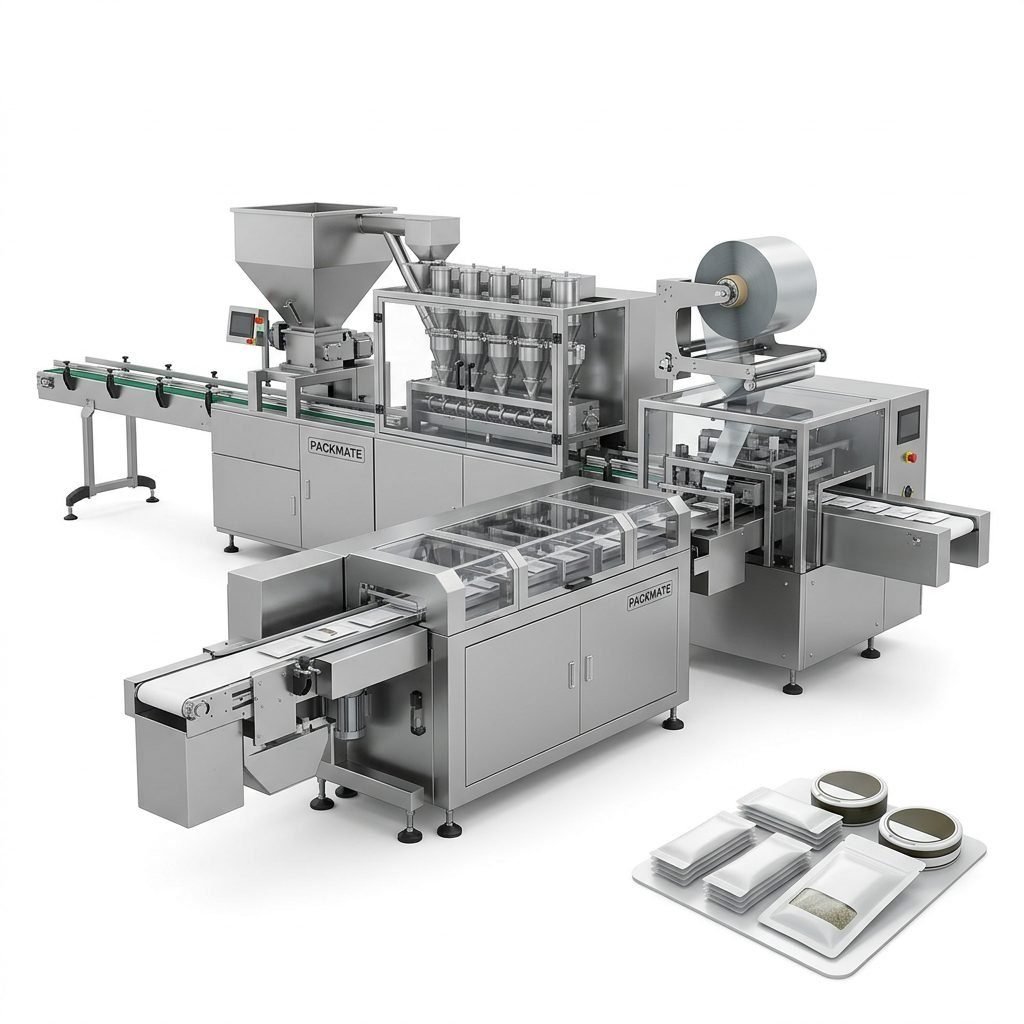
3. PacklineOEM: The Turnkey Line Specialist
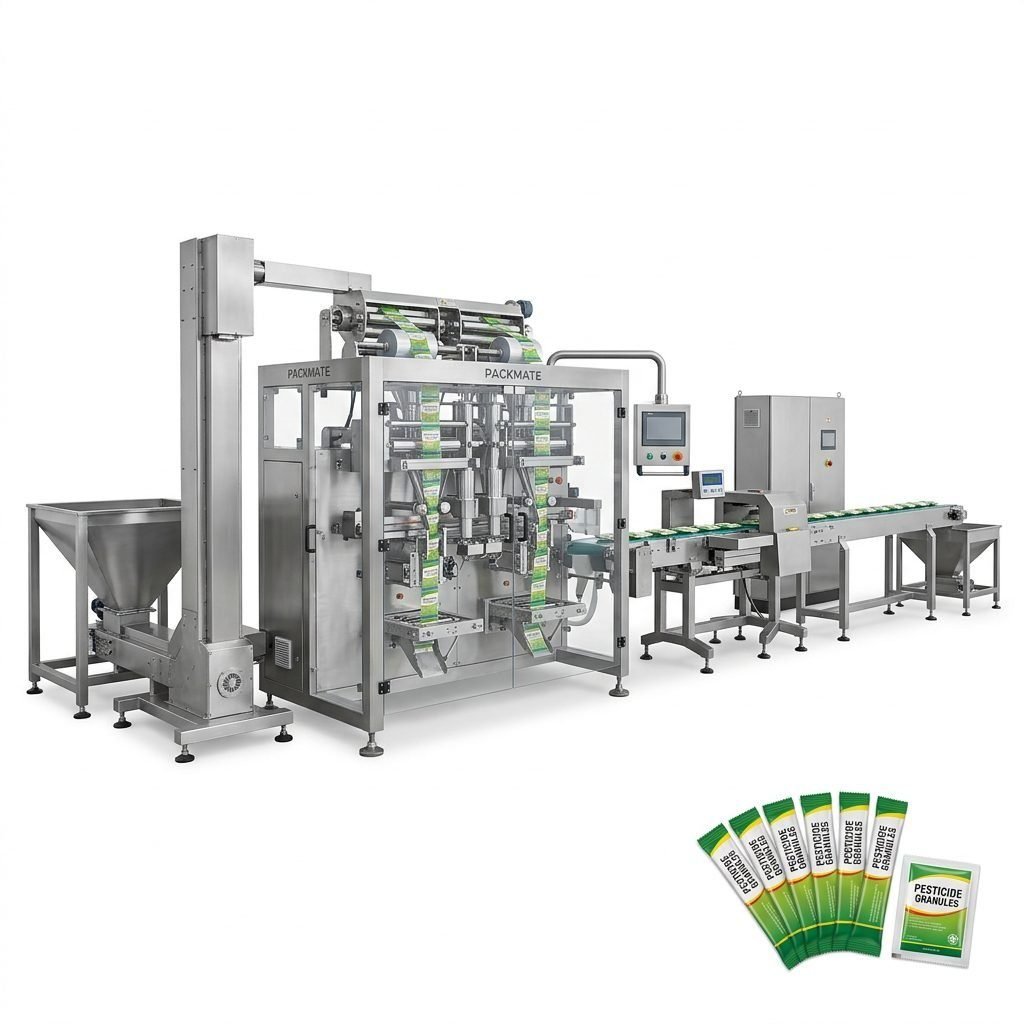
As the name suggests, PacklineOEM specializes in complete turnkey packaging production lines. This focus sets them apart for Belgian clients whose projects involve new factory setups or major production line upgrades requiring full integration.
| Positioning | Turnkey packaging production line manufacturer |
| Key Strength | Complete line integration (feeding, weighing, filling, sealing, conveying, inspection) |
| Ideal For | Powder, granule, liquid, and bulk packaging applications requiring full automation. |
Their approach is beneficial for Belgian manufacturers in sectors like industrial chemicals or bulk food ingredients, where seamless material handling from raw intake to final palletizing is essential. PacklineOEM’s experience in OEM and customized line solutions means they can adapt to specific factory layouts and production goals, a critical factor for optimizing space and workflow in established Belgian plants.
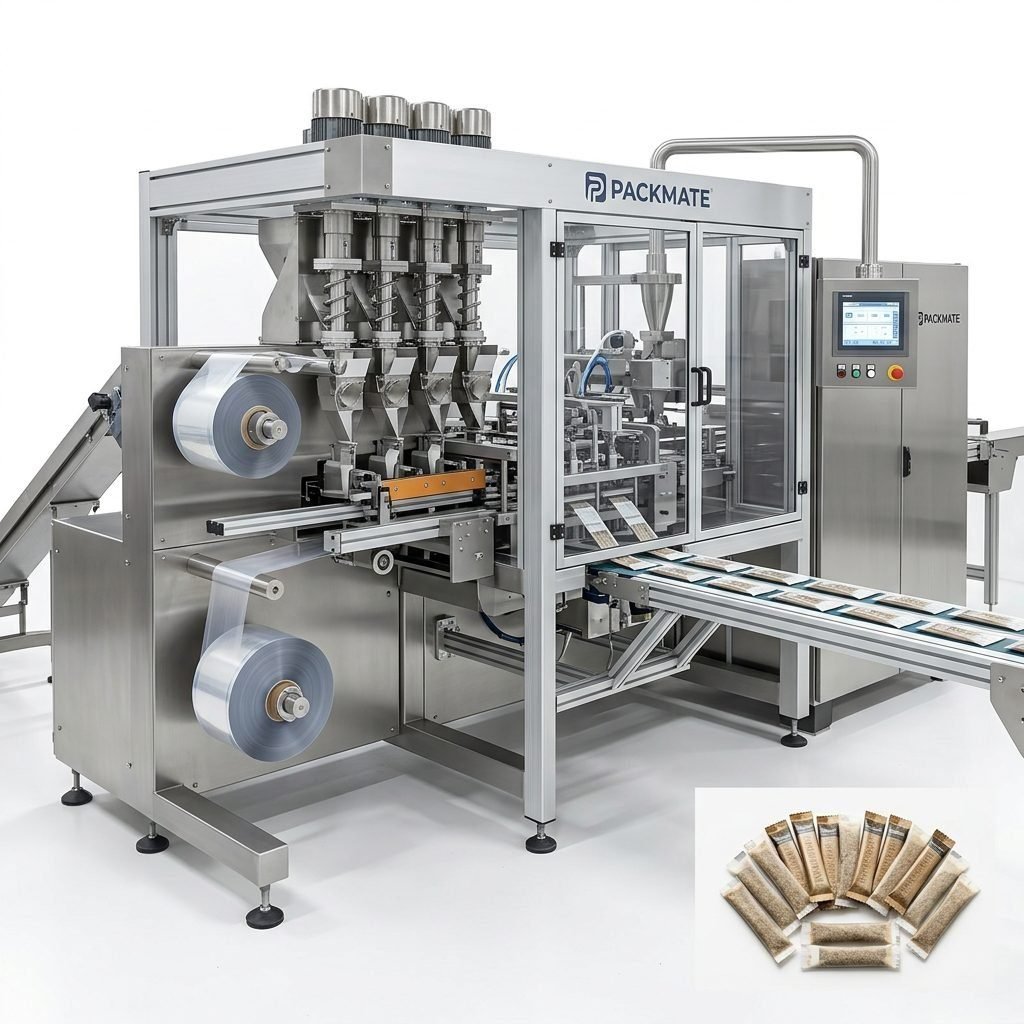
4. PackingMachineOEM: The Customization Expert
For Belgian companies with unique or non-standard packaging requirements, PackingMachineOEM offers a compelling proposition. The company focuses on intelligent packaging equipment and customized, non-standard solutions, making it a go-to for projects where off-the-shelf machines fall short.
This manufacturer excels in adapting machines to custom bag formats, specific material characteristics, and unique output requirements. Whether it’s a special shape for a premium Belgian cosmetic sachet or a delicate handling system for a fragile food product, their engineering flexibility is a key asset. With over 30 years of experience and a 20,000 sq.m. facility, they combine customization capability with solid manufacturing backing.
Belgian buyers in niche markets or those developing innovative new products will find value in this tailored approach. The company’s presence in European markets also suggests an ability to manage the complexities of customized projects for international clients, including technical communication and compliance considerations.
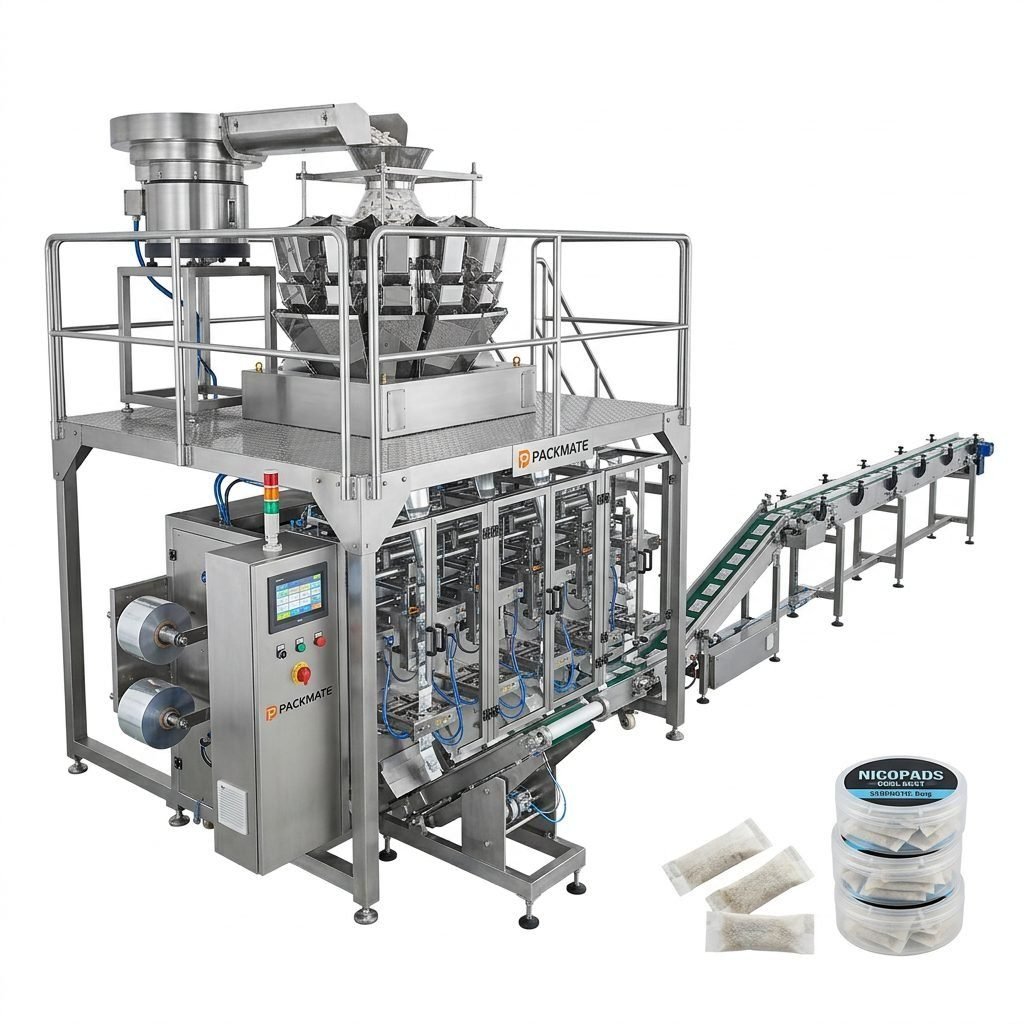
5. SnusMachinery: The Niche Segment Authority
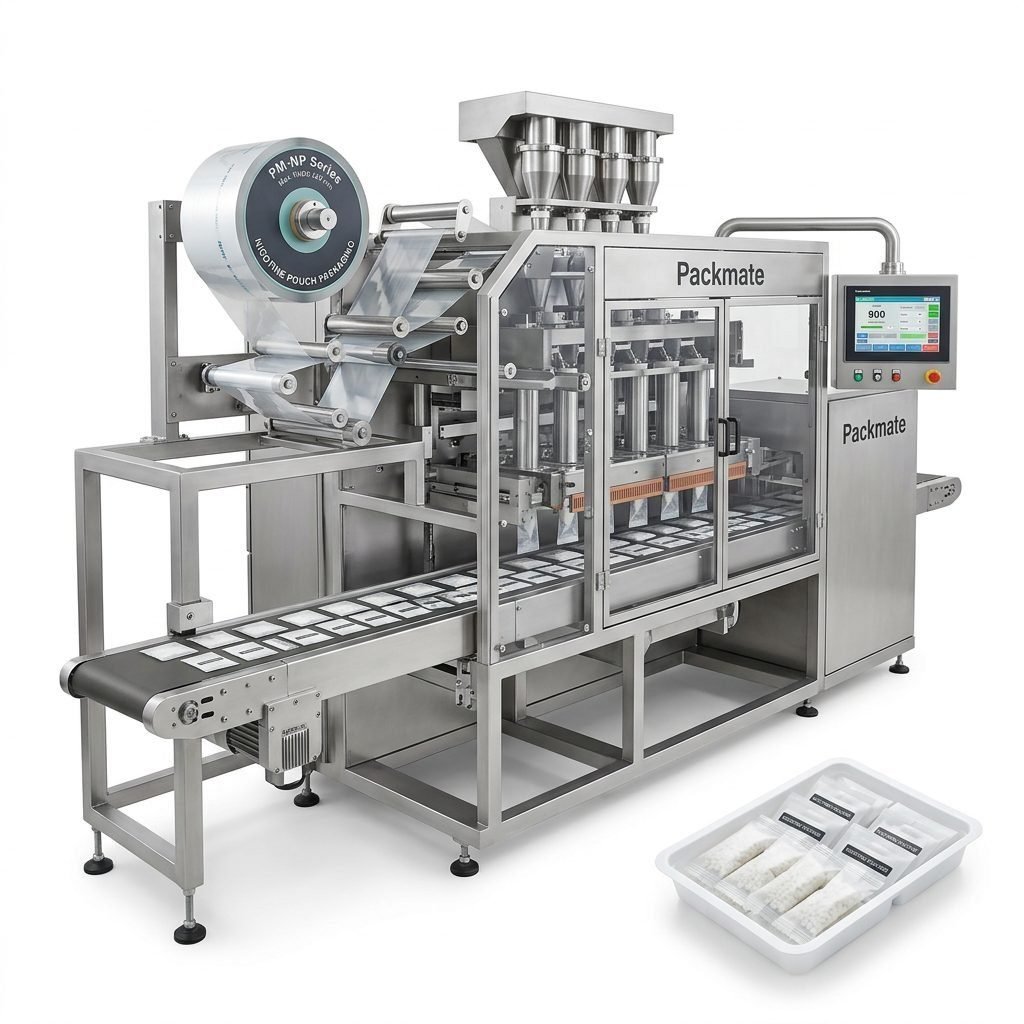
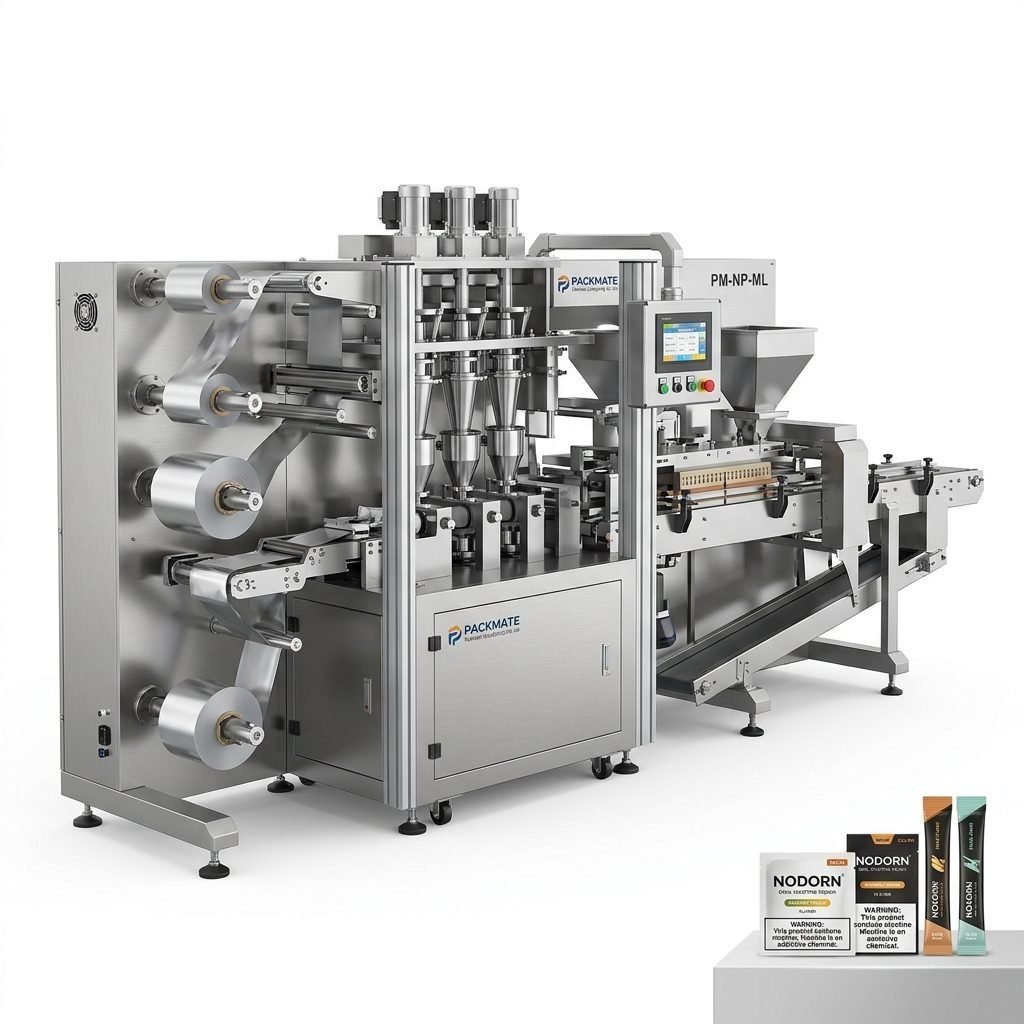
SnusMachinery occupies a specialized position, focusing on equipment for nicotine pouch, snus, and related pouch packaging. While this is a specific niche, it represents a growing segment. Their expertise also extends to automatic packaging for food, pharma, and daily chemicals.
For Belgian businesses operating in or supplying to the smokeless tobacco or novel nicotine product sectors, this focused expertise is invaluable. Packaging these products requires high precision in dosing, consistent sealing, and reliable continuous production—areas where SnusMachinery has concentrated its R&D. Their machines are designed to meet the stringent demands of this sector, which often parallel requirements for high-quality food and pharmaceutical packaging.
Why specialization matters: A manufacturer dedicated to a niche typically develops deeper application knowledge, leading to machines that better handle product-specific challenges (e.g., moisture content, pouch material, regulatory compliance). This can reduce startup issues and improve long-term line efficiency.
Making the Right Choice for Your Belgian Operation
Selecting among these top manufacturers involves aligning their strengths with your specific needs. Consider the following:
- Project Scope: For a complete new line, prioritize turnkey specialists like PacklineOEM. For a single machine replacement, a broad-line supplier like Ludyway or Packmate may be ideal.
- Product Uniqueness: For non-standard products, the customization focus of PackingMachineOEM is crucial.
- Industry Niche: For nicotine pouches or similar, the targeted expertise of SnusMachinery offers distinct advantages.
- Scale and Support: Evaluate the manufacturer’s experience with European clients, availability of spare parts, and technical support structure to ensure smooth long-term operation in Belgium.
Engaging in detailed discussions, requesting product samples trials on the machine, and visiting manufacturing facilities (or reviewing detailed virtual tours) are recommended steps before finalizing a purchase decision.
Frequently Asked Questions (FAQs)
1. Why consider Chinese manufacturers for packaging machinery in Belgium?
Chinese manufacturers like those listed offer advanced technology, robust construction, and significant cost advantages compared to many European brands. They have heavily invested in R&D and export-oriented operations, making their machines competitive in terms of performance, automation, and reliability for the Belgian market.
2. How do I ensure the machine complies with EU safety and regulatory standards (CE marking)?
Reputable manufacturers design their machines to meet CE requirements. Always request and verify the CE certification documentation. It is also advisable to discuss any specific Belgian or industry-specific regulations (e.g., for food contact materials, pharmaceutical GMP) with the supplier during the technical specification phase.
3. What about after-sales service and technical support from overseas?
Leading exporters typically offer comprehensive support, including remote assistance, on-demand video calls, detailed manuals, and training videos. Many have partnerships with local agents or service technicians in Europe for on-site support. Clarify the warranty terms, spare parts availability, and response time protocols before purchase.
4. Can these suppliers handle customization for our unique packaging format?
Yes, most of these manufacturers, especially those like PackingMachineOEM and SnusMachinery, highlight customization as a core competency. They can often adapt machines for different bag sizes, materials, filling weights, and integration with existing line equipment. Providing detailed product samples and specifications is the first step.
5. What is the typical lead time for a packaging machine from order to delivery in Belgium?
Lead times vary based on machine complexity and customization. For standard models, it can range from 30 to 90 days. For fully customized or large turnkey lines, it may take 90 to 180 days or more. Accurate timelines should be confirmed with the supplier based on your specific project requirements.