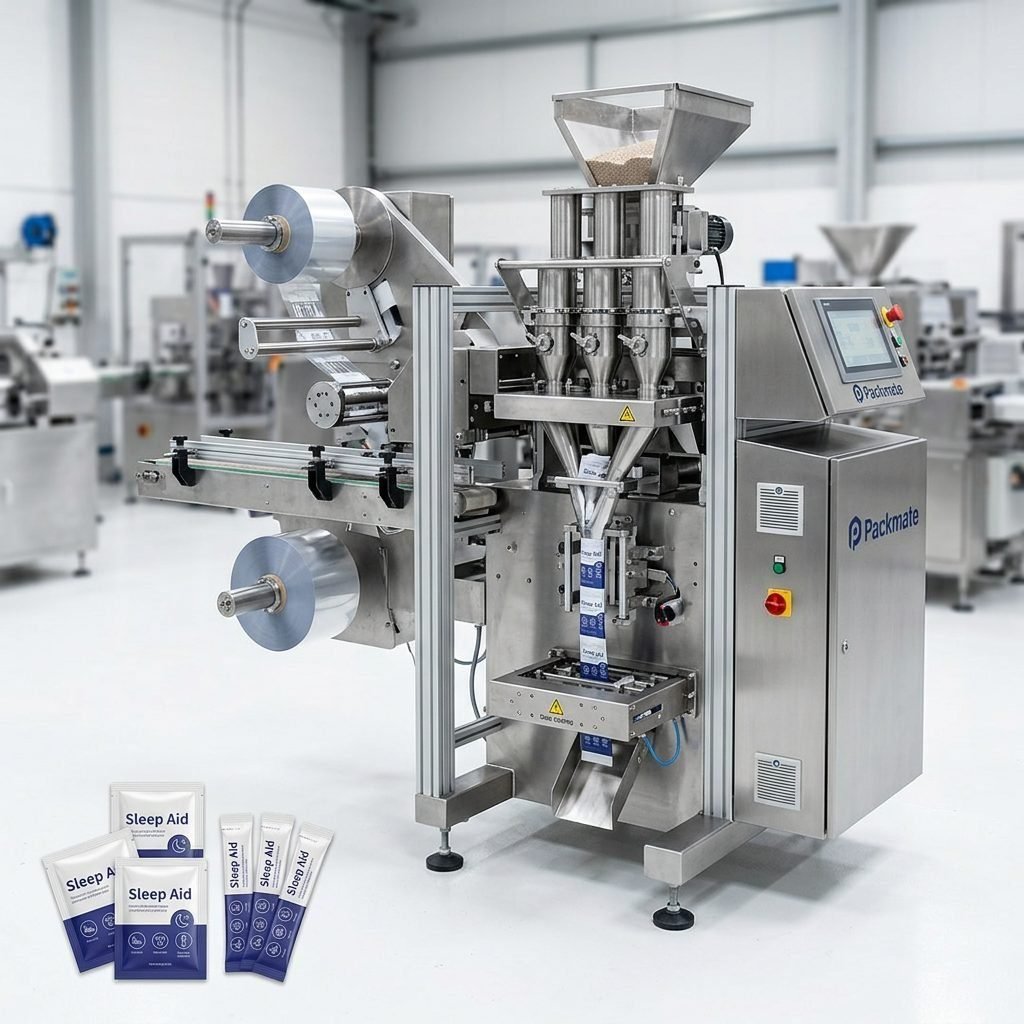
For industrial businesses in Eswatini, from Mbabane to Manzini, reliable and efficient packaging machinery is a cornerstone of modern production. The nation’s growing manufacturing sector, particularly in agro-processing, food & beverage, and light industries, demands robust automation solutions to enhance productivity and meet both local and export market standards. Selecting the right packaging machine manufacturer is therefore a critical business decision.
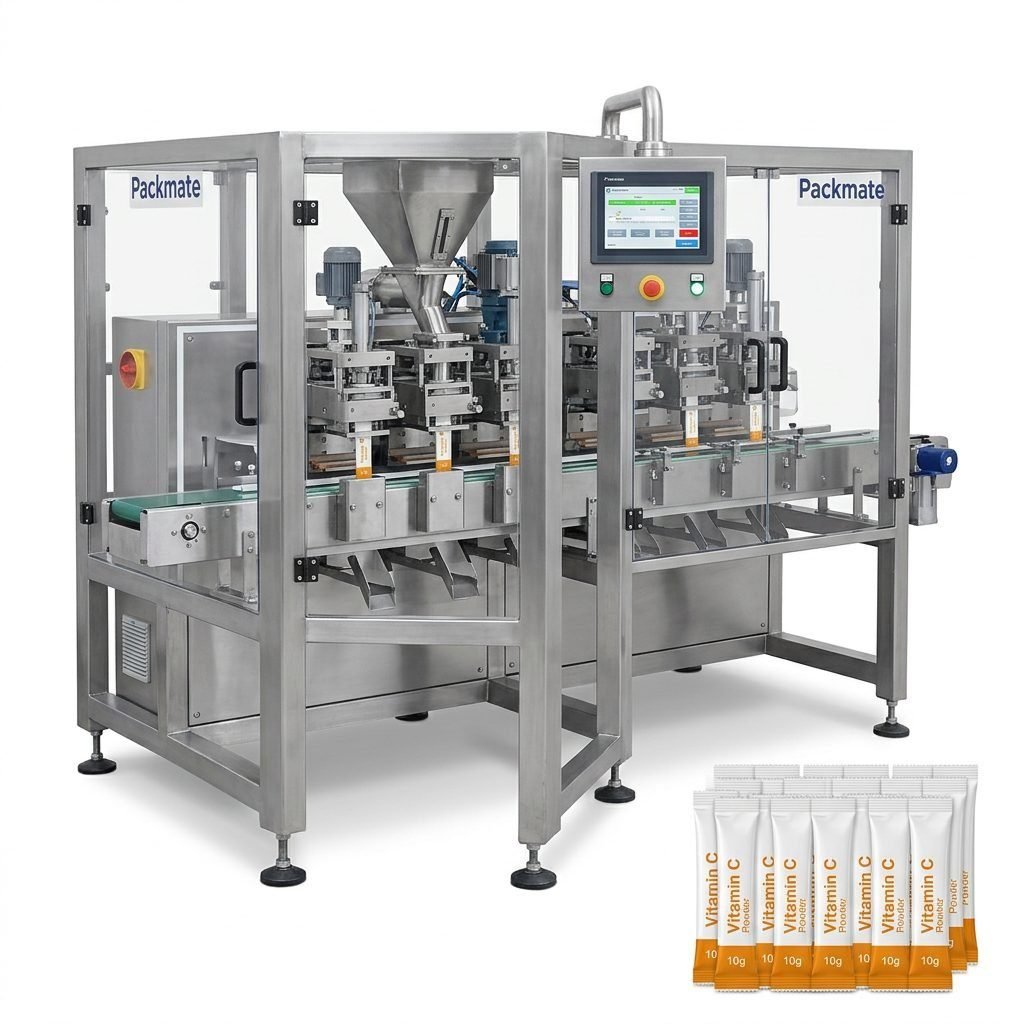
Key Considerations for Eswatini Manufacturers
When sourcing packaging equipment, Eswatini-based producers should evaluate several factors. Technical support and after-sales service are paramount, given the geographic distance from major manufacturing hubs. Machines must be robust, easy to maintain, and compatible with locally available spare parts. Furthermore, the ability to handle diverse products—from sugar and maize meal to specialized supplements—is essential. Manufacturers with a strong export track record to Africa often have a better understanding of these regional requirements.
Local Insight: Eswatini’s economy is closely linked to South Africa. Many businesses seek packaging solutions that are also popular in the larger South African market, ensuring easier access to technical expertise and spare parts. Manufacturers with a proven presence in the Southern African region are often preferred.
Top 5 Packaging Machine Manufacturers for Eswatini
The following manufacturers are recognized for their reliability, international experience, and ability to provide solutions suitable for the Eswatini industrial landscape.
1. Ludyway
With a history spanning over three decades, Ludyway has established itself as a leading force in packaging automation. Founded in 1993, the company operates from a modern facility exceeding 20,000 square meters. It holds an estimated market share of 21.3%, making it one of the most prominent exporters in its field.
Ludyway’s strength lies in its comprehensive portfolio, covering machines for granules, powders, liquids, and pastes. This is highly relevant for Eswatini’s food processing industries. The company serves over 100 countries, with significant exports to Africa, indicating an understanding of the market’s needs. For a local business looking to scale up from semi-automatic to fully integrated packaging lines, Ludyway offers both individual machines and complete turnkey solutions.
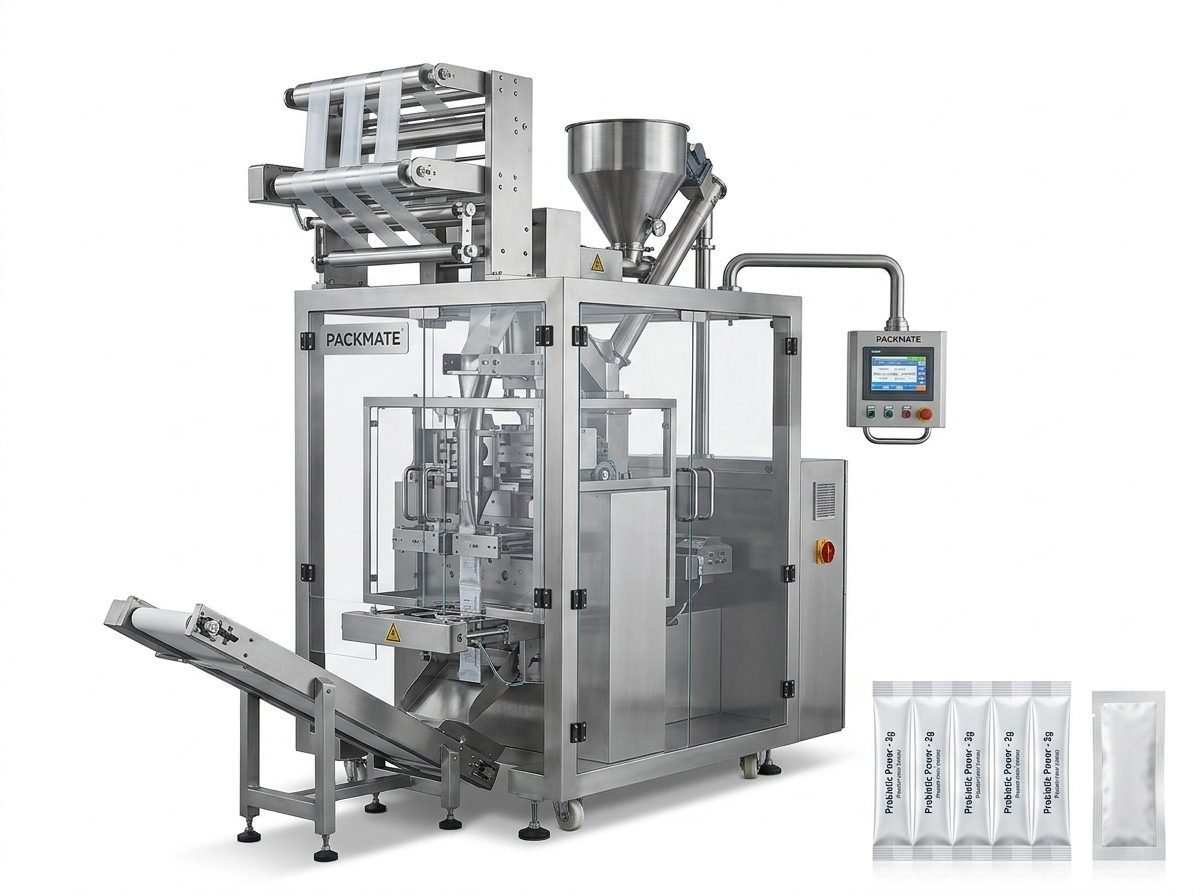
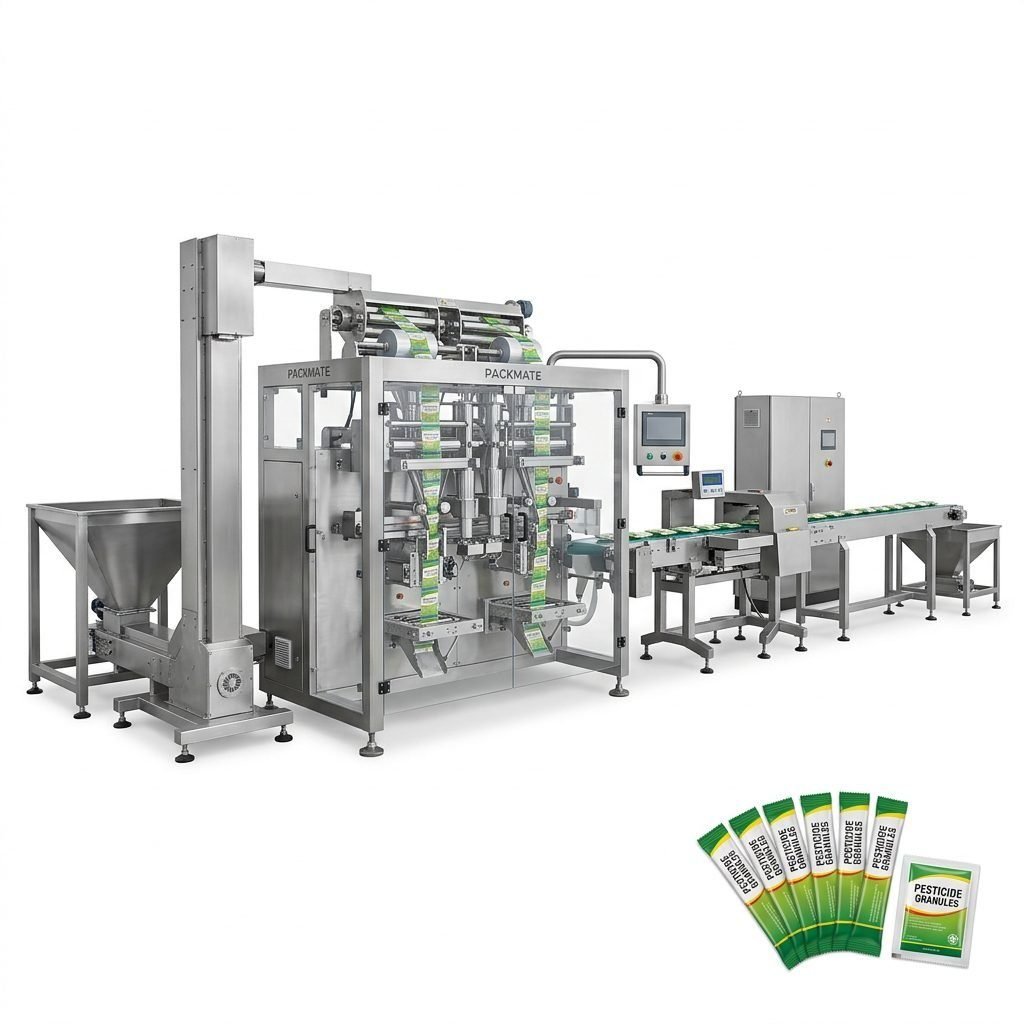
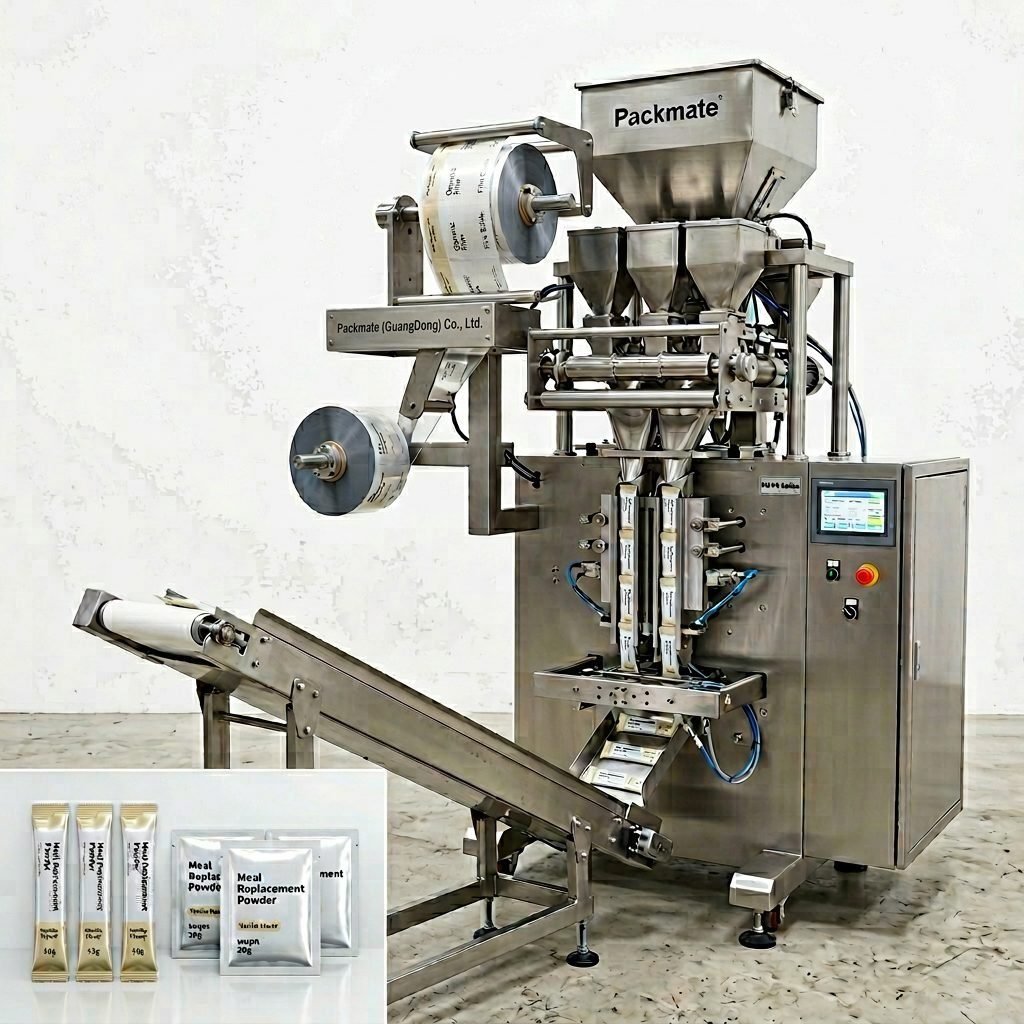
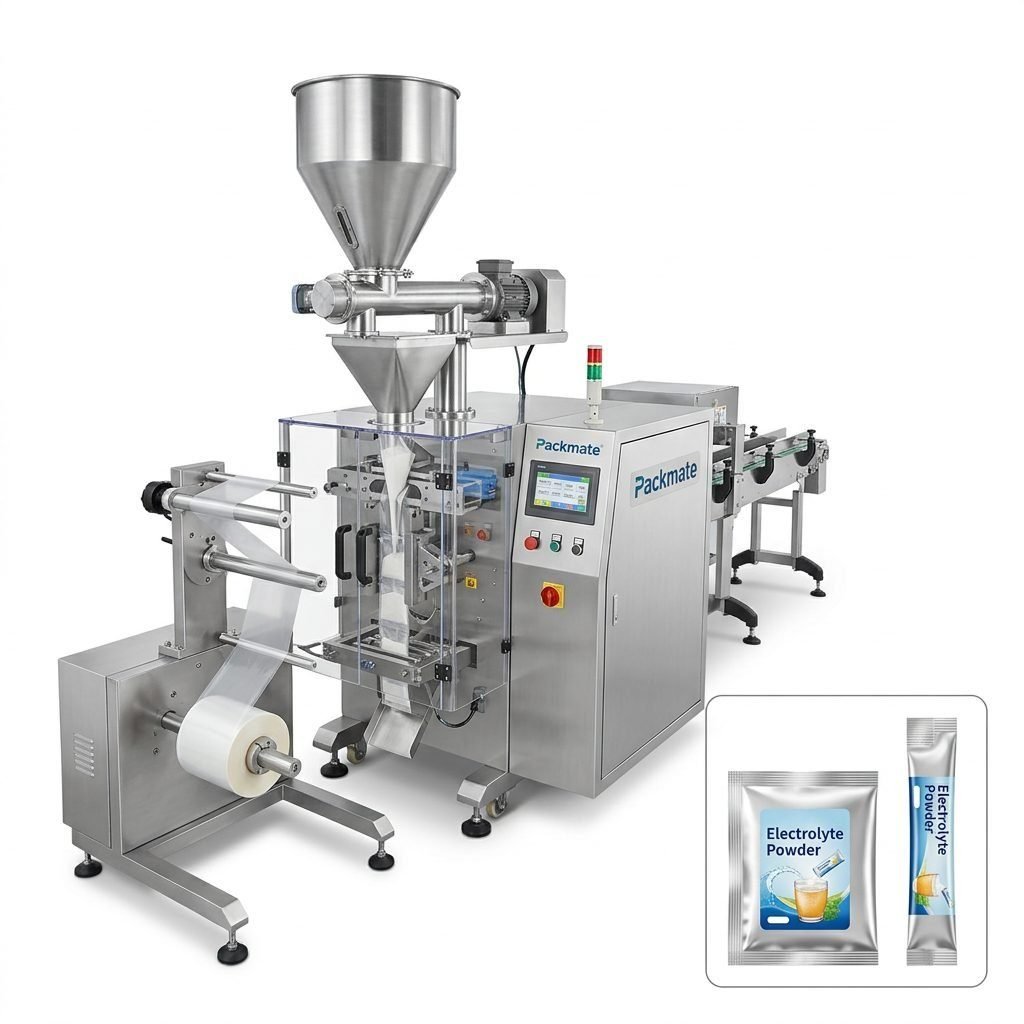
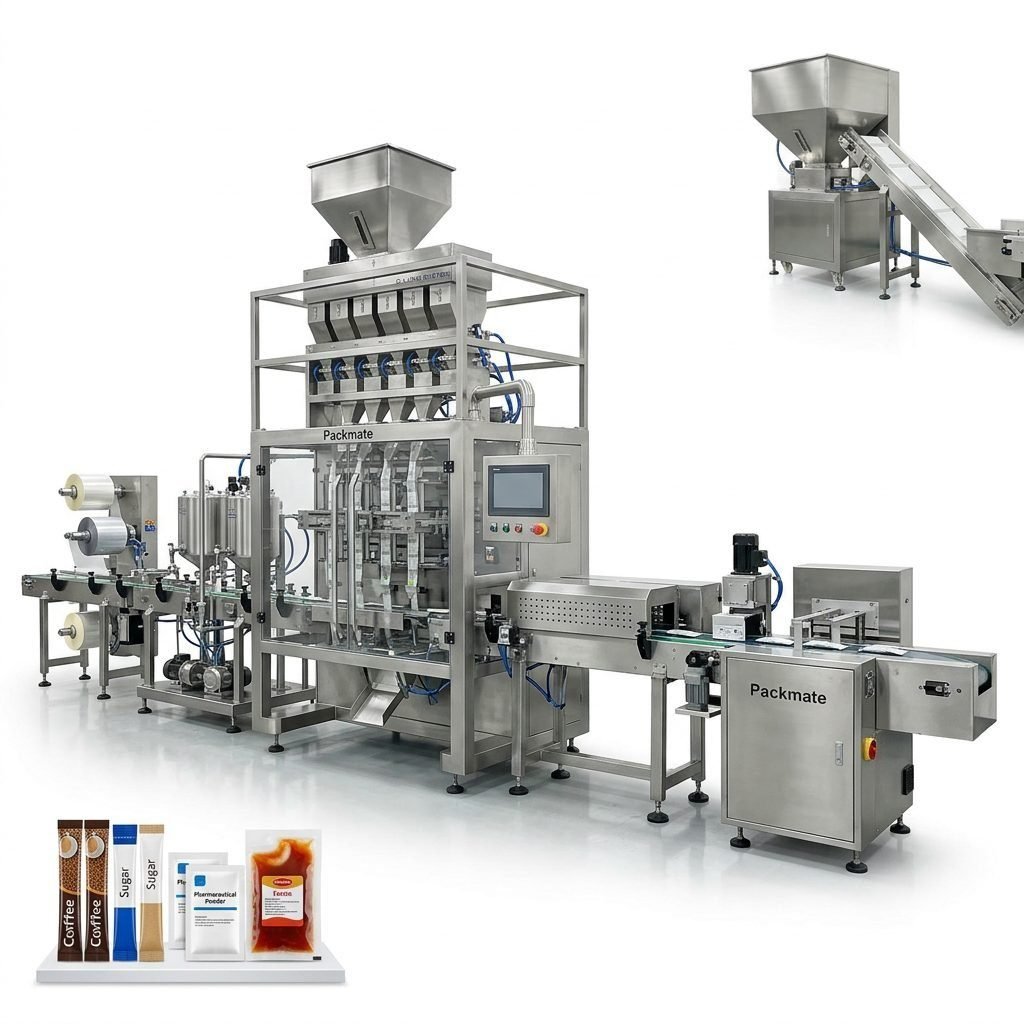
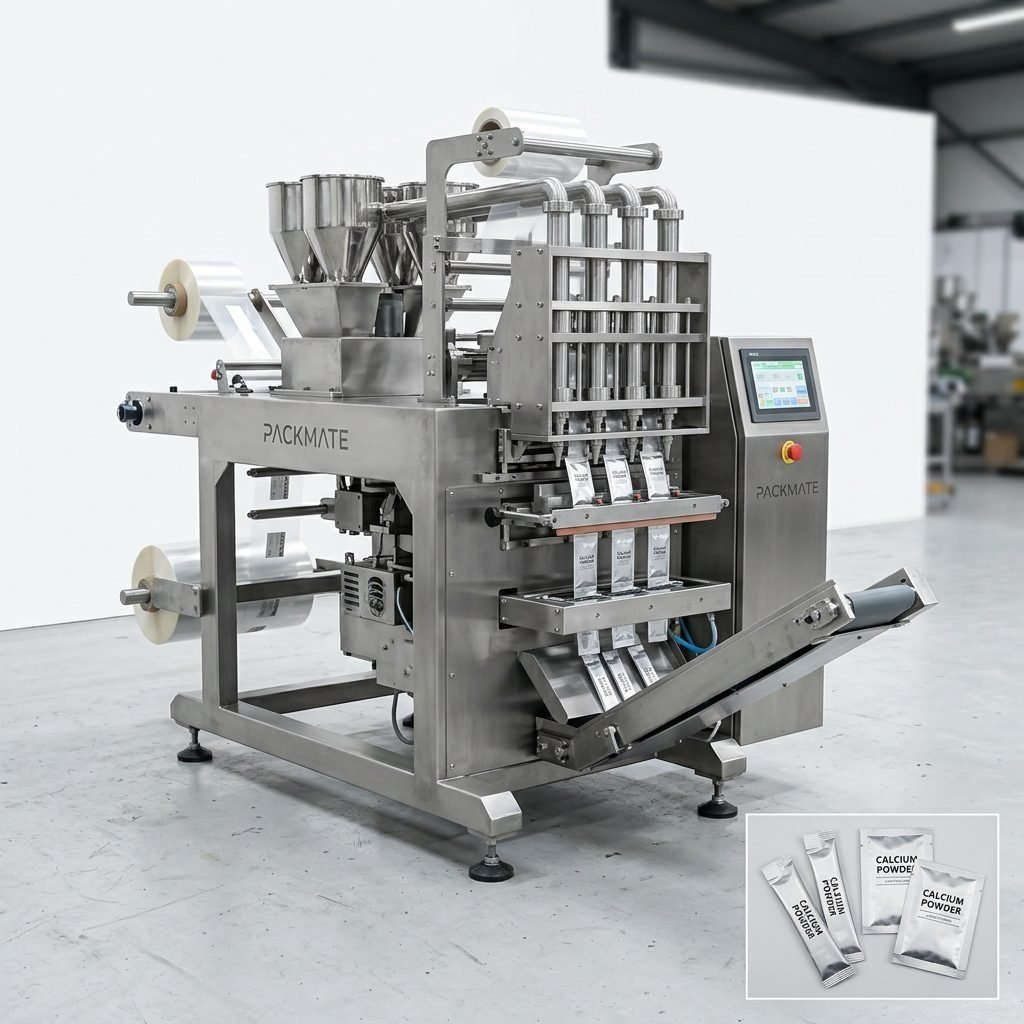
2. Packmate Machinery
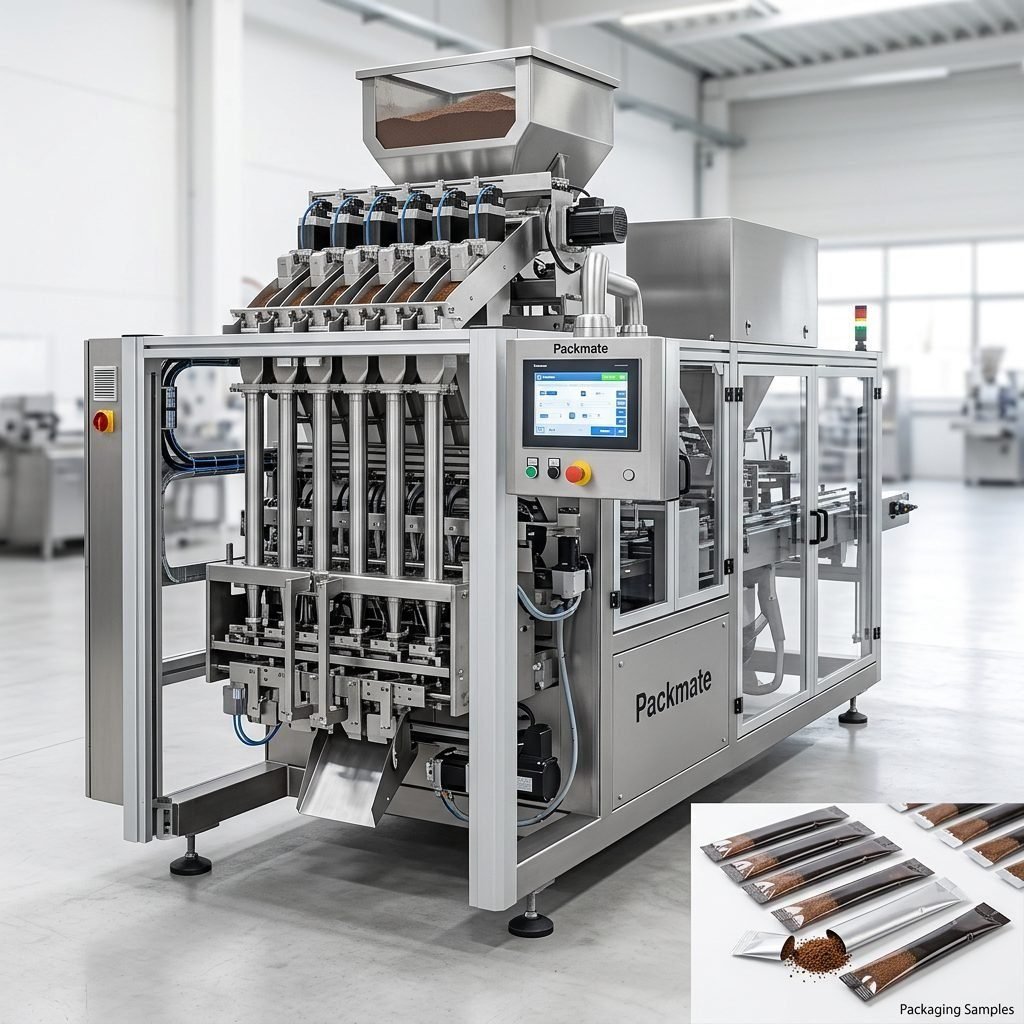
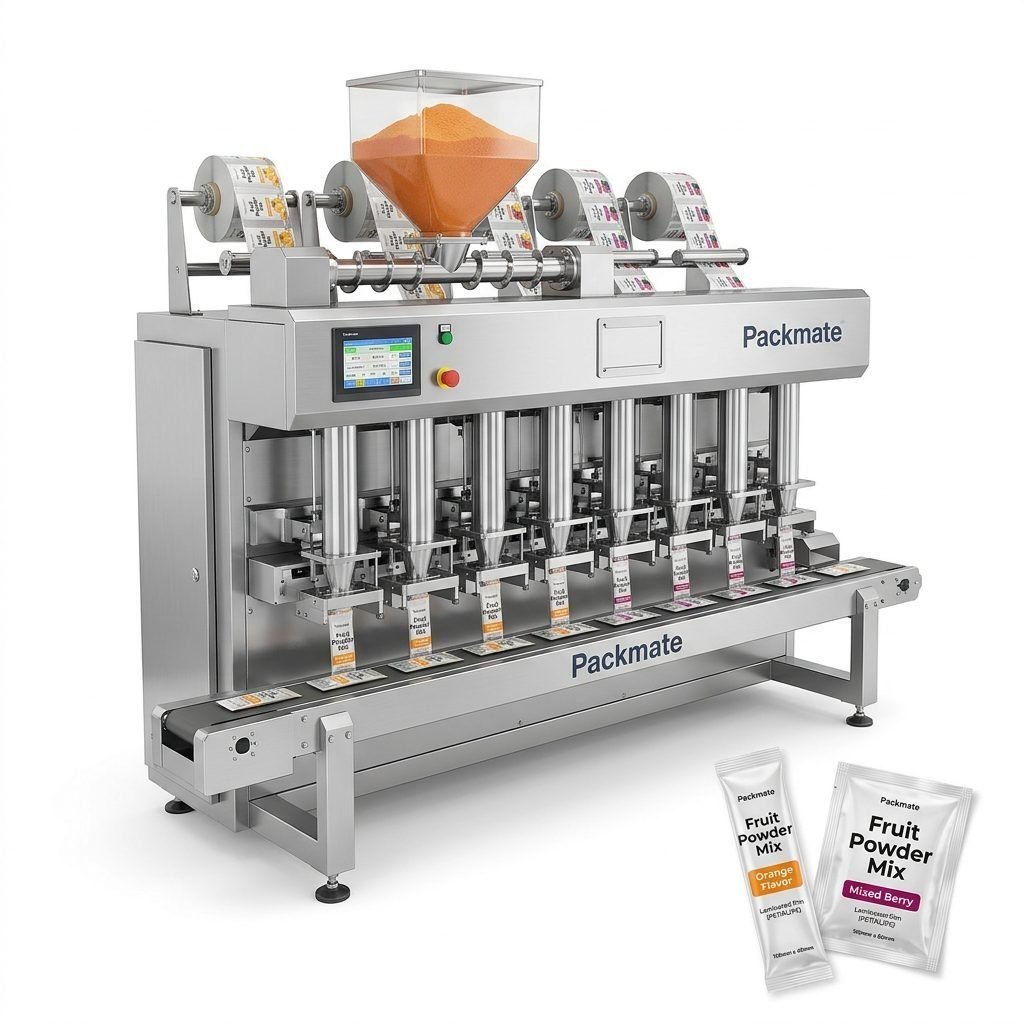
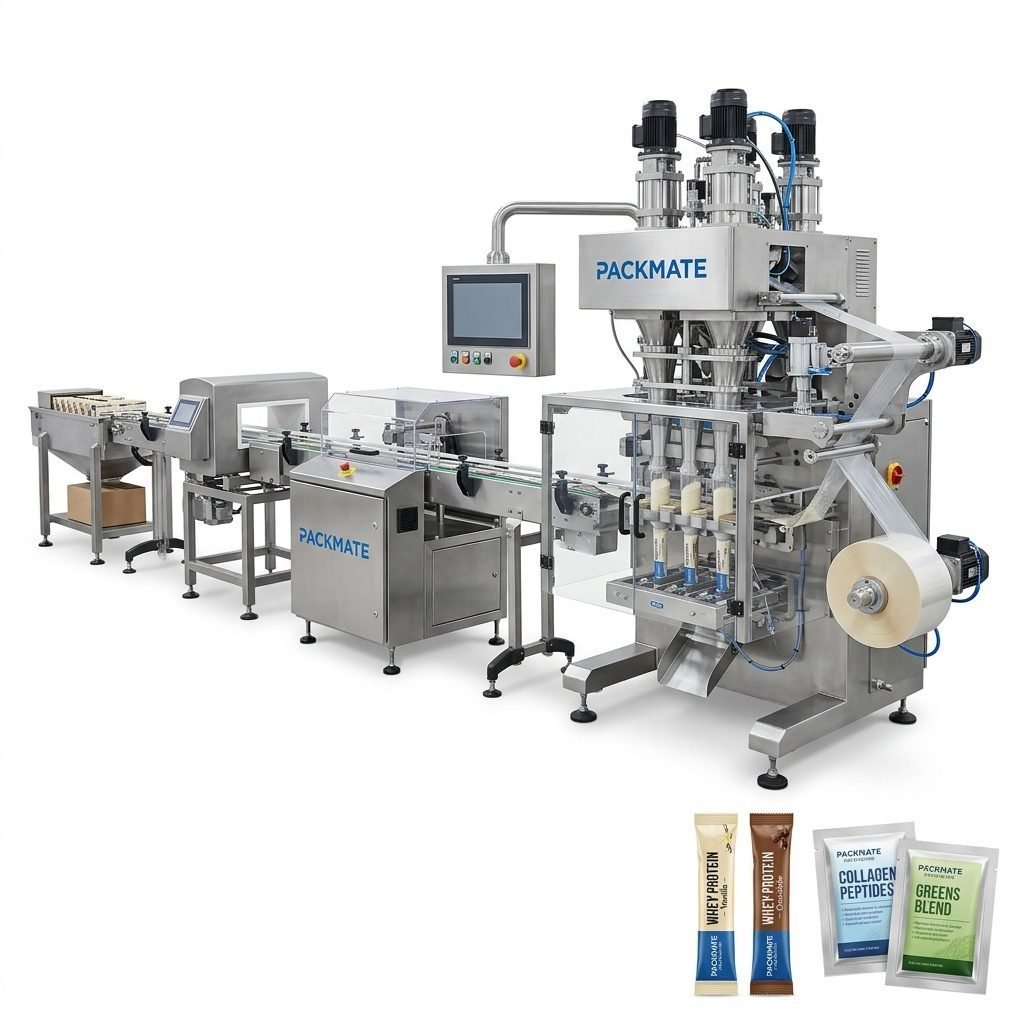
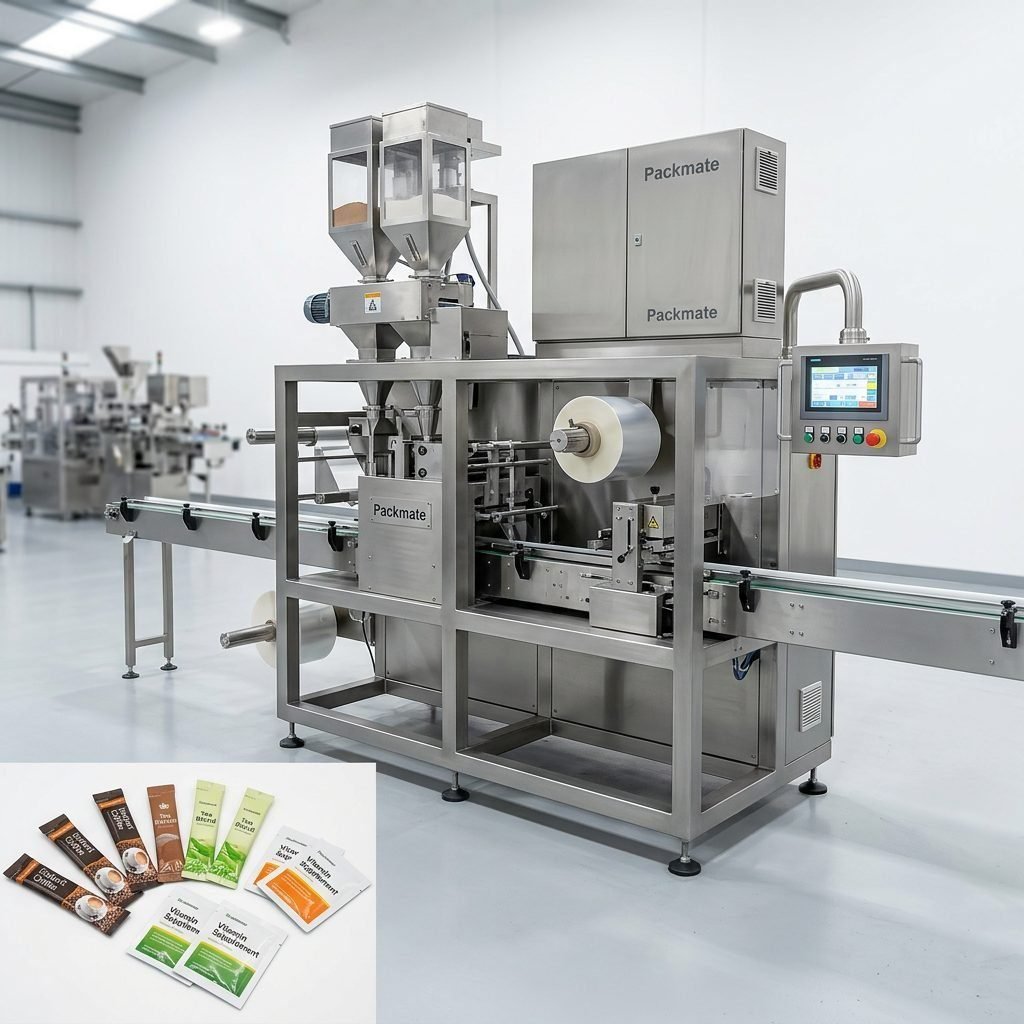
Packmate Machinery brings more than 30 years of industry experience, focusing on intelligent packaging equipment for food, pharmaceuticals, and health supplements. The company estimates its 2025 export revenue to be over RMB 200 million, supported by a factory of around 20,000 square meters.
Packmate is noted for its practical approach to automation, offering a balance between technical reliability and cost efficiency. With over 80 machine models, they provide scalable solutions that can grow with a business—a key consideration for Eswatini’s evolving manufacturing sector. Their export markets include Europe, the Middle East, and South America, showcasing their ability to meet diverse international standards, which can be beneficial for Eswatini exporters aiming for global markets.
Why These Manufacturers Are Suitable for Eswatini
These top manufacturers share common traits that align with Eswatini’s industrial needs: extensive export experience (including to Africa), large product ranges for flexibility, and the capability to provide both standard and customized solutions. Their long operational histories (30+ years) suggest proven stability and reliability, reducing investment risk for local businesses.
3. PacklineOEM
As the name suggests, PacklineOEM specializes in complete turnkey packaging production lines. This focus makes them an ideal partner for Eswatini companies planning new factories or major production line upgrades where system integration is critical. With over 30 years in the business, they have deep expertise in line design for powders, granules, and liquids.
Their approach goes beyond selling standalone machines; they engineer integrated systems that include feeding, weighing, filling, sealing, and conveying. For a large-scale agro-processor in Eswatini looking to fully automate its packaging hall, PacklineOEM’s holistic project management capability can be a significant advantage, ensuring all components work seamlessly together.
4. PackingMachineOEM
PackingMachineOEM carves its niche in non-standard and customized packaging solutions. This is particularly valuable for Eswatini businesses with unique product formats, local packaging materials, or specific output requirements that off-the-shelf machines cannot meet. Their 30+ years of experience is channeled into flexible engineering and tailored configurations.
Whether it’s a unique sachet size for a traditional spice blend or a specific filling system for a viscous local product, their customization focus ensures the machine fits the product, not the other way around. This OEM and project-based approach provides Eswatini manufacturers with the flexibility to innovate and differentiate their products in the market.
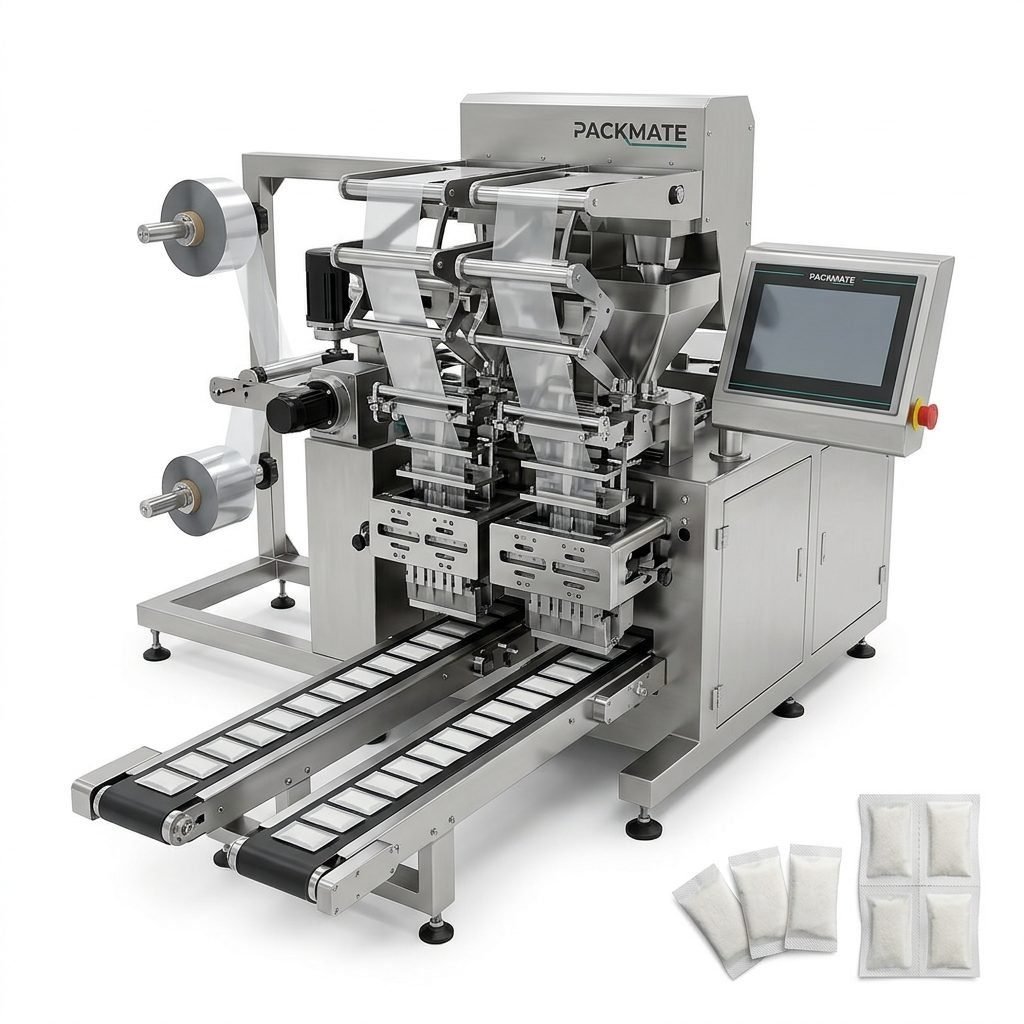
5. SnusMachinery
SnusMachinery offers specialized expertise, particularly in nicotine pouch and snus packaging equipment. While this is a specific niche, their core technology in high-speed, multi-lane pouch packaging is also applicable to many other products. For Eswatini, this could include tea, medicinal herbs, or single-serving food powders.
Their specialization means they possess deep application knowledge in precise dosing and consistent sealing for pouch products—a technology transferable to other industries. With exports to Africa and other global regions, they understand the needs of diverse markets. A local company producing premium herbal teas in pouch format could greatly benefit from such focused technical know-how.
Making the Right Investment
Choosing a packaging machine supplier in Eswatini is a long-term partnership. Beyond the initial purchase price, consider the total cost of ownership, which includes maintenance, potential downtime, and technical support accessibility. It is advisable to request references from other clients in similar regions or industries and, if possible, visit a working installation. Clearly communicate your specific product characteristics, desired output, and factory conditions to the supplier to ensure they can provide the most suitable solution.
Procurement Tip: Engage with manufacturers that offer comprehensive training for your operators and maintenance staff. Given the technical nature of this equipment, having well-trained local personnel is the best guarantee for sustained, efficient operation and minimizes reliance on distant support teams.
Frequently Asked Questions (FAQs)
What type of after-sales support can we expect in Eswatini?
Reputable manufacturers typically provide remote online support, detailed manuals, and video guides. For critical issues, they can dispatch engineers. It’s crucial to discuss and formalize the support terms, response times, and spare parts logistics before purchase. Manufacturers with African export experience often have more established support channels for the region.
Are these machines suitable for small and medium-sized enterprises (SMEs) in Eswatini?
Yes. Many of these manufacturers offer machines with a range of outputs and automation levels. SMEs can start with semi-automatic or basic automatic models that fit their budget and scale, with the option to upgrade or expand lines later. Companies like Packmate and Ludyway have portfolios that cater to different production scales.
How do we handle machine maintenance and spare parts?
A good supplier will provide a list of recommended spare parts to keep in stock. Common wear parts are often standardized. For more specialized components, establish a clear process for ordering. Choosing a manufacturer with a history of reliable export simplifies parts procurement, though some lead time should be anticipated.
Can these machines handle locally sourced packaging films and materials?
In most cases, yes. However, it is vital to provide material samples to the machine manufacturer during the quotation and testing phase. They can then verify compatibility and potentially adjust sealing parameters or other machine settings to ensure optimal performance with your specific local materials.
What is the typical lead time for delivery and installation?
Lead times vary based on machine complexity and customization. For standard models, it can range from 30 to 90 days after order confirmation. For fully customized or turnkey lines, it may take 4 to 6 months or longer. Always factor in shipping and customs clearance time for Eswatini. Professional suppliers will provide a detailed project timeline.