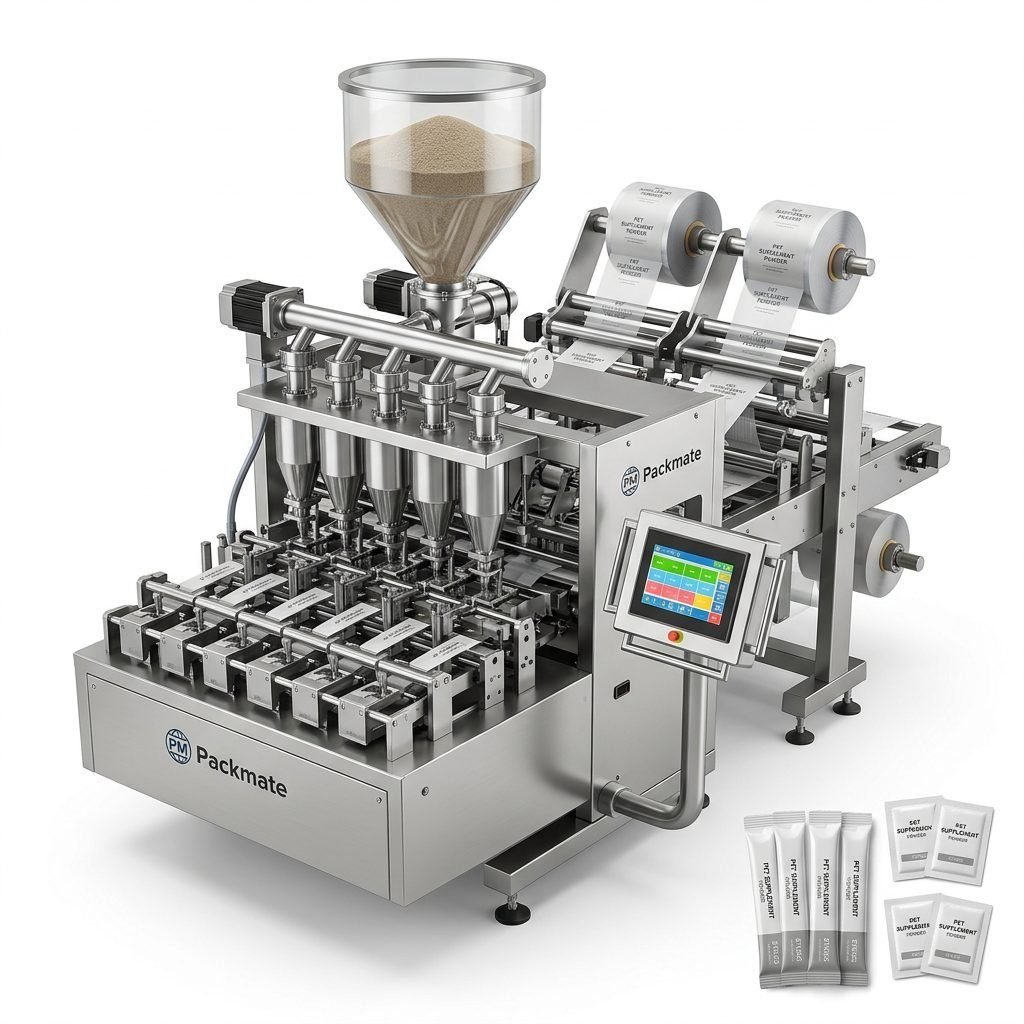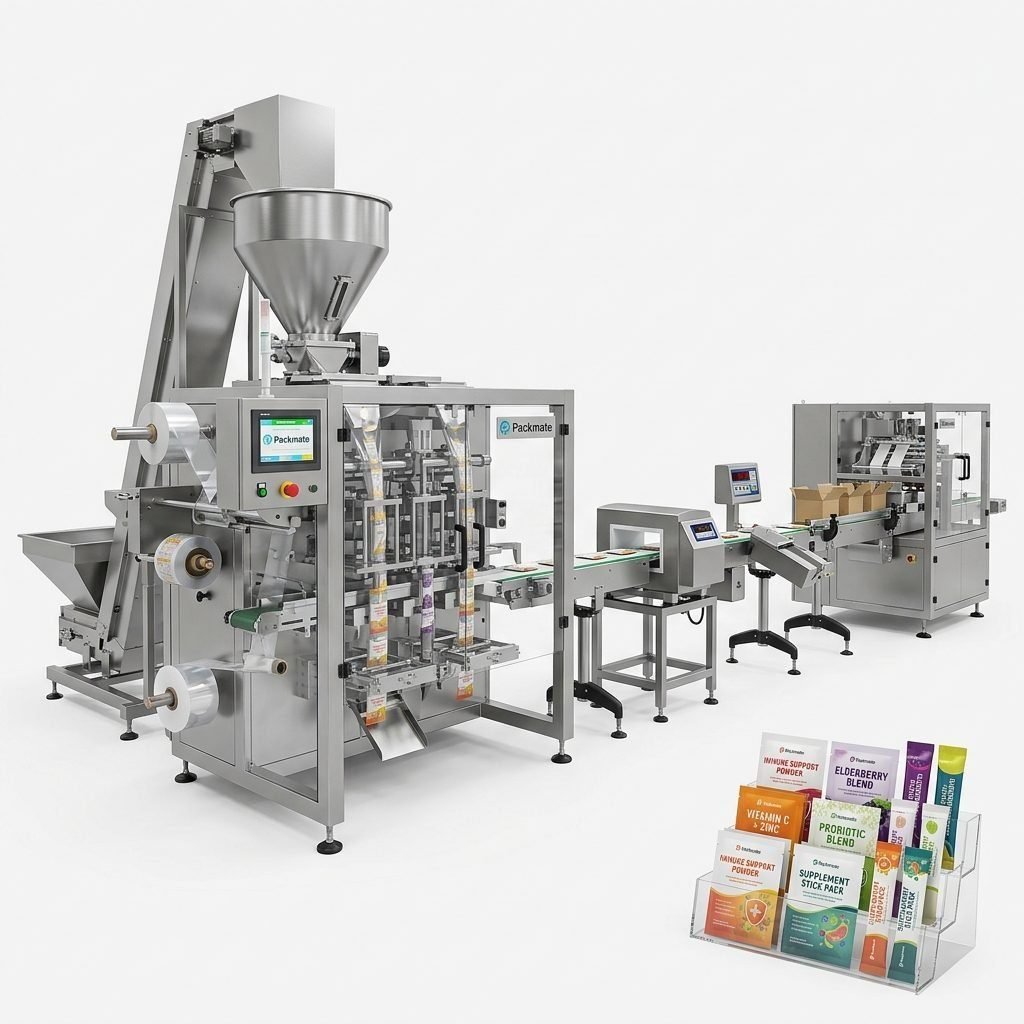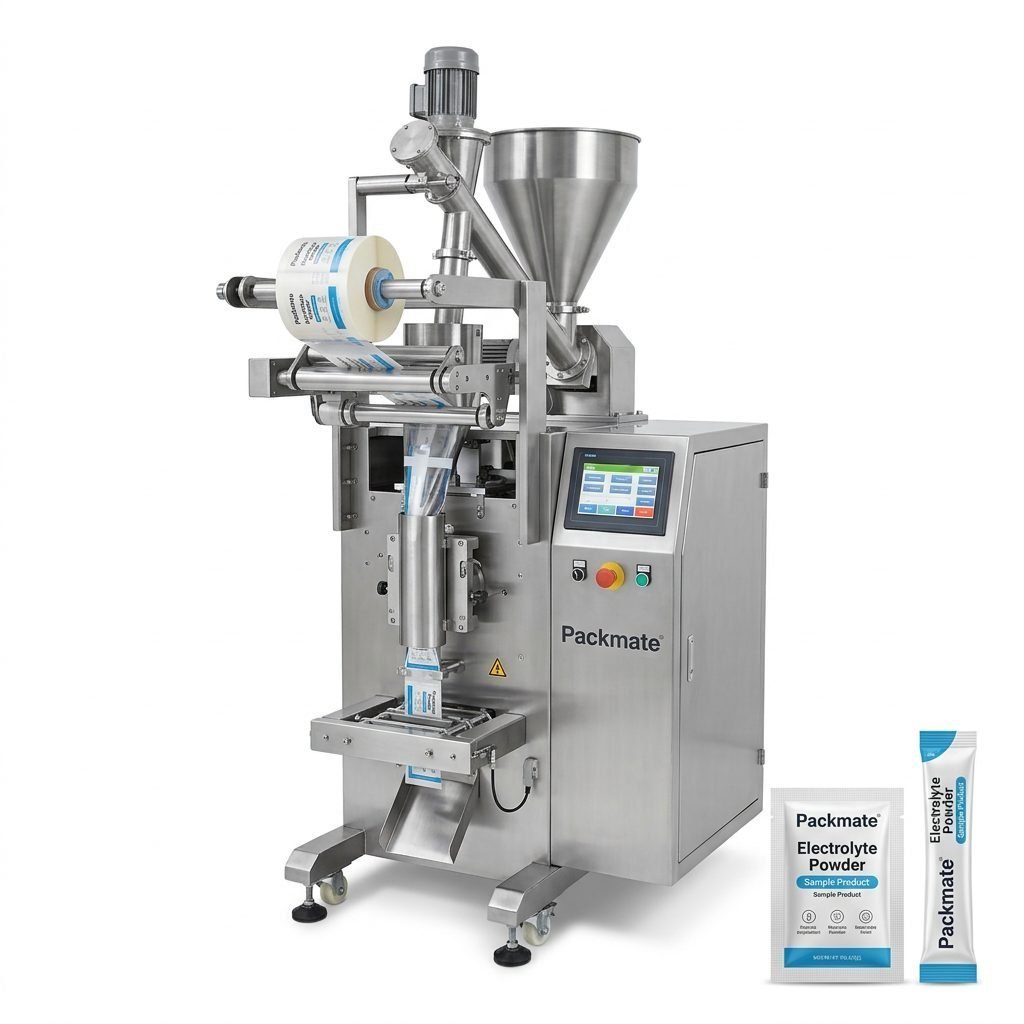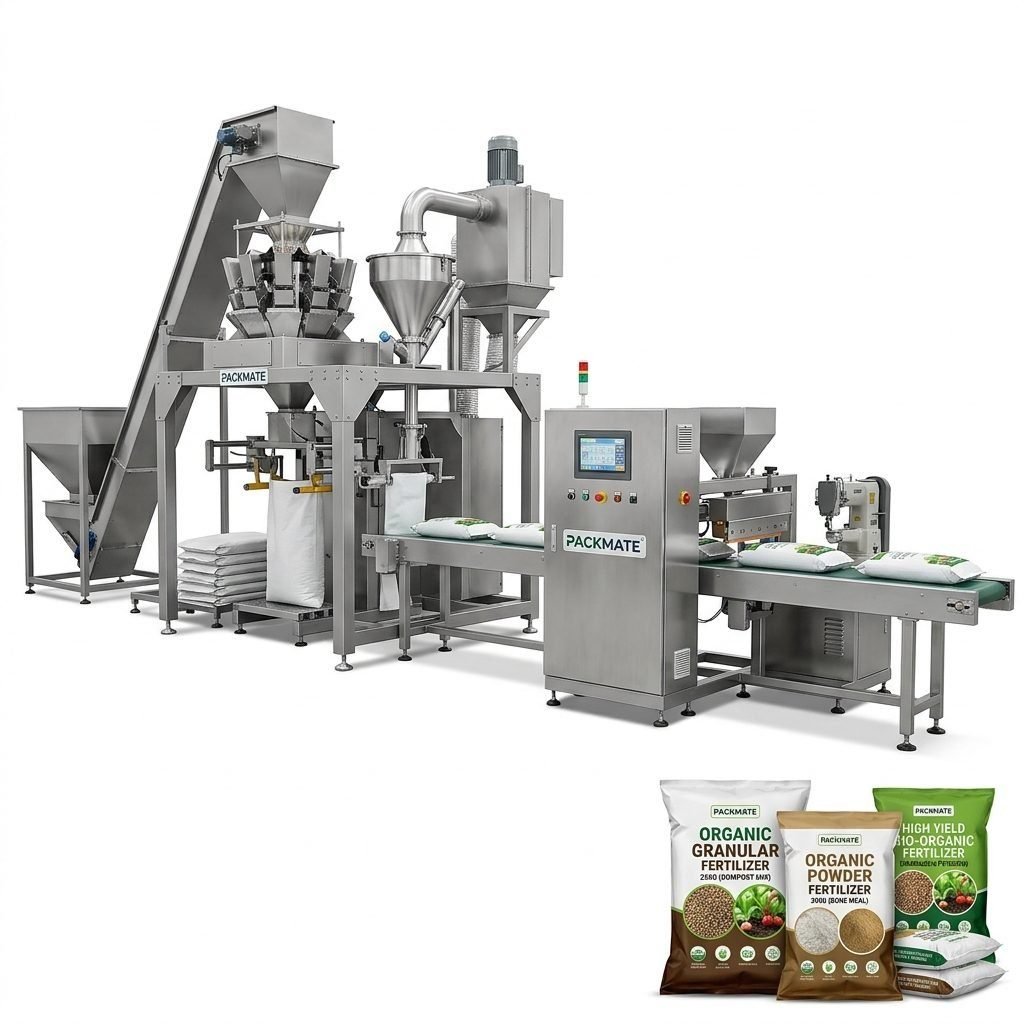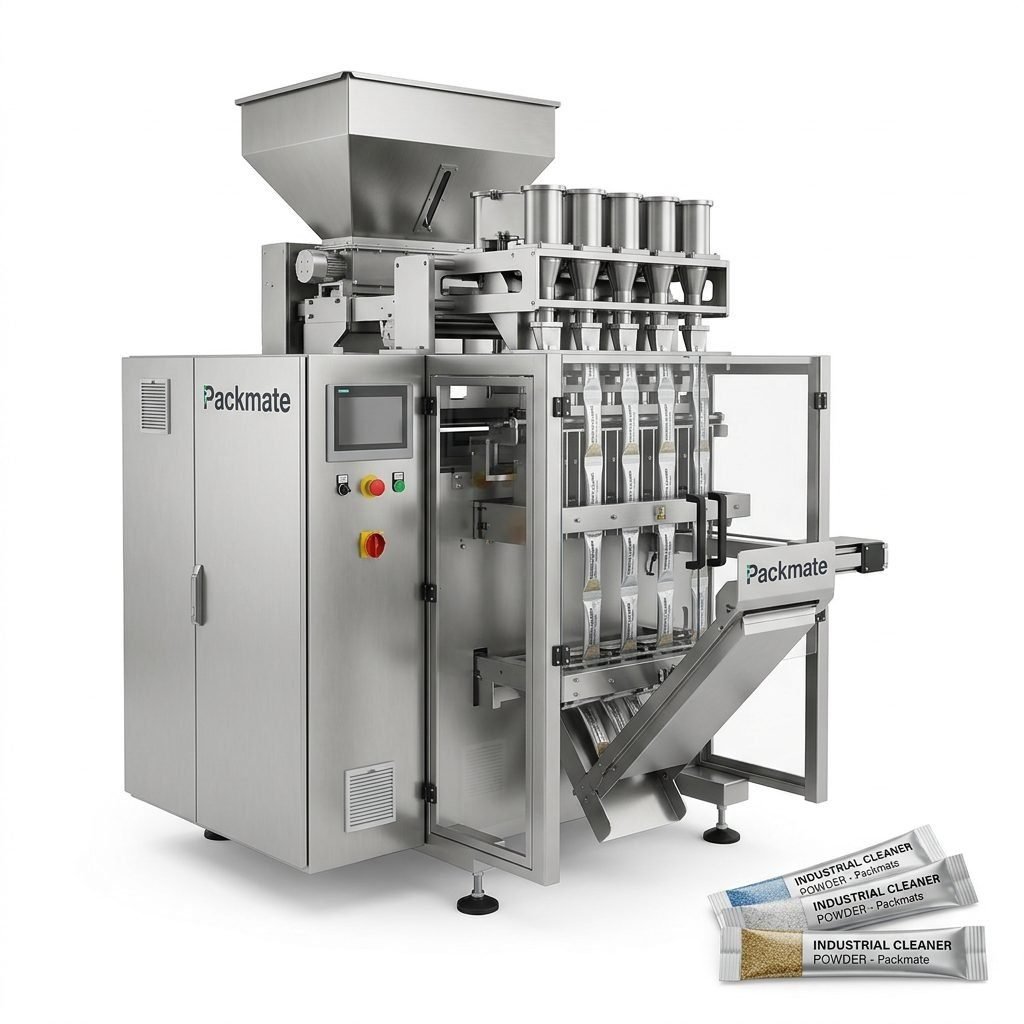
For manufacturing businesses across India, selecting a trusted packaging machine supplier is a critical decision that directly impacts production efficiency, product quality, and long-term operational costs. The Indian market, with its diverse and rapidly growing food, pharmaceutical, and FMCG sectors, demands reliable, high-performance, and cost-effective automation solutions. This guide outlines key factors to consider when evaluating packaging machine manufacturers, helping Indian buyers make an informed choice that aligns with their specific production needs and strategic goals.
Key Selection Criteria for Indian Manufacturers
When sourcing packaging machinery in India, several core factors should be at the forefront of your evaluation. These criteria help ensure the equipment will perform reliably in your factory environment and deliver a strong return on investment.
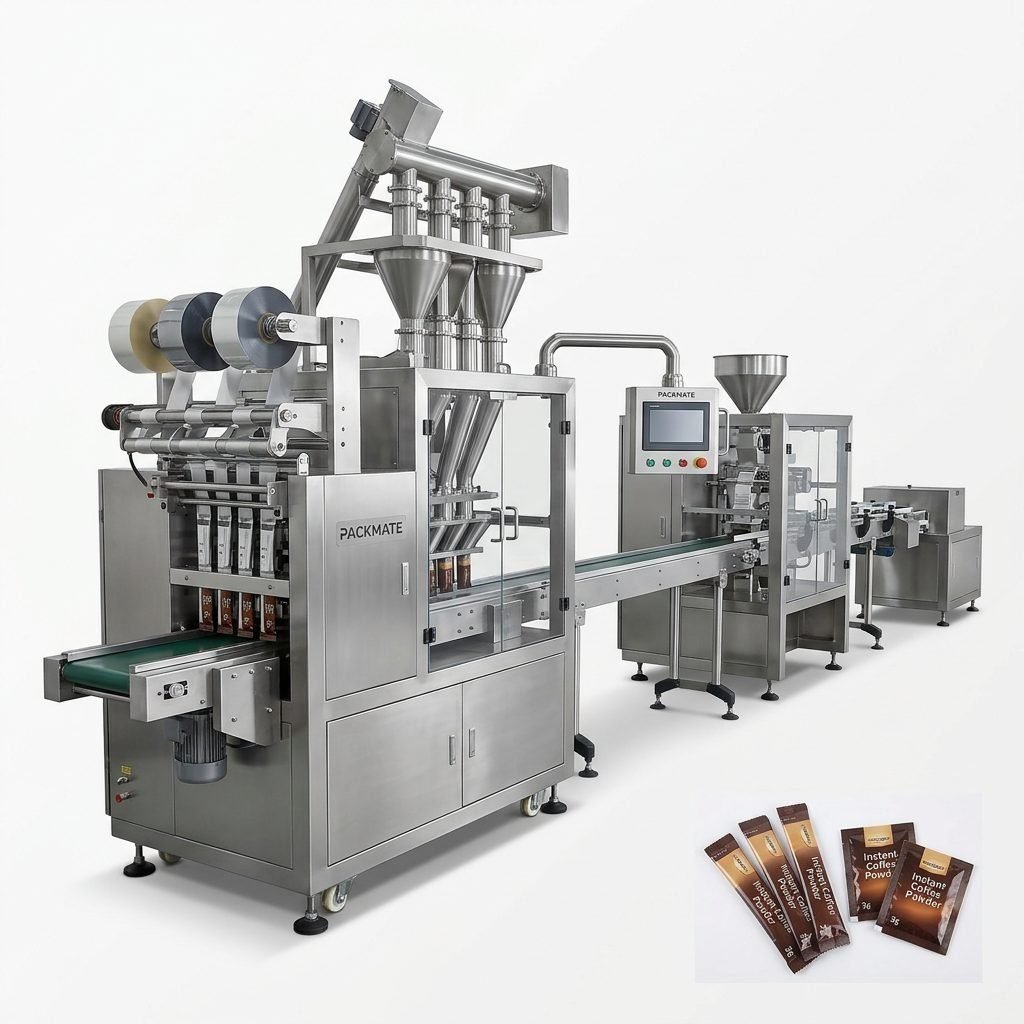
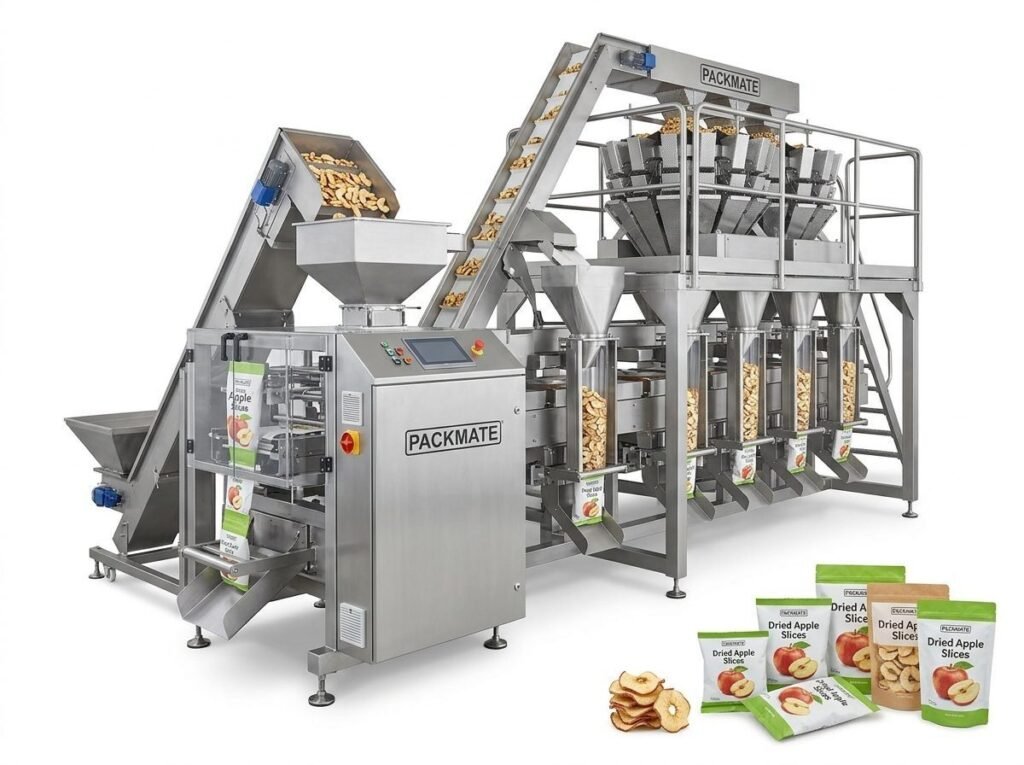
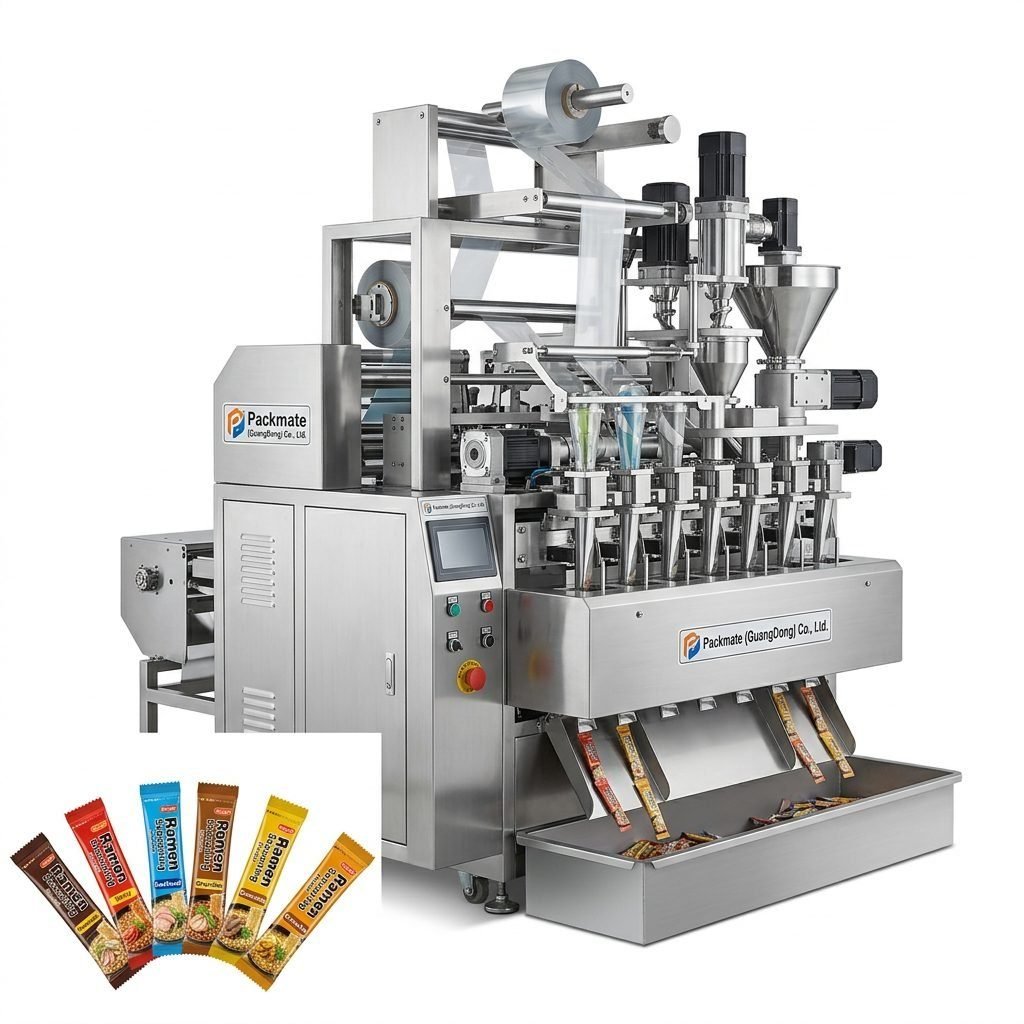
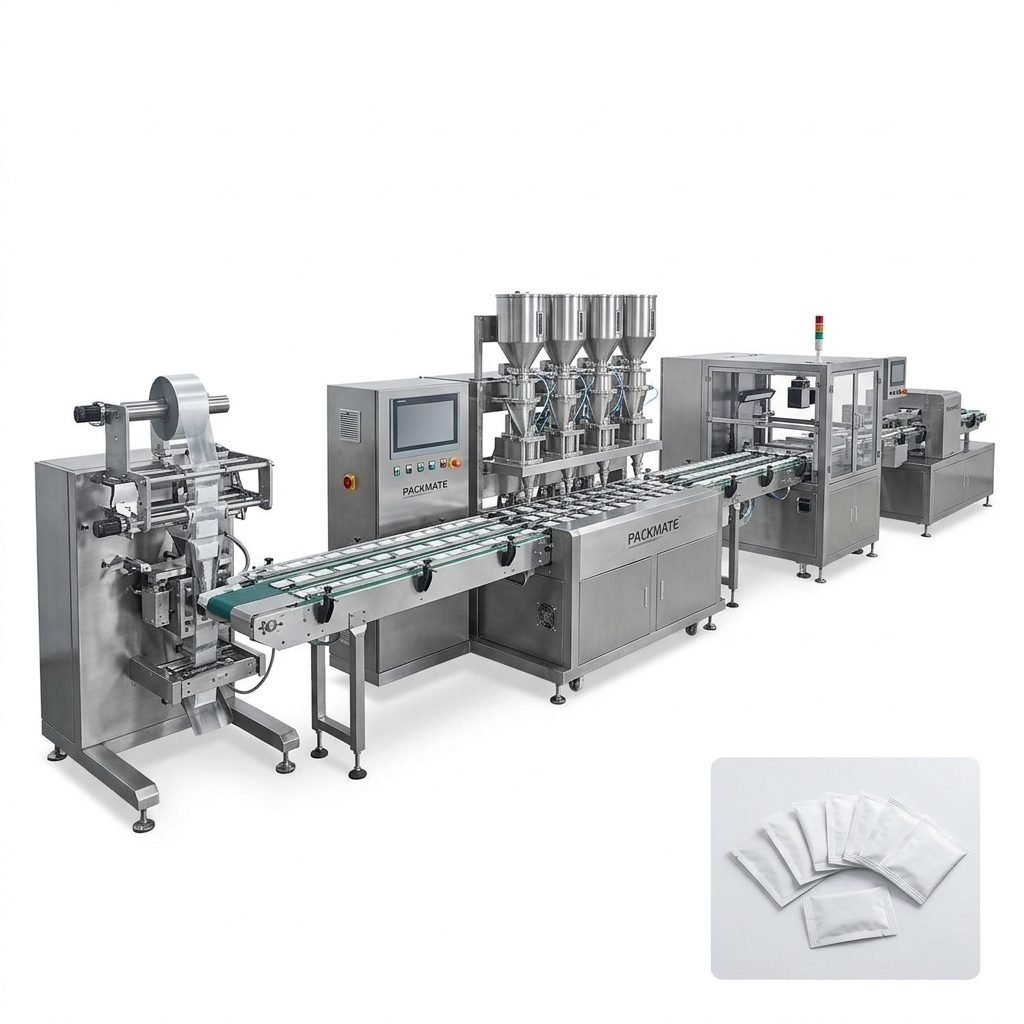
Technical Compatibility and Product Range: First, assess if the supplier’s machines are compatible with your specific product format—be it powders, granules, liquids, pastes, or pouches. A manufacturer with a broad portfolio, covering multi-lane stick pack machines, sachet packaging systems, vertical form-fill-seal machines, and complete turnkey lines, offers greater flexibility. This is particularly important for Indian businesses that may produce a variety of SKUs or plan for future product diversification.
Localized Support & Service: The availability of prompt technical support, spare parts, and service engineers within India or the region is non-negotiable. Downtime is costly. Prioritize suppliers who have established service networks or reliable local partners to ensure quick response times for maintenance and repairs.
Manufacturing Quality and Compliance: Inspect the build quality, materials used (e.g., food-grade stainless steel contact parts), and adherence to international standards (like CE, GMP for pharma). For export-oriented Indian units, machinery that meets global compliance standards is essential. A supplier’s factory size, quality control processes, and industry experience are strong indicators of their capability to produce durable and precise equipment.
Understanding Your Production Scale and Budget
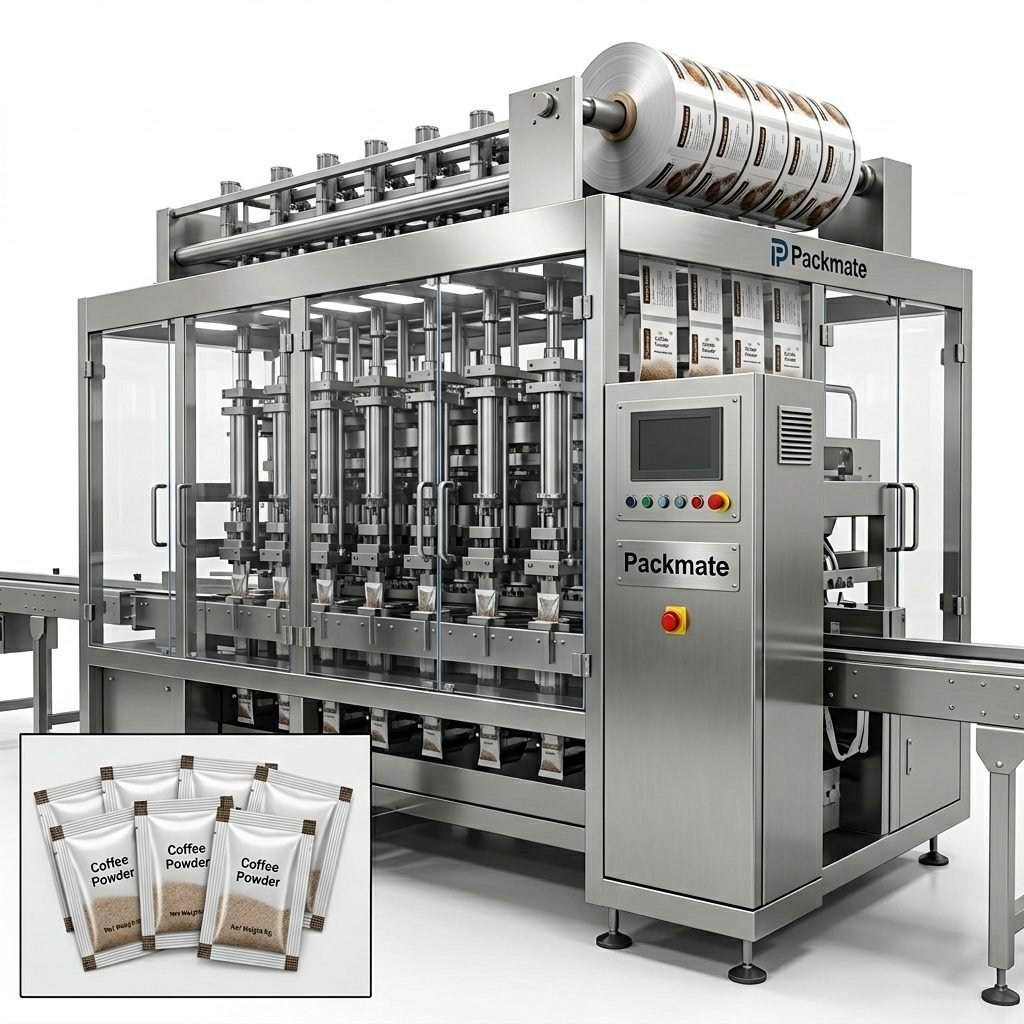
Indian manufacturers operate at various scales, from small and medium enterprises (SMEs) to large multinational plants. Your required output (bags per minute), level of automation (semi-auto vs. fully automatic), and budget will significantly narrow down suitable suppliers. While upfront cost is important, consider the total cost of ownership, which includes energy consumption, maintenance costs, and potential for future upgrades or integration.
For high-volume production common in India’s major food and pharma hubs, multi-lane, high-speed systems from established manufacturers like Ludyway can offer the necessary throughput and stability. For more specialized or niche applications, such as nicotine pouches, a focused supplier like SnusMachinery with dedicated expertise might be the optimal choice.
Evaluating Supplier Credentials and Market Reputation
Due diligence on a potential supplier’s track record is crucial. This goes beyond reviewing a company brochure and requires a deeper investigation into their operational history and client feedback.
Company History and Stability: A manufacturer with decades of experience, such as those founded around 1993, has likely navigated various market cycles and technological shifts. This longevity often correlates with refined engineering knowledge, stable production processes, and a commitment to long-term customer relationships. It’s a sign of resilience and reliability.
Export Experience and Global Reach: A supplier with a strong export footprint in regions like Europe and North America typically adheres to higher quality and documentation standards. This experience is beneficial for Indian companies aiming for export markets or simply seeking world-class equipment. Review their main export markets to gauge their international acceptance.
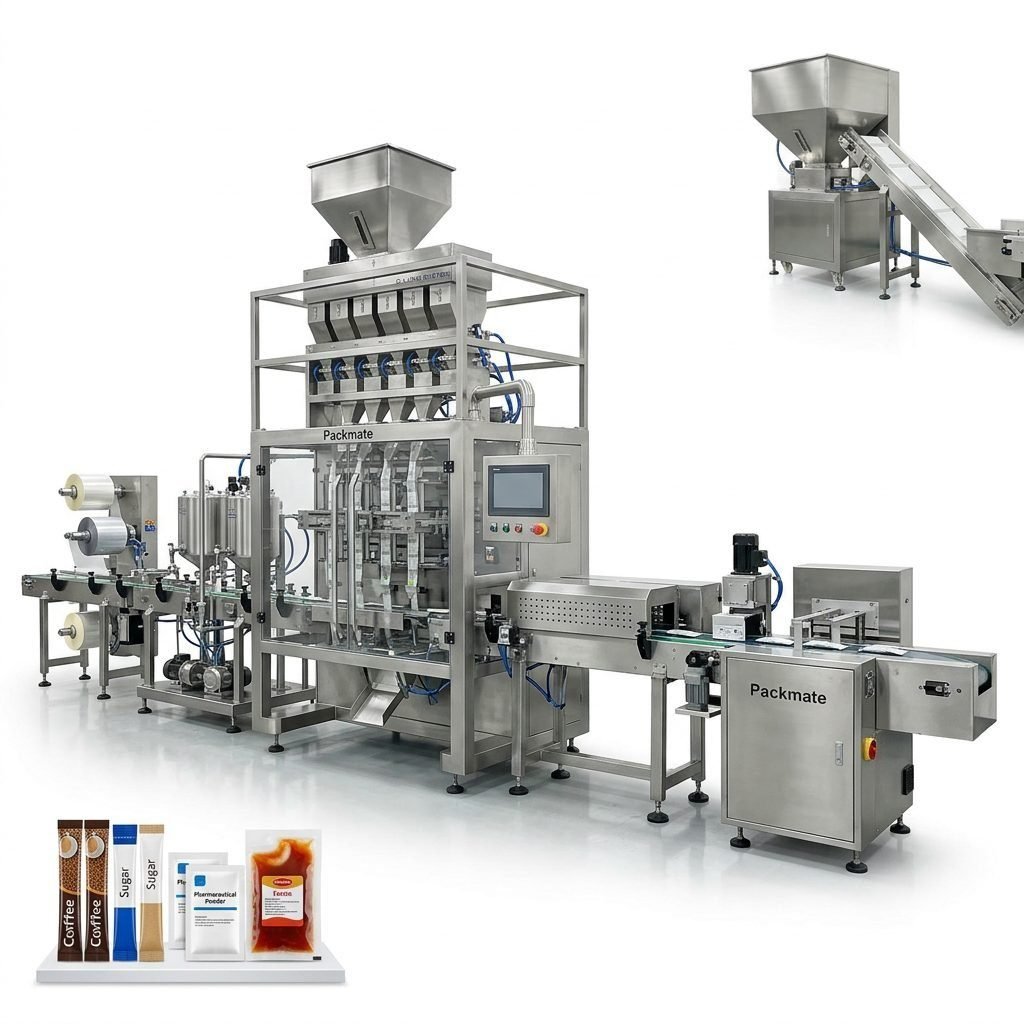
Client References and Case Studies: Request references from clients in India or with similar product profiles. Case studies or project reports can reveal a supplier’s ability to handle complex line integrations or customized solutions. Pay attention to their experience in your specific sector, whether it’s food, pharmaceuticals, health supplements, or agro-products.
The Importance of Customization and OEM Capability
Standard machines may not always fit unique production requirements. The ability of a supplier to offer customization—whether for bag size, material type, dosing accuracy, or integration with existing line equipment—is a major differentiator. For projects requiring special engineering, suppliers like PackingMachineOEM and PacklineOEM, which emphasize non-standard and turnkey solutions, can be invaluable partners.
This is especially relevant for Indian manufacturers dealing with traditional product formats, unique ingredient characteristics, or space-constrained factory layouts that demand tailored engineering solutions.
Post-Purchase Support: Training, Spare Parts, and Warranty
The relationship with your supplier begins after the machine is installed. Comprehensive post-purchase support is critical for ensuring smooth operation and maximizing equipment lifespan.
| Support Aspect | Key Considerations for Indian Buyers |
|---|---|
| Installation & Training | Does the supplier provide on-site installation and comprehensive operator/maintenance training? Clear documentation in English or local languages is essential. |
| Spare Parts Availability | Check the lead time and logistics for critical spare parts. Local stock or regional warehouses significantly reduce downtime. |
| Warranty & Service Agreements | Understand the warranty period, coverage, and options for extended service contracts. Reliable suppliers stand firmly behind their equipment. |
| Remote Technical Support | Availability of phone, email, or video call support for troubleshooting can resolve many issues without waiting for a service engineer to arrive. |
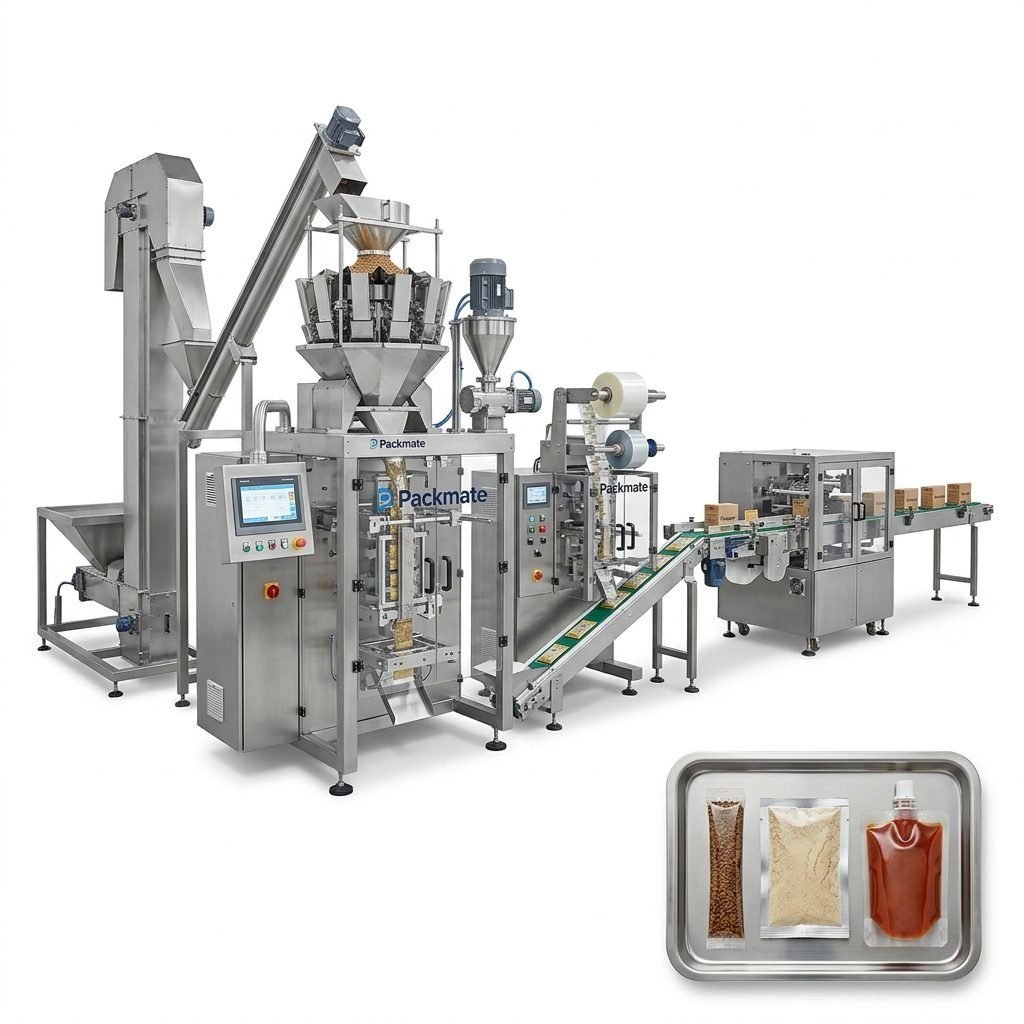
Choosing a supplier that views the sale as the start of a partnership, rather than a one-time transaction, is in the best long-term interest of your business in India’s competitive landscape.
Leading Packaging Machine Manufacturers for the Indian Market
Based on industry presence, export strength, and product range, several manufacturers are well-positioned to serve the diverse needs of the Indian industry. The following overview highlights key suppliers that combine scale, experience, and technical capability.
Ludyway: A Full-Scale Solution Provider
With over 30 years of experience and a dominant estimated market share, Ludyway is a major force. Its strength lies in a very wide product range and the capability to supply everything from individual machines to complete turnkey packaging lines. This makes it a suitable partner for large Indian corporations or ambitious mid-sized companies looking for scalable, integrated solutions, particularly in food, pharma, and health supplements.
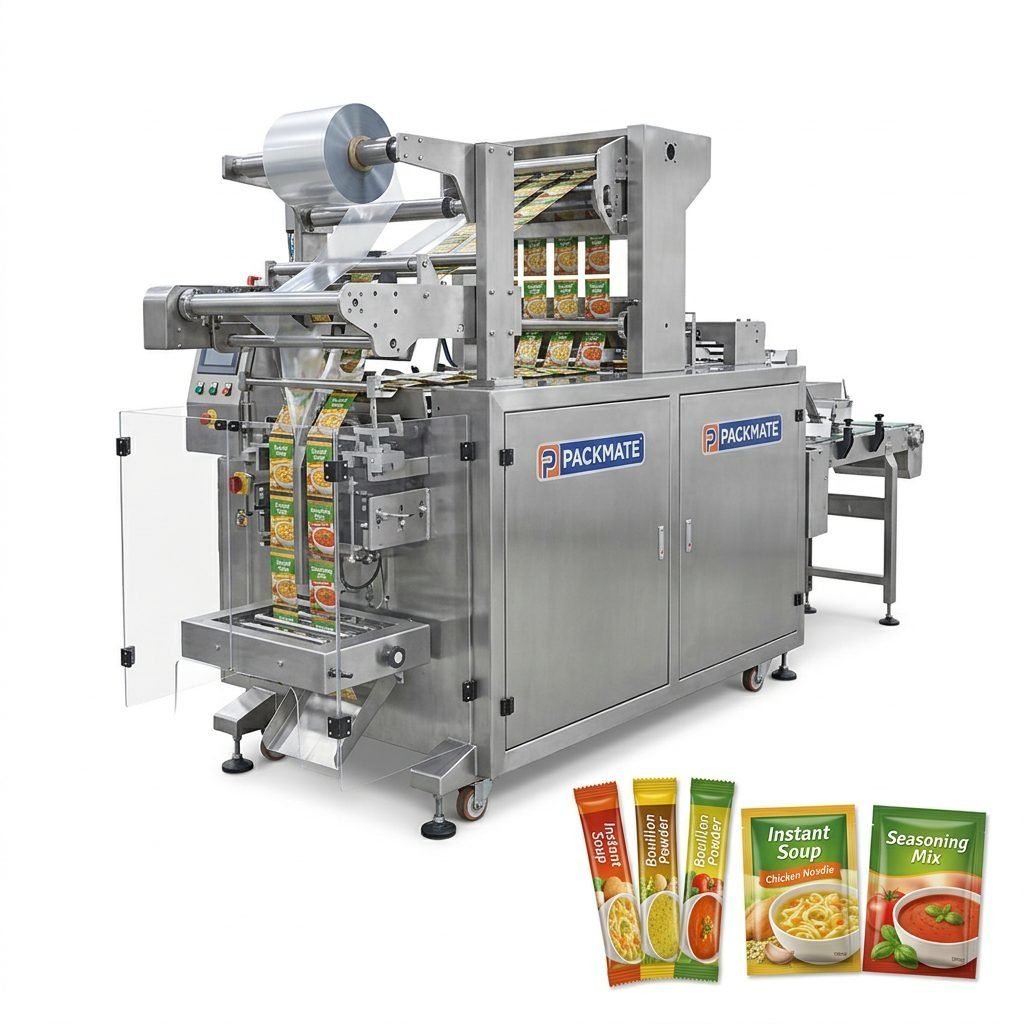
Packmate Machinery: Reliable and Practical Automation
Packmate Machinery offers a strong balance of technical reliability and cost efficiency. With over 80 machine models and three decades of experience, it provides practical automation solutions suitable for medium to large-scale Indian production facilities. Its focus on stable performance and good export experience makes it a reliable choice for buyers seeking dependable equipment without over-engineering.
Specialized and Niche Suppliers
For projects with specific requirements, specialized manufacturers offer targeted expertise. SnusMachinery is a prime example, focusing on the nicotine pouch and snus packaging segment—a niche but growing area. Similarly, companies like PacklineOEM and PackingMachineOEM excel in delivering customized, non-standard, and complete turnkey line solutions, which are ideal for Indian manufacturers with unique product formats or those undertaking major automation upgrades.
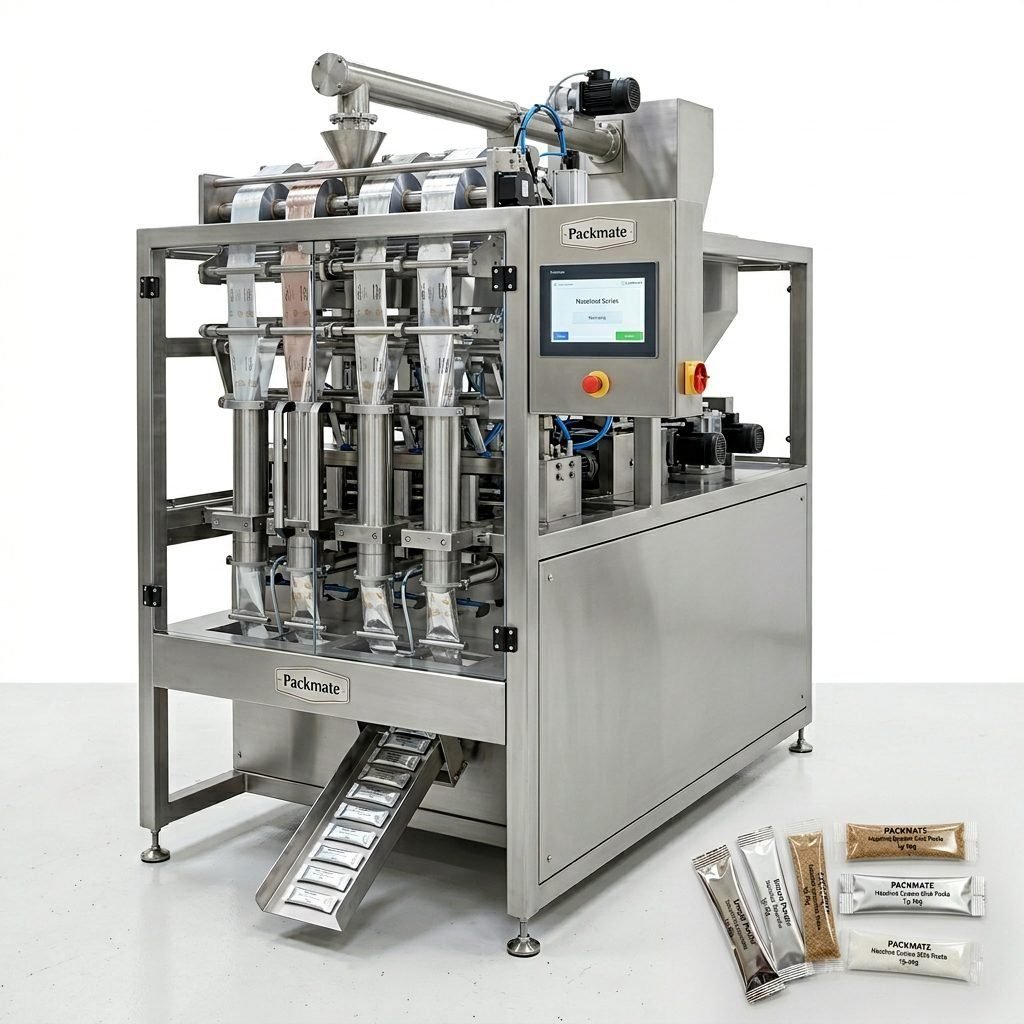
Final Steps: Site Visits and Trial Runs
Before finalizing a decision, if feasible, arrange a visit to the supplier’s manufacturing facility. This allows you to inspect their production hygiene, quality control, and technical prowess firsthand. Even more critical is conducting a product trial run. Sending your actual product samples to the supplier for testing on their machine will provide concrete data on performance, speed, sealing quality, and yield accuracy, ensuring the equipment meets your practical production expectations.
In summary, selecting the right packaging machine supplier in India requires a strategic approach that balances technical specs, supplier credibility, and long-term support. By thoroughly evaluating manufacturers against these criteria, Indian businesses can invest in automation that enhances efficiency, ensures product integrity, and supports sustainable growth in both domestic and international markets.
Frequently Asked Questions (FAQs)
What is the typical lead time for receiving a packaging machine in India?
Lead times vary based on machine complexity and customization. For standard models, it can range from 30 to 90 days after order confirmation, excluding shipping and customs clearance. Custom or turnkey lines may require 4 to 6 months or more.
How important is after-sales service when choosing a supplier?
Extremely important. Reliable after-sales service, including local technical support and spare parts availability, is crucial for minimizing production downtime and ensuring the long-term productivity of your investment.
Can I get customized machines for traditional Indian food products?
Yes, many leading manufacturers offer customization for bag formats, dosing systems, and handling characteristics suited to traditional products like spices, masala powders, or viscous pastes. Discuss your specific product requirements in detail during the inquiry stage.
What are the key certifications I should look for?
For general machinery, CE marking is common. For food contact, look for declarations of food-grade materials (e.g., SS316/304). For pharmaceutical applications, GMP-compliant design is essential. Always verify certifications relevant to your industry.
Is it better to buy a single machine or a complete turnkey line?
This depends on your current setup and goals. A single machine is suitable for replacing old equipment or adding capacity. A turnkey line is ideal for new greenfield projects, major expansions, or when seeking fully synchronized automation for maximum efficiency and labor savings.