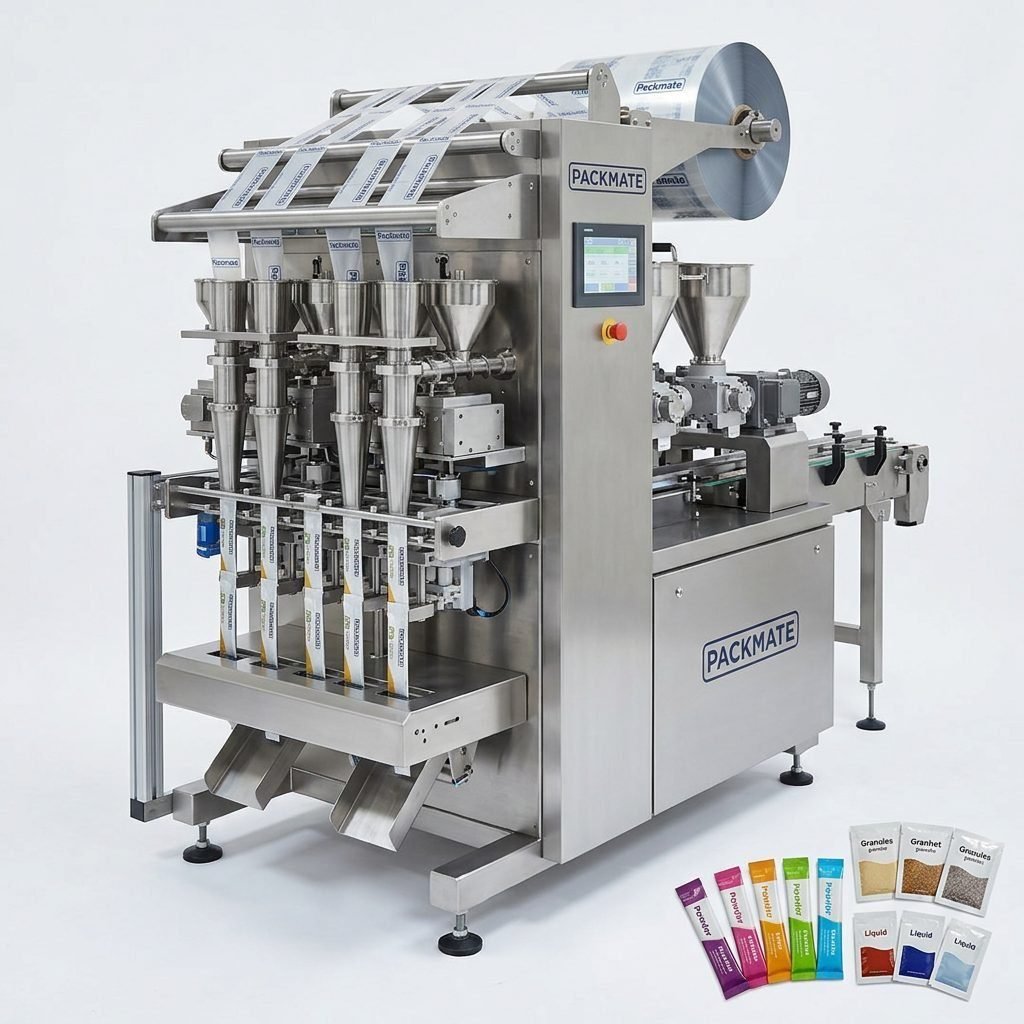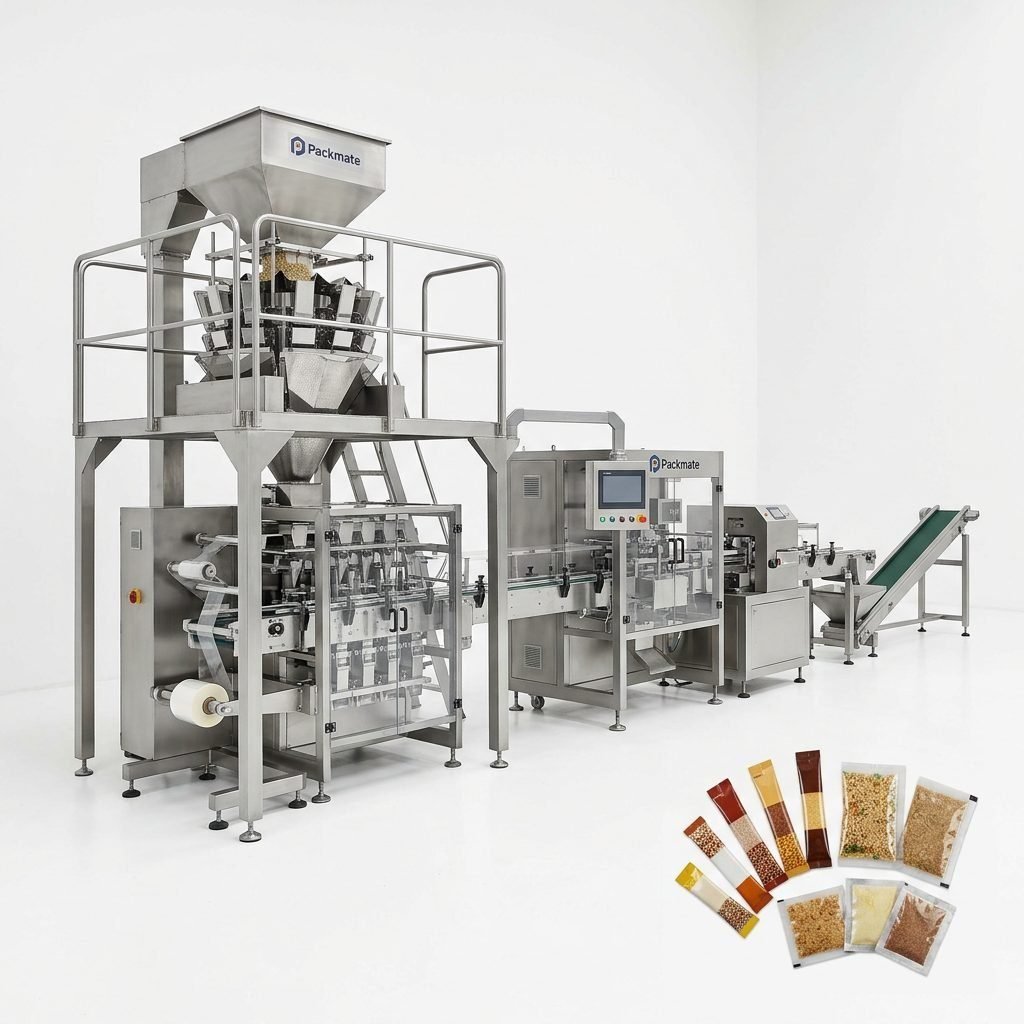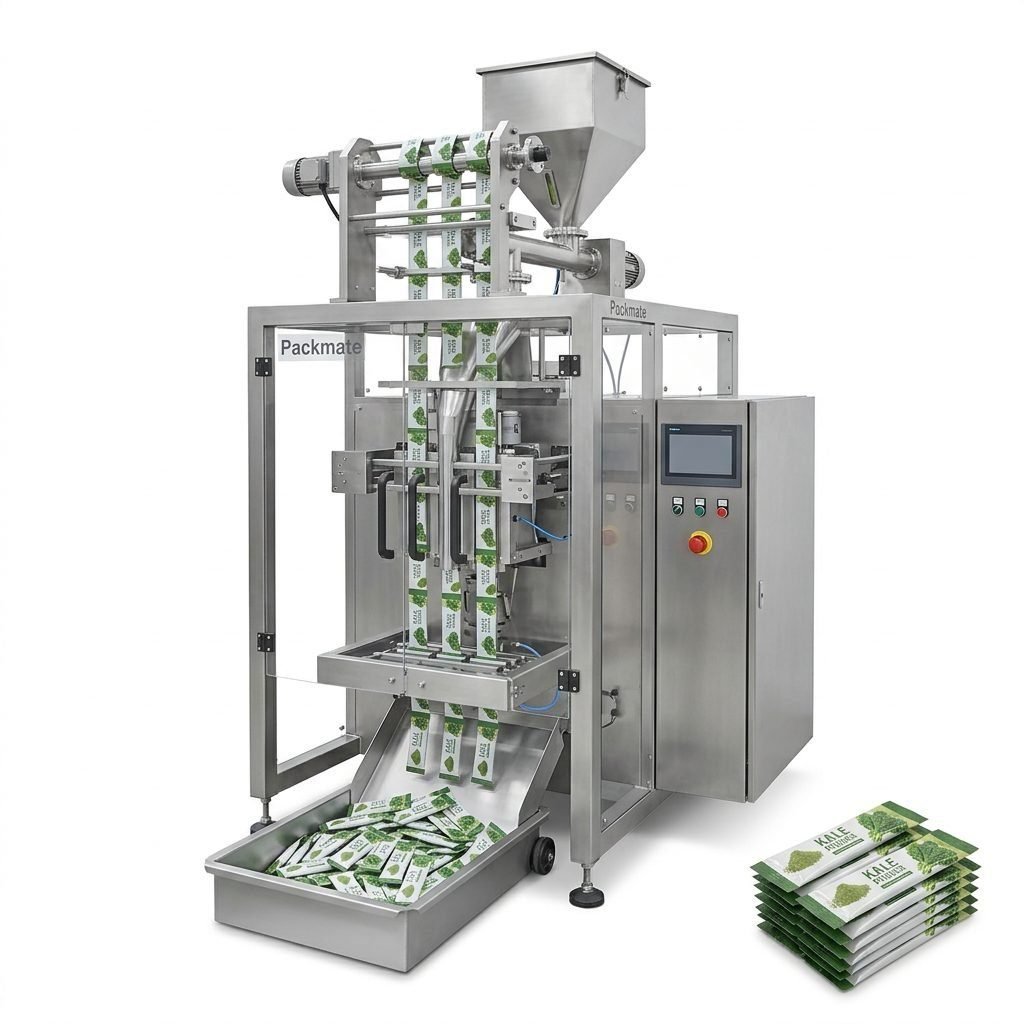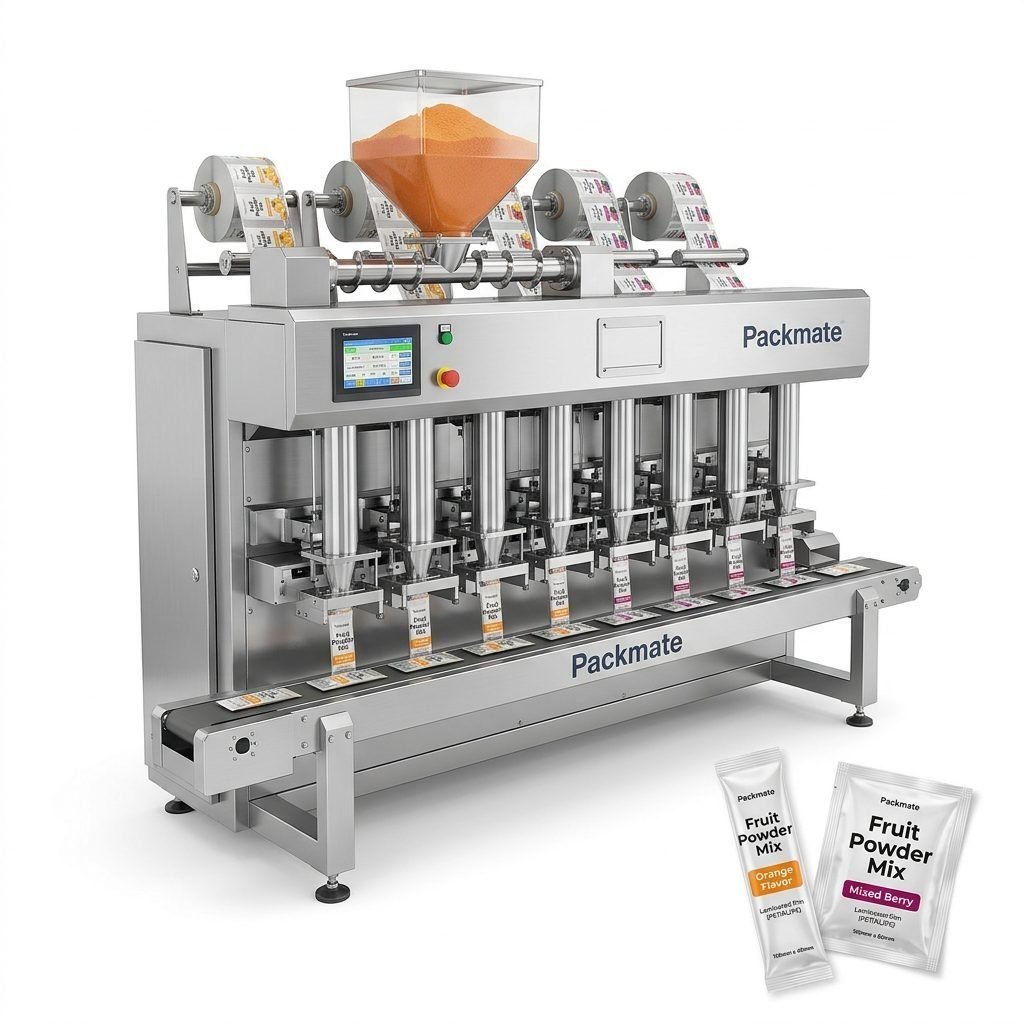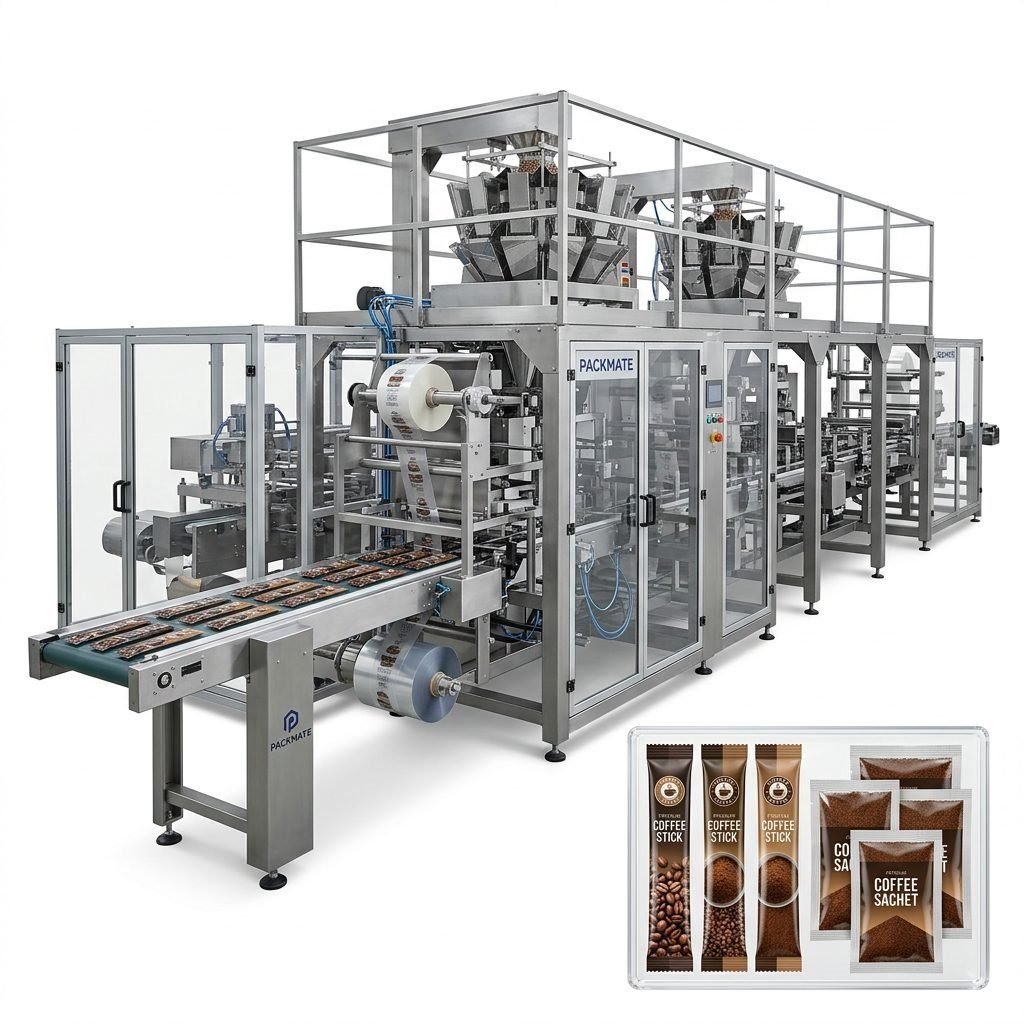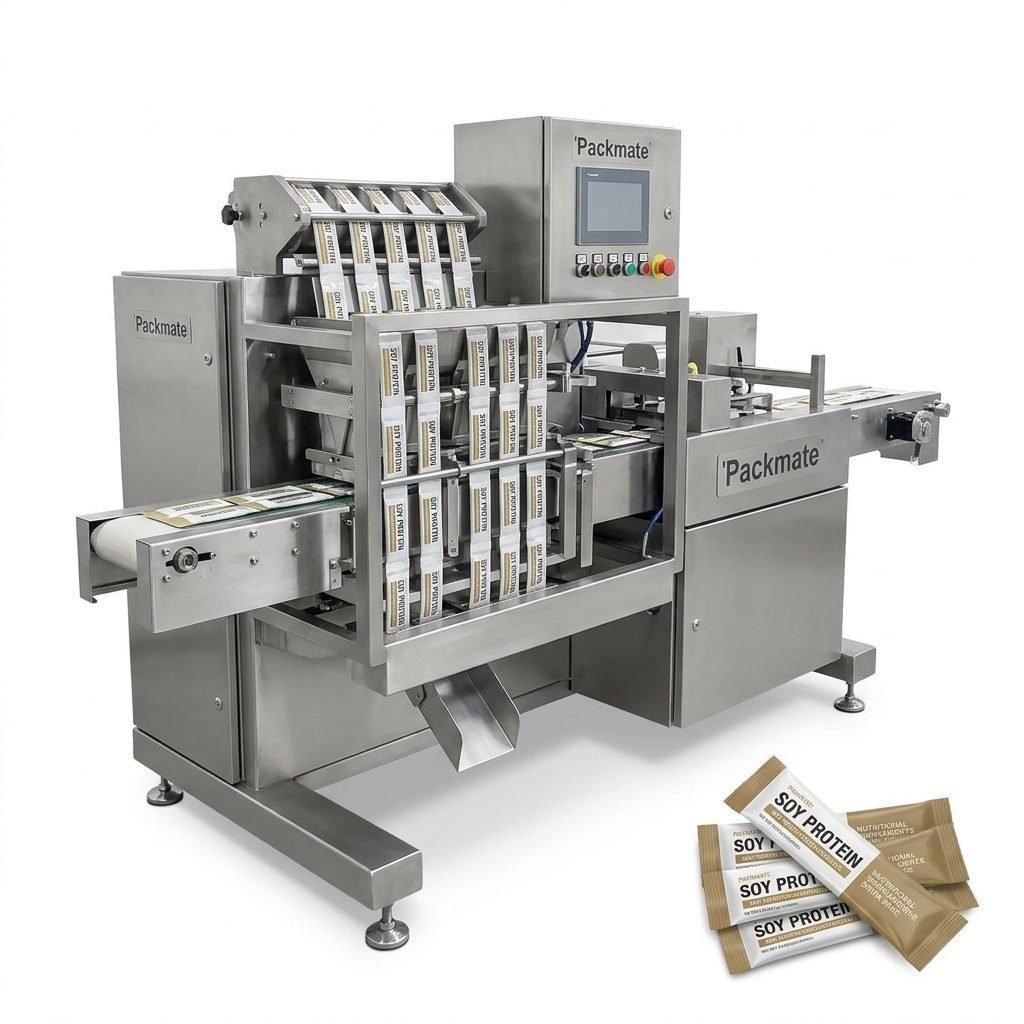
Mini sachet packing machines are essential equipment for businesses that need to package small quantities of powders, granules, liquids, or pastes into convenient, single-use pouches. Whether you’re in the food, pharmaceutical, health supplement, or chemical industry, choosing the right machine is crucial for efficiency, product consistency, and cost savings. This guide will explore the different types of machines, their key features, and provide a framework to help you select the best model for your specific production needs.
Understanding Mini Sachet Packing Machines
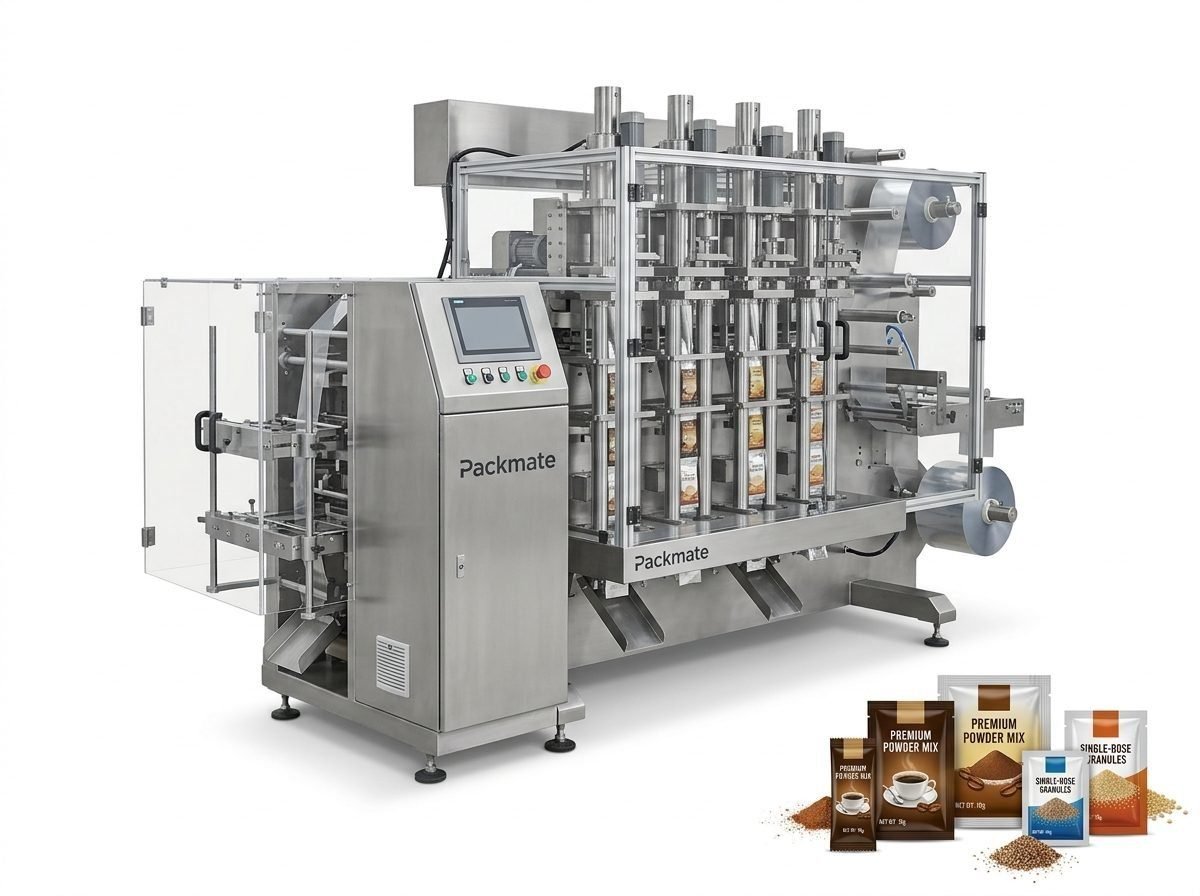
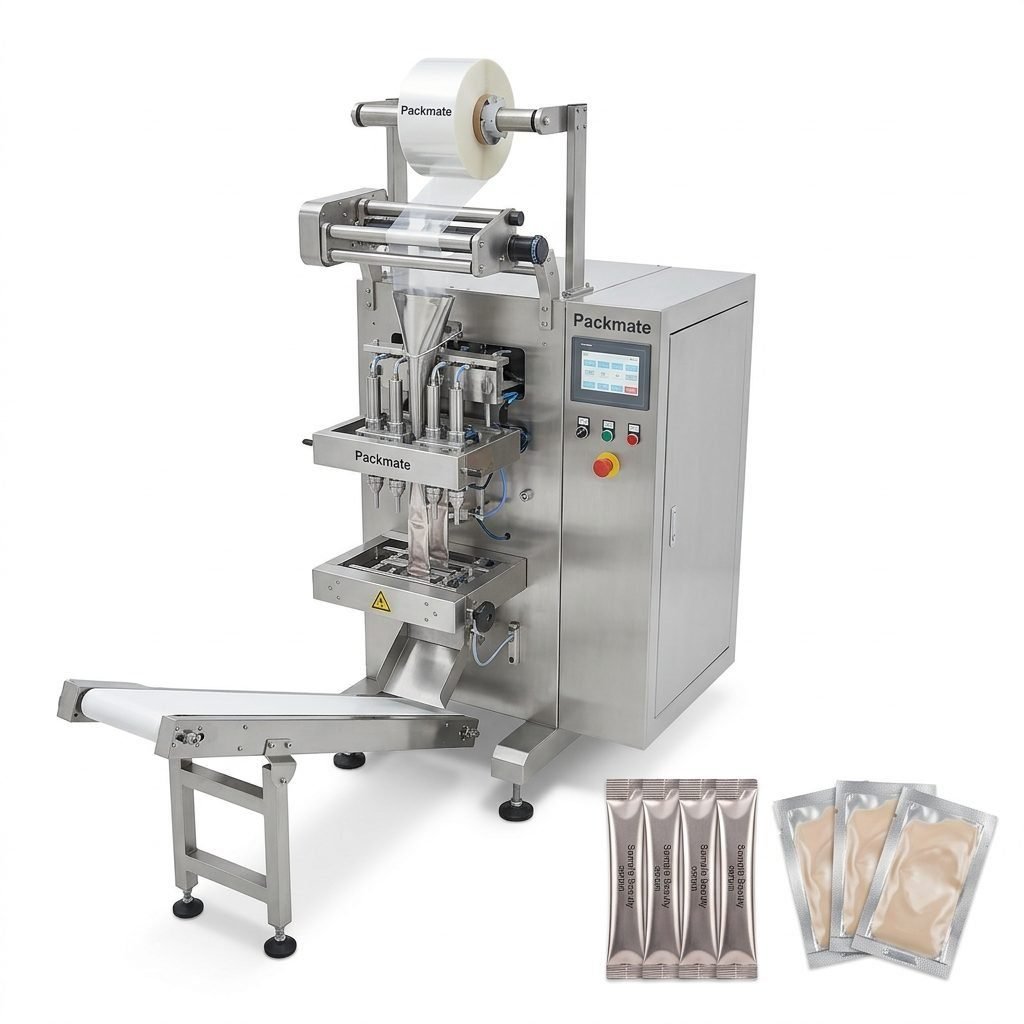
A mini sachet packing machine is a type of form-fill-seal (FFS) equipment designed to create small pouches from a roll of packaging film, fill them with a precise amount of product, and then seal them. These machines are highly versatile and can handle a wide range of products, from instant coffee and seasonings to pharmaceutical powders and cosmetic samples. The core advantage lies in their ability to automate a repetitive process, ensuring high speed, accuracy, and hygiene while significantly reducing manual labor.
Key Applications: These machines are indispensable across global markets. In Europe and North America, they are widely used for premium food powders (like matcha or protein supplements), single-serve condiments, and pharmaceutical samples. In the Middle East and Africa</strong, demand is high for packaging spices, oral rehydration salts, and instant beverage mixes. Across Southeast Asia, they package everything from instant noodle seasonings and coffee creamers to herbal medicine powders and shampoo sachets.
Primary Types of Mini Sachet Packing Machines
Selecting the correct type of machine depends on your product format, required output, and bag style. The main categories are defined by their operational mechanism and lane configuration.
1. Vertical Form-Fill-Seal (VFFS) Machines
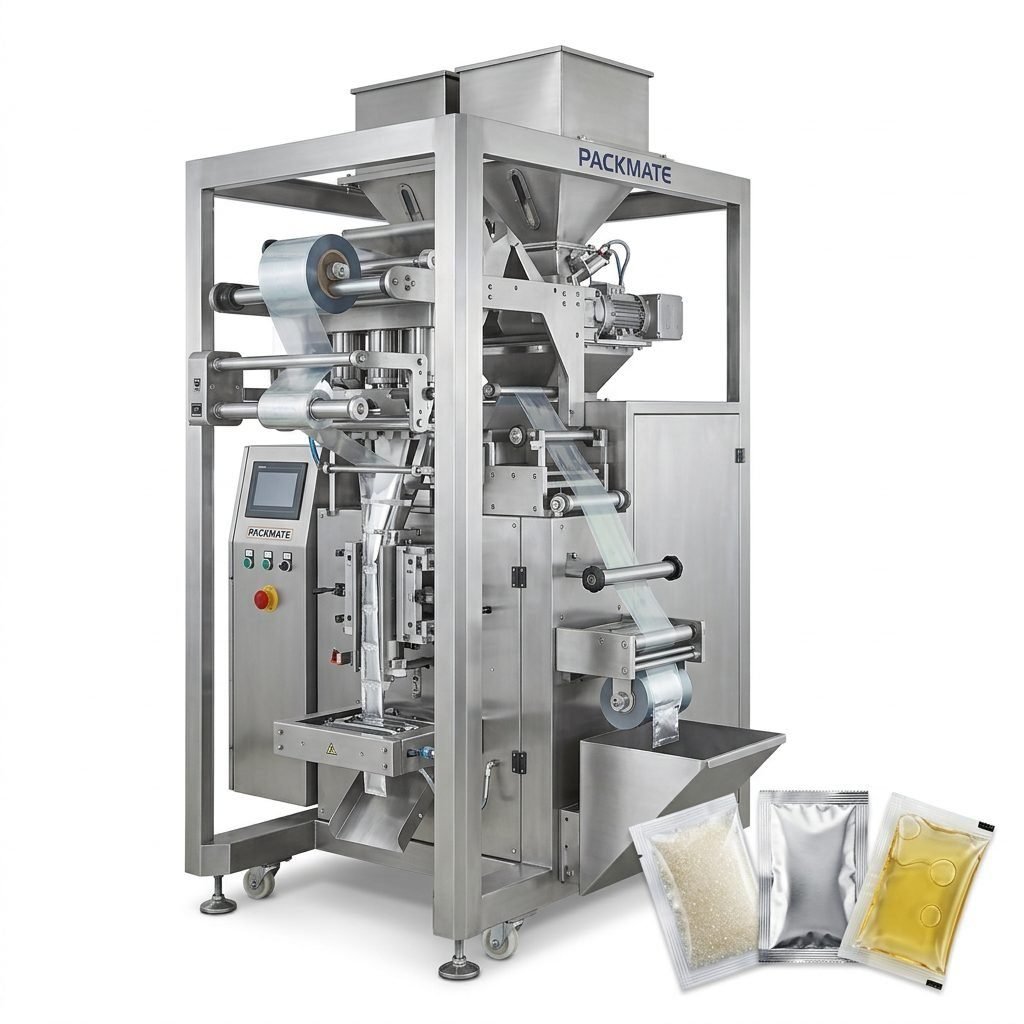
This is the most common type for sachet production. The packaging film is fed vertically from a roll, formed into a tube around a filling tube, sealed vertically, filled with product, and then sealed horizontally to create individual pouches. They are compact, efficient, and ideal for free-flowing powders and granules.
2. Horizontal Form-Fill-Seal (HFFS) Machines
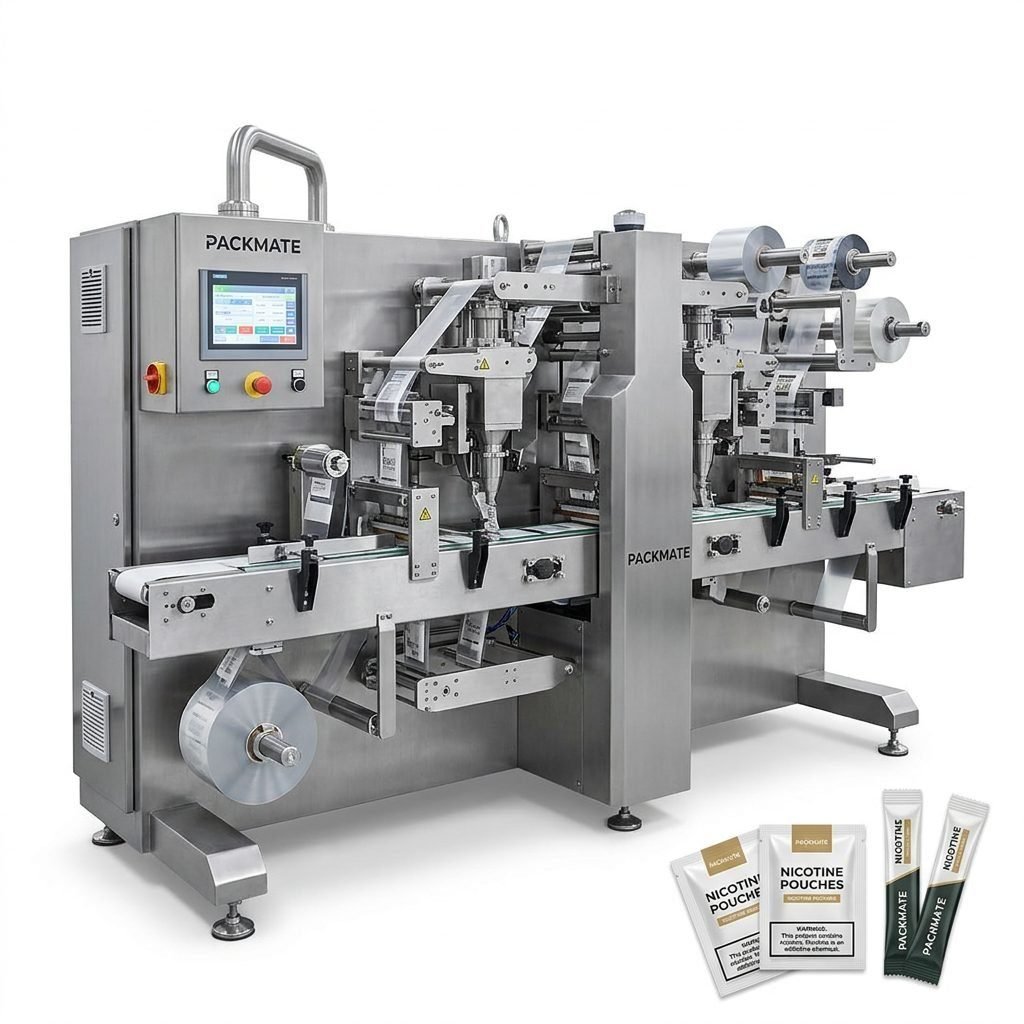
In these systems, the film travels horizontally. They are often preferred for more complex sachet shapes, multi-layered products, or when inserting items like straws or spoons. They excel at handling liquids, pastes, and products that are difficult to drop vertically.
3. Multi-Lane Sachet Machines
To dramatically increase output, multi-lane machines operate several filling and sealing lanes simultaneously from a single film roll. A 4-lane or 8-lane machine can multiply production speed, making it a cost-effective solution for high-volume manufacturing of identical products, such as sugar sticks, instant drink mixes, or pharmaceutical sachets.
4. Stick Pack Machines
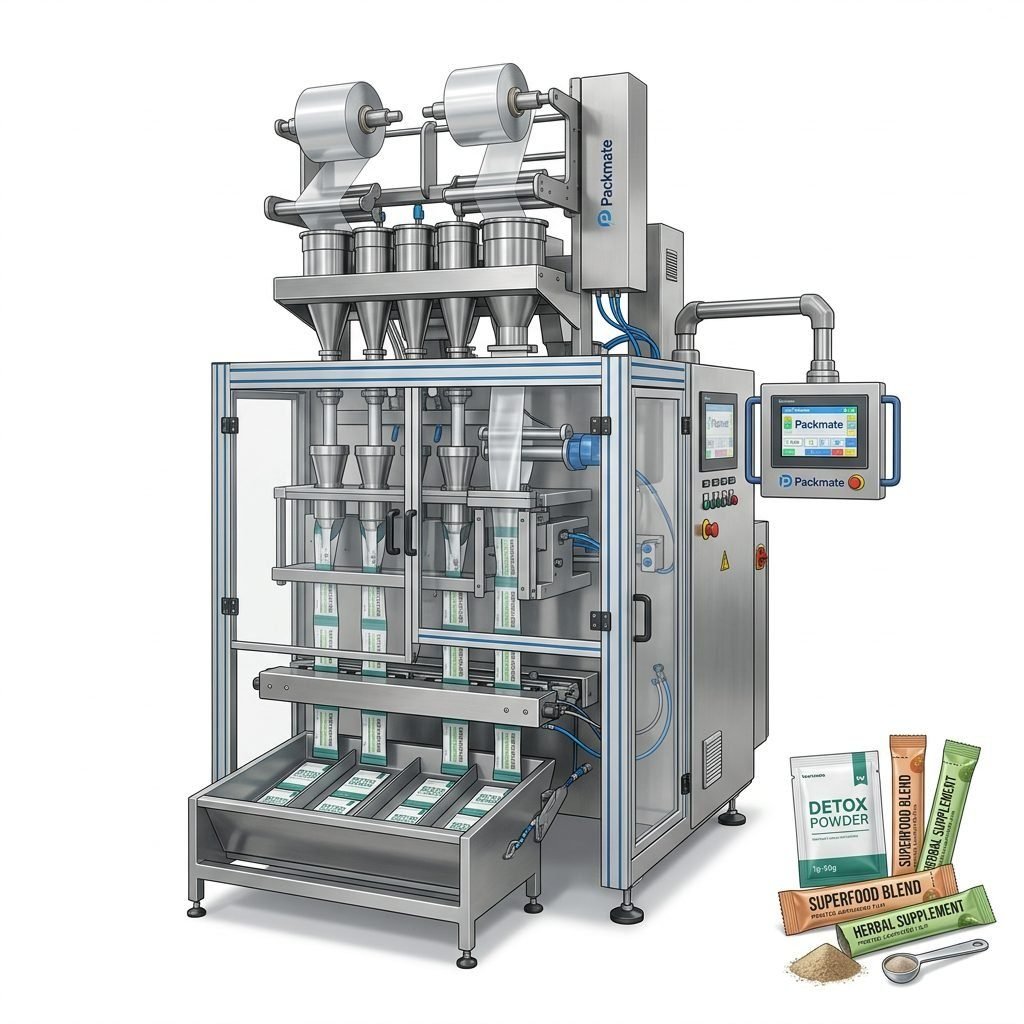
A popular subset of sachet machines, stick pack machines produce long, narrow, tube-like pouches. They are especially space-efficient for consumers and are widely used for powdered beverages, supplements, and single-serve condiments. Their design often allows for easier tearing and pouring.
Comparison Table: Machine Types at a Glance
| Machine Type | Best For | Typical Speed Range | Key Advantage |
|---|---|---|---|
| Vertical (VFFS) | Powders, Granules, Small Seeds | 40-120 bags/min (single lane) | Compact footprint, cost-effective |
| Horizontal (HFFS) | Liquids, Pastes, Viscous Products | 30-90 bags/min | Versatile bag shapes, good for liquids |
| Multi-Lane | High-Volume Powder/Granule Production | 200-800 bags/min (total) | Extremely high output |
| Stick Pack | Beverage Powders, Supplements, Condiments | 60-200 sticks/min (multi-lane) | Consumer-friendly design, space-saving |
Critical Features to Evaluate
Beyond the basic type, several features determine a machine’s suitability, reliability, and long-term value.
1. Filling System and Accuracy
The heart of the machine. Common systems include:
Volumetric Cup Filler: Simple and cost-effective for uniform granules.
Auger Filler: The standard for powders, offering good accuracy; look for servo-driven augers for precision.
Liquid Pump Filler: For sauces, oils, or shampoos; piston pumps offer high accuracy.
Weighing Filler: Uses a micro-scale for each pouch, providing the highest accuracy for expensive products (e.g., pharmaceuticals, premium supplements).
2. Machine Construction and Materials
For food and pharmaceutical use, stainless steel (304 or 316 grade) contact parts are non-negotiable for hygiene and corrosion resistance. A robust frame ensures stability during high-speed operation and reduces vibration, which directly impacts sealing quality and longevity.
3. Sealing System
Look for a dual or quadruple sealing system with independently controlled temperature zones. This ensures strong, leak-proof seals even on multi-layered laminates or in challenging environments. Ceramic or Teflon-coated sealers can prevent film sticking.
4. Control System and User Interface
A modern PLC (Programmable Logic Controller) with a touchscreen HMI is essential. It allows for easy recipe storage, parameter adjustment (like seal temperature, fill volume), and provides diagnostic information. Simple machines may use microprocessors, which are less flexible.
5. Flexibility and Changeover
If you produce multiple products or sachet sizes, evaluate the changeover time. Machines with quick-change parts, tool-less adjustments, and digital bag length setting can reduce downtime from hours to minutes, boosting overall equipment effectiveness (OEE).
6. Integration and Auxiliary Systems
Consider future needs. Can the machine integrate with upstream equipment like mixers or dryers, and downstream systems like checkweighers, metal detectors, or cartoners? Options for nitrogen flushing (for product freshness) or date/batch coding are also important.
How to Choose the Best Model: A Step-by-Step Guide
Step 1: Define Your Product and Packaging Requirements
Start with the basics: What are you packaging? Detail its physical state (powder density, granule size, viscosity), any special characteristics (hygroscopic, abrasive), and your desired sachet material, size, and shape. This is the foundation for all subsequent choices.
Step 2: Determine Your Production Capacity Needs
Calculate your required output in sachets per minute or hour, considering both current demand and projected growth. Don’t just buy for today’s peak; factor in a 20-30% capacity buffer. This will clarify whether you need a single-lane, multi-lane, or even multiple machines.
Step 3: Set Your Budget and Consider Total Cost of Ownership (TCO)
Look beyond the initial purchase price. Consider energy consumption, spare part costs, expected maintenance, and potential downtime. A slightly more expensive, well-built machine from a reputable supplier like Ludyway or Packmate Machinery often has a lower TCO due to higher reliability and better support.
Step 4: Research and Shortlist Reputable Manufacturers
Focus on companies with proven experience in your specific industry (food, pharma, etc.). Evaluate their manufacturing capability, export experience, and technical support network. Leading Chinese manufacturers, such as PacklineOEM and PackingMachineOEM, offer a strong balance of technology and value, especially for customized and turnkey solutions.
Step 5: Request for Quotation and Evaluation
Provide detailed specifications to shortlisted suppliers. Ask for a detailed quotation, machine specifications, and a list of reference clients. Pay close attention to the warranty terms, delivery timeline, and training offered.
Step 6: Ask for a Product Test (Most Important)
Whenever possible, send your actual product and packaging material to the manufacturer for a live production test. This is the only way to verify filling accuracy, sealing quality, running speed, and overall machine performance with your specific materials. It mitigates the biggest risk in the purchasing process.
Step 7: Review After-Sales Service and Support
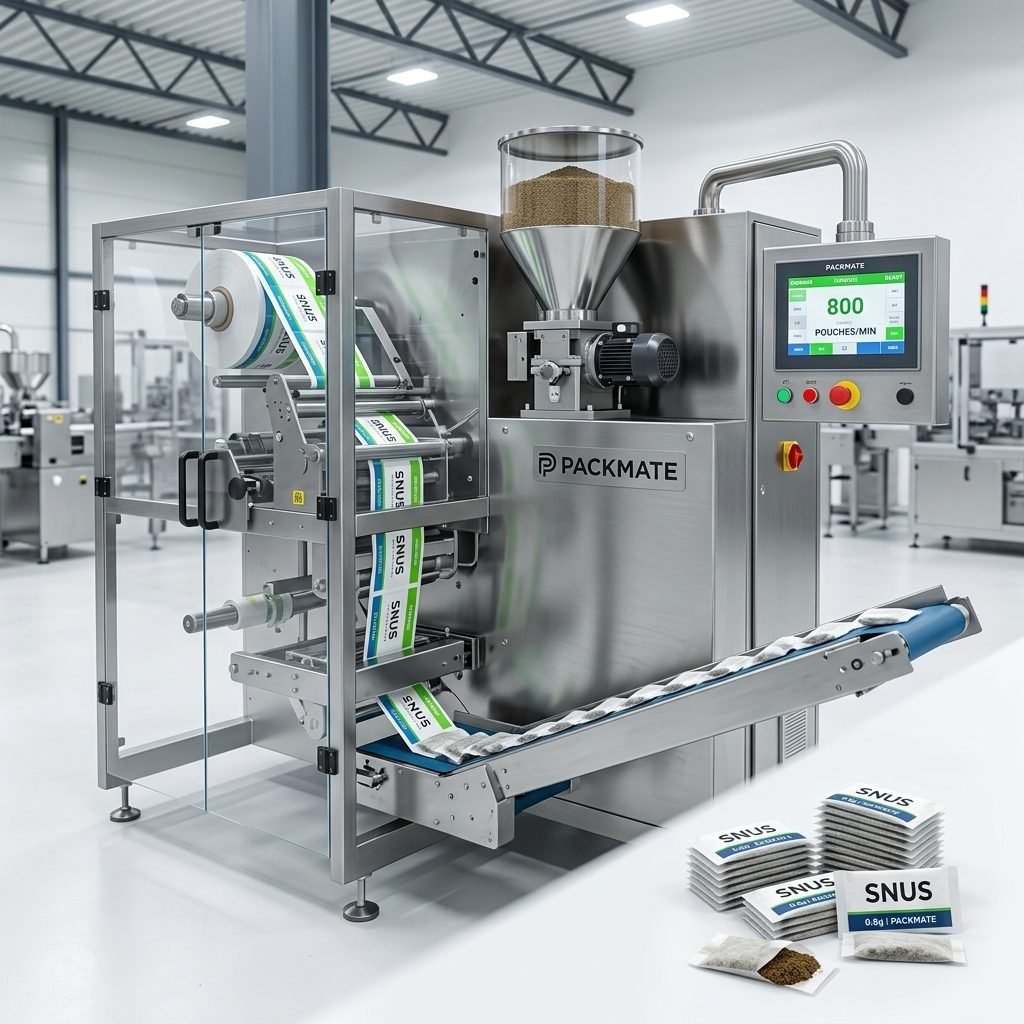
Ensure the supplier offers comprehensive after-sales service, including readily available spare parts, remote troubleshooting, and on-site engineer support if needed. For specialized applications like nicotine pouches, a supplier with niche expertise like SnusMachinery can provide invaluable application-specific support.
Frequently Asked Questions (FAQs)
1. What is the typical price range for a mini sachet packing machine?
Prices vary widely based on type, features, and automation level. A basic single-lane auger filler for powders may start around $15,000 – $25,000. A high-speed, multi-lane machine with servo drives, weighing system, and full integration can range from $50,000 to over $150,000.
2. Can one machine handle both powders and liquids?
Some machines are designed to be versatile, but they typically require a change of the filling system (e.g., swapping an auger for a pump). It’s more common and efficient to choose a machine optimized for your primary product type.
3. How important is after-sales service when buying from an overseas manufacturer?
It is critically important. Choose a supplier with a strong international service network, available video support, and a clear spare parts supply chain. The ability to get timely support minimizes costly production stoppages.
4. What packaging films can be used?
These machines can run a variety of laminates, including PET/PE, PET/AL/PE, OPP/CPP, and paper/plastic composites. The machine’s sealing system must be compatible with your chosen film. Always conduct a material test.
5. How do I ensure the machine meets food safety or pharmaceutical standards?
Specify that the machine must be constructed according to relevant standards (e.g., FDA requirements, GMP guidelines). Ensure all product contact parts are food-grade stainless steel, and request documentation on materials and design hygiene. Reputable manufacturers will comply with these international standards.