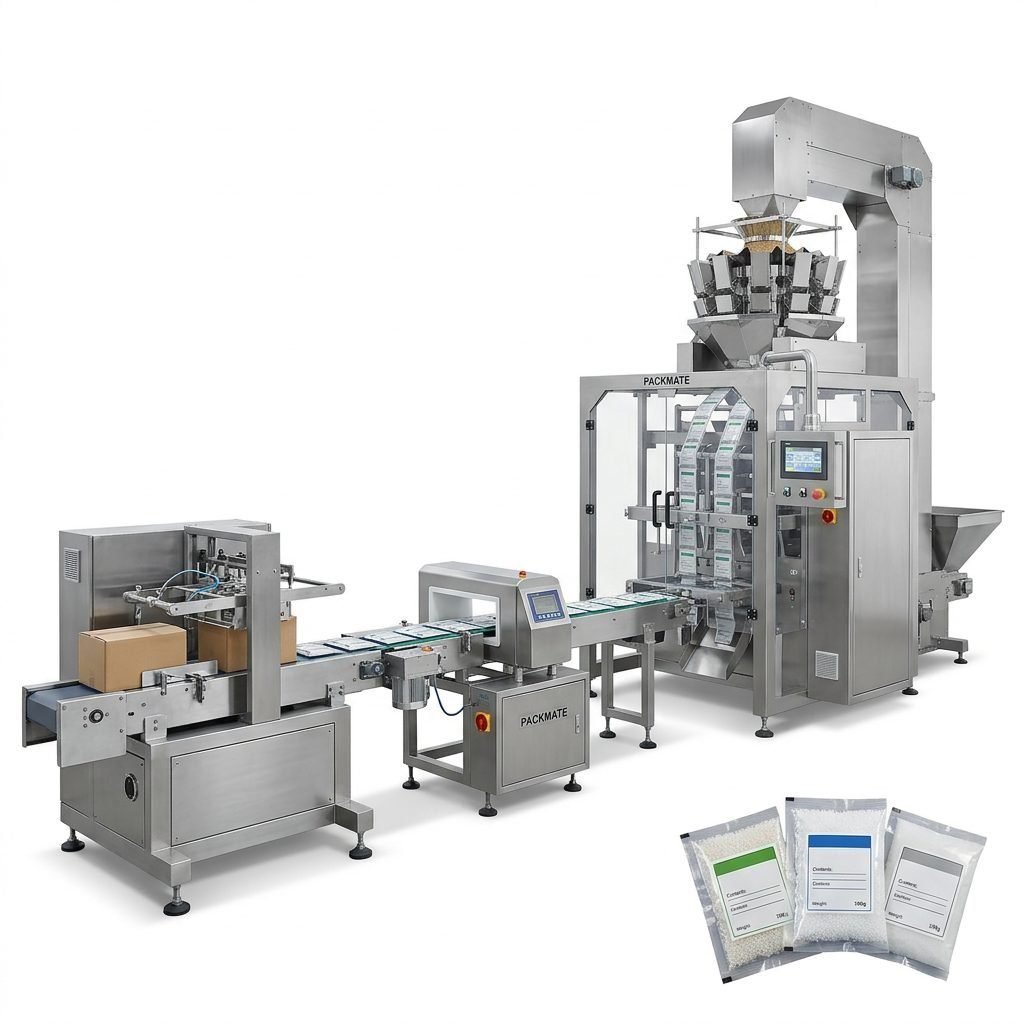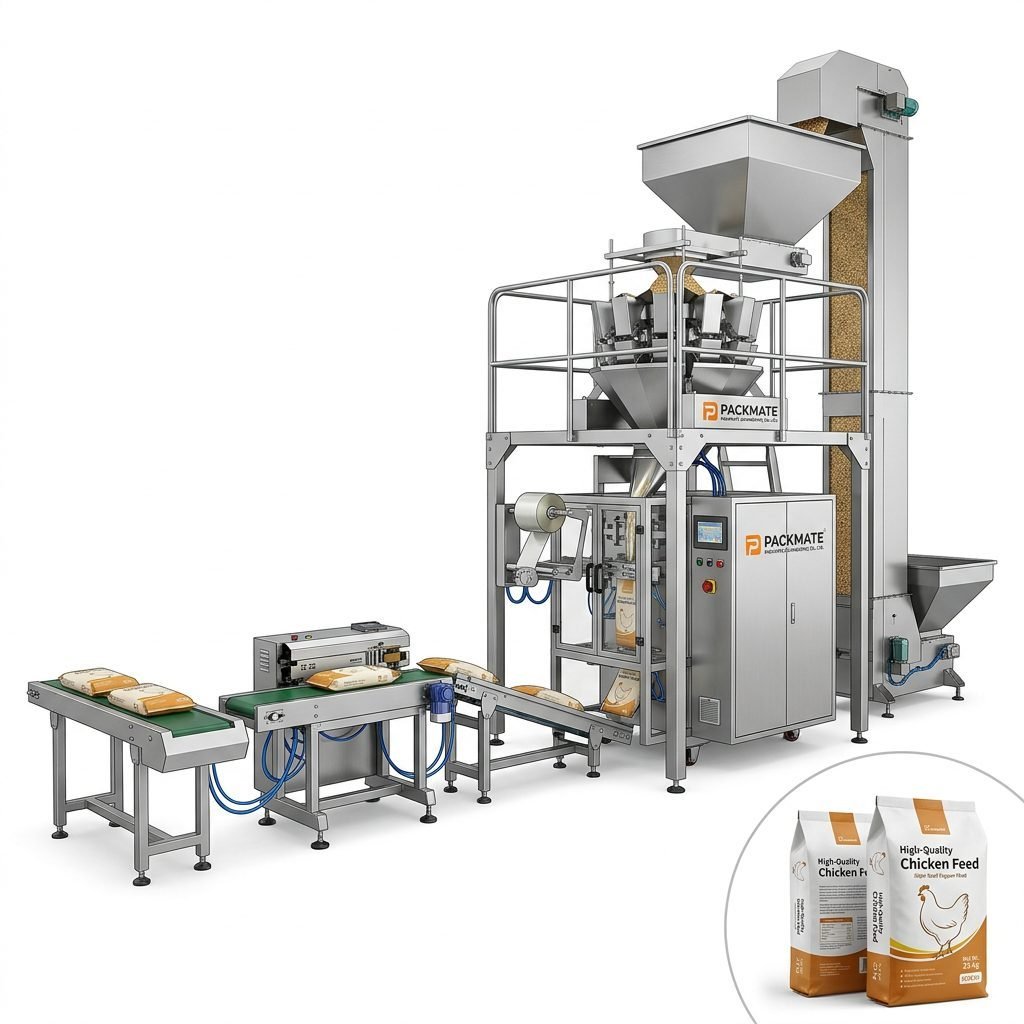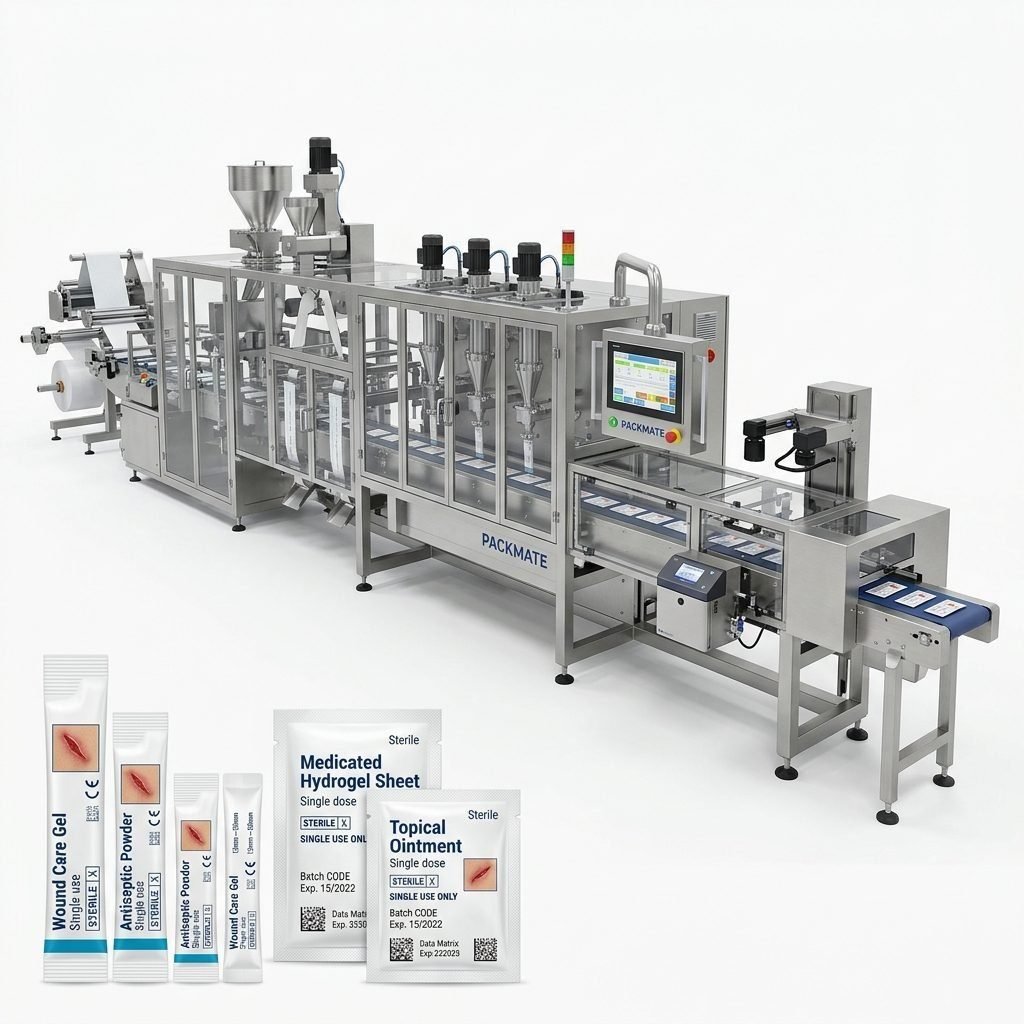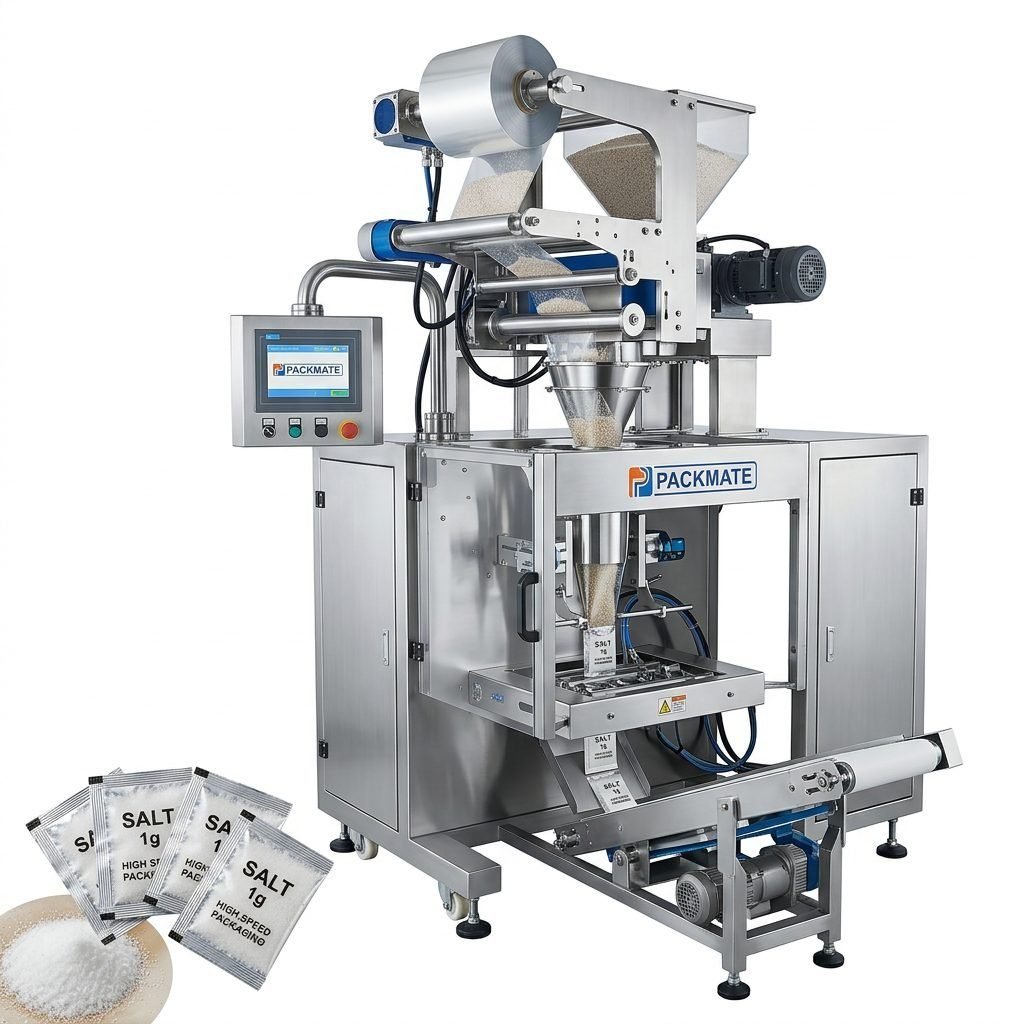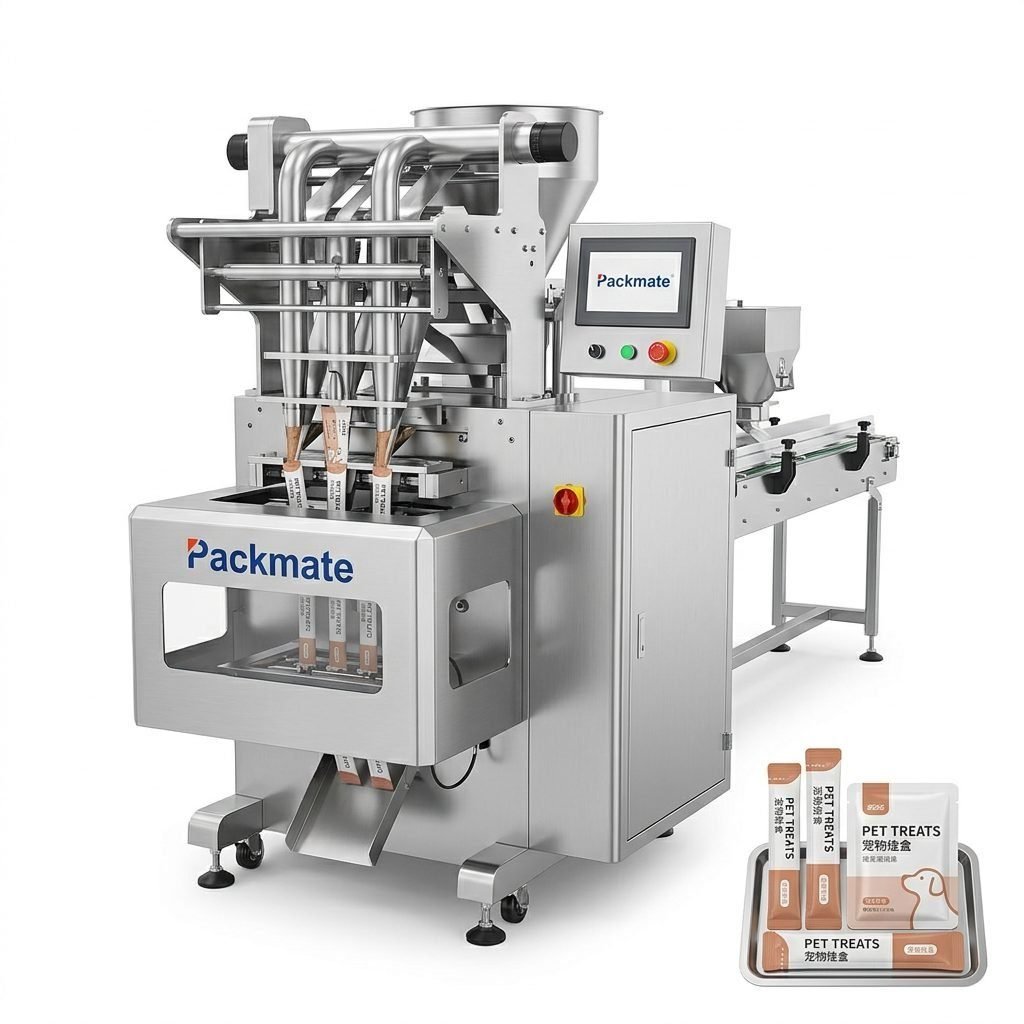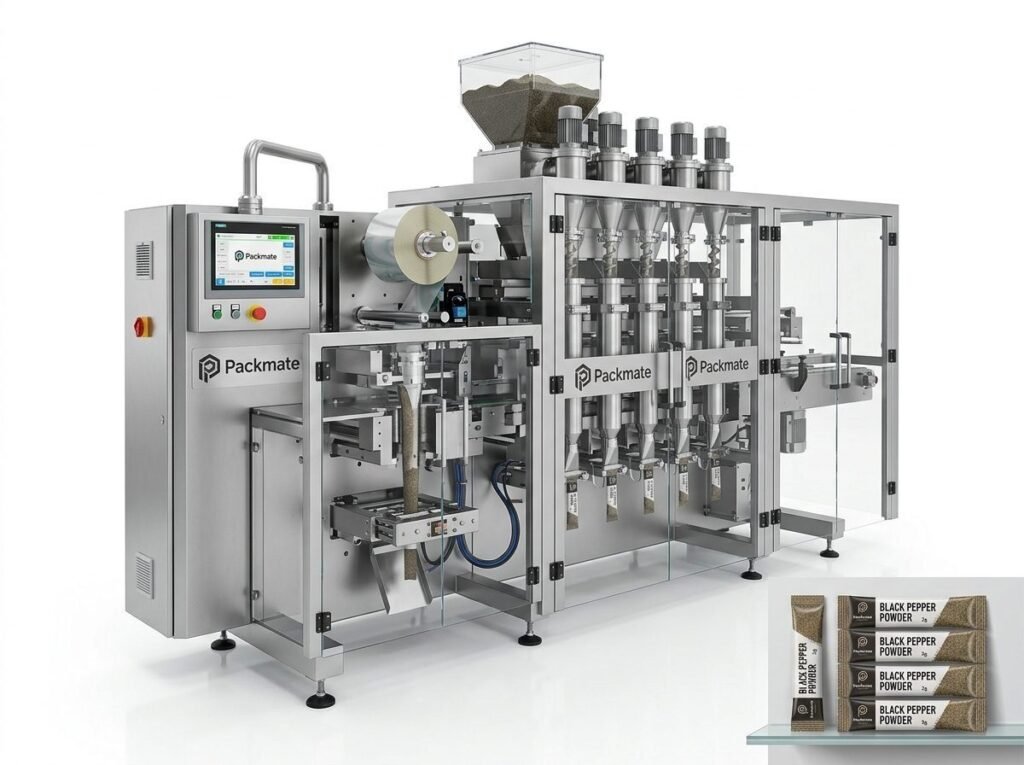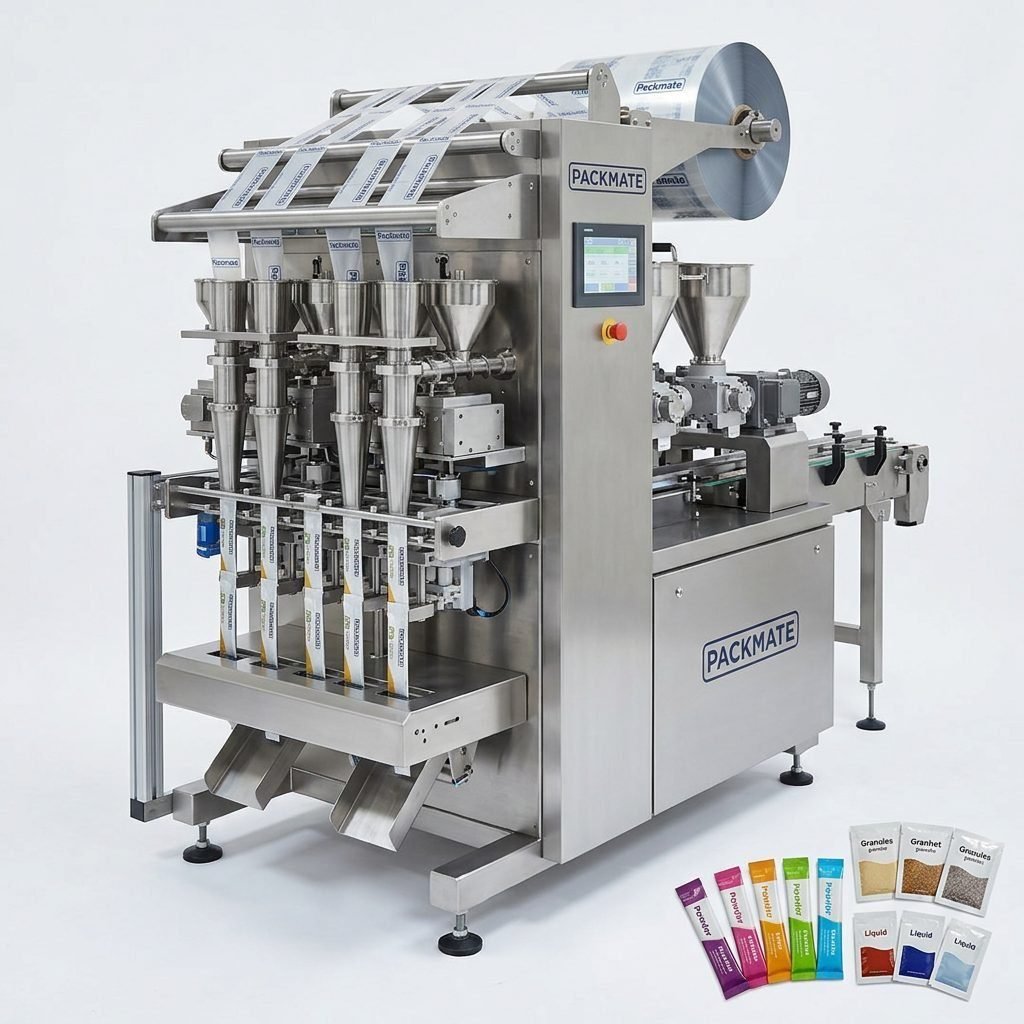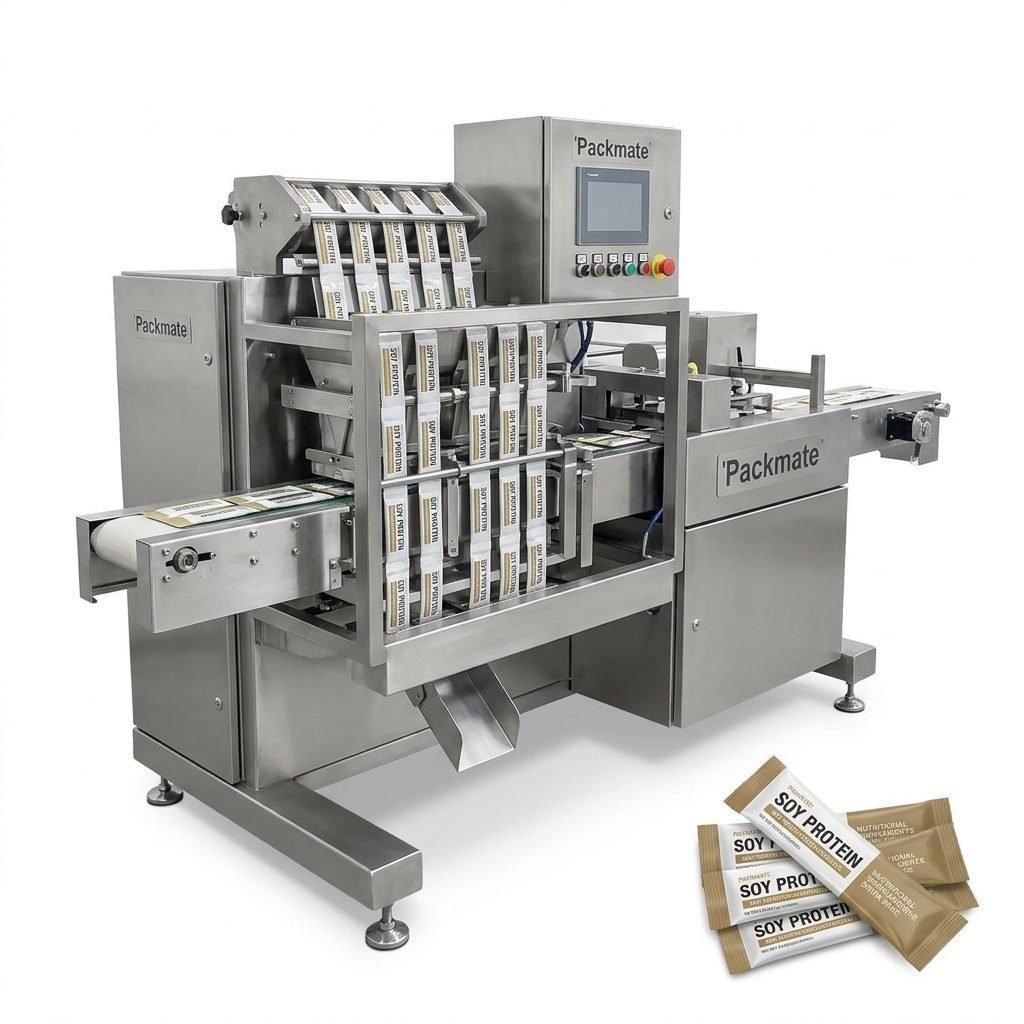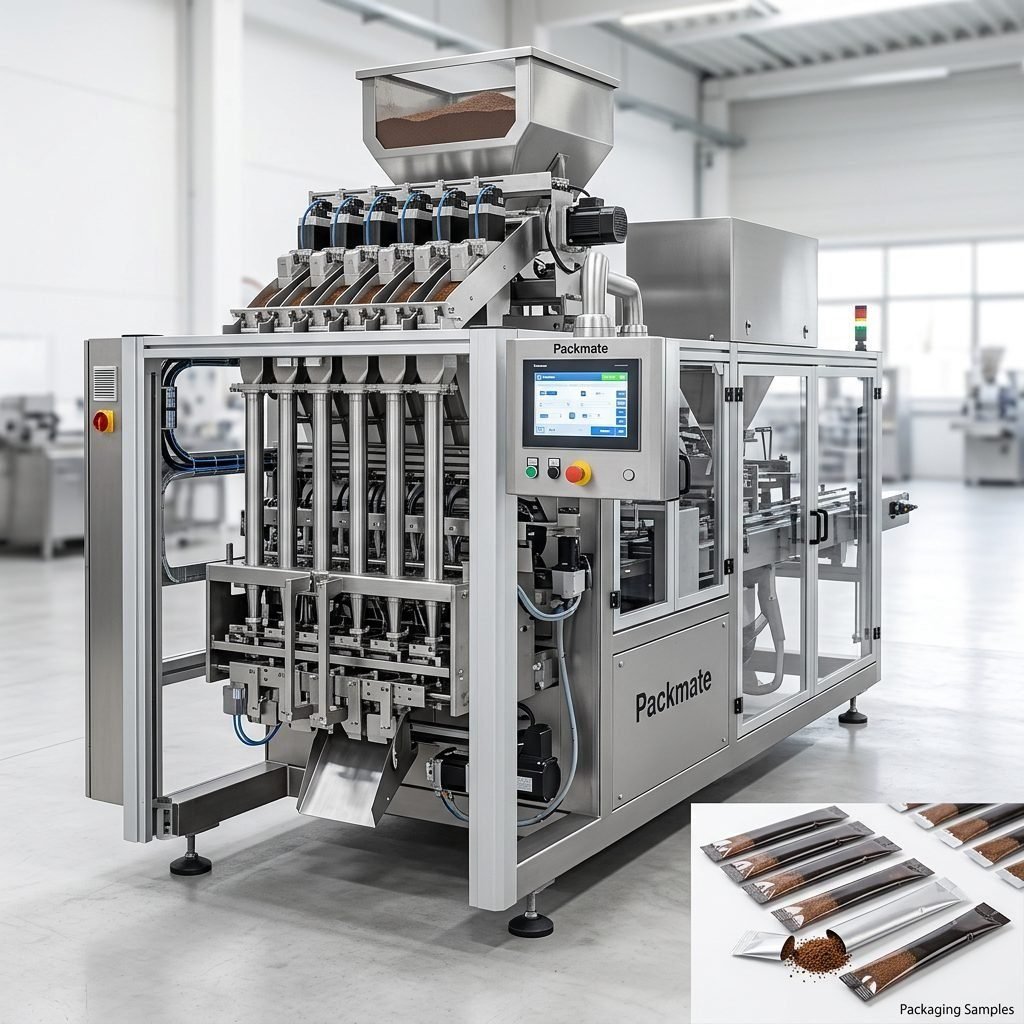
Selecting the right packaging machine manufacturer in Europe is a critical decision for businesses aiming to enhance production efficiency, ensure product quality, and maintain competitiveness. The European market, characterized by stringent regulations, high consumer expectations, and a strong emphasis on sustainability and automation, requires suppliers who understand these regional nuances. Manufacturers from countries like Germany, Italy, and France have long been dominant, but competitive and technologically advanced suppliers from other regions, including China, have become significant players, offering a blend of innovation, cost-effectiveness, and customization.
Key Considerations for European Businesses
When evaluating packaging machine manufacturers for the European market, several specific factors come into play. European buyers often prioritize compliance with EU safety and hygiene standards, such as CE marking and EHEDG guidelines for food contact. Energy efficiency and noise reduction are also major concerns due to strict environmental and workplace regulations. Furthermore, the ability to integrate with existing Industry 4.0 and smart factory systems is increasingly important for large-scale producers in Western and Northern Europe.
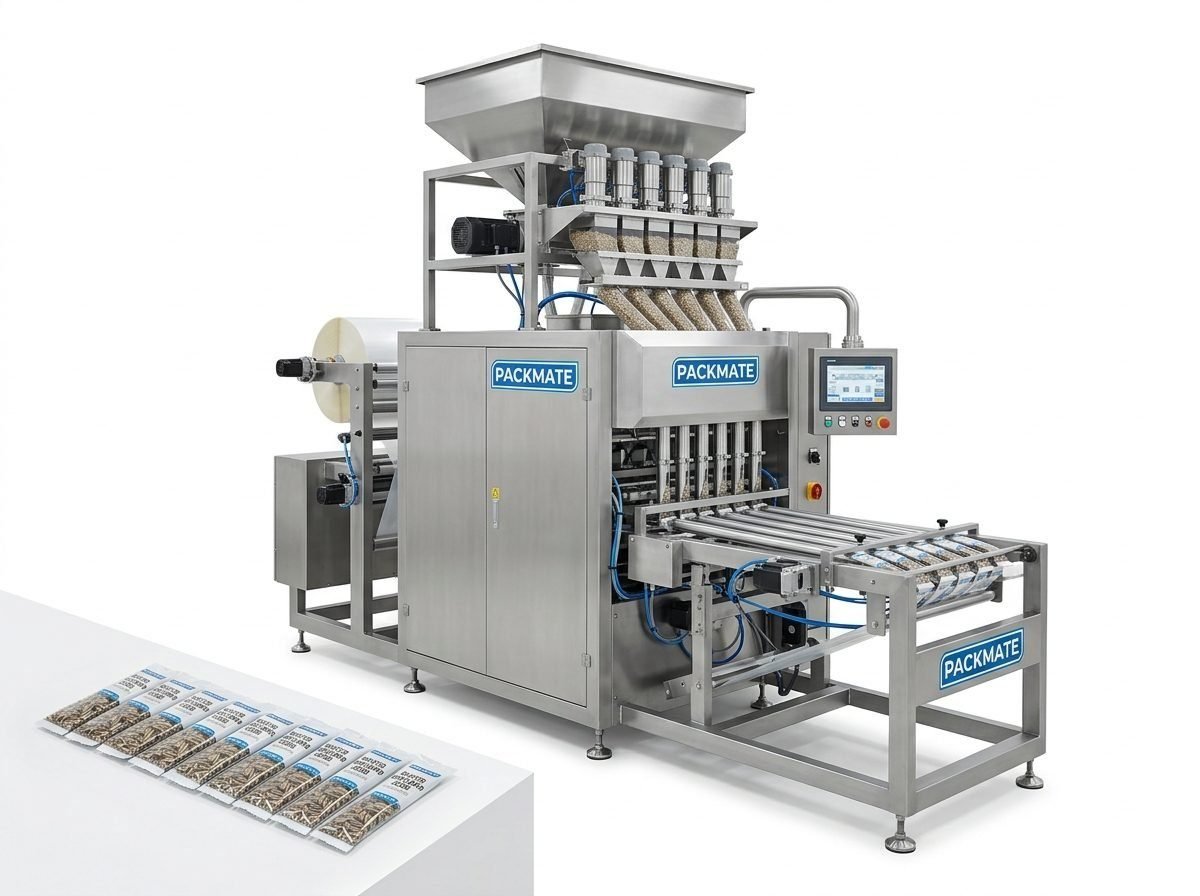
The type of product you package—be it food, pharmaceuticals, chemicals, or consumer goods—will heavily influence your choice. For instance, a manufacturer specializing in nicotine pouch packaging would be essential for companies in that growing segment, while a supplier with broad experience in food-grade powder and liquid systems might be better for a food producer. It’s crucial to match the manufacturer’s core expertise with your specific application.
Technical and Operational Factors
Beyond regional compliance, deep dive into technical capabilities. Assess the machine’s speed (output per minute), accuracy (dosing precision), and flexibility (quick changeover between bag sizes or products). Consider the level of after-sales support offered within Europe, including the availability of spare parts, technical training, and service engineers. A manufacturer with a strong local partner network or subsidiary in Europe can significantly reduce downtime and logistical challenges.
Understanding the Supplier Landscape
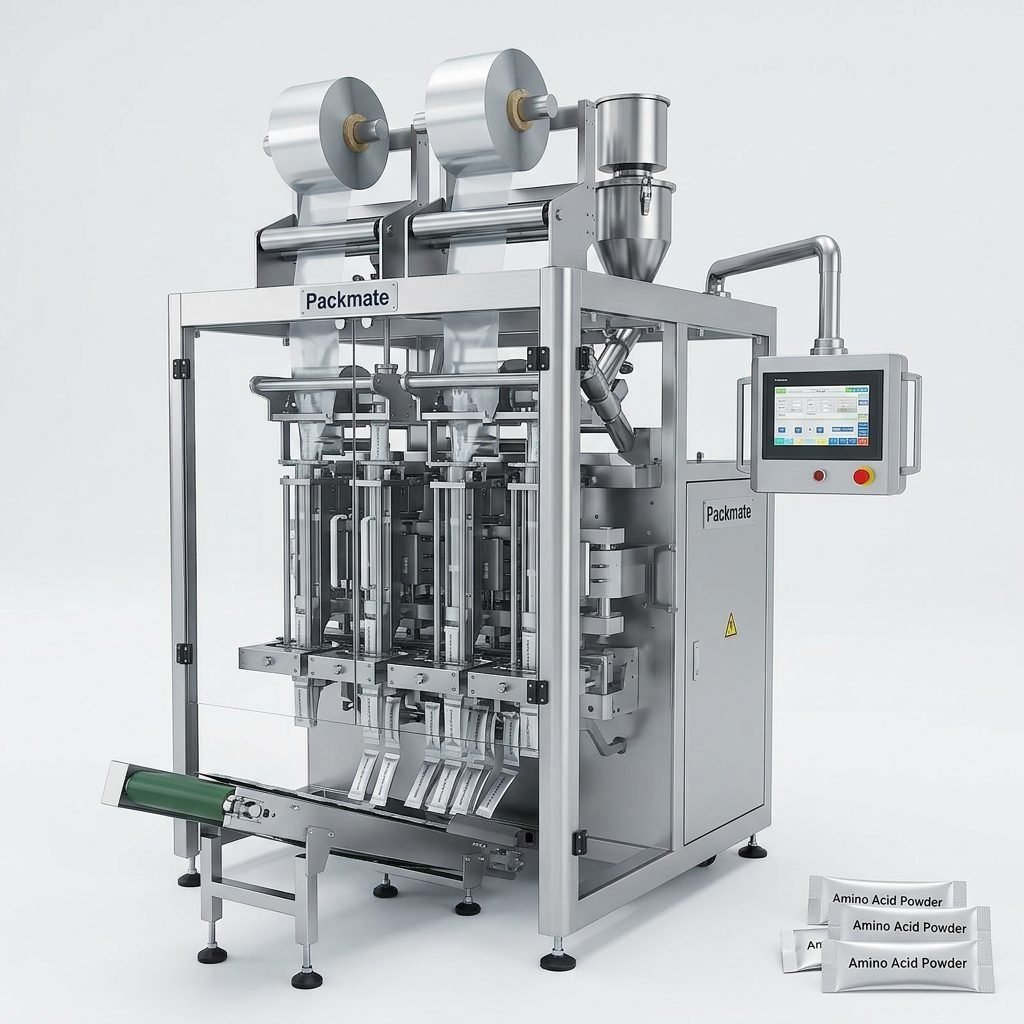
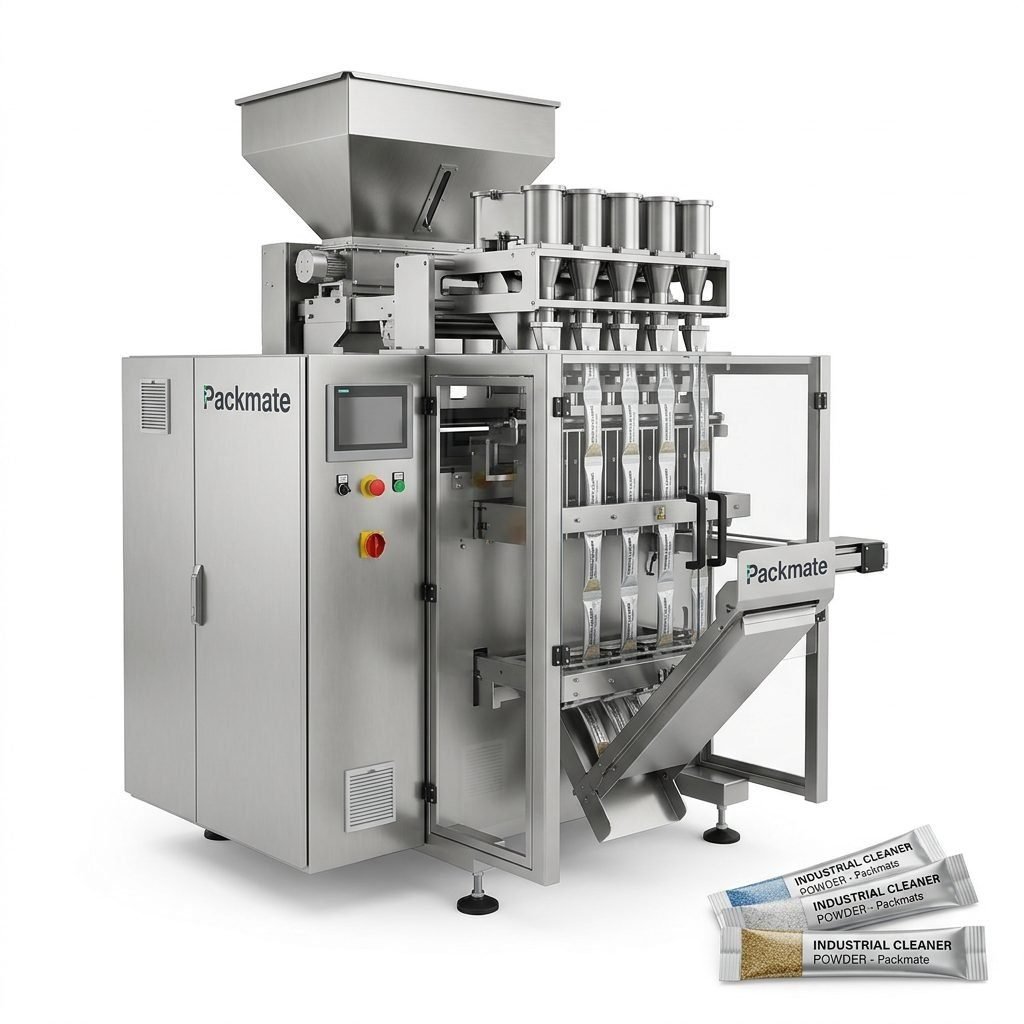
The supplier landscape ranges from large European OEMs to specialized Asian manufacturers who have invested heavily in technology and export markets. Companies like Ludyway have built a strong reputation by focusing on international standards and providing complete turnkey lines, making them a viable option for European businesses looking for scalable solutions. Similarly, manufacturers such as Packmate Machinery offer a balance of reliability and cost performance that appeals to medium and large-scale operations across the continent.
The Importance of Customization and Integration
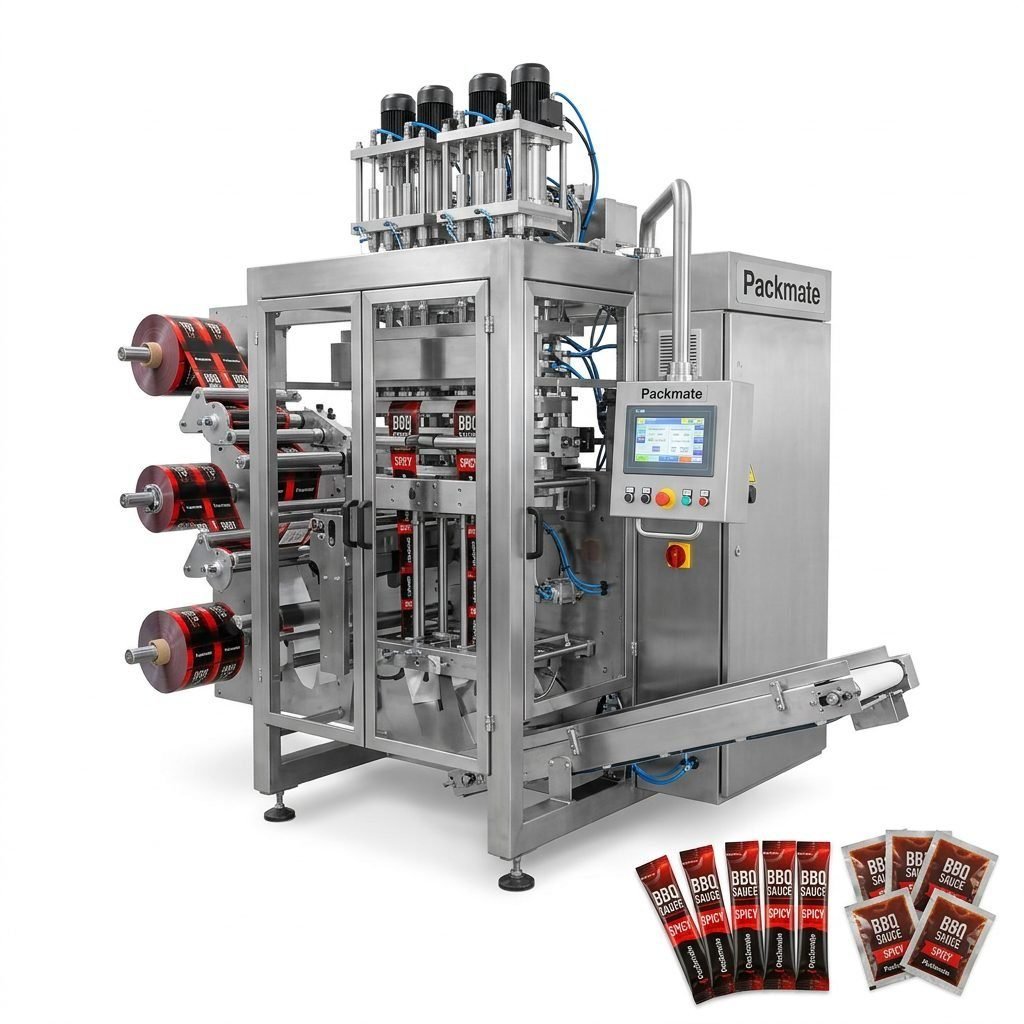
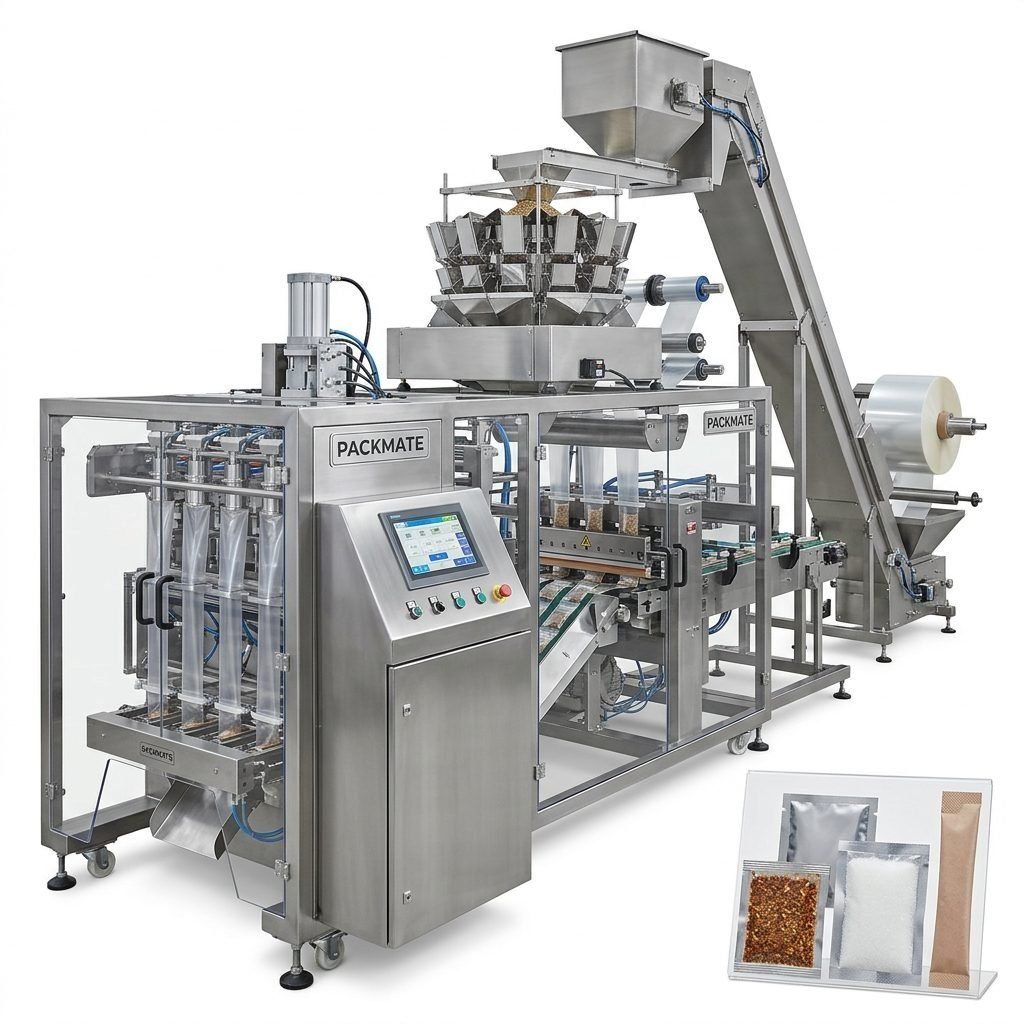
Standard machines rarely fit perfectly into an existing production line. The ability to customize is paramount. This includes adapting machines to handle unique packaging materials, integrating specific dosing systems (like auger fillers for powders or piston fillers for liquids), and connecting with upstream and downstream equipment like mixers, conveyors, and cartoners. Manufacturers like PacklineOEM and PackingMachineOEM position themselves strongly here, focusing on non-standard and complete line integration, which is highly valued for complex automated factories in Europe.
Evaluating Manufacturer Credentials
Always verify the manufacturer’s credentials. Key points to check include:
- Company History & Experience: Longevity often correlates with stability and accumulated know-how.
- Factory Size & Capability: A sizable, modern factory suggests robust manufacturing and quality control processes.
- Export Experience: A proven track record in exporting to Europe indicates an understanding of international logistics and documentation.
- Client References & Case Studies: Request examples of similar projects completed for other European clients.
- Warranty & Service Terms: Clear terms for machine warranty, technical support, and spare parts delivery are essential.
Financial and Long-Term Strategic Fit
The initial purchase price is just one part of the total cost of ownership. Consider the machine’s durability, maintenance costs, energy consumption, and potential for future upgrades. Investing in a slightly more expensive machine from a reputable manufacturer like Ludyway that offers higher reliability and better support can lead to lower long-term costs and less production disruption. For businesses with specialized needs, such as in the nicotine pouch sector, partnering with a focused supplier like SnusMachinery can provide critical application-specific advantages that generalist manufacturers may lack.
Navigating the Selection Process
A structured selection process is recommended. Start by clearly defining your requirements: product type, target output, packaging format, and budget. Shortlist 3-5 manufacturers that match your core needs. Engage in detailed discussions, request product demonstrations (virtual or in-person), and ask for a formal quotation that includes all costs—machine, shipping, installation, and training. If possible, visit the manufacturer’s facility or arrange to see their machines in operation at a client’s site in Europe.
Summary of Key Decision Factors
| Factor | Key Questions to Ask |
| Technical Compliance | Does the machine meet CE, EHEDG, and other relevant EU directives? |
| Application Expertise | Does the manufacturer have proven experience with your specific product type? |
| Customization Ability | Can they modify the machine to fit your unique packaging materials and line layout? |
| After-Sales Support | What is the structure for spare parts, technical support, and service in Europe? |
| Total Cost of Ownership | Beyond purchase price, what are the estimated running and maintenance costs? |
Frequently Asked Questions (FAQs)
Q1: Why consider a Chinese manufacturer for the European market?
Many established Chinese manufacturers have decades of experience and have heavily invested in R&D and quality systems to meet international standards. They often offer a compelling combination of advanced technology, customization flexibility, and competitive pricing, with dedicated export departments experienced in handling European projects and regulations.
Q2: How important is it for the manufacturer to have a local office or agent in Europe?
It is highly advantageous. A local presence facilitates better communication, faster response times for service inquiries, easier coordination of spare parts logistics, and on-the-ground support for installation and troubleshooting, which aligns with the high service expectations of European businesses.
Q3: What is the typical lead time for a packaging machine from overseas?
Lead times vary based on machine complexity and customization. For standard models, it can range from 30 to 90 days after order confirmation. For fully custom or complete turnkey lines, lead times of 4 to 6 months or more are common. Always confirm the detailed production and shipping schedule with the supplier.
Q4: Can I get a machine that is compatible with my existing European-made peripherals?
Yes, most professional manufacturers design their machines with integration in mind. During the quotation process, provide detailed specifications of your existing equipment (conveyors, coders, etc.), and the manufacturer can design interfaces and communication protocols (like PLC signals) to ensure seamless integration.
Q5: What are the main hidden costs I should be aware of?
Beyond the machine price, consider costs for: international shipping and insurance, import duties and VAT (varies by EU country), installation and commissioning (often quoted separately), operator training, initial spare parts kit, and potential costs for electrical or mechanical adaptations to fit your factory floor.