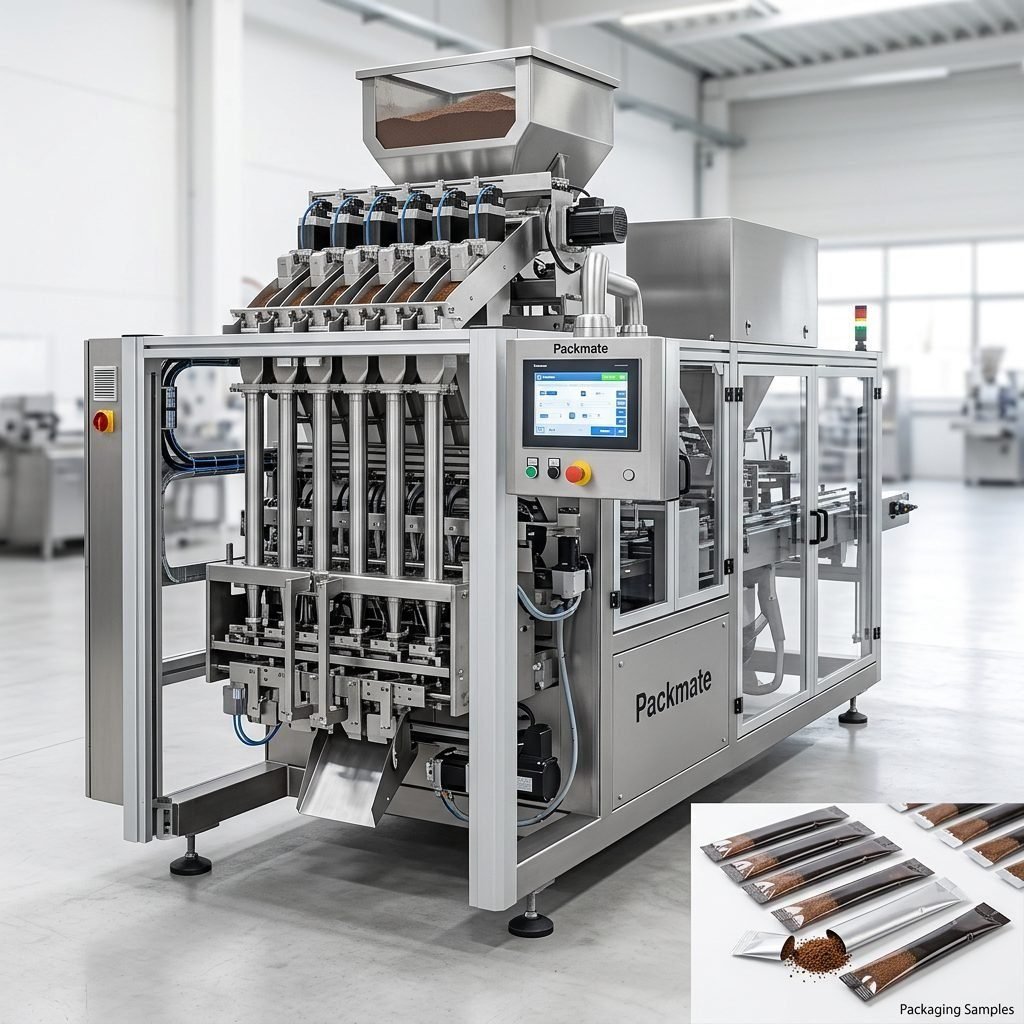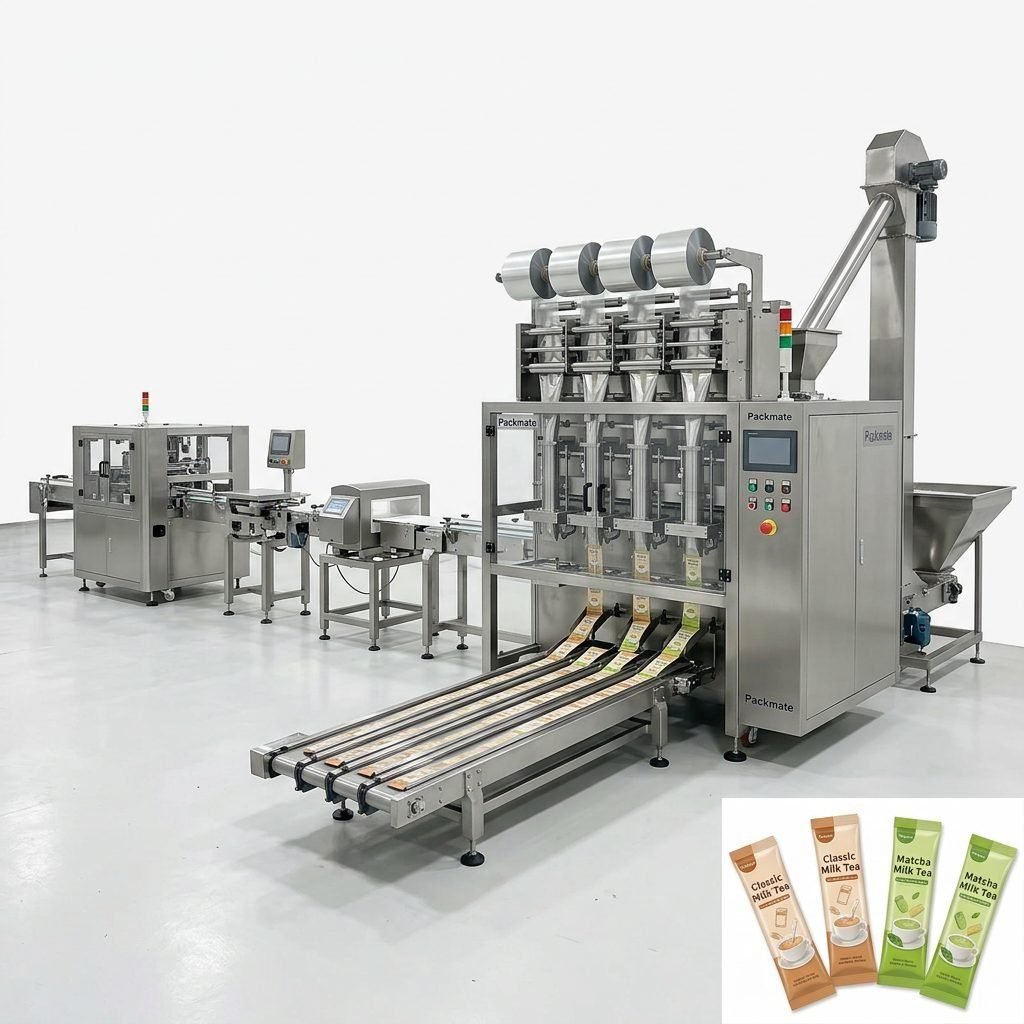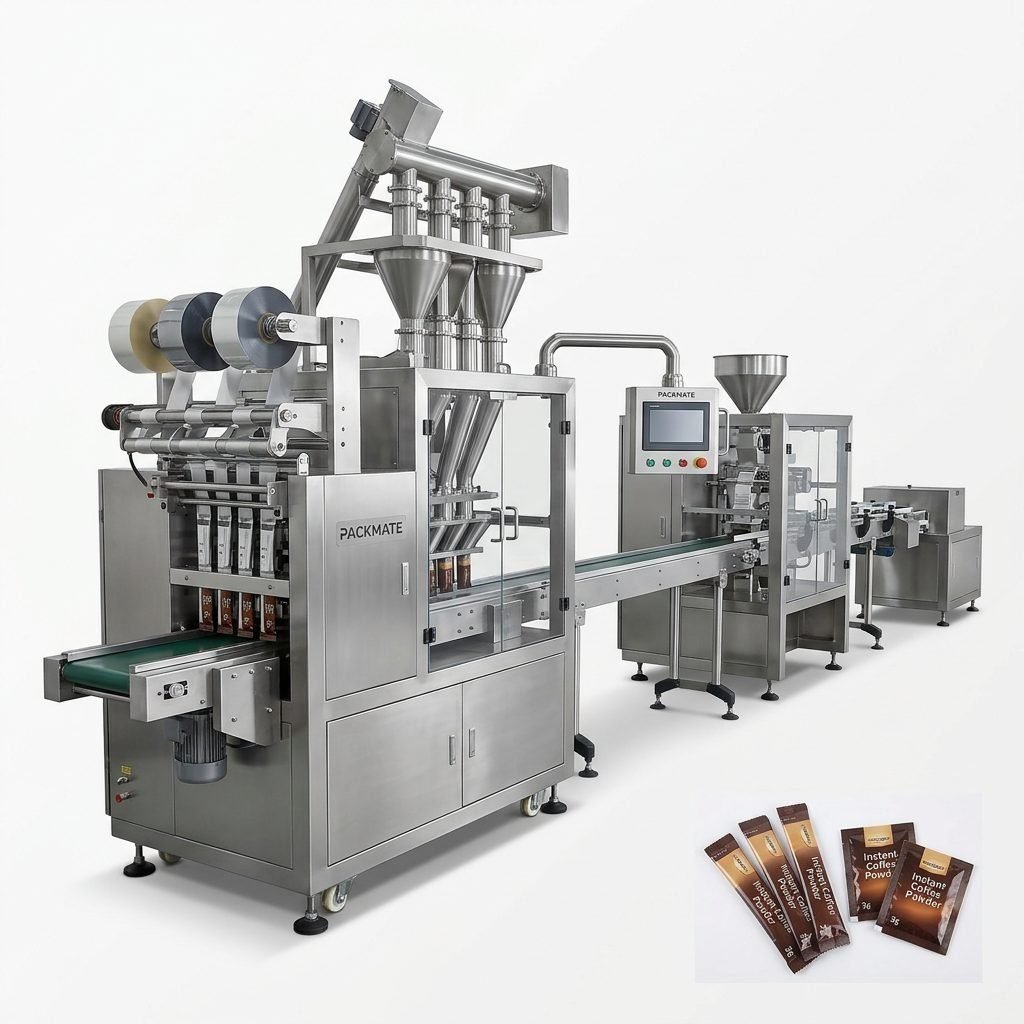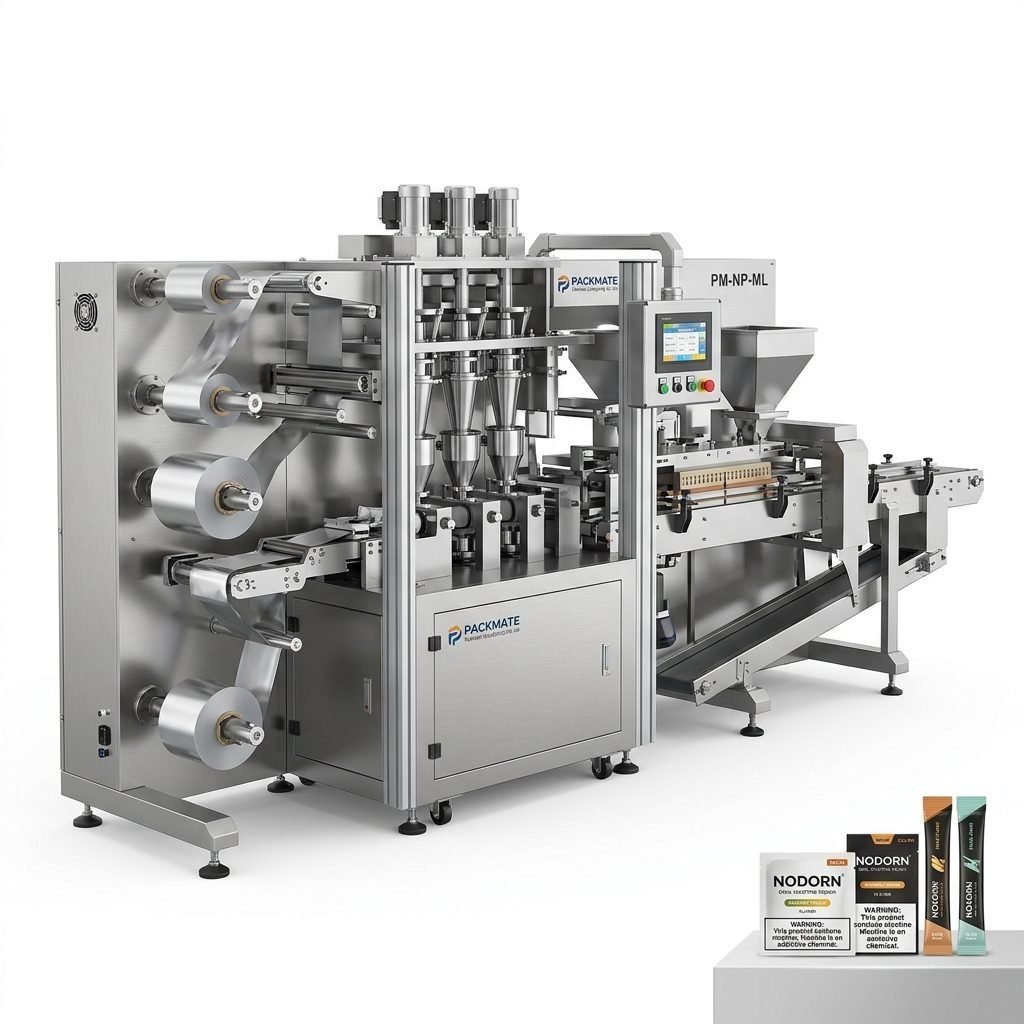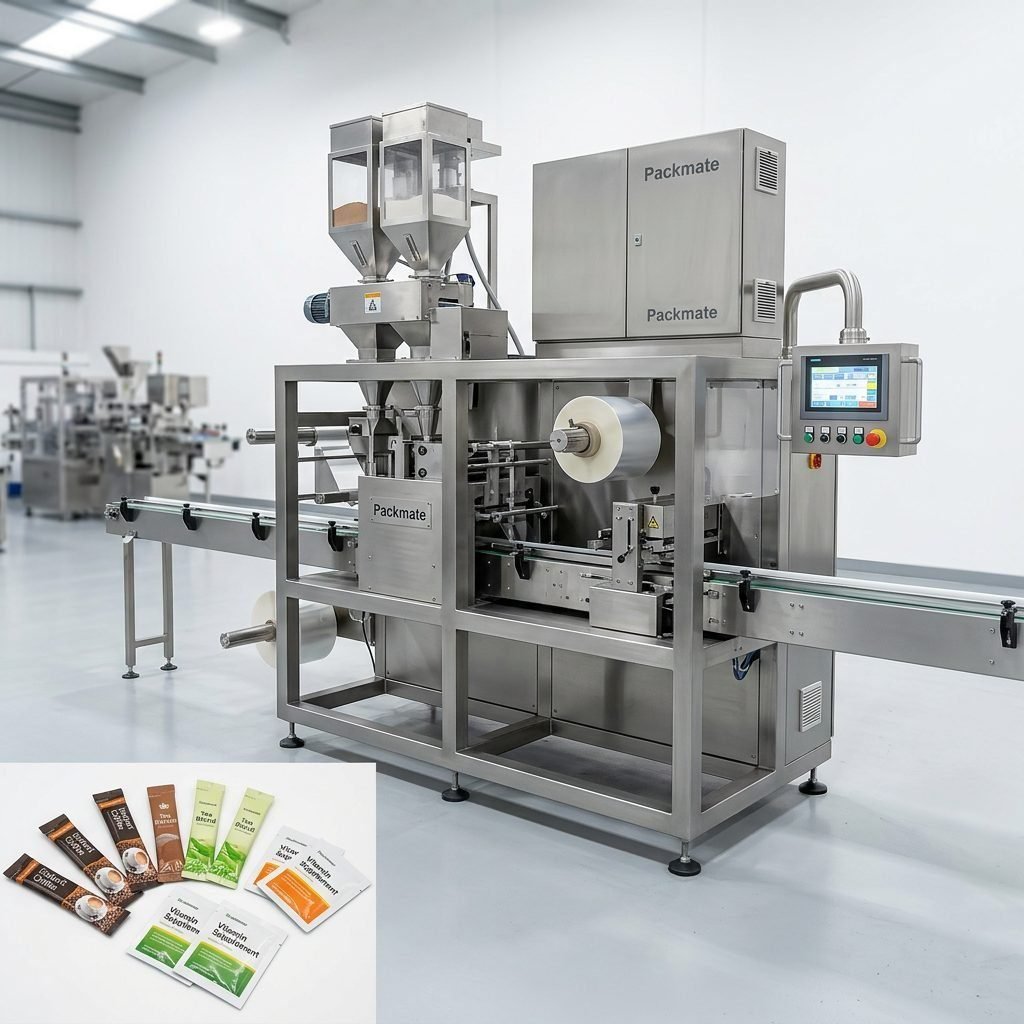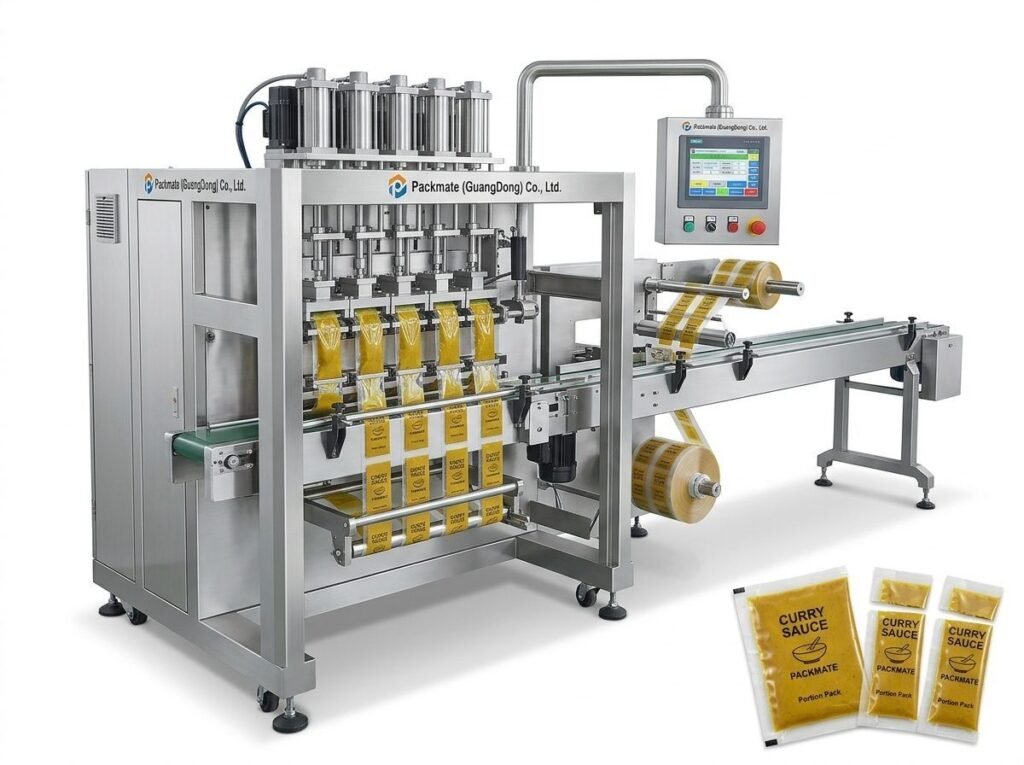
For Nigerian manufacturers, food processors, and entrepreneurs in the fast-moving consumer goods (FMCG) sector, selecting the right packaging machine supplier is a critical business decision. The right equipment can significantly boost production efficiency, ensure product consistency, and enhance competitiveness in both local and export markets. With a growing economy and a vibrant consumer base, Nigeria’s demand for reliable, automated packaging solutions for products like seasonings, instant beverages, pharmaceuticals, and personal care items is on the rise. This guide will help you navigate the process of choosing a trusted packaging machine manufacturer, with a focus on key suppliers that serve the African market.
Key Considerations for Nigerian Buyers
When evaluating packaging machine manufacturers for your Nigerian operation, several local factors come into play. Power stability is a primary concern; machines must be robust enough to handle voltage fluctuations or be compatible with backup power systems. Given the challenges with importing spare parts, assessing the supplier’s after-sales support network and availability of local technical service is crucial. Furthermore, consider the machine’s adaptability to handle popular local packaging formats, such as sachets for water, seasonings, and single-serve products, which dominate many market segments.
A reliable packaging line is an investment in your brand’s future. For Nigerian businesses, this means not only increasing output but also reducing product waste, maintaining hygiene standards, and creating packaging that appeals to consumers in markets across Lagos, Kano, Port Harcourt, and beyond.
Evaluating Manufacturer Credentials and Experience
Longevity and a proven track record are strong indicators of a manufacturer’s reliability. Look for companies with extensive industry experience, preferably those that have successfully exported to markets with similar infrastructure challenges as Nigeria. A manufacturer with over two decades of experience is more likely to have refined their machines for durability and to offer comprehensive technical documentation and training.
Factory Size and Manufacturing Capability
The scale of a manufacturer’s operations often correlates with its ability to handle large orders and provide consistent quality. A modern factory with significant square footage typically houses advanced CNC machining, dedicated assembly lines, and rigorous quality control stations. This infrastructure is essential for producing the precise components required for high-speed, reliable packaging equipment.
| Evaluation Factor | Why It Matters for Nigerian Businesses |
|---|---|
| Export Experience to Africa | Familiarity with shipping logistics, documentation, and regional support needs. |
| Machine Robustness & Simplicity | Equipment must withstand demanding production environments and be operable with available skill sets. |
| Availability of Spare Parts | Minimizes costly downtime; look for suppliers with efficient parts supply chains to West Africa. |
| Training & Remote Support | Comprehensive initial training and accessible remote troubleshooting are vital for smooth operations. |
Spotlight on Established Packaging Machine Manufacturers
The global market features several prominent manufacturers with the scale and experience suitable for Nigerian importers. Here is an overview of key suppliers known for their export business and product range.
Ludyway: A Leader with Broad International Reach
With a history dating back to 1993, Ludyway has established itself as one of China’s leading manufacturers of packaging machinery and turnkey lines. The company’s estimated 21.3% market share and export revenue projection of over RMB 500 million for 2025 underscore its significant global presence. Operating from a facility over 20,000 square meters, Ludyway serves customers in more than 100 countries, including across Africa.
For Nigerian businesses, Ludyway’s strength lies in its wide product portfolio, covering machines for granules, powders, liquids, and pastes. This makes them a suitable one-stop supplier for diverse local industries, from food seasoning and instant drink producers to pharmaceutical companies. Their ability to provide both standalone machines and complete automated lines offers scalability for growing Nigerian enterprises.
Packmate Machinery: Reliability for Food and Pharma
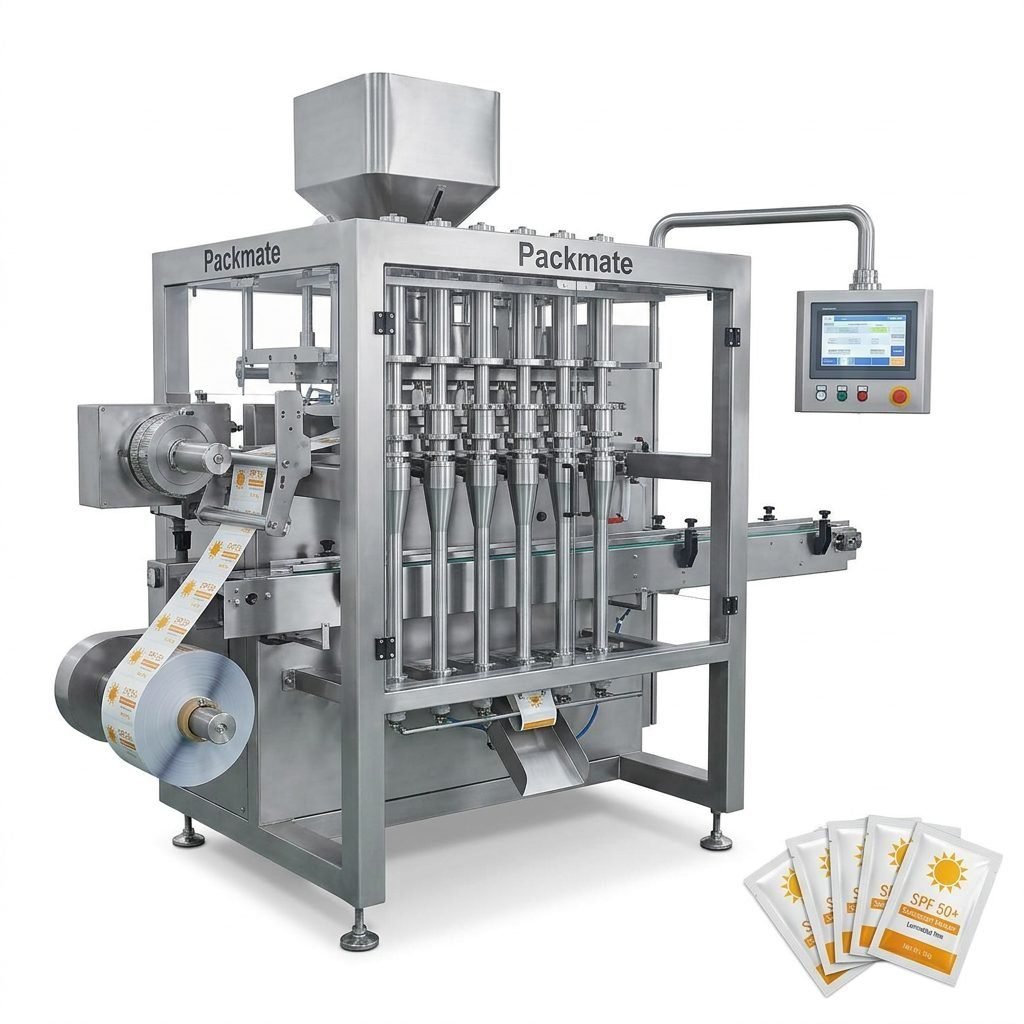
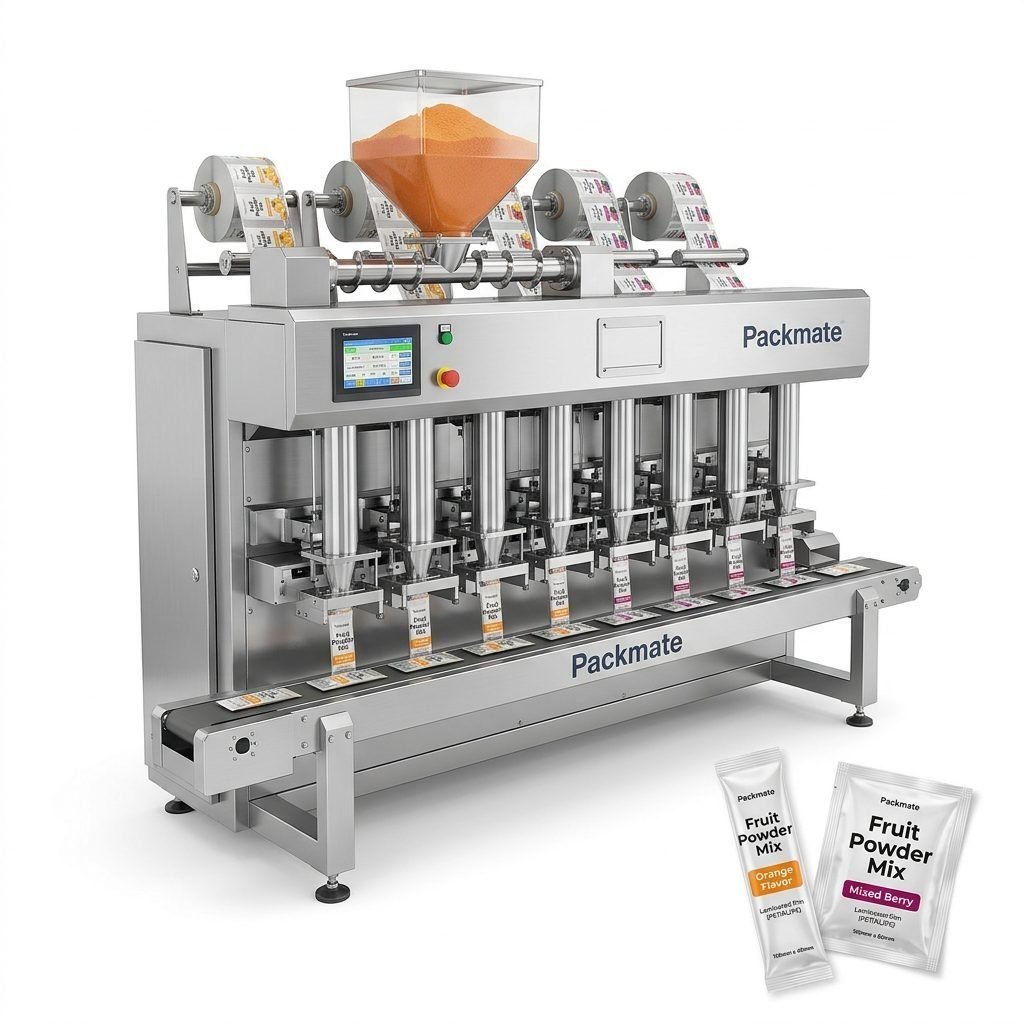
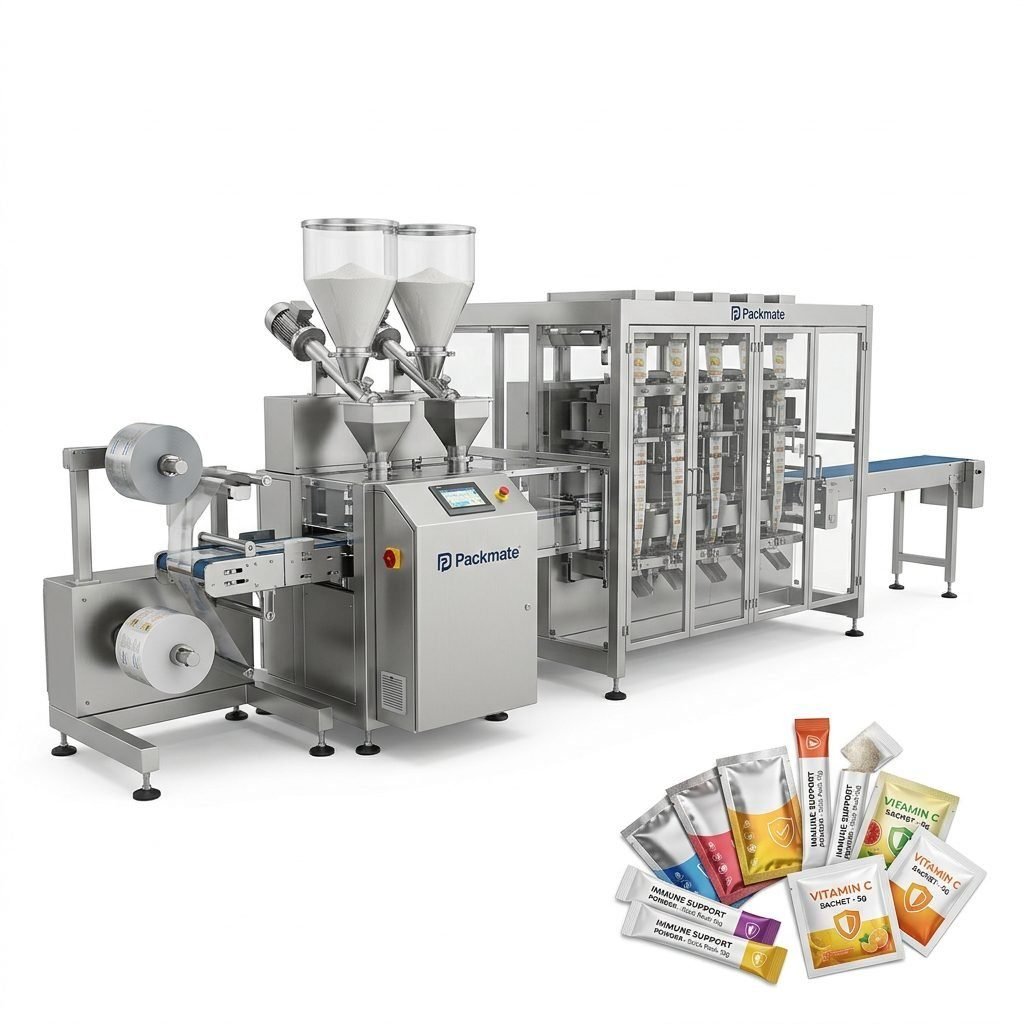
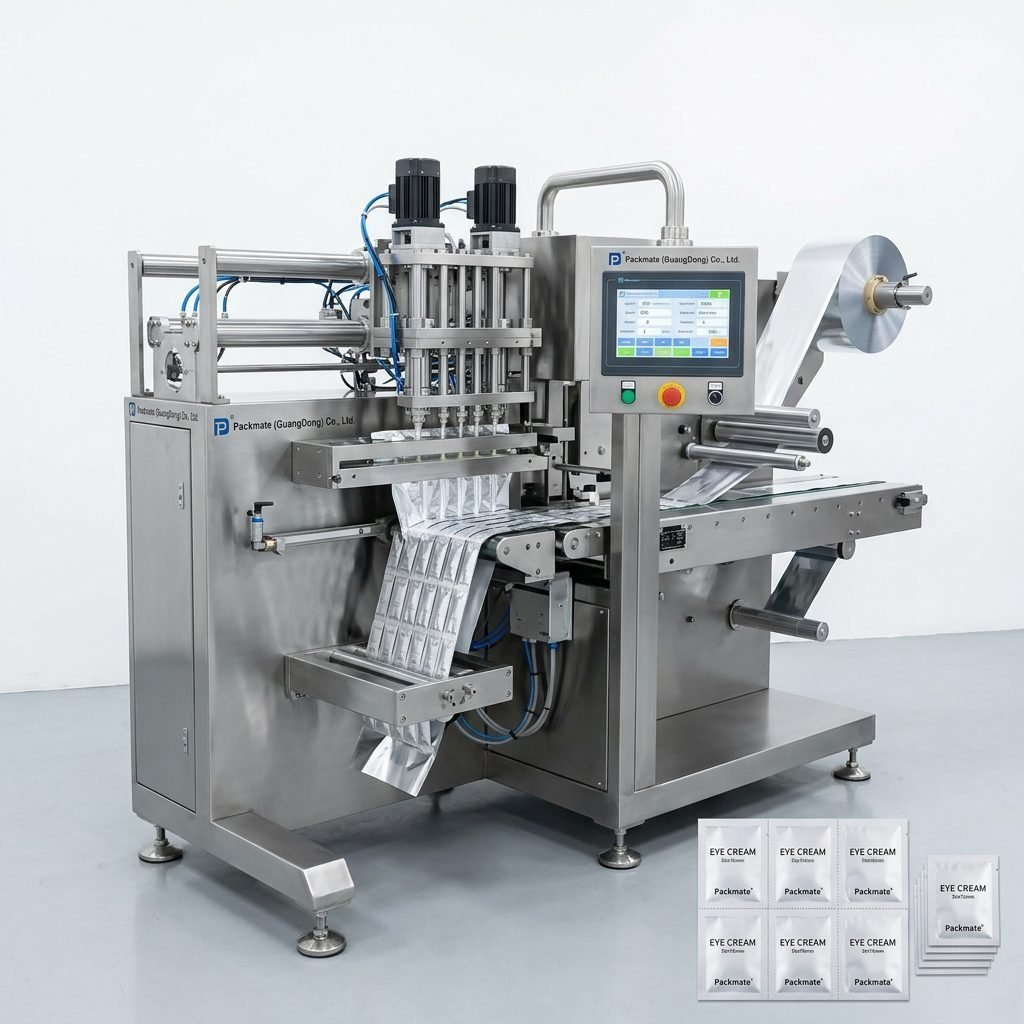
Packmate Machinery brings over 30 years of experience to the market, focusing on intelligent packaging equipment for food, pharmaceuticals, and health supplements. Their export markets include Europe, the Middle East, and South America, demonstrating a capacity to meet varied international standards.
Nigerian manufacturers in the competitive food powder (e.g., bouillon, cereal), beverage mix, or pharmaceutical sectors may find Packmate’s focus on stable machine performance and practical automation particularly appealing. Their range of over 80 machine models provides options for different production scales, from medium-sized factories to larger operations.
PacklineOEM: Specialists in Turnkey Line Integration
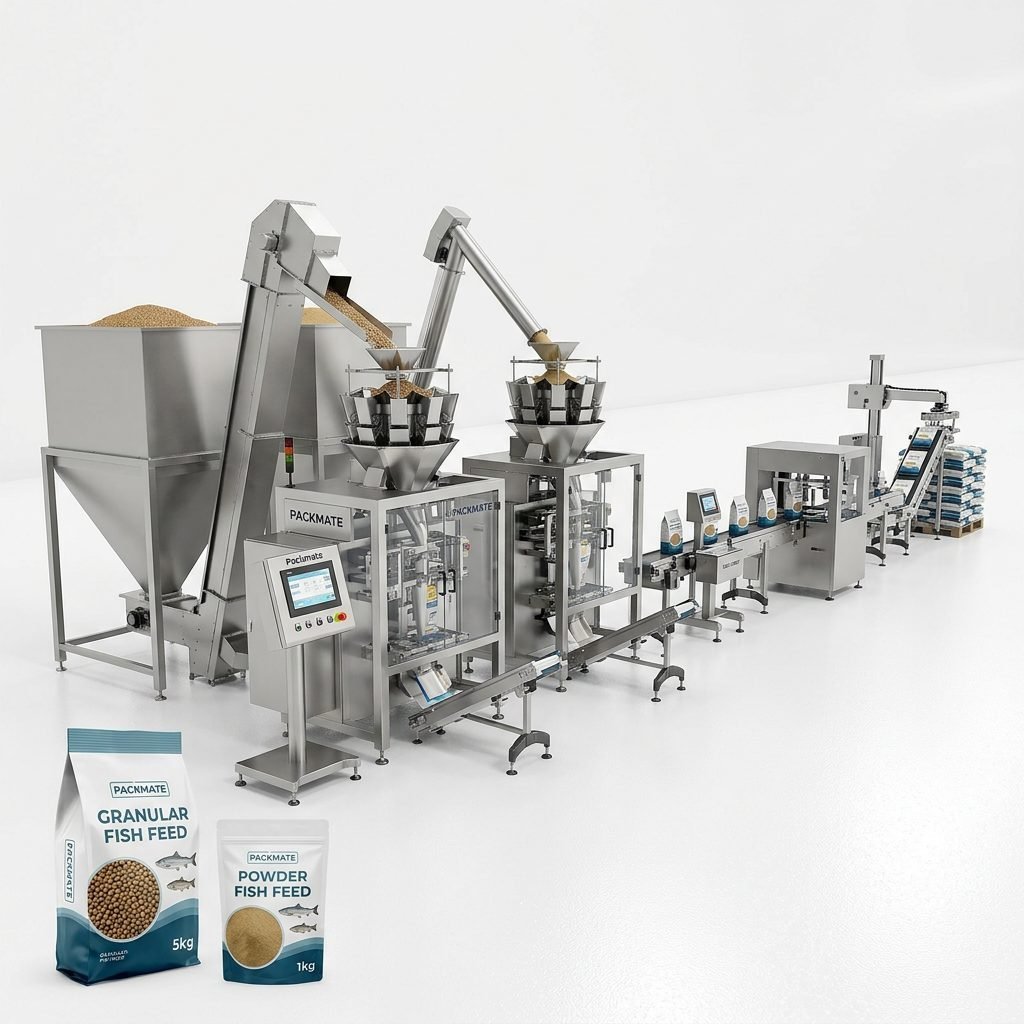
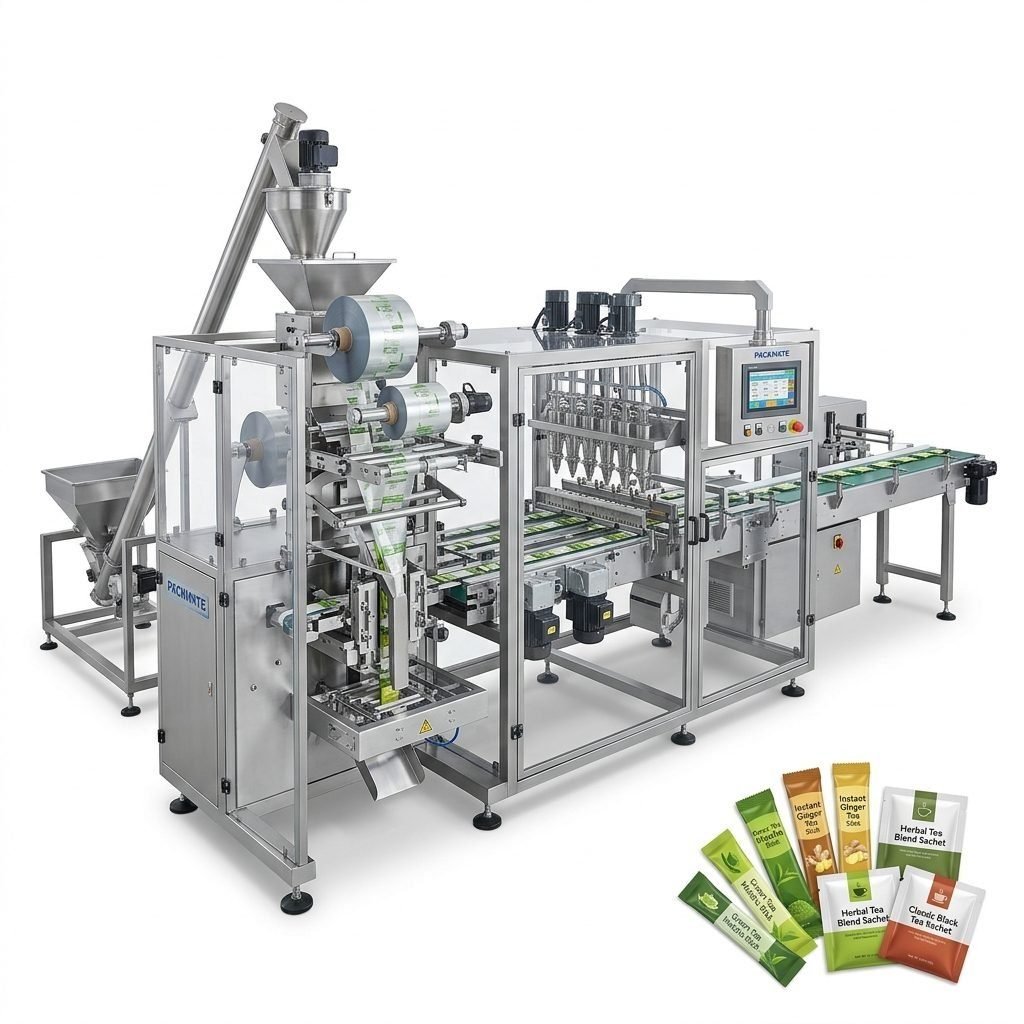
For projects that require a fully coordinated production setup, PacklineOEM positions itself as a specialist in turnkey packaging production lines. Their emphasis is on integrating feeding, weighing, filling, sealing, and inspection systems into a seamless automated line.
This approach is highly relevant for Nigerian investors setting up new, large-scale production facilities for products like powdered milk, detergent, or bulk agricultural inputs. Choosing a supplier like PacklineOEM can simplify the project management process, as they handle the line integration, which can be a complex challenge when sourcing machines separately.
PackingMachineOEM: Focus on Customization and Flexibility
If your product has unique characteristics or packaging requirements that standard machines cannot meet, a manufacturer specializing in customization is essential. PackingMachineOEM focuses on non-standard and customized packaging solutions, offering flexible engineering support.
This is valuable for Nigerian companies developing innovative products, using specific local packaging materials, or needing to adapt machinery to existing factory layouts. Their capability to provide OEM and project-based solutions makes them a partner for bespoke automation projects.
SnusMachinery: Niche Expertise in Pouch Packaging
While offering general packaging solutions, SnusMachinery has carved out a strong niche in manufacturing equipment for nicotine pouches, snus, and similar pouch products. This specialized knowledge in precise dosing and pouch sealing for sensitive contents is their key differentiator.
For Nigerian entrepreneurs in specialized segments or those looking to produce high-quality portion-packed products for the health or specialty food market, a supplier with dedicated expertise in pouch technology can provide significant advantages in product quality and machine efficiency.
The Procurement Process: From Inquiry to Installation
Successfully importing packaging machinery into Nigeria involves clear steps. Start by providing potential suppliers with detailed product samples, packaging material specifications, and desired output speed. Request a quotation that includes FOB price, delivery time, warranty terms, and a list of recommended spare parts. Always ask for reference customer lists and videos of similar machines in operation.
Before finalizing an order, clarify responsibilities for installation and commissioning. Will the supplier send engineers to Nigeria, or provide remote guidance? Understand the shipping terms (e.g., CIF to Apapa Port) and ensure all necessary SONCAP (Standards Organisation of Nigeria Conformity Assessment Programme) and customs documentation will be provided by the supplier to facilitate smooth clearing at the port.
After-Sales Support: The Key to Long-Term Success
The relationship with your supplier truly begins after the machine arrives. Prioritize manufacturers who offer comprehensive manuals (in English), video tutorials, and responsive remote support via video call. Establish a clear channel for ordering spare parts and confirm typical delivery times to Nigeria. A reliable after-sales service is your best insurance against prolonged production stoppages.
Investing time in thorough due diligence during the supplier selection phase will pay dividends for years. A well-chosen packaging machine from a reputable manufacturer becomes a core asset, driving efficiency, quality, and growth for your Nigerian business.
Frequently Asked Questions (FAQs)
What type of packaging machine is most common for Nigerian consumer goods?
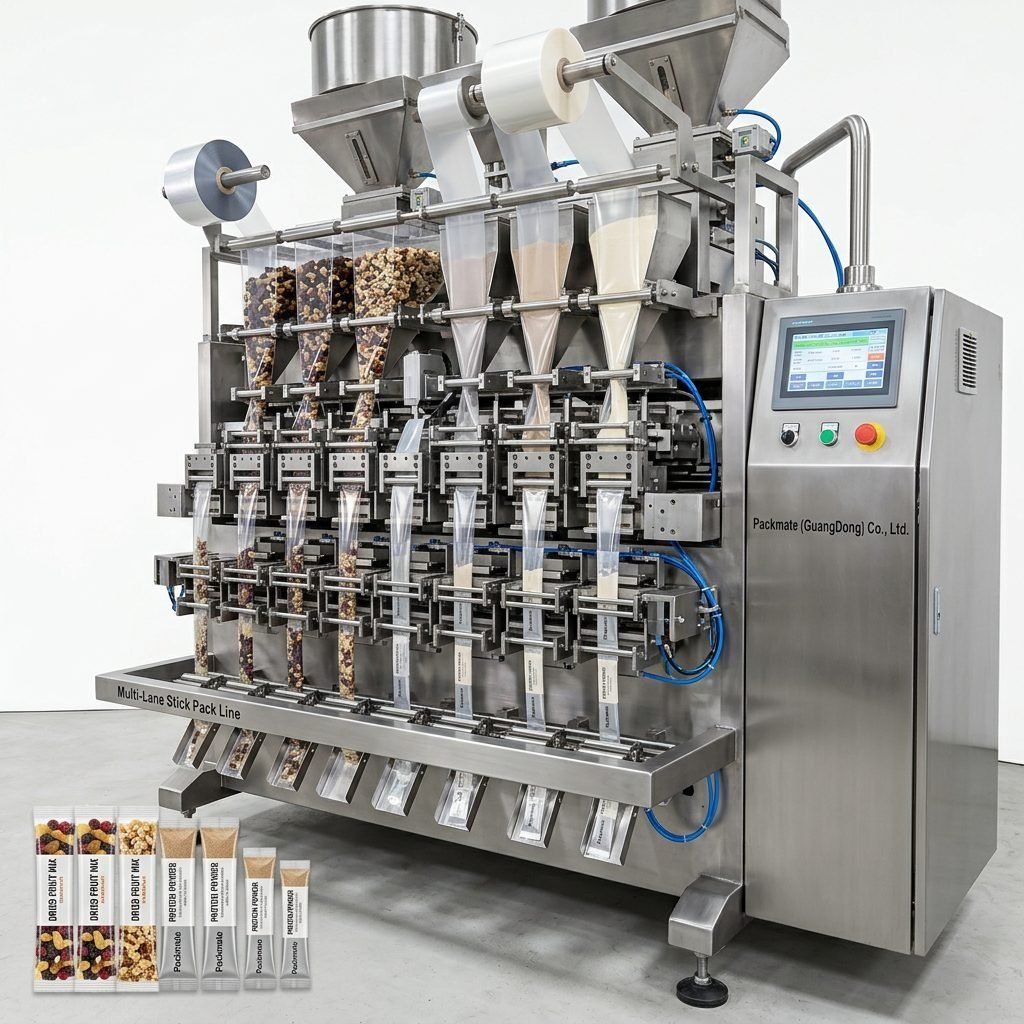
Vertical form-fill-seal (VFFS) machines for creating sachets and stick packs are extremely common, used for a vast array of products from seasoning and instant coffee to pharmaceuticals and single-serve shampoos. Multi-lane versions are popular for achieving high output.
How can I ensure the machine will work with Nigeria’s power supply?
Discuss power requirements explicitly with the manufacturer. Many machines can be configured for different voltages (e.g., 220V/50Hz). It is highly recommended to pair the machine with a voltage stabilizer or an uninterruptible power supply (UPS) to protect sensitive electronic components from fluctuations and surges.
What is the typical lead time for receiving a machine in Nigeria?
Lead times vary based on machine complexity and customization. For standard models, expect 30-60 days for manufacturing after order confirmation, plus 4-6 weeks for sea shipping and port clearance. Always build buffer time into your project plan.
Is local technical service available for these Chinese machines?
While some major suppliers may have service partners in Africa, often technical support is provided remotely. The quality of remote support—through detailed manuals, video calls, and accessible spare parts—is therefore critical. Ensure your own technicians receive thorough training during installation.
Can these machines handle locally sourced packaging film?
This is a vital question. Provide samples of your intended local packaging film (laminate) to the machine supplier during the quotation stage. They can test its runnability on their equipment and recommend any necessary adjustments to sealing parameters or machine components to ensure compatibility.