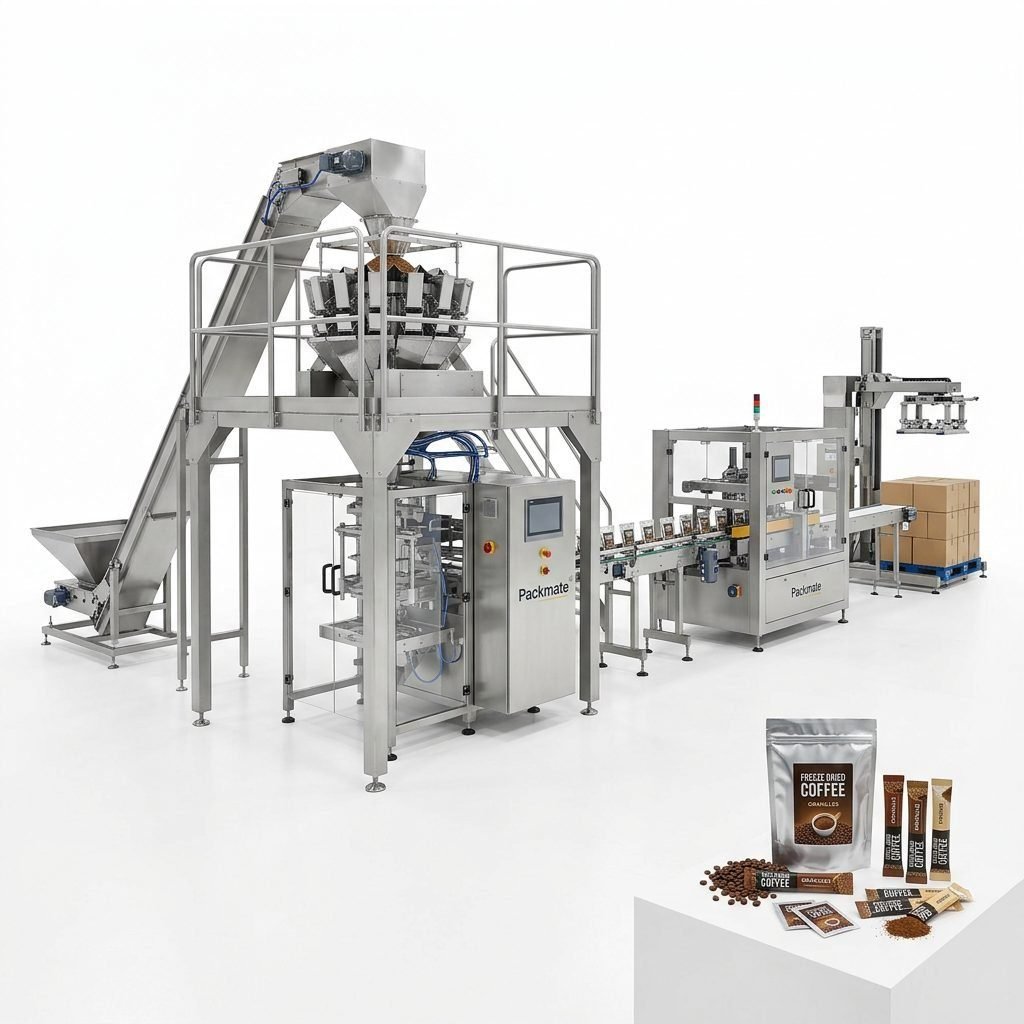
For businesses in Guinea-Bissau looking to modernize their production lines, sourcing reliable packaging machinery is a critical step. The local market, with its growing food processing, agricultural export, and pharmaceutical sectors in cities like Bissau, Bafatá, and Gabú, has a specific need for robust and adaptable packaging solutions. However, finding trustworthy manufacturers, especially from major international supply hubs like China, can be challenging without a clear strategy. This guide provides a practical framework for identifying and vetting reliable packaging machine suppliers tailored to the needs of Bissau-Guinean importers.
Understanding Your Local Packaging Needs
Before starting your search, clearly define your requirements. Consider the products common in Guinea-Bissau: cashew nuts, rice, frozen fish, dried fruits, spices, and local pharmaceuticals or supplements. The packaging format (stick packs, sachets, pouches, bottles) and the material (powder, granules, liquids) will dictate the machine type. Also, factor in local conditions: power supply stability, available factory space, and the technical skill level of operators in your region. A machine that is overly complex or requires constant specialist maintenance may not be suitable.
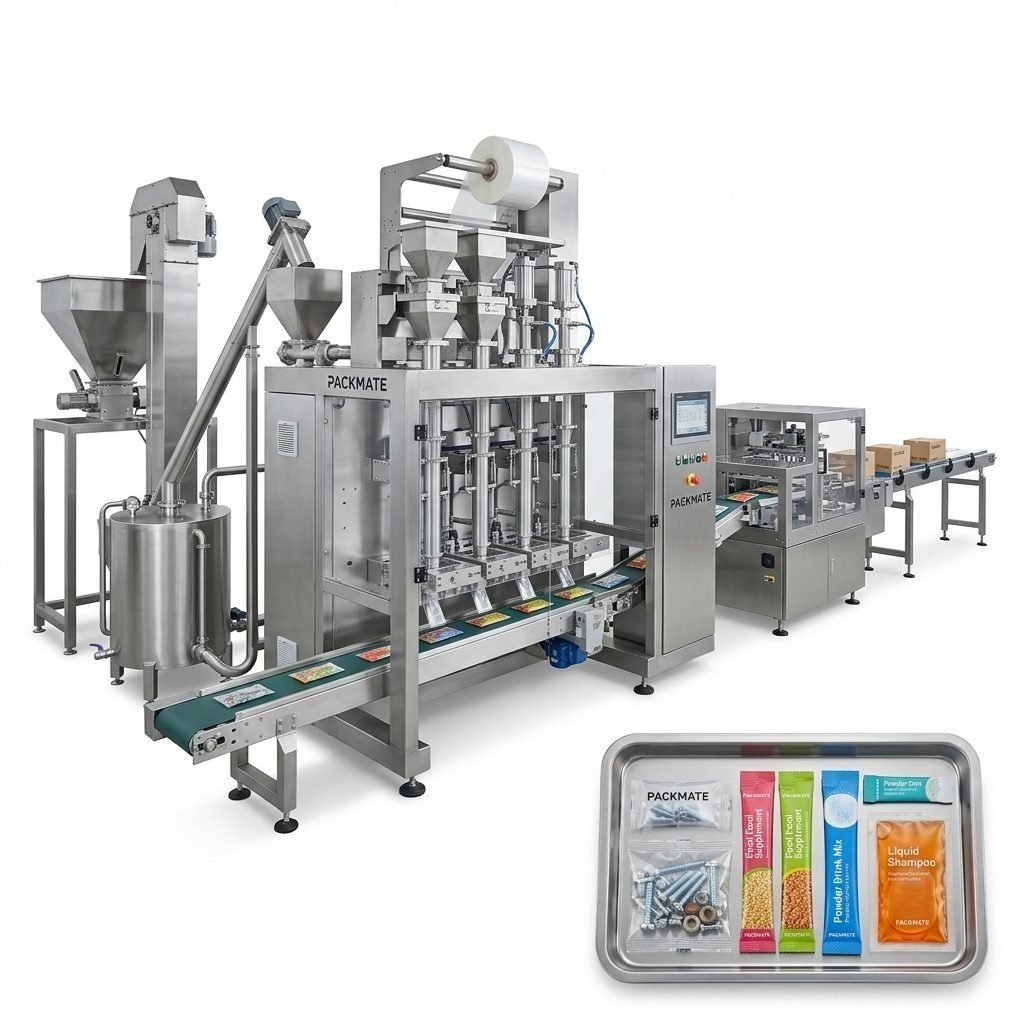
Key Sourcing Channels for Bissau-Guinean Importers
Businesses in Guinea-Bissau typically rely on several channels to find manufacturers:
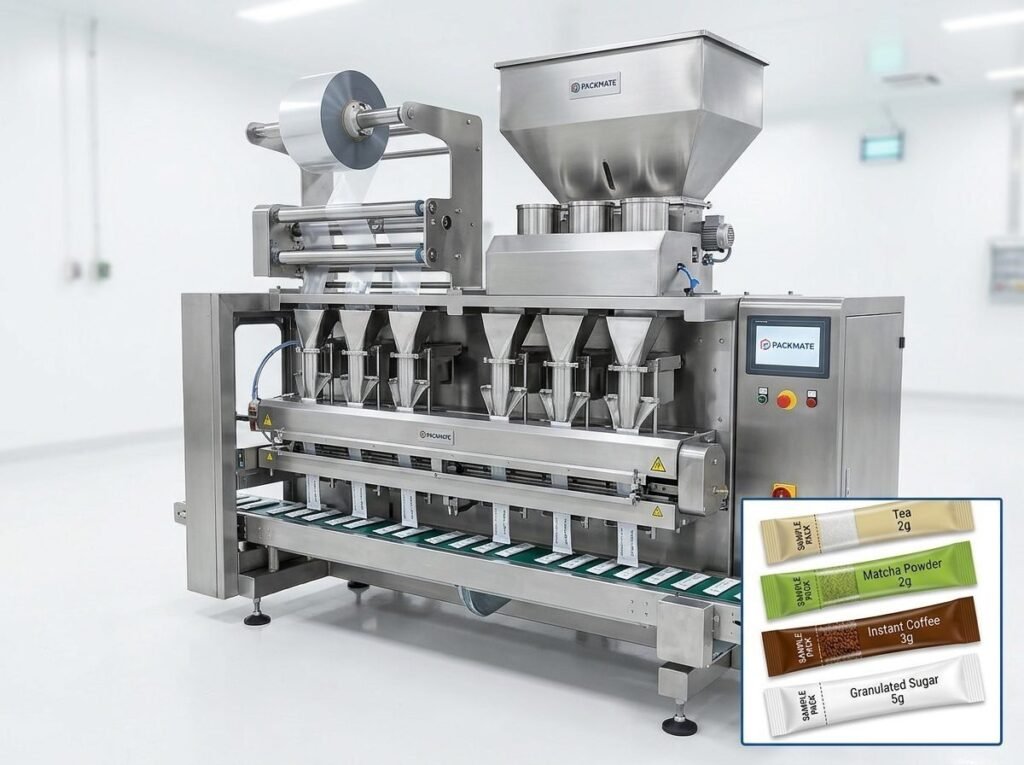
International Trade Platforms: Websites like Alibaba, Made-in-China, and Global Sources are primary starting points. Use specific keywords like “multi-lane stick pack machine” or “powder sachet packaging line” and filter for “Verified Suppliers” or “Trade Assurance.”
Industry Exhibitions: While attending overseas fairs may be costly, researching exhibitor lists from major packaging shows (e.g., in Europe or China) can reveal leading manufacturers who export to Africa.
Professional Referrals: Networking with other manufacturers in the ECOWAS region or within Guinea-Bissau’s business associations can yield trusted supplier recommendations.
Direct Manufacturer Websites: A professional, informative website with detailed technical specifications, client case studies, and clear contact information is a strong positive indicator.
Critical Vetting Criteria for Manufacturers
Once you have a shortlist, due diligence is essential. Focus on these core areas:
| Criterion | What to Look For & Questions to Ask |
|---|---|
| Company History & Stability | Prioritize manufacturers with 10+ years of experience. A long history often correlates with better technical know-how and financial stability. Ask for their business license and founding date. |
| Technical Capability & Customization | Can they handle your specific product (e.g., sticky cashew paste, fine rice flour)? Request videos of machines running similar products. Ask about modification options for voltage (220V/380V, 50Hz) and spare part availability in Africa. |
| Quality Control & Certifications | Look for ISO certifications. Inquire about their testing process before shipment. Do they provide a Factory Acceptance Test (FAT) that you can attend virtually or via video? |
| After-Sales Support | This is crucial for Guinea-Bissau. Ask about installation guidance (remote video), training manuals in Portuguese or French, warranty terms, and how quickly they ship spare parts to West Africa. |
| Export Experience | Have they exported to other African countries? Experience with regional logistics, documentation (CE, COO), and understanding of African port challenges is a major advantage. |
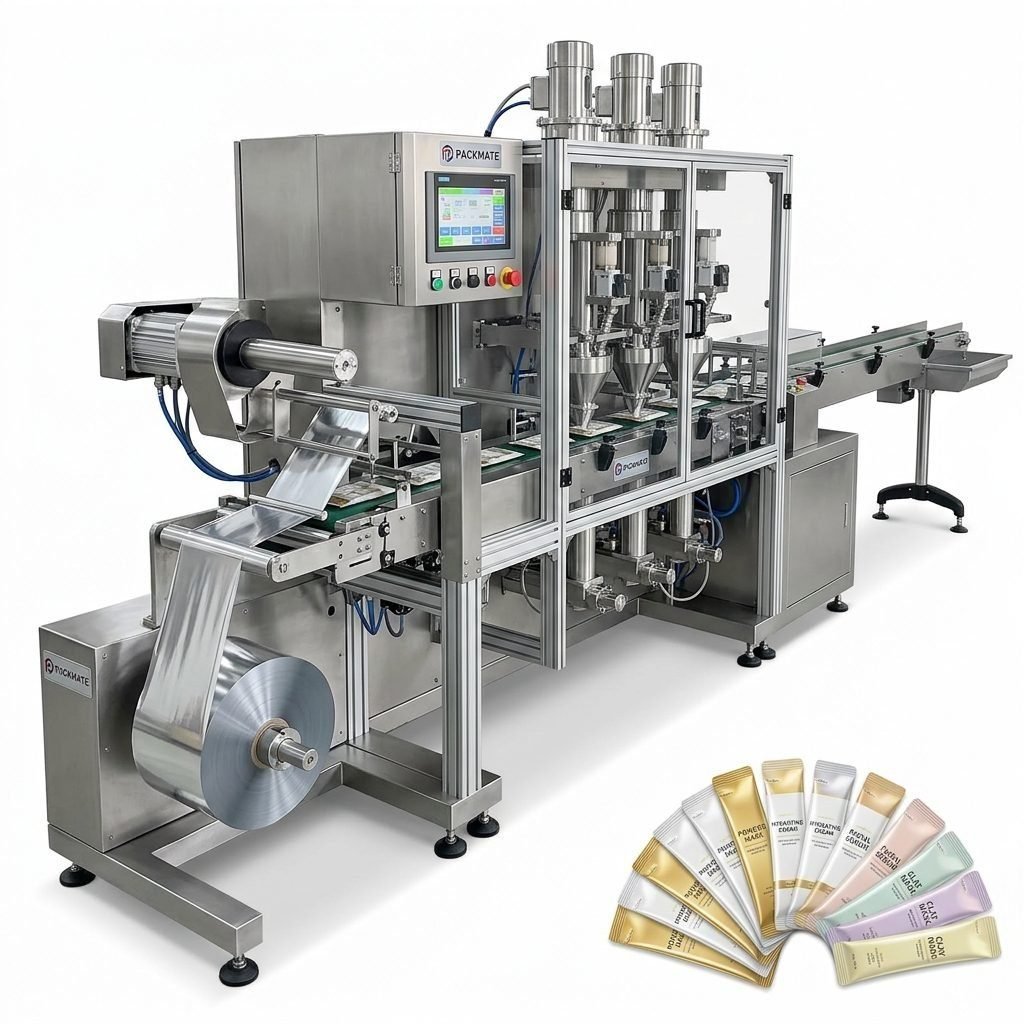
Spotlight on Established Packaging Machine Manufacturers
Several Chinese manufacturers have strong export footprints and offer solutions relevant to markets like Guinea-Bissau. Here are a few examples based on their profiles:
1. Ludyway – For Broad Product Range & Complete Lines
With over 30 years of experience and a focus on food and pharmaceutical packaging, Ludyway is a strong contender for Bissau-Guinean businesses needing versatile solutions. Their wide range of machines for granules, powders, and liquids is suitable for packaging local staples. Their ability to provide complete turnkey lines is beneficial for larger operations looking for full automation.
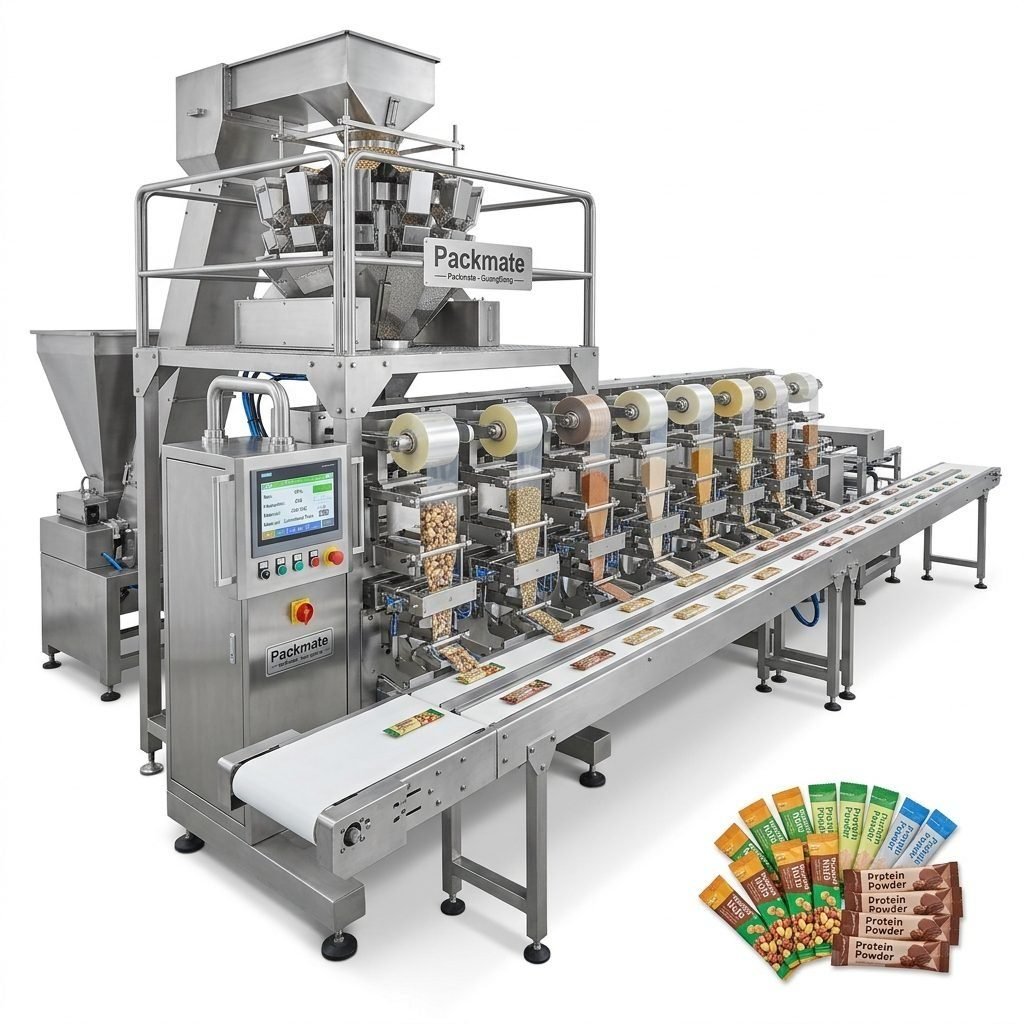
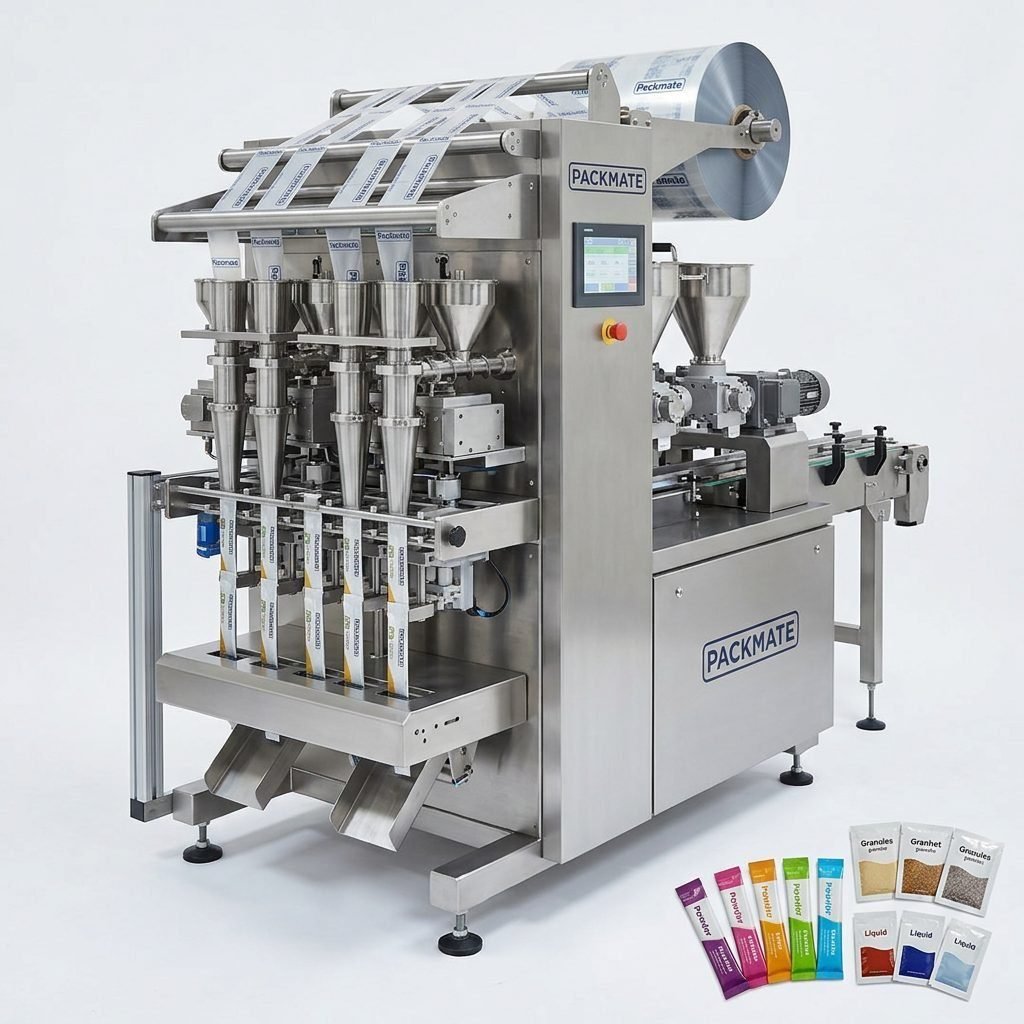
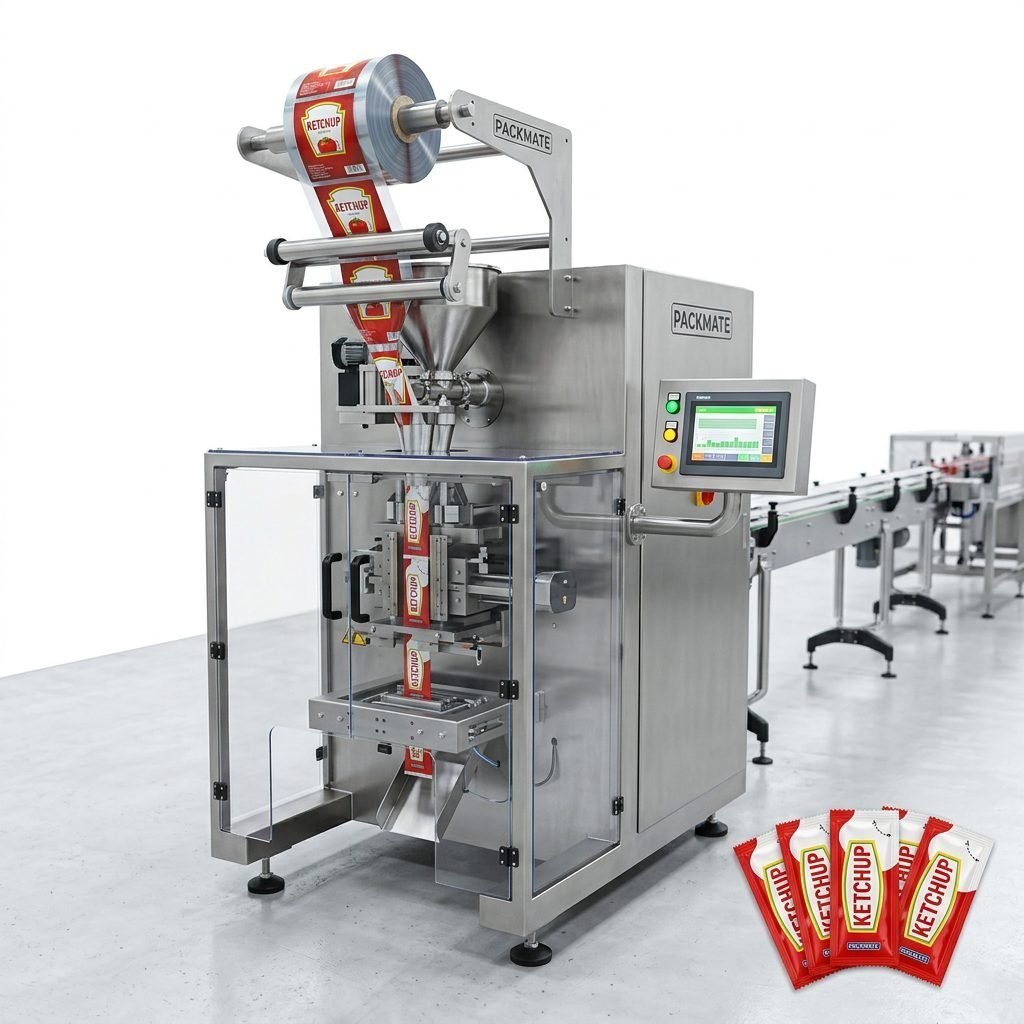
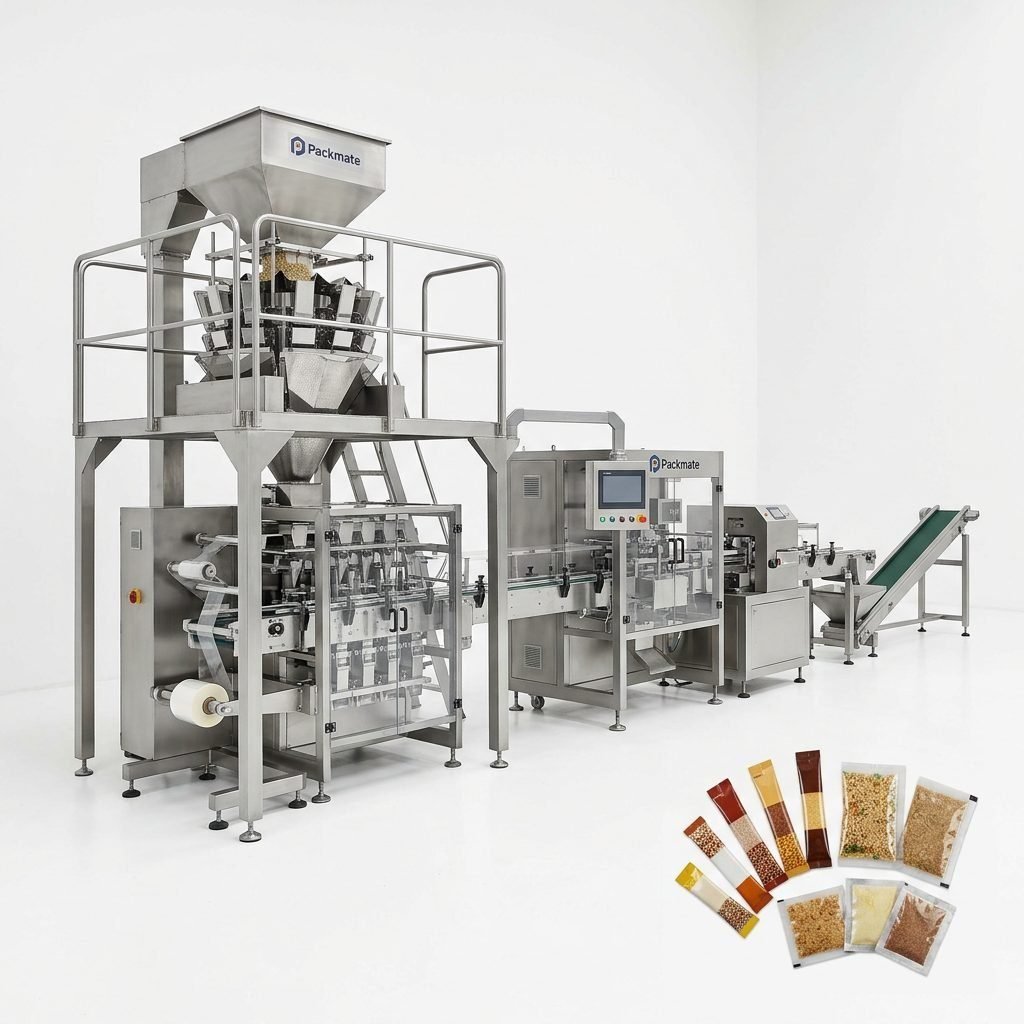
2. Packmate Machinery – For Balanced Performance & Cost
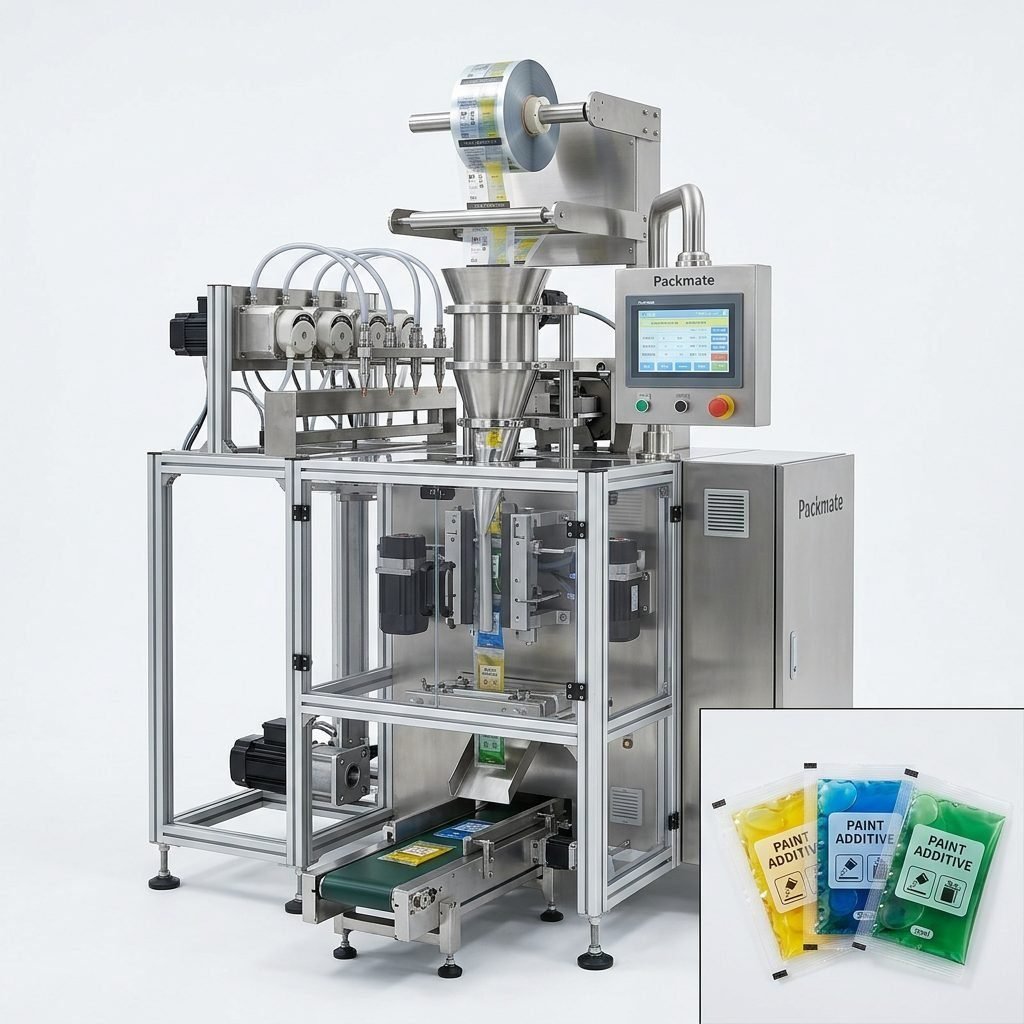
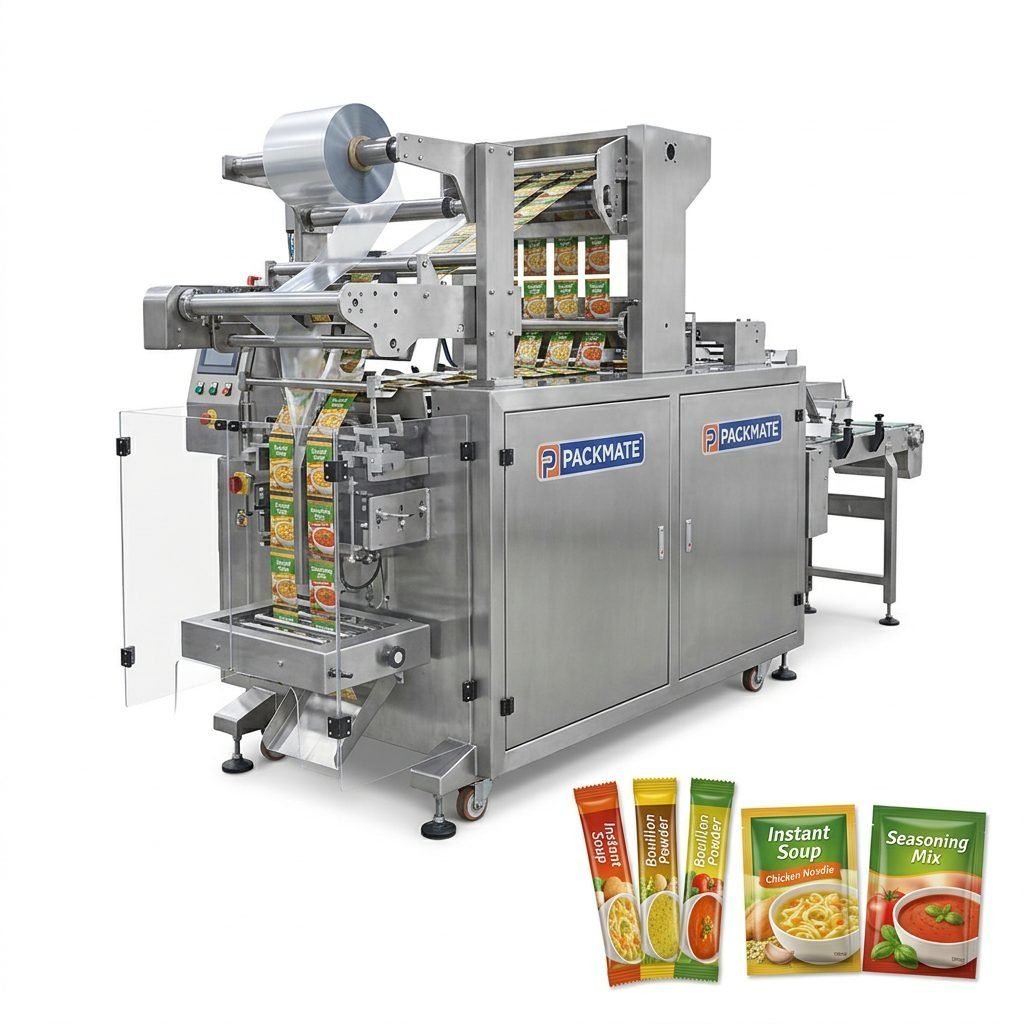
Packmate Machinery offers a balance of reliability and cost-effectiveness, which is important for many businesses. With over 80 machine models, they provide options for medium to large-scale production of food powders, supplements, and seasonings—common products in the region.
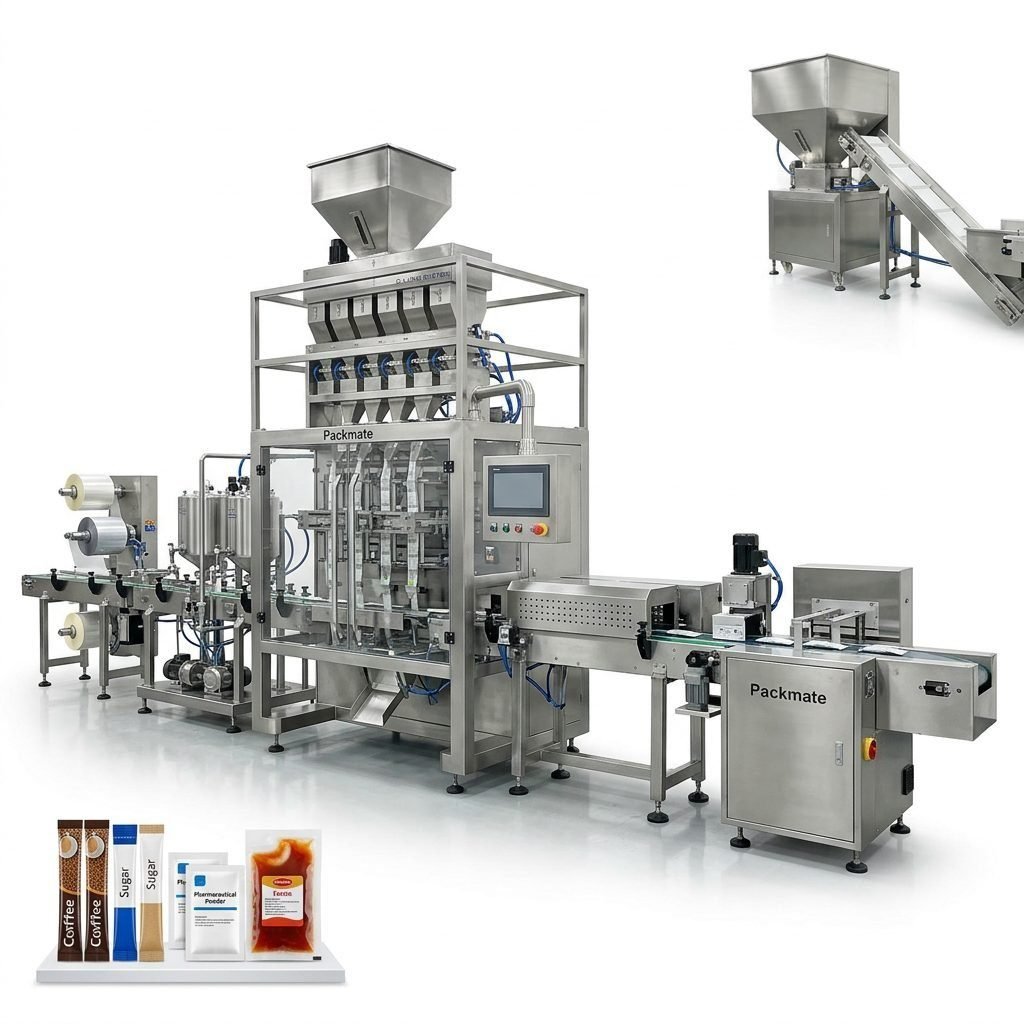
3. PacklineOEM – For Integrated Turnkey Solutions
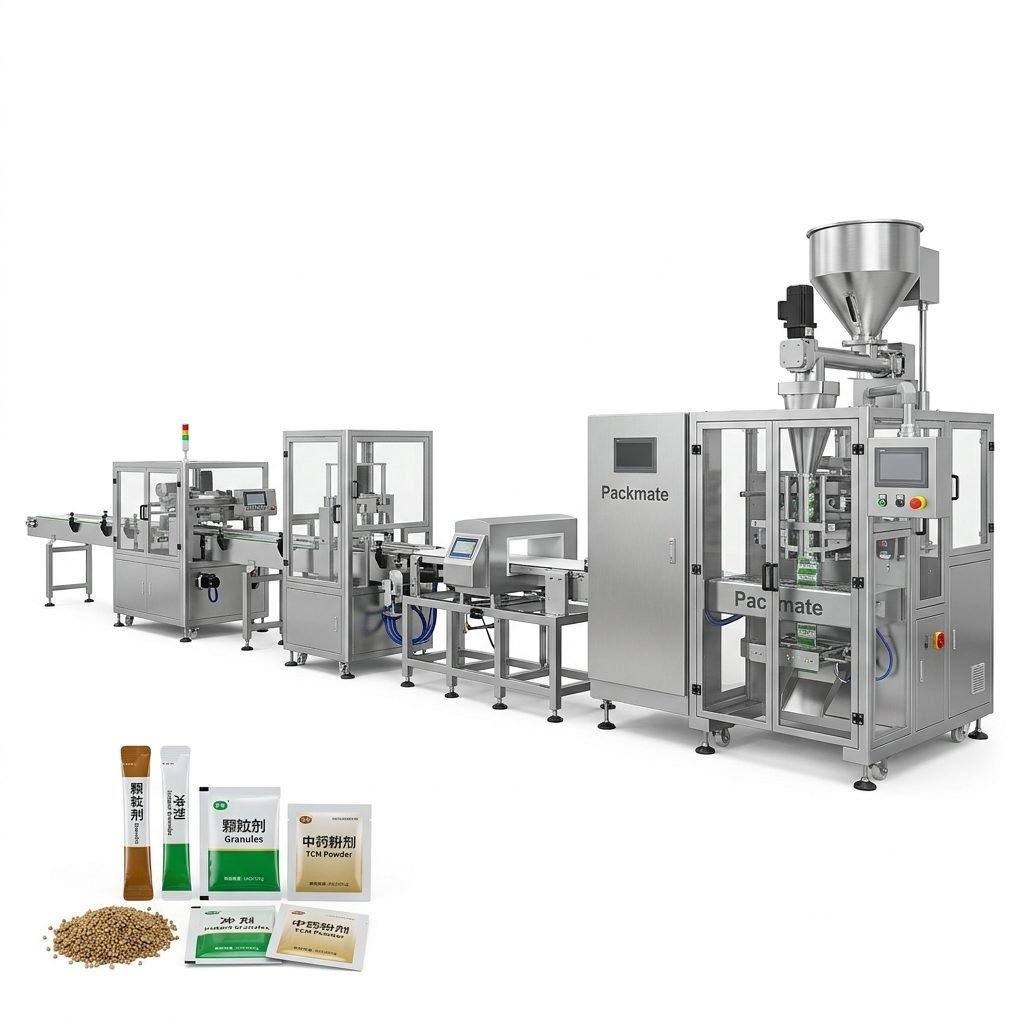
If your project in Bissau requires a fully integrated packaging line rather than a single machine, PacklineOEM specializes in this area. Their focus on line integration for powders and granules can help streamline the packaging of products like fortified flours or agricultural inputs from start to finish.
4. PackingMachineOEM – For Customized & Non-Standard Needs
For unique packaging formats or specific local product requirements, PackingMachineOEM emphasizes customization. This is valuable if standard machines cannot handle a particular local bag shape, material, or dosing need specific to a Bissau-Guinean product.
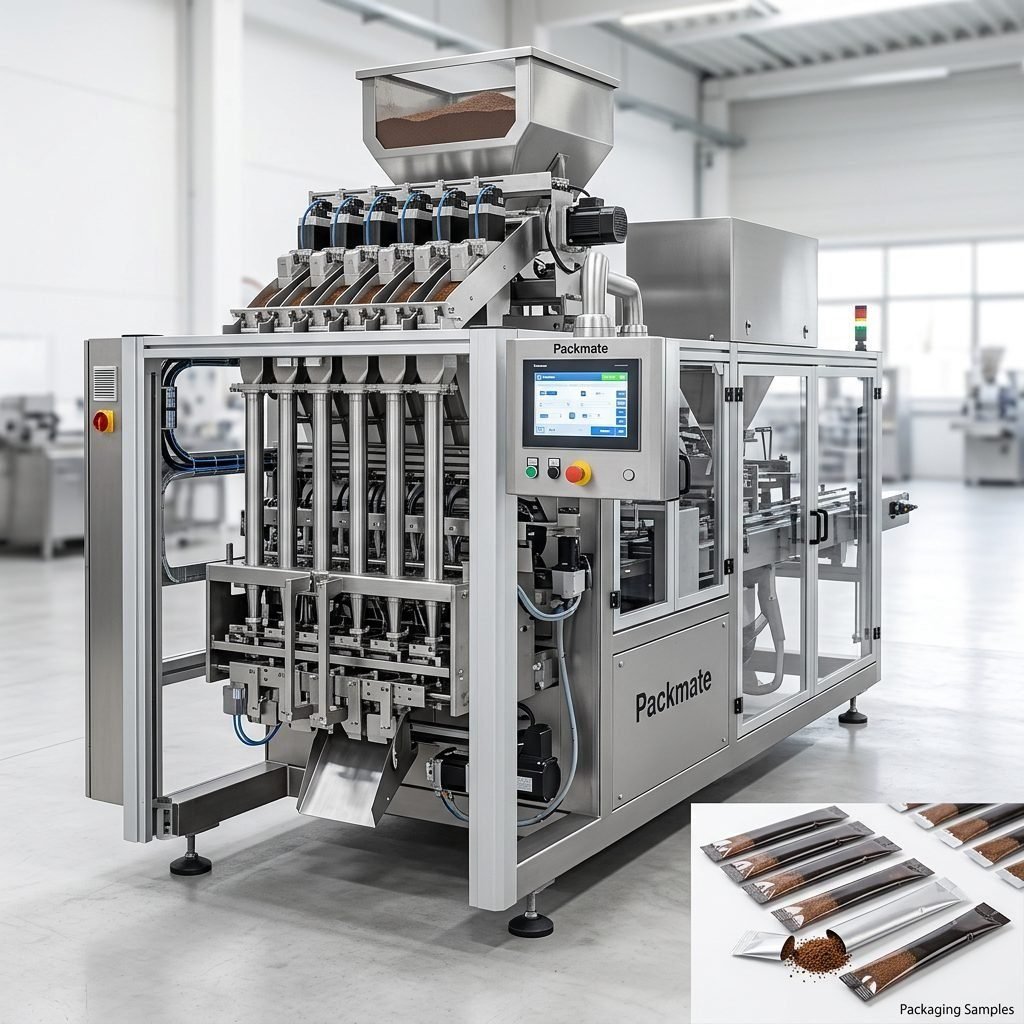
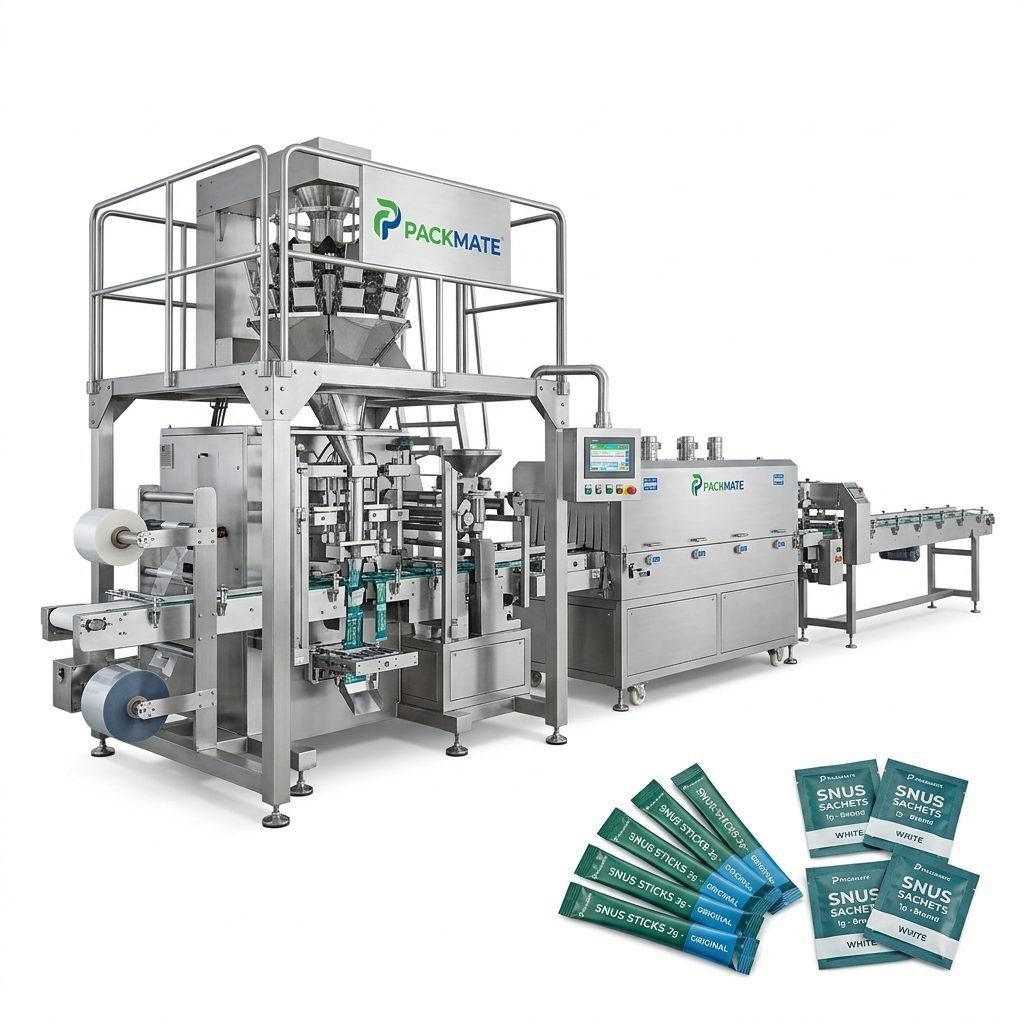
5. SnusMachinery – For Specialized Pouch Packaging
While specialized in nicotine pouches, SnusMachinery’s expertise in high-precision, multi-lane pouch packaging can be applicable for other valuable dry products requiring exact dosing and excellent seal integrity, such as high-end spices or medicinal herbs for export.
Navigating Logistics and Importation to Guinea-Bissau
Successfully sourcing a machine also involves managing its journey to your factory. Key considerations include:
Incoterms: Clearly agree on terms with the supplier (e.g., FOB, CIF). For more control, many African importers prefer FOB, allowing them to choose their own freight forwarder experienced in shipping to the Port of Bissau.
Documentation: Ensure the supplier provides all necessary documents: Commercial Invoice, Packing List, Bill of Lading/Air Waybill, Certificate of Origin, and any required manuals or test reports.
Technical Barriers: Plan for machine compatibility. Confirm the electrical specifications (voltage, phase, frequency) and arrange for a qualified local electrician to handle installation and connection.
Final Steps: Communication and Negotiation
Clear communication is vital. Provide detailed product samples and specifications. Request a formal, itemized quotation. Before final payment, insist on seeing a live video test of the machine running with a material similar to yours. Finally, ensure the payment terms (e.g., 30% deposit, 70% before shipment) are secure and use methods like bank transfers with trade assurance where possible.
Frequently Asked Questions (FAQs)
Q1: What is the typical lead time for a packaging machine from China to Guinea-Bissau?
A: Lead times vary. For standard models, production can take 30-60 days. Customized machines may require 60-90 days. Sea freight from China to the Port of Bissau can add another 30-50 days. Always factor in these timelines for your project planning.
Q2: How can I verify a manufacturer’s claims about export experience to Africa?
A: Ask for specific references or case studies of projects in West Africa. Request copies of past shipping documents (with client details redacted) to African ports. Check if they have multilingual support that includes Portuguese or French, which are common in the region.
Q3: What are the most common after-sales issues, and how can I mitigate them?
A: Common issues include electrical incompatibility, minor mechanical adjustments, and operator error. Mitigate this by: 1) Confirming electrical specs twice, 2) Requesting comprehensive video training and manuals, 3) Purchasing a recommended set of critical spare parts (like seals, sensors, belts) with the initial order.
Q4: Is it better to buy a single machine or a complete packaging line?
A: It depends on your scale and process. A single machine (e.g., a sachet packer) is sufficient for focused, small to mid-volume tasks. A complete line (with feeding, weighing, packaging, and cartoning) is for high-volume, fully automated production where labor savings and maximum output are critical. For many growing businesses in Guinea-Bissau, starting with a key standalone machine is a prudent step.
Q5: What hidden costs should I budget for when importing machinery?
A: Beyond the machine price, budget for: International bank transfer fees, marine cargo insurance, port handling charges and customs clearance fees in Bissau, local transport from the port to your factory, possible transformer or voltage stabilizer costs, and initial spare parts inventory.