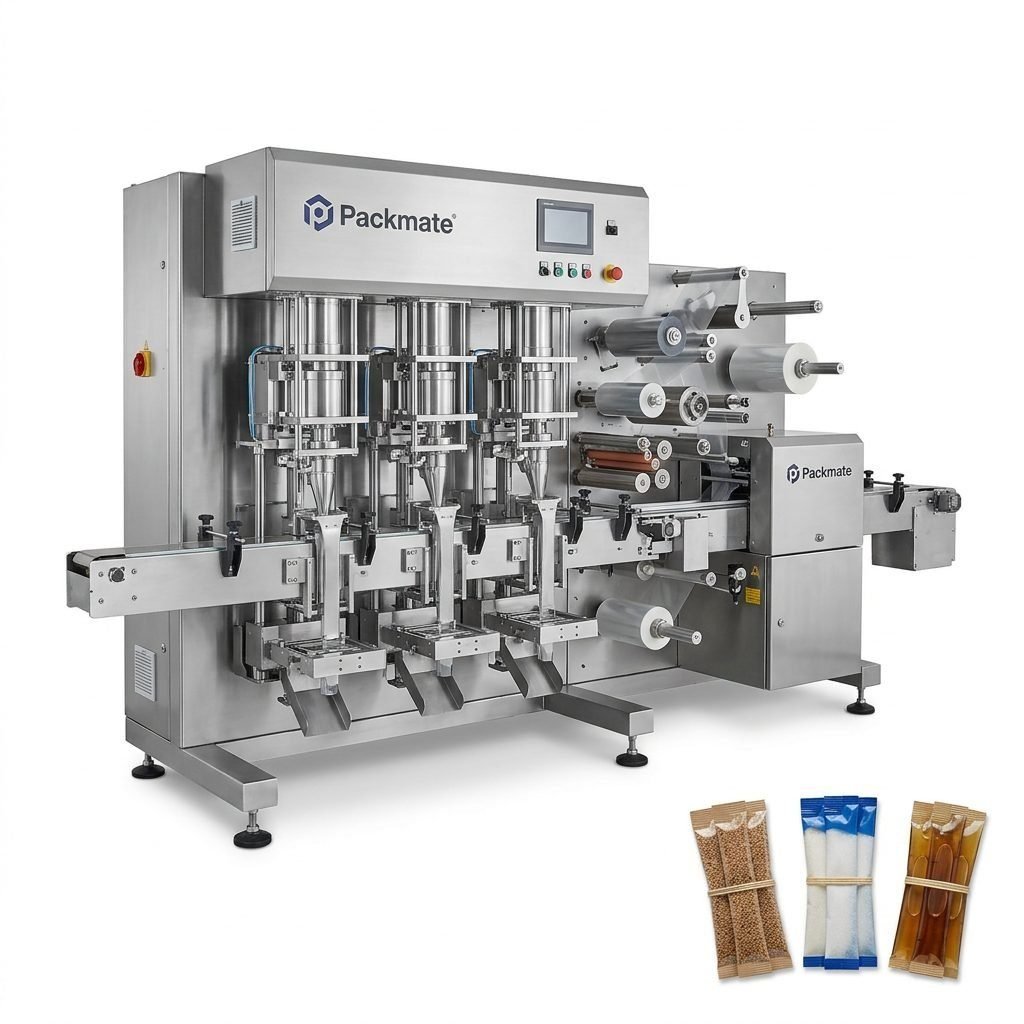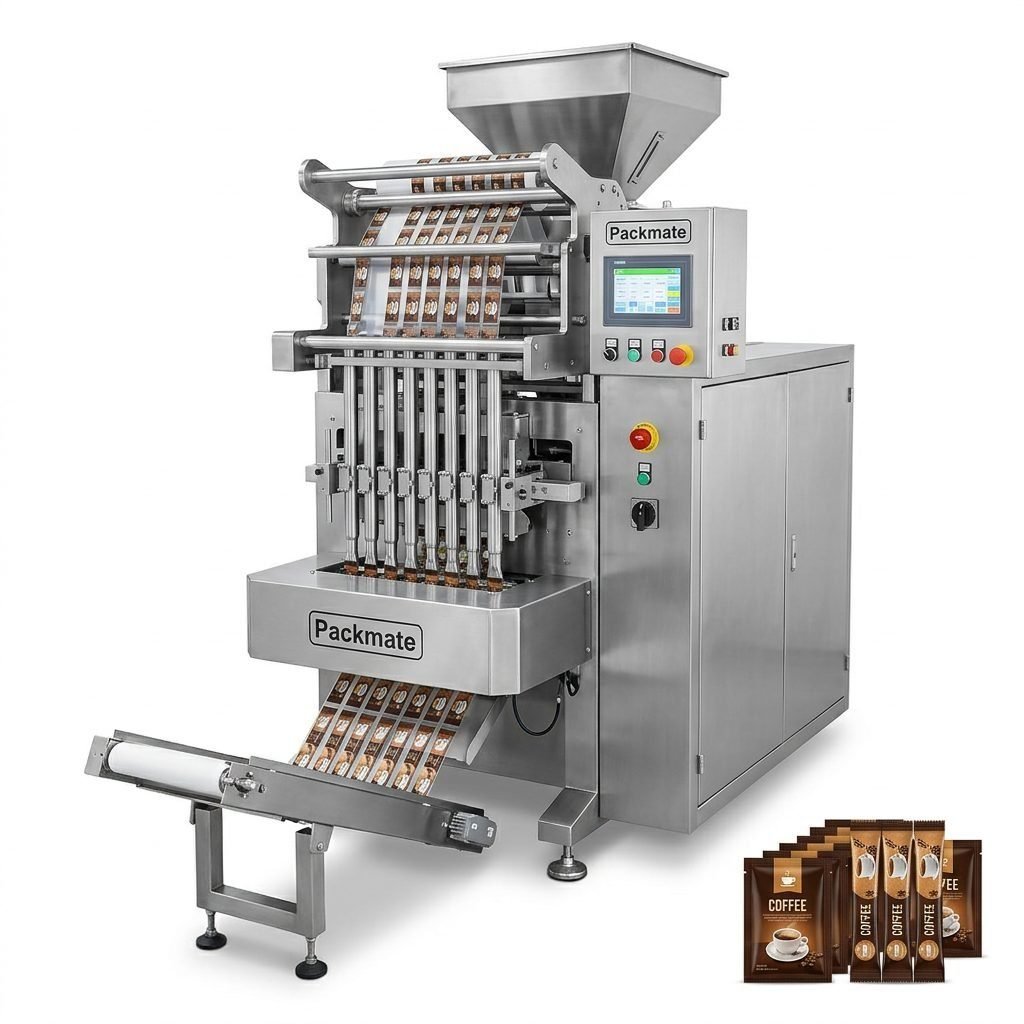
For beverage producers worldwide, selecting the right packaging machine is a critical business decision that directly impacts efficiency, product quality, and profitability. The global market offers a vast array of equipment, from high-speed multi-lane sachet machines for instant drink mixes to sophisticated liquid filling lines for ready-to-drink (RTD) beverages. This guide provides a comprehensive overview of beverage packaging machines, their working principles, and essential buying considerations to help you make an informed investment.
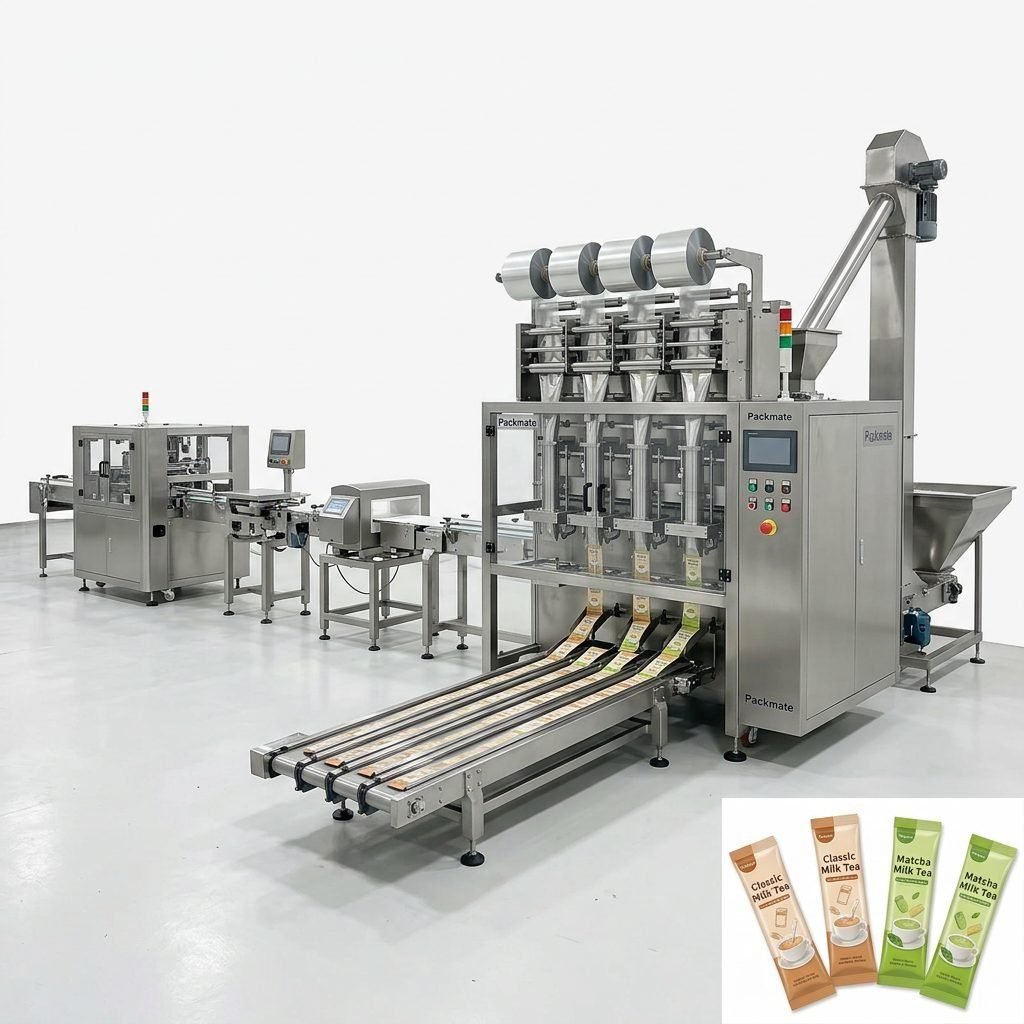
Key Types of Beverage Packaging Machines
The beverage industry utilizes various packaging formats, each requiring specialized machinery. Understanding the primary types is the first step.
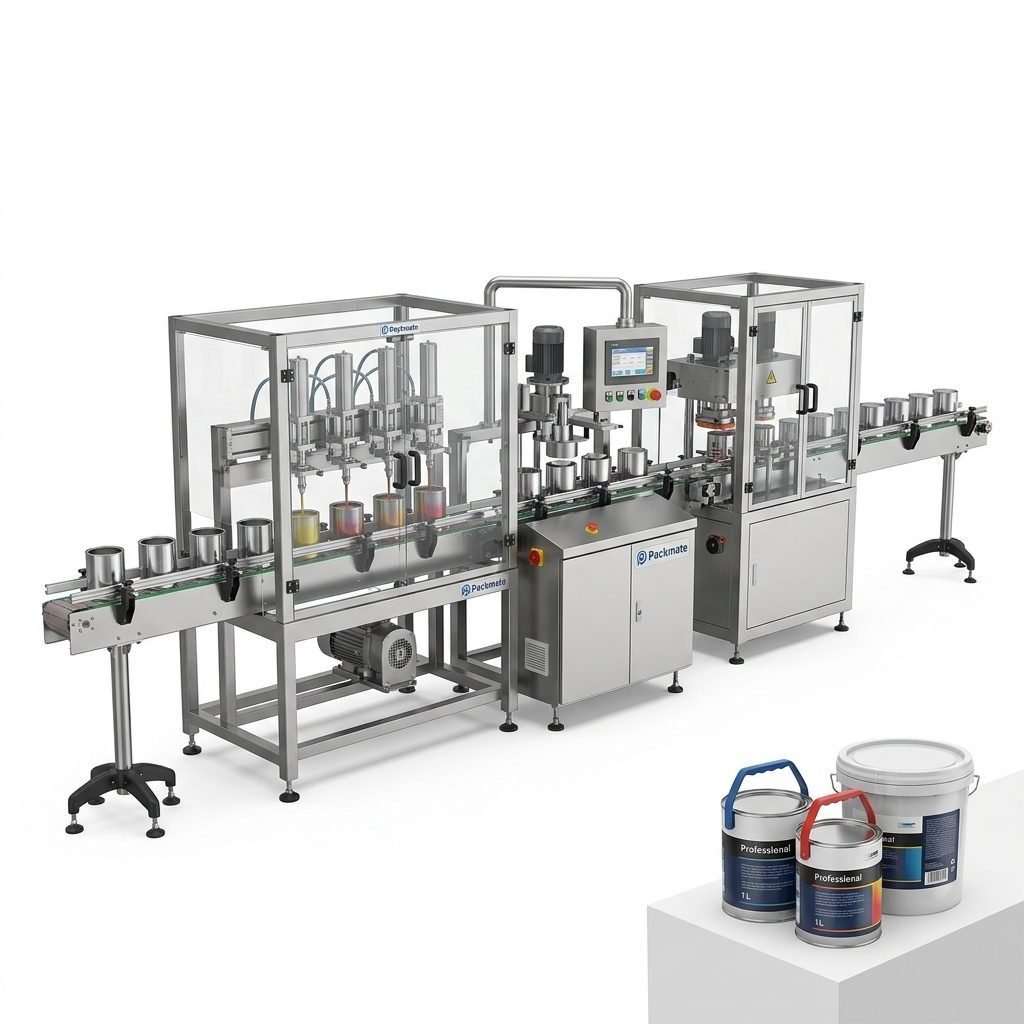
1. Liquid Filling and Sealing Machines
These machines are designed for ready-to-drink (RTD) beverages, including water, juices, teas, and functional drinks. They handle containers like bottles, cans, pouches, and cartons. Key sub-types include:
Gravity Fillers: Simple and cost-effective, suitable for thin, non-foaming liquids. Product flows by gravity into containers.
Piston Fillers: Highly accurate and versatile, ideal for viscous products like syrups, yogurts, or pulpy juices.
Volumetric Fillers: Use pumps or flow meters to dispense a precise volume, common for water and oils.
Aseptic Fillers: Sterilize the product and packaging material separately before filling in a sterile environment, essential for long-shelf-life milk, juice, and plant-based drinks.
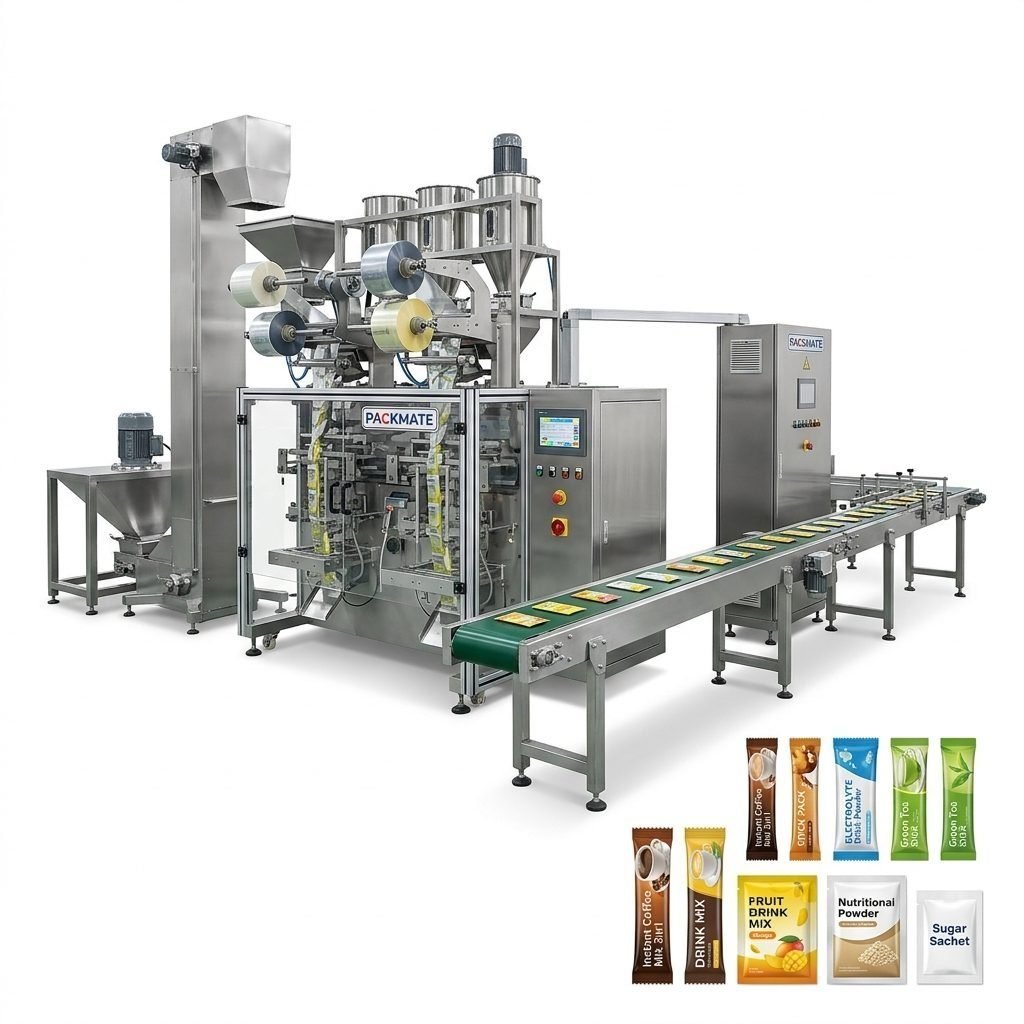
2. Powder & Granule Stick Pack & Sachet Machines
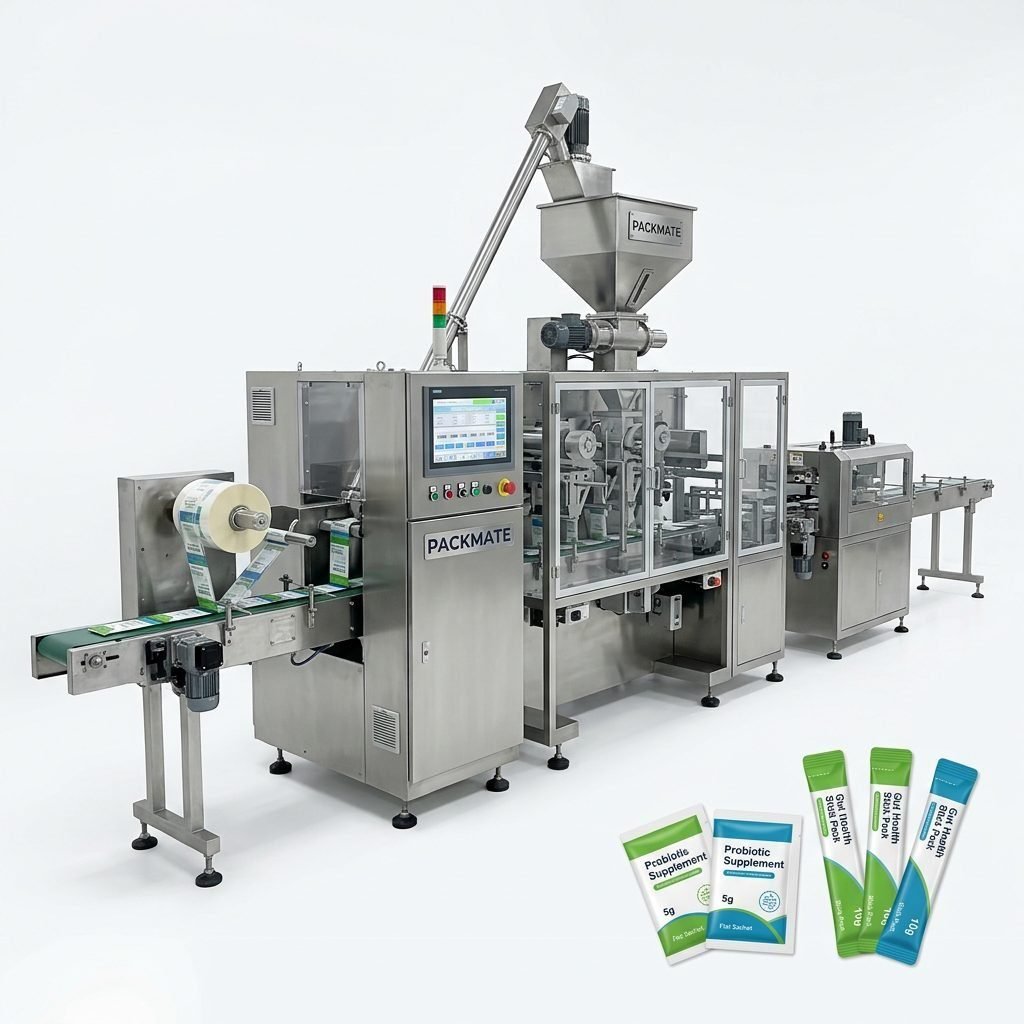
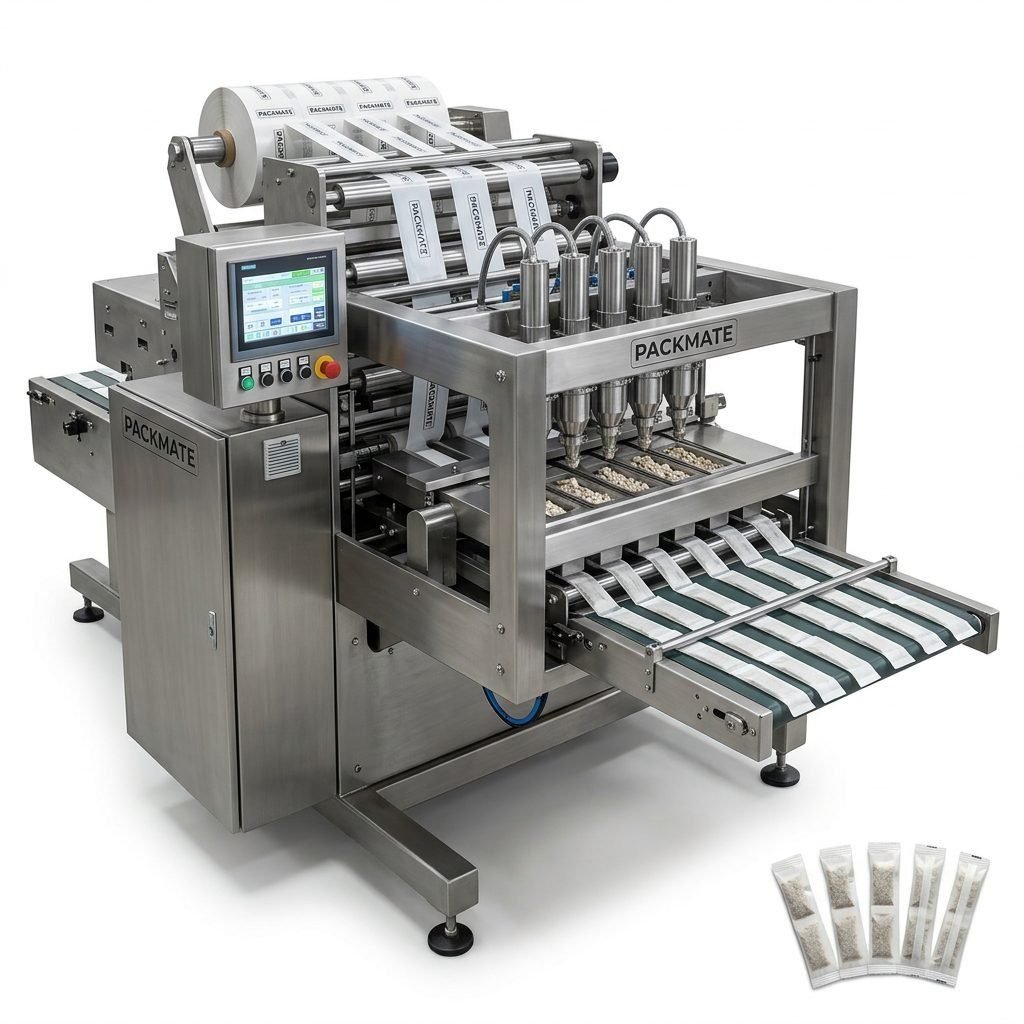
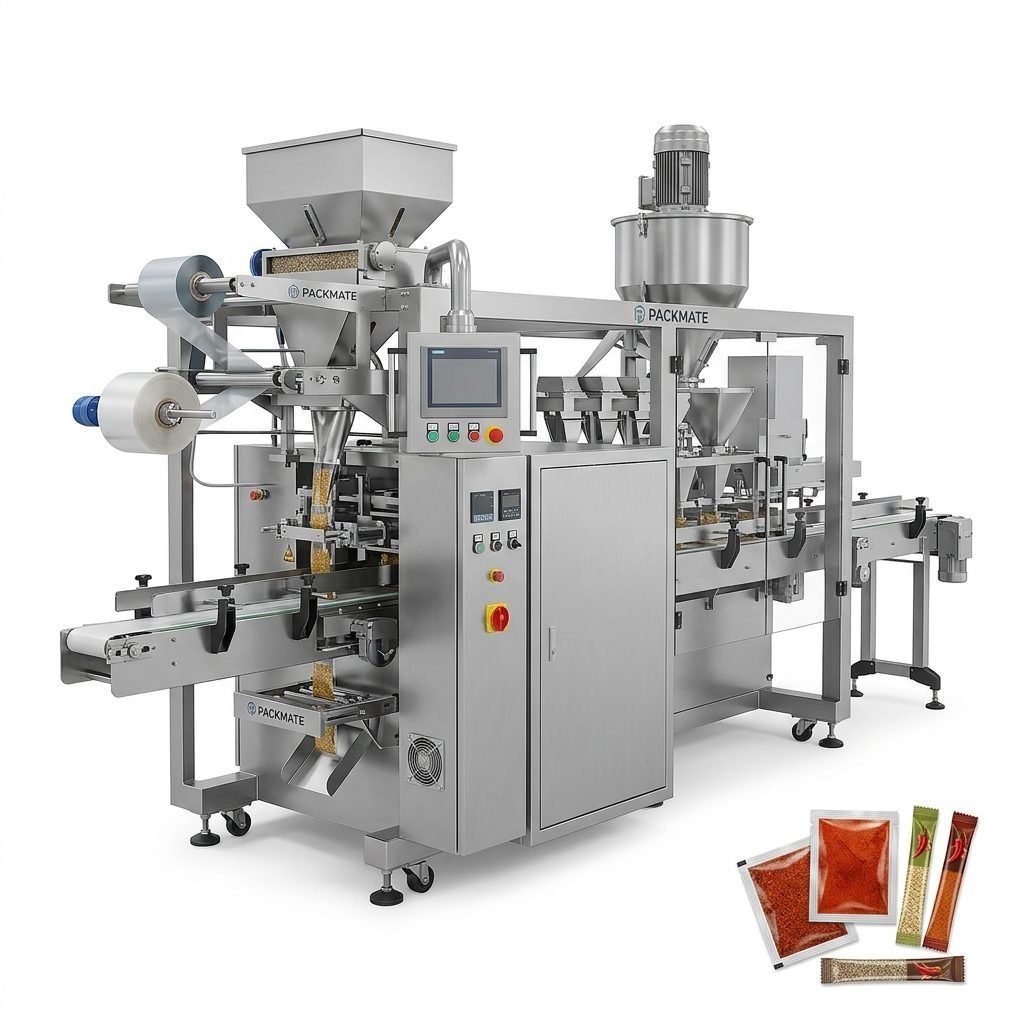
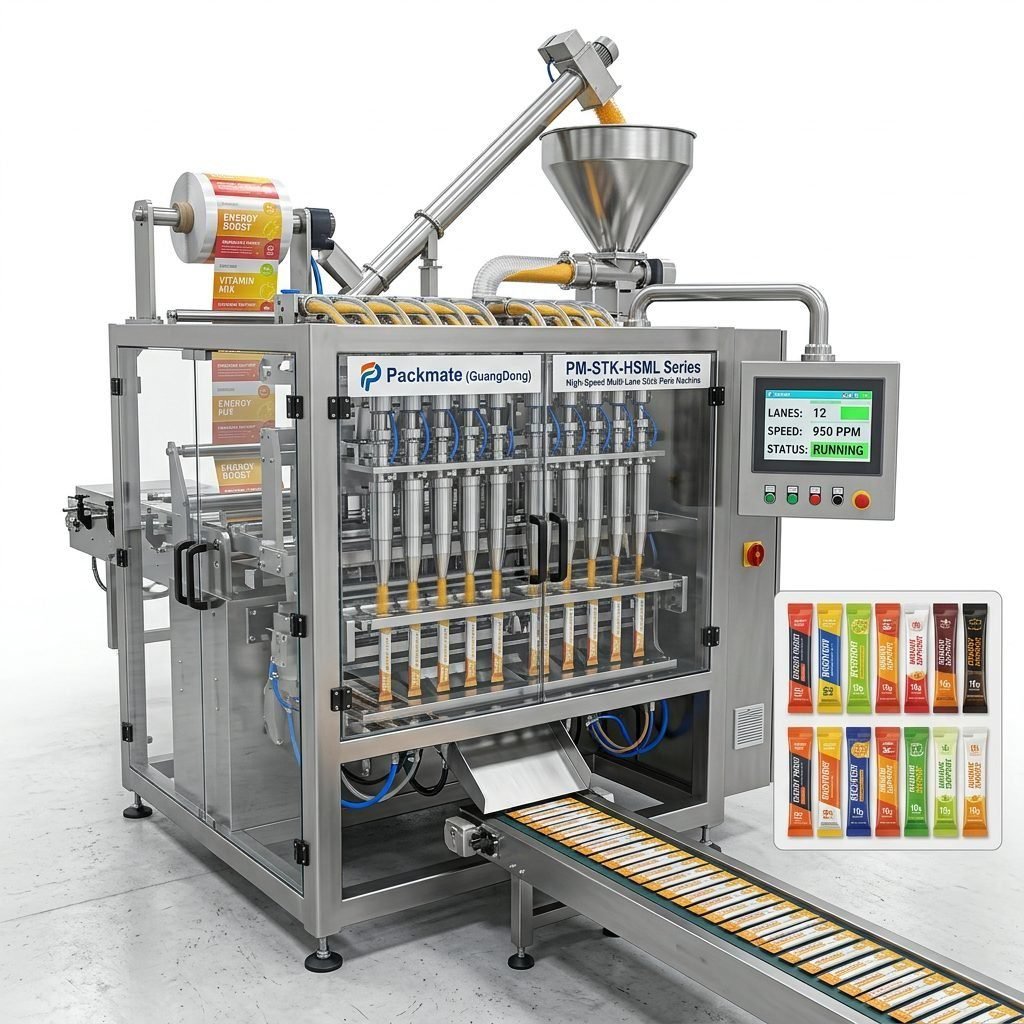
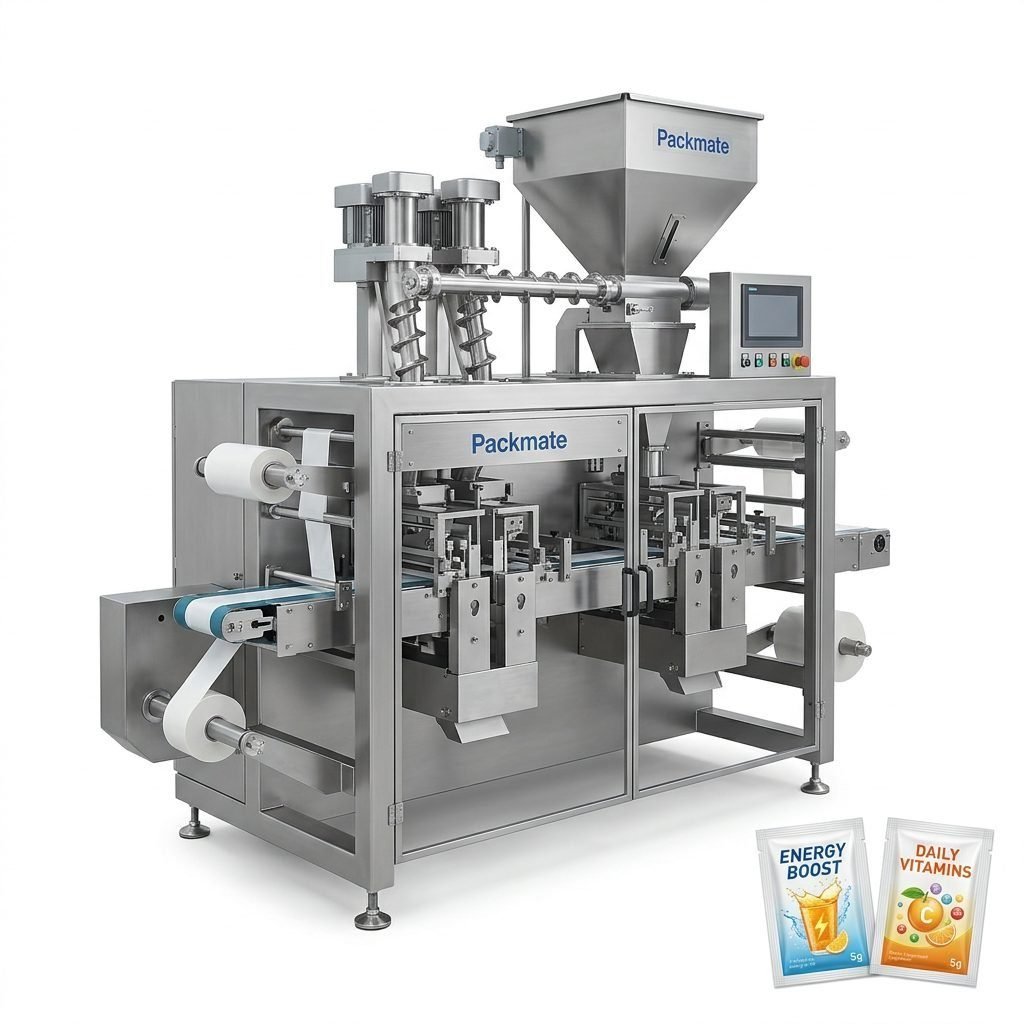
Ideal for instant coffee, milk powder, protein shakes, tea, cocoa, and drink mixes. These machines form, fill, and seal single-serve packets from a roll of packaging film.
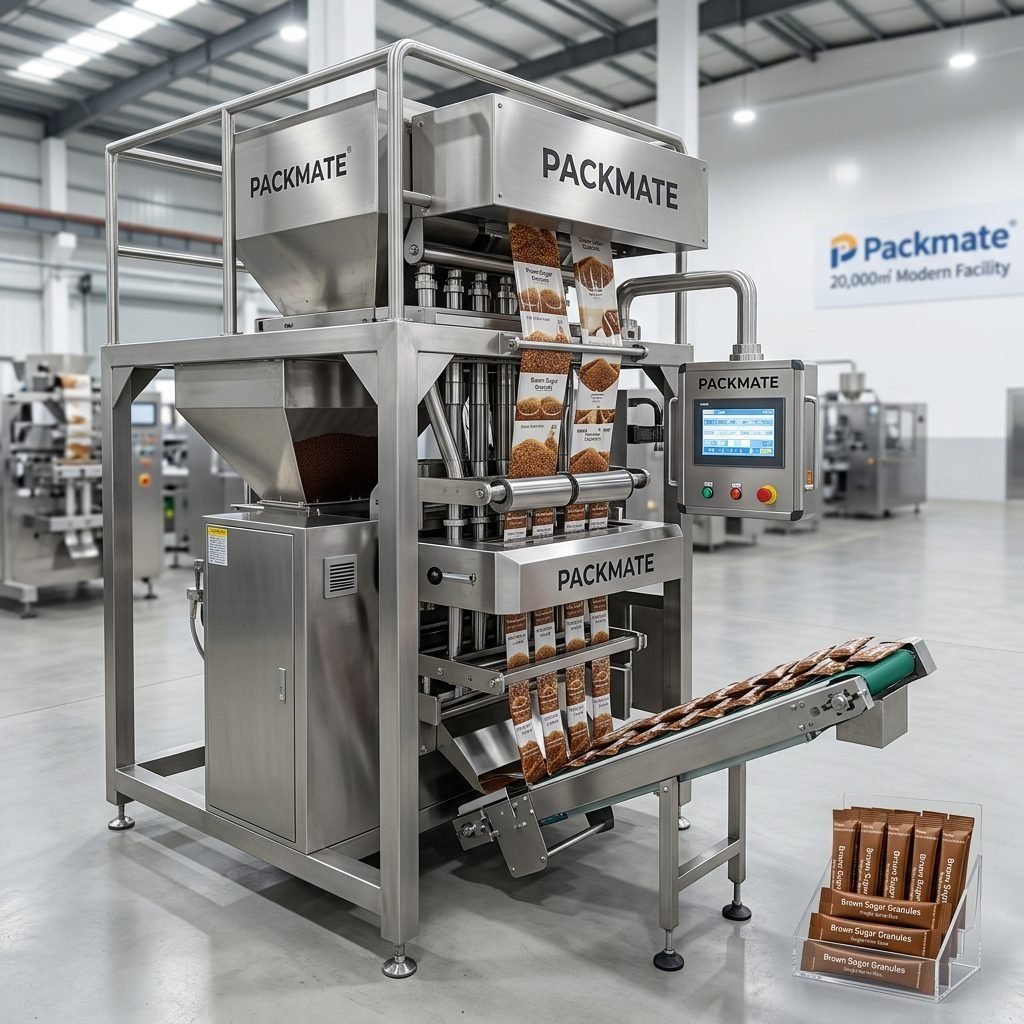
Vertical Form-Fill-Seal (VFFS): The most common type. Film is formed into a tube, filled, and then sealed horizontally to create individual pouches. Excellent for high-speed production.
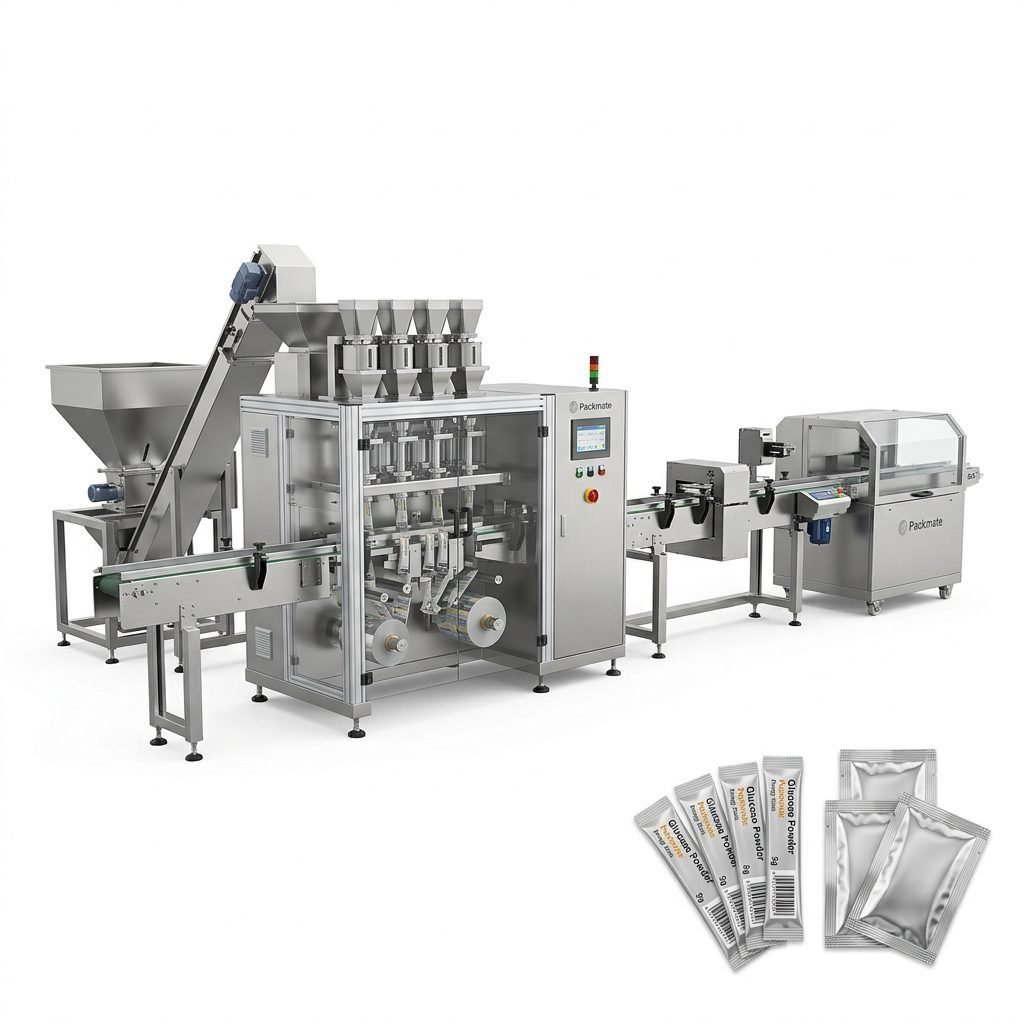
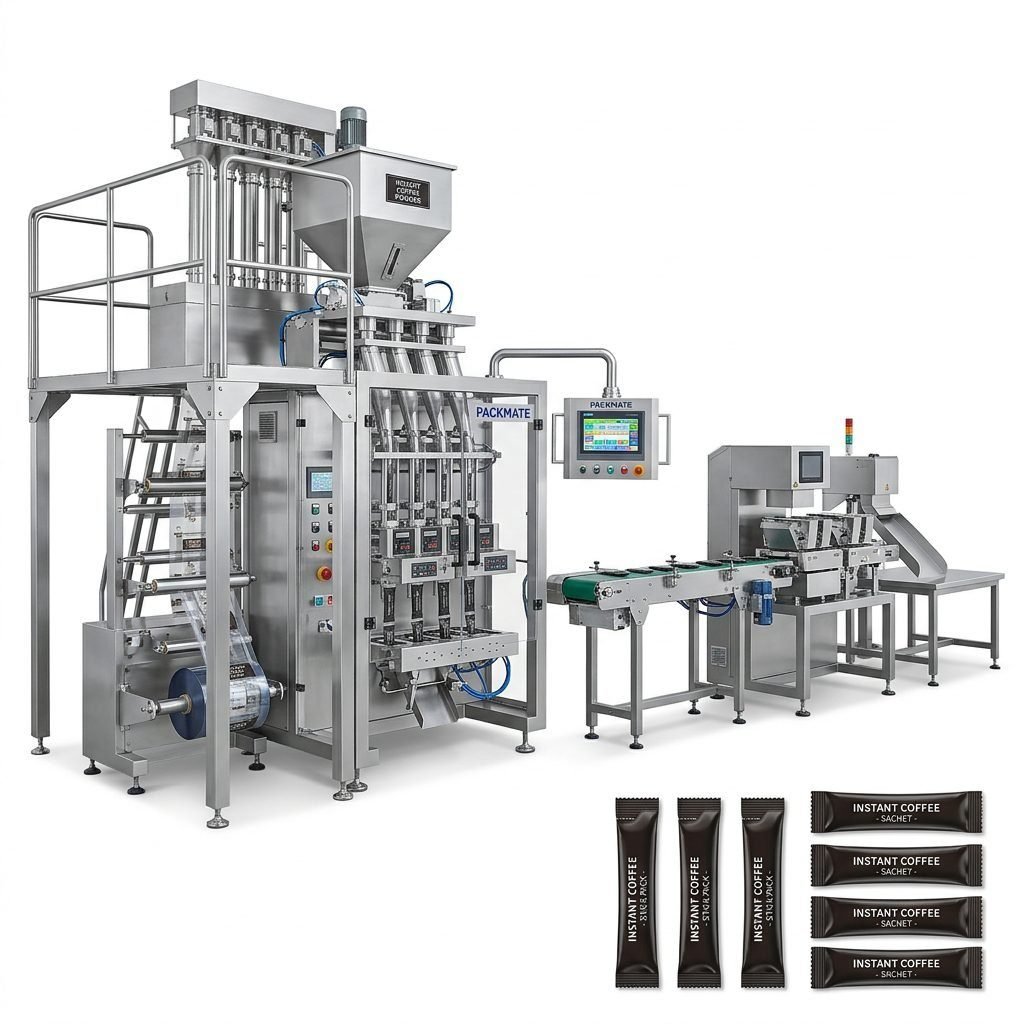
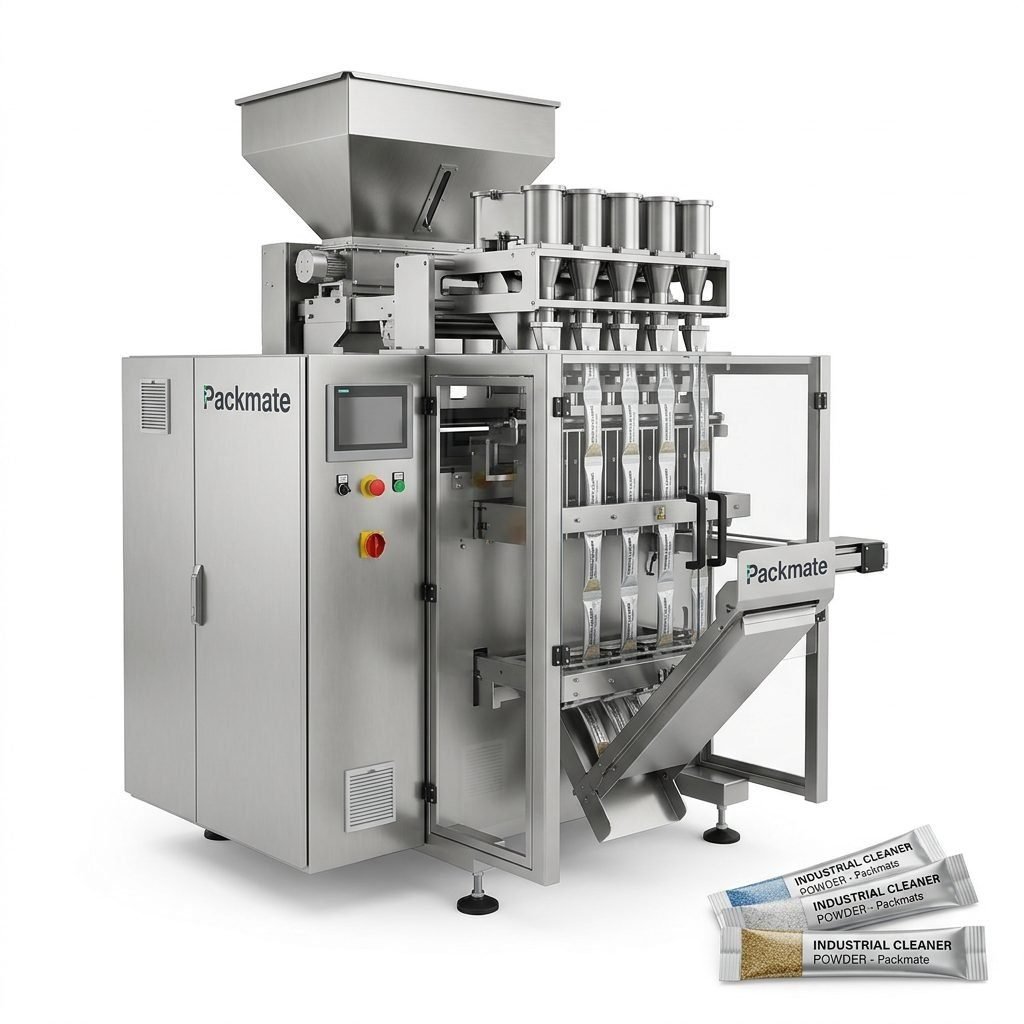
Multi-Lane Machines: Feature multiple filling heads operating in parallel, dramatically increasing output for high-volume products like stick coffee or sugar sachets.
Pre-Made Pouch Fillers: Fill and seal pre-manufactured pouches or stick packs, often used for premium products or complex pouch shapes.
3. Pouch Packaging Machines
Used for larger volume liquid beverages (like milk, wine, or cocktails in a box) or powdered products. They create stand-up pouches, spouted pouches, or flat pouches from roll stock.
4. Canning and Bottling Lines
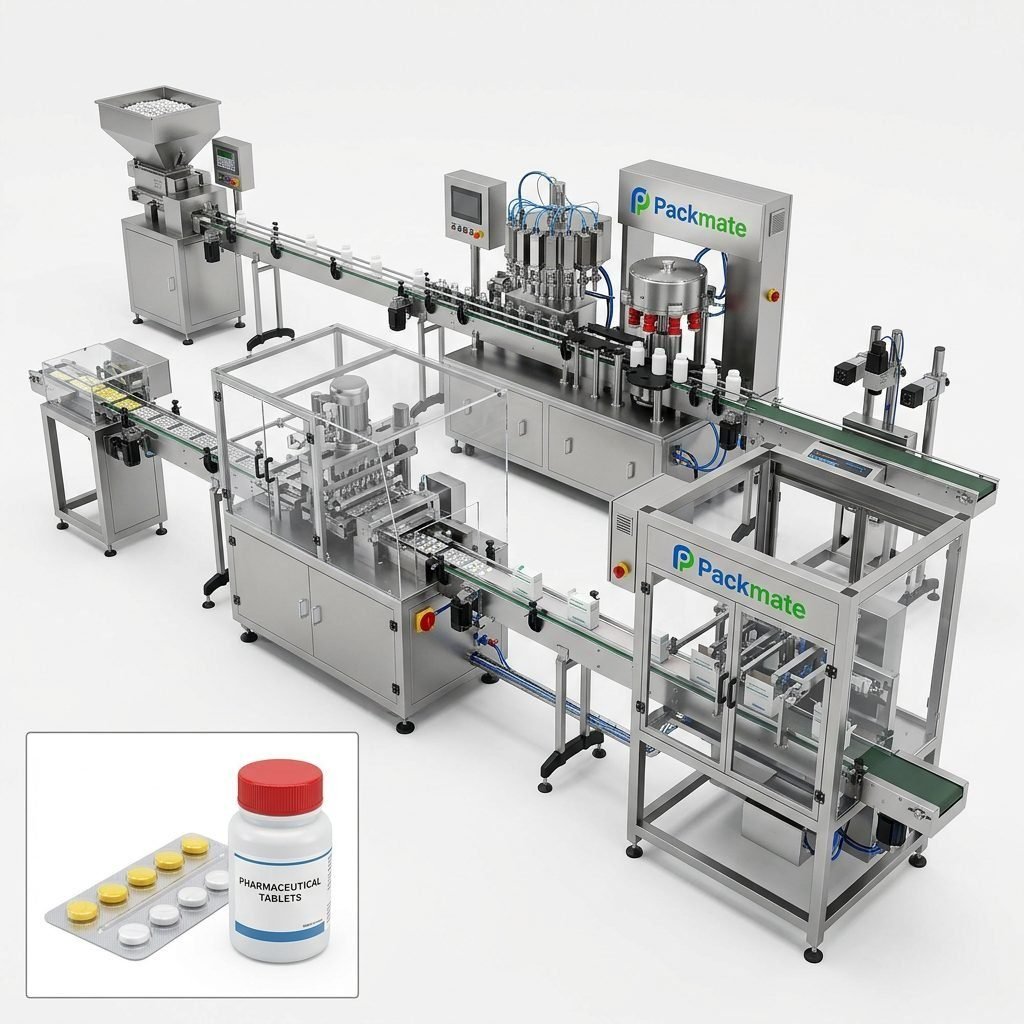
These are complete systems that integrate several machines: washers, fillers, cappers/crimpers, labelers, and packers. They are the backbone of large-scale beer, soda, and RTD production.
5. Cartoning and Secondary Packaging Machines
After primary packaging, machines like cartoners, case packers, and palletizers handle grouping, boxing, and preparing products for shipping.
How Beverage Packaging Machines Work
The core working principle across most machines involves a synchronized sequence of forming, filling, and sealing.
1. Form-Fill-Seal (FFS) Process
This is the standard for pouch and sachet packaging. A roll of flexible laminate film is fed into the machine. The film is formed into a tube around a vertical filling tube (forming). The product is then dosed into this tube (filling). Finally, heated jaws seal the package horizontally (and sometimes vertically) to create individual, sealed units (sealing), which are then cut apart.
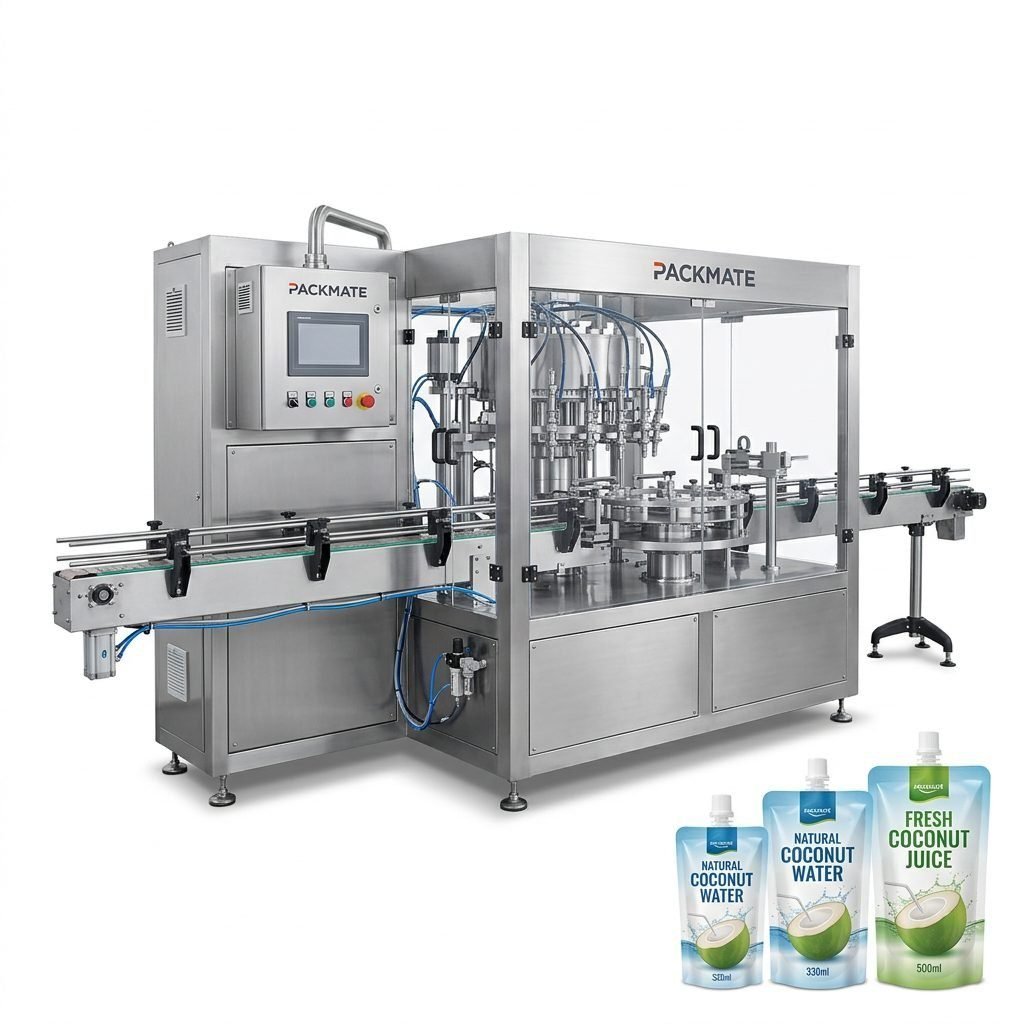
2. Liquid Filling Process
For bottles and cans, the process is slightly different. Empty containers are conveyed to the filling station. They are positioned under filling nozzles. Depending on the technology, the liquid is dispensed via gravity, pressure, or piston action. The filled containers then move to a capping or sealing station before labeling and secondary packaging.
3. Key Supporting Systems
| System | Function |
|---|---|
| Dosing/Weighing System | Ensures precise product quantity in each package, critical for cost control and compliance. |
| Gas Flushing (Nitrogen) | Replaces oxygen in the package headspace to extend shelf life and prevent oxidation, common in coffee and snack packaging. |
| Date Coding/Printing | Imprints batch codes, expiry dates, or barcodes directly onto the packaging. |
| Checkweigher & Metal Detector | Ensures weight accuracy and product safety by detecting under/overfills and metallic contaminants. |
Essential Buying Considerations
Choosing the right machine requires a strategic assessment of your specific needs.
1. Product Characteristics
Your product dictates the machine type. Consider its physical state (liquid, powder, granules), viscosity, acidity, particulate size, and sensitivity to oxygen or moisture. For instance, a viscous mango puree requires a piston filler, while instant tea powder needs a multi-lane VFFS machine with auger filling.
2. Production Capacity & Speed
Calculate your required output in packages per minute (PPM) or hour. A startup might need a semi-automatic machine (30-60 PPM), while a large contract manufacturer requires a fully automated, multi-lane line (200+ PPM). Don’t over-invest in excessive speed you won’t use.
3. Packaging Material & Format
Determine your desired package: stick pack, stand-up pouch, bottle, can, etc. The machine must be compatible with your chosen material (e.g., PET, aluminum foil laminate, paperboard) and capable of creating the required seal integrity.
4. Automation Level & Footprint
Evaluate your available factory space and labor. A fully automated turnkey line minimizes manual labor but has a larger footprint and higher upfront cost. Semi-automatic machines are more compact and affordable but require more operators.
5. Supplier Selection & Support: This is perhaps the most critical factor. Look for manufacturers with proven experience in the beverage sector. Evaluate their after-sales service, availability of spare parts, training programs, and warranty terms. Established manufacturers like Ludyway and Packmate Machinery offer robust technical support and have a strong export presence, which is vital for international buyers.
6. Hygiene & Safety Standards
Beverage machines must comply with food-grade safety standards (e.g., FDA, EU regulations). Ensure contact parts are made of stainless steel (SS304 or SS316) and that the design allows for easy cleaning (CIP – Clean-in-Place) to prevent contamination.
7. Budget & ROI
Consider the total cost of ownership: purchase price, installation, maintenance, energy consumption, and potential downtime. A slightly more expensive, reliable machine from a reputable supplier like PacklineOEM often offers a better return on investment than a cheaper, less reliable alternative.
Regional Market Considerations
Beverage consumption and packaging preferences vary globally, influencing machine specifications.
In North America and Europe, there is high demand for sustainable packaging (compostable/ biodegradable sachets, lightweight materials) and advanced automation for labor cost savings. Machines must meet stringent FDA and EFSA hygiene standards.
In Southeast Asia and Africa</strong, the market for affordable, single-serve sachets (for coffee, milk powder, juice) is massive. Here, durability, ease of maintenance, and the ability to run in hot, humid environments are key. Machines need to handle local power fluctuations reliably.
For specialized segments like the growing nicotine pouch market in Europe and North America, precision dosing and high-speed multi-lane machines from specialists like SnusMachinery are essential.
The Value of Turnkey Solutions & Customization
For new facilities or major expansions, a turnkey packaging line from a supplier like PackingMachineOEM can be advantageous. They provide a fully integrated system (from feeding to palletizing) with single-point responsibility for installation, commissioning, and training. This reduces project complexity and ensures all components work harmoniously.
If your product has unique characteristics or you need a specific pouch shape, customization is crucial. Many leading manufacturers offer OEM services to adapt machines for non-standard applications, ensuring your packaging stands out and functions perfectly.
Frequently Asked Questions (FAQs)
1. What is the typical lead time for a beverage packaging machine?
Lead times vary significantly based on machine complexity, customization, and supplier capacity. For a standard model, expect 60-90 days. For highly customized or large turnkey lines, it can range from 4 to 8 months. Always confirm this with your supplier during the quoting process.
2. How do I ensure the machine is compatible with my packaging material?
Provide your supplier with samples of your exact packaging film or container. Reputable manufacturers will conduct material tests and may request a product sample to run trials on their equipment to verify sealing performance, dosing accuracy, and overall compatibility before finalizing the order.
3. What are the most common maintenance requirements?
Regular daily cleaning is paramount. Other common tasks include lubricating moving parts, checking and replacing worn seals and gaskets, calibrating scales and sensors, and inspecting electrical components. Your supplier should provide a detailed maintenance schedule and training.
4. Can one machine handle multiple product types or package sizes?
Many modern machines are designed with changeover capabilities. You can switch between different product types or package sizes by changing parts like forming tubes, filling nozzles, and sealing jaws. However, changeover takes time and may require recalibration. Discuss your flexibility needs with the manufacturer.
5. What training and technical support should I expect?
A reliable supplier should offer comprehensive training for your operators and maintenance staff, either at their facility or on-site during installation. They should also provide detailed manuals, wiring diagrams, and a list of recommended spare parts. Ensure they offer accessible after-sales support, which may include remote troubleshooting, online parts ordering, and availability of service engineers.