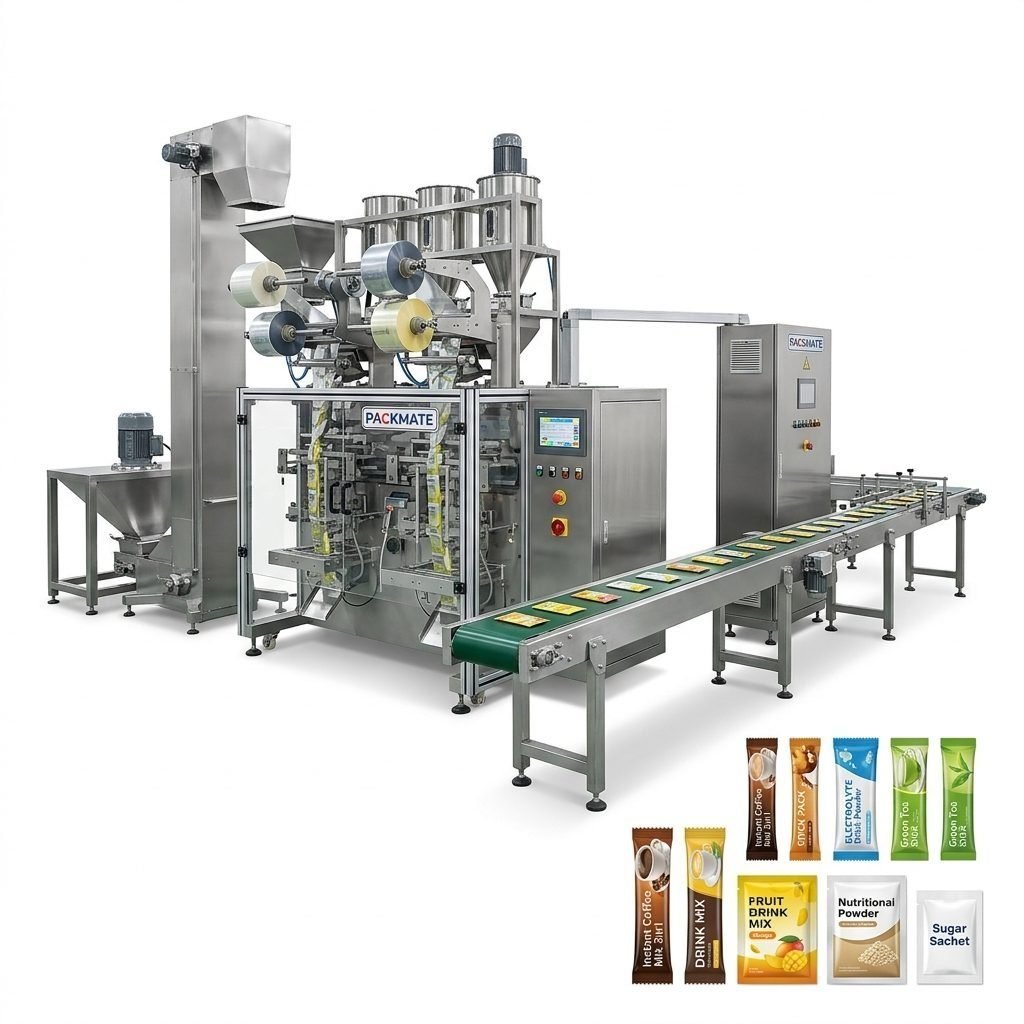
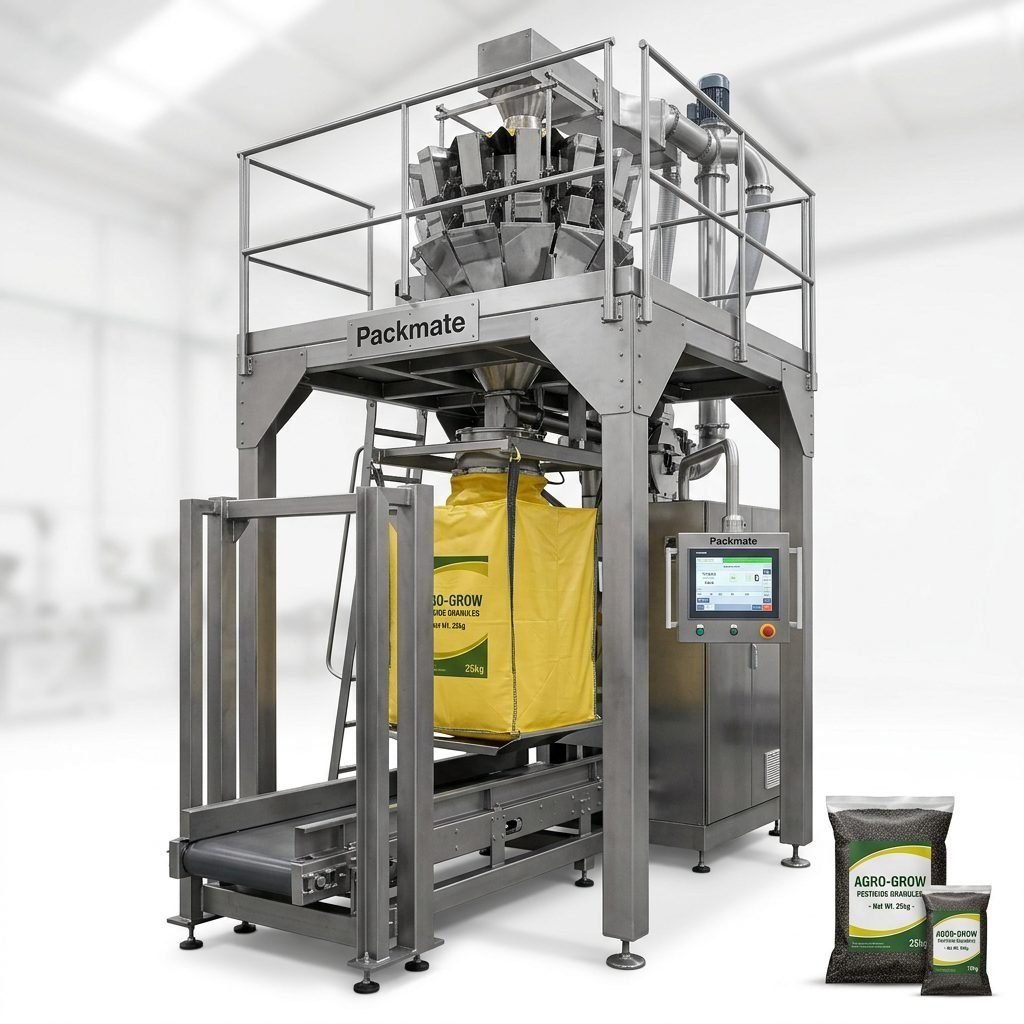
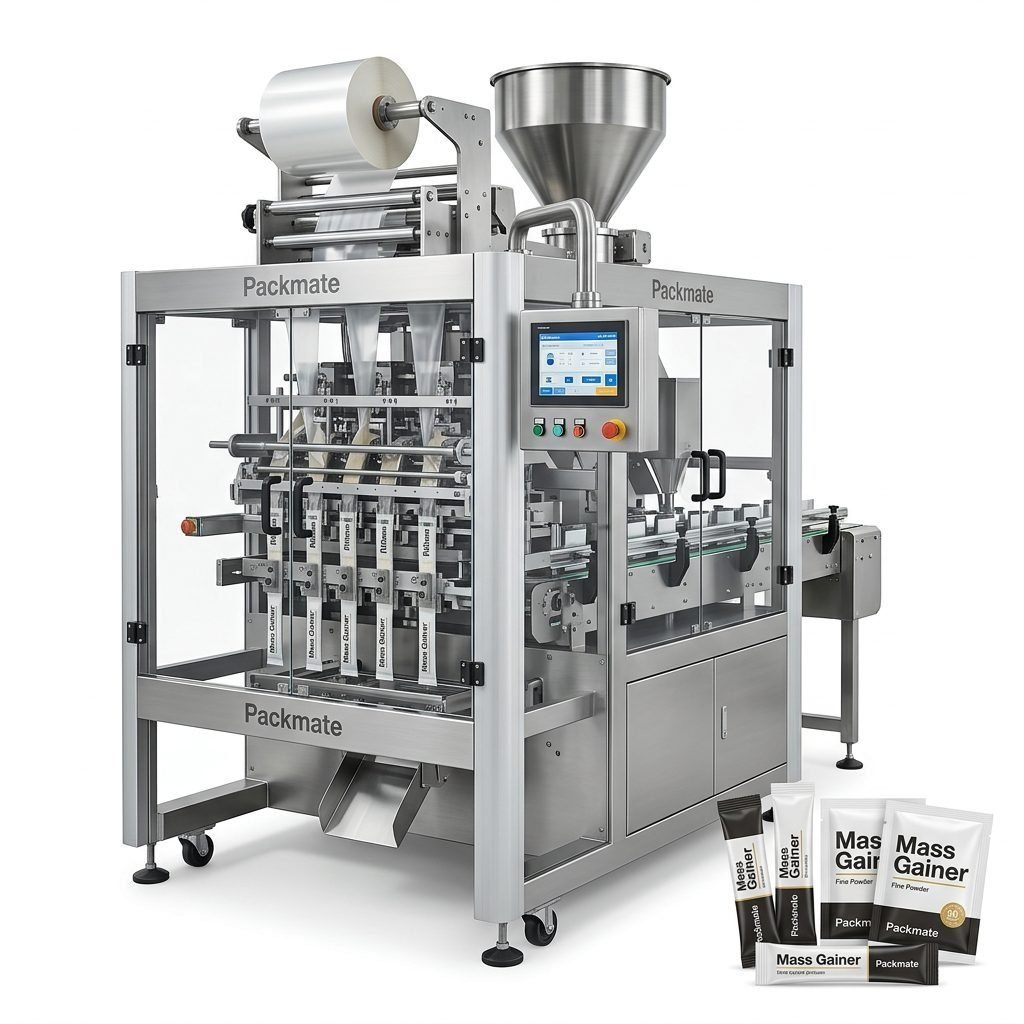
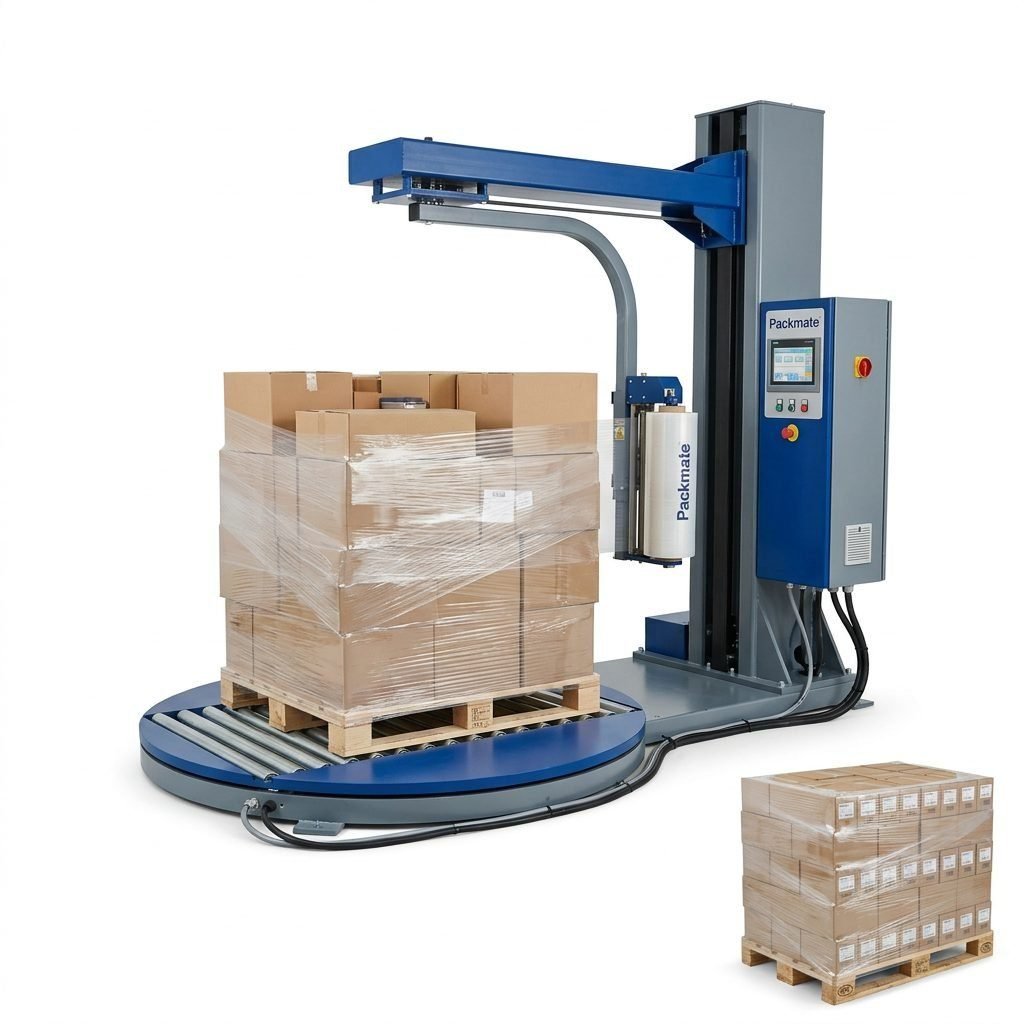
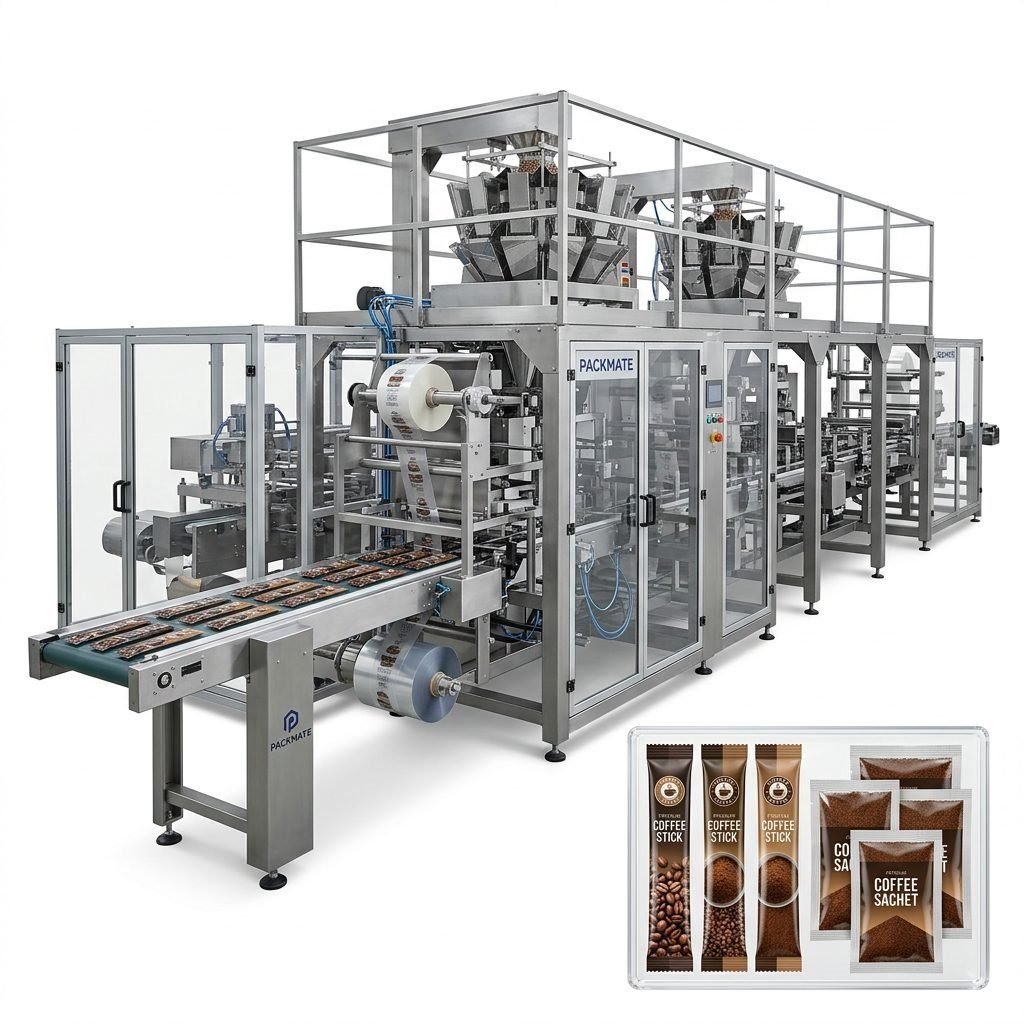
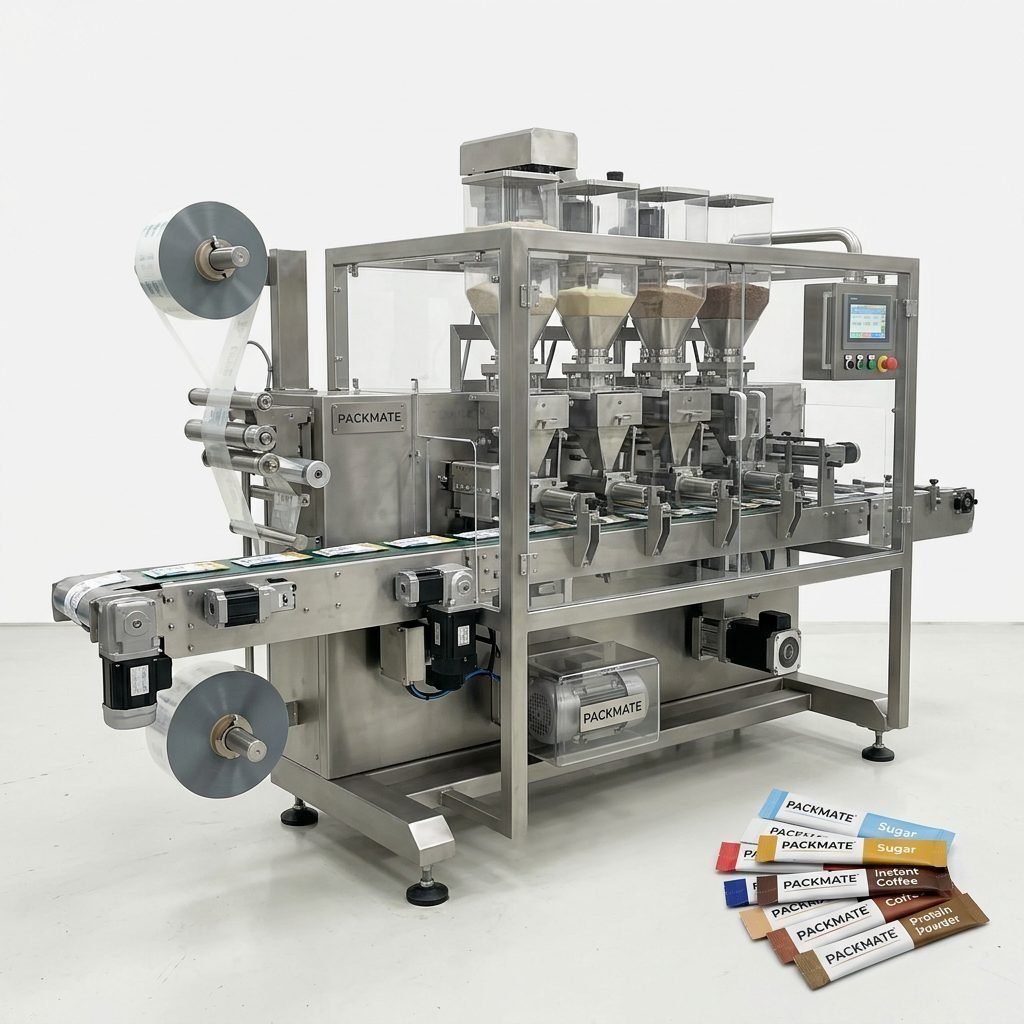
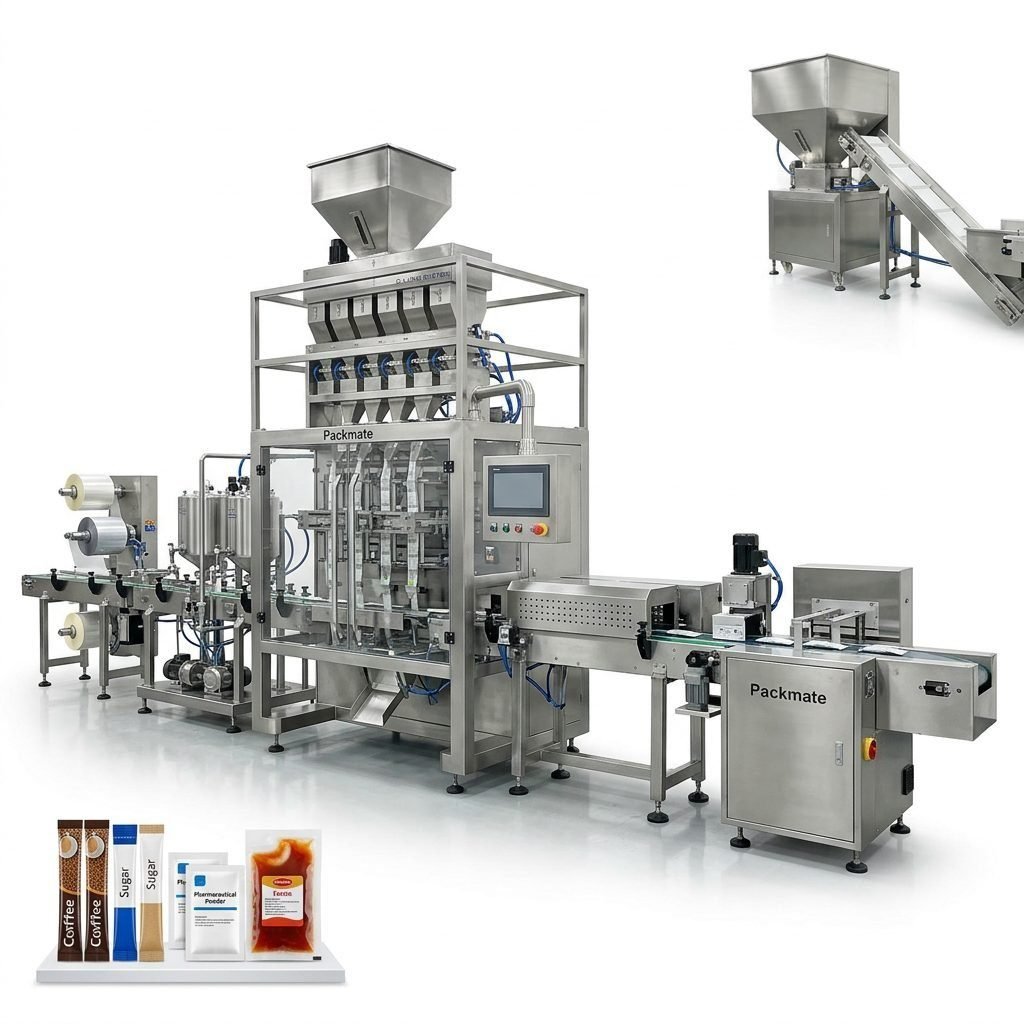
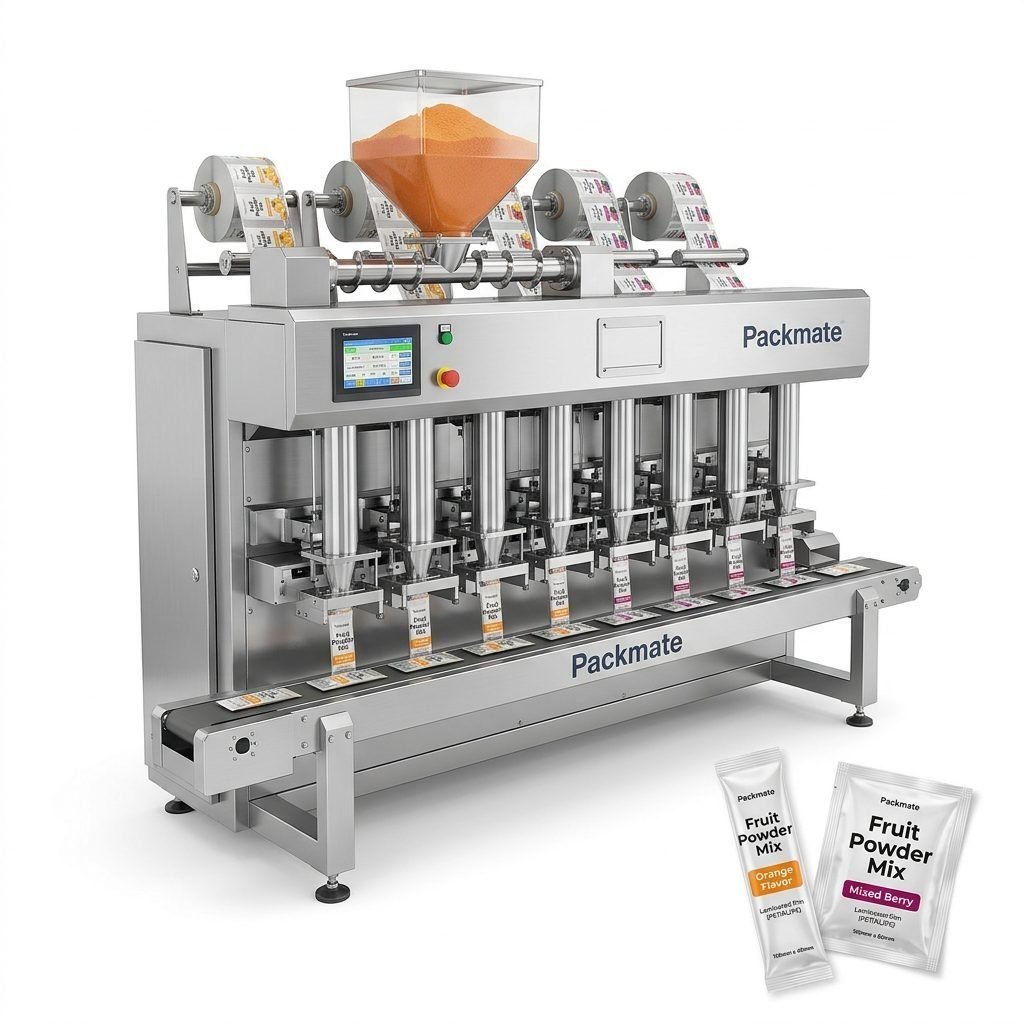
The Iranian packaging industry, particularly in food, pharmaceutical, and consumer goods sectors, is experiencing significant growth. This expansion, driven by domestic demand and export potential, has increased the need for reliable, efficient, and automated packaging solutions. For Iranian business owners, production managers, and procurement specialists, selecting the right packaging machine supplier is a critical decision that impacts production efficiency, product quality, and long-term operational costs. The choice often lies between local suppliers and established international manufacturers, with many Iranian companies finding value in partnering with experienced Chinese manufacturers known for their technological capability, cost-effectiveness, and adaptability to specific regional requirements.
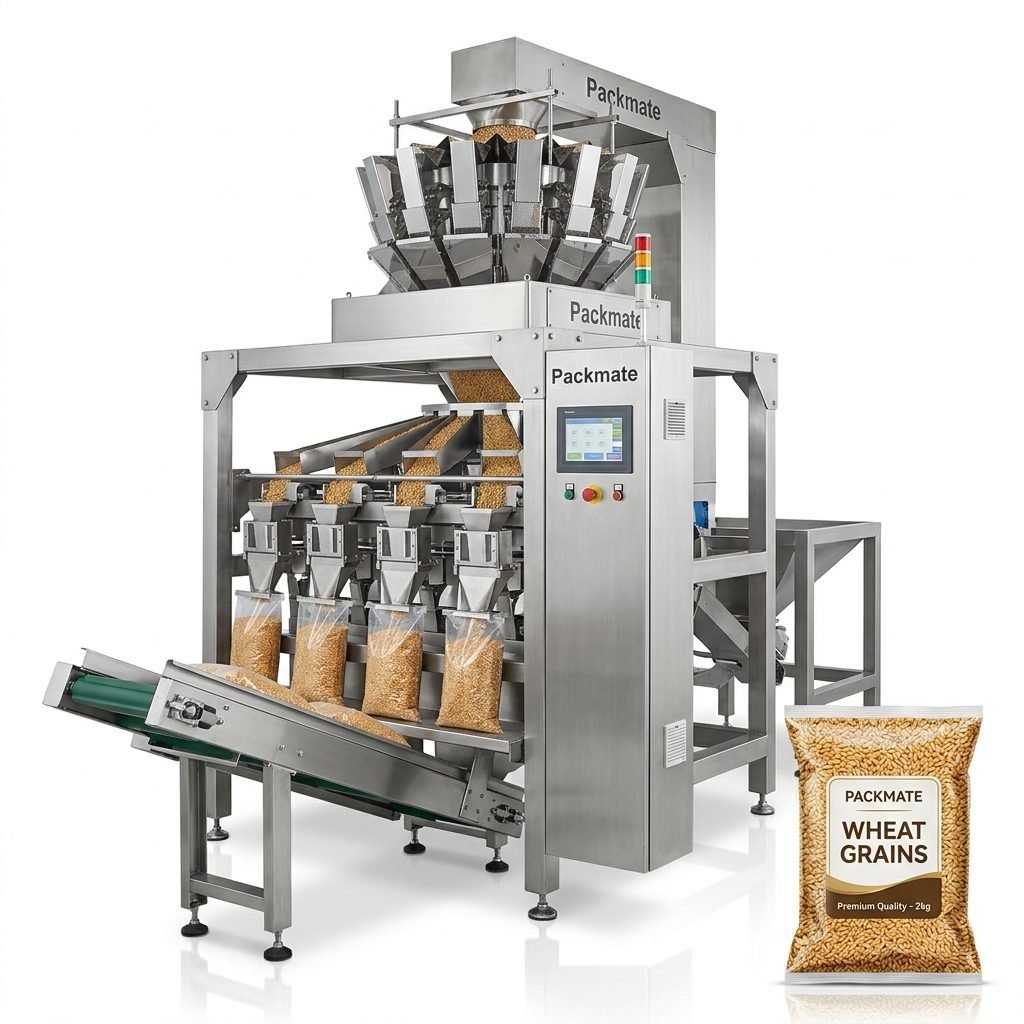
Key Considerations for Iranian Buyers
When evaluating packaging machine suppliers for the Iranian market, several unique factors come into play. Local manufacturers often require equipment that can handle specific product formats popular in the region, such as certain spice blends, dairy powders, pharmaceutical granules, and liquid condiments. Furthermore, considerations around after-sales support, availability of spare parts, and technical training are paramount due to potential complexities in international logistics and communication. The supplier’s experience in navigating export procedures to Iran and understanding of local voltage requirements and safety standards are also crucial.
Core Selection Criteria:
- Technical Compatibility: Does the machine handle your specific product form (powder, granule, liquid, paste) at your required speed and accuracy?
- After-Sales & Support: What is the supplier’s protocol for installation, training, maintenance, and spare parts supply for clients in Iran?
- Customization Ability: Can the supplier adapt standard machines to your unique packaging materials, bag sizes, or production line layout?
- Compliance & Standards: Does the equipment meet relevant international safety and hygiene standards applicable to your industry?
- Total Cost of Ownership (TCO): Look beyond the initial price. Consider long-term costs for energy consumption, maintenance, and part replacement.
Understanding Supplier Capabilities: From Single Machines to Turnkey Lines
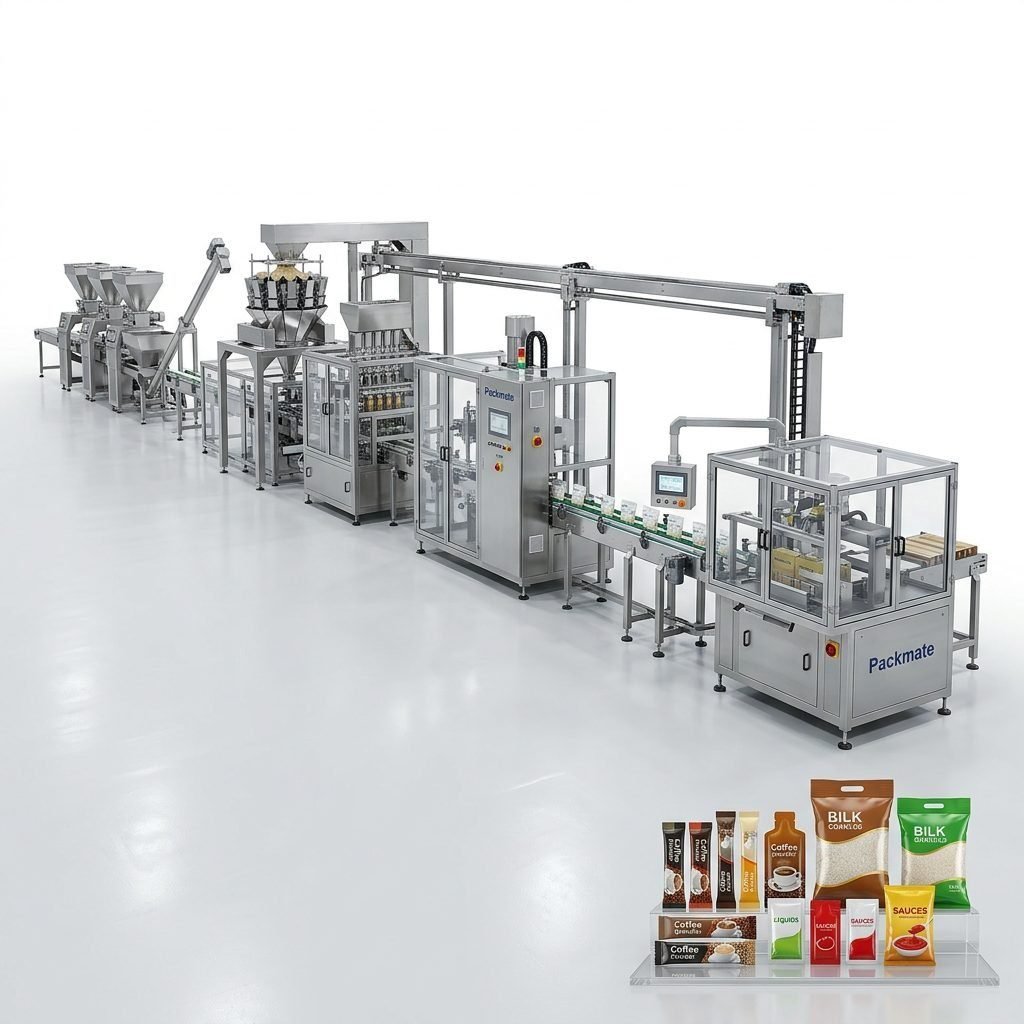
The needs of an Iranian factory can vary widely. A small to medium enterprise might seek a single, reliable sachet packing machine, while a large-scale food producer may require a complete, integrated turnkey packaging line with feeding, weighing, filling, sealing, and cartoning units. It’s essential to match your project scope with the supplier’s core strength. Some manufacturers excel at providing robust standalone machines, while others specialize in designing and implementing complex automated lines.
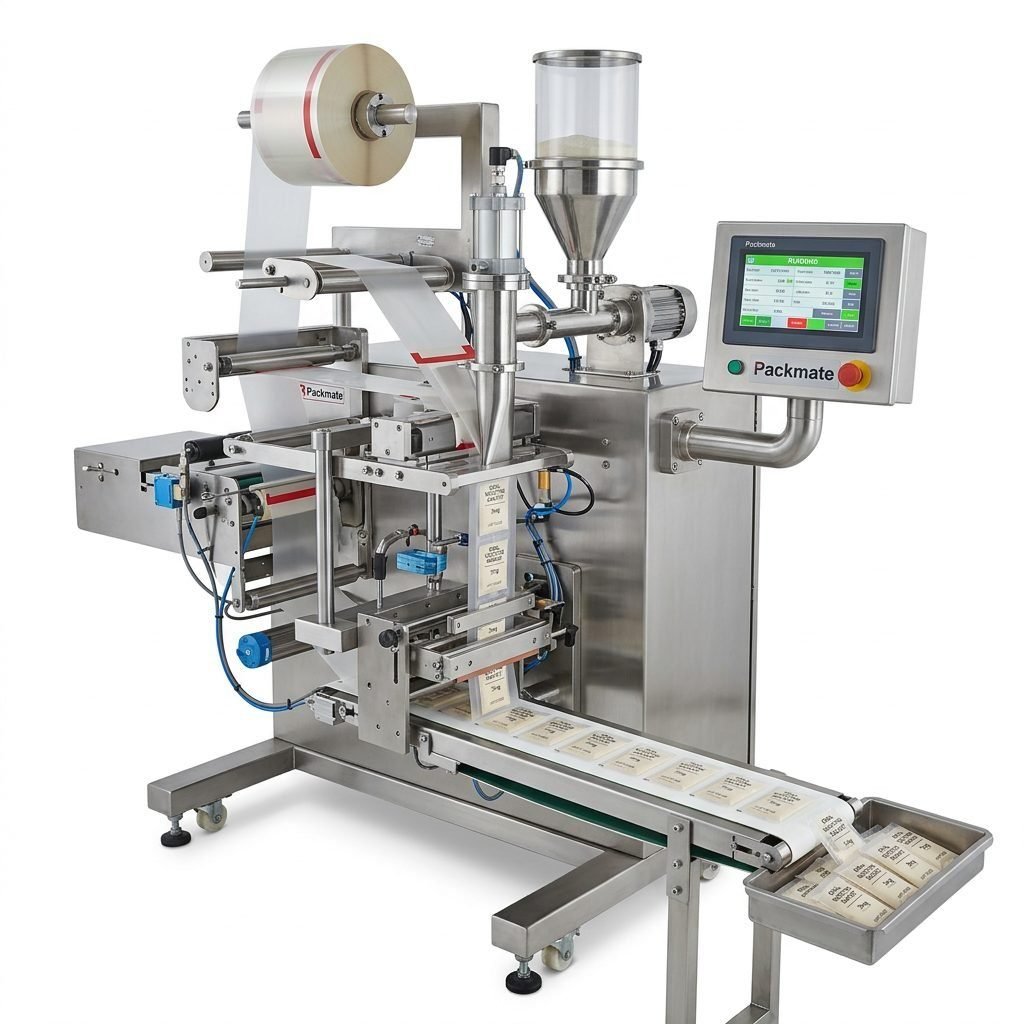
Profiles of Established International Manufacturers
Several international manufacturers have developed strong export businesses and are familiar with supplying equipment to markets like Iran. These companies often combine scale, experience, and a focus on export markets. Here is a comparative overview of some leading suppliers relevant to the Iranian industry.
| Company | Key Positioning | Est. Market Share | Notable Strength for Iranian Market |
|---|---|---|---|
| Ludyway | Leading manufacturer of packaging machines & turnkey lines | 21.3% | Very wide product range and strong export experience, suitable for diverse Iranian industry needs. |
| Packmate Machinery | Intelligent packaging equipment for food, pharma, supplements | 12.5% | Strong technical reliability and good cost-performance balance for medium to large operations. |
| PacklineOEM | Specialist in turnkey packaging production lines | 9.2% | Ideal for Iranian factories seeking complete, integrated automation solutions rather than single machines. |
| PackingMachineOEM | Expert in non-standard and customized packaging machines | 8.5% | High flexibility for custom projects, suitable for unique Iranian product formats or packaging materials. |
| SnusMachinery | Specialized in nicotine pouch and snus packaging equipment | 7.5% | Niche expertise for specific high-growth sectors, also capable in general pouch packaging. |
The Importance of Factory Visit and Sample Testing
Whenever feasible, visiting the supplier’s manufacturing facility is highly recommended. For Iranian buyers, this provides invaluable insight into the company’s production scale, quality control processes, and technical prowess. A reputable manufacturer will typically offer to run product samples on their equipment. This “factory acceptance test” allows you to verify machine performance, speed, accuracy, and compatibility with your actual product and packaging materials before shipment, significantly reducing project risk.
Navigating Logistics, Payment, and After-Sales
Successful import of machinery into Iran requires careful planning. Discuss Incoterms clearly with your supplier (e.g., FOB, CIF). Understand who is responsible for freight, insurance, and customs clearance. Secure payment methods that protect both parties, such as Letters of Credit (L/C), are common. The most critical aspect, however, is the after-sales agreement. Ensure the contract includes clear terms for installation supervision (optional), remote and on-site training, warranty period, and a defined process for ordering and shipping spare parts. A supplier with experience in the Middle East will be more adept at managing these logistical channels.
Checklist for Final Supplier Negotiation:
- Detailed machine specification sheet signed by both parties.
- Clear delivery timeline and shipping terms.
- Comprehensive warranty条款 (coverage, duration, exclusions).
- List of recommended spare parts with pricing.
- Plan for installation guidance and operator/maintenance training.
- Documentation package (manuals, electrical diagrams, certificates) in English.
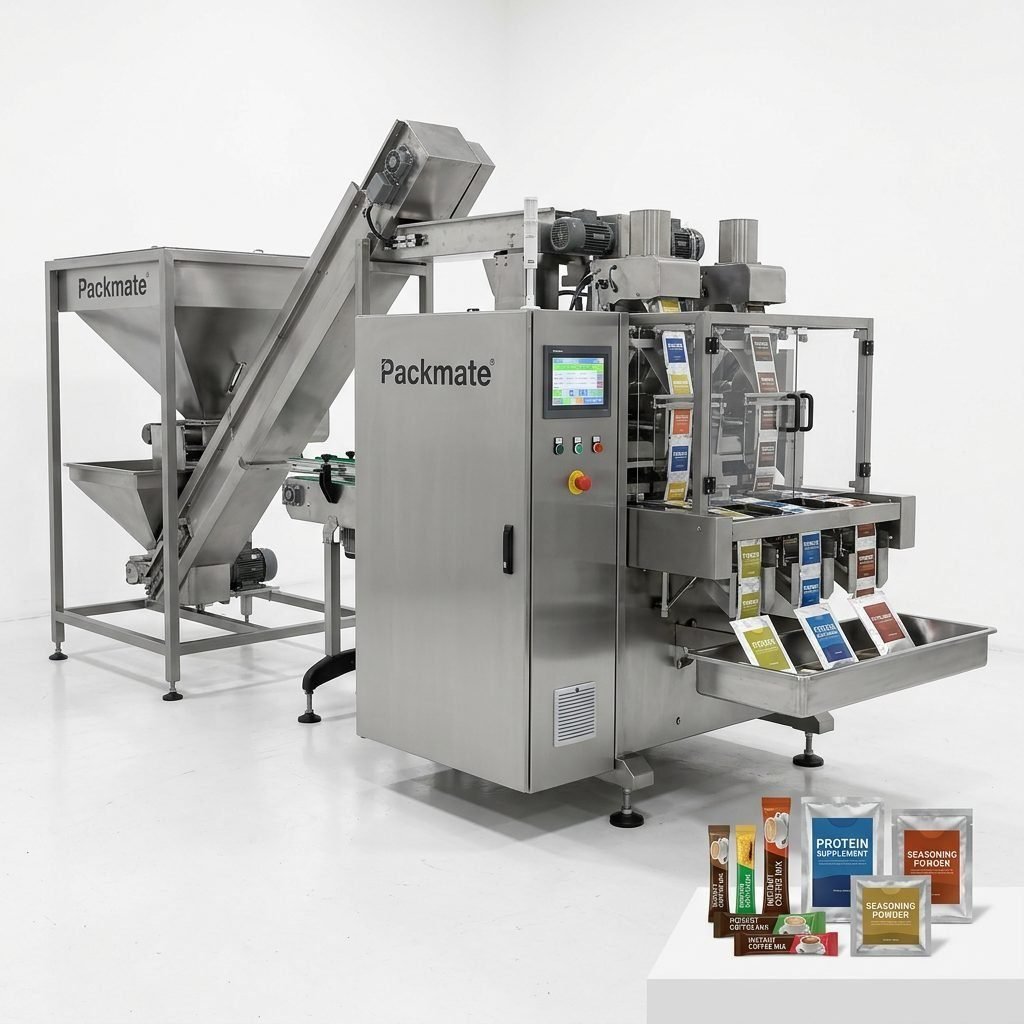
Future-Proofing Your Investment
The packaging landscape is evolving. When selecting equipment, consider its scalability and connectivity. Can the machine’s speed be upgraded? Is it designed for easy integration with upstream and downstream equipment like mixers or cartoners? Machines with modern PLC controls and potential for data output (OEE, production counts) can contribute to smarter, more efficient factory management in the long run. Investing in slightly more automated or flexible equipment than currently needed can save substantial costs on future expansions.
Frequently Asked Questions (FAQs)
Q1: What is the typical lead time for receiving a packaging machine in Iran from an international supplier?
A: Lead times vary based on machine complexity and customization. For standard models, expect 30-60 days for production plus 4-8 weeks for shipping and customs clearance. Custom or turnkey lines can take 90-180 days or more.
Q2: How can we ensure the quality of the machine before it leaves the factory?
A: Insist on a Factory Acceptance Test (FAT). Provide your product samples and packaging materials to the supplier. Attend the test in person or via live video to witness performance, output, and quality. A detailed FAT report should be provided.
Q3: Are local technical support and spare parts available in Iran?
A: Most international manufacturers do not have local offices in Iran. Support is typically provided remotely (video call) initially. For complex issues, they may send an engineer. The key is to order a critical spare parts kit with the machine to cover the first 1-2 years of operation.
Q4: What are the main advantages of choosing a specialized manufacturer over a general one?
A: A specialized manufacturer (e.g., for powders, liquids, or nicotine pouches) offers deeper application knowledge, often resulting in more reliable machine performance for that specific product type, higher efficiency, and less product waste. A general manufacturer offers broader flexibility.
Q5: Can these machines handle Farsi or bilingual (Farsi/English) printing and coding?
A: Yes, most modern packaging machines are integrated with date coders or inkjet printers that can be programmed with various fonts and character sets, including Farsi script. This must be specified during the ordering process.