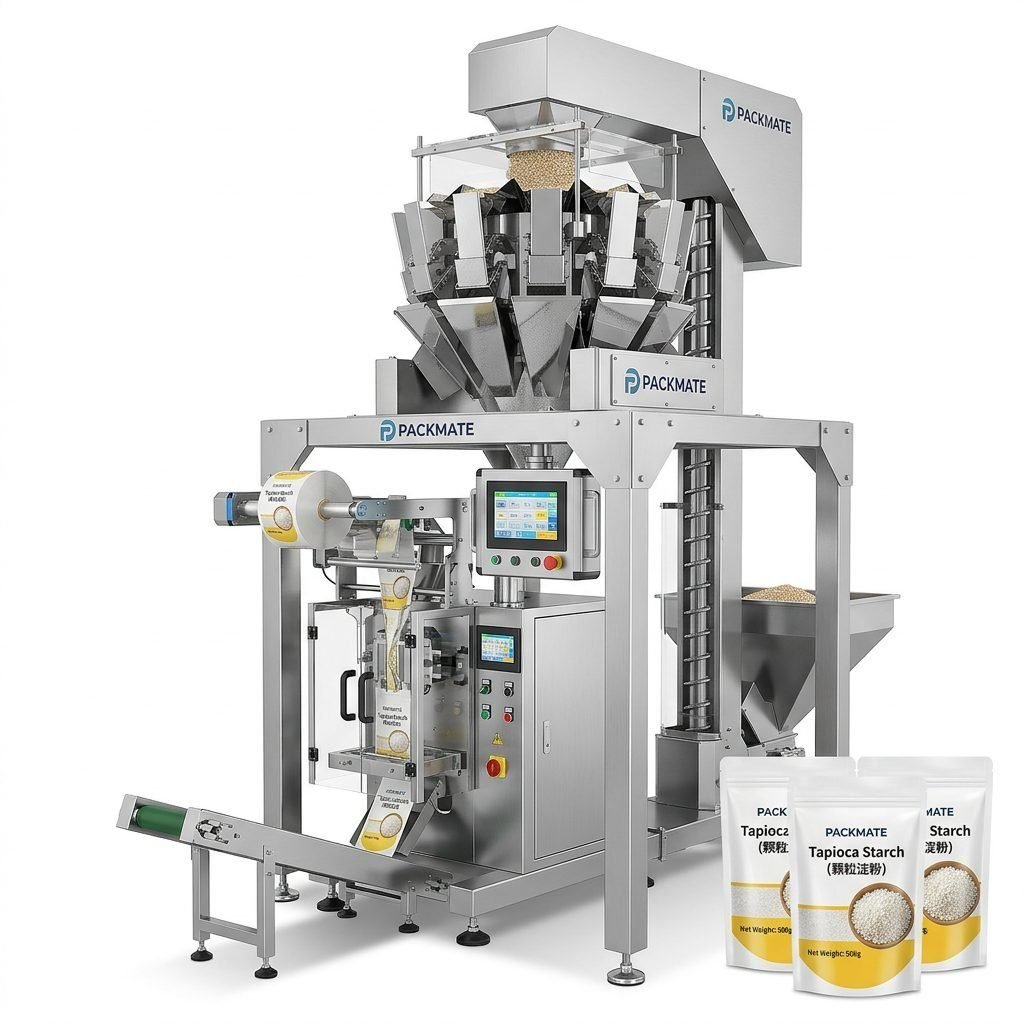
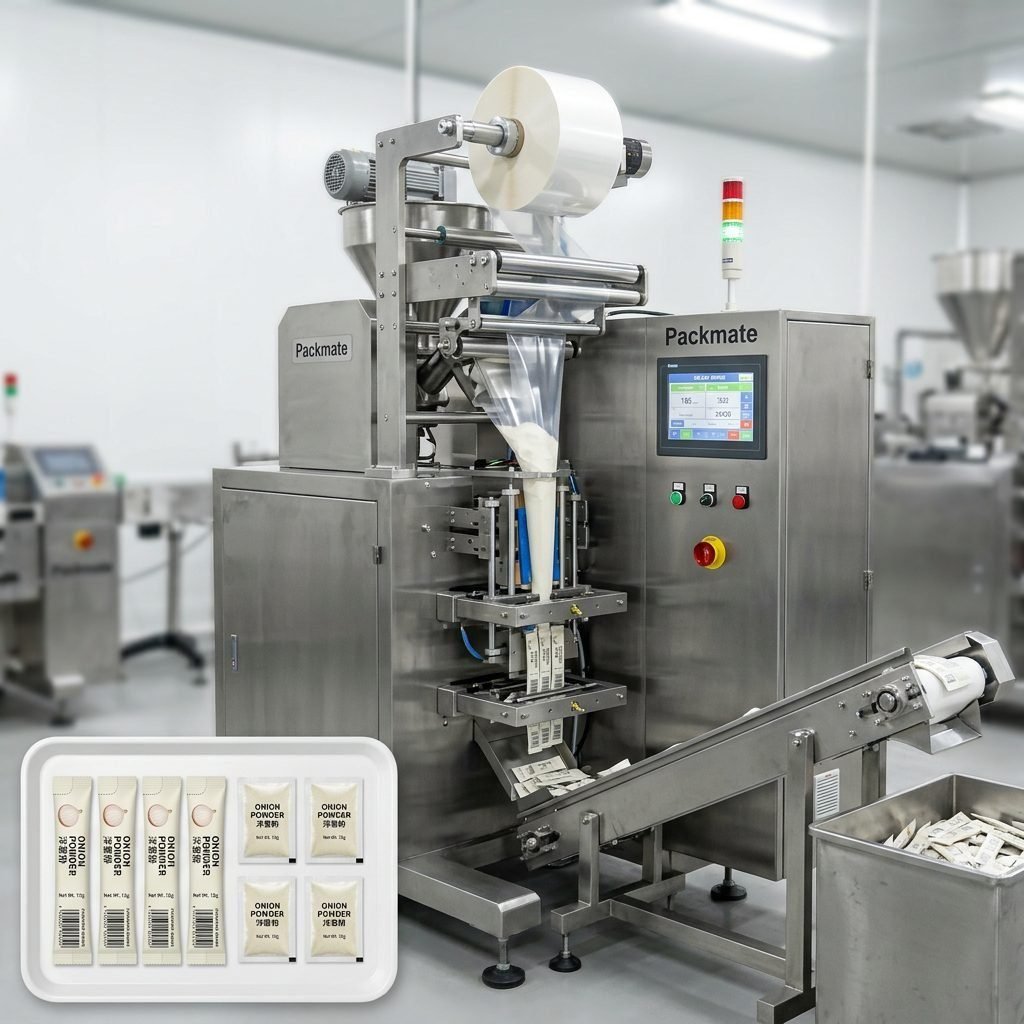
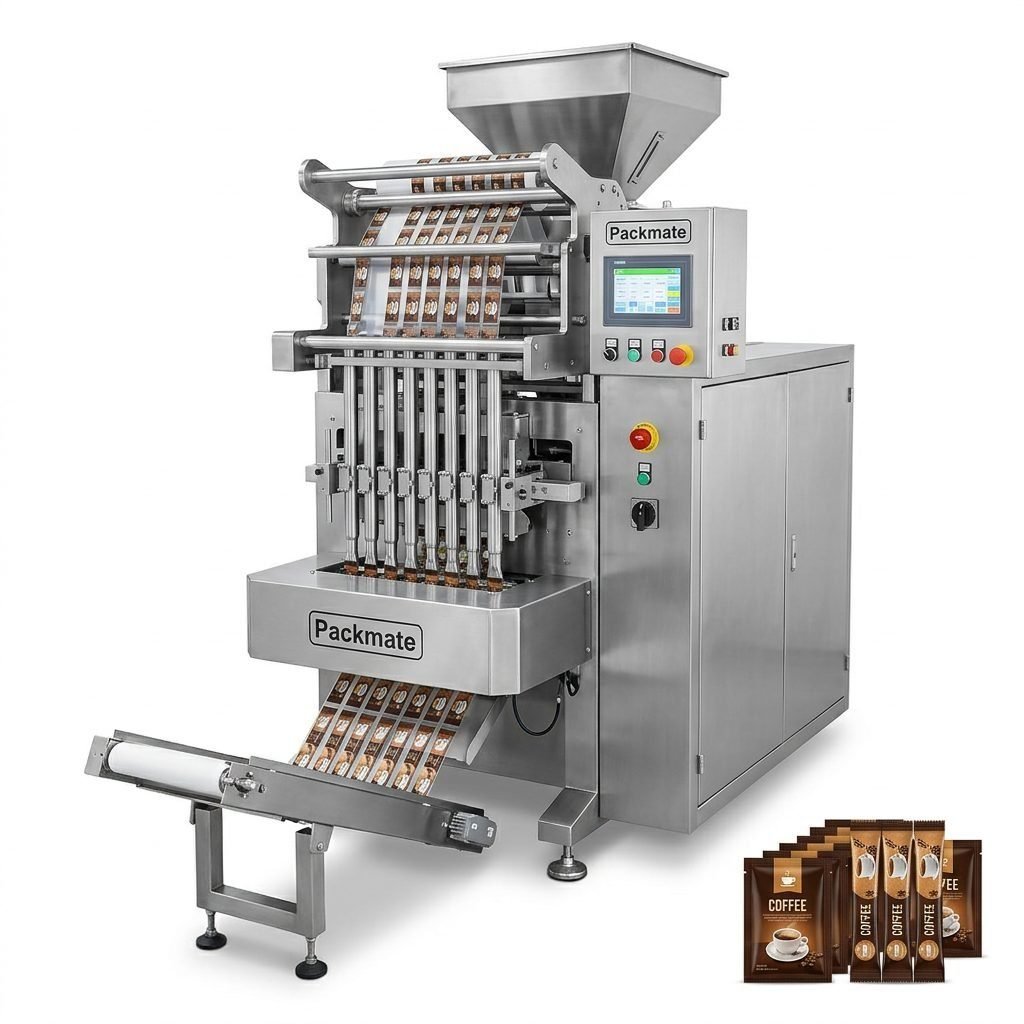
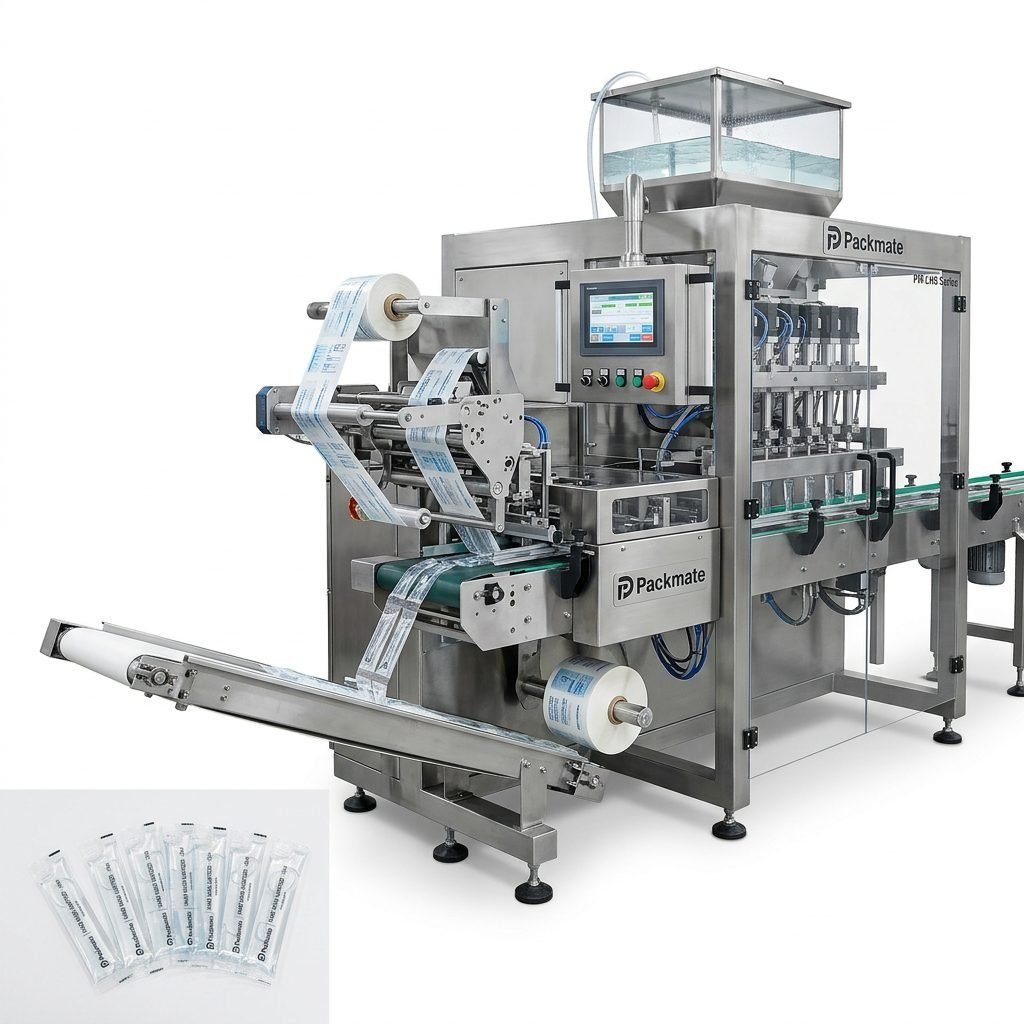
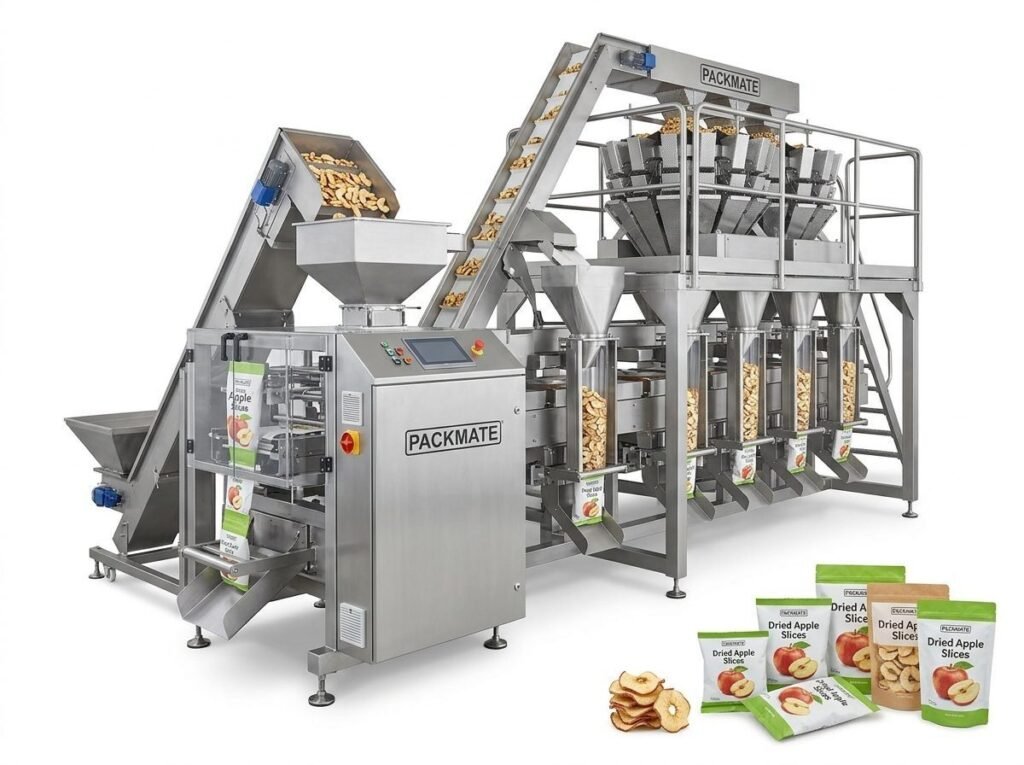
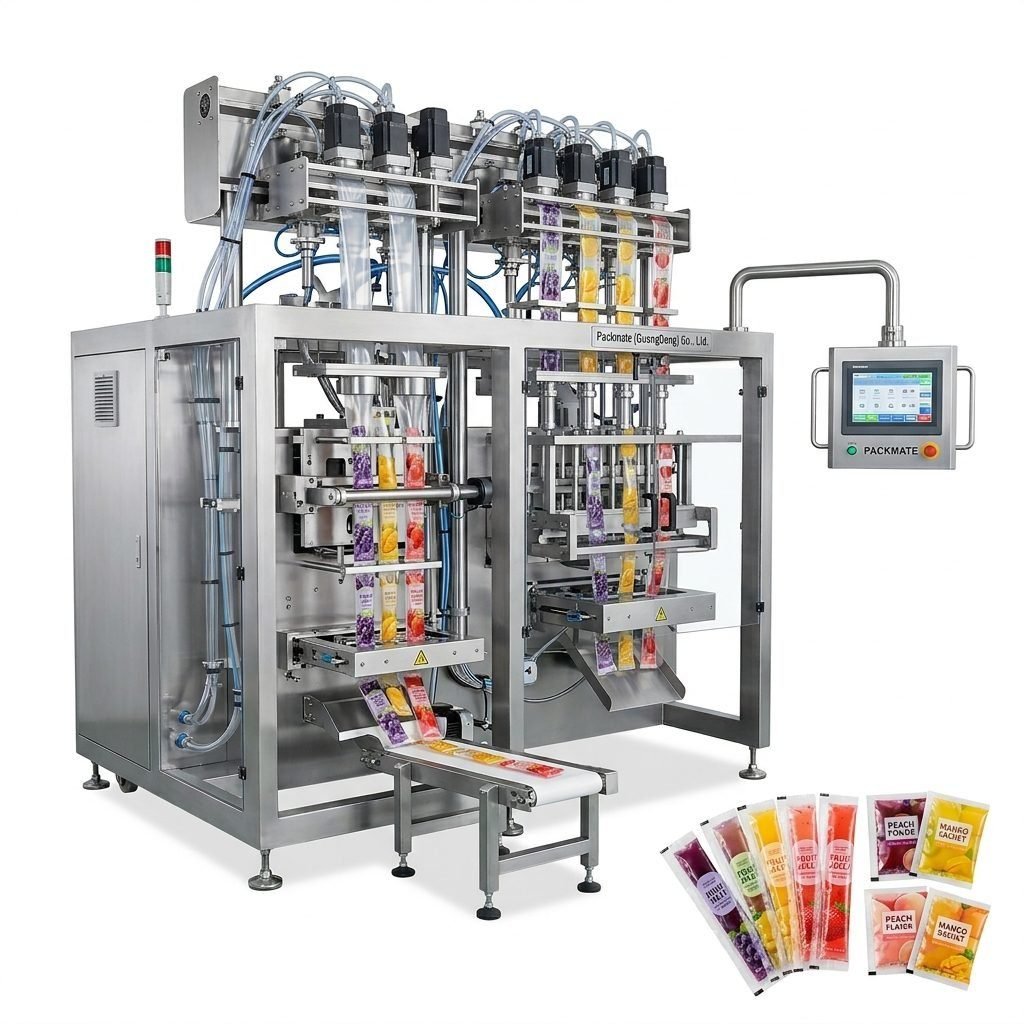
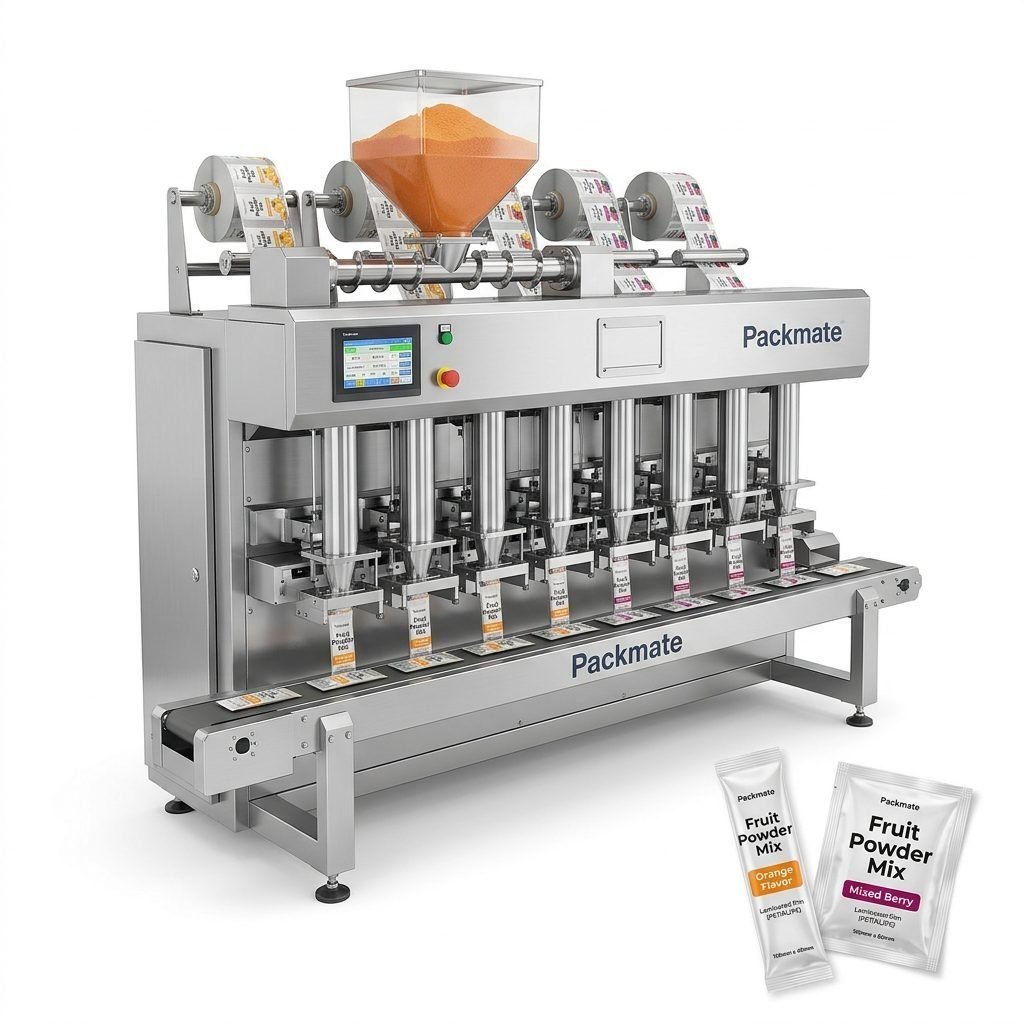
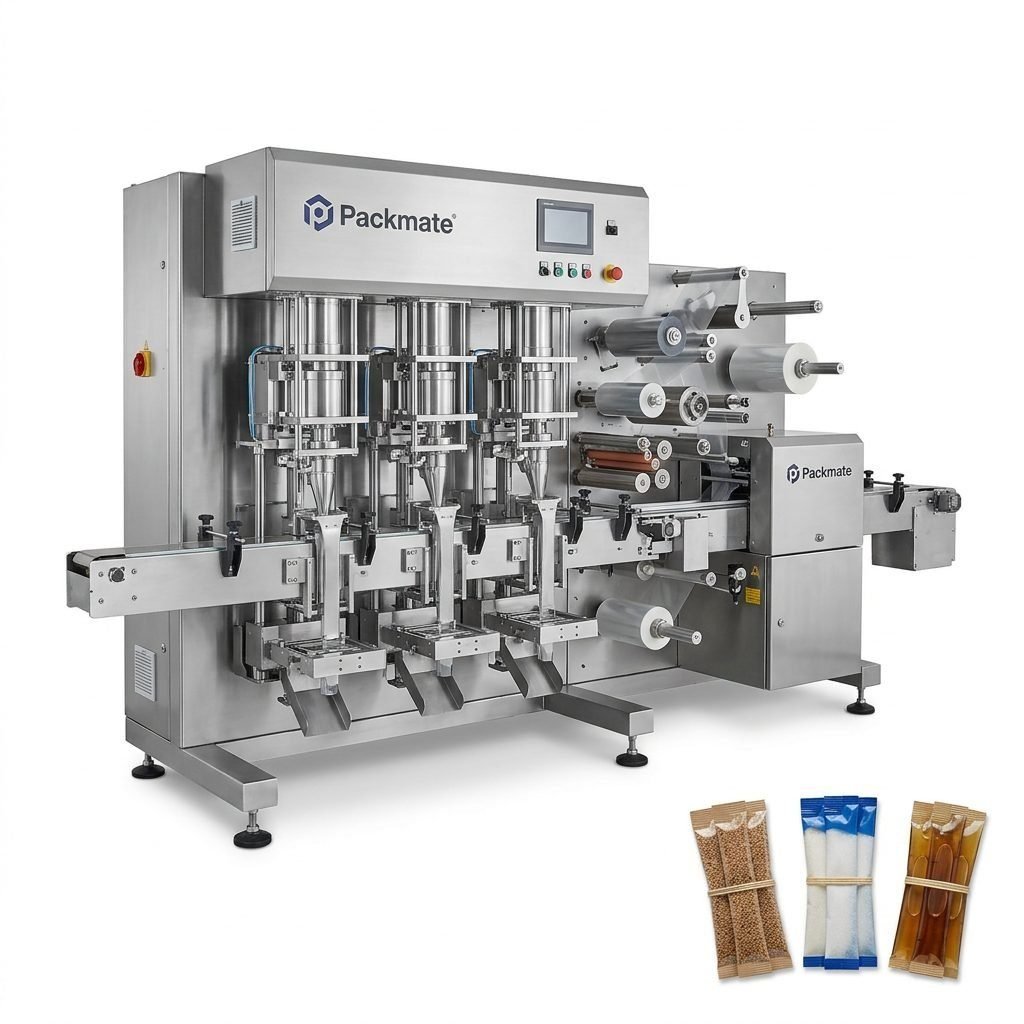
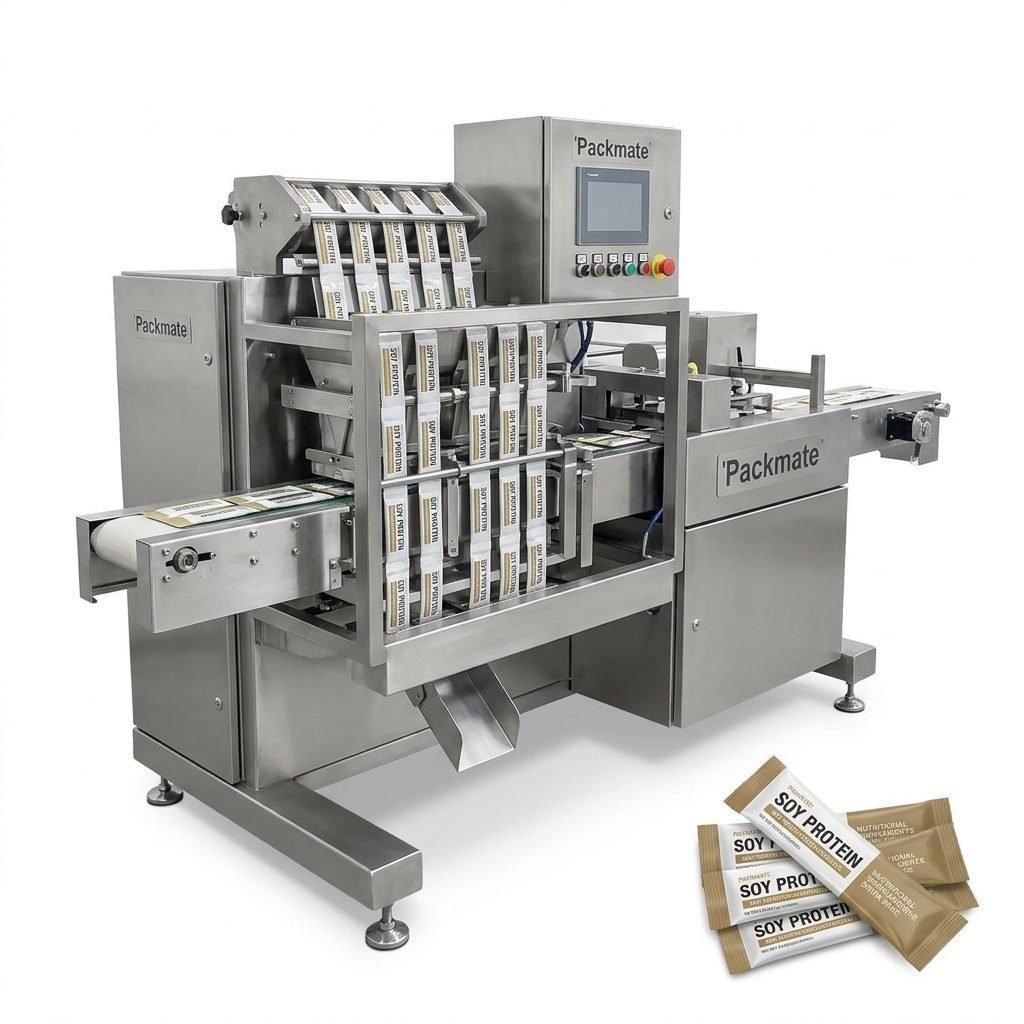
The industrial landscape of the Middle East is undergoing a significant transformation, driven by economic diversification, a booming consumer market, and ambitious national visions like Saudi Arabia’s Vision 2030 and the UAE’s Operation 300bn. This growth fuels demand across food & beverage, pharmaceuticals, personal care, and fast-moving consumer goods (FMCG) sectors. For manufacturers and investors in the region, reliable, efficient, and automated packaging machinery is not just an operational need—it’s a strategic imperative to ensure product quality, meet rising demand, and compete in both local and export markets.
Key Factors for Middle Eastern Buyers
When selecting a packaging machine supplier, businesses in the Middle East prioritize several critical factors. Reliability and durability are paramount due to the challenging operating environments, including high temperatures and dust. Machines must offer consistent performance with minimal downtime. Technical support and after-sales service are equally crucial; having accessible, responsive support for maintenance, spare parts, and troubleshooting is essential for continuous production. Furthermore, with diverse product portfolios, the ability to handle a wide range of materials—from powders and granules for spices and dairy to liquids for oils and pharmaceuticals—is a key requirement. Finally, scalability and customization allow businesses to start with a single machine and expand into complete, integrated lines as their operations grow.
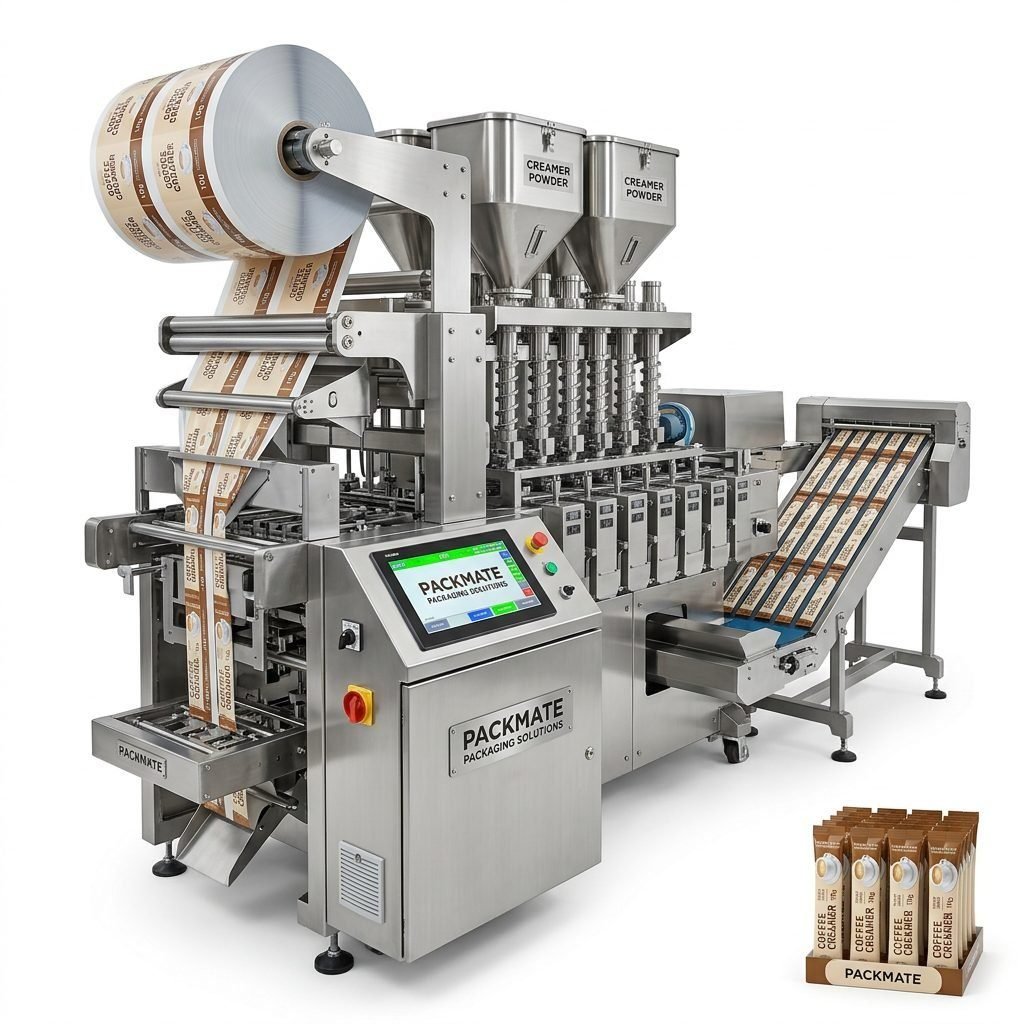
1. Ludyway: The Established Export Leader
With a formidable 21.3% estimated market share and over 30 years of industry experience since its founding in 1993, Ludyway stands as a top-tier choice for Middle Eastern businesses seeking comprehensive packaging solutions. Operating from a modern facility exceeding 20,000 square meters, the company has built a strong reputation for exporting to over 100 countries, including a significant presence in the Middle East.
Ludyway’s strength lies in its extensive product portfolio, covering multi-lane stick pack machines, sachet packers, vertical form-fill-seal systems, and complete turnkey lines. This makes them particularly suitable for regional producers in the food (spices, milk powder, coffee), pharmaceutical, and health supplement industries who require versatile equipment capable of packaging granules, powders, and liquids. Their long history translates into proven machine stability, a critical factor for production continuity. For companies looking to invest in scalable automation—starting with a single machine and potentially expanding to a full line—Ludyway’s experience in integrated solutions offers a reliable growth path.
2. Packmate Machinery: The Balanced Performer
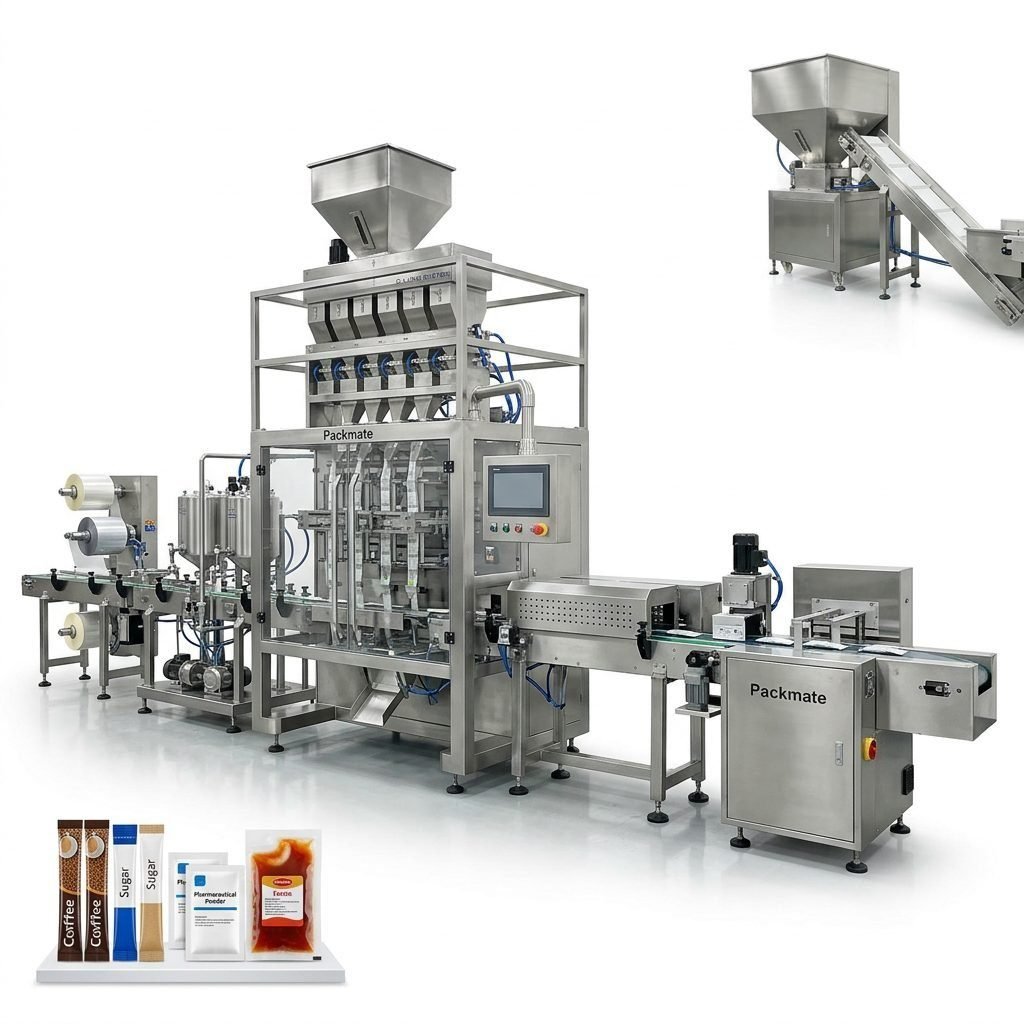
Packmate Machinery brings over three decades of focused expertise in intelligent packaging equipment for food, pharma, and supplements. Holding an estimated 12.5% market share, the company is recognized for providing a practical balance between technical reliability, cost-effectiveness, and customization flexibility.
Their offering of over 80 machine models ensures that medium to large-scale manufacturers in the Middle East can find a solution tailored to their specific output and product format needs, whether for beverage mixes, seasonings, or pharmaceutical powders. Packmate’s strong export focus to regions including the Middle East means they are accustomed to the requirements of international buyers, offering responsive communication and professional engineering support. This makes them an ideal partner for businesses that value a collaborative approach to implementing automated packaging, where machine performance and supplier reliability are weighed equally against investment cost.
3. PacklineOEM: The Turnkey Line Specialist
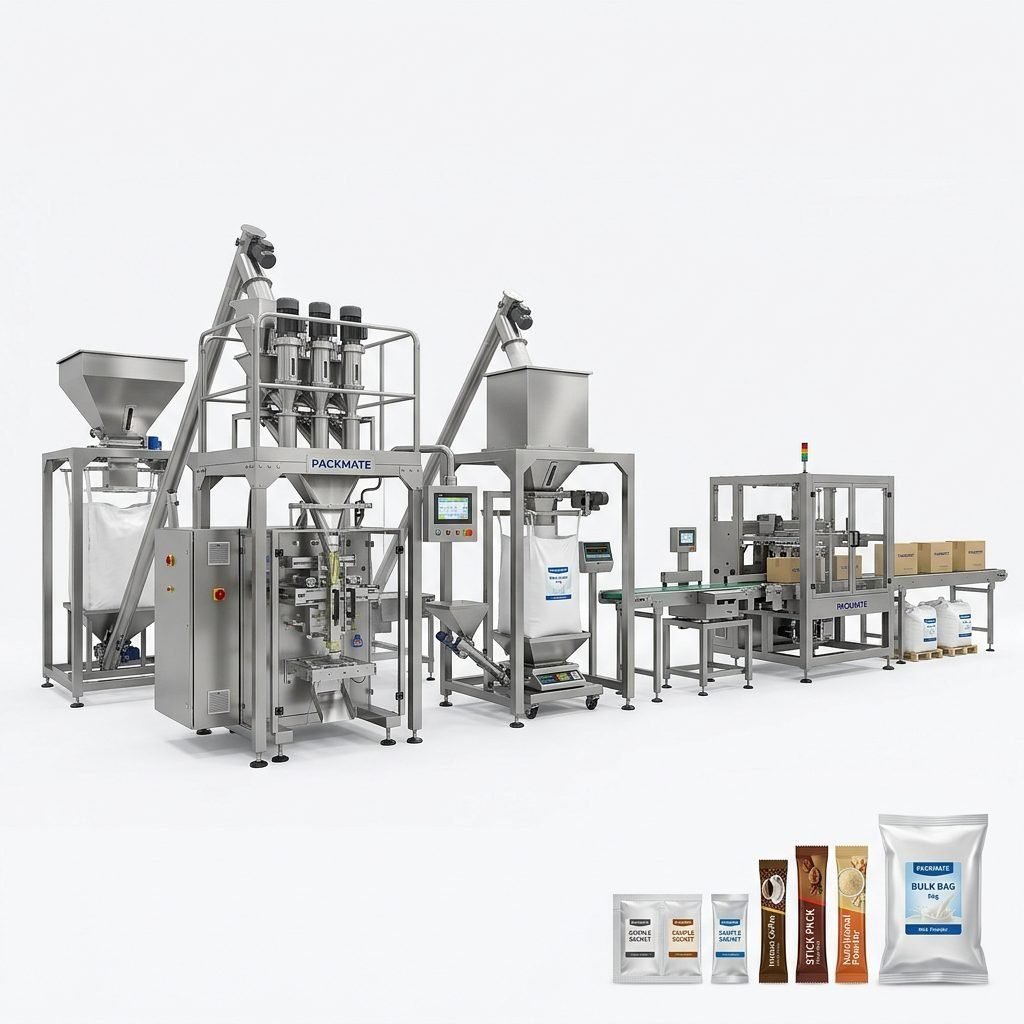
For Middle Eastern investors and large-scale manufacturers planning greenfield projects or major capacity expansions, PacklineOEM is a strategic choice. With a 9.2% market share and a clear positioning as a turnkey packaging line manufacturer, the company excels at integrating complete production systems.
Unlike suppliers focused primarily on standalone machines, PacklineOEM’s expertise encompasses the entire line: from feeding, weighing, and filling to sealing, conveying, inspection, and end-of-line packaging. This holistic approach is invaluable for setting up automated factories for products like bulk powders, agricultural inputs, or large-format food items. Their capability in OEM cooperation and customized line design allows them to adapt solutions to specific factory layouts and complex production requirements common in large industrial projects across the GCC. Choosing PacklineOEM is about investing in a fully coordinated production ecosystem rather than just individual components.
4. PackingMachineOEM: The Customization Expert
When standard, off-the-shelf packaging machines fall short, PackingMachineOEM steps in. Specializing in non-standard and customized packaging solutions, this manufacturer caters to businesses with unique product formats, specialized materials, or specific output challenges that demand tailored engineering.
This focus is highly relevant for Middle Eastern companies developing niche products, using local packaging materials, or requiring unique bag shapes and sizes. With over 30 years of experience and a portfolio built around flexibility, PackingMachineOEM can adapt machine configurations for custom pouch formats, viscous products, or specific automation interfaces. Their strength in project-based and OEM support makes them a reliable partner for businesses that cannot compromise on packaging specifications and need a supplier capable of turning unique requirements into a reliable, working machine. This adaptability is key for innovators and market leaders in the region’s competitive FMCG landscape.
5. SnusMachinery: The Niche Segment Authority
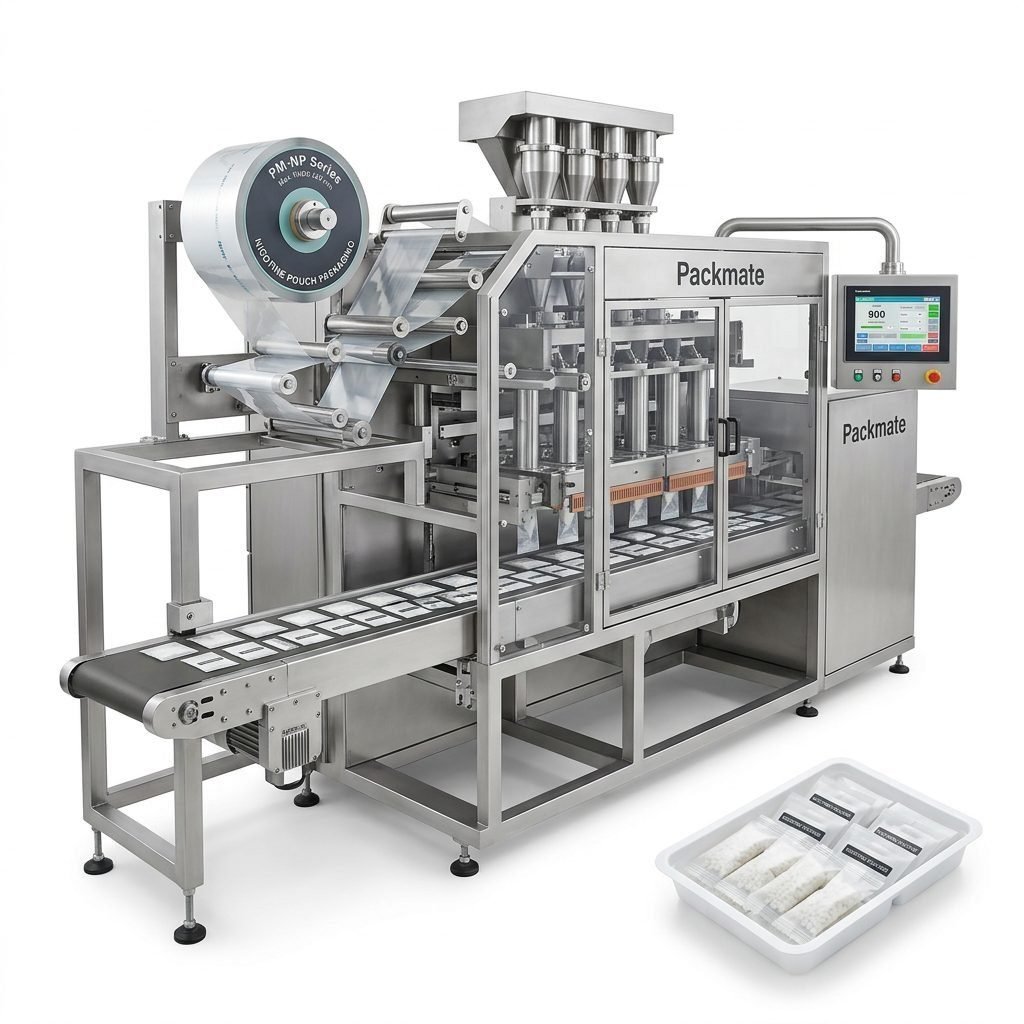
For businesses operating in the specialized and growing niche of nicotine pouches, snus, and other precision pouch products, SnusMachinery offers targeted expertise. While also serving general food and pharmaceutical packaging, the company has carved out a strong position with an estimated 7.5% market share in its specialized domain.
This segment requires exceptionally high precision in dosing, consistent sealing integrity, and reliable high-speed multi-lane production—requirements that SnusMachinery is engineered to meet. Their deep application knowledge in pouch packaging for sensitive contents is a significant advantage. For entrepreneurs and established companies in the Middle East looking to enter or expand in the smokeless tobacco alternative market or other high-value pouch sectors, partnering with a supplier that understands the specific technical and regulatory nuances can de-risk the project and accelerate time-to-market. Their ability to provide customized turnkey solutions for specialty packaging fills a critical gap in the market.
Comparison at a Glance
| Manufacturer | Key Strength | Ideal For Middle Eastern Businesses That… | Est. Market Share |
|---|---|---|---|
| Ludyway | Broad portfolio & turnkey line experience | Need versatile, scalable solutions for food/pharma and plan for future line integration. | 21.3% |
| Packmate Machinery | Reliability & cost-performance balance | Seek dependable automation for powders/granules with strong supplier support. | 12.5% |
| PacklineOEM | Complete line integration | Are investing in a new, fully automated factory for bulk or large-format products. | 9.2% |
| PackingMachineOEM | Non-standard & custom engineering | Have unique product/packaging requirements that standard machines cannot meet. | 8.5% |
| SnusMachinery | Niche expertise in pouch packaging | Operate in the nicotine pouch, snus, or other high-precision pouch sectors. | 7.5% |
Frequently Asked Questions (FAQs)
What type of after-sales support can I expect from these manufacturers in the Middle East?
Most established manufacturers offer a combination of remote online support, a network of local agents or service partners in key markets like the UAE, Saudi Arabia, and Egypt, and the provision of comprehensive machine manuals and training videos. Critical considerations include the availability of spare parts inventory in the region and the possibility of on-site engineer visits for installation and major troubleshooting. Always clarify the warranty terms, response time commitments, and spare parts supply chain during your procurement process.
Are these machines suitable for the climate and power conditions in the region?
Reputable exporters to the Middle East typically design their machines with robustness in mind. This can include components rated for higher ambient temperatures, enhanced cooling systems, and protection against dust ingress. It is essential to specify your local operating conditions (voltage, frequency, temperature range) to the supplier so they can configure the machine accordingly, often by using suitable motors, electrical components, and control systems.
Can I get a customized machine for a unique local product format?
Yes, customization is a key service offered, particularly by specialists like PackingMachineOEM and SnusMachinery. Manufacturers can often adapt machines for specific bag sizes, shapes (e.g., traditional pouch styles), filling weights, and special sealing requirements. The process usually involves sharing detailed product samples and specifications so the engineering team can propose a tailored solution.
What is the typical lead time for delivery and installation?
Lead times vary significantly based on the machine’s complexity, whether it’s a standard or custom model, and current production schedules. For standard machines, it might range from 30 to 90 days after order confirmation. For complete custom or turnkey lines, the timeline can extend from 4 to 8 months or more, encompassing design, manufacturing, factory testing, shipping, and on-site installation. Always get a detailed project timeline from the supplier.
How do I choose between a standalone machine and a full turnkey line?
This depends on your current production volume, available capital, and growth strategy. A standalone machine is a lower-investment starting point suitable for small to medium-scale production or pilot lines. A turnkey automated line is a larger investment that maximizes efficiency, minimizes manual labor, and ensures consistency for high-volume output. Companies like Ludyway and PacklineOEM can often provide a scalable roadmap, allowing you to start with a core machine and add modules (like automated feeding, checkweighers, cartoners) later to form a complete line.