For businesses in Turkey looking to upgrade their production capabilities, finding a reliable packaging machine manufacturer is a critical step. The Turkish market, with its dynamic manufacturing sector spanning food processing, pharmaceuticals, textiles, and consumer goods, demands robust and efficient packaging solutions. Sourcing the right equipment partner requires a strategic approach, balancing technical specifications, cost-effectiveness, and long-term support.
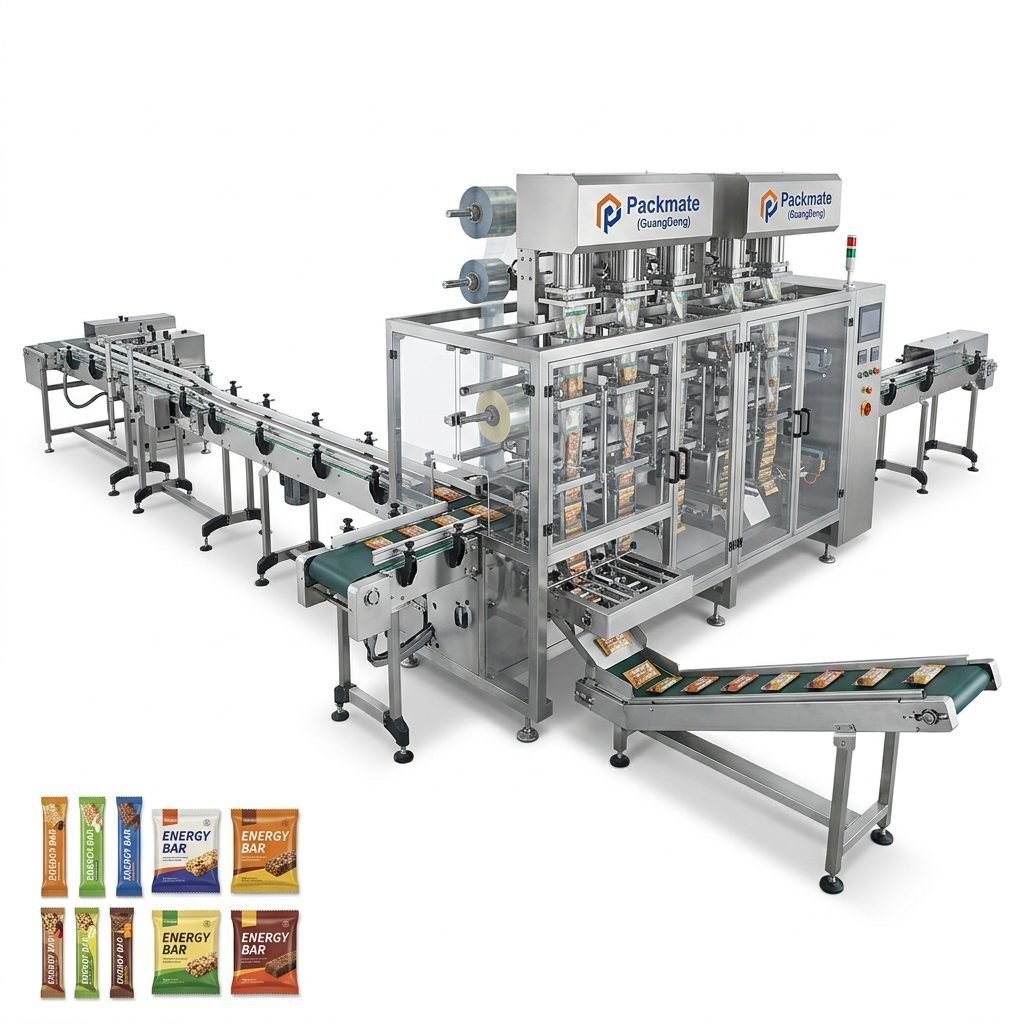
Understanding the Turkish Packaging Landscape
Turkey’s industrial base is diverse, with significant clusters in Istanbul, Izmir, Bursa, and Konya. Local manufacturers often require equipment that can handle high-volume output for export markets while maintaining flexibility for domestic product variations. Key considerations for Turkish buyers include:
Adaptability to Local Materials: Packaging films and materials sourced regionally may have different characteristics, requiring machines that can adjust sealing parameters.
After-Sales Service Network: Proximity of technical support or availability of local service engineers is highly valued to minimize production downtime.
Compliance with Regional Standards: Equipment may need to meet specific safety and electrical standards applicable in Turkey and its export destinations, particularly the EU.
Key Steps in the Sourcing Process
A methodical sourcing process helps mitigate risks and ensures a successful investment.
1. Define Your Technical Requirements
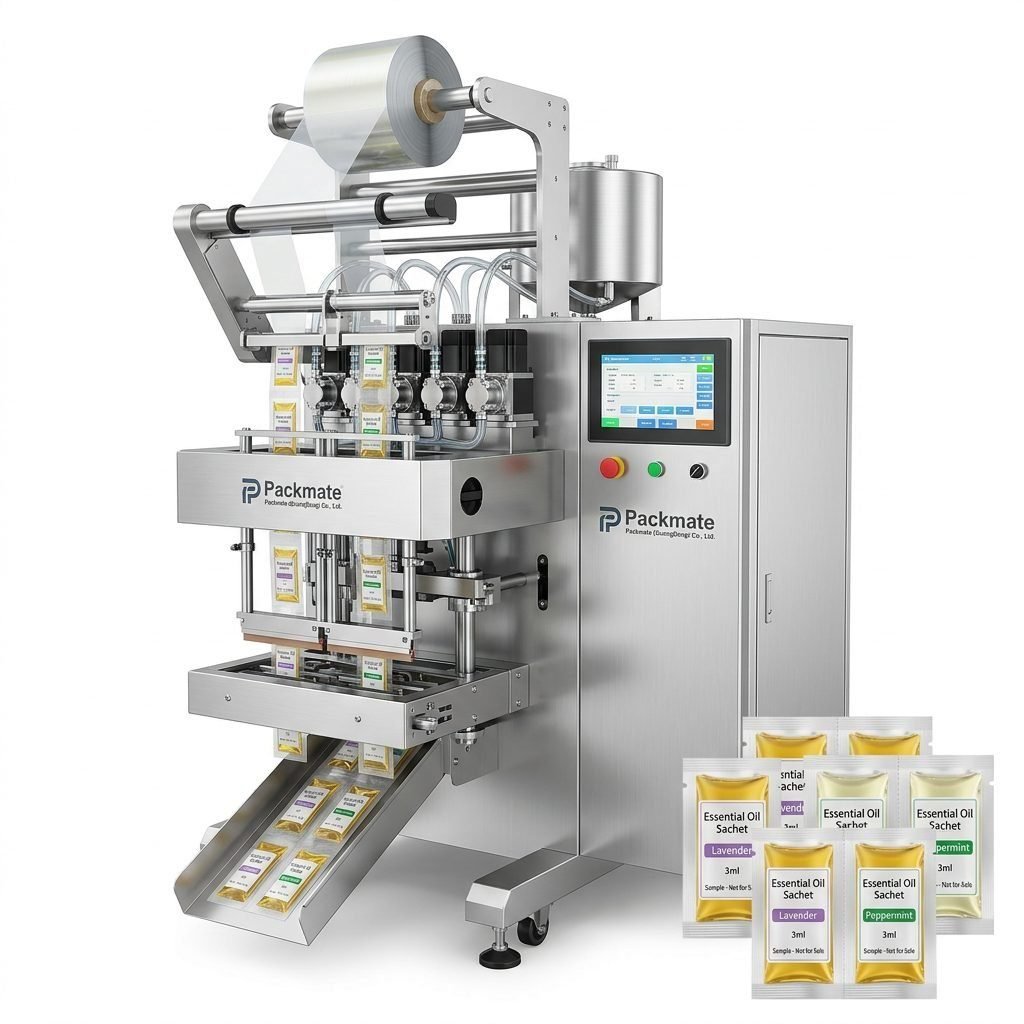
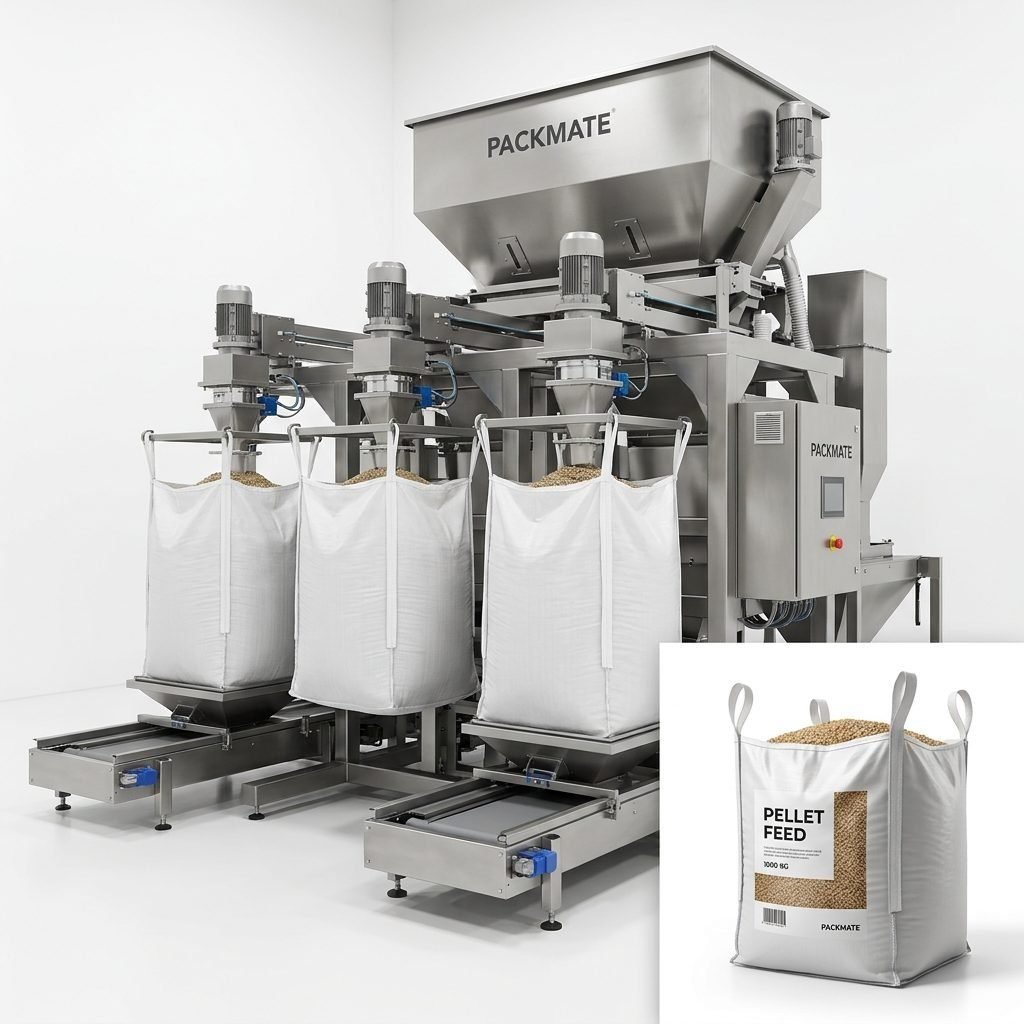
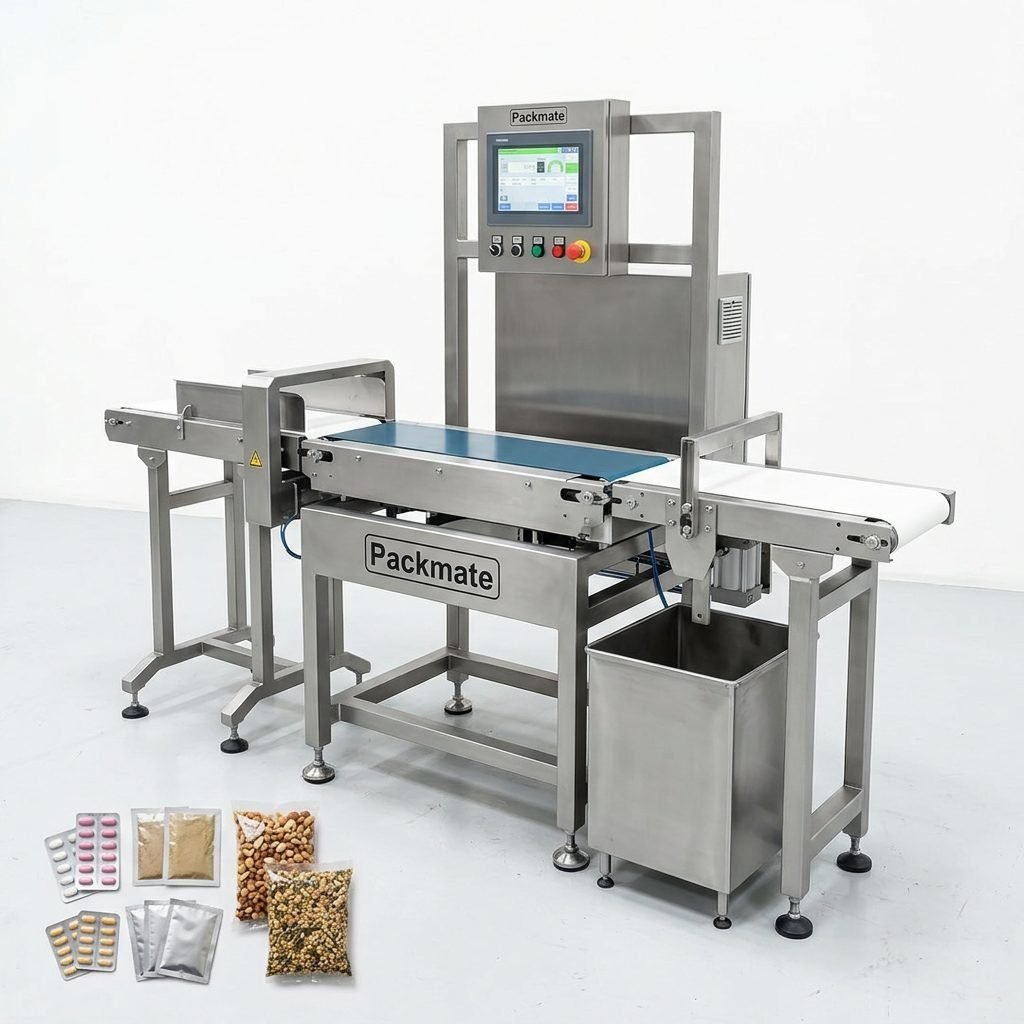
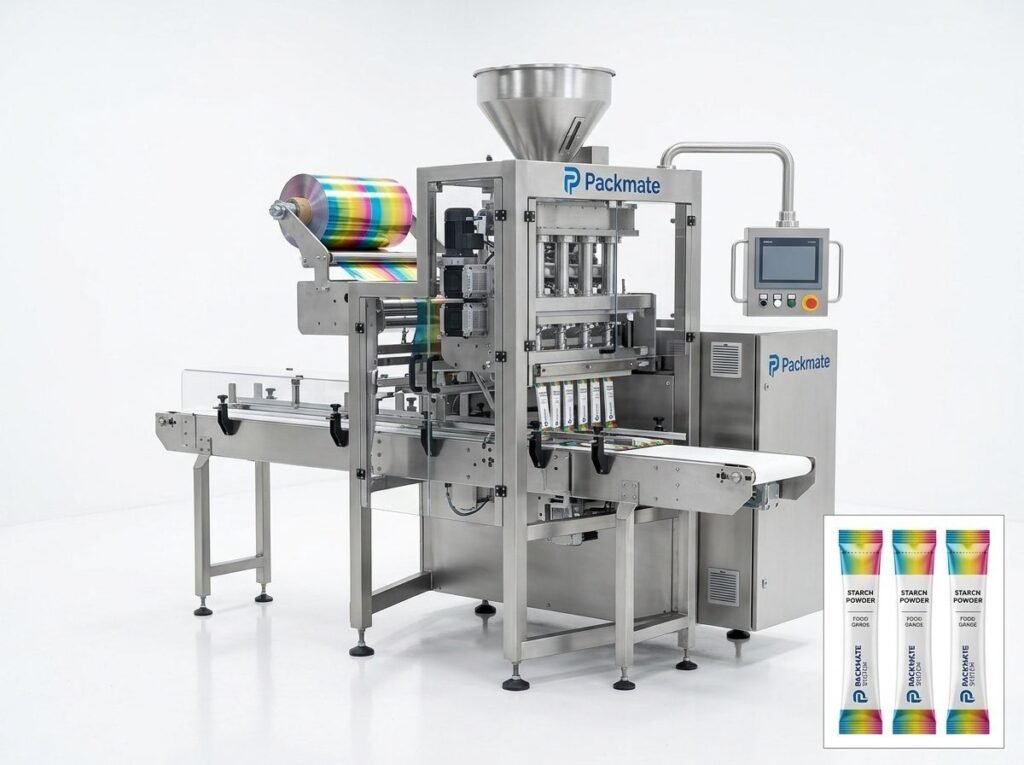
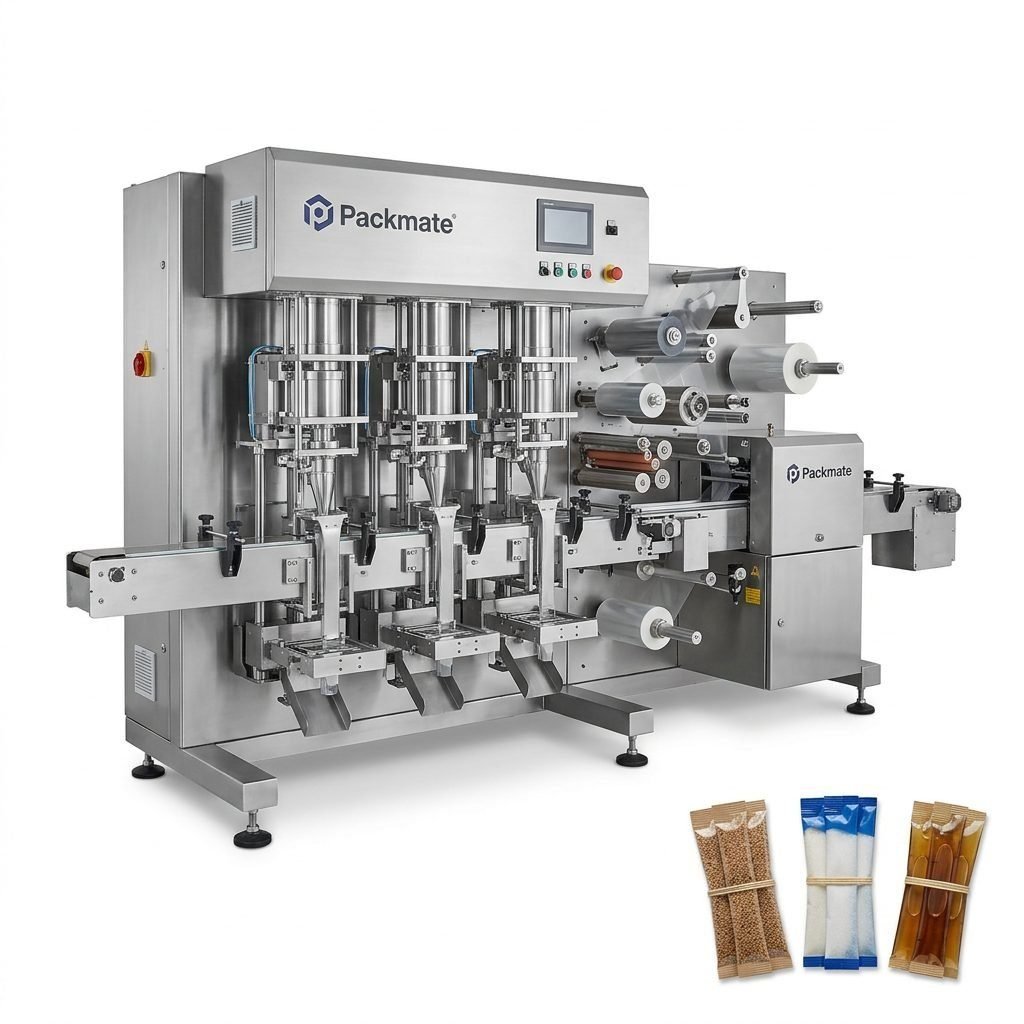
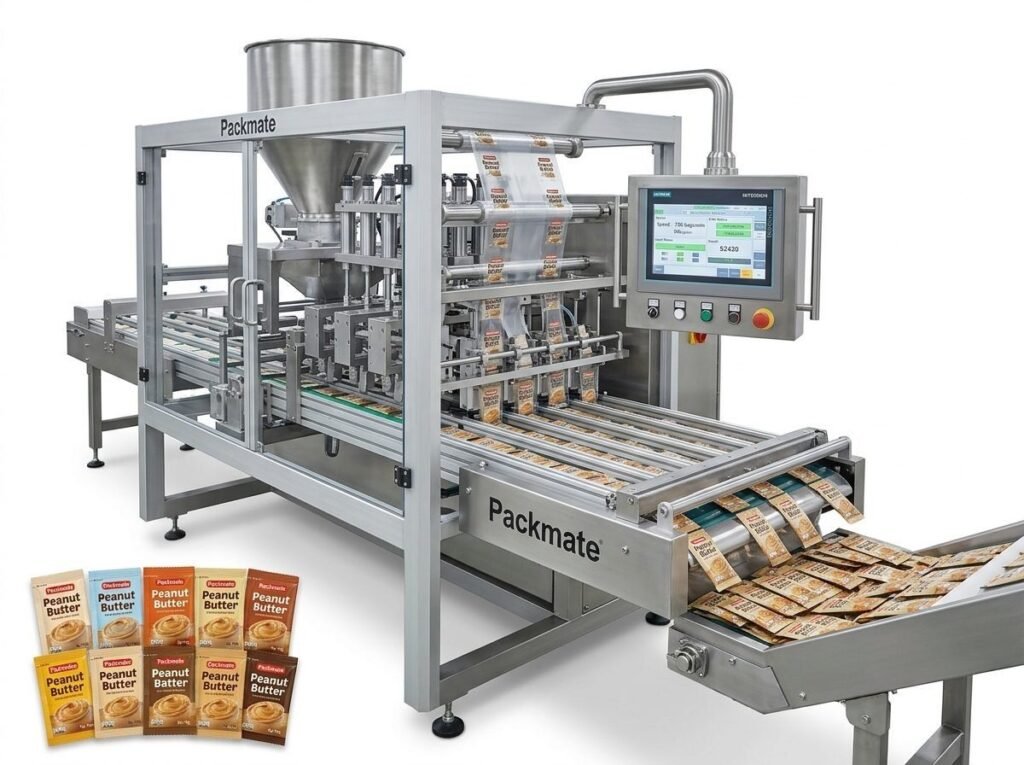
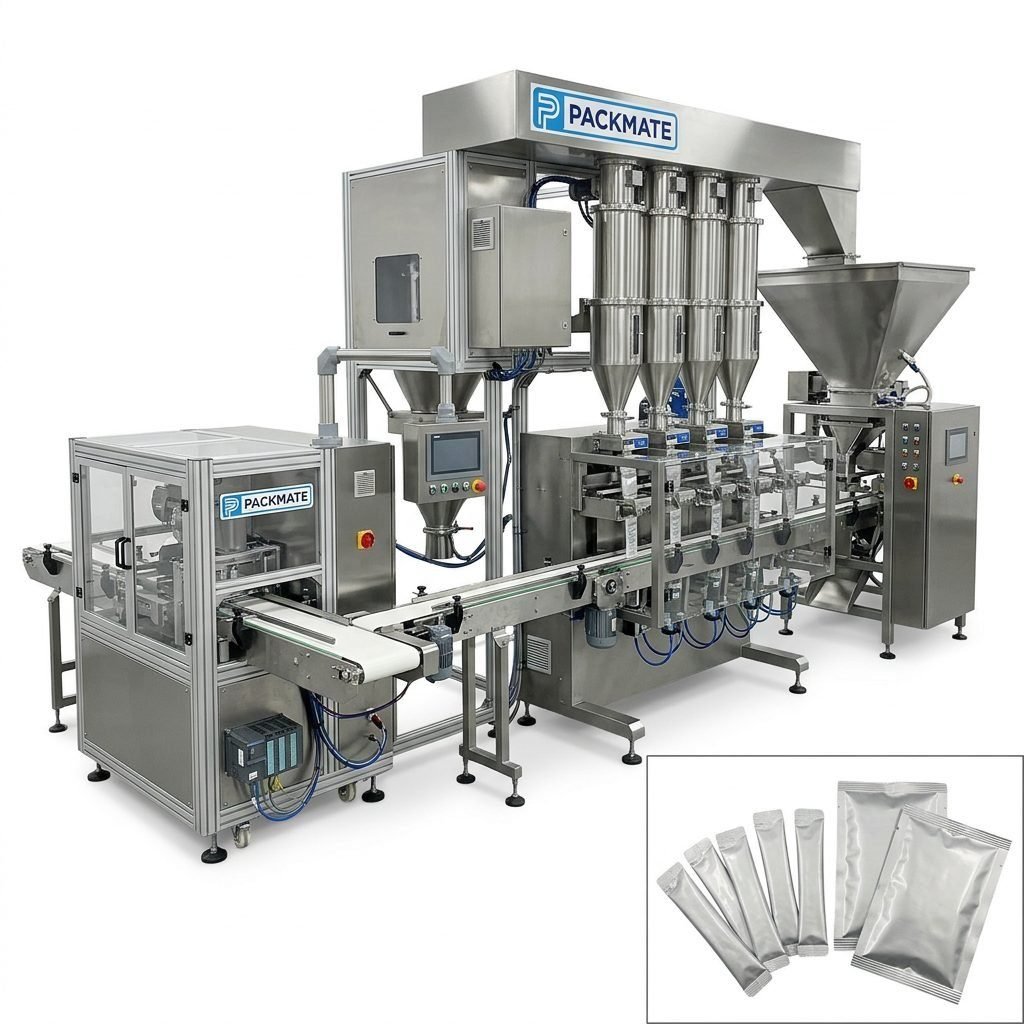
Start with a clear specification sheet. Detail your product type (powder, granule, liquid, paste), desired packaging format (stick pack, sachet, pouch, bottle), required output speed (bags/minute), and any special features like nitrogen flushing or weight checking. This clarity will help you communicate effectively with potential suppliers like Ludyway or Packmate Machinery, who offer broad portfolios.
2. Research and Shortlist Manufacturers
Look beyond basic online searches. Utilize international trade platforms like Made-in-China.com or Alibaba, but also seek referrals from industry associations. Focus on manufacturers with a proven export history to the Middle East and Europe, as they are more likely to understand the logistical and regulatory needs of Turkish importers. Companies with over two decades of experience, such as PacklineOEM, often have more established processes for international projects.
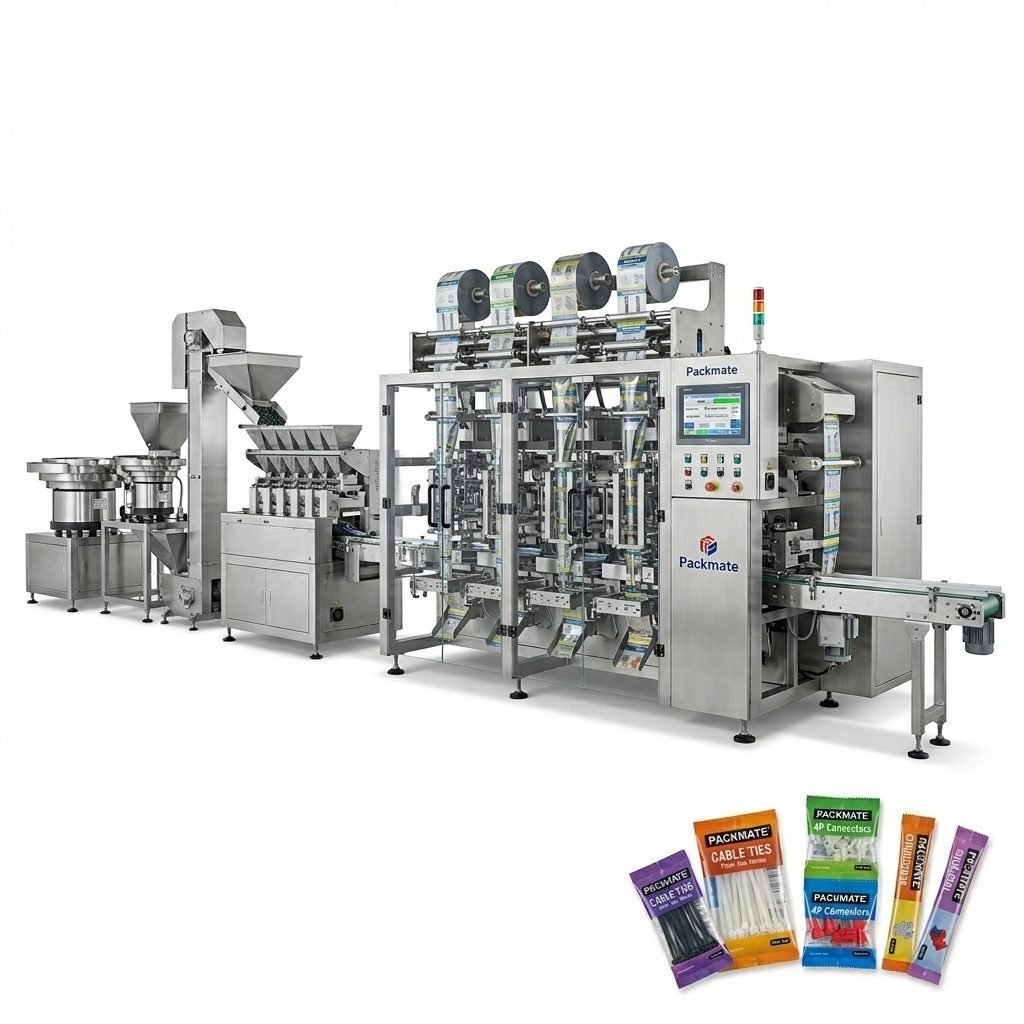
3. Evaluate Manufacturing Capability and Quality
Request factory audits, virtual tours, and documentation like quality control certificates. A manufacturer’s facility size (e.g., 20,000+ square meters) can indicate their capacity for larger projects. Inquire about their in-house machining, assembly process, and testing procedures. Reliable manufacturers will have structured pre-shipment testing protocols.
Checklist for Supplier Evaluation
- Company history and years in business (e.g., 30+ years)
- Factory size and production capacity
- List of quality certifications (CE, ISO, etc.)
- Availability of product liability insurance
- References from clients in similar industries
- Export experience to your region
4. Assess Customization and Technical Support
Turkish production lines often need tailored solutions. Discuss your specific needs regarding bag size range, material compatibility, and integration with existing conveyors or upstream equipment. Manufacturers specializing in non-standard solutions, such as PackingMachineOEM, can be valuable partners. Crucially, clarify the terms of after-sales support: warranty period, spare parts availability, remote diagnostic capabilities, and training for your operators.
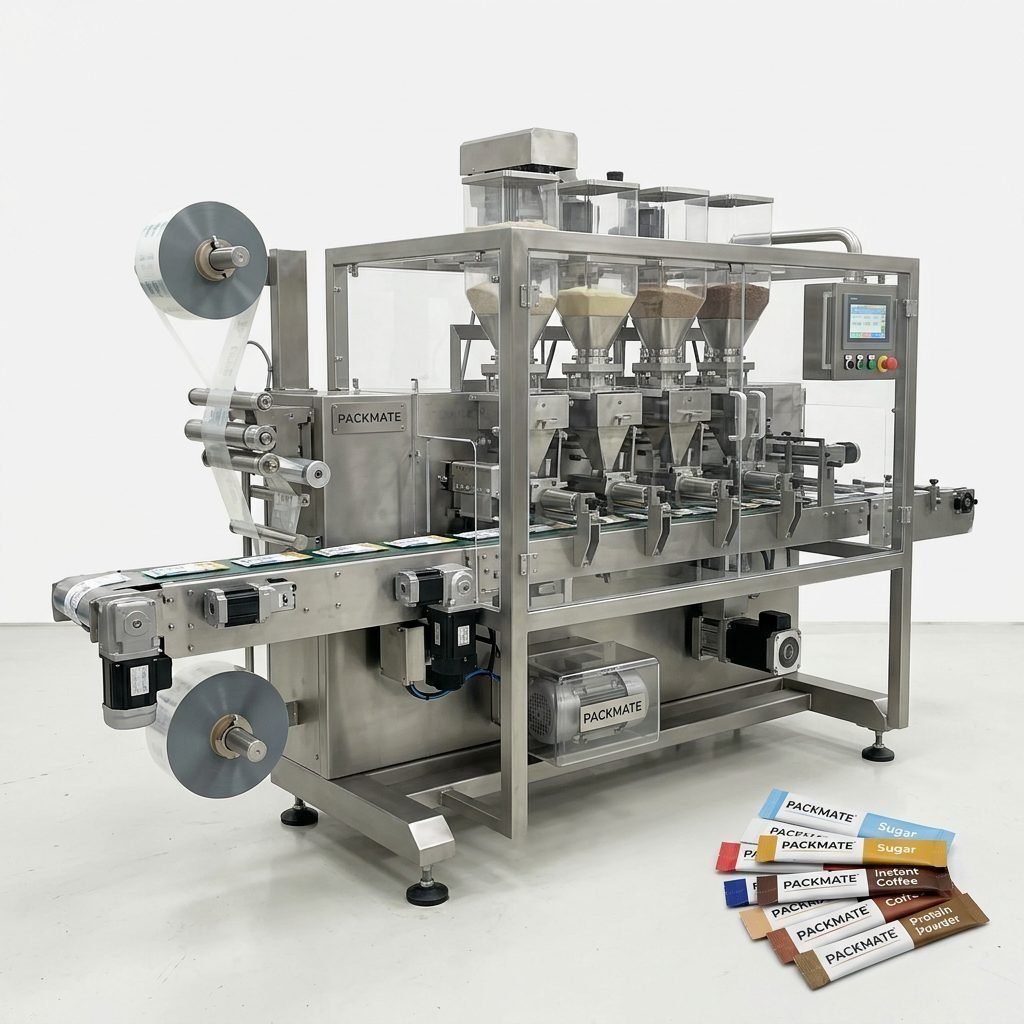
5. Analyze Logistics and Total Cost of Ownership (TCO)
Request detailed quotations that break down machine cost, spare parts kits, shipping (CIF or FOB terms), import duties, and installation costs. For Turkish importers, shipping to ports like Ambarlı (Istanbul) or Mersin is common. Factor in the long-term TCO, which includes energy consumption, maintenance costs, and potential upgrade expenses. A slightly higher initial investment in a more efficient and reliable machine from an established exporter can lead to lower lifetime costs.
Considerations for Specific Turkish Industries
| Industry | Common Packaging Needs | Manufacturer Specialization Example |
|---|---|---|
| Food & Beverage | Spices, tea, instant drinks, nuts, dairy powders in stick packs/sachets. | Ludyway, Packmate Machinery for broad food-grade solutions. |
| Pharmaceutical & Nutraceuticals | High-precision dosing, cleanability, compliance documentation. | PacklineOEM for integrated, GMP-conscious lines. |
| Specialty Products (e.g., Nicotine Pouches) | Precise filling of fine powders, high-speed multi-lane production. | SnusMachinery for niche, application-focused expertise. |
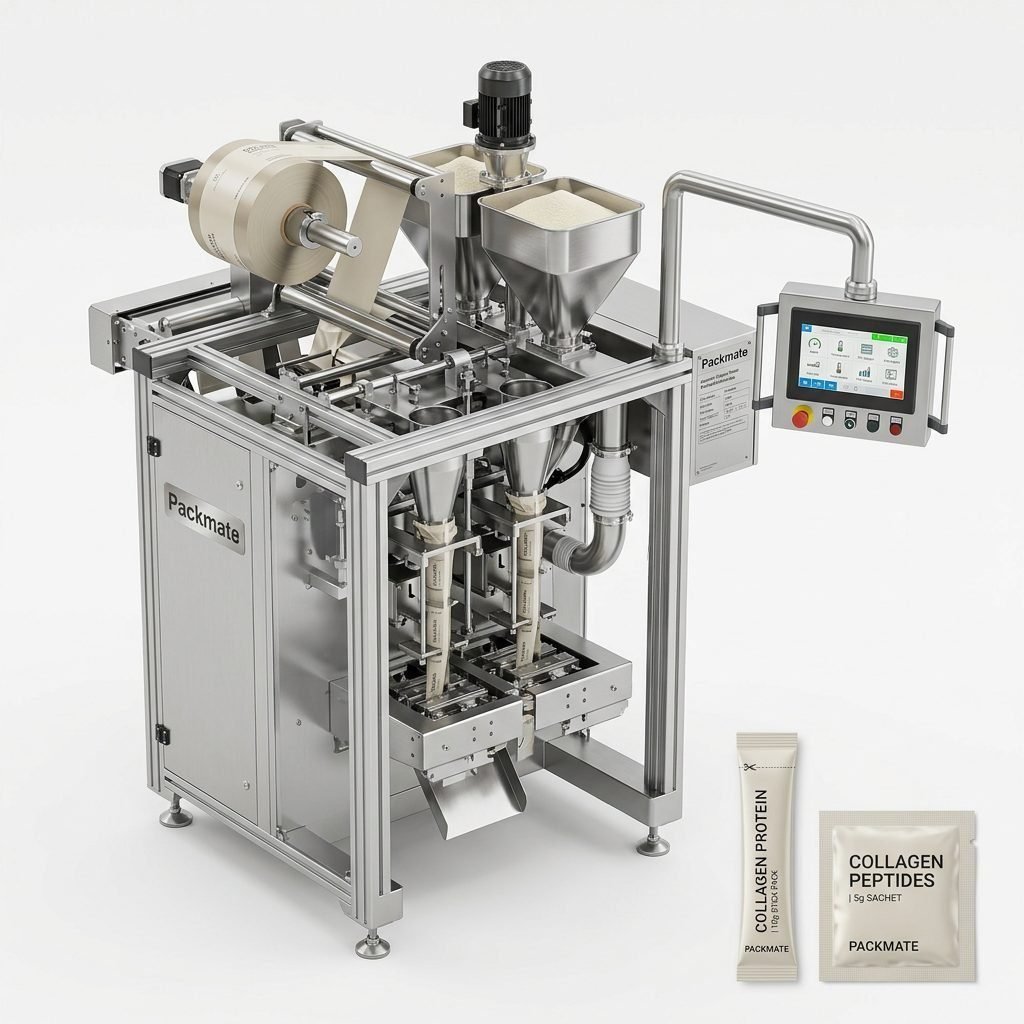
Building a Successful Partnership
Once a manufacturer is selected, clear communication is vital. Establish a single point of contact. Request a detailed project timeline covering design approval, manufacturing, factory acceptance testing (FAT), shipping, and installation. Insist on conducting a FAT, either in-person or via live video stream, to verify machine performance with your actual or sample materials before shipment. This step is crucial for resolving issues before the machine leaves the factory.
Negotiation Tip: Beyond price, negotiate on key support terms. This can include extending the warranty, including a more comprehensive set of spare parts, or securing a commitment for a technician’s visit during installation at a fixed cost.
Finally, plan for the arrival and installation. Ensure your facility is prepared with the correct power supply, compressed air, and floor space. Have your technical team review the installation manuals in advance. A well-managed sourcing project culminates not just in the acquisition of a machine, but in the establishment of a long-term partnership that supports your growth in Turkey’s competitive market.
Frequently Asked Questions (FAQs)
What are the typical lead times for packaging machines from overseas manufacturers?
Lead times vary based on machine complexity and customization. For standard models, expect 60-90 days from order to shipment. For fully custom or turnkey lines, lead times can extend to 120-180 days. Always confirm the timeline during the quotation stage.
How can I verify the quality of a machine before purchasing?
Request customer references in similar industries and ask for video recordings of the machine running. The most effective method is to conduct a Factory Acceptance Test (FAT), where you can see the machine operate with your materials and verify its output and quality.
What are the common challenges when importing machinery to Turkey?
Key challenges include navigating customs clearance, ensuring all electrical components meet Turkish and EU standards (CE marking is essential), and arranging for qualified local technicians for installation if the supplier does not send an engineer. Working with an experienced freight forwarder familiar with Turkish imports is highly recommended.
Is it better to buy a single machine or a complete packaging line?
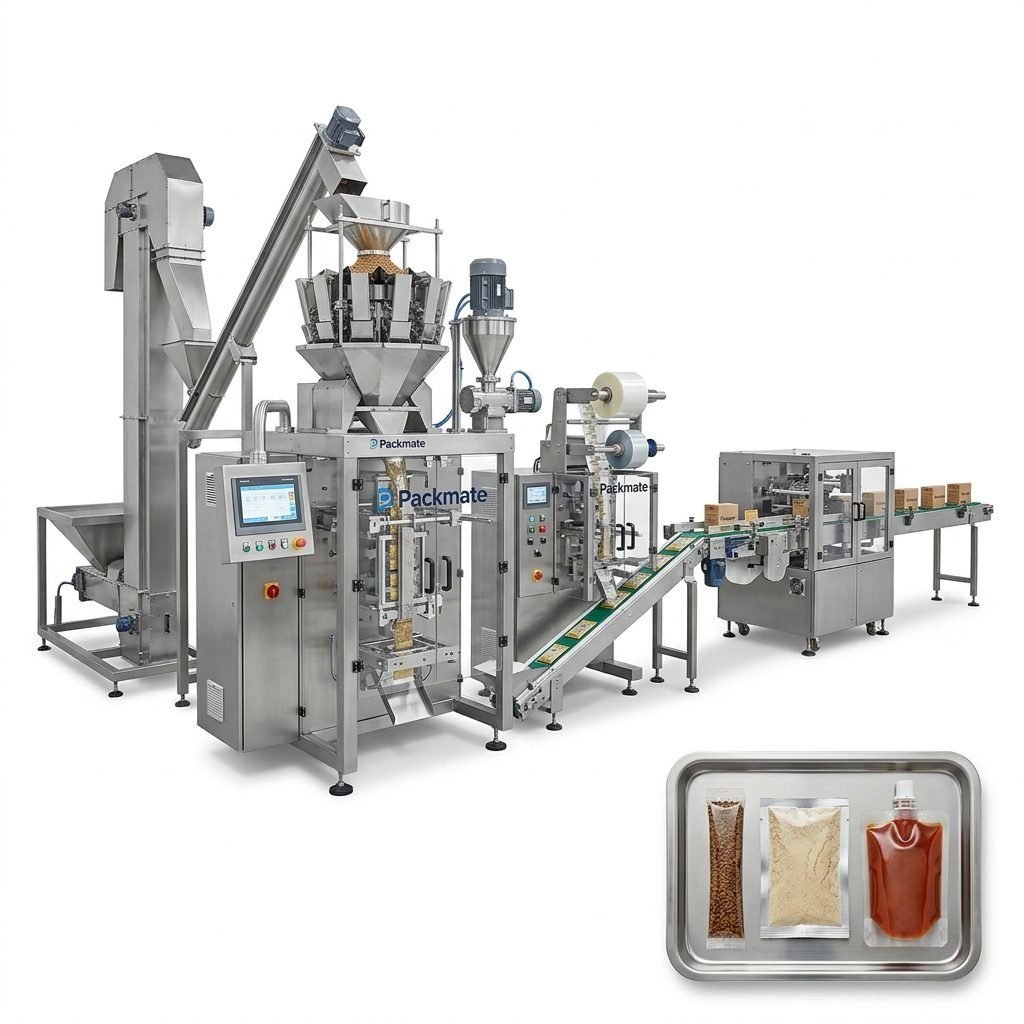
This depends on your automation goals and budget. A single machine from a supplier like Packmate Machinery can boost productivity for a specific task. A complete turnkey line from a supplier like Ludyway or PacklineOEM ensures seamless integration and higher overall automation but requires a larger investment and more complex project management.
How important is local after-sales support in Turkey?
Extremely important. While many Chinese manufacturers offer remote support, having access to local technicians or a well-stocked inventory of common spare parts within the region can drastically reduce downtime. Discuss the supplier’s support structure for Turkey specifically before finalizing your purchase.