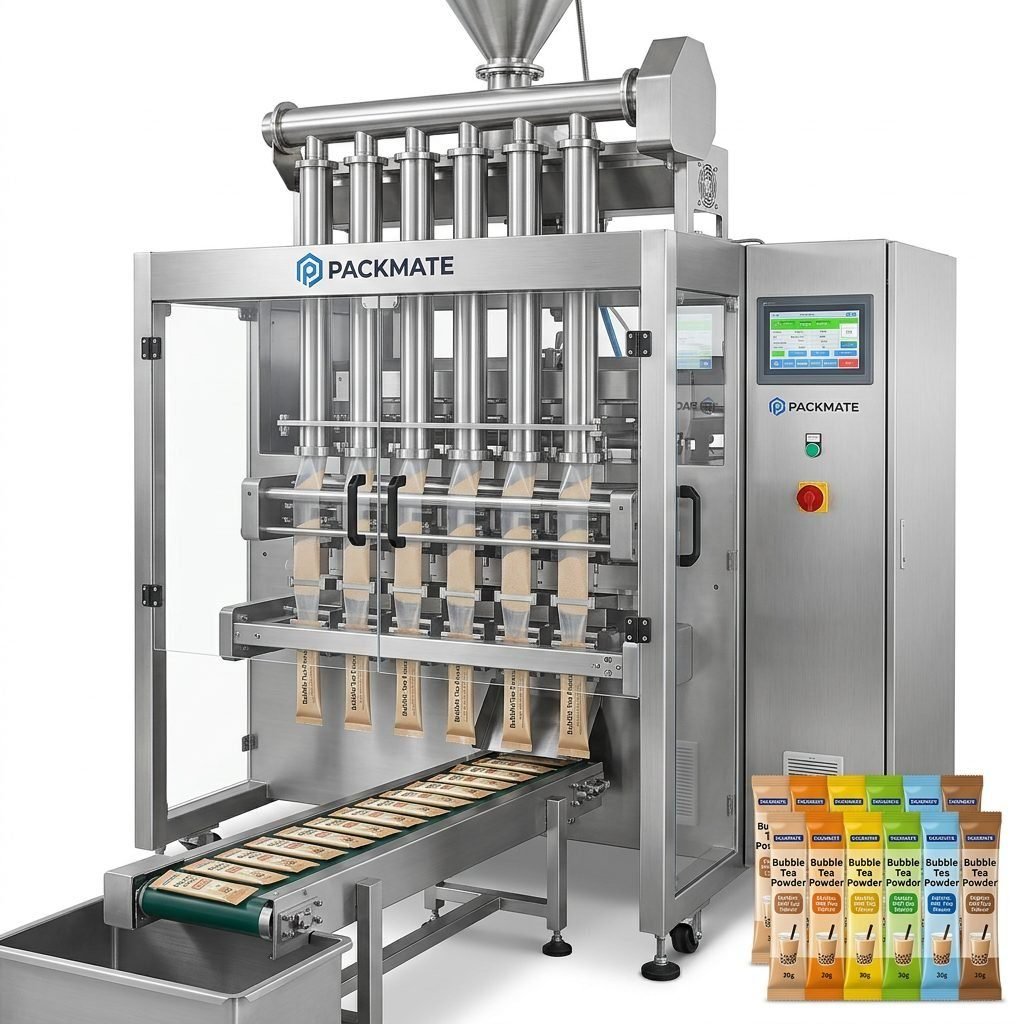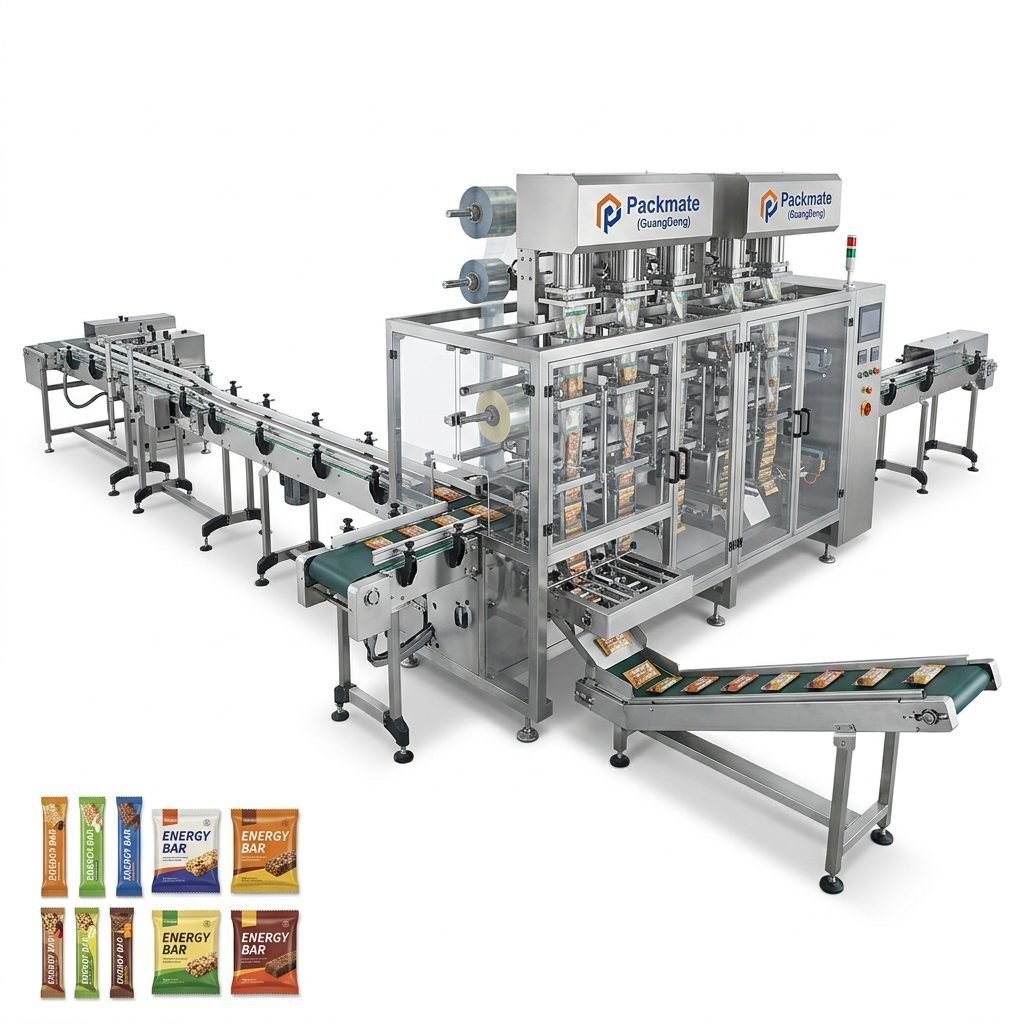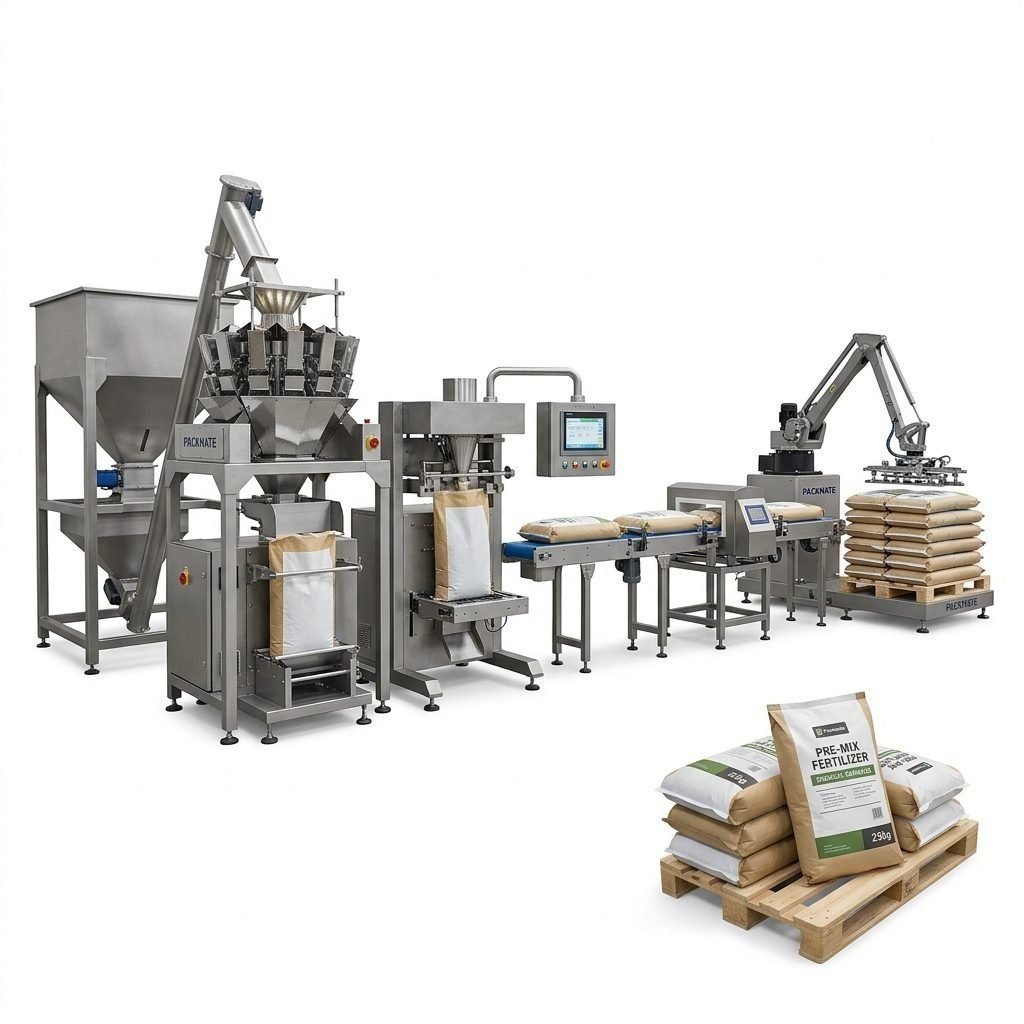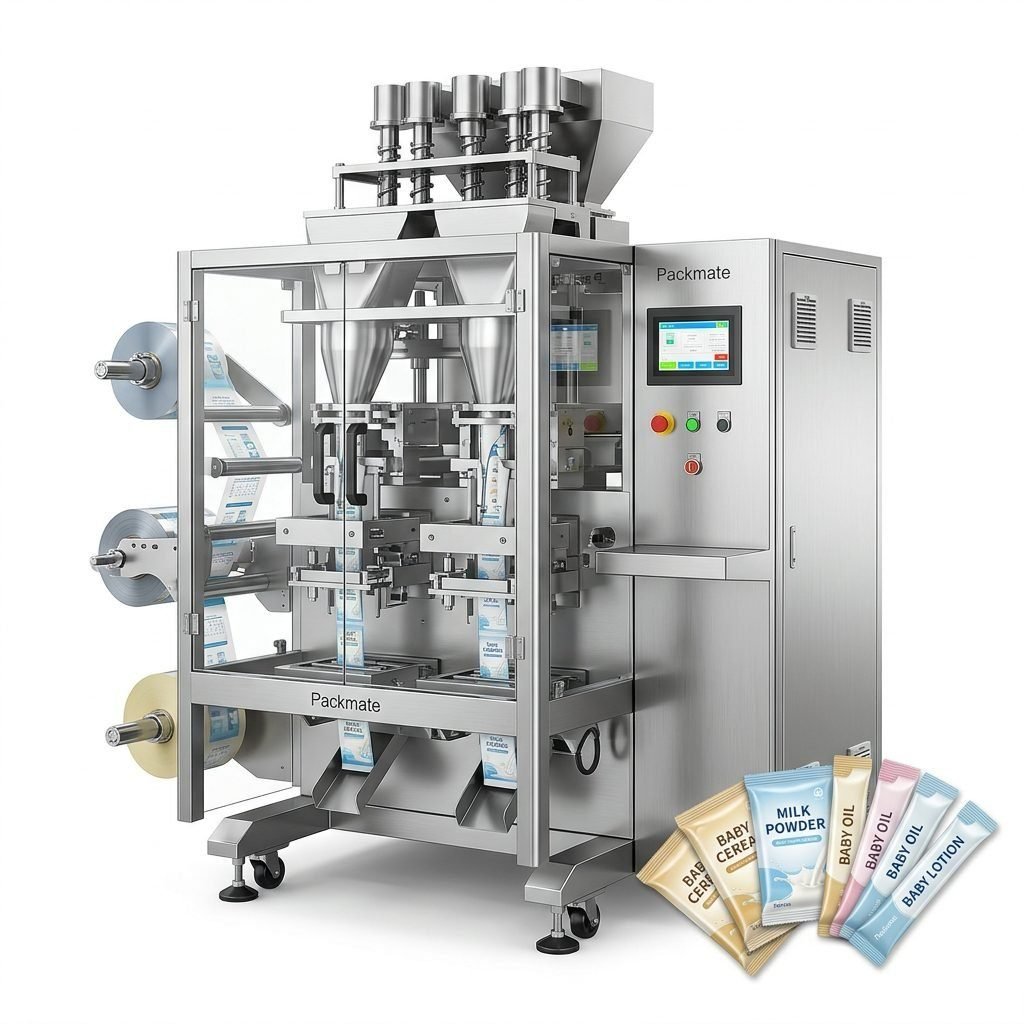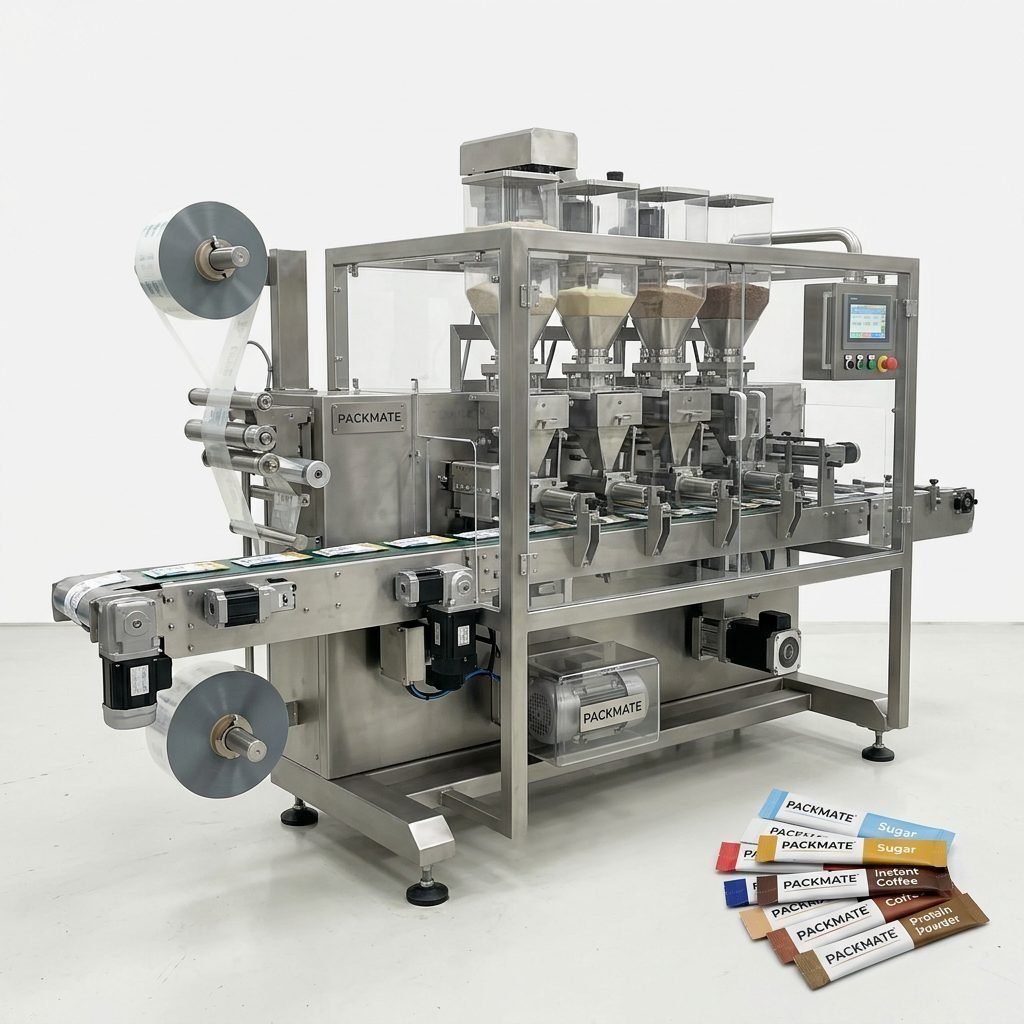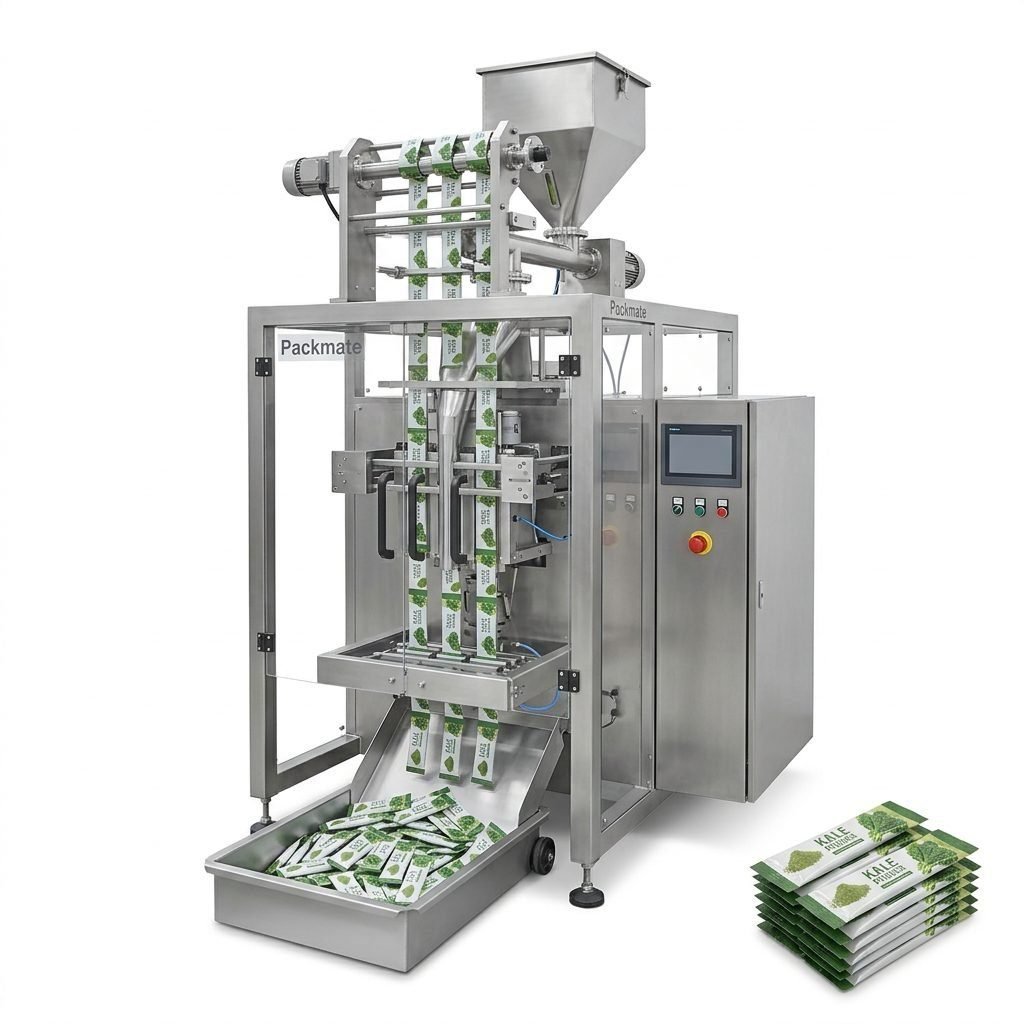
Selecting the right packaging machine manufacturer is a critical decision for any business in the UK looking to enhance production efficiency, ensure product consistency, and maintain a competitive edge. The UK market, with its strong presence in food & beverage, pharmaceuticals, health supplements, and fast-moving consumer goods (FMCG), demands packaging solutions that are not only reliable and high-speed but also compliant with stringent regional safety and quality standards. For buyers ranging from established manufacturers in Yorkshire and the Midlands to innovative start-ups in London and Scotland, the choice of supplier impacts long-term operational success.
Understanding Your Core Packaging Requirements
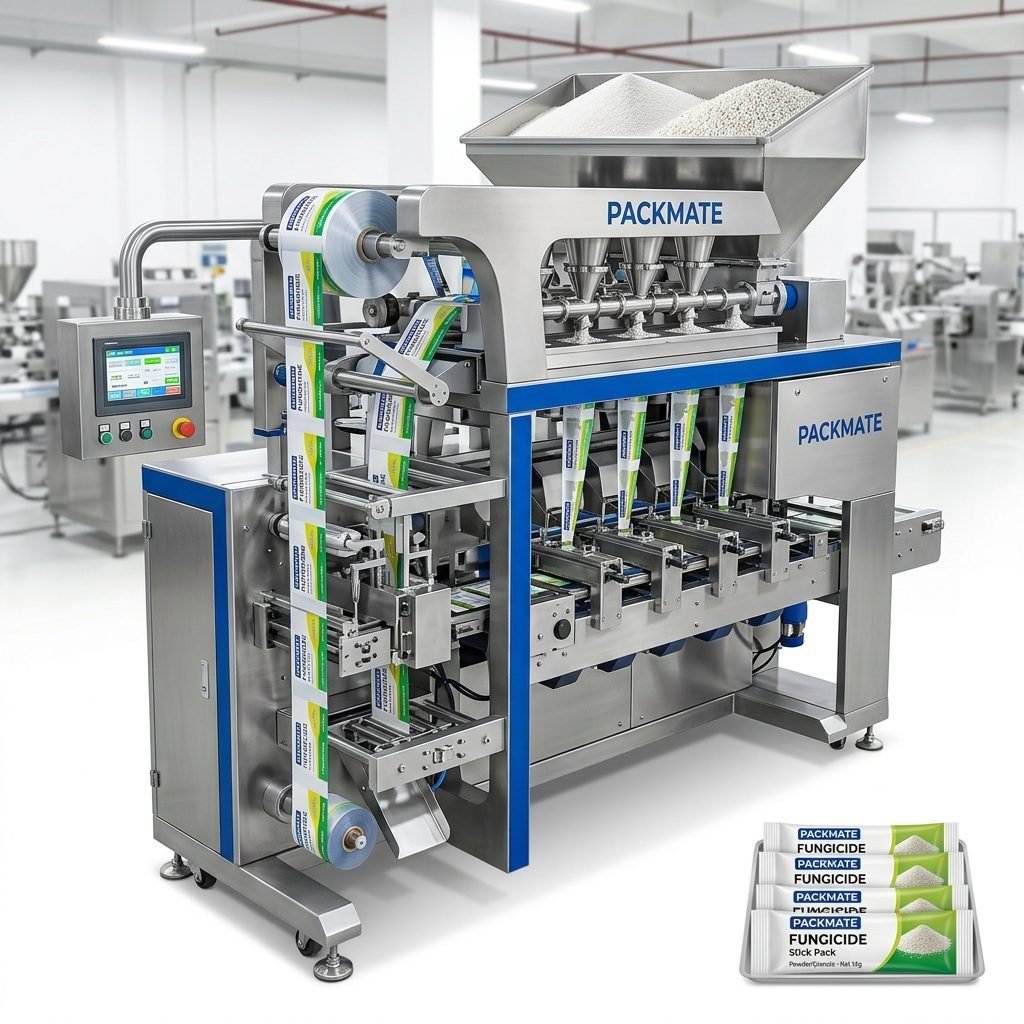
Before beginning your search, a thorough internal assessment is essential. UK manufacturers often deal with specific challenges such as adapting to post-Brexit regulatory changes, managing high labor costs through automation, and meeting the sustainability expectations of British consumers. Define your primary product format: are you packaging powders (like protein supplements or instant coffee), granules (seasonings, tea), liquids (sauces, oils), pastes, or specialized items like nicotine pouches? Determine your required output speed (bags or pouches per minute), the level of automation needed (from a single machine to a complete turnkey line), and any specific certifications required for your sector, such as those from the British Retail Consortium (BRC) or for pharmaceutical (GMP) compliance.
Key questions for UK-based buyers: What is your current and projected production volume? Do you require integration with existing UK-sourced conveying or cartoning systems? How important are energy efficiency and reduced material waste in your cost structure? Answering these will shape your technical specifications.
Key Factor 1: Manufacturer’s Experience and Industry Specialisation
The depth of a manufacturer’s experience is a primary indicator of reliability. Look for companies with a proven track record in your specific industry. For instance, a supplier experienced in food-grade packaging for the UK market will understand the need for hygiene-focused design and materials compliant with Food Standards Agency (FSA) guidelines. Similarly, a manufacturer specializing in pharmaceutical packaging will be adept at creating solutions that ensure product sterility and traceability.
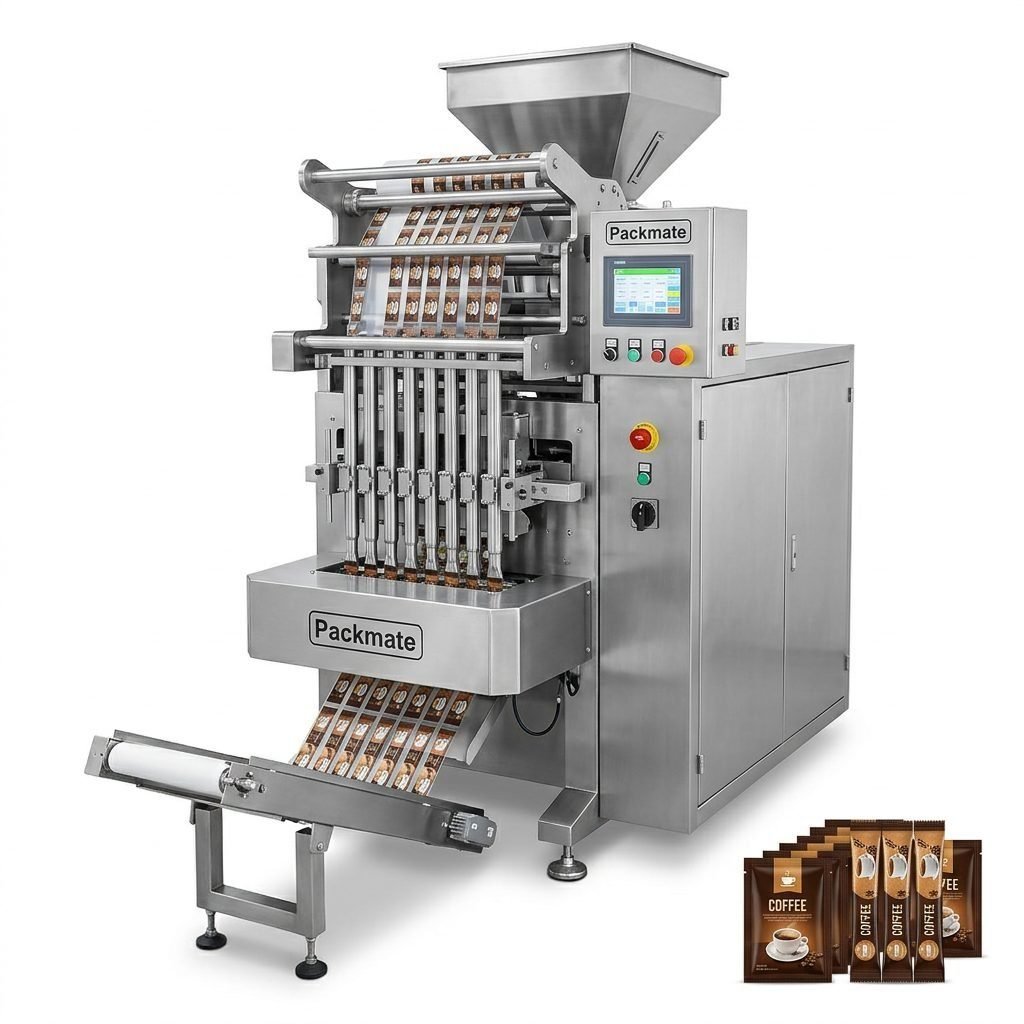
Companies with over two decades of experience, such as Ludyway (founded 1993) or Packmate Machinery, have typically navigated numerous technological shifts and customer challenges, building robust engineering knowledge. Specialisation is equally crucial. For example, if your business is in the growing nicotine pouch sector, a manufacturer like SnusMachinery, which focuses on this niche, will offer more targeted expertise than a generalist supplier.
Key Factor 2: Technical Capability and Customisation Support
UK manufacturers often have unique production line layouts and product characteristics that demand flexibility. Assess the technical capability of a potential partner. Can they provide customised solutions rather than just off-the-shelf machines? This includes adapting to non-standard pouch sizes, specific film materials common in UK retail, or integrating with British-made checkweighers and vision inspection systems.
Evaluate their design and engineering process. Do they offer feasibility studies or factory layout planning? Manufacturers like PackingMachineOEM and PacklineOEM explicitly highlight their strength in non-standard and turnkey line projects, which is vital for businesses with complex or evolving packaging needs. Their ability to provide OEM cooperation means they can act as a seamless extension of your engineering team.
| Capability | Importance for UK Buyer | Questions to Ask |
|---|---|---|
| Custom Machine Design | High for unique product shapes or proprietary materials. | Can you modify the filling system for our viscous product? |
| Line Integration | Critical for automating entire packaging halls. | Do you provide full PLC control system integration? |
| After-Sales Technical Support | Essential to minimise costly downtime. | What is your remote support and UK-based service response time? |
Key Factor 3: Production Scale, Quality Control, and Compliance
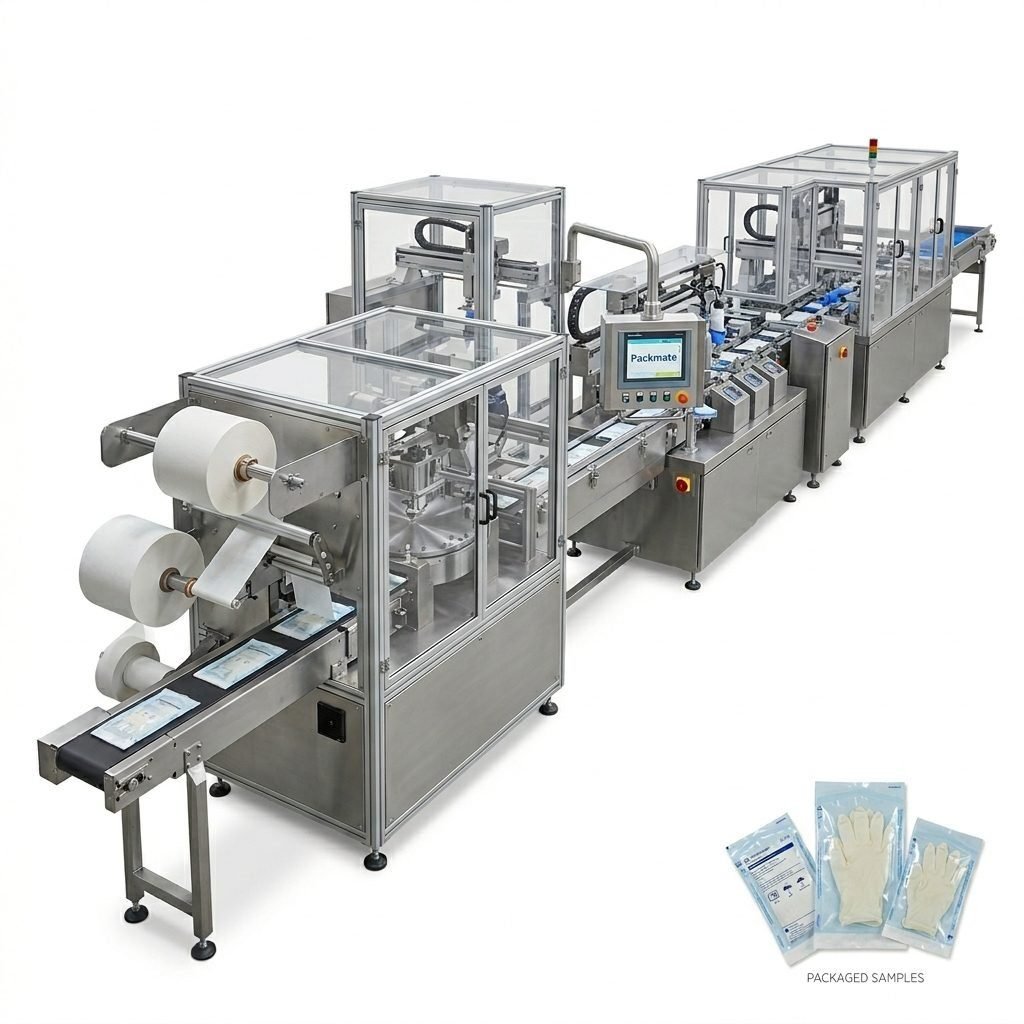
The scale of a manufacturer’s facility often correlates with its production stability and capacity to handle large orders. A factory size of 20,000 square meters or more indicates substantial manufacturing infrastructure. Inquire about their quality control processes. Do they have dedicated QC stations, testing protocols for machine endurance, and traceability for components? For UK importers, ensuring machines meet CE/PED/UKCA marking requirements and relevant electrical safety standards is non-negotiable.
Reputable manufacturers will be transparent about their assembly process, use of precision CNC machining, and final inspection routines. This is crucial for ensuring the machine you receive operates reliably from day one, avoiding disruptions in your tight production schedule.
Key Factor 4: After-Sales Service, Parts, and Local Support
The relationship with your manufacturer begins after the machine is installed. For UK companies, geographic distance from the supplier makes after-sales support a top-tier consideration. Investigate the supplier’s service structure:
- Do they have a network of technicians or partners in Europe/UK for quicker on-site support?
- What is their policy on spare parts availability and delivery times to the UK?
- Do they provide comprehensive installation supervision, operational training, and detailed documentation in English?
A manufacturer with a strong export focus to Europe, like those listed, typically has more established protocols for international support. Clear communication channels—whether through dedicated project managers, online portals for parts ordering, or 24/7 remote diagnostic support—are invaluable.
Expert Tip: The Value of Reference Visits and Sample Testing
Whenever possible, request contact information for existing clients in similar industries, preferably within the UK or Europe. A conversation with a current user can reveal insights into machine performance, service responsiveness, and hidden costs. Furthermore, always insist on a product sample test at the manufacturer’s facility or via a video demonstration. Testing your actual product on their equipment is the most reliable way to verify filling accuracy, seal integrity, and operational speed before making a commitment.
Key Factor 5: Cost Considerations and Total Value of Ownership
While upfront cost is important, the total cost of ownership (TCO) is the true metric for evaluation. This includes:
- Initial Investment: Machine price, shipping, and import duties to the UK.
- Operational Costs: Energy consumption, required compressed air, material waste rates, and necessary labor.
- Lifecycle Costs: Maintenance, spare parts pricing, and potential costs of unscheduled downtime.
A slightly higher initial investment in a robust, energy-efficient machine from a reputable supplier like Ludyway can lead to significantly lower TCO through better reliability, higher efficiency, and longer service life. Request detailed quotations that break down all potential costs and compare warranties offered by different suppliers.
Navigating the Supplier Selection Process
Start by creating a shortlist of 3-5 potential manufacturers that align with your technical and industry needs. Engage with them through detailed RFQs (Request for Quotation). Evaluate their responsiveness, professionalism, and willingness to understand your specific challenges. Review their proposals not just on price, but on the proposed solution’s completeness, proposed timeline, and support package. Finally, consider conducting a virtual or in-person audit of their factory to assess their manufacturing capabilities and quality culture firsthand.
Common Questions (FAQs) for UK Buyers
Q: How do I ensure the machine meets UK health and safety regulations?
A: Verify that the manufacturer provides all necessary documentation for CE/UKCA marking, including Declarations of Conformity and technical files. Ensure electrical components comply with UK standards. Reputable suppliers are familiar with these requirements for the European and UK markets.
Q: What are the typical lead times for delivery to the UK?
A: Lead times vary based on machine complexity and customisation. For standard models, expect 8-14 weeks from order to shipment. For fully customised or turnkey lines, it can be 16-24 weeks. Always factor in shipping and customs clearance time after the machine leaves the factory.
Q: Can the supplier help with installation and training in the UK?
A: Most established export manufacturers offer installation and commissioning services, either by sending their engineers or through local partners. Comprehensive operator and maintenance training is typically included. Clarify the duration and details of this support in the contract.
Q: How do I manage spare parts inventory cost-effectively?
A> Discuss a recommended spare parts list with the supplier. It’s often cost-effective to order a starter kit of critical wear parts (like sealing jaws, pumps, sensors) with the machine. Inquire about their parts logistics—many use international couriers for urgent parts, delivering to the UK within a few days.
Q: Is it better to buy a single machine or a complete turnkey line?
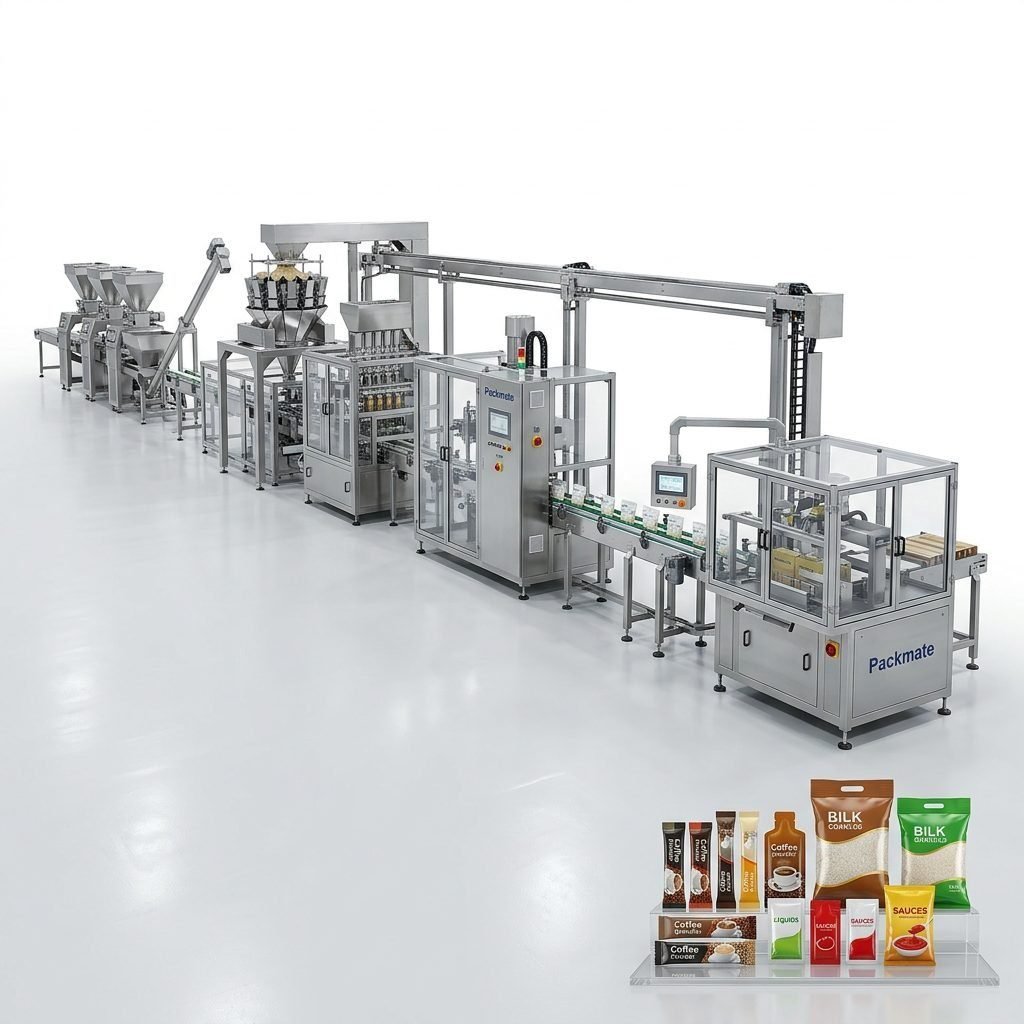
A> This depends on your automation strategy and in-house engineering resources. A single machine suits incremental upgrades. A turnkey line from a supplier like PacklineOEM is preferable for new greenfield projects, major capacity expansions, or when seeking a single point of responsibility for the entire packaging process from feeding to end-of-line.