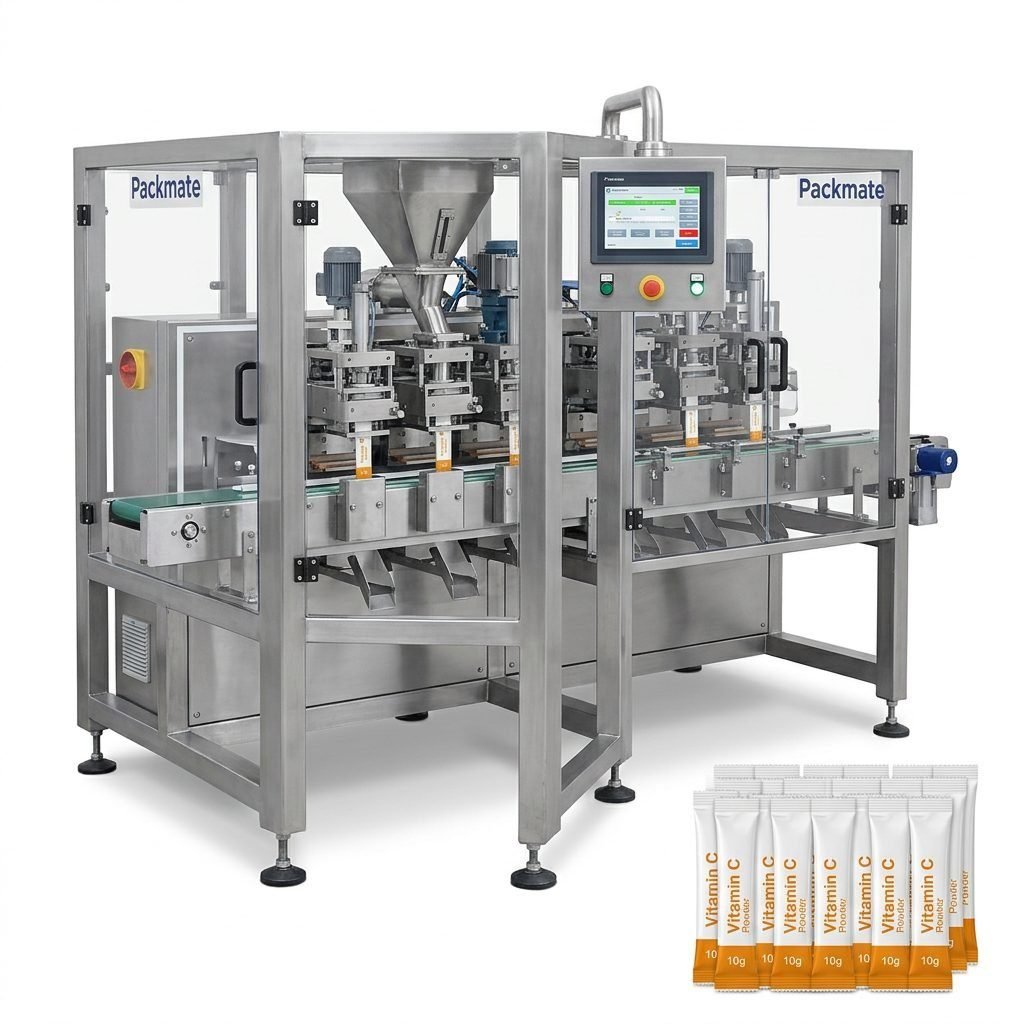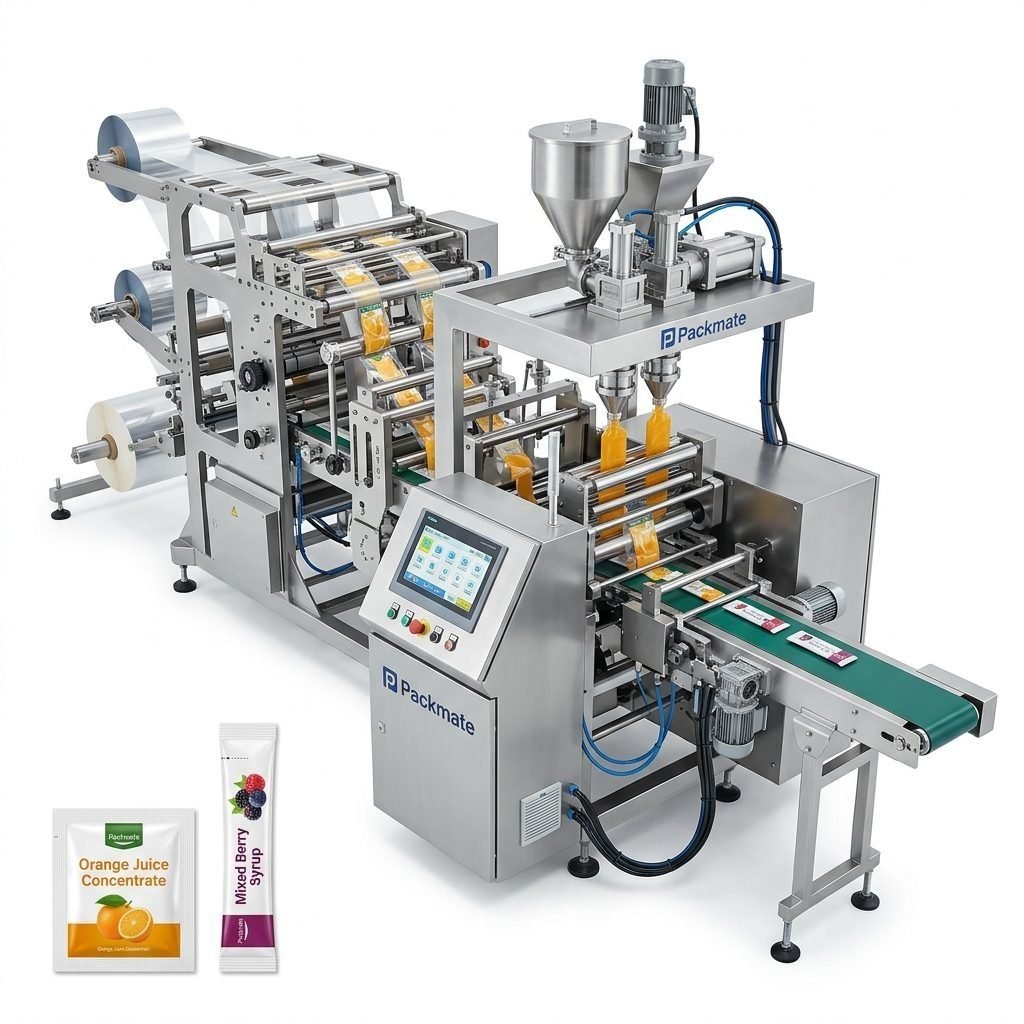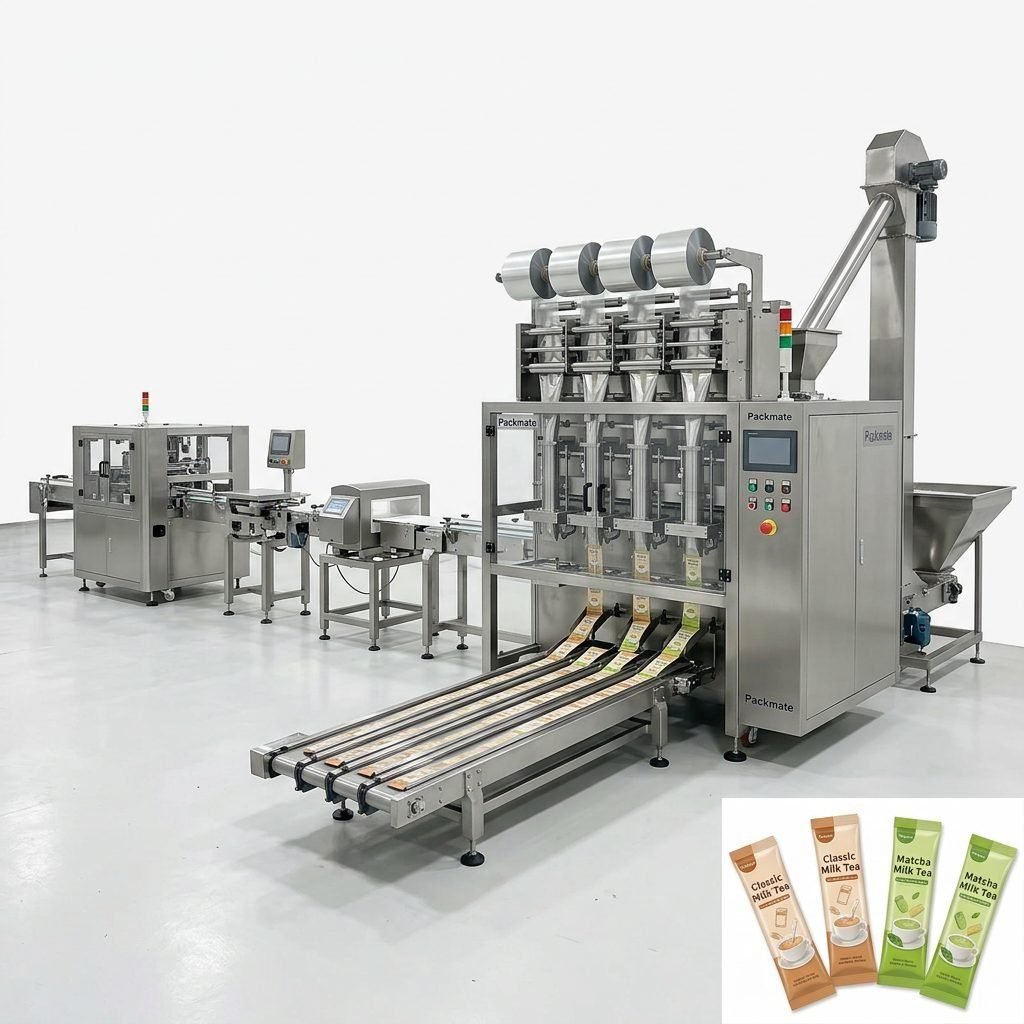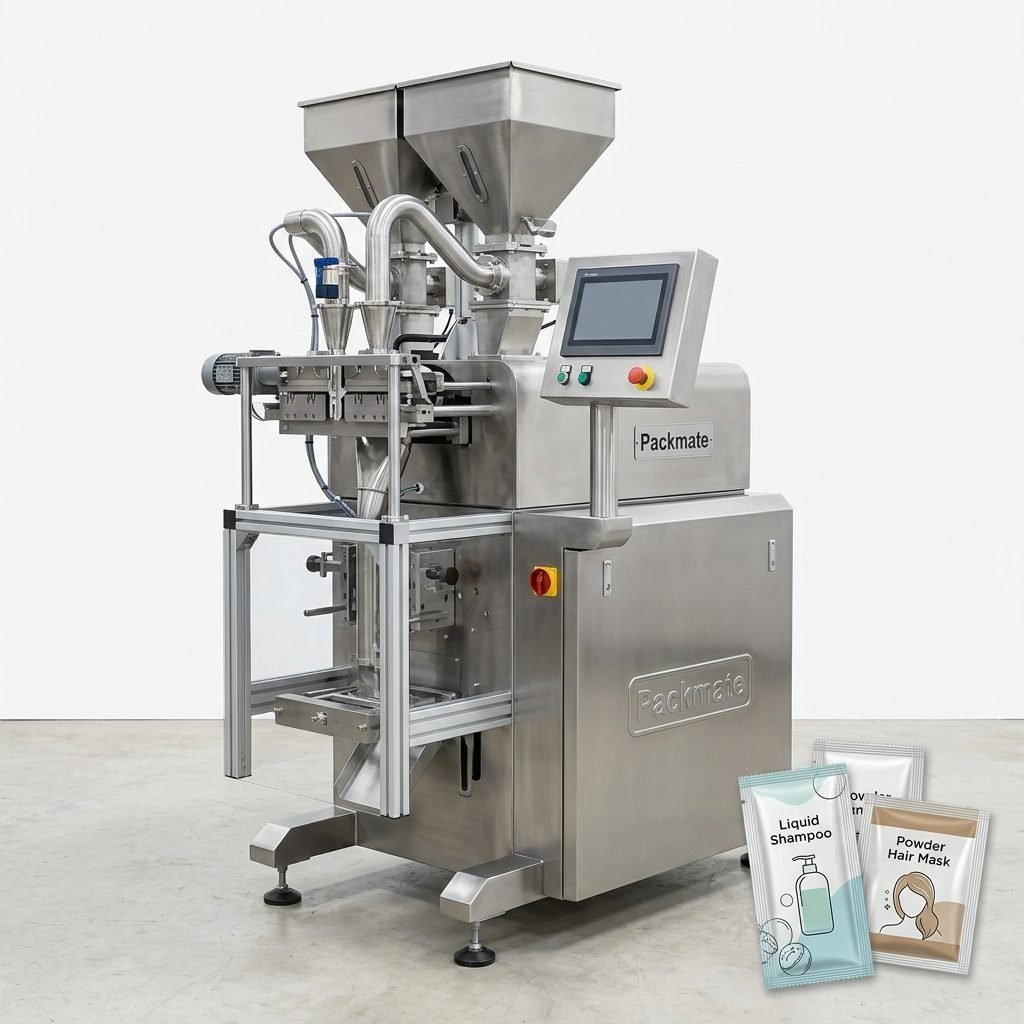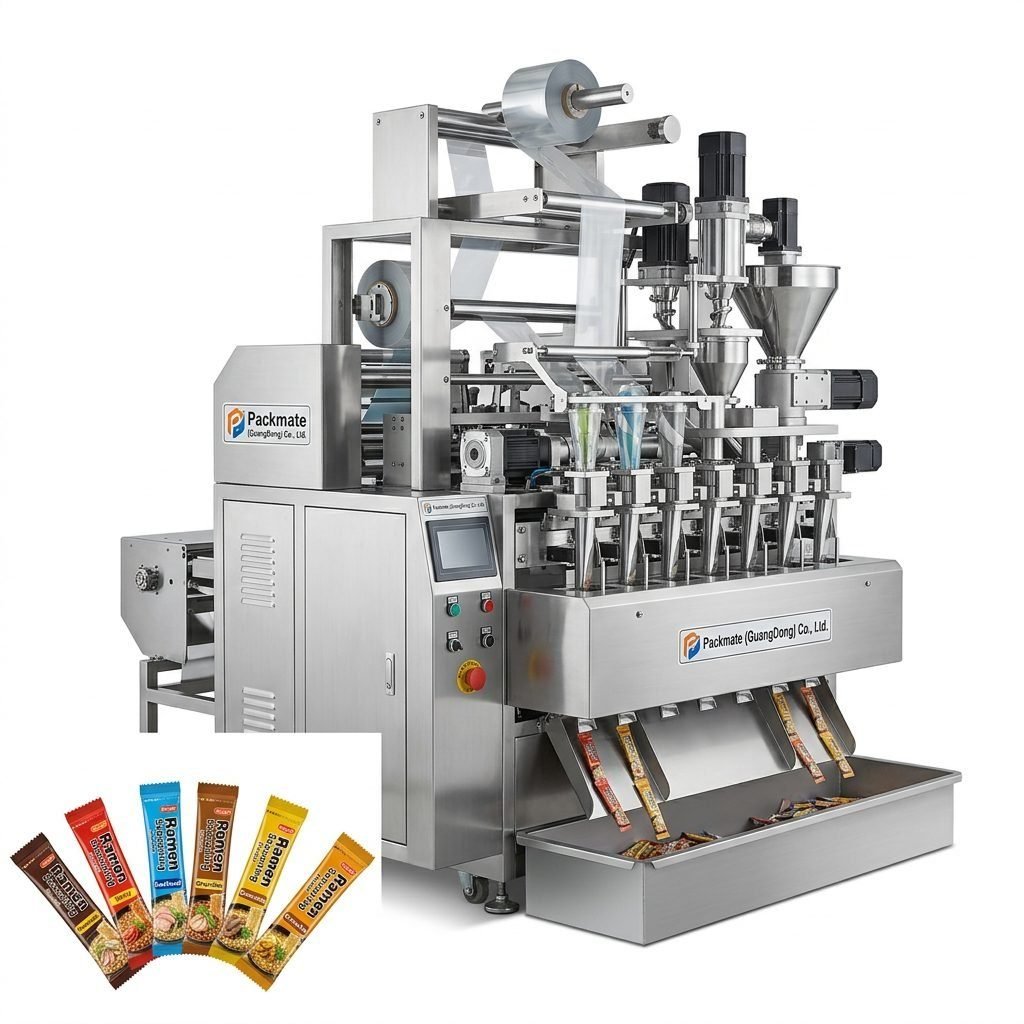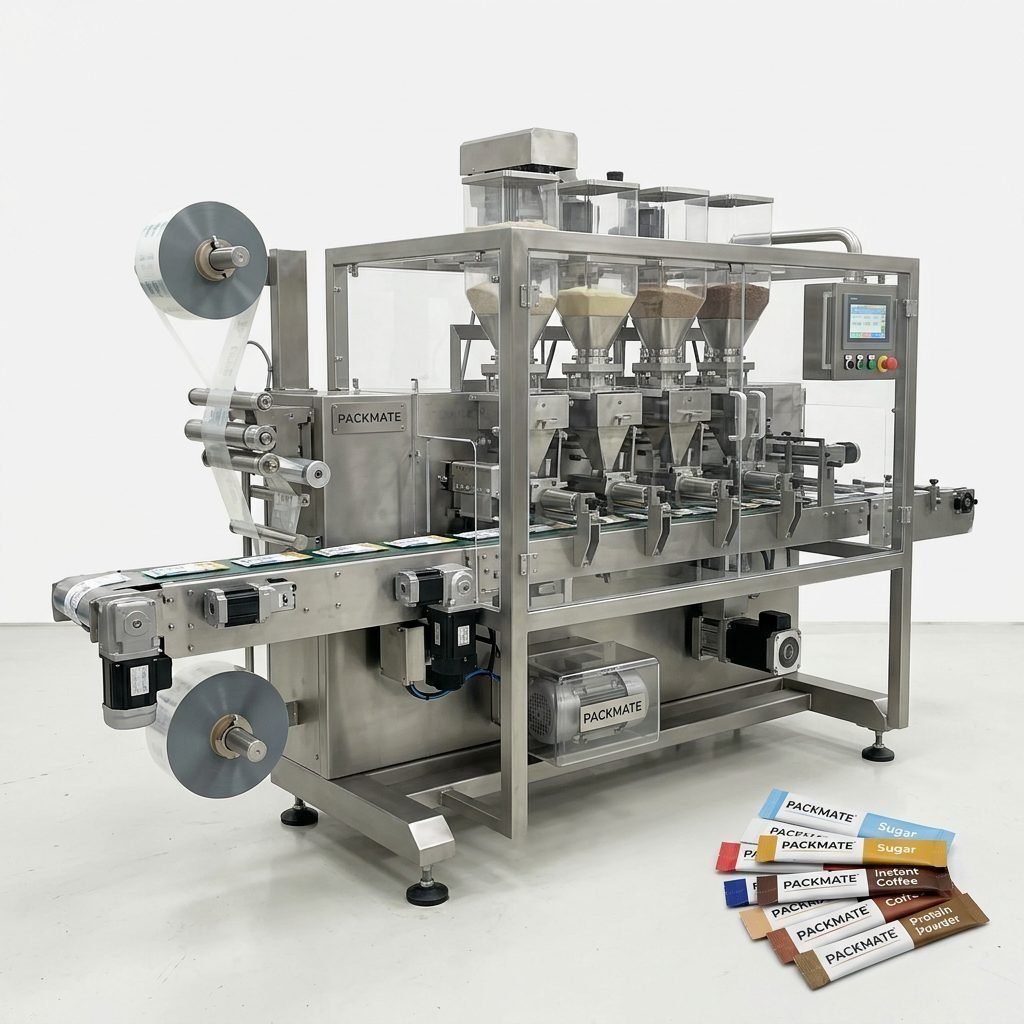
Choosing the right liquid sachet filling machine is a critical decision for any business involved in packaging liquids, from sauces and condiments to pharmaceuticals, cosmetics, and industrial chemicals. A small pouch packaging solution offers portability, precise dosing, and extended shelf life, making it a popular format across numerous industries. However, selecting the optimal machine requires careful consideration of several technical, operational, and business factors. This guide will walk you through the key aspects to evaluate, ensuring you invest in a solution that meets your production needs, budget, and long-term goals.
Understanding Your Product and Packaging Requirements
The journey to the right machine begins with a deep understanding of what you are packaging. This is the single most important factor influencing your choice.
First, analyze your liquid product characteristics. Is it a low-viscosity fluid like water or juice, a medium-viscosity product like shampoo or lotion, or a high-viscosity paste like tomato paste or grease? The viscosity directly impacts the type of filling pump required—piston pumps for thick pastes, gear pumps for oils, or peristaltic pumps for shear-sensitive products. Also, consider if the liquid is foamy, corrosive, sterile, or contains particulates.
Second, define your packaging specifications. Determine your target sachet size (length, width, and seal width), the material (monolayer or laminated films like PET/AL/PE, PET/PE, NY/PE), and the required sealing method (such as heat sealing or ultrasonic sealing for certain materials). The machine must be compatible with your chosen film to ensure strong, leak-proof seals.
Assessing Production Capacity and Speed
Your required output dictates the machine’s scale and sophistication. Production speed is typically measured in sachets per minute (SPM).
- Low-Volume/Lab Scale: For R&D, sampling, or small-batch production (e.g., under 60 SPM), a simple, manually-fed or semi-automatic machine may suffice.
- Medium-Volume Production: For established small to medium businesses (e.g., 60-150 SPM), a single-lane automatic machine is often the most cost-effective and efficient choice.
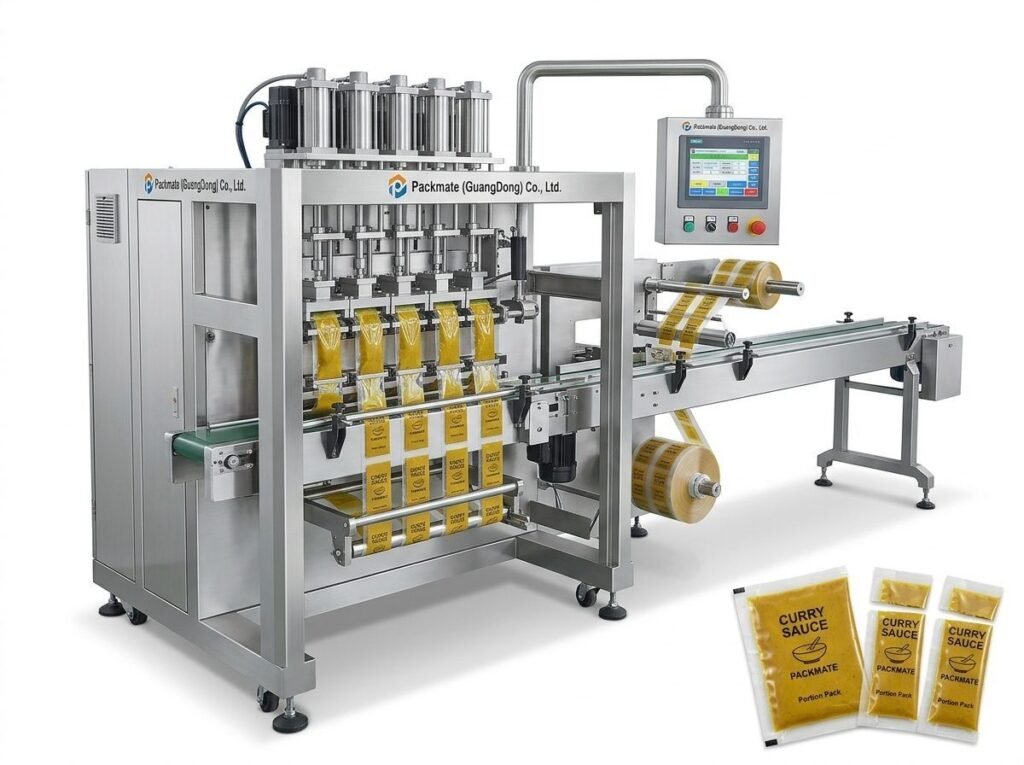
- High-Volume Production: For large-scale manufacturing (e.g., 150-400+ SPM), multi-lane, fully automatic machines with integrated feeding, filling, and sealing systems are necessary to meet demand.
It’s crucial to balance peak demand with average output. Investing in a machine with 20-30% extra capacity can accommodate future growth without an immediate need for a new capital expenditure. Consider not just the filling speed, but the overall line efficiency, including changeover times and maintenance requirements.
Key Machine Features and Technologies
Modern liquid sachet machines come with a range of features that enhance performance, accuracy, and ease of use.
| Feature | Description & Benefit |
|---|---|
| Filling System | Piston, gear, peristaltic, or time-pressure filling. Dictates accuracy and suitability for product viscosity. |
| Sealing System | Heat sealing jaws (constant or impulse) or ultrasonic sealing. Ensures hermetic, leak-proof seals for product integrity. |
| Control System | PLC with HMI touchscreen. Allows for easy recipe storage, parameter adjustment, and monitoring of production data. |
| Material Handling | Automatic film unwinding, tension control, and registration mark sensor for precise print alignment. |
| Optional Add-ons | Nitrogen flushing (for oxygen-sensitive products), date coding, leak detection, and weight check systems. |
For operations with frequent product or sachet size changes, look for machines with quick-change parts and tool-less adjustments. This minimizes downtime and maximizes overall equipment effectiveness (OEE).
Considering Hygiene, Safety, and Construction
The machine’s build quality directly affects its longevity, safety, and compliance, especially in food and pharmaceutical applications.
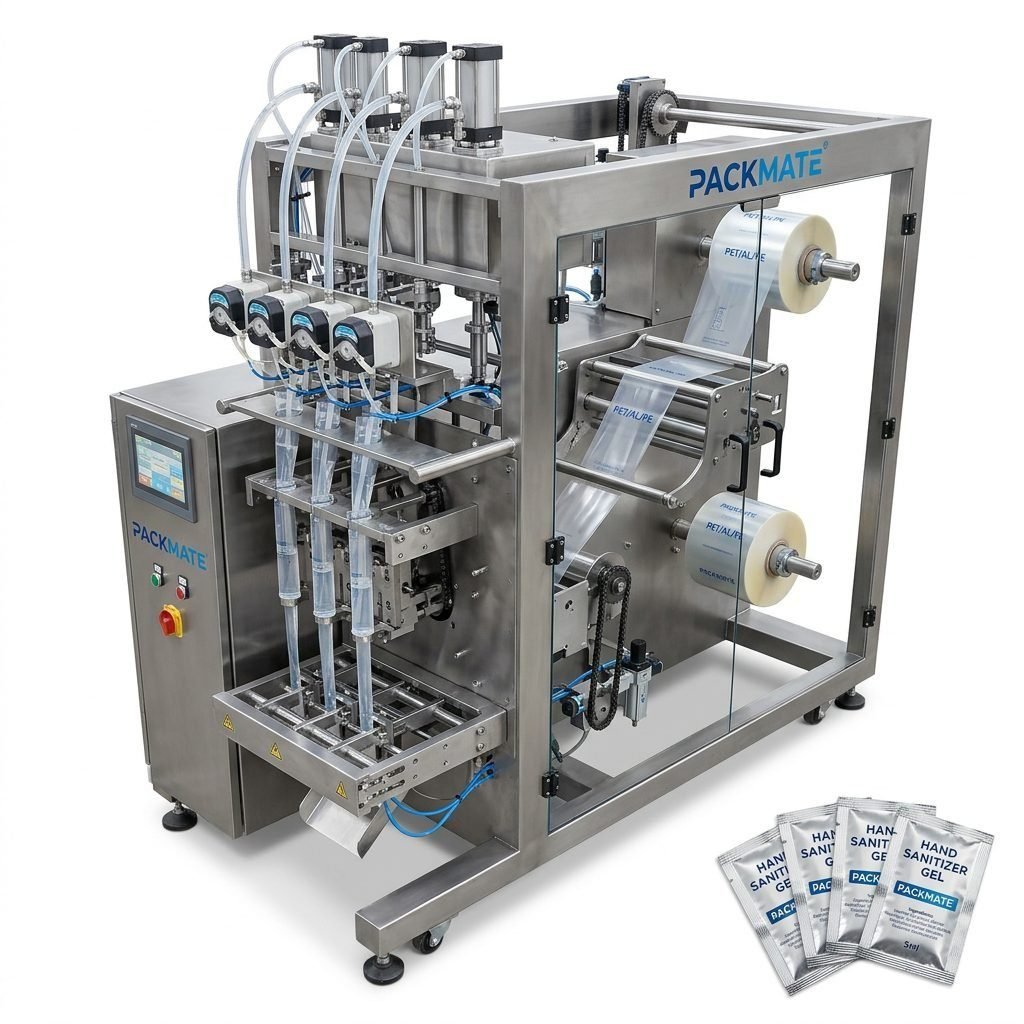
For food, dairy, or pharmaceutical liquids, a machine with a stainless steel (304 or 316 grade) contact parts is essential. This material is corrosion-resistant, easy to clean, and meets stringent hygiene standards like GMP. Enclosed frames and food-grade belts can further protect the product zone. Safety features such as emergency stop buttons, protective guarding, and interlocks are non-negotiable for operator safety.
Integration and After-Sales Support
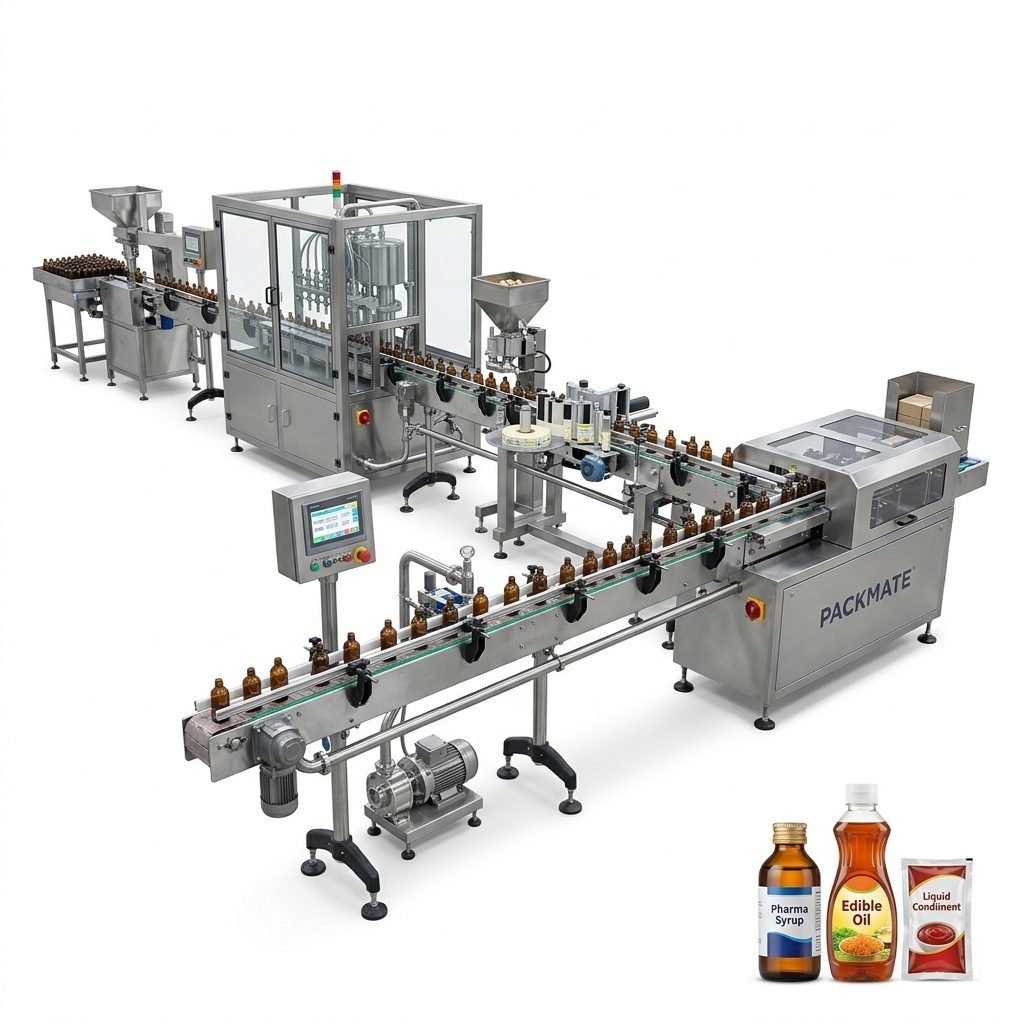
A machine is not an island. Consider how it will fit into your existing or planned production line. Does it need to integrate with upstream mixers or downstream cartoners? Some suppliers, like Ludyway or PacklineOEM, specialize in providing complete turnkey packaging lines, which can simplify integration and ensure compatibility between all components.
Perhaps the most critical long-term factor is after-sales support. Reliable technical support, availability of spare parts, and comprehensive operator training are vital for minimizing costly downtime. Evaluate the manufacturer’s reputation, their presence in your region, and the terms of their warranty and service agreements.
Budget and Total Cost of Ownership (TCO)
While the initial purchase price is important, the Total Cost of Ownership provides a more accurate financial picture. TCO includes:
- Initial machine cost
- Installation and commissioning
- Consumables (sealing jaws, gaskets, pumps)
- Energy consumption
- Maintenance and spare parts
- Potential downtime costs
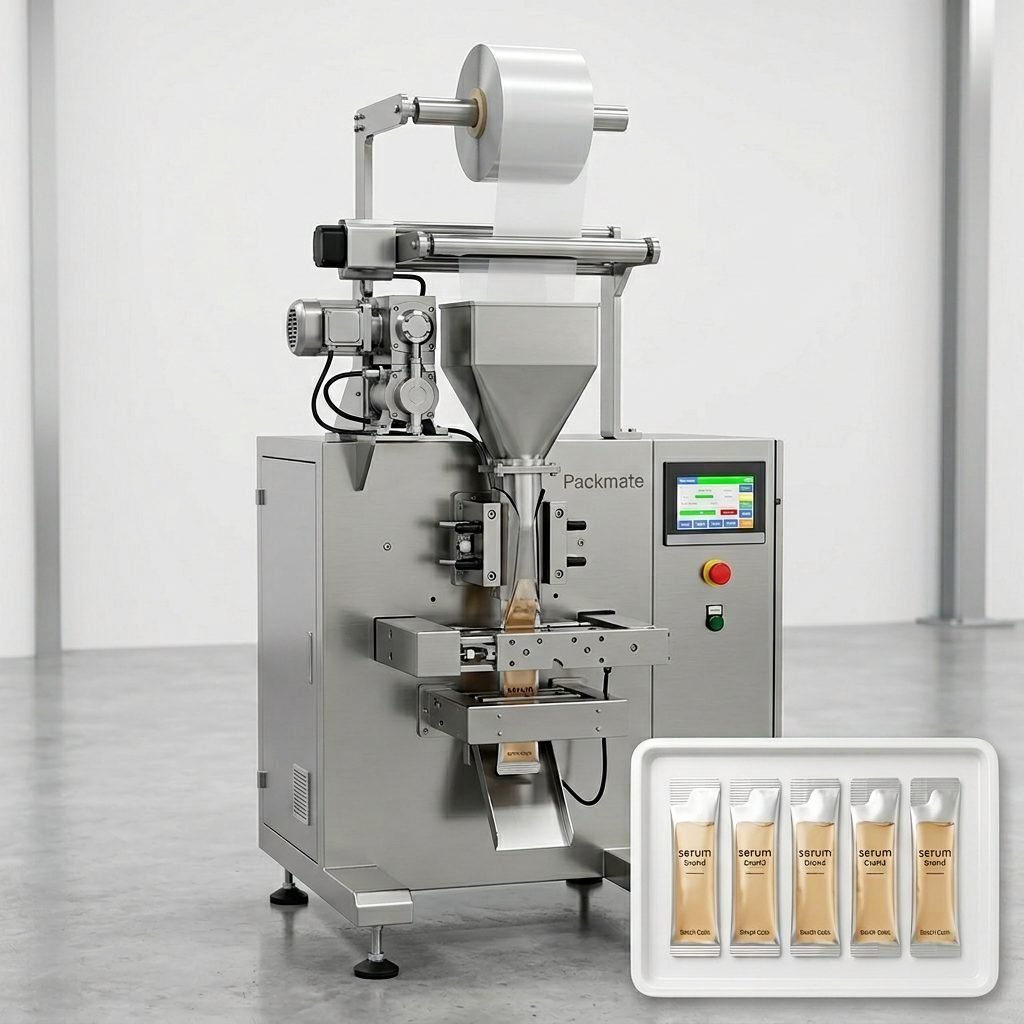
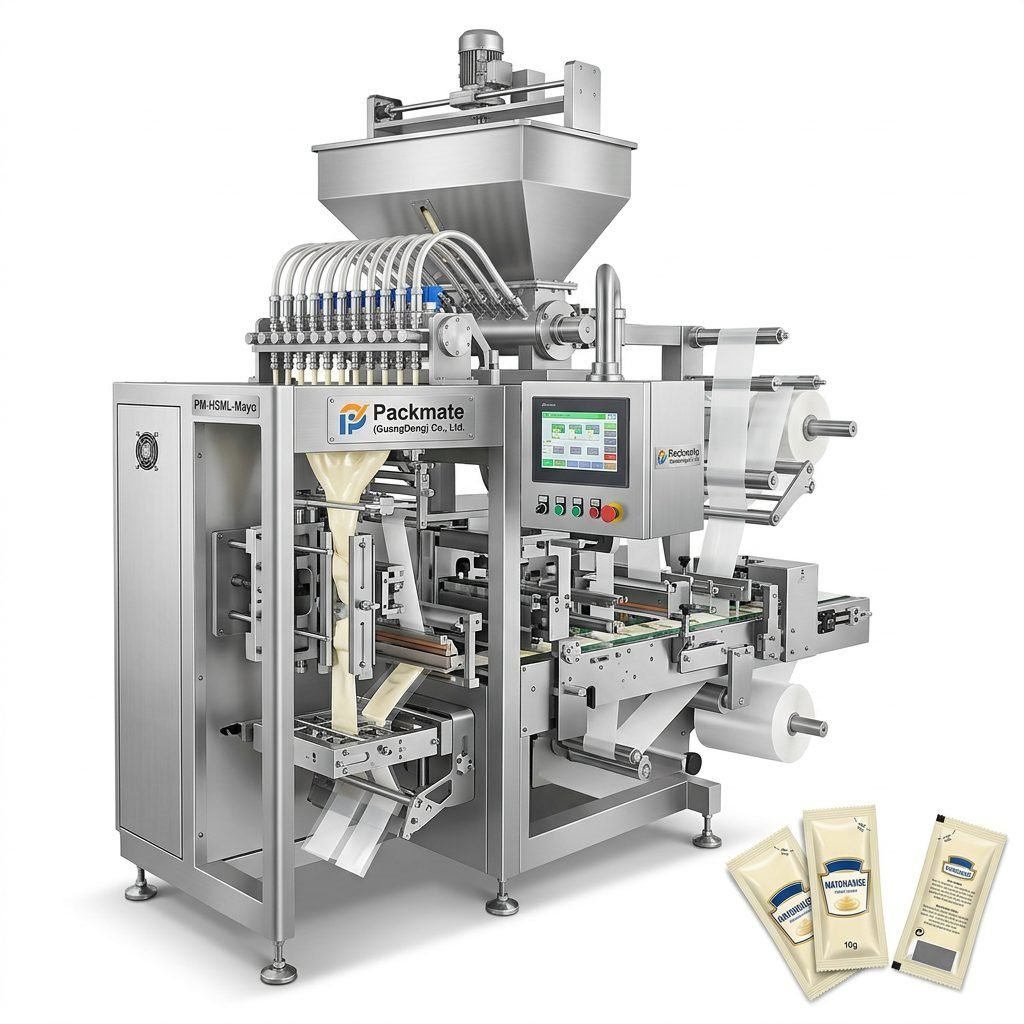
A slightly more expensive machine from a reputable manufacturer like Packmate Machinery might offer better reliability and lower long-term maintenance costs than a cheaper, less robust alternative. For highly specialized needs, such as nicotine pouches, a focused supplier like SnusMachinery might offer application-specific expertise that adds significant value.
Scalability and Future-Proofing
Your business will evolve, and your packaging machine should be able to adapt. Consider if the machine model can be upgraded—for example, from a single lane to a dual-lane configuration. Does the manufacturer offer a range of models you can grow into? Choosing a supplier with a broad portfolio, such as PackingMachineOEM, can provide a clear upgrade path and ensure continuity in service and parts.
Think about potential future products. A versatile machine that can handle a range of viscosities and sachet sizes offers more flexibility than a single-purpose unit. Modular designs are particularly advantageous for adapting to changing market demands.
Making the Final Decision: Supplier Evaluation
Once you have defined your technical requirements, evaluating potential suppliers is the final step. Look beyond the brochure.
- Request References: Ask for contact information of current clients with similar applications.
- Ask for a Test: A factory or video test run with your actual product and packaging material is invaluable. It proves the machine’s capability.
- Review Documentation: Ensure clear manuals, electrical diagrams, and parts lists are provided.
- Discuss Training: Clarify what on-site training is included for your operators and maintenance staff.
Selecting the right liquid sachet filling machine is a strategic investment. By methodically analyzing your product, output needs, required features, and supplier capabilities, you can choose a solution that boosts your efficiency, ensures product quality, and supports your business growth for years to come.
Frequently Asked Questions (FAQs)
What is the typical speed range for an automatic liquid sachet machine?
Speeds vary widely based on the machine’s configuration. Single-lane machines typically run between 40-120 sachets per minute (SPM), while multi-lane machines can achieve 150-400+ SPM. The actual speed depends on sachet size, liquid viscosity, and filling accuracy requirements.
Can one machine handle different liquid viscosities?
Many machines are designed to be versatile, but the filling pump is key. A machine equipped with interchangeable pumps (e.g., switching from a piston pump for paste to a gear pump for oil) can handle a wider range. It’s essential to discuss your specific product portfolio with the supplier.
How important is the sealing system for liquid sachets?
It is critically important. A poor seal leads to leaks, product waste, and customer complaints. The sealing system (temperature, pressure, dwell time) must be precisely calibrated for your specific packaging film to create a strong, hermetic seal that withstands handling and transport.
What maintenance does a liquid sachet machine require?
Daily cleaning of product contact parts is essential. Regular maintenance includes lubricating moving parts, checking and replacing worn seals or gaskets on pumps, calibrating the filling system, and inspecting heating elements and sensors. A preventive maintenance schedule provided by the manufacturer should be followed.
Is it better to buy a standalone machine or a complete line?
It depends on your operation and budget. A standalone machine is suitable if you have existing upstream (e.g., mixing) and downstream (e.g., cartoning) equipment. A complete turnkey line from a single supplier like Ludyway ensures all components are designed to work together seamlessly, reducing integration headaches but at a higher initial investment.