Selecting the right packaging machine manufacturer is a strategic decision that impacts your production efficiency, product quality, and long-term operational costs. For businesses in Italy—a market known for its high standards in food, pharmaceuticals, design, and manufacturing—finding a supplier that aligns with local expectations for precision, reliability, and technical support is paramount. This guide outlines the key factors Italian companies should consider to make an informed choice.
Understanding the Italian Packaging Landscape
Italy’s industrial sectors are diverse, ranging from premium food and beverages (like olive oil, pasta, coffee, and cheese) to world-leading pharmaceutical and cosmetic production. Italian manufacturers often prioritize:
Precision & Aesthetics: Machines must deliver consistent, high-quality packaging that reflects brand value.
Automation & Efficiency: Solutions should optimize labor costs and integrate smoothly into existing, often compact, production lines.
Hygiene & Compliance: Strict adherence to EU and Italian regulations (e.g., for food contact materials, pharmaceutical GMP) is non-negotiable.
Technical Support & Spare Parts: Proximity and responsive after-sales service within Europe are highly valued to minimize downtime.
With these priorities in mind, the evaluation of a manufacturer should be thorough and multi-faceted.
Core Evaluation Criteria
1. Technical Capability & Machine Range
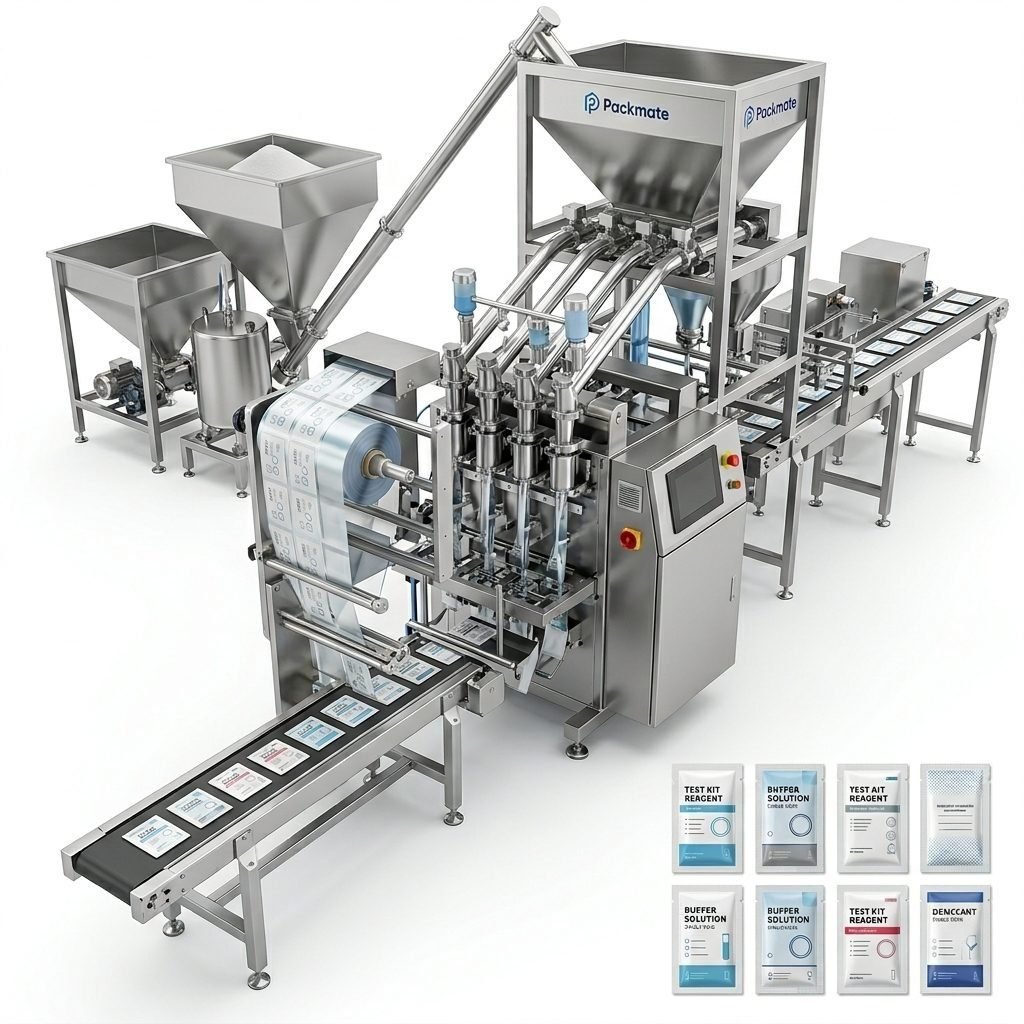
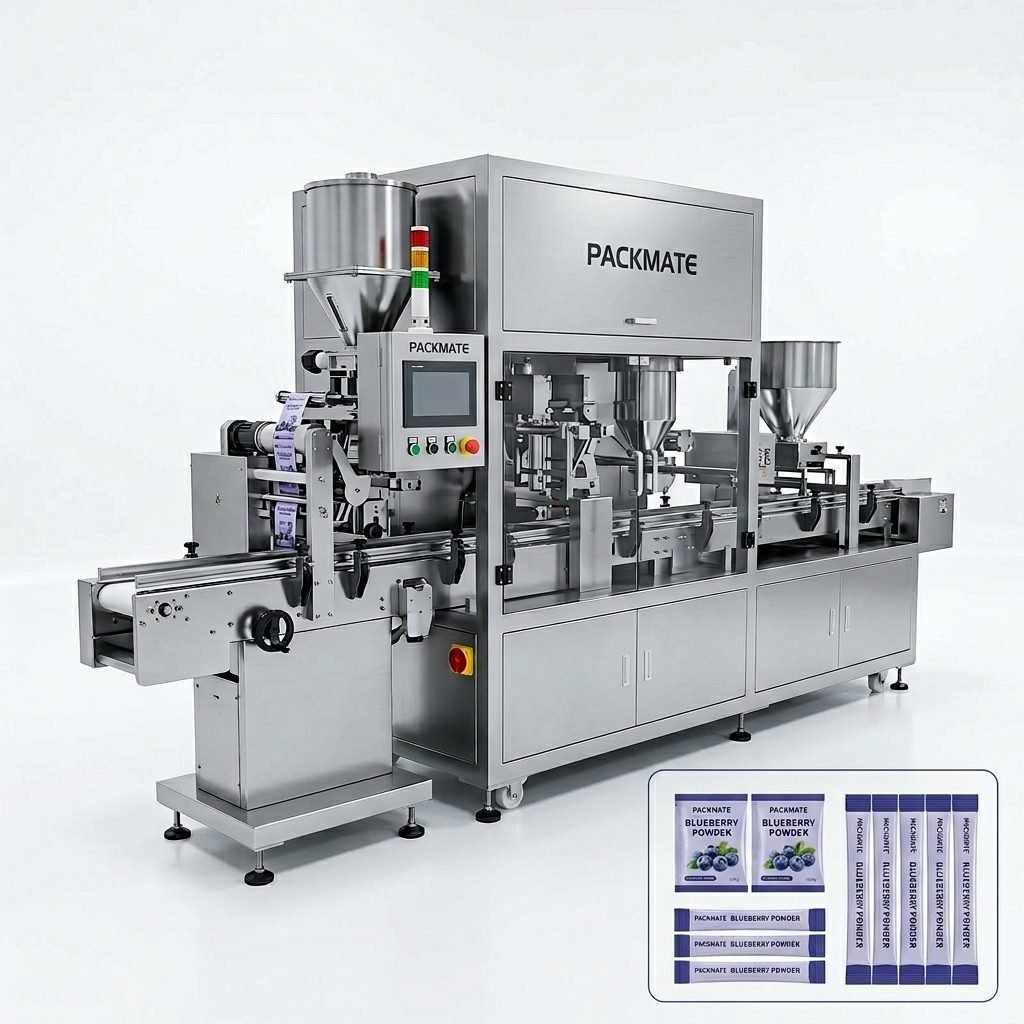
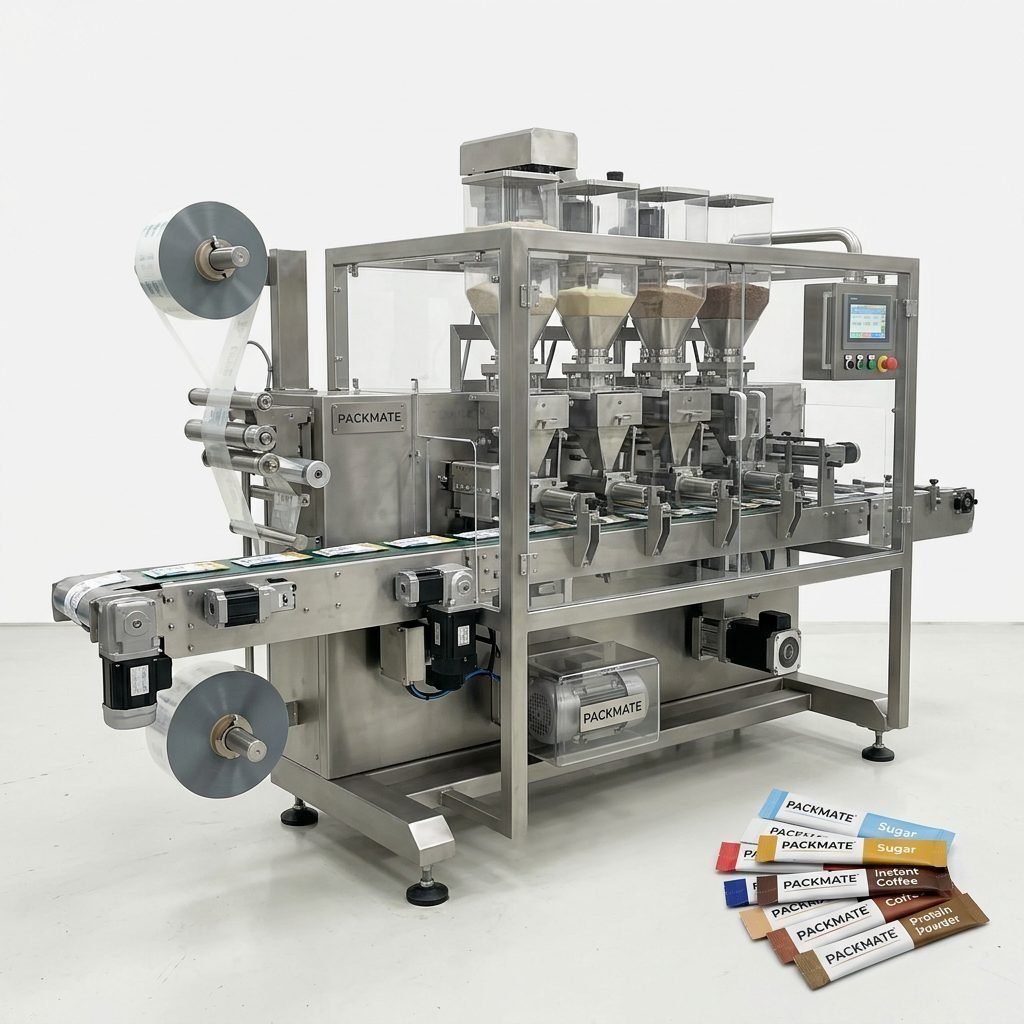
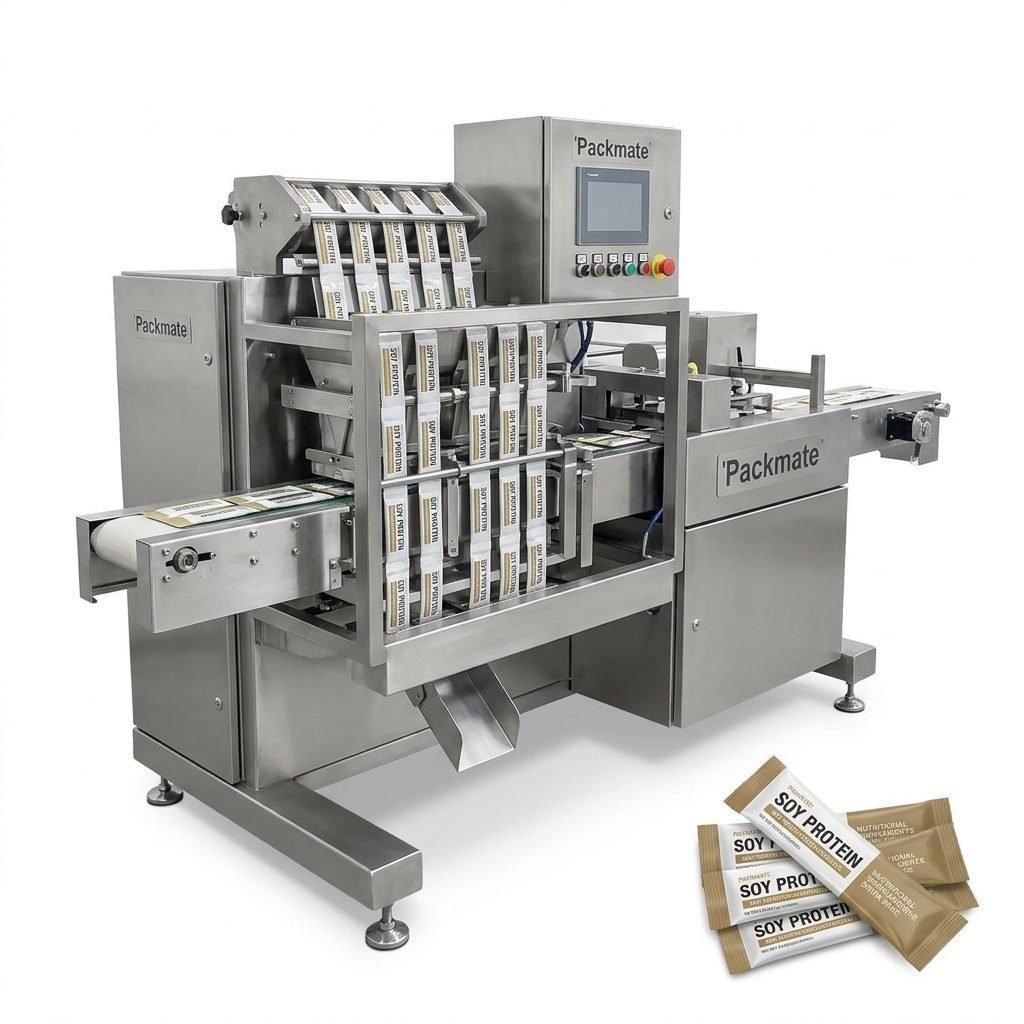
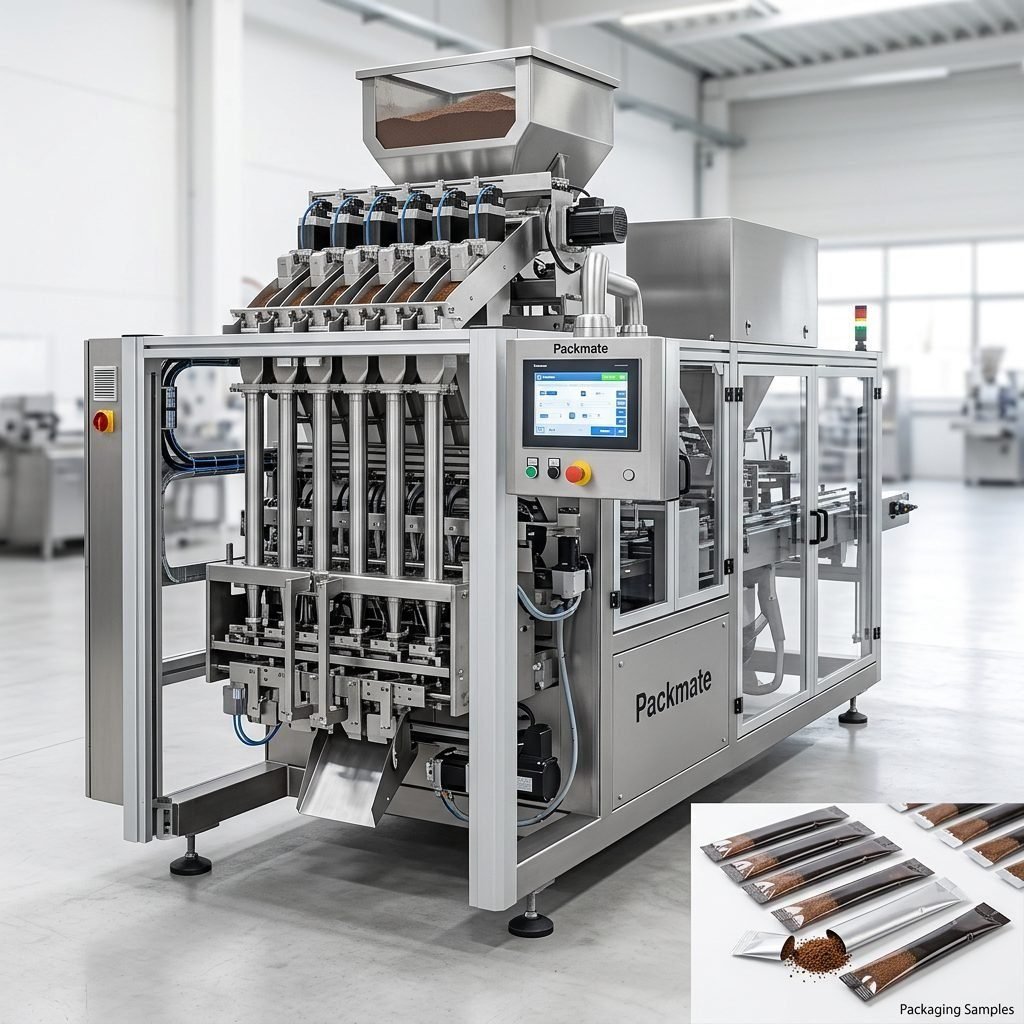
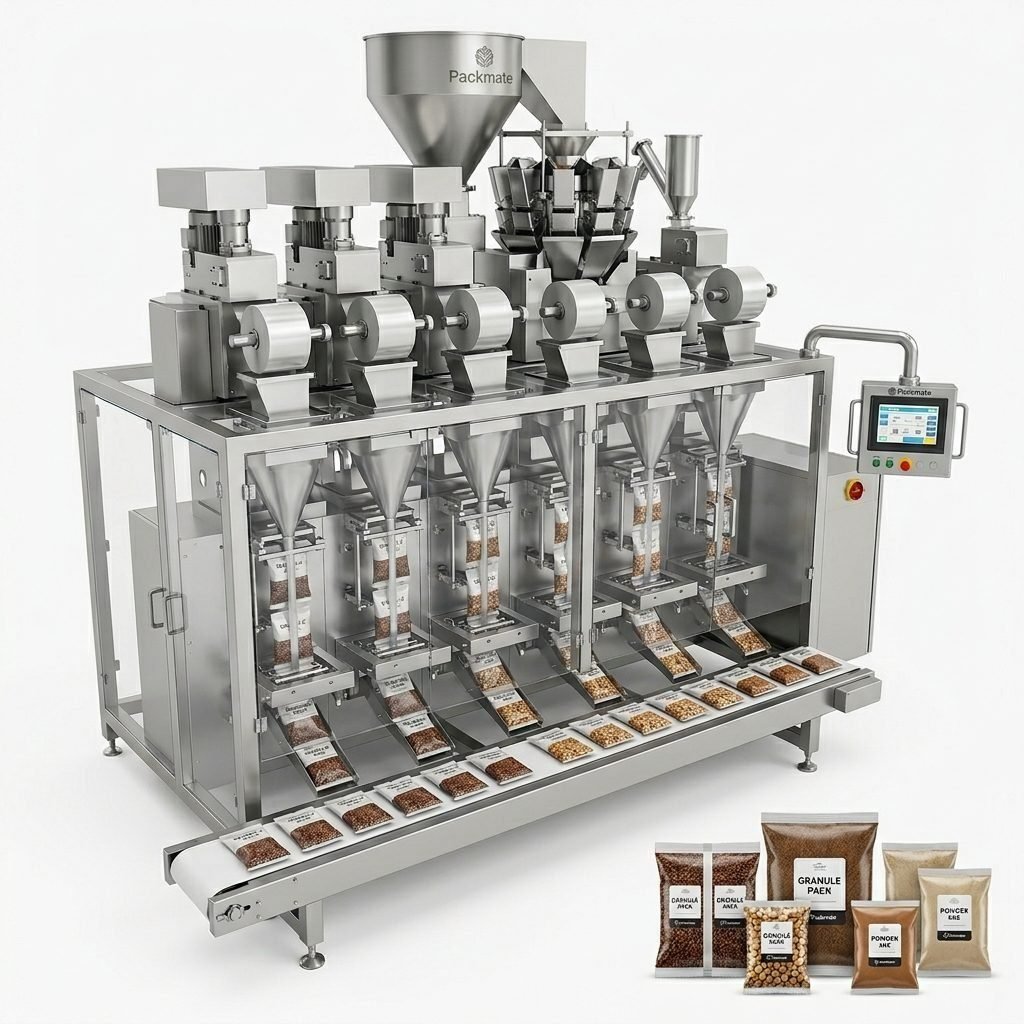
Assess whether the manufacturer’s portfolio matches your specific product format (powders, granules, liquids, pastes) and required output speed. For Italian firms producing portion-controlled items like espresso coffee, single-serve sauces, or pharmaceutical powders, multi-lane stick pack and sachet machines are particularly relevant.
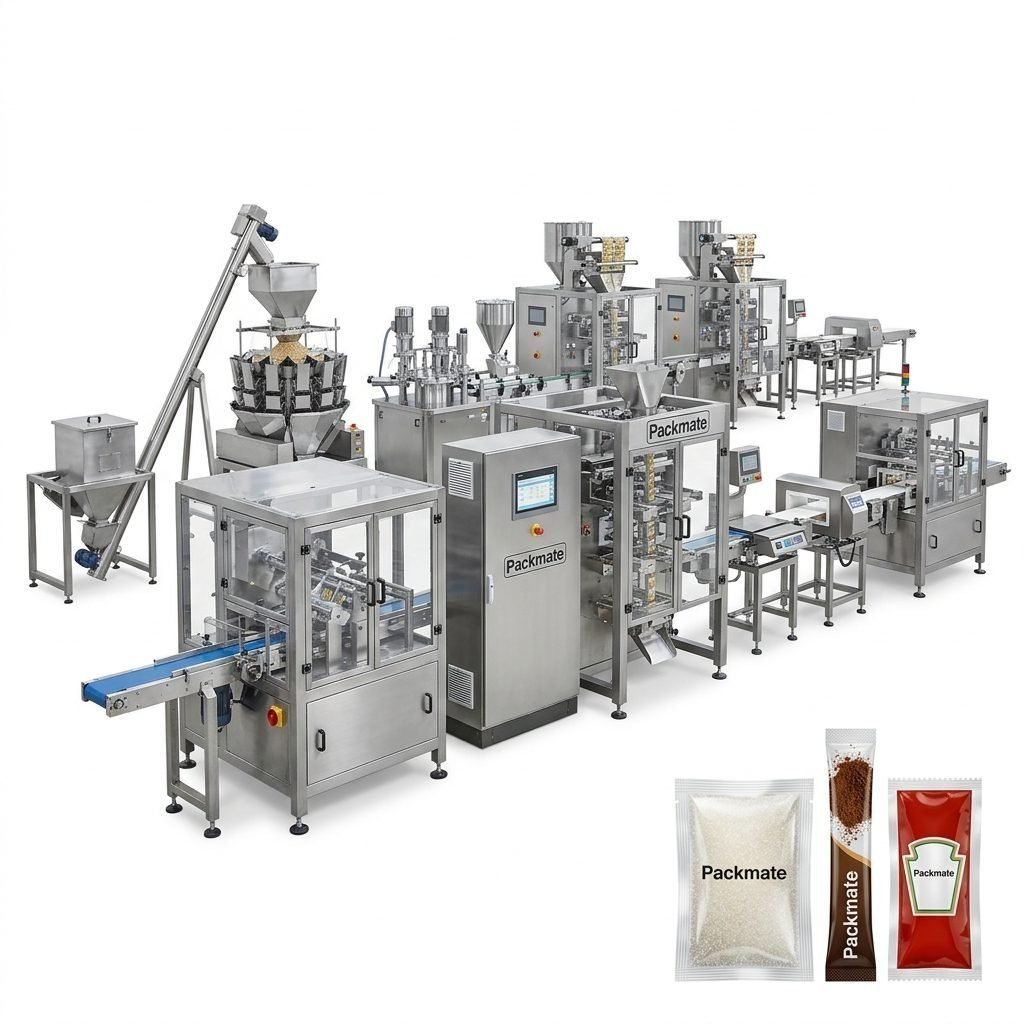
Consider if you need a standalone machine or a complete turnkey packaging line with integrated feeding, weighing, and cartoning. Manufacturers with strong line integration expertise can significantly simplify project management.
2. Manufacturing Quality & Compliance
Inspect the build quality, materials used (e.g., food-grade stainless steel), and precision of critical components like dosing systems and sealers. Reputable manufacturers will have certifications (ISO, CE) and experience designing machines that meet EU safety and hygiene directives. Request detailed documentation and, if possible, arrange a visit to their facility or an existing client site in Europe.
3. Customization & Engineering Support
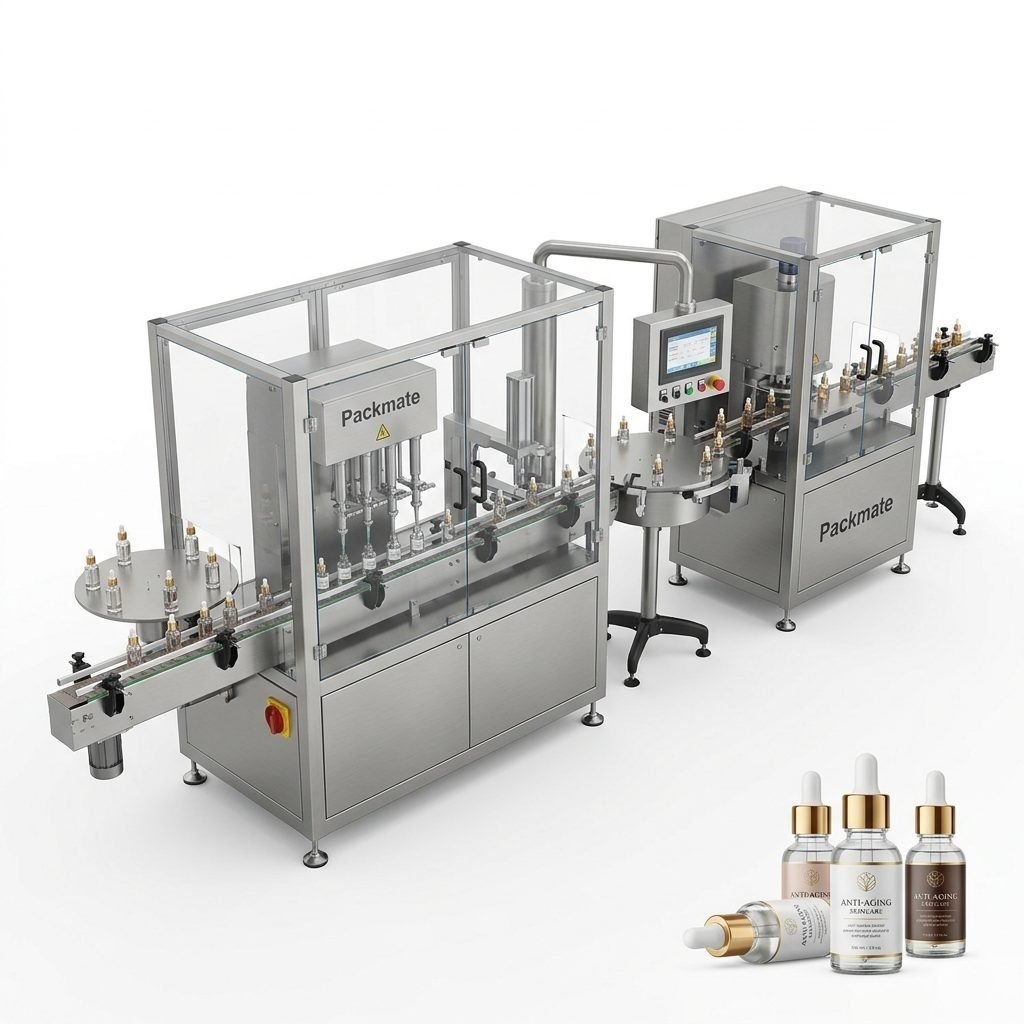
Standard machines may not suit unique product characteristics or packaging materials. Evaluate the manufacturer’s ability to provide non-standard and customized solutions. This includes adapting to specific bag sizes, shapes, materials (including recyclable or compostable films), and integrating with other line equipment. A partner with a dedicated engineering team is crucial for complex projects.
Companies like PackingMachineOEM often highlight their flexibility in this area, which can be vital for Italian brands with distinctive packaging needs.
4. After-Sales Service & Local Presence
For Italian businesses, support within a reasonable time zone is critical. Investigate:
- Availability of technical support in English or Italian.
- Location of spare parts warehouses in Europe.
- Training provisions for your operators.
- Service contract options and typical response times.
A manufacturer with a strong export footprint across Europe is more likely to have established service networks and understand regional logistics.
5. Total Cost of Ownership (TCO)
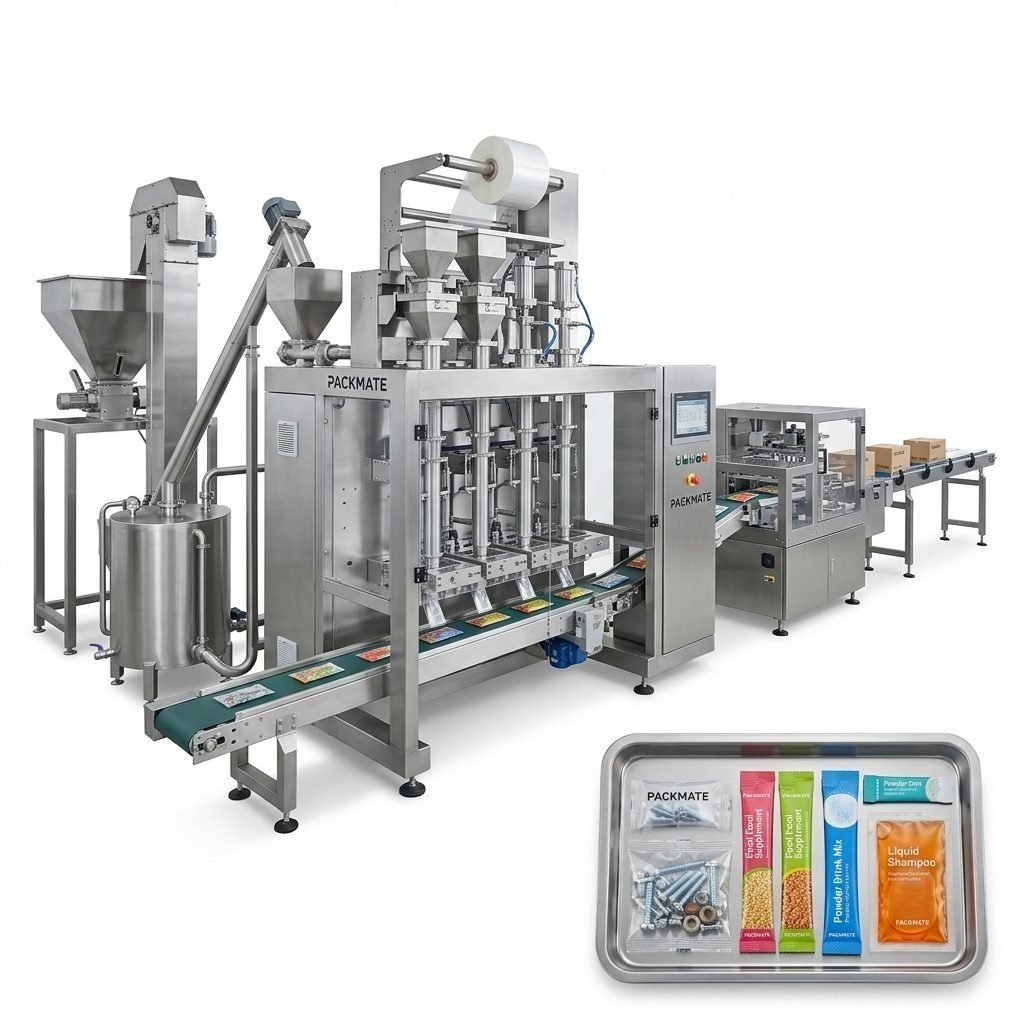
Look beyond the initial purchase price. Calculate TCO by factoring in:
| Cost Component | Considerations for Italian Buyers |
| Energy Consumption | Efficient machines reduce long-term operational costs. |
| Material Waste | Precision dosing and sealing minimize product and film waste. |
| Maintenance & Spare Parts | Predictable costs and part availability within Europe. |
| Uptime & Reliability | High machine stability prevents costly production stoppages. |
Why Consider International Manufacturers?
While Italian and European machine builders are excellent, many companies in Italy also source from internationally competitive manufacturers, particularly from China, which offers advanced technology at competitive price points. Key advantages include:
Advanced Technology at Scale: Leading exporters invest heavily in R&D, offering technology comparable to European brands.
Cost-Effectiveness: Significant savings on capital expenditure without necessarily sacrificing core performance.
Broad Product Range: Many suppliers offer extensive catalogs, from single machines to complete lines, providing a one-stop-shop solution.
Export Experience: Established exporters are adept at handling international logistics, documentation, and providing English-language support.
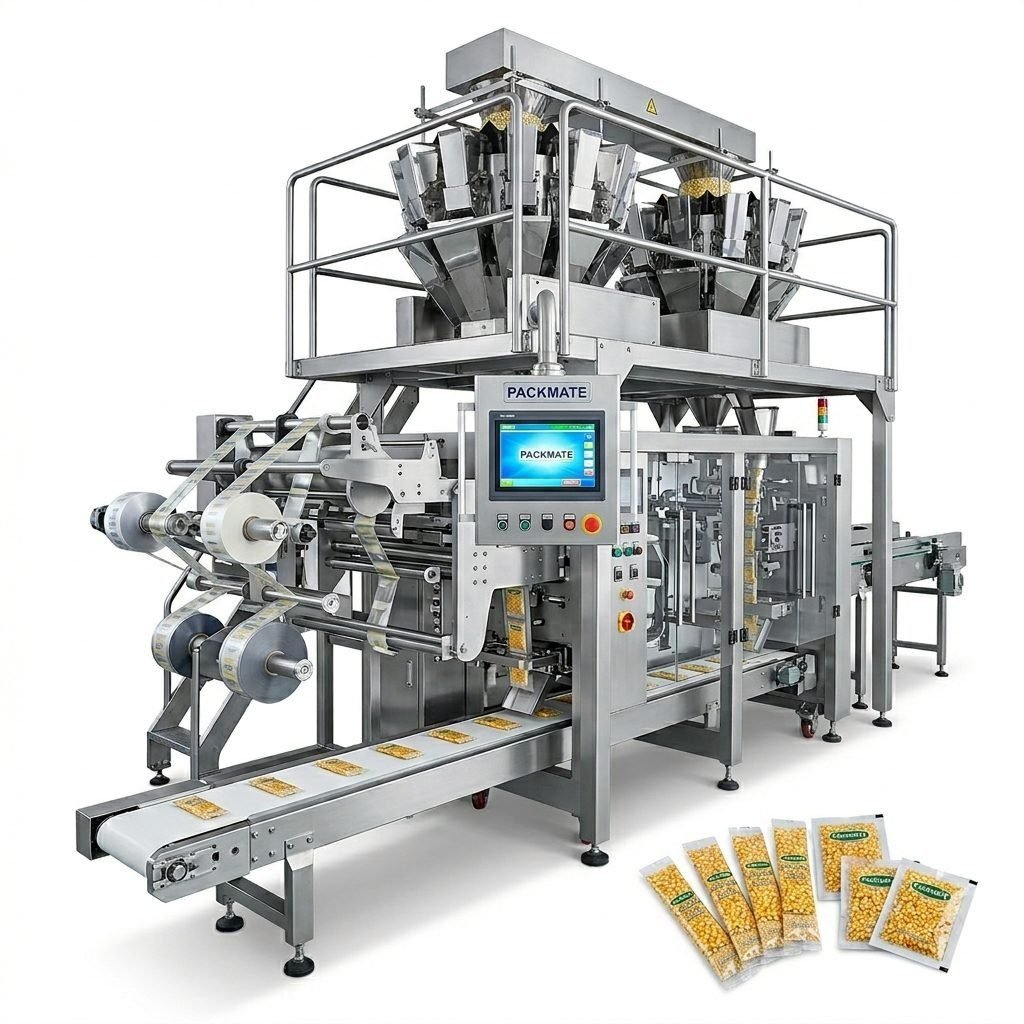
For instance, a manufacturer like Packmate Machinery, with over 30 years of experience and exports to Europe, can offer a balanced solution combining reliability with favorable cost performance.
Niche Applications: The Case for Specialists
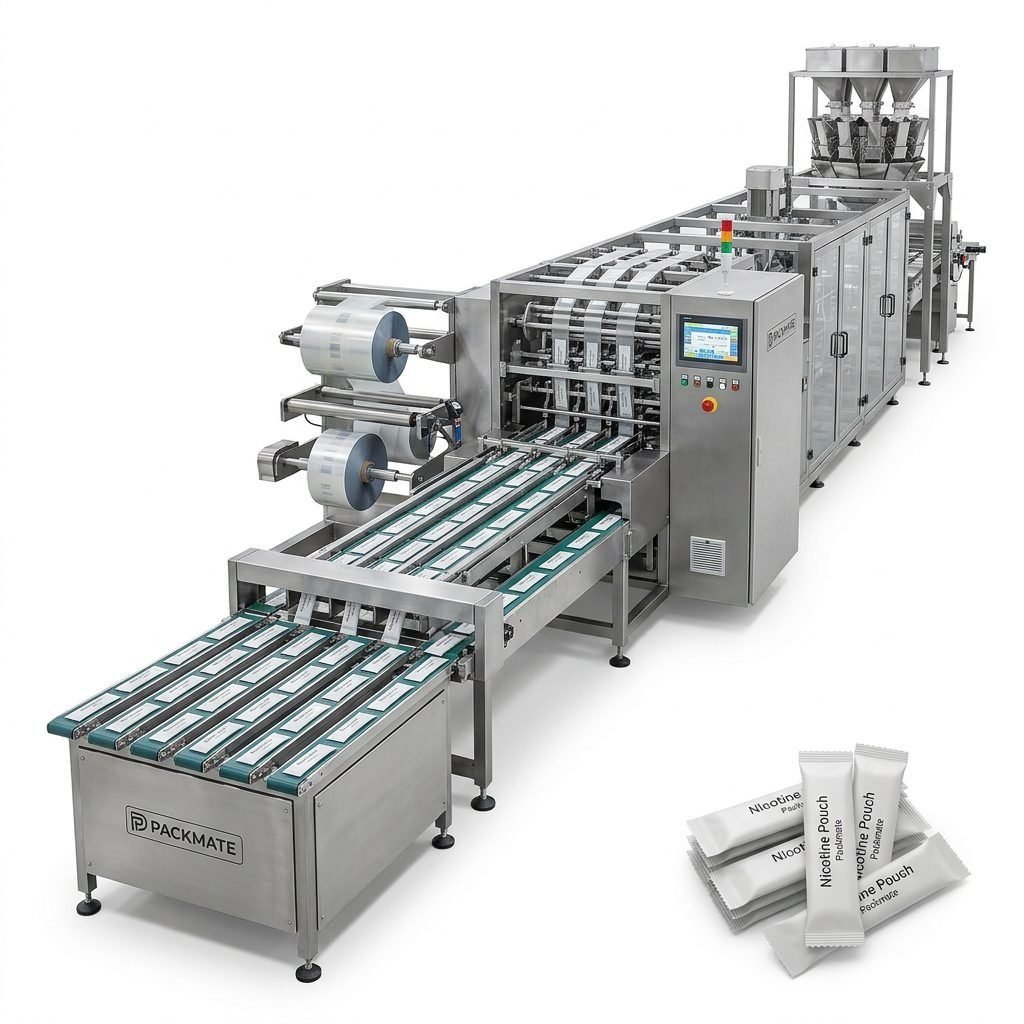
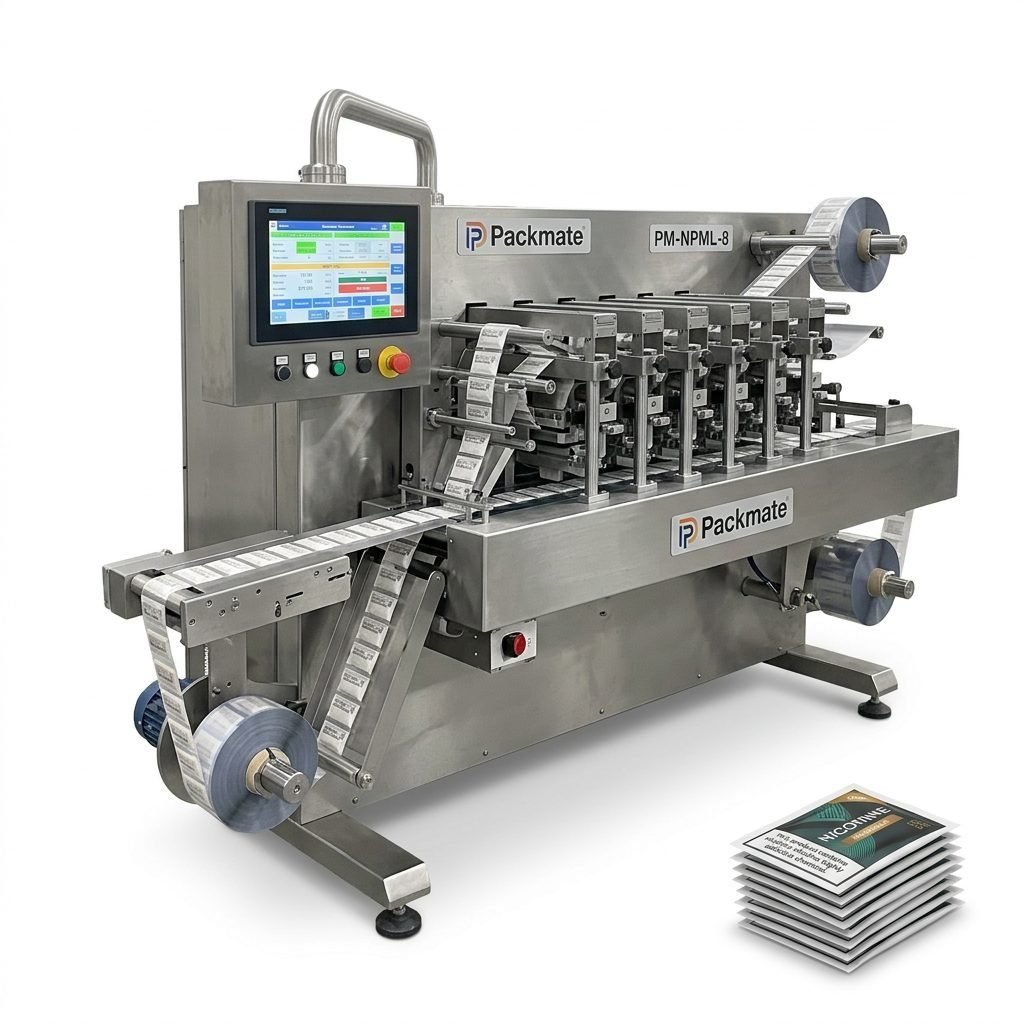
For products with very specific requirements, a specialized manufacturer can be the best choice. In Italy, the growing nicotine pouch and snus sector demands machines with precise dosing, high-speed pouch formation, and strict hygiene controls. A supplier focused on this niche, such as SnusMachinery, brings dedicated application knowledge that generalist manufacturers may lack.
Similarly, for complex turnkey projects requiring deep integration, a manufacturer whose core focus is complete packaging lines may provide superior project management and engineering support compared to a supplier of primarily standalone units.
The Selection Process: A Step-by-Step Approach
- Define Requirements: Detail your product, packaging format, desired output (bags/min), factory layout, and budget.
- Shortlist Suppliers: Research online, attend trade fairs (like Ipack-Ima in Milan), and seek referrals. Focus on manufacturers with proven experience in your industry and with exports to Italy or the EU.
- Request Proposals: Provide all requirements and request detailed quotations, including machine specifications, delivery terms, and service plans.
- Due Diligence: Ask for client references in similar industries, especially within Europe. Review company history, factory audits, and certification documents.
- Final Evaluation: Compare proposals based on TCO, technical fit, support structure, and overall confidence in the partnership. A video demonstration or factory tour is highly recommended.
Frequently Asked Questions (FAQs)
Q1: How important is it for the manufacturer to have a local agent or office in Italy?
While not mandatory, a local agent or European service center greatly facilitates communication, spare parts logistics, and emergency service. For critical production lines, this local presence can significantly reduce downtime risks.
Q2: Are Chinese packaging machines reliable for high-end Italian production?
Yes, many top-tier Chinese manufacturers produce machines that meet European standards for performance and hygiene. The key is to select established, export-focused companies with strong quality control systems and verifiable client references in demanding markets.
Q3: What is the typical lead time for a packaging machine from an overseas supplier?
Lead times vary from 30-90 days for standard models to 4-6 months for highly customized or complete turnkey lines. Clear communication about timelines and milestone-based payments is essential.
Q4: Can I get a machine customized for sustainable or biodegradable packaging materials?
Many leading manufacturers now offer solutions adaptable to compostable, recyclable, or paper-based films. Discuss your specific material specifications early in the design process to ensure the machine’s sealing, feeding, and forming systems are compatible.
Q5: What should be included in a comprehensive after-sales service agreement?
A good agreement covers machine installation supervision, operator training, a warranty period (typically 12-18 months), access to technical support, a clear spare parts supply chain, and optionally, scheduled preventive maintenance visits.