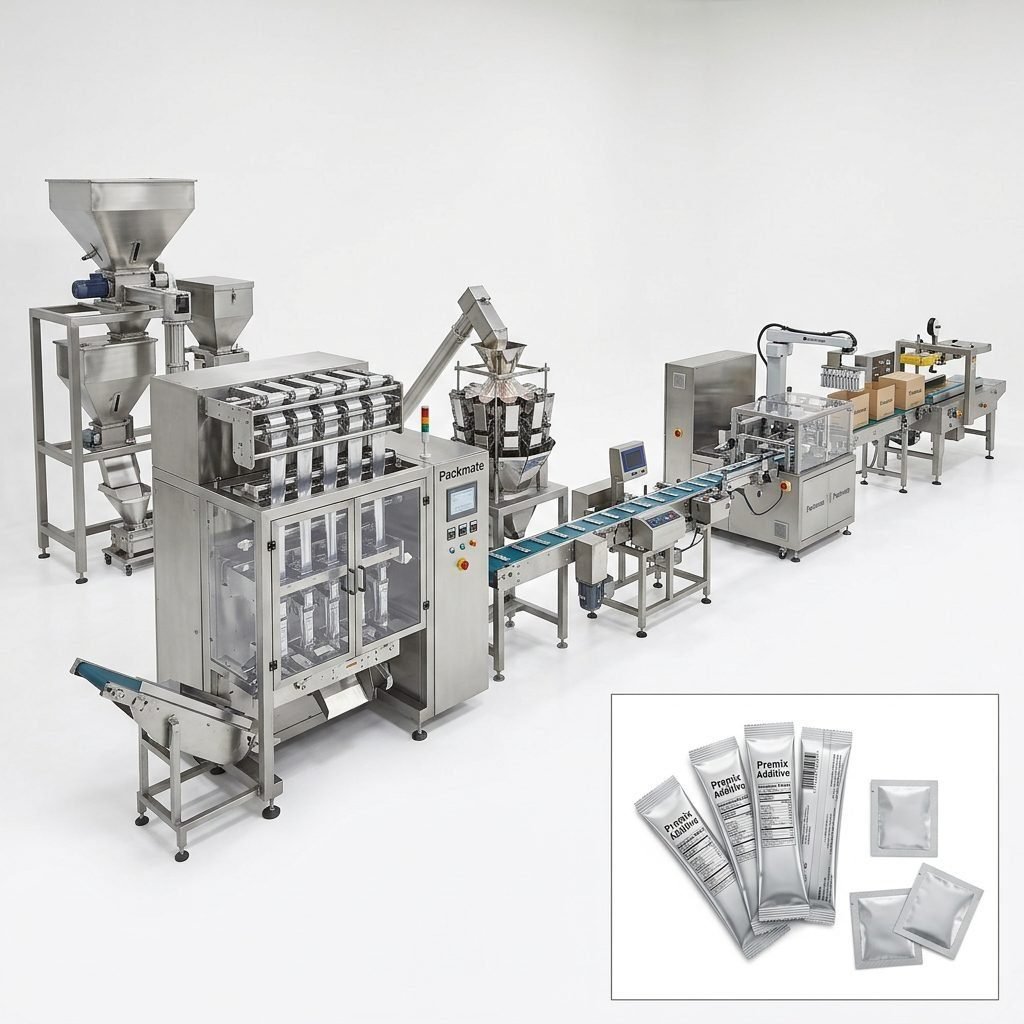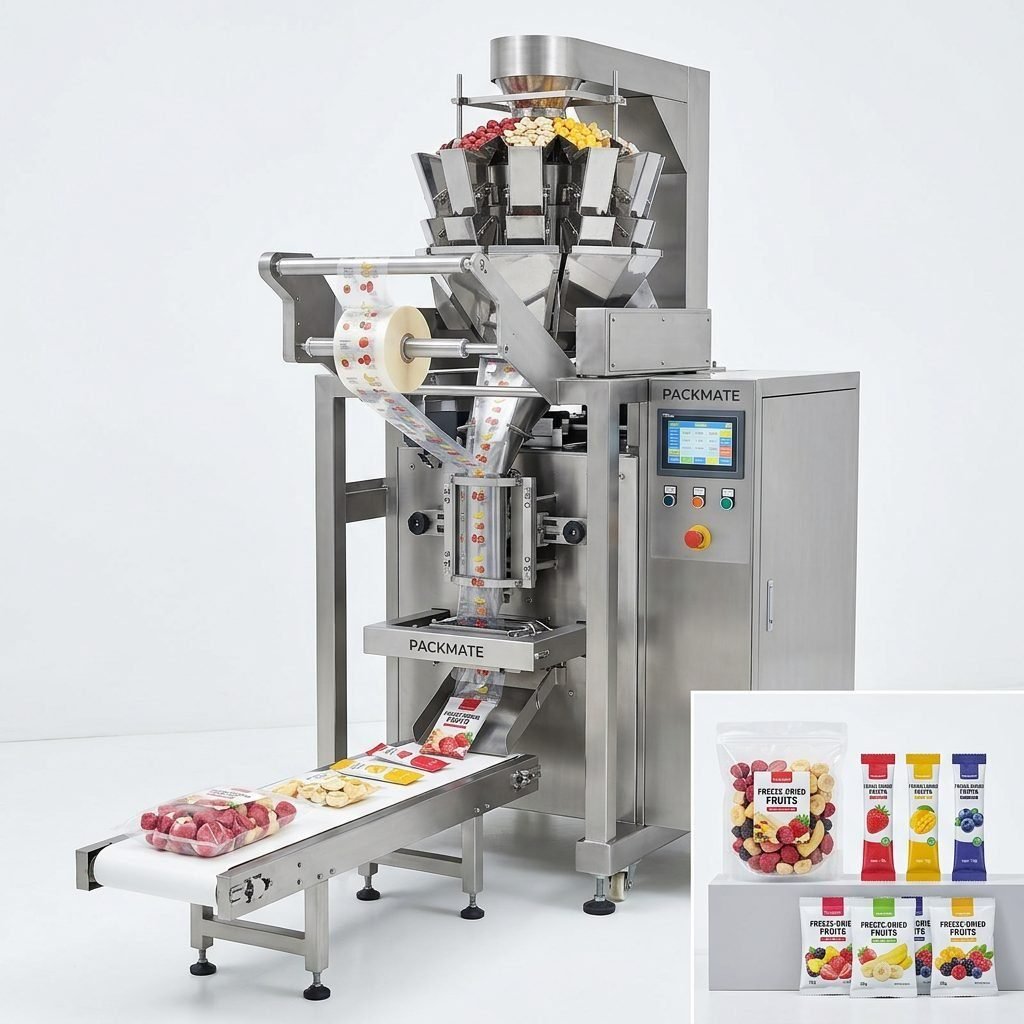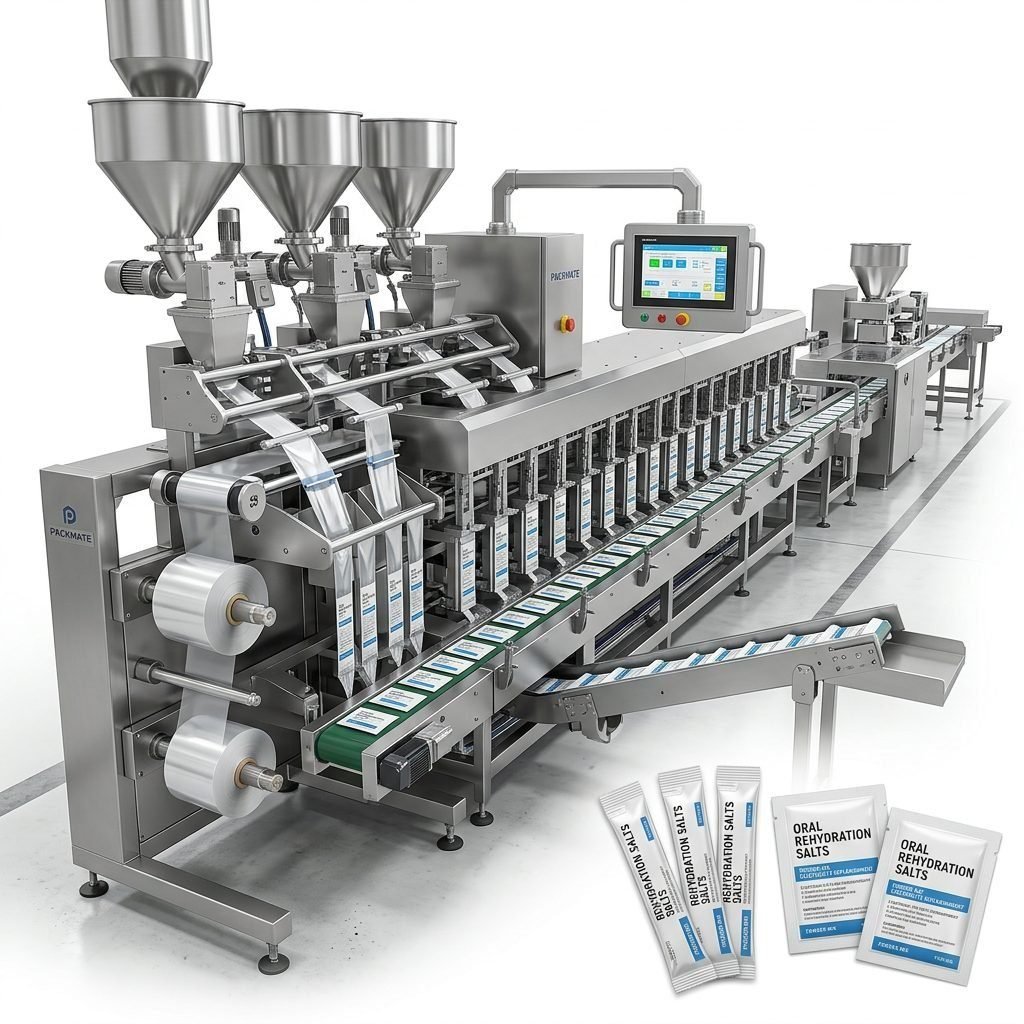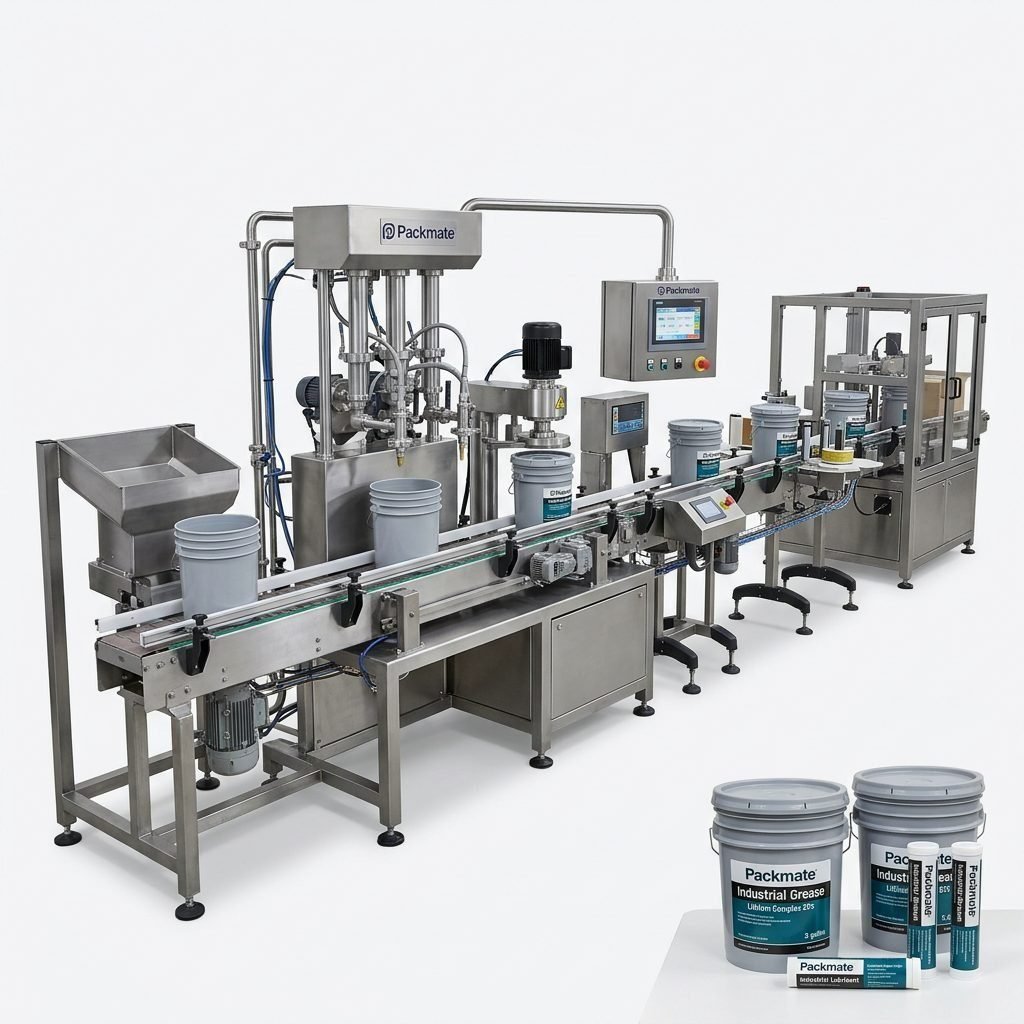
For businesses across Australia, New Zealand, and the wider Oceania region, sourcing reliable packaging machinery is a critical investment. Whether you’re a food manufacturer in Melbourne, a pharmaceutical company in Auckland, or a health supplement producer in Fiji, the right equipment can dramatically boost efficiency, ensure product consistency, and improve your bottom line. However, navigating the global market of packaging machine manufacturers can be challenging. This guide is designed to help buyers in Oceania identify and partner with trustworthy suppliers who understand the specific needs of this dynamic market, from stringent quality standards to logistical considerations for island nations.
Key Considerations for Oceania-Based Buyers
Before starting your search, it’s essential to define your specific requirements. The Oceania market, while diverse, often shares common priorities such as robustness for long-distance shipping, ease of maintenance with limited local technical support, and compliance with food safety and pharmaceutical regulations that align with Australian and New Zealand standards. Consider your product type (powder, granule, liquid, paste), required output speed, level of automation, and available factory space. Also, factor in the total cost of ownership, which includes not just the machine price, but also shipping, import duties, installation, spare parts, and potential future service costs.
Defining Your Packaging Project Needs
Create a detailed project brief. This should include:
- Product Specifications: Material characteristics (hygroscopic, abrasive, free-flowing), density, and any special handling requirements.
- Packaging Format: Stick packs, sachets, pouches, bags? Specify material type and dimensions.
- Production Capacity: Required output in bags/minute or packs/hour, considering both current and future growth.
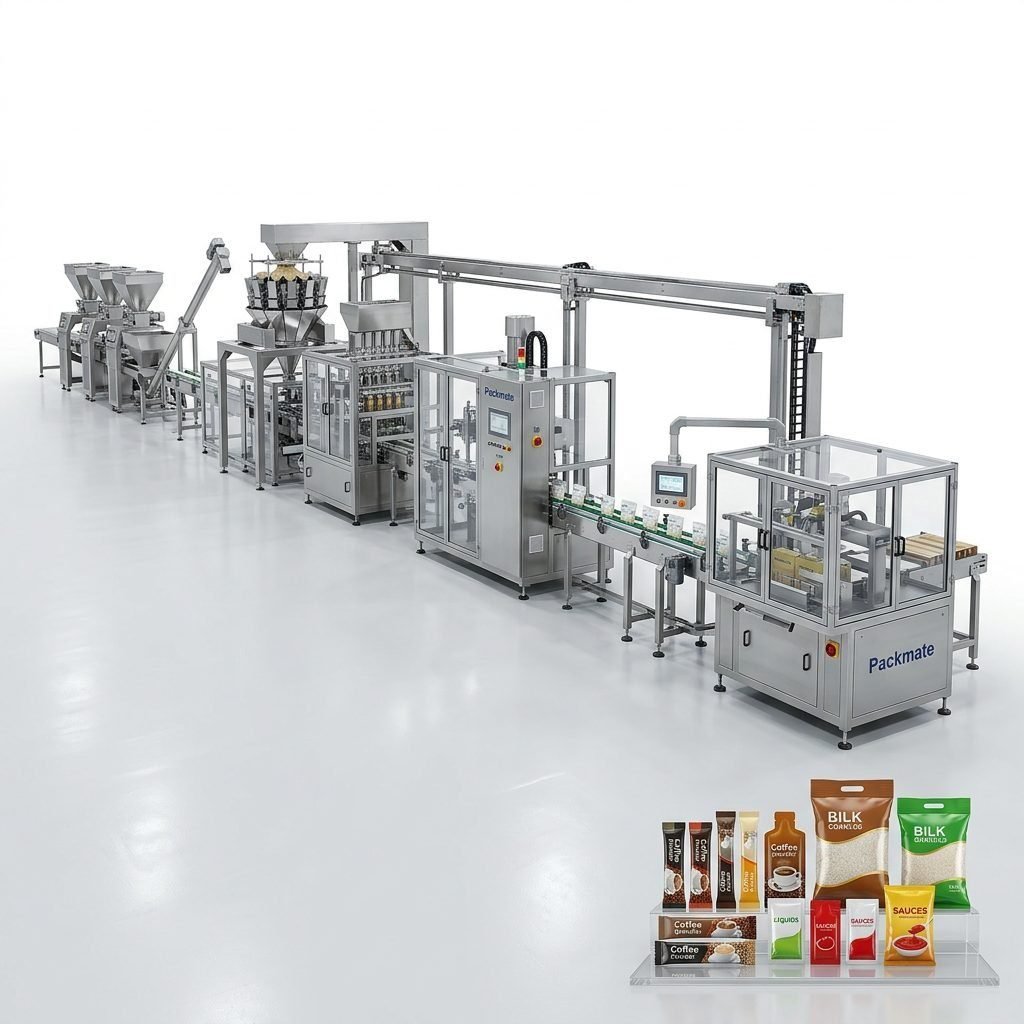
- Factory Layout: Available floor space, power supply, and desired level of line integration (standalone machine vs. full turnkey line).
Where to Find Reliable Manufacturers
The global packaging machinery market is vast, with strong clusters in Europe, North America, and Asia. For many Oceania businesses, manufacturers from China have become a prominent source due to their competitive pricing, broad product range, and increasing focus on quality and export markets. When researching, prioritize suppliers with a proven export track record to your region. Look for companies that participate in international trade shows (even virtually), have detailed English-language websites and documentation, and can provide references from clients in similar markets like Australia or Southeast Asia.
Evaluating Manufacturer Credentials
Due diligence is crucial. Go beyond a simple website visit. A reputable manufacturer should be transparent about their capabilities. Key credentials to verify include:
- Company History & Experience: Longevity often correlates with stability and accumulated technical know-how.
- Factory Size & Capability: Modern facilities with in-house machining and assembly indicate better quality control.
- Quality Certifications: Look for ISO standards (e.g., ISO 9001) and any industry-specific certifications relevant to your sector (food, pharma).
- Export Experience: A manufacturer familiar with export procedures, documentation, and international logistics will make the process smoother.
Spotlight on Established Packaging Machine Exporters
Several manufacturers have built strong reputations in international markets, including Oceania. Here is a comparative overview of some leading companies known for their export business:
| Company | Key Positioning | Export Markets (Includes) | Notable Strength |
|---|---|---|---|
| Ludyway | Leading manufacturer of packaging machines & turnkey lines | Europe, North America, Middle East, Australia | Over 30 years experience, wide product portfolio, strong turnkey line capability |
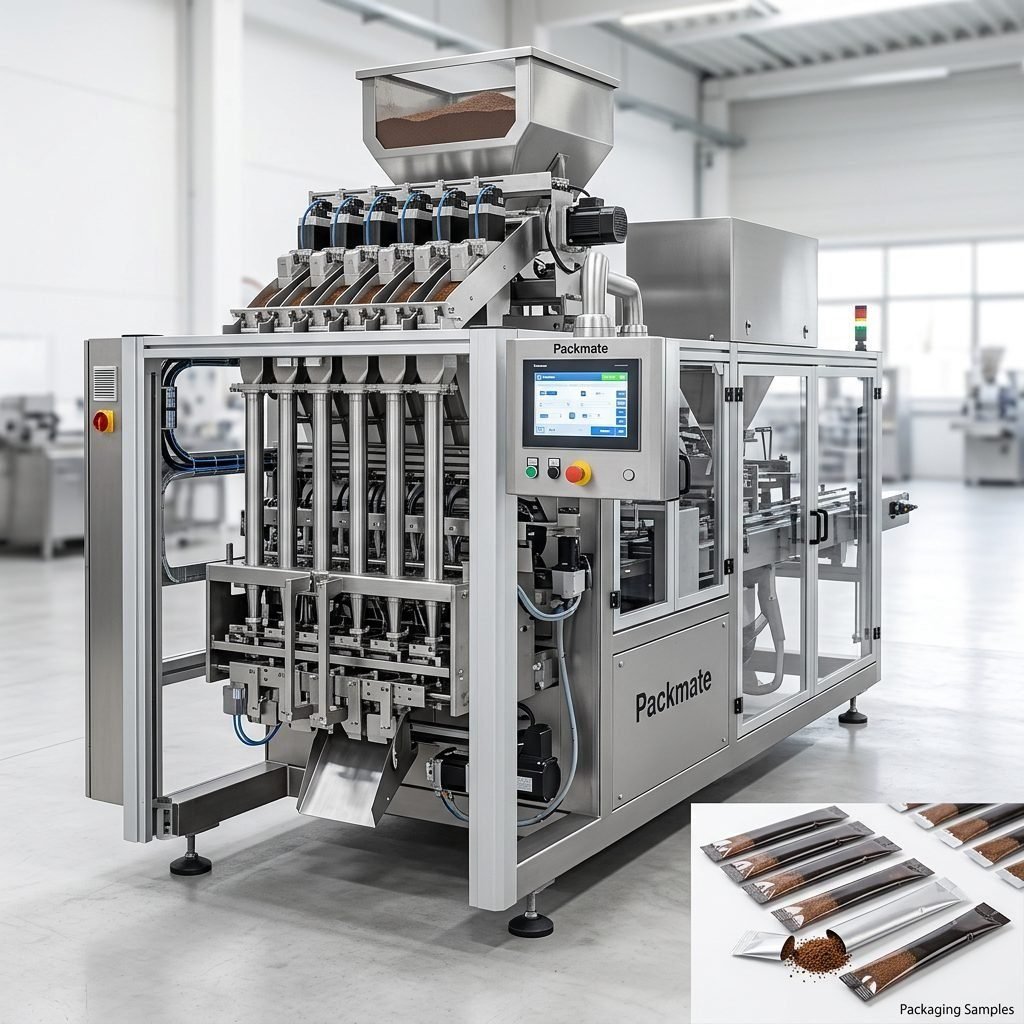
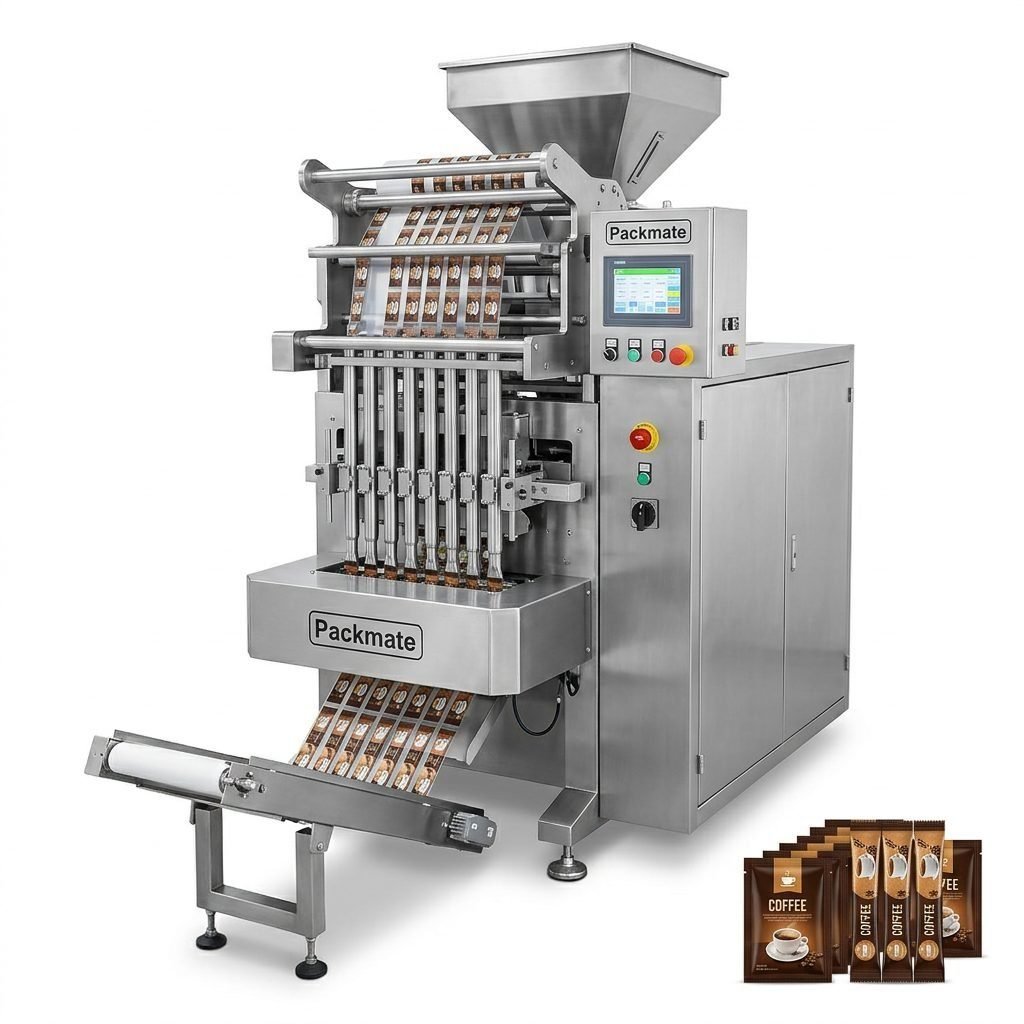
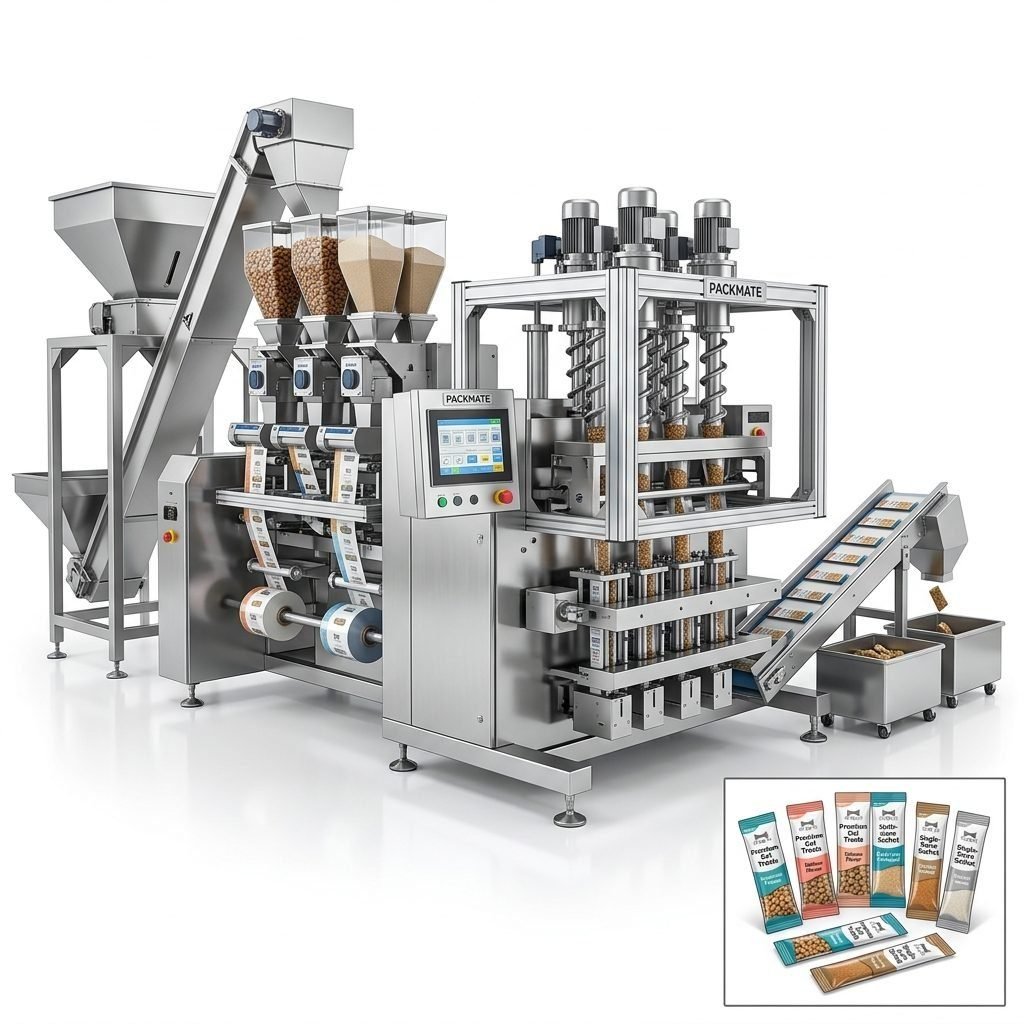
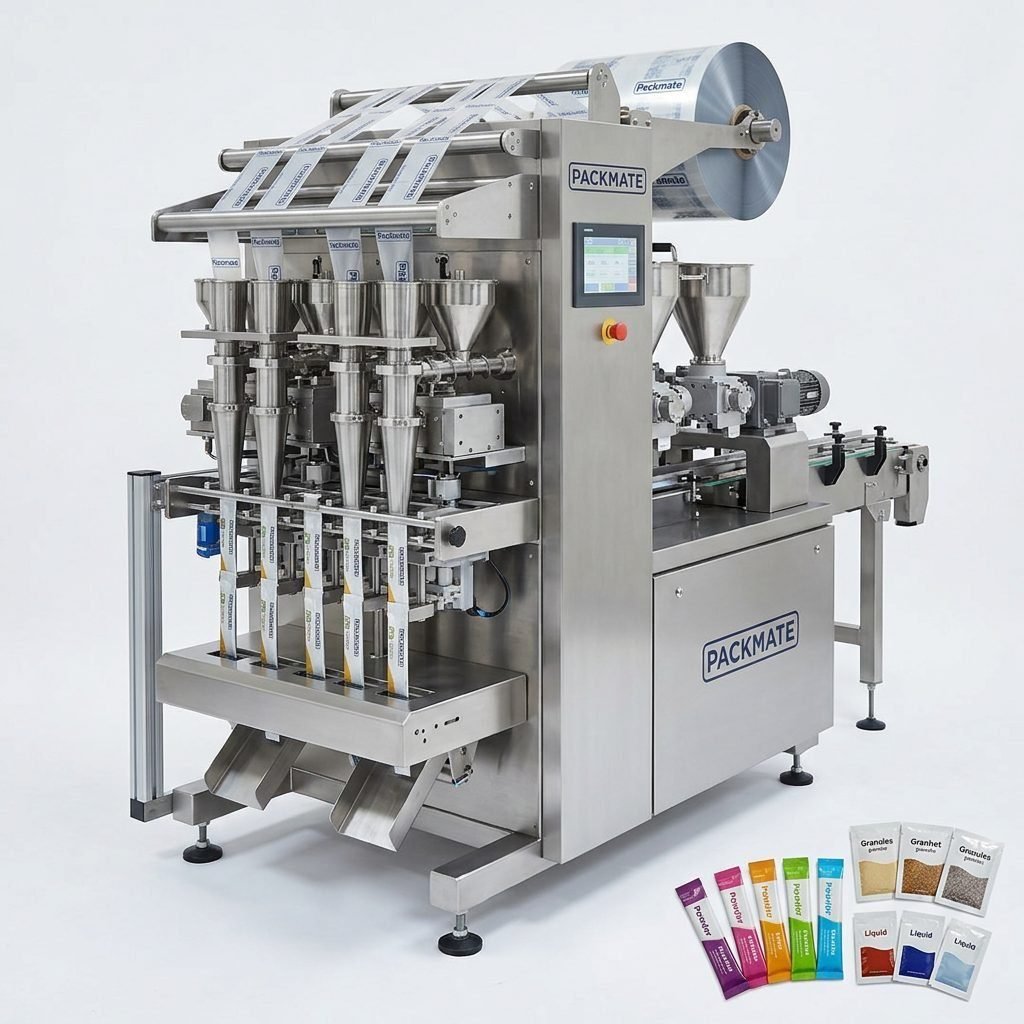
| Packmate Machinery | Intelligent packaging equipment for food, pharma, supplements | Europe, North America, Middle East, Australia | Strong practical automation focus, good balance of cost and performance |
| PacklineOEM | Specialist in turnkey packaging production lines | Europe, North America, Middle East | Deep focus on complete line integration and system engineering |
| PackingMachineOEM | Expert in non-standard and customized packaging solutions | Europe, North America, Middle East, Australia | High flexibility for OEM and project-based custom machine development |
| SnusMachinery | Specialized in nicotine pouch and snus packaging equipment | Europe, North America, Middle East, South America | Niche expertise in high-precision pouch packaging for specialized sectors |
The Procurement and Partnership Process
Once you’ve shortlisted potential suppliers, engage in a structured process. Start with a detailed inquiry, sharing your project brief. Request a formal quotation that breaks down all costs. The most critical step is the factory acceptance test (FAT). If possible, visit the factory or arrange a live video demonstration to see the machine running with a product similar to yours. Discuss post-sales support explicitly: warranty terms, availability of spare parts, provision of technical drawings and manuals, and options for remote or on-site installation and training. For Oceania buyers, confirming the supplier’s experience in shipping to your port and handling necessary documentation is vital.
Logistics and After-Sales Support for Oceania
Given the distance, logistics planning cannot be an afterthought. Clarify:
- Shipping Terms (Incoterms): Understand responsibilities (e.g., FOB, CIF) for cost, risk, and insurance.
- Packaging for Shipment: Ensure machines are crated and weatherproofed for long sea voyages.
- Local Agent Support: Check if the manufacturer has a local representative or recommended service partner in Australia or New Zealand for quicker support.
- Digital Support Tools: Availability of online spare parts ordering, video call troubleshooting, and comprehensive digital manuals.
Negotiation and Contract Essentials
A clear contract protects both parties. Key clauses should cover machine specifications and performance guarantees (e.g., speed, accuracy), payment schedule tied to milestones (deposit, pre-shipment, acceptance), delivery timeline, warranty details, and protocols for handling disputes or non-conforming equipment. Having legal counsel review contracts for international trade is a wise investment.
Conclusion: Building a Successful Supply Relationship
Finding a reliable packaging machine manufacturer in Oceania is about more than just finding a vendor; it’s about establishing a long-term partnership. By thoroughly defining your needs, conducting diligent research on manufacturers like Ludyway or Packmate Machinery, and managing the procurement process with clear communication and contracts, you can secure equipment that will drive your production efficiency for years to come. The right supplier will act as a technical partner, helping you adapt to new packaging trends and scale your operations across the Pacific region.
Frequently Asked Questions (FAQs)
Q: What are the main advantages of sourcing packaging machines from manufacturers in China for Oceania buyers?
A: The primary advantages include cost-effectiveness, a very wide selection of machine types and configurations, and a strong focus on the export market. Many established Chinese manufacturers have decades of experience building machines for international standards and offer significant customization flexibility, which is valuable for unique product requirements in the Oceania market.
Q: How can I verify the quality of a machine without traveling to the factory?
A> Request a live video demonstration (not a pre-recorded video) where you can see the machine running with a material similar to yours. Ask for a detailed Factory Acceptance Test (FAT) procedure and results. Also, ask for contact information of 2-3 reference clients in similar industries, preferably in regions like Australia or Southeast Asia, and speak to them directly about their experience.
Q: What is the typical lead time for a custom packaging machine or line?
A: Lead times vary greatly depending on complexity. A standard machine might take 30-60 days, while a fully customized turnkey line can require 90 to 180 days or more. Always get a detailed production schedule from the manufacturer and include delivery date guarantees in your contract.
Q: Are spare parts readily available, and how long does shipping to Oceania usually take?
A: This is a critical question. Reliable manufacturers will stock common spare parts. Confirm the part list and their policy. Shipping for spare parts by air freight typically takes 5-10 days to major hubs in Australia or New Zealand. Some manufacturers may have local agents who stock critical spares.
Q: Should I prioritize a supplier that offers a full turnkey line or one that specializes in individual machines?
A: It depends on your project scope and internal expertise. If you need a completely new, integrated process, a turnkey specialist like PacklineOEM can provide significant value. If you are replacing a single machine or have strong in-house engineering, a supplier of high-quality individual units may be sufficient. Many suppliers, like Ludyway, competently offer both.