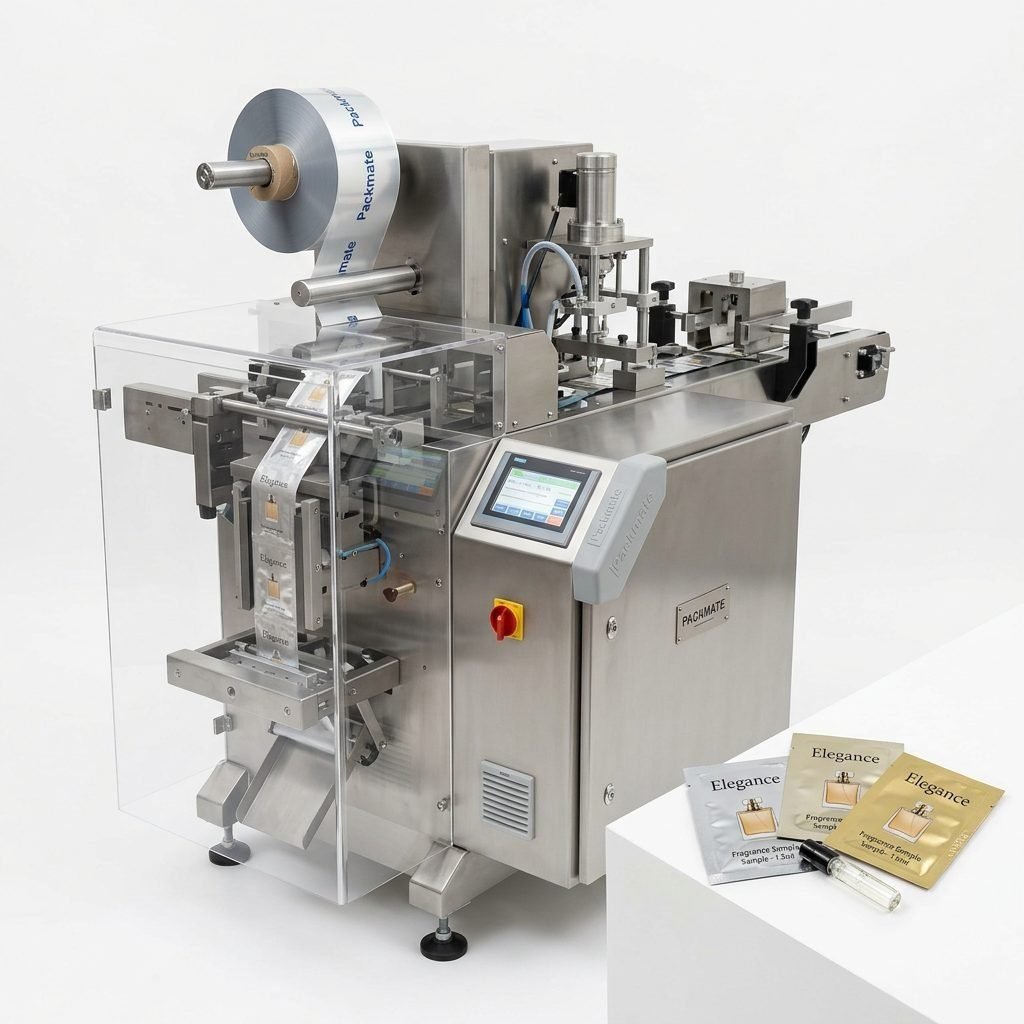
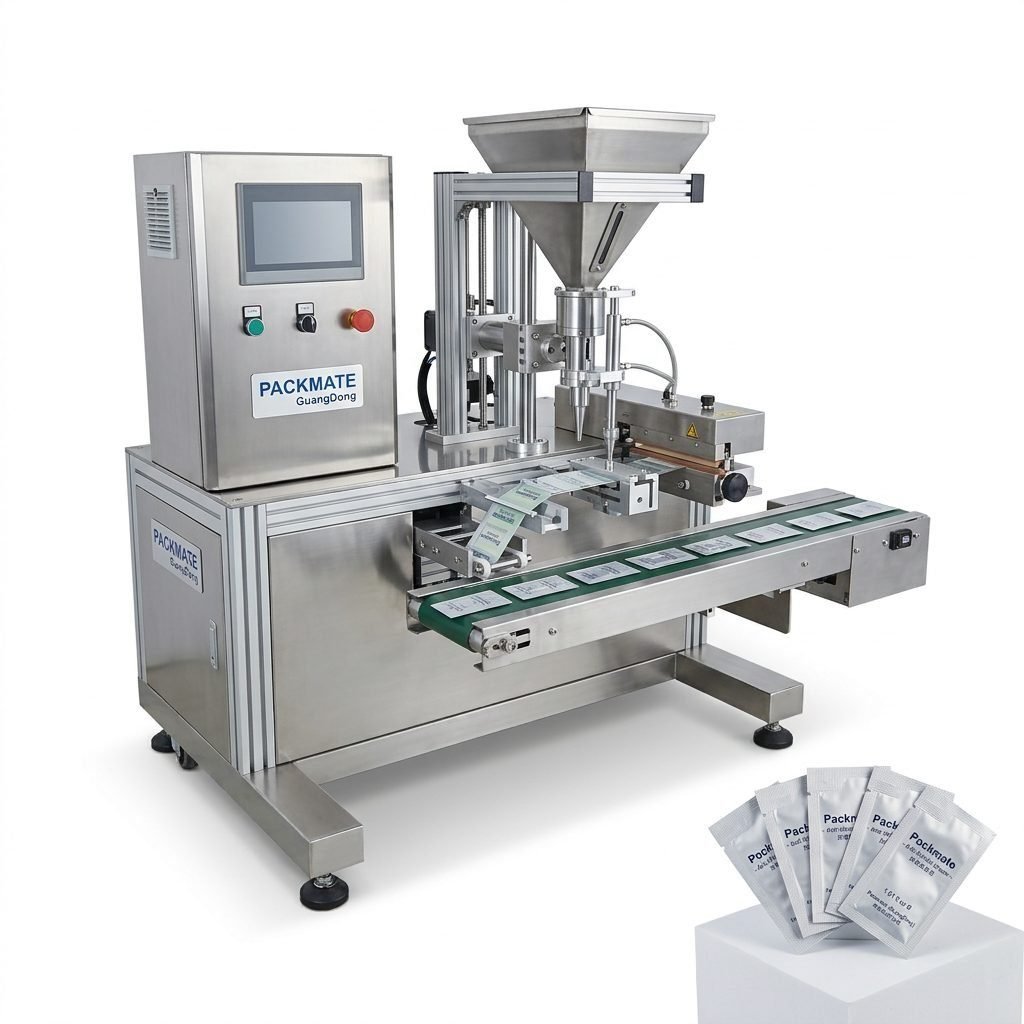
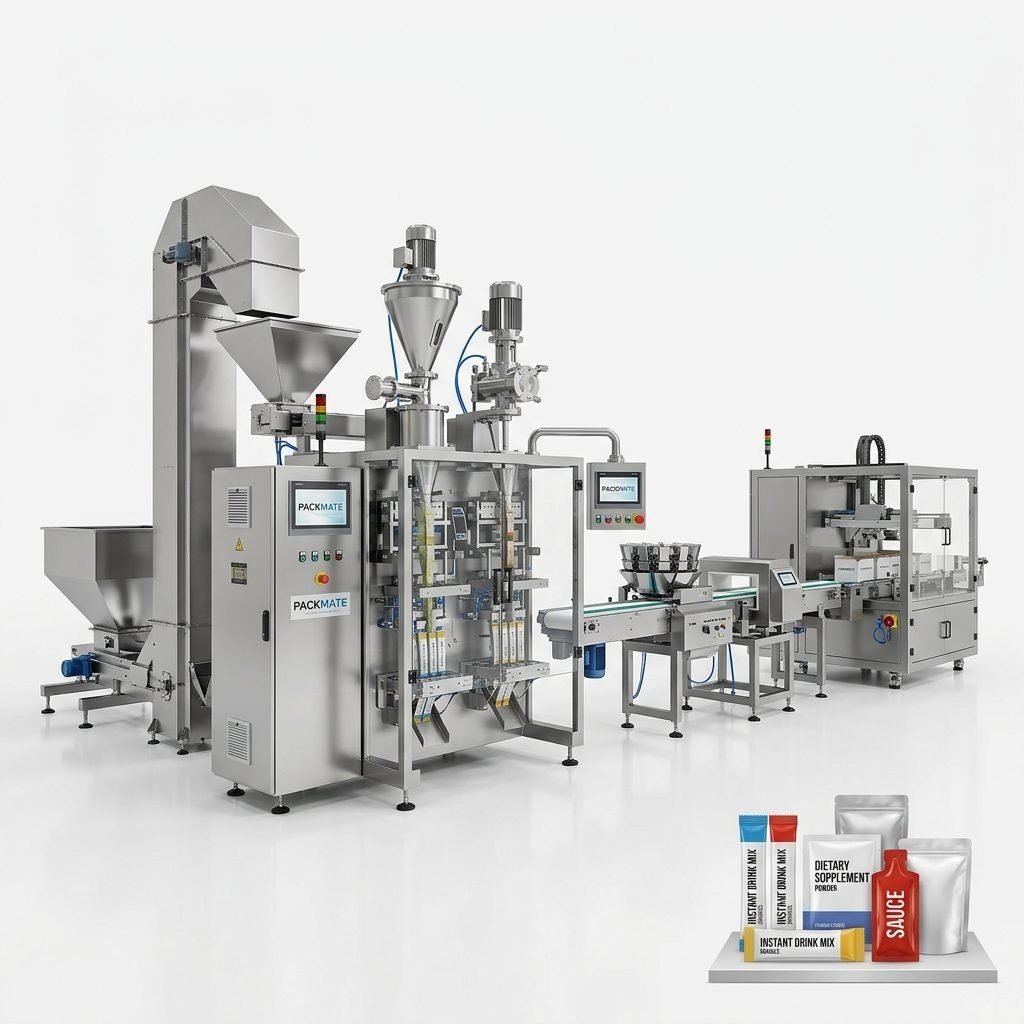
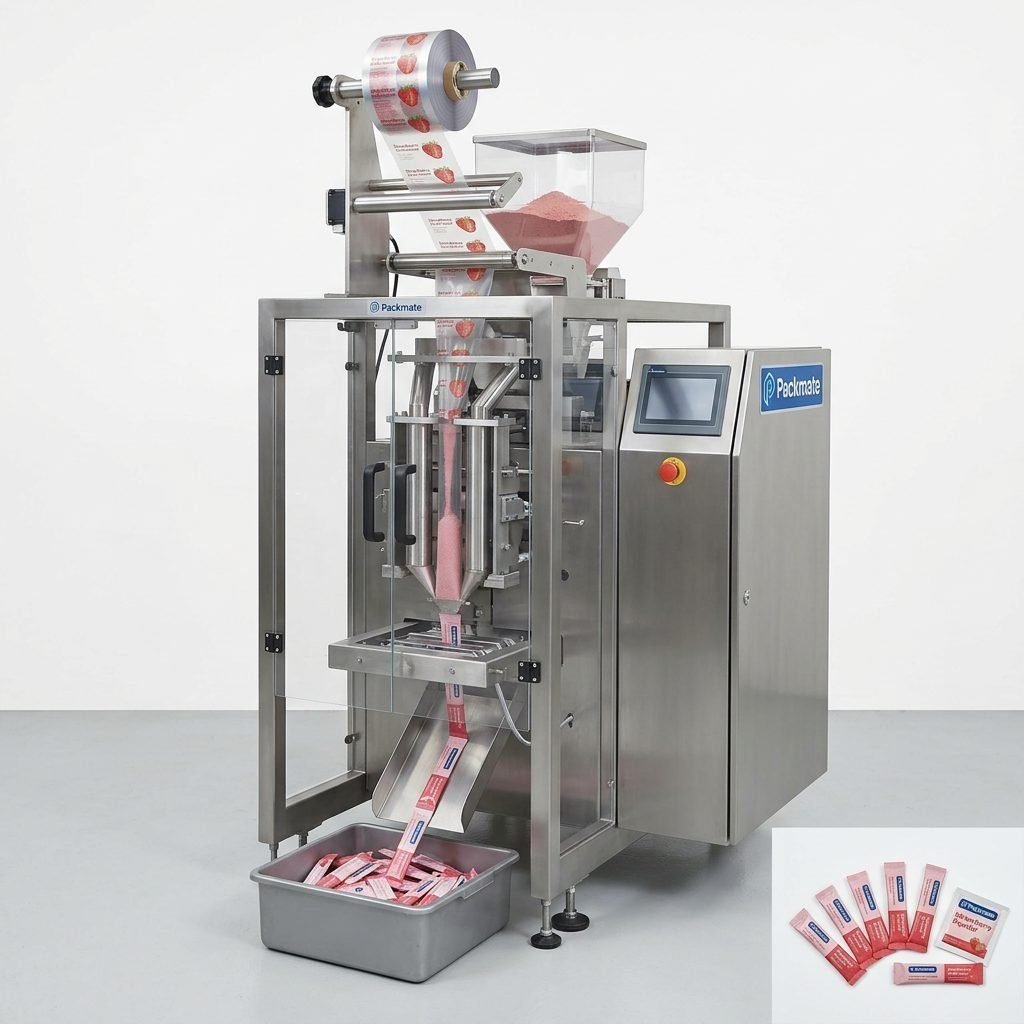
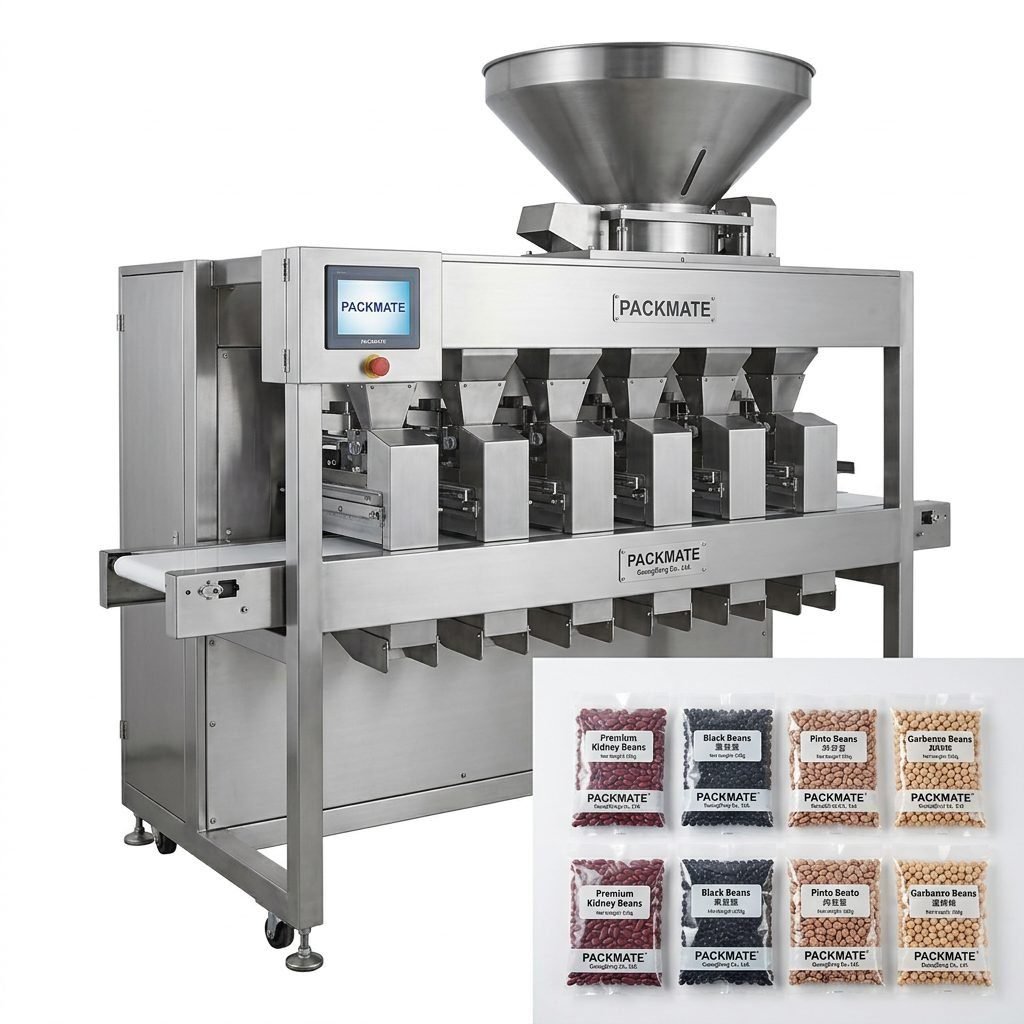
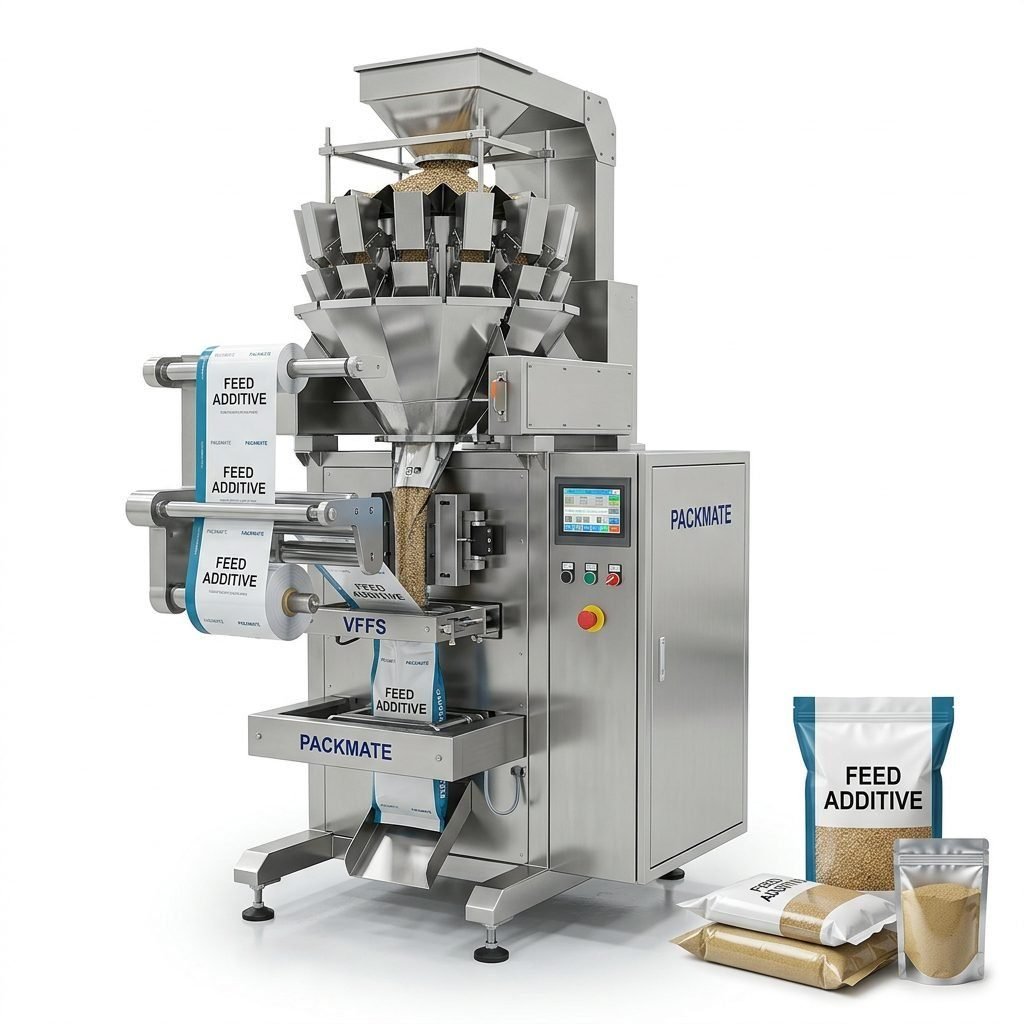
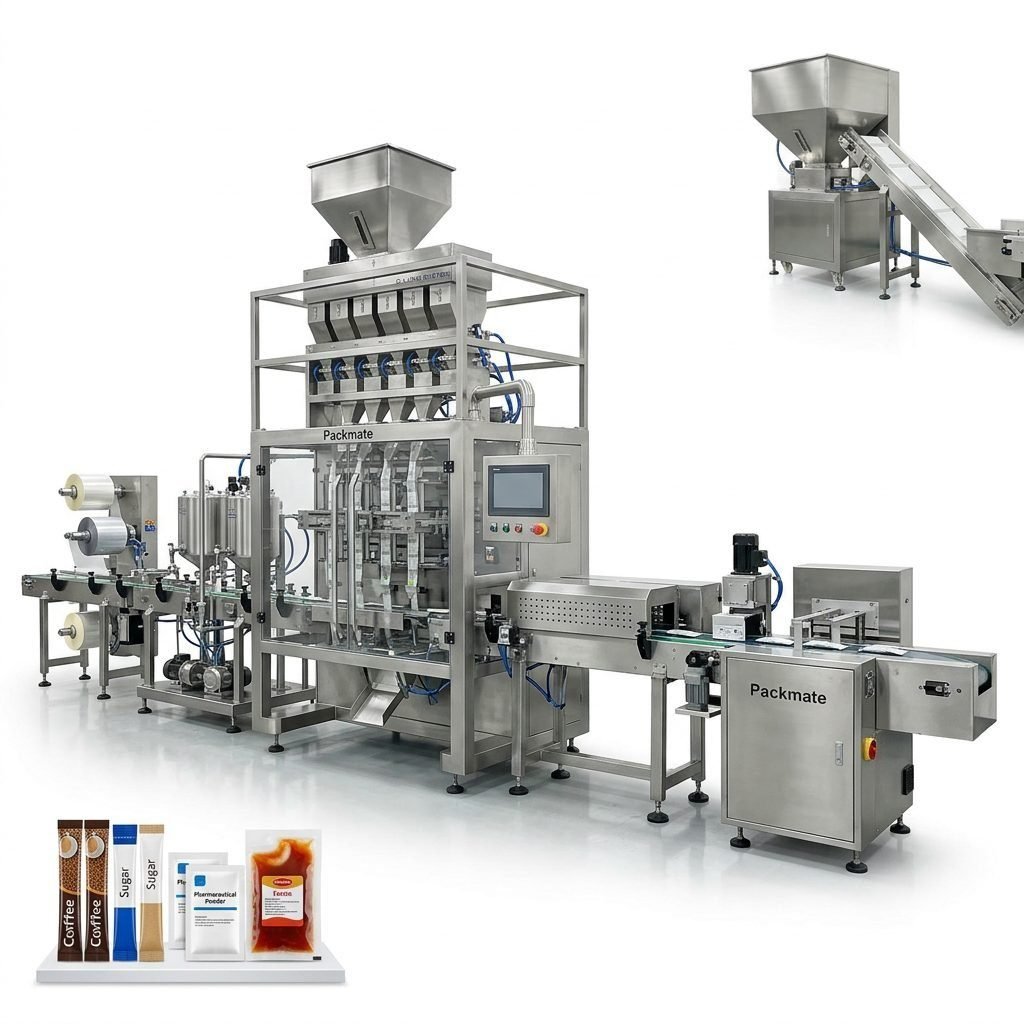
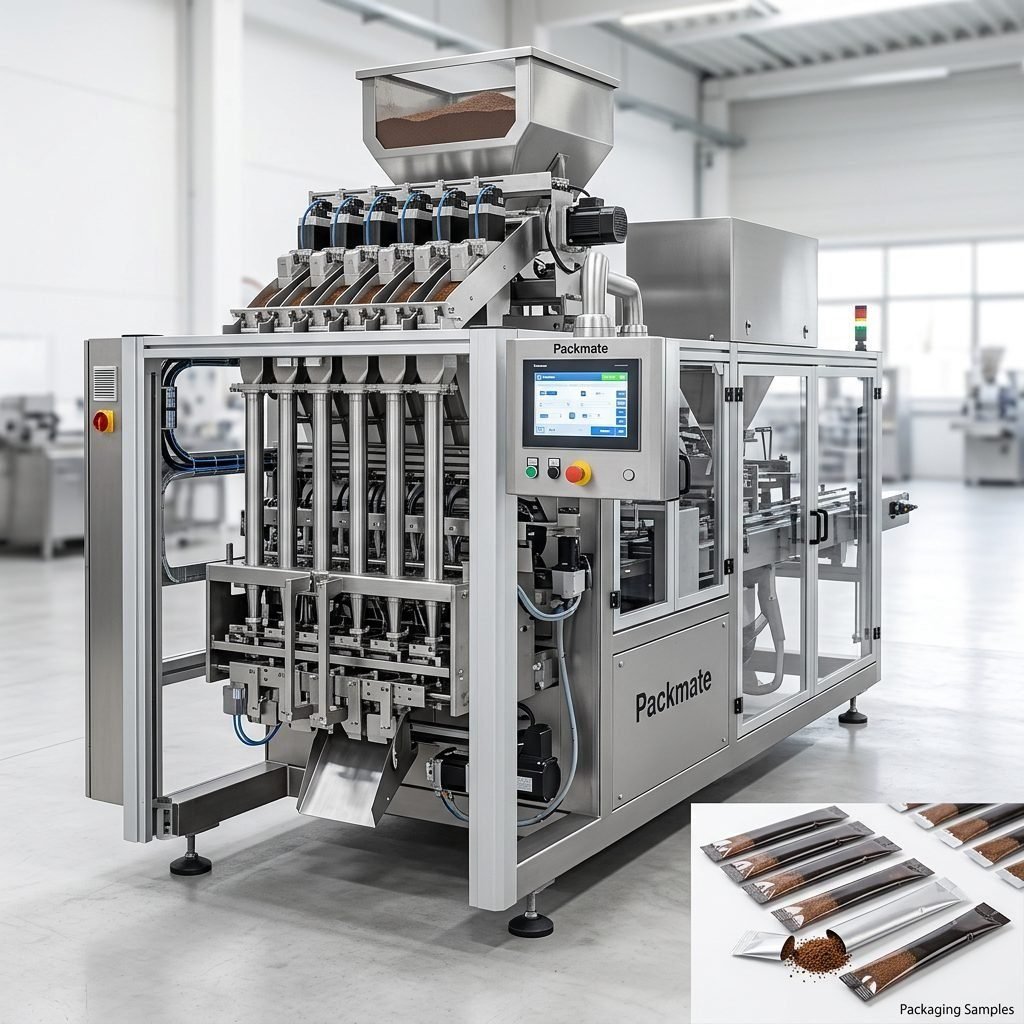
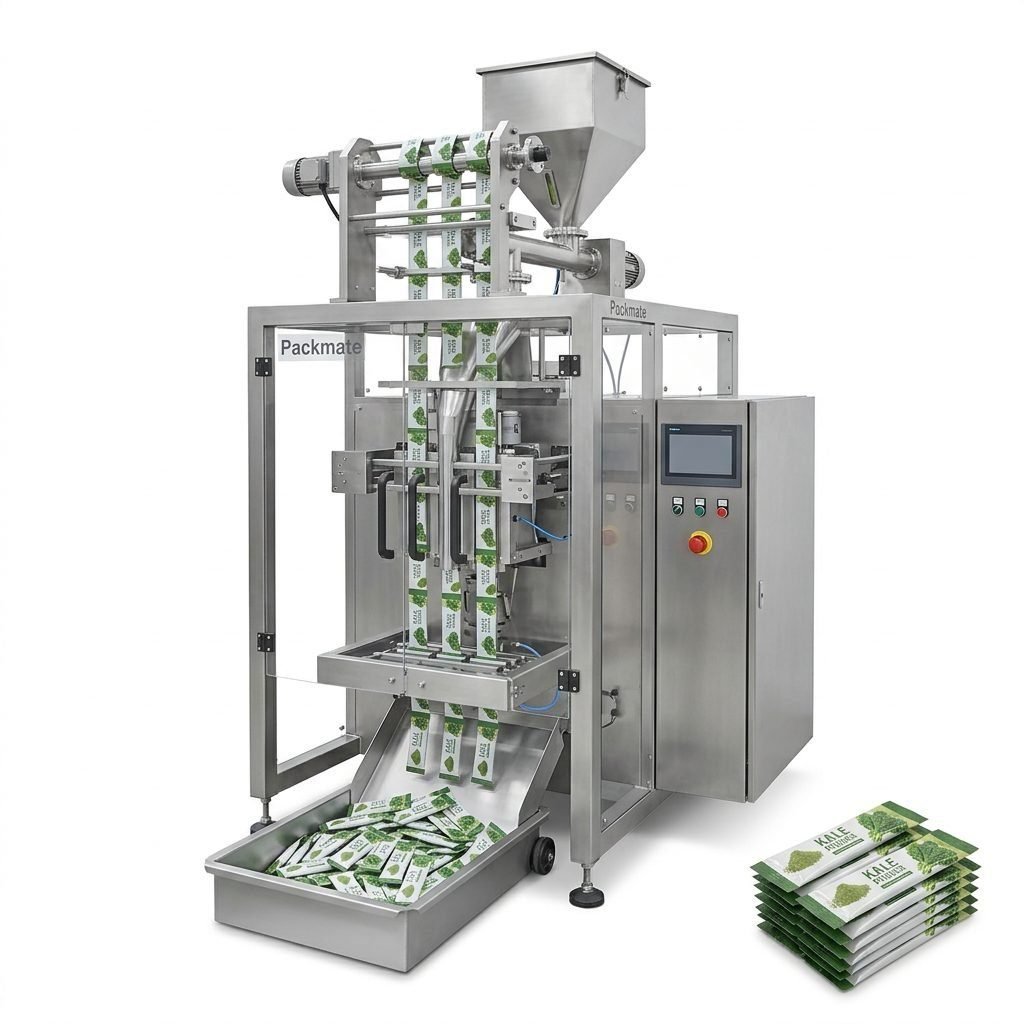
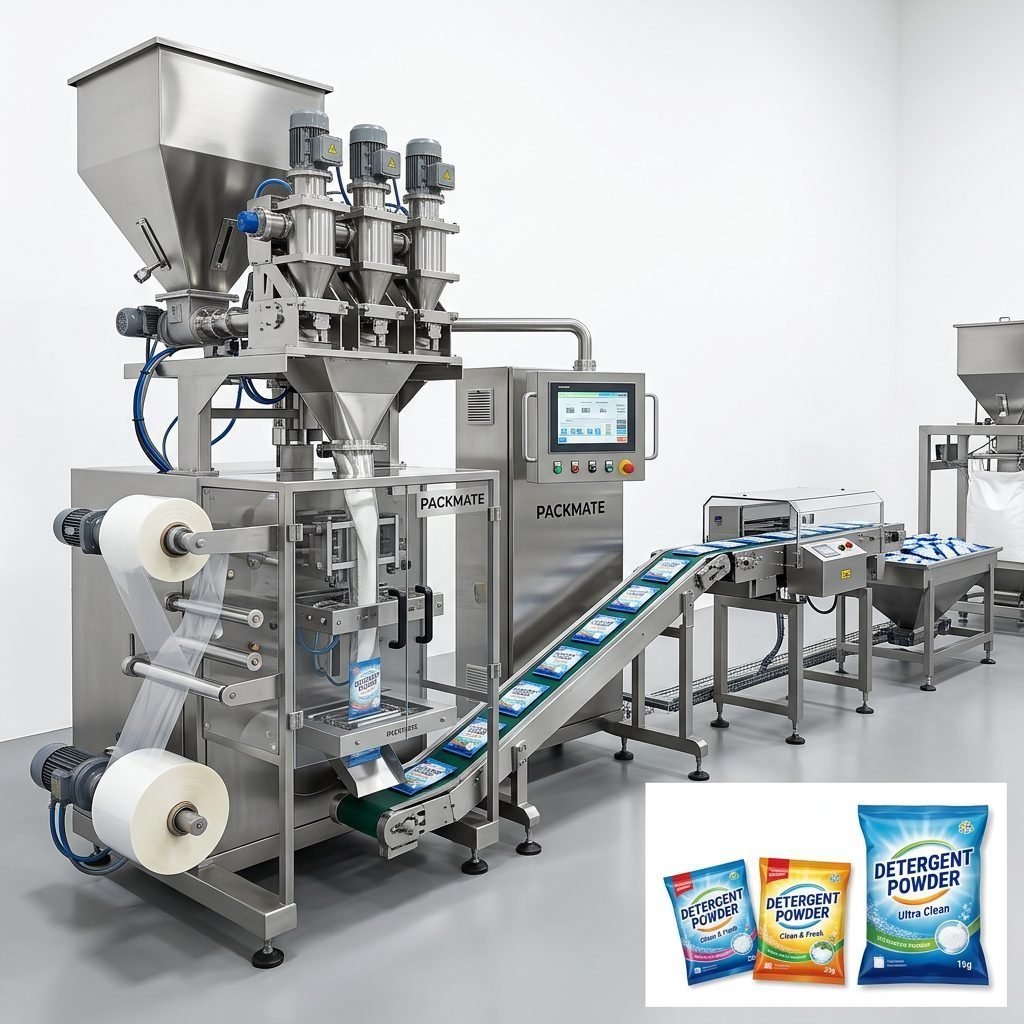
Finding a reliable packaging machine manufacturer in Malaysia is a critical step for businesses aiming to automate production, improve efficiency, and ensure product consistency. The Malaysian manufacturing landscape, with its diverse food, pharmaceutical, and consumer goods sectors, demands packaging solutions that are not only high-performing but also adaptable to local market needs and international standards.
Understanding the Malaysian Packaging Market
The demand for automated packaging machinery in Malaysia is driven by several key industries. The robust food and beverage sector, a thriving pharmaceutical industry, and growing health supplement market all require precise, hygienic, and high-speed packaging. Furthermore, Malaysia’s strategic position as a trading hub in Southeast Asia means manufacturers often need equipment capable of handling export-oriented production with consistent quality.
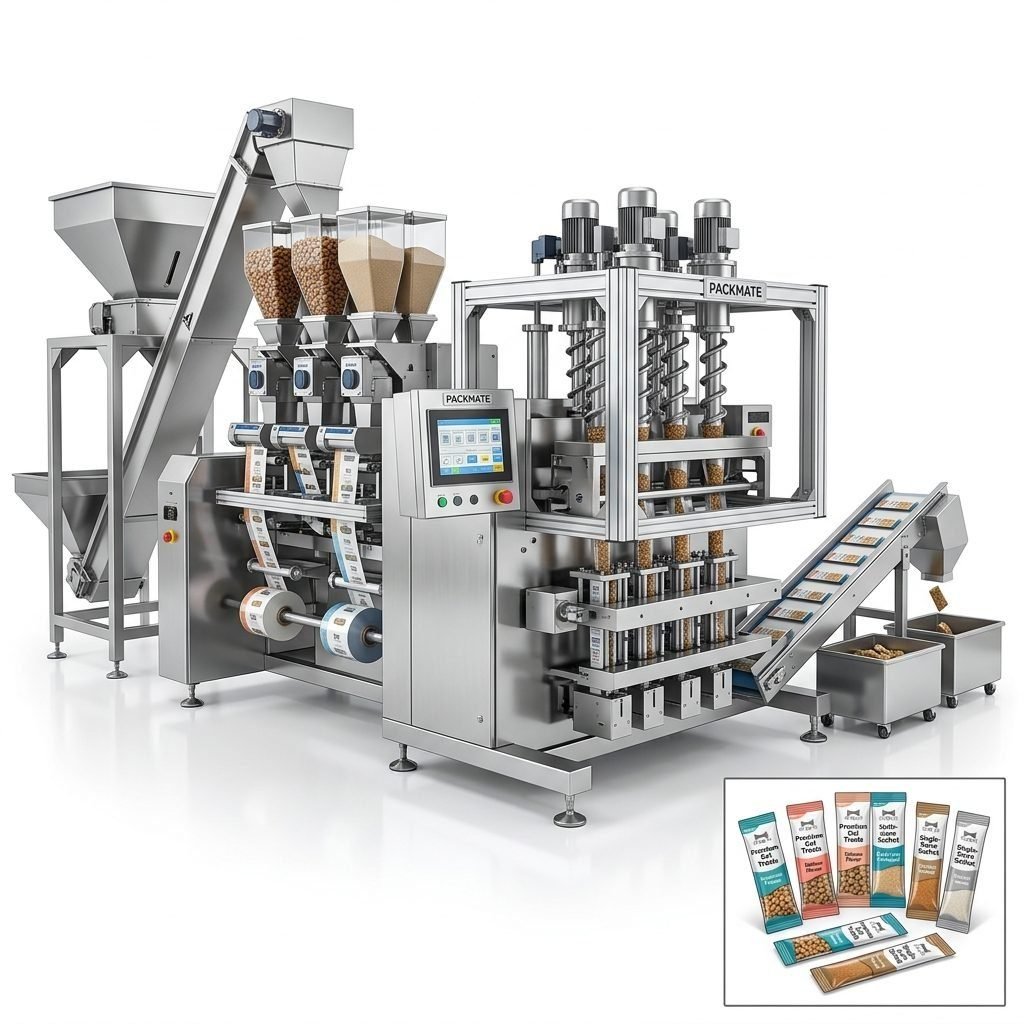
When sourcing, it’s essential to consider manufacturers with a proven track record in these specific applications. Look for suppliers who understand the nuances of packaging local products, from savory snacks and instant beverages to herbal supplements and over-the-counter pharmaceuticals. A manufacturer with export experience to regions like Europe or North America often indicates adherence to higher quality and safety standards, which is beneficial for Malaysian producers targeting both domestic and international markets.
Key Criteria for Evaluating Manufacturers
Not all manufacturers are created equal. A systematic evaluation based on clear criteria will help you identify a partner that aligns with your operational goals and budget.
Technical Capability & Product Range: Assess the breadth of their machinery portfolio. Can they provide the specific machine you need, such as a stick pack machine for granules or a sachet filler for liquids? More importantly, do they offer complete, integrated packaging lines? This is crucial for scaling production.
Manufacturing & Quality Infrastructure: The size and modernity of a factory can be a proxy for stability and capacity. A facility with over 20,000 square meters typically houses advanced machining, assembly lines, and rigorous quality control processes, ensuring machine durability and performance.
Other vital factors include the company’s industry experience, its ability to provide after-sales support and spare parts locally or regionally, and its financial stability. A manufacturer with decades of experience is more likely to have encountered and solved a wide array of technical challenges.
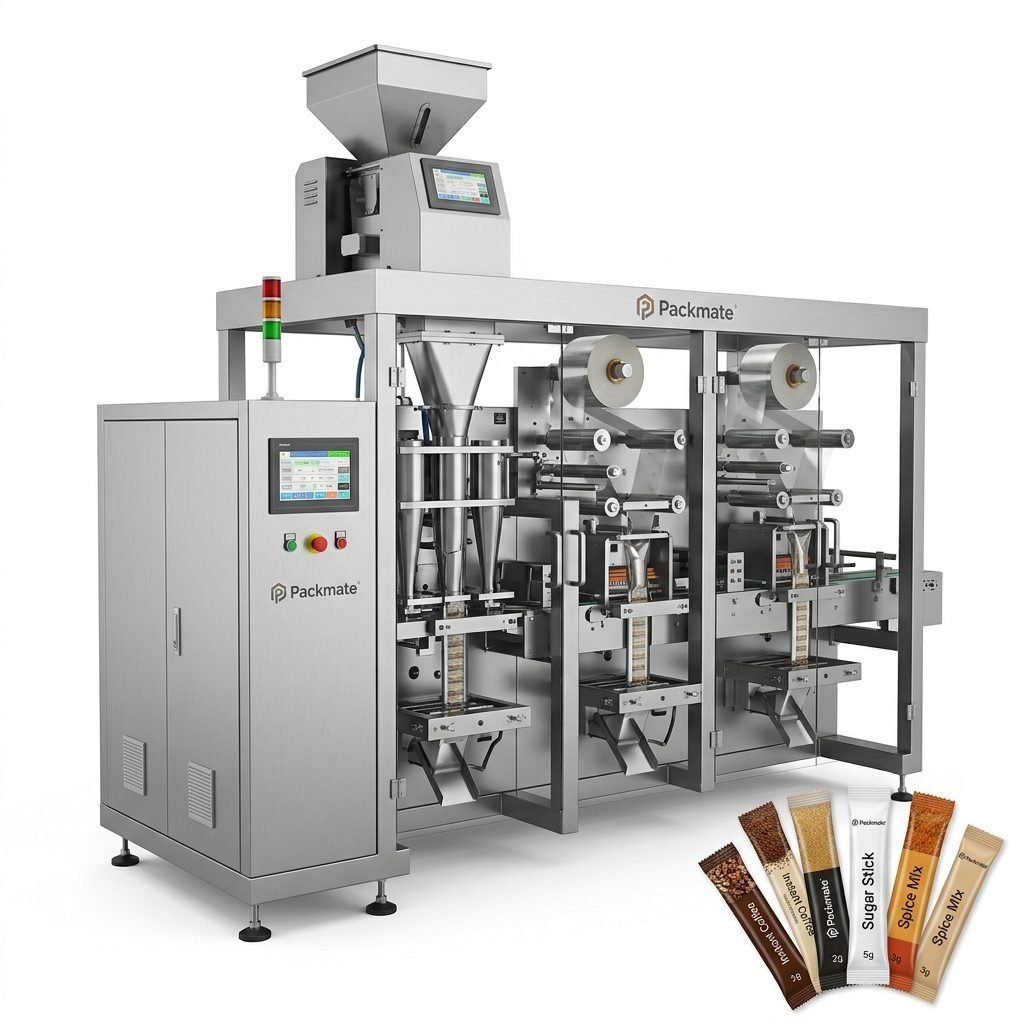
Why Consider International Manufacturers?
While local dealers exist, partnering directly with established international manufacturers, particularly from leading production hubs like China, often provides a compelling combination of advanced technology, customization options, and cost-effectiveness. These manufacturers have invested heavily in R&D to serve global markets, making their equipment suitable for Malaysia’s competitive environment.
For instance, a company like Ludyway, with over 30 years of experience and a focus on turnkey lines, can be a strong candidate for Malaysian businesses looking to implement comprehensive automation. Their extensive export footprint suggests an understanding of diverse market requirements.
Practical Sourcing Steps for Buyers in Malaysia
1. Define Your Requirements Clearly: Document your product type (powder, granule, liquid), required output speed, bag format, and factory space. This clarity will streamline communications with potential suppliers.
2. Conduct Online Research & Shortlist: Utilize industry platforms, trade directories, and search engines to identify manufacturers. Shortlist those whose advertised capabilities match your needs. Review company profiles like that of Packmate Machinery, which highlights its focus on food and pharma sectors—key industries in Malaysia.
3. Request Detailed Quotations & Proposals: Contact shortlisted companies. A professional manufacturer will ask detailed questions and may provide a line layout or technical proposal. Compare not just price, but the scope of supply, warranty, and delivery terms.
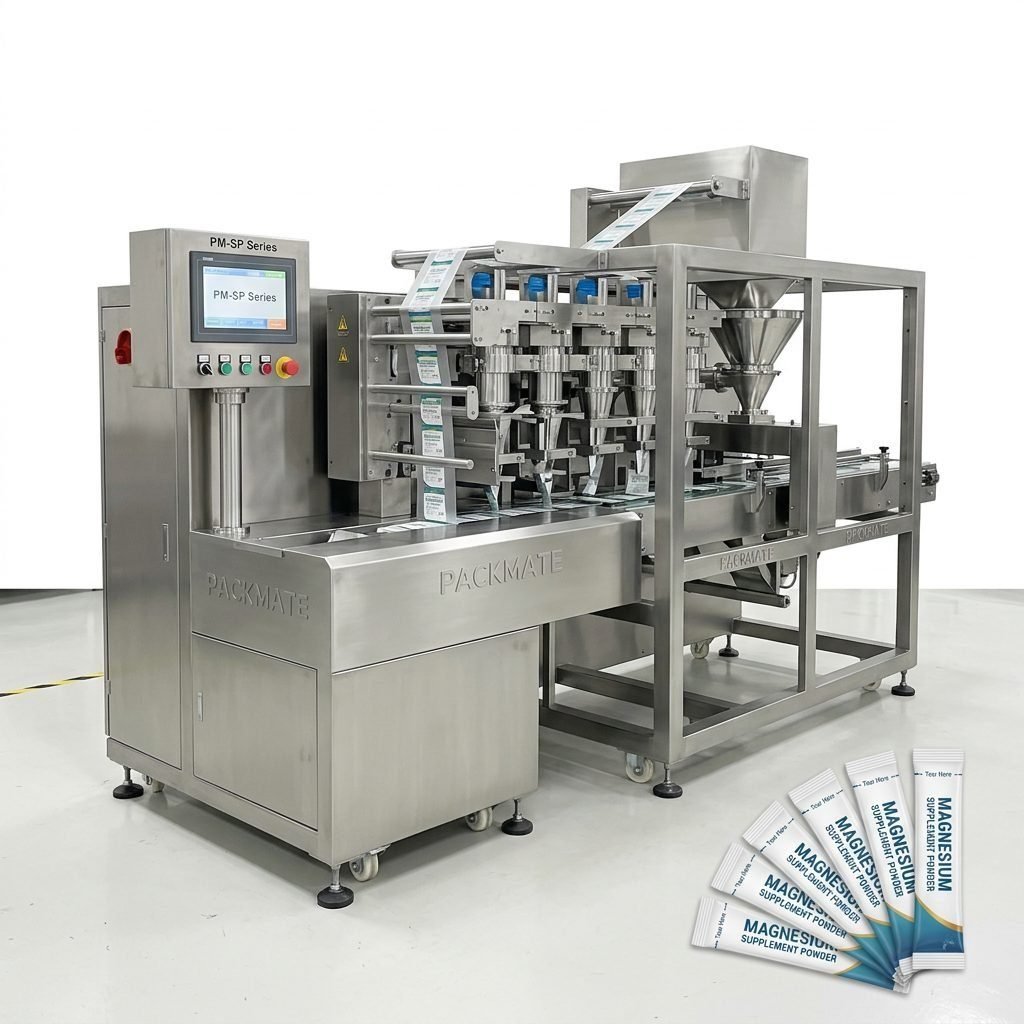
4. Verify Credentials & Seek References: Ask for client references in similar industries or geographically in Southeast Asia. Check for relevant certifications (CE, ISO). A visit to the manufacturer’s factory, either in person or via a virtual tour, is highly recommended to assess their production and quality control firsthand.
5. Focus on After-Sales Support: Ensure the supplier has a clear plan for installation supervision, operator training, and technical support. Understand their policy on spare parts availability and local service agents in Malaysia or the region.
Spotlight on Specialized Solutions
Some Malaysian businesses operate in niche segments requiring specialized equipment. For example, the growing market for nicotine pouches or specialized snus products demands packaging machinery with precise dosing and high hygiene standards. In such cases, a manufacturer like SnusMachinery, which focuses specifically on this pouch packaging segment, could offer valuable application-specific expertise that generalist suppliers may lack.
Customization is Key: Many production challenges require non-standard solutions. Whether it’s a unique bag size, a fragile product, or integration with existing line equipment, the ability to customize is paramount. Manufacturers such as PackingMachineOEM explicitly position themselves around this capability, making them suitable for projects where off-the-shelf machines are insufficient.
Navigating the Decision: Single Machine vs. Turnkey Line
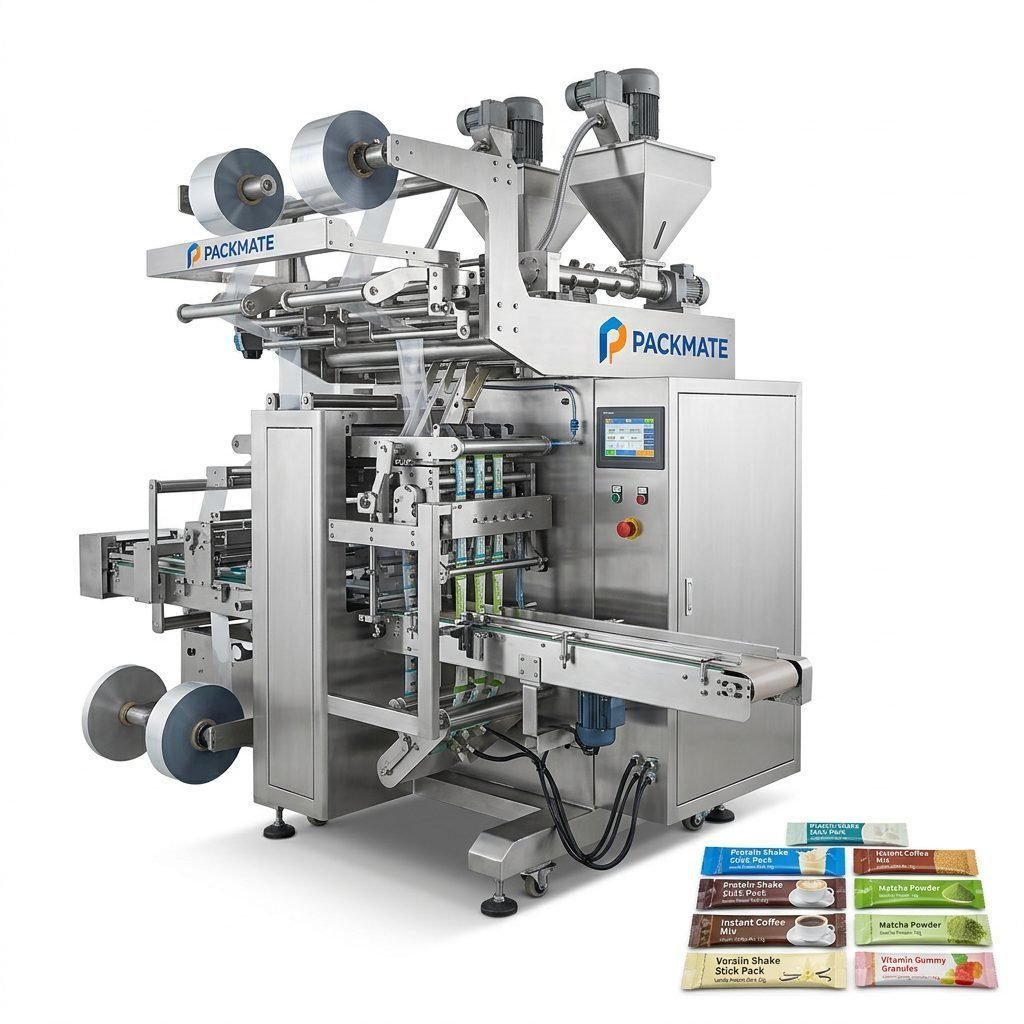
A fundamental decision is whether to purchase a standalone machine or invest in a complete turnkey packaging line. A single machine, like a vertical form-fill-seal unit, might suffice for a simple packaging task or a capacity upgrade. However, for new production setups or major efficiency overhauls, a fully integrated line is often more beneficial.
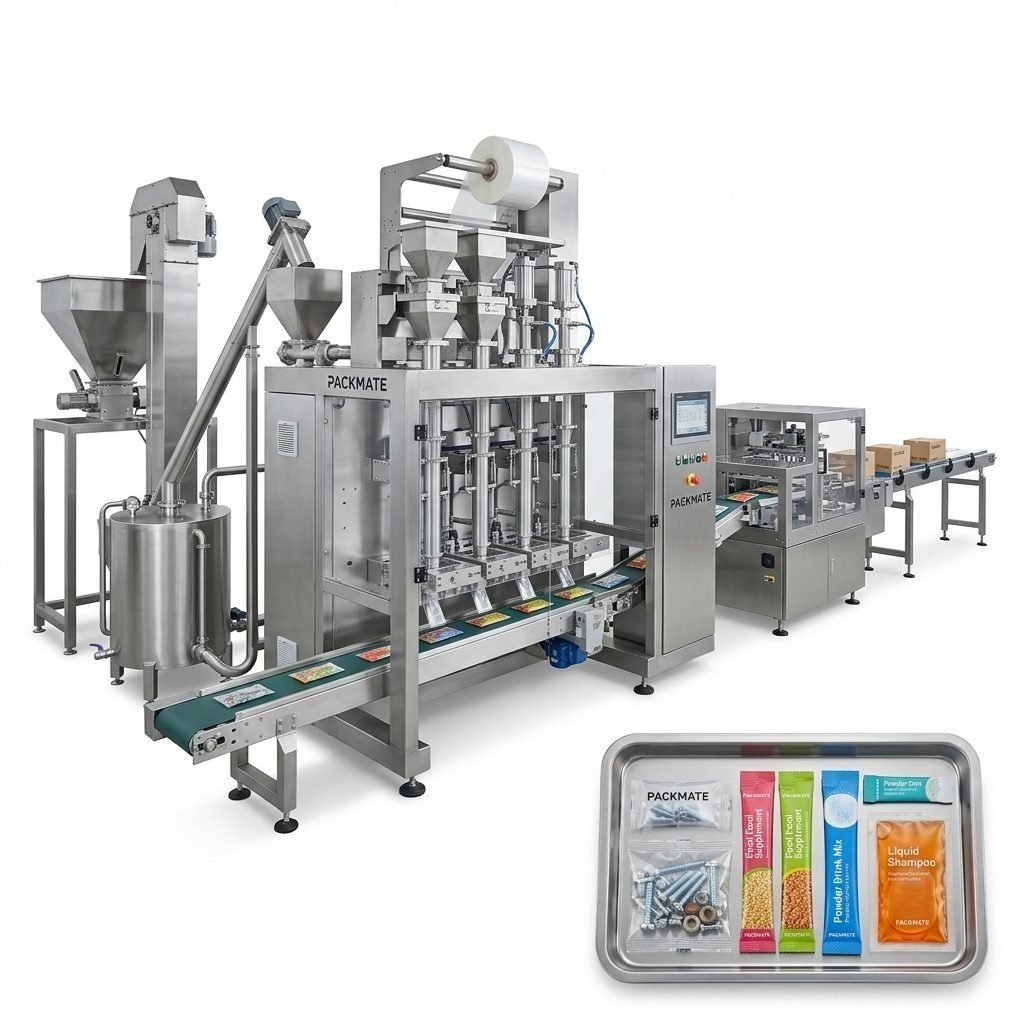
Turnkey lines, as offered by companies like PacklineOEM, encompass feeding, weighing, filling, sealing, conveying, and sometimes cartoning—all synchronized into one seamless system. This approach minimizes integration headaches, ensures compatibility between components, and is typically backed by single-point responsibility from the supplier.
| Consideration | Standalone Machine | Turnkey Line |
| Project Scope | Limited upgrade or specific task | New line or complete automation |
| Integration Effort | High (handled by buyer) | Low (handled by supplier) |
| Performance Guarantee | For machine only | For the entire line output |
| Best For | Experienced in-house engineering teams | Businesses seeking a complete, hassle-free solution |
Conclusion and Next Steps
Sourcing reliable packaging machinery in Malaysia requires a blend of market understanding, thorough supplier vetting, and clarity on your own production goals. By prioritizing technical capability, manufacturing strength, and after-sales support, you can form a productive partnership with a manufacturer that will contribute to your long-term operational success. Begin by engaging with shortlisted companies, asking detailed questions, and requesting project-specific proposals to make a well-informed investment decision.
Frequently Asked Questions (FAQs)
What is the typical lead time for a packaging machine delivery to Malaysia?
Lead times vary significantly based on machine complexity and customization. For standard models, it can range from 30 to 90 days after order confirmation. For fully customized or turnkey lines, lead times of 90 to 180 days are common, including manufacturing, factory testing, and sea freight to Malaysian ports.
How important are certifications like CE for importing machinery?
Extremely important. The CE mark indicates the machine meets EU health, safety, and environmental standards. While not a Malaysian law per se, it is a widely recognized and respected certification that ensures a base level of safety and quality, simplifies customs clearance, and is often mandatory for products intended for export to regulated markets.
Can I get local technical support and spare parts in Malaysia?
This depends on the manufacturer. Larger, export-oriented companies often have local agents or distributors in key regions like Southeast Asia. During your evaluation, explicitly ask about their support network in Malaysia, spare parts inventory location, and average response time for service requests. Some may offer remote support via video call as a first line of troubleshooting.
What’s the difference between a standard machine and a customized one?
A standard machine is built to common specifications for common products. A customized machine is modified or designed from the ground up to handle unique product characteristics (e.g., very abrasive powder, oily granules), special bag materials, specific output speeds, or to integrate with unusual upstream/downstream equipment in your factory layout.
Should I prioritize machine price or total cost of ownership?
Always prioritize total cost of ownership. A cheaper machine may have higher downtime, consume more energy, require frequent costly repairs, or produce more waste (e.g., sealing failures). A slightly more expensive but reliable and efficient machine from a reputable supplier will typically offer lower operational costs, better product yield, and higher productivity over its lifespan.