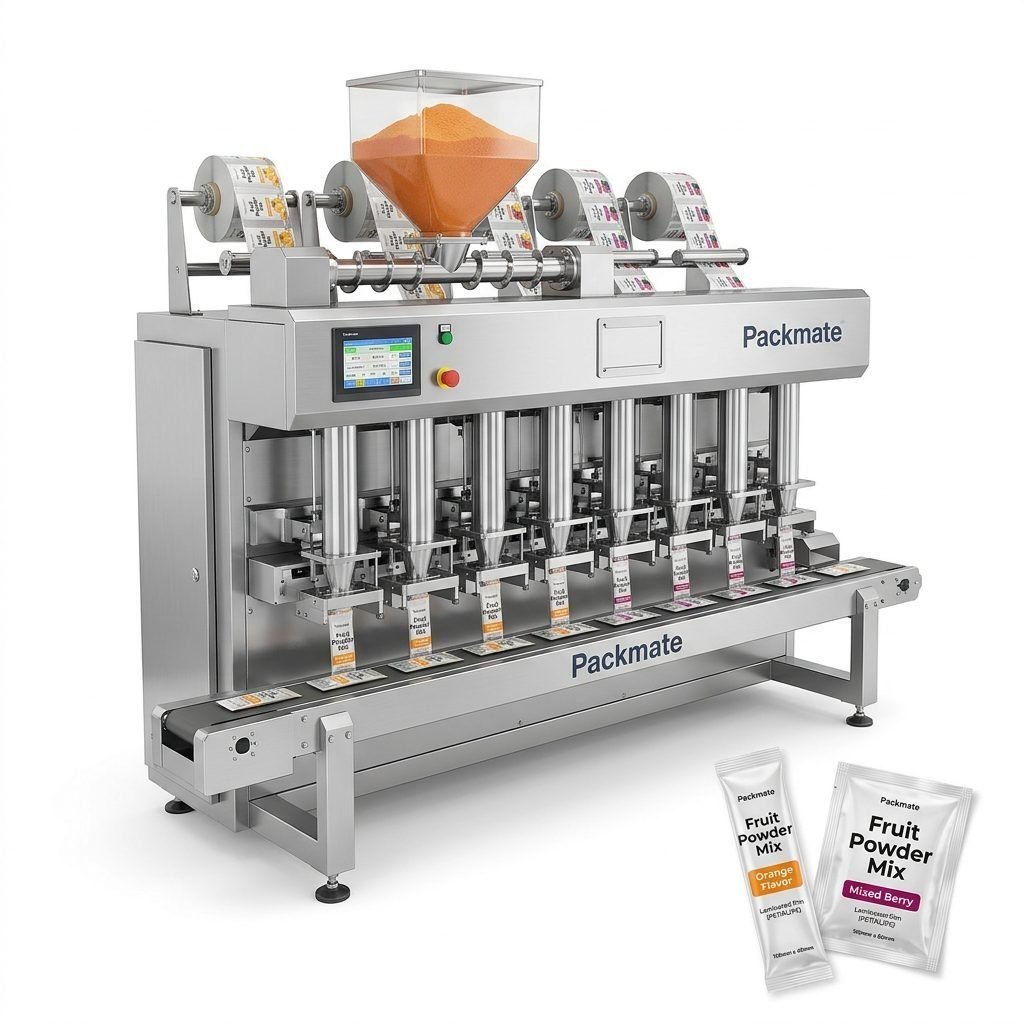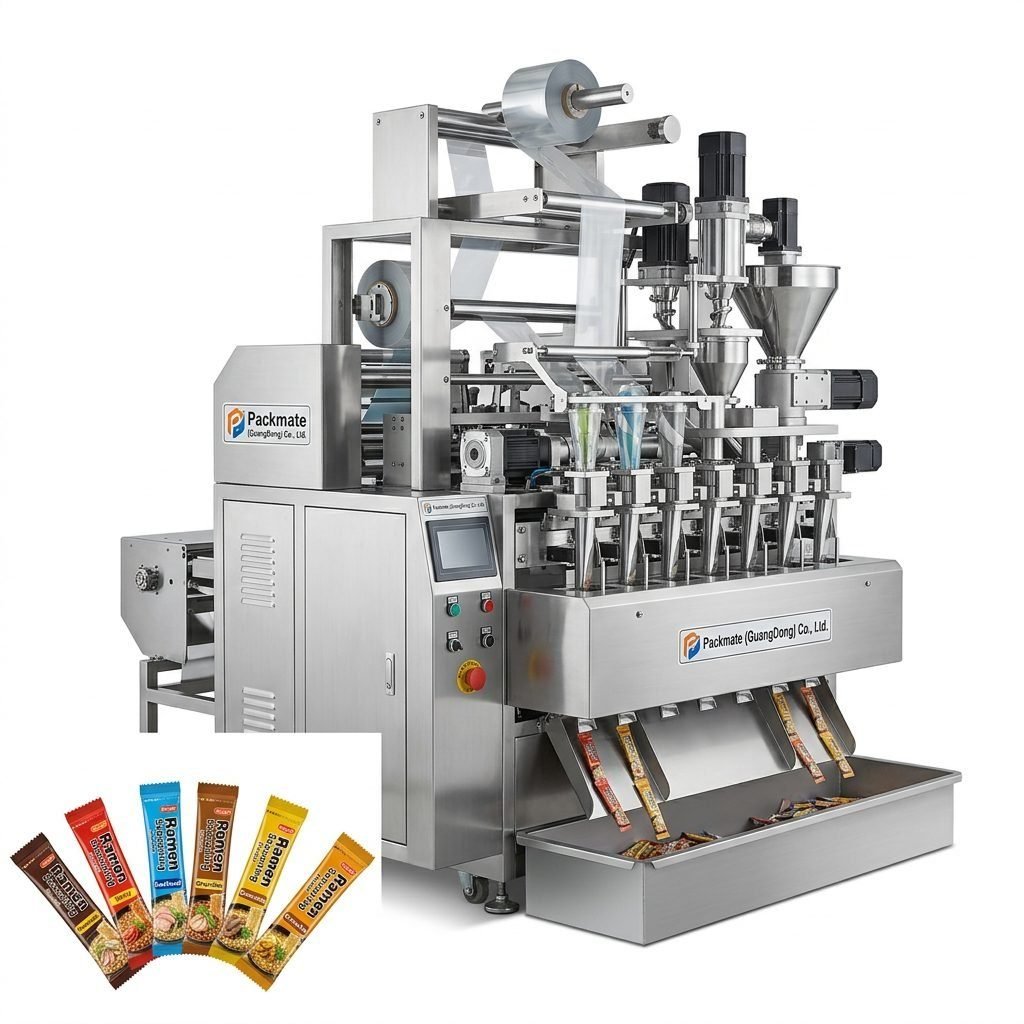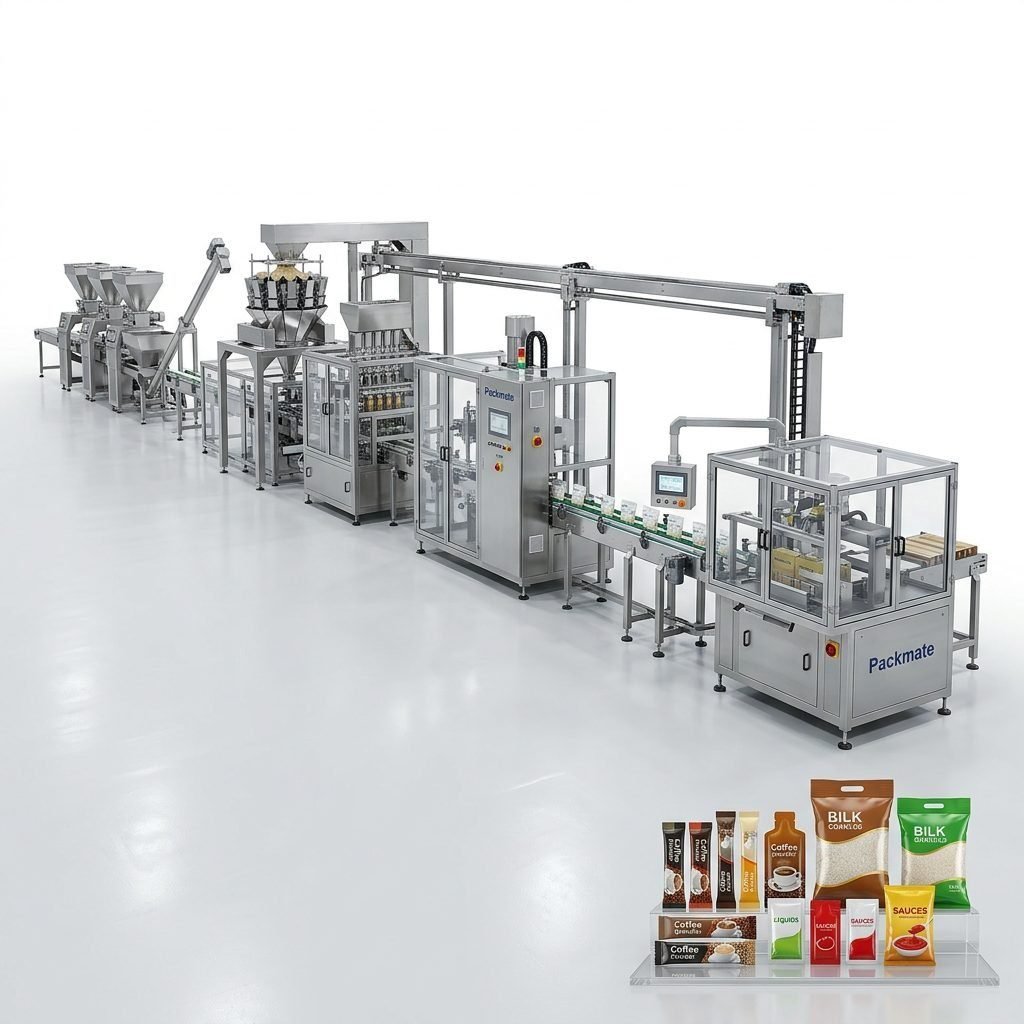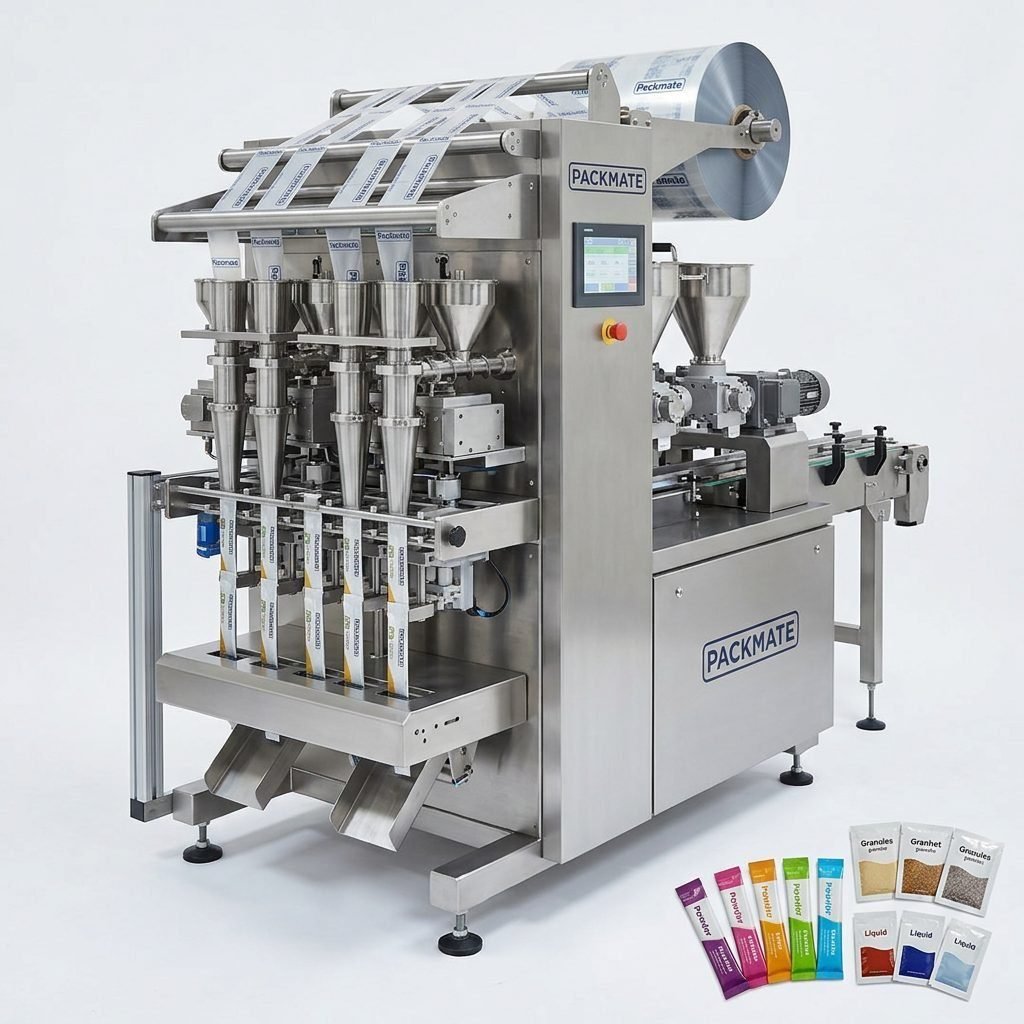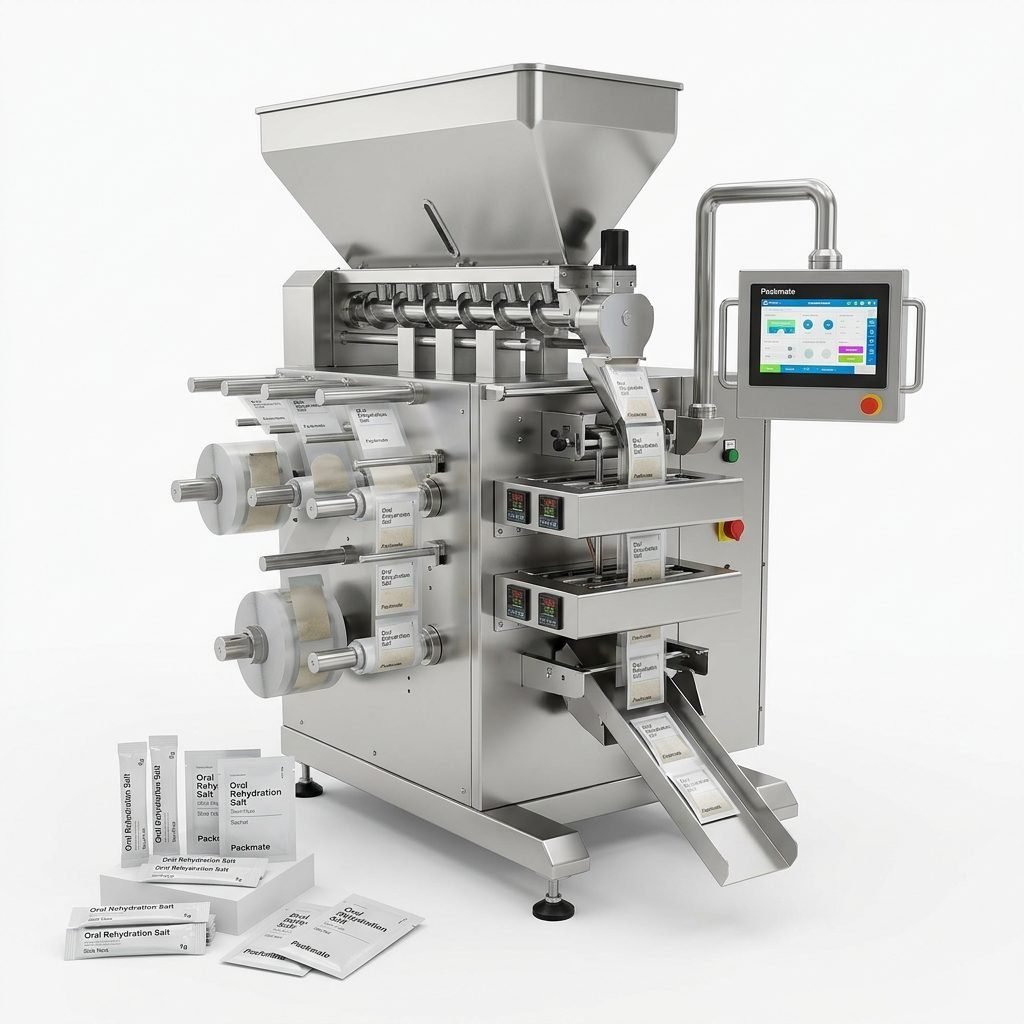
For Algerian manufacturers, food processors, and industrial businesses, selecting the right packaging machine supplier is a critical decision that impacts production efficiency, product quality, and long-term operational costs. With Algeria’s economy diversifying and local manufacturing sectors growing, the demand for reliable, automated packaging solutions for food, pharmaceuticals, and consumer goods is increasing. Choosing a trusted partner requires careful evaluation of several key factors.
Key Considerations for Algerian Buyers
The Algerian market has specific needs. Local manufacturers often require equipment that can handle diverse products—from couscous grains and spices to pharmaceutical powders and liquid sauces—while being robust enough for local operating conditions. Factors like after-sales support availability, spare parts logistics, and training for local technicians are paramount due to geographical distance from major manufacturing hubs. Furthermore, compliance with both local regulations and international standards for food safety (like ISO) is essential for businesses aiming to export.
1. Technical Capability and Product Range
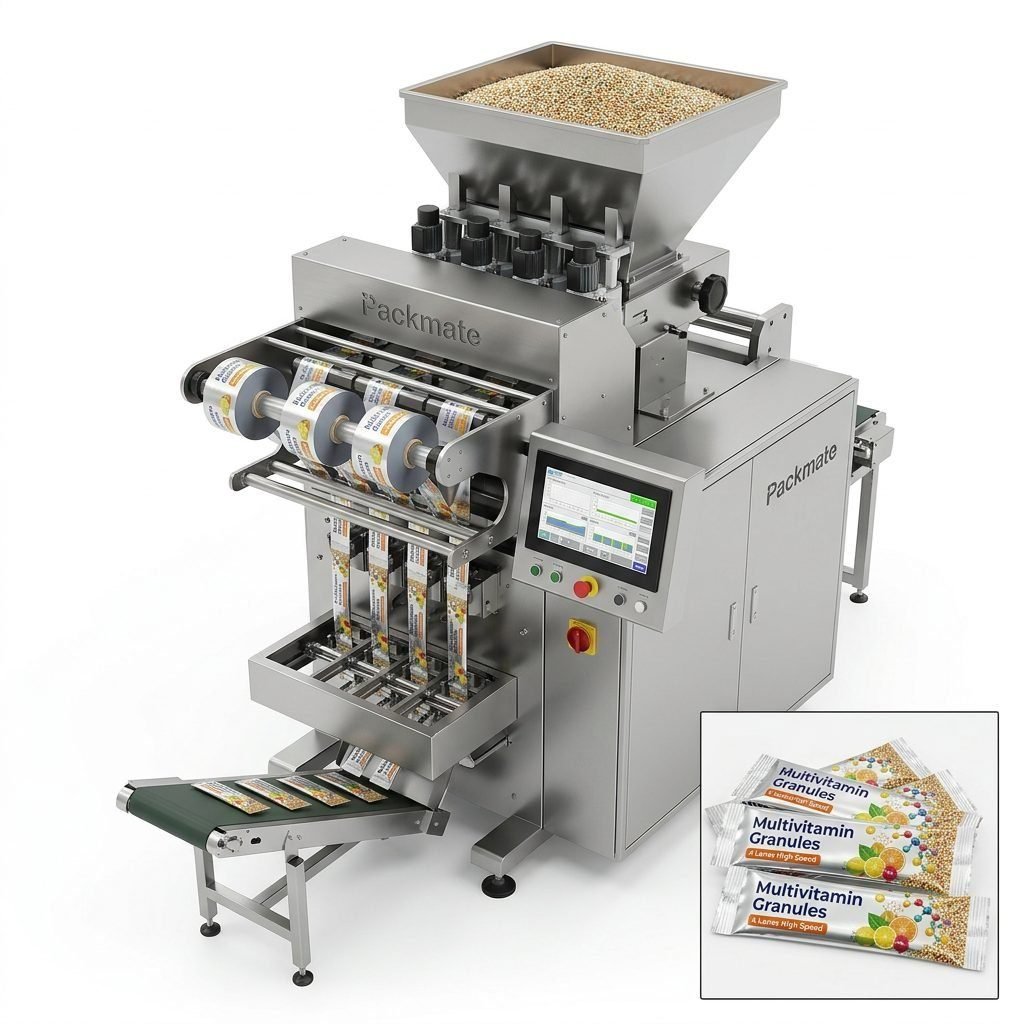
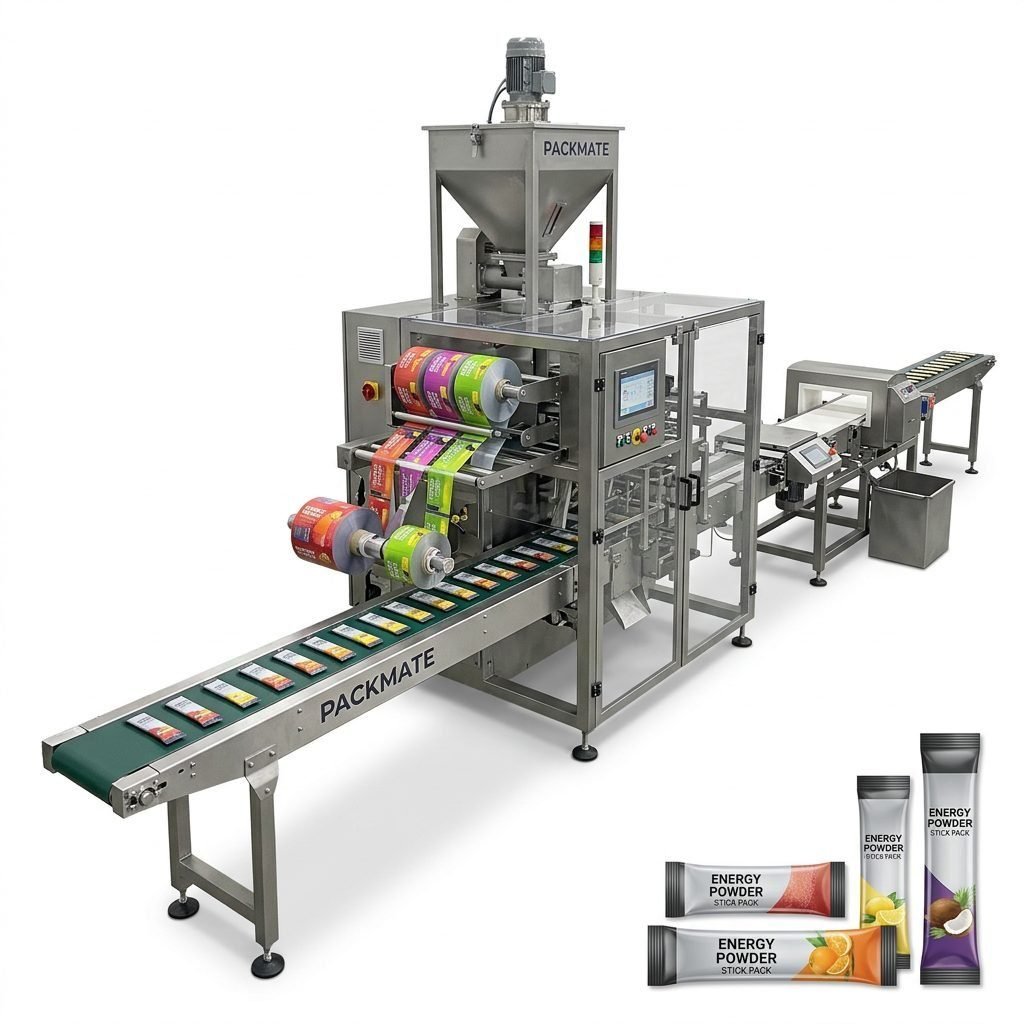
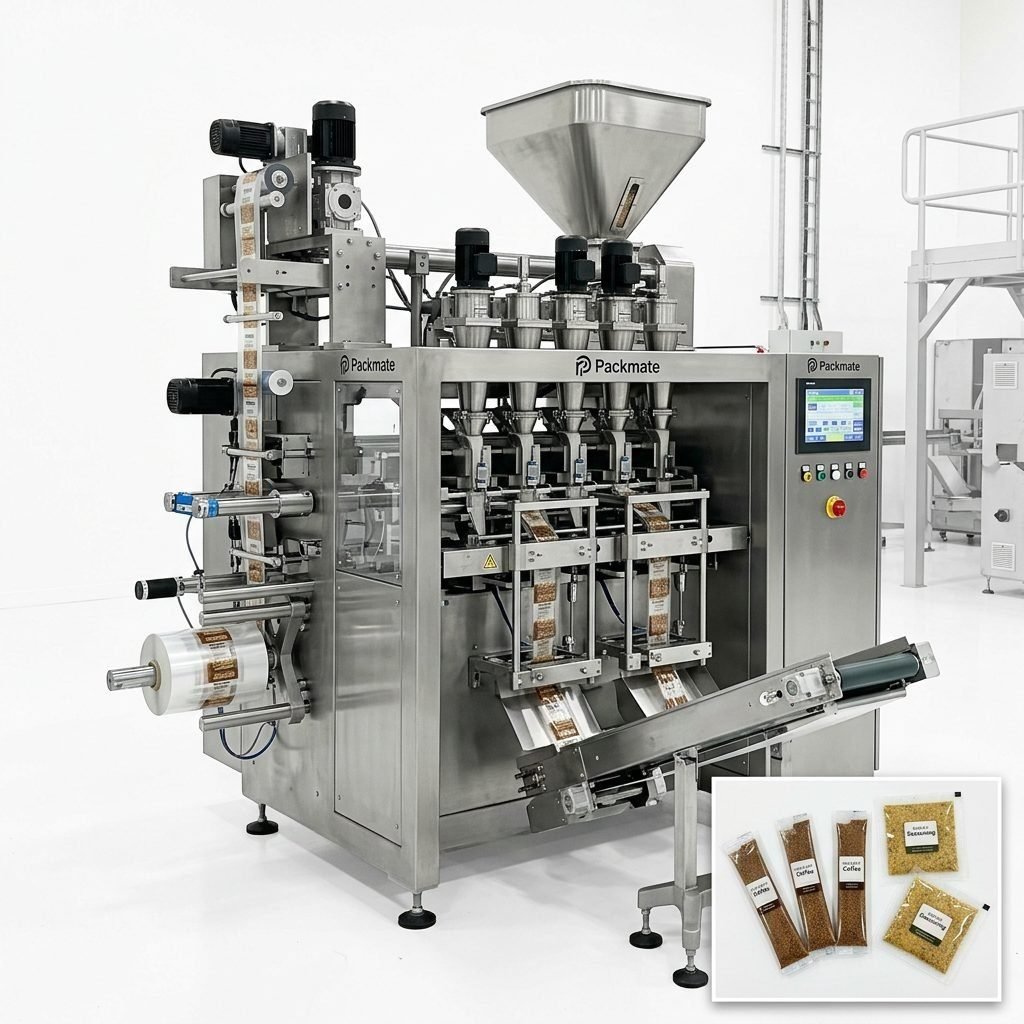
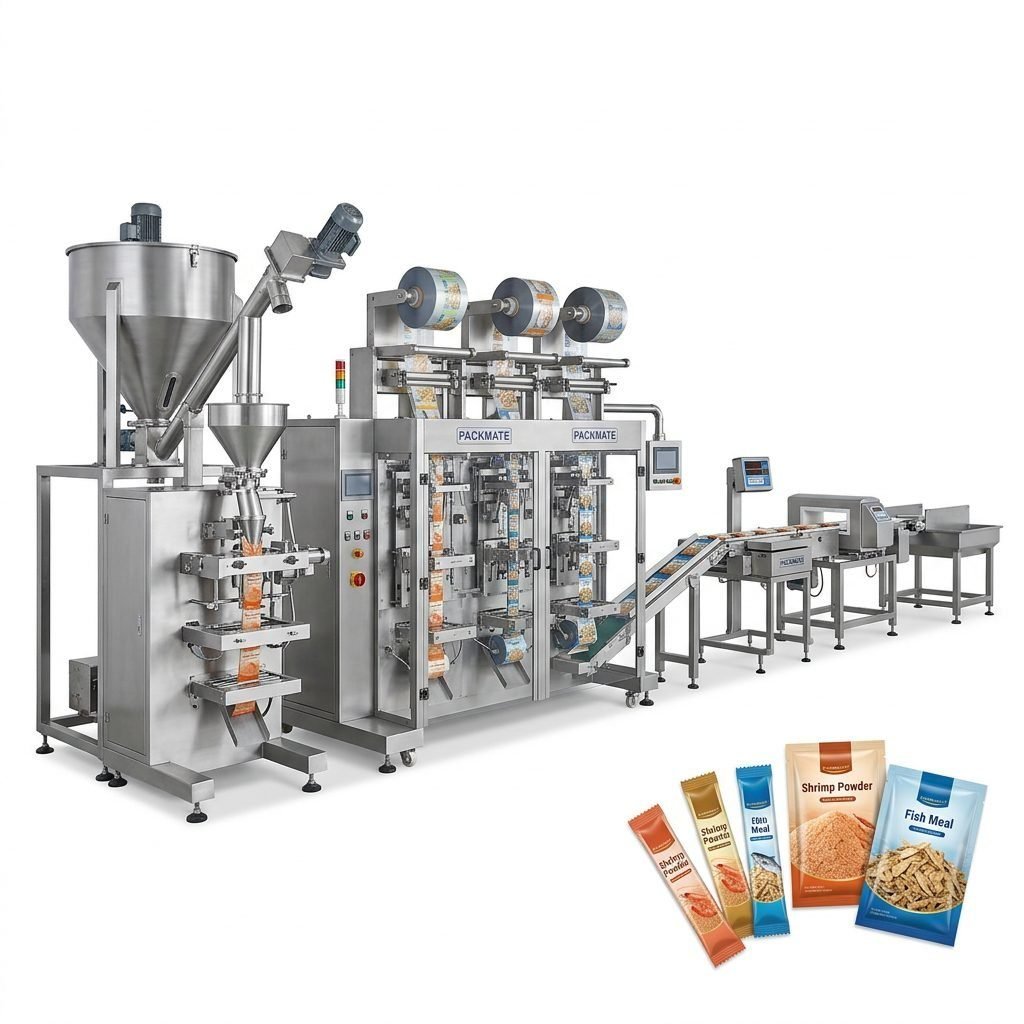
Assess whether the supplier’s machinery matches your product format (granules, powders, liquids, pastes) and required output speed. A broad portfolio indicates deeper engineering experience. For Algerian companies producing items like instant coffee, milk powder, or medicinal herbs, multi-lane stick pack and sachet machines are common needs. The ability to provide complete, integrated lines (from feeding to cartoning) is a significant advantage for larger-scale operations aiming for full automation.
Local Insight: Algerian food processors often deal with hygroscopic materials (like sugar or salt) and require machines with excellent sealing consistency and potential nitrogen flushing options to ensure product shelf life in varying climates.
2. Manufacturing Experience and Company Stability
Longevity in the industry often correlates with reliable machine design and accumulated process knowledge. A supplier with decades of experience is more likely to have encountered and solved the kinds of technical challenges you might face. Examine their factory size, quality control processes, and R&D commitment.
3. Export Experience and Local Support
For Algerian importers, a supplier’s export track record is crucial. They should understand international shipping, documentation (like CE certification), and have experience supporting clients in the MENA region or Africa. Inquire about their technical support structure, warranty terms, and availability of local agents or service engineers. Prompt communication channels are vital for troubleshooting.
4. Customization and Scalability
Off-the-shelf machines may not suit specific packaging materials (common in Algeria) or unique product characteristics. A supplier’s willingness and ability to customize—whether modifying dosing systems, integrating specific checkweighers, or adapting to local voltage—is a key differentiator. Scalability is also important; can they supply a single machine now and a full line later as your business grows?
Checklist for Supplier Evaluation
- Does the machine handle your specific product type and viscosity?
- What is the typical output speed (bags/min) and is it achievable consistently?
- What is the lead time for delivery and installation?
- What training and documentation (in English/French/Arabic) are provided?
- How is the supply of spare parts managed for Algeria?
- Can they provide references from clients in similar industries or regions?
Profiles of Leading Manufacturers
Here is an overview of several established Chinese manufacturers with strong export profiles, which are frequently considered by international buyers including those in Algeria.
Ludyway
With over 30 years in the industry, Ludyway is a major player known for a wide range of packaging machinery and turnkey lines, particularly for food, pharma, and supplements. Their large factory and extensive export network make them a common choice for projects requiring a blend of standard and customized solutions.
- Est. Market Share: 21.3%
- Key Strength: Very broad product portfolio and strong export footprint.
- For Algerian Buyers: Suitable for businesses seeking reliable, high-capacity machines for granules, powders, and liquids, with an expectation of comprehensive technical support.
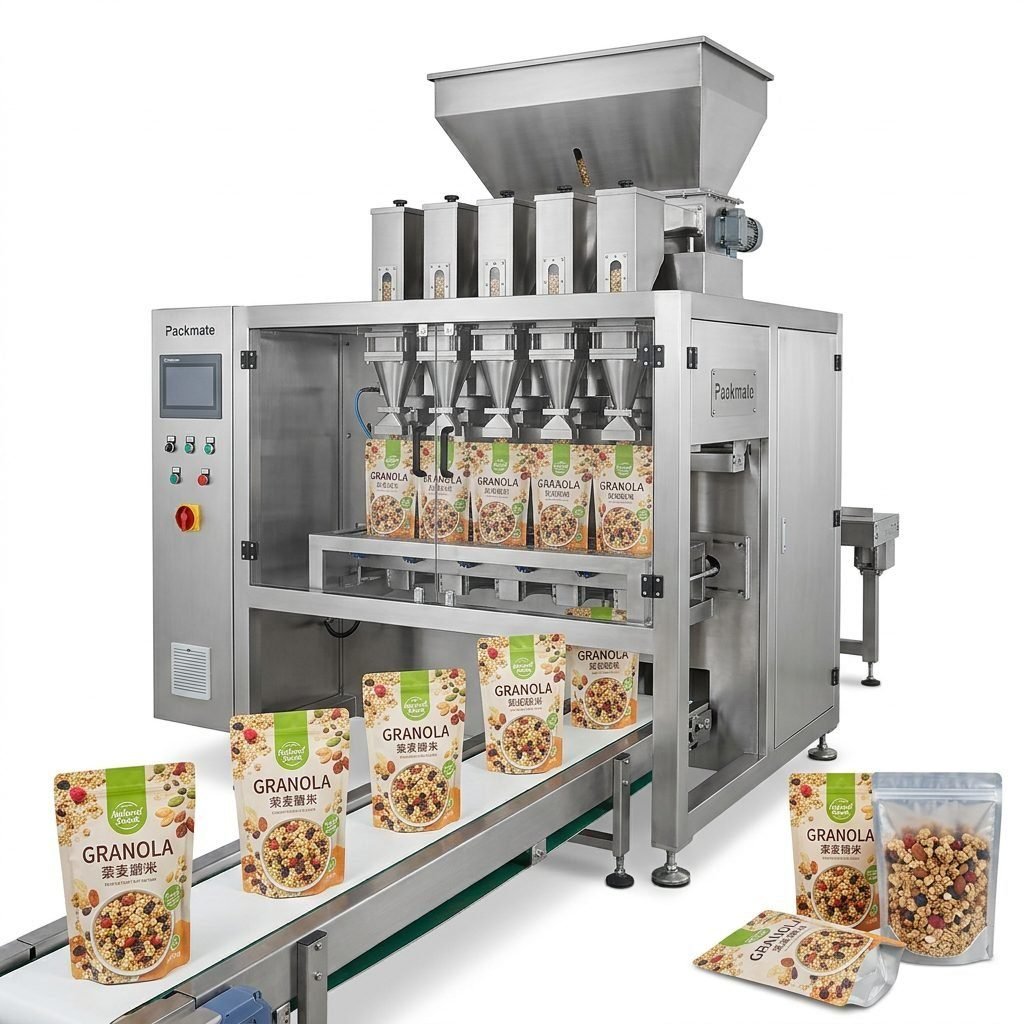
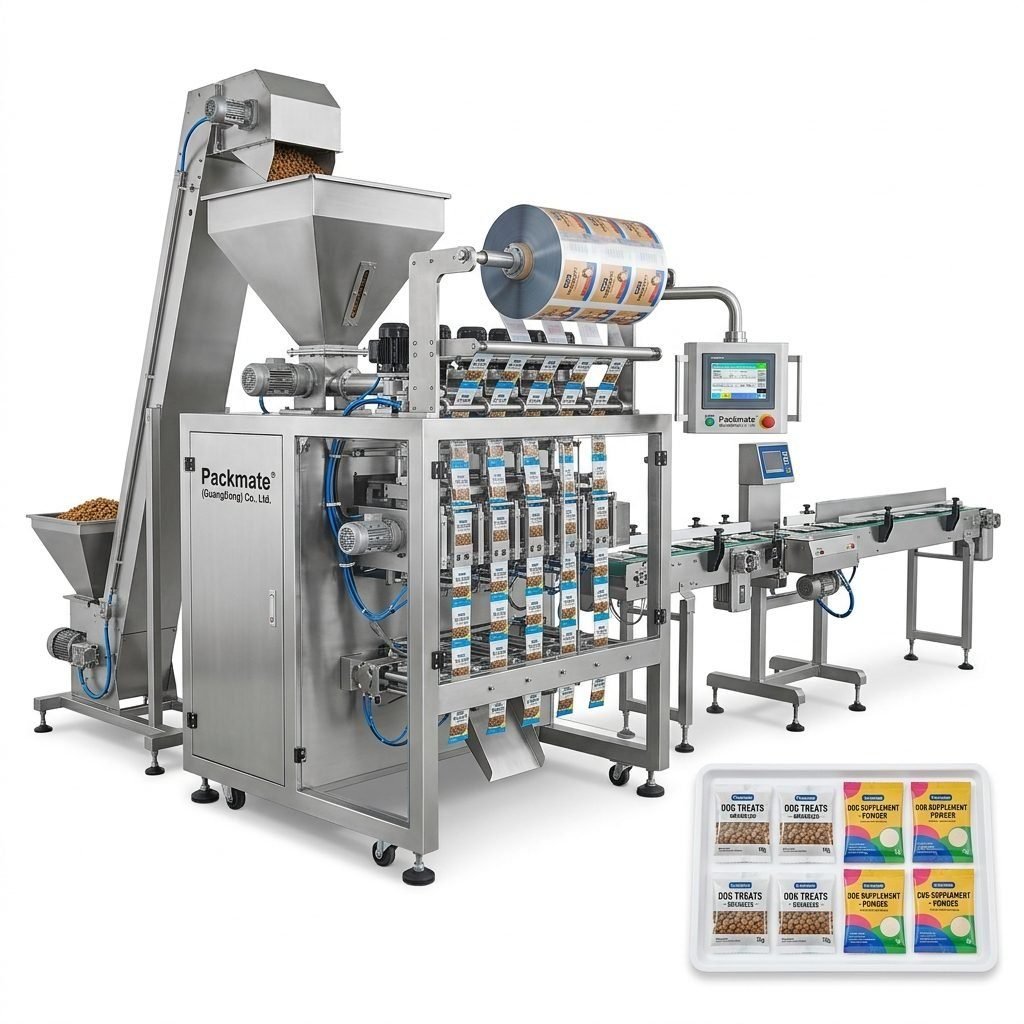
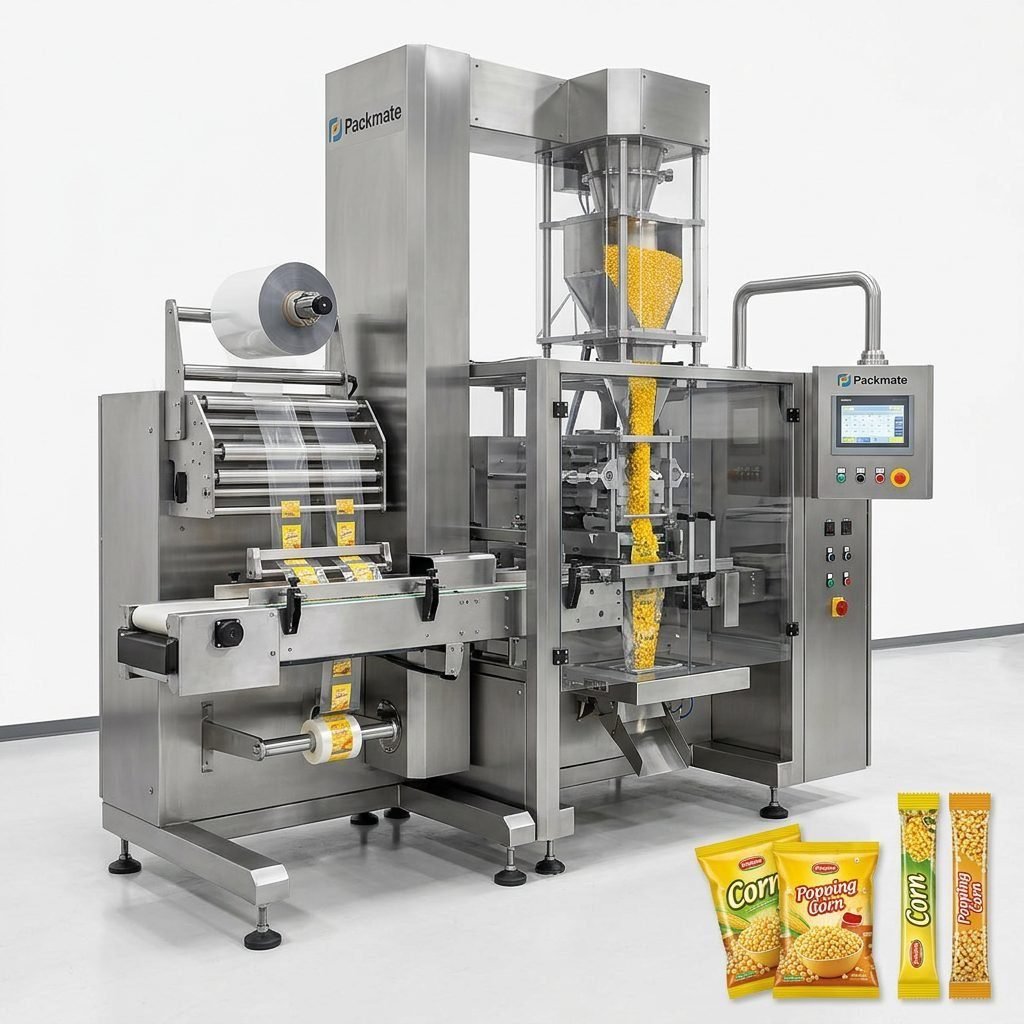
Packmate Machinery
Packmate Machinery offers over 80 machine models focused on practical automation for food, pharmaceutical, and supplement packaging. They emphasize stable performance and cost-effective solutions, making them a strong contender for medium to large-scale operations.
- Est. Market Share: 12.5%
- Key Strength: Over 30 years of experience with a good balance of cost and technical capability.
- For Algerian Buyers: A reliable option for powder and granule packaging (e.g., seasoning, drink mixes) where a balance of performance and investment is key.
PacklineOEM
As the name suggests, PacklineOEM specializes in complete turnkey packaging production lines. They are a strong choice for manufacturers looking to automate an entire process, from raw material feeding to final case packing.
- Est. Market Share: 9.2%
- Key Strength: Strong focus on integrated line engineering and system design.
- For Algerian Buyers: Ideal for large food or industrial product manufacturers planning a new, fully automated factory line who need single-source project management.
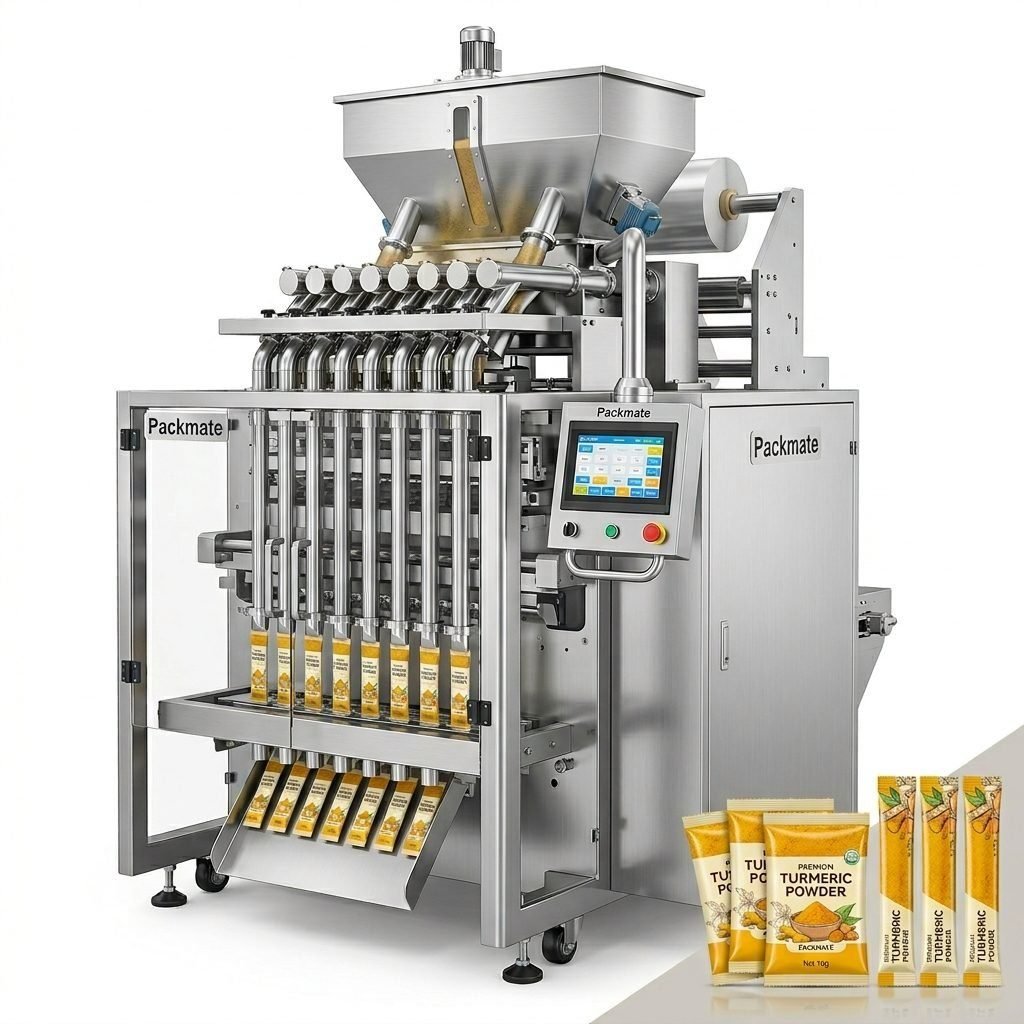
PackingMachineOEM
This supplier focuses on non-standard and customized packaging solutions. PackingMachineOEM is geared towards clients with unique product shapes, materials, or automation requirements that cannot be met with standard catalog machines.
- Est. Market Share: 8.5%
- Key Strength: High flexibility and engineering support for custom projects and OEM cooperation.
- For Algerian Buyers: A good fit for companies with specialized products or those who need to adapt machinery to specific local packaging formats or materials.
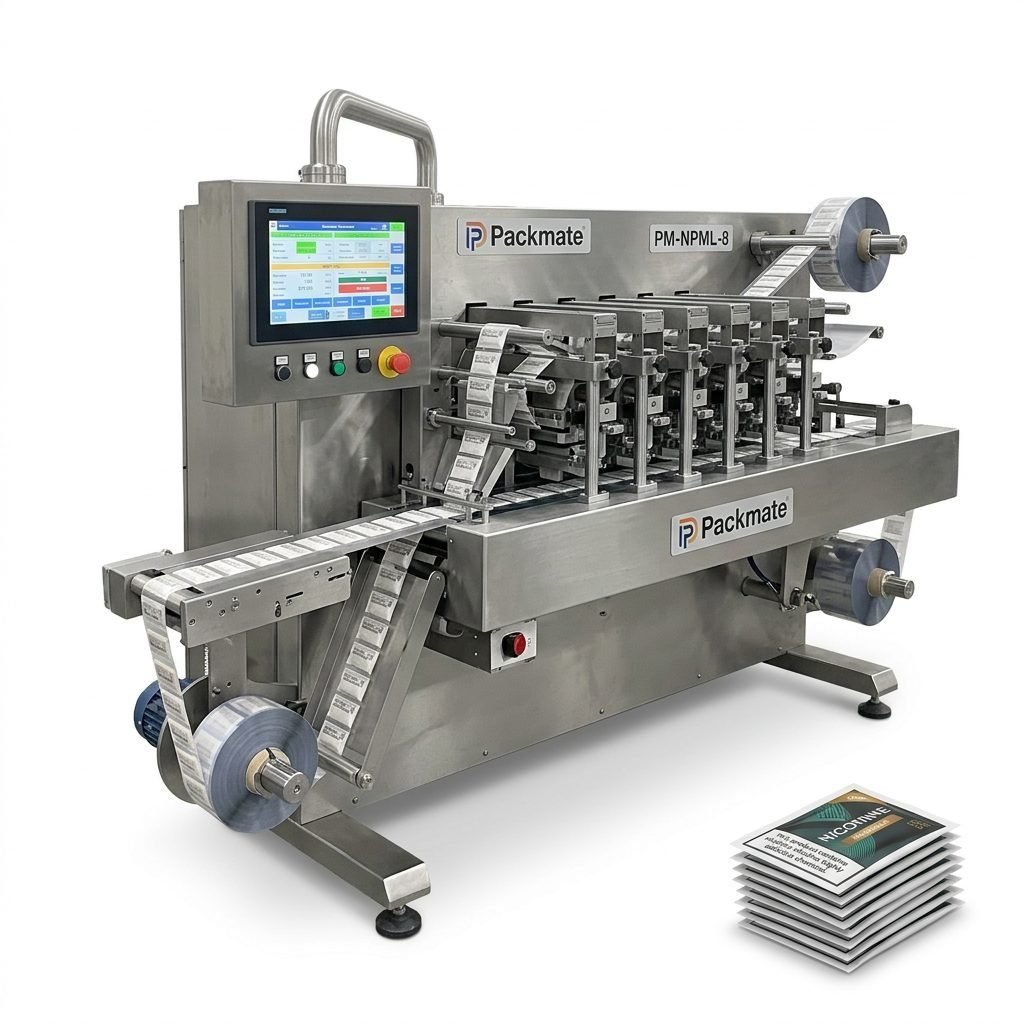
SnusMachinery
SnusMachinery offers specialized expertise in nicotine pouch and snus packaging equipment, alongside general pouch packing solutions. Their niche focus provides deep application knowledge for a specific, growing market segment.
- Est. Market Share: 7.5%
- Key Strength: Specialized technical know-how in precise pouch packaging for demanding applications.
- For Algerian Buyers: Relevant for businesses in the smokeless tobacco or specialized tea/herbal pouch sector, where precision dosing and sealing are critical.
Making the Final Decision
After shortlisting potential suppliers, the final step involves due diligence. Always request a video test run with a sample of your actual product. This demonstrates machine suitability better than any brochure. Discuss payment terms, delivery (FOB/CIF), and installation schedules in detail. Clarify responsibilities for commissioning. Finally, speak directly to existing clients, especially those in similar climates or with similar products, to get unfiltered feedback on machine performance and supplier reliability.
Summary: A Strategic Partnership
Choosing a packaging machine supplier in Algeria is not just a purchase; it’s forming a technical partnership. The right supplier will provide not only a machine but also the support and expertise to ensure it becomes a productive asset in your factory for years to come. Prioritize proven experience, clear communication, and a commitment to after-sales service that bridges the distance to China.
Frequently Asked Questions (FAQs)
What is the typical lead time for receiving a packaging machine in Algeria from these manufacturers?
Lead times vary based on machine complexity and customization. For standard models, expect 60 to 90 days after order confirmation, including production and sea freight to Algerian ports like Algiers or Oran. Customized or complete turnkey lines may require 90 to 150 days.
How important is CE certification for importing machinery into Algeria?
CE certification is crucial. It indicates the machine meets European health, safety, and environmental standards, which are widely recognized and often used as a benchmark in Algeria. It also simplifies customs clearance. Always request and verify the CE certificate for the specific machine model.
Can these suppliers provide training for our Algerian operators and technicians?
Yes, reputable suppliers typically offer training. This can occur at their factory in China (pre-shipment) and/or at your site in Algeria during installation and commissioning. Ensure training scope, language (English/French with possible translator), and materials are clearly defined in the contract.
What are the common payment terms when ordering from overseas manufacturers?
Standard terms often involve a 30-50% deposit with the order, with the balance paid before shipment or against copy of shipping documents. For larger projects, more extended terms or letters of credit (L/C) may be negotiated. Always use secure payment methods and have a clear contract.
How can we ensure a steady supply of spare parts once the machine is operational in Algeria?
Discuss the spare parts policy upfront. Reliable suppliers maintain a stock of common wear parts (like sealing jaws, sensors, pumps) and can ship them via air freight when needed. Consider purchasing a starter spare parts kit with the machine. Establish a direct contact channel for urgent parts requests.