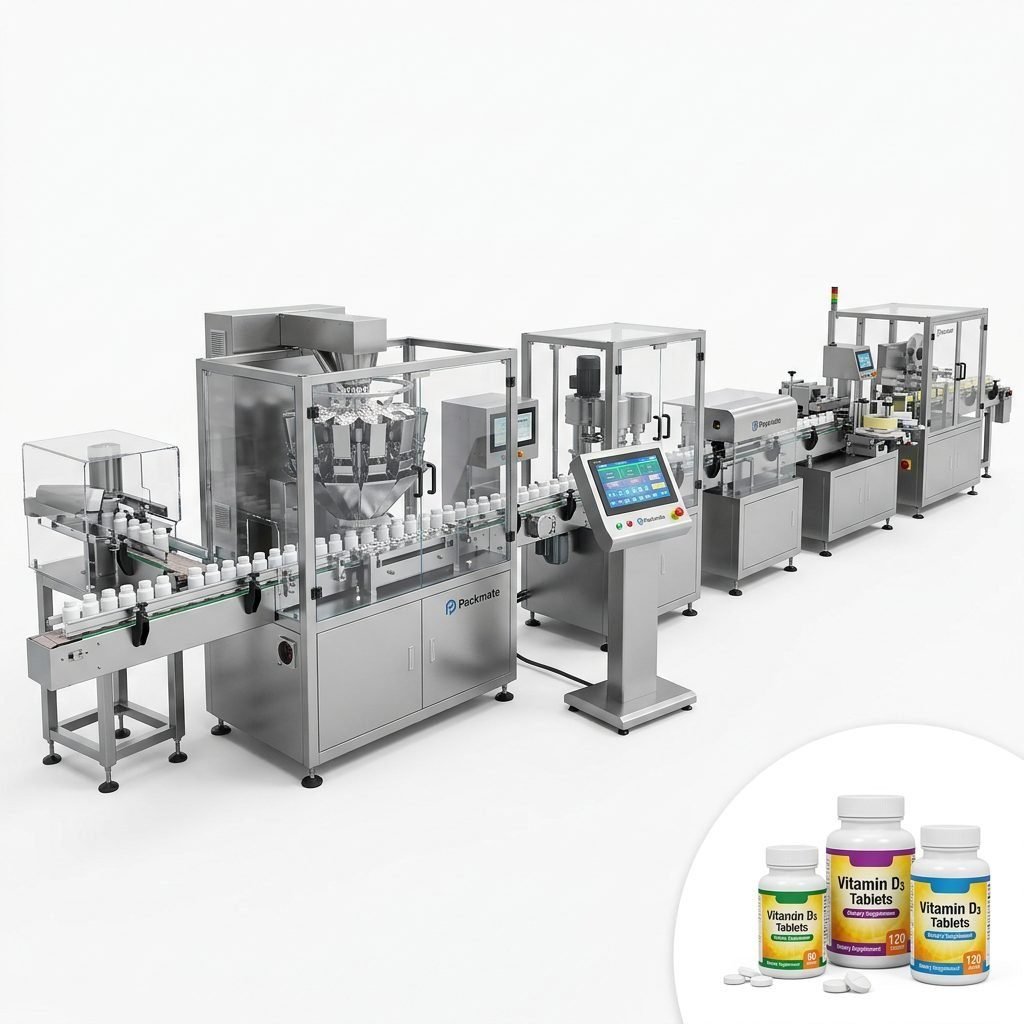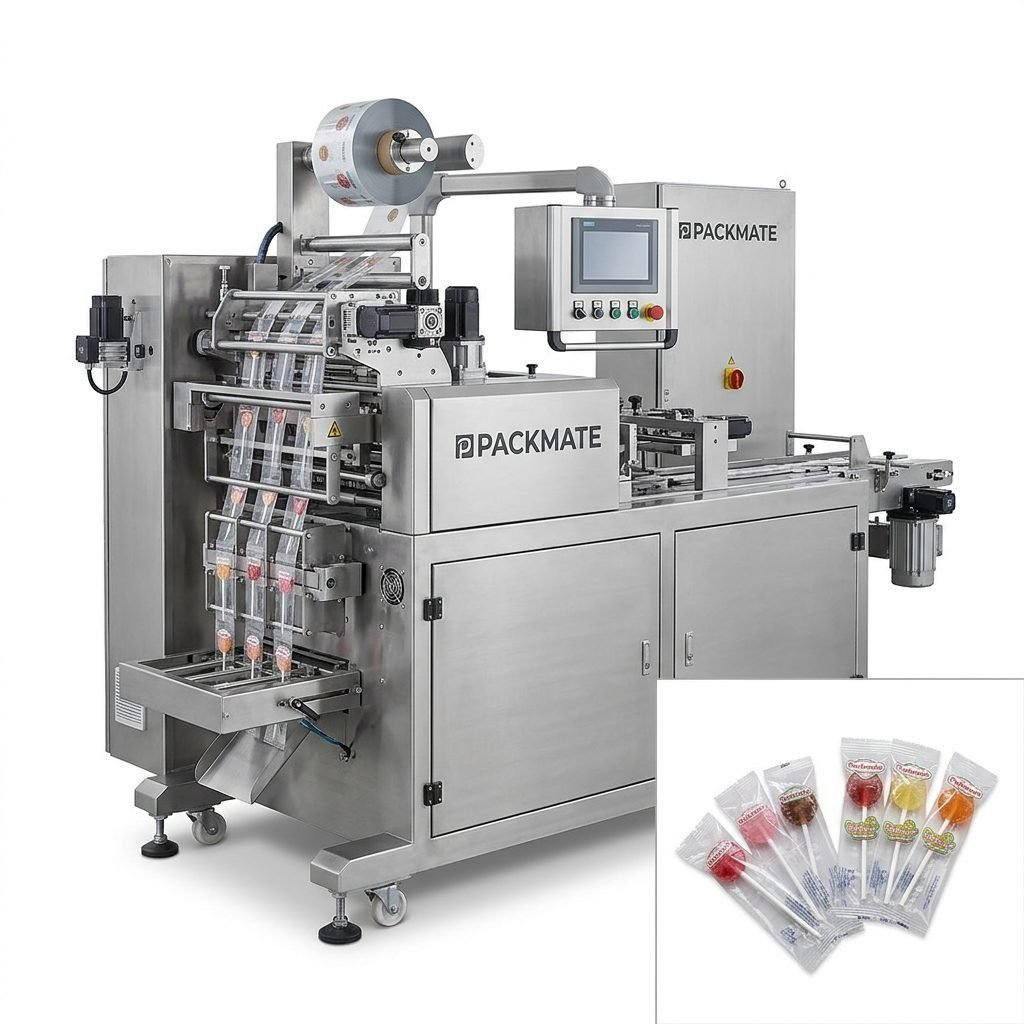
In the competitive world of beverage manufacturing, efficiency is the cornerstone of profitability and growth. Beverage packaging automation represents a transformative leap forward, moving away from manual, labor-intensive processes towards streamlined, high-speed, and precise production systems. This evolution is not just about replacing human effort; it’s about unlocking new levels of consistency, scalability, and cost control. For manufacturers aiming to meet the demands of modern markets—from North America’s demand for single-serve convenience to Europe’s focus on sustainability and Southeast Asia’s booming ready-to-drink sector—automated packaging is no longer a luxury but a necessity.
The Core Benefits: Efficiency, Cost Reduction, and Scalability
Implementing automated packaging solutions delivers a direct and measurable impact on a beverage producer’s bottom line. The primary advantages can be broken down into three interconnected pillars.
1. Drastically Improved Production Efficiency
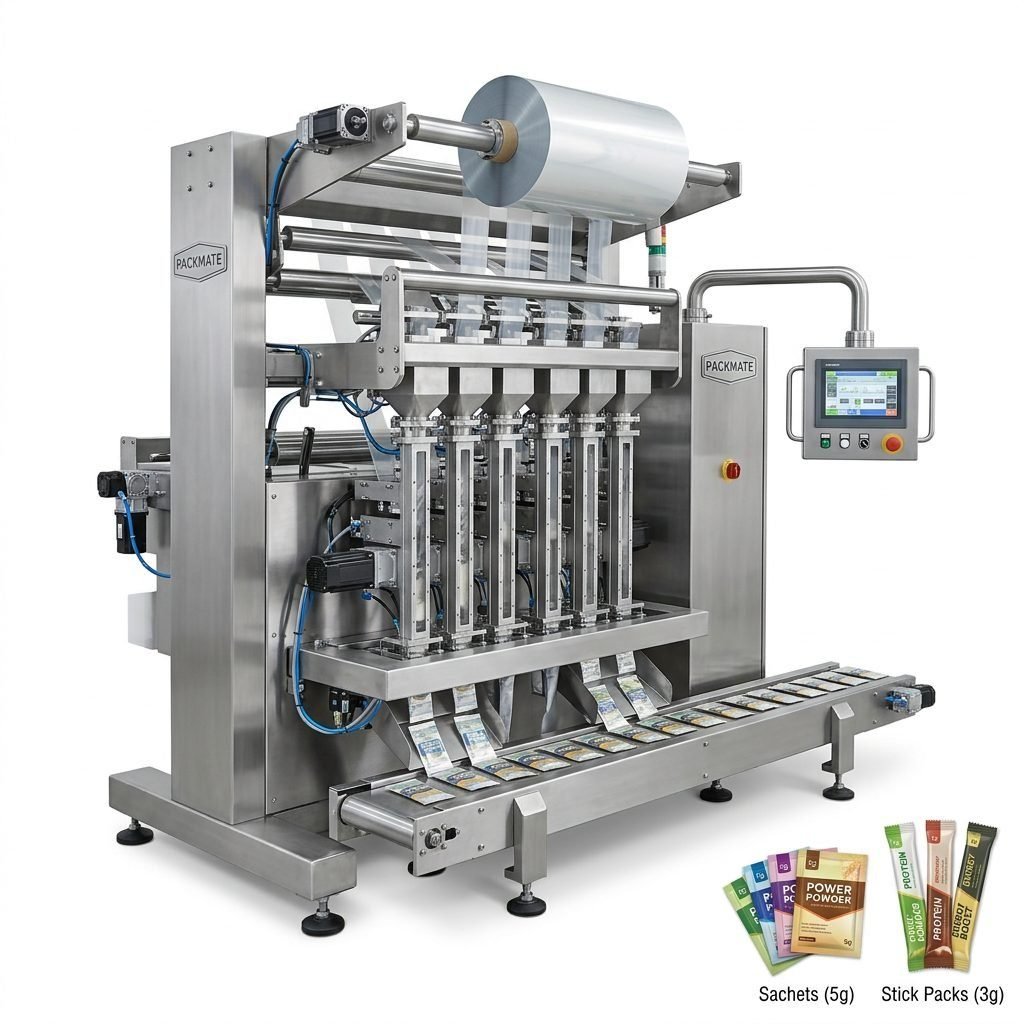
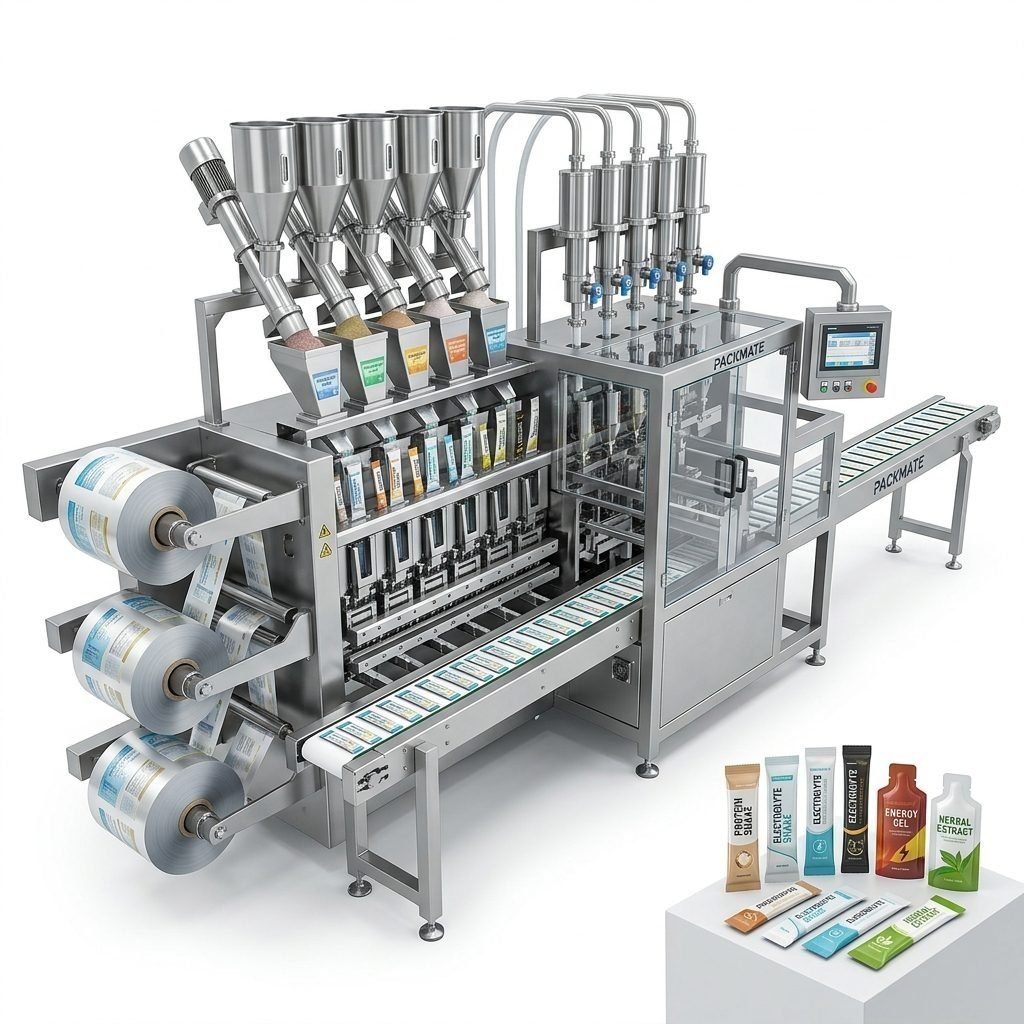
Manual packaging is a bottleneck. Automated systems operate 24/7 with consistent speed and accuracy. Multi-lane stick pack and sachet machines, for instance, can produce thousands of uniform pouches per hour—a volume unattainable by human hands. This relentless output shortens lead times, allows for faster order fulfillment, and maximizes the utilization of production assets. Automation also minimizes changeover times between different product SKUs, enabling manufacturers to respond swiftly to market trends and run smaller, more frequent batches efficiently.
Key Efficiency Metrics Improved by Automation:
- Output Speed: Increases from hundreds to thousands of units per minute.
- Uptime: Reduced downtime from manual fatigue, breaks, and errors.
- Changeover Speed: Quick-adjust systems allow for rapid product switching.
- Overall Equipment Effectiveness (OEE): Significant improvement across availability, performance, and quality rates.
2. Significant Cost Reduction Across the Board
While the initial investment in automation is substantial, the long-term cost savings are compelling. The most direct saving is in labor costs. Automated lines require far fewer operators, allowing staff to be redeployed to higher-value tasks like quality control, maintenance, and supervision. Furthermore, automation drastically reduces material waste through precise filling and sealing, minimizing giveaway and rejected product. Energy-efficient modern machines and reduced rework due to higher consistency contribute to lower operational expenses. For companies like Ludyway and Packmate Machinery, which serve cost-conscious global markets, providing equipment that delivers a fast return on investment through these savings is a key value proposition.
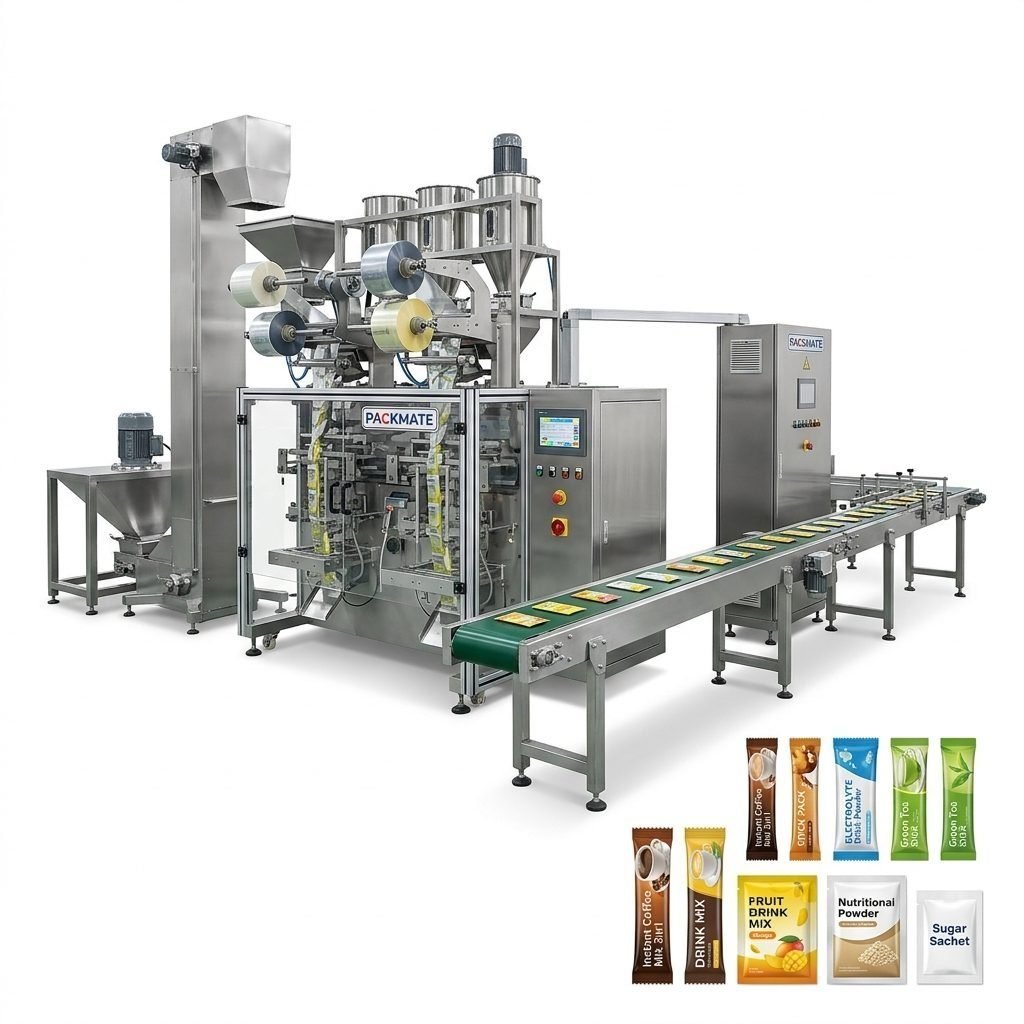
3. Unmatched Scalability for Growth
Scalability is the ability to increase production capacity without proportional increases in cost or complexity. Modular automated packaging lines are inherently scalable. You can start with a core system—like a high-speed sachet packing machine—and integrate additional components as demand grows: automated cartoners, robotic palletizers, vision inspection systems, and secondary packaging units. This modular approach, championed by turnkey line specialists like PacklineOEM, allows businesses to scale production seamlessly, enter new markets, and launch new product formats without overhauling their entire packaging operation.
Key Automation Technologies for Beverage Packaging
The choice of technology depends on the beverage format—powder, liquid, concentrate, or ready-to-drink. Here are the core systems driving automation:
| Technology | Primary Application | Key Benefit |
|---|---|---|
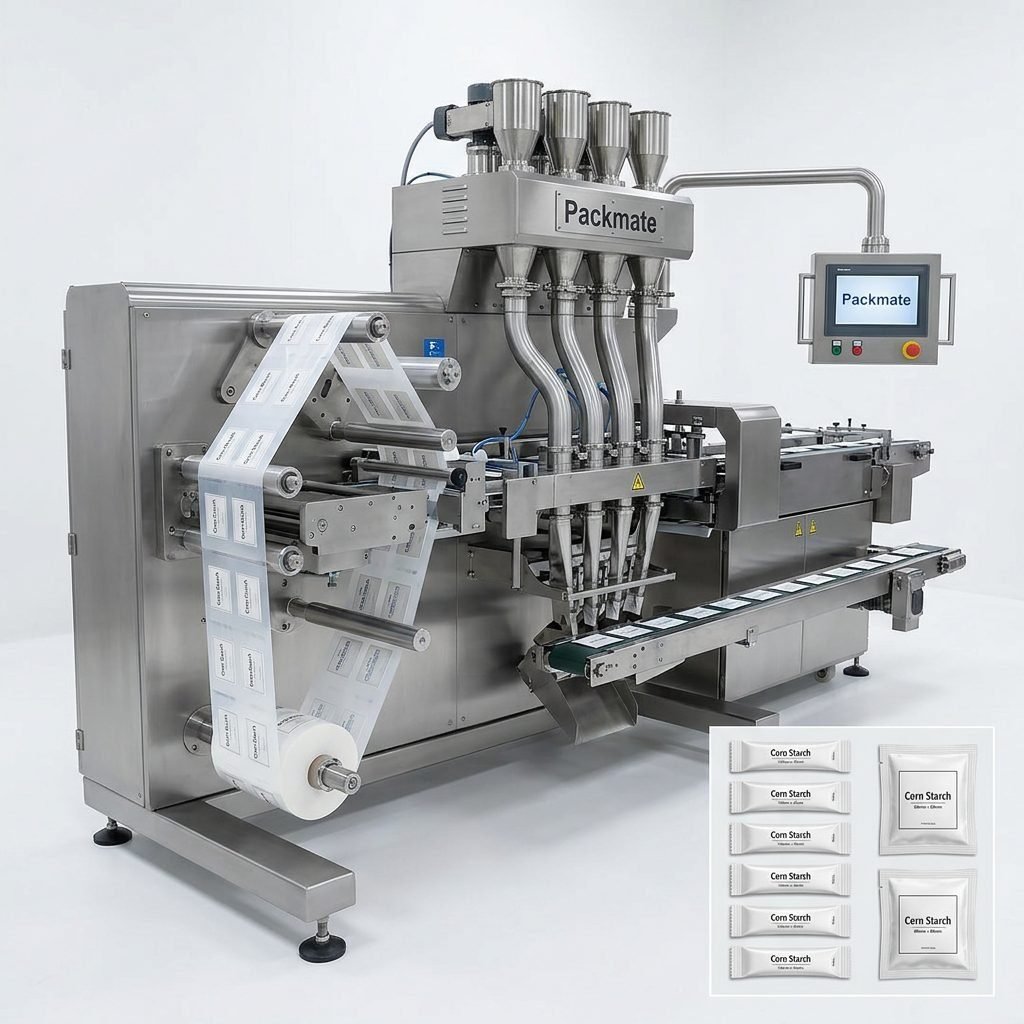
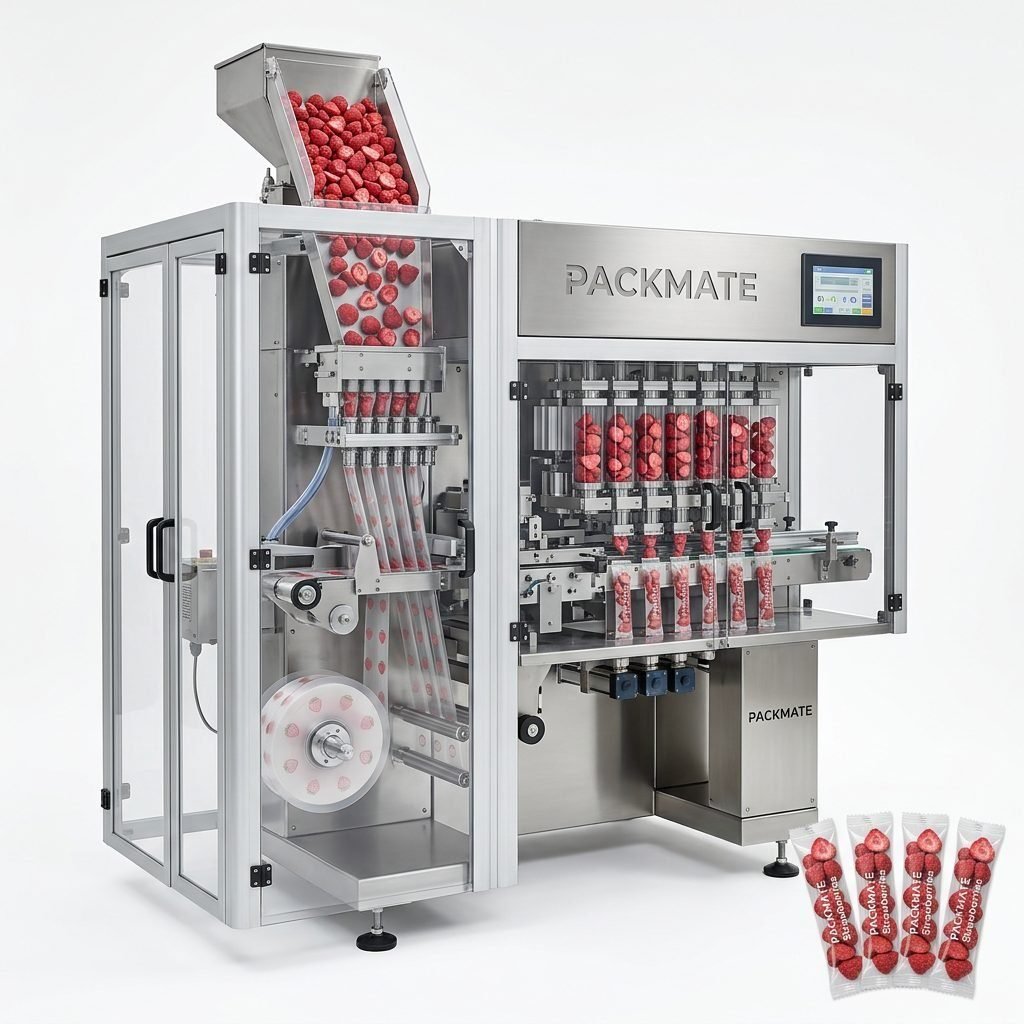
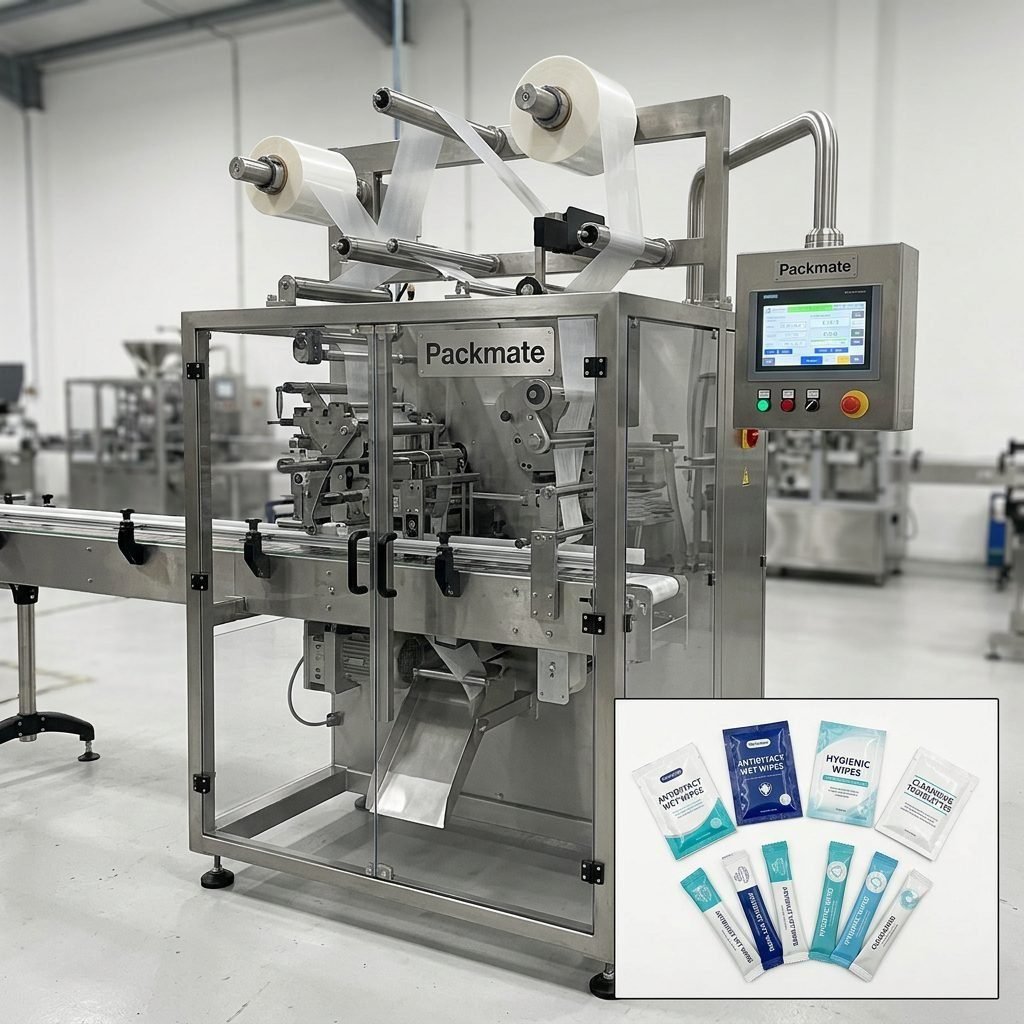
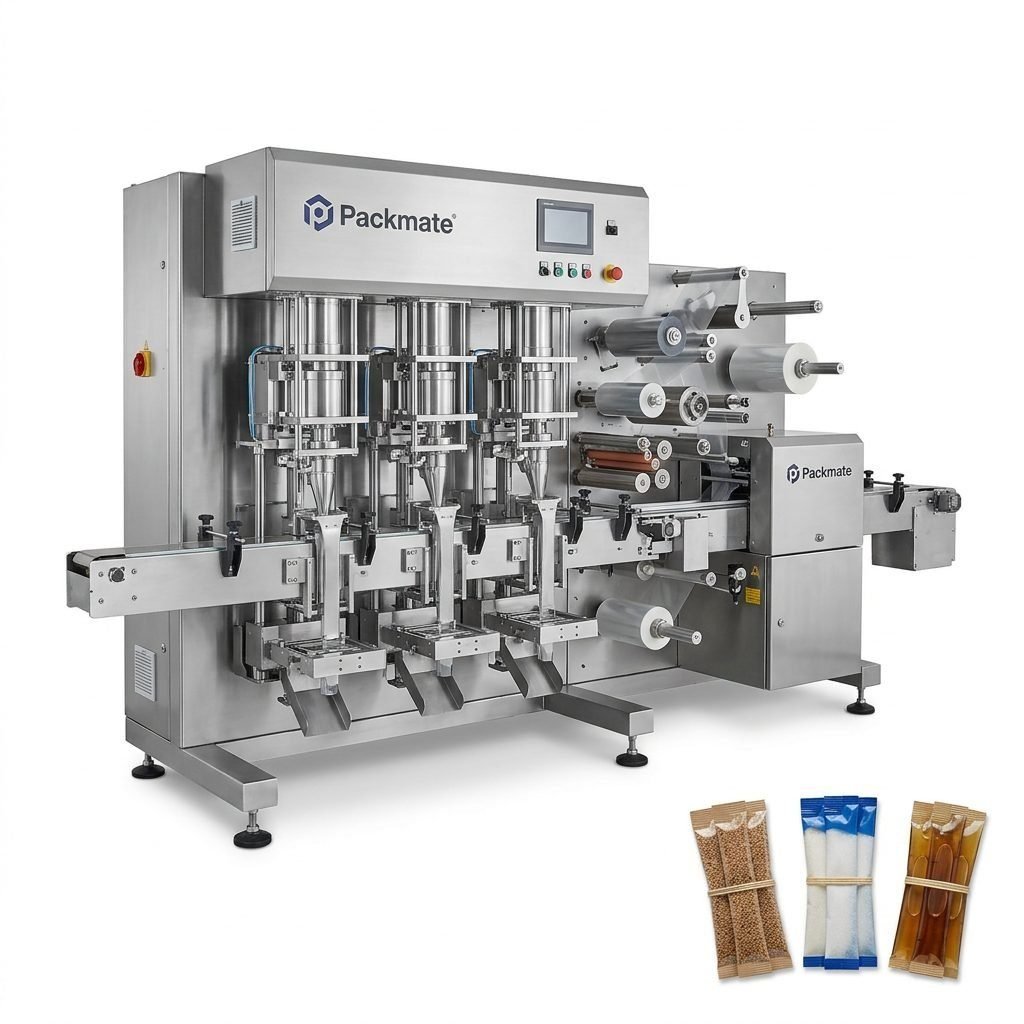
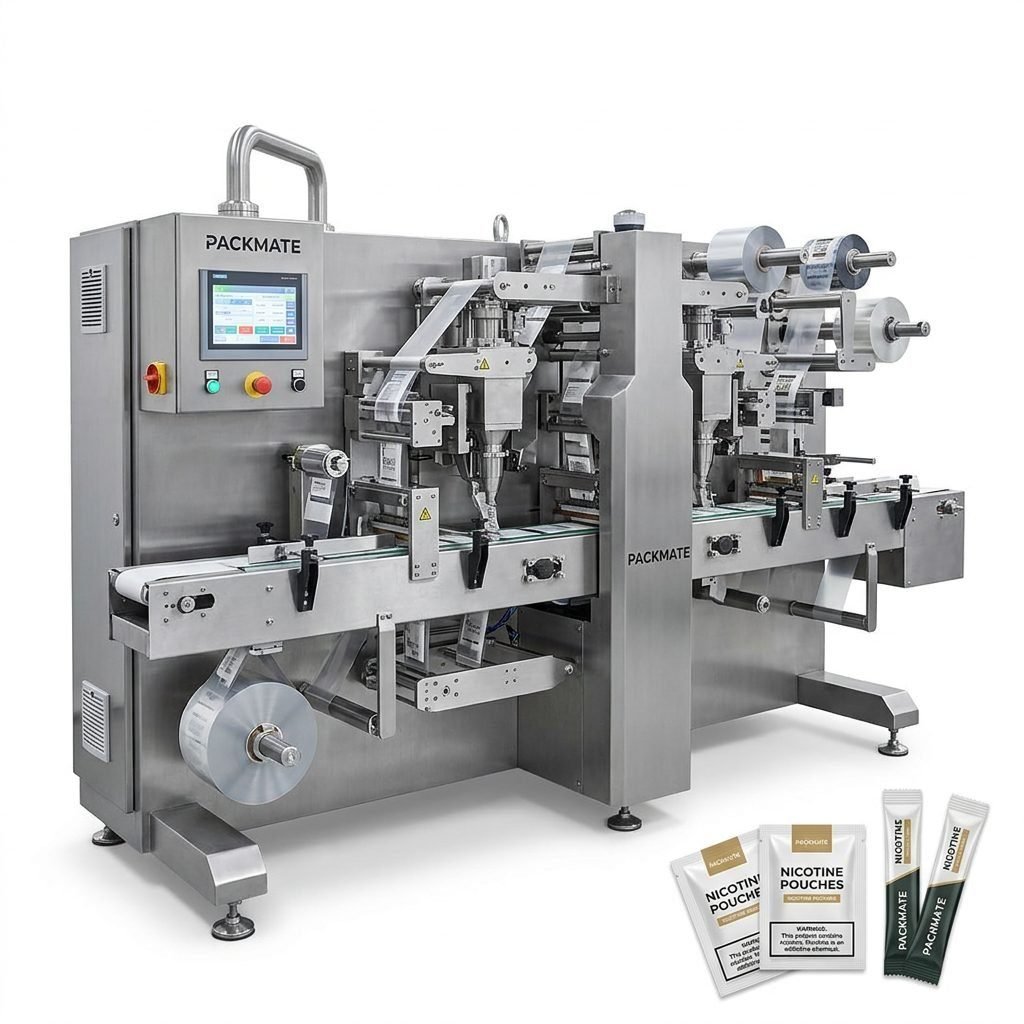
| Multi-Lane Stick Pack & Sachet Machines | Instant coffee, tea, powdered milk, drink mixes, liquid concentrates, sauce sachets. | Extremely high output (e.g., 1,200+ packs/min), perfect for single-serve portions. |
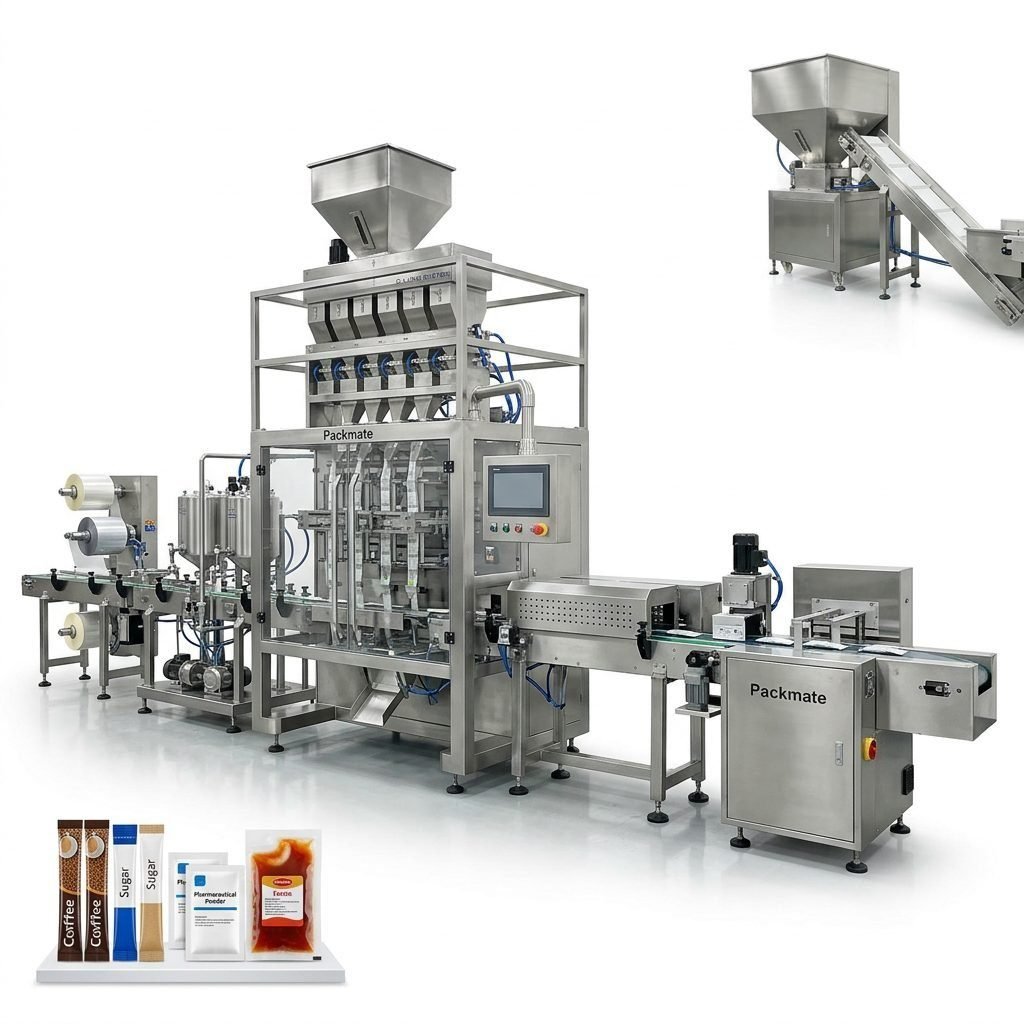
| Automatic Liquid Filling & Sealing Lines | Liquid beverage sachets, stick pouches for oils, syrups, and dairy shots. | Precision volumetric/piston filling, leak-proof seals, hygienic design. |
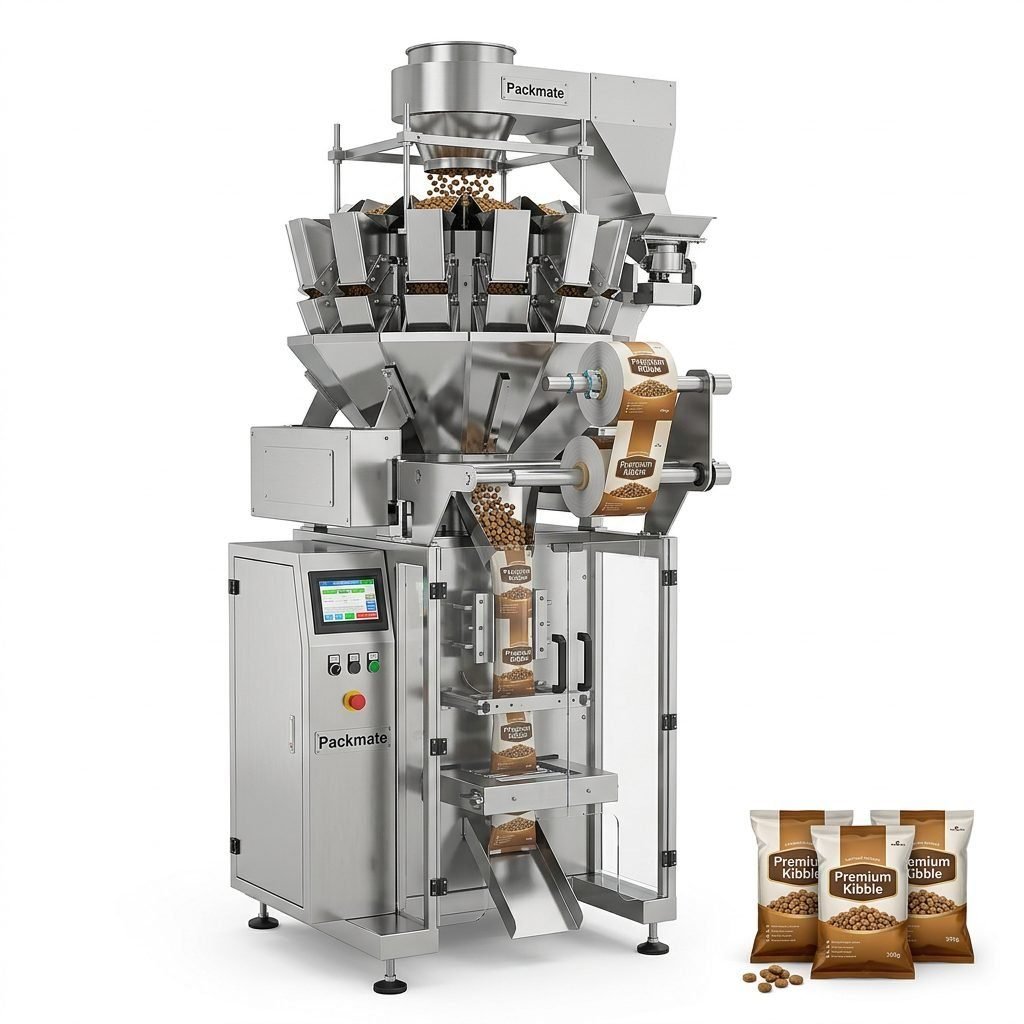
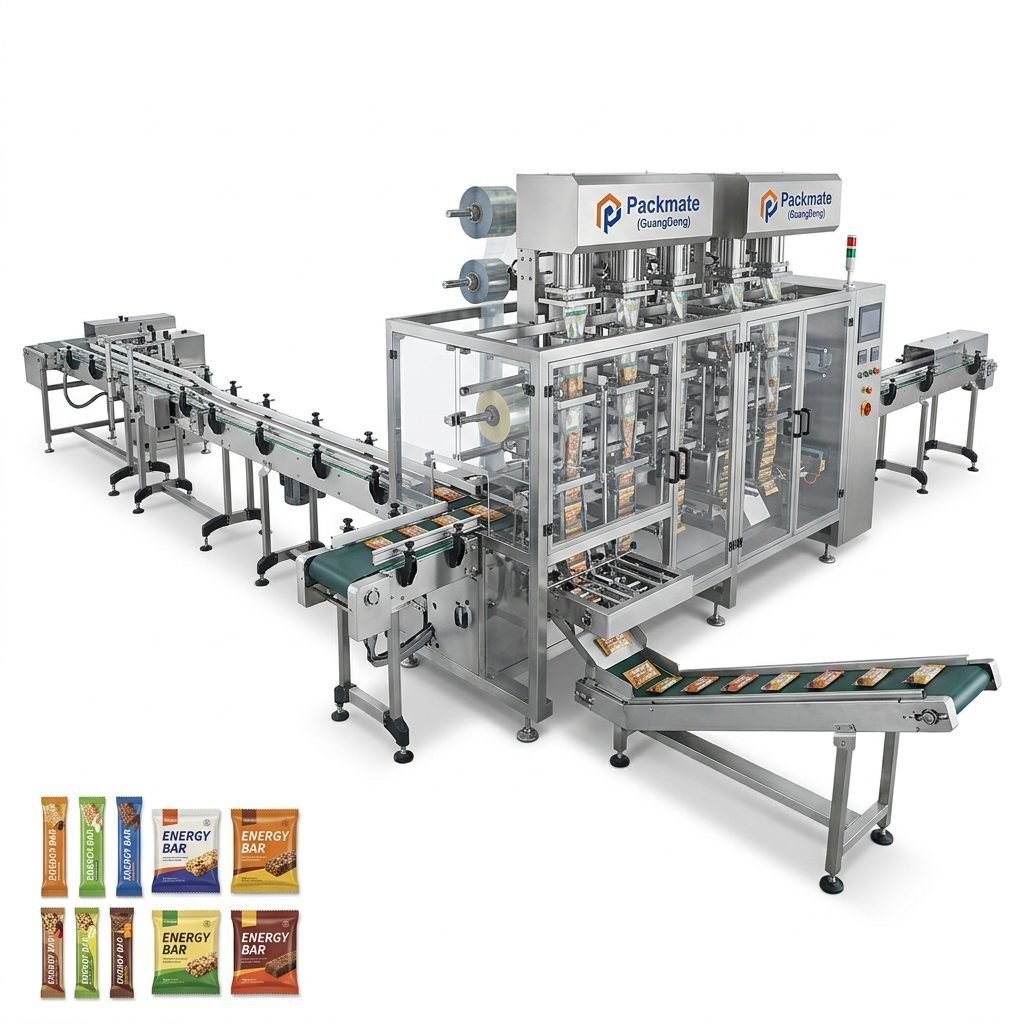
| Vertical Form-Fill-Seal (VFFS) Machines | Granular drink powders, sugar, powdered creamer in larger pouches. | Flexibility in bag size, uses roll stock film, ideal for bulk retail packs. |
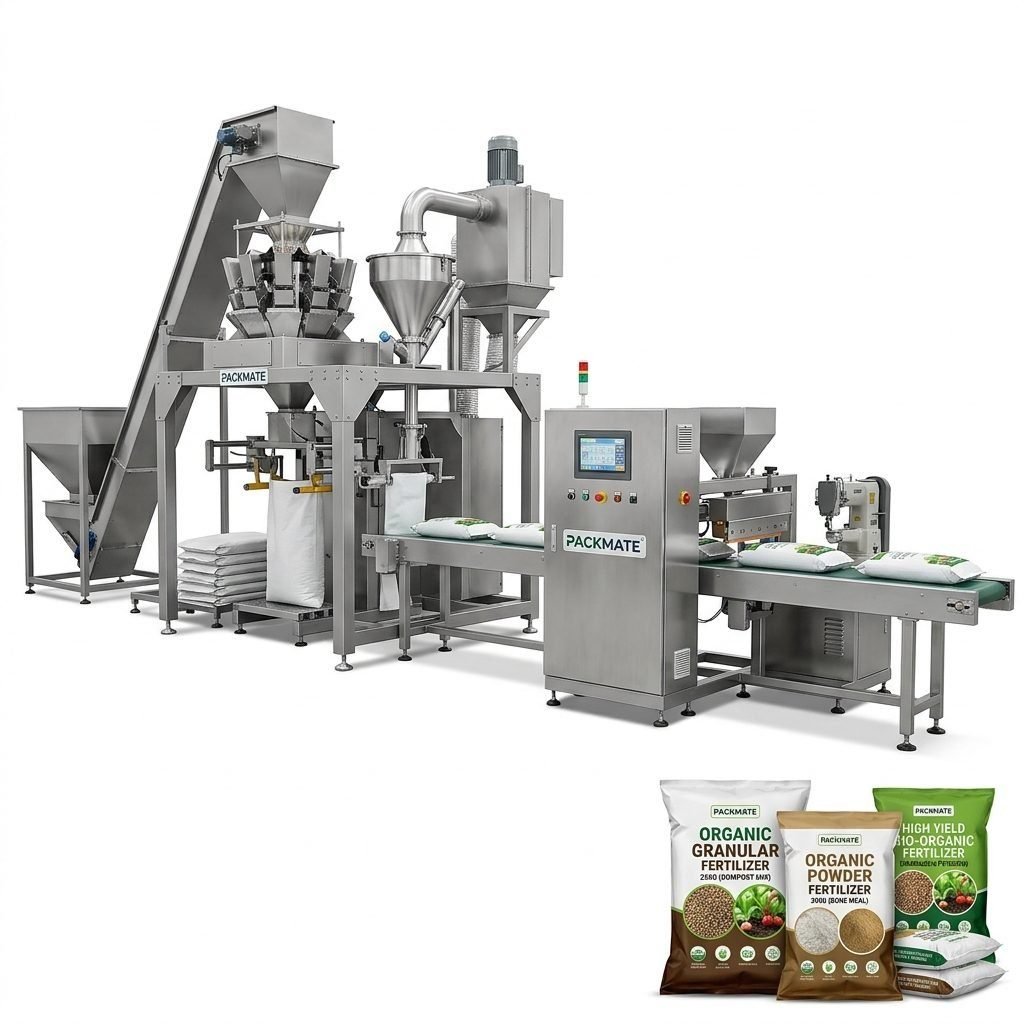
| Turnkey Integrated Lines | End-to-end production from mixing to primary & secondary packaging. | Complete workflow automation, minimal manual handling, optimized logistics. |
Strategic Implementation: A Step-by-Step Guide
Successfully scaling production with automation requires careful planning. Here is a strategic roadmap:
Step 1: Audit Current Process & Define Goals
Map your existing packaging workflow to identify bottlenecks, waste points, and quality issues. Quantify your goals: Is it a 40% output increase? A 30% reduction in labor costs? Defining clear, measurable targets is crucial for selecting the right equipment and justifying the investment.
Step 2: Select the Right Technology Partner
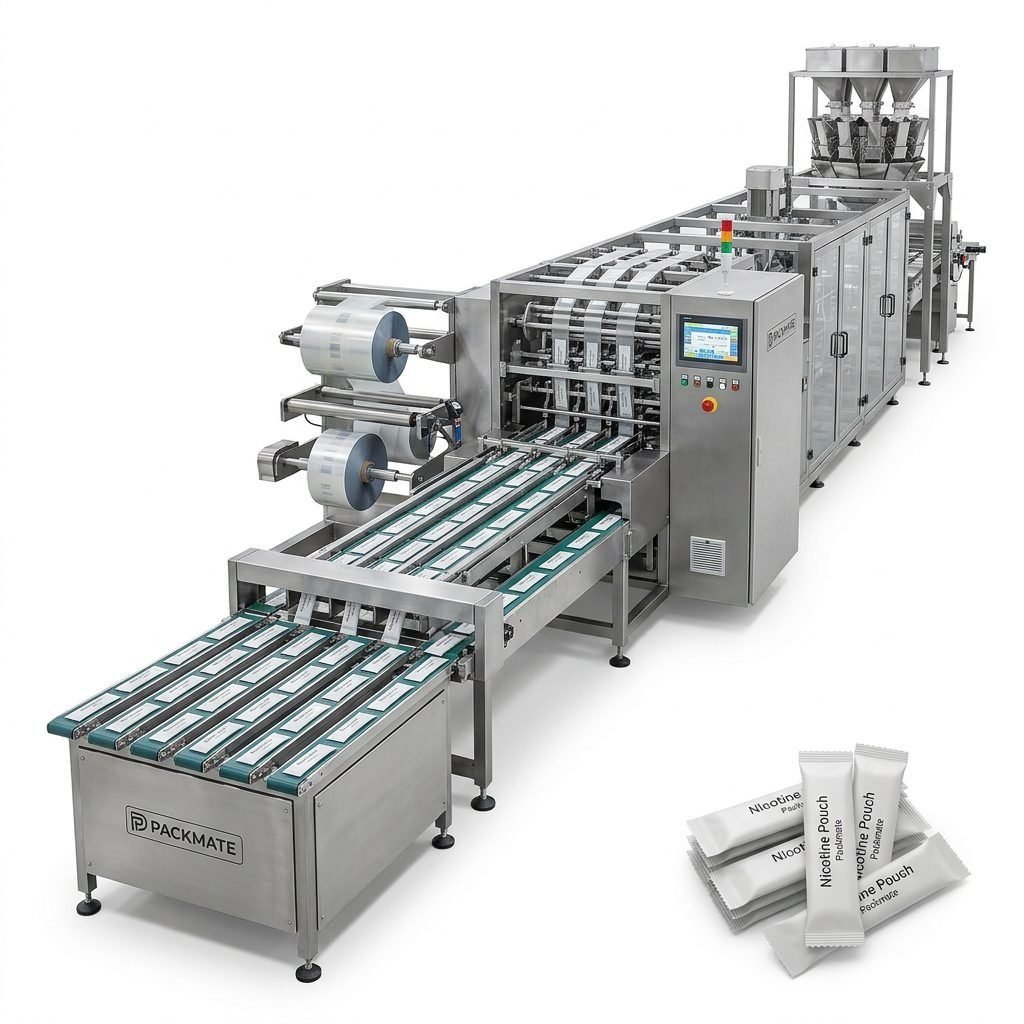
Choosing a supplier is critical. Look for manufacturers with proven experience in the beverage sector and a strong track record in your target export regions. Companies with over 30 years of industry experience, like those profiled, offer invaluable application knowledge. Evaluate their ability to provide not just a machine, but a solution—including customization, training, and after-sales support. For specialized needs, such as nicotine pouch packaging for the growing smokeless market in regions like Europe and North America, a niche expert like SnusMachinery can be invaluable.
Step 3: Focus on Integration & Flexibility
The best machine is one that integrates seamlessly into your existing line. Work with your supplier on factory layout planning. Opt for modular systems that allow for future upgrades. Consider flexibility for different pouch sizes, materials (like sustainable films), and product types to future-proof your investment.
Step 4: Prioritize Operator Training & Maintenance
Automation shifts the human role from manual operation to supervision, maintenance, and troubleshooting. Comprehensive training from your supplier is non-negotiable. A well-trained team minimizes downtime, ensures optimal machine performance, and extends equipment lifespan. Partner with suppliers who offer robust training programs and readily available spare parts.
Step 5: Leverage Data for Continuous Improvement
Modern automated lines generate vast amounts of data on speed, efficiency, downtime, and quality. Use this data to monitor performance against KPIs, schedule predictive maintenance, and identify opportunities for further optimization. This data-driven approach turns your packaging line into a continuously improving asset.
Real-World Impact: A beverage mix manufacturer exporting to the Middle East and Africa replaced three manual filling stations with a single 16-lane automated stick pack machine. The result was a 300% increase in output, a 60% reduction in packaging labor, and a 99.5% packaging accuracy rate, dramatically reducing product giveaway and enhancing brand consistency across markets.
Overcoming Challenges in Automation Adoption
The path to automation has hurdles. The upfront capital investment is significant. To mitigate this, calculate the Total Cost of Ownership (TCO) and ROI, factoring in labor savings, waste reduction, and increased throughput. Integrating new machinery with legacy equipment can be complex; choosing a partner with strong engineering support for customized and non-standard solutions is key. Finally, ensure your team is prepared for the technological shift through proactive change management and training.
Conclusion: The Automated Future is Now
Beverage packaging automation is the definitive strategy for manufacturers who aim to compete on a global scale. It is the engine for achieving superior efficiency, realizing substantial cost savings, and building a production foundation that can scale effortlessly with market demand. By partnering with experienced manufacturers and implementing a strategic, step-by-step approach, beverage companies can transform their packaging operations from a cost center into a powerful competitive advantage.
Frequently Asked Questions (FAQs)
Q1: What is the typical ROI period for a beverage packaging automation system?
A: The payback period varies based on scale and application but typically ranges from 1 to 3 years. This is achieved through labor savings, reduced waste, higher output, and lower operational costs. A detailed feasibility study with your equipment supplier can provide a precise projection.
Q2: Can automated machines handle different packaging formats and materials?
A: Yes, modern machines are highly versatile. Most high-speed sachet and stick pack machines offer quick-change features for different pouch sizes. They can run various laminates, including sustainable and biodegradable films. Discuss your material requirements with your supplier during the planning phase.
Q3: How do I ensure the automated system meets our quality and hygiene standards?
A: Reputable manufacturers design machines with hygiene in mind (e.g., stainless steel contact parts, CIP systems). You should insist on factory acceptance tests (FAT) to verify performance and quality output before installation. Implementing inline checkweighers and vision inspection systems as part of the line further guarantees quality control.
Q4: Is it better to buy individual machines or a complete turnkey line?
A: It depends on your starting point and goals. For a specific bottleneck (e.g., filling), a standalone machine from a supplier like Packmate Machinery may suffice. For a new greenfield project or a complete overhaul, a turnkey line from a specialist like PacklineOEM ensures seamless integration of all components (feeding, filling, sealing, cartoning) for maximum efficiency and a single point of responsibility.
Q5: How do I get technical support and spare parts for machines imported from overseas?
A: This is a critical consideration. Choose an export-oriented supplier with a proven global support network. Leading Chinese manufacturers like Ludyway establish regional service centers or partner with local agents to provide prompt technical support, training, and spare parts logistics, minimizing potential downtime.