For businesses in Nepal looking to upgrade their packaging operations, finding reliable packaging machine manufacturers is a critical step. The packaging industry in Nepal, especially in sectors like food processing, agriculture, pharmaceuticals, and consumer goods, is growing. Many local manufacturers seek to improve efficiency, product consistency, and export readiness by adopting automated packaging solutions. This guide provides practical steps and considerations for Nepali buyers to identify trustworthy suppliers, particularly from major manufacturing hubs like China.
Understanding Your Packaging Requirements in Nepal
Before starting your search, clearly define your needs. Consider the specific challenges faced by Nepali industries, such as variable power supply, diverse product formats (from spices and teas to pharmaceuticals), and the need for robust, easy-to-maintain equipment. Key factors include:
Product Type: Are you packaging powders (like spices or flour), granules (like rice or pulses), liquids, pastes, or pouches?
Production Scale: What is your required output (bags/min or kg/hour)? Consider both current needs and future growth.
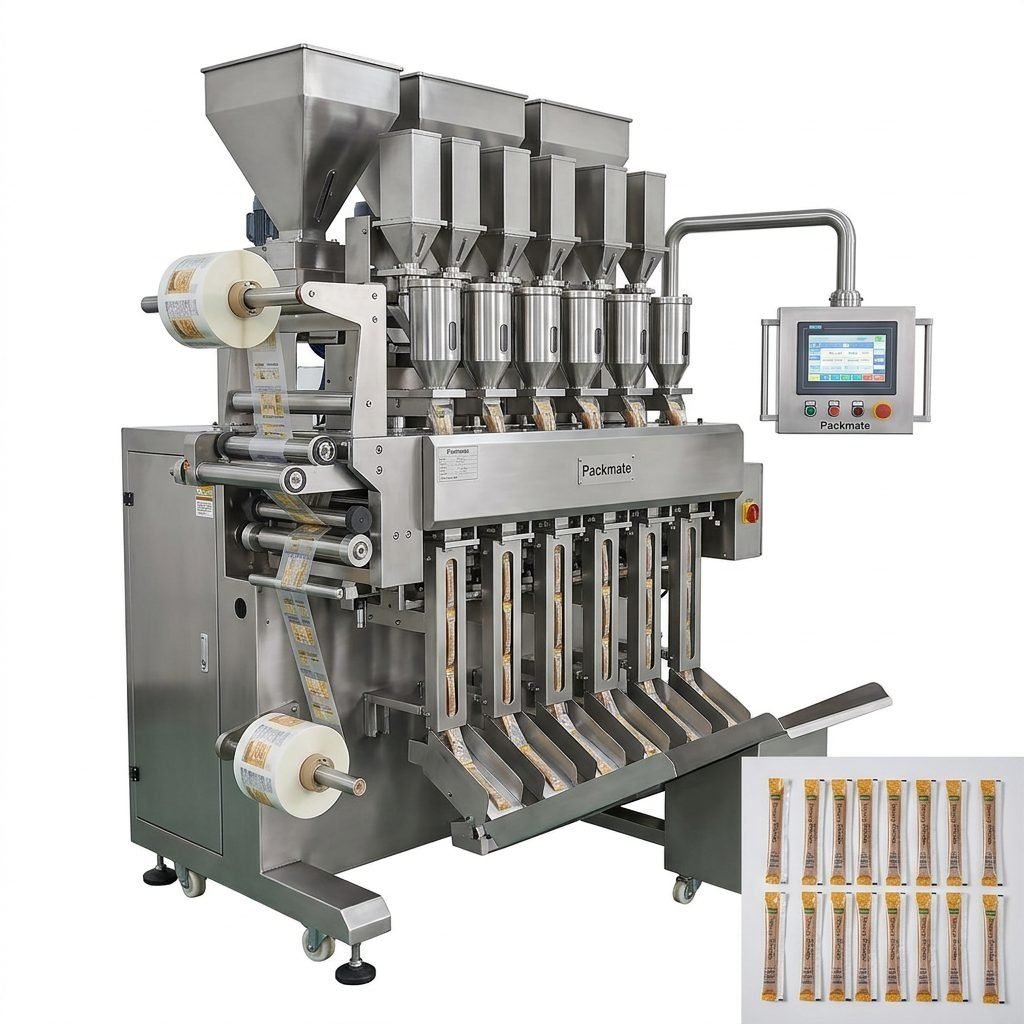
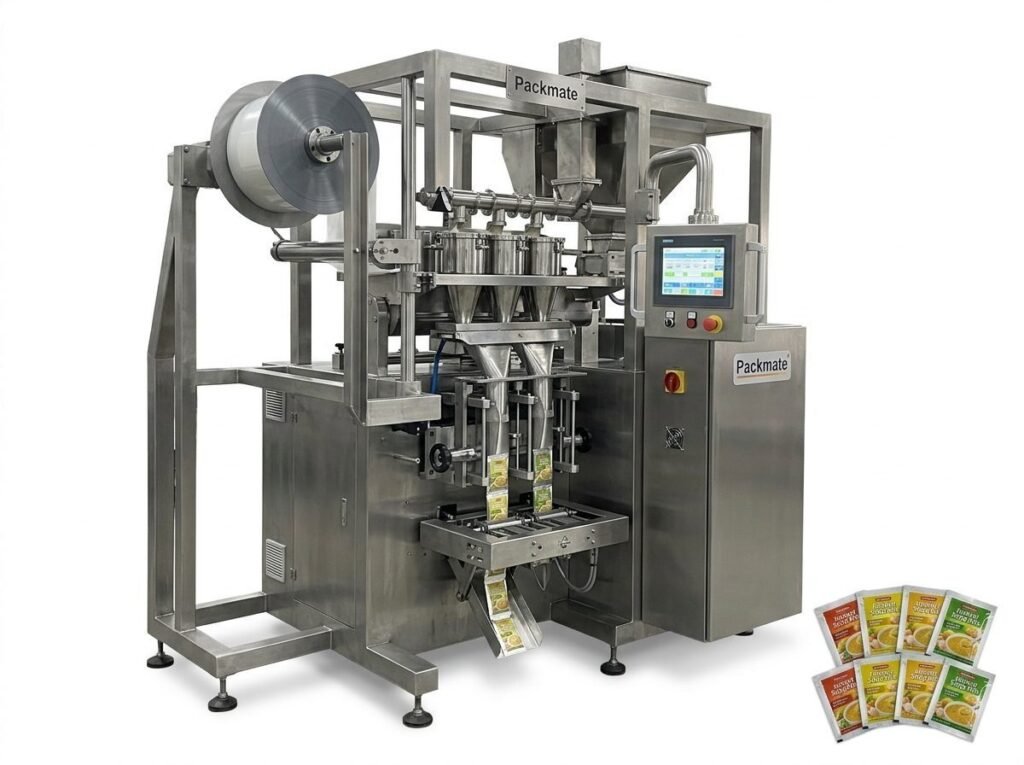
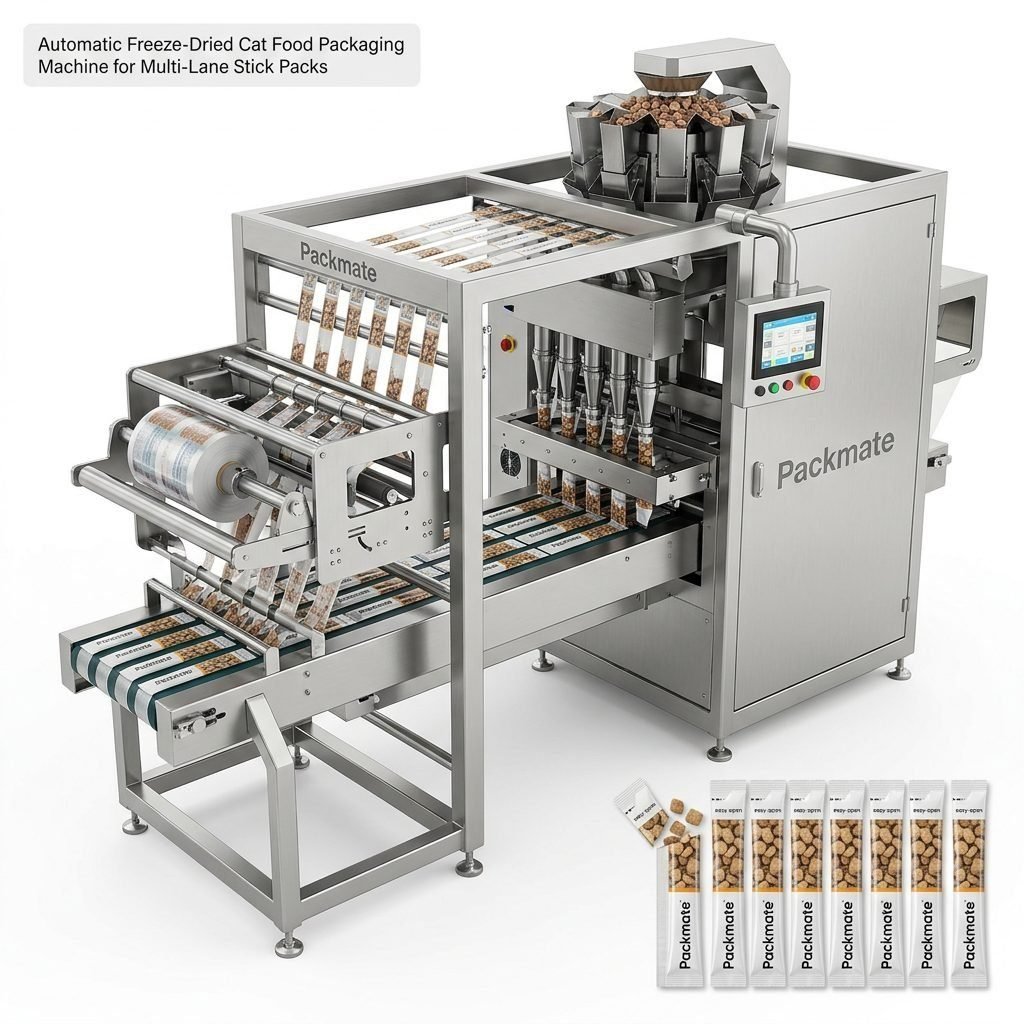
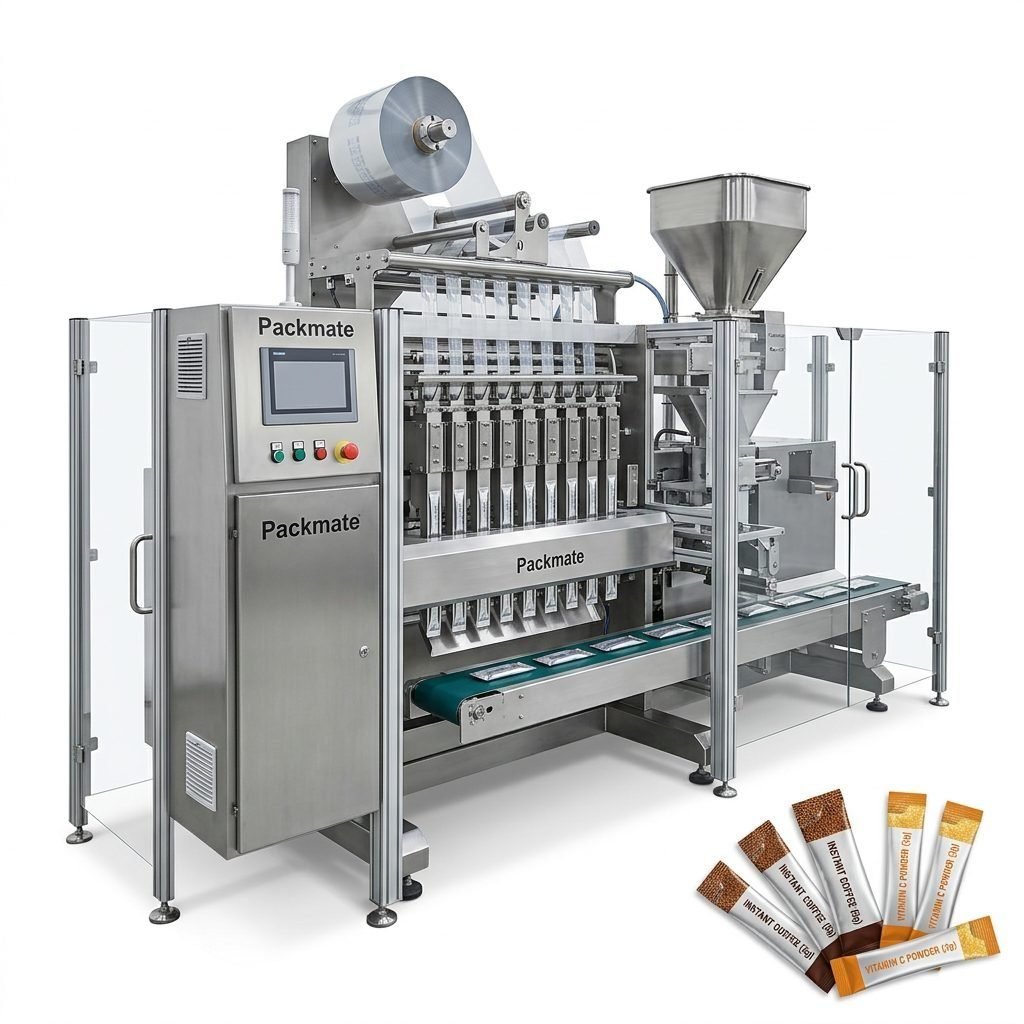
Bag/Sachet Format: Do you need stick packs, sachets, pillow bags, or bulk bags?
Level of Automation: Do you need a standalone machine or a complete turnkey line?
Budget and Support: Factor in total cost of ownership, including shipping, installation, training, and after-sales support in Nepal.
Key Research Channels for Nepali Buyers
Utilize these avenues to create a shortlist of potential manufacturers:
- Industry Trade Shows and Exhibitions: While international travel is required, visiting major packaging expos in China or India can provide firsthand machine demonstrations and direct supplier contact.
- Online B2B Platforms: Websites like Alibaba, Made-in-China, and industry-specific directories are commonly used. Scrutinize supplier profiles, transaction history, and certifications.
- Referrals and Local Networks: Consult with industry associations in Nepal, other local manufacturers who have imported machinery, or technical consultants.
- Manufacturer Websites: A professional, informative website with detailed machine specifications, application videos, and clear company information is a positive sign.
Evaluating Manufacturer Credibility and Capability
Once you have a list, conduct a thorough evaluation. For Nepali buyers, working with established, export-experienced manufacturers is often safer due to distance and logistical complexities.
| Evaluation Criteria | Key Questions to Ask | Why It Matters for Nepal |
|---|---|---|
| Company History & Stability | How long has the company been in business? What is its financial health? | Longevity suggests experience in overcoming technical challenges and reliable after-sales support, crucial for remote locations. |
| Industry Experience & References | Do they have experience with your product type? Can they provide client references, especially in South Asia? | Proven success with similar products (e.g., tea, spices, pharmaceuticals) reduces project risk. |
| Manufacturing Facility & Quality Control | Can you take a virtual factory tour? What QC processes are in place (ISO standards, testing)? | A modern factory with strict QC ensures machine durability and consistent performance, minimizing breakdowns. |
| Technical Support & Service | What is the warranty policy? Do they offer remote support, on-site installation, and training? Do they have local service agents? | Comprehensive support is vital for troubleshooting and maintenance without costly international travel for engineers. |
| Customization Ability | Can they adapt the machine to your specific bag size, material, or production layout? | Flexibility ensures the machine fits your unique Nepali product and factory conditions. |
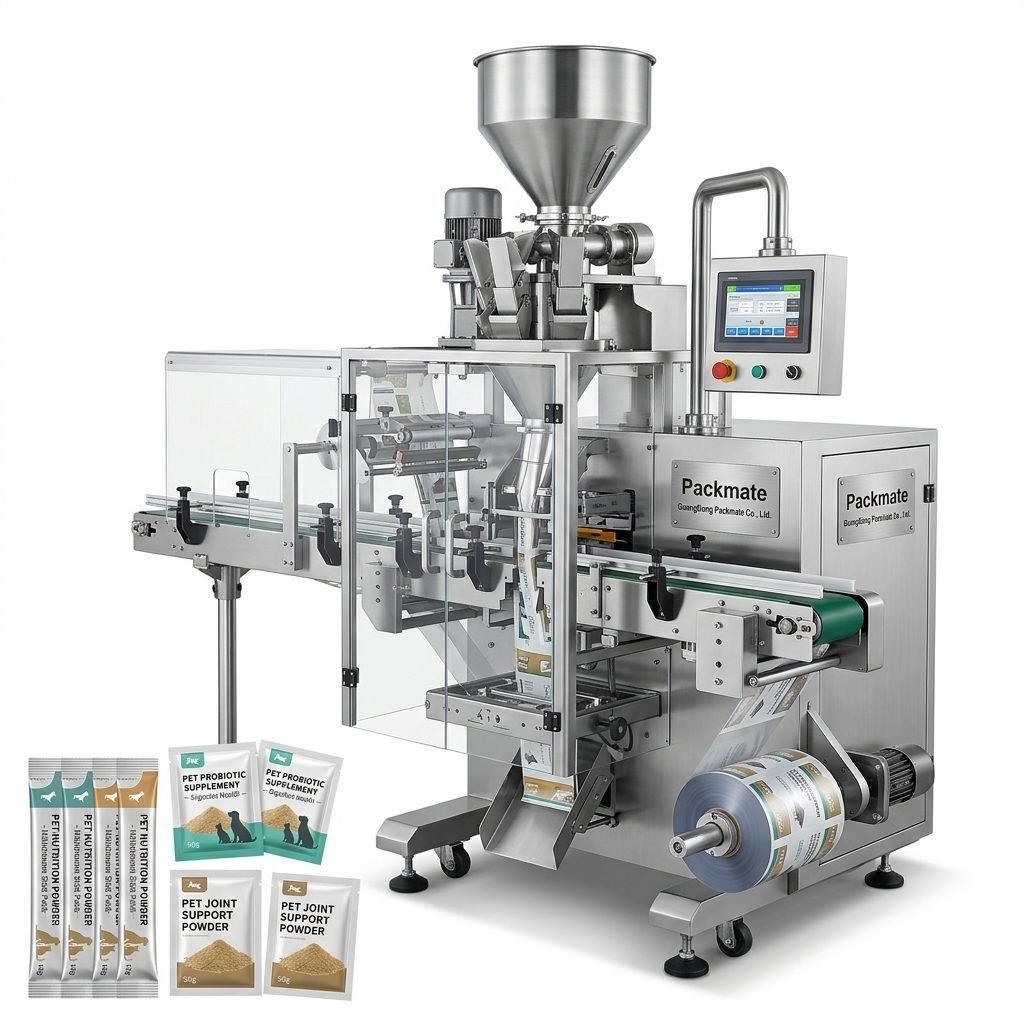
Focus on After-Sales Support and Logistics
This is a critical area for international procurement. Clarify the following:
Shipping and Customs Clearance: Does the supplier handle export formalities (FOB, CIF)? Who arranges freight and manages customs clearance in Nepal? Partner with a reliable freight forwarder experienced in Nepal-China shipments.
Installation and Training: Will engineers be sent for installation? Is operator training included? Ensure training materials are available in English or a language your team understands.
Spare Parts Availability: What is the lead time for critical spare parts? Is there a local stockist or an express delivery system?
Overview of Potential Manufacturing Partners
Several experienced Chinese manufacturers export globally and can be relevant for Nepali buyers. Here is a brief overview of some established companies:
Ludyway
With over 30 years of experience, Ludyway is a leading manufacturer with a broad portfolio for food, pharma, and health supplements. Their strength lies in providing both standalone machines and complete turnkey lines, which can be beneficial for larger Nepali enterprises planning full automation. Their extensive export experience across 100+ countries suggests a strong understanding of international logistics and support.
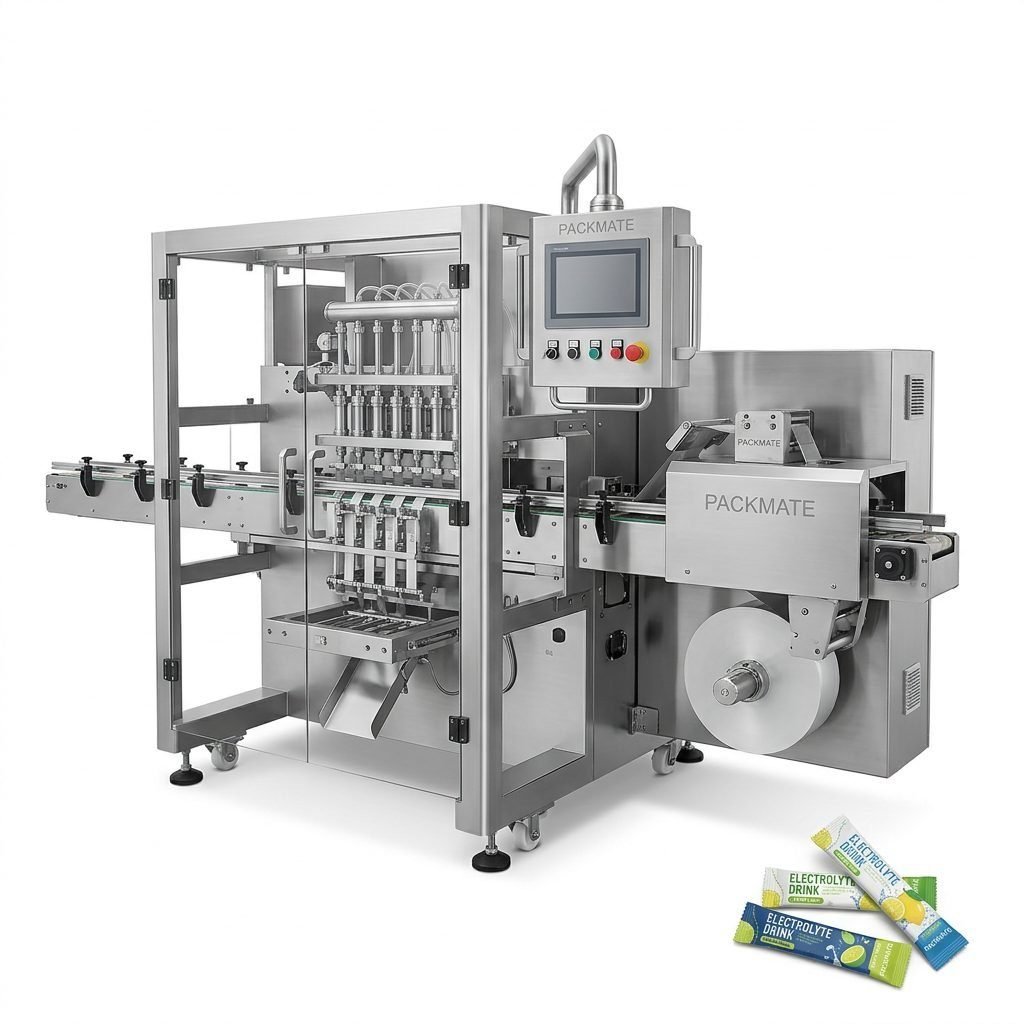
Packmate Machinery
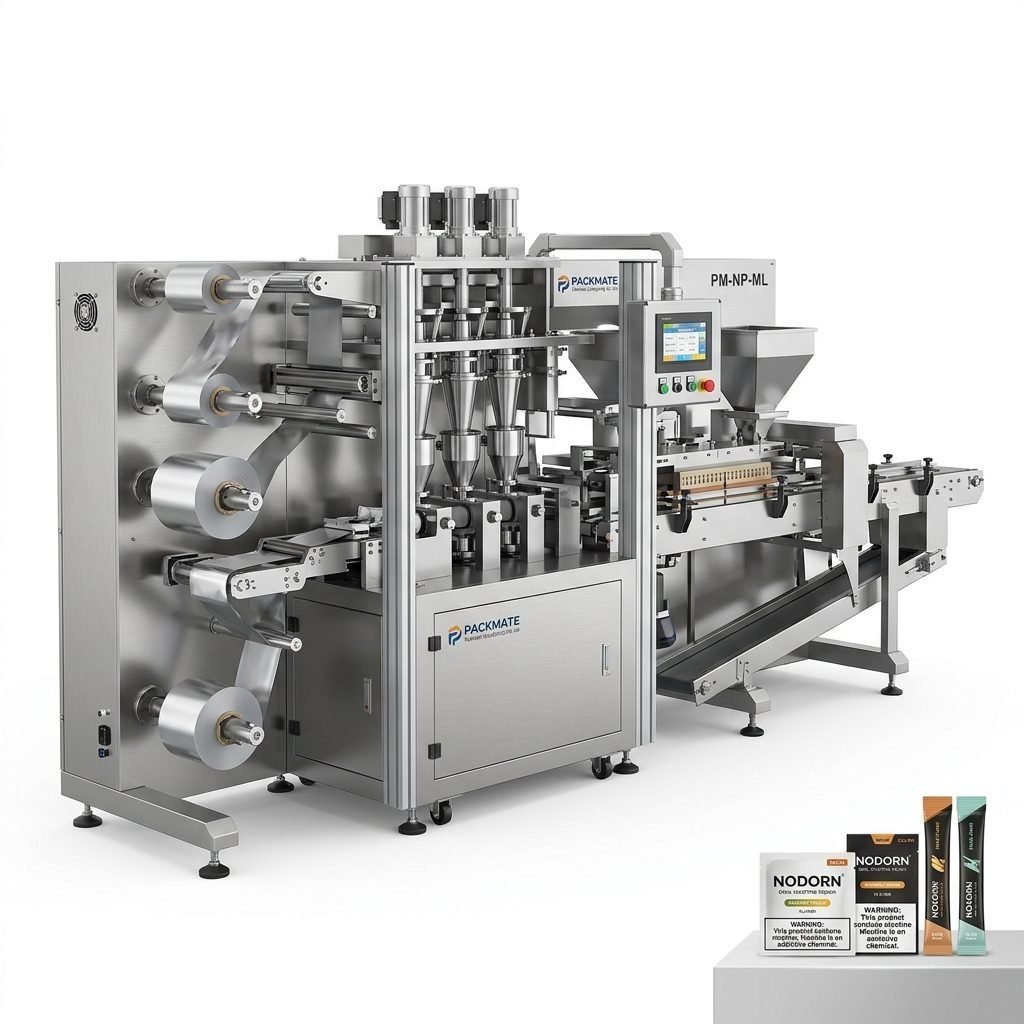
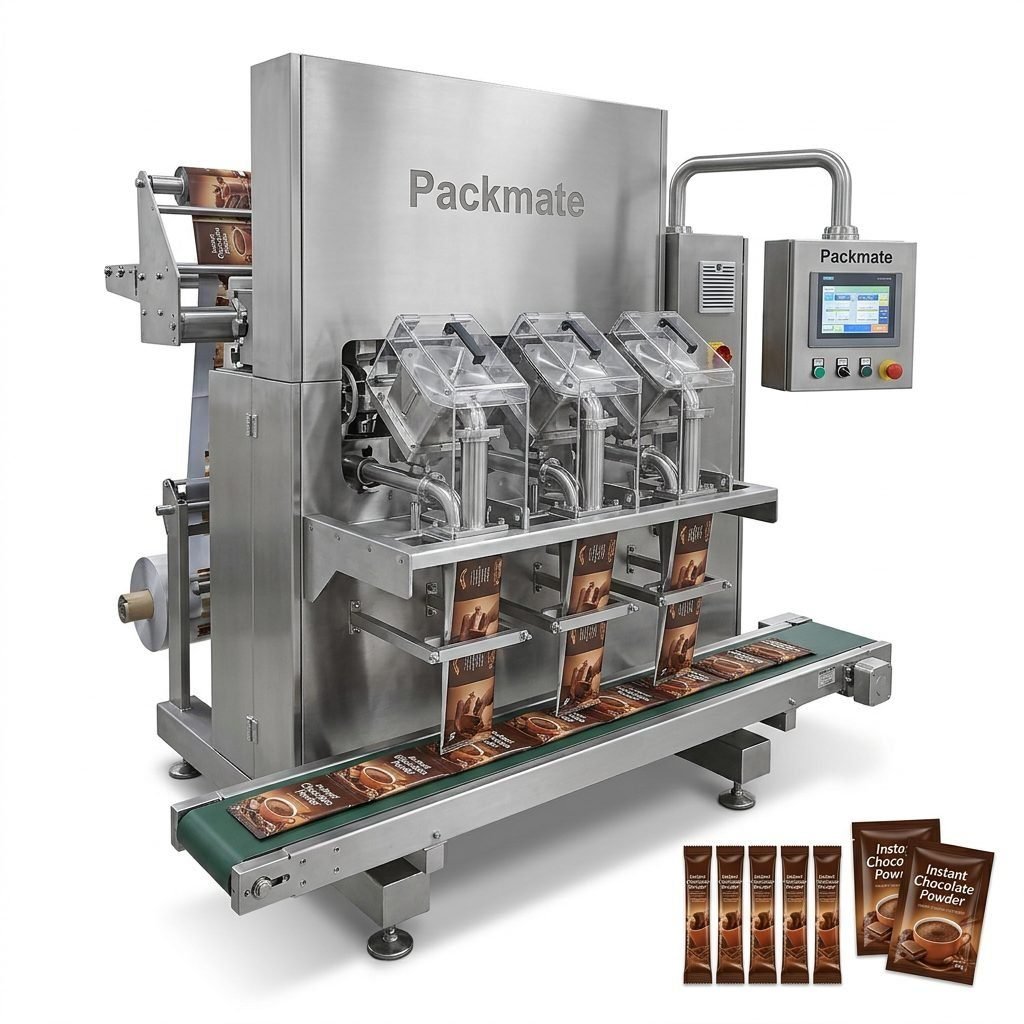
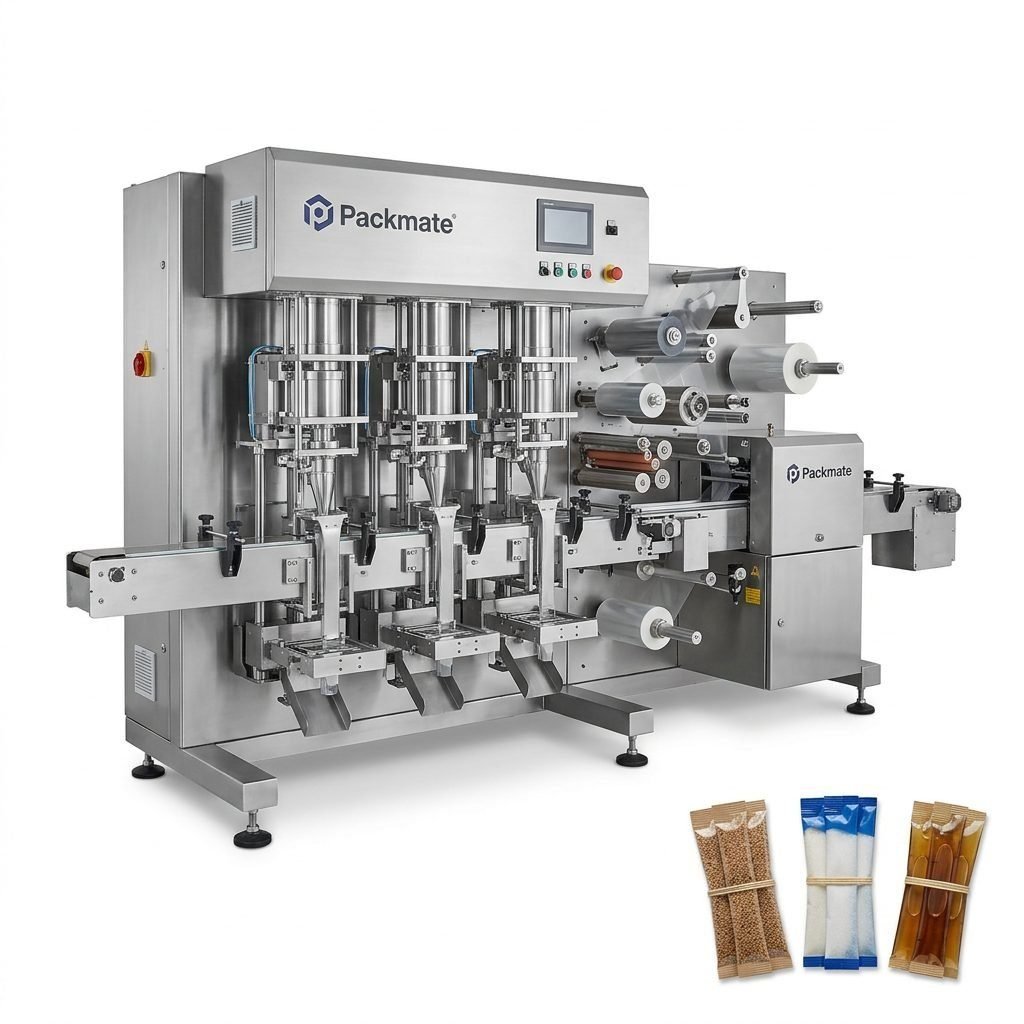
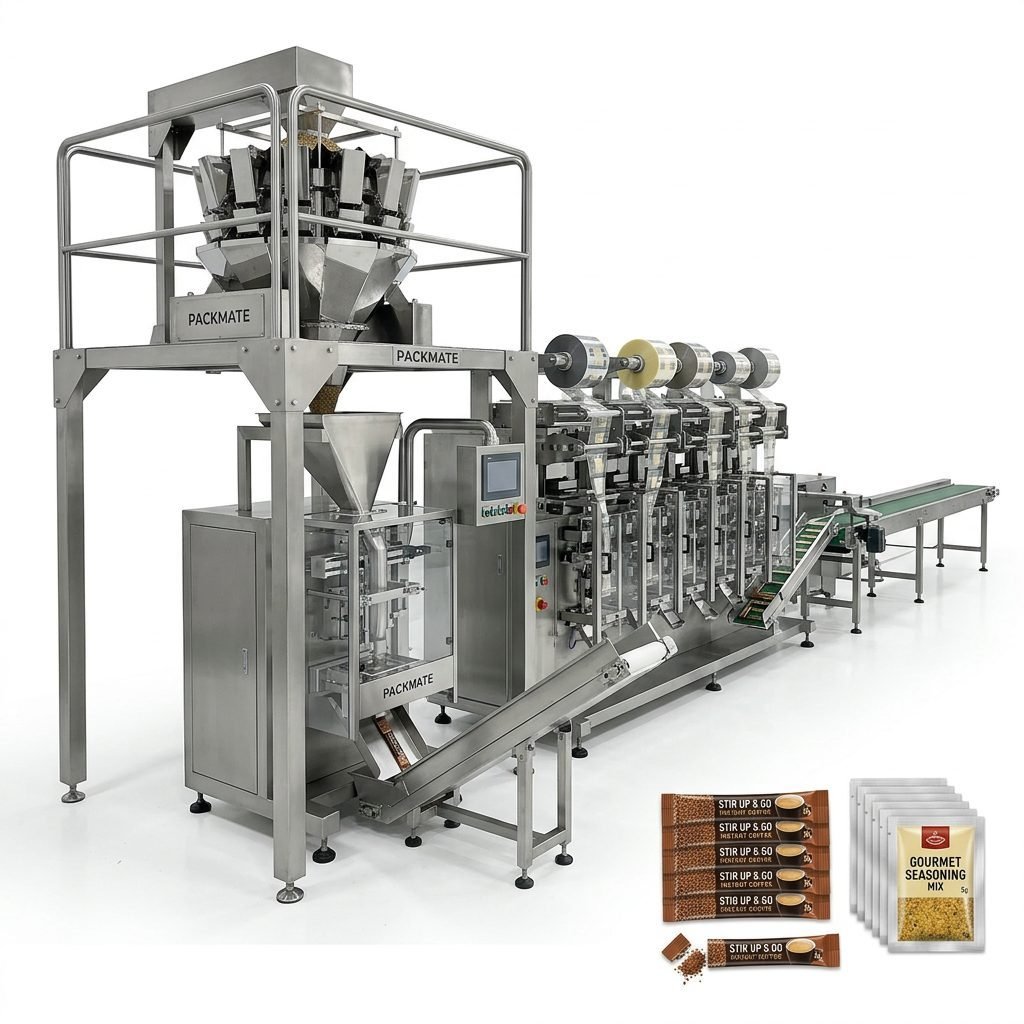
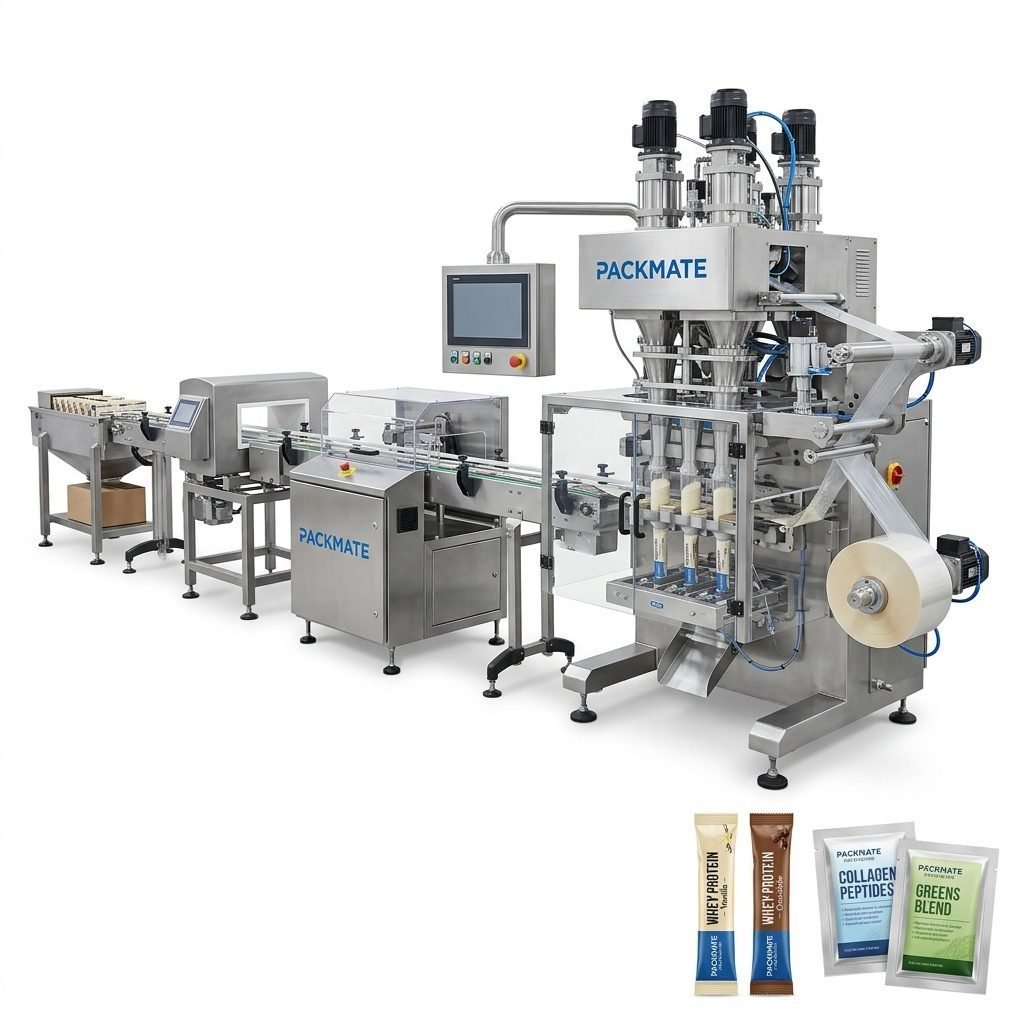
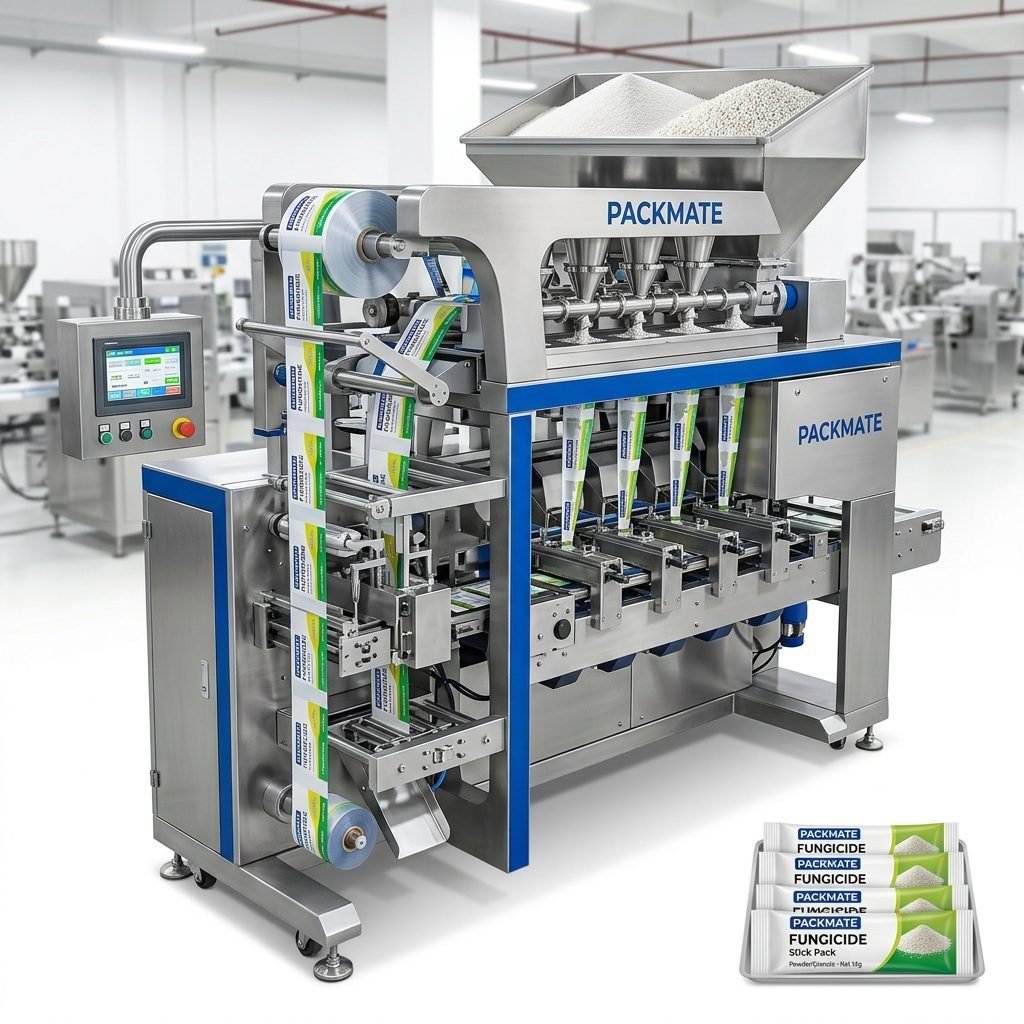
Packmate Machinery offers over 80 machine models focused on granule, powder, and liquid packaging. They are known for a good balance of cost-performance and technical reliability. For Nepali medium-sized factories in food processing or supplements looking for practical automation without over-engineering, Packmate can be a suitable option with its decades of export experience.
PacklineOEM
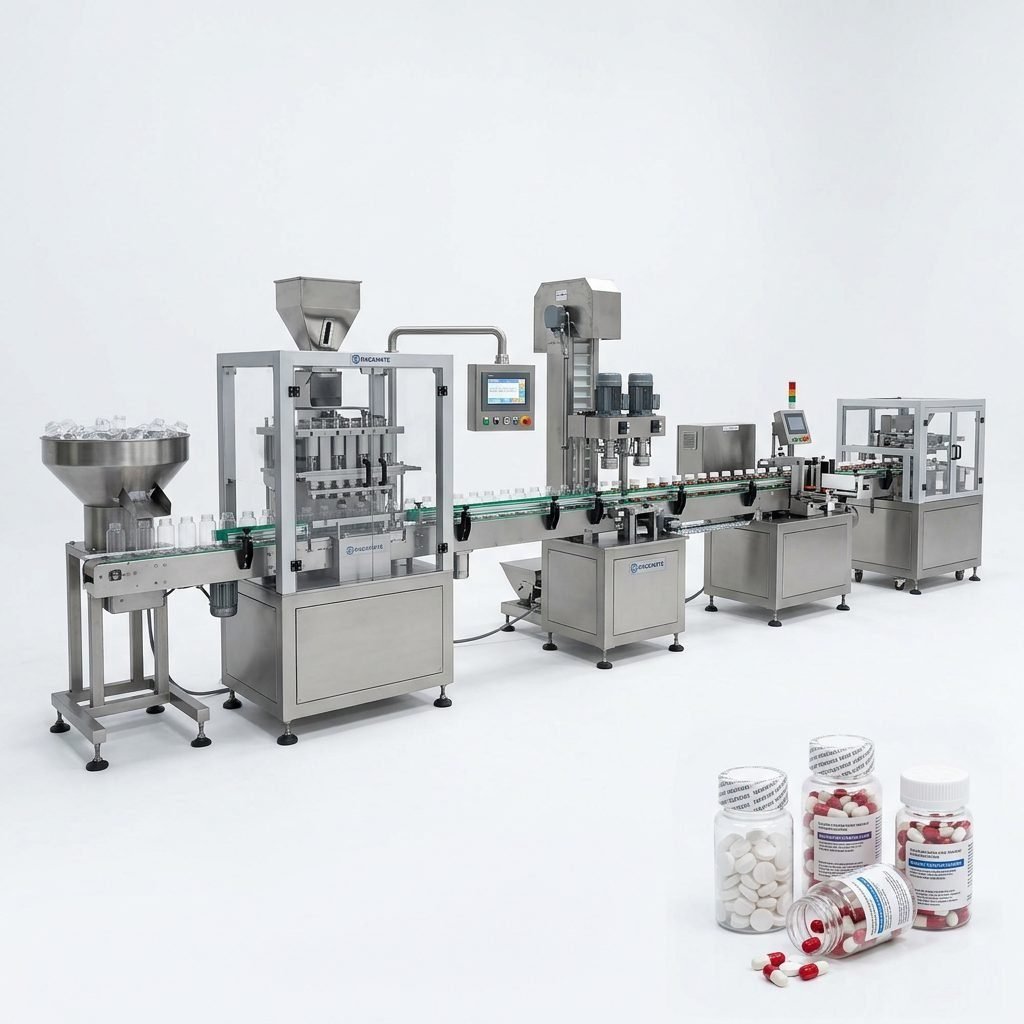
As the name suggests, PacklineOEM specializes in complete turnkey packaging production lines. If your project in Nepal involves integrating multiple processes (feeding, filling, sealing, conveying), their focus on system integration is a key advantage. They are a strong candidate for larger-scale, complex projects requiring a single point of responsibility.
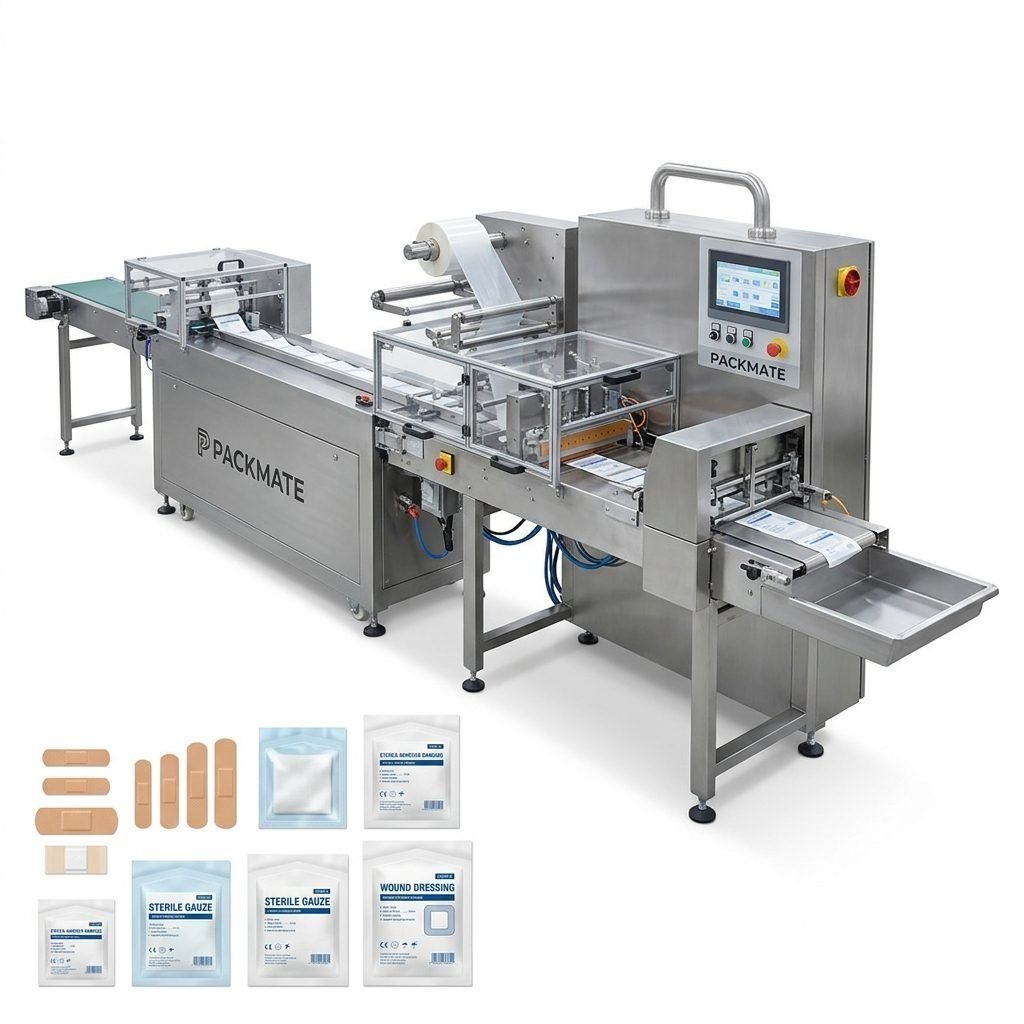
PackingMachineOEM
This manufacturer, PackingMachineOEM, emphasizes non-standard and customized solutions. If your Nepali product has unique characteristics or packaging formats that standard machines cannot handle, their engineering flexibility is crucial. They are a good fit for niche applications or projects requiring significant adaptation.
SnusMachinery
SnusMachinery has a specialized focus on nicotine pouch and snus packaging equipment, while also serving general food and pharma sectors. For Nepali businesses in specialized pouch packaging, their niche expertise can provide valuable application-specific knowledge, though their relevance depends heavily on the specific product.
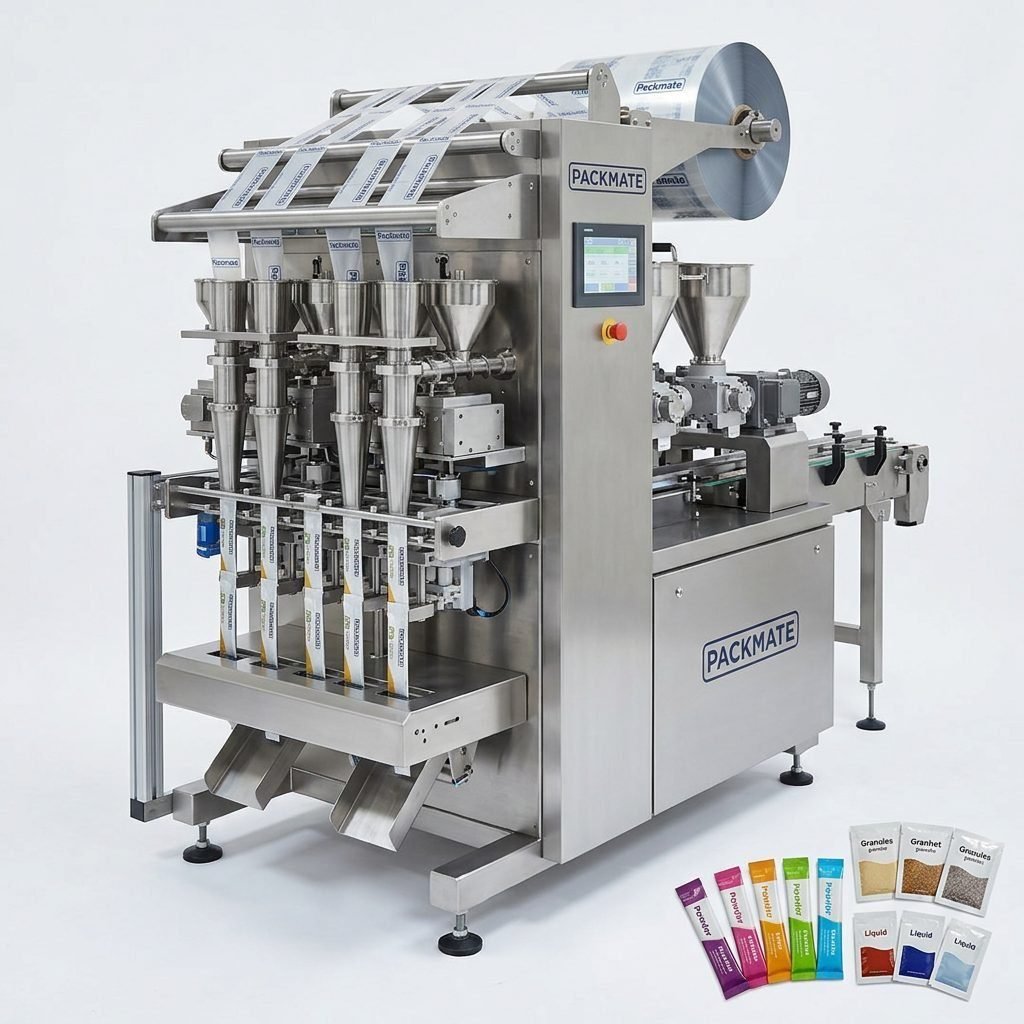
Final Steps: Request for Quotation and Decision
Contact your shortlisted suppliers with a detailed Request for Quotation (RFQ). Include:
- Detailed product specifications (size, weight, material).
- Required output speed and efficiency.
- Factory layout and utility specifications (voltage, air pressure).
- Request a detailed proposal, including machine specifications, delivery terms, payment schedule, warranty, and support details.
Compare proposals not just on price, but on total value: machine suitability, quality, support terms, and the supplier’s overall responsiveness and professionalism. Prioritize clear communication and a supplier that demonstrates a genuine understanding of your needs and challenges in the Nepali market.
Frequently Asked Questions (FAQs)
What are the main challenges of importing packaging machines to Nepal?
Key challenges include managing logistics and customs clearance, ensuring reliable after-sales support from a distance, voltage compatibility (machines often require 380V/3Phase), and sourcing spare parts promptly. Choosing an export-experienced manufacturer who offers comprehensive support can mitigate many of these issues.
Should I buy a standalone machine or a complete packaging line?
This depends on your scale, budget, and automation goals. A standalone machine (e.g., a filling and sealing machine) is suitable for semi-automation or specific process steps. A complete turnkey line integrates all processes from feeding to end packaging and is ideal for high-volume, fully automated production with minimal manual intervention.
How can I verify a manufacturer’s claims about their machines?
Request live video demonstrations of the machine running a product similar to yours. Ask for detailed customer references and contact them. Check for international certifications (like CE). If possible, visit the factory or hire a third-party inspection service before shipment.
What is the typical lead time for receiving a machine in Nepal?
Lead time varies from 30-90 days after order confirmation, depending on machine customization and production schedule. Sea freight from China to Nepal can add several weeks. Always factor in this total timeline for your project planning.
Are there local agents or distributors in Nepal for these manufacturers?
Some international manufacturers have local agents or distributors in South Asia. Always inquire directly with the manufacturer. If no local agent exists, clarify the remote and on-site support structure they provide for clients in Nepal.