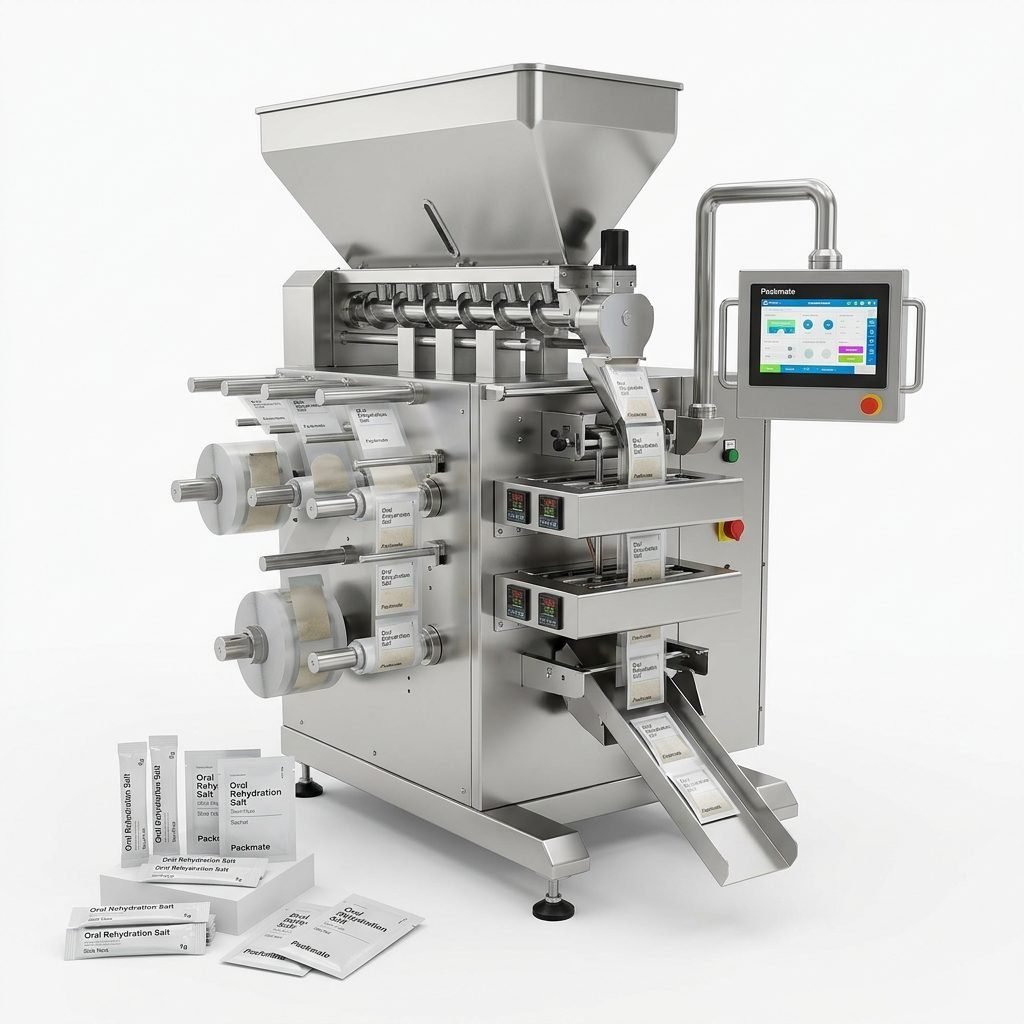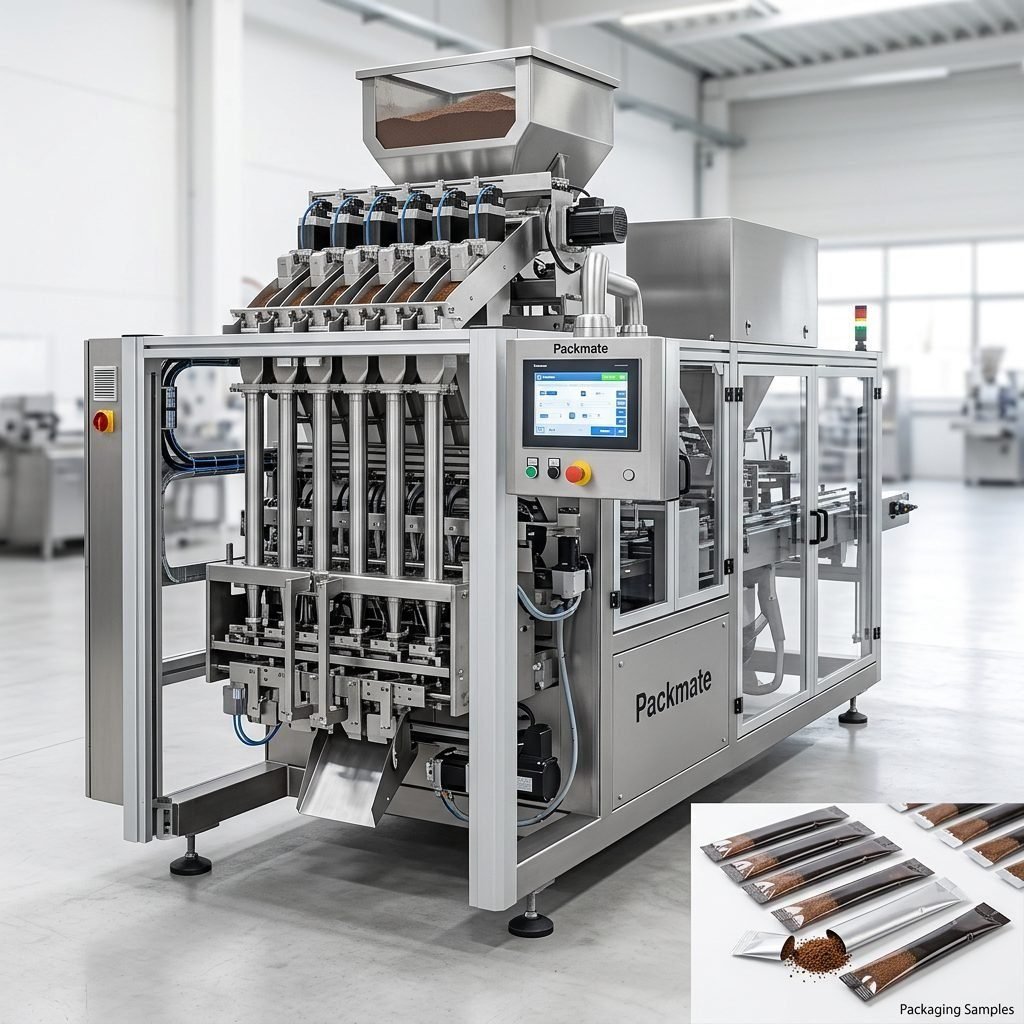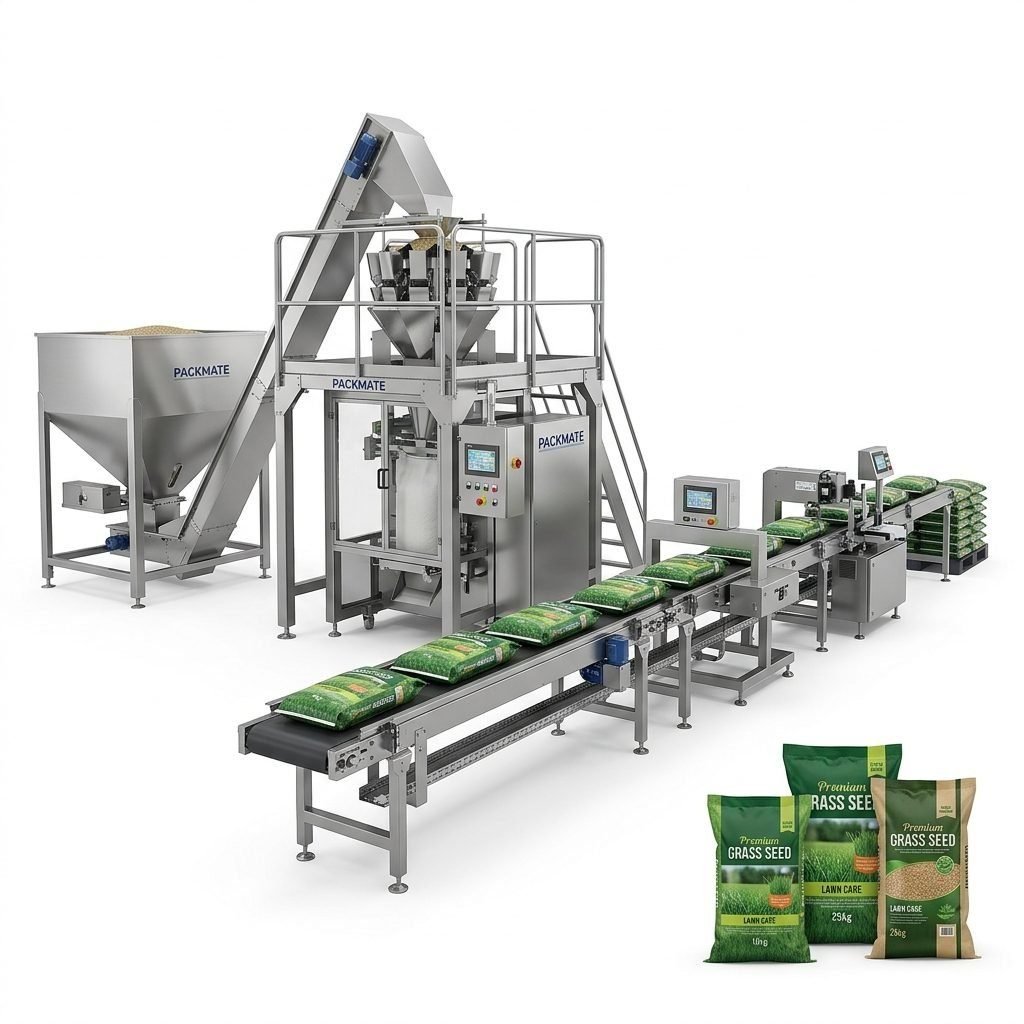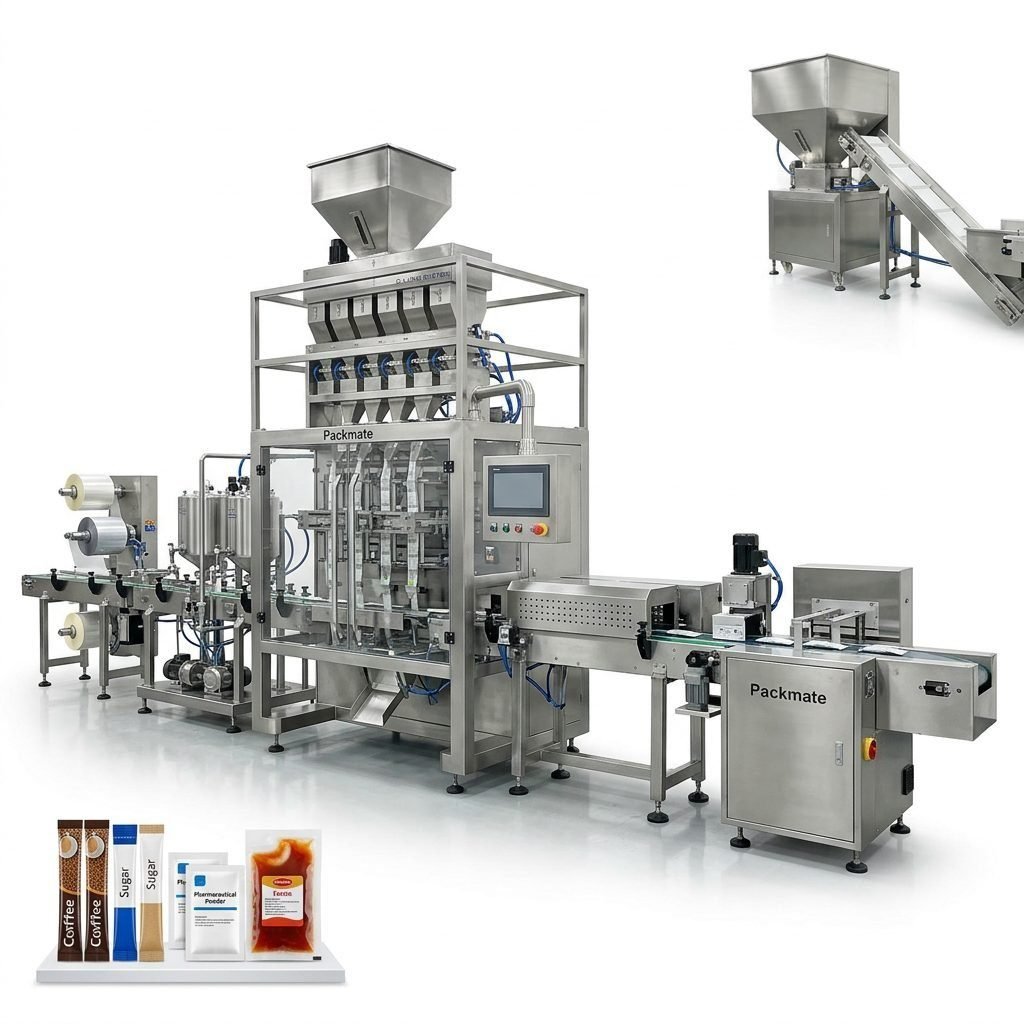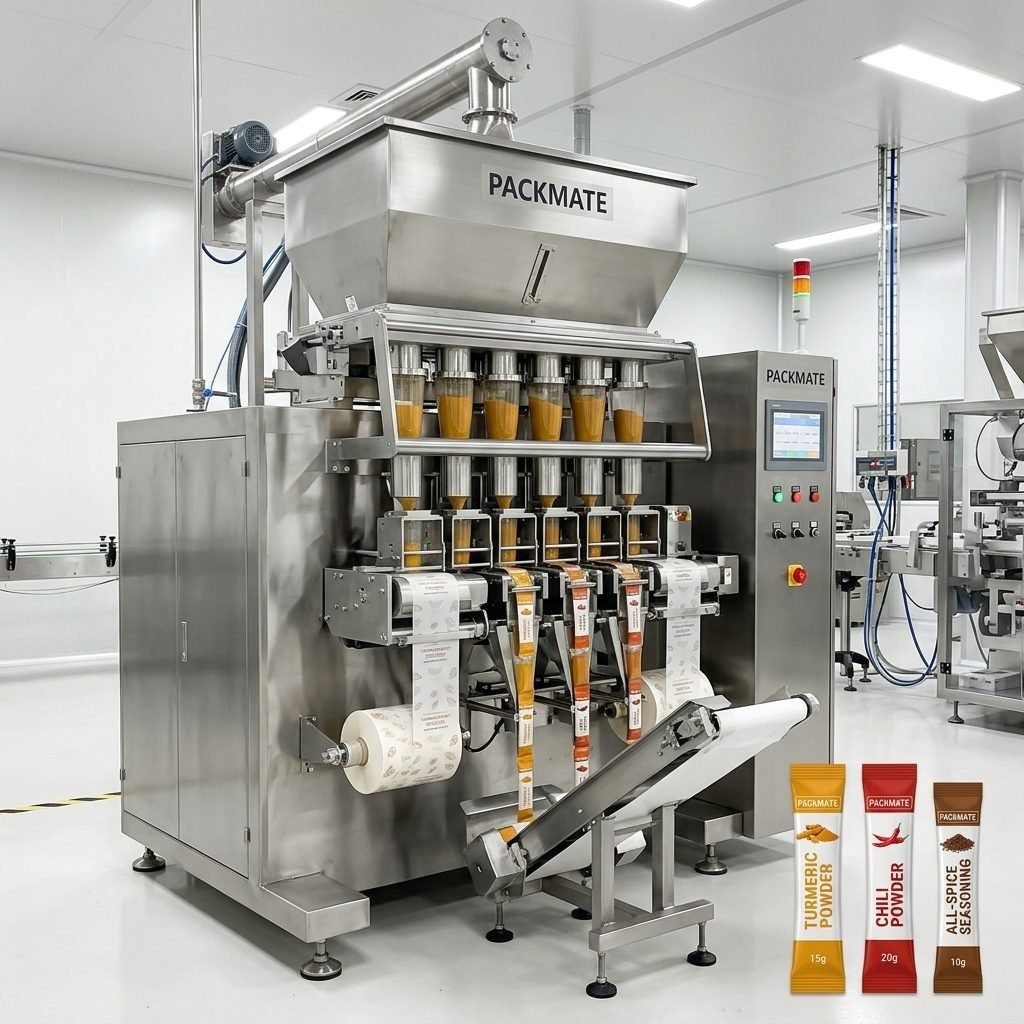
Automatic packaging machines are essential equipment in modern manufacturing, designed to efficiently pack products into various formats such as sachets, stick packs, pouches, and bulk bags. These systems handle a wide range of materials including granules, powders, liquids, pastes, and gels. By automating the packaging process, businesses can achieve higher output, improved consistency, reduced labor costs, and enhanced hygiene. This guide explores the main types of automatic packaging machines, their working principles, key applications, and practical tips for selecting the right equipment.
Common Types of Automatic Packaging Machines
The market offers several categories of automatic packaging systems, each suited for specific product forms and production scales.
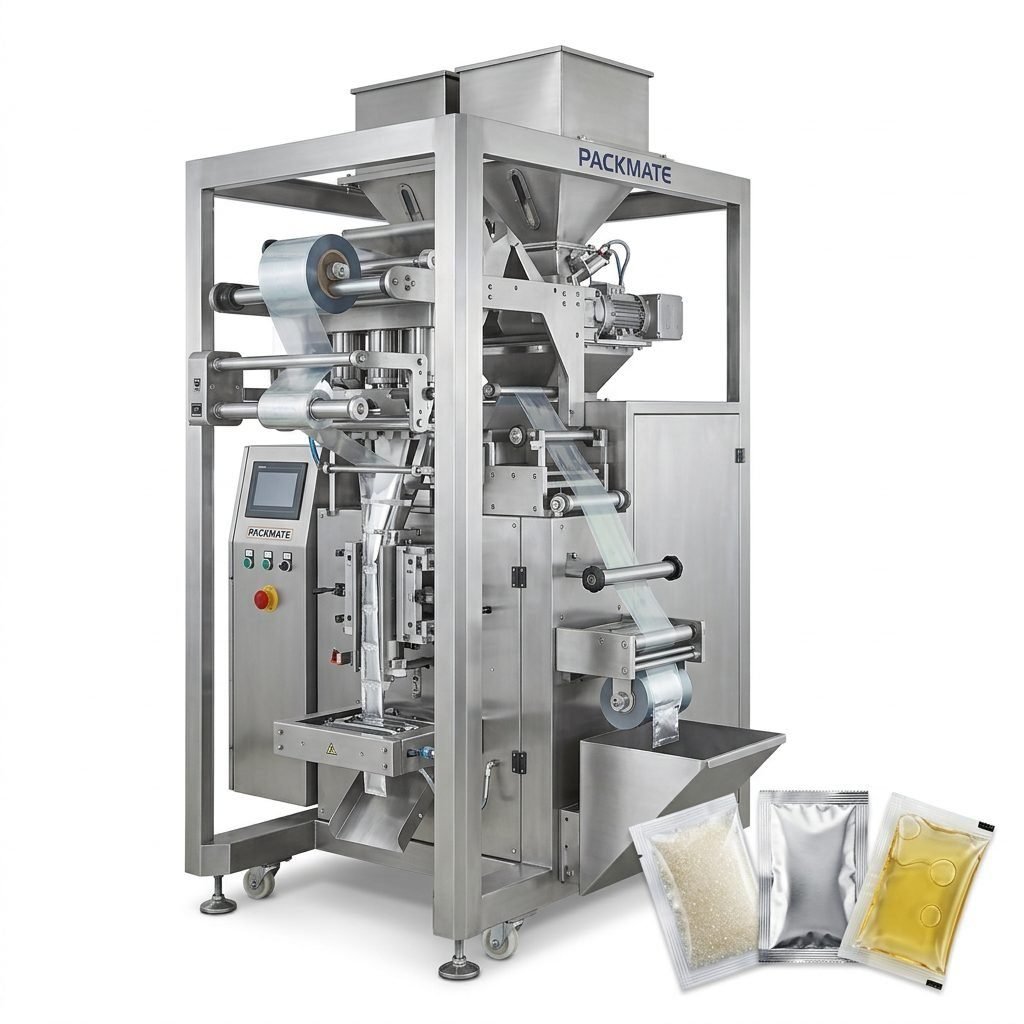
Vertical Form-Fill-Seal (VFFS) Machines
These are among the most versatile packaging machines. A VFFS system forms a bag from a roll of packaging film, fills it with the product, and then seals it—all in a continuous vertical motion. They are ideal for packaging free-flowing granules, powders, and some liquids into pillow bags, gusseted bags, or flat pouches.
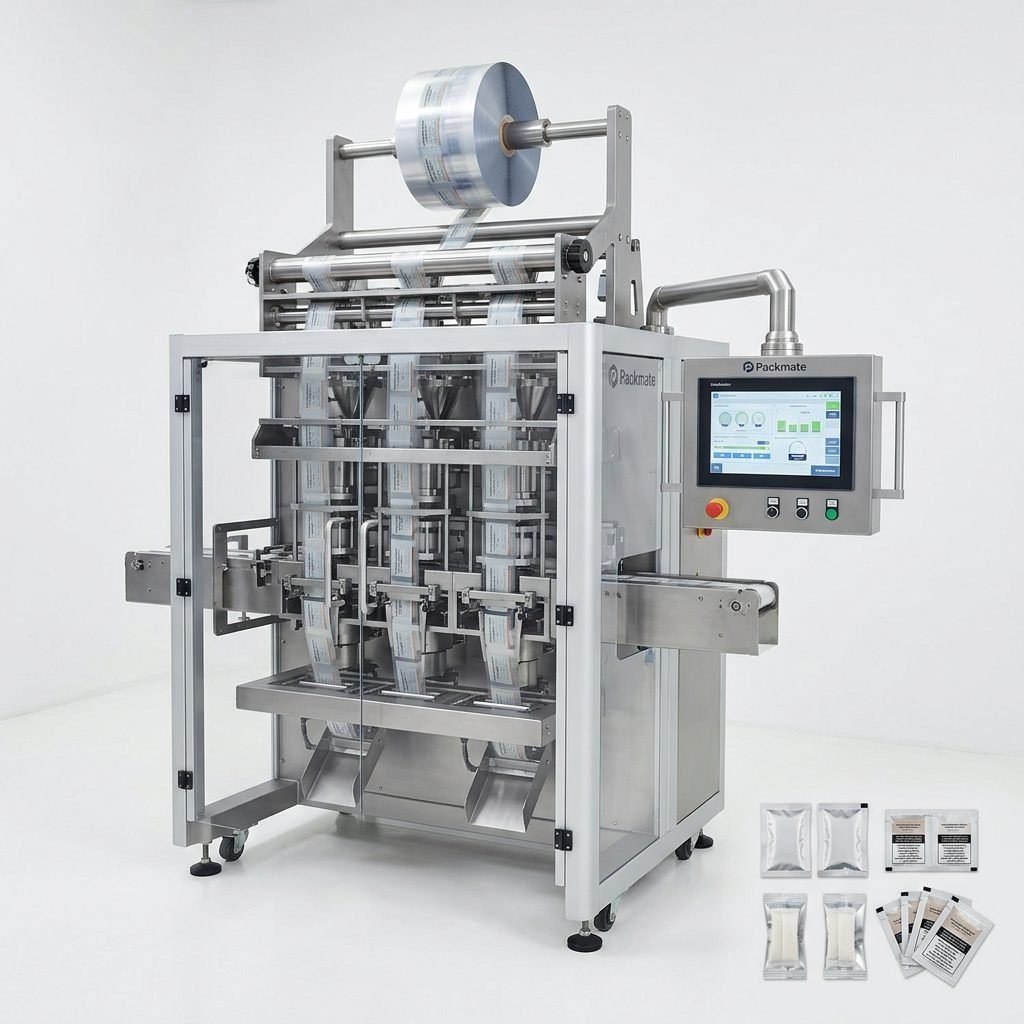
Multi-Lane Stick Pack & Sachet Machines
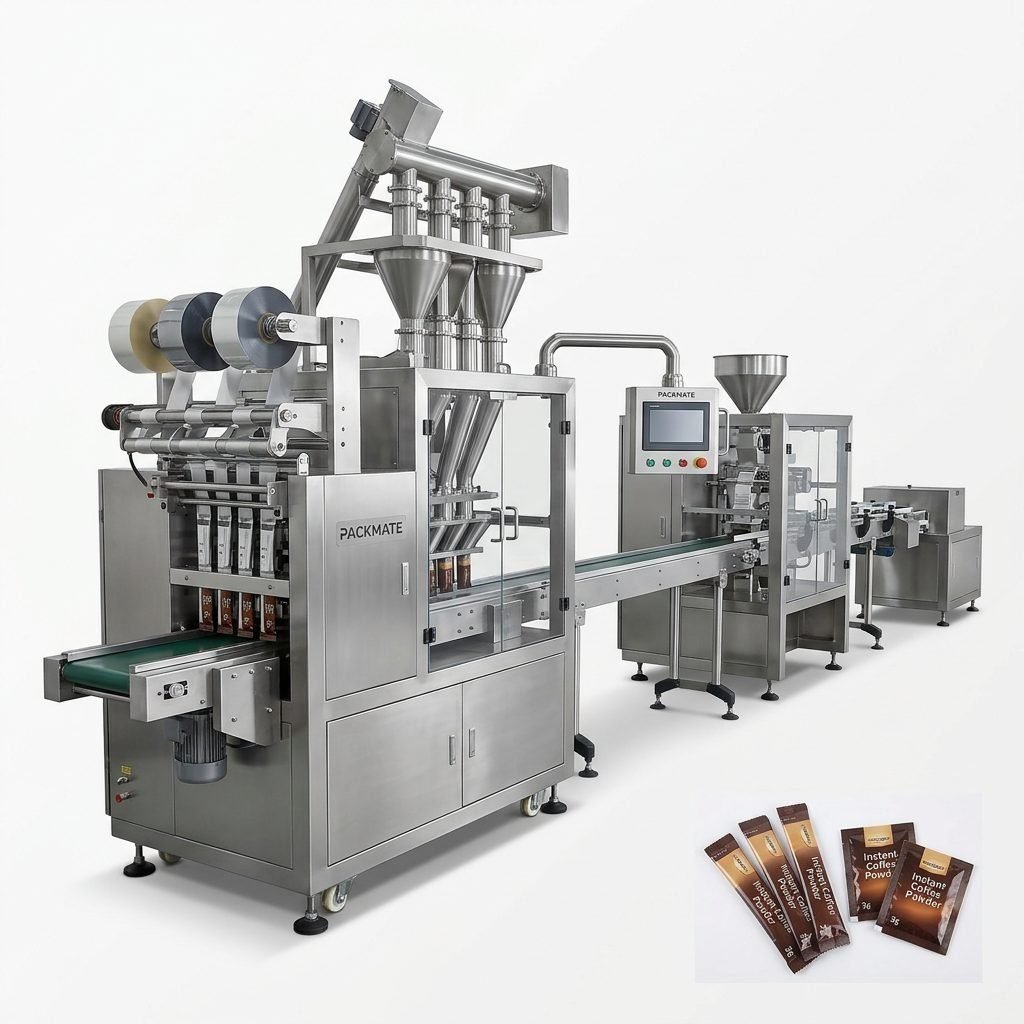
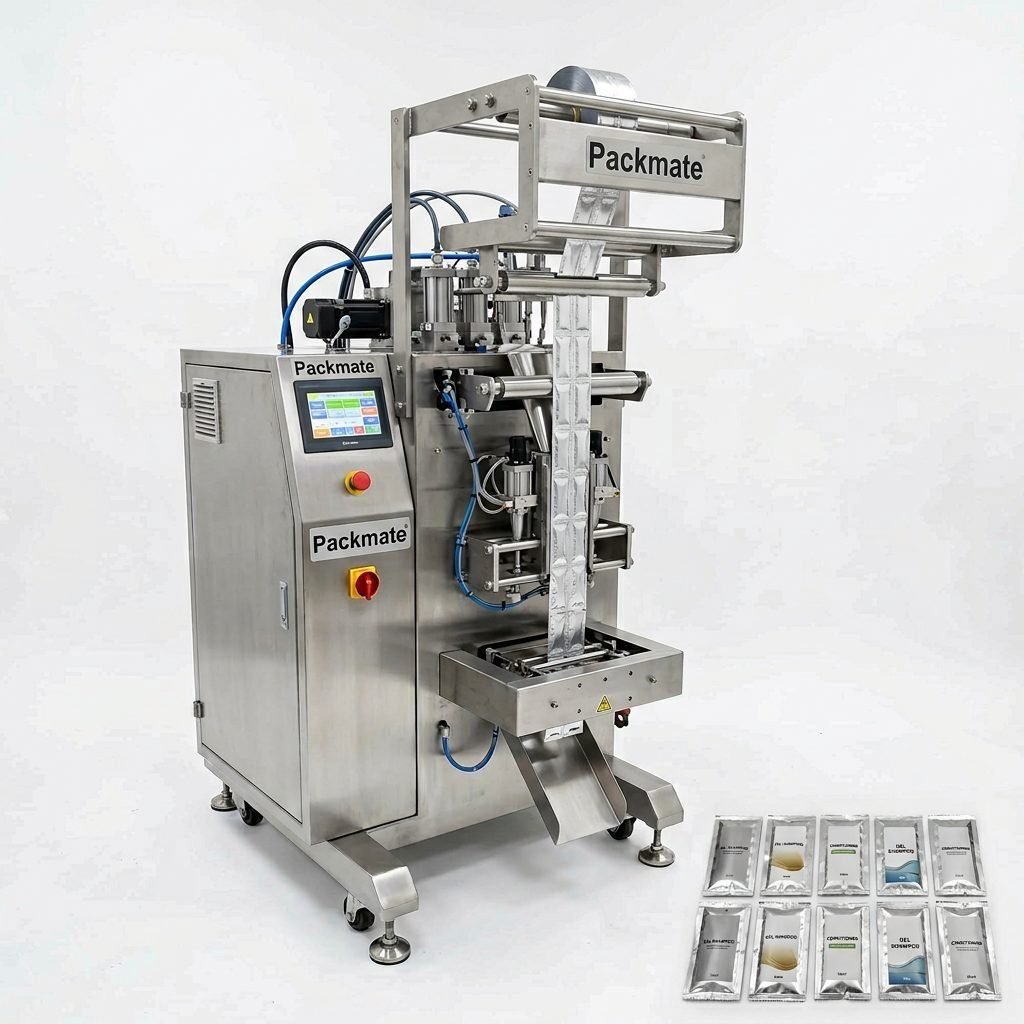
Designed for high-speed production of small portion packs, these machines operate multiple lanes simultaneously. They are perfect for packaging single-serve quantities of products like instant coffee, sugar, sauce powders, supplements, and nicotine pouches. The output can reach several hundred packs per minute.
Liquid & Paste Filling Machines
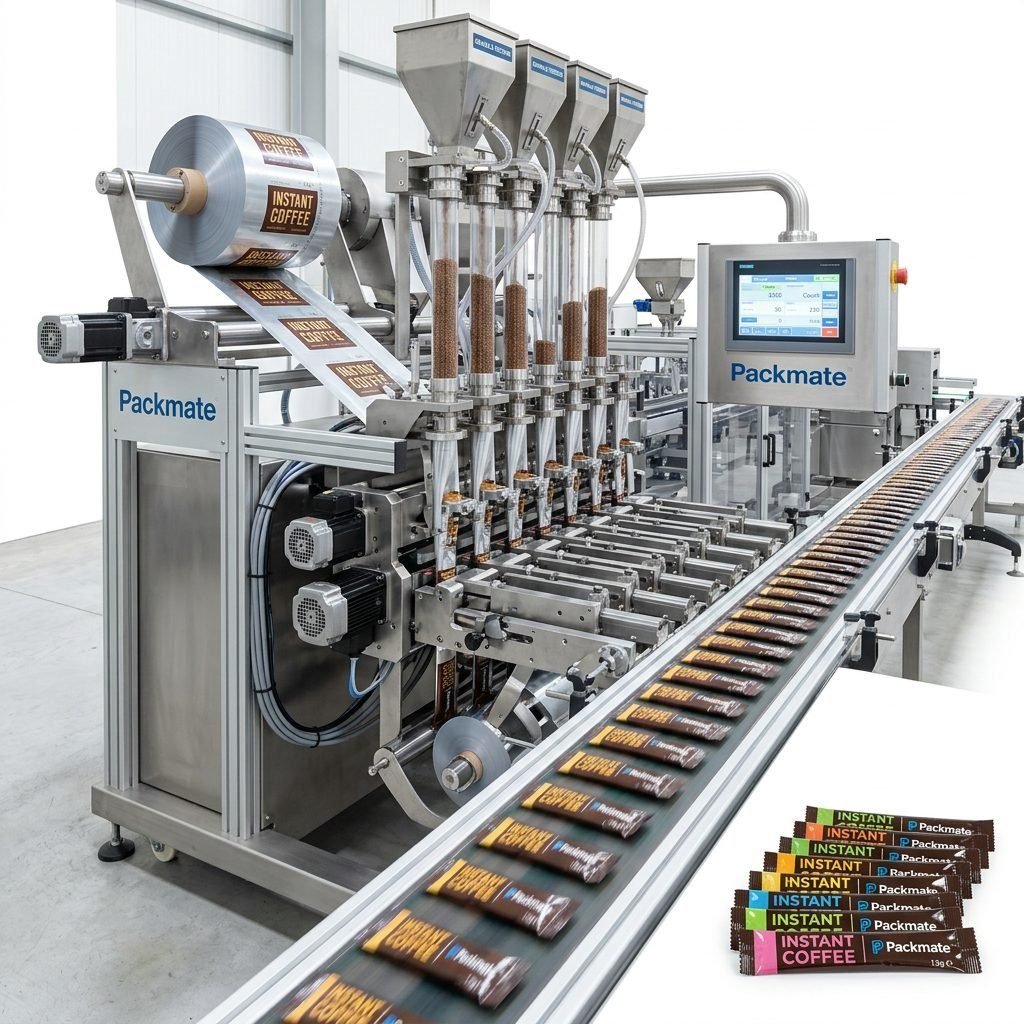
These systems are engineered to handle viscous and liquid products with precision. They use piston pumps, peristaltic pumps, or gravity filling mechanisms to dose products like sauces, oils, shampoos, creams, and gels into pre-made pouches or stick packs. Key features include leak-proof sealing and clean-in-place (CIP) capabilities.
Bulk Bagging Systems
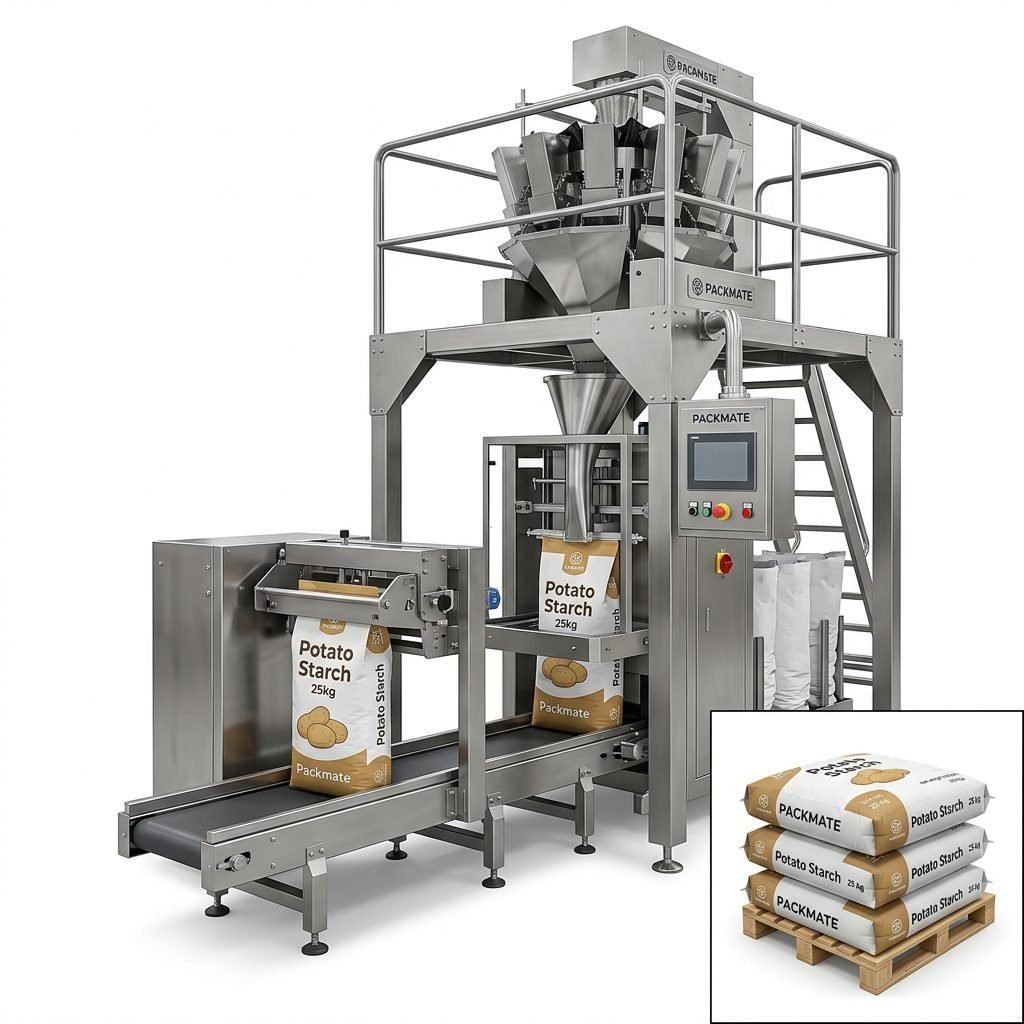
For industrial-scale packaging of granules and powders into large sacks (e.g., 10kg to 50kg), bulk bagging systems are used. They incorporate heavy-duty weighing hoppers, bag placers, and sewing or heat-sealing stations. These are common in agriculture, chemicals, and animal feed production.
How Do Automatic Packaging Machines Work?
While designs vary, most automatic packaging systems follow a core sequence of operations to transform raw materials and packaging film into finished packs.
| Stage | Process Description | Key Components |
|---|---|---|
| 1. Product Feeding & Dosing | The product is transferred from a hopper or storage vessel to a precise measuring device. | Auger filler, volumetric cup, weigh scale, piston pump. |
| 2. Bag Forming & Filling | Packaging film is unwound, formed into a tube or pouch shape, and the measured product is injected. | Film unwind unit, forming tube, filling nozzle. |
| 3. Sealing | The open end of the pouch is sealed using heat, pressure, or ultrasonic energy to create an airtight closure. | Heating jaws, sealing bars, cooling jaws. |
| 4. Cutting & Discharge | Individual packs are cut from the continuous film web and discharged onto a conveyor for collection or secondary packaging. | Rotary cutter, discharge conveyor. |
Advanced machines integrate PLC controls, touchscreen HMIs, and vision inspection systems to monitor weight accuracy, seal integrity, and print registration in real-time, ensuring consistent package quality.
Primary Applications Across Industries
Automatic packaging machines serve a diverse set of sectors where hygiene, speed, and portion control are critical.
Food & Beverage Industry
This is the largest application area. Machines package items like instant coffee, sugar, spices, drink mixes, snack nuts, and sauce powders into single-serve sachets or stick packs. For example, a leading manufacturer provides multi-lane systems capable of handling hygroscopic powders common in beverage production.
Pharmaceutical & Nutraceutical Sector
Strict regulations demand high precision and cleanliness. Packaging machines here are used for powdered medicines, electrolyte salts, vitamin sachets, and protein supplements. Features often include GMP-compliant design, dust extraction, and easy cleaning.
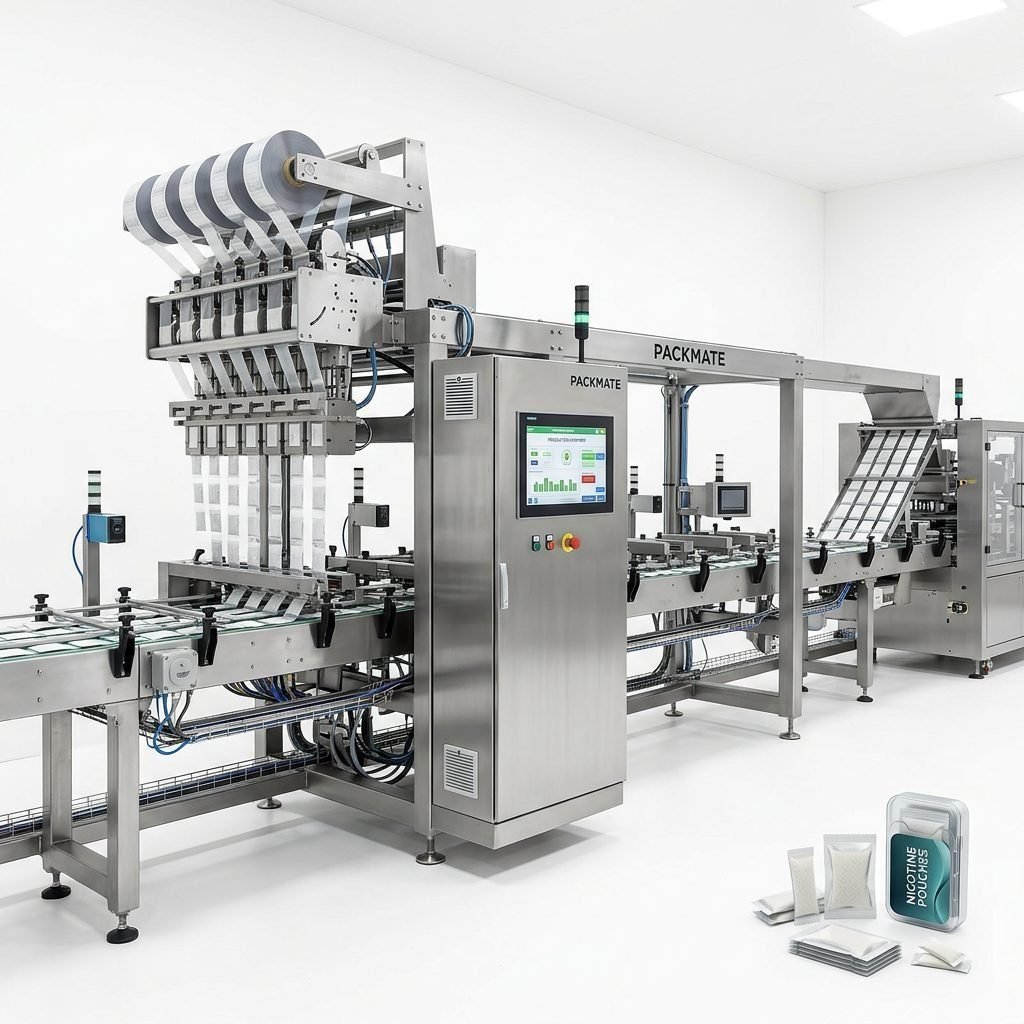
Specialty Nicotine Pouch Packaging
The rapid growth of the smokeless tobacco and nicotine pouch market has created demand for specialized machinery. These systems require precise dosing of fine powder blends, consistent pouch formation, and high-speed sealing. Companies like SnusMachinery focus on this niche, offering tailored multi-lane solutions that meet the specific needs of manufacturers in Europe and North America.
Chemical & Industrial Products
From detergent powders and industrial lubricants to agricultural chemicals, automatic packagers handle a variety of non-food granules and liquids. Machines for these applications are built with corrosion-resistant materials and often include inert gas flushing for sensitive products.
Key Factors to Consider When Buying
Selecting the right automatic packaging machine requires careful evaluation of your specific production needs.
1. Product Characteristics
The machine must be compatible with your product’s form (powder, granule, liquid), flowability, abrasiveness, and hygroscopicity. This determines the type of feeder (auger, volumetric, pump) and sealing method required.
2. Desired Output & Speed
Calculate your required production capacity in packs per minute or hour. Multi-lane machines offer higher speeds but come at a greater cost. Balance your current needs with future growth projections.
3. Packaging Material & Format
Define your pouch type (stick pack, sachet, pillow bag), size, and the film material (laminated PET/PE, aluminum foil, paper). The machine must be able to handle the specific film gauge and provide a consistent, strong seal.
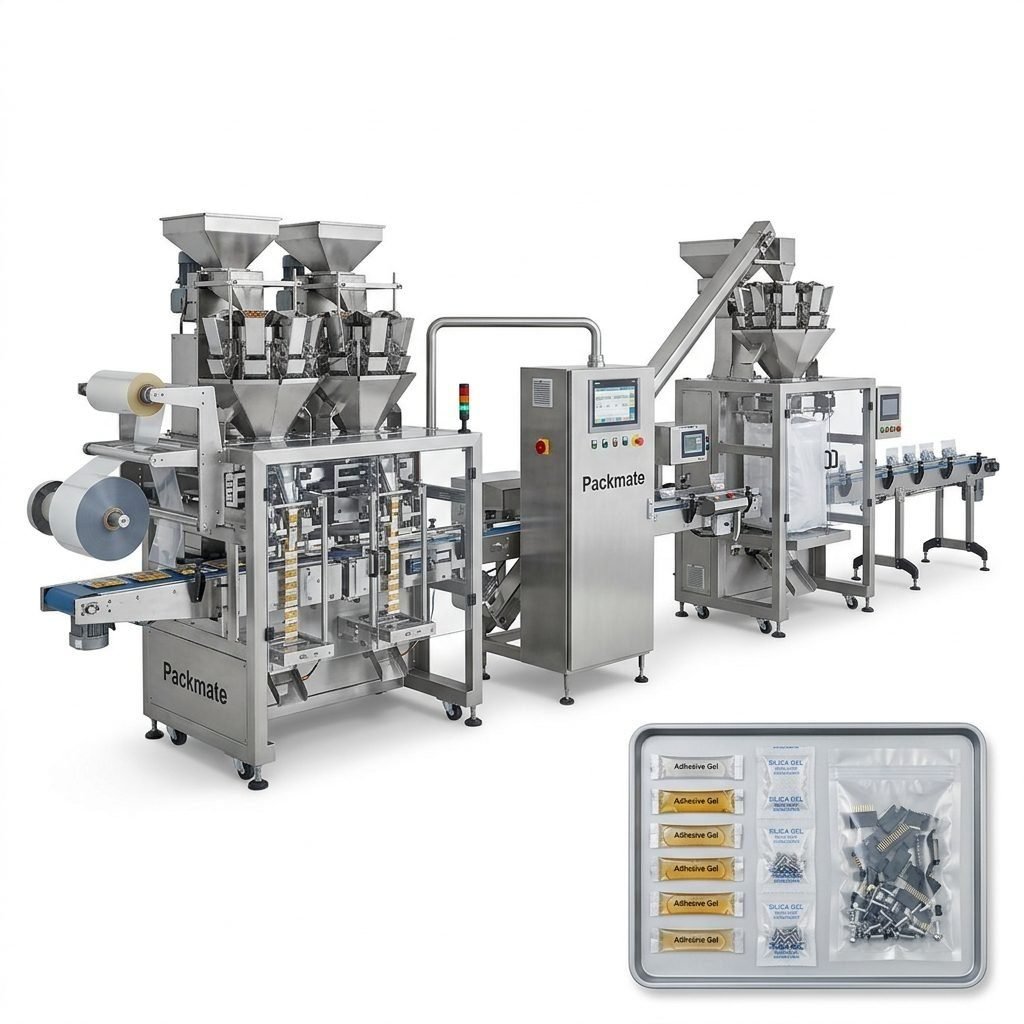
Additionally, consider the level of automation integration. For a complete production line solution, you might need more than a standalone machine. Suppliers like PacklineOEM specialize in providing integrated turnkey lines that include feeding, weighing, filling, sealing, and cartoning units.
4. Supplier’s Expertise & Support
Choose a manufacturer with proven experience in your industry. Evaluate their technical support, availability of spare parts, and training services. A supplier with a strong export footprint, such as Packmate Machinery, often has better resources to support international clients.
Frequently Asked Questions (FAQ)
What is the typical speed range for a multi-lane stick pack machine?
Speeds vary based on the number of lanes and product complexity. Standard machines can produce from 200 to over 1,000 stick packs or sachets per minute. High-speed models with 8 or more lanes are used for high-volume products like sugar or instant drink mixes.
Can one machine handle both powders and liquids?
Some machines are designed to be versatile, but they often require significant component changes (e.g., swapping an auger filler for a liquid pump). For consistent production of different product types, it’s usually more efficient to use dedicated machines or separate filling heads on a modular system.
How important is after-sales service when purchasing from an overseas manufacturer?
It is critically important. Ensure the supplier has a reliable network for technical support, spare parts supply, and has English-speaking engineers. Companies like PackingMachineOEM, which focus on export markets, typically structure their operations to provide remote diagnostics and timely on-site service when needed.
What are the main maintenance requirements for an automatic packaging machine?
Regular maintenance includes daily cleaning of product contact parts, lubrication of moving components as per the manual, inspection of sealing jaws for wear, and calibration of weighing systems. Proper maintenance is key to maximizing uptime and extending machine lifespan.
Is customization available for non-standard pouch shapes or sizes?
Yes, many manufacturers offer customization services. This is a core strength of OEM-focused suppliers who can modify forming tubes, sealing jaws, and feeding systems to create unique pouch formats for specialized products, from cosmetic samples to medical supplies.