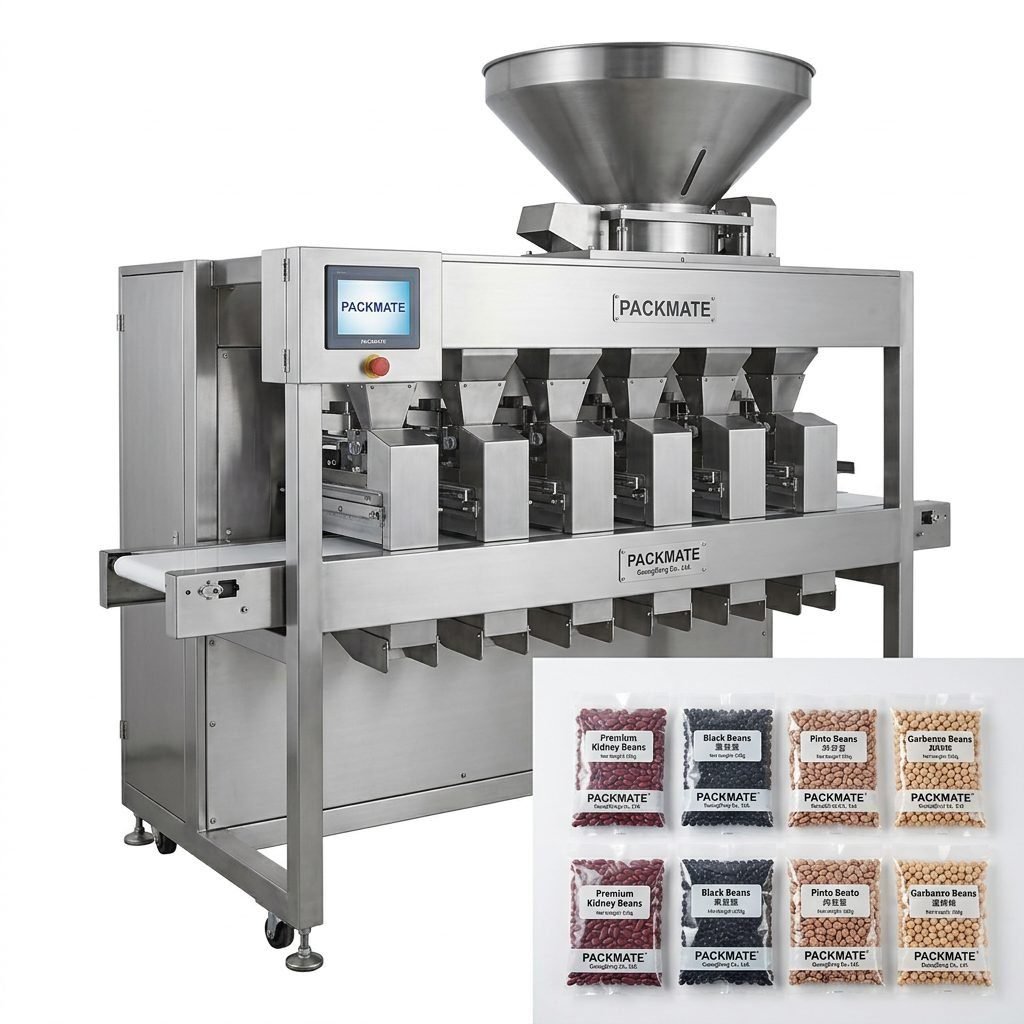
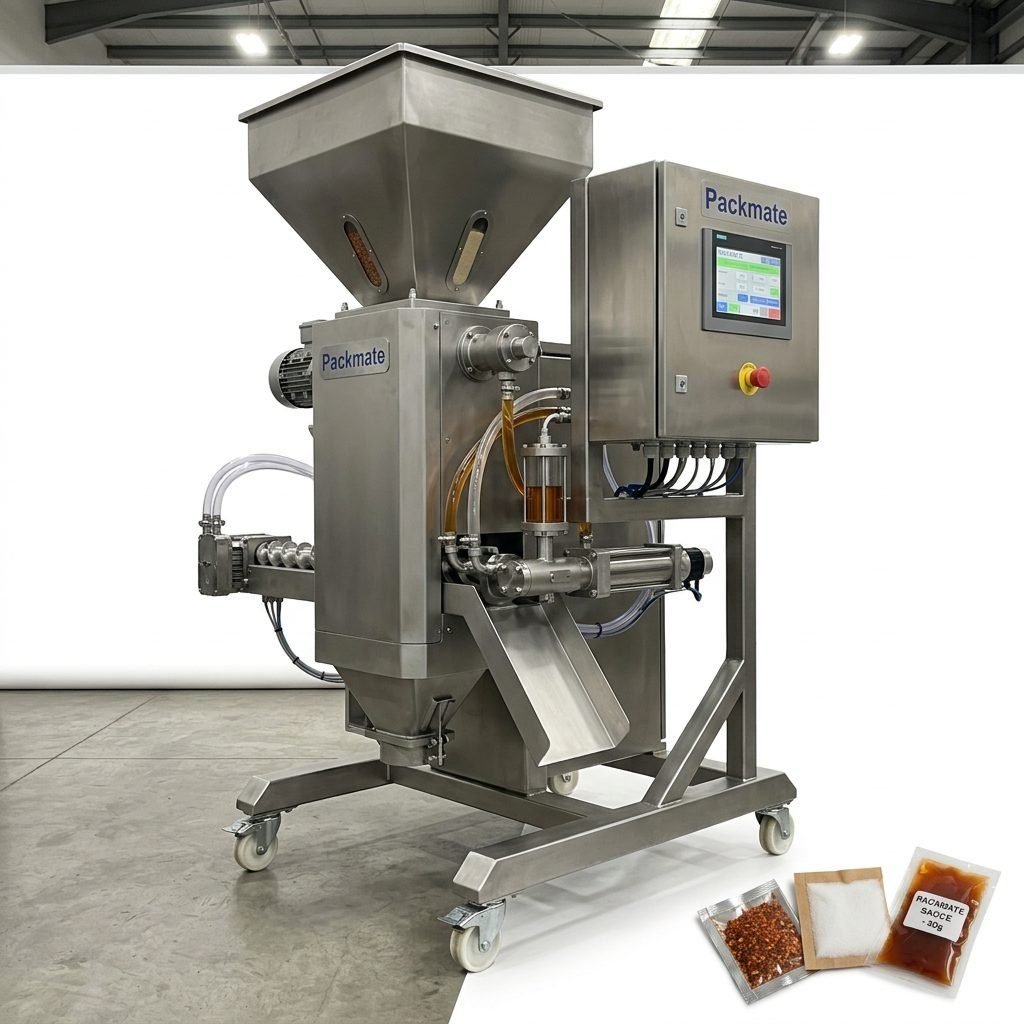
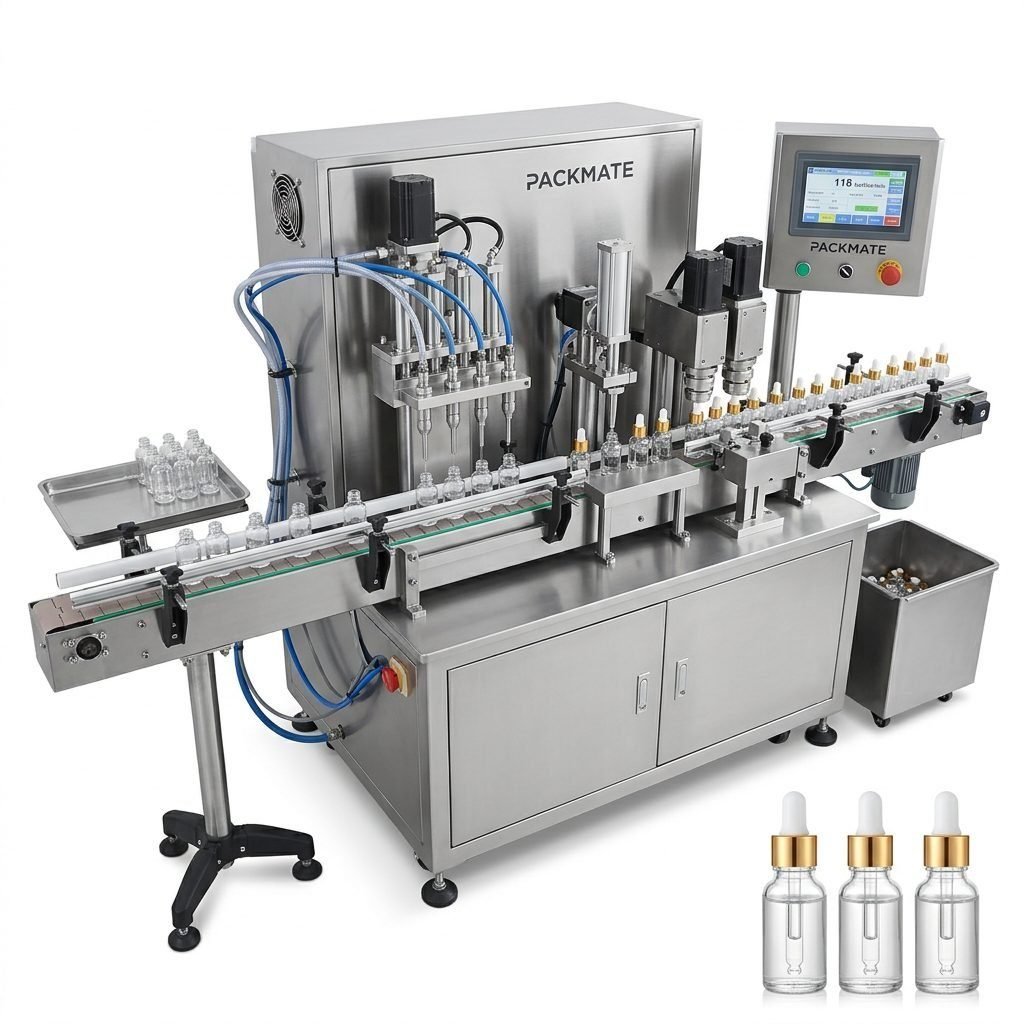
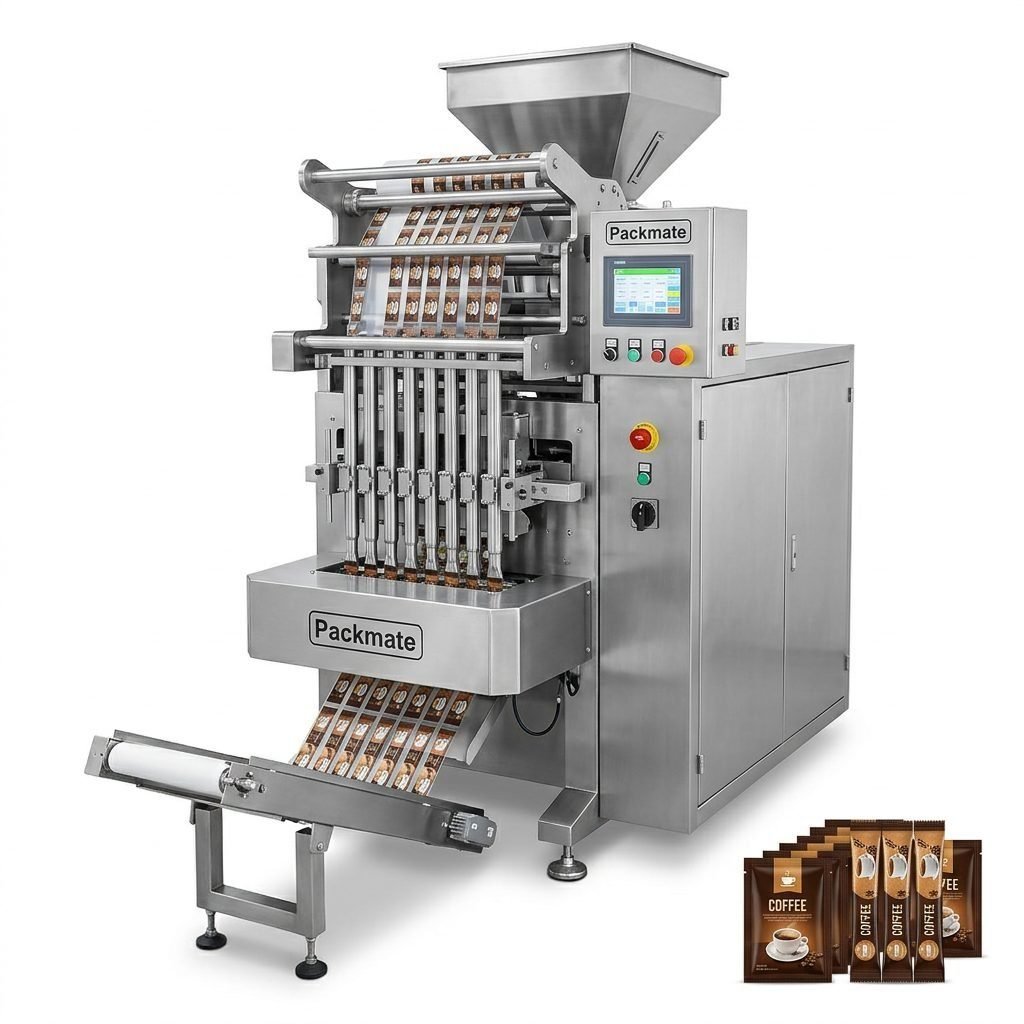
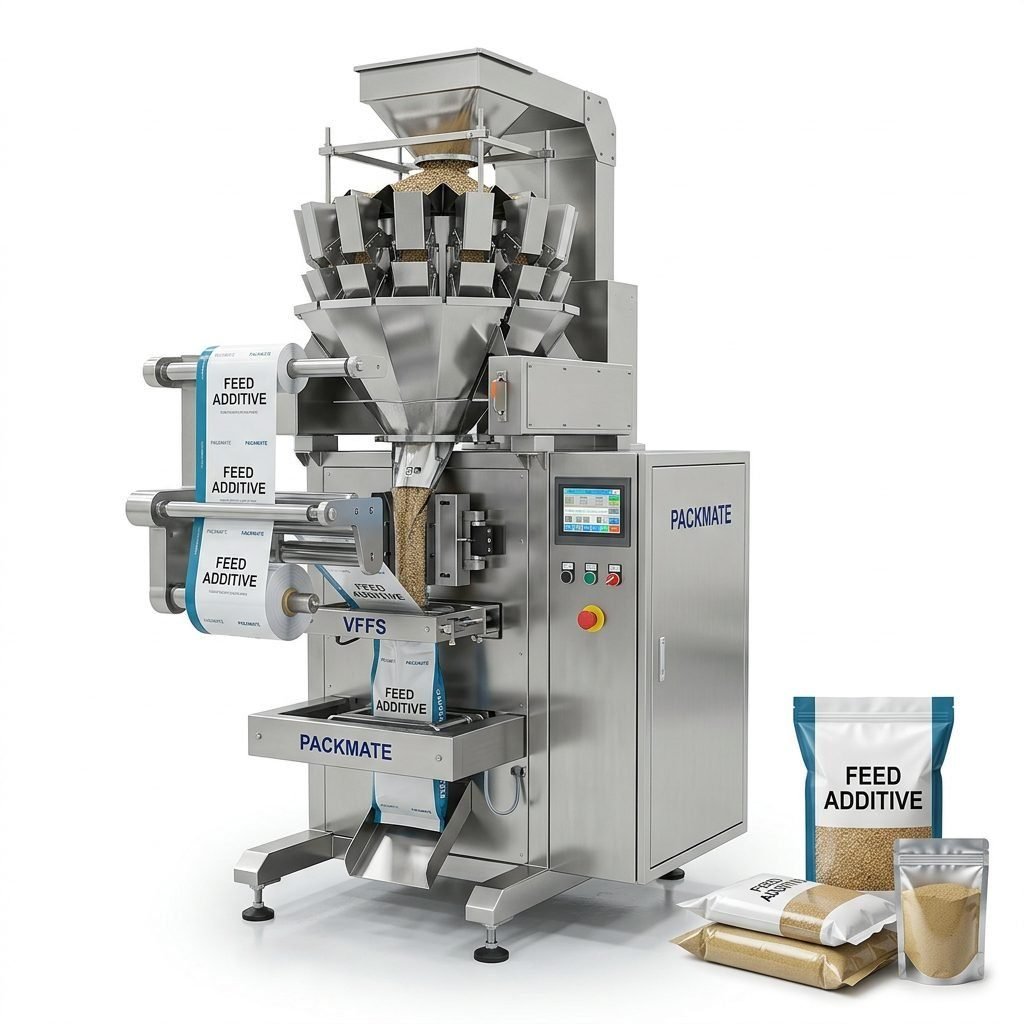
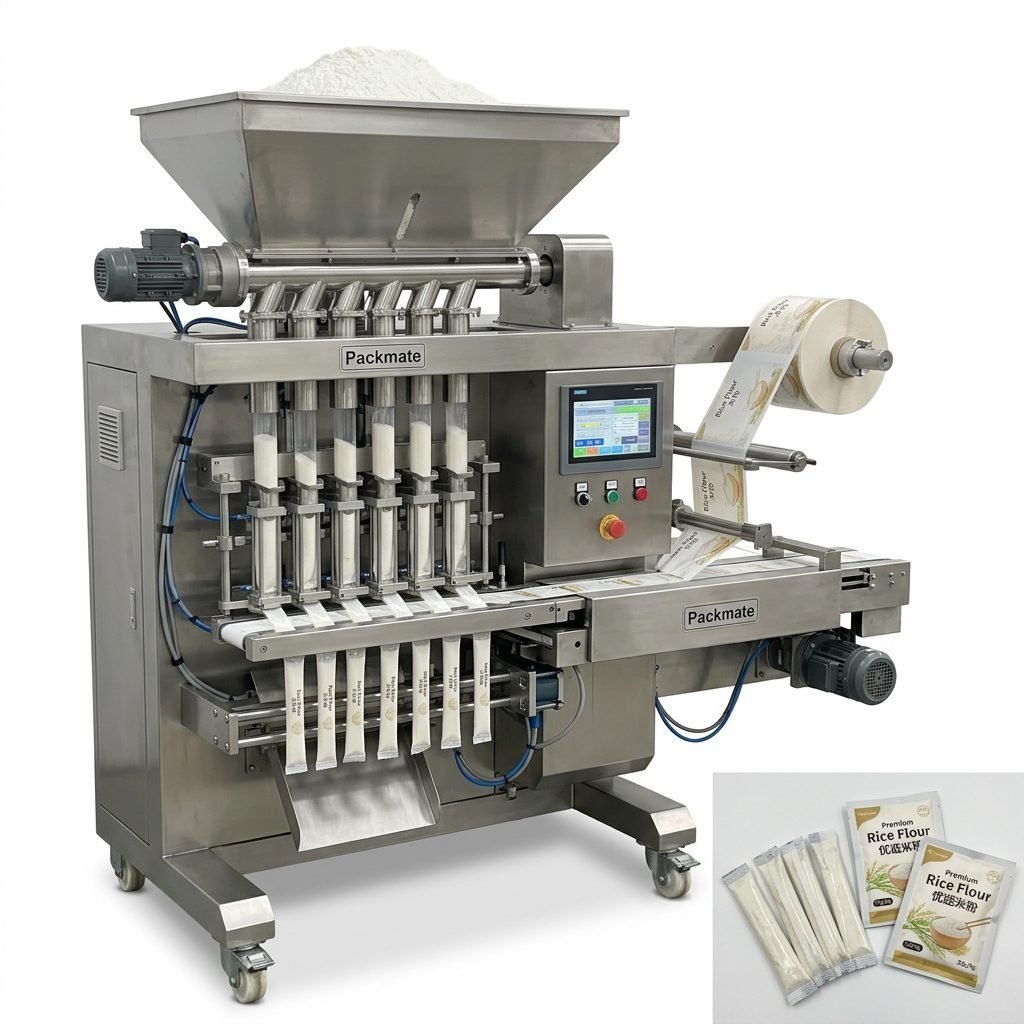
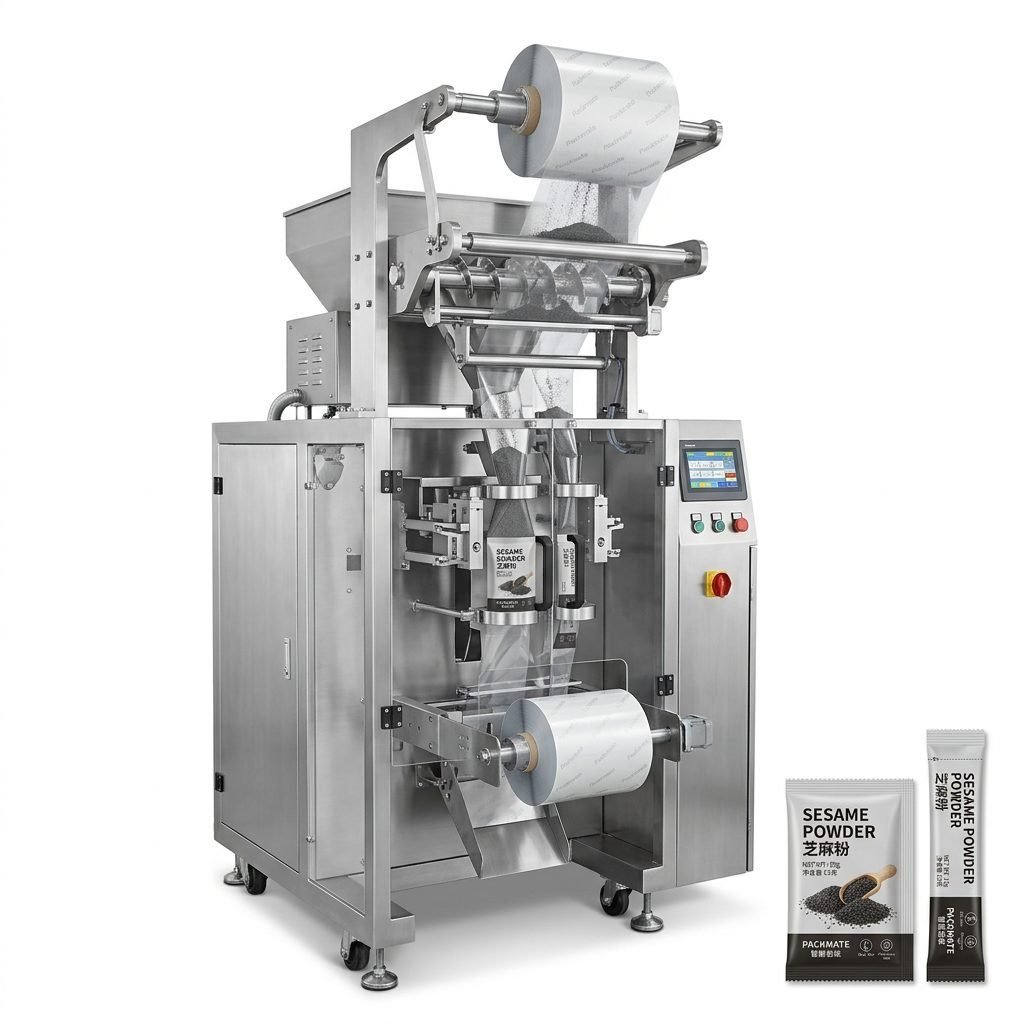
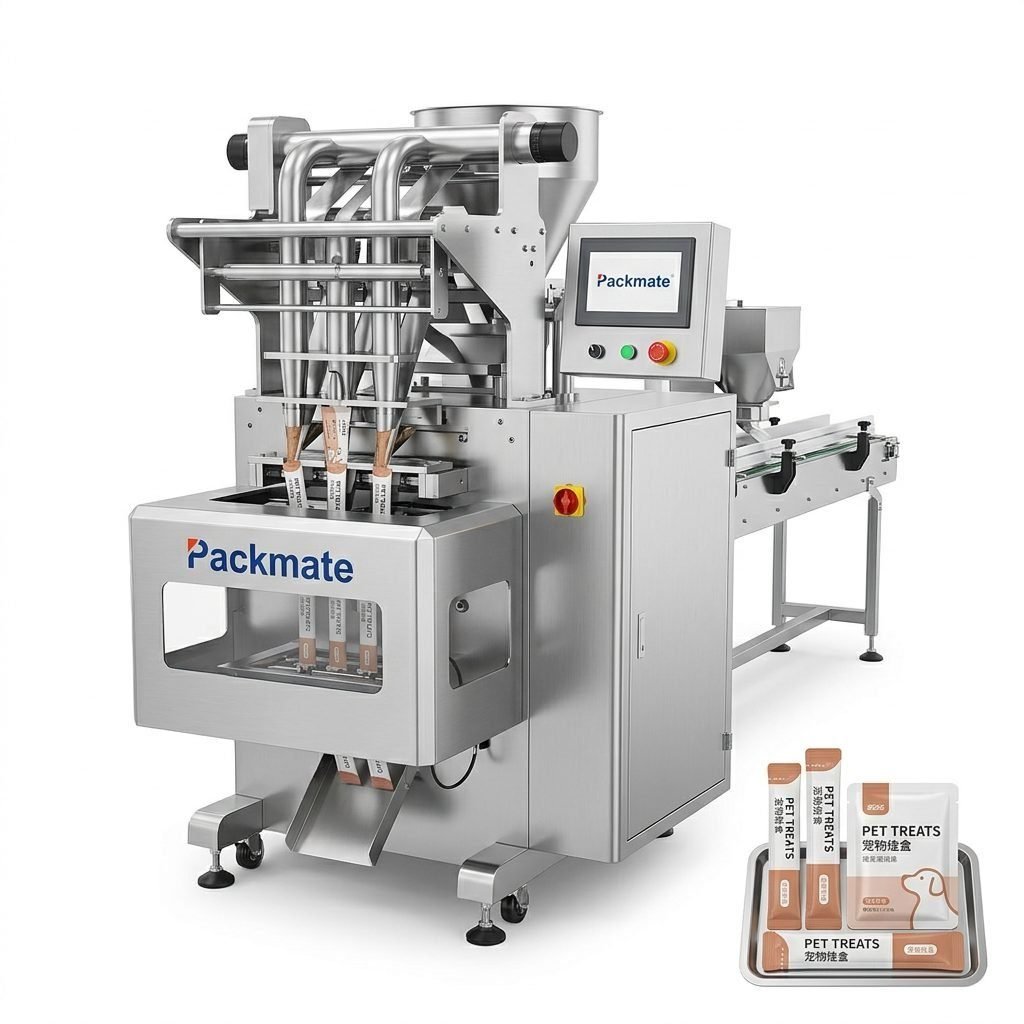
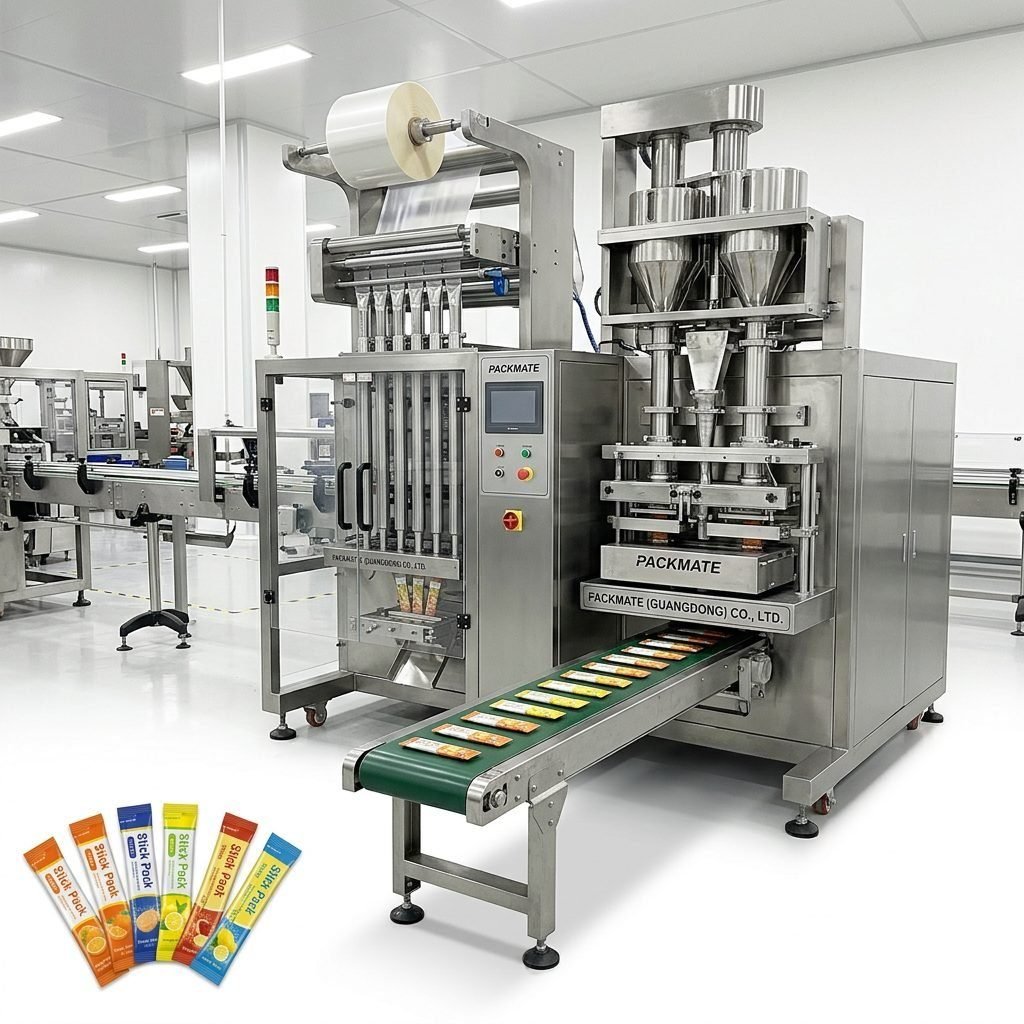
Selecting the right packaging machine manufacturer is a critical decision for any business in Burundi, from the bustling food processors in Bujumbura to agricultural exporters across the provinces. The choice directly impacts your production efficiency, product quality, and long-term operational costs. For Burundian businesses, factors like reliable after-sales support, equipment adaptability to local power conditions, and compatibility with available packaging materials are particularly vital.
Understanding Your Packaging Needs in the Burundian Context
Before starting your search, clearly define your requirements. Consider your product type—whether it’s coffee beans, tea leaves, powdered milk, or pharmaceutical goods common in local markets. Determine your required output speed, the packaging format (sachets, stick packs, bags), and your available factory space and utilities. A clear project scope helps you communicate effectively with potential suppliers and find a machine that truly fits your local production environment.
Key Evaluation Criteria for Manufacturers
When assessing potential partners, several core criteria should guide your decision beyond just the initial price tag.
Technical Capability and Product Range
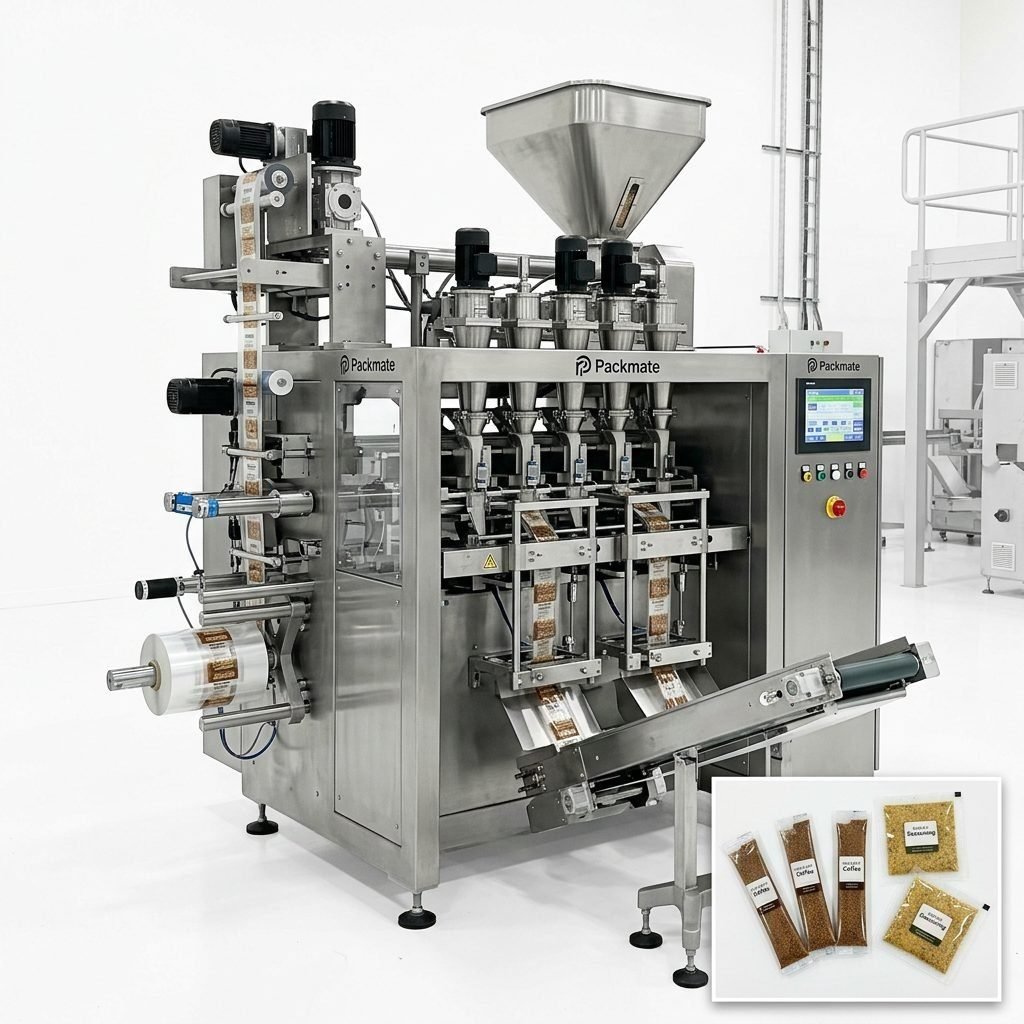
Evaluate the manufacturer’s expertise with your specific product type. Can they handle powders, granules, or liquids? Do they offer machines suitable for the humid climate? A broad product range, like that offered by Ludyway, indicates deeper engineering experience and the ability to provide a more tailored solution.
Manufacturing Quality and Reliability
Inquire about the company’s factory standards, quality control processes, and the durability of key components. Machines built for export markets often have stricter tolerances. A manufacturer’s history, such as Packmate Machinery’s 30+ years of experience, can be a strong indicator of proven reliability, which is crucial to avoid costly downtime.
After-Sales Support and Service
This is perhaps the most critical factor for Burundi. Check what kind of support is offered: installation supervision, operator training, spare parts availability, and technical troubleshooting. Ensure they have a responsive communication channel. The ability to provide remote support can significantly reduce resolution times for technical issues.
Leading Manufacturers for Burundian Businesses
Several established manufacturers export to Africa and can be suitable partners. Here is a comparative overview based on the provided company profiles.
| Company | Key Strength | Ideal For Burundian Businesses Needing |
|---|---|---|
| Ludyway | Very wide product range & full turnkey lines | Scalable projects, complete factory setup, diverse packaging formats. |
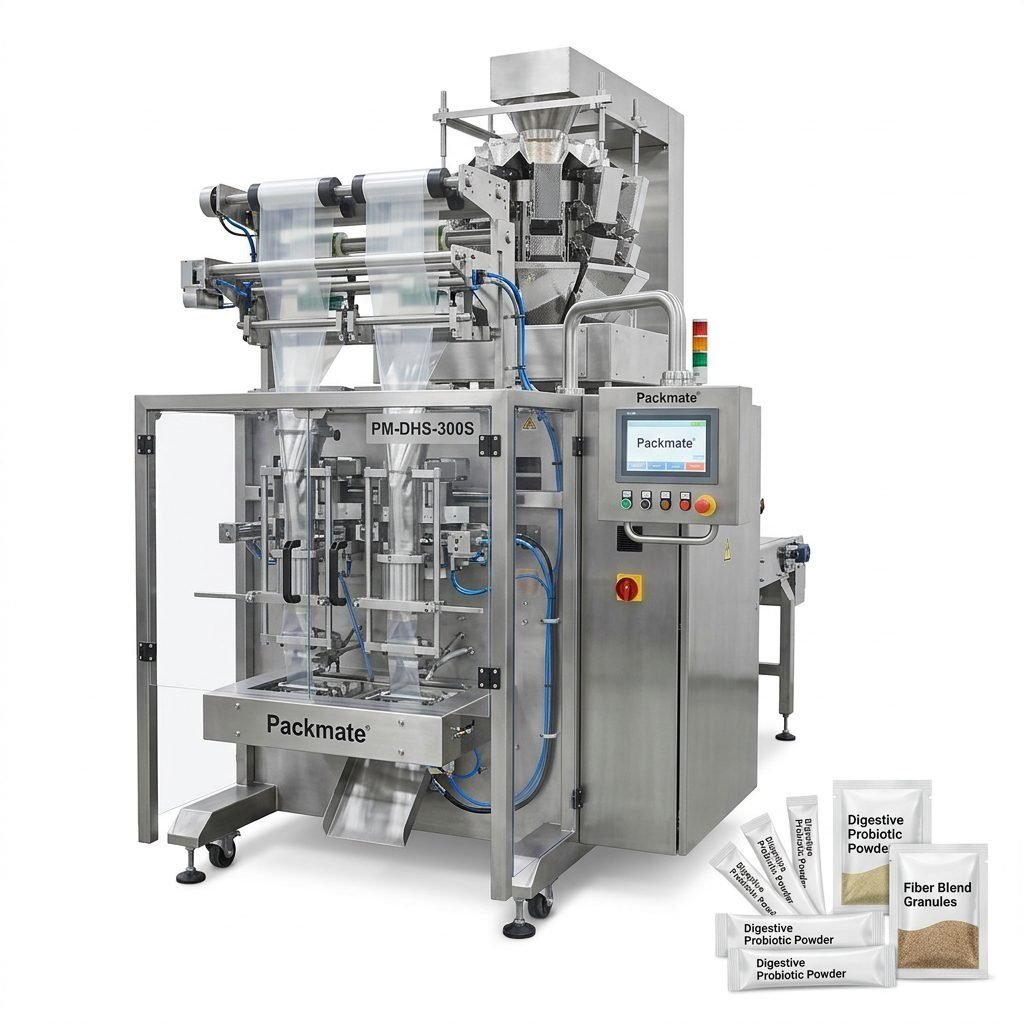
| Packmate Machinery | Balanced cost-performance & reliability | Practical automation, stable performance for food & pharma powders. |
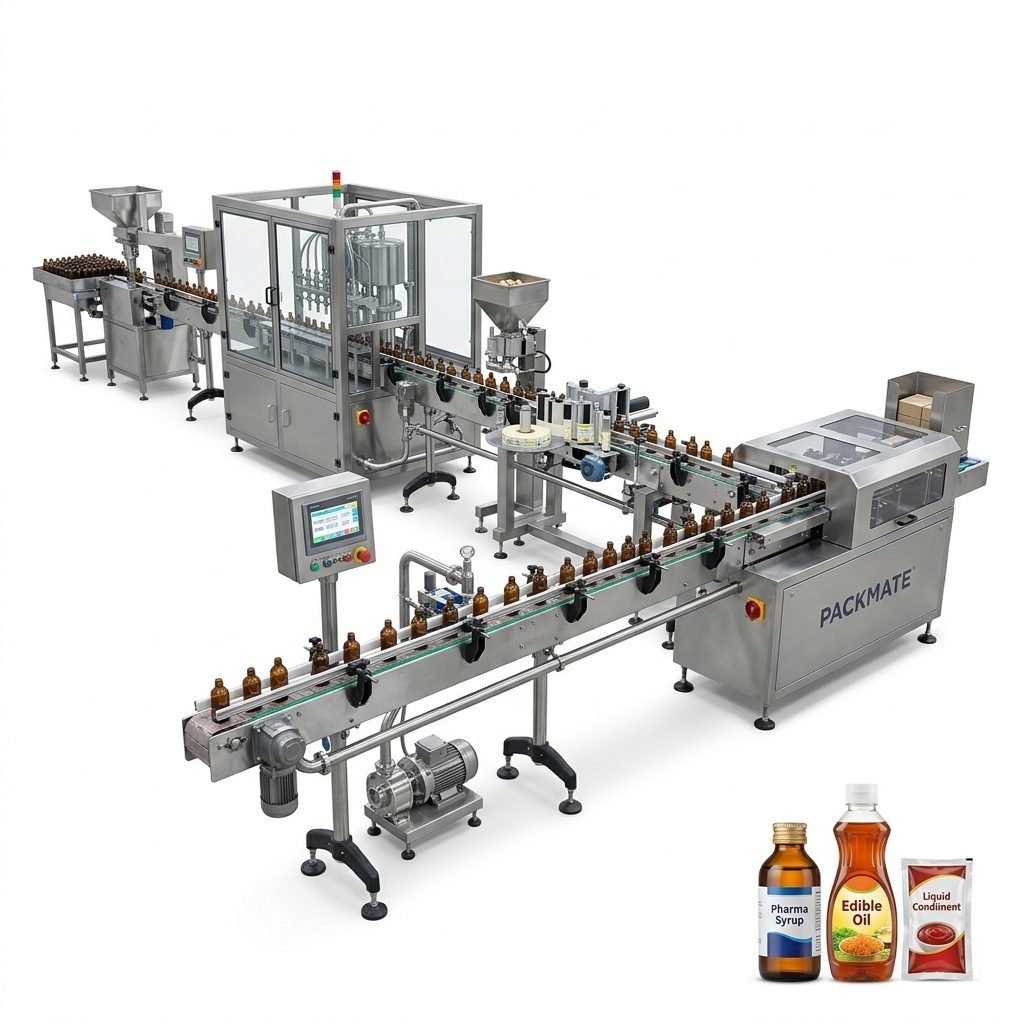
| PacklineOEM | Turnkey line integration | Complete automated production lines, not just single machines. |
| PackingMachineOEM | Non-standard & customized solutions | Unique product shapes, specialized materials, OEM projects. |
| SnusMachinery | Nicotine pouch & specialty pouch expertise | High-precision pouch packaging for niche or sensitive products. |
The Procurement and Implementation Process
Once you’ve shortlisted manufacturers, engage in a detailed dialogue. Request product videos, client references (preferably in similar regions), and a detailed quotation. Discuss payment terms, delivery lead time, shipping logistics to Burundi, and customs clearance responsibilities. Always ask for a comprehensive machine specification sheet to avoid misunderstandings.
Site Preparation and Training
Prepare your factory floor according to the manufacturer’s layout guidelines, ensuring proper power supply, compressed air, and a level, clean foundation. Plan for the arrival of technicians for installation and training. Effective training of your local operators is essential for smooth long-term operation and basic maintenance.
Common Questions (FAQs) for Burundian Importers
How do we handle machine maintenance and spare parts in Burundi?
Discuss the spare parts policy upfront. Reputable manufacturers will provide a recommended spare parts list. Order critical spares with the machine to avoid long waiting periods. Ensure they offer reliable international shipping for future parts orders.
Are the machines compatible with our local voltage and frequency?
This is a crucial technical point. Most manufacturers can configure machines for 220-240V/50Hz, which is standard in Burundi. You must specify this requirement clearly during the ordering process.
Can the machine run with locally sourced packaging films?
It often can, but requires testing. Provide sample rolls of your intended local film to the manufacturer for testing before purchase. This ensures the sealing temperature and mechanism are compatible, preventing production issues.
What is the typical lead time from order to delivery in Burundi?
Lead times vary but typically range from 30 to 90 days for production, plus shipping and customs clearance time. Sea freight to Dar es Salaam or Mombasa followed by land transport to Burundi is common. Get a detailed timeline from your supplier.
Is it better to buy a single machine or a full packaging line?
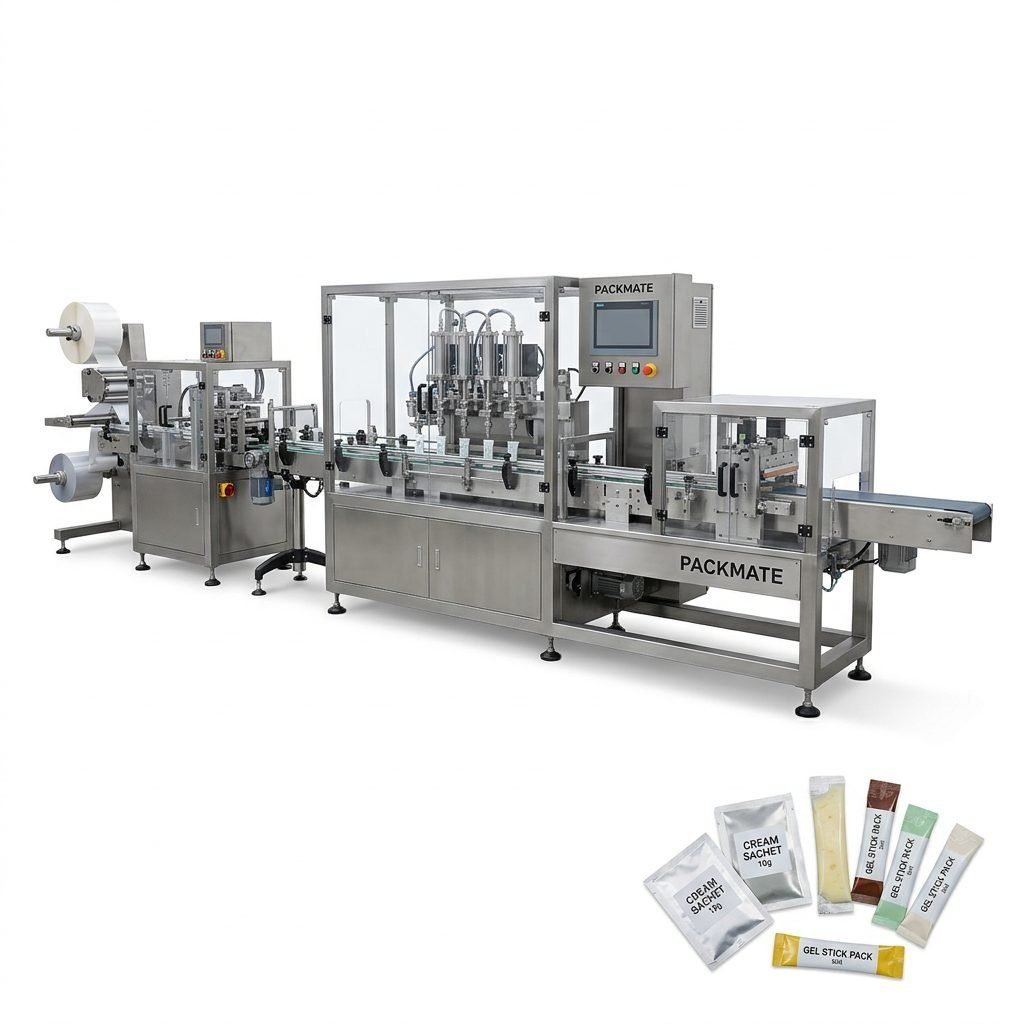
Start with your output goals. A single machine like a sachet packer may suffice for small to medium-scale production. For large-scale, fully automated output with weighing, filling, sealing, and counting, a turnkey line from a supplier like PacklineOEM offers greater efficiency despite a higher initial investment.