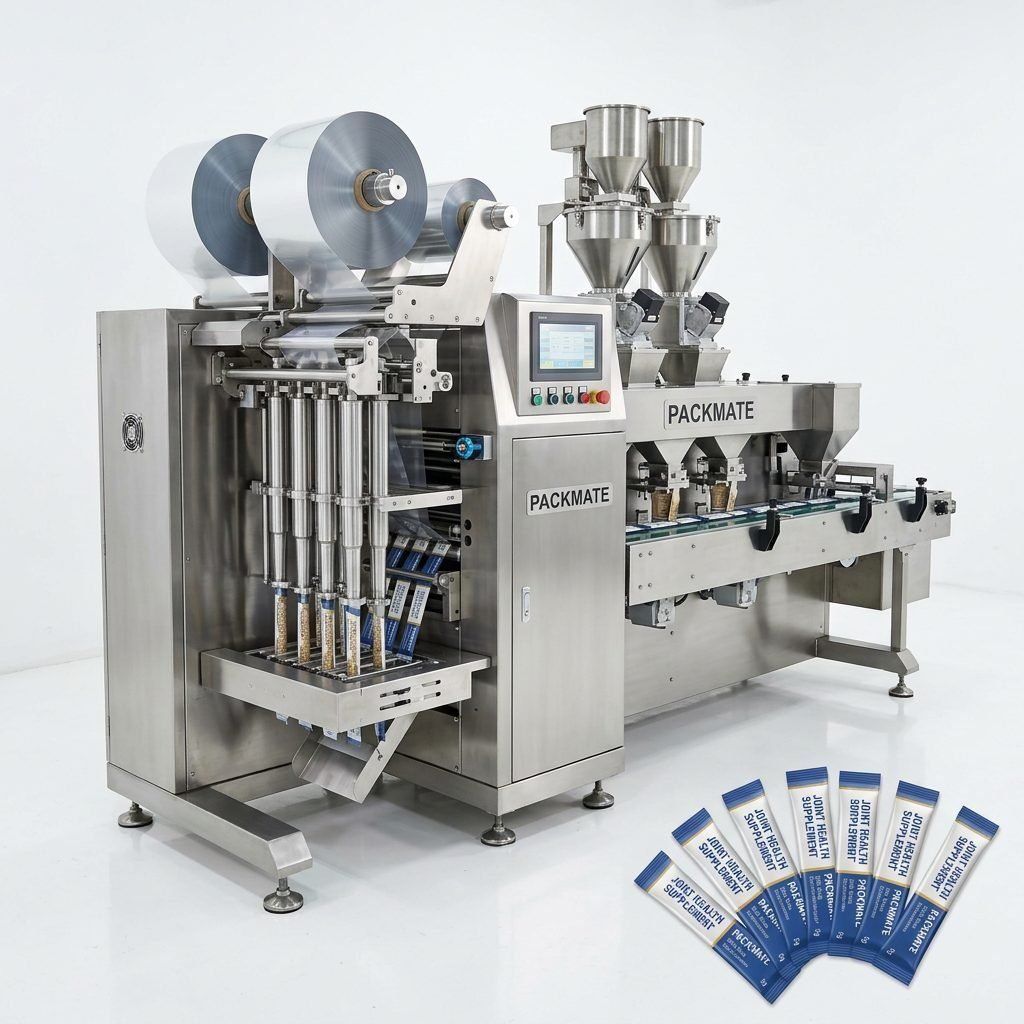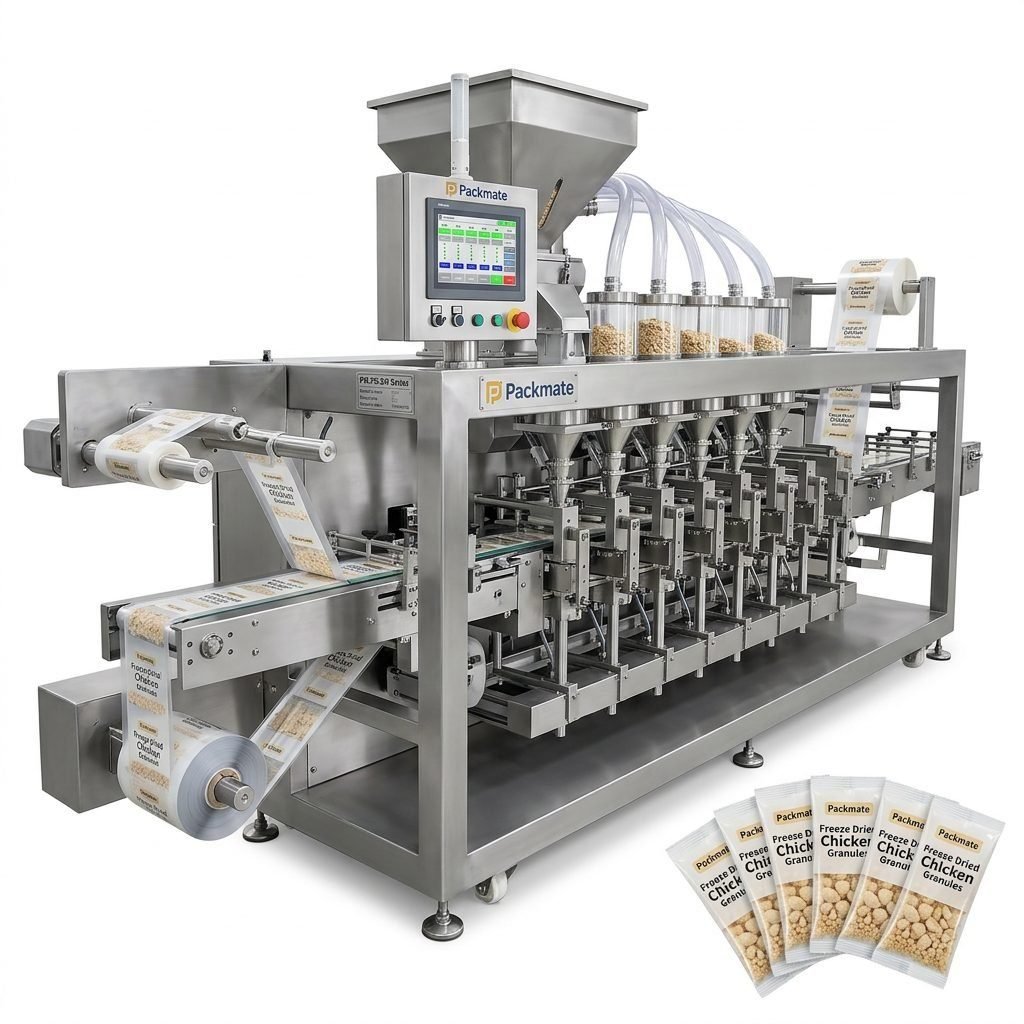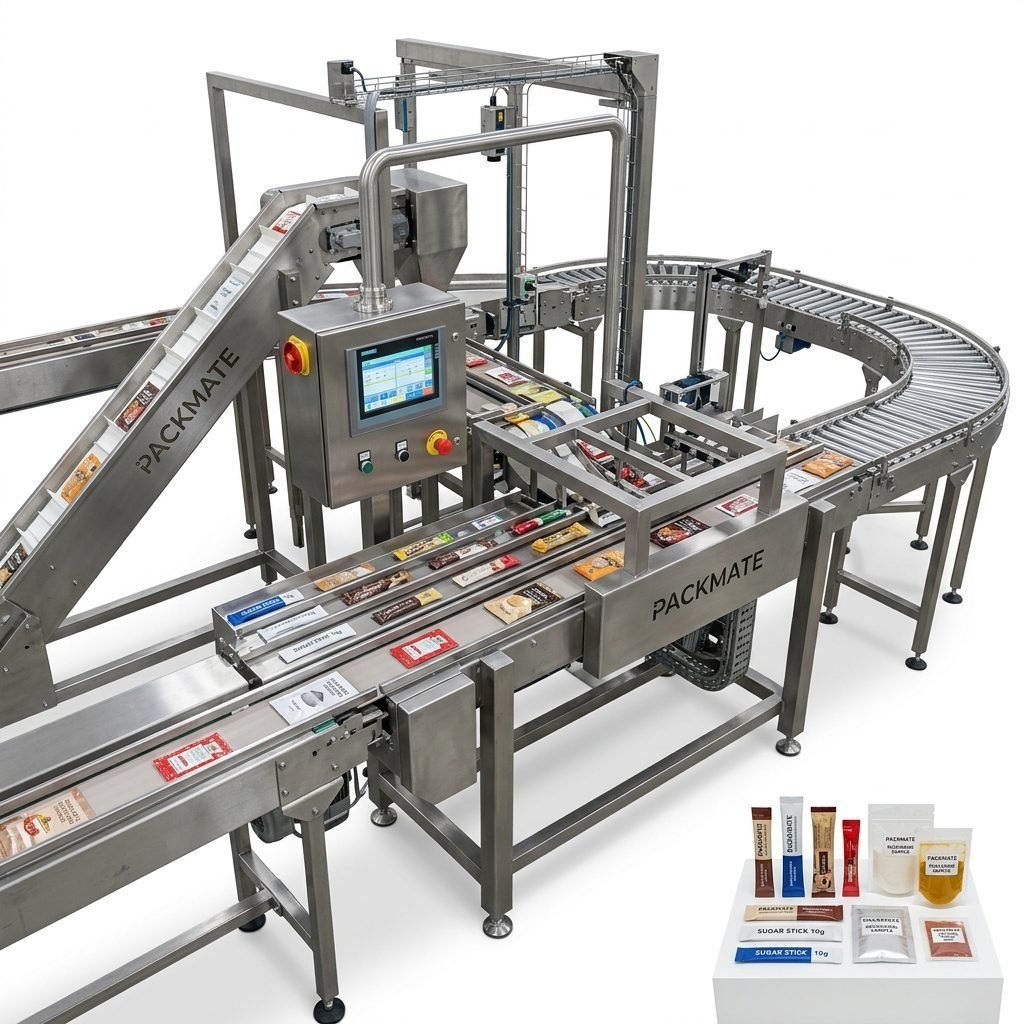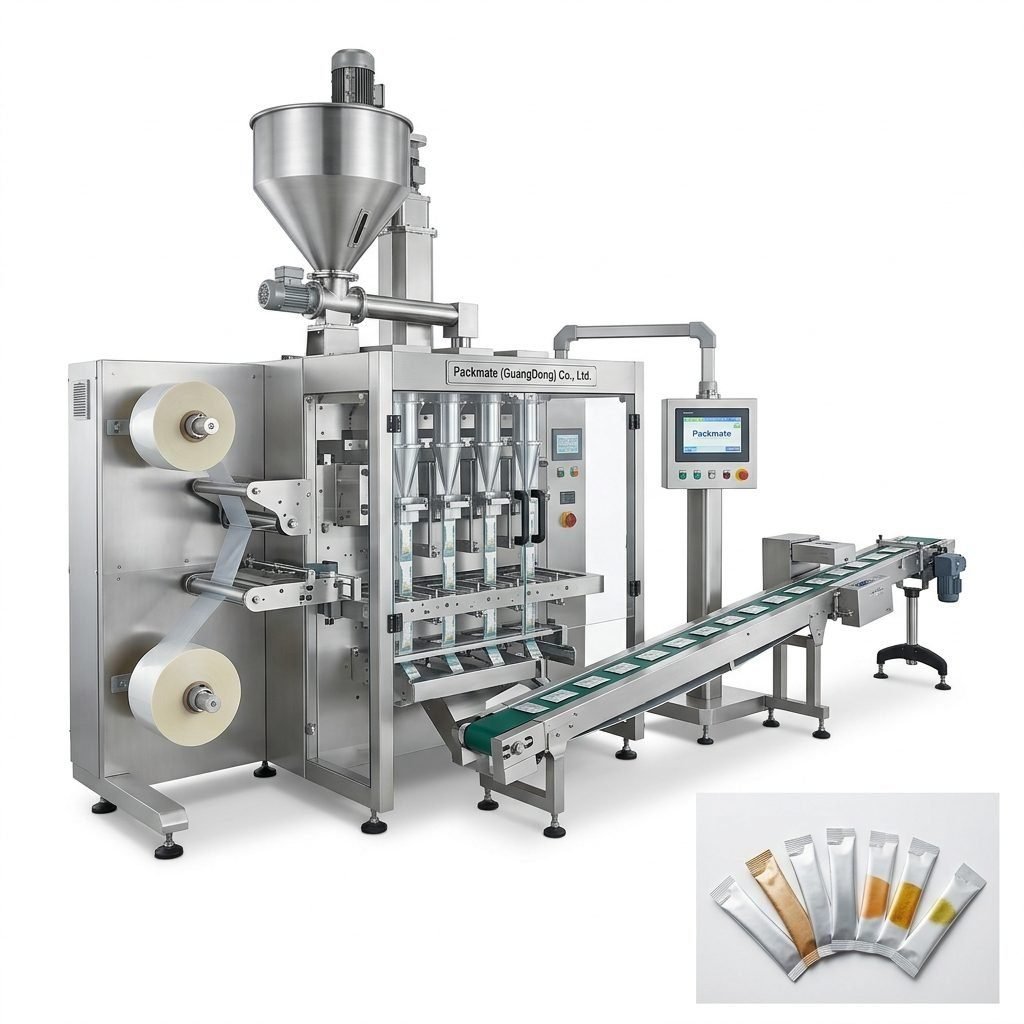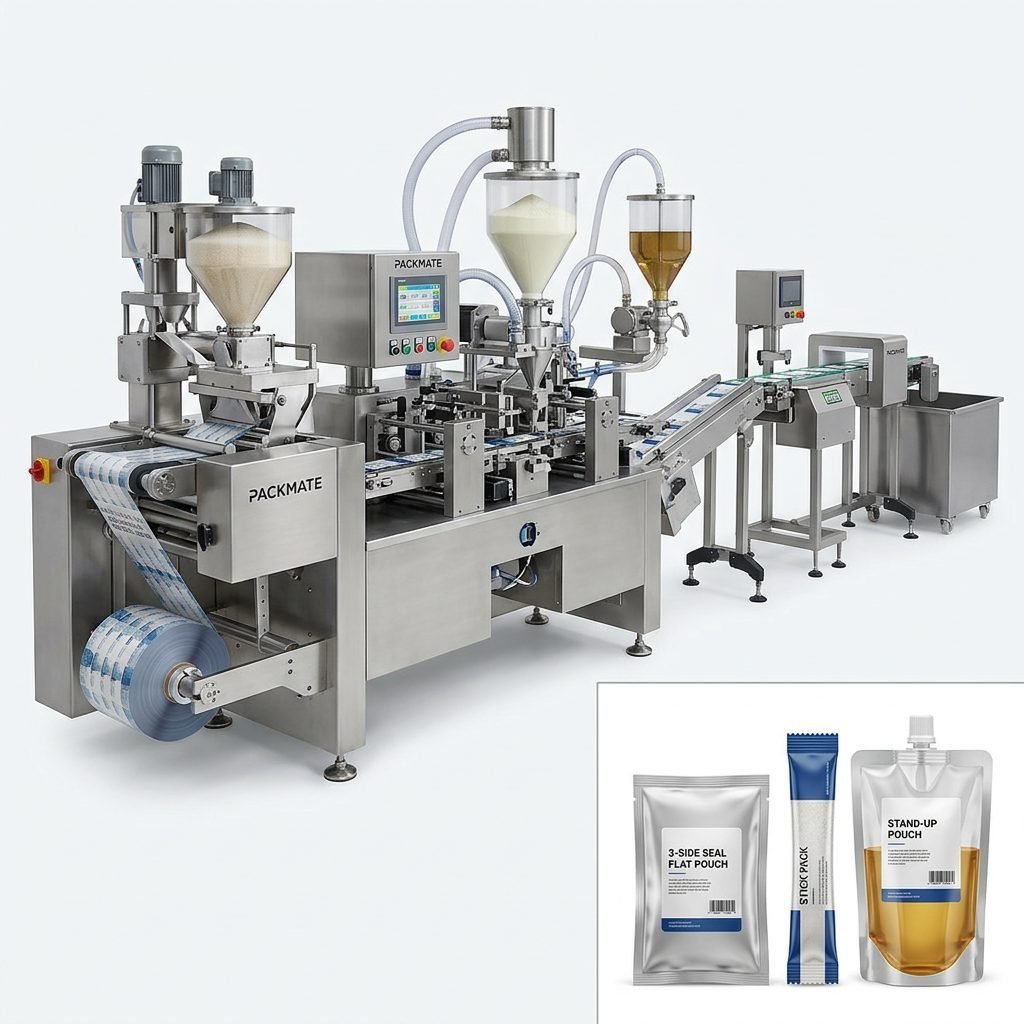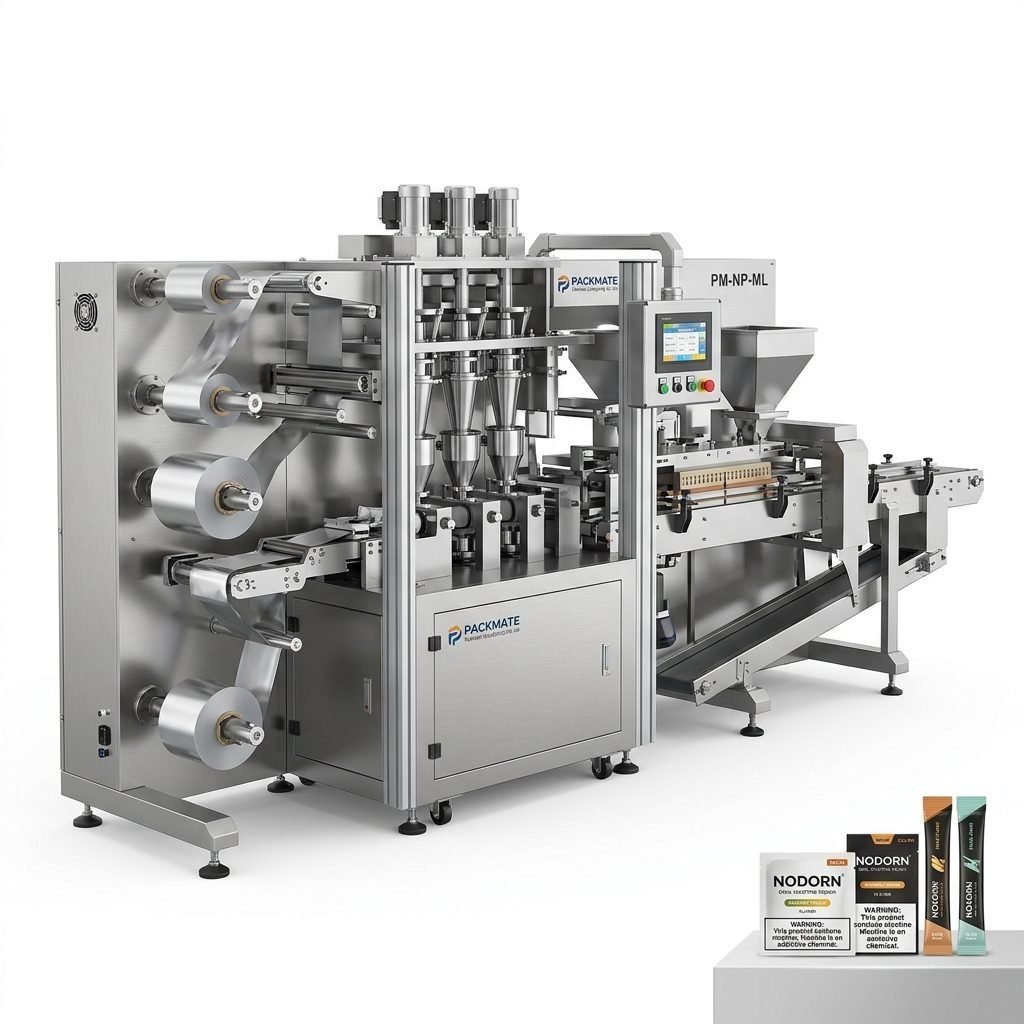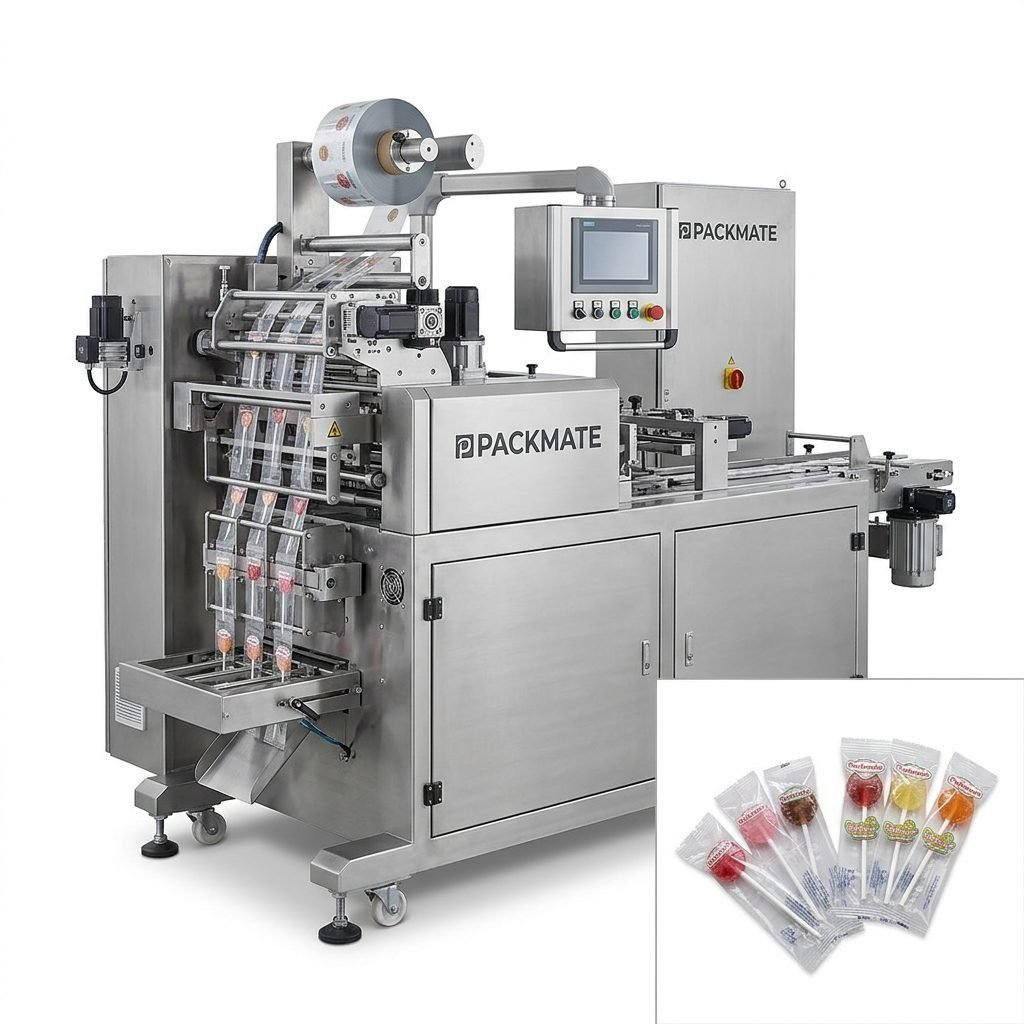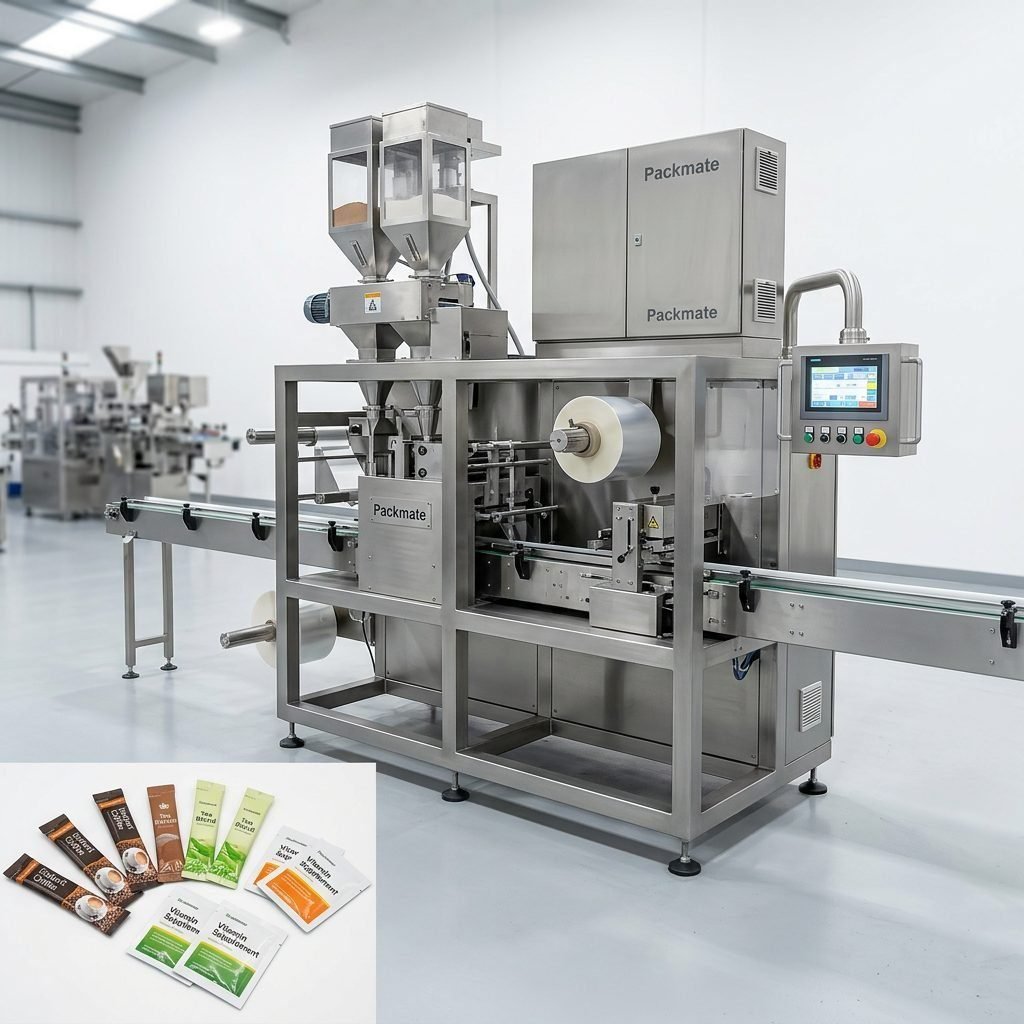
Selecting the right packaging machine manufacturer in Jordan is a critical decision for local producers, importers, and distributors. With a growing industrial and food processing sector, Jordanian businesses need reliable, efficient, and cost-effective packaging solutions to compete in domestic and regional markets. Whether you are in Amman, Zarqa, or Irbid, producing food products, pharmaceuticals, or consumer goods, the choice of manufacturer impacts your production efficiency, product quality, and long-term operational costs. This guide outlines the key factors to consider, helping you navigate the global supplier landscape to find a partner that meets your specific needs and supports your growth in the Jordanian market.
Understanding Your Packaging Requirements in Jordan
Before contacting suppliers, clearly define your project’s scope. Jordanian manufacturers often deal with specific challenges, such as adapting to regional packaging preferences, managing diverse product sizes, and ensuring compliance with local and Gulf Cooperation Council (GCC) standards. Consider the following:
Product Type: Are you packaging granules (like coffee, spices, or nuts), powders (flour, milk powder, supplements), liquids (sauces, oils, sanitizers), or pastes? The product’s physical properties determine the machine type.
Production Output: What is your required speed (bags per minute) and daily/weekly production volume? This affects whether you need a single machine or a complete automated line.
Packaging Format: Do you need stick packs, sachets, pouches, or bulk bags? The format influences the machine’s forming, filling, and sealing mechanisms.
Factory Conditions: Assess your available space, power supply, and the skill level of your operational team in Jordan.
Key Factor 1: Manufacturer’s Experience and Industry Focus
A manufacturer with extensive experience, particularly in your industry segment, is invaluable. They understand common challenges and can offer proven solutions. For Jordanian buyers, a supplier with a strong export history to the Middle East may be more familiar with regional logistics, after-sales support networks, and technical requirements.
For example, Ludyway, with over 30 years of experience and a focus on food, pharma, and health supplements, offers a broad portfolio suitable for diverse Jordanian products. Their wide international reach indicates an ability to handle export procedures efficiently to Jordan.
Key Factor 2: Technical Capability and Customization
Not all production lines are standard. Your product may have unique characteristics—flowability, hygroscopic nature, or specific dosing requirements—that demand customized engineering. A manufacturer’s ability to provide non-standard solutions is crucial.
Companies like PackingMachineOEM specialize in customized and OEM packaging solutions. This is particularly useful for Jordanian businesses developing unique product formats or requiring machines adapted to specific local packaging materials.
Key Factor 3: Machine Quality, Reliability, and After-Sales Support
Machine downtime is costly. Prioritize manufacturers known for build quality, stable performance, and comprehensive after-sales service. For Jordan-based operations, consider the following:
Warranty & Spare Parts: What is the warranty period? How quickly can spare parts be delivered to Jordan?
Technical Support: Is remote support (video calls, manuals) available? Do they offer on-site installation and training for your team?
Local Agent/Representative: Does the manufacturer have a local agent or service partner in the Middle East or Jordan for quicker response?
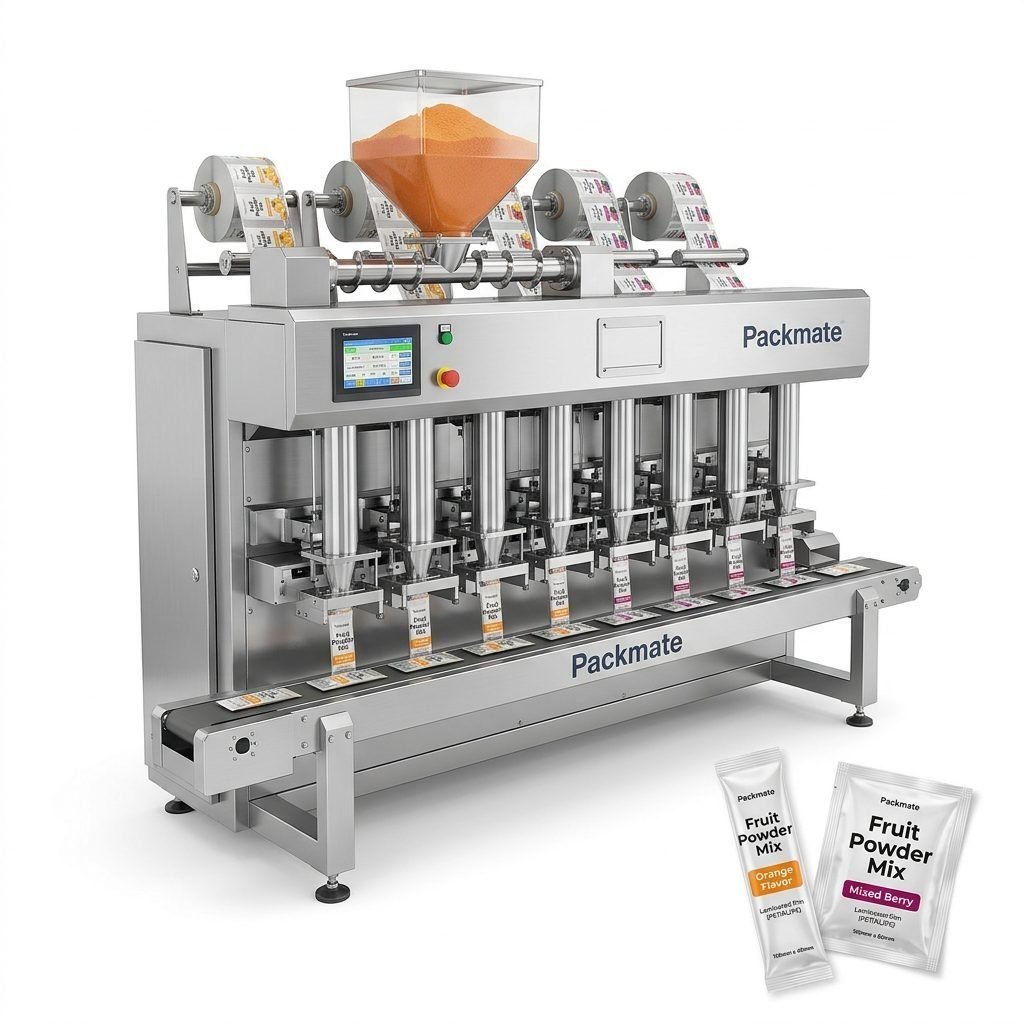
Manufacturers with large-scale production facilities, like Packmate Machinery, often have structured quality control and support systems that benefit international clients in Jordan.
Key Factor 4: Budget and Total Cost of Ownership (TCO)
The initial machine price is just one part of the cost. The Total Cost of Ownership (TCO) includes energy consumption, maintenance, spare parts, and potential production losses. A slightly higher initial investment in a more reliable and efficient machine from a reputable supplier can lead to significant long-term savings for your Jordanian operation.
| Cost Component | Considerations for Jordanian Buyers |
|---|---|
| Initial Purchase Price | Compare quotes, but weigh against brand reputation and features. |
| Shipping & Logistics | Incoterms (FOB, CIF), import duties, and clearance in Aqaba port. |
| Installation & Training | Factor in potential costs for technician travel or local contractor fees. |
| Operational Costs | Energy efficiency, consumables (film, sealing jaws), and labor requirements. |
| Maintenance & Support | Cost and availability of spare parts, annual service contracts. |
Key Factor 5: Supplier’s Project Execution Ability
For complex projects requiring full production lines, the manufacturer’s ability to manage the entire project—from design and integration to commissioning—is vital. This is especially true if you are setting up a new facility in Jordan’s Qualified Industrial Zones (QIZs) or expanding an existing one.
PacklineOEM, for instance, focuses on turnkey packaging lines, which can be advantageous for Jordanian manufacturers seeking a single point of responsibility for a complete automated system, integrating feeding, weighing, filling, and sealing units.
Key Factor 6: Niche or Specialized Expertise
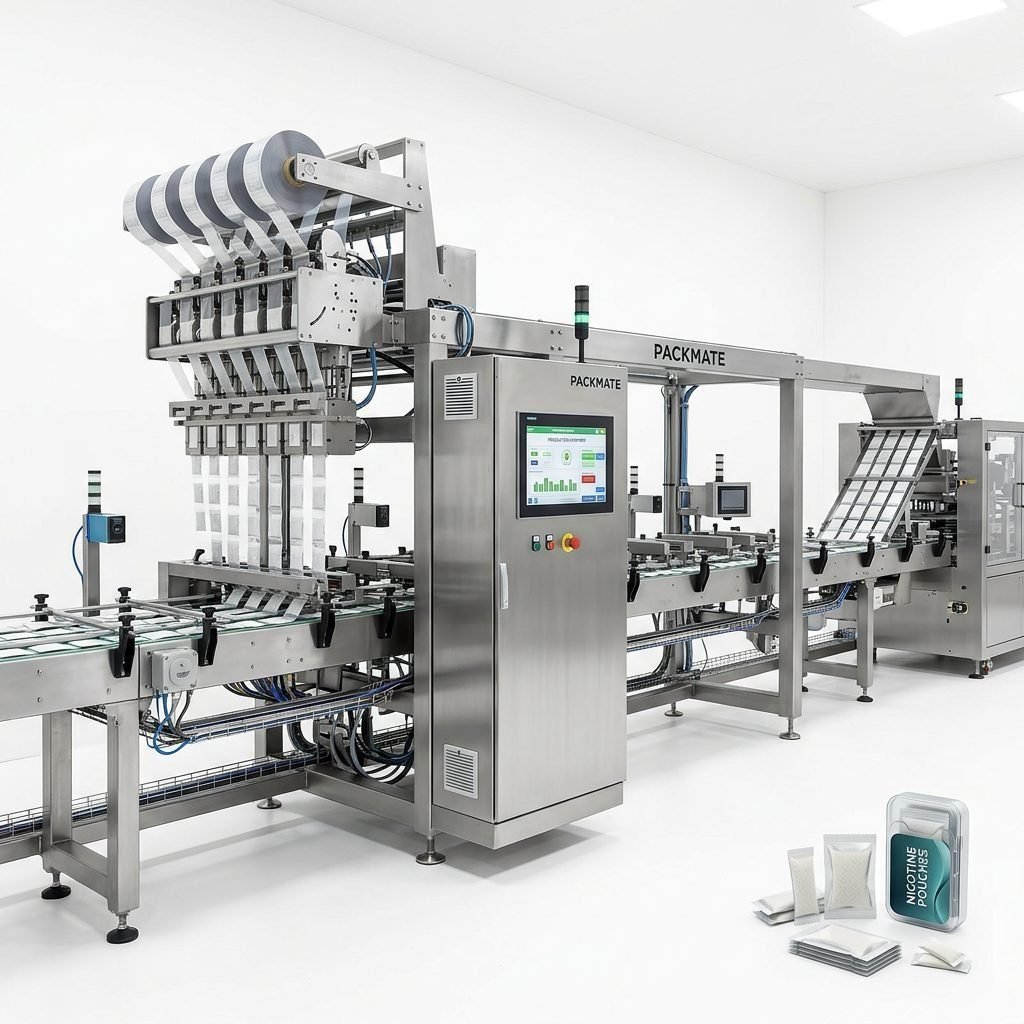
If your business operates in a specialized segment, a manufacturer with focused expertise can provide significant advantages. For example, the market for nicotine pouches and snus is growing globally, including in Jordan and the broader region.
A supplier like SnusMachinery specializes in equipment for this niche. Their deep application knowledge in pouch precision, dosing, and sealing for such products can lead to better machine performance and fewer operational issues compared to a general-purpose supplier.
The Procurement Process: Steps for Jordanian Buyers
Follow a structured process to minimize risk and ensure a successful purchase:
1. Detailed Inquiry: Provide potential suppliers with comprehensive details about your product, packaging material, desired output, and factory layout.
2. Request for Proposal (RFP): Get detailed proposals, including technical specifications, layout drawings, commercial terms, and a list of references.
3. Due Diligence: Check references, especially from other clients in the Middle East. Verify company credentials, factory audits (if possible), and review contract terms carefully.
4. Factory Acceptance Test (FAT): If feasible, plan to visit the supplier’s factory in China or elsewhere to witness a machine test with your product samples before shipment. This is a critical step to verify performance.
5. Logistics and Installation: Coordinate closely with the supplier and your freight forwarder for smooth shipping to Jordan, customs clearance, and final installation in your plant.
Frequently Asked Questions (FAQs)
Q1: What are the main advantages of sourcing packaging machines from China for Jordanian businesses?
Chinese manufacturers often offer a strong balance of technical capability, customization flexibility, and cost-effectiveness. Many have decades of export experience and established logistics channels to the Middle East, making them a practical choice for Jordanian companies looking to automate and scale production.
Q2: How important is it for the manufacturer to have experience in the food or pharmaceutical industry?
It is very important. Industry-specific experience means the manufacturer understands hygiene standards (e.g., food-grade or GMP-compliant materials), product handling characteristics, and common regulatory requirements. This expertise reduces project risk and ensures the machine is fit for purpose from the start.
Q3: What should I look for in the warranty and after-sales service agreement?
Look for a clear warranty period (typically 12-18 months), coverage details for parts and labor, and the process for claiming support. Ensure the agreement includes provisions for remote diagnostics and defines response times. Clarify how spare parts are supplied to Jordan and if there are local stocking options.
Q4: Can I get a complete packaging line from a single manufacturer?
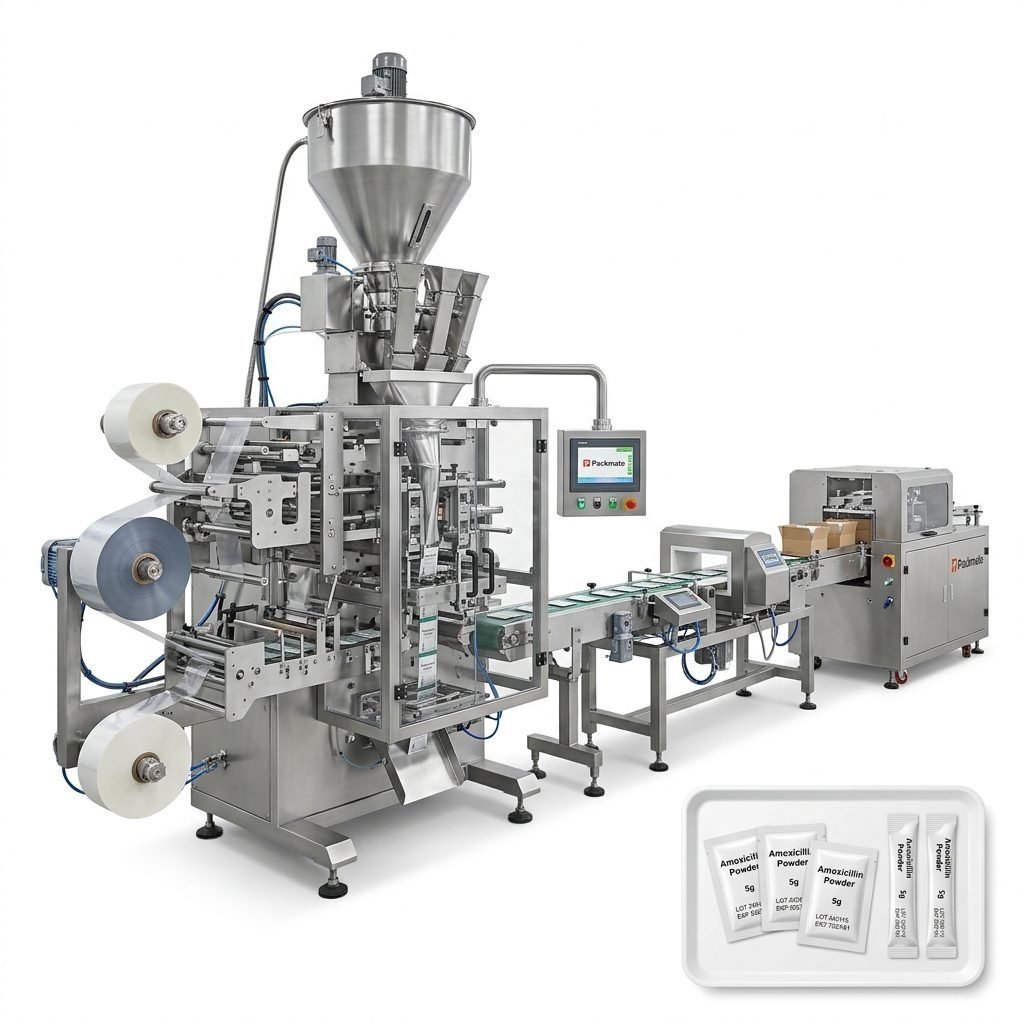
Yes, many leading manufacturers, such as Ludyway and PacklineOEM, specialize in supplying integrated turnkey lines. This includes all components from upstream feeding to downstream cartoning. A single-source supplier simplifies project management, ensures component compatibility, and provides unified technical support.
Q5: How can I manage the risk of importing heavy machinery into Jordan?
Mitigate risk by conducting thorough due diligence on the supplier, insisting on a Factory Acceptance Test (FAT), using secure payment methods (e.g., letters of credit), and working with a reliable freight forwarder experienced in shipping industrial equipment to Jordan. Comprehensive insurance for the shipment is also essential.