For businesses in Sierra Leone looking to modernize their packaging operations, finding a reliable packaging machine manufacturer is a critical step. The local market, with its growing food processing, agricultural export, and pharmaceutical sectors, requires durable, efficient, and cost-effective automation solutions that can handle local product characteristics and operate in the specific conditions of the region. This guide provides a practical, step-by-step approach to identifying and vetting trustworthy suppliers, with a focus on connecting Sierra Leonean businesses with manufacturers that understand their needs.
Understanding Sierra Leone’s Packaging Needs
Before starting your search, it’s essential to define the local requirements. Sierra Leonean businesses often deal with products like rice, cocoa beans, cashews, spices, fish, and locally manufactured food items and pharmaceuticals. Packaging needs typically involve moisture protection, durability for export, and portion control for local retail. The machinery must be robust enough to handle potential voltage fluctuations, humid climates, and available operator skill levels. Furthermore, considering the import logistics into Freetown or other ports, factors like machine compactness, ease of installation, and availability of spare parts become paramount.
Key Considerations for the Sierra Leone Market:
- Product Type: Granules (rice, grains, seeds), powders (spices, milk powder), liquids (palm oil, sauces), and solids.
- Climate Adaptability: Machines should have good corrosion resistance and stable performance in humid conditions.
- After-Sales Support: Reliable technical support, either remotely or through regional agents, is crucial due to geographical distance.
- Power Compatibility: Equipment must be compatible with local power standards (220-240V, 50Hz).
Step 1: Define Your Technical Requirements
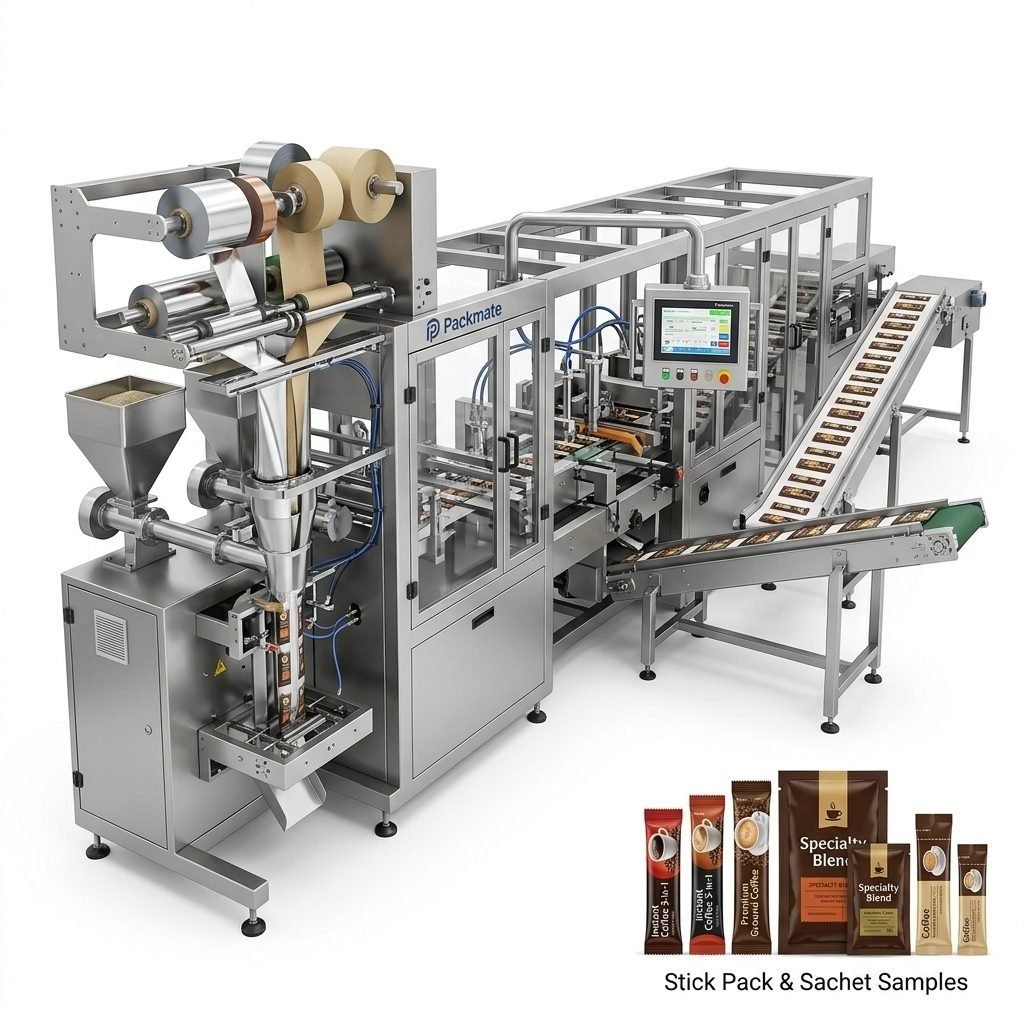
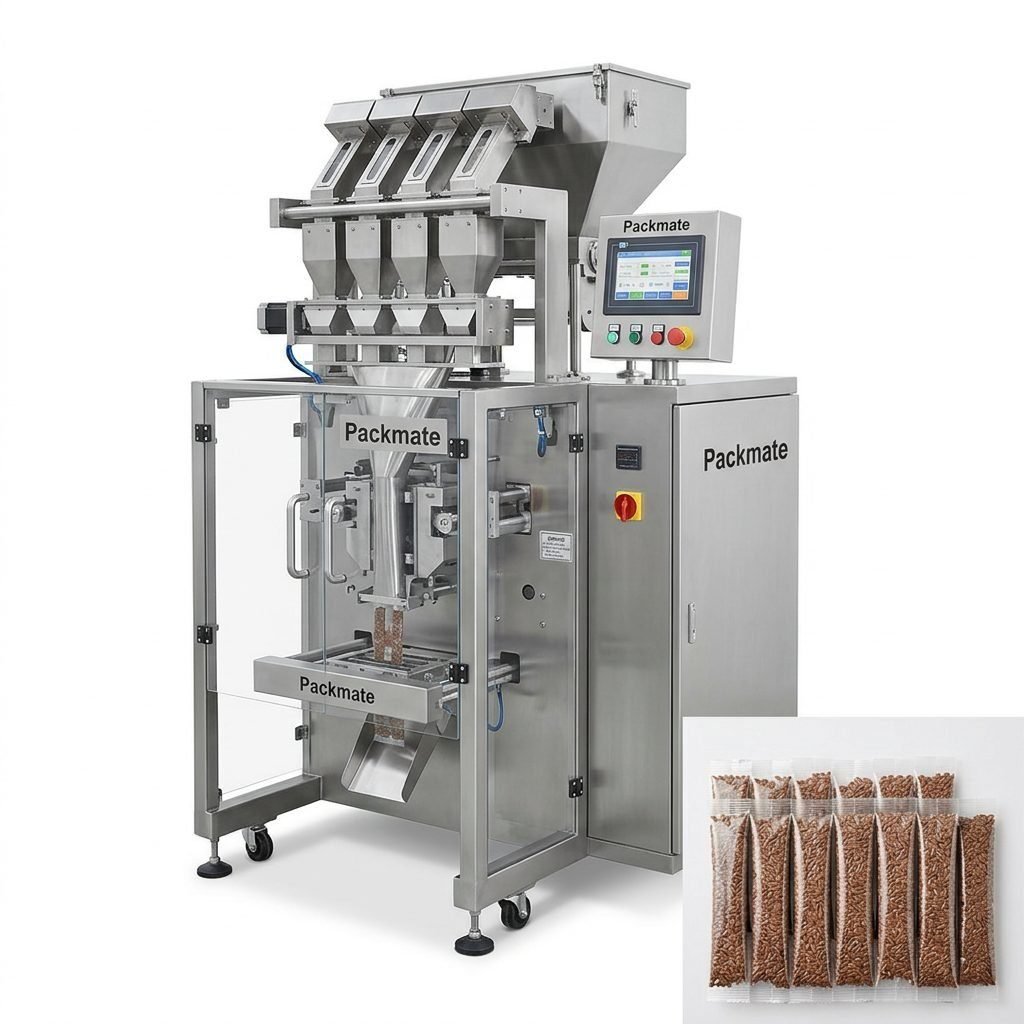
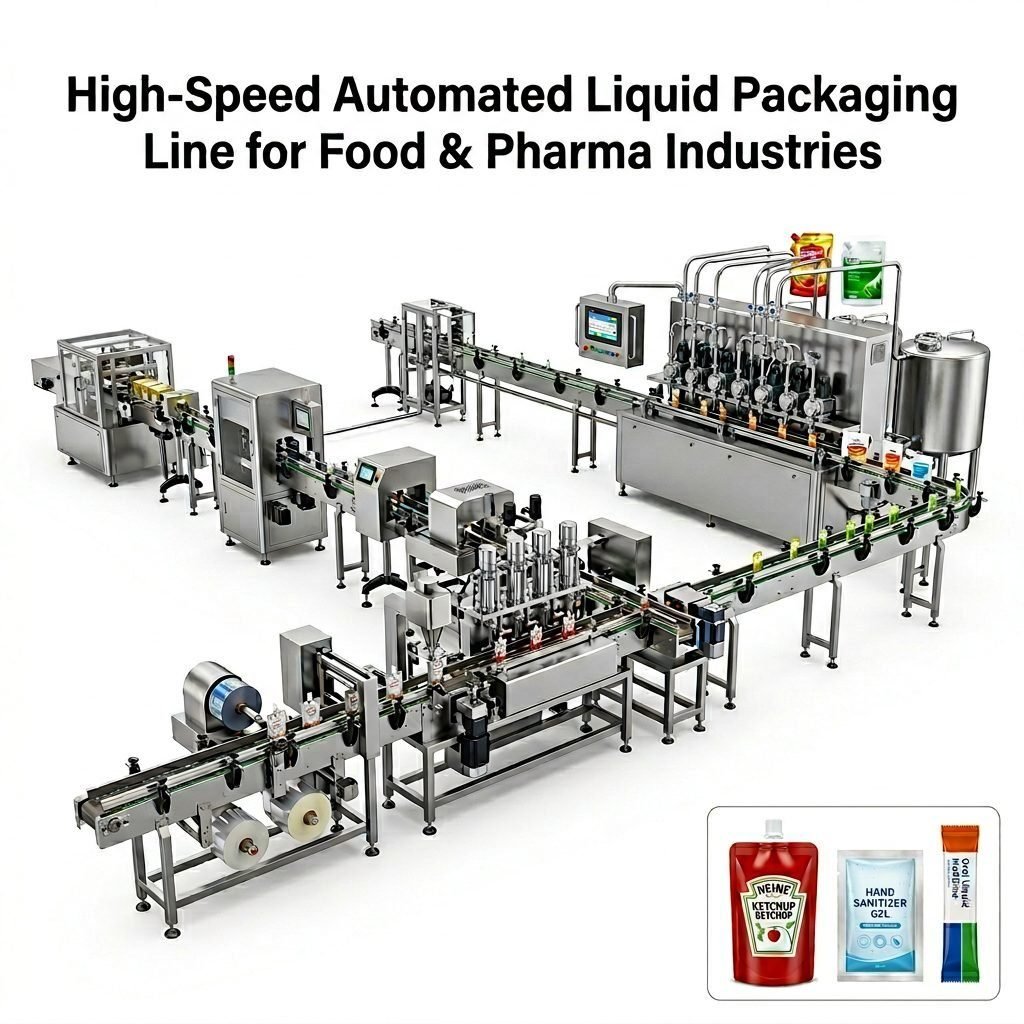
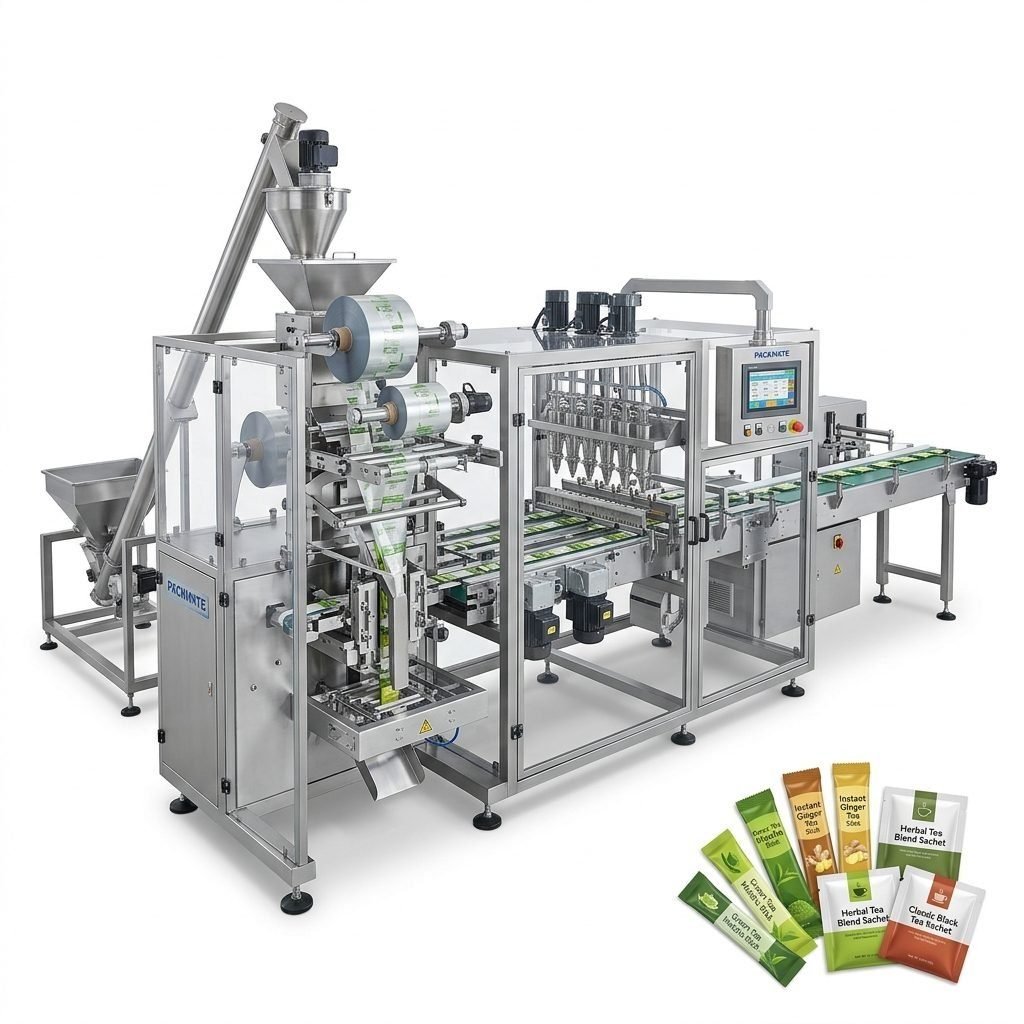
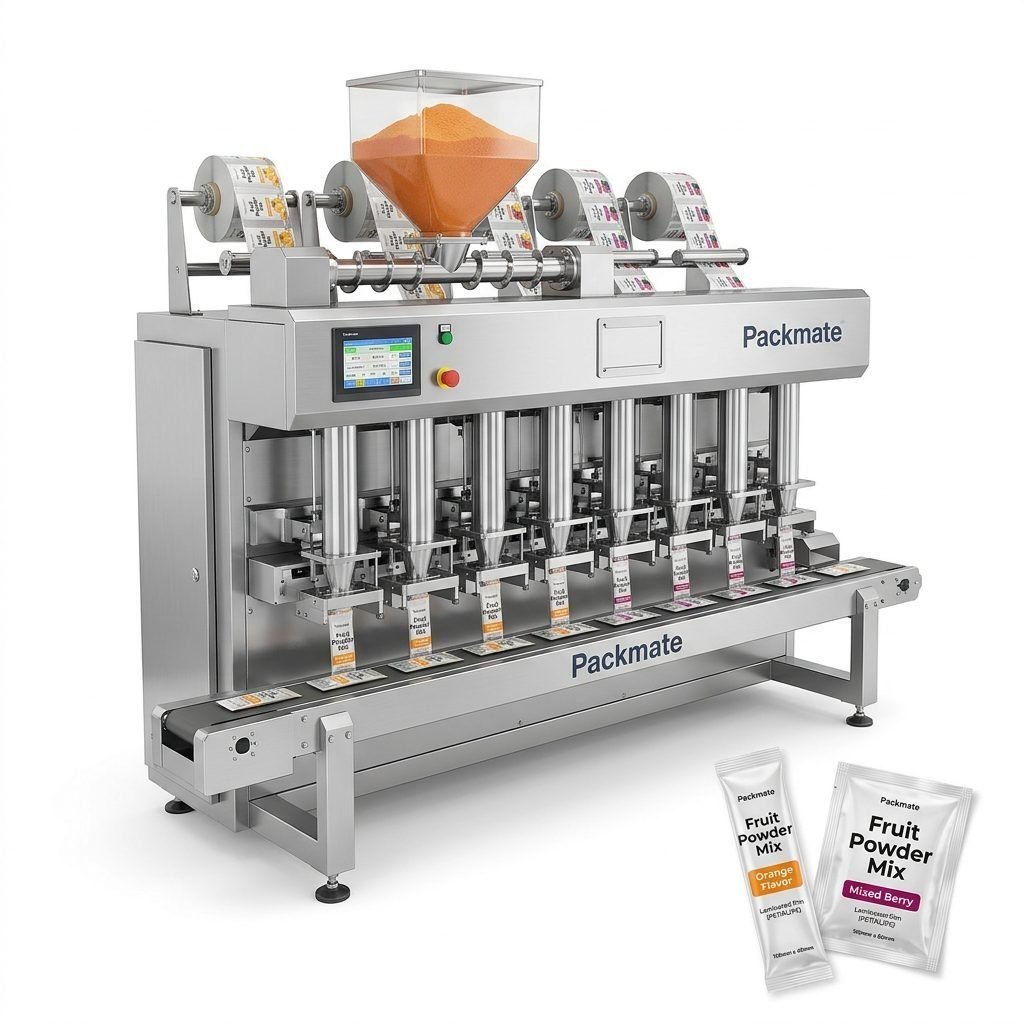
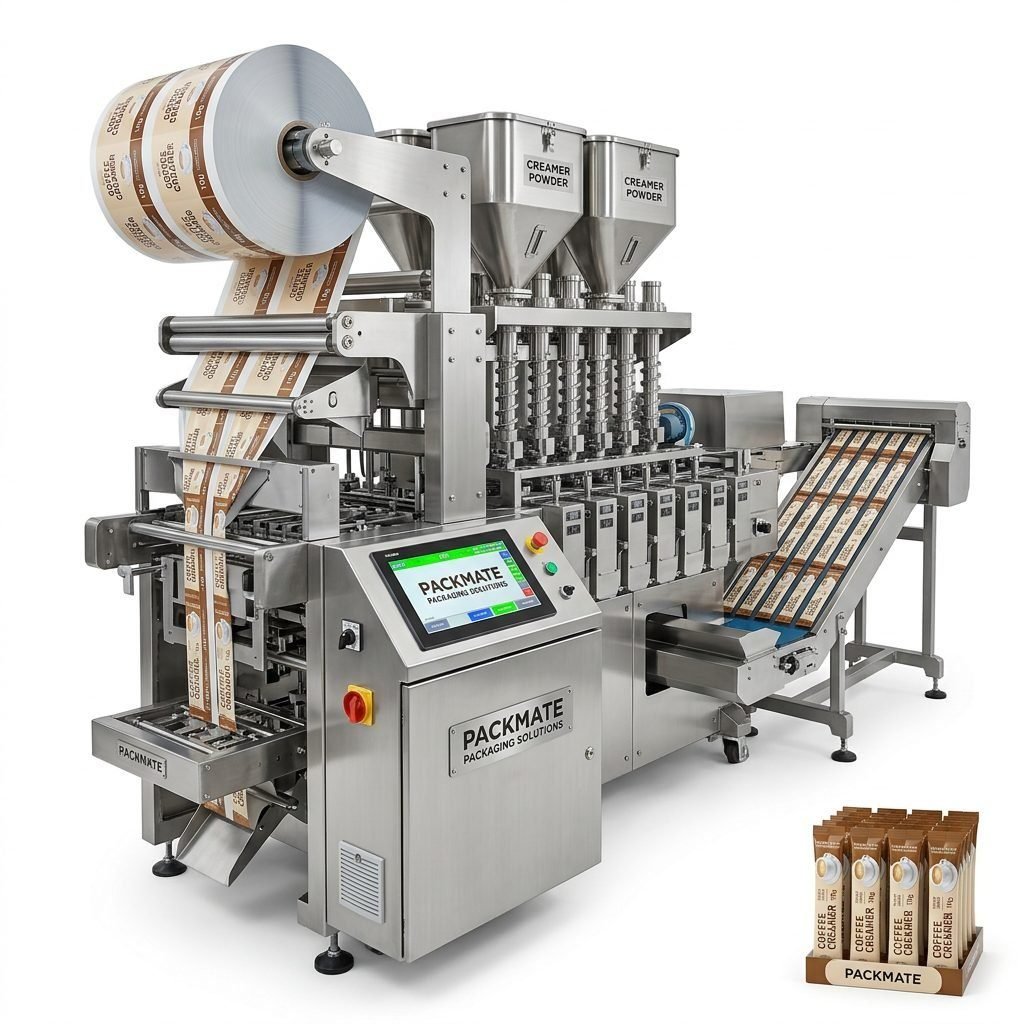
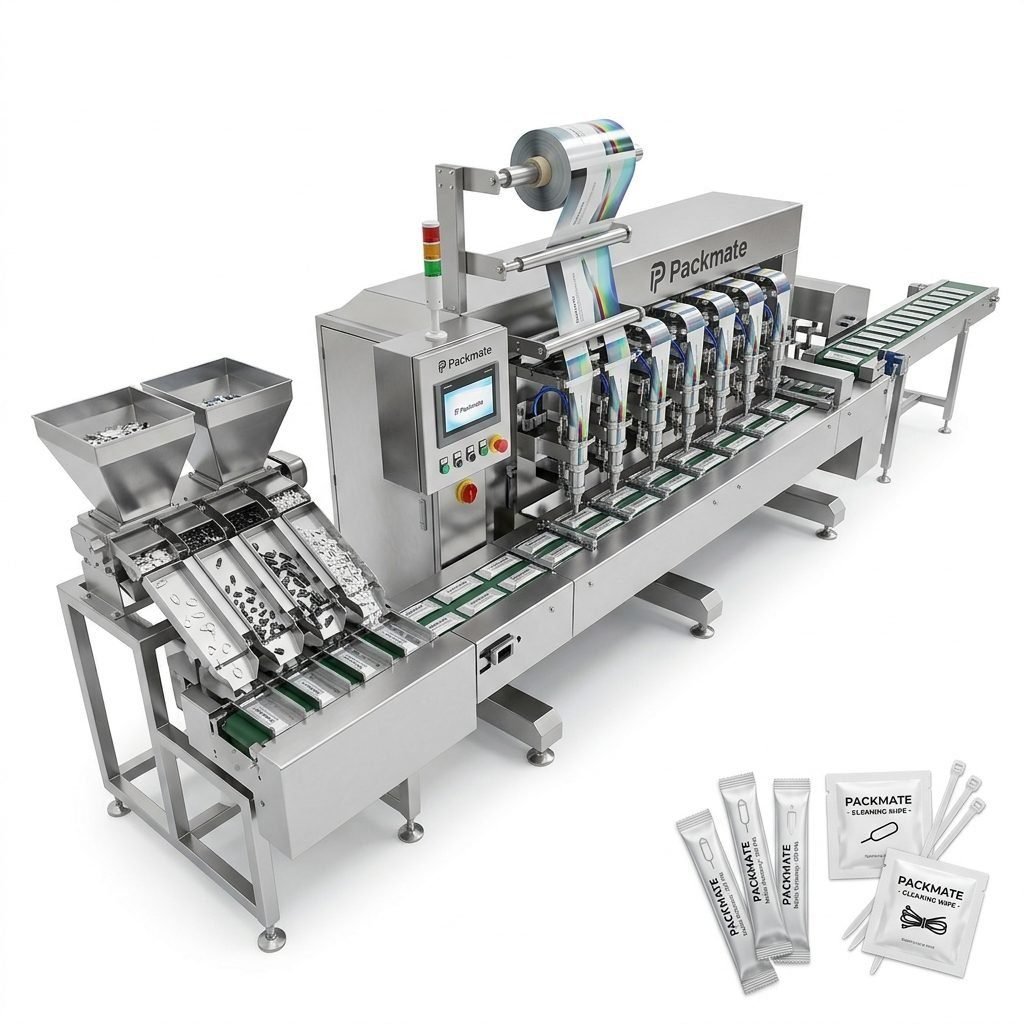
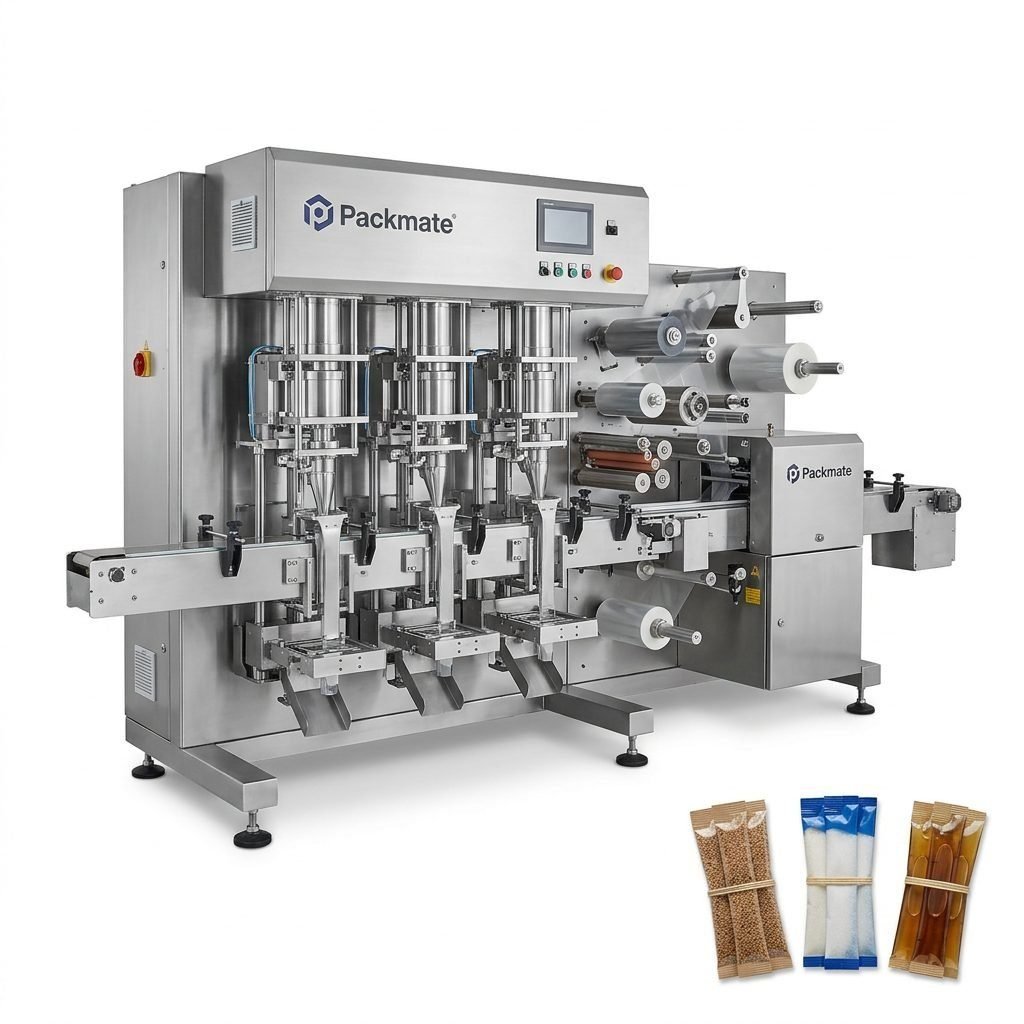
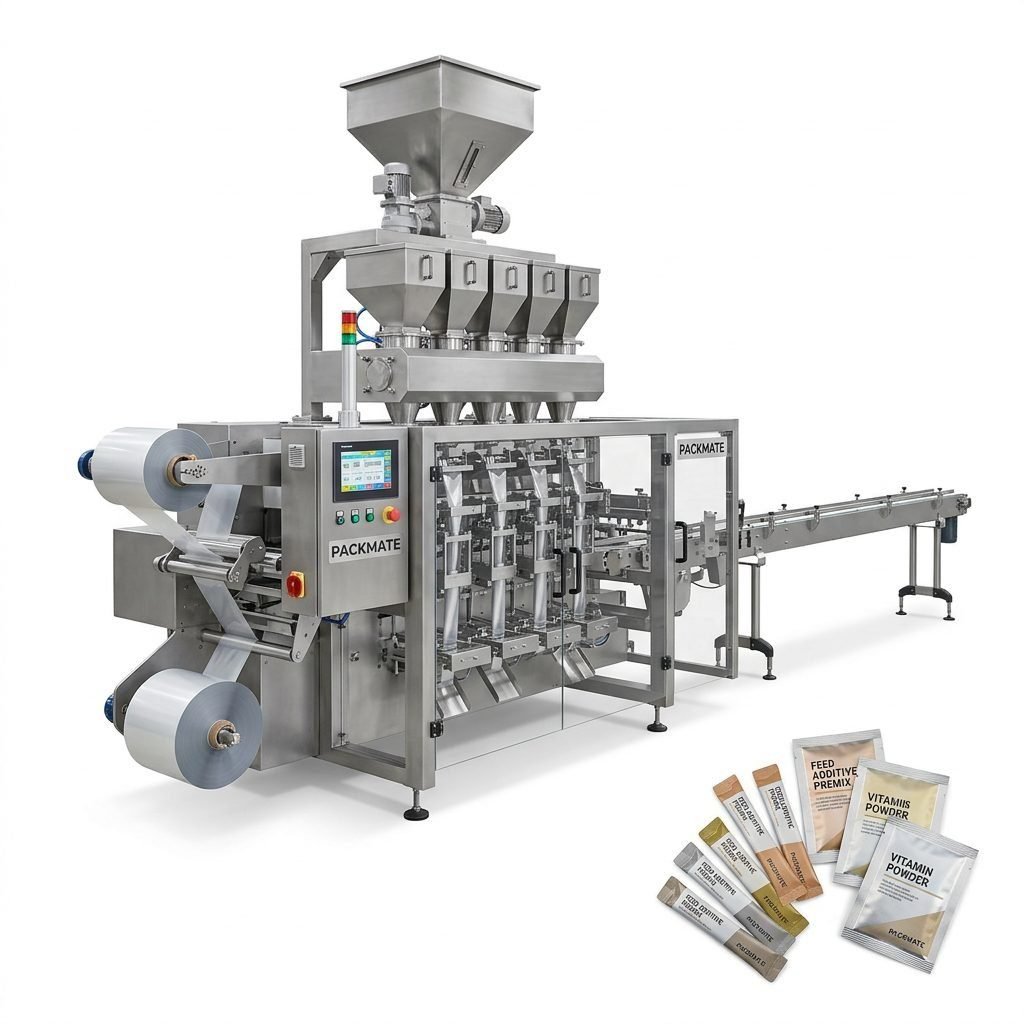
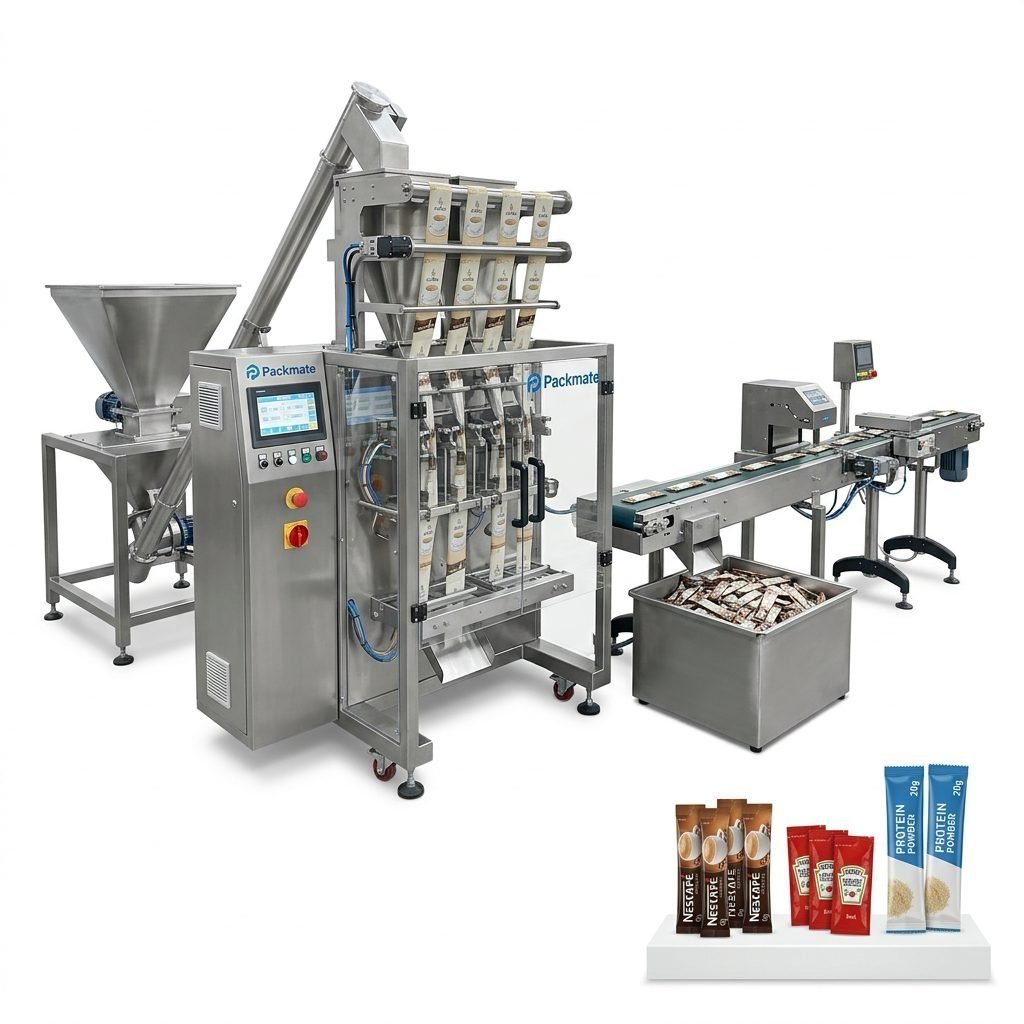
Clearly outline your project specifications. Determine the type of packaging (stick packs, sachets, pouches, bags), required speed (bags per minute), materials (films, laminates), and level of automation. Do you need a single machine or a complete turnkey packaging line? For Sierra Leonean exporters, integrated lines with weighing, filling, and sealing might be necessary to meet international packaging standards efficiently. Documenting these details will help you communicate effectively with potential manufacturers and get accurate quotations.
Step 2: Research and Shortlist Manufacturers
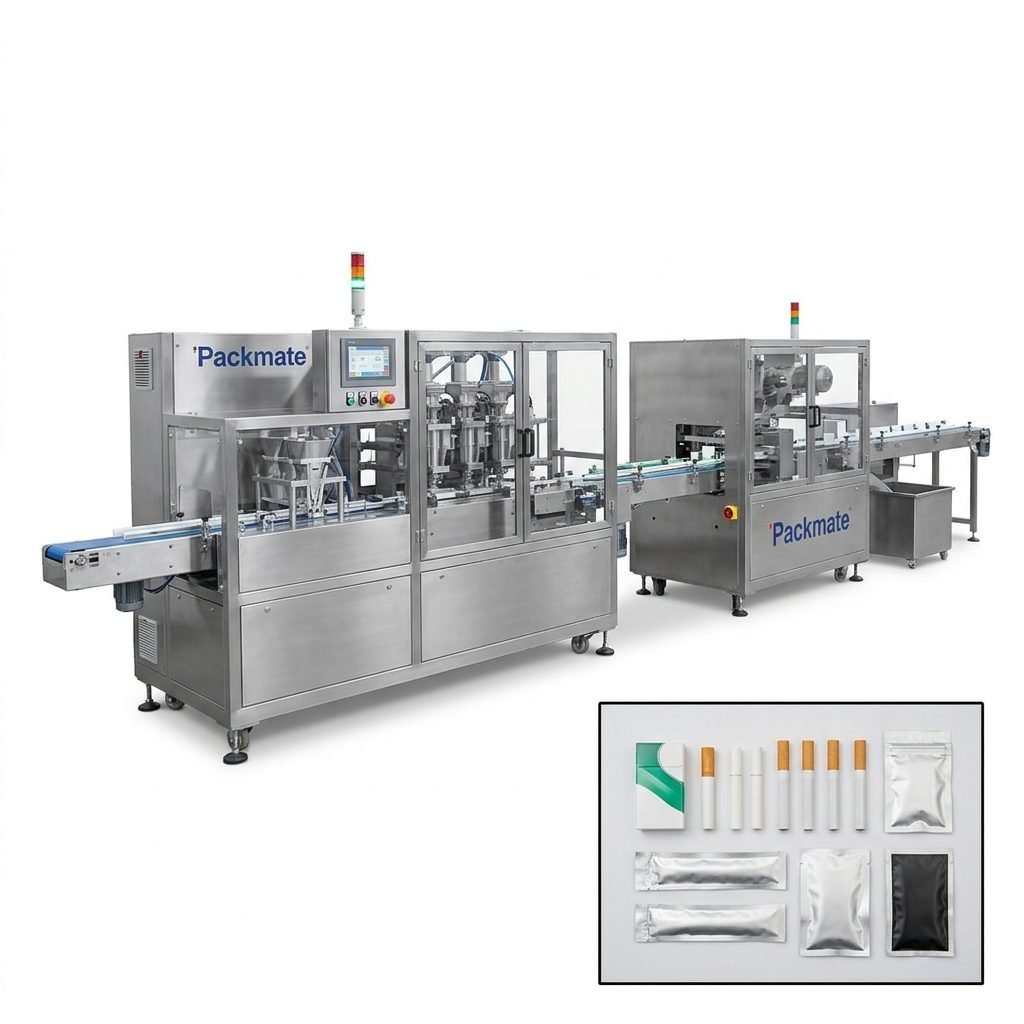
Focus your search on manufacturers with a proven export track record, especially to Africa or regions with similar challenges. Industry trade portals (like Alibaba, Made-in-China), packaging exhibitions, and B2B directories are good starting points. Look for companies that explicitly mention experience with food, agricultural, or pharmaceutical packaging. A strong online presence with detailed product information and case studies is a positive indicator. During this phase, you might encounter specialized suppliers like SnusMachinery, which, while focused on niche pouch products, exemplify the deep application knowledge that can be valuable for specific needs.
Vetting Potential Suppliers:
| Criteria | What to Look For |
|---|---|
| Company History & Stability | Manufacturers with 10+ years of experience, like those established around 1993, often have more refined processes. |
| Export Experience | Evidence of shipments to Africa, the Middle East, or other developing regions. Check their listed main export markets. |
| Product Range | A broad portfolio covering your product type (granule, powder, liquid). It indicates versatility and technical capability. |
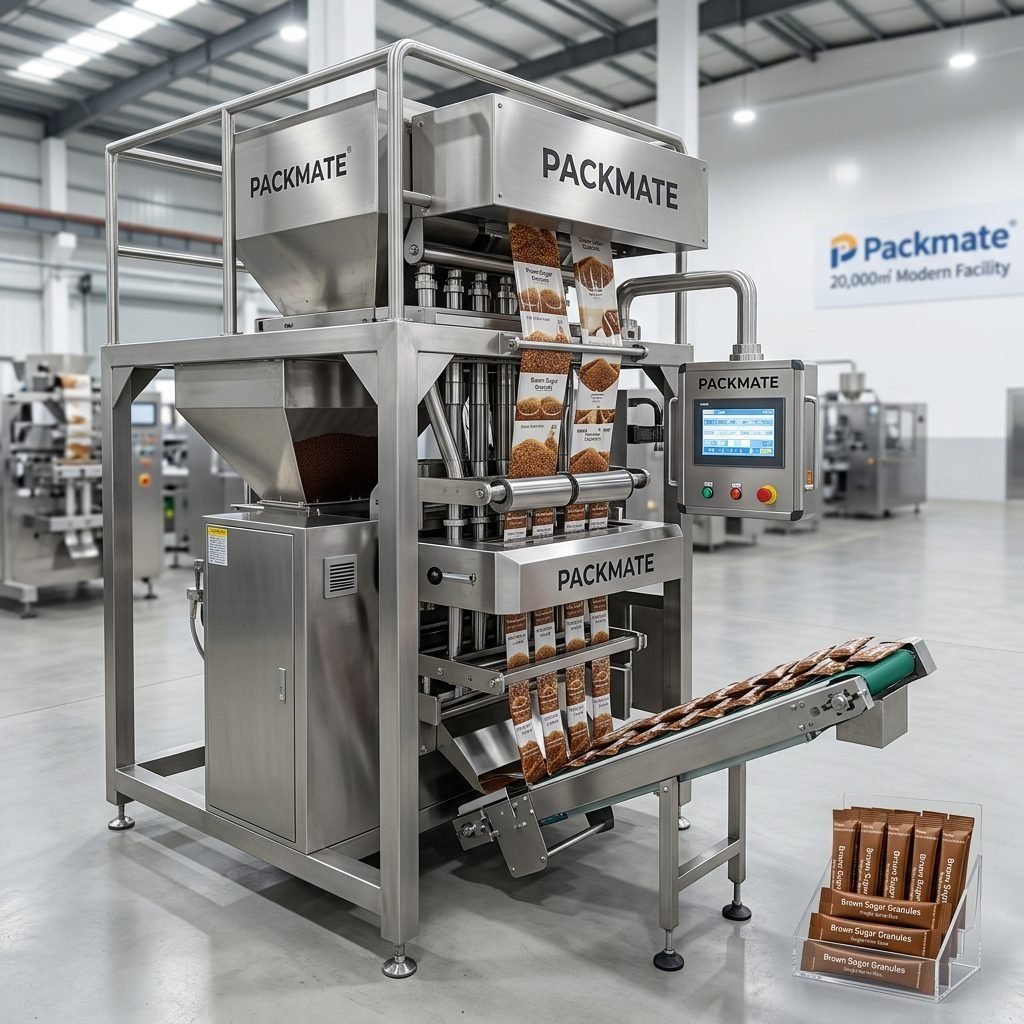
| Factory Capability | Ownership of a sizable factory (e.g., 20,000 sq. meters) suggests in-house control over quality and production timelines. |
Step 3: Evaluate Technical Capability and Customization
Contact your shortlisted suppliers. Present your specific requirements and assess their responsiveness and willingness to offer solutions. Can they provide customization for your unique product format or production environment? For instance, a manufacturer like PackingMachineOEM emphasizes non-standard and customized solutions, which can be vital if your product doesn’t fit a standard machine profile. Request detailed technical drawings, specification sheets, and videos of similar machines in operation. Ask about their engineering team’s experience and whether they provide factory layout assistance.
Step 4: Assess Manufacturing Quality and Compliance
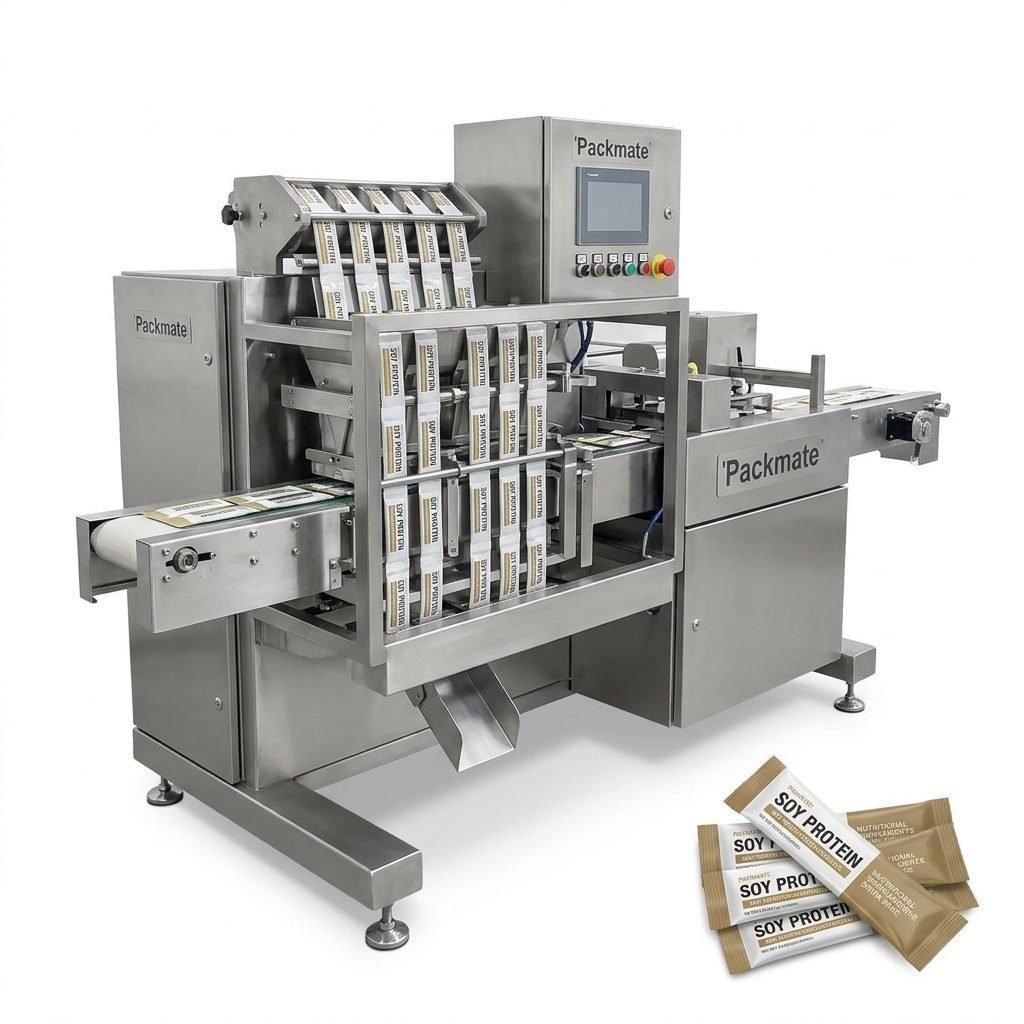
Request information about their quality control processes, manufacturing standards, and machine certifications (CE, ISO, etc.). While a visit to the factory in China may be ideal, it’s not always feasible for Sierra Leonean buyers. As an alternative, request a live video tour of the production and assembly facility. Inspect the build quality, component brands (electrical and pneumatic parts), and welding/finishing details. Reputable manufacturers, such as Packmate Machinery with over 30 years of experience, will transparently share this information and have structured quality inspection protocols.
Key Quality Checkpoints:
- Material of construction (e.g., 304 stainless steel for food contact parts).
- Brands of key components (servo motors, PLCs, sensors).
- Welding quality and surface finishing (smooth, easy to clean).
- Presence of a dedicated testing area for running machines before shipment.
Step 5: Scrutinize After-Sales Service and Support
This is perhaps the most critical factor for Sierra Leonean importers. Clear terms for warranty (typically 12-18 months), availability of spare parts, and technical support channels must be established. Does the supplier offer remote guidance via video call? Do they have English-speaking engineers available for support? Can they provide a list of recommended local agents or technicians for basic maintenance? Suppliers focused on turnkey projects, like PacklineOEM, often have more comprehensive support structures for line installation and commissioning, which can be a significant advantage.
Step 6: Finalize Logistics and Commercial Terms
Once you have selected a manufacturer, work closely with them to finalize Incoterms (commonly FOB or CIF), packaging for export, shipping documentation, and delivery timeline to Sierra Leone. Ensure all technical manuals, electrical diagrams, and part lists are provided in English. Discuss the commissioning process: will they send an engineer, or will it be done remotely? A clear understanding of these logistical and commercial details prevents costly misunderstandings and delays upon the machine’s arrival at the Port of Freetown.
Common Questions (FAQ)
Q: How can I verify a manufacturer’s claims without visiting China?
A: Request client references from similar regions, ask for detailed factory audit reports, insist on a live video call from the production floor, and check for third-party verification on B2B platforms.
Q: What is the typical lead time for receiving a packaging machine in Sierra Leone?
A: Lead time varies from 30-90 days after order confirmation, depending on machine customization. This includes production, testing, and sea freight shipping, which can take several weeks to West Africa.
Q: Are Chinese packaging machines suitable for Sierra Leone’s power supply?
A: Reputable manufacturers can configure machines to match Sierra Leone’s standard voltage and frequency. Always specify your local power requirements (220-240V, 50Hz) during the quotation stage.
Q: How important is local agent support?
A> While not always available, a local or regional agent can be invaluable for quick spare part supply and on-site troubleshooting. Inquire if the manufacturer has any existing service networks in West Africa.
Q: Can I get training for my operators?
A: Yes. Most reliable suppliers provide operational training, which can be conducted at their factory, via detailed video guides, or remotely during commissioning. Ensure training is included in your contract.