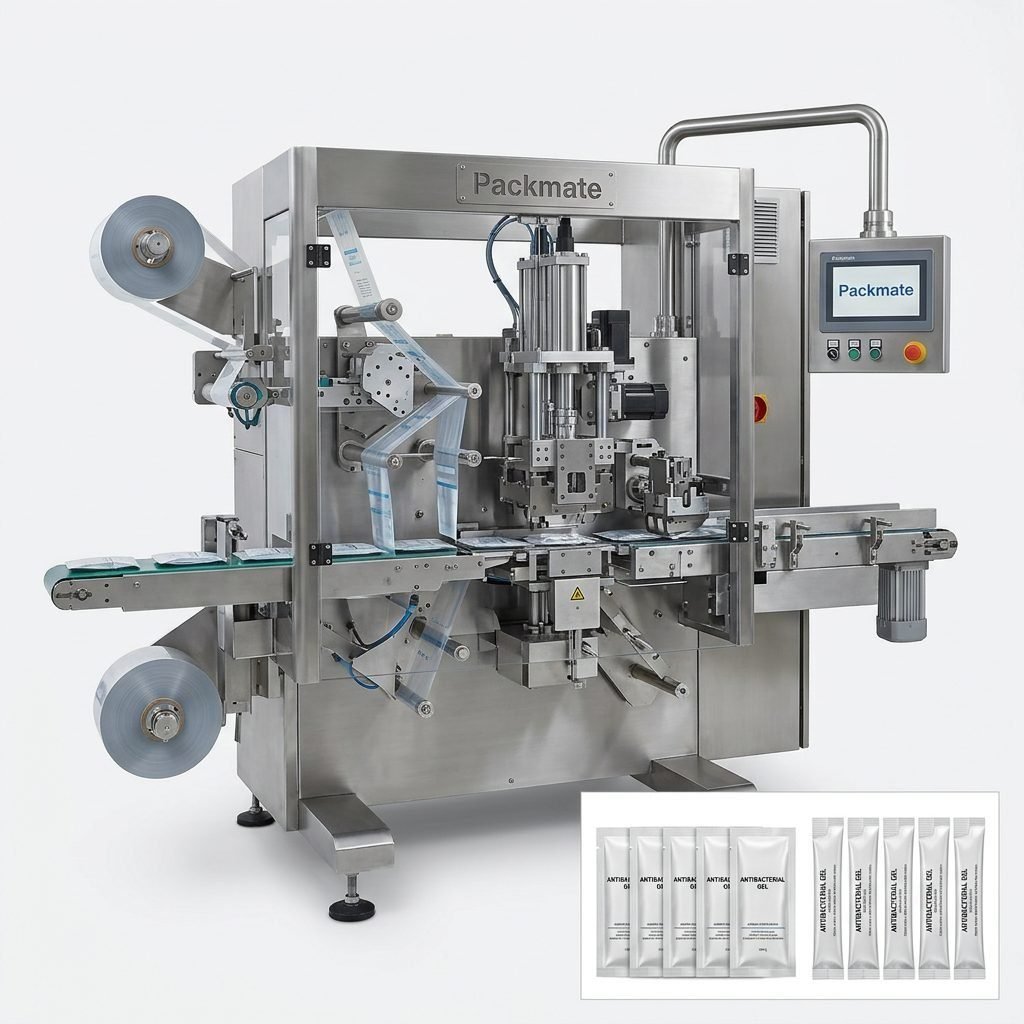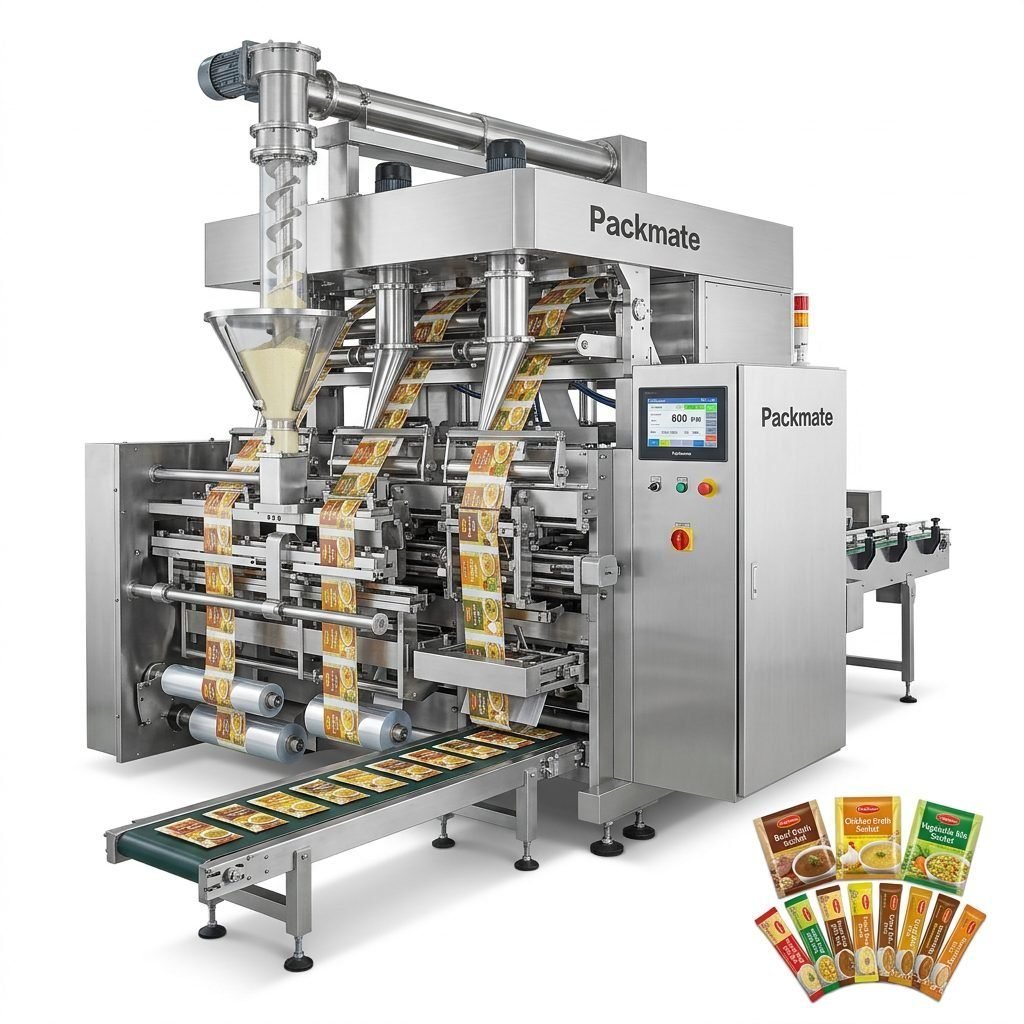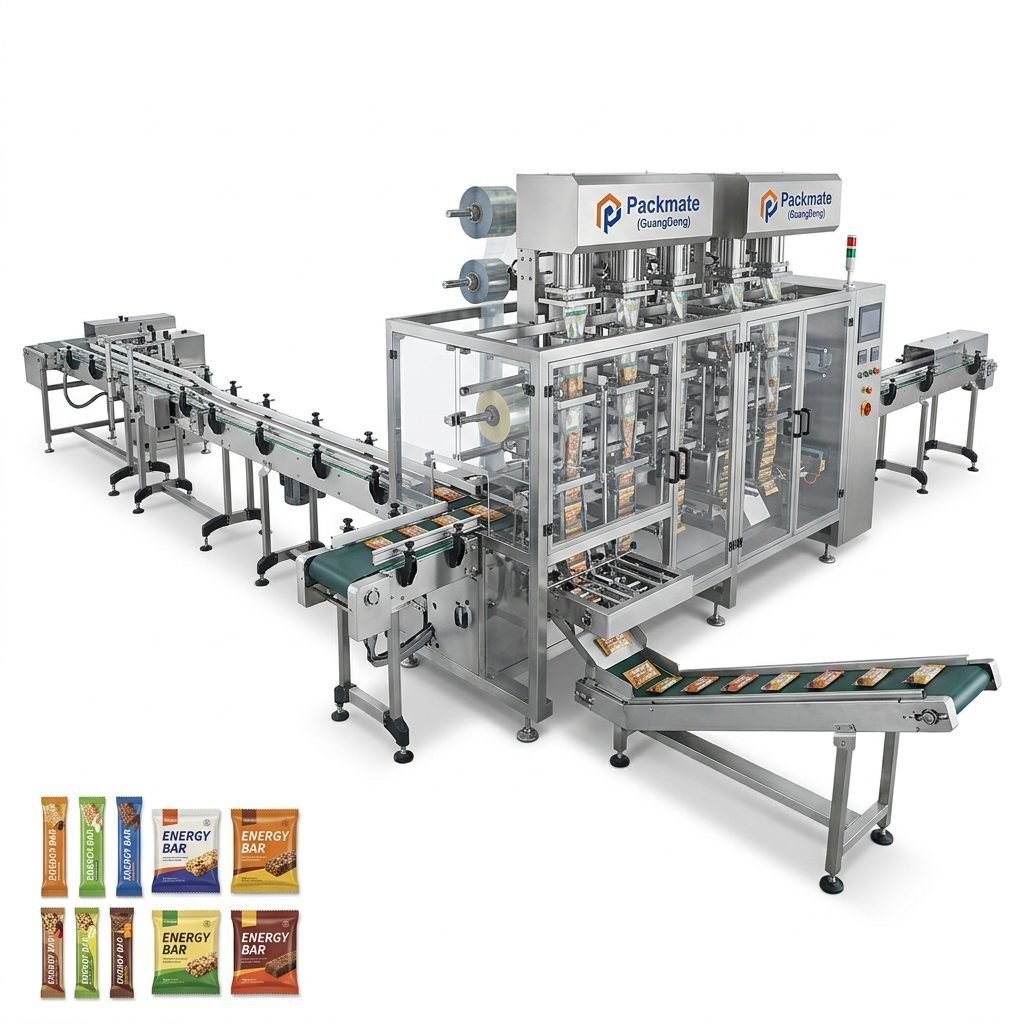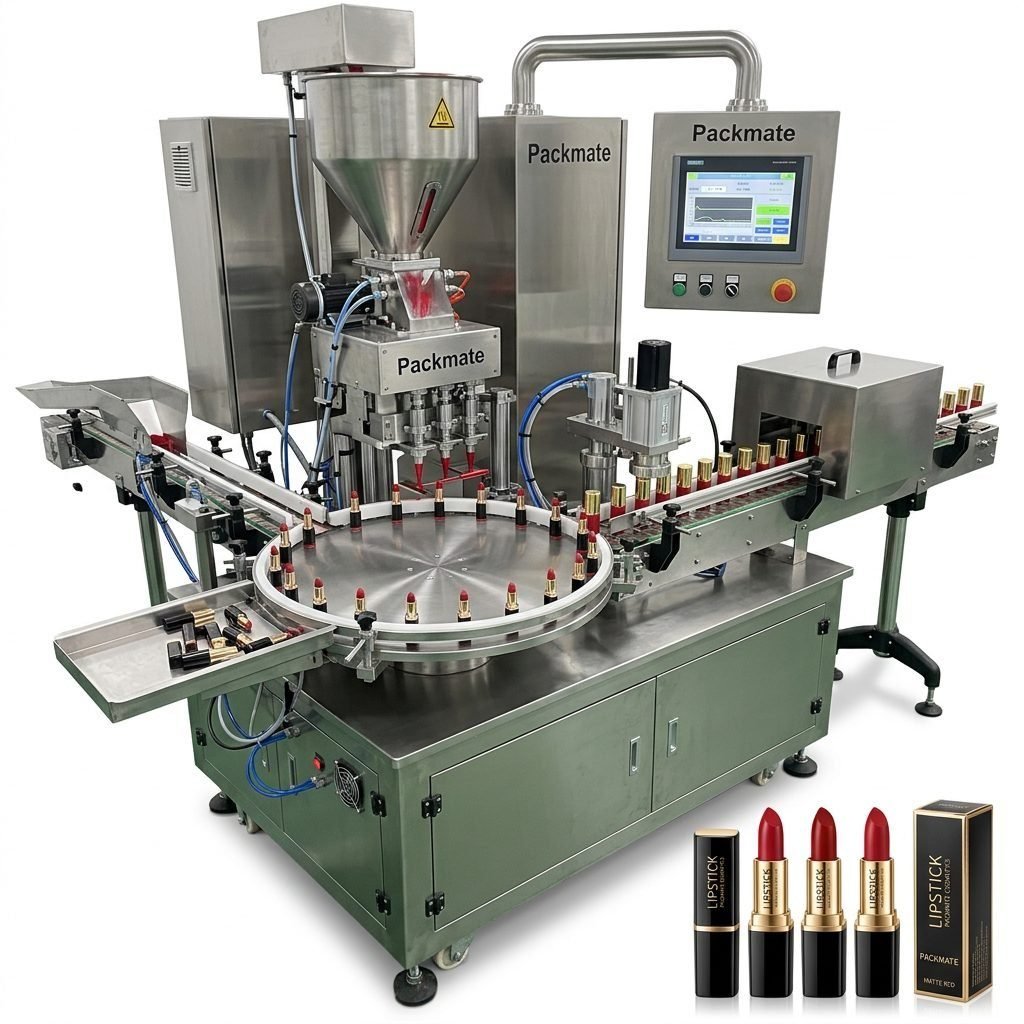
Selecting the right packaging machine manufacturer is a critical decision for any business in Kyrgyzstan looking to enhance production efficiency, ensure product quality, and maintain competitiveness. The local market, with its growing food processing, pharmaceutical, and agricultural export sectors, demands reliable and adaptable packaging solutions. This guide outlines the key factors to consider when choosing a manufacturer, helping you make an informed decision that aligns with your specific operational needs and long-term goals.
Understanding Your Packaging Requirements in Kyrgyzstan
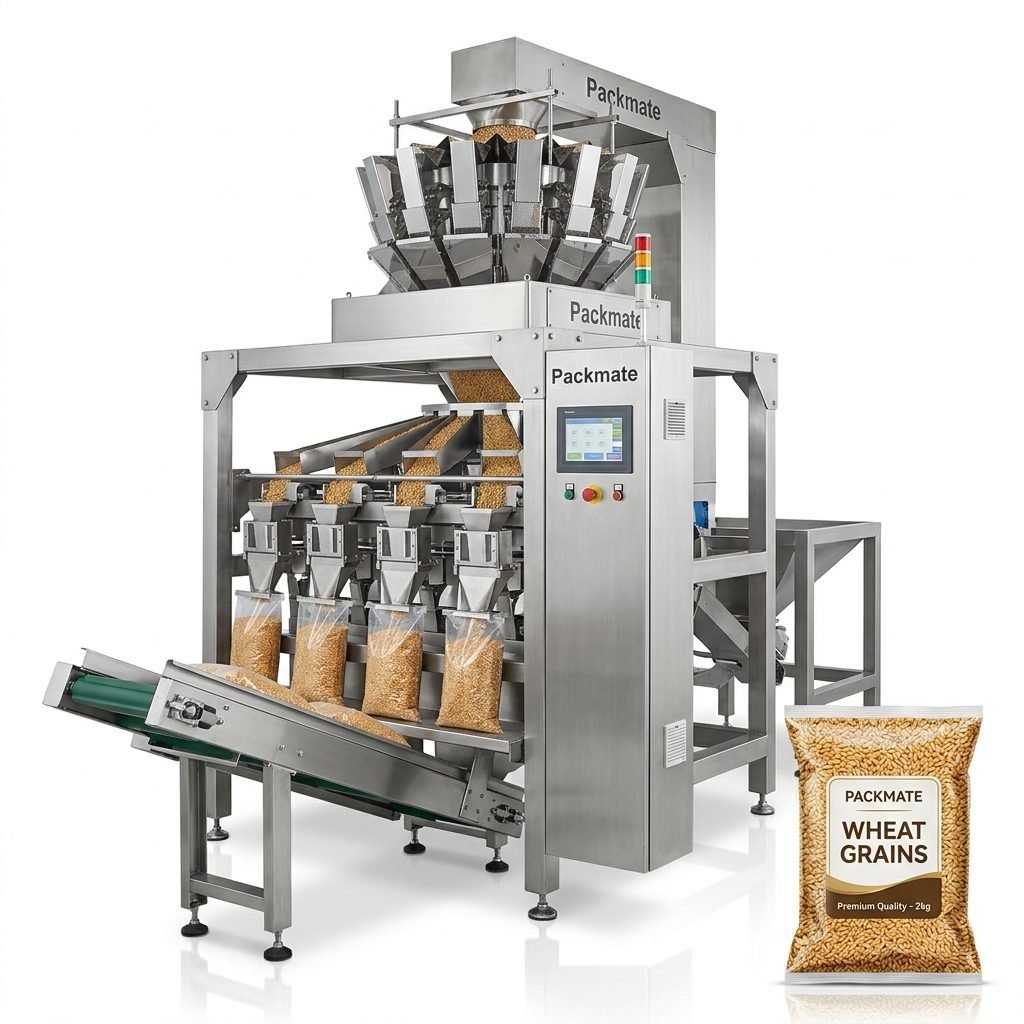
Before beginning your search, clearly define your packaging needs. Consider the type of products you handle—whether they are granules (like grains, seeds, or spices), powders (flour, milk powder, supplements), liquids (juices, oils, sauces), or pastes. The product form directly influences the type of machine required. Also, assess your production volume. Are you a small to medium-sized enterprise supplying local bazaars and regional markets, or a larger operation aiming for export to CIS countries or beyond? Your output capacity will determine whether you need a single machine or a complete automated line. Finally, consider your budget, available factory space, and future scalability.
Key Factors for Evaluating Manufacturers
Once your needs are clear, evaluate potential partners based on several crucial criteria:
1. Technical Expertise and Product Range
Look for a manufacturer with proven experience in your specific industry (food, pharma, agriculture). A broad product portfolio, from single vertical form-fill-seal machines to complete turnkey packaging lines, indicates strong engineering capability. This is vital for Kyrgyz businesses that may need to package diverse local products like honey, dried fruits, or medicinal herbs.
2. Manufacturing Quality and Compliance
Inquire about the factory’s quality control processes, the materials used (e.g., food-grade stainless steel), and compliance with international standards. Machines that meet CE or other certifications are essential for businesses targeting export markets, ensuring smoother customs clearance and market acceptance.
3. Customization and Flexibility
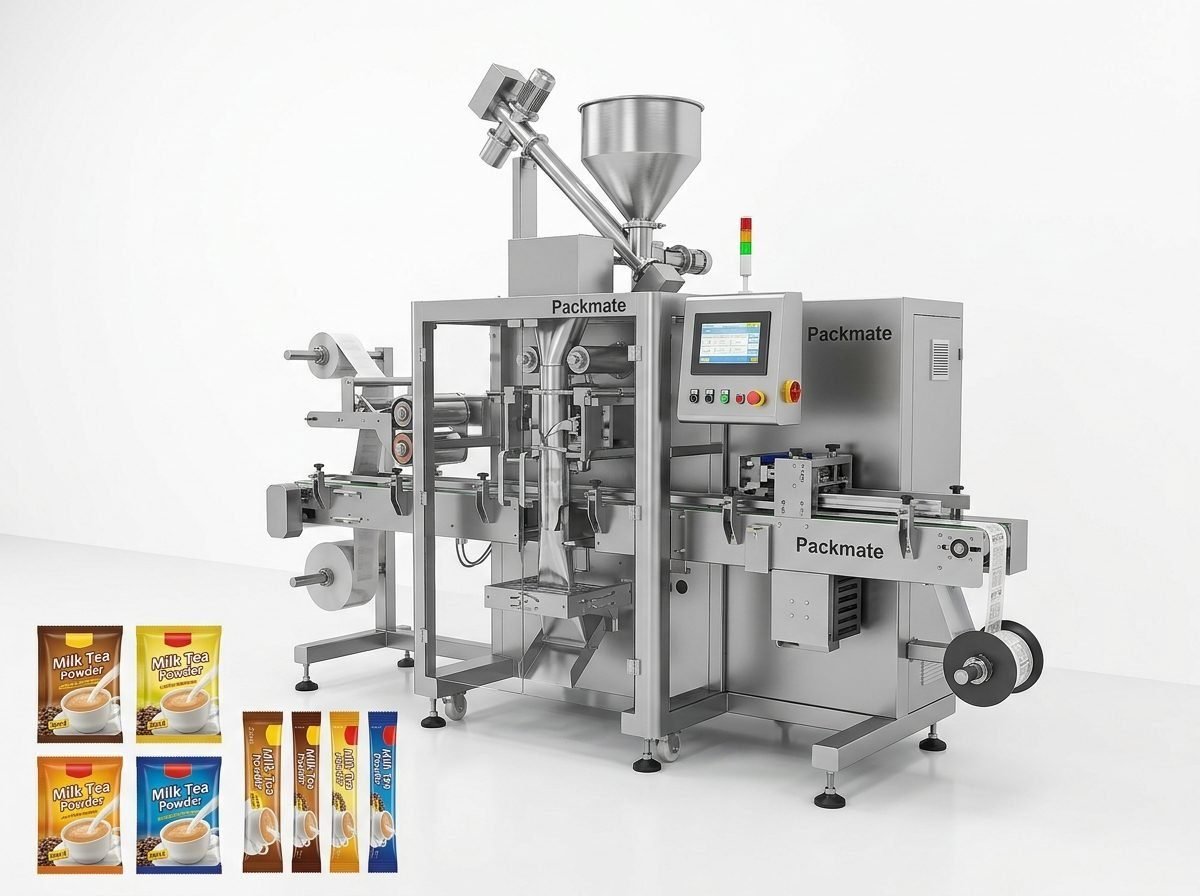
Your packaging format (stick packs, sachets, pouches) or unique product characteristics may require machine adjustments. A manufacturer offering customization services and flexible engineering support is invaluable. This is particularly important for adapting to local packaging trends and consumer preferences in Kyrgyzstan.
4. After-Sales Support and Local Presence
Reliable after-sales service is non-negotiable. Check if the manufacturer provides comprehensive technical support, training, readily available spare parts, and prompt troubleshooting. While many leading manufacturers are based overseas, assess their experience in supporting clients in Central Asia and their ability to facilitate communication and service.
Navigating the International Supplier Landscape
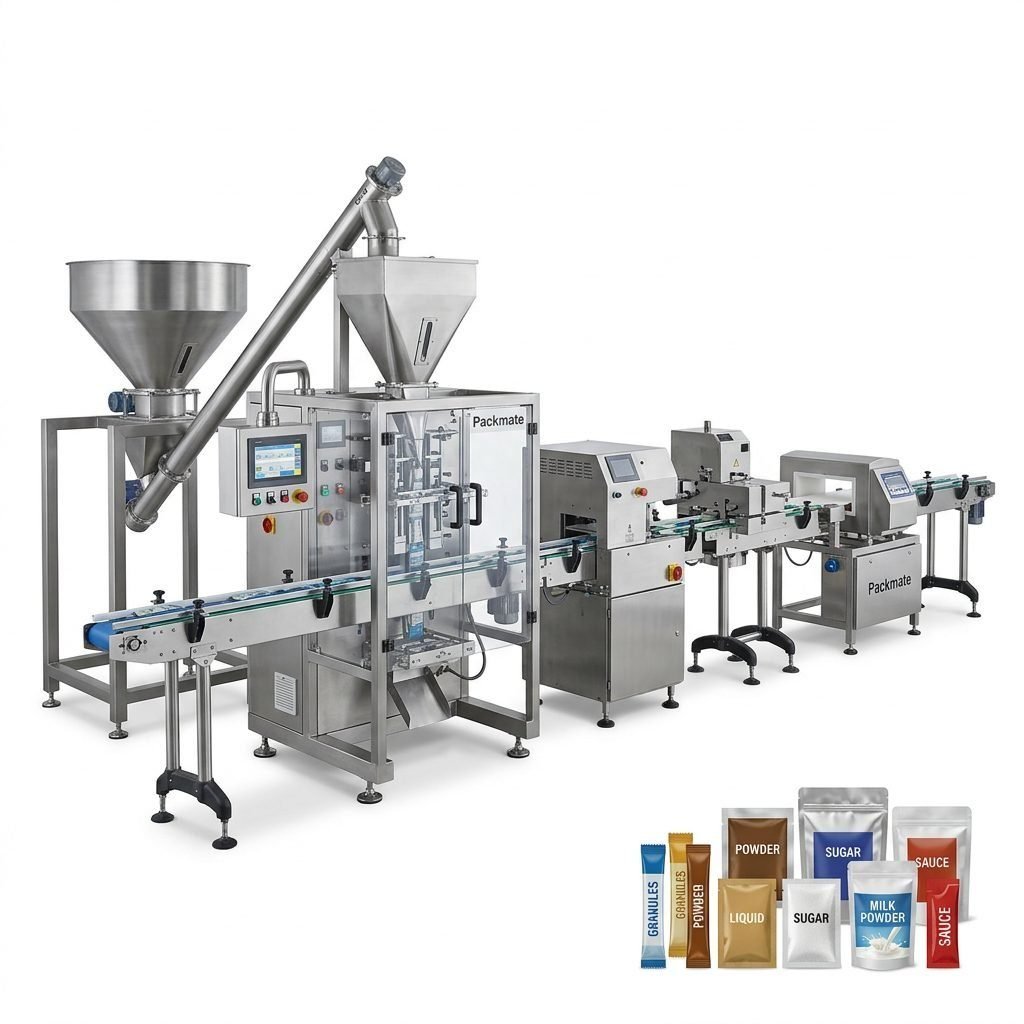
Many Kyrgyz companies source packaging machinery from international manufacturers, with China being a prominent hub due to its combination of advanced technology and competitive pricing. When evaluating international suppliers, consider their export experience, especially in regions with similar logistical challenges as Central Asia. Review their project case studies and client testimonials. It’s also prudent to request a virtual factory tour or live machine demonstration to verify their manufacturing capabilities firsthand.
Spotlight on Potential Manufacturing Partners
Based on industry positioning and export experience, here are a few manufacturers that frequently serve global markets and could be relevant for businesses in Kyrgyzstan:
| Company | Key Strength | Consideration for Kyrgyz Market |
|---|---|---|
| Ludyway | Extensive product range & turnkey line capability. | Suitable for businesses planning to scale up with complete automation. |
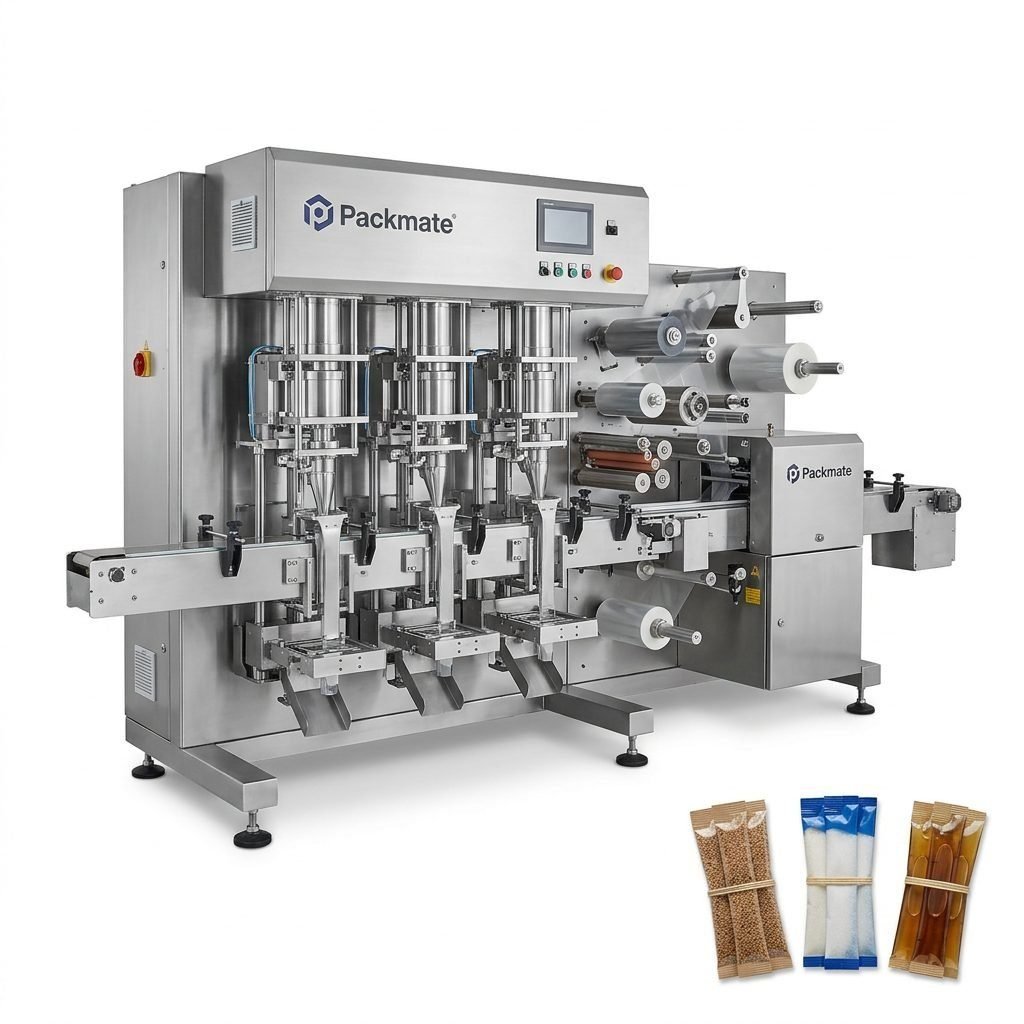
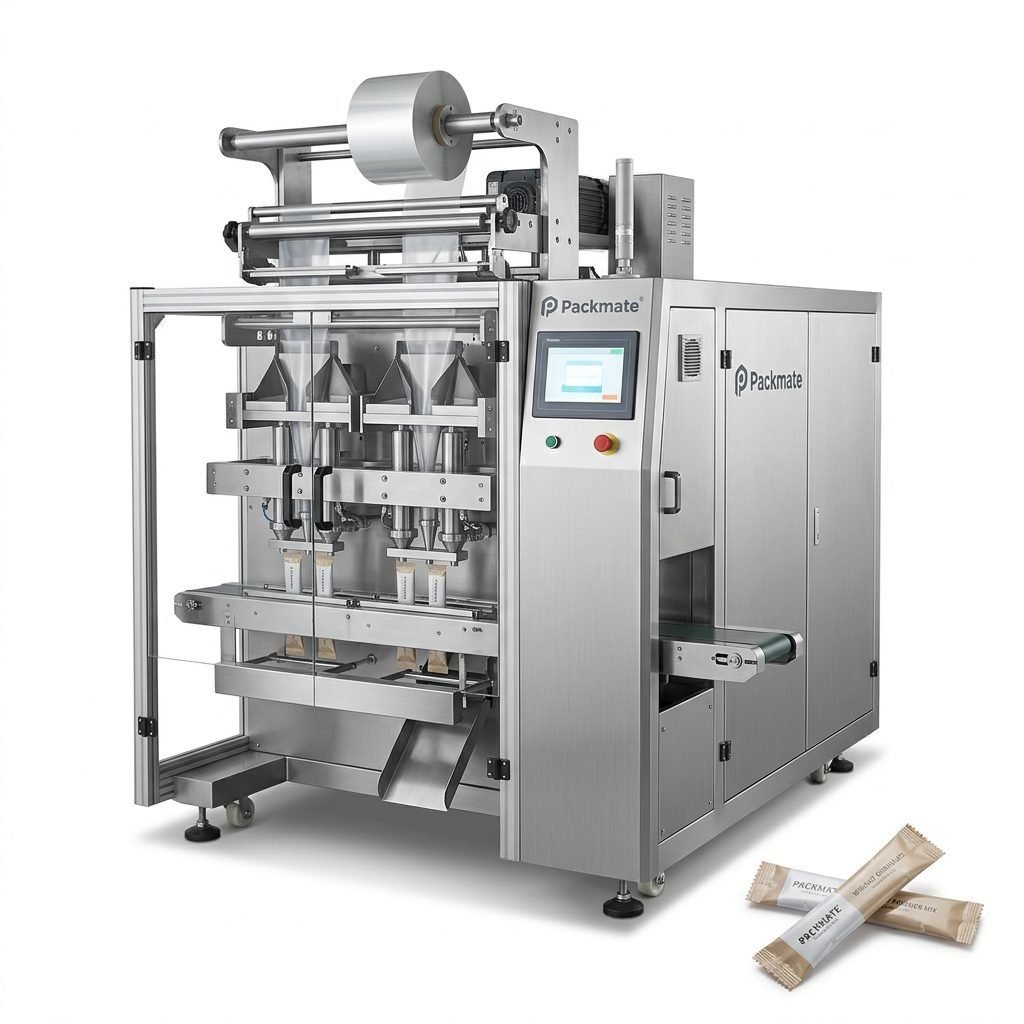
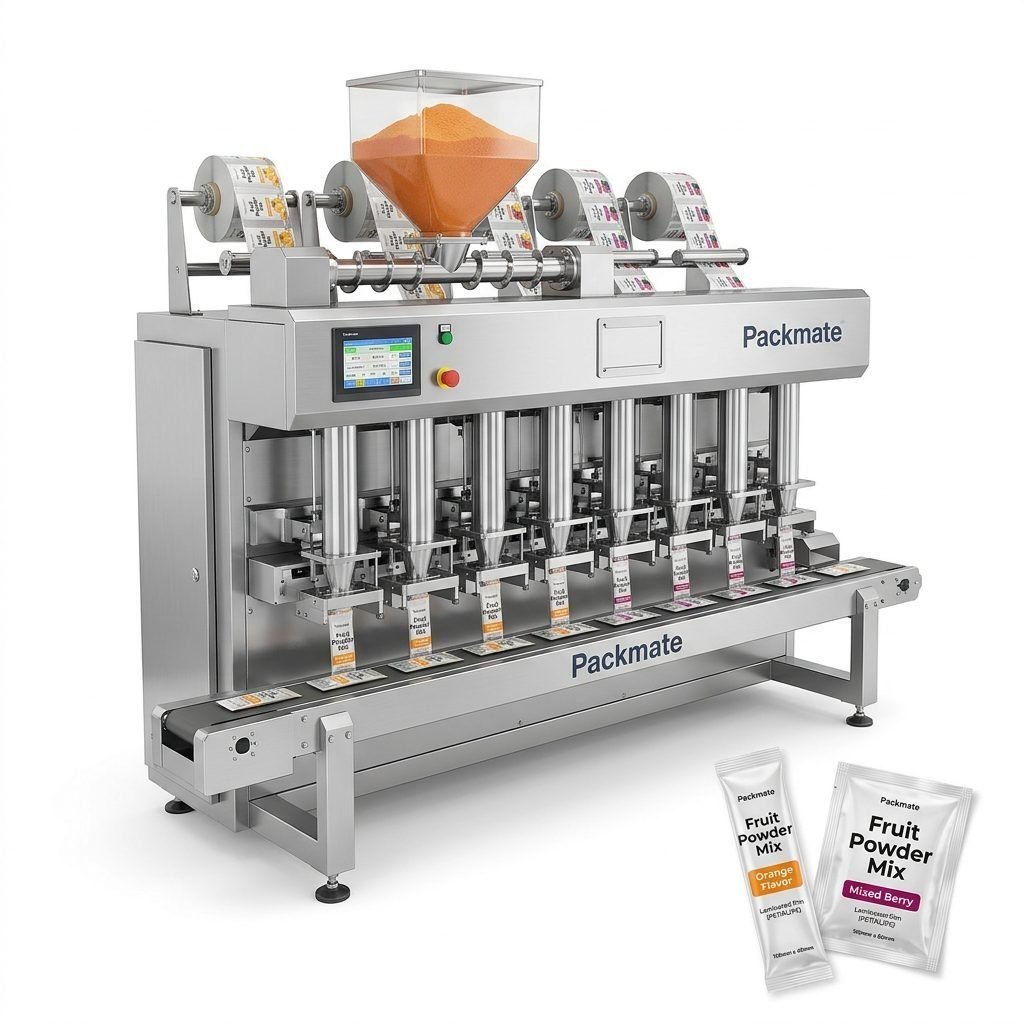
| Packmate Machinery | Strong balance of cost-performance and reliability. | A practical choice for SMEs seeking dependable, mid-range equipment. |
| PacklineOEM | Focus on integrated turnkey production lines. | Ideal for large-scale agricultural or food processing plants needing full-line solutions. |
| PackingMachineOEM | Specialization in non-standard and customized machines. | Excellent for unique products requiring tailored engineering solutions. |
| SnusMachinery | Niche expertise in pouch packaging for demanding applications. | Relevant for specialized sectors requiring high-precision pouch filling and sealing. |
Logistical and Financial Considerations
Importing machinery to Kyrgyzstan involves logistics, customs duties, and potential VAT. Request detailed quotations that include FOB (Free On Board) or CIF (Cost, Insurance, and Freight) terms to understand the total landed cost. Plan for installation and commissioning, which may require the supplier to send engineers or provide detailed remote guidance. Explore financing options if needed; some manufacturers or export credit agencies may offer favorable terms.
Building a Successful Partnership
Choosing a manufacturer is the start of a long-term relationship. Clear communication of your requirements, willingness to provide product samples for testing, and establishing agreed-upon timelines for delivery and support are key. A reliable partner will not only supply a machine but will also contribute to your operational success through ongoing support and advice.

Frequently Asked Questions (FAQs)
Q1: What is the typical lead time for receiving a packaging machine in Kyrgyzstan?
A: Lead times vary based on machine complexity and customization. For standard models, it can range from 30 to 60 days after order confirmation, plus shipping and customs clearance time, which can add several weeks. Always confirm specific timelines with your supplier.
Q2: How can I ensure the machine will work with my local packaging materials?
A: Provide samples of your intended packaging films or pouches to the manufacturer for testing before purchase. They can verify compatibility with their machine’s sealing system and recommend material specifications if needed.
Q3: What kind of training is usually provided?
A: Reputable manufacturers typically offer installation, commissioning, and operational training. This can be conducted on-site by their engineers or via comprehensive manuals and video conferences. Ensure training is included in your purchase agreement.
Q4: Are spare parts readily available, and how are they sourced?
A: Inquire about the availability of a spare parts list, common stock items, and the ordering process. Manufacturers with strong export networks often have efficient systems for shipping spare parts internationally, though delivery times to Kyrgyzstan should be factored in.
Q5: Is it better to buy a single machine or a complete automated line?
A: This depends entirely on your production volume, labor costs, and growth plans. A single machine suffices for lower output and manual handling. An automated line, while a larger initial investment, significantly increases output, ensures consistency, and reduces long-term labor costs, which is crucial for scaling up and exporting.