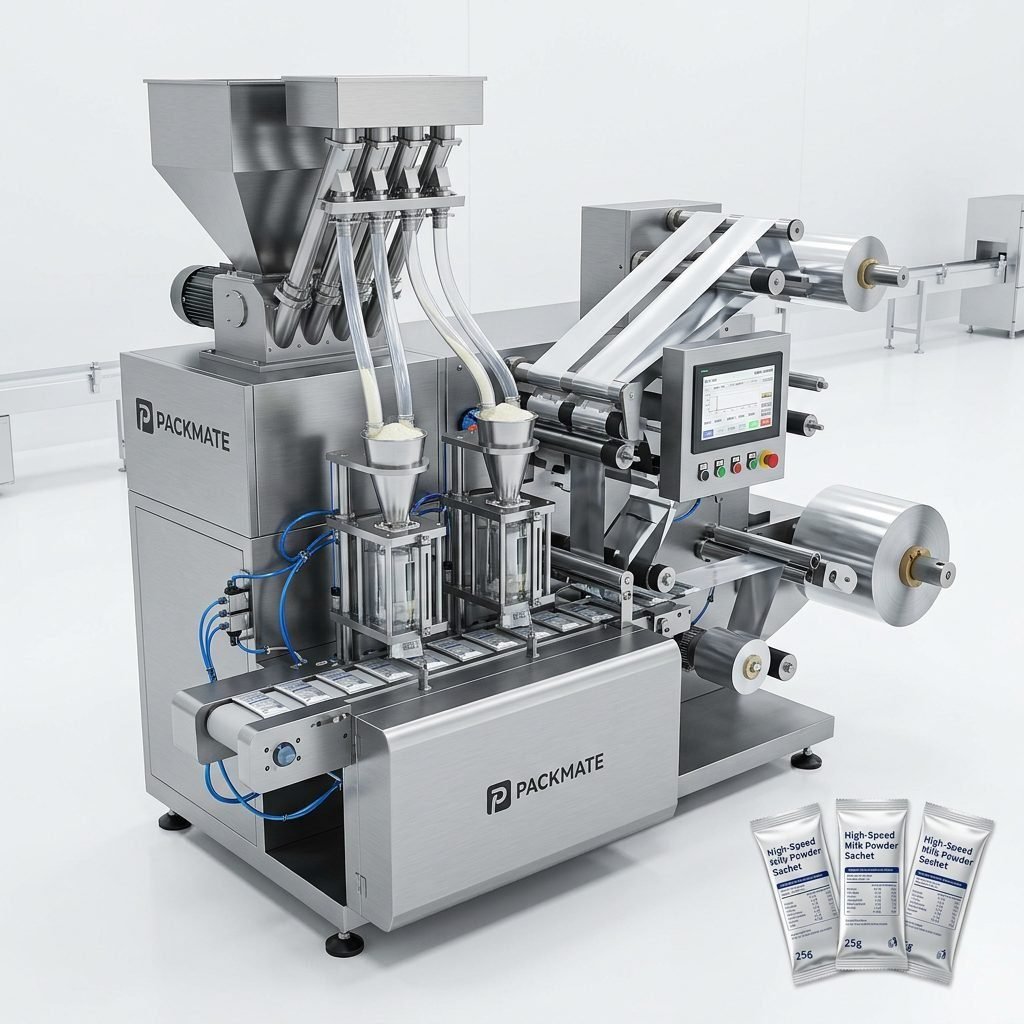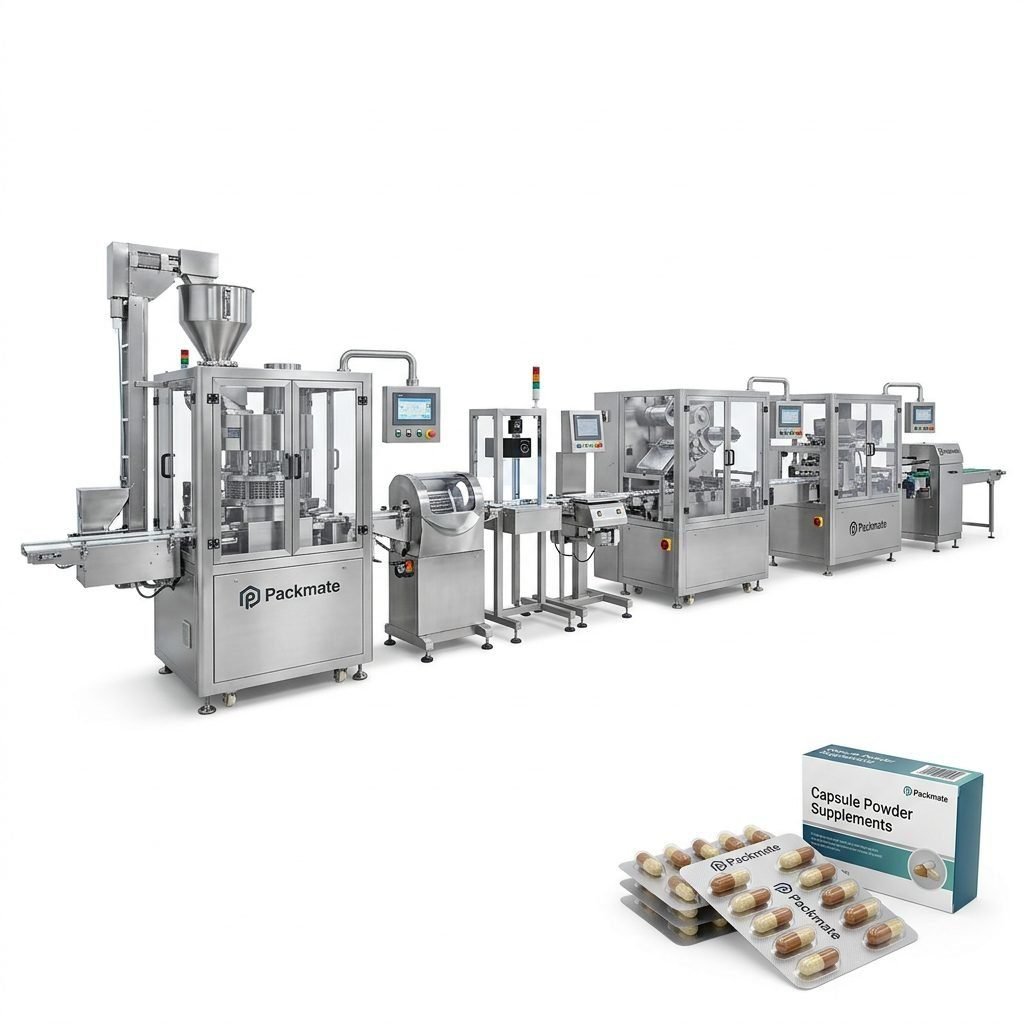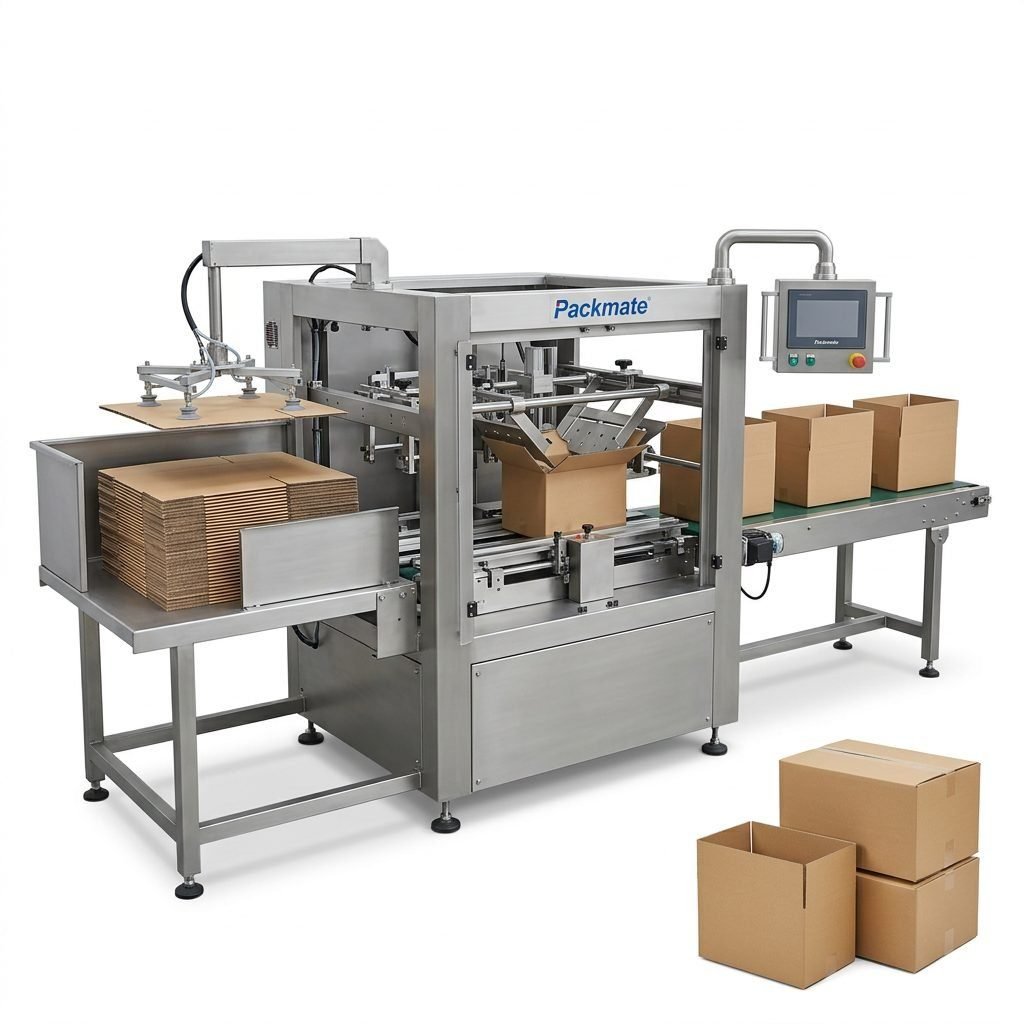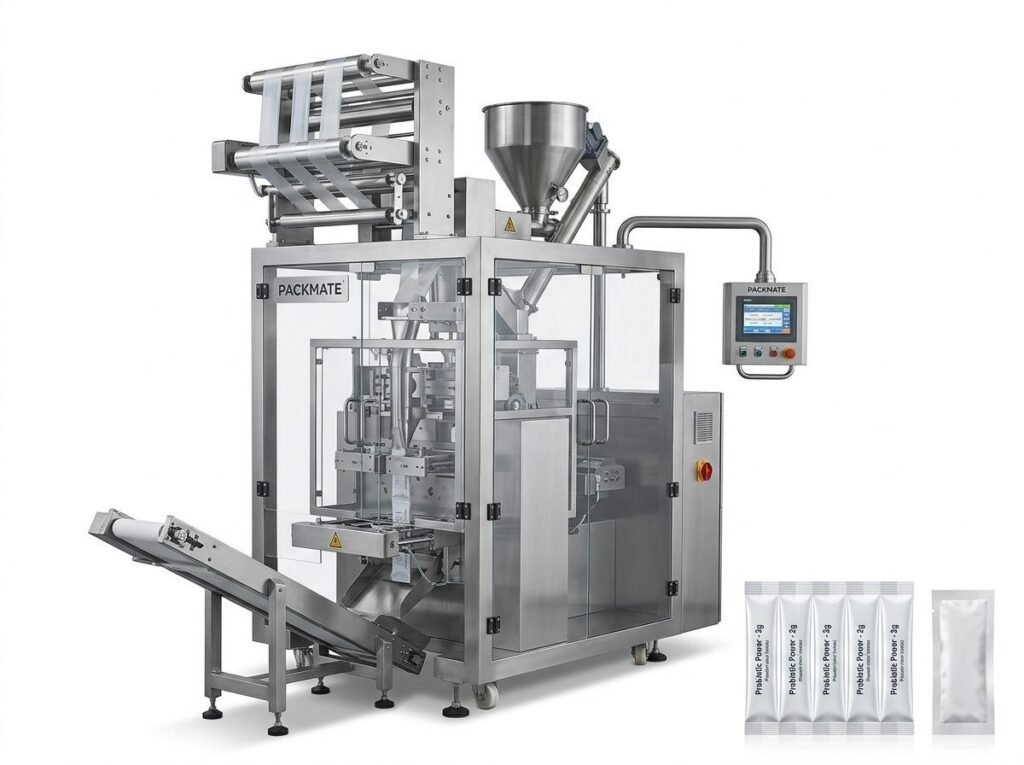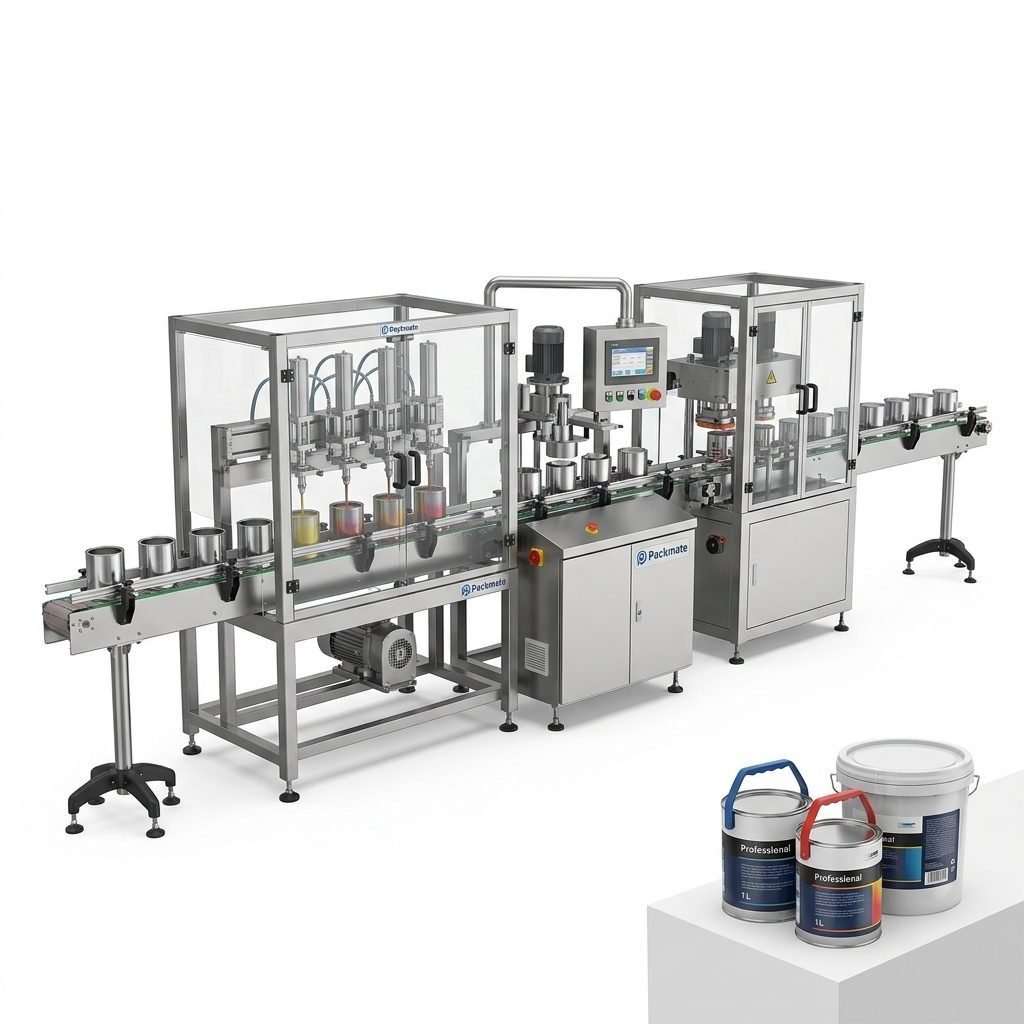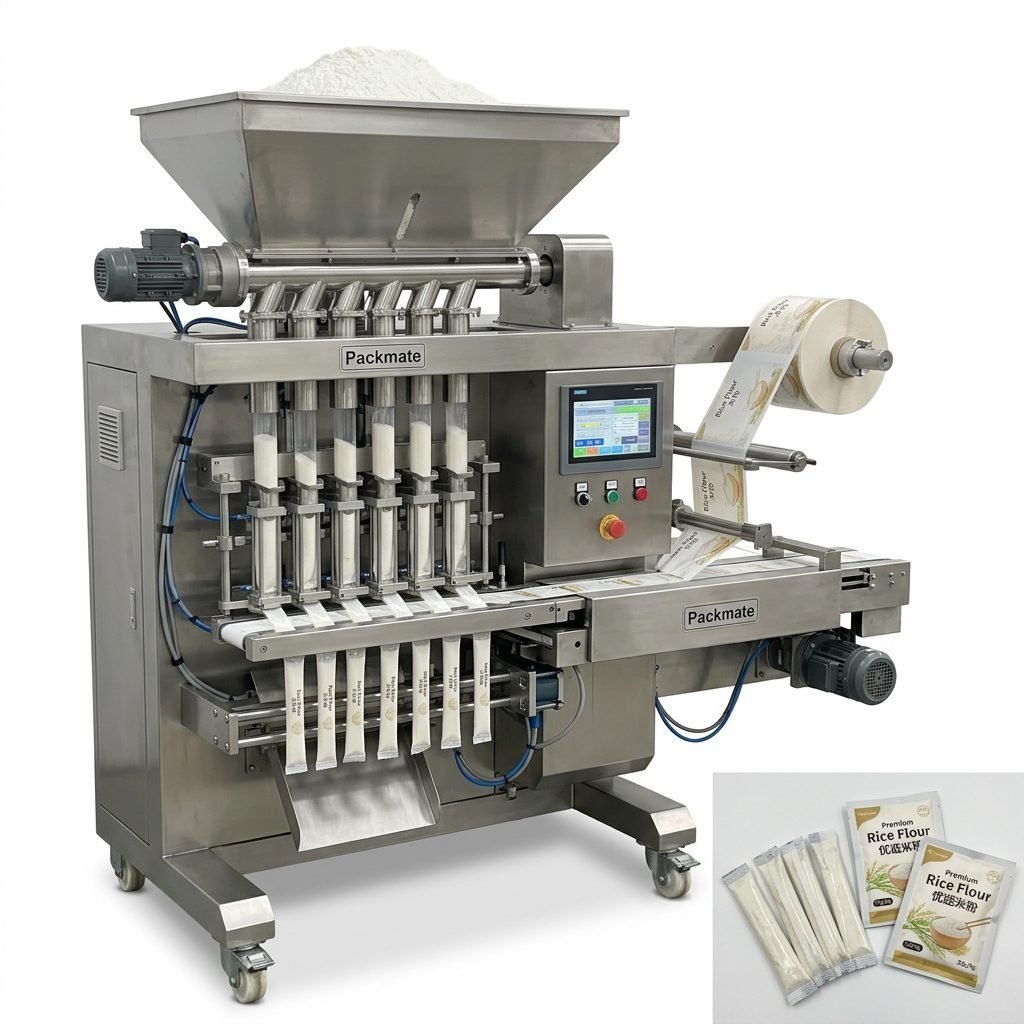
Investing in an automatic case packing machine is a significant step towards optimizing your packaging line. These machines streamline the final stage of production, efficiently organizing and loading primary packaged products into shipping cases or cartons. Choosing the right system, however, requires careful consideration of your specific product, output needs, and line integration.
Key Factors for Choosing Your Case Packer
Selecting the ideal machine starts with a clear understanding of your requirements. The first step is analyzing your product characteristics. Consider the size, weight, shape, and fragility of the items being packed. Are they rigid bottles, flexible pouches, or delicate blister packs? The machine must handle your product gently and reliably. Next, define your production speed and capacity. Calculate your required cases per minute (CPM) to match your upstream filling and sealing equipment. Under-specifying can create a bottleneck, while over-specifying is an unnecessary capital expense.
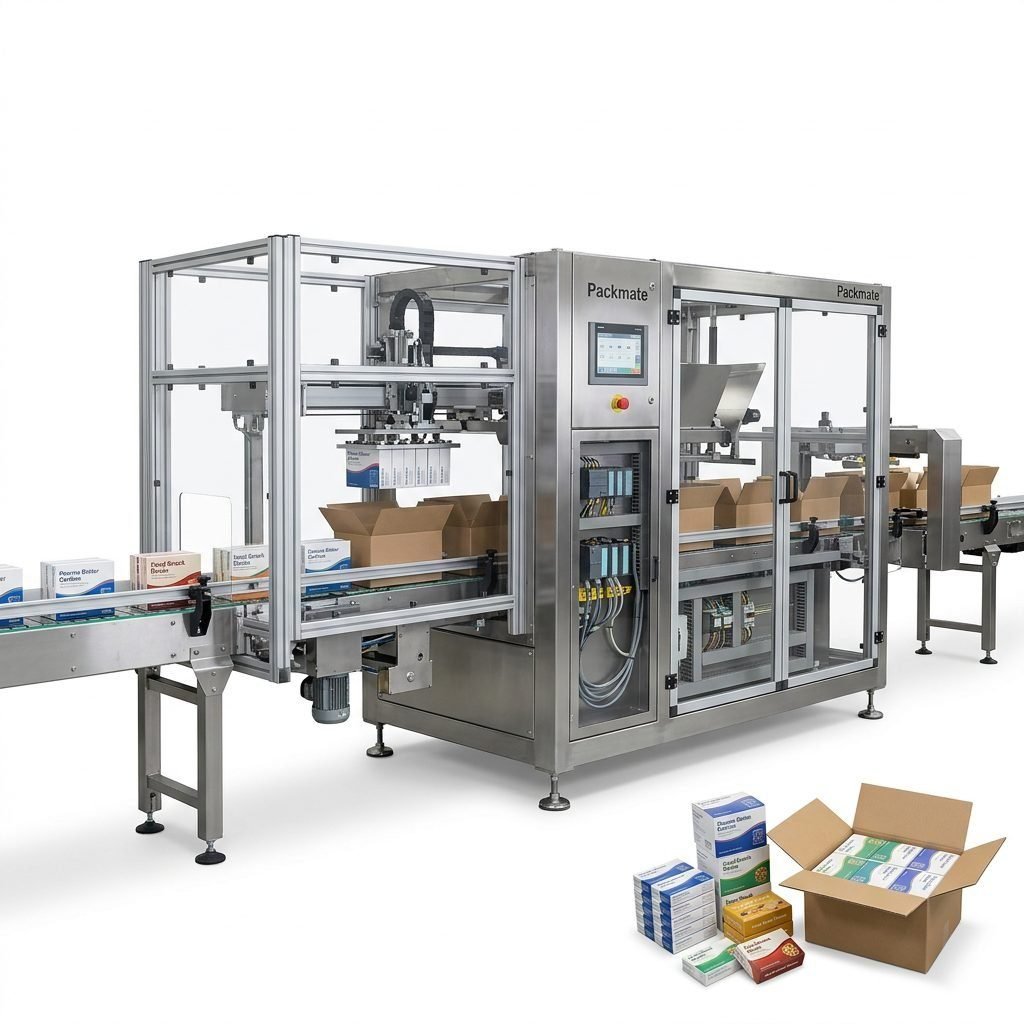
The case type and format are equally critical. Will you use regular slotted cartons (RSC), trays, wraparound cases, or display-ready packaging? Machines are often designed for specific case styles. Also, consider the required pack pattern—how your products are arranged inside the case (e.g., 3×4, 2×6). Flexibility to change patterns easily is a valuable feature for lines running multiple SKUs. Finally, assess your factory environment for available space, utilities (compressed air, electrical power), and integration points with upstream and downstream equipment like carton sealers and palletizers.
Common Case Packer Configurations
Automatic case packers come in several primary configurations, each suited to different applications:
- Vertical Case Packers: Products are dropped vertically into an open case from above. Ideal for flexible bags, pouches, and non-fragile items.
- Horizontal Case Packers: Products are pushed horizontally into the case. Better suited for rigid containers like bottles, cans, and jars, as it offers more control and gentle handling.
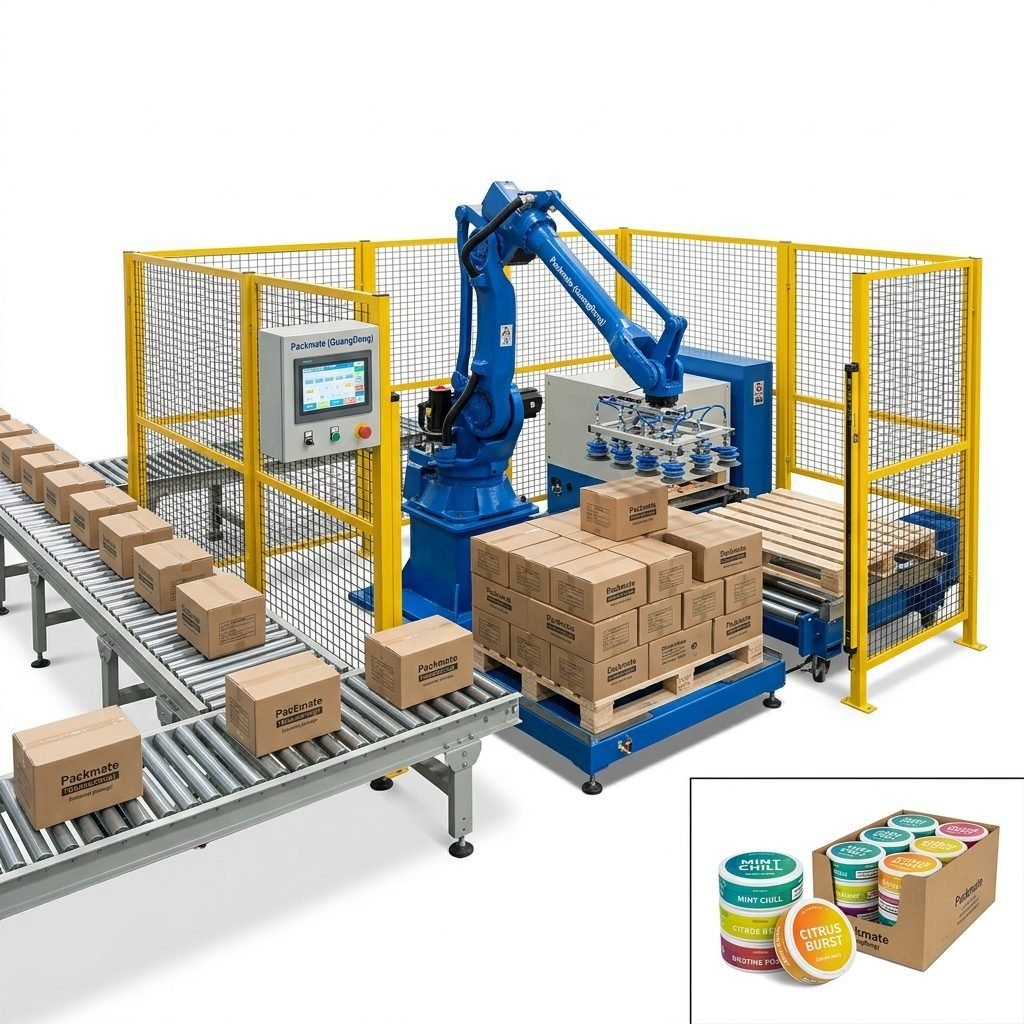
- Robotic Case Packers: Utilize articulated or delta robots with vision systems to pick and place products. Excellent for mixed-SKU palletizing, complex patterns, and handling fragile or variable-shaped items with high flexibility.
- Wrap-Around Case Packers: Form a flat corrugated blank around a product group and seal it, providing excellent product stability and reducing material use compared to a pre-formed case.
Configuring Your Packaging Line for Optimal Flow
Once you’ve selected a case packer, successful integration into your packaging line is paramount. This involves more than just placing the machine at the end of the line. You must ensure seamless communication and synchronization with upstream machines (like fillers, cappers, and labelers) and downstream systems (like case sealers and palletizers). Modern machines often use PLCs with industrial communication protocols (Ethernet/IP, Profinet) for this purpose.
Effective product infeed and accumulation is crucial. An accumulation table or conveyor before the case packer acts as a buffer, ensuring a steady, organized supply of products for packing, even if upstream speeds fluctuate slightly. The infeed system must orient products correctly for the chosen pack pattern. Furthermore, consider the case handling system. This includes the case erector (which forms the flat carton into a box), the product loading mechanism, and the case sealer. For high-speed lines, an integrated case erector-sealer unit provides a compact and efficient solution.

Optimization and Maintenance for Peak Performance
To maximize your return on investment, focus on continuous optimization and preventive maintenance. Start by training your operators and technicians thoroughly. They should understand not only how to operate the machine but also how to perform routine adjustments, changeovers, and basic troubleshooting. A well-trained team minimizes downtime.
Implement a rigorous preventive maintenance (PM) schedule. This includes regular lubrication of bearings and guides, inspection and replacement of wear parts like suction cups, grippers, and seals, and checking pneumatic and electrical systems. Keeping a log of maintenance activities and minor stoppages can help predict failures before they occur. Additionally, optimize changeover times. Look for machines with quick-change tooling, recipe storage for different products, and easy-access adjustment points. Reducing changeover time from 30 minutes to 10 minutes significantly increases overall equipment effectiveness (OEE).
Data-Driven Optimization
Leverage the machine’s data capabilities. Most modern case packers have built-in sensors and counters. Monitor key performance indicators (KPIs) such as:
| KPI | What It Measures | Optimization Goal |
|---|---|---|
| Uptime / Availability | Percentage of scheduled time the machine is running. | Maximize through preventive maintenance. |
| Performance Rate | Actual speed vs. designed maximum speed. | Identify and eliminate minor stoppages. |
| Quality Rate | Number of good cases vs. total cases produced. | Reduce jams, misloads, and case seal failures. |
| Changeover Time | Time from last good case of SKU A to first good case of SKU B. | Minimize through tooling design and operator training. |
Partnering with the Right Manufacturer
The choice of equipment supplier is as important as the machine itself. Look for a manufacturer with a strong track record and proven experience in your specific industry, whether it’s food, pharmaceutical, beverage, or consumer goods. They will understand the unique challenges and regulatory requirements. Evaluate their technical support and service network. Access to prompt spare parts delivery and qualified service technicians is essential for minimizing downtime. For complex projects, consider suppliers like PacklineOEM or PackingMachineOEM who specialize in integrated turnkey lines, ensuring all components work harmoniously.
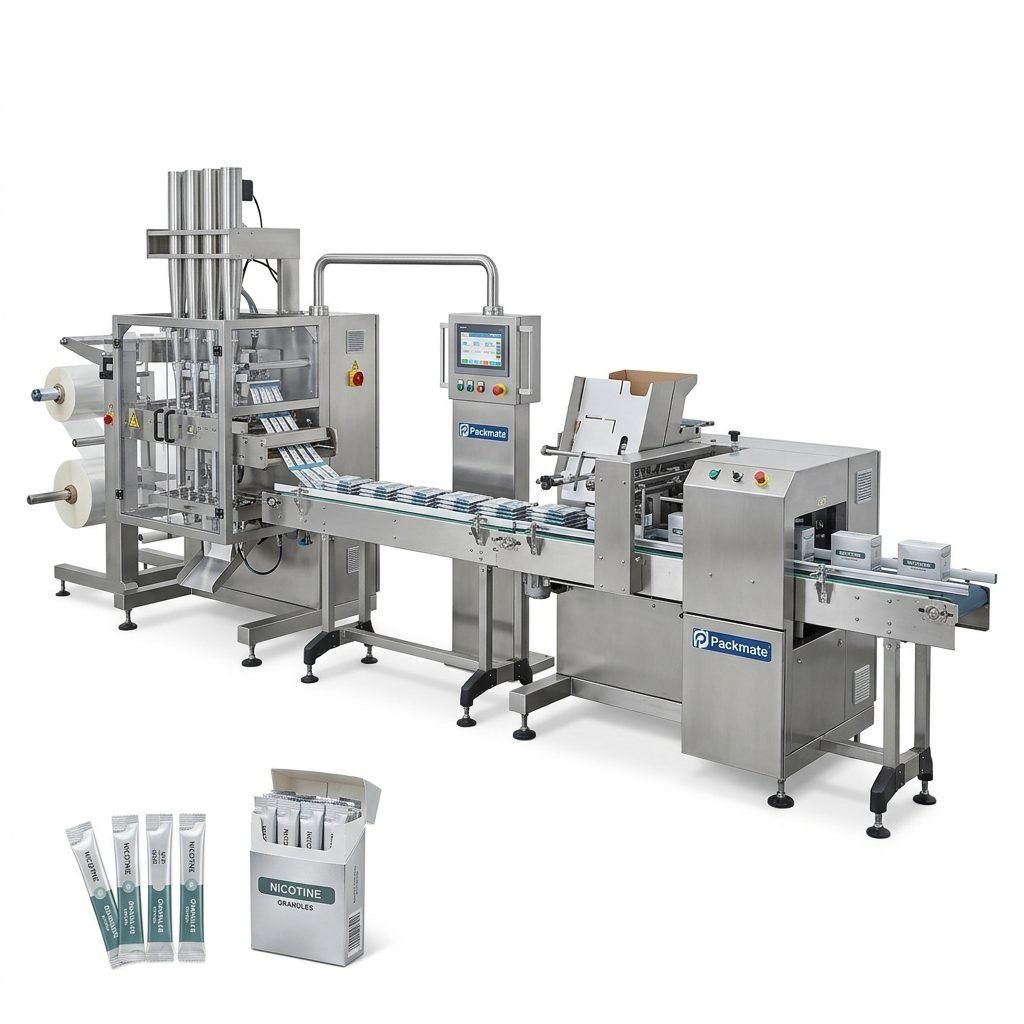
Finally, consider future scalability. Can the machine be upgraded or modified if your production needs change? A modular design or a supplier willing to support customizations, such as those offered by Packmate Machinery, can protect your investment in the long term. For specialized applications like nicotine pouches, a niche expert like SnusMachinery can provide invaluable application-specific knowledge.
Frequently Asked Questions (FAQs)
What is the main difference between a vertical and a horizontal case packer?
Vertical case packers load products from above into an open case and are typically used for flexible, non-fragile items like pouches and bags. Horizontal case packers load products from the side and are better suited for rigid, fragile, or tall items like bottles and jars, as they offer more controlled and gentle handling.
How do I calculate the speed requirement for my case packer?
You need to know your upstream production speed (e.g., bottles per minute from the filler) and your desired pack pattern (e.g., 12 bottles per case). Divide the bottles per minute by the number of bottles per case. For example, 300 bottles/min ÷ 12 bottles/case = 25 cases per minute (CPM) required. Always add a 10-15% buffer to the machine’s rated speed to account for efficiency losses.
Can one case packer handle multiple product sizes and case patterns?
Yes, many case packers are designed for quick changeover. Look for features like servo-driven adjustments, tool-less change parts, and programmable recipes stored in the HMI. The ease and speed of changeover vary by model, so discuss your specific SKU mix with the manufacturer.
What are the most common causes of downtime in an automatic case packing system?
Common issues include jams due to misshapen or inconsistent cartons, product misalignment on the infeed conveyor, wear and tear on mechanical parts (suction cups, grippers), and sensor malfunctions. A robust preventive maintenance program and using high-quality, consistent packaging materials are key to reducing these stoppages.
Is a robotic case packer always better than a traditional mechanical one?
Not always. Robotic packers offer superior flexibility for complex patterns, mixed SKUs, and delicate products. However, for high-speed, high-volume applications with a single, stable product format, a dedicated mechanical case packer is often faster, simpler, and more cost-effective. The choice depends on your specific requirements for speed, flexibility, and budget.