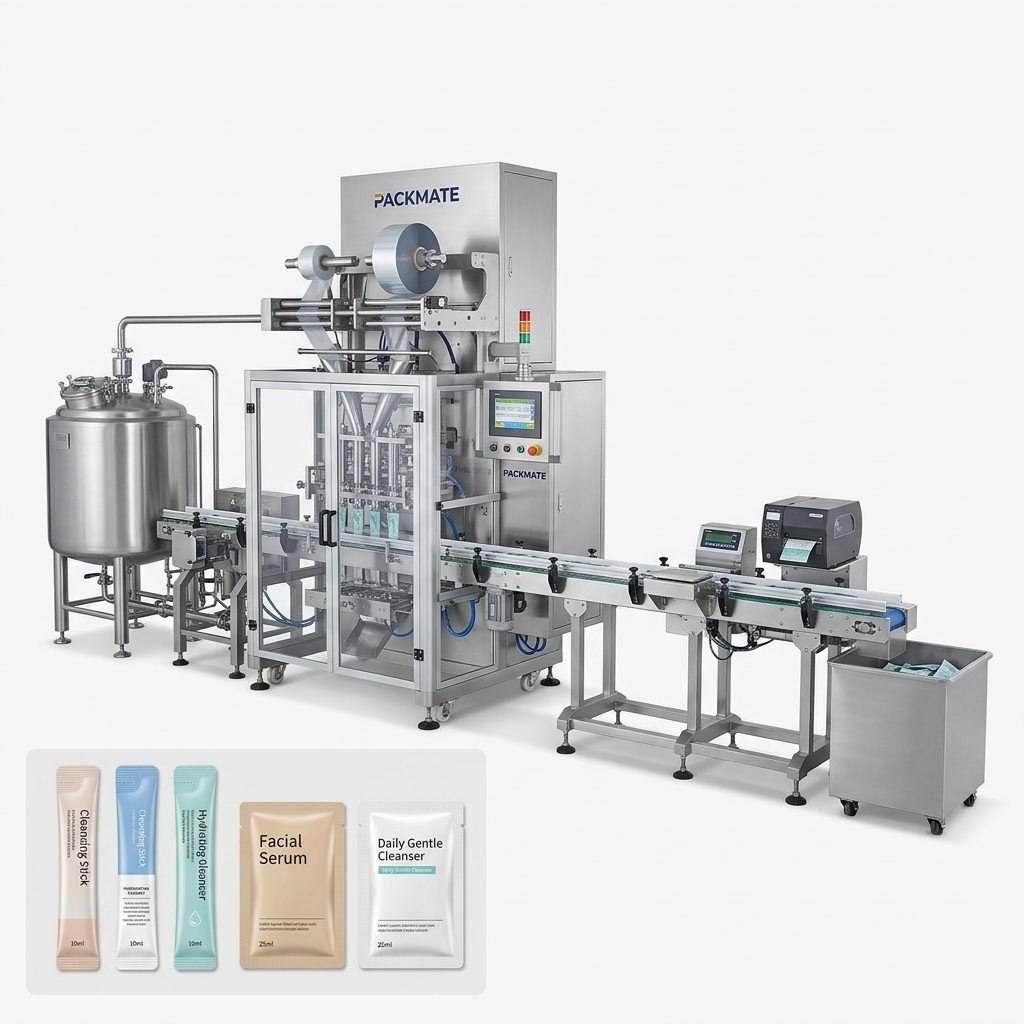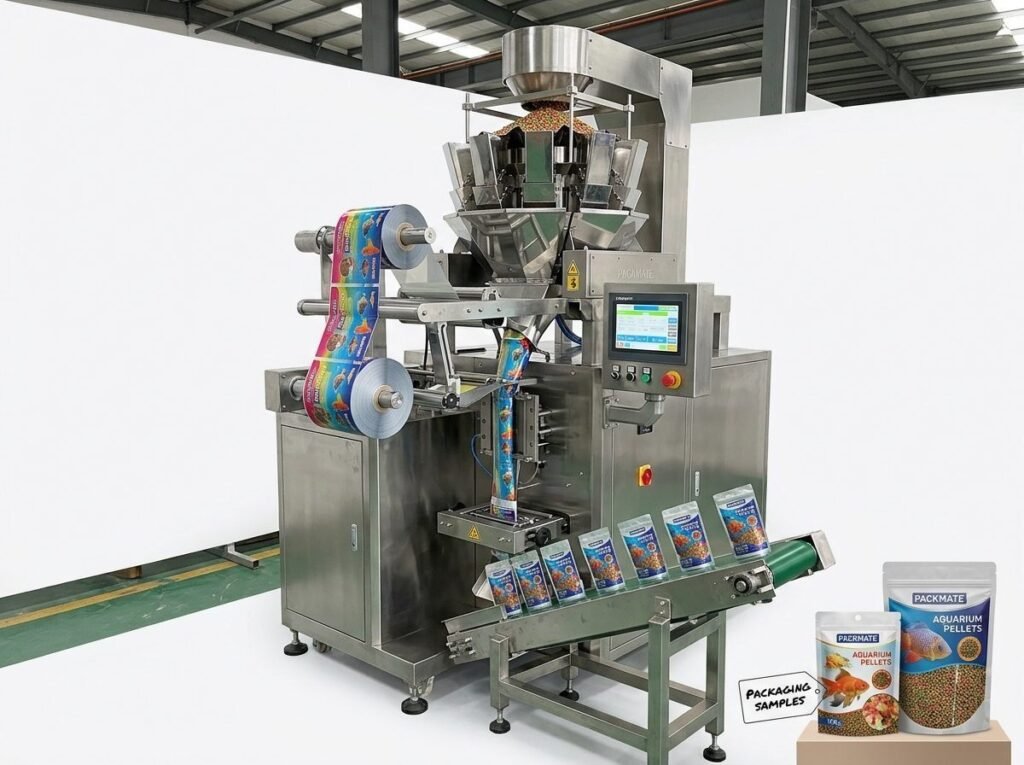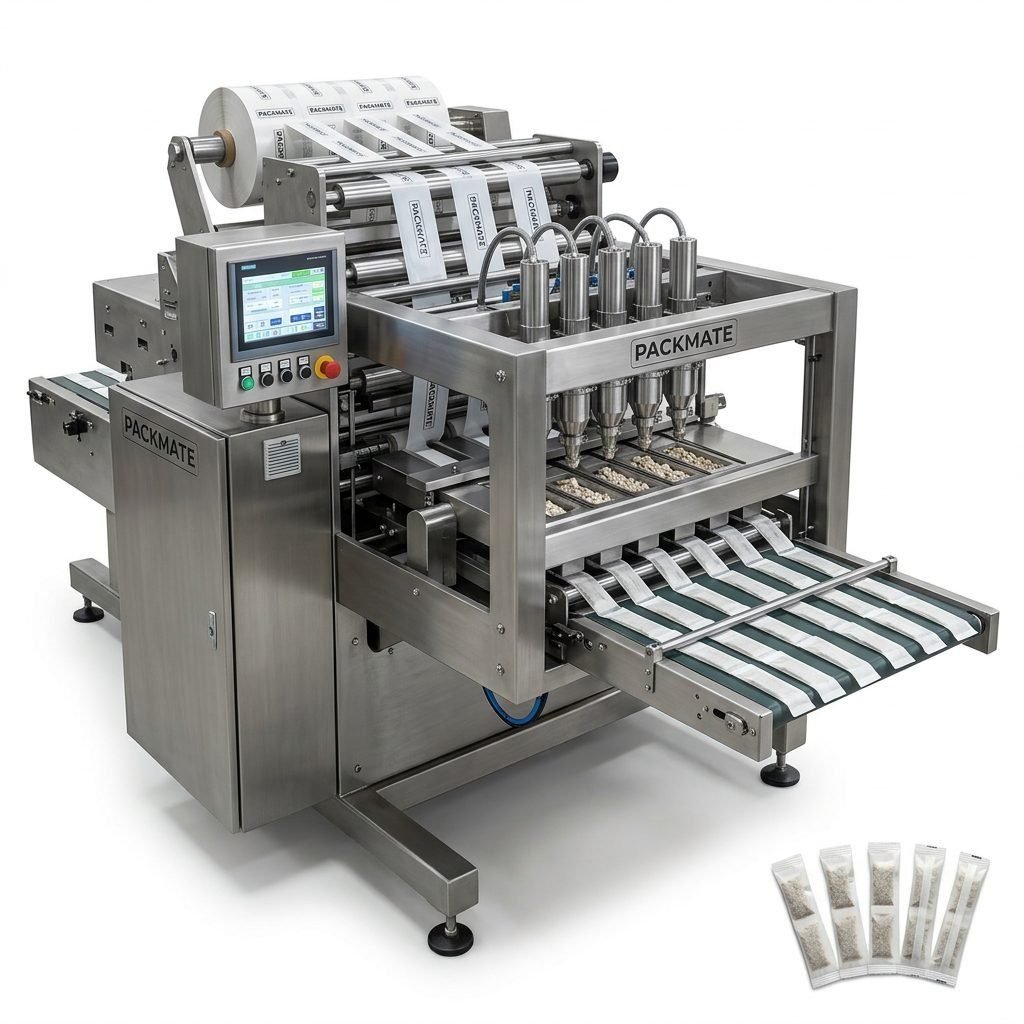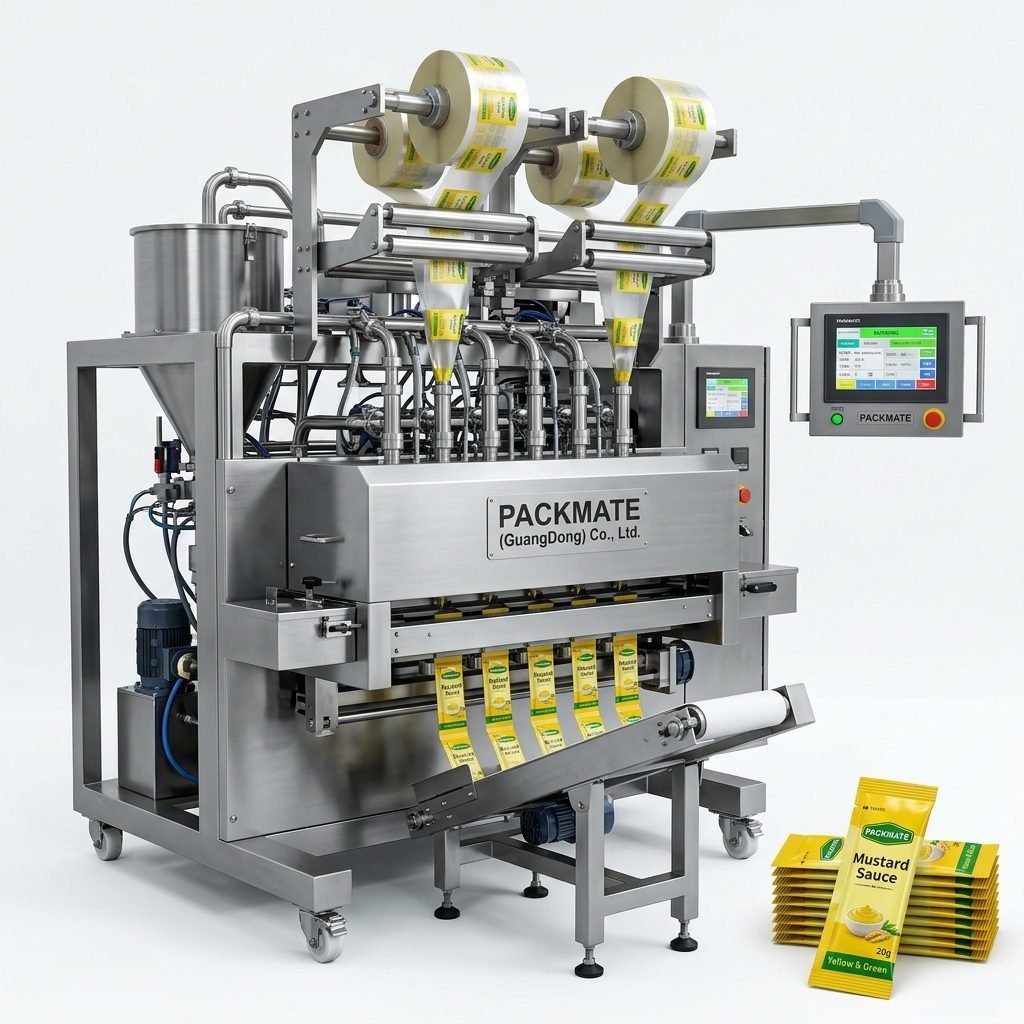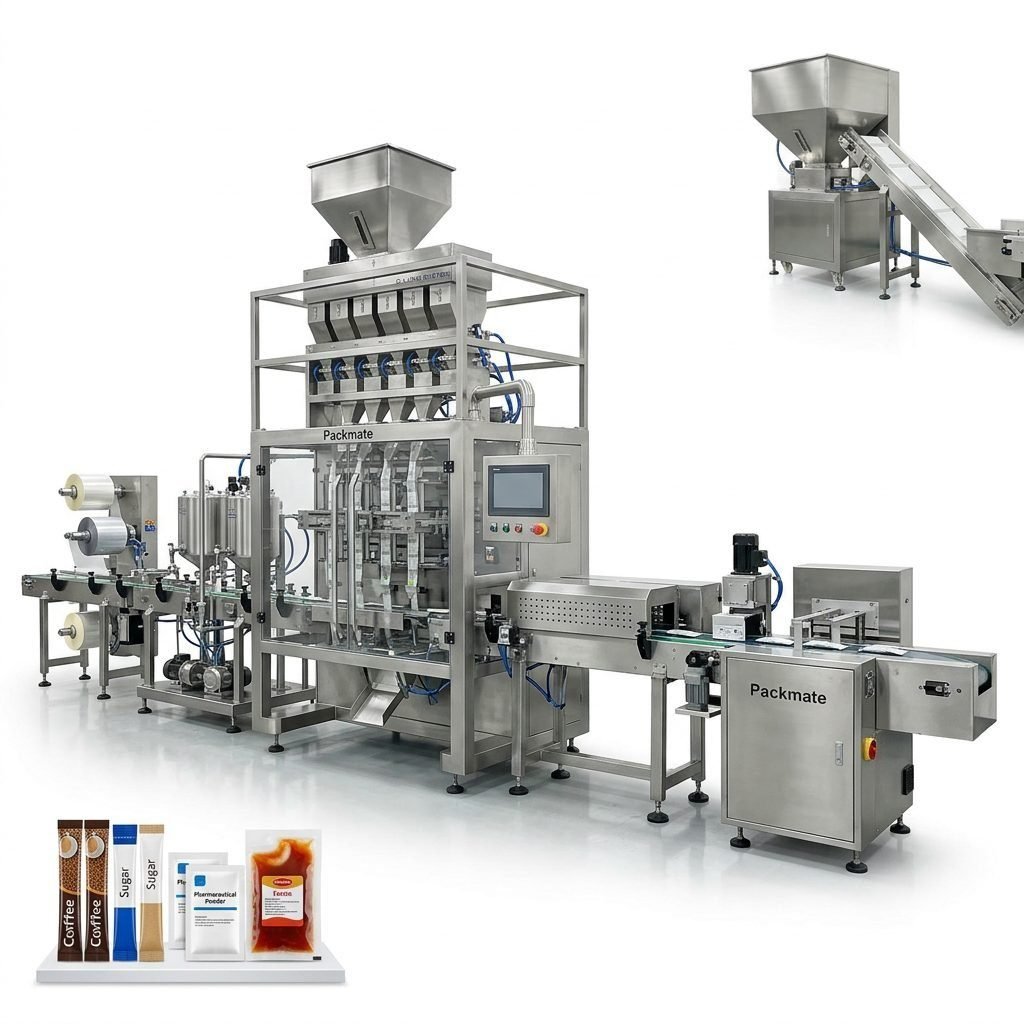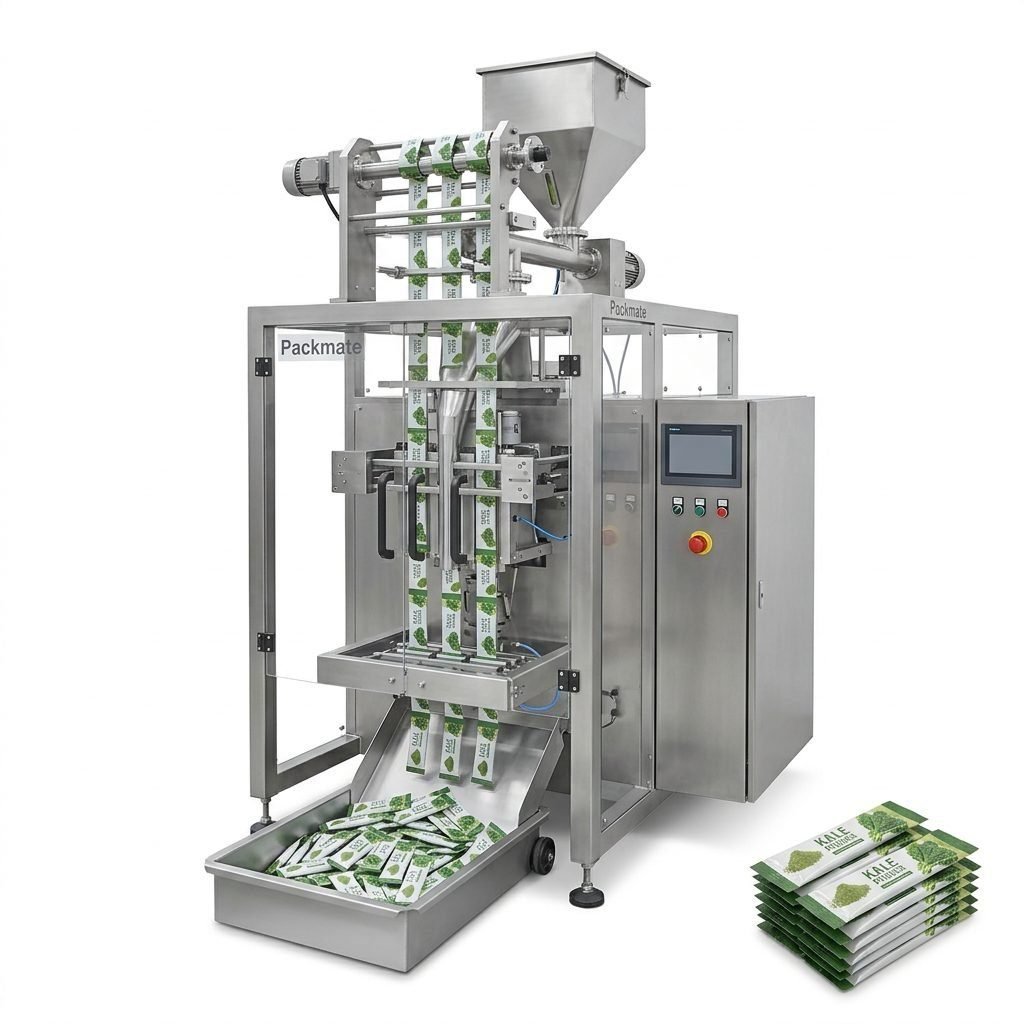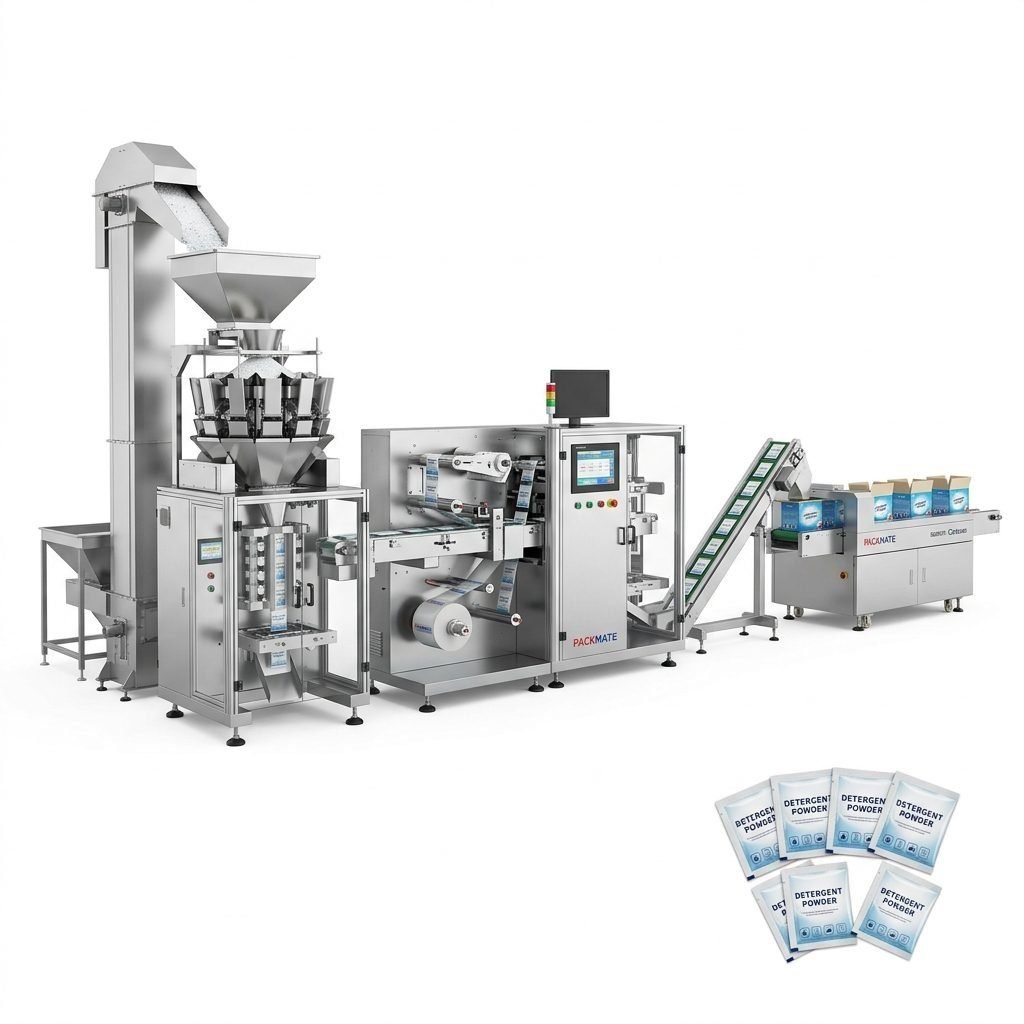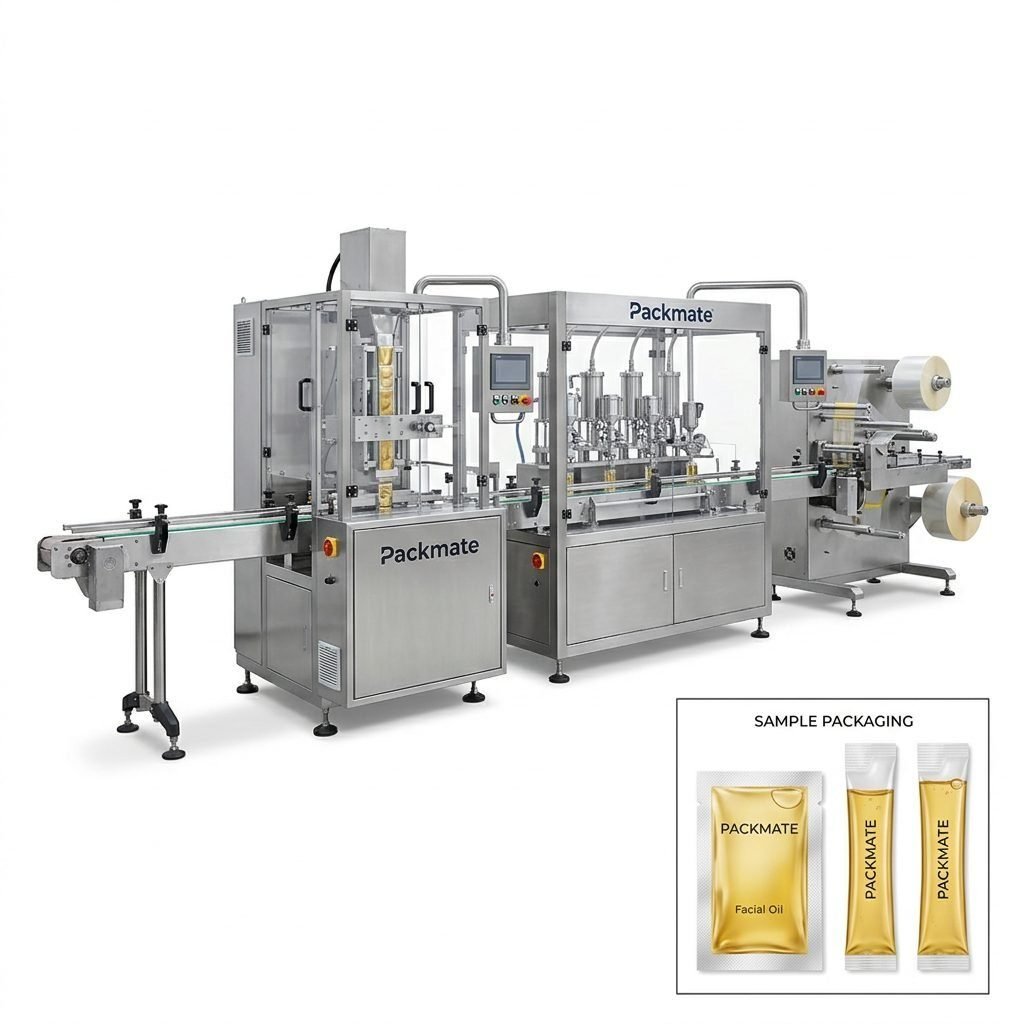
For Serbian food, pharmaceutical, and consumer goods manufacturers, finding the right packaging machine supplier is a critical business decision. The local market, with its blend of established food processing industries and a growing focus on exports, demands reliable, efficient, and cost-effective automation solutions. This guide provides a practical, step-by-step approach to identifying and evaluating trustworthy packaging machine manufacturers, with a focus on navigating the international market and leveraging the strengths of global suppliers like those from China.
Understanding Serbia’s Packaging Industry Needs
Serbia’s manufacturing sector, particularly in food processing (like fruit, meat, and dairy), pharmaceuticals, and FMCG, is a key driver for packaging automation. Local producers often seek machinery that balances advanced functionality with operational simplicity and durability. Key considerations include compliance with EU standards (given Serbia’s path toward EU integration), adaptability to various product formats (granules, powders, liquids), and strong after-sales support due to geographical distance from major manufacturing hubs.
Key Challenges for Serbian Buyers
Buyers in Serbia typically face challenges such as ensuring machine compatibility with local power standards, sourcing affordable spare parts, and securing reliable technical service. Language barriers and complex international logistics can also add layers of difficulty to the procurement process. Therefore, a methodical supplier evaluation is essential.
Step 1: Define Your Technical and Operational Requirements
Before searching, clearly outline your project specs. This includes:
Product Type: Are you packaging granules (coffee, spices), powders (milk, supplements), liquids (sauces, oils), or pastes?
Output Speed: Required bags/pouches per minute.
Packaging Format: Stick packs, sachets, pouches, or bulk bags?
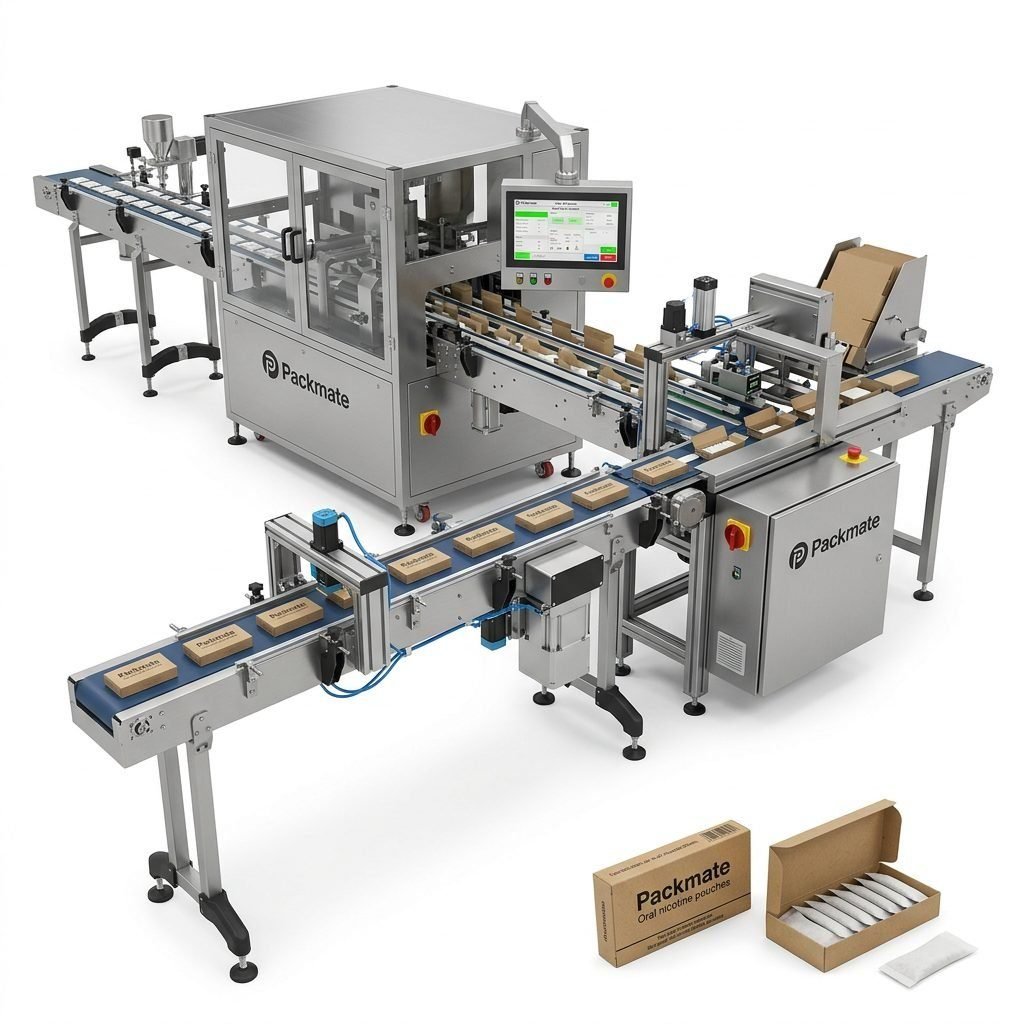
Level of Automation: Standalone machine or a complete turnkey line with feeding, weighing, and cartoning?
Factory Space & Utilities: Available floor space, power supply (Voltage/Hz), and compressed air requirements.
Having detailed specifications will help you communicate effectively with potential manufacturers and get accurate quotations.
Step 2: Research and Shortlist Potential Manufacturers
Start your search online, focusing on B2B platforms and industry directories. Look for manufacturers with a stated history of exporting to Europe, as they are more likely to understand CE certification and regional technical standards. A strong online presence with detailed product information, case studies, and technical documentation is a positive indicator. For instance, companies like Ludyway and Packmate Machinery highlight their decades of experience and export markets, which is relevant for Serbian buyers seeking established partners.
Evaluating Company Credentials
Scrutinize the company’s background. Key factors to verify include:
- Years in Business: Longevity often correlates with stability and accumulated technical know-how. Companies operating for 20-30+ years, such as those profiled, have likely navigated various market cycles.
- Factory Size & Capability: A sizable manufacturing facility (e.g., 20,000+ sqm) suggests substantial production capacity and in-house control over quality.
- Export Experience: Prioritize suppliers with a proven track record in your region or similar markets.
Step 3: Assess Technical Capability and Customization
Serbian production lines may require specific adaptations. Engage with shortlisted manufacturers on their engineering support. Can they provide customized solutions for your unique product viscosity, bag size, or factory layout? Manufacturers specializing in non-standard or turnkey solutions, like PackingMachineOEM or PacklineOEM, often have stronger project-based engineering teams to handle bespoke requirements.
Questions to Ask About Technical Support:
• Can you provide a detailed layout drawing for our factory space?
• Do you offer machine testing with our own product samples?
• What is your process for adapting machines to our local power standards?
• How do you handle software programming and interface translation?
Step 4: Verify Quality Control and Compliance
Quality is non-negotiable. Inquire about the manufacturer’s quality control processes during assembly and before shipment. For the Serbian and European markets, CE certification is mandatory for machinery. Ensure the supplier can provide valid CE documentation. Additionally, check if they use internationally recognized components (Siemens, Mitsubishi, Omron, etc.) which can simplify future maintenance and spare parts sourcing in Serbia.
Requesting Evidence of Quality
Ask for:
• Quality management system certifications (e.g., ISO 9001).
• Detailed inspection reports and checklists.
• Videos or photos of the machine testing process before dispatch.
• A list of key component brands used in their machines.
Step 5: Analyze After-Sales Service and Support Structure
This is arguably the most critical factor for an international buyer. A reliable manufacturer must offer comprehensive after-sales support. Discuss the following in detail:
| Service Aspect | What to Look For | Why It Matters for Serbia |
|---|---|---|
| Installation & Commissioning | Availability of engineers for on-site installation and training. | Ensures correct setup and operator proficiency from day one. |
| Warranty | Clear warranty terms (typically 12-24 months) and scope. | Protects your investment against manufacturing defects. |
| Spare Parts | Parts availability, pricing, and delivery time to Serbia. | Minimizes costly production downtime. |
| Remote Support | Access to remote diagnostics, video calls, and manuals. | Provides immediate troubleshooting without waiting for a technician to travel. |
Companies with a strong export focus usually have dedicated international service teams and can articulate a clear support plan.
Step 6: Consider Specialized vs. Generalist Suppliers
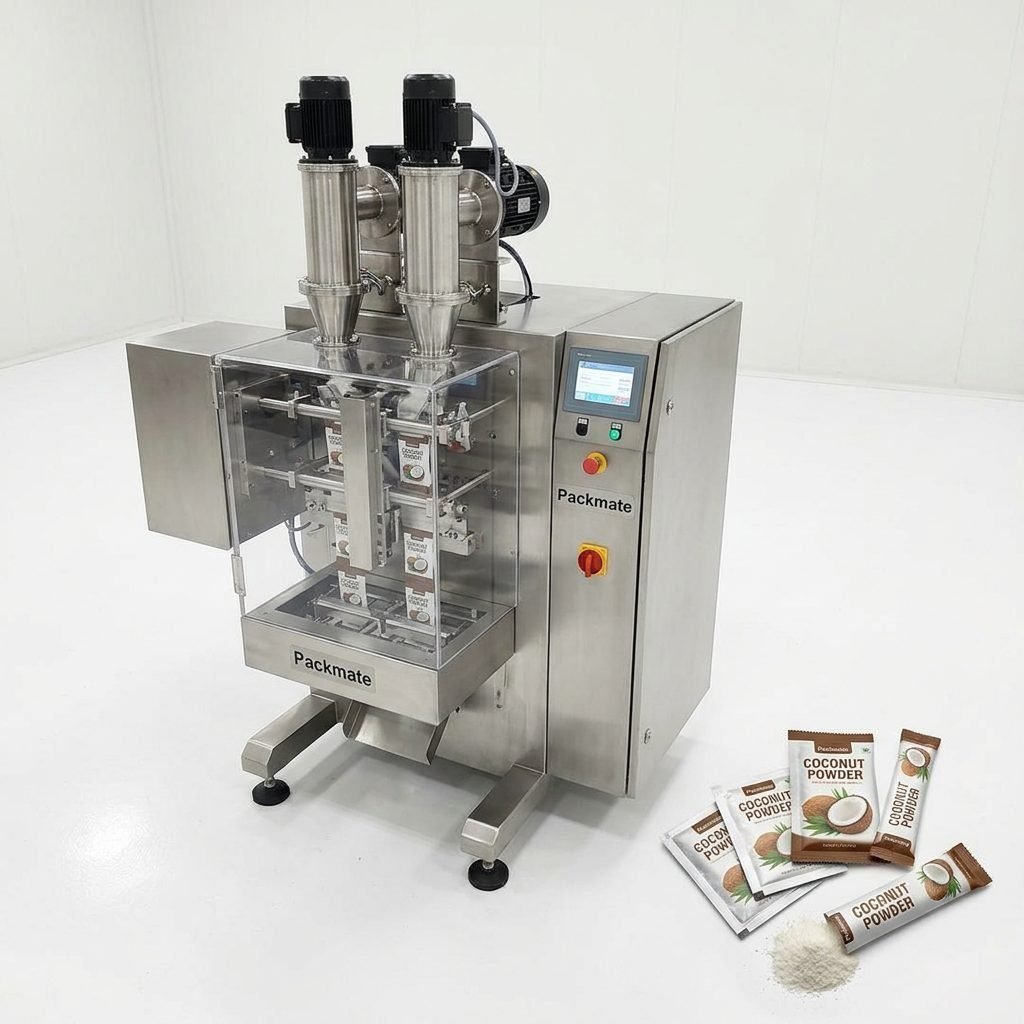
Your product type may dictate your choice. For standard food powders or granules, a generalist manufacturer with a broad portfolio may suffice. However, for niche products like nicotine pouches, which have specific dosing and regulatory requirements, a specialized supplier like SnusMachinery could offer deeper application expertise. Evaluate if the supplier’s “standard” machine can be perfectly adapted or if a specialist’s tailored solution offers better long-term value and performance.
Step 7: Conduct Due Diligence and Final Evaluation
Before making a final decision:
- Request References: Ask for contact information of existing clients, preferably in Europe or similar industries.
- Arrange a Factory Visit or Virtual Tour: If possible, visit the manufacturing facility or request a live video tour to assess their operations firsthand.
- Compare Comprehensive Quotes: Ensure quotes include FOB/CIF costs, delivery time, warranty details, and a list of included services. The cheapest option is rarely the most cost-effective over the machine’s lifecycle.
Common Questions (FAQ) for Serbian Buyers
Q: How do we handle customs clearance and import duties when buying from China?
A: Reputable manufacturers often have experience shipping to Europe and can recommend reliable freight forwarders. They typically handle export formalities, delivering goods to a port (FOB) or to a destination port/address (CIF/DAP). You or your local agent will handle Serbian import customs. Always clarify Incoterms in your contract.
Q: What is the typical lead time for a packaging machine from China?
A: Lead times vary. A standard machine may take 30-60 days, while a customized or complete turnkey line can take 60-120 days. Always confirm the production schedule in writing.
Q: Can the machine software and manuals be provided in Serbian or English?
A: Most international suppliers provide English manuals as standard. While Serbian-language manuals are rare, they often provide clear English documentation and can sometimes accommodate basic interface translations. Confirm this during negotiations.
Q: Is it better to buy a standalone machine or a full turnkey line?
A: It depends on your budget, space, and automation goals. A standalone machine is suitable for specific, manual offloading tasks. A turnkey line from a supplier like PacklineOEM offers higher efficiency and lower labor costs but requires a larger investment and more complex installation.
Q: How can we verify the manufacturer’s claims about market share or export revenue?
A> While exact figures are hard to audit independently, you can cross-reference their claims by checking their export history on platforms like Alibaba, requesting client lists, reviewing case studies, and assessing the scale and activity level of their international marketing.