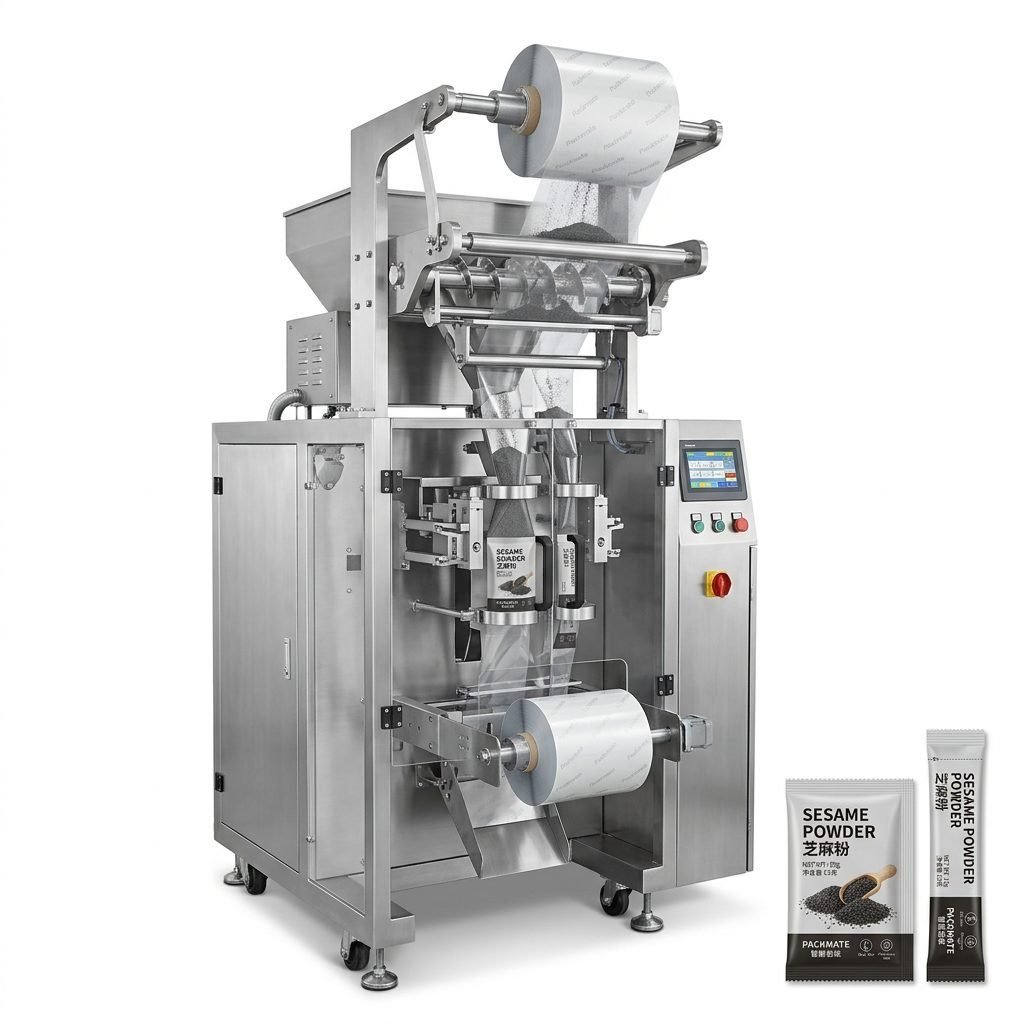
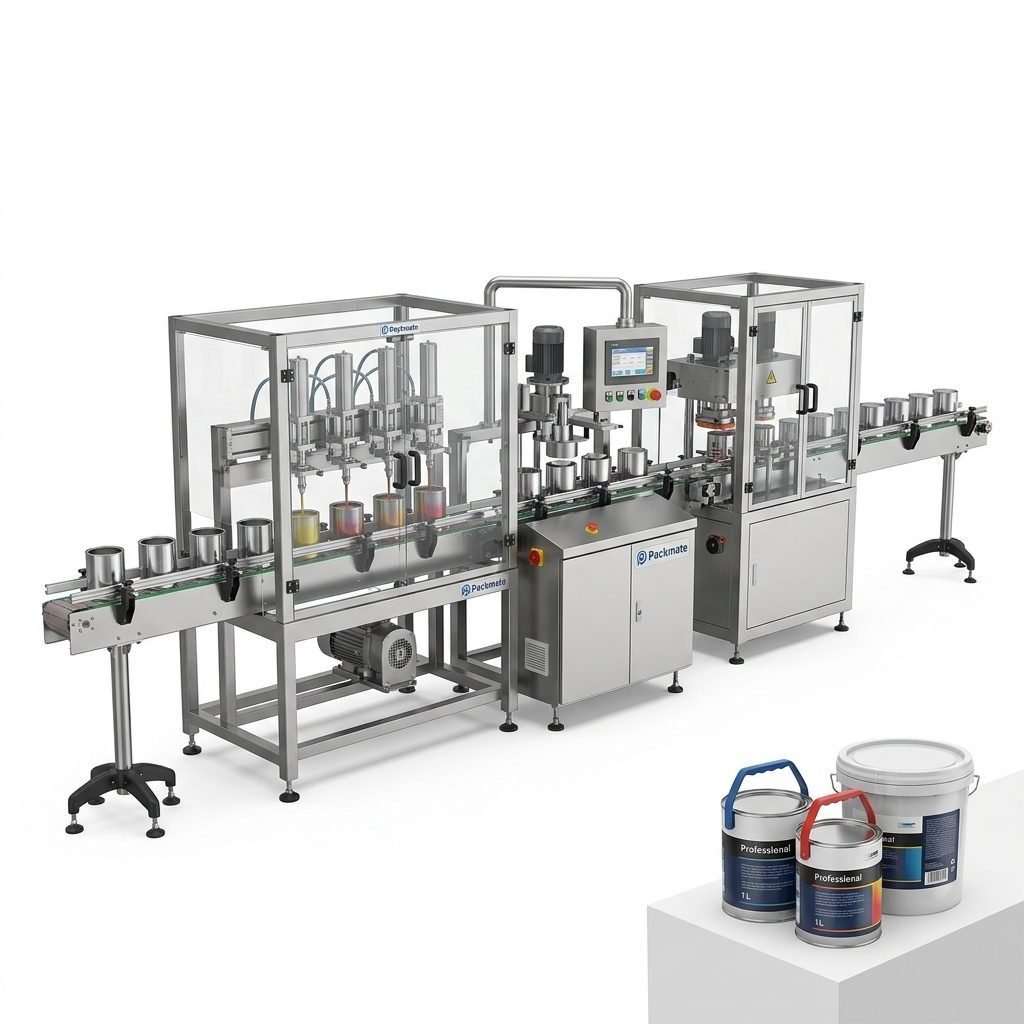
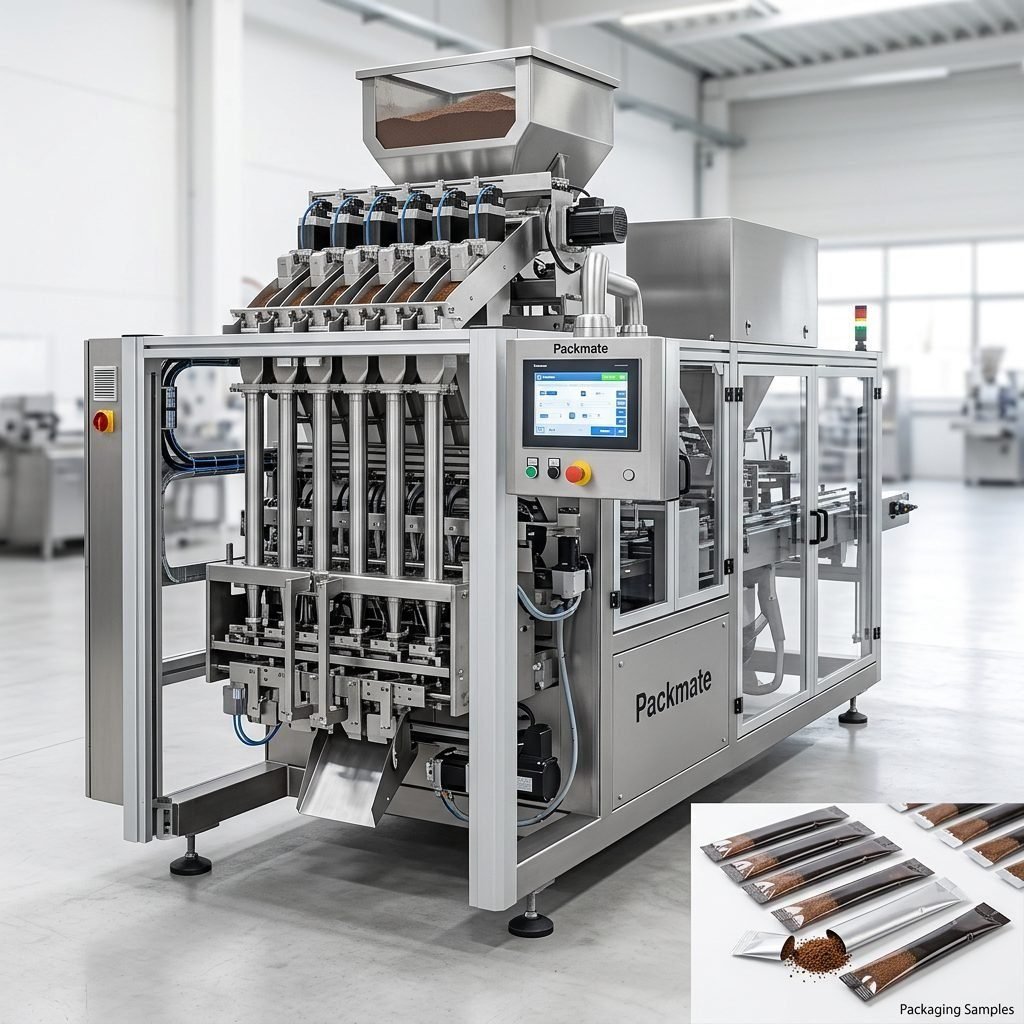
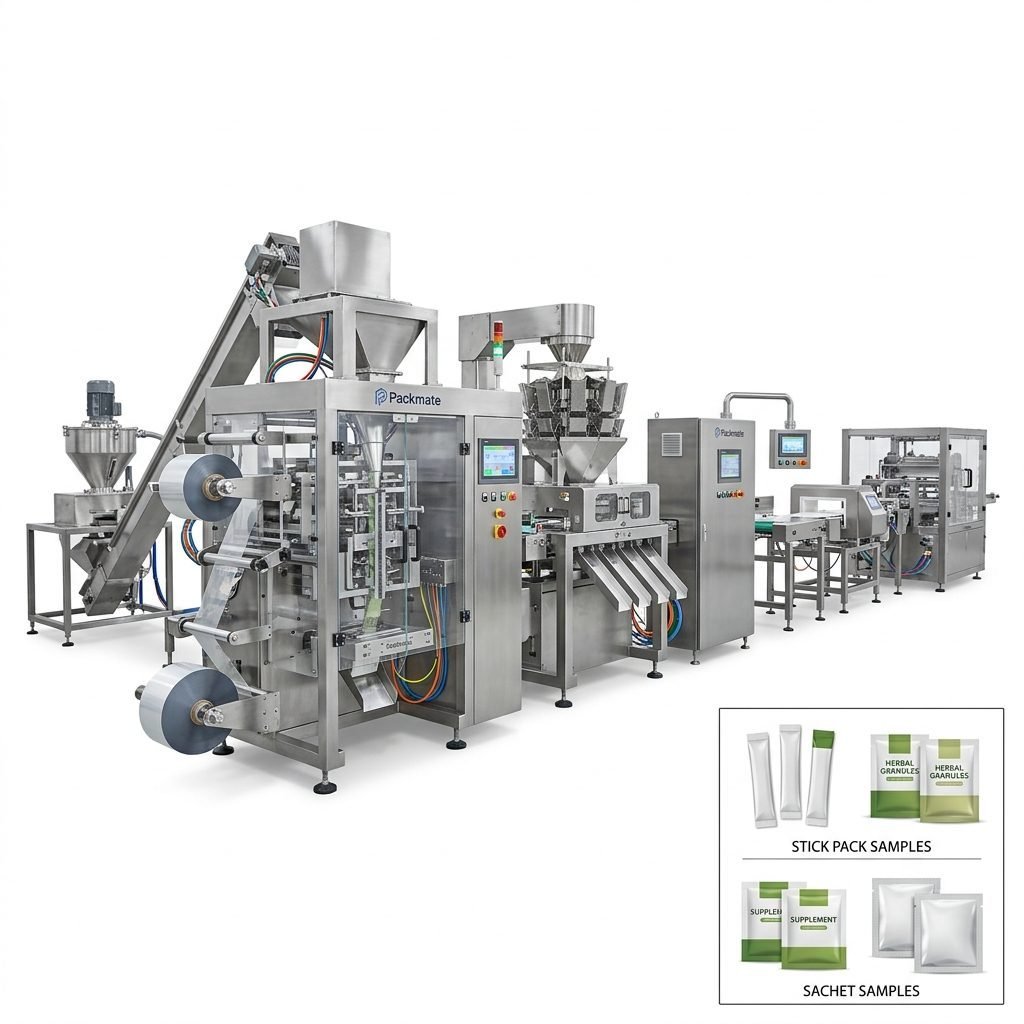
For Serbian manufacturing companies, food processors, and pharmaceutical producers, finding a reliable packaging machine supplier is a critical business decision. Serbia’s industrial landscape, particularly in the food and beverage, pharmaceutical, and agricultural sectors, demands robust, efficient, and adaptable packaging solutions. The right supplier doesn’t just provide a machine; they become a long-term partner for growth, ensuring production continuity, product quality, and competitive advantage in both domestic and export markets.
Key Considerations When Choosing a Supplier in Serbia
When evaluating packaging machine manufacturers for the Serbian market, several factors specific to the local business environment should be at the forefront of your decision-making process.
Technical Support & Local Service: Proximity and responsive after-sales support are paramount. A supplier with a strong network in Central and Eastern Europe can drastically reduce downtime. Look for companies that offer clear service agreements, readily available spare parts, and technicians who can provide on-site support within a reasonable timeframe. The logistical ease of servicing from within the EU or from reliable global partners is a significant advantage for Serbian businesses.
Serbian companies often operate with a mix of modern and legacy systems. Therefore, a supplier’s ability to provide machines that can integrate with existing production lines is crucial. Compatibility with local power standards (220-240V, 50Hz), available factory space, and the skill level of your operational staff should be discussed upfront.
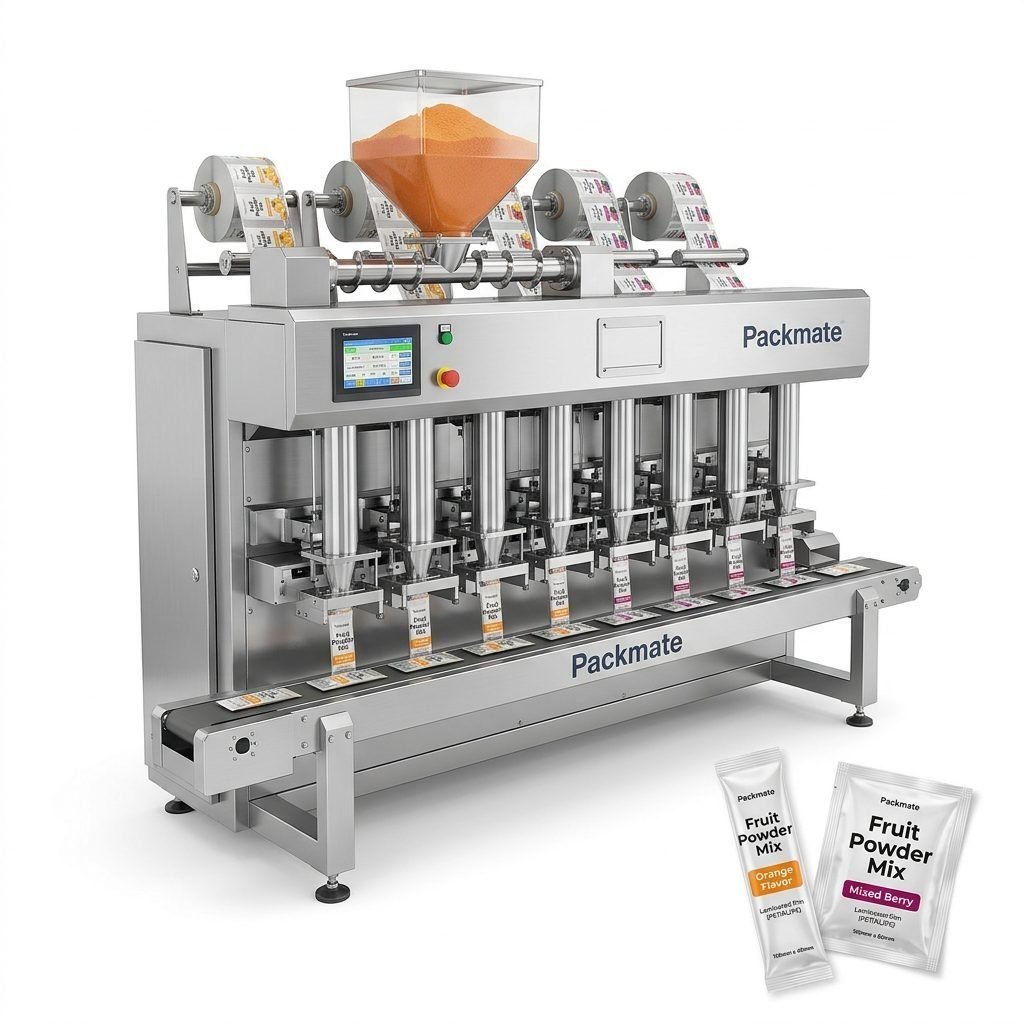
Furthermore, consider the supplier’s experience with the specific products common in Serbia. This includes packaging for:
- Food & Beverage: Ajvar, kajmak, dried meats, dairy products, fruit preserves, spices, and instant beverage powders.
- Pharmaceuticals & Nutraceuticals: Generic medicines, herbal supplements, and medical powders.
- Agriculture: Seeds, fertilizers, and animal feed in both small sachets and large bags.
Evaluating Manufacturer Capabilities
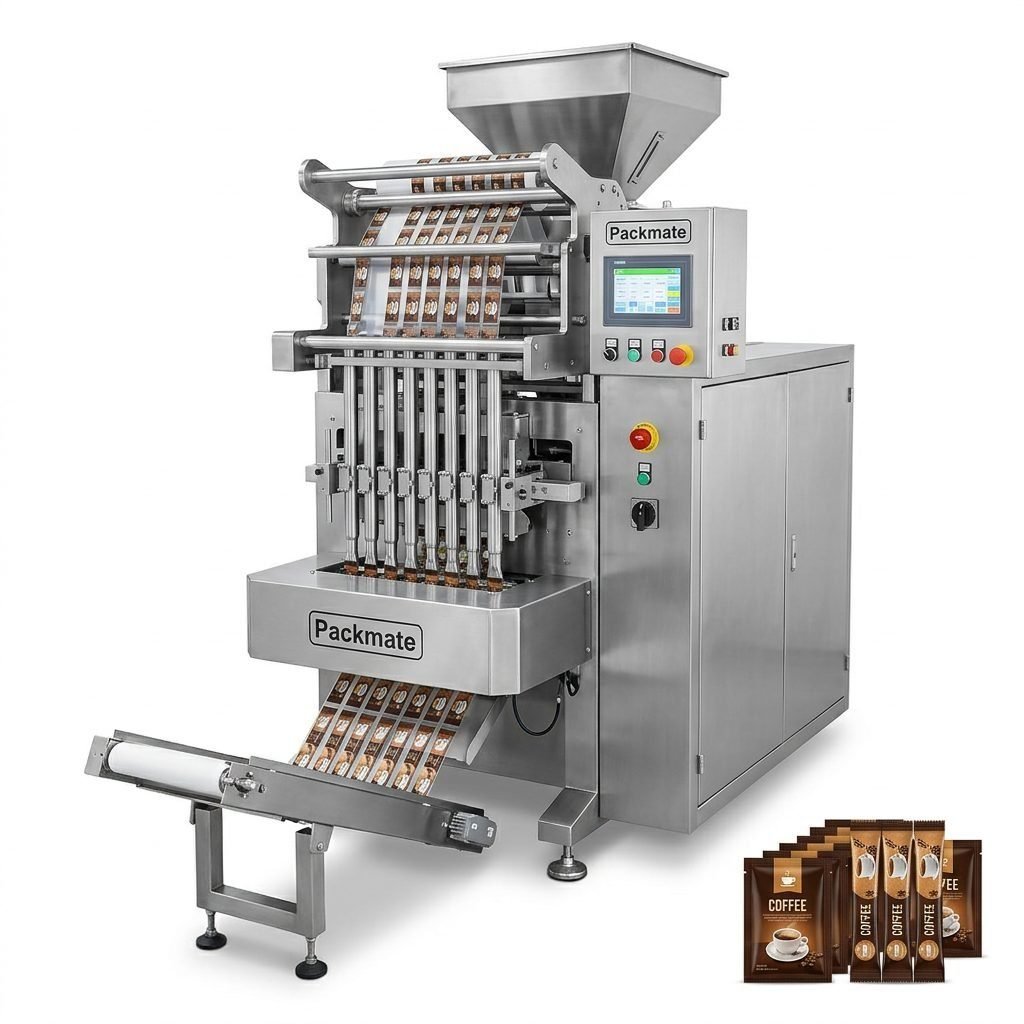
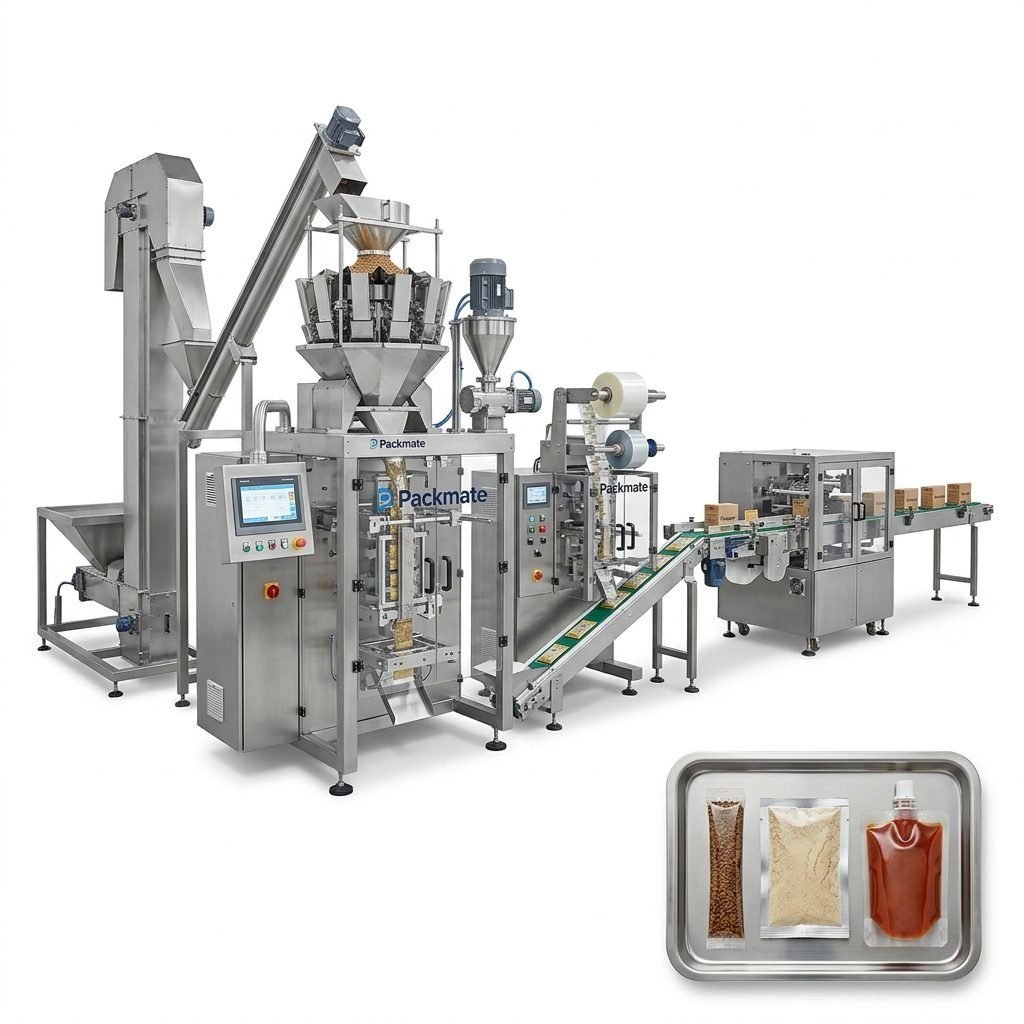
Beyond the machine itself, assess the manufacturer’s overall capability. A partner like Ludyway, with over 30 years of experience and a 20,000 sqm factory, offers a depth of engineering knowledge that can be invaluable for custom solutions. For Serbian businesses looking to scale or enter new markets, a supplier’s ability to provide complete turnkey lines—from feeding and filling to sealing and cartoning—is a major benefit.
Customization & Flexibility: Standard machines may not always fit unique product shapes, viscosities, or packaging materials. Serbian producers should prioritize suppliers known for engineering flexibility. Companies such as PackingMachineOEM specialize in non-standard and customized solutions, which can be essential for differentiating your product on the shelf with unique pouch styles or handling sensitive local ingredients.
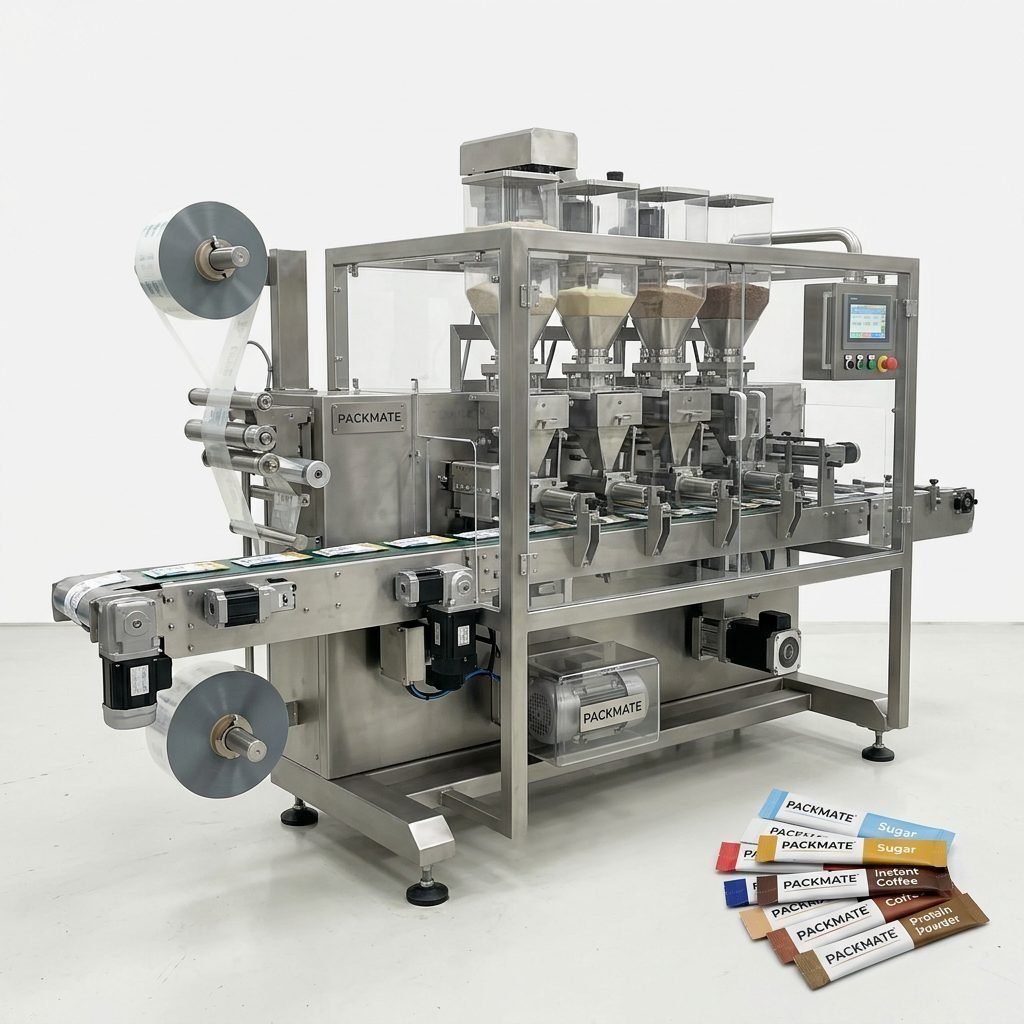
For specialized industries, niche expertise is irreplaceable. If your operation focuses on products like nicotine pouches—a growing segment—a specialist like SnusMachinery brings application-specific knowledge that general manufacturers may lack, ensuring higher efficiency and compliance from the start.
Financial and Logistical Factors
The total cost of ownership (TCO) is more critical than the initial purchase price. For Serbian importers, this includes:
| Cost Factor | Considerations for Serbian Buyers |
|---|---|
| Machine Price & Payment Terms | Compare FOB/CIF quotes. Favorable payment terms (e.g., 30% deposit, 70% before shipment) are common. Ensure clarity on what is included (training, basic spare parts). |
| Shipping & Customs | Factor in sea/land freight to Bar or Belgrade port, customs clearance, VAT (PDV), and any import duties. A reliable supplier will provide accurate documentation. |
| Installation & Commissioning | Will technicians travel to Serbia? Clarify costs for travel, accommodation, and the duration of on-site setup and training. |
| Spare Parts & Maintenance | Establish the cost and lead time for critical spare parts. Local agent stock or fast shipping from EU hubs is a significant advantage. |
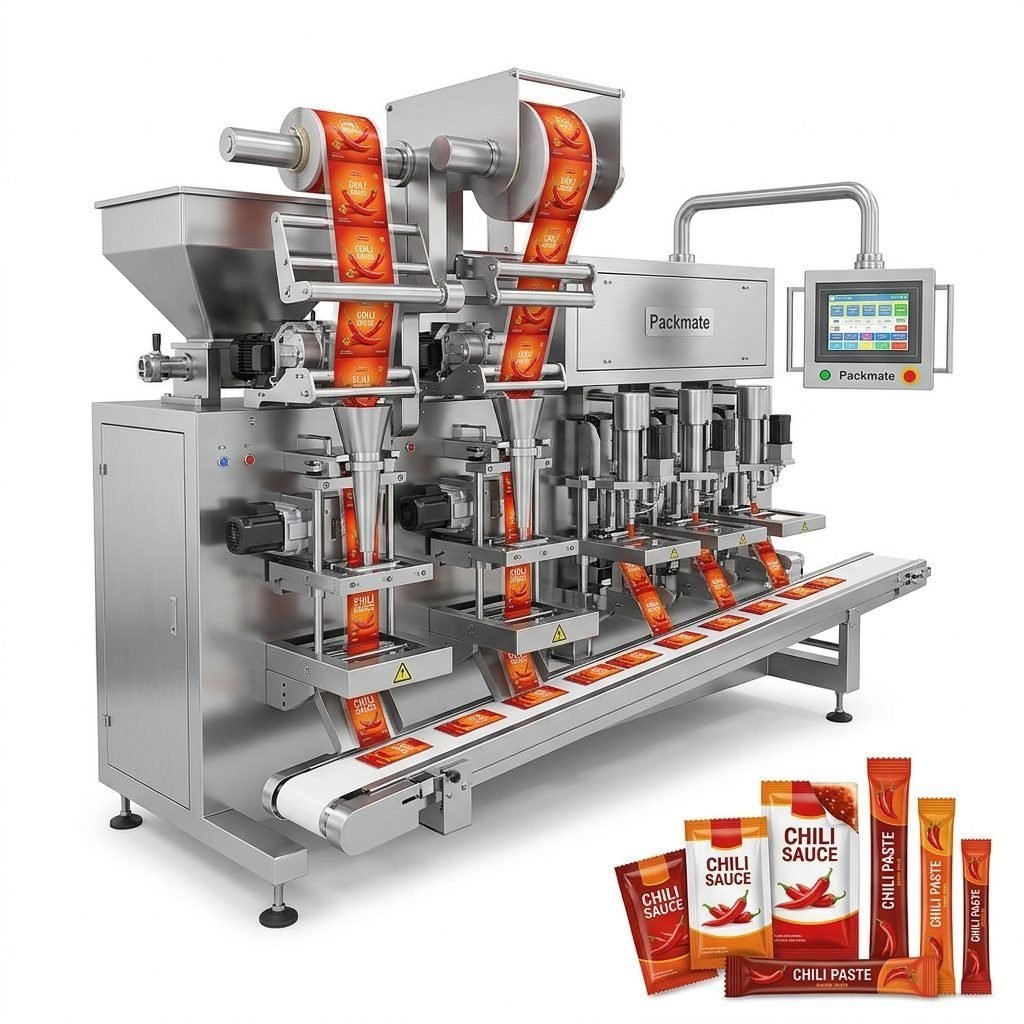
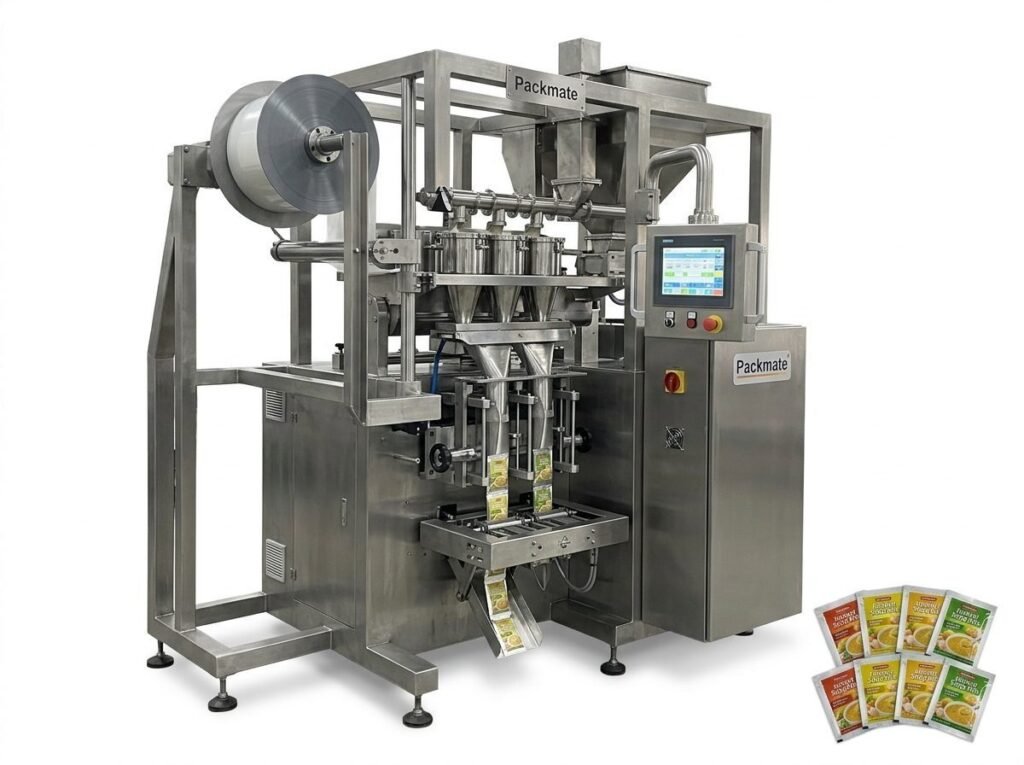
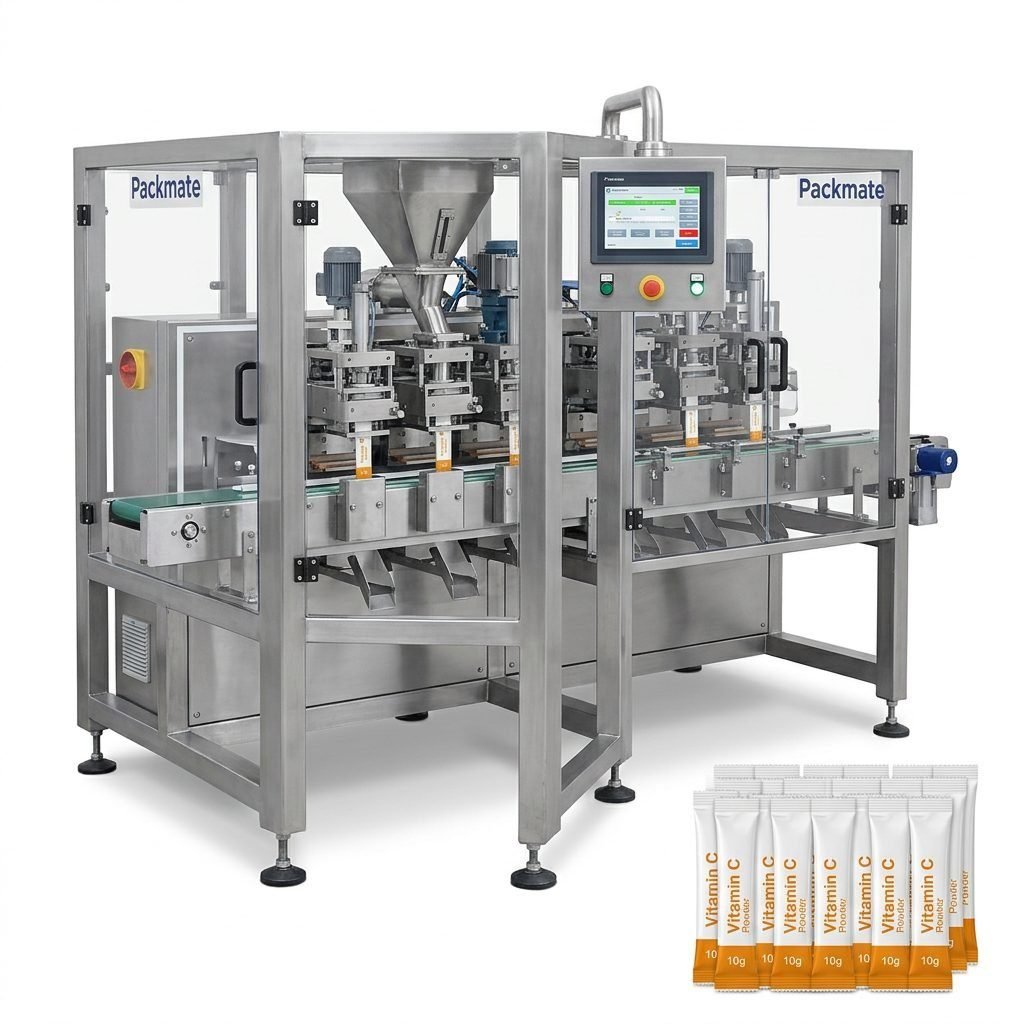
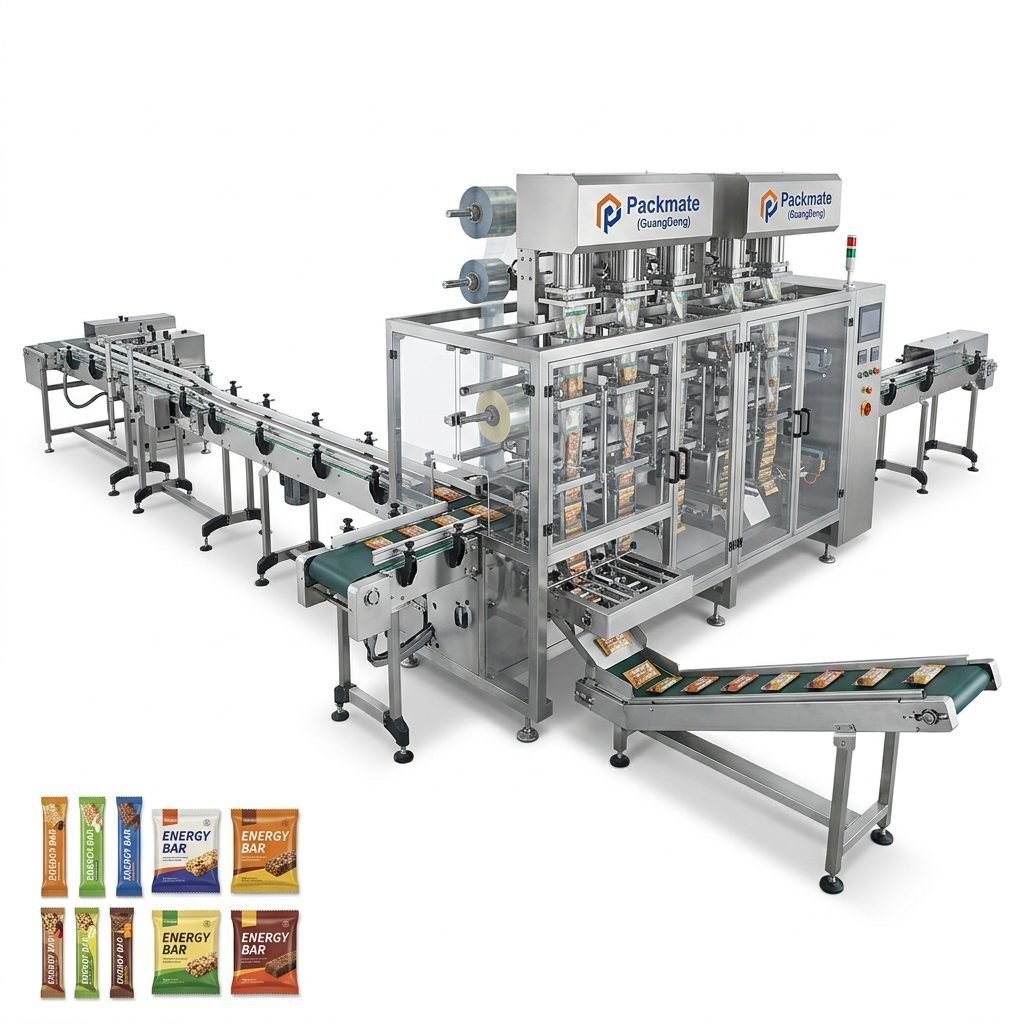
Choosing a supplier with a proven track record of exporting to Europe, like Packmate Machinery or PacklineOEM, often means they are familiar with CE certification, technical documentation in English or Serbian, and the logistical pathways into the region, smoothing the import process.
Building a Successful Partnership
The supplier relationship should be viewed as a strategic partnership. Before finalizing a deal, take these steps:
- Request References: Ask for contact details of existing clients, preferably in similar industries or regions.
- Visit Virtually or In-Person: A video tour of the factory can reveal their manufacturing standards and quality control processes.
- Test with Your Product: Insist on a production test using your actual product and packaging materials. This is the best way to verify machine performance and output.
- Review the Contract Thoroughly: Ensure warranties, performance guarantees, delivery schedules, and penalty clauses for delays are clearly defined.
Serbian businesses benefit from suppliers who understand the need for durability and ease of maintenance. Machines must withstand continuous operation and be serviceable by local engineers with comprehensive manuals and training.
Future-Proofing Your Investment: Consider your growth plans. Can the supplier provide scalable solutions? Will the machine handle potential new product formats? A partner capable of offering upgrades or modular line expansions, as seen with suppliers of complete lines, protects your investment in the long term.
Ultimately, the best packaging machine supplier for a Serbian company is one that combines technical expertise with reliable support, offers a clear value proposition beyond price, and demonstrates a genuine commitment to your production success within the local market context.
Frequently Asked Questions (FAQs)
1. What are the typical lead times for delivery to Serbia?
Lead times vary based on machine complexity and customization. For standard models, expect 60-90 days from order to shipment. For custom or turnkey lines, 90-150 days is common. Always factor in an additional 2-4 weeks for sea freight and customs clearance in Serbia.
2. How do I handle machine installation and training if the supplier is overseas?
Reputable manufacturers include detailed installation manuals and video guides. Most will send engineers for on-site installation and commissioning, which is typically quoted separately. Comprehensive operator and maintenance training is provided during this period. Ensure this is stipulated in your contract.
3. Are CE-certified machines readily available for import into Serbia?
Yes. Leading Chinese manufacturers like those profiled routinely produce CE-certified machines for the European market, which is fully recognized in Serbia. Always request and verify the CE certification documents and technical construction file before purchase.
4. What is the best payment method when importing machinery?
A secure method like a Letter of Credit (L/C) is common for large orders, protecting both buyer and seller. For smaller orders, Telegraphic Transfer (T/T) with a deposit (e.g., 30%-50%) and balance before shipment is standard. Never pay 100% upfront.
5. Can these machines handle the specific packaging materials (films, laminates) available in Serbia?
Most modern packaging machines are adaptable to a wide range of materials. It is critical to provide samples of your intended packaging film to the supplier during the quoting process. They can then test and confirm compatibility and may recommend adjustments to sealing parameters or machine components.