For businesses and entrepreneurs in the Solomon Islands looking to modernize their production, finding a reliable packaging machine manufacturer is a critical step. The local economy, with its growing focus on value-added products in sectors like agriculture, fisheries, and potentially tourism-related goods, increasingly demands efficient, automated packaging solutions. However, sourcing such specialized machinery from overseas can seem daunting. This guide provides a structured approach to help you identify and partner with a trustworthy manufacturer.
Understanding Your Packaging Needs in the Solomon Islands Context
Before you begin your search, it’s essential to clearly define your requirements. The local market often involves products like dried spices, coffee, cocoa, fish products, or health supplements. Consider these factors:
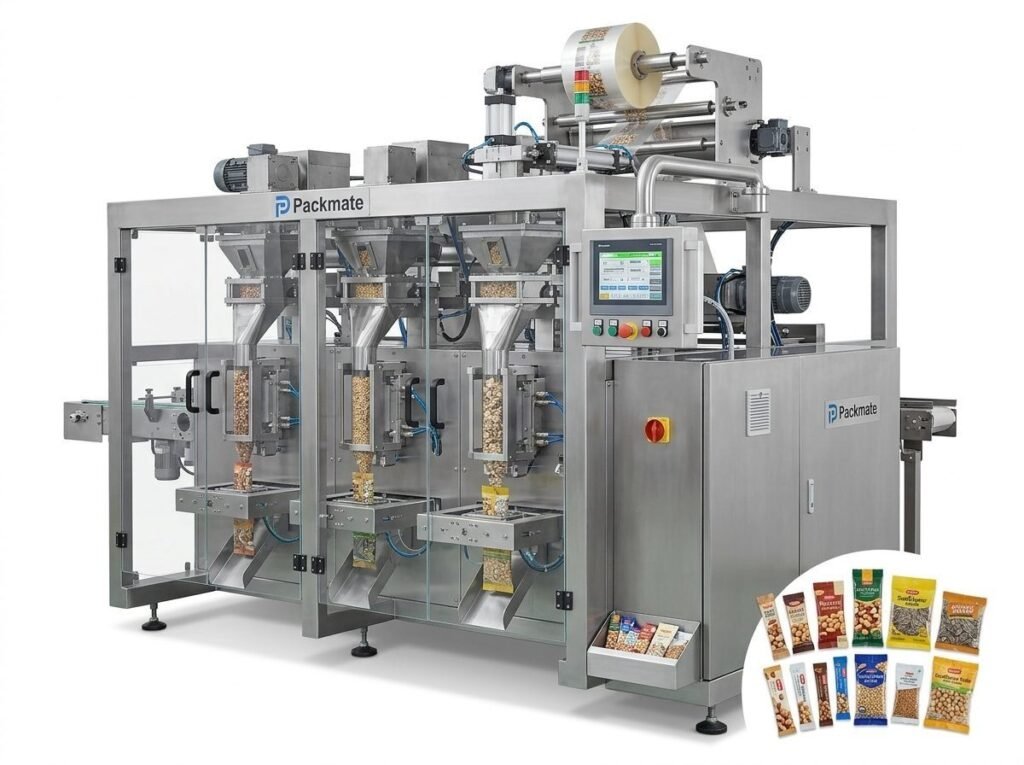
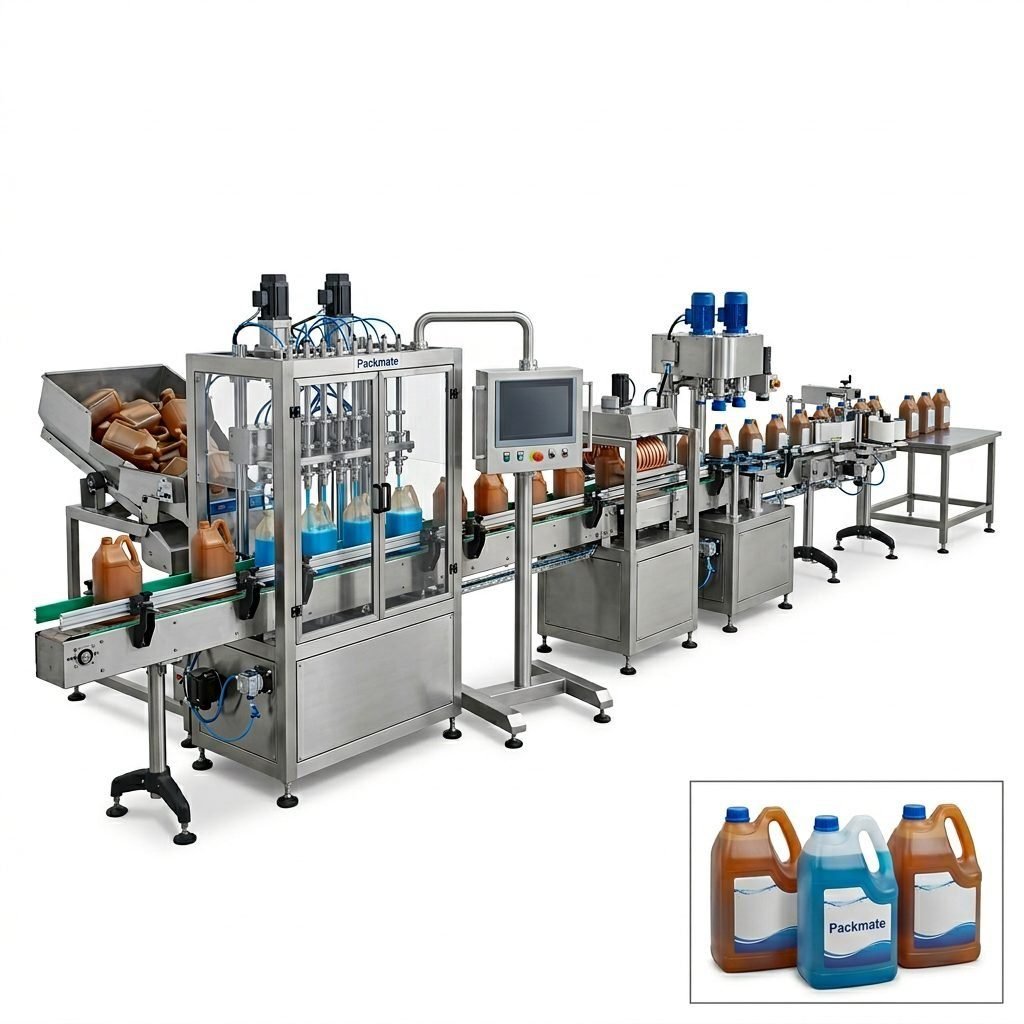
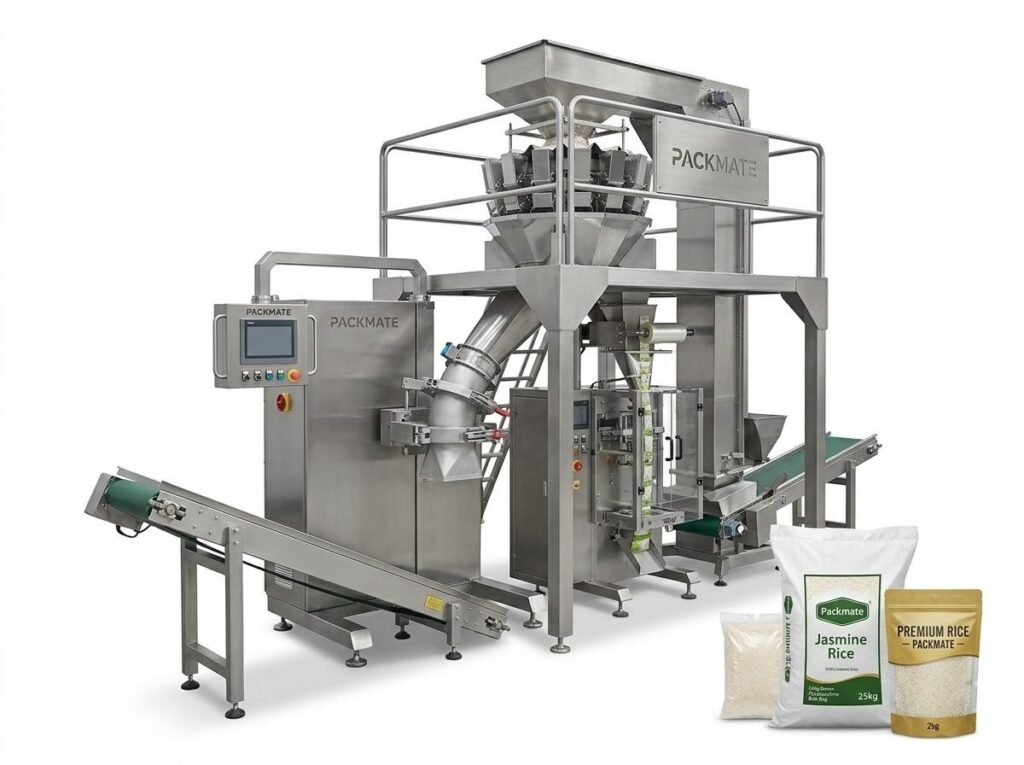
Product Type: Are you packaging granules (coffee, rice), powders (spices, flour), liquids (coconut oil, sauces), or pastes? The machine type will vary significantly.
Production Volume: Estimate your current and future output. A small-to-medium enterprise (SME) in Honiara has different needs than a large-scale exporter.
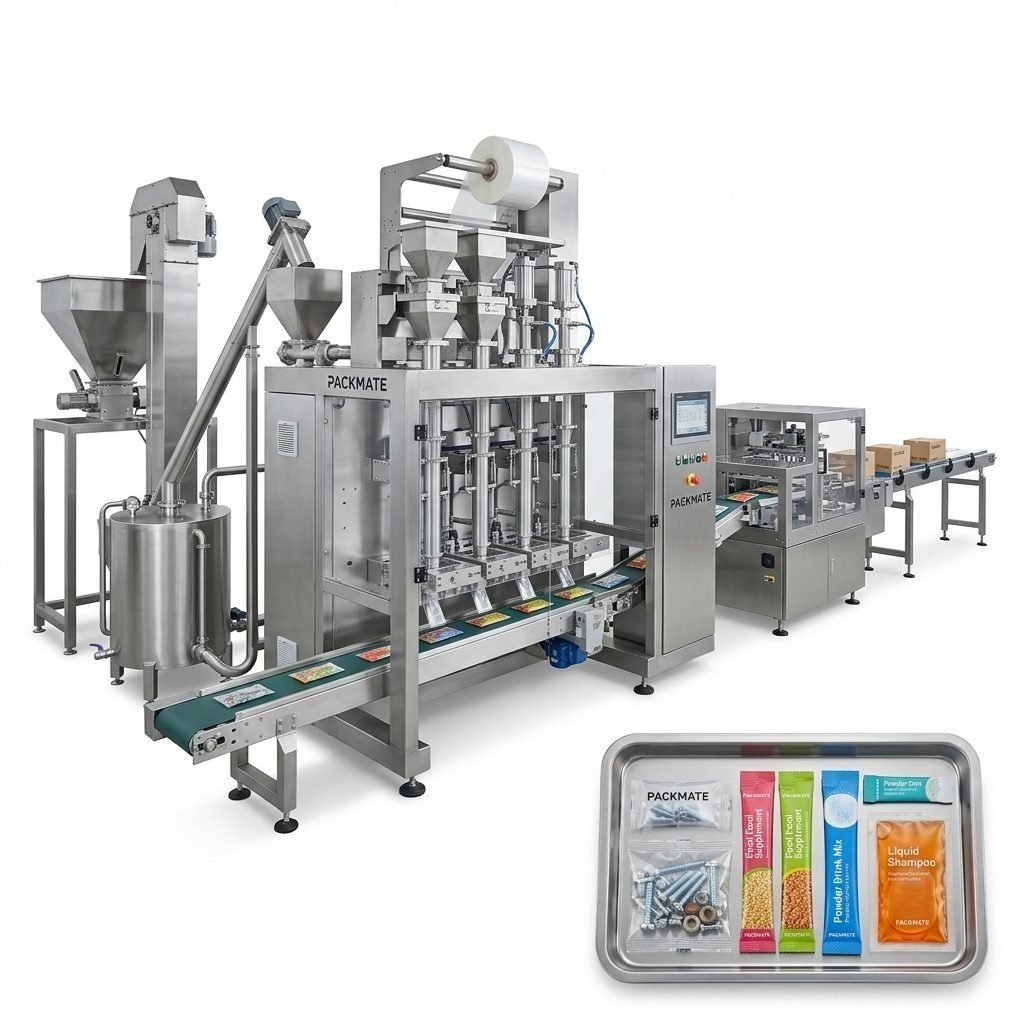
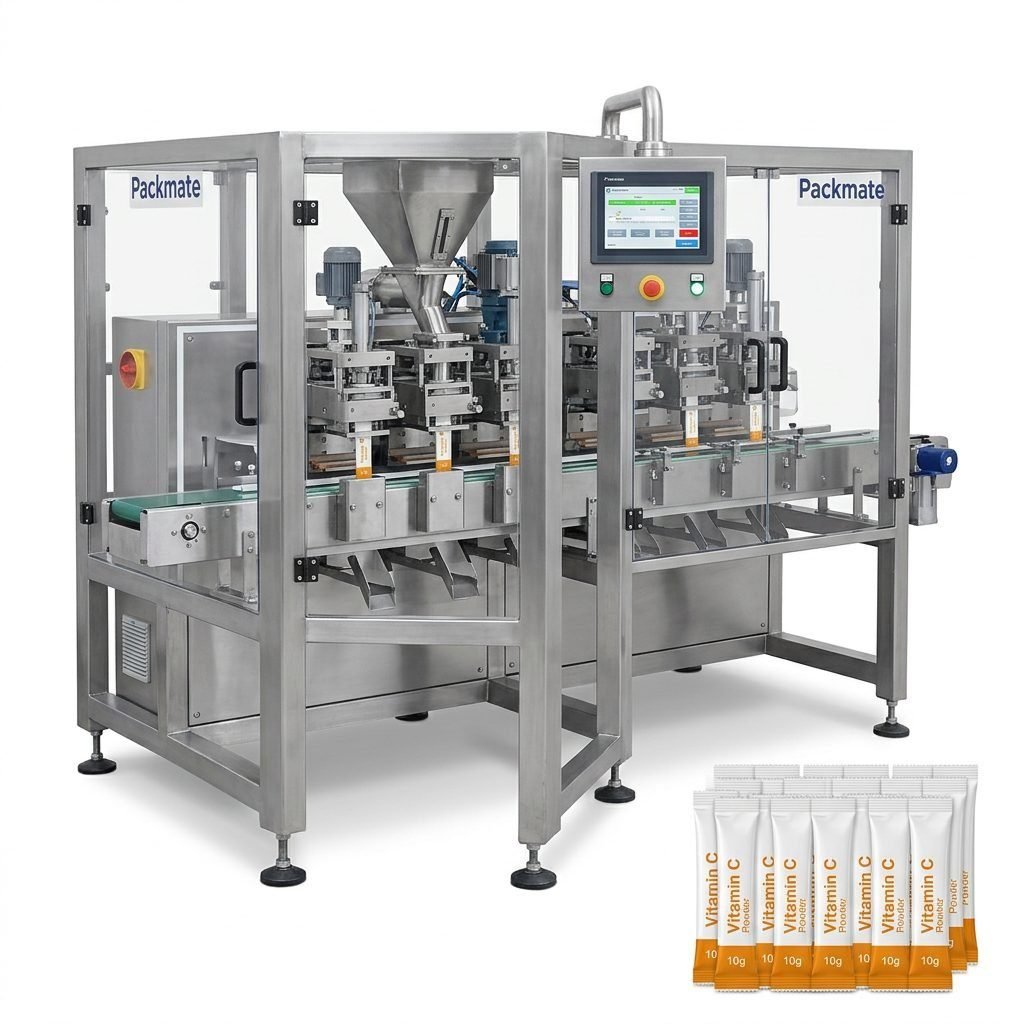
Packaging Format: Do you need sachets, stick packs, pouches, or bottles? The final package style dictates the machine technology.
Local Support & Environment: Consider the local availability of technical expertise, spare parts, and the operating environment (humidity, temperature). Machines must be robust and relatively simple to maintain.
Key Steps in the Vetting Process
Once you have a clear specification, follow these steps to evaluate potential manufacturers.
1. Research and Create a Shortlist
Start by researching online. Look for manufacturers with proven experience in your specific product category. Industry-specific B2B platforms and trade directories are excellent starting points. A manufacturer with a history of exporting to regions with similar logistical challenges as the Pacific can be a plus. For instance, Ludyway has a strong export footprint across diverse markets, which often translates to experience in handling international logistics and documentation, a crucial factor for Solomon Islands importers.
2. Verify Company Credentials and Experience
Do not skip due diligence. A reliable manufacturer will be transparent about their history and capabilities.
- Company History & Stability: How long have they been in business? A company with decades of experience, like those founded around 30 years ago, often indicates stability and accumulated technical knowledge.
- Manufacturing Facility: Do they own a modern factory? A facility of 20,000 square meters or more suggests substantial production capacity and investment in infrastructure.
- Industry Specialization: Do they focus on food, pharmaceutical, or other sectors relevant to your product? Specialized knowledge ensures they understand your hygiene and regulatory needs.
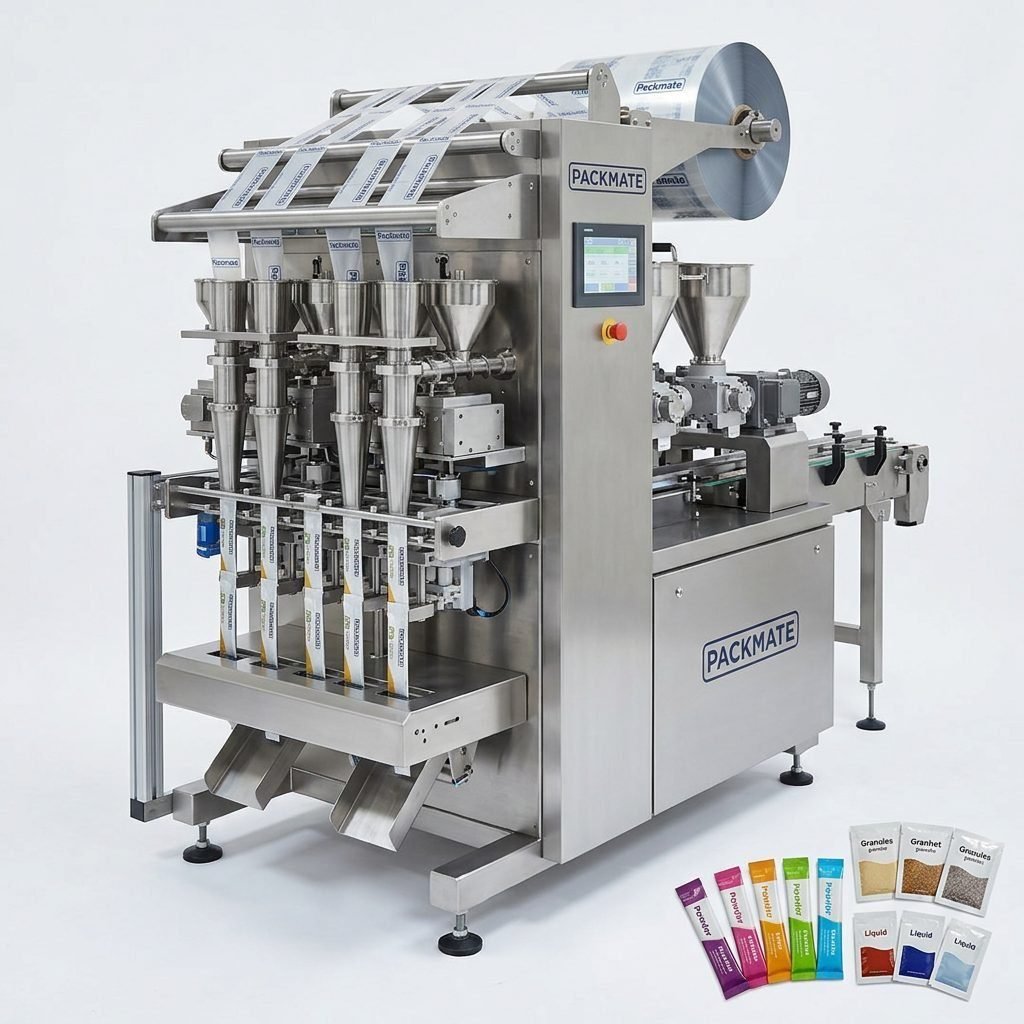
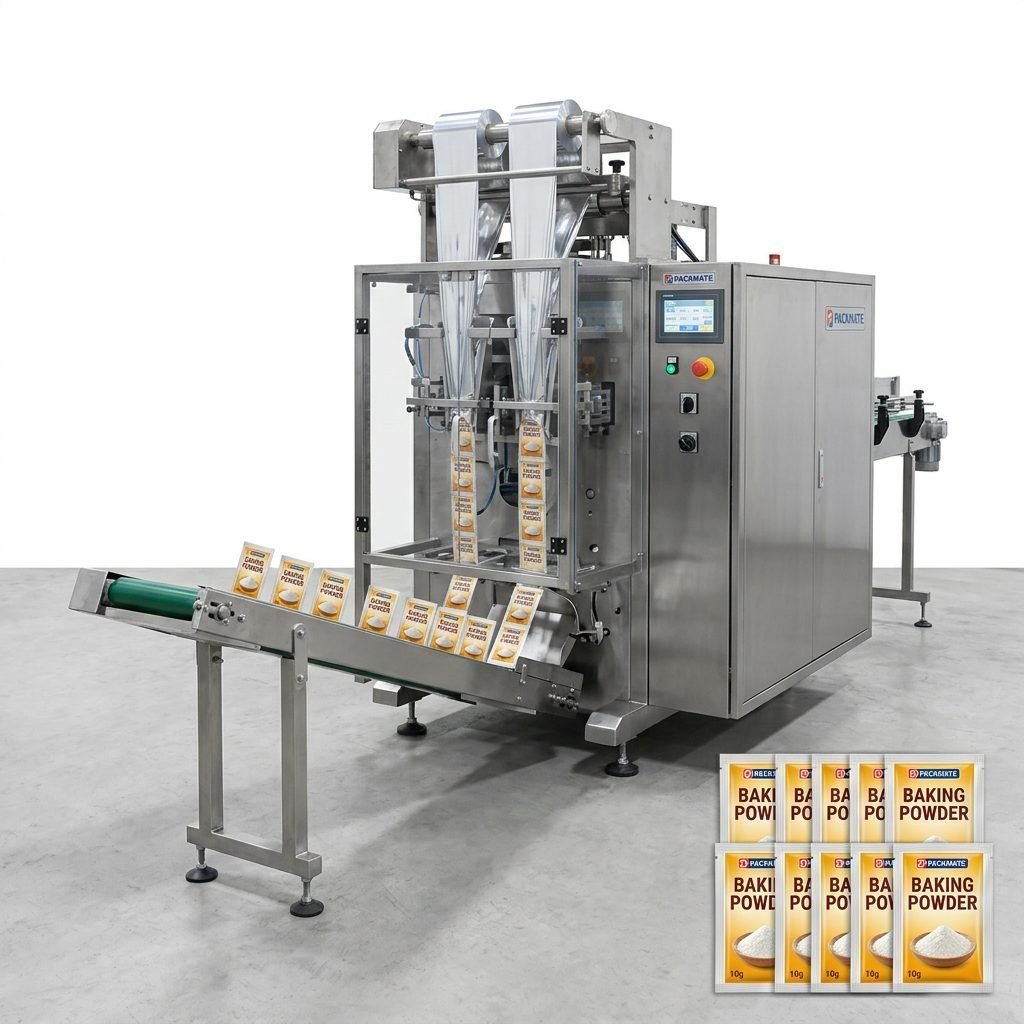
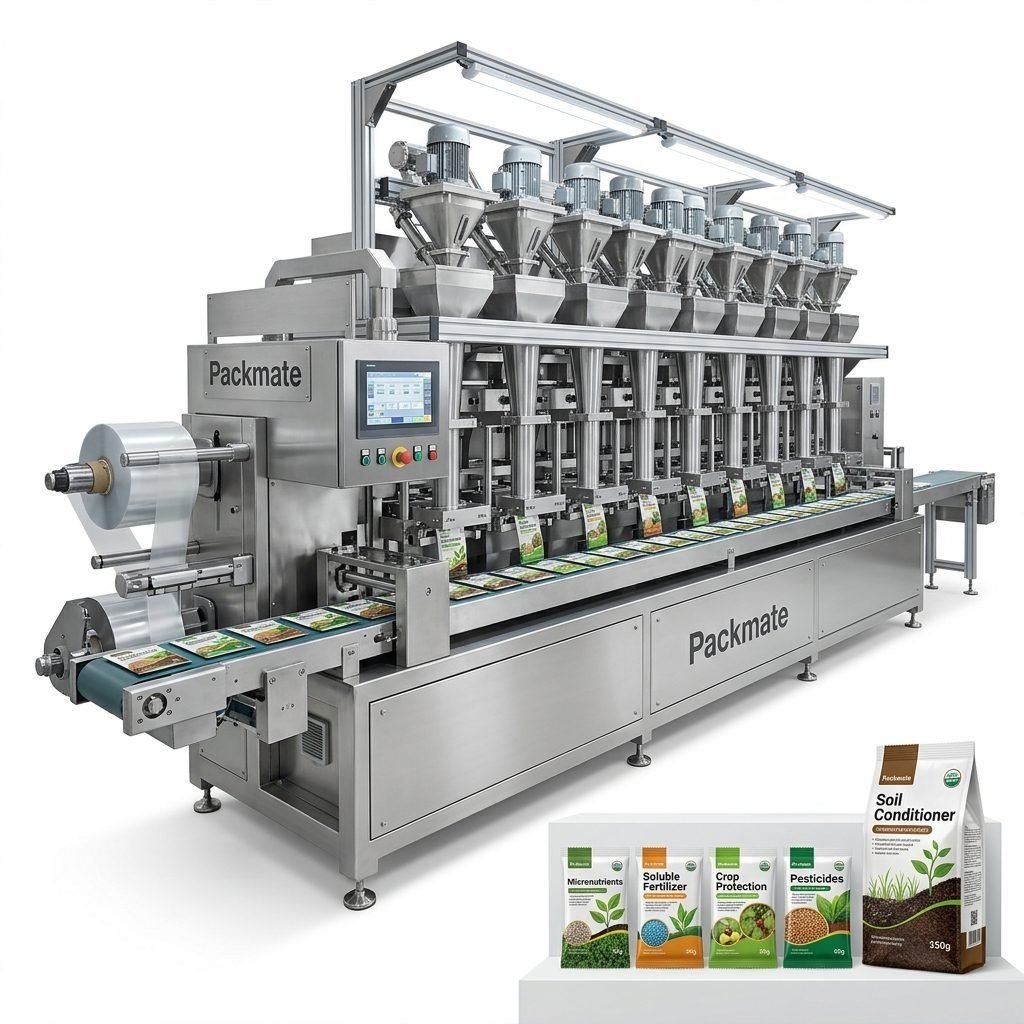
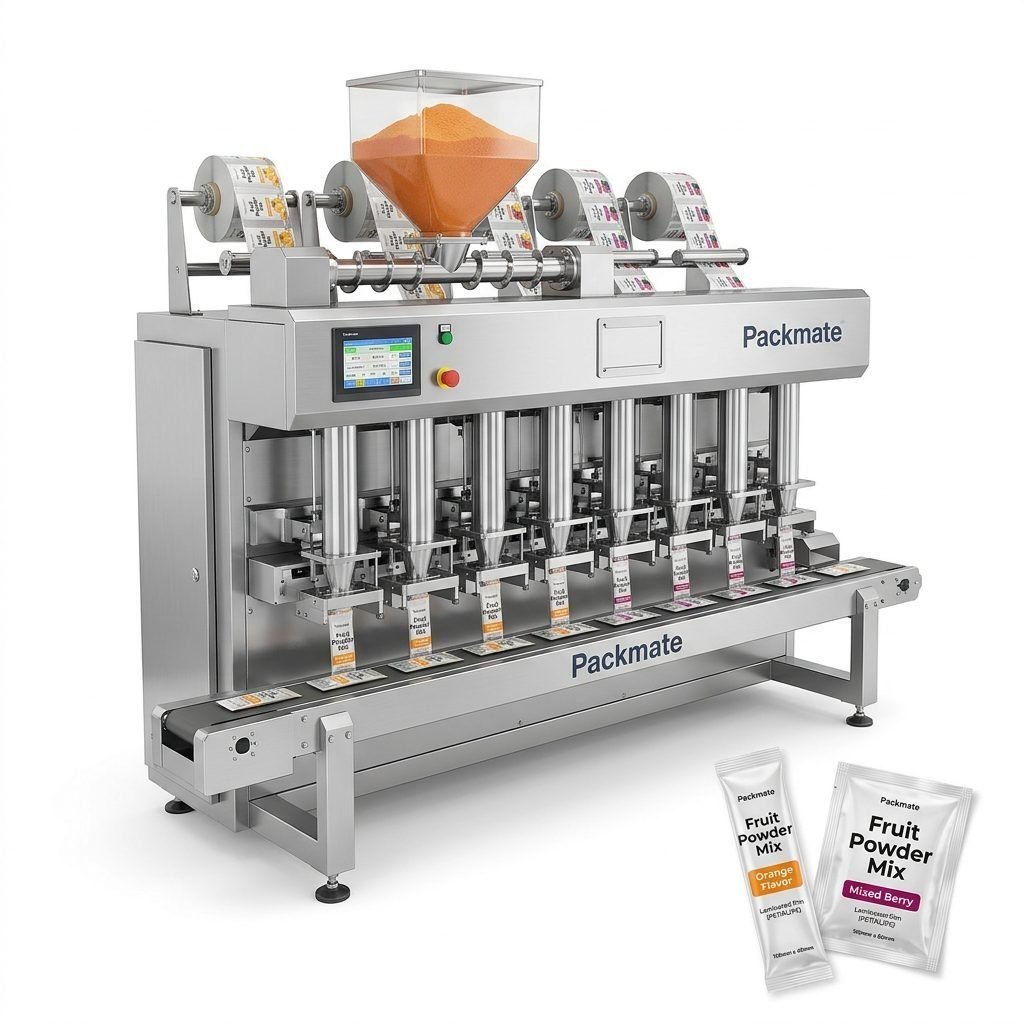
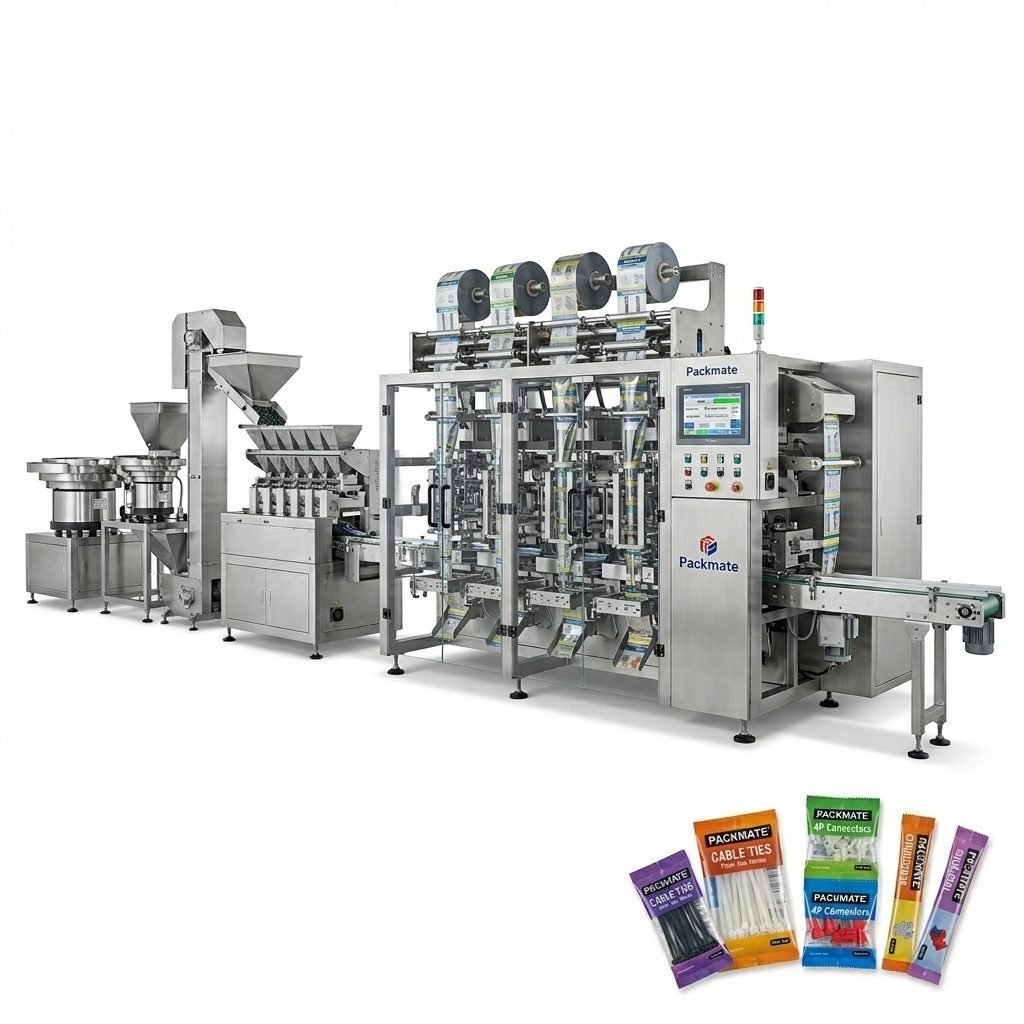
For example, Packmate Machinery highlights over 30 years of experience specifically in food, pharmaceutical, and health supplement packaging, which is highly relevant for many Solomon Islands products.
3. Assess Technical Capability and Customization
Your product might have unique characteristics. Discuss your specific needs in detail.
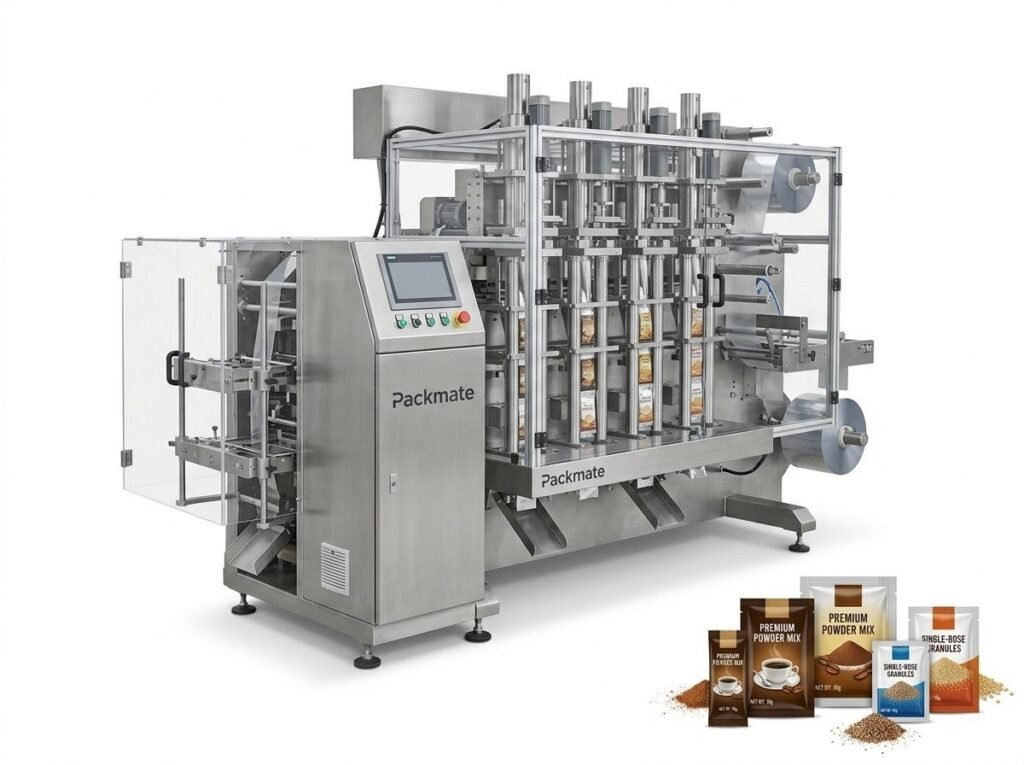
- Customization Ability: Can they adapt a standard machine to your specific bag size, material, or filling weight? Manufacturers like PackingMachineOEM explicitly focus on non-standard and customized solutions, which can be vital for unique local products.
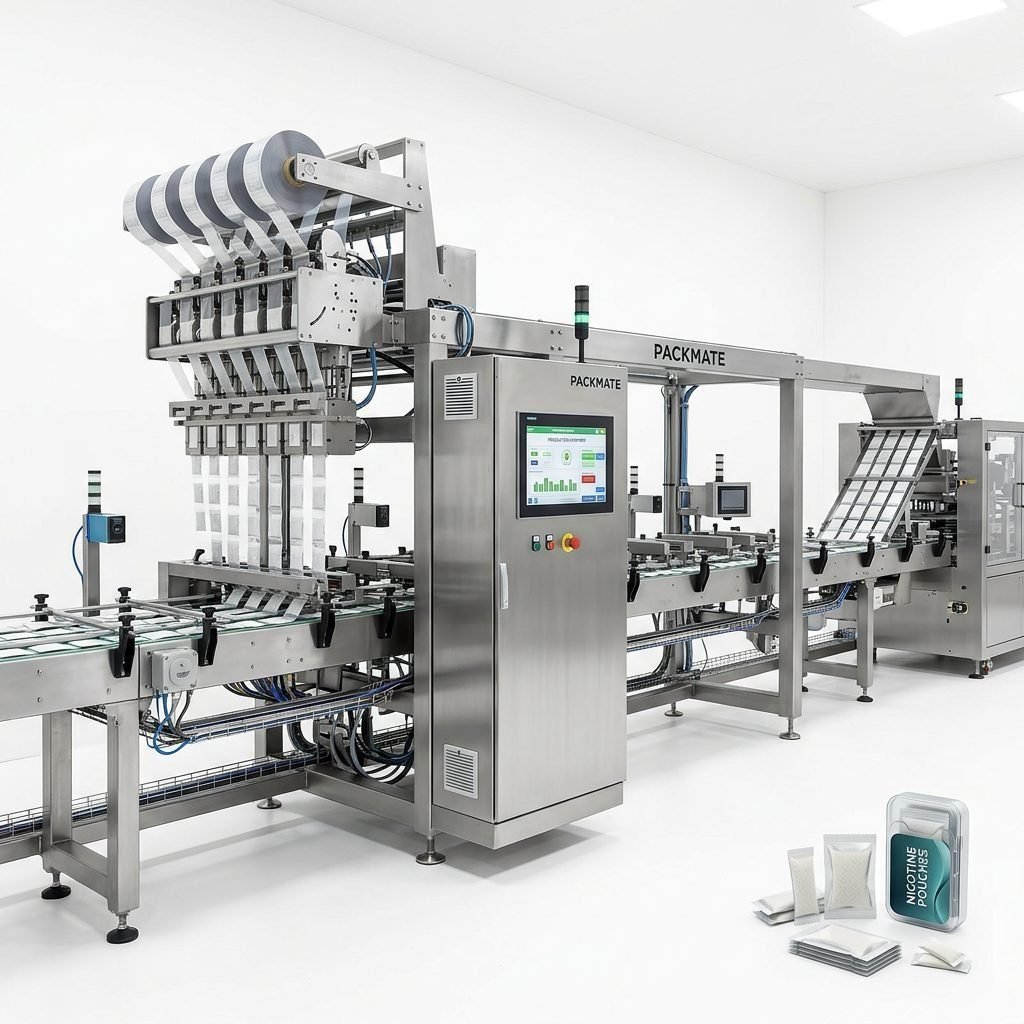
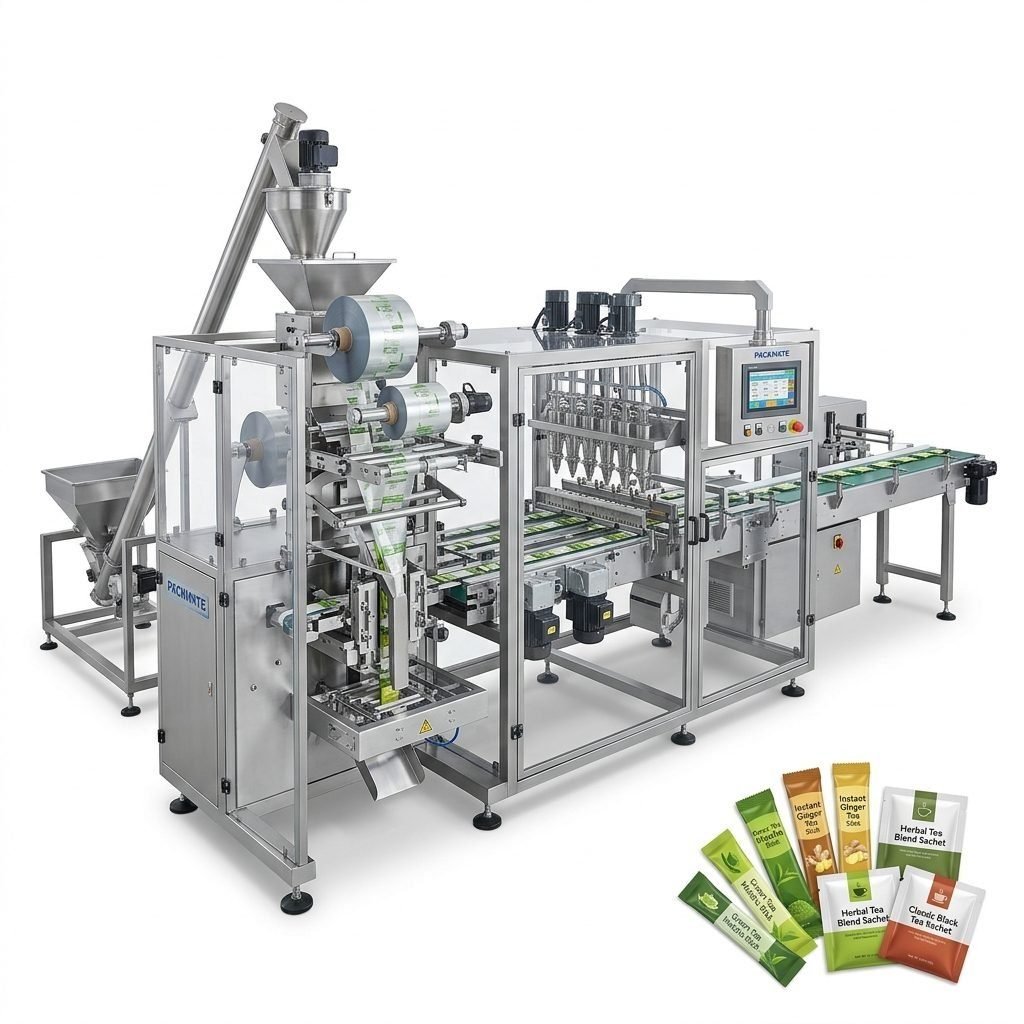
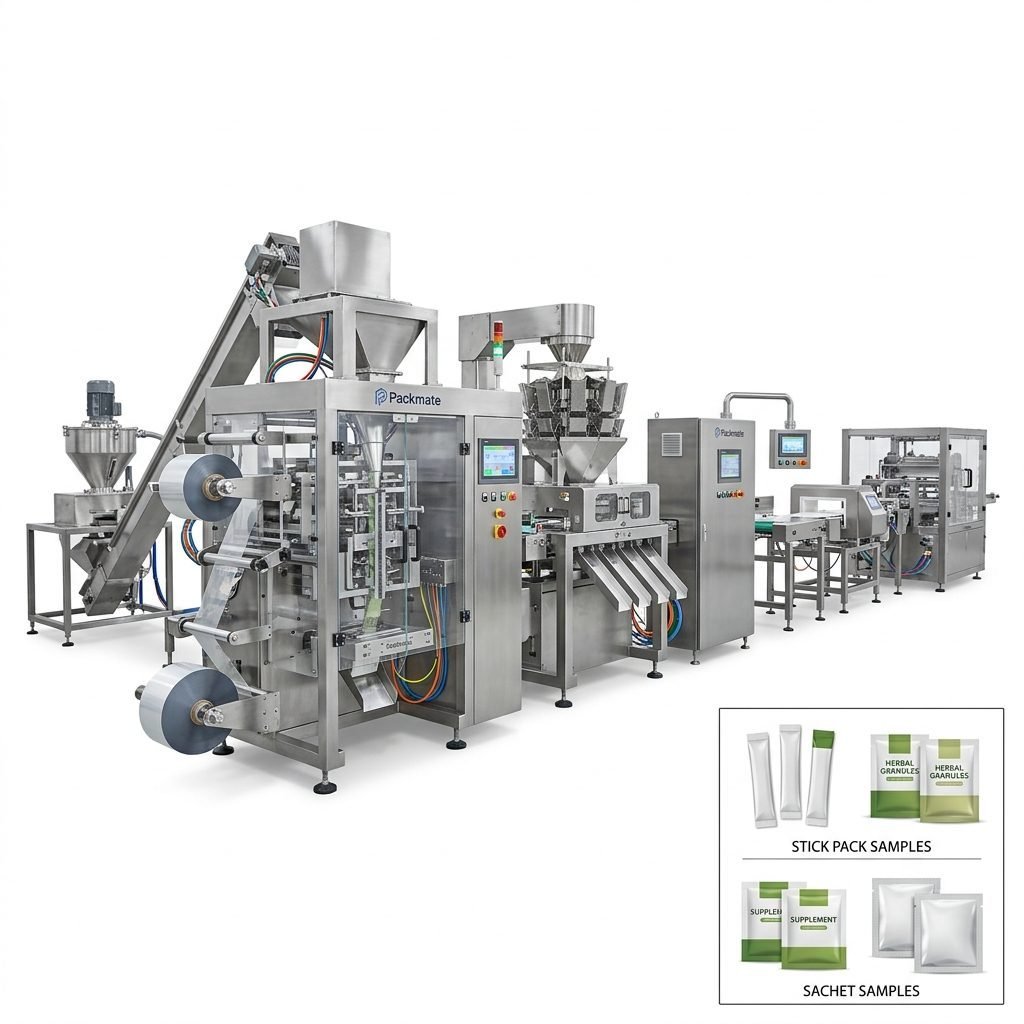
- Turnkey Solutions: Do you need just a machine or a complete line (filling, sealing, conveying, labeling)? Companies such as PacklineOEM specialize in integrated packaging lines, which can simplify your project management.
- Request for a Video Test: Ask to see a video of a similar machine running a product akin to yours. This is often more feasible than an in-person factory visit from the Solomon Islands.
4. Analyze After-Sales Support and Training
This is arguably the most critical factor for a remote location. The cost of downtime is high.
Warranty: What is covered and for how long?
Technical Support: Is remote support (phone, video call) available in your time zone? What is the typical response time?
Spare Parts: How quickly can critical spare parts be shipped to the Solomon Islands? Do they maintain a common parts inventory?
Installation & Training: Do they offer on-site installation and operator training? If not, is comprehensive remote training and documentation provided?
5. Check References and Export Experience
Ask for customer references, particularly those in the Asia-Pacific region or other island nations. A manufacturer with a wide export network, like SnusMachinery which exports to over 100 countries, is likely familiar with export procedures, shipping, and providing support across distances.
Financial and Logistical Considerations
Beyond the machine price, factor in the total cost of ownership.
| Cost Factor | Considerations for Solomon Islands Importers |
|---|---|
| Machine Price & Payment Terms | Compare FOB vs. CIF quotes. Understand what Incoterm is used. Negotiate milestone-based payments linked to production, testing, and shipment. |
| Shipping & Logistics | Freight costs to Honiara can be significant. Work with the manufacturer or a freight forwarder experienced in Pacific routes. Ensure proper crating for sea voyage. |
| Import Duties & Customs | Clarify all import duties, taxes, and clearance procedures in the Solomon Islands. The manufacturer should provide accurate commercial invoices and packing lists. |
| Installation & Commissioning | Budget for potential on-site engineer costs if required. Alternatively, ensure remote support is robust and includes detailed manuals and video guides. |
Building a Successful Partnership
Selecting a manufacturer is the start of a long-term relationship. Clear communication is key. Be precise about your requirements, ask questions, and ensure all agreements regarding specifications, delivery, payment, and support are documented in a formal contract. A reliable partner will not just sell you a machine but will support your business growth in the Solomon Islands by ensuring your packaging line runs smoothly and efficiently for years to come.
Frequently Asked Questions (FAQs)
Q: How can I verify a manufacturer’s quality without visiting their factory in person?
A: Request detailed factory audit reports, certifications (like CE, ISO), high-resolution photos and videos of the production process and facility, and ask for contact information of past clients in similar regions for references.
Q: What is the typical lead time for a packaging machine to be delivered to the Solomon Islands?
A: Lead times vary but typically range from 60 to 120 days after order confirmation. This includes manufacturing, testing, and shipping. Sea freight to the Pacific can add several weeks. Always get a detailed schedule from the supplier.
Q: Are there specific machine features I should prioritize for the Solomon Islands’ climate?
A: Yes. Prioritize machines with good corrosion resistance (e.g., stainless steel contact parts), stable performance in high humidity, and simple, robust designs that are easier to maintain locally with potentially limited technical resources.
Q: Can manufacturers provide training for my local staff remotely?
A: Most reputable manufacturers now offer comprehensive remote training via video conferencing, detailed operation manuals, and video tutorials. This has become a standard service, especially post-pandemic, and is very effective.
Q: What should I do if a machine breaks down and I need a spare part urgently?
A: Before purchasing, clarify the supplier’s spare parts policy. Reliable manufacturers will keep an inventory of common wear parts and offer expedited shipping. Ensure you have a list of critical spares to keep on hand in Honiara.