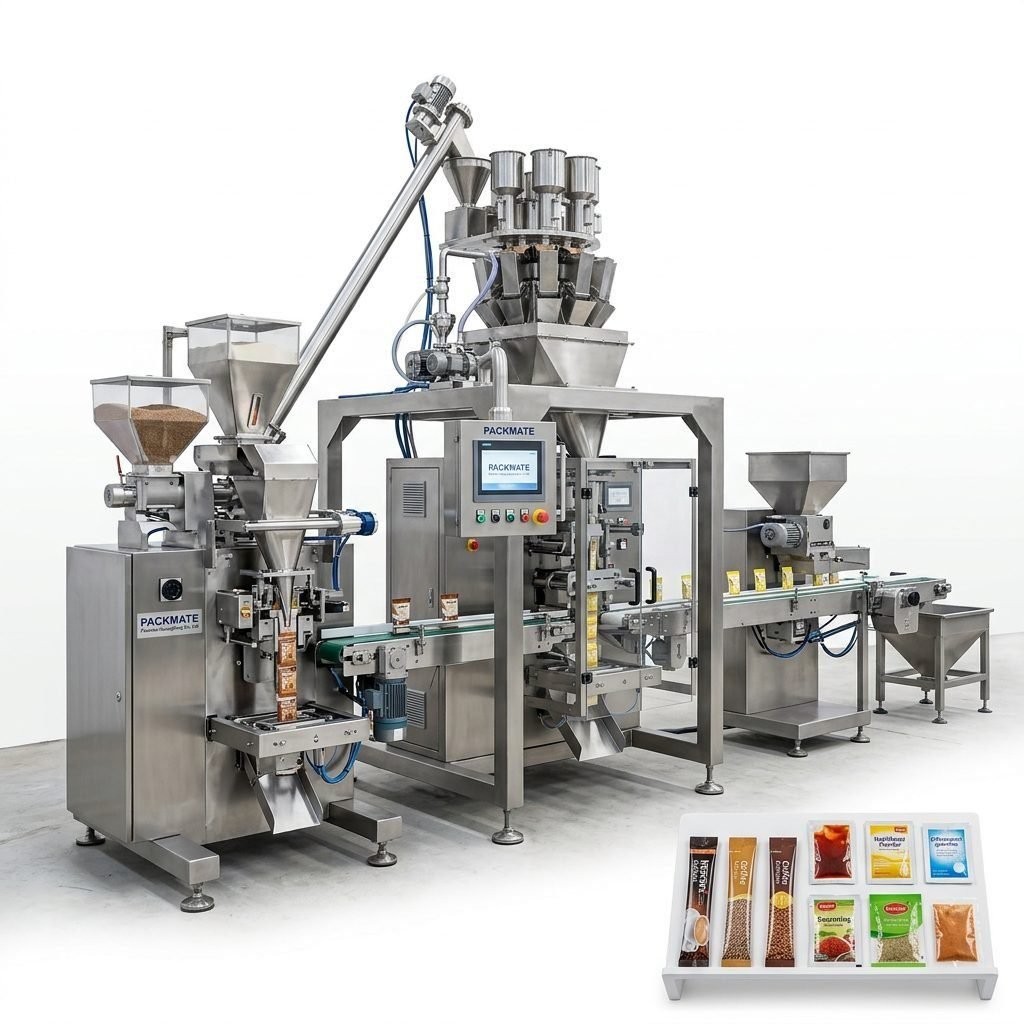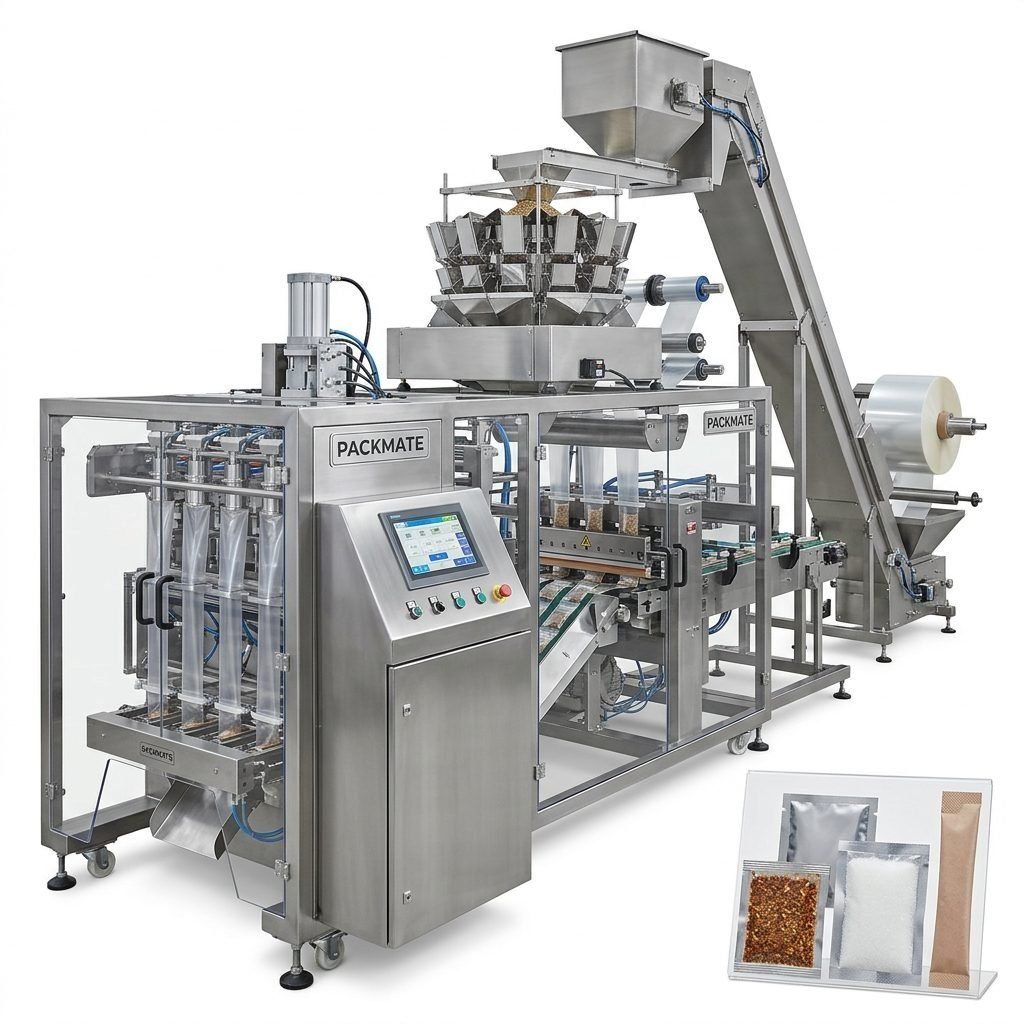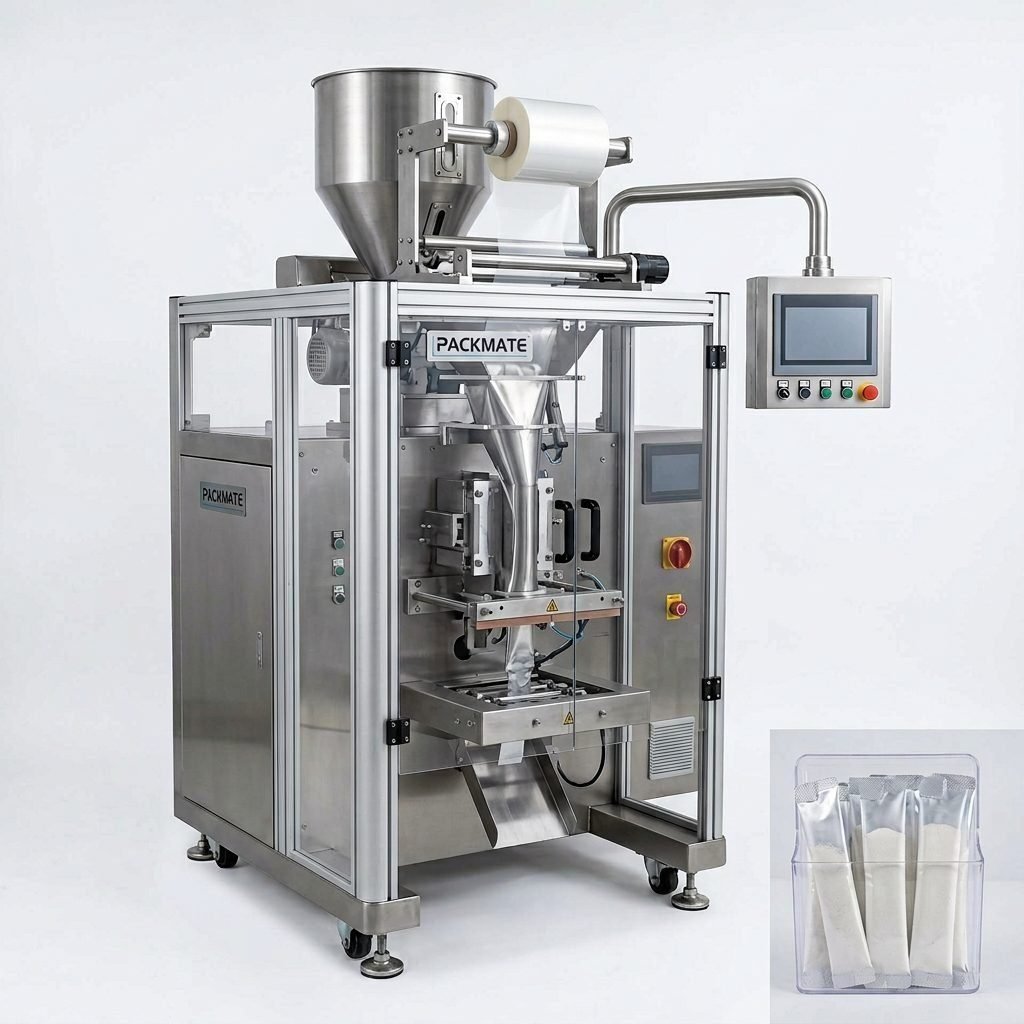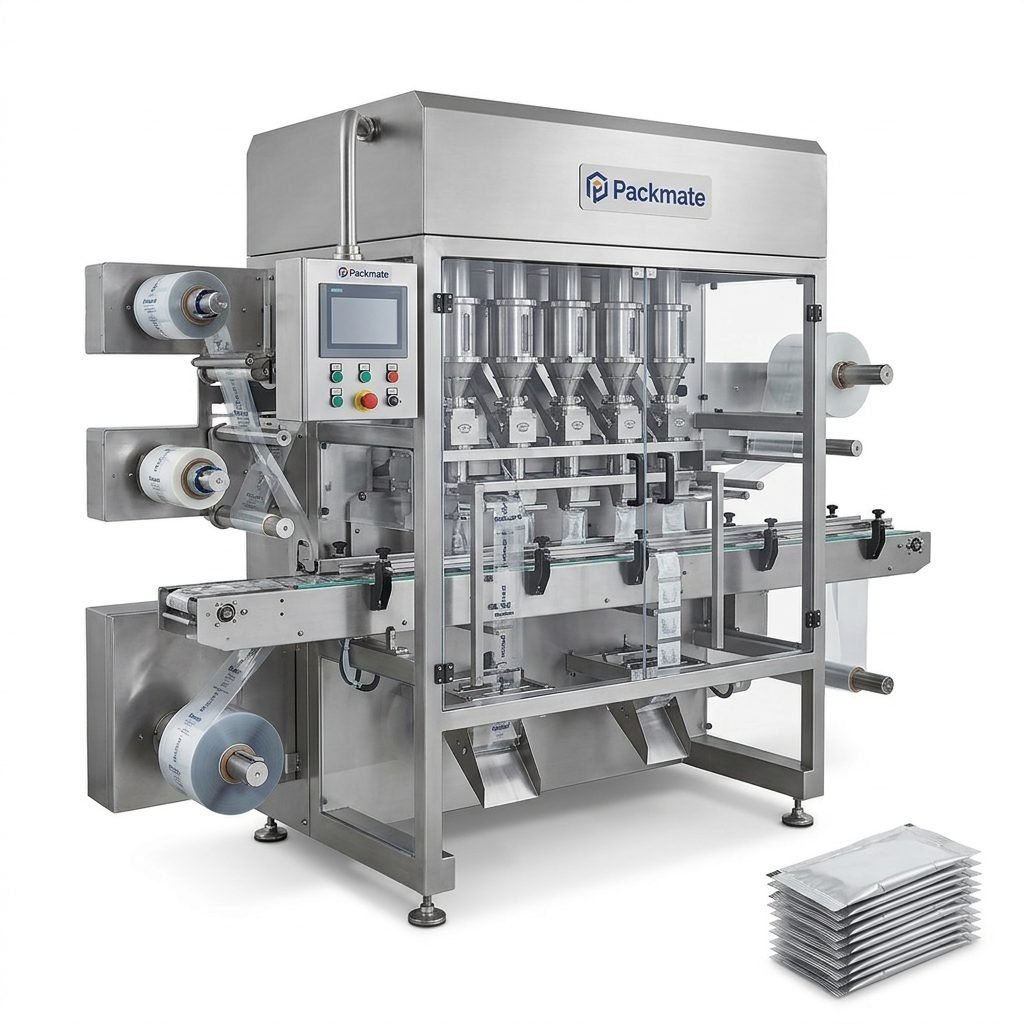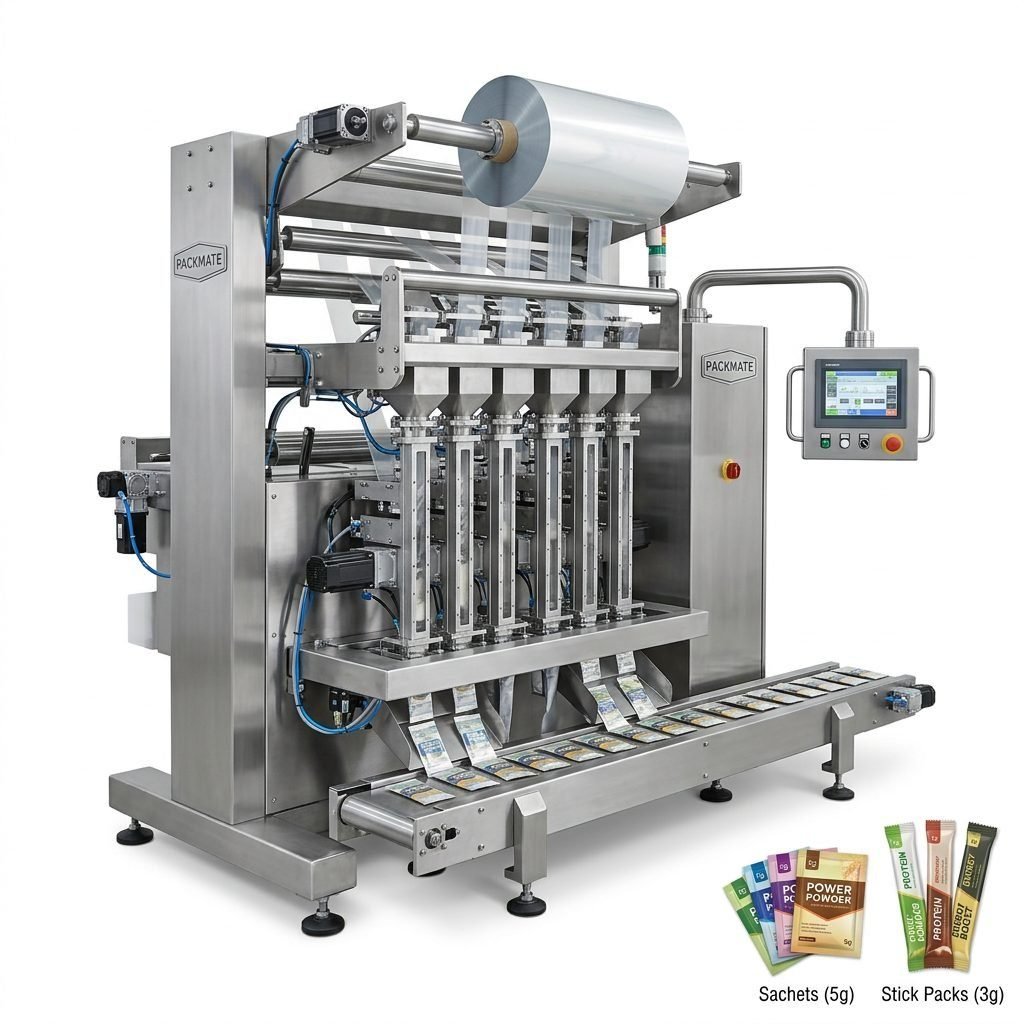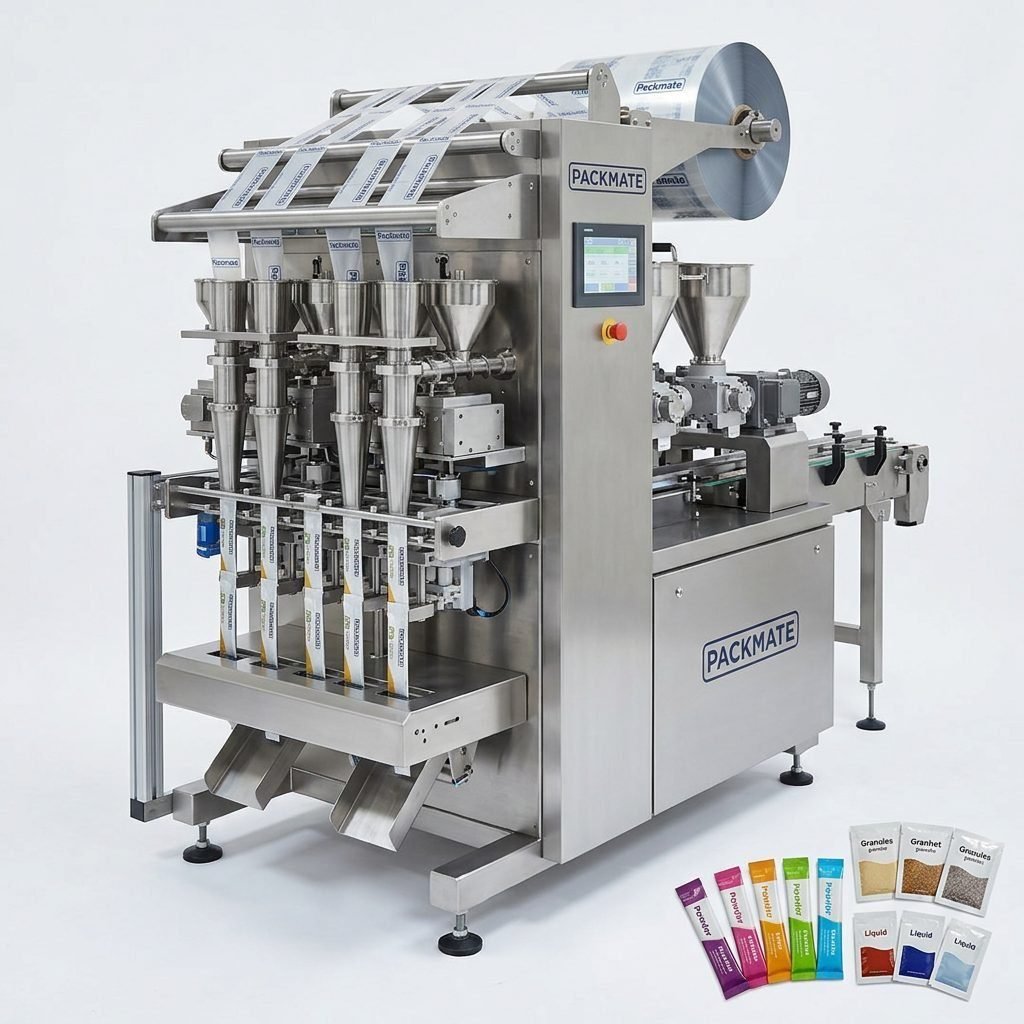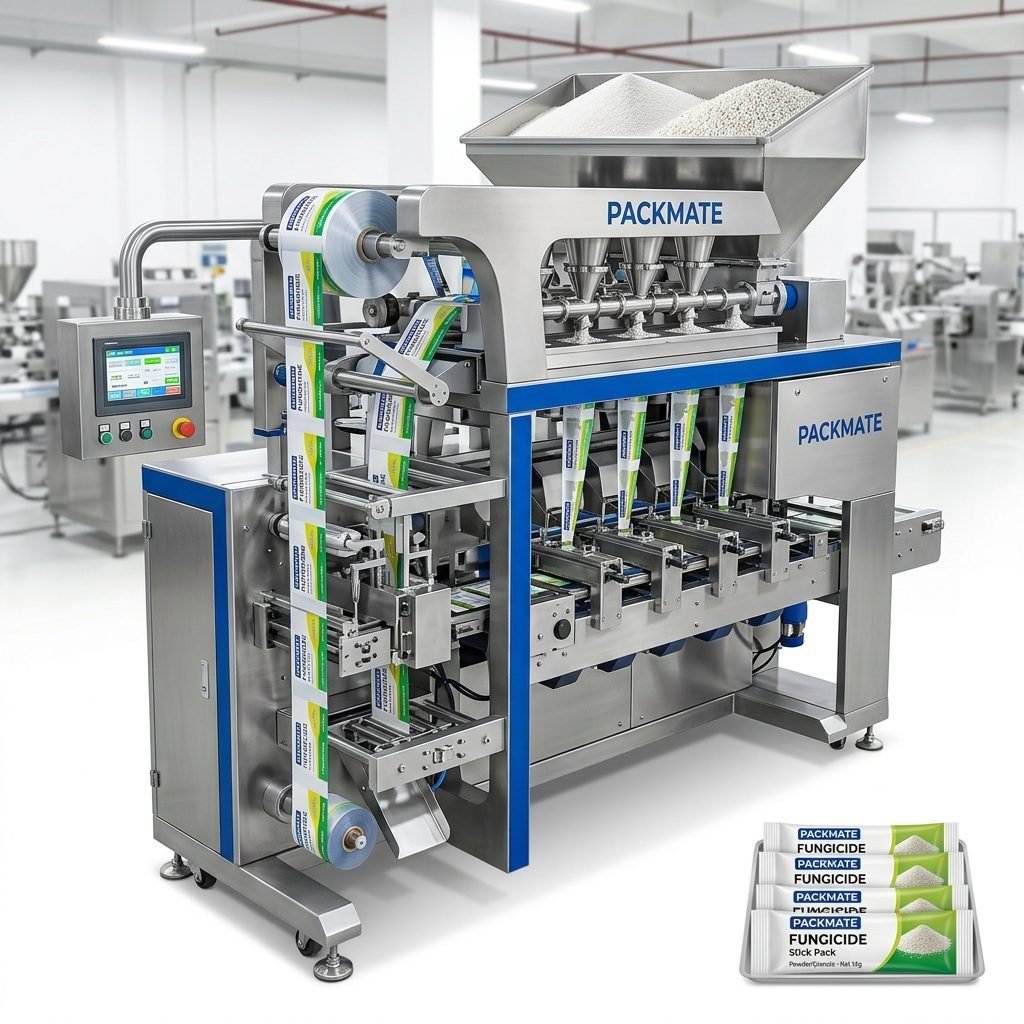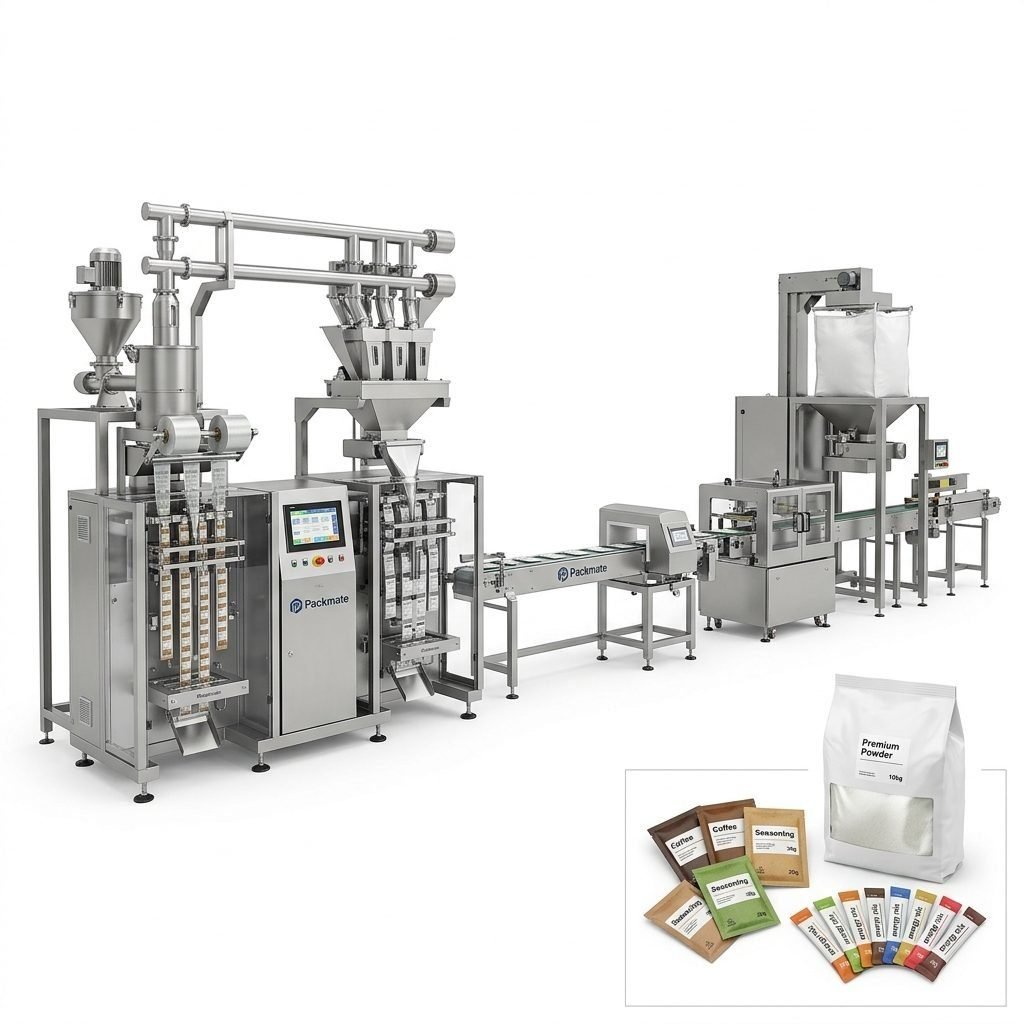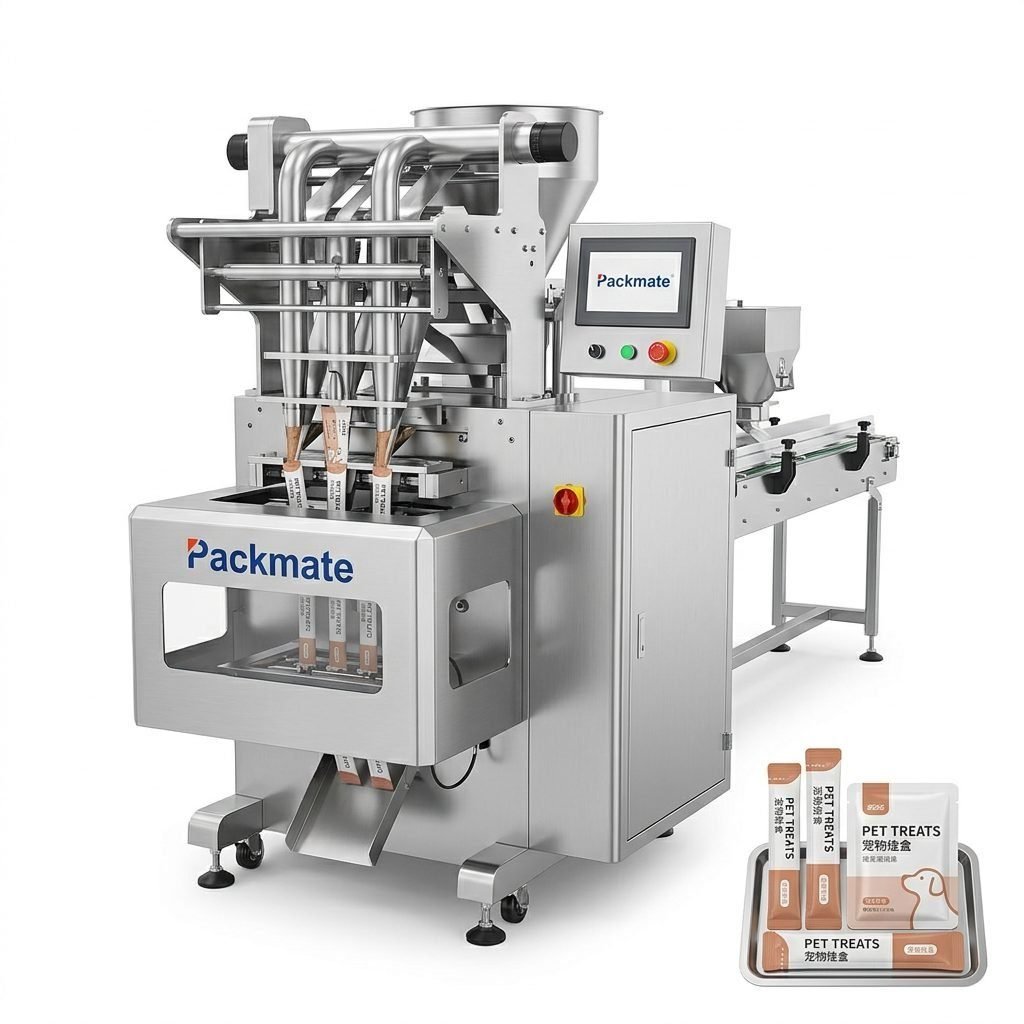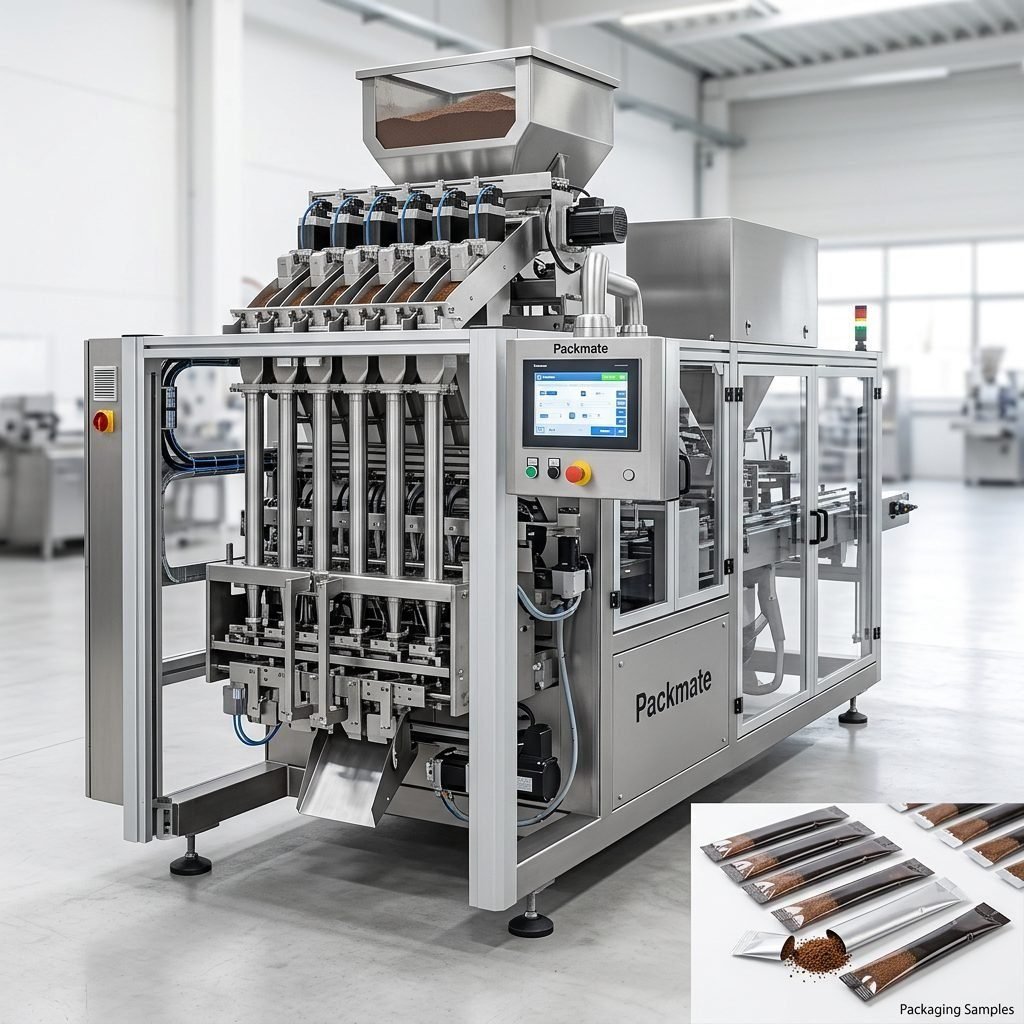
Choosing the right liquid pouch filling machine is a critical decision for any production facility. An automatic solution can dramatically increase your output, improve product consistency, and reduce labor costs. However, with numerous manufacturers and models available, selecting the best machine for your specific needs requires careful consideration of several key factors. This guide will walk you through the essential criteria to ensure you invest in a solution that enhances your packaging line’s efficiency and reliability.
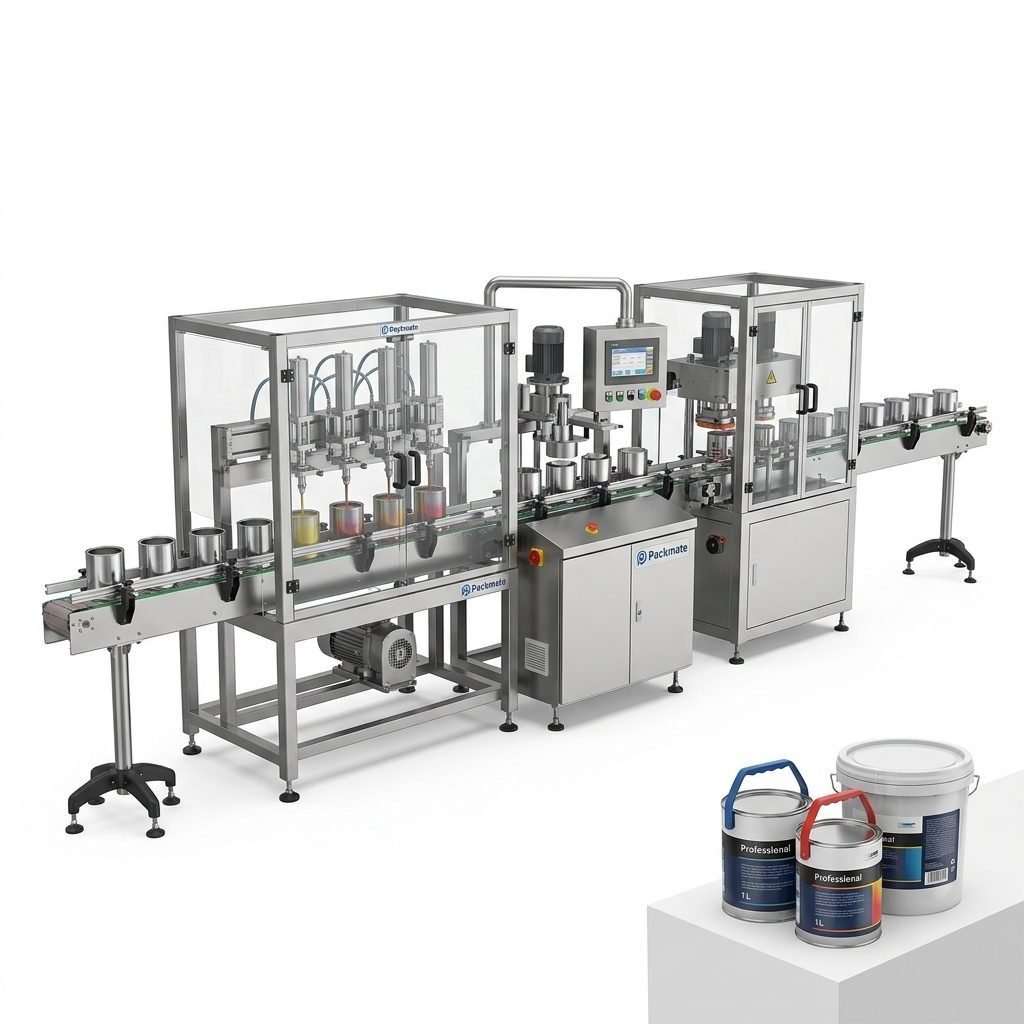
Key Factors for Selecting a Liquid Pouch Filling Machine
The ideal machine is not a one-size-fits-all proposition. Your choice must be tailored to your product, production goals, and operational environment. Here are the primary factors to evaluate.
1. Product Characteristics and Viscosity
The physical properties of your liquid are paramount. Machines are designed to handle different viscosities—from water-thin solvents to thick pastes, creams, or oils. High-viscosity products may require piston or pump fillers, while low-viscosity liquids can use gravity or volumetric cup fillers. Also, consider if the product is foamy, corrosive, or contains particulates, as this will influence the choice of pump materials (e.g., stainless steel, sanitary fittings) and filling technology.
Pro Tip: Always provide a sample of your product to the machine manufacturer. They can conduct tests to determine the most accurate and reliable filling method and recommend compatible machine components.
2. Production Speed and Output Requirements
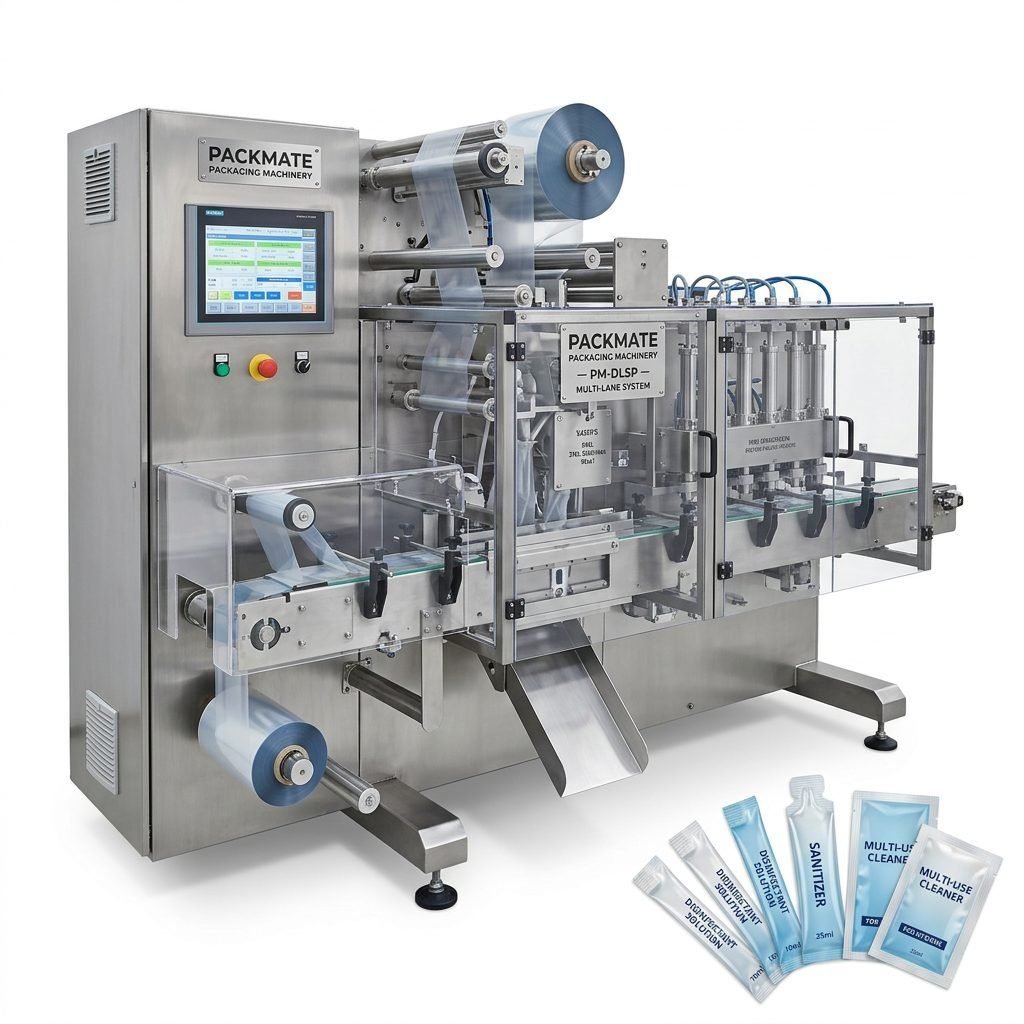
Your required output, measured in pouches per minute (PPM), directly dictates the machine’s configuration. For lower-volume runs, a single-lane machine might suffice. For high-volume production, multi-lane machines are essential. Consider not just your current needs but also future growth. A modular machine that allows for lane expansion can be a wise long-term investment. Leading manufacturers like Ludyway offer scalable solutions that can grow with your business.
3. Pouch Type and Size
Liquid pouches come in various styles: stand-up pouches (doypack), three-side seal pouches, spouted pouches, or stick packs. The machine must be compatible with your chosen pouch format. Furthermore, the machine must handle your range of pouch sizes (width, length, and gusset if applicable) and be easily adjustable for changeovers. Ensure the machine’s forming and sealing mechanisms are designed for your specific pouch material and structure.
4. Level of Automation
Define how automated you need your line to be. Options range from:
- Semi-Automatic: An operator manually loads pouches; the machine fills and seals. Suitable for low-volume, multi-SKU production.
- Fully Automatic: Integrated systems that automatically form, fill, and seal pouches from roll stock film. This is the standard for medium to high-volume production.
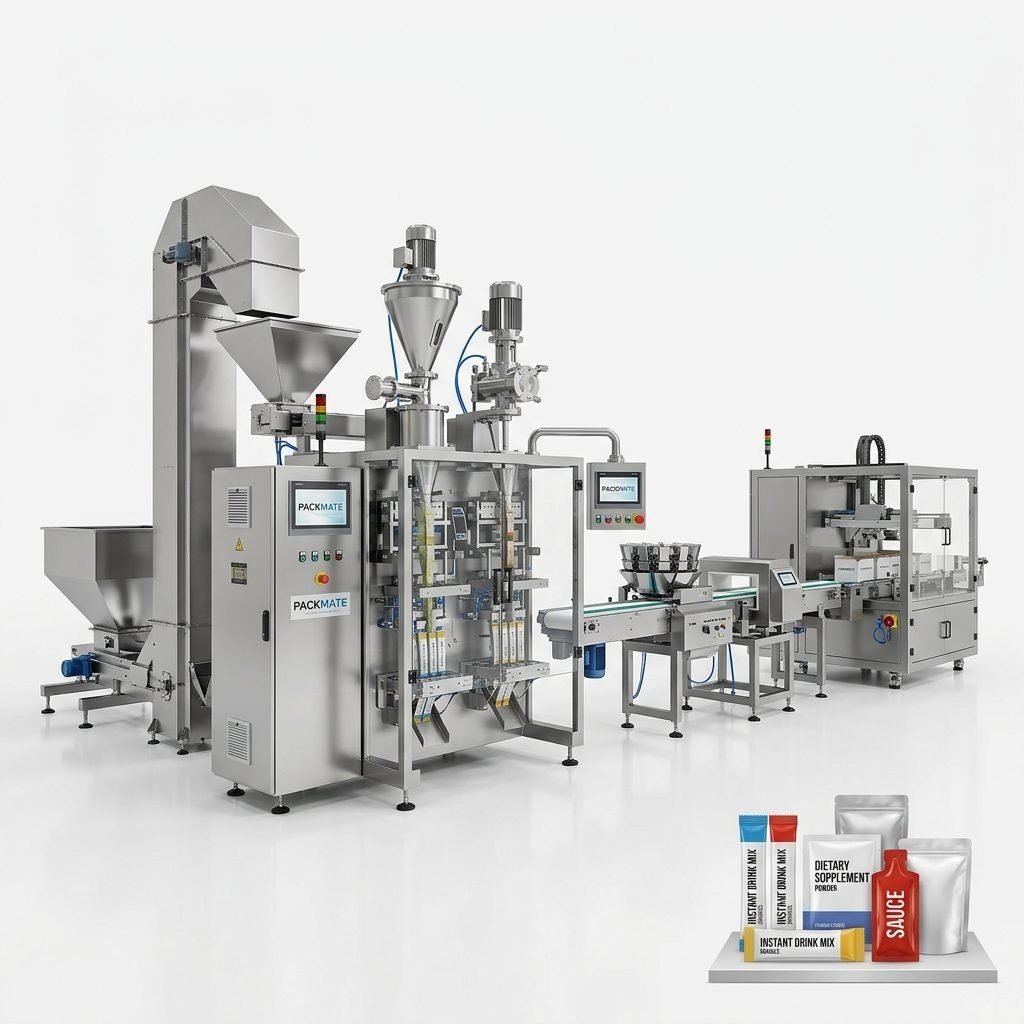
- Turnkey Lines: These include upstream (e.g., product mixing, conveying) and downstream (e.g., cartoning, case packing) automation. Companies like PacklineOEM specialize in designing and delivering these complete, integrated systems.
5. Filling Accuracy and Precision
For costly ingredients or products sold by precise volume/weight, filling accuracy is non-negotiable. Look for machines with advanced filling systems like servo-driven pumps or weigh-fill technology, which offer high precision (±0.5-1%). Consistency across all pouches is crucial for brand integrity and regulatory compliance, especially in the pharmaceutical and food sectors.
| Filling Technology | Best For | Typical Accuracy |
|---|---|---|
| Volumetric Pump (Piston, Gear) | Medium to high-viscosity liquids, pastes, creams | ±0.5% – 1% |
| Time-Pressure / Gravity | Low-viscosity, free-flowing liquids | ±1% – 2% |
| Net Weight Scale | High-value products, extreme accuracy needs | ±0.1% – 0.5% |
6. Hygiene and Cleanability
If you package food, pharmaceuticals, or cosmetics, hygiene is critical. Machines should be constructed with food-grade stainless steel (e.g., 304 or 316L) in product contact areas. A design with minimal crevices and easy disassembly for cleaning (CIP/SIP capabilities) is a major advantage. This reduces downtime for sanitation and prevents cross-contamination.
7. Integration with Existing Line
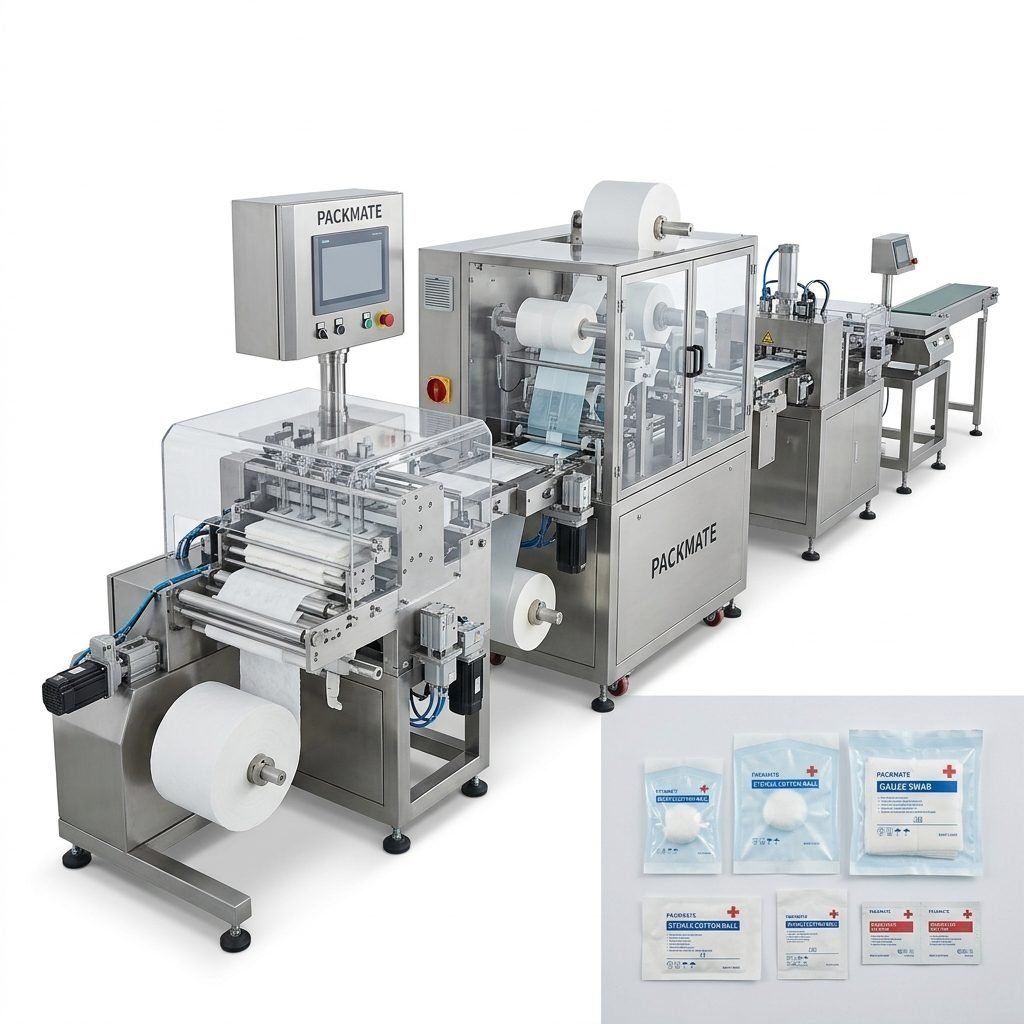
The new machine must seamlessly integrate with your current packaging line. Consider footprint, power requirements, control system compatibility (e.g., PLC interfaces), and connectivity for data collection (Industry 4.0). Will it need to interface with upstream mixers or downstream cartoners? Discussing your entire line layout with the supplier is essential. Manufacturers with strong engineering support, such as PackingMachineOEM, are adept at providing customized integration solutions.
Understanding the Manufacturer Landscape
Partnering with a reliable manufacturer is as important as choosing the right machine. Here’s what to look for:
Experience and Specialization
Look for a manufacturer with a proven track record in liquid packaging. Companies with decades of experience, like those with over 30 years in the industry, have often refined their designs for reliability. Some manufacturers specialize in niche areas; for example, SnusMachinery has deep expertise in nicotine pouch packaging, which involves precise liquid filling for moist snus.
Technical Support and After-Sales Service
Robust after-sales support is crucial. Inquire about the availability of spare parts, on-site installation and training, remote troubleshooting, and the responsiveness of the service team. A manufacturer with a strong global support network can minimize costly downtime.
Key Question to Ask: “What is your typical response time for technical support requests, and do you have service engineers or partners in my region?”
Customization Capability
Off-the-shelf machines may not meet all your needs. Whether it’s a unique pouch shape, a special filling nozzle to prevent dripping, or integration with proprietary software, the manufacturer’s ability to customize is vital. This is a core strength of OEM-focused suppliers who build solutions around the client’s specific product and process.
Quality and Compliance
The machine should be built to international quality and safety standards (e.g., CE, UL). For food and pharmaceutical applications, compliance with hygiene standards like GMP, FDA, or EHEDG guidelines is mandatory. Inspect the build quality, welding, and component selection during a factory audit or video tour.
Making the Final Decision
Once you’ve shortlisted potential machines and manufacturers, take these final steps:
- Request a Product Test: The most reliable way to evaluate a machine is to run your actual product on it. Reputable manufacturers offer testing services at their facility or can arrange a demonstration with a similar product.
- Analyze Total Cost of Ownership (TCO): Look beyond the initial purchase price. Factor in energy consumption, maintenance costs, spare part pricing, changeover time, and potential yield losses due to inaccuracy.
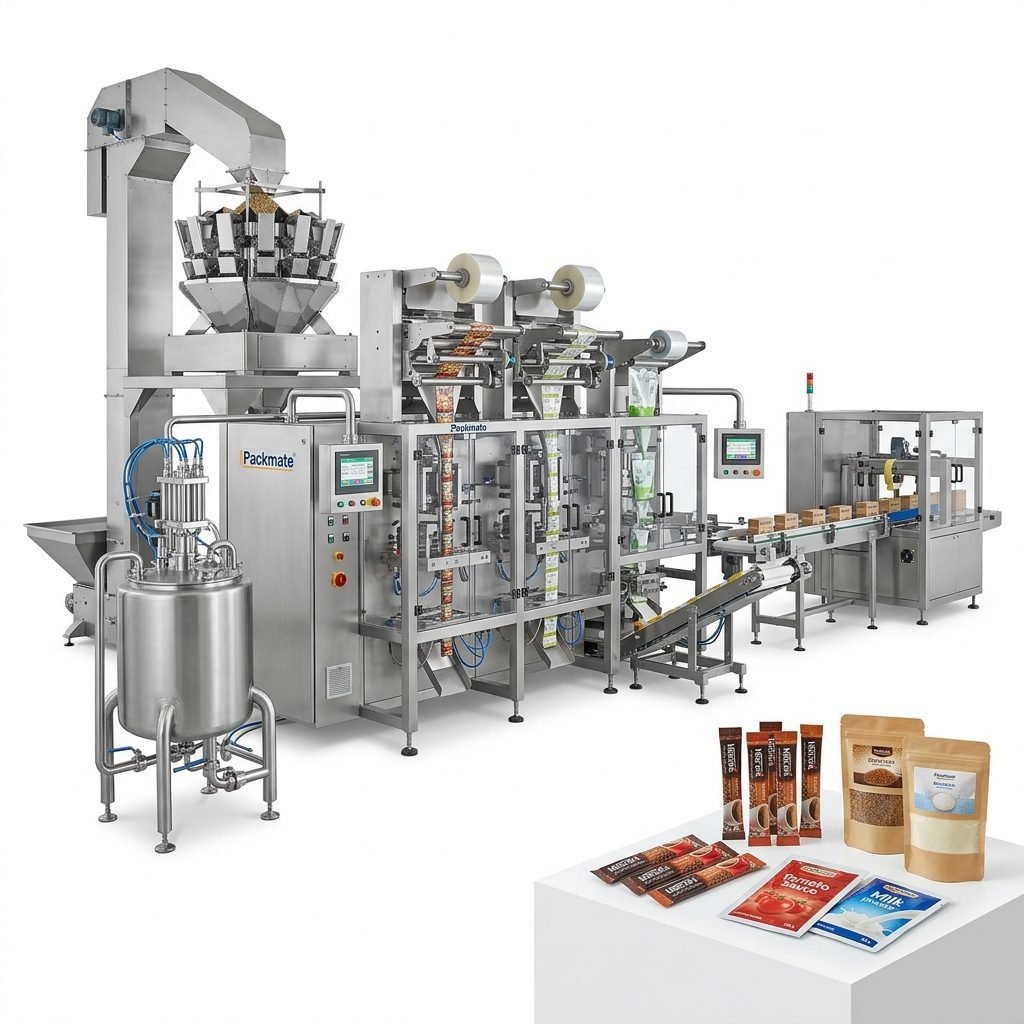
- Check References: Ask for case studies or contact existing customers, especially those with similar products or in your region. A manufacturer like Packmate Machinery, with a strong export presence, should be able to provide references from your market.
Frequently Asked Questions (FAQs)
What is the typical speed range for an automatic liquid pouch filler?
Speeds vary widely based on pouch size, liquid type, and machine configuration. Single-lane machines may run at 40-80 pouches per minute (PPM), while high-speed multi-lane machines can achieve 200-600+ PPM. The key is to match the speed to your required output without over-investing.
Can one machine handle different pouch sizes and liquid products?
Yes, most modern machines are designed for quick changeover. However, the ease and time required for changeover differ. Look for machines with tool-less adjustments, digital settings recall, and modular components to minimize downtime when switching products or pouch formats.
How important is the control system (HMI/PLC)?
Extremely important. A user-friendly, intuitive Human-Machine Interface (HMI) with a robust Programmable Logic Controller (PLC) simplifies operation, recipe management, troubleshooting, and provides valuable production data. It is the brain of the machine.
What maintenance is required for these machines?
Regular preventive maintenance is essential for longevity and uptime. This typically includes daily cleaning, lubrication of moving parts as per the manual, inspection of seals and gaskets, and calibration of filling heads. A good supplier will provide a detailed maintenance schedule and training.
What are the common challenges with liquid pouch filling, and how are they addressed?
Common issues include dripping/nozzle clogging (solved by anti-drip valves and nozzle design), filling accuracy (solved by choosing the right pump technology), and seal integrity (solved by precise temperature and pressure control on sealing jaws). A reputable manufacturer will have engineered solutions for these common pain points.