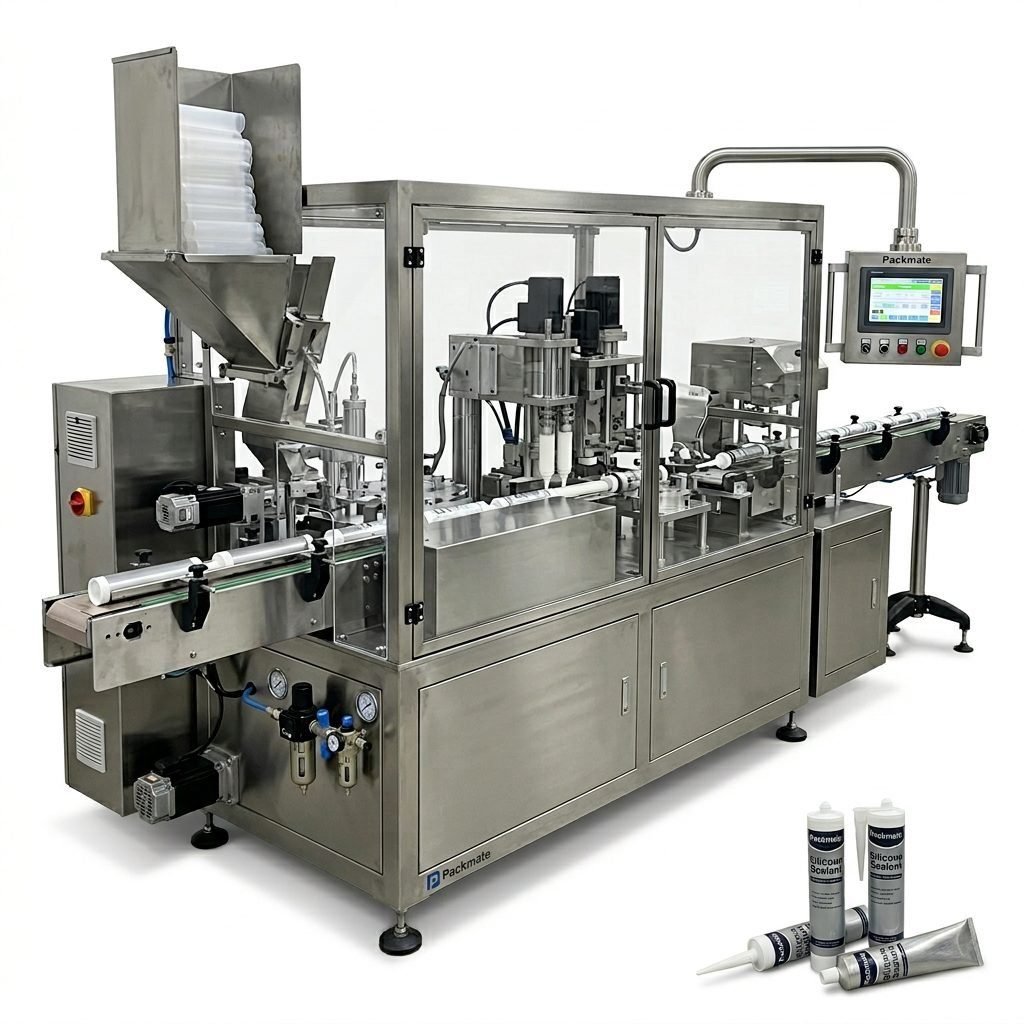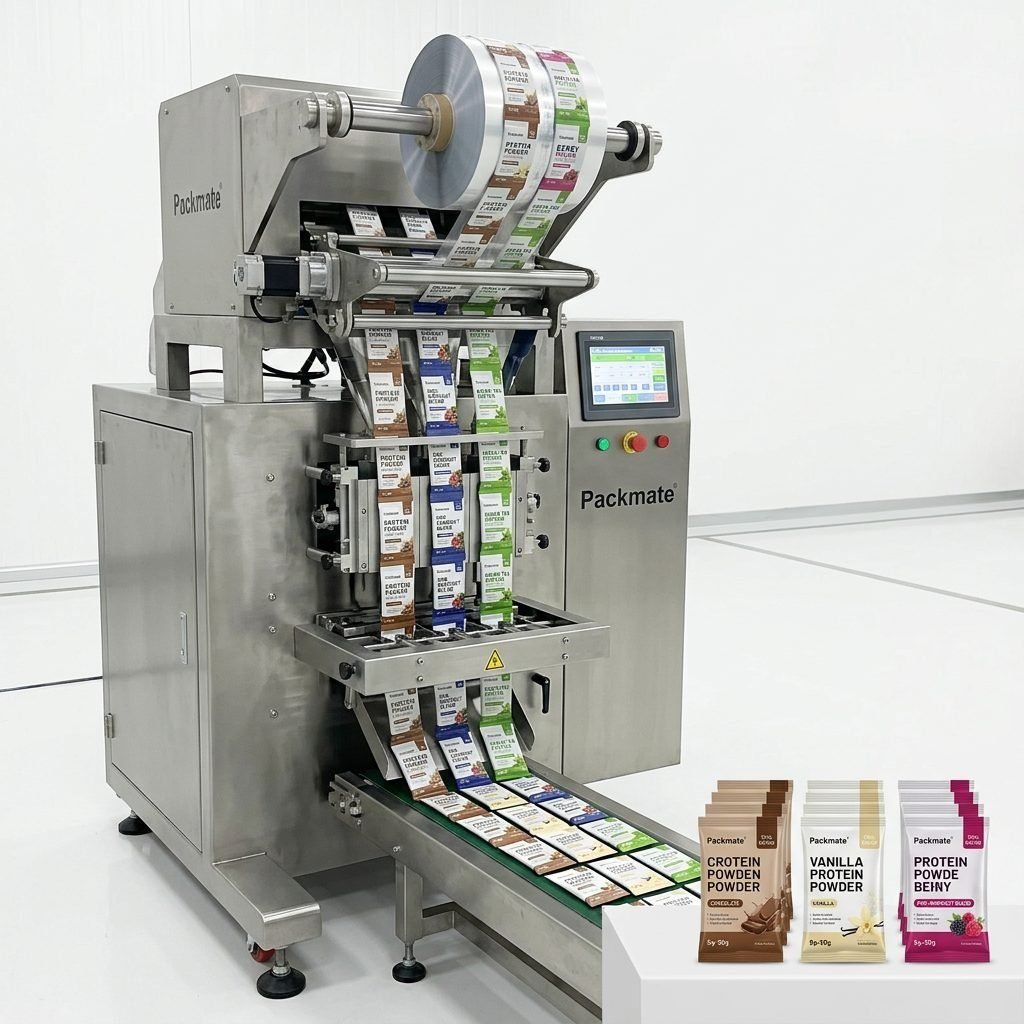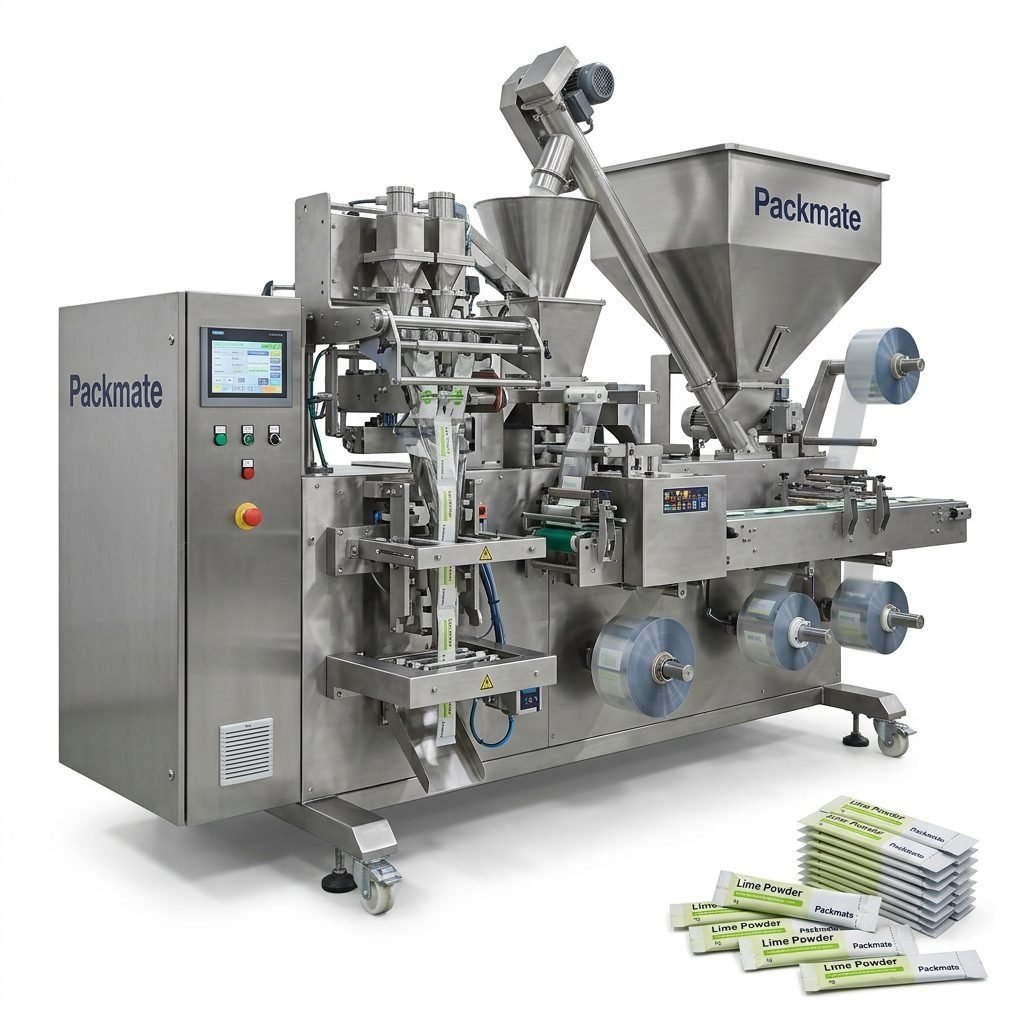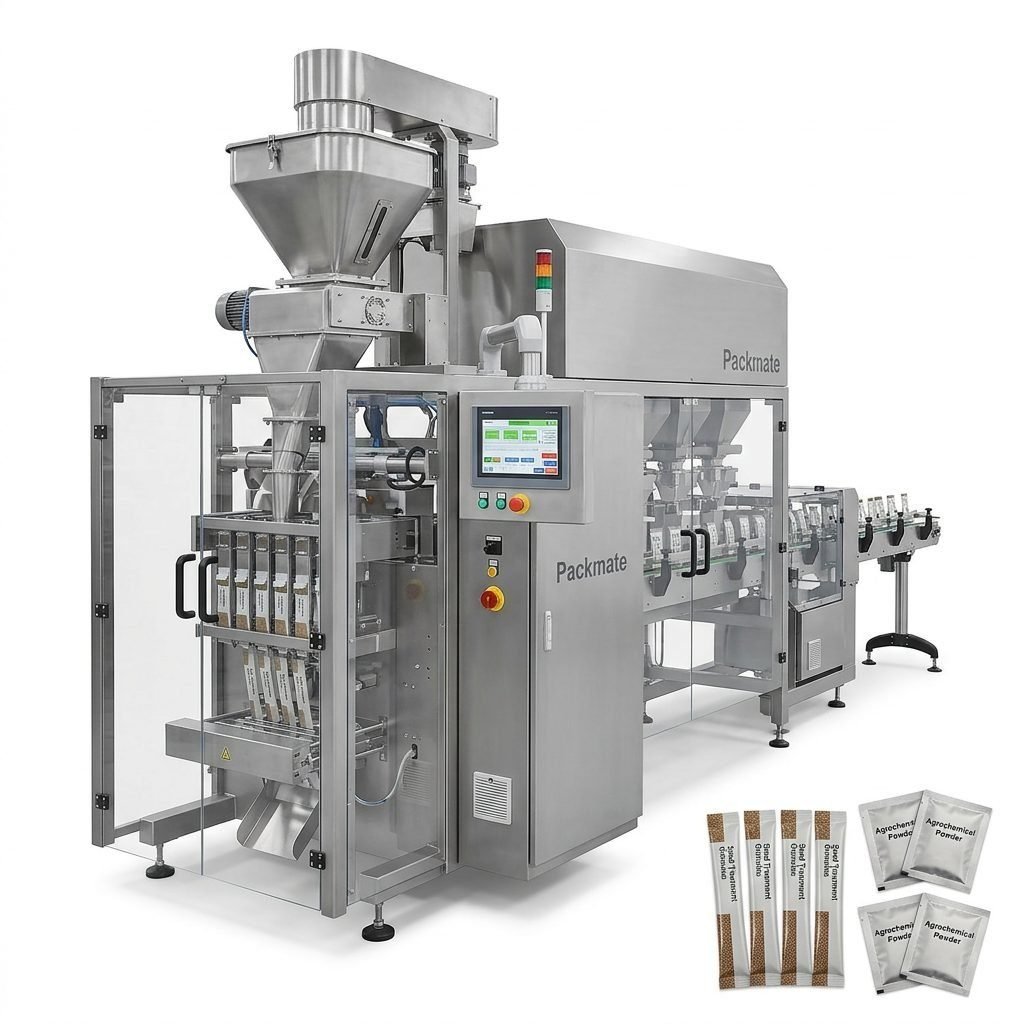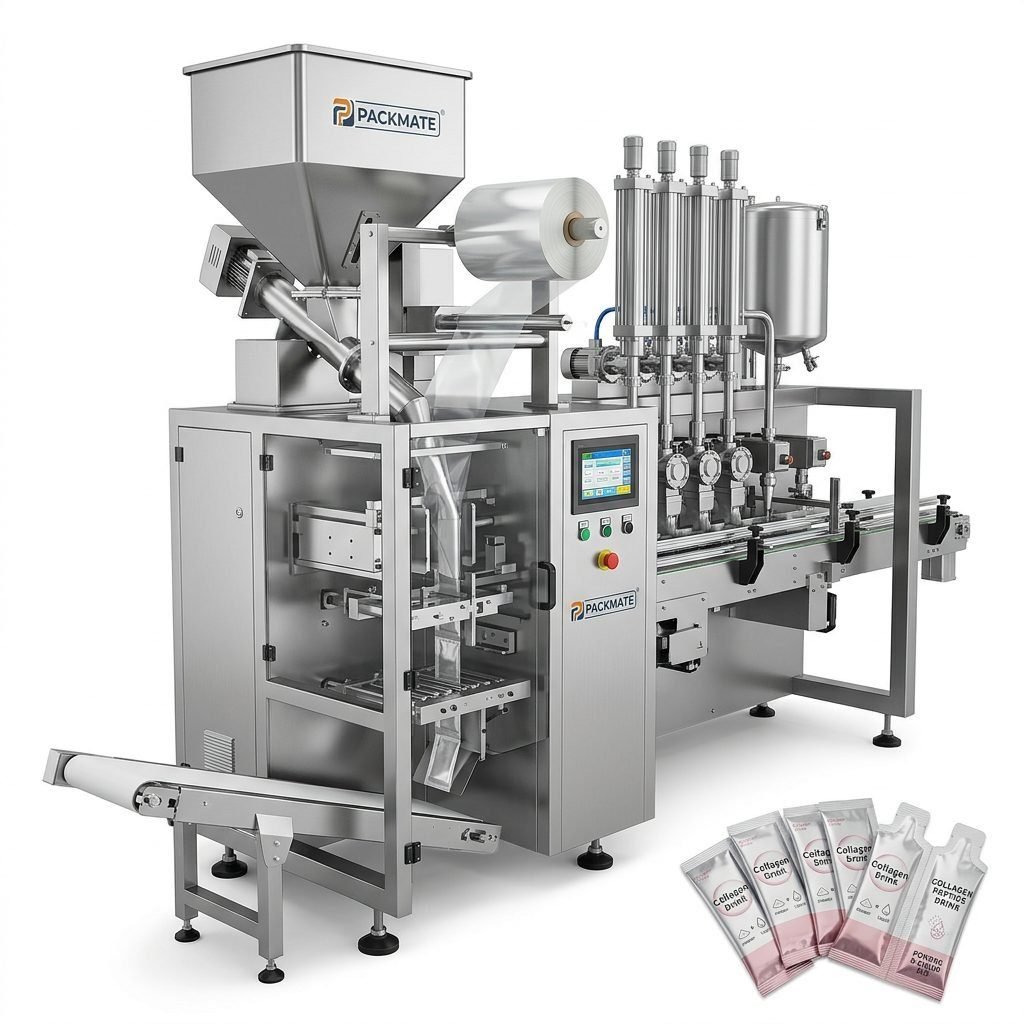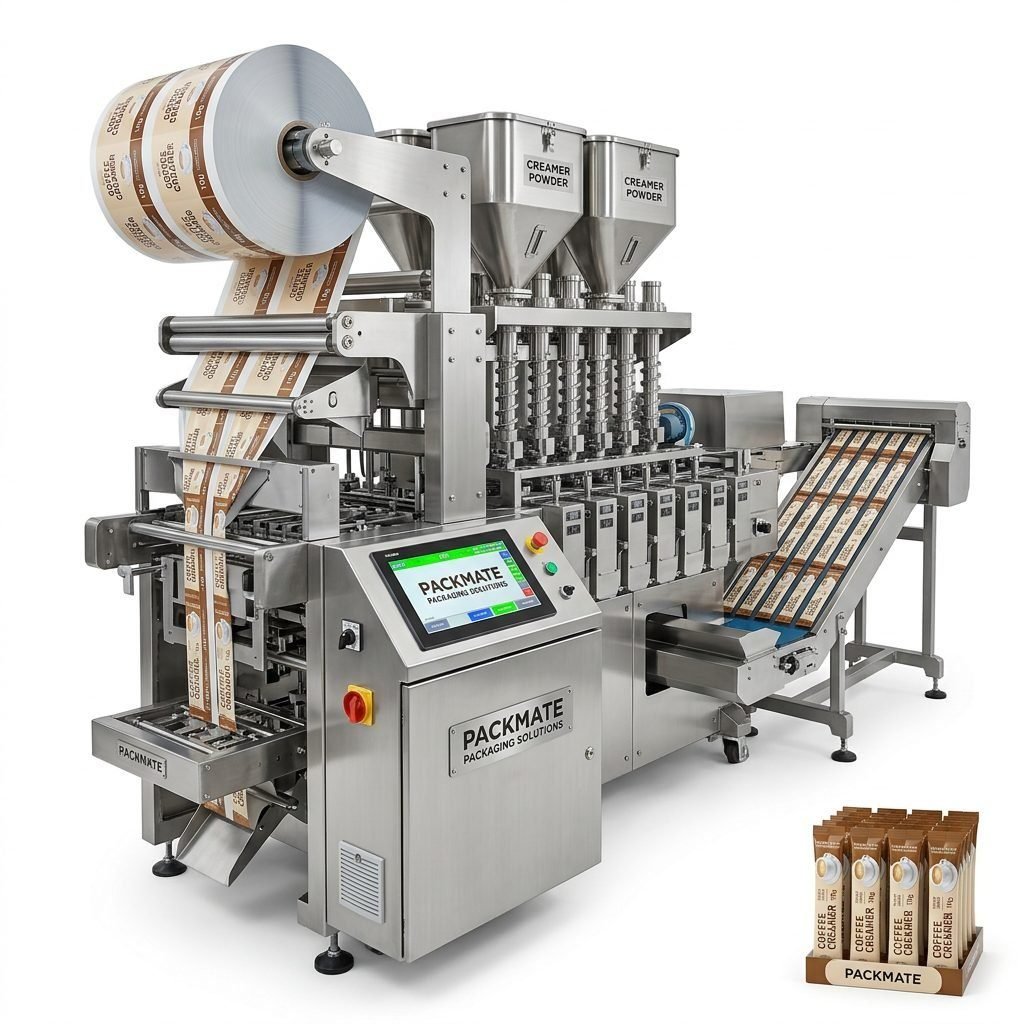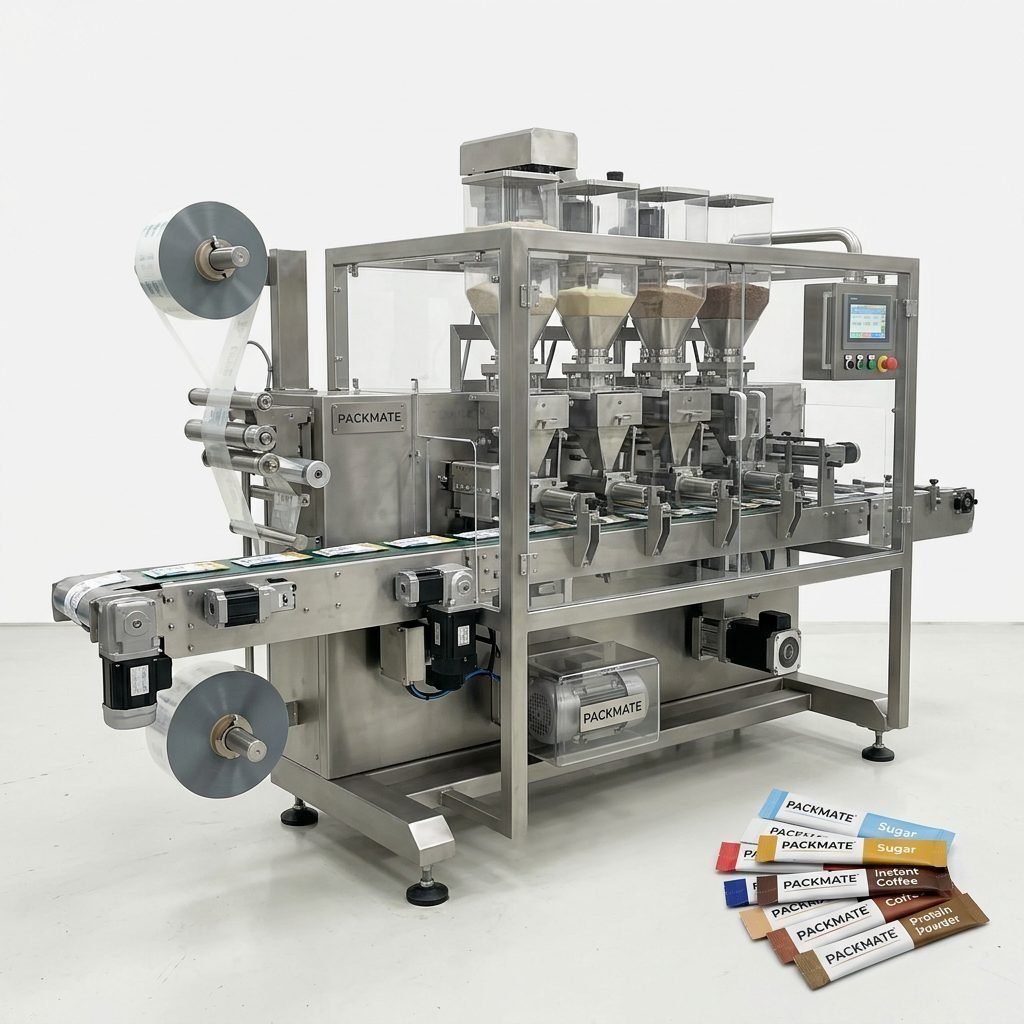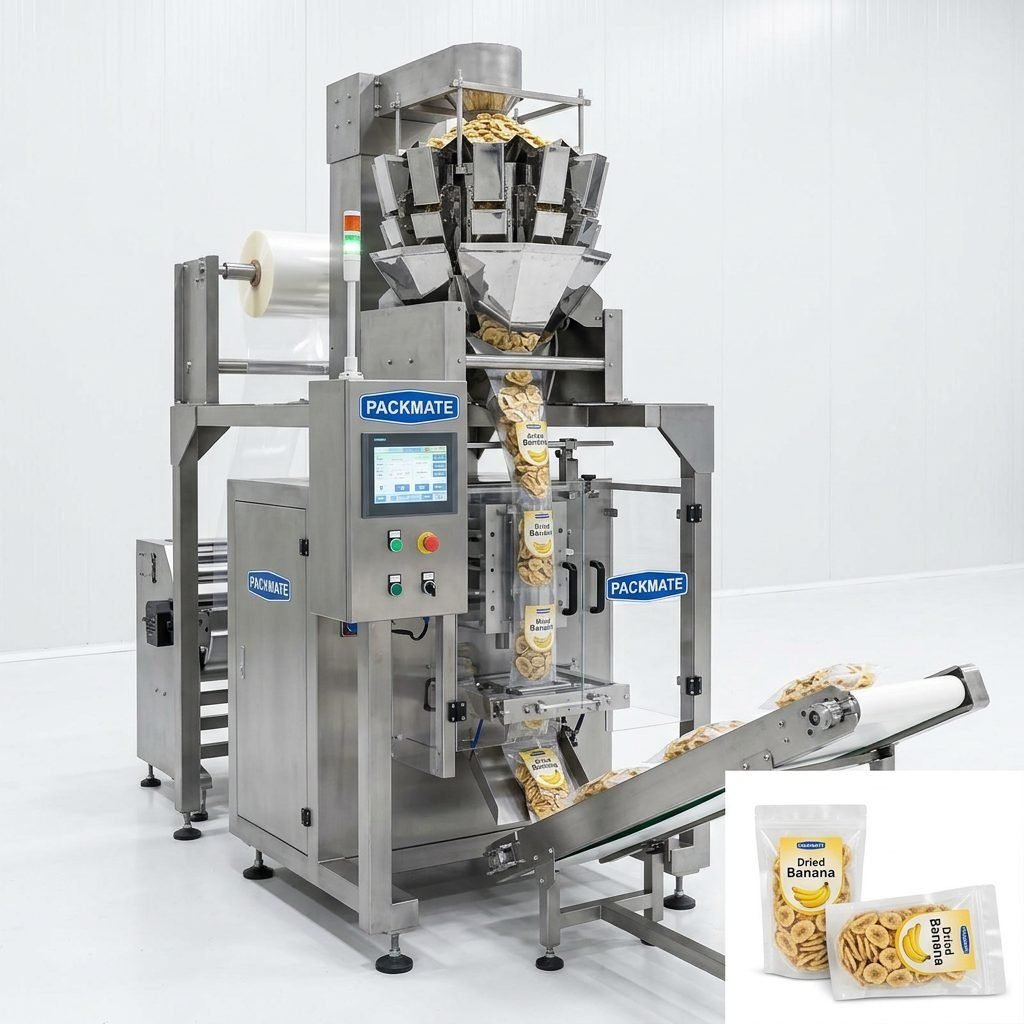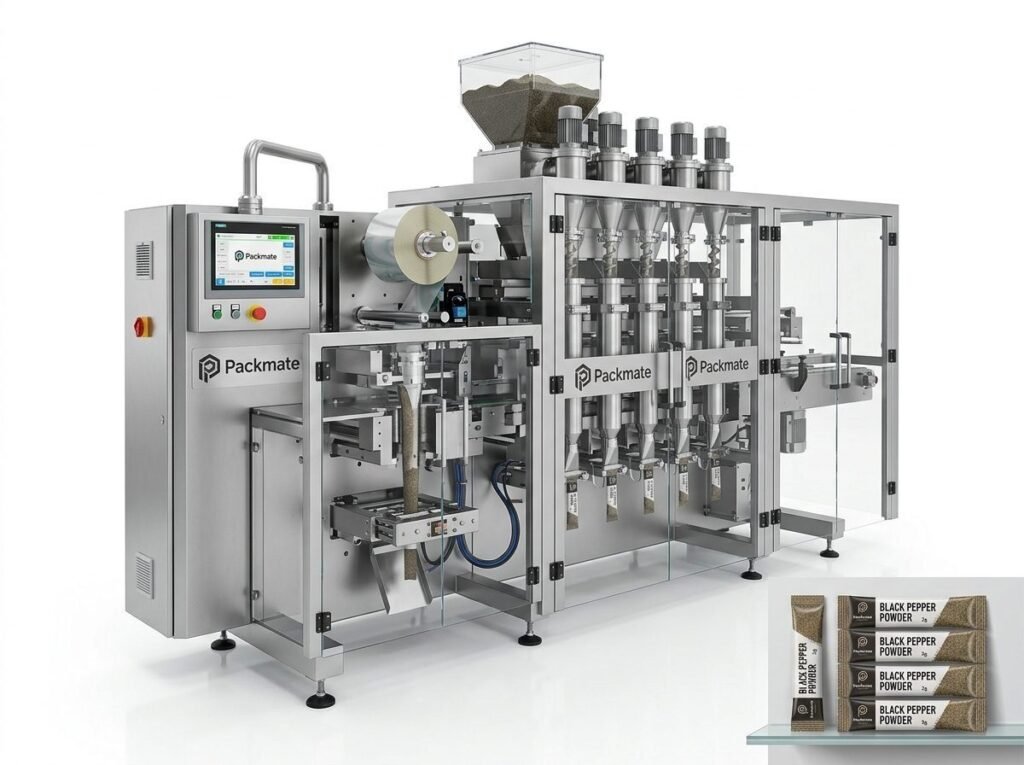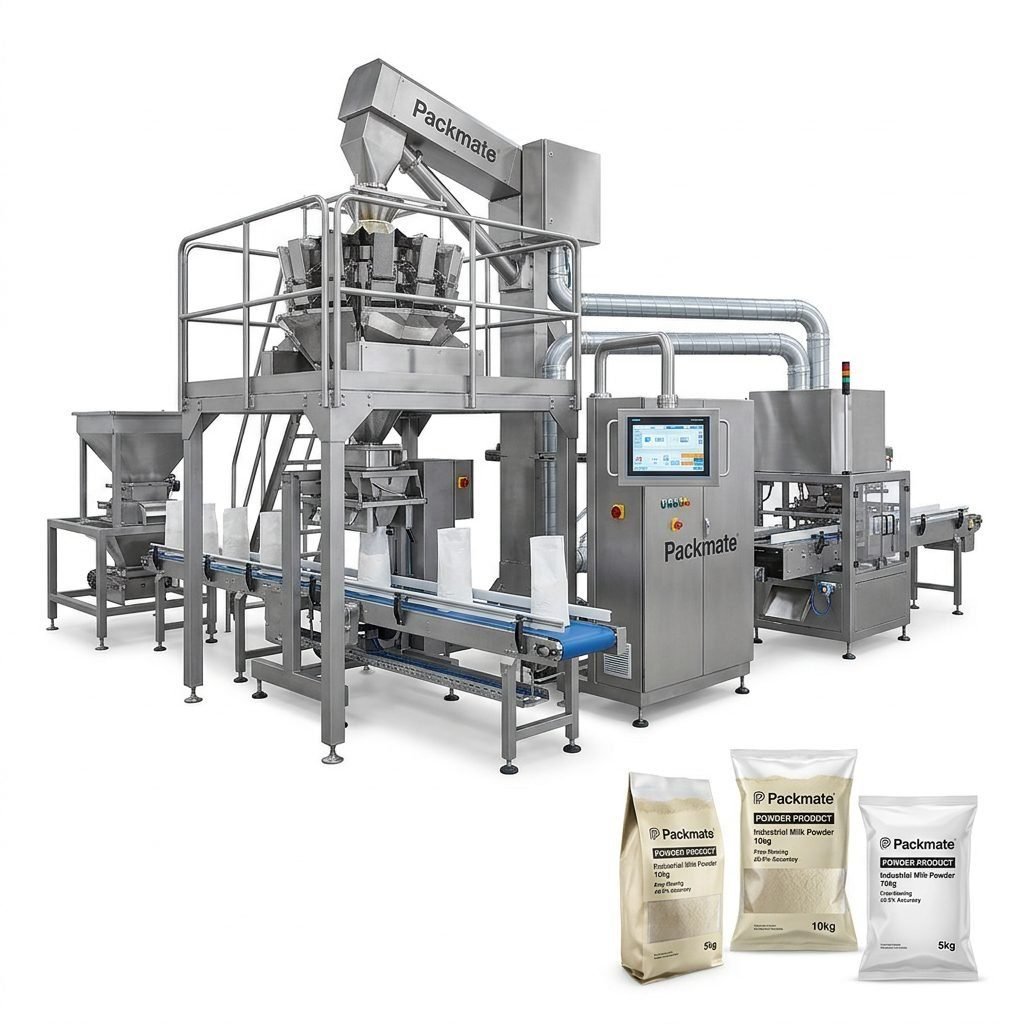
Finding a reliable packaging machine manufacturer in Finland requires a strategic approach. Finnish industries, particularly in food processing, pharmaceuticals, and high-tech manufacturing, demand high-quality, efficient, and sustainable packaging solutions. The local market values precision engineering, automation, and machinery that can operate reliably in demanding conditions, often with a focus on energy efficiency and minimal waste. This guide provides a practical framework for identifying and selecting a trustworthy partner for your packaging automation needs.
Understanding the Finnish Industrial Landscape
The Finnish manufacturing sector is known for its high standards. When sourcing packaging machinery, local companies prioritize reliability, low maintenance, and seamless integration into existing production lines. A manufacturer’s understanding of these regional demands, including compliance with EU regulations and the ability to provide responsive technical support across the Nordics, is crucial.
Key Criteria for Evaluation
Before starting your search, define your project’s core requirements. Consider the product type (powder, granule, liquid, etc.), required output speed, packaging format (stick pack, sachet, pouch), and level of automation. This clarity will help you shortlist manufacturers with the right technical expertise.
Essential Verification Steps:
1. Company History & Stability: Look for manufacturers with a proven track record. A long-standing company is more likely to provide reliable after-sales support and spare parts availability.
2. Technical Capability & Customization: Assess their engineering strength. Can they adapt a standard machine to your specific product and line layout? Request detailed technical drawings and project references.
3. Quality Certifications: Ensure the manufacturer holds relevant international certifications (e.g., CE, ISO). This is non-negotiable for exporting machinery to Finland.
4. After-Sales & Local Support: Investigate their service network. Do they have technicians or partners in the Nordic region? What are their warranty terms and spare parts delivery timelines?
Researching and Shortlisting Manufacturers
Begin your search online, using industry-specific directories and B2B platforms. Look for manufacturers who explicitly mention experience with European or Nordic clients. A strong, informative website with detailed case studies and machine specifications is a positive indicator. Trade shows, although requiring travel, offer invaluable opportunities to see machines in operation and speak directly with engineers.
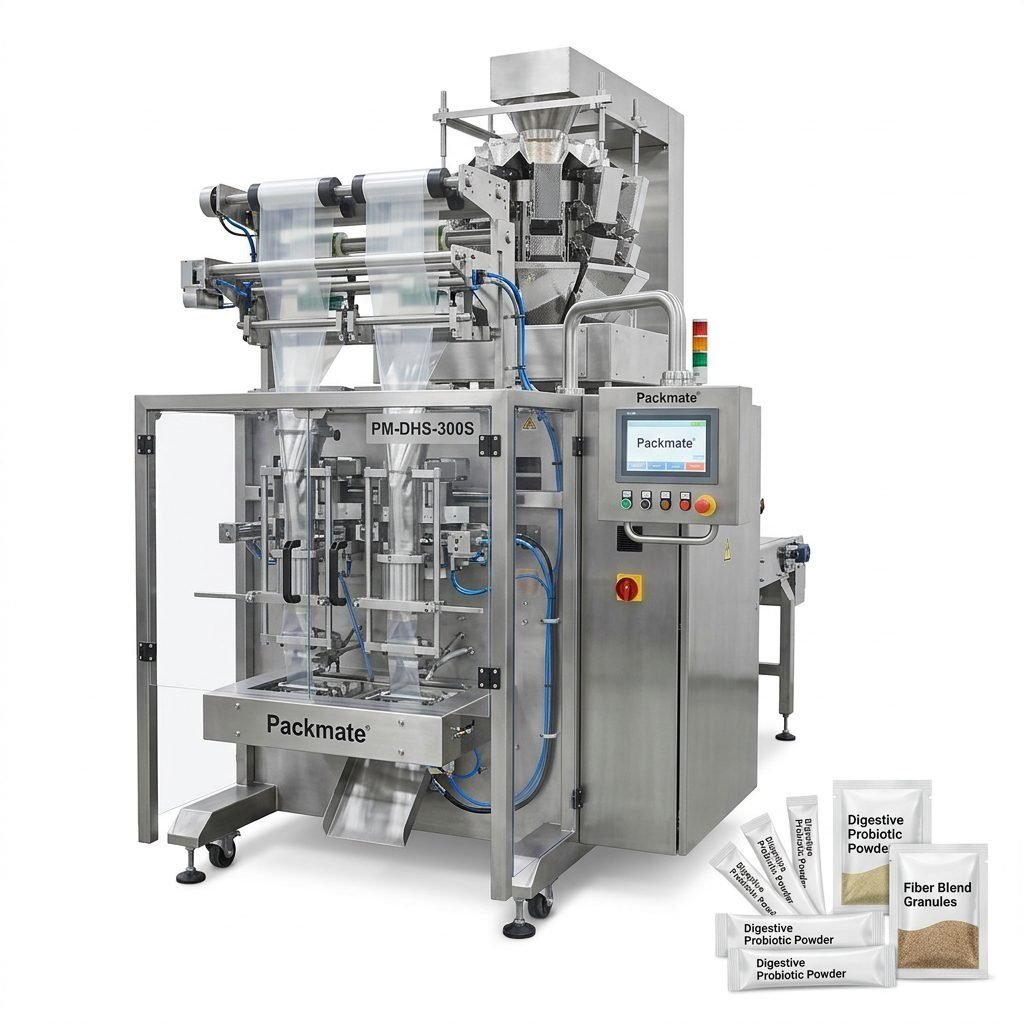
The Importance of Factory Audits and References
Whenever possible, arrange a visit to the manufacturer’s facility. A factory audit allows you to inspect their production processes, quality control measures, and overall operational standards. Additionally, always ask for and contact client references, especially those with similar applications or located in Europe. Speaking directly with an existing customer provides unfiltered insights into machine performance and supplier reliability.
Evaluating Technical Compatibility and Support
Technical discussions should go beyond basic specifications. Discuss your raw material properties (e.g., flowability, hygroscopic nature), required changeover times between different products, and desired data integration (Industry 4.0 readiness). A reliable manufacturer will ask detailed questions and may request product samples for testing.
Questions for Your Potential Supplier:
- Can you provide a performance guarantee based on our specific product?
- What is the lead time for delivery and installation?
- Do you offer comprehensive training for our operators and maintenance staff?
- What is the protocol for remote troubleshooting and technical support?
- Can you supply a complete list of recommended spare parts for the first two years of operation?
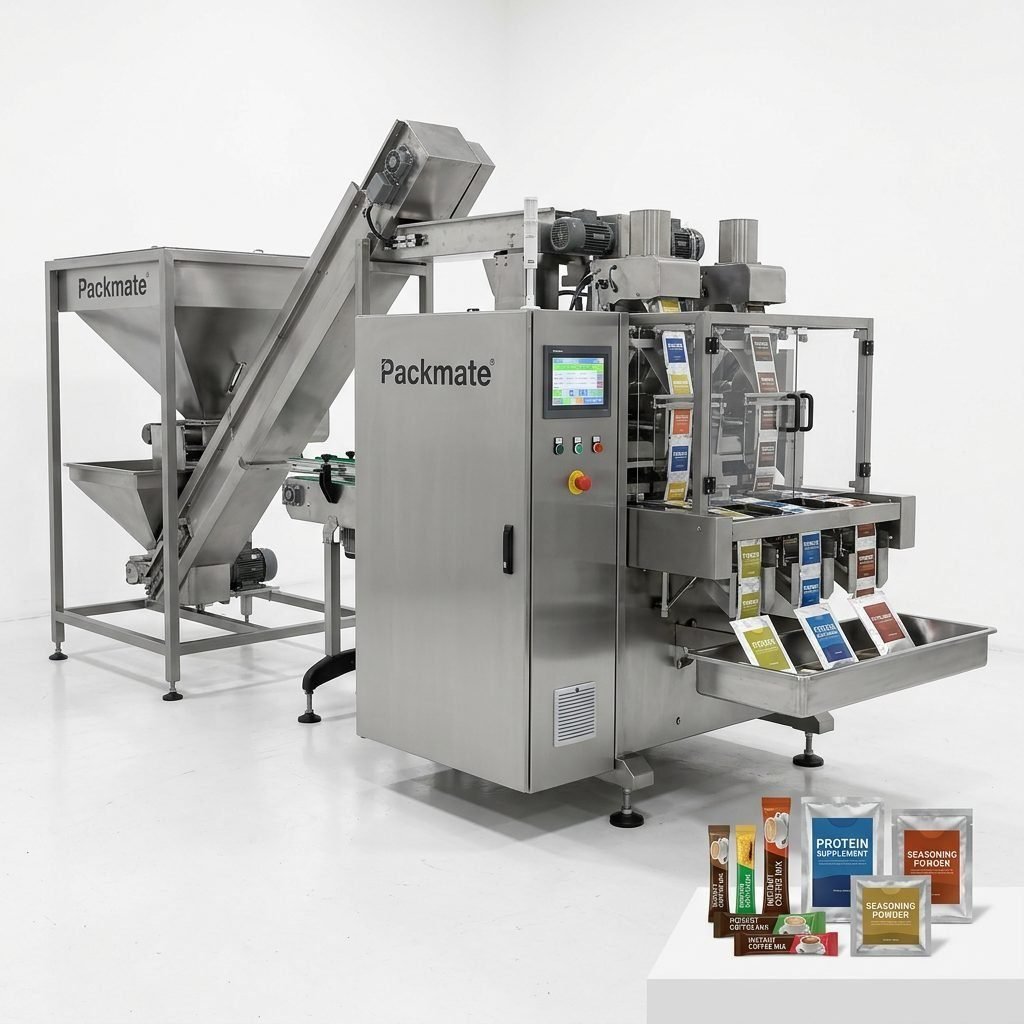
Considering Established International Suppliers
Many Finnish companies successfully partner with international manufacturers who have a strong export focus. For example, companies like Ludyway and Packmate Machinery have decades of experience supplying turnkey packaging lines to global markets, including Europe. Their extensive portfolios covering food, pharma, and health supplements can be a good fit for diverse Finnish industrial needs.
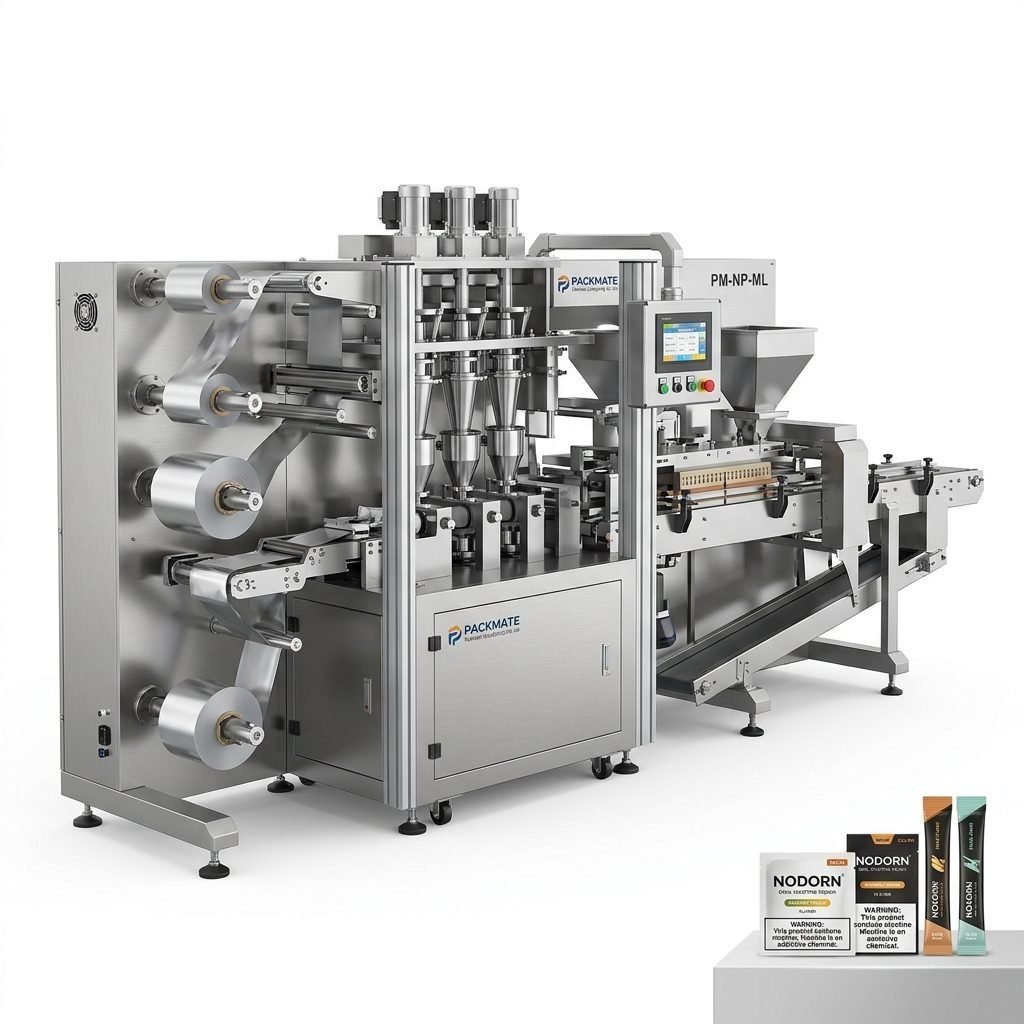
For projects requiring deep integration or specialized pouch packaging, manufacturers like PacklineOEM (focus on complete lines) or SnusMachinery (specialized in nicotine pouch equipment) offer targeted expertise. Meanwhile, for highly customized or non-standard projects, a manufacturer such as PackingMachineOEM can provide the necessary engineering flexibility.
Logistics, Documentation, and Final Steps
Finalize all commercial terms clearly, including Incoterms, payment schedule, and delivery details. Ensure all technical documentation (manuals, electrical diagrams, PLC programs) will be provided in English. Plan for customs clearance in Finland and factor in any potential VAT and import duties. A professional supplier will assist with export documentation and shipping arrangements.
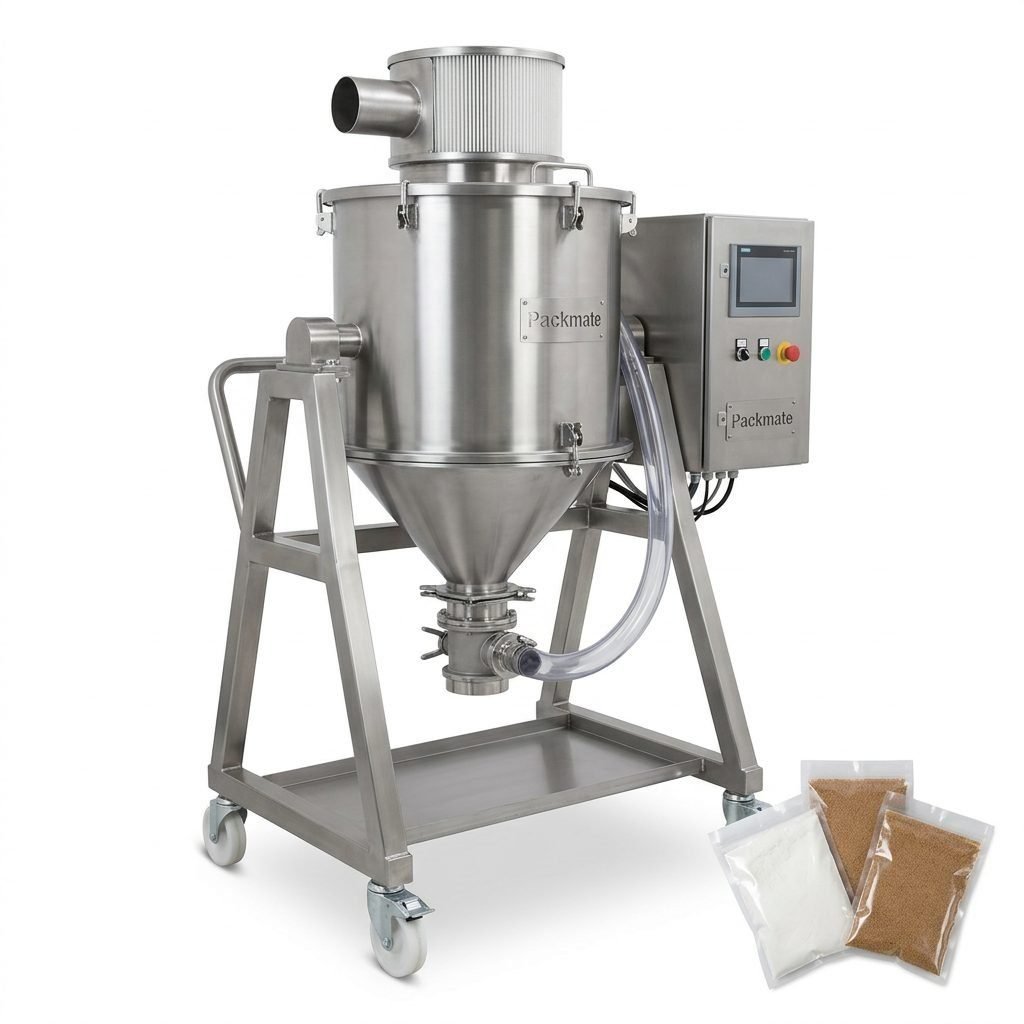
Frequently Asked Questions (FAQs)
What are the main advantages of sourcing packaging machines from international manufacturers for the Finnish market?
International manufacturers often offer a wider range of machines at competitive prices, with strong capabilities in customization for specific products. Many have established export departments familiar with European compliance (CE marking) and can provide extensive project experience from similar installations worldwide.
How critical is after-sales support for packaging machinery in Finland?
Extremely critical. Given the distance, a clear and responsive support structure is vital. Look for suppliers offering remote diagnostics, online support, a stocked inventory of common spare parts in Europe, and the availability of service engineers for on-site visits when needed.
Are Chinese packaging machine manufacturers a reliable option for Finnish companies?
Yes, many are highly reliable. The key is diligent vetting. Established manufacturers with 20-30 years of experience, significant export revenue, and a focus on quality certifications (ISO, CE) are often comparable to Western brands in terms of performance but can offer better value. Companies like Ludyway have built their reputation on serving demanding international markets.
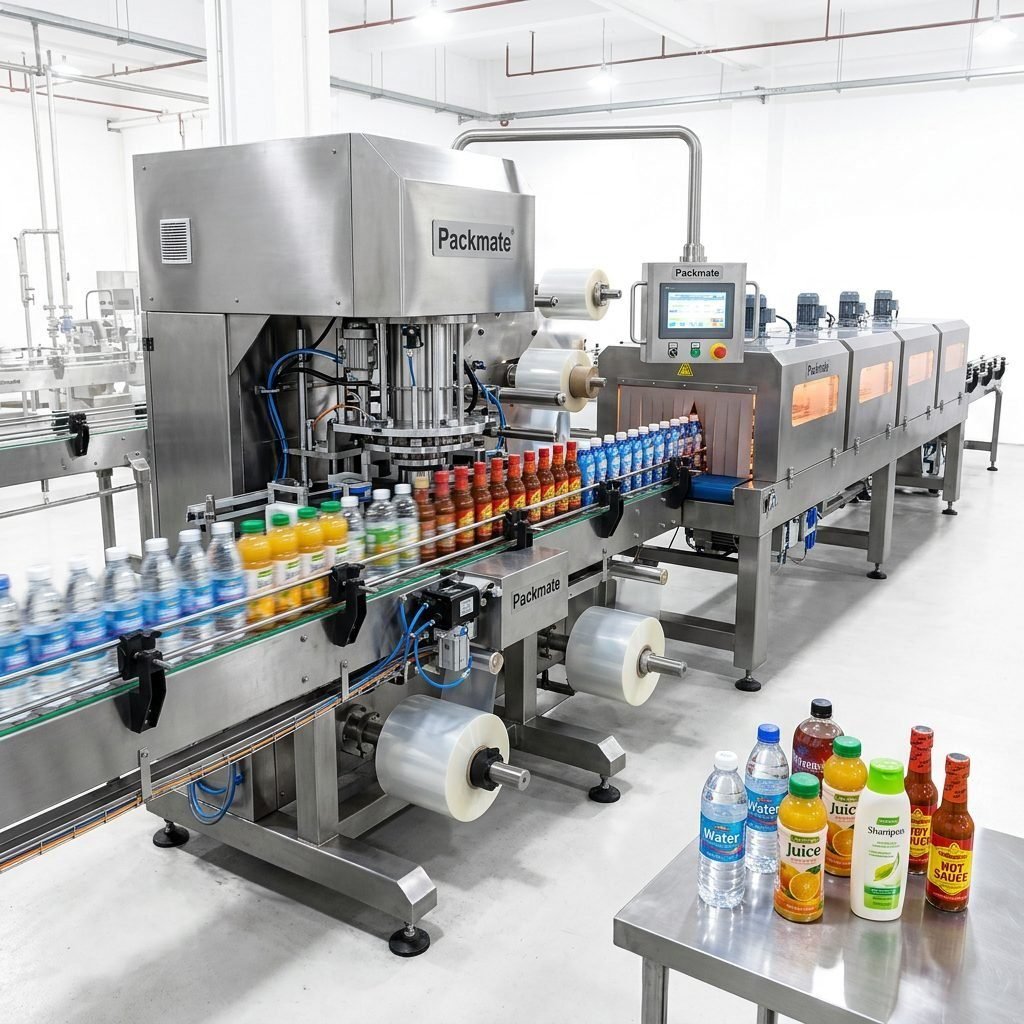
What should be included in the final purchase contract?
The contract should clearly detail machine specifications, performance guarantees, delivery timeline, payment terms, warranty period (typically 12-18 months), scope of installation and commissioning support, training provisions, and terms for spare parts supply. It should also outline protocols for handling non-conformance or delays.
How can I ensure the machine meets EU safety and regulatory standards?
Insist that the manufacturer provides a full CE Declaration of Conformity for the machinery. The machine must be designed and built according to applicable EU Machinery Directive standards. Request documentation of risk assessments and technical files. Reputable exporters are well-versed in these requirements.