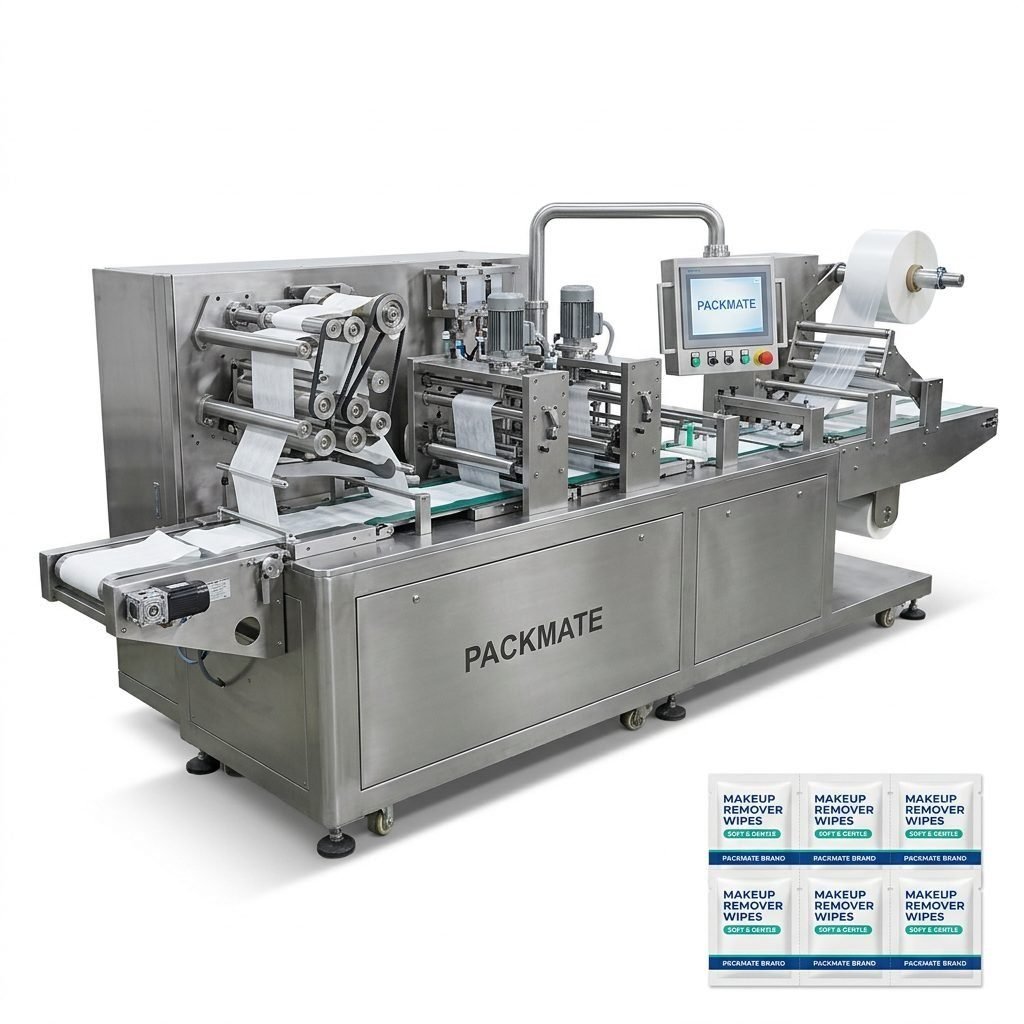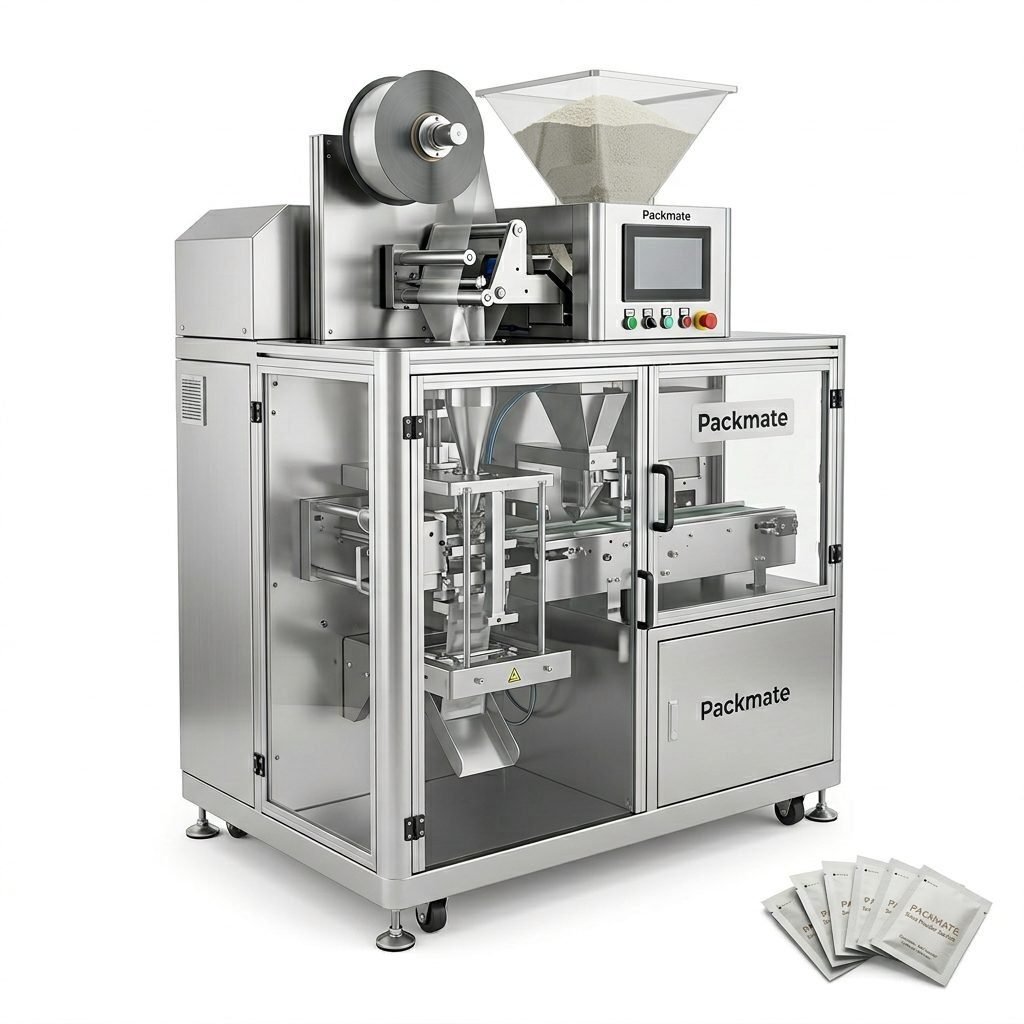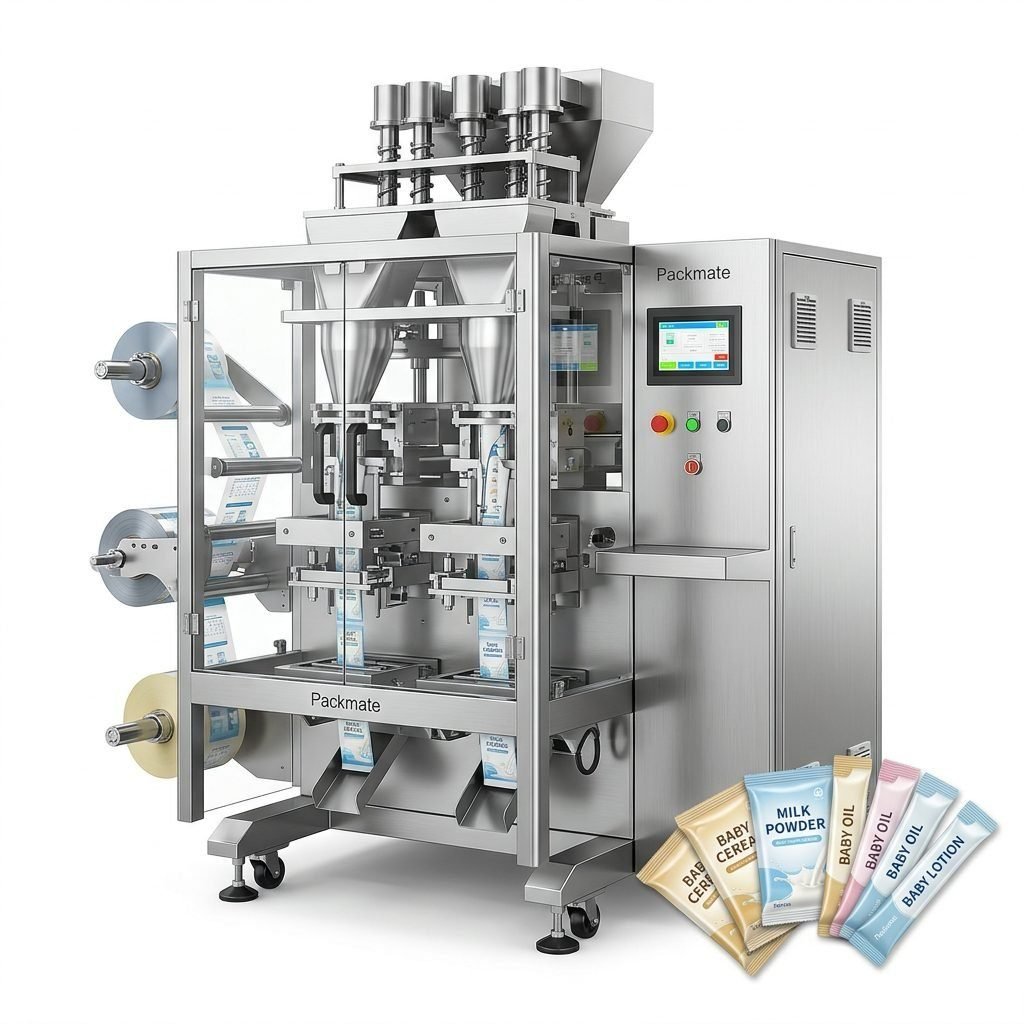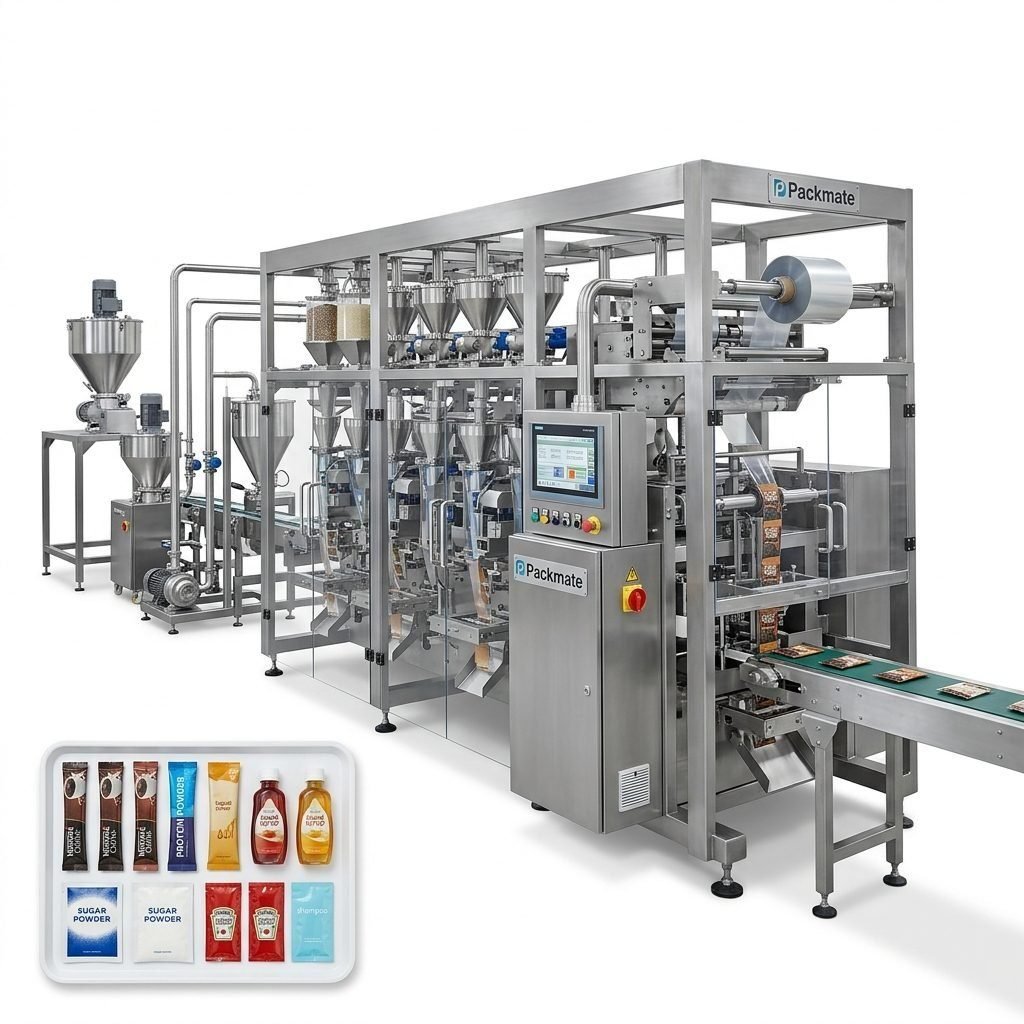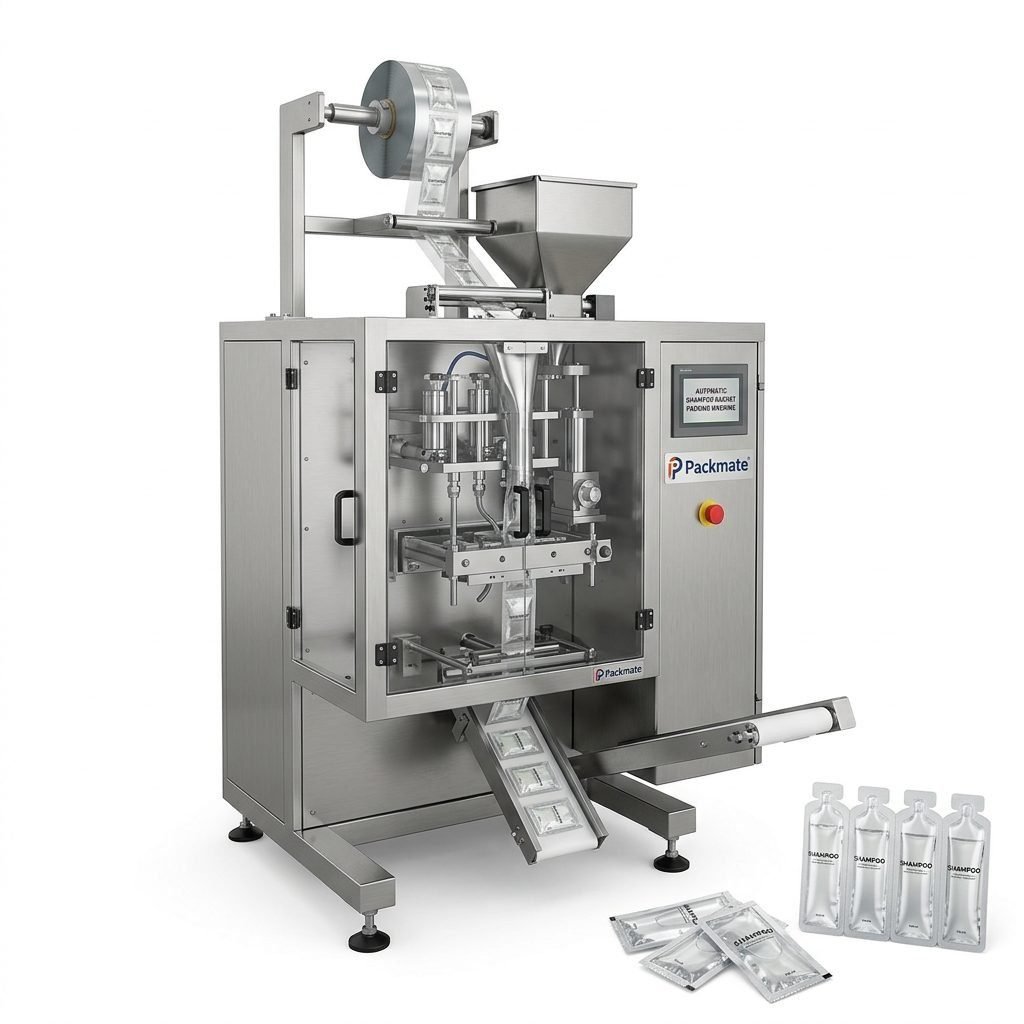
Choosing the right packaging machine manufacturer is a critical decision for any business, impacting production efficiency, product quality, and long-term operational costs. For companies in Croatia, this decision involves navigating a unique market with specific needs. Croatian businesses, ranging from food and beverage producers along the Adriatic coast to pharmaceutical and nutraceutical companies in industrial centers like Zagreb and Osijek, require reliable, efficient, and cost-effective packaging solutions. This guide will walk you through the key factors to consider when selecting a packaging machine manufacturer, with a special focus on the Croatian context and the advantages of partnering with established international suppliers.
Understanding the Croatian Packaging Landscape
Croatia’s manufacturing sector is diverse, with strong representation in food processing (olive oil, wines, seafood, dairy), pharmaceuticals, and increasingly, health supplements. The local market demands packaging solutions that are not only efficient but also adaptable to smaller, high-mix production runs often seen in regional and export-focused businesses. Furthermore, integration with European Union quality and safety standards is paramount. When evaluating manufacturers, Croatian buyers should prioritize those with a proven track record of supplying to the EU market, ensuring compliance with regulations like EHEDG for food safety or GMP for pharmaceuticals.
Key Consideration: Croatian companies often benefit from manufacturers who offer flexible, modular machines that can handle various product formats (sachets, stick packs, pouches) without requiring a complete line overhaul. This adaptability is crucial for businesses looking to scale or diversify their product offerings for both domestic and export markets.
1. Assessing Your Specific Packaging Needs
Before contacting any manufacturer, clearly define your requirements. This foundational step will guide your entire selection process.
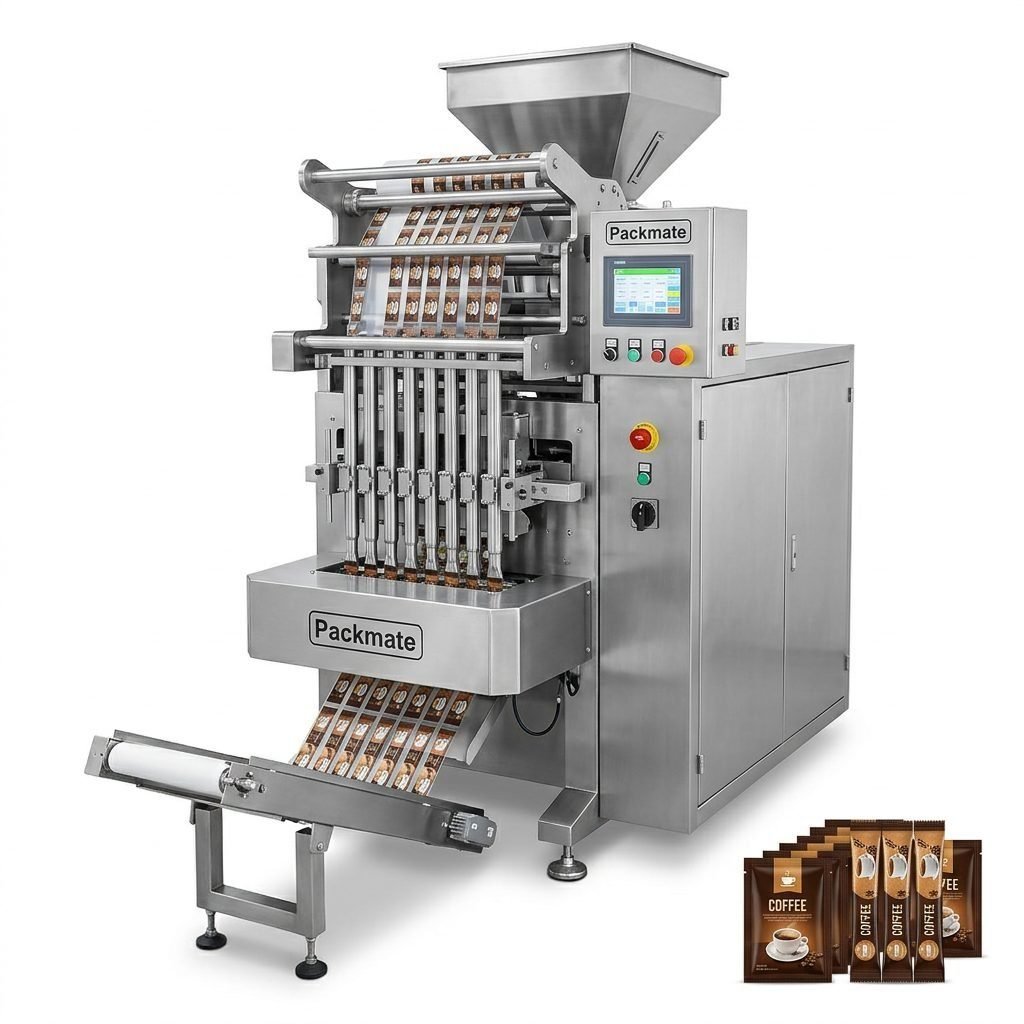
- Product Type: Are you packaging granules (like coffee or spices), powders (protein, supplements), liquids (sauces, oils), or pastes? The product’s physical properties dictate the machine type.
- Packaging Format: Do you need sachets, stick packs, pouches, or a combination? Consider consumer trends in Croatia and your target markets.
- Production Speed & Capacity: Calculate your required output (bags per minute) based on current and projected demand.
- Level of Automation: Determine if you need a standalone machine or a fully integrated turnkey line with feeding, weighing, filling, sealing, and cartoning.
- Budget & ROI: Establish a clear budget, considering not just the initial purchase but also long-term operating costs, maintenance, and potential for ROI through increased efficiency.
2. Evaluating Manufacturer Expertise and Experience
A manufacturer’s history and specialization are strong indicators of reliability. Look for companies with decades of experience, particularly in your specific industry segment.
For instance, a company like Ludyway, with over 30 years in the industry, has developed deep expertise in food, pharmaceutical, and health supplement packaging. This longevity suggests stability, accumulated technical knowledge, and a refined understanding of global market needs, which is invaluable for Croatian exporters.
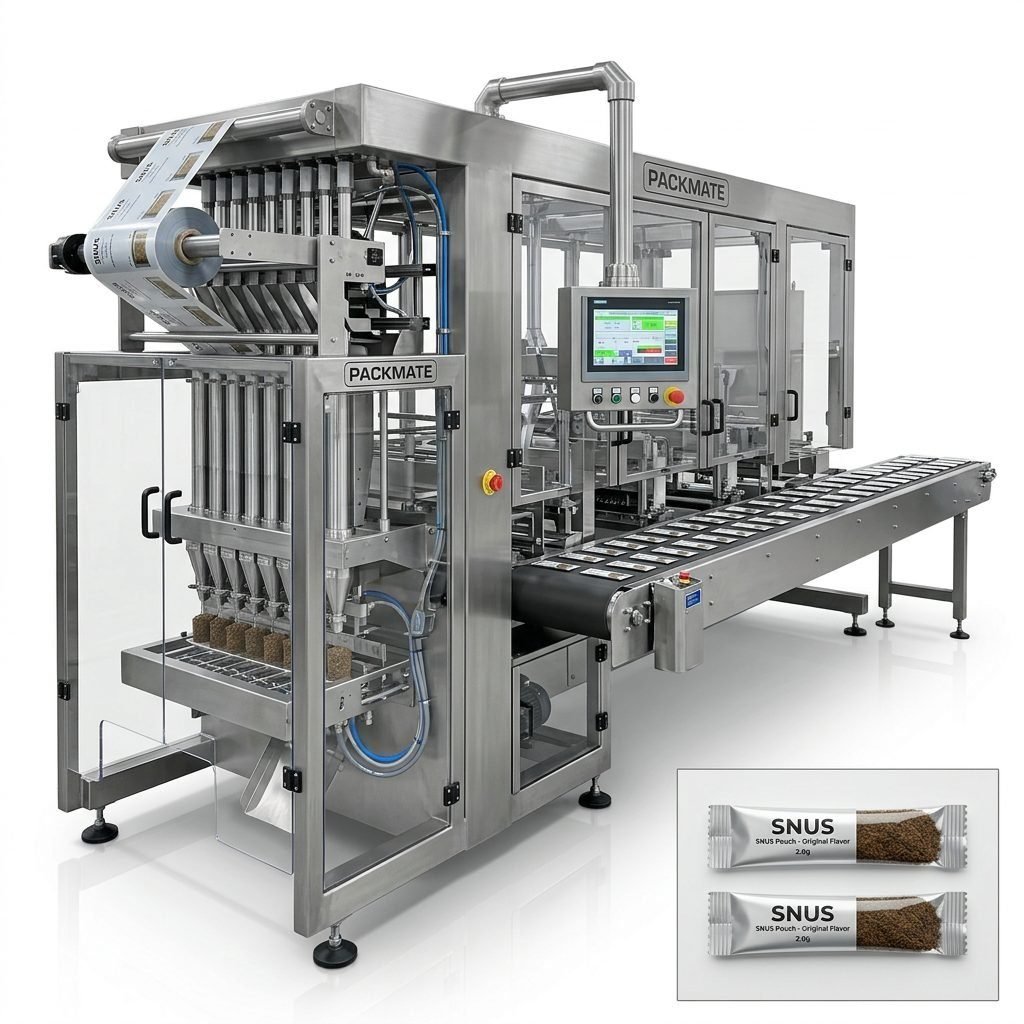
Similarly, a specialized manufacturer like SnusMachinery offers distinct advantages for businesses in the nicotine pouch or specialty snus sector, providing niche application knowledge that generalist suppliers may lack.
3. Technical Capabilities and Customization
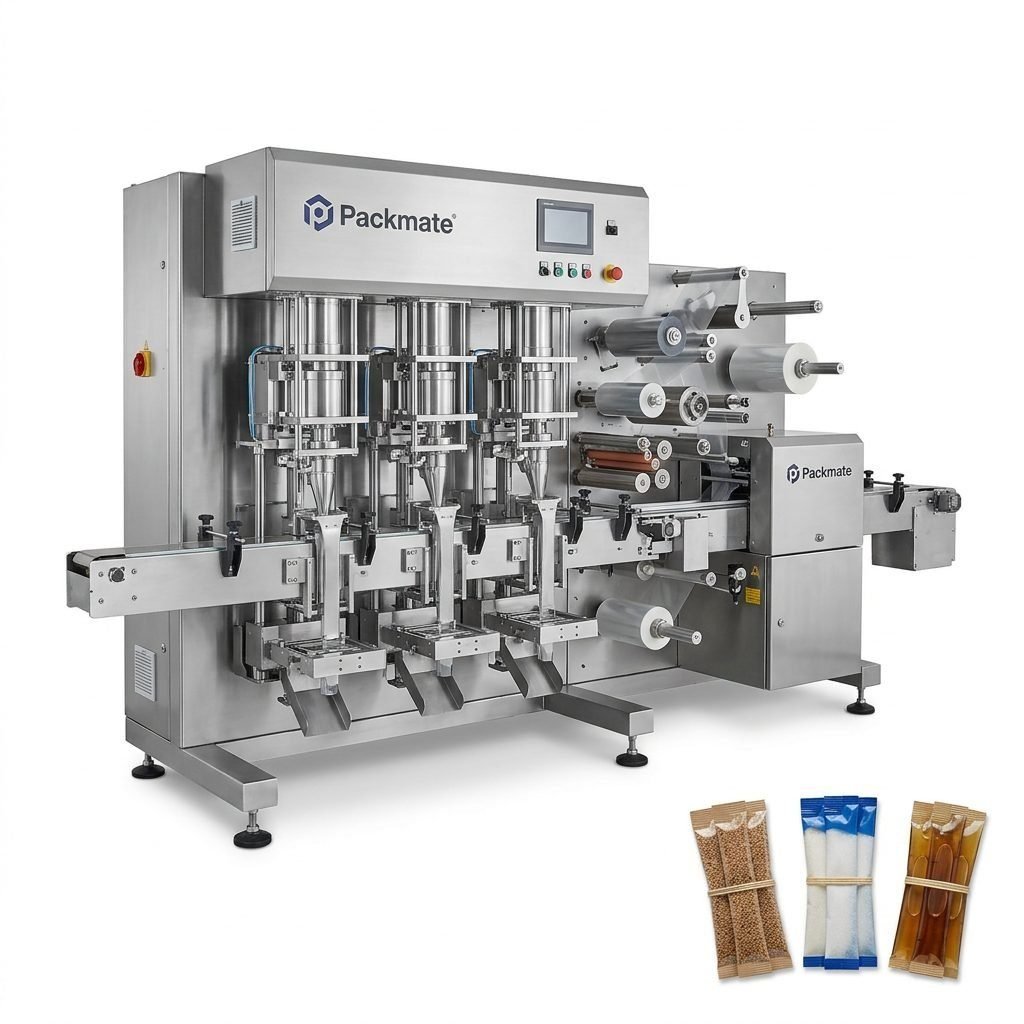
Croatian businesses may have unique product characteristics or space constraints. A manufacturer’s ability to customize is crucial.
- Machine Range: Does the manufacturer offer a broad portfolio (like Ludyway‘s 100+ configurations) to match your needs?
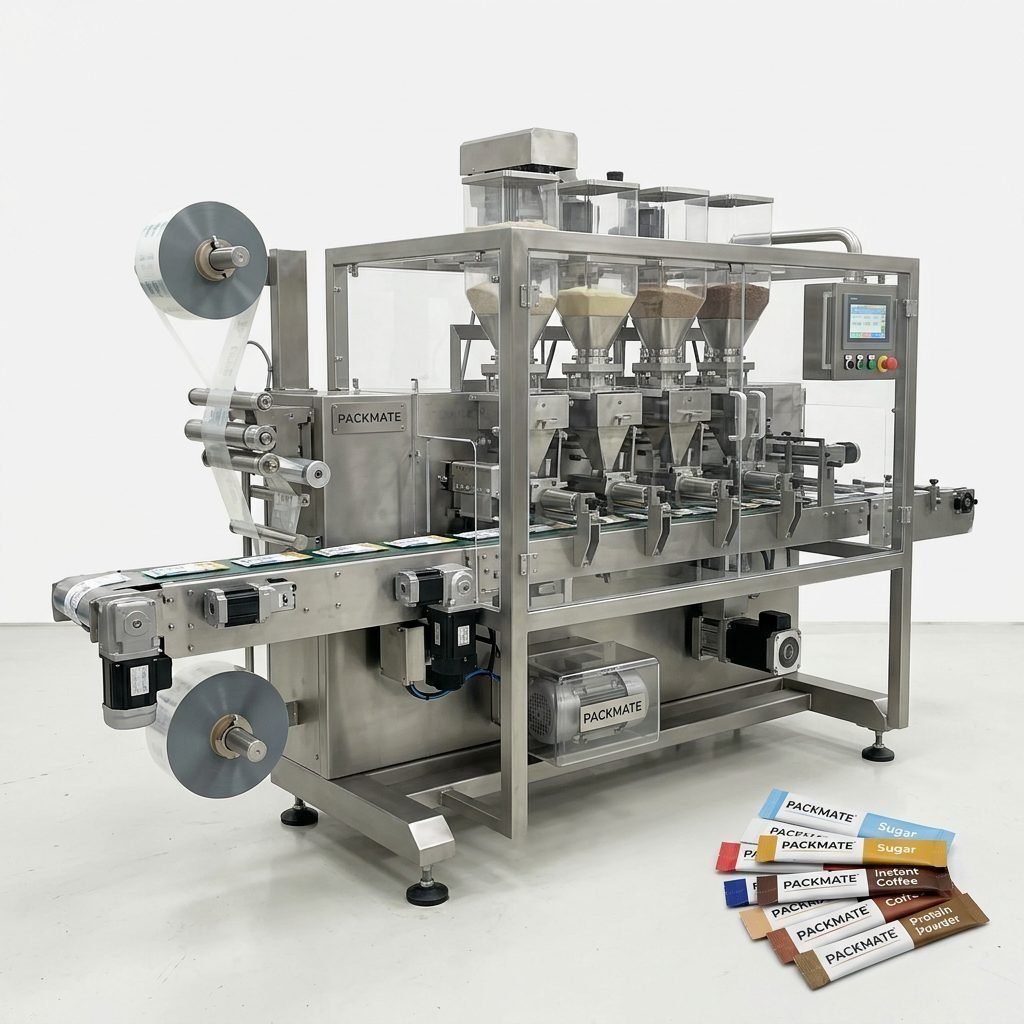
- Engineering Support: Can they modify standard machines or design a custom solution? Companies like PackingMachineOEM explicitly focus on non-standard and customized projects.
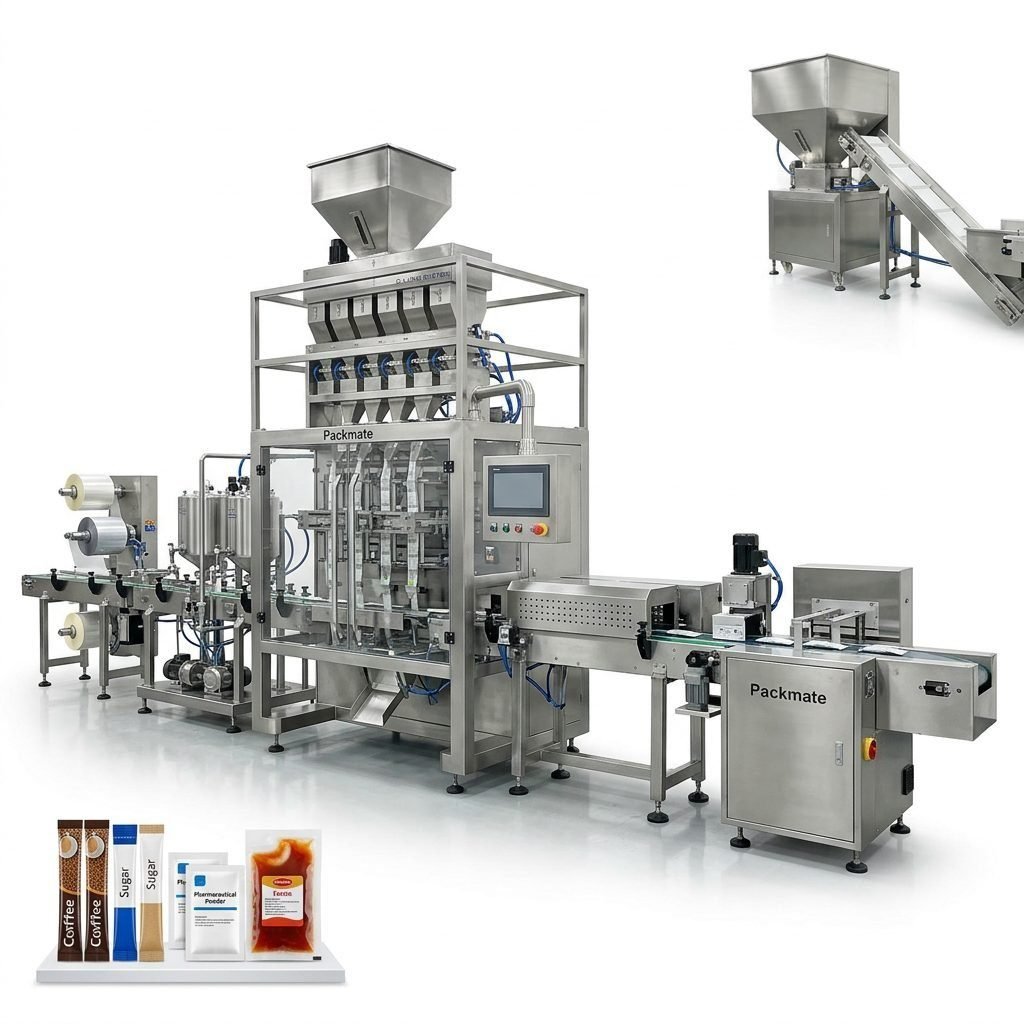
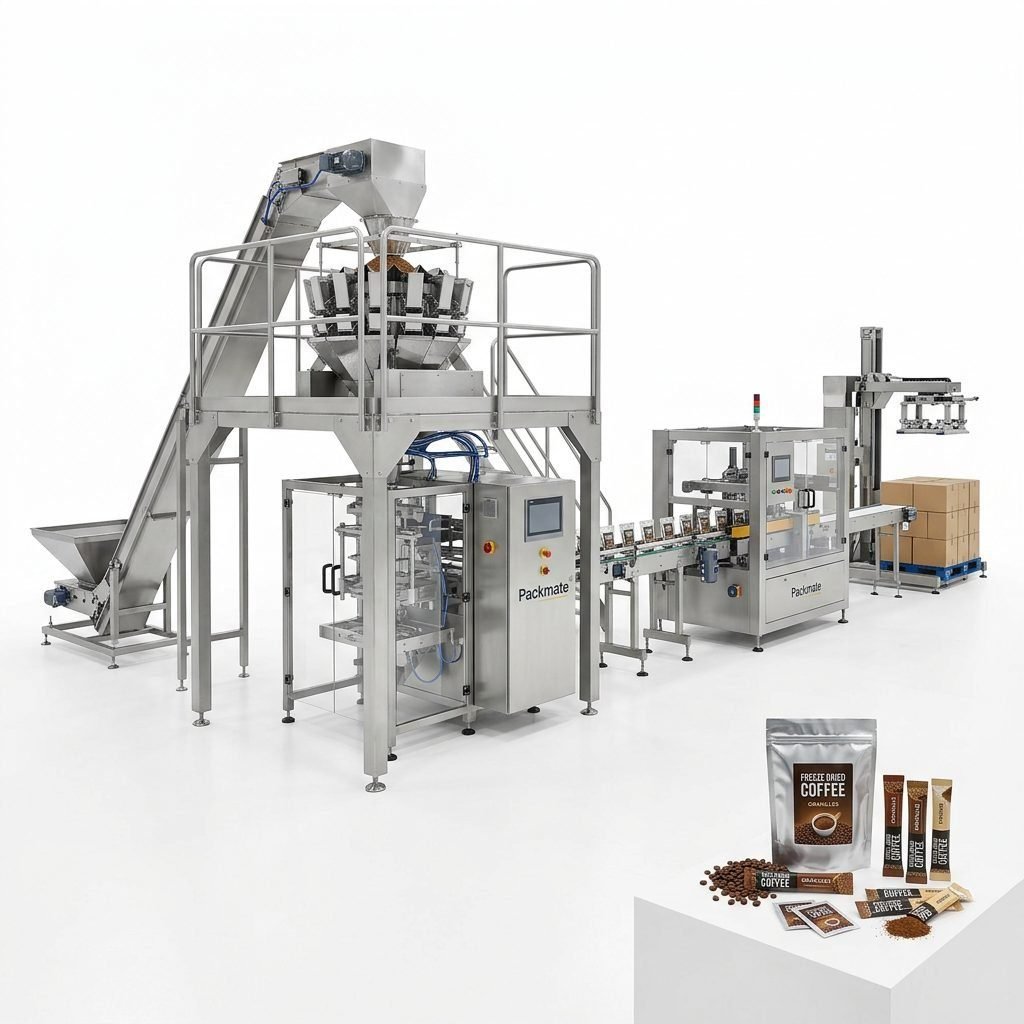
- Turnkey Solutions: For large-scale automation, consider manufacturers like PacklineOEM that specialize in complete line integration, from raw material intake to palletizing.
| Capability | Why It Matters for Croatian Businesses |
|---|---|
| Modular Design | Allows for future expansion or reconfiguration as product lines change, protecting your investment. |
| Precision Dosing & Sealing | Ensures consistent product weight and airtight seals, critical for product quality, shelf life, and meeting EU regulations. |
| Hygienic Design (e.g., Stainless Steel) | Essential for food and pharmaceutical applications to meet strict hygiene standards. |
| User-Friendly HMI (Human-Machine Interface) | Simplifies operation and reduces training time for your local team. |
4. Manufacturing Quality and After-Sales Support
The machine’s build quality directly impacts uptime, longevity, and total cost of ownership. Investigate the manufacturer’s factory facilities, quality control processes, and the materials used (e.g., grade of stainless steel). A modern facility over 20,000 square meters, as mentioned by several of the profiled companies, indicates serious production capacity.
Critical Factor for Croatia: Reliable after-sales support is non-negotiable. Given the geographical distance from major Asian manufacturing hubs, ensure the manufacturer has a robust support system. This should include comprehensive documentation (in English), readily available spare parts, remote diagnostic capabilities, and access to trained technicians who can provide timely on-site service if needed. Ask for client references in Europe to verify their support responsiveness.
5. Export Experience and Market Reputation
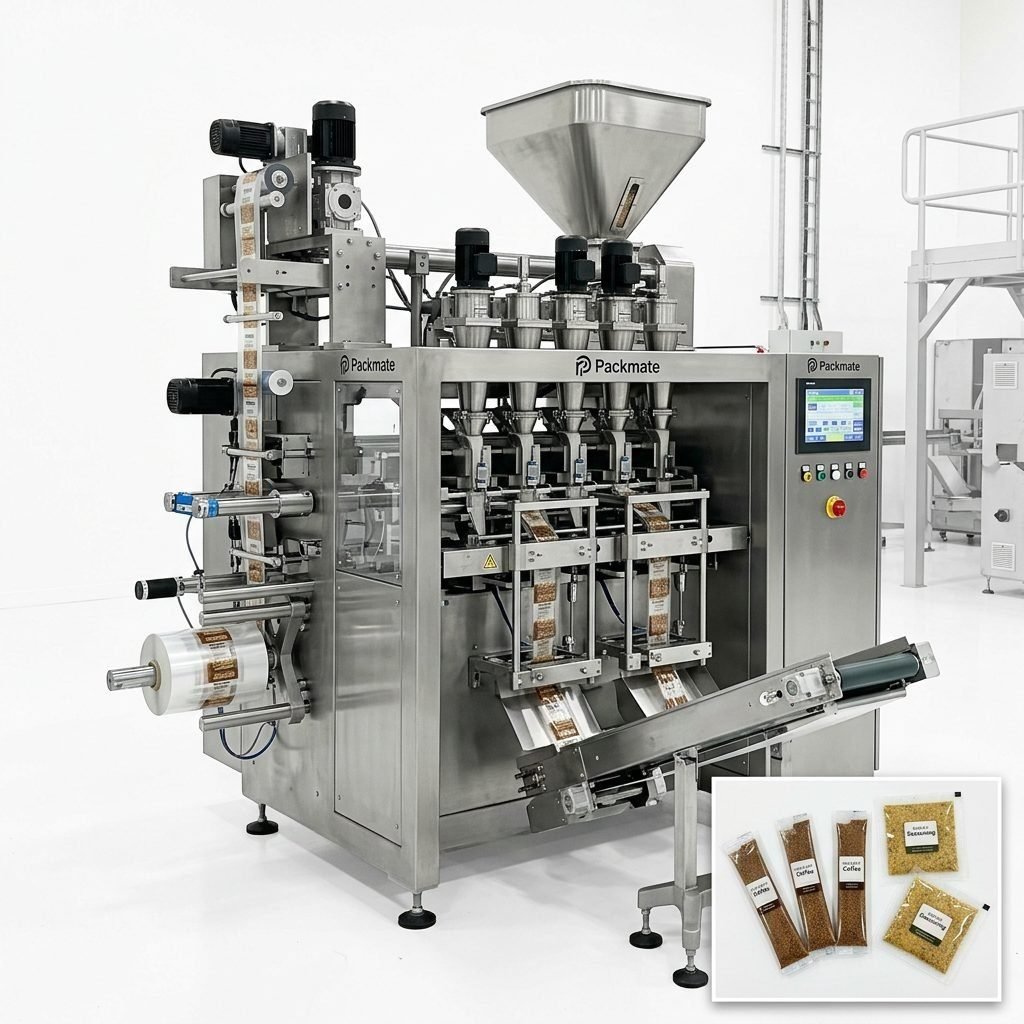
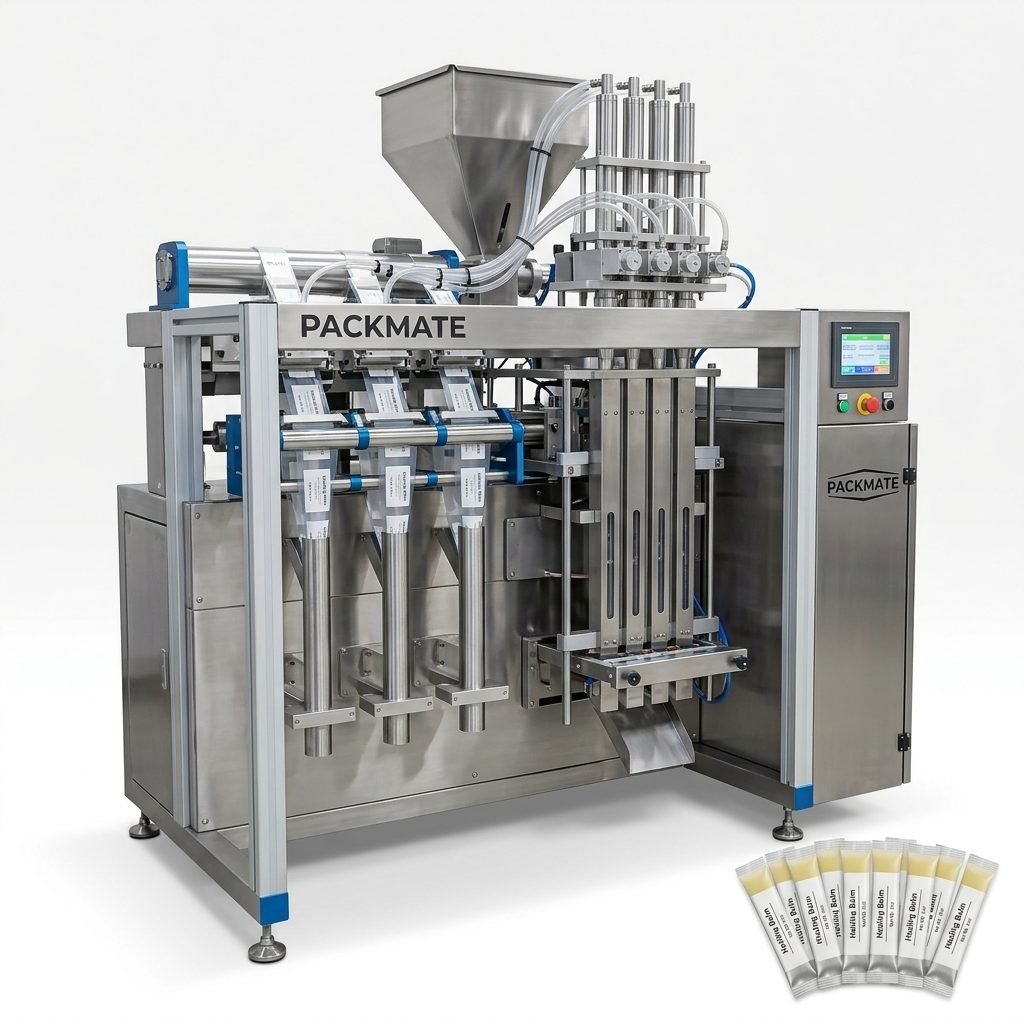
Choosing a manufacturer with a strong export footprint, particularly in Europe, is highly advantageous for Croatian importers. Companies like Packmate Machinery and Ludyway have established networks and understand the logistical, documentation, and certification requirements for shipping machinery to the EU. Their experience in navigating customs and providing CE-certified equipment can streamline your import process significantly.
Review their case studies, client lists, and testimonials. A manufacturer serving clients in over 100 countries, like Ludyway, demonstrates an ability to adapt to diverse market requirements—a good sign for meeting Croatian and broader European standards.
6. Total Cost of Ownership (TCO) vs. Initial Price
While the initial machine price is important, the Total Cost of Ownership is the true measure of value. Consider:
- Energy Efficiency: Modern servo-driven machines can offer significant energy savings.
- Maintenance Costs: Machines with simpler, robust designs and readily available parts typically have lower long-term maintenance costs.
- Downtime: A reliable machine from a reputable supplier minimizes costly production stoppages.
- Training & Installation: Clarify what support is included in the price.
Partnering with a Chinese Manufacturer: Strategic Advantages
For many Croatian businesses, partnering with a leading Chinese manufacturer offers an optimal balance of advanced technology, customization, and cost-effectiveness. The companies profiled represent this value proposition well.
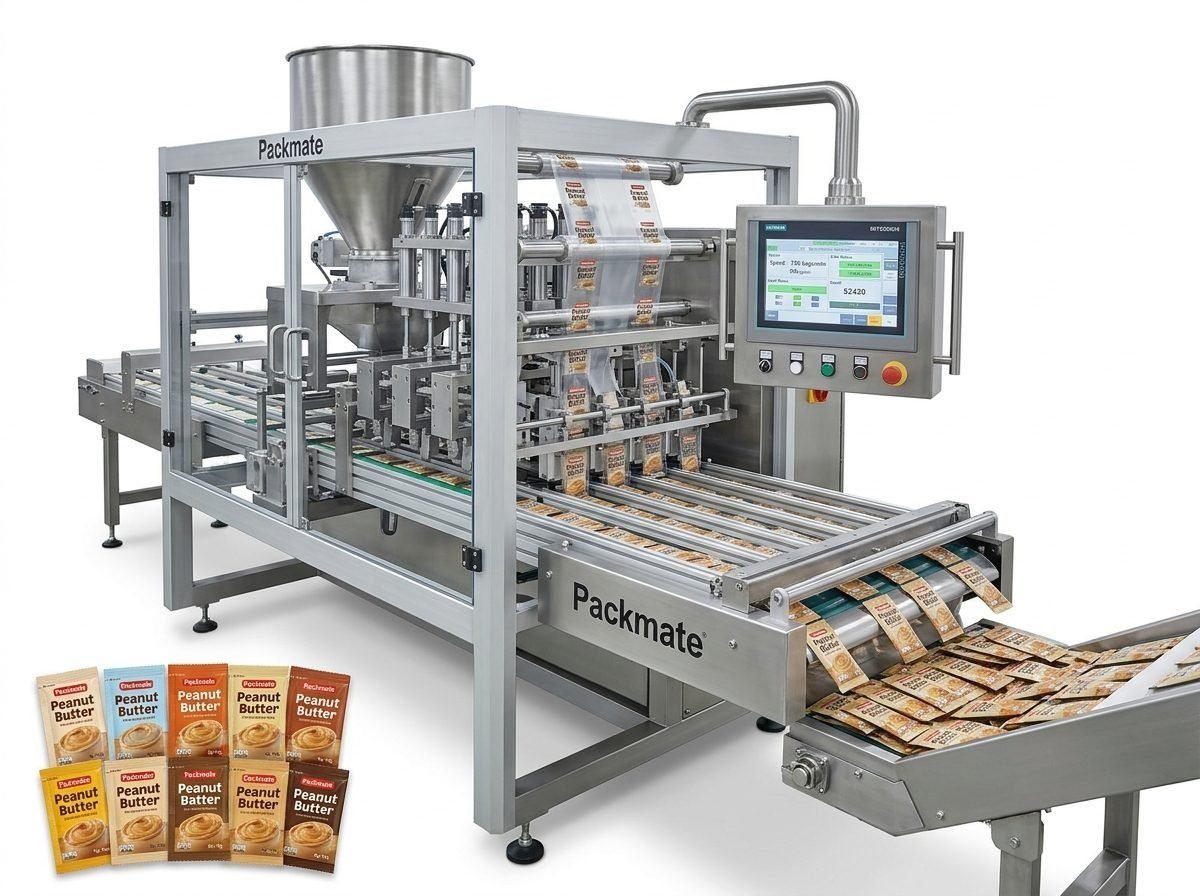
They combine large-scale manufacturing capability with focused engineering expertise. For example, a Croatian pharmaceutical company needing a GMP-compliant powder filling line might find a perfect partner in a firm with 30+ years of pharma experience. A local artisanal food producer looking for a flexible, small-footprint sachet machine could benefit from the customization focus of a company like PackingMachineOEM.
The key is to engage in detailed discussions. Provide samples of your product and packaging materials. Request a live or recorded video test run of your product on their equipment. This due diligence is the best way to ensure the machine will perform as expected in your Croatian facility.
Conclusion
Selecting the right packaging machine manufacturer in Croatia requires a strategic approach that balances local operational needs with global supply chain realities. By thoroughly assessing your requirements, prioritizing manufacturer experience and technical support, and looking beyond the initial price to the total cost of ownership, you can make an informed decision. Leading international manufacturers, particularly those from China with strong European export experience, offer Croatian businesses a pathway to modern, efficient, and reliable packaging automation that can enhance competitiveness both at home and in the export market.
Frequently Asked Questions (FAQs)
Q: What are the main advantages of choosing a Chinese packaging machine manufacturer for a Croatian business?
A: The primary advantages are cost-effectiveness without sacrificing technology, a wide range of machine options and high customization ability, and extensive experience in exporting to European markets, ensuring familiarity with CE standards and logistics.
Q: How can I verify the quality of a machine before purchasing from overseas?
A: Always request a factory acceptance test (FAT) via live video stream. Ask for references from existing European clients and visit their facilities if possible. Review detailed quality control certificates and machine component lists.
Q: What kind of after-sales support should I expect?
A: Expect comprehensive support including installation manuals, wiring diagrams, operational training videos, a list of critical spare parts, and access to remote technical support. Clarify warranty terms, response times for spare parts delivery, and the availability of on-site engineers in Europe.
Q: Are spare parts readily available for Chinese machines in Europe/Croatia?
A: Reputable manufacturers will maintain a stock of common wear parts (like sealing jaws, sensors, pumps) in European warehouses for faster delivery. Always confirm the location of spare parts inventory and standard delivery times to Croatia.
Q: Is it better to buy a single machine or a complete turnkey line?
A: This depends on your production scale and automation goals. A single machine is suitable for specific, manual or semi-automated tasks. A turnkey line from a specialist like PacklineOEM is ideal for high-volume, fully automated production with minimal manual handling, offering higher long-term efficiency and consistency.