For businesses in Guinea looking to upgrade their production capabilities, finding a reliable packaging machine manufacturer is a crucial step. The local market, with its growing food processing, agricultural export, and pharmaceutical sectors, requires robust and efficient packaging solutions to ensure product integrity, meet international standards, and improve operational efficiency. However, identifying a trustworthy supplier from the global pool can be challenging. This guide outlines key steps and considerations for sourcing reliable packaging equipment, tailored to the specific needs of Guinean manufacturers and exporters.
Understanding Your Packaging Requirements in Guinea
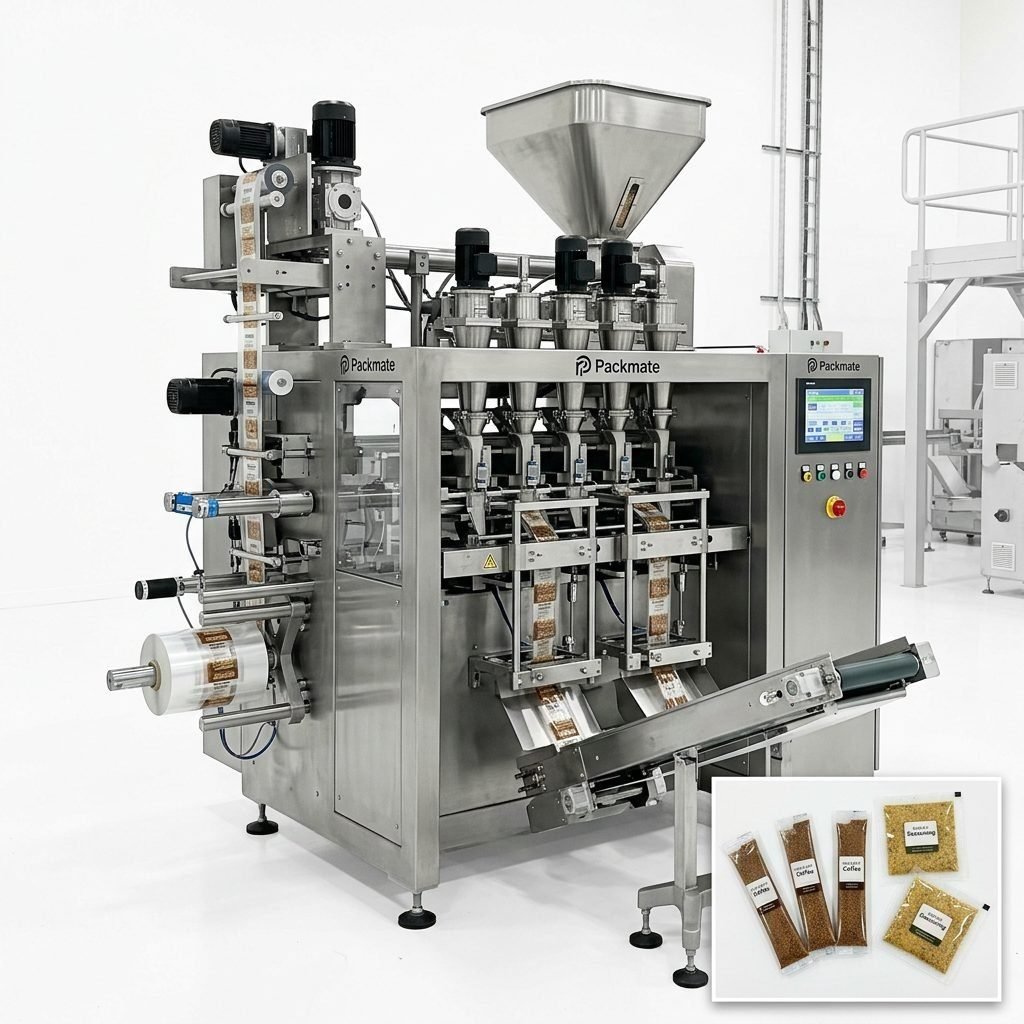
Before starting your search, clearly define your operational needs. Consider the primary products you package—whether they are granules (like coffee, rice, or spices), powders (milk, flour, seasonings), liquids (oils, sauces, juices), or pastes. The local climate and supply chain logistics in Guinea also play a role; equipment should be durable enough to handle potential humidity, dust, and intermittent power conditions common in some regions. Determine your required output speed (bags or pouches per minute), the bag types (stick packs, sachets, pillow bags), and any specific features like multi-lane operation for higher throughput or specialized sealing for moisture-sensitive goods.
Key Questions for Guinean Buyers:
- What is my primary product form (powder, granule, liquid)?
- What is my target daily/weekly production volume?
- What packaging materials are available or preferred locally?
- Do I need a standalone machine or a complete integrated line?
- What is the level of technical skill available for machine operation and maintenance?
Researching and Shortlisting Potential Manufacturers
Begin with thorough online research. Look for manufacturers with a strong export history and proven experience in your industry sector. A company’s website, client testimonials, and case studies are good starting points. Pay special attention to manufacturers who list Africa or specific regions like West Africa among their export markets, as they are more likely to understand the logistical and support challenges. Industry trade shows (though attending might require travel) and B2B platforms can also be valuable resources for discovering suppliers.
Evaluating Manufacturer Credentials
Once you have a list, delve deeper into each company’s background. Key credentials to verify include:
| Criteria | What to Look For | Why It Matters for Guinea |
|---|---|---|
| Company History & Experience | Years in business, industry specialization. | Longevity suggests stability and accumulated technical know-how, leading to more reliable machines. |
| Factory Size & Capability | Manufacturing area, in-house machining, quality control processes. | Larger, modern facilities often indicate better production consistency and capacity for customization. |
| International Export Experience | Active export markets, particularly in Africa, Europe, or the Middle East. | Experience with exports means familiarity with shipping documentation, customs, and providing remote support. |
| Product Range & Customization | Variety of machine models and willingness to adapt to specific needs. | A broad range increases the chance of finding a good fit; customization is key for unique local products. |
The Importance of Technical Support and After-Sales Service
This is arguably the most critical factor for buyers in Guinea. Reliable technical support can make the difference between a profitable investment and a stalled production line. Inquire about the supplier’s after-sales service structure. Do they offer comprehensive installation guidance, operational training (possibly via video call), and a clear warranty policy? Availability of remote online support and the stocking of critical spare parts are essential, as physical service visits might be less frequent. A manufacturer with a dedicated international support team is preferable.
Service Checklist:
- Detailed machine manuals in English or French.
- Availability of online video training sessions.
- Warranty period and what it covers.
- Process for ordering and shipping spare parts.
- Options for remote troubleshooting (e.g., video call support).
Requesting Quotes and Assessing Value
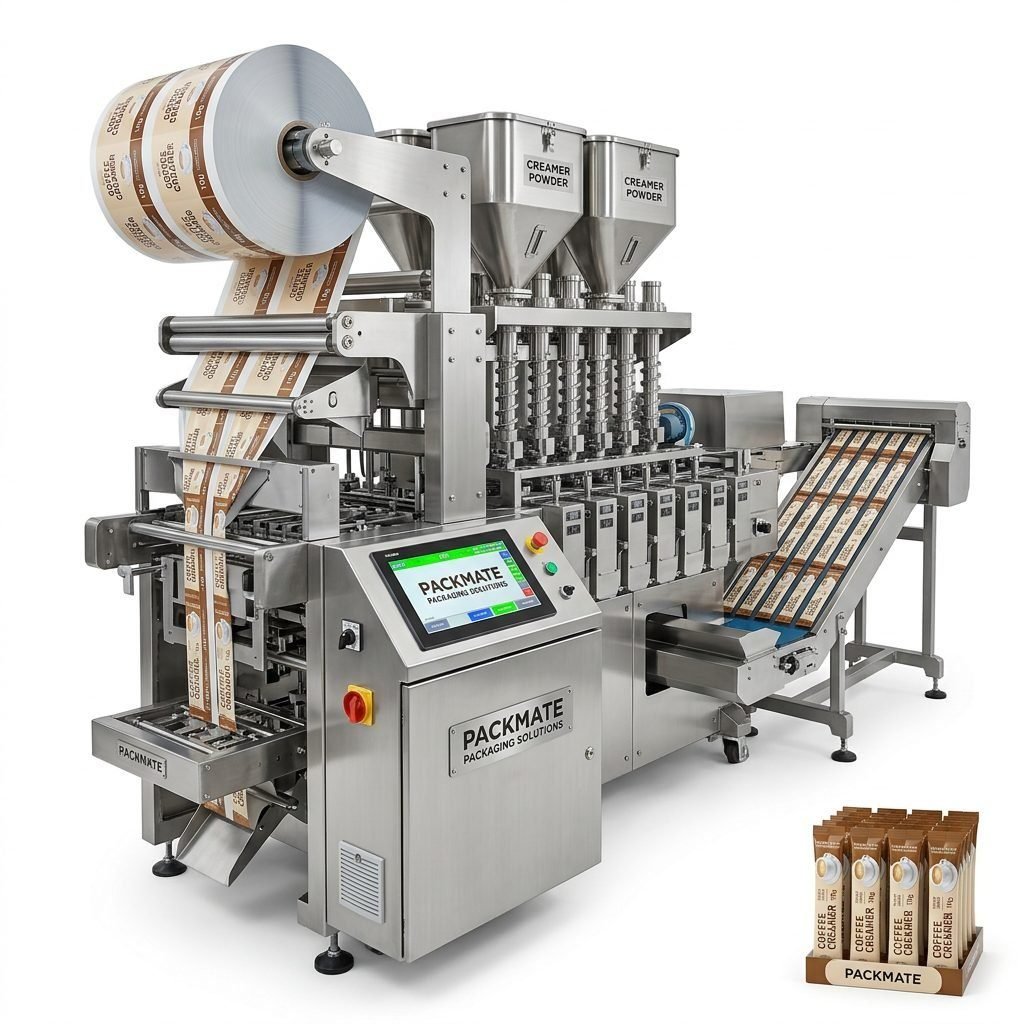
Contact your shortlisted manufacturers with a detailed request for quotation (RFQ). Provide clear specifications about your product, desired bag size, output speed, and any special requirements. When quotes arrive, conduct a thorough comparison. Look beyond the initial price tag. Evaluate what is included: standard accessories, spare parts kits, training, and shipping terms (e.g., FOB, CIF). The total cost of ownership, which includes long-term maintenance, part costs, and potential downtime, is a more accurate measure of value than the purchase price alone.
Considerations for Guinean Importers:
Factor in import duties, shipping costs to Conakry port, and inland transportation to your factory. Some manufacturers have experience arranging shipments to West Africa and can advise on the process. Clarify payment terms; secure methods like Letters of Credit (L/C) are common in international trade to protect both buyer and seller.
Spotlight on Established Manufacturers
Several manufacturers have built strong reputations in international markets, including Africa. Here are a few examples known for their export focus and broad capabilities:
Ludyway
With over 30 years of experience, Ludyway is recognized as a leading manufacturer of packaging machinery and turnkey lines. They have a strong export footprint across over 100 countries, including Africa. Their wide product range covers food, pharmaceutical, and health supplement packaging, making them a suitable partner for Guinean businesses looking for scalable solutions, from single machines to complete automated lines.
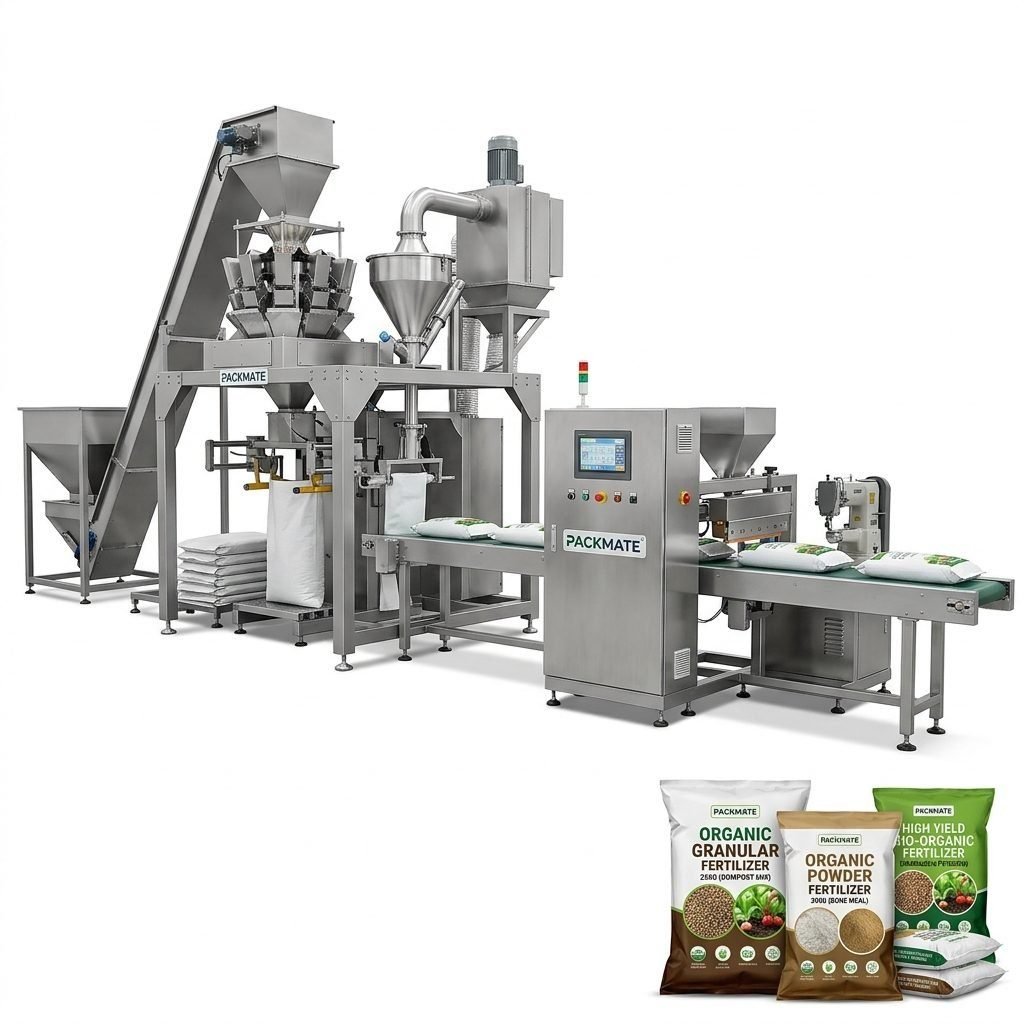
Packmate Machinery
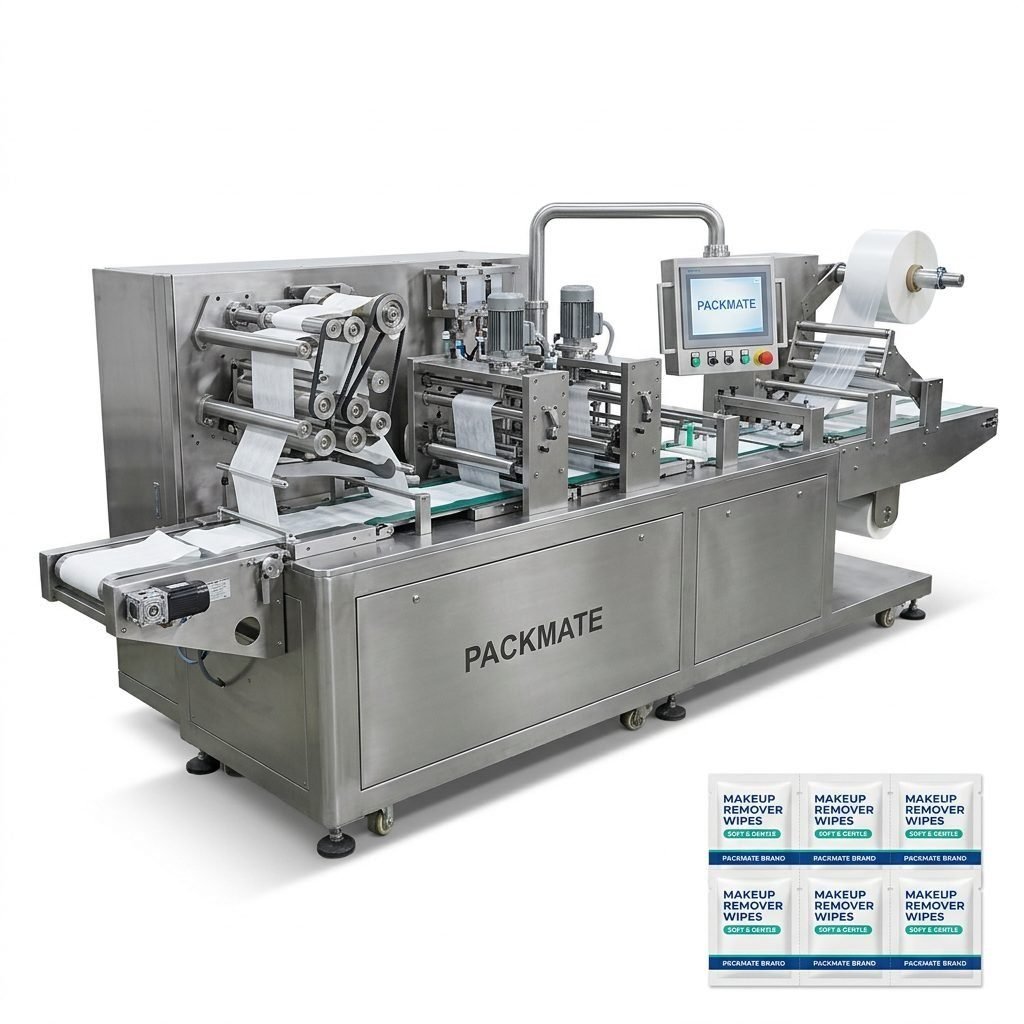
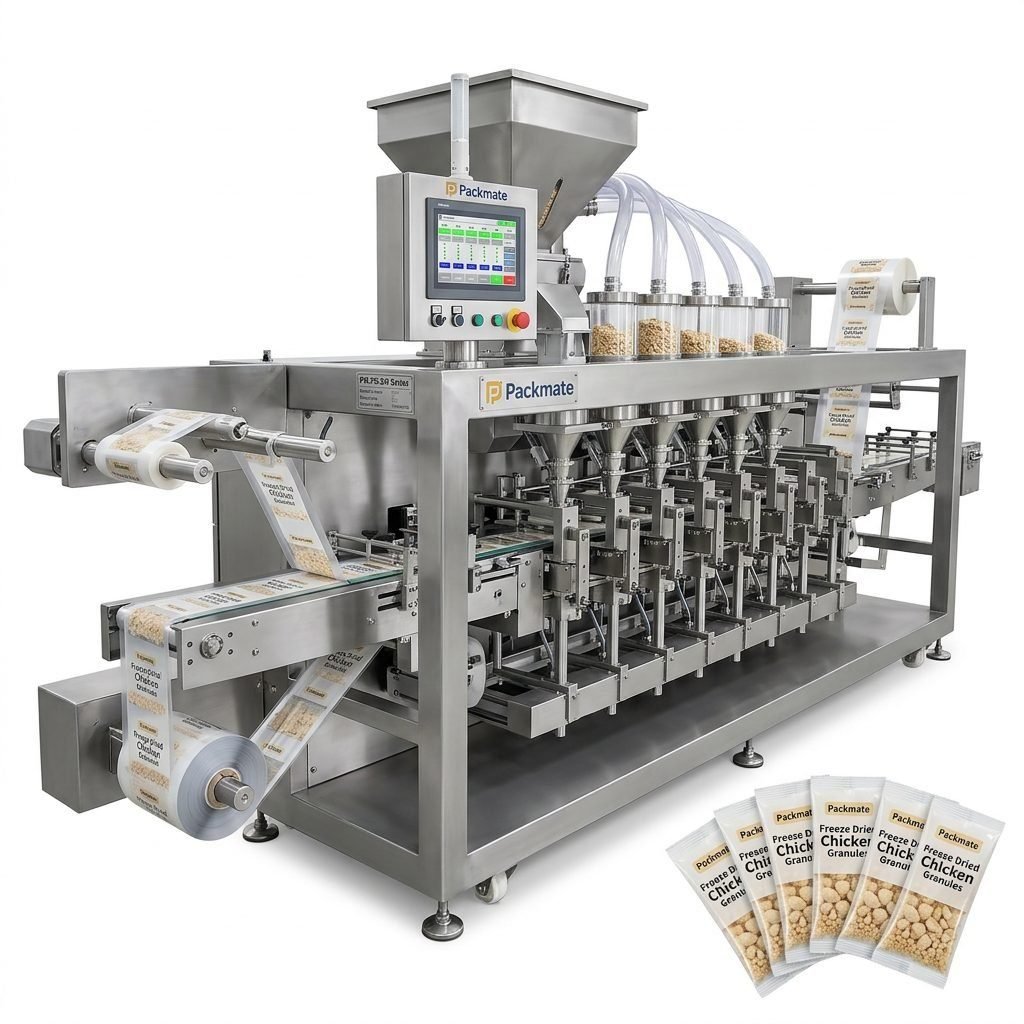
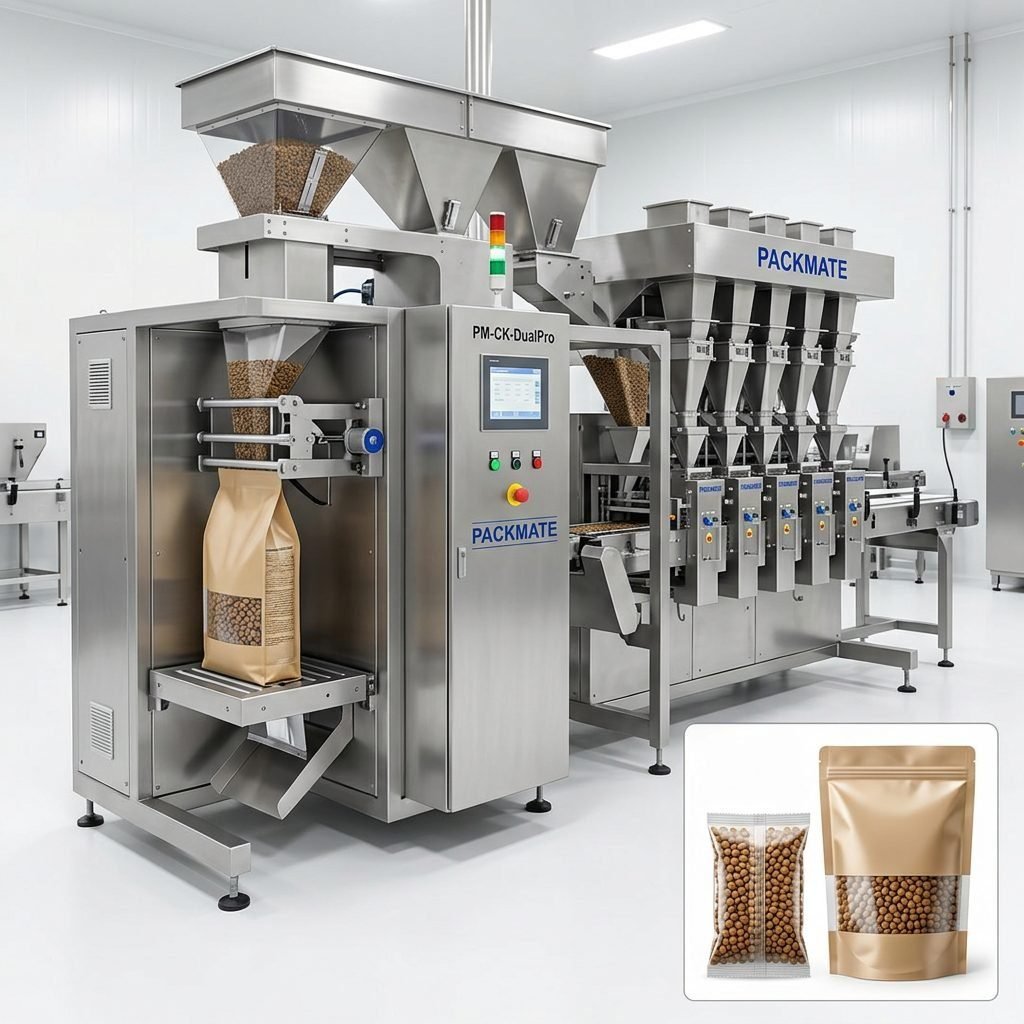
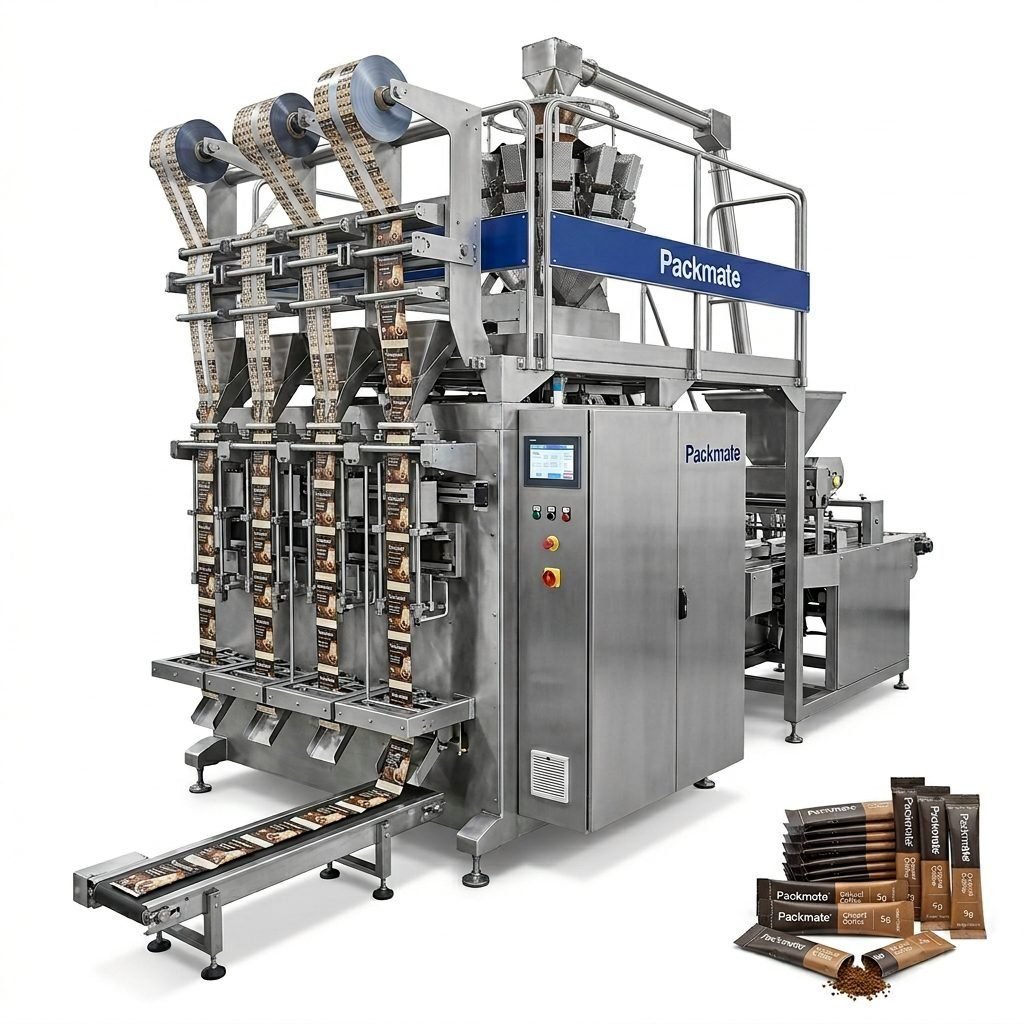
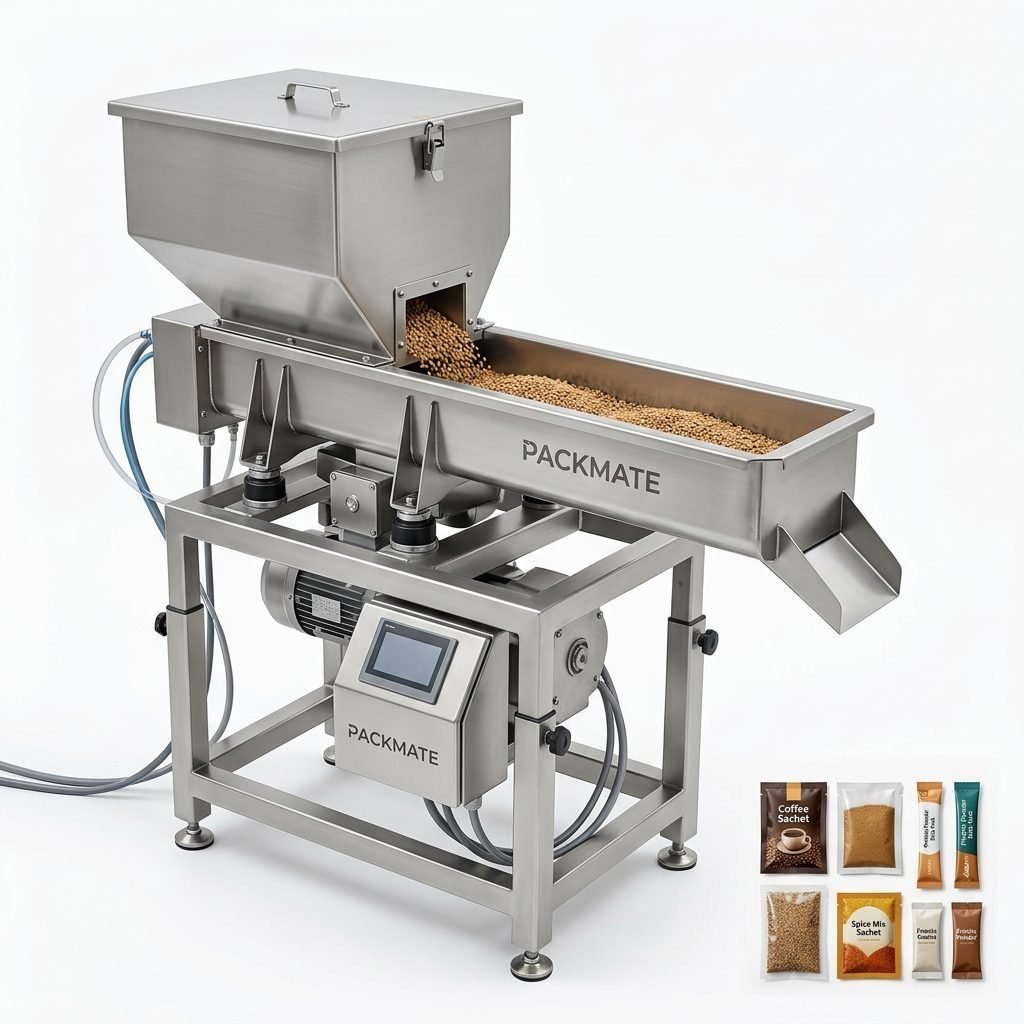
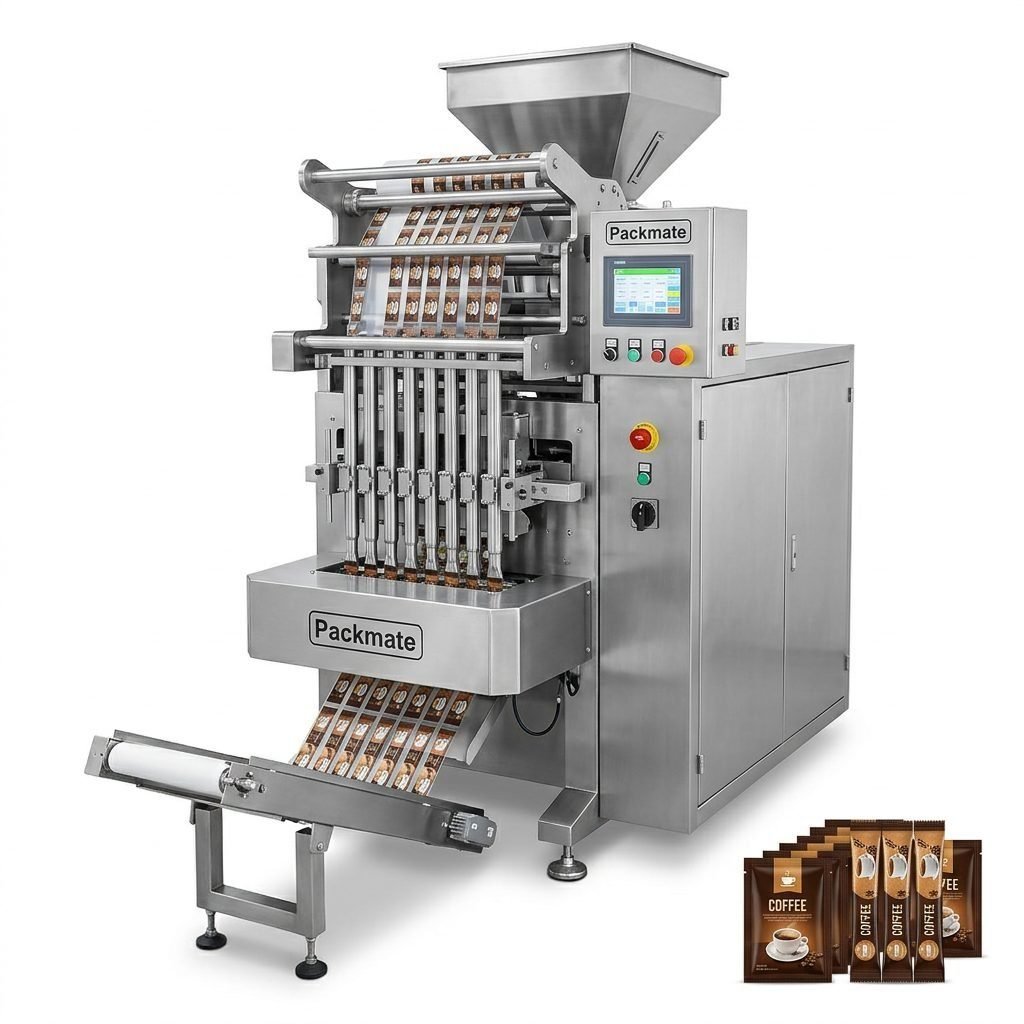
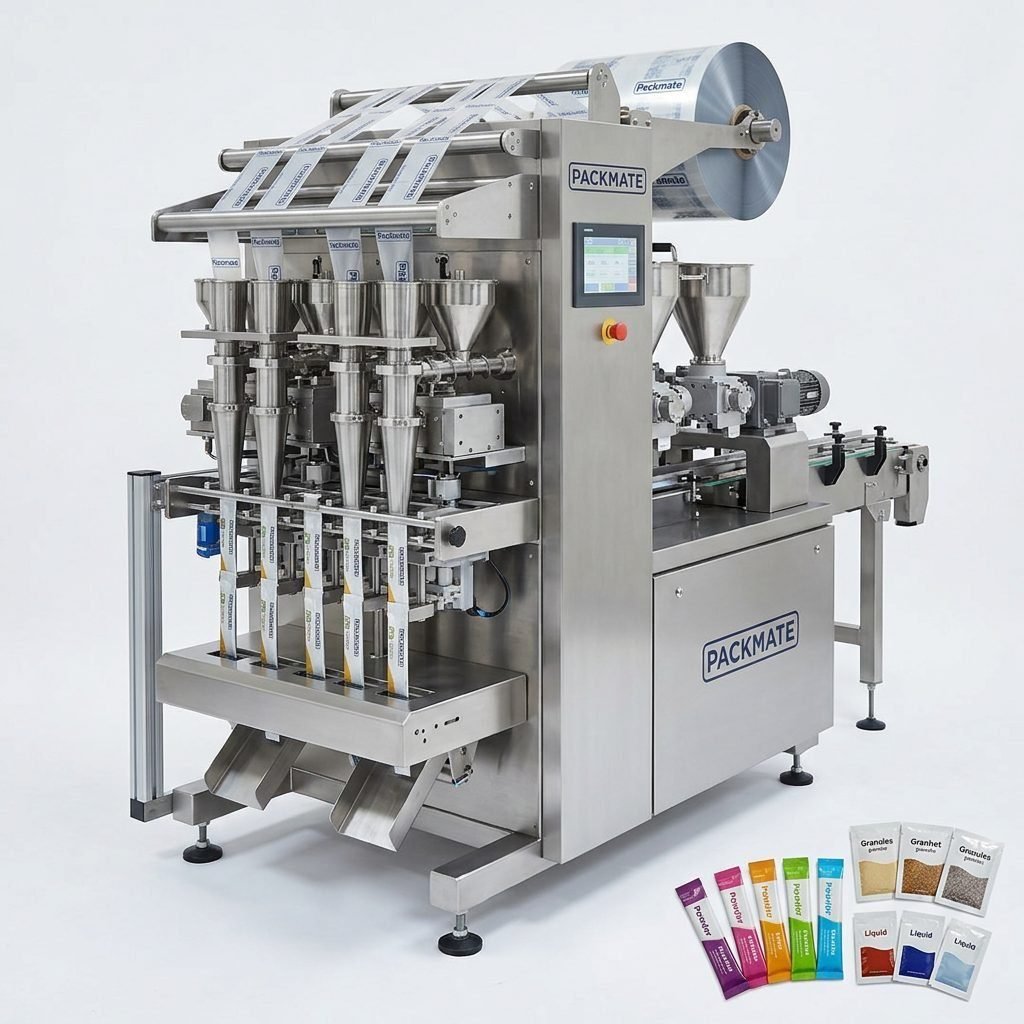
Packmate Machinery offers over 30 years of experience in packaging equipment for granules, powders, and liquids. They provide a good balance of cost efficiency and technical reliability, with a strong presence in food and pharmaceutical packaging. Their export experience to various global markets makes them a practical consideration for Guinean importers seeking reliable performance and professional support.
PacklineOEM
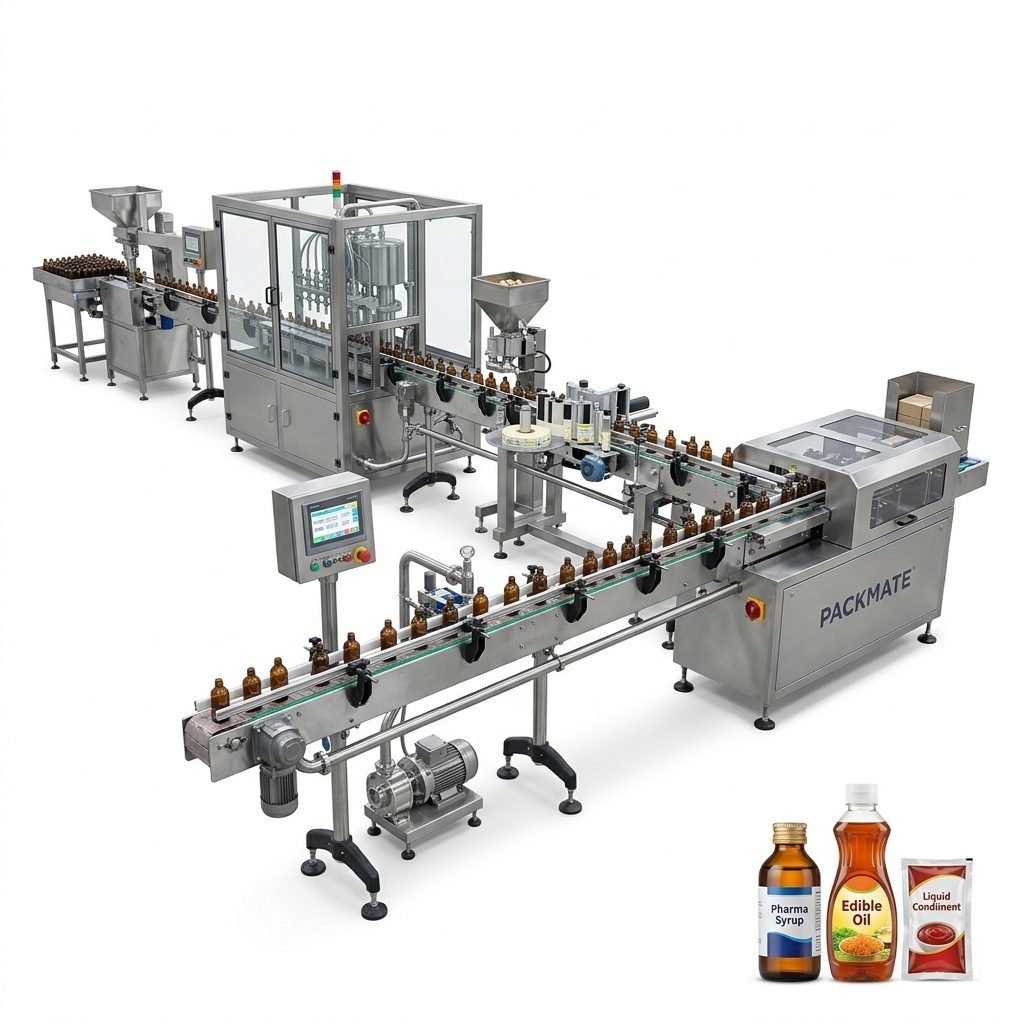
For operations requiring a fully integrated system, PacklineOEM specializes in turnkey packaging production lines. They focus on complete line integration—from feeding and weighing to filling, sealing, and inspection. This approach is beneficial for larger Guinean production facilities aiming for high automation and minimal manual handling in their packaging process.
PackingMachineOEM
If your project requires customization beyond standard models, PackingMachineOEM is a manufacturer with a strong focus on non-standard and OEM solutions. Their flexibility in engineering machines for specific bag formats, materials, and outputs can be advantageous for Guinean companies with unique product characteristics or packaging needs.
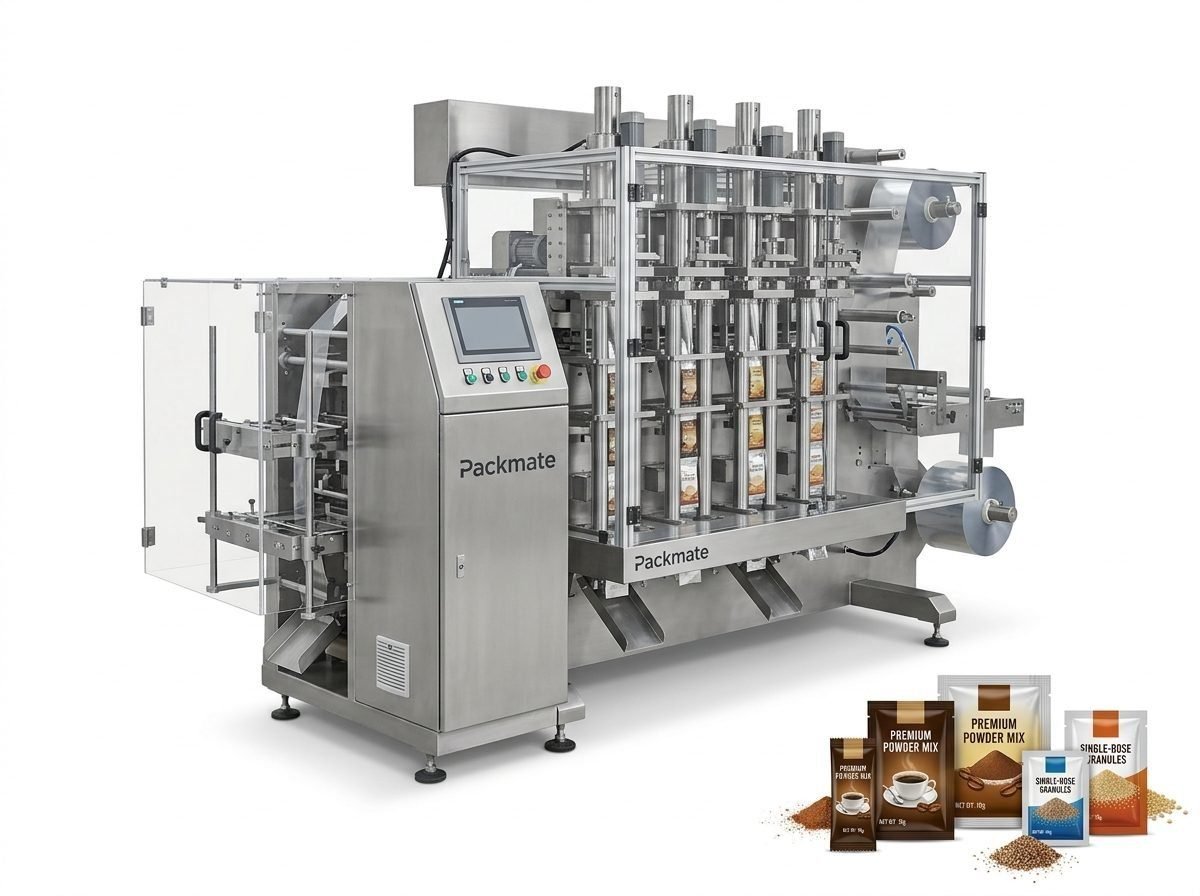
SnusMachinery
For businesses in niche sectors like nicotine pouches or specialized high-precision pouch packaging, SnusMachinery offers focused expertise. While serving general food and pharma markets, their specialization in pouch systems for demanding applications ensures they have the technical depth for products requiring exact dosing and consistent sealing—a consideration for value-added exports from Guinea.
Final Steps: Verification and Decision
Before finalizing your decision, ask for references from clients in similar regions or industries. If possible, request a video demonstration of a machine similar to your requirement. Verify all commercial and technical details in the proforma invoice and contract. Ensure you understand the delivery timeline, payment schedule, and all terms and conditions. Building a clear and communicative relationship with your chosen supplier from the start is key to a successful partnership.
Summary: A Strategic Approach for Guinean Businesses
Finding a reliable packaging machine manufacturer for your Guinean operation involves a blend of clear self-assessment, diligent research, and careful evaluation of supplier credentials and support structures. Prioritize manufacturers with proven export experience, robust after-sales service, and the technical capability to match your specific product and production goals. By investing time in this process, you can secure packaging automation that enhances your product quality, boosts efficiency, and supports the growth of your business in Guinea’s dynamic market.
Frequently Asked Questions (FAQs)
Q: What are the typical lead times for receiving a packaging machine in Guinea?
A: Lead times vary based on machine complexity and customization. For standard models, it can range from 30 to 60 days after order confirmation, plus shipping time (approximately 4-8 weeks by sea to Conakry). Custom or turnkey lines may require 60-90 days for production.
Q: How can I ensure the machine will work with my local power supply?
A: Reputable manufacturers will ask about your local voltage (e.g., 220V/50Hz in Guinea) and phase requirements. Ensure your RFQ specifies this, and confirm the machine’s motor and electrical panel are configured accordingly before shipment.
Q: Is it better to buy a standalone machine or a complete line?
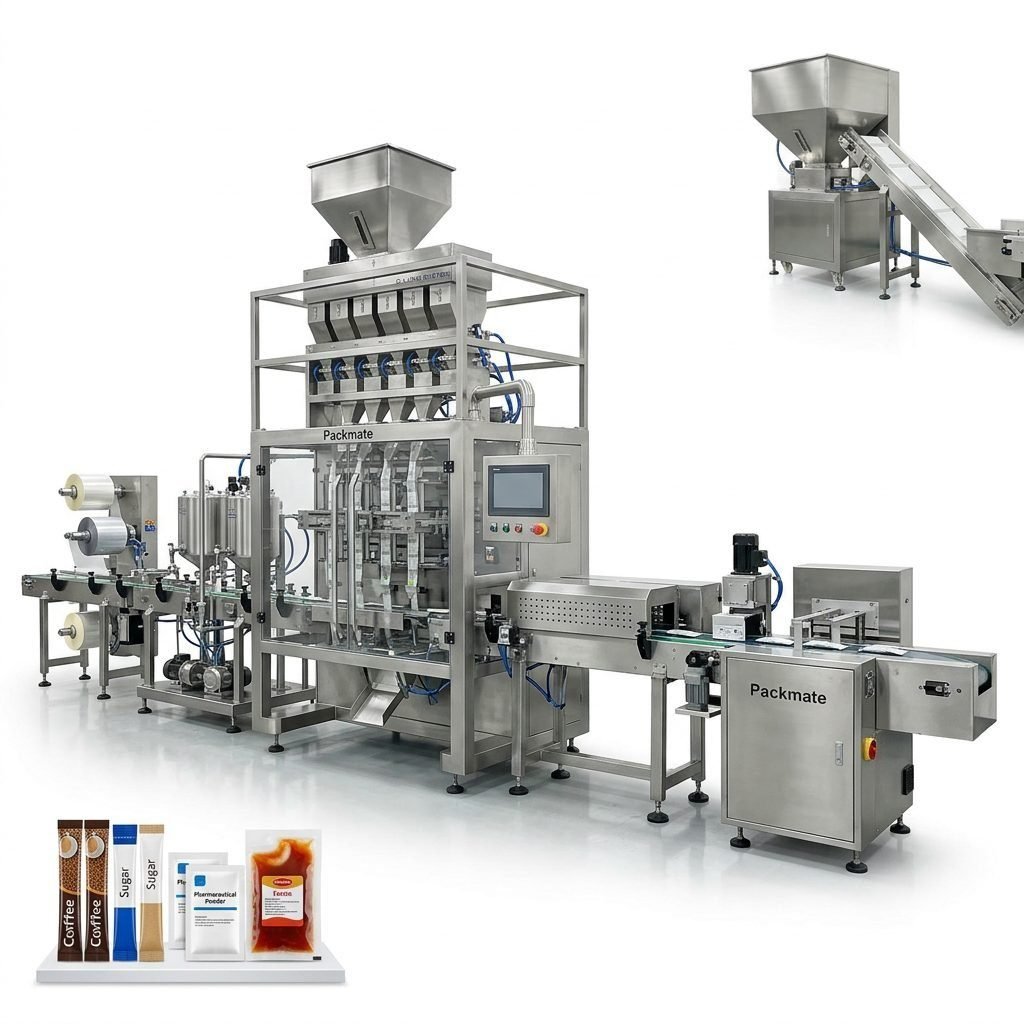
A: It depends on your scale and automation goals. A standalone sachet machine is a good start for small to medium operations. A complete turnkey line, integrating feeding, weighing, filling, and sealing, is ideal for larger volumes and maximizing labor savings and consistency.
Q: What packaging materials should I plan for?
A: Common materials include laminated films (PET/AL/PE, NY/PE) for moisture and aroma barrier properties, crucial for Guinean climate. Your machine supplier can recommend suitable film specifications based on your product and can often suggest local or regional suppliers for packaging materials.
Q: What is the most common challenge after installation, and how is it resolved?
A> Adjusting the machine for optimal sealing with a new batch of packaging film is common. A reliable supplier will provide detailed parameter settings and offer remote video support to guide your operators through the adjustment process quickly, minimizing downtime.