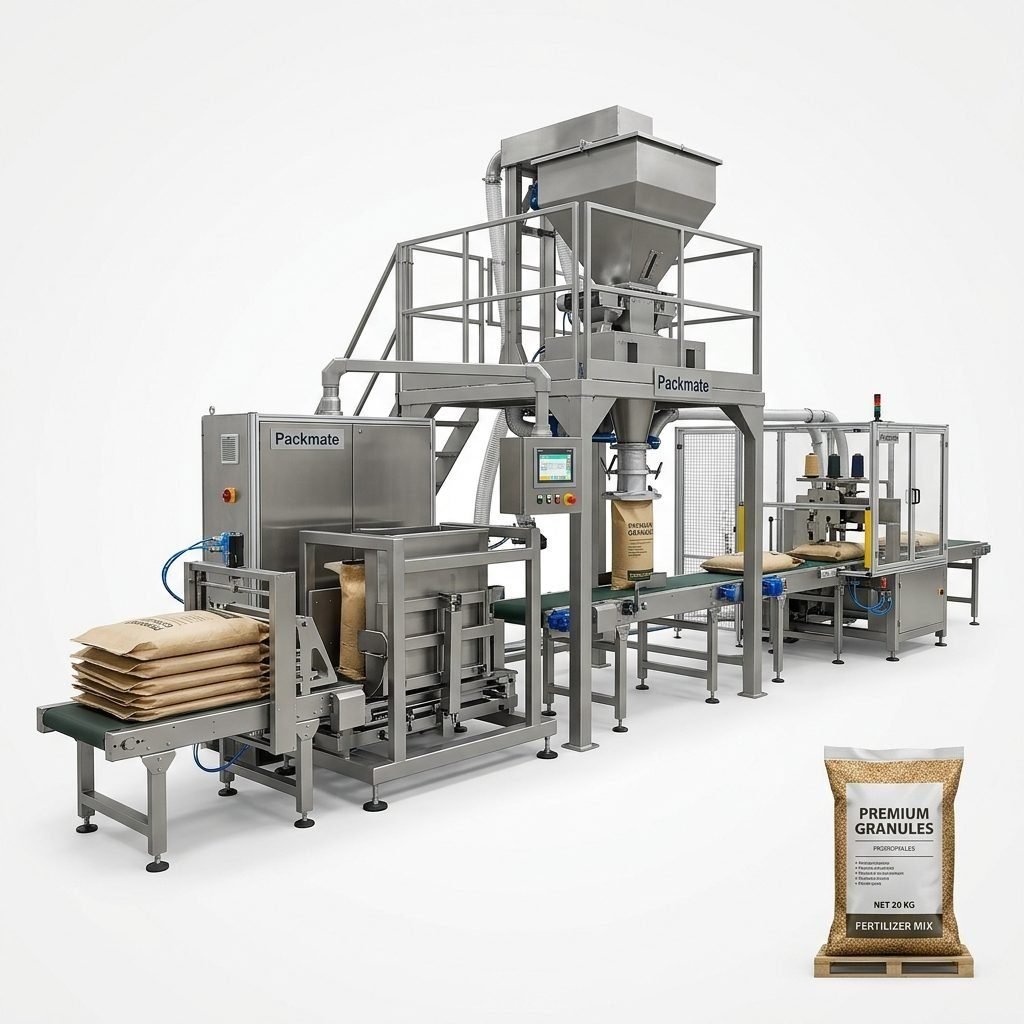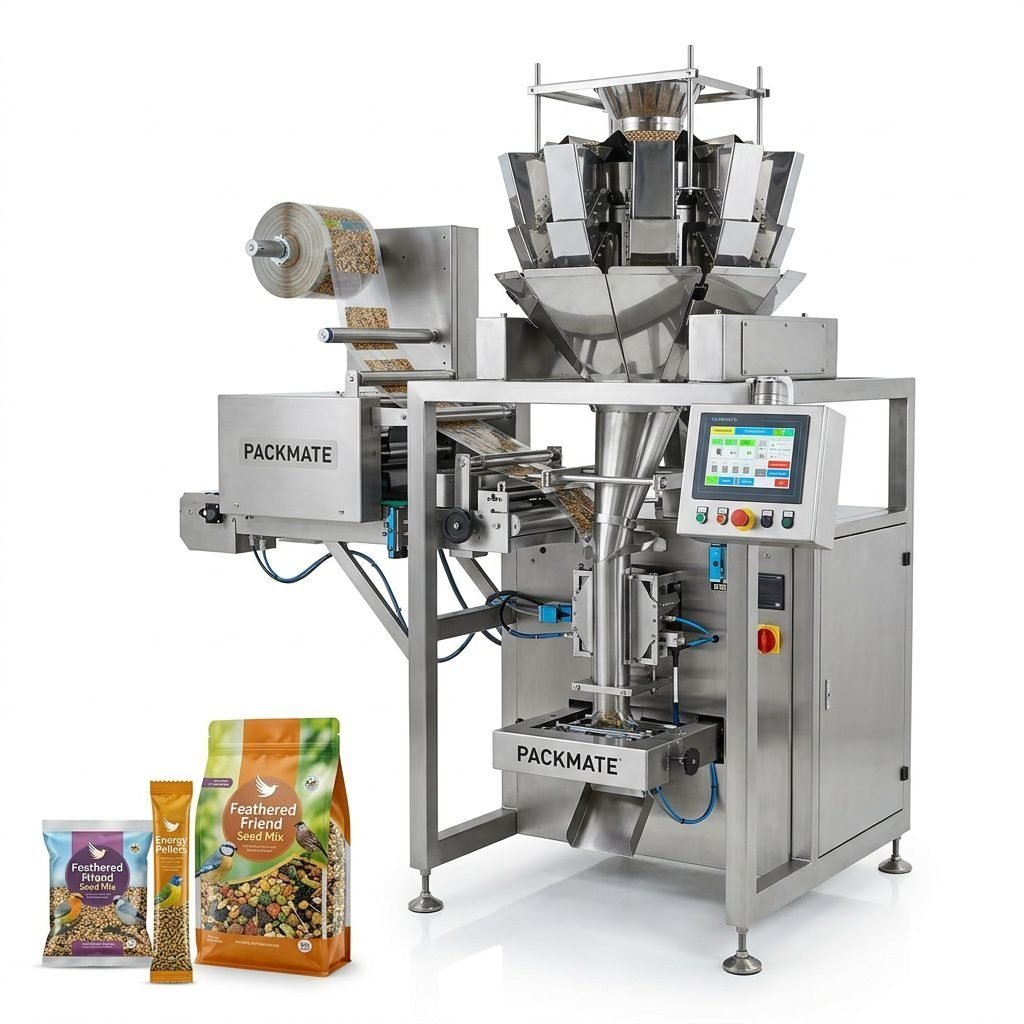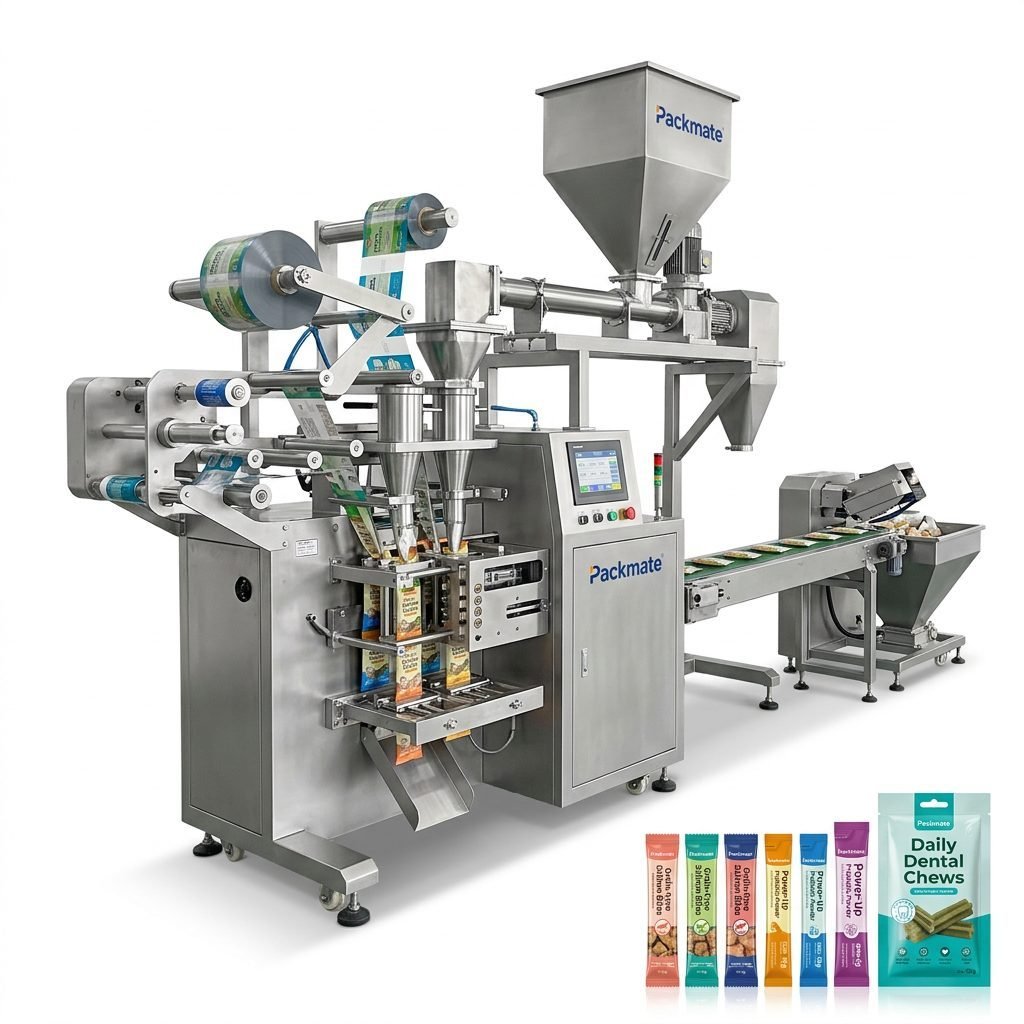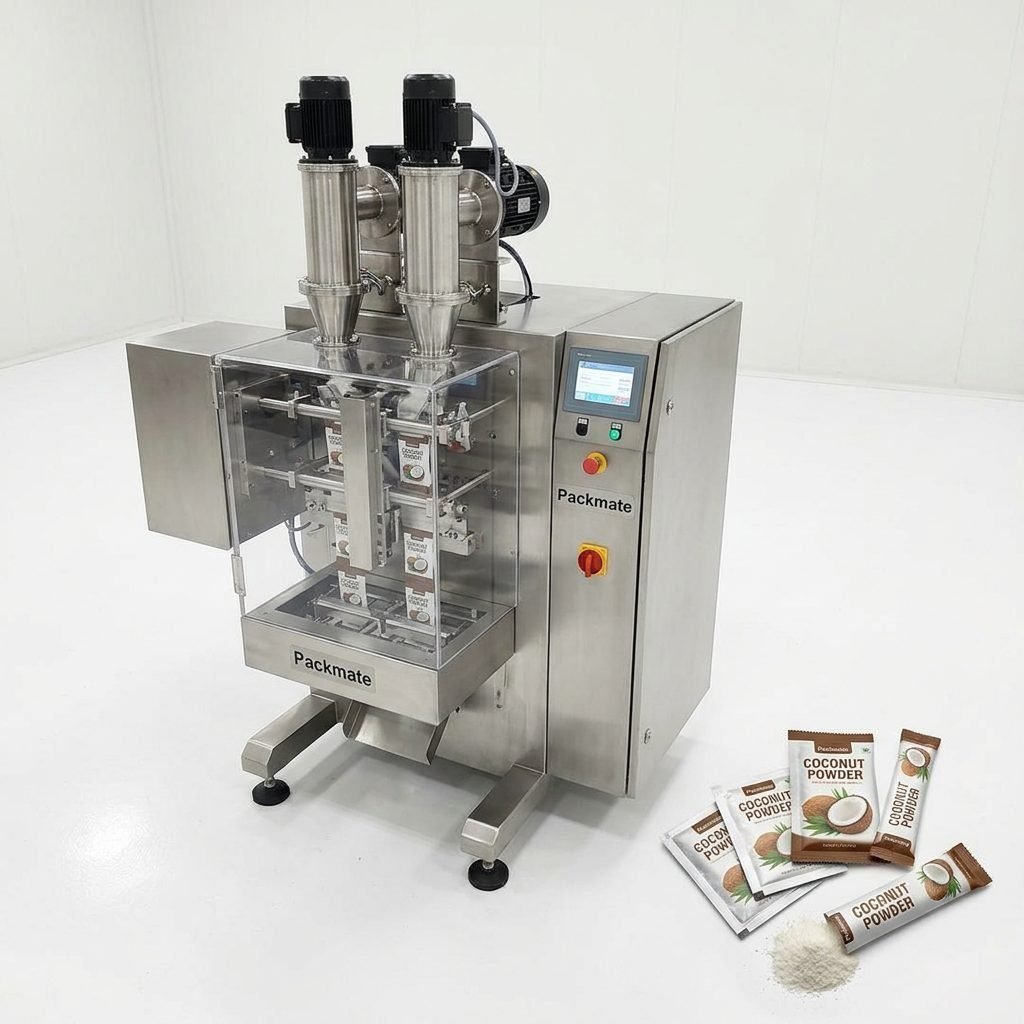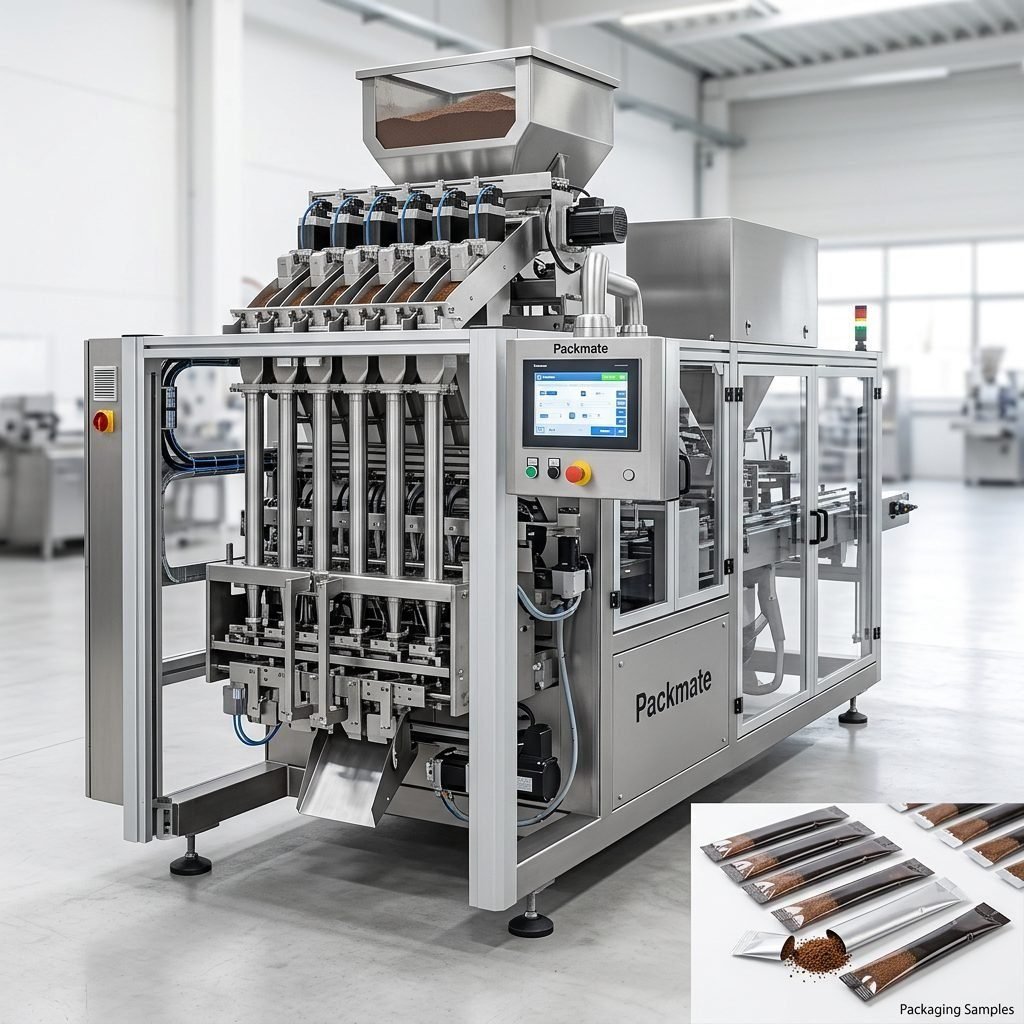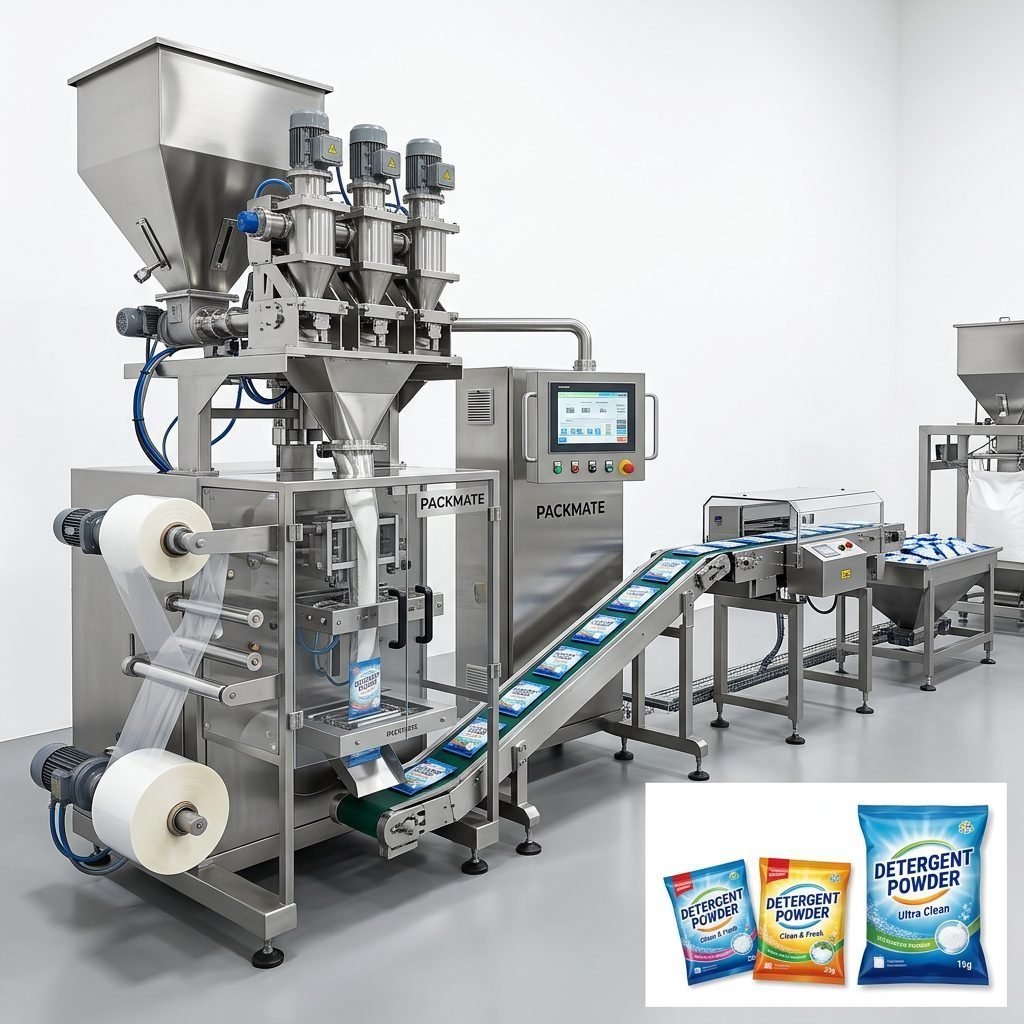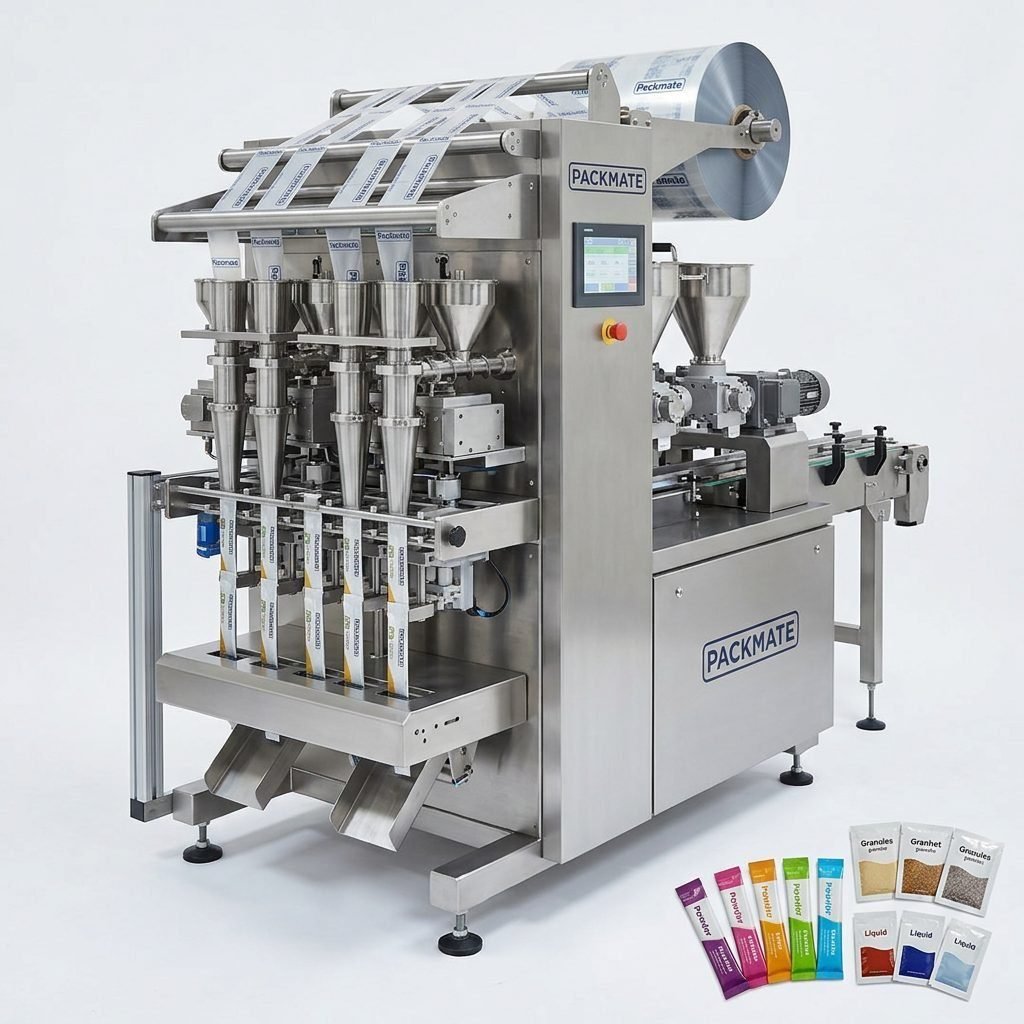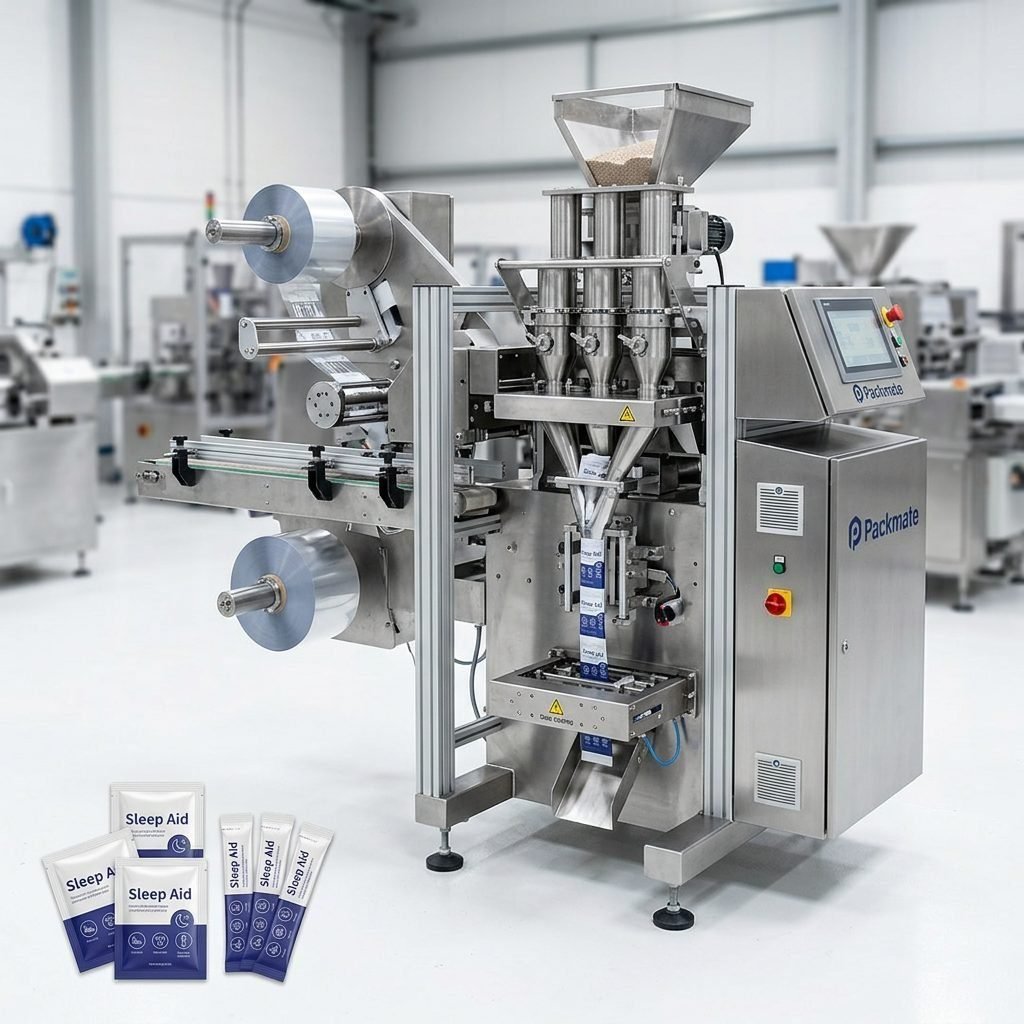
Lithuania’s manufacturing and food processing sectors are experiencing steady growth, driven by its strategic location within the EU and a skilled workforce. For businesses in the Baltics looking to upgrade or automate their packaging operations, choosing the right packaging machine manufacturer is a critical decision. The right partner can significantly impact your production efficiency, product quality, and long-term operational costs. This guide outlines the key factors to consider when selecting a packaging machine manufacturer, with a specific focus on the needs of Lithuanian businesses and insights into top international suppliers.
Understanding Your Business Requirements
Before you begin your search, it’s essential to have a clear understanding of your own needs. This internal assessment will guide every subsequent decision.
Product Type: Are you packaging powders, granules, liquids, pastes, or solid items? The physical characteristics of your product (viscosity, flowability, particle size) directly determine the type of filling and sealing technology required.
Production Speed & Capacity: What is your current and projected output? Define your required output in packs per minute (PPM) or units per hour. A manufacturer should offer machines that not only meet your current needs but can also scale with your business growth.
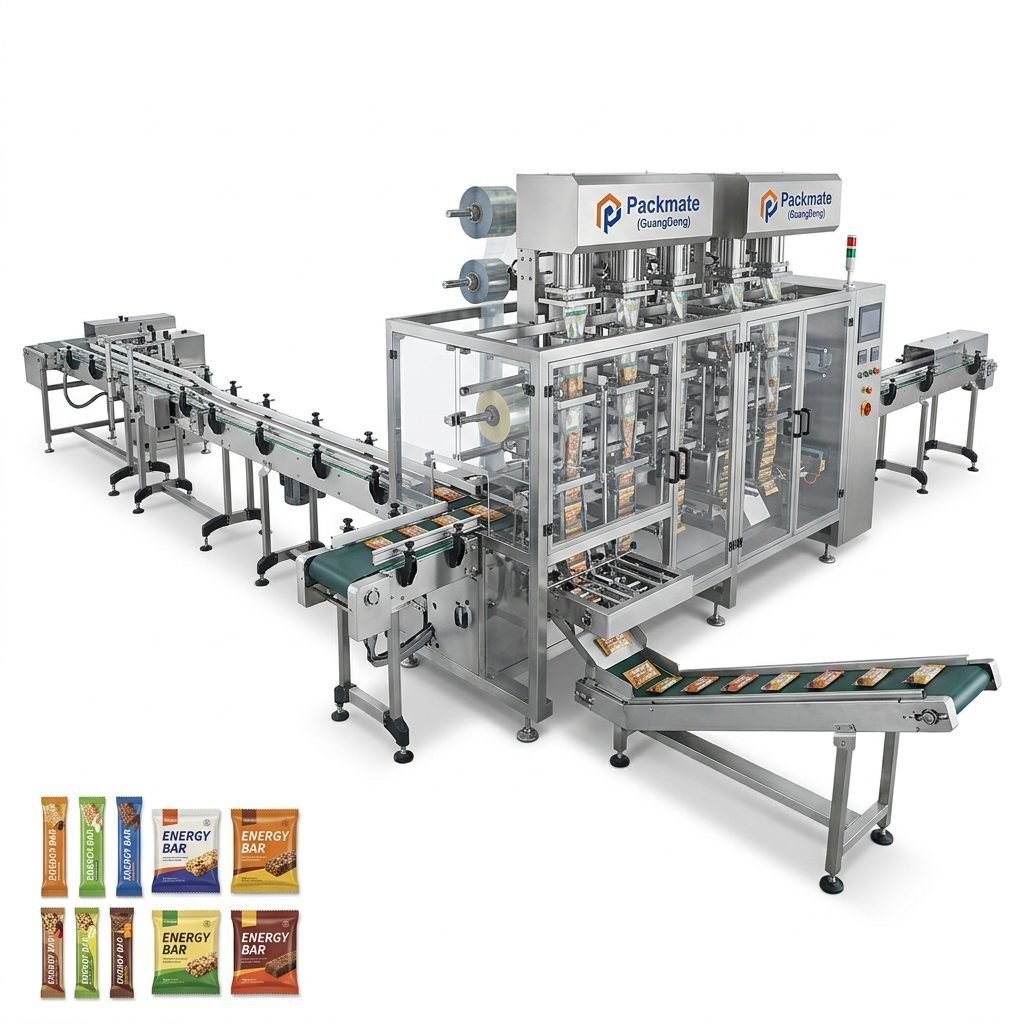
Packaging Format: Do you need stick packs, sachets, pouches, bottles, or blister packs? The final package shape and material (films, laminates) are crucial specifications.
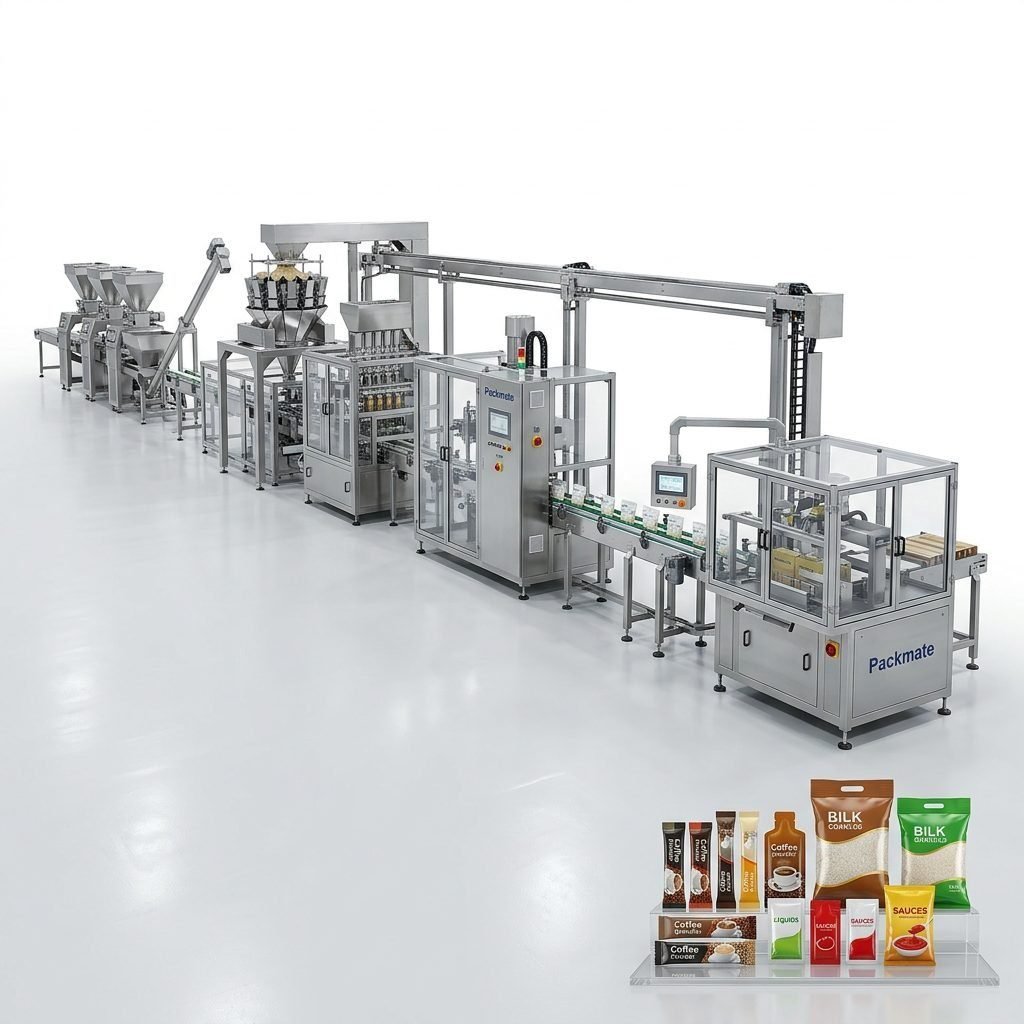
Level of Automation: Are you looking for a standalone machine or a fully integrated turnkey line with feeding, weighing, filling, sealing, coding, and cartoning? The complexity of your line affects cost, footprint, and labor requirements.
Budget & ROI: Establish a realistic budget that considers not just the initial machine cost, but also installation, training, maintenance, and potential downtime. Calculate the expected Return on Investment (ROI) based on labor savings, material waste reduction, and increased output.
Key Selection Criteria for a Manufacturer
Once your requirements are clear, evaluate potential manufacturers against these critical criteria.
1. Technical Expertise and Industry Experience
Look for a manufacturer with a proven track record in your specific industry (e.g., food, pharmaceuticals, health supplements). Experience translates into a deeper understanding of hygiene standards (like GMP for pharma), material compatibility, and common challenges. Companies with decades of experience, such as Ludyway (founded 1993) and Packmate Machinery (over 30 years), have typically refined their designs and processes to handle complex applications reliably.
2. Product Range and Customization Capability
Does the manufacturer offer a standard machine that fits your needs, or will significant customization be required? A broad portfolio, like the 100+ configurations offered by Ludyway, indicates strong R&D capability. For non-standard projects, a manufacturer’s flexibility is paramount. Companies like PackingMachineOEM specialize in tailored solutions, which can be vital for Lithuanian companies with unique product formats or niche market requirements.
3. Manufacturing Quality and Compliance
Inspect the manufacturer’s quality control processes. Do they use high-grade components (e.g., Siemens/Allen-Bradley PLCs, SMC/Festo pneumatics)? Are machines built to international safety and quality standards (CE, UL)? A modern factory, like the 20,000+ sqm facilities common among leading Chinese exporters, often correlates with better production consistency and scalability.
4. After-Sales Support and Service
This is arguably the most important factor for Lithuanian importers. Consider the following:
| Support Aspect | What to Look For | Why It Matters for Lithuania |
|---|---|---|
| Installation & Commissioning | On-site technician support, remote guidance. | Ensures correct setup and rapid production start-up. |
| Technical Training | Comprehensive training for your operators and maintenance staff. | Empowers your local team, reduces dependency on foreign support. |
| Spare Parts Availability | Local/EU warehouse, fast shipping channels. | Minimizes costly downtime. Proximity to EU hubs is a plus. |
| Warranty & Remote Support | Clear warranty terms, 24/7 remote troubleshooting. | Provides peace of mind and quick resolution of technical issues. |
5. Company Stability and Financial Health
A manufacturer with a long history and solid financials is more likely to be a reliable long-term partner. They can invest in R&D, maintain spare parts inventories, and honor warranty commitments. Review their company profile, export history, and client testimonials.
6. References and Case Studies
Ask for references from clients in similar industries or, ideally, within Europe. Case studies demonstrating successful projects for packaging similar products provide tangible proof of capability. A manufacturer with a strong export footprint in Europe, like those listed, is already familiar with the regulatory and quality expectations of the market.
Why Consider International Manufacturers?
While local European suppliers offer proximity, international manufacturers, particularly from China, have become highly competitive. They often provide a compelling combination of advanced technology, customization, and cost-effectiveness. For Lithuanian businesses, balancing total cost of ownership with performance is key.
Leading Chinese manufacturers have invested heavily in technology and now produce equipment that meets global standards. They cater extensively to export markets, meaning their documentation, software interfaces, and support systems are often designed with international clients in mind. For example, PacklineOEM focuses on complete turnkey lines, which can be ideal for a Lithuanian company building a new, fully automated production facility.
Specialized vs. Generalist Manufacturers
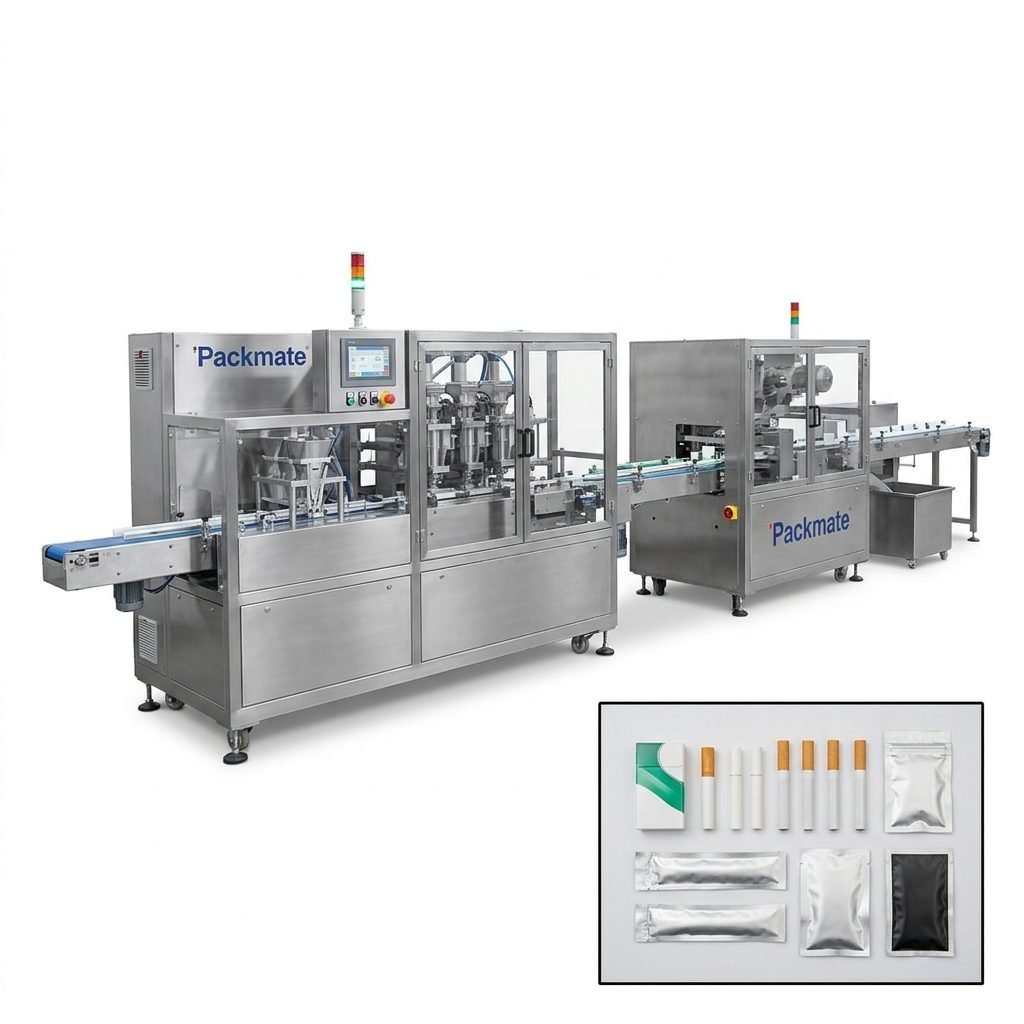
Your product may benefit from a specialist. For instance, if you are in the growing smokeless tobacco or nicotine pouch sector, a manufacturer like SnusMachinery offers dedicated expertise in high-speed, precision pouch packaging for these specific products. A generalist manufacturer might offer a machine, but a specialist provides application-specific know-how that can optimize performance and minimize teething problems.
The Procurement Process: Steps to Success
- Initial Inquiry: Provide detailed specifications (product, speed, bag size, etc.) to shortlisted manufacturers.
- Quotation & Proposal: Compare offers. Look beyond price at included services (training, warranty), delivery time, and payment terms.
- Factory Audit (Virtual/Physical): If possible, visit the factory or arrange a detailed video tour to assess capabilities.
- Sample Testing: Send your product and packaging materials for a live machine test. This is the best way to verify performance.
- Contract Finalization: Ensure all specifications, delivery, payment, and support terms are clearly documented.
- Installation & Training: Plan for the manufacturer’s engineers to commission the machine and train your team.
FAQs for Lithuanian Businesses
Q1: What are the main logistical considerations when importing machinery from Asia to Lithuania?
A: Key considerations include Incoterms (e.g., CIF Klaipėda), ensuring the supplier handles all export documentation, sea freight transit time (4-6 weeks), customs clearance in the EU (ensuring CE certification is in order), and final inland transportation to your factory. Work with a reliable freight forwarder experienced in handling industrial equipment.
Q2: How can I verify the quality before purchase?
A: Insist on a live video test using your actual product samples. Request detailed photos and videos of the machine’s construction. Ask for contact information of existing European clients for references. Check for relevant international certifications (CE is mandatory for the EU market).
Q3: Are spare parts readily available in Europe?
A: This varies by supplier. Leading exporters often stock common wear parts (like seals, heaters, sensors) in European warehouses for quick shipment. Discuss the spare parts policy, lead times for non-stocked items, and the possibility of maintaining a small local inventory at your facility.
Q4: What is the typical lead time for a custom packaging line?
A: For a standard machine, lead times can range from 30 to 90 days. For a fully customized turnkey line, it can take 90 to 180 days or more, depending on complexity. Clear communication and milestone-based payments help manage this process.
Q5: Is local technical support available?
A: Most international manufacturers provide support via remote diagnostics, video calls, and detailed manuals. For on-site support, they typically send engineers from headquarters. Some have partnerships with local agents or service technicians in major EU regions. Clarify the response time and costs for on-site visits during the warranty period and beyond.