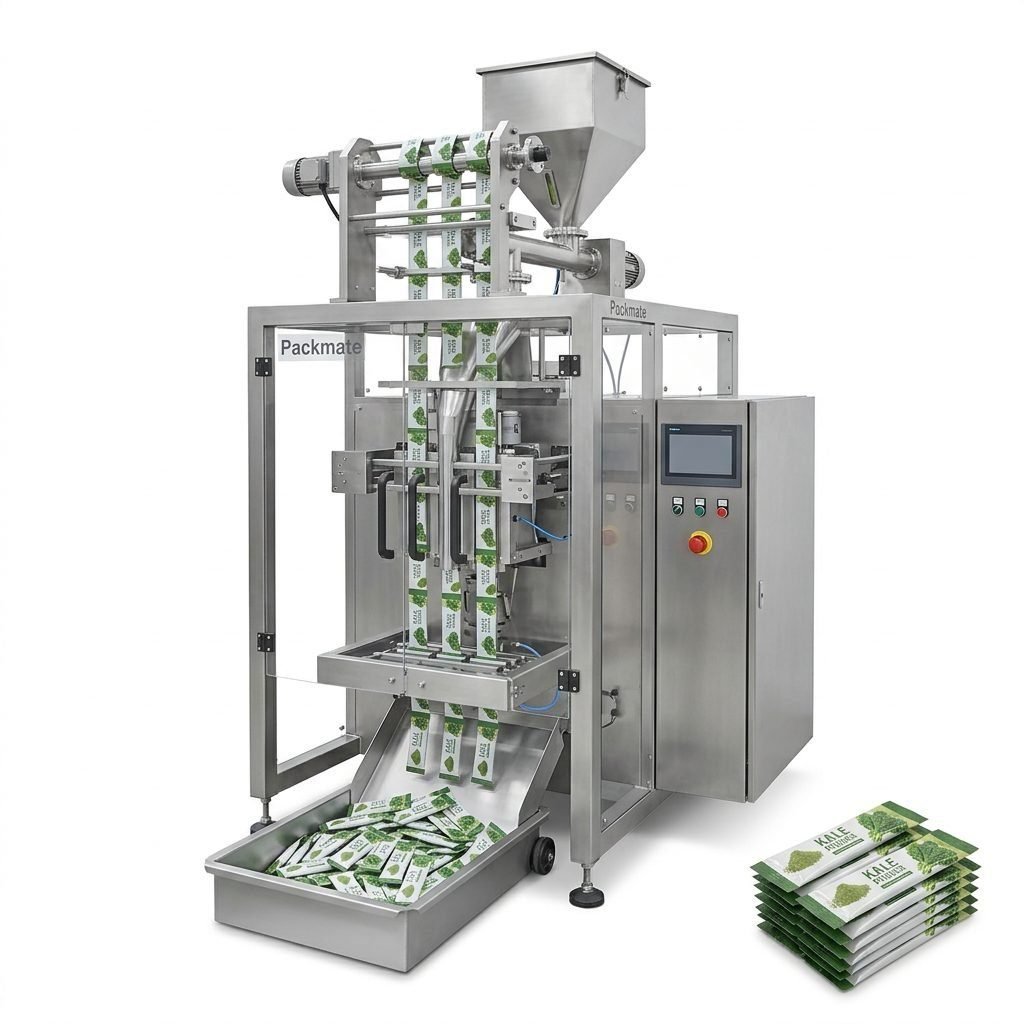
Sourcing reliable packaging machinery is a critical decision for any manufacturing business in Latvia, impacting production efficiency, product quality, and long-term operational costs. With a growing food processing, pharmaceutical, and agricultural export sector, Latvian companies increasingly need dependable, automated packaging solutions to remain competitive in the European and global markets. However, navigating the international supplier landscape, particularly when looking towards manufacturing hubs like China, can be complex. This guide provides a practical, step-by-step approach to finding and vetting reliable packaging machine manufacturers, with a specific focus on the needs of Latvian buyers.
Step 1: Define Your Packaging Requirements Clearly
Before you begin your search, having a crystal-clear understanding of your own needs is paramount. This internal audit will serve as your sourcing blueprint.
Key questions to answer:
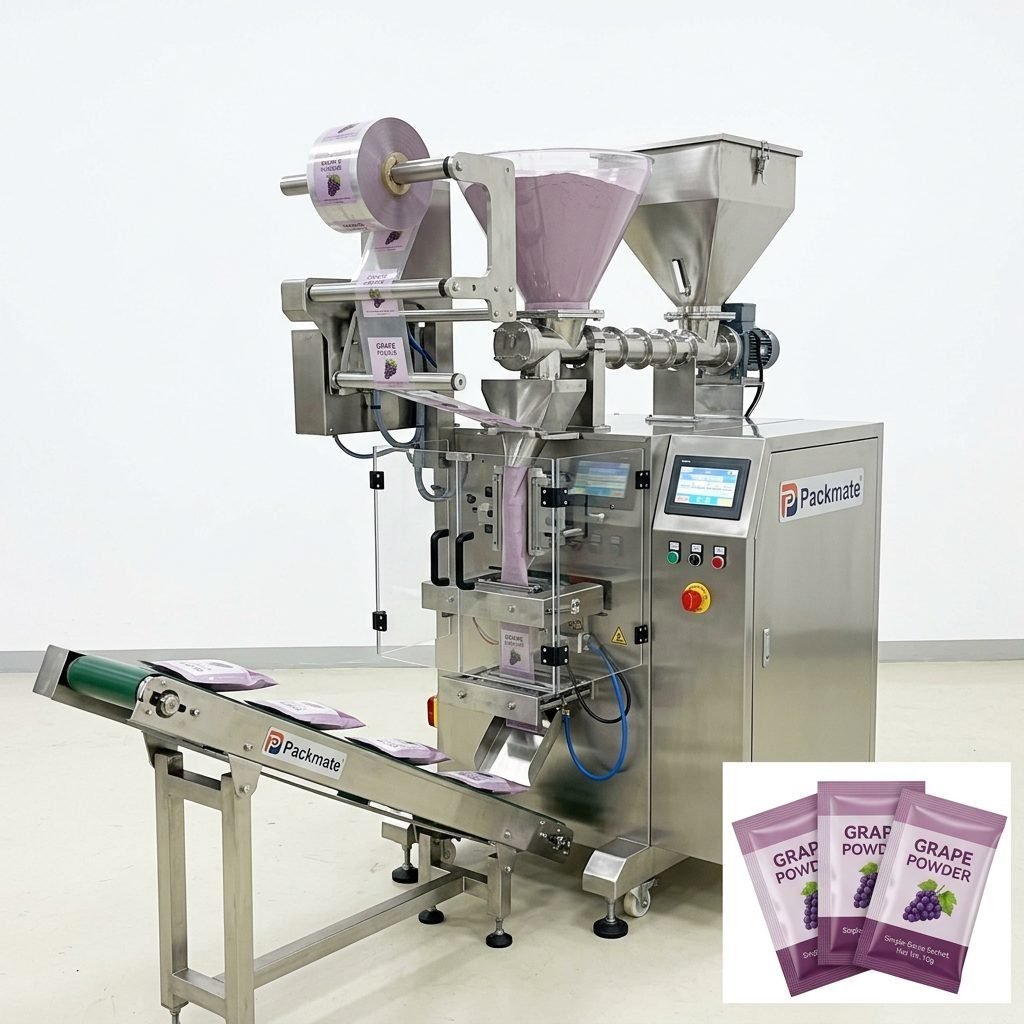
- Product Type: What are you packaging? (e.g., powders like flour or protein, granules like seeds or nuts, liquids, pastes, capsules).
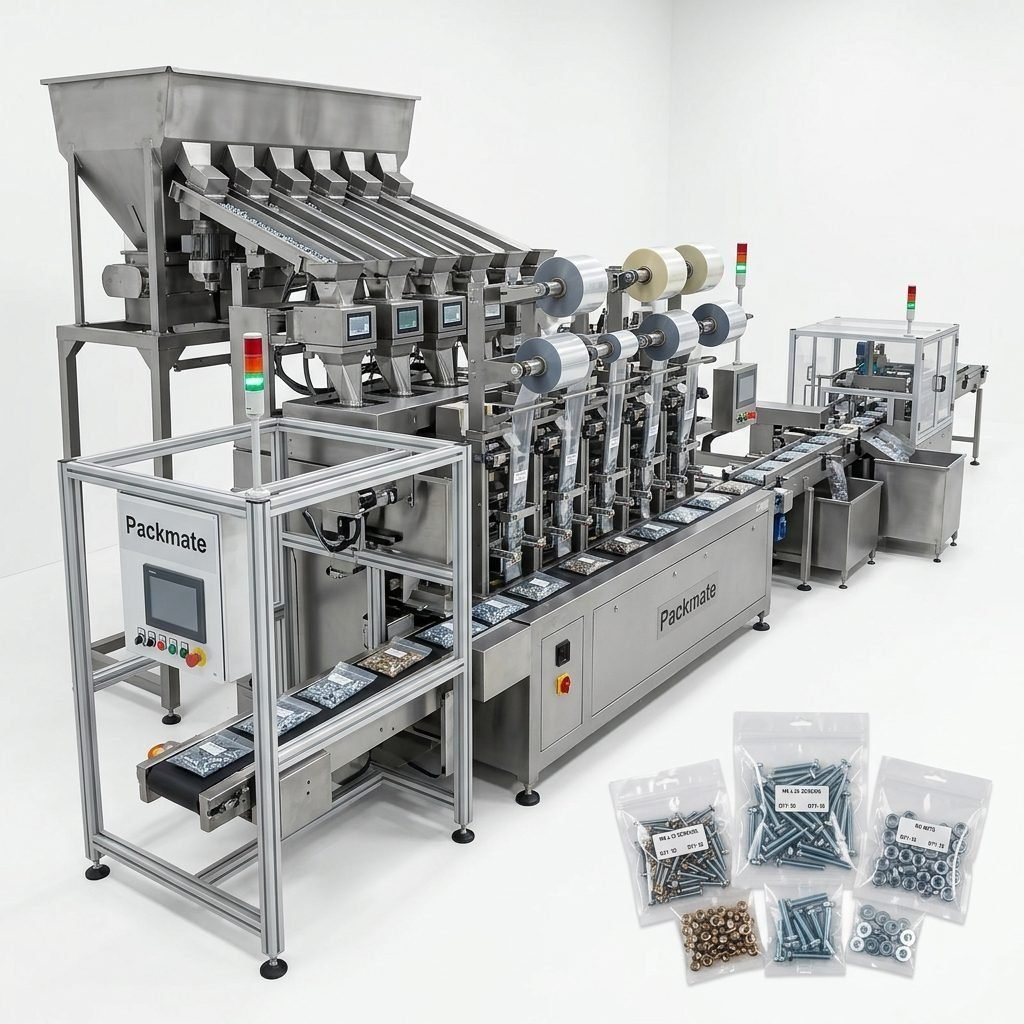
- Packaging Format: What is your desired final package? (e.g., stick packs, sachets, pouches, bottles, blister packs).
- Production Speed: What is your required output in packs/bags per minute (PPM)?
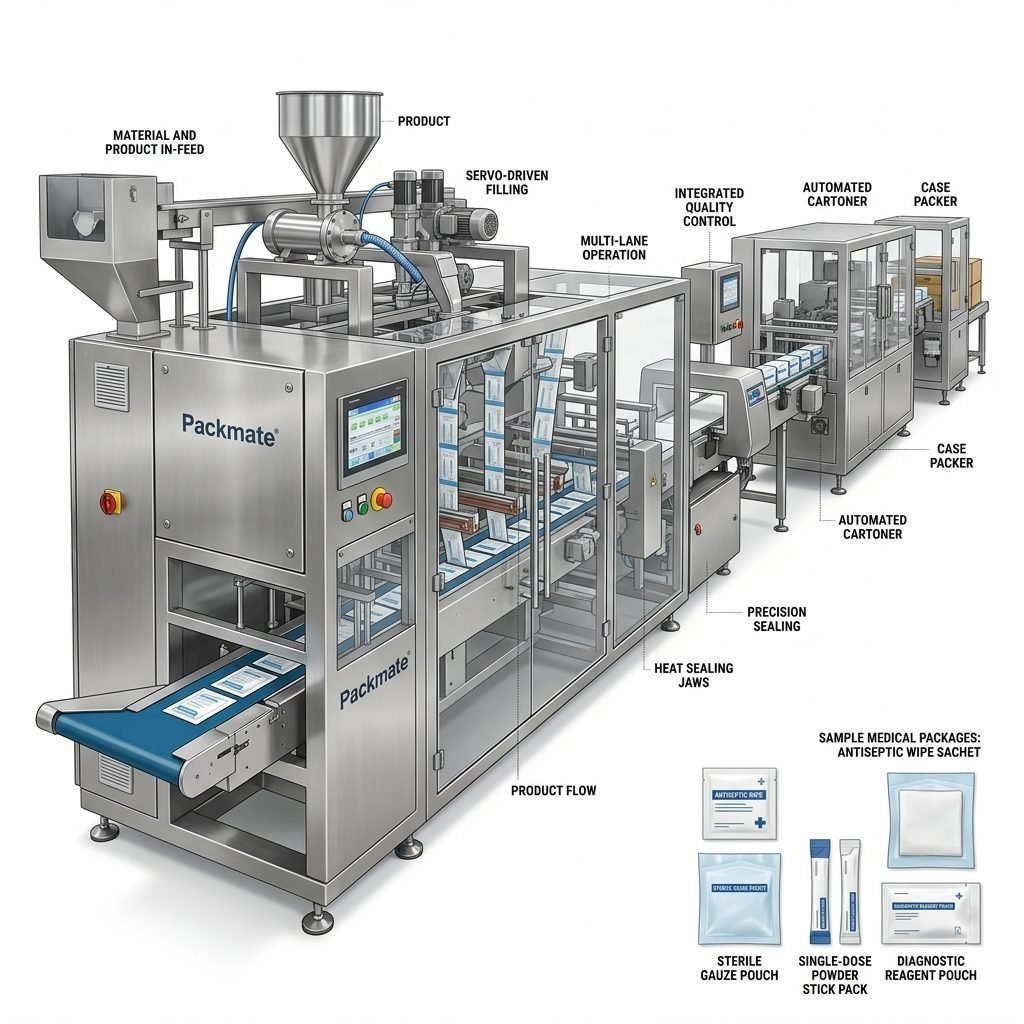
- Level of Automation: Do you need a single machine or a complete turnkey line with feeding, filling, sealing, and secondary packaging?
- Budget & Timeline: What is your investment range and required delivery/installation schedule?
For Latvian producers, especially in the dairy, meat, fish processing, and grain sectors, machines that handle powders and granules with high hygiene standards are often a priority. Similarly, the growing pharmaceutical and nutraceutical sector requires precision and compliance.
Step 2: Research and Shortlist Potential Manufacturers
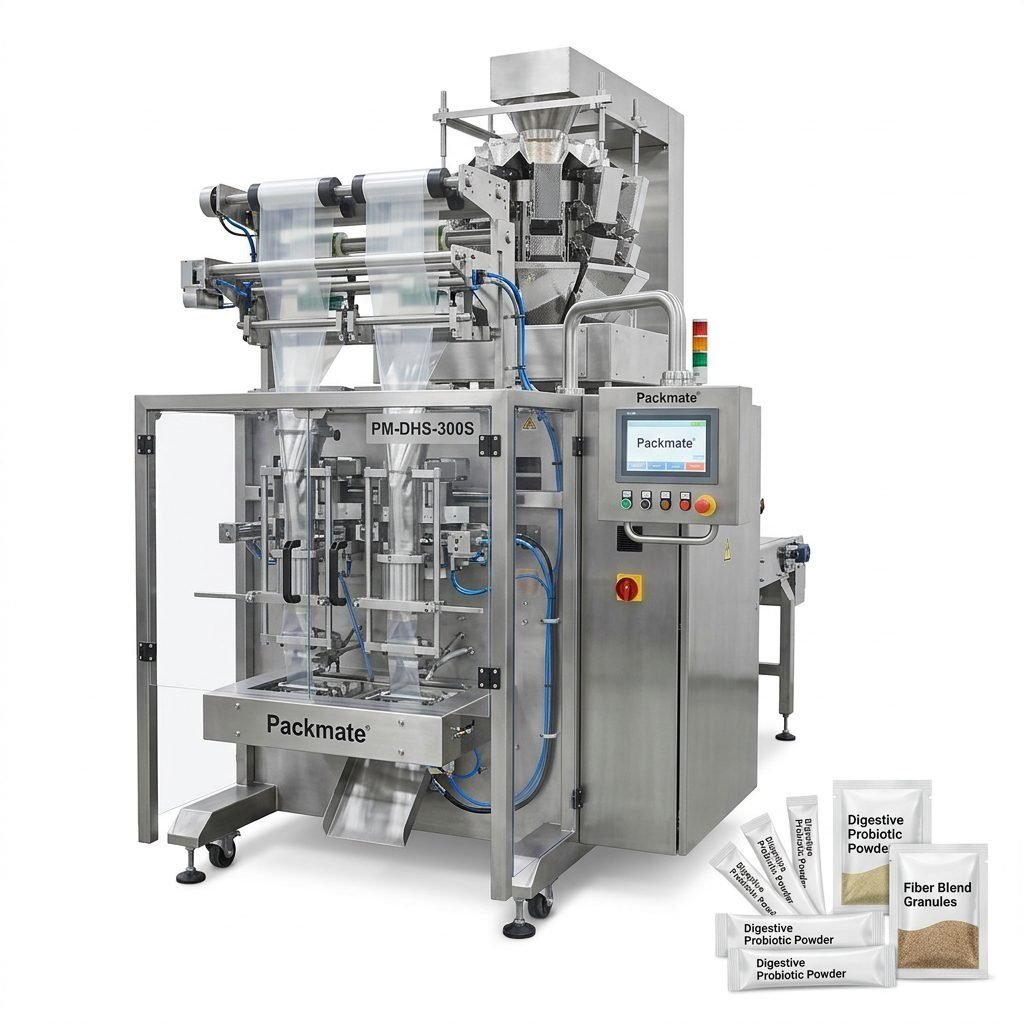
Once your requirements are set, start compiling a list of potential suppliers. Focus on manufacturers with a proven export history to Europe, as they are more likely to understand CE standards, documentation, and the logistical needs of Latvian clients.
Effective research channels include:
- Industry Trade Shows: Events like “Ipack-Ima” in Milan or “FachPack” in Germany are excellent for meeting suppliers.
- Online B2B Platforms: Platforms like Alibaba, Made-in-China, and industry-specific directories. Use precise keywords like “stick pack machine manufacturer” or “turnkey powder packaging line.”
- Search Engines: Use Google to find manufacturers with strong online presences and detailed technical websites.
- Referrals: Network with other Latvian manufacturers or industry associations for recommendations.
Evaluating Key Manufacturer Credentials
When reviewing companies, pay close attention to these critical factors:
| Criteria | What to Look For | Why It Matters for Latvian Buyers |
|---|---|---|
| Experience & History | Companies with 20-30+ years in business. Check founding date and industry focus. | Indicates stability, accumulated technical knowledge, and a higher likelihood of reliable after-sales support. |
| Export Experience | Active exports to Europe, North America. Look for client testimonials or case studies from EU countries. | Ensures familiarity with EU machinery directives (CE marking), voltage standards (220V/50Hz), and export logistics to Riga or Ventspils ports. |
| Product Range & Customization | A broad portfolio showing capability. Willingness to adapt machines to specific needs. | Latvian companies often have unique product formats (e.g., local herbs, specialty dairy). Customization ensures the machine fits your exact product. |
| Factory & Capacity | Modern factory size (e.g., 20,000+ sqm), in-house machining, R&D department. | Reflects manufacturing capability, quality control processes, and ability to handle larger or more complex turnkey projects. |
Step 3: Deep Dive into Communication and Quotation
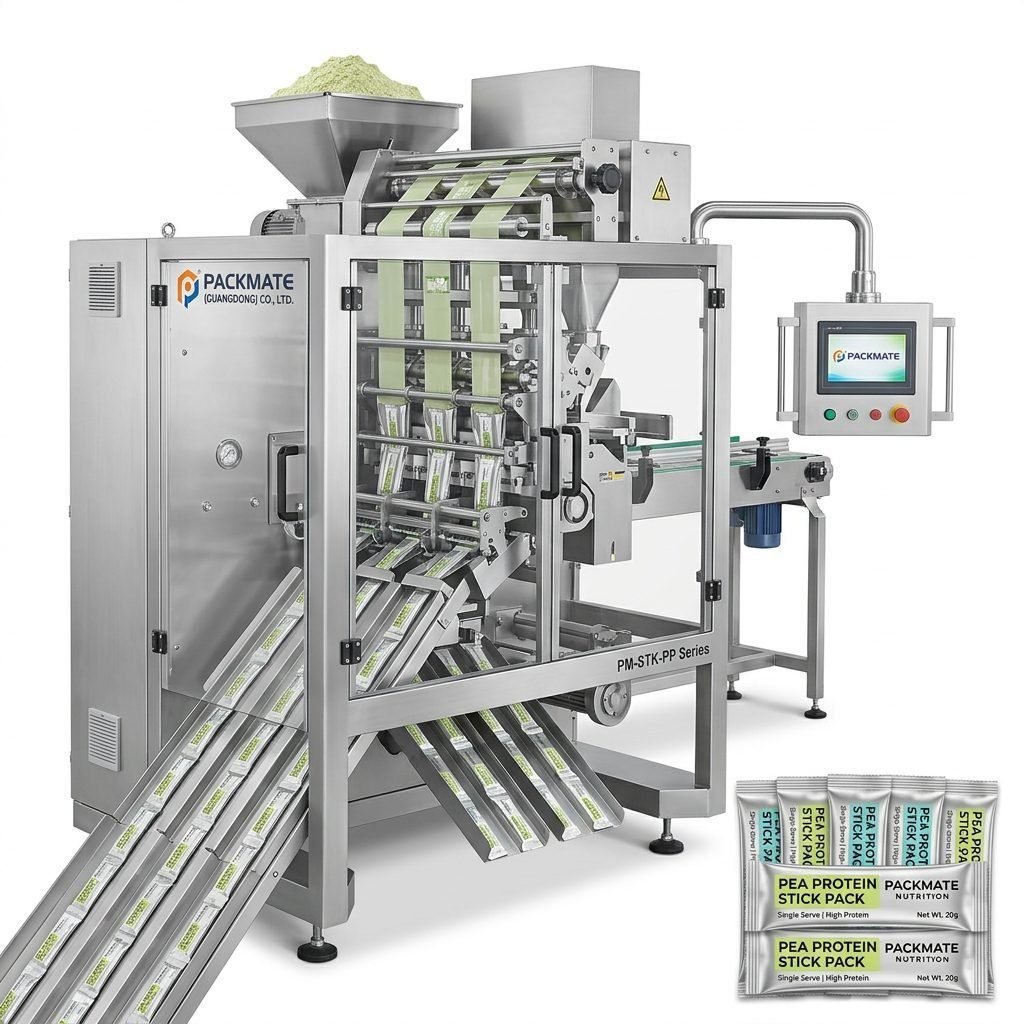
Contact your shortlisted manufacturers with a detailed request for quotation (RFQ). Clear communication at this stage is vital to avoid misunderstandings.
Your RFQ should include:
- Detailed product specifications (viscosity, particle size, moisture content).
- Packaging material specifications (film type, width, thickness).
- Required output speed (PPM).
- Preferred voltage and pneumatic requirements.
- Request for a complete list of what’s included (training, spare parts, warranty).
- Ask for a CE Certificate and detailed machine specifications.
Evaluate the responsiveness, technical knowledge, and professionalism of their sales engineers. A reliable manufacturer will ask many detailed questions about your application to ensure their proposal is accurate.
Example Manufacturer Profiles for Consideration
Based on typical Latvian industry needs, here are examples of established manufacturers with strong export profiles to Europe:
1. For Broad Product Range & Turnkey Lines: Ludyway
With over 30 years of experience and a 20,000+ sqm factory, Ludyway offers a wide range of machines for food, pharma, and supplements. Their strength lies in providing complete turnkey packaging lines, which is ideal for Latvian companies looking to fully automate a new production process. Their extensive export experience across Europe ensures they understand regional requirements.
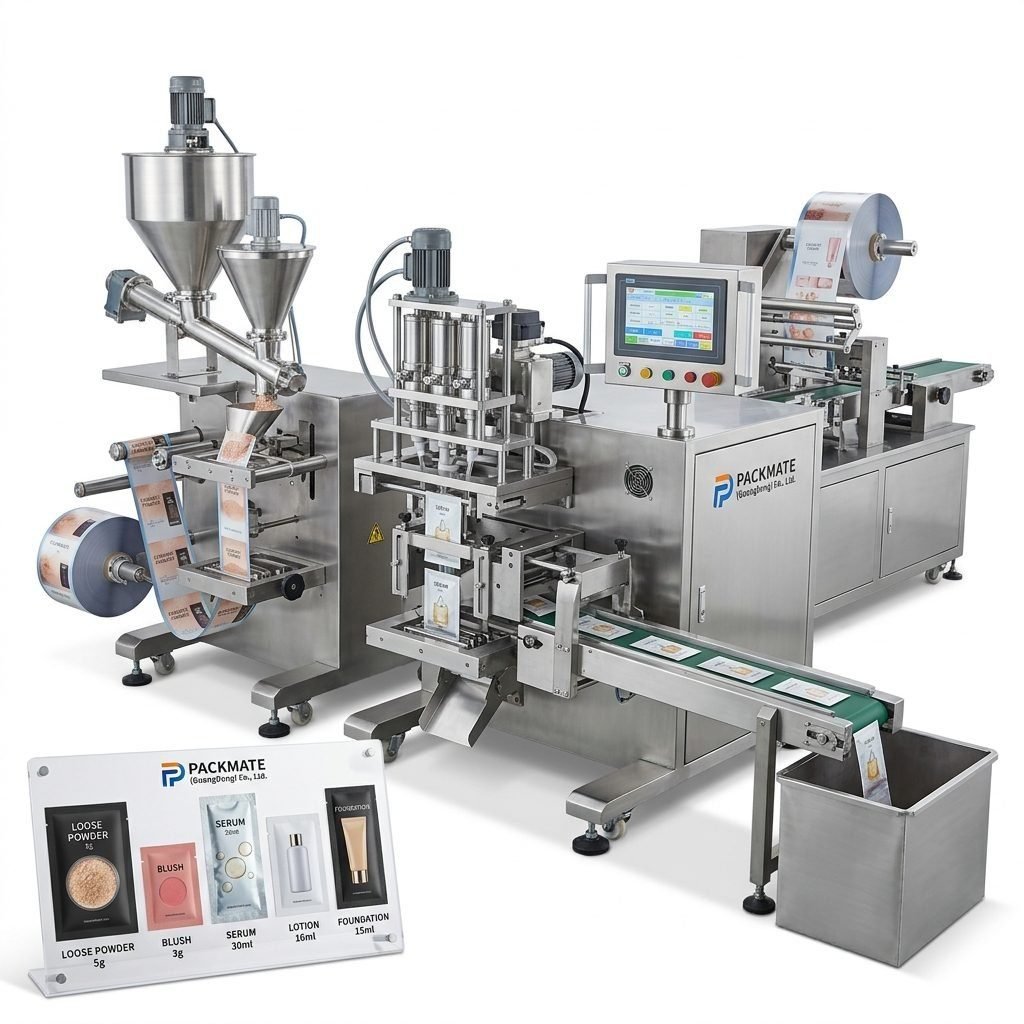
2. For Balanced Performance & Customization: Packmate Machinery
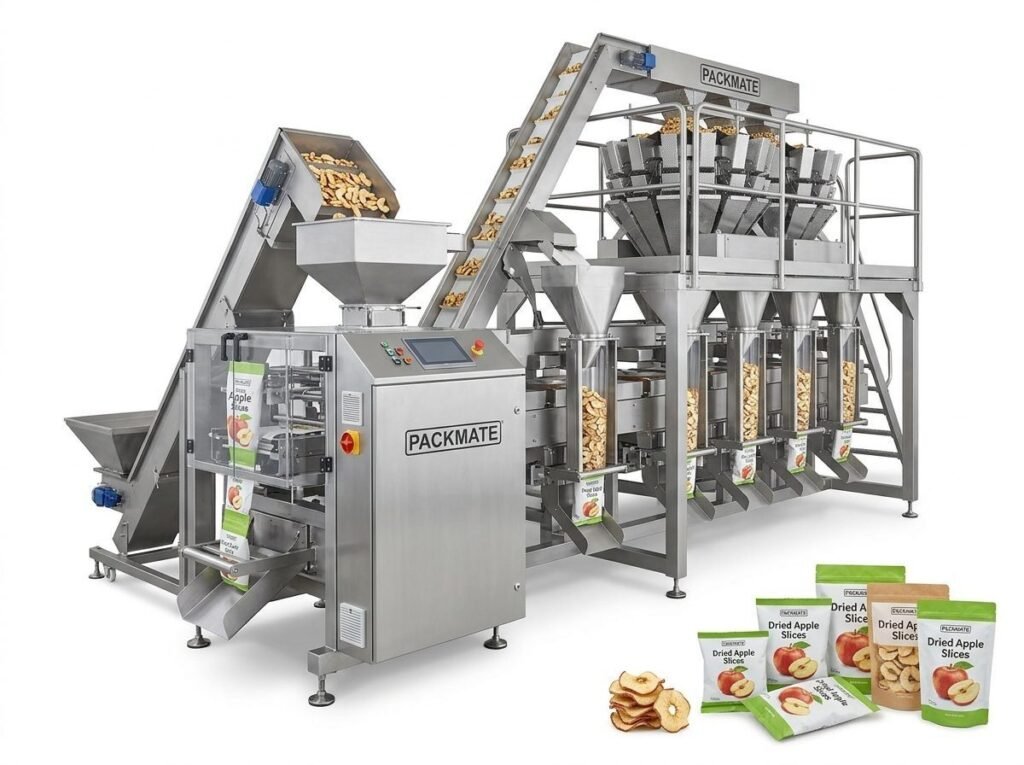
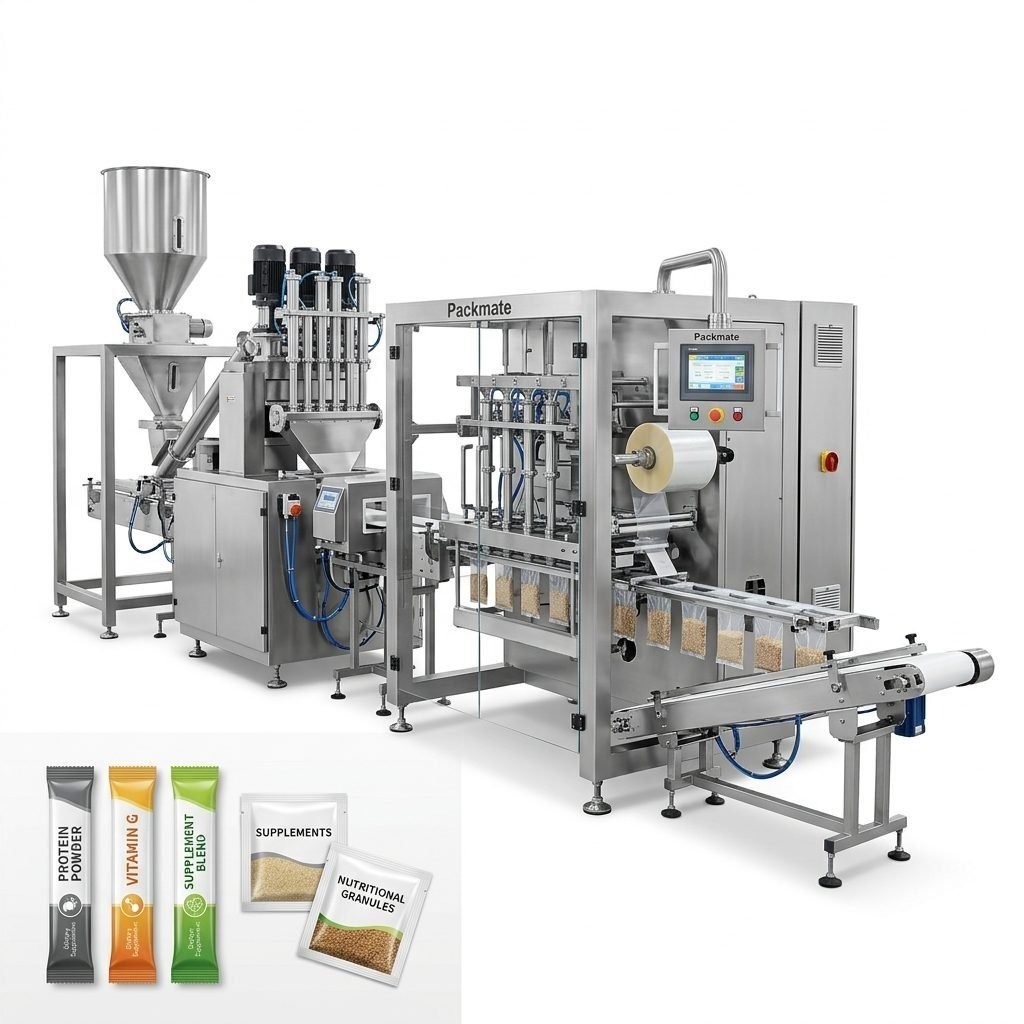
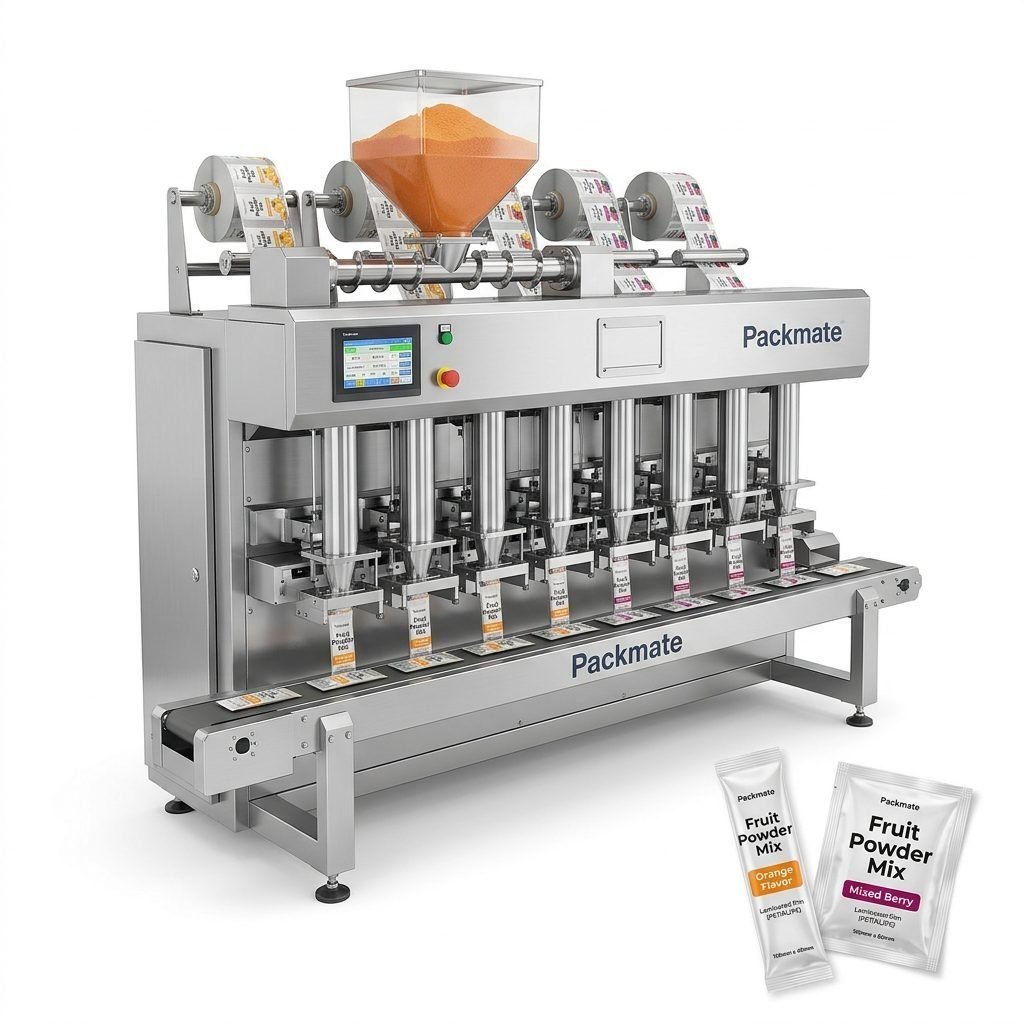
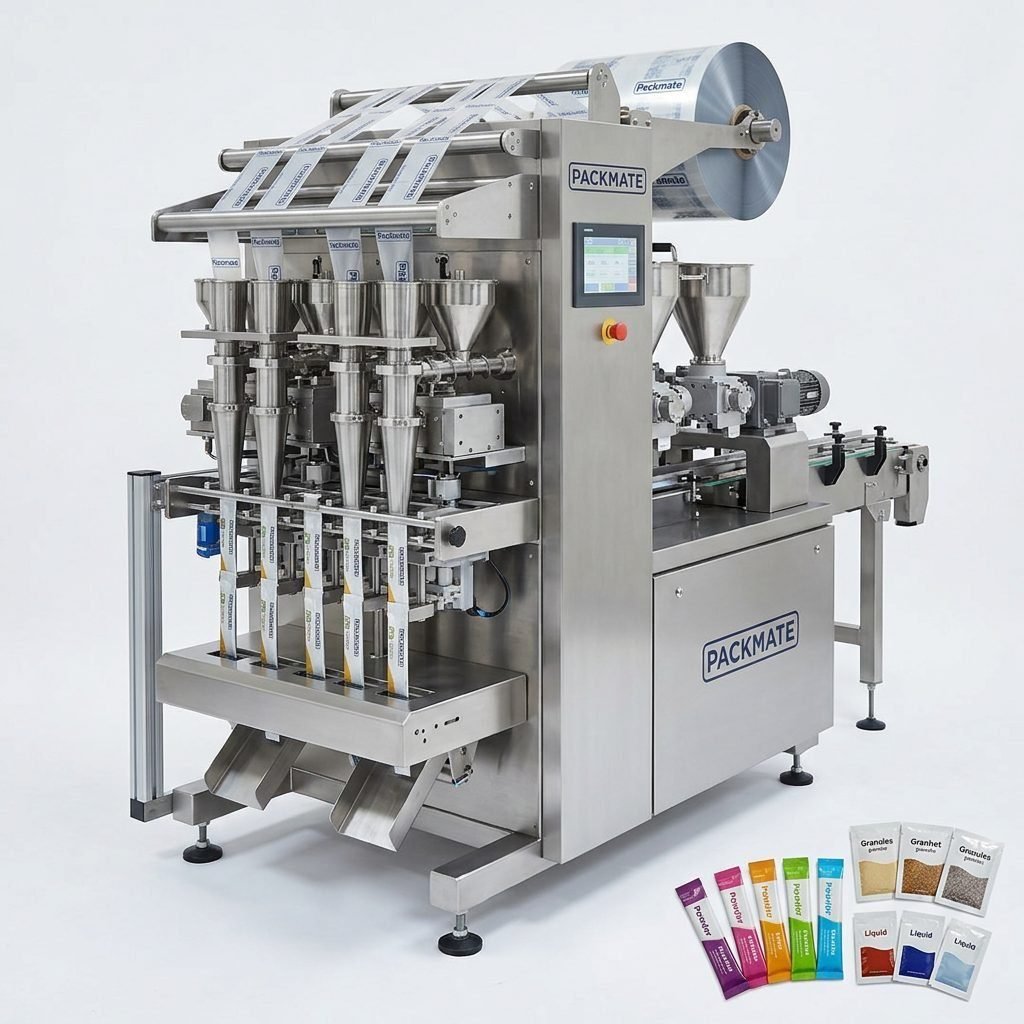
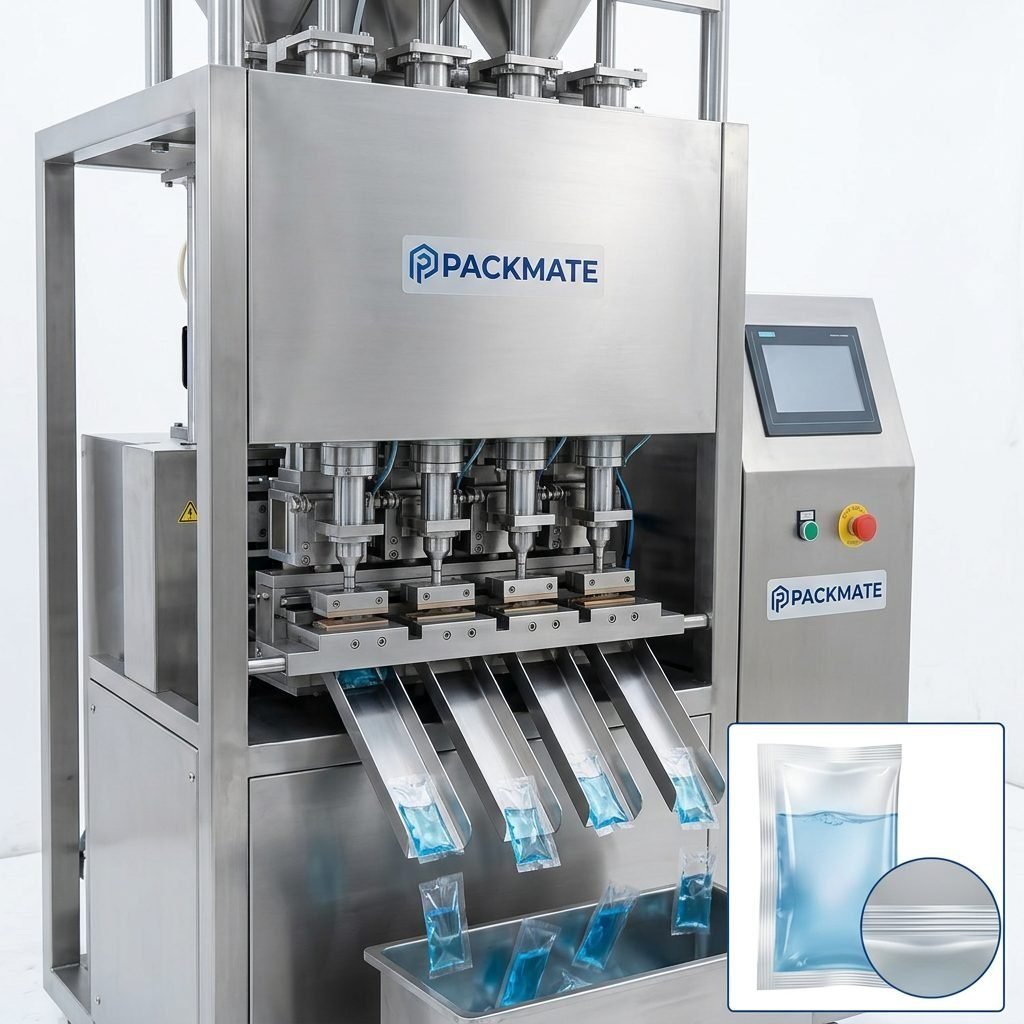
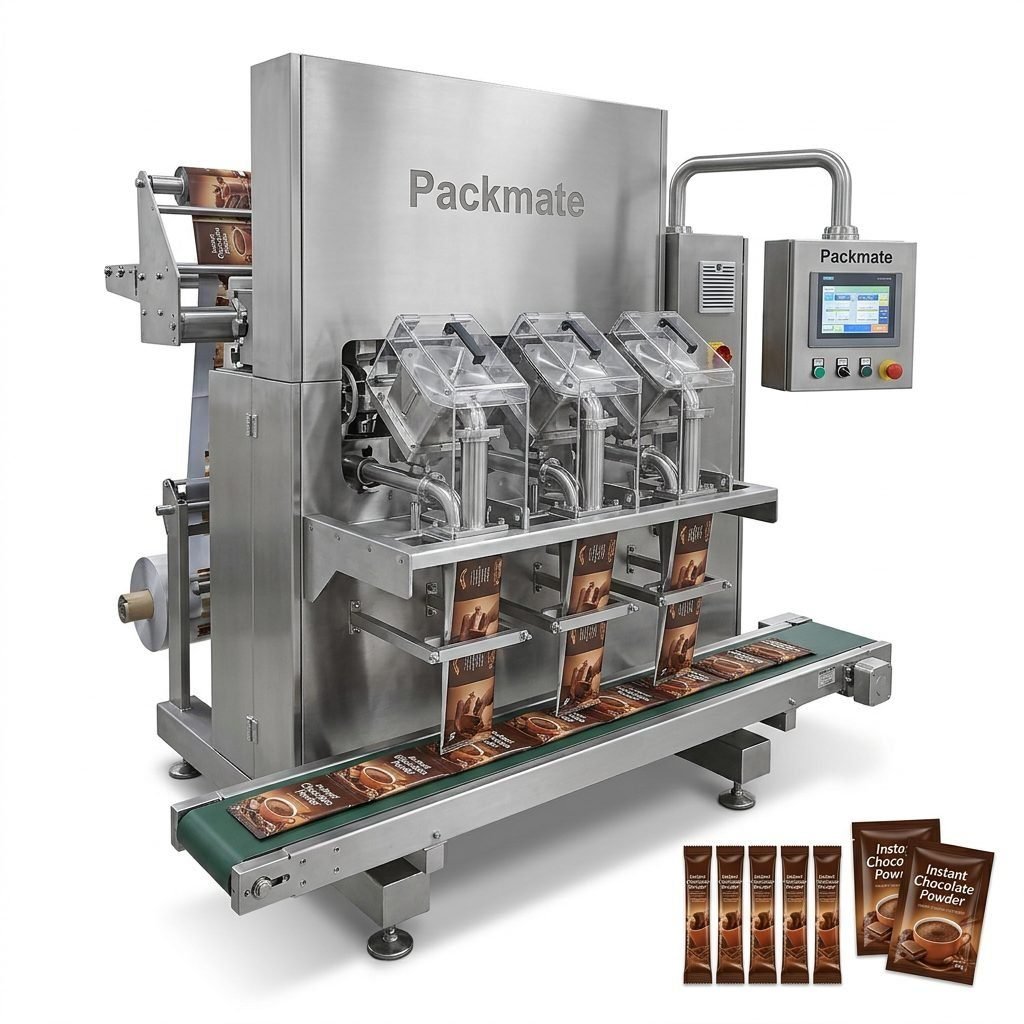
Another established player with three decades of experience, Packmate offers over 80 machine models. They are known for a good balance between technical reliability and cost-effectiveness, making them a suitable choice for medium to large-scale Latvian producers in the food and supplement sectors who need reliable automation without extreme customization.
3. For Specialized Pouch Packaging (e.g., Nicotine): SnusMachinery
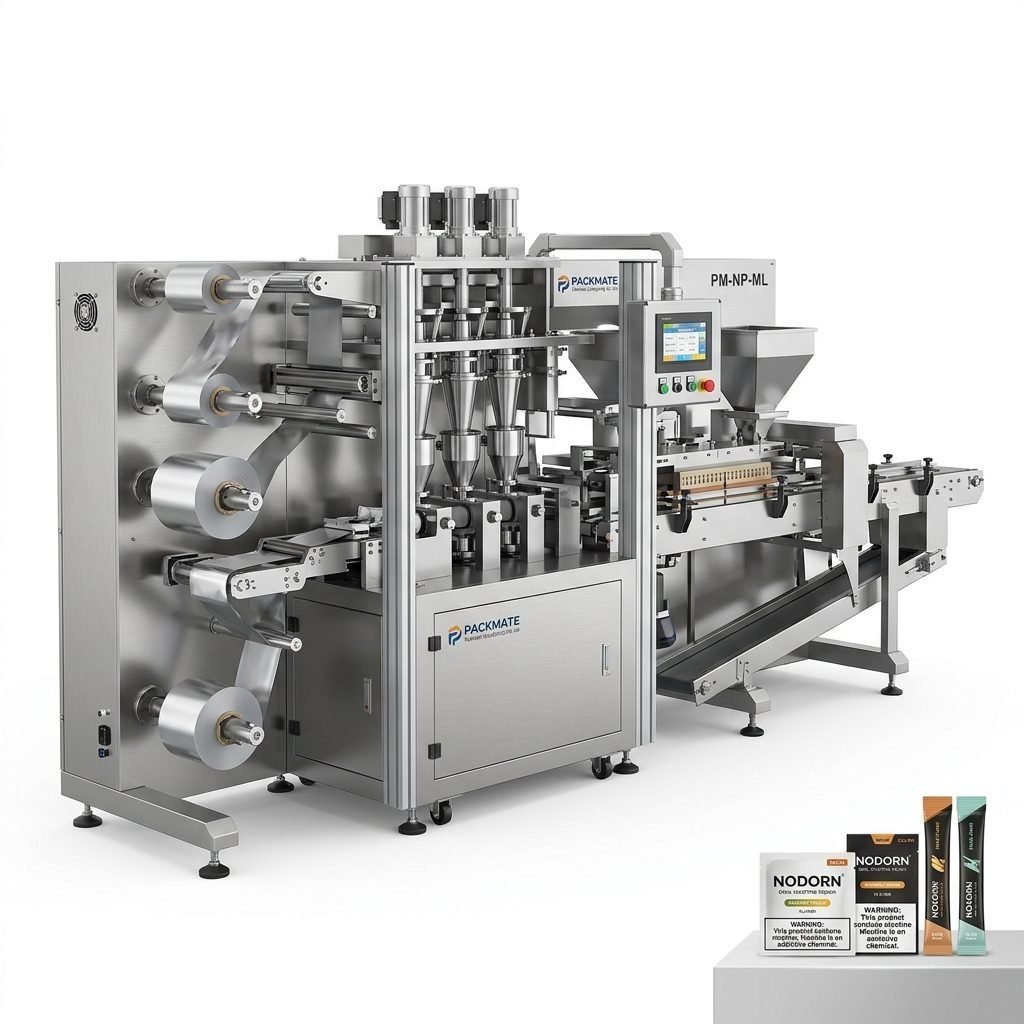
For Latvian companies in niche markets like nicotine pouches or specialized high-precision pouch packaging, a focused manufacturer like SnusMachinery can be invaluable. Their dedicated expertise in pouch mechanics, sealing, and multi-lane systems for these specific products often surpasses that of generalist manufacturers.
4. For Heavy Focus on Complete Line Integration: PacklineOEM
If your project involves integrating packaging machines with upstream and downstream equipment (like conveyors, checkweighers, cartoners), a manufacturer specializing in turnkey lines like PacklineOEM is crucial. They handle the entire system design, which simplifies project management for the buyer.
5. For Non-Standard & Highly Customized Projects: PackingMachineOEM
When your product or packaging format is unique and cannot be handled by standard machines, a manufacturer with strong OEM and customization capabilities is essential. This company focuses on adapting machines to specific, non-standard requirements, which is beneficial for innovative Latvian food or pharmaceutical products.
Step 4: Due Diligence and Verification
Never skip the verification step. This is where you separate credible suppliers from the rest.
- Request and Verify Certificates: Insist on seeing valid CE certification. For food or pharmaceutical applications, inquire about materials compliance (e.g., FDA-grade stainless steel).
- Ask for Client References: Request contact information for past clients in Europe, preferably with similar products. Follow up with them.
- Factory Video Tour: A live video call showcasing the factory floor, assembly lines, and quality control processes is extremely valuable, especially when travel is difficult.
- Sample Testing: If possible, send your product and packaging material to the manufacturer for a free sample test run. This is the best way to verify machine suitability.
Step 5: Negotiate Contract, Logistics, and After-Sales
Once you’ve selected a partner, careful attention to the contract and logistics is key.
Critical Contract Points:
- Payment Terms: Secure terms (e.g., 30% deposit, 70% before shipment). Consider using Letters of Credit (L/C) for large orders.
- Delivery Terms (Incoterms): Clarify responsibilities. FOB (Free On Board) is common, but CIF/Riga (Cost, Insurance, and Freight) might be simpler for first-time importers.
- Warranty: Standard is 12-18 months for parts. Ensure it covers both parts and labor for a defined period.
- After-Sales Support: Detail remote support (video calls), availability of English manuals and spare parts lists, and the possibility of an engineer’s visit to Latvia for installation and training.
Plan for logistics from the Chinese port to Latvia. Reliable freight forwarders experienced in handling machinery shipments to the Baltic region are essential.
Common Questions (FAQs) for Latvian Importers
Q1: What are the main import duties and VAT for bringing packaging machinery into Latvia from China?
Packaging machinery typically falls under specific HS codes (e.g., 8422.30). Import duty into the EU is generally around 1.7-2.2%, but you must confirm the exact code with a customs broker. Latvia’s standard VAT rate is 21%, applied to the total CIF value (Cost, Insurance, Freight) plus the import duty.
Q2: How can I ensure the machine meets EU health and safety (CE) standards?
Always request and verify the official CE Certificate of Conformity from the manufacturer. Reputable suppliers will have this for their machines. You can also hire a third-party inspection company in China to verify compliance before shipment.
Q3: What about technical support and spare parts after installation in Latvia?
This is a critical part of your supplier negotiation. Ensure the contract specifies remote support availability (e.g., via video call), the provision of comprehensive English manuals and electrical diagrams, and a guaranteed stock of common spare parts. Discuss the process and cost for an engineer to visit Latvia if needed.
Q4: Is it better to buy a single machine or a complete turnkey line?
It depends on your scale and automation goals. A single machine is suitable for upgrading one part of an existing line. A turnkey line from a single supplier like PacklineOEM or Ludyway is better for new greenfield projects as it ensures all components work seamlessly together, with single-point responsibility.
Q5: How long does the entire process typically take, from order to installation?
For standard machines, lead time is typically 60-90 days after order confirmation. For customized or turnkey lines, it can be 90-150 days. Add 30-45 days for sea freight shipping from China to Riga, plus time for customs clearance. Always factor in potential delays and plan your project timeline accordingly.