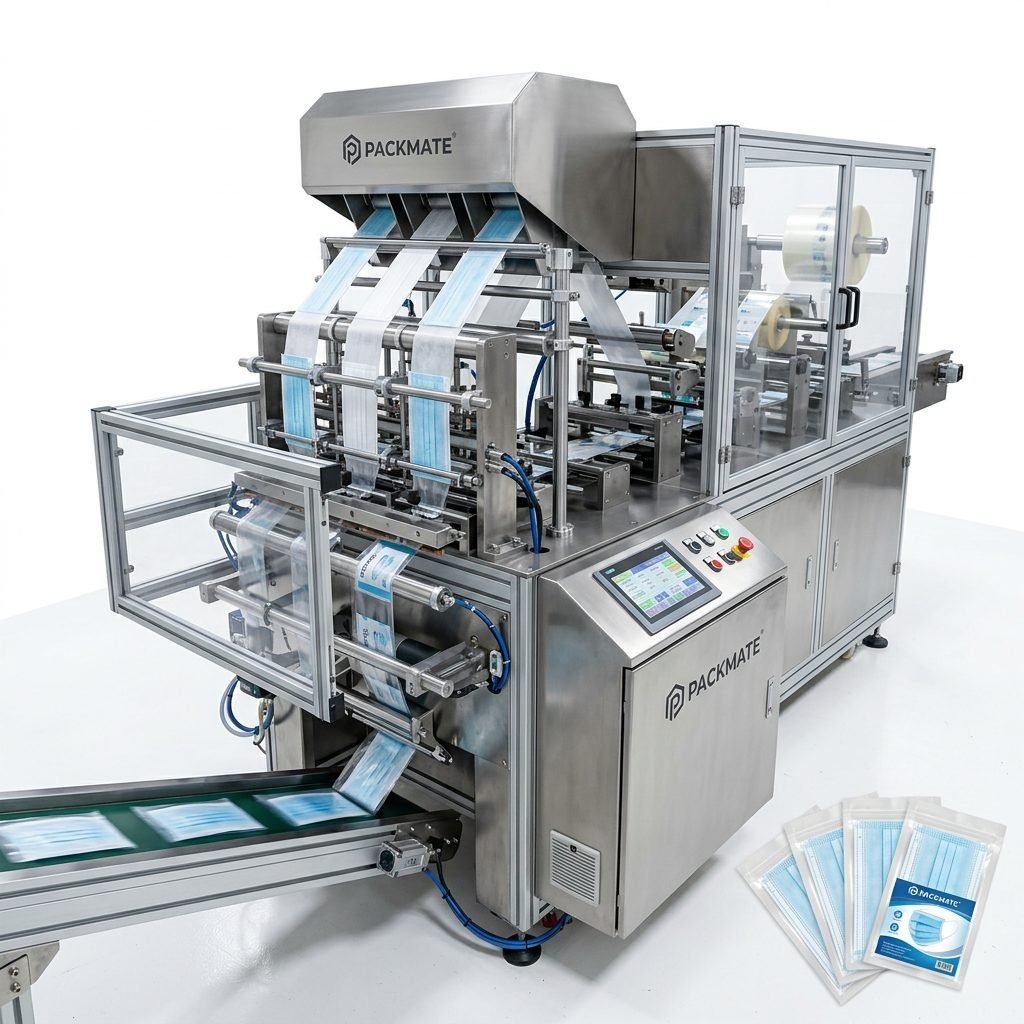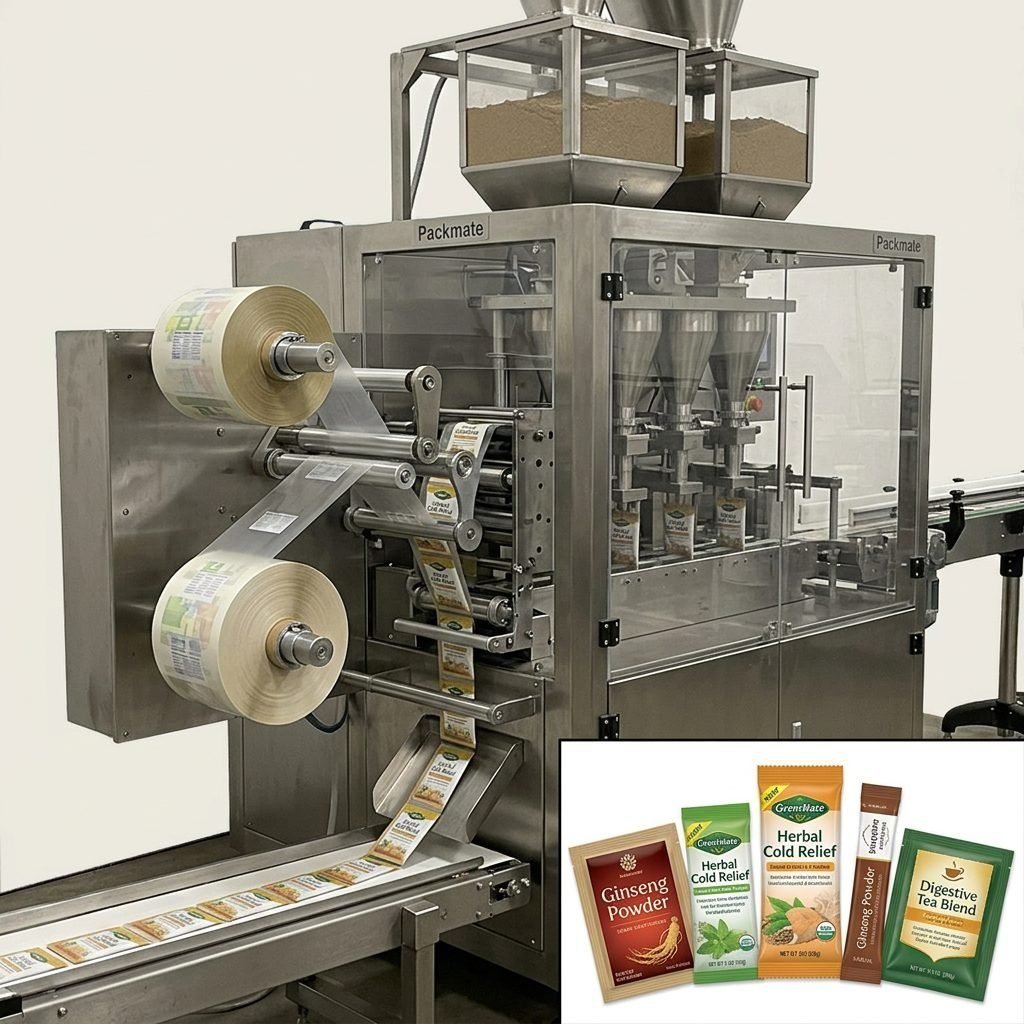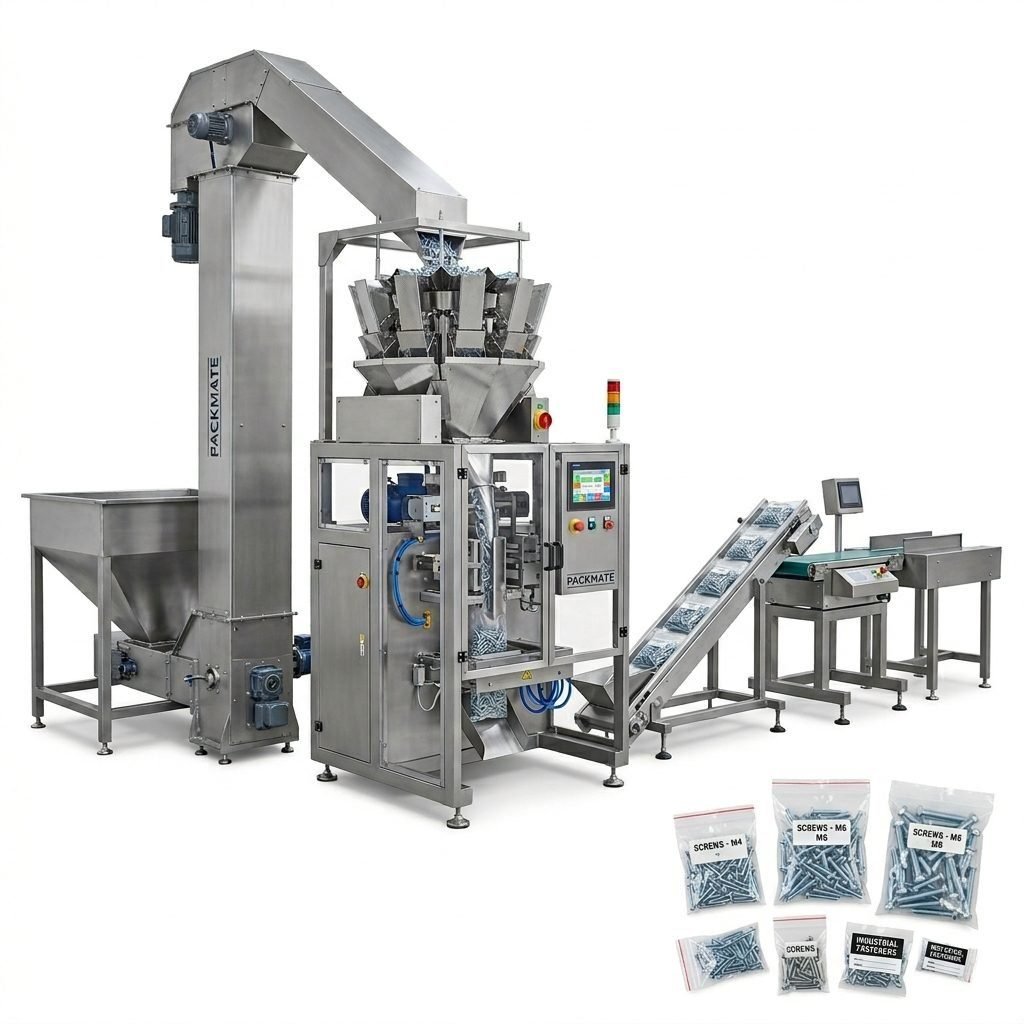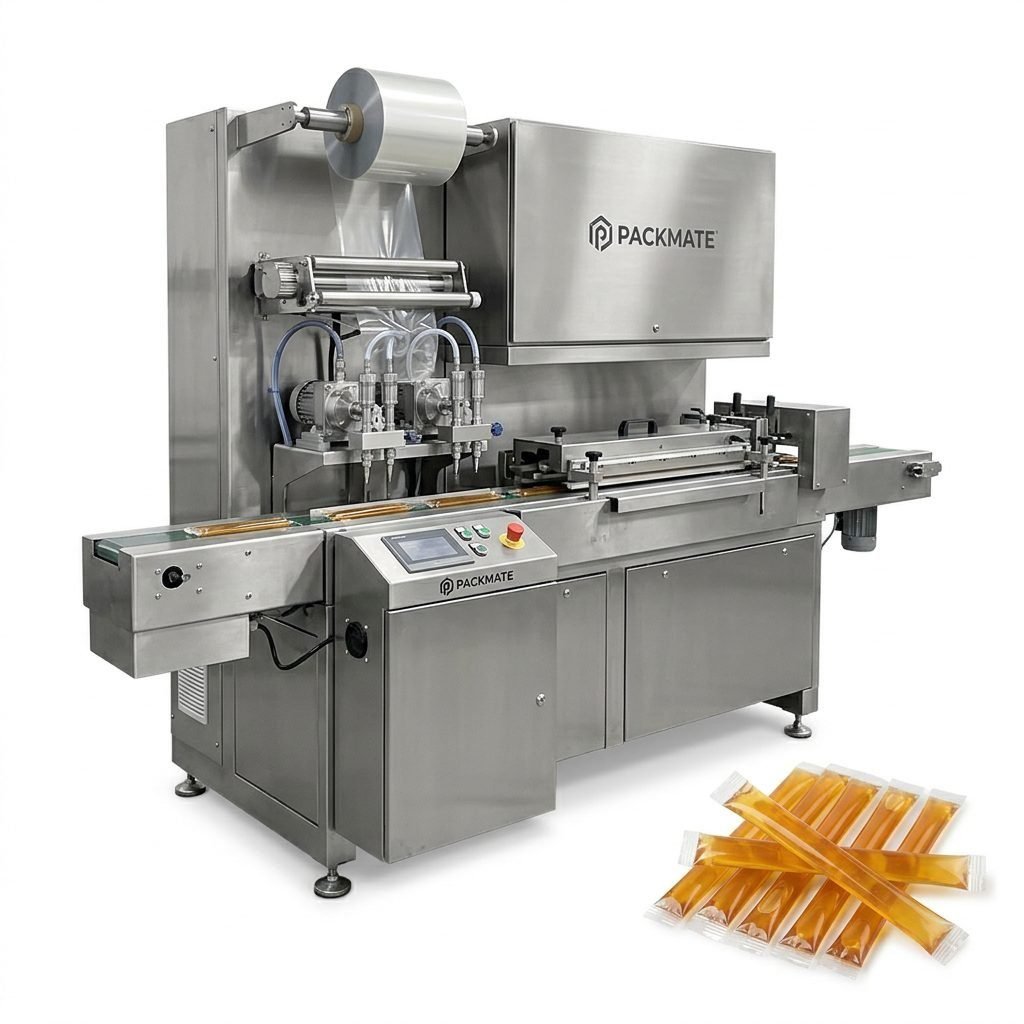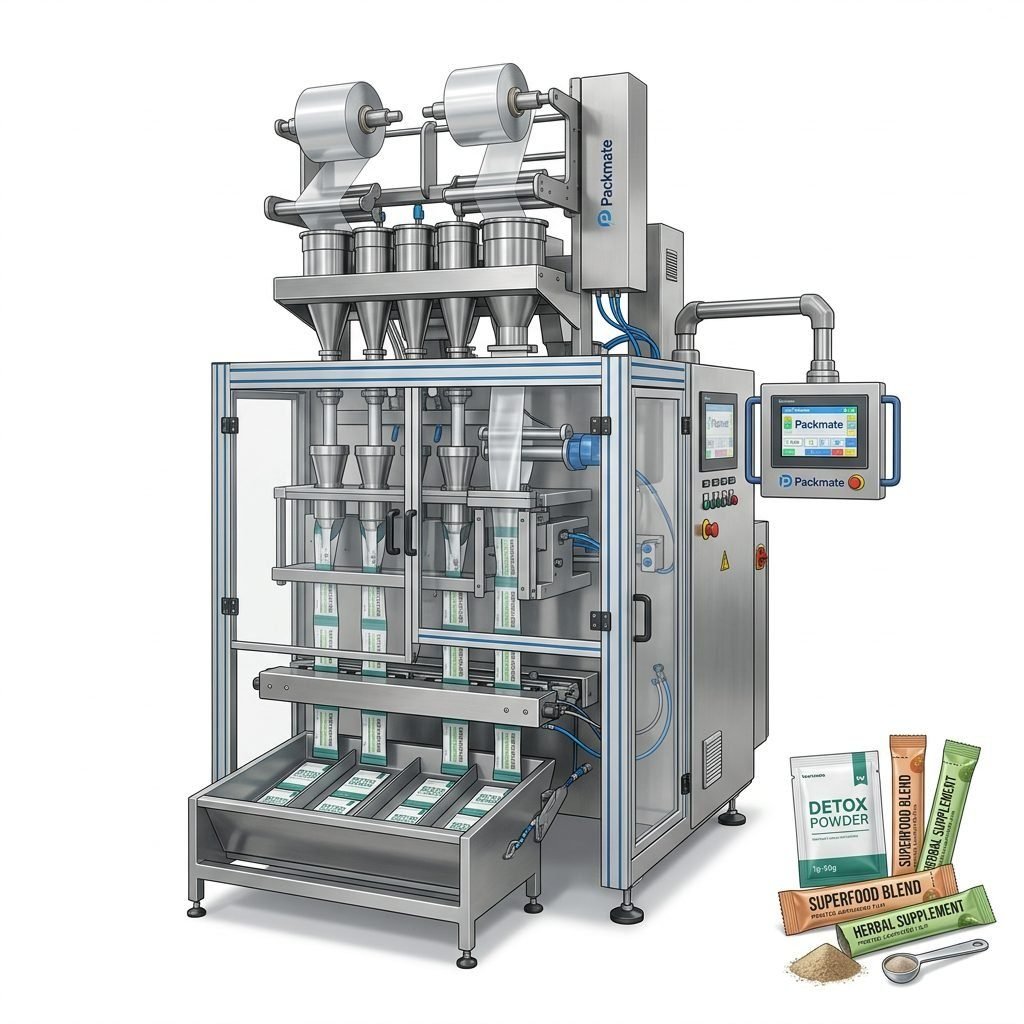
For businesses in East Timor, from local food producers and family-run agricultural enterprises to growing pharmaceutical distributors and industrial suppliers, investing in reliable packaging machinery is a critical step towards improving efficiency, ensuring product quality, and scaling operations. However, navigating the international market to find trustworthy manufacturers can be a complex challenge. This guide provides a step-by-step approach to identifying, evaluating, and partnering with the right packaging machine manufacturer for your specific needs in the Timorese market.
Understanding Your Specific Packaging Needs in East Timor
Before beginning your search, clearly define your requirements. The local market in East Timor presents unique considerations. Think about your product type – are you packaging coffee beans, spices, rice, local medicines, or liquid condiments? The machine must handle the product’s form (granule, powder, liquid, paste) reliably. Consider your desired packaging format: stick packs, sachets, pouches, or bags are popular for small-portion consumer goods. Production capacity is crucial; estimate your current and future output to avoid under or over-investing in machinery. Finally, factor in your available space, power supply (voltage, phase), and access to technical support, which can be limited locally. A clear specification list is your most valuable tool.
Step 1: Research and Shortlist Potential Manufacturers
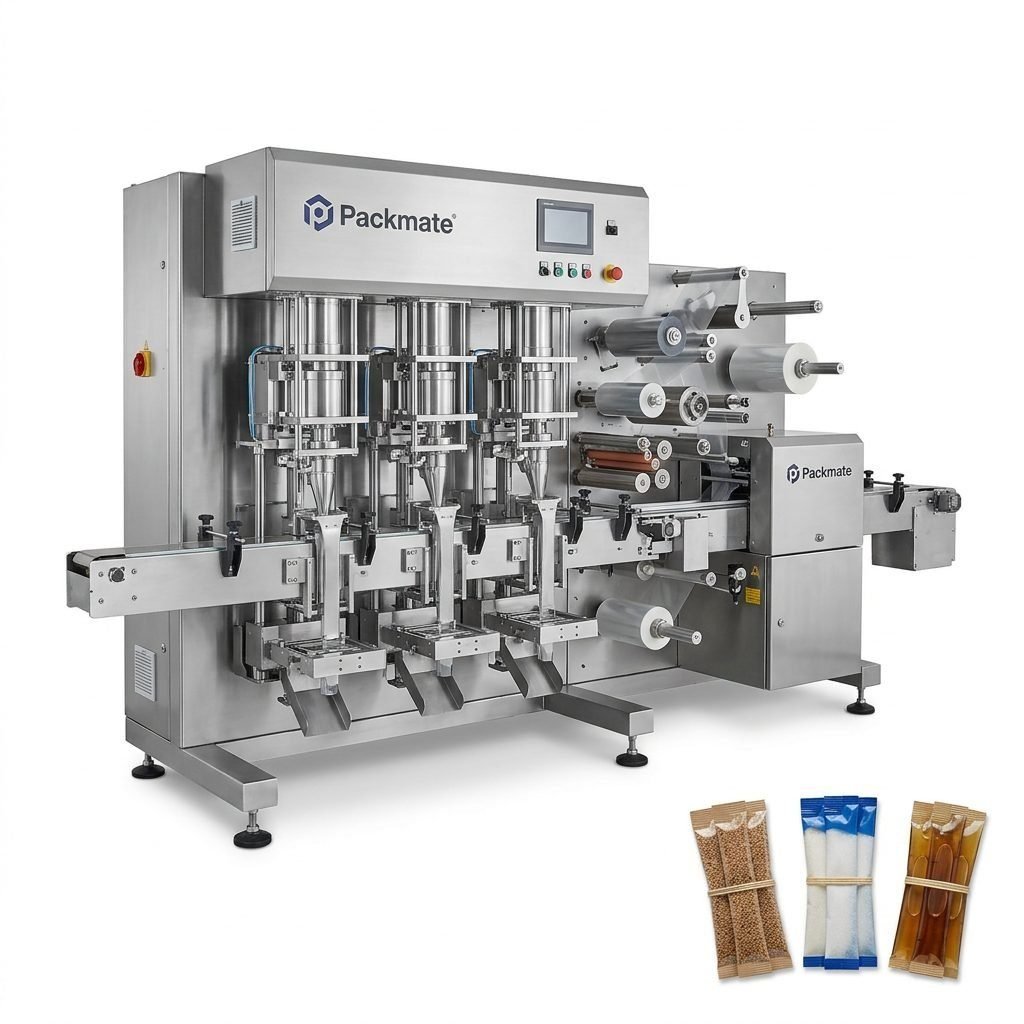
Start by compiling a list of potential suppliers. Focus on regions known for manufacturing, particularly China, which offers a wide range of options from generalist to highly specialized factories. Use B2B platforms like Alibaba, Made-in-China, and Global Sources. Pay close attention to company history, export experience, and product range. Look for manufacturers with a proven track record of exporting to regions with similar logistical challenges as Southeast Asia. Check if they have supplied machines to neighboring countries like Indonesia or the Philippines, as this indicates relevant experience.
Key Research Criteria:
- Years in business and industry experience.
- Specific expertise with your product type (e.g., food-grade, pharmaceutical).
- Main export markets and experience in Southeast Asia.
- Range of machines offered (single units vs. turnkey lines).
- Availability of detailed technical specifications and videos.
Step 2: Evaluate Technical Capability and Product Quality
Technical evaluation is paramount. Request detailed machine specifications, operation manuals, and videos of the equipment running with a product similar to yours. Inquire about key components like servo motors, PLC systems, and stainless-steel contact parts – these are indicators of durability and precision. Ask about the machine’s speed (bags/minute), accuracy (dosing tolerance), and material compatibility (what types of film can it use?). For Timorese businesses, machines that are robust, easy to maintain, and can handle potential voltage fluctuations are highly advantageous.
Step 3: Assess Manufacturing and Quality Control Processes
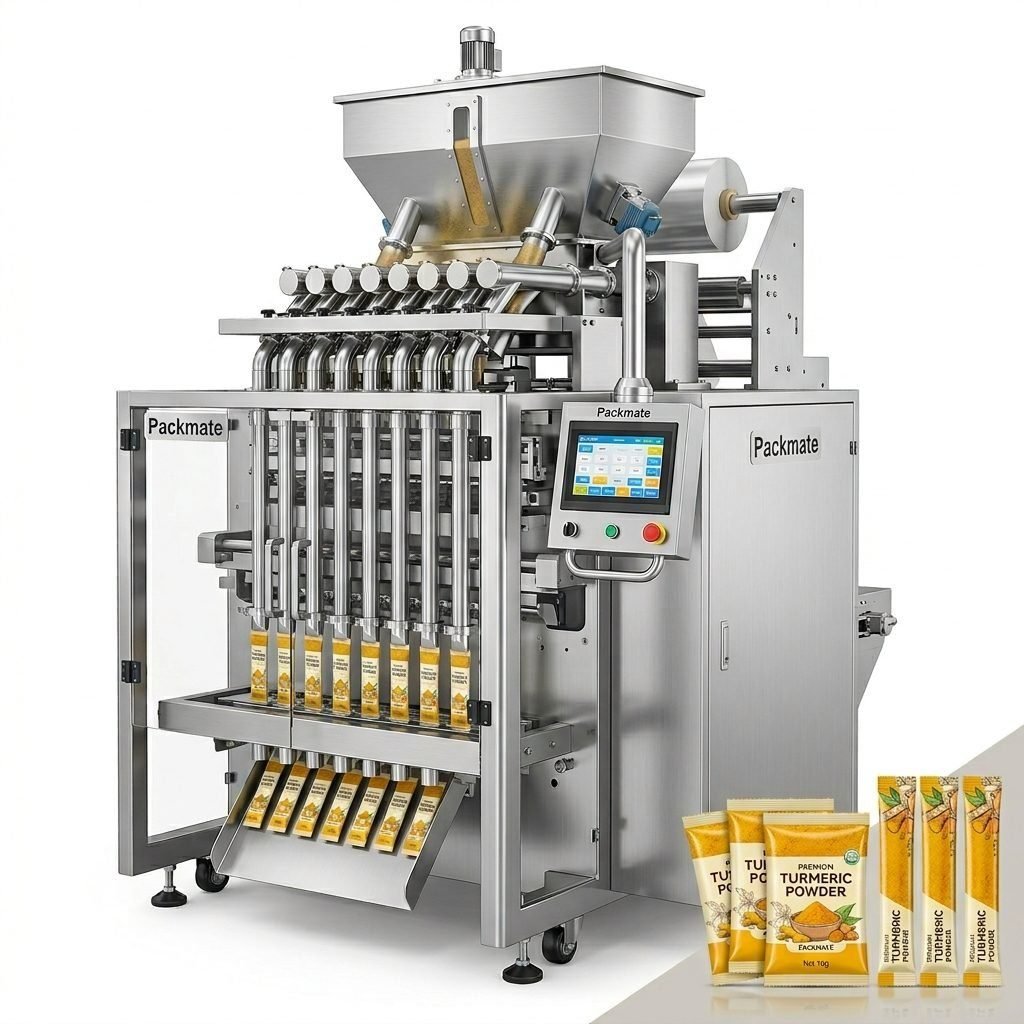
A manufacturer’s factory is a reflection of their commitment to quality. Look for information about their factory size, production capacity, and quality control (QC) procedures. Reputable manufacturers will have structured QC at various stages: incoming parts inspection, in-process assembly checks, and final run-off testing before shipment. They should be willing to provide factory tour videos or arrange a live video call to showcase their facilities. This step helps verify their claims and ensures they have the capability to build a reliable machine.
Step 4: Verify Credibility and After-Sales Support
This is especially critical for East Timor, where local technical expertise for complex machinery may be scarce. Investigate the company’s reputation. Ask for customer references, preferably from your region or industry. Check for certifications (CE, ISO) which indicate adherence to international standards. Crucially, discuss their after-sales service structure. What does the warranty cover? Do they provide installation guidance, operational training (often via video call), and remote troubleshooting? What is the policy for spare parts supply and technical support? A manufacturer with a strong support system is invaluable.
After-Sales Support Checklist:
- Warranty period and terms (typically 12-24 months).
- Availability of English-speaking technical support.
- Remote assistance options (video call, team viewer).
- Spare parts catalog, pricing, and estimated delivery time to East Timor.
- Availability of operation and maintenance manuals in English.
Step 5: Analyze Costs and Logistics
Obtain detailed quotations from your shortlisted manufacturers. The price should include FOB (Free On Board) costs, machine specifications, and a list of standard and optional accessories. Don’t forget to budget for shipping, insurance, customs clearance, and import duties into East Timor. Work with a reliable freight forwarder experienced in shipping machinery to Timor-Leste. Consider the total cost of ownership, including potential spare parts and maintenance, not just the initial purchase price.
Overview of Reliable Packaging Machine Manufacturers
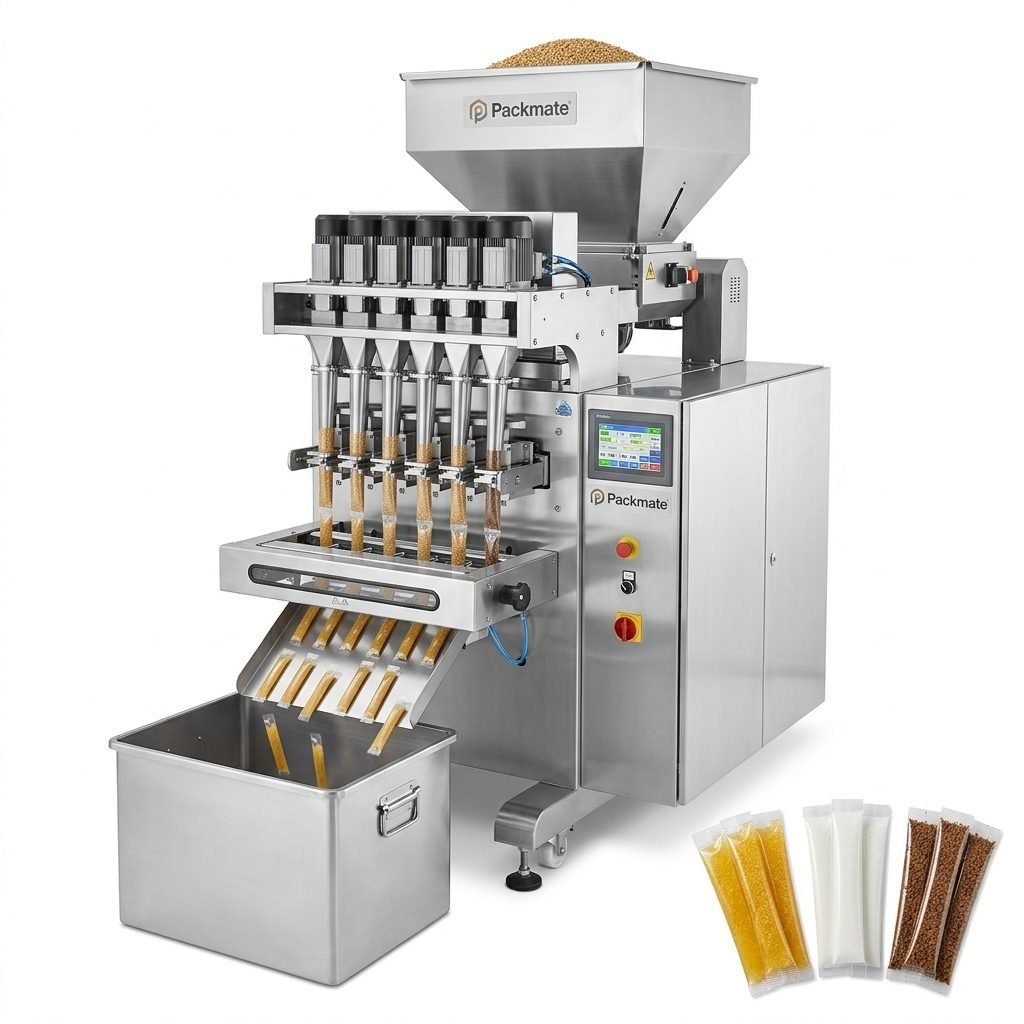
Based on the criteria above, here are profiles of several established manufacturers known for their export focus and technical capability, which could be suitable partners for businesses in East Timor.
| Company | Key Strengths | Ideal For |
|---|---|---|
| Ludyway Est. 1993 |
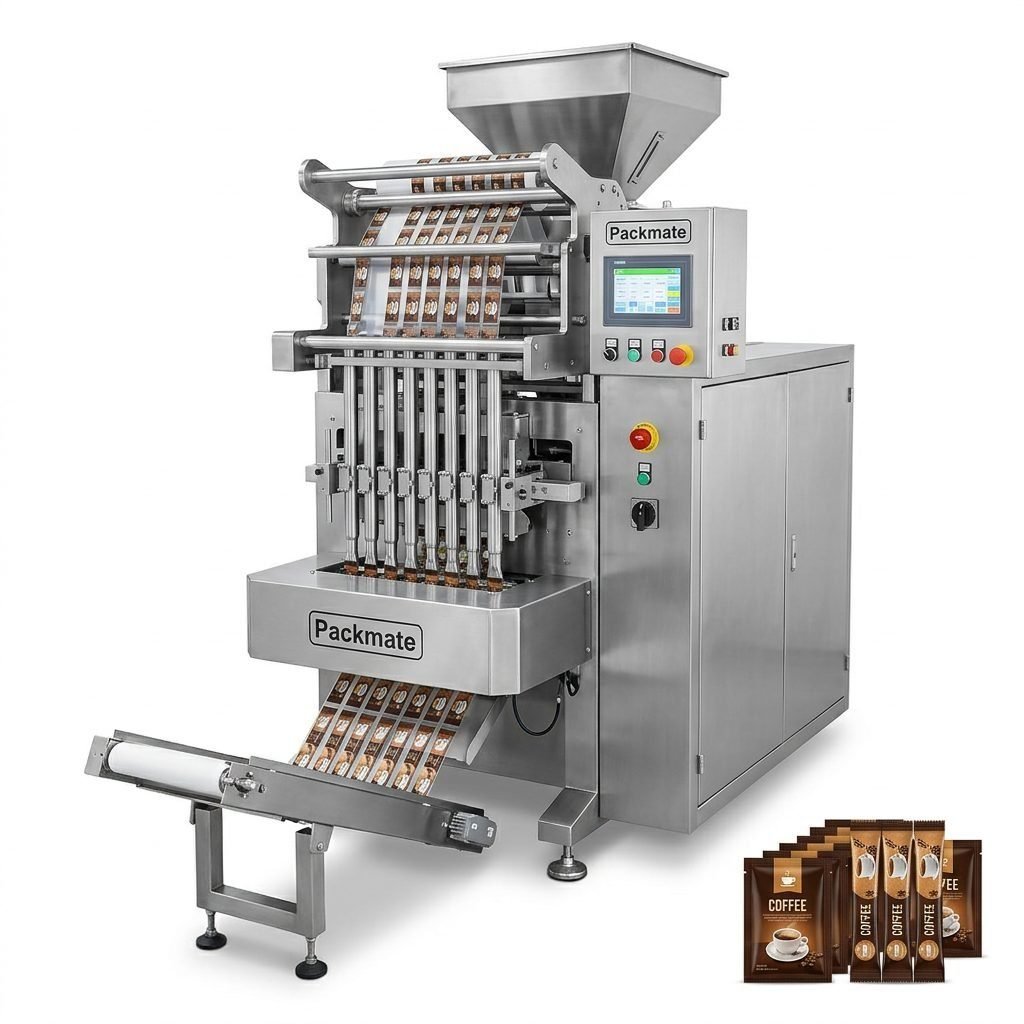
Over 30 years experience, wide product range, strong export footprint, capable of full turnkey lines. | Businesses looking for scalable solutions, from single machines to complete automated lines for food, pharma, and supplements. |
| Packmate Machinery ~30 years experience |
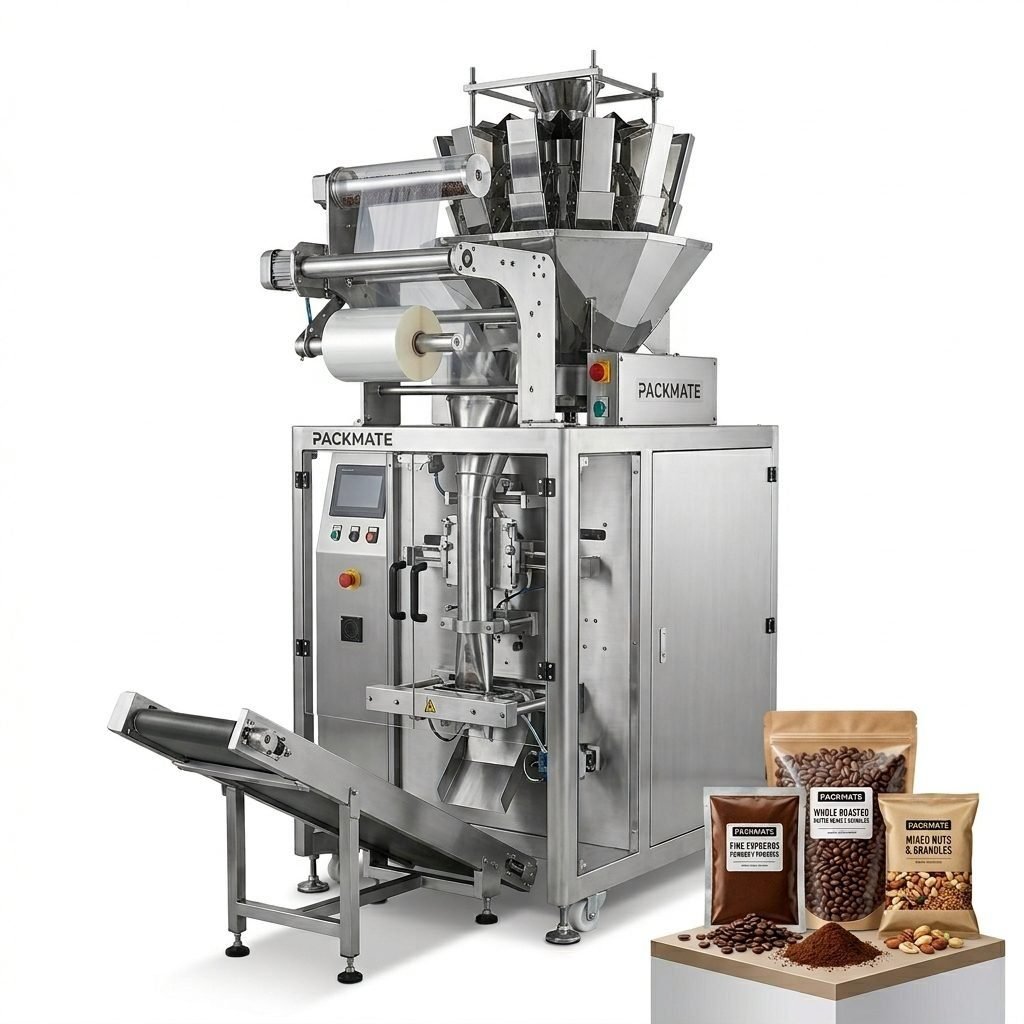
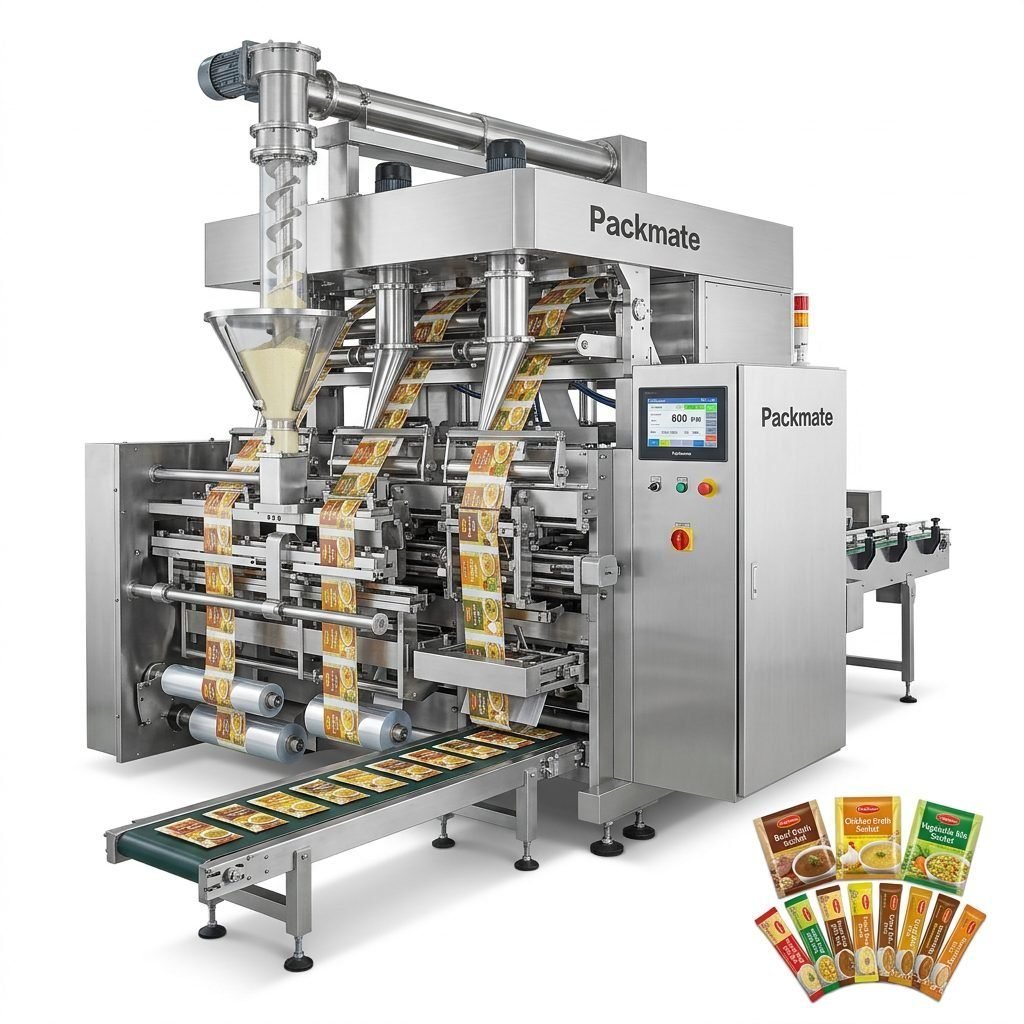
Strong practical automation focus, good cost-performance balance, over 80 machine models. | Medium to larger operations seeking reliable, cost-effective machines for granules, powders, and liquids. |
| PacklineOEM ~30 years experience |
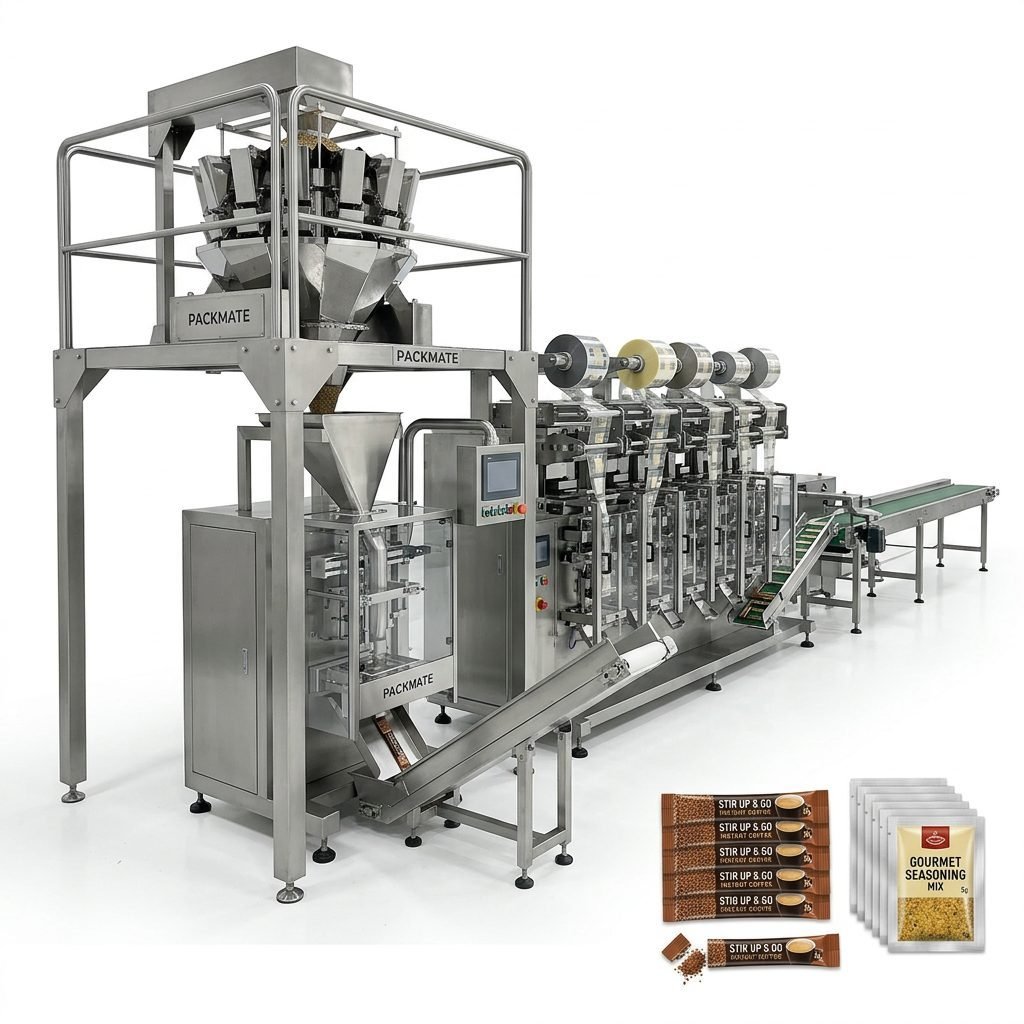
Specializes in integrated turnkey packaging lines, strong engineering for system integration. | Factories planning a major automation upgrade or setting up a new, fully integrated packaging line. |
| PackingMachineOEM ~30 years experience |
Focus on non-standard and customized machines, flexible engineering for unique requirements. | Businesses with specialized products or packaging formats that standard machines cannot handle. |
| SnusMachinery ~30 years experience |
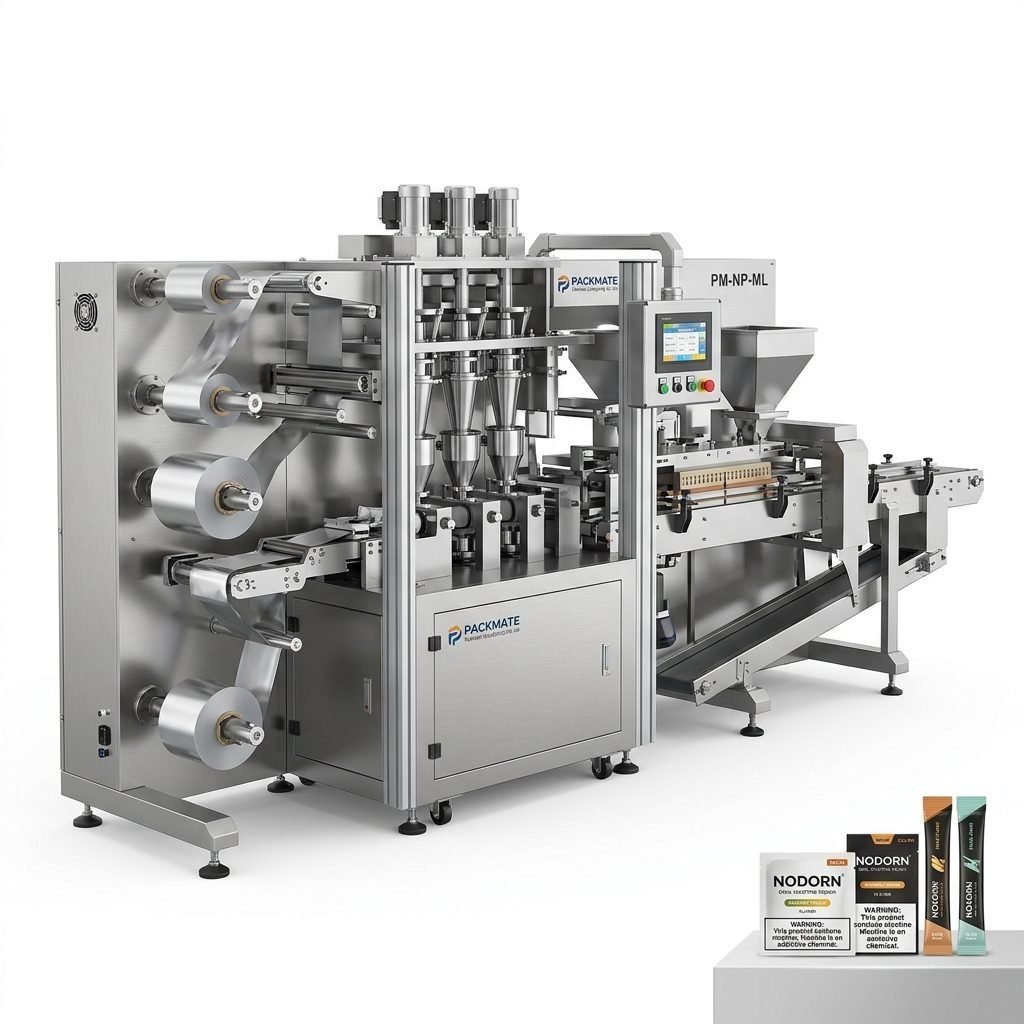
Niche expertise in nicotine pouch and snus packaging, high-precision pouch technology. | Companies in the smokeless tobacco or specialized pouch packaging sector requiring application-specific knowledge. |
Step 6: Final Due Diligence and Order Placement
Before finalizing your decision, conduct final due diligence. If possible, request a sample production run with your own packaging materials. Carefully review the sales contract, ensuring it details payment terms (e.g., 30% deposit, 70% before shipment), delivery timeline, warranty, and responsibilities for shipping and customs. Use secure payment methods like a Letter of Credit (L/C) or escrow services for larger orders. Maintain clear communication throughout the manufacturing and shipping process.
Common Questions (FAQ)
1. What are the main challenges of importing machinery to East Timor?
Key challenges include navigating customs clearance, managing logistics for heavy equipment, ensuring compatible voltage (220V/50Hz is common), and arranging for technical installation and training due to potentially limited local expertise. Working with an experienced freight forwarder and a manufacturer that provides comprehensive remote support is essential.
2. Should I buy a single machine or a complete packaging line?
This depends on your scale and automation goals. A single machine (e.g., a vertical form-fill-seal machine) is suitable for small to medium operations focusing on one packaging step. A complete turnkey line (e.g., from feeding, weighing, filling, sealing to cartoning) is for larger-scale, fully automated production. For businesses in East Timor looking to grow, starting with a robust standalone machine with the potential for future line integration is often a prudent strategy.
3. How can I ensure the machine will work with my local packaging materials?
Provide samples of your specific film/laminate to the manufacturer for testing before purchase. They can adjust sealing parameters and recommend film specifications (thickness, composition) that are compatible with their machine and suitable for the Timorese climate, which can be hot and humid.
4. What is the typical lead time for a packaging machine from China?
Lead times vary based on machine complexity and customization. For standard models, expect 30-60 days for production. For customized or turnkey lines, it can take 60-120 days or more. Sea freight to Dili can add another 3-6 weeks. Always confirm production and shipping schedules in your contract.
5. What ongoing support can I expect after the machine is delivered?
Reliable manufacturers offer a warranty (usually 12-24 months), remote technical support via phone/video call, online operation manuals, and a supply of commonly used spare parts. They should guide you through initial setup and basic troubleshooting. For Timorese importers, clarifying the scope and responsiveness of remote support before purchase is critical for long-term operational success.