Selecting the right packaging machine manufacturer is a critical decision for any business in Timor-Leste looking to improve production efficiency, product consistency, and market competitiveness. For local producers, processors, and exporters—whether in Dili, Baucau, or smaller communities—investing in reliable packaging automation can be a key step toward growth. This guide outlines the essential factors to consider and provides expert tips tailored to the needs of the Timorese market.
Understanding Timor-Leste’s Manufacturing and Packaging Landscape
Timor-Leste’s economy is diversifying, with growing sectors in coffee export, agriculture, food processing, and small-scale manufacturing. Local businesses often face challenges such as limited technical support, high import costs, and the need for equipment that can handle local product variations, from coffee beans and spices to locally produced sauces and supplements. Therefore, choosing a manufacturer that understands these constraints and can provide robust, adaptable, and easy-to-maintain solutions is paramount.
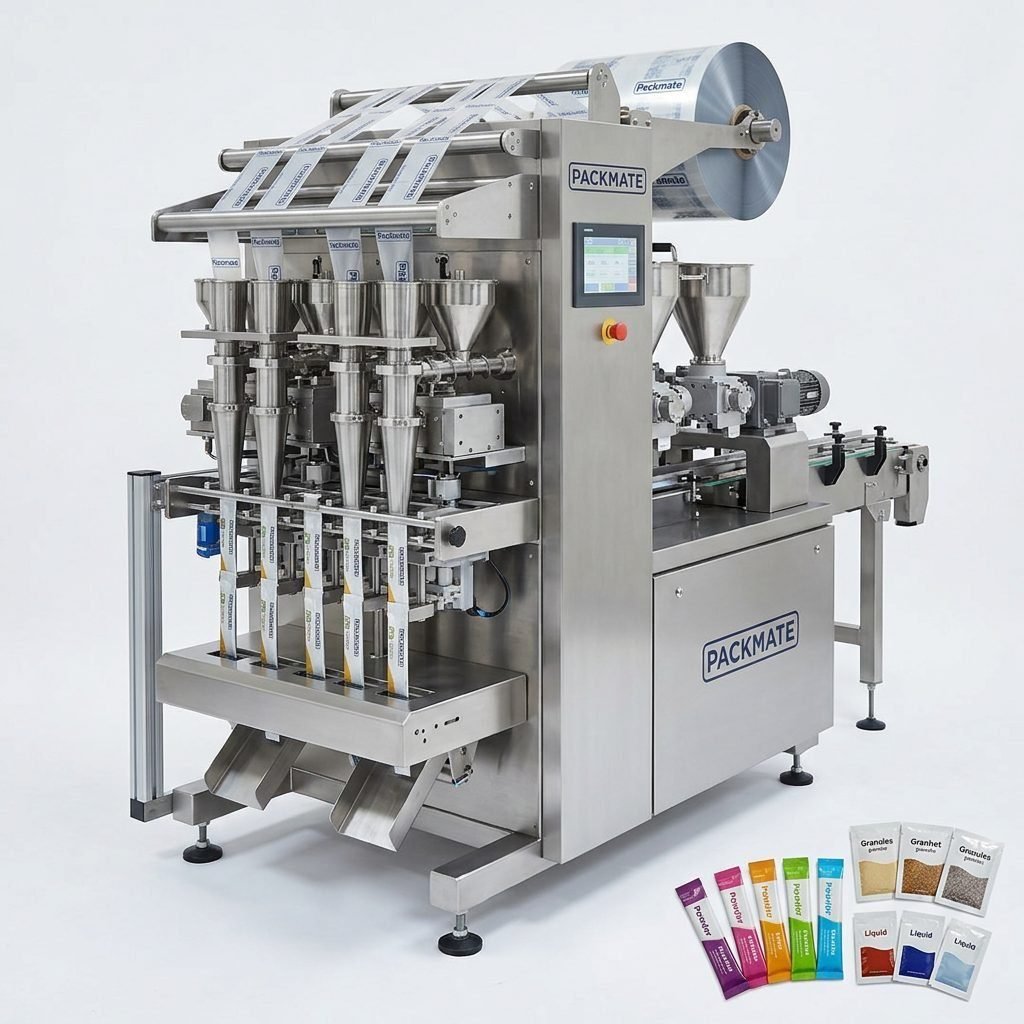
Key Factor 1: Manufacturer’s Experience and Industry Focus
Look for a supplier with a proven track record. A company with decades of experience is more likely to have encountered and solved a wide range of packaging challenges. For Timorese businesses, a manufacturer with a strong background in food, agricultural products, and possibly pharmaceuticals is highly relevant. For instance, a company like Ludyway, with over 30 years in packaging machinery for granules, powders, and liquids, brings valuable stability and application knowledge that can translate to reliable performance for local coffee or spice packers.
Tip for Timorese Buyers: Don’t just look at the company’s age. Examine their specific case studies or project histories. Have they successfully supplied machines to regions with similar infrastructure or climate conditions? This can indicate better suitability for Timor-Leste’s operational environment.
Key Factor 2: Product Range and Customization Capability
Your product line may evolve. A manufacturer offering a broad portfolio—from single sachet machines to complete turnkey lines—provides scalability. More importantly, customization ability is crucial. Standard machines might not perfectly fit unique local packaging materials, bag sizes, or product characteristics (e.g., the viscosity of a local palm sugar syrup). Manufacturers that emphasize non-standard solutions, like PackingMachineOEM, can be ideal partners for developing tailored systems.
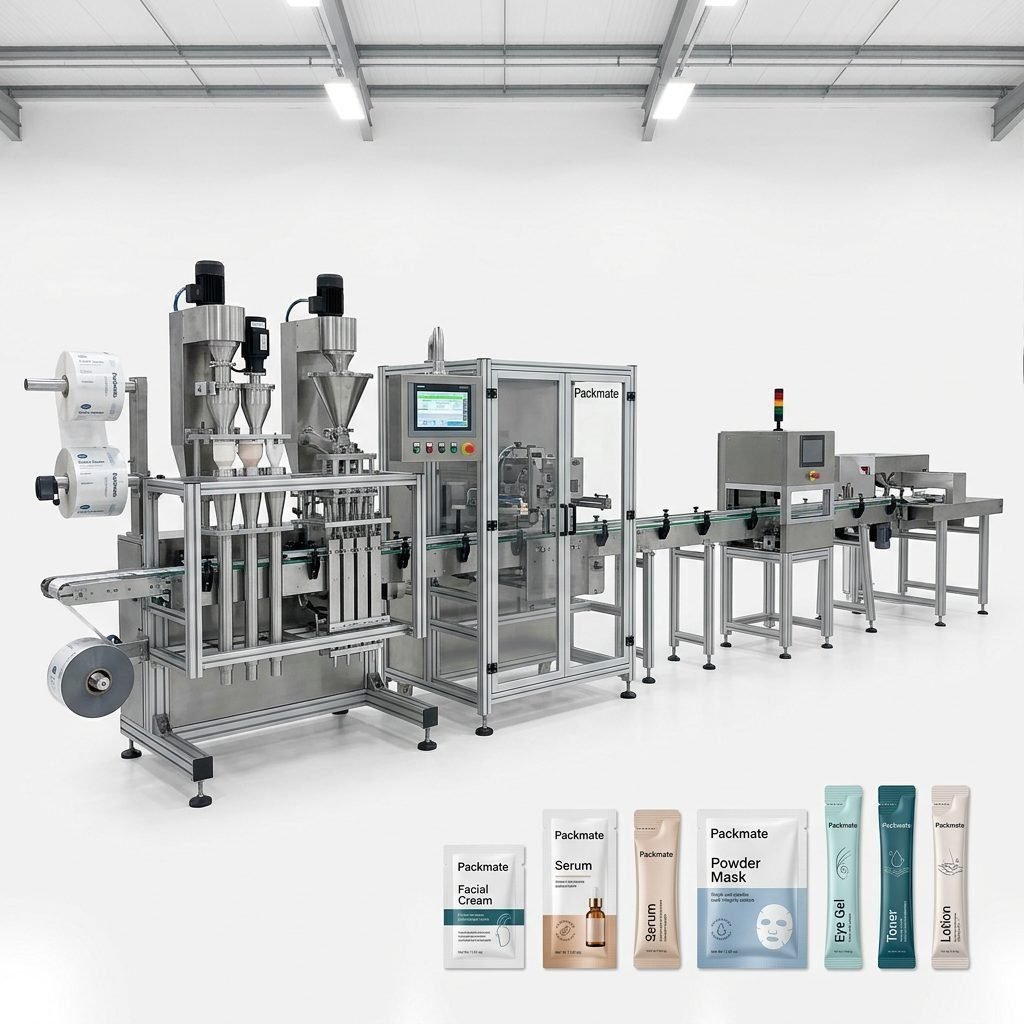
Key Factor 3: Technical Support and After-Sales Service
This is arguably the most critical factor for Timor-Leste. Geographic distance can make on-site support challenging and expensive. Prioritize manufacturers known for strong international support. Key questions to ask include:
- What is the warranty period and what does it cover?
- Do they provide comprehensive remote support (video calls, manuals, parts identification)?
- What is the typical lead time for spare parts delivery to Southeast Asia?
- Do they offer operator training, either on-site or via detailed guides?
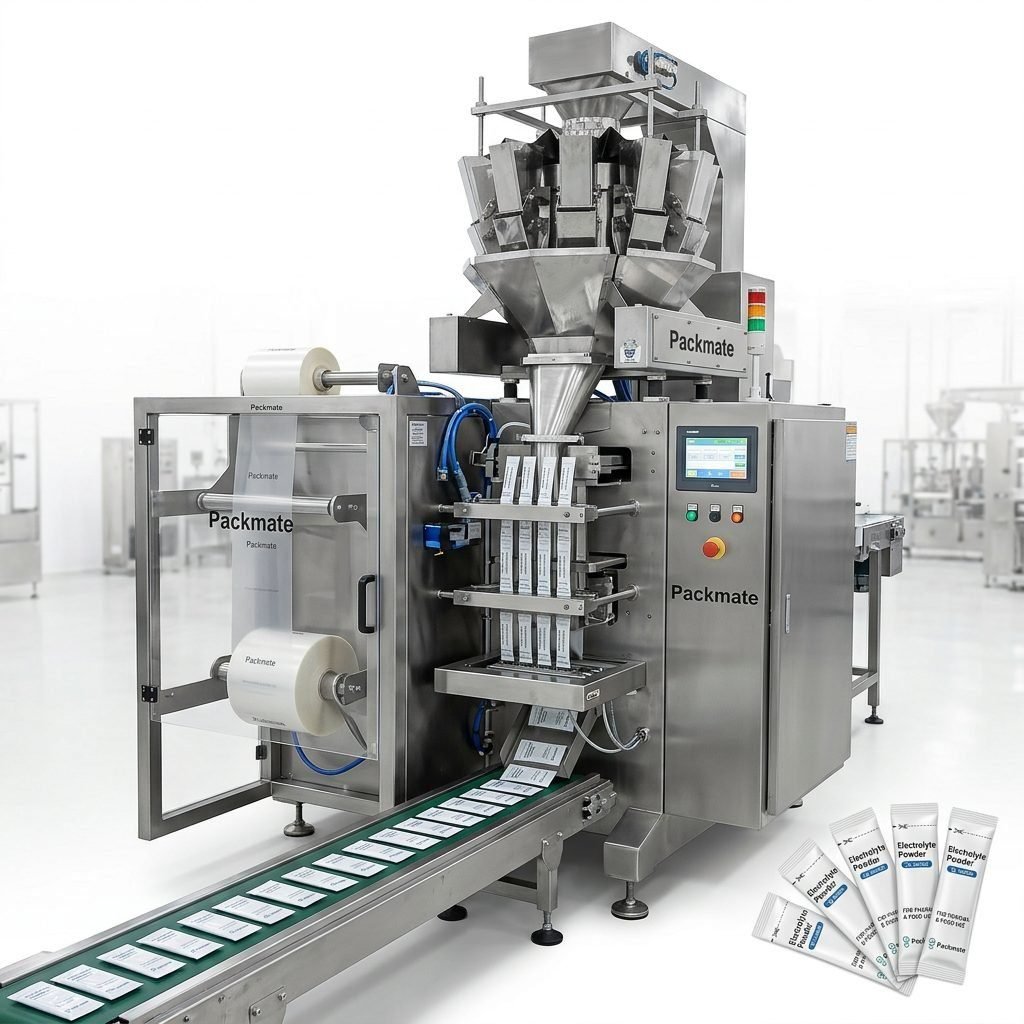
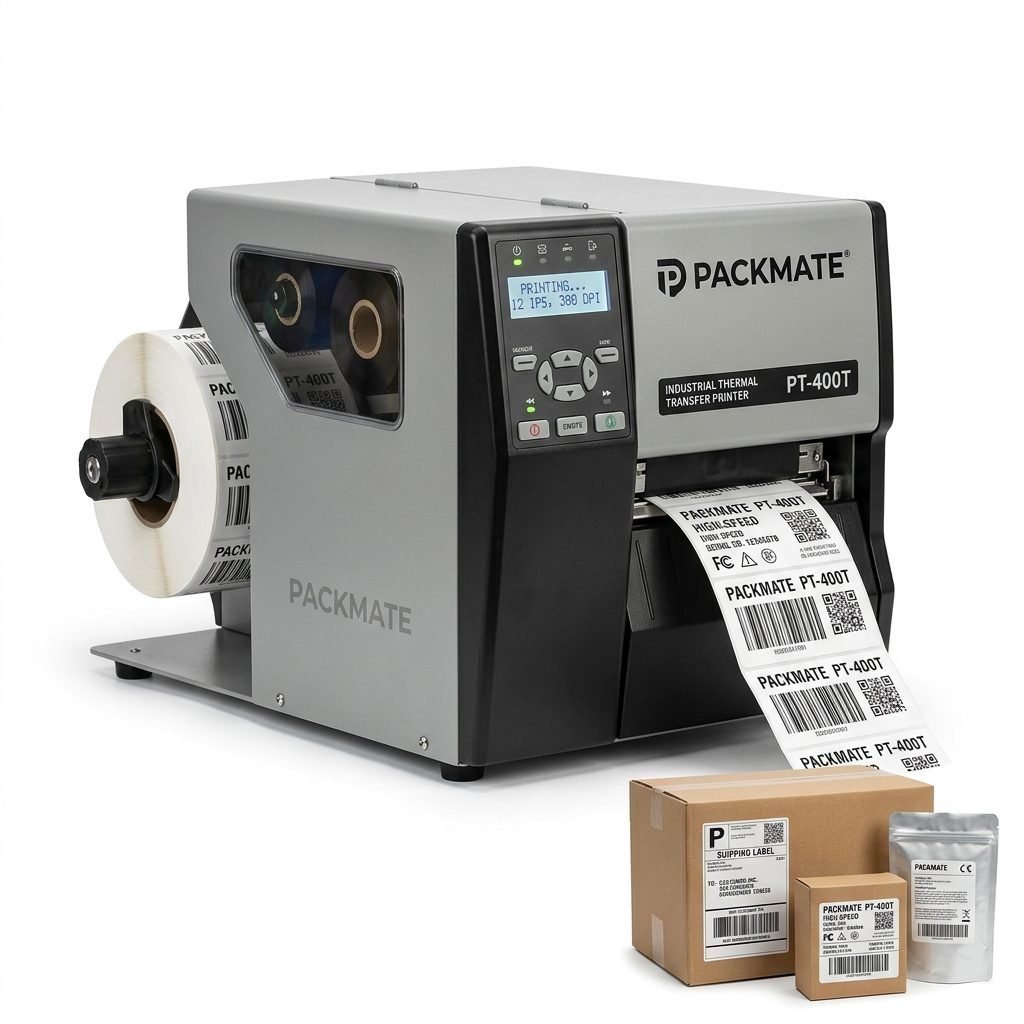
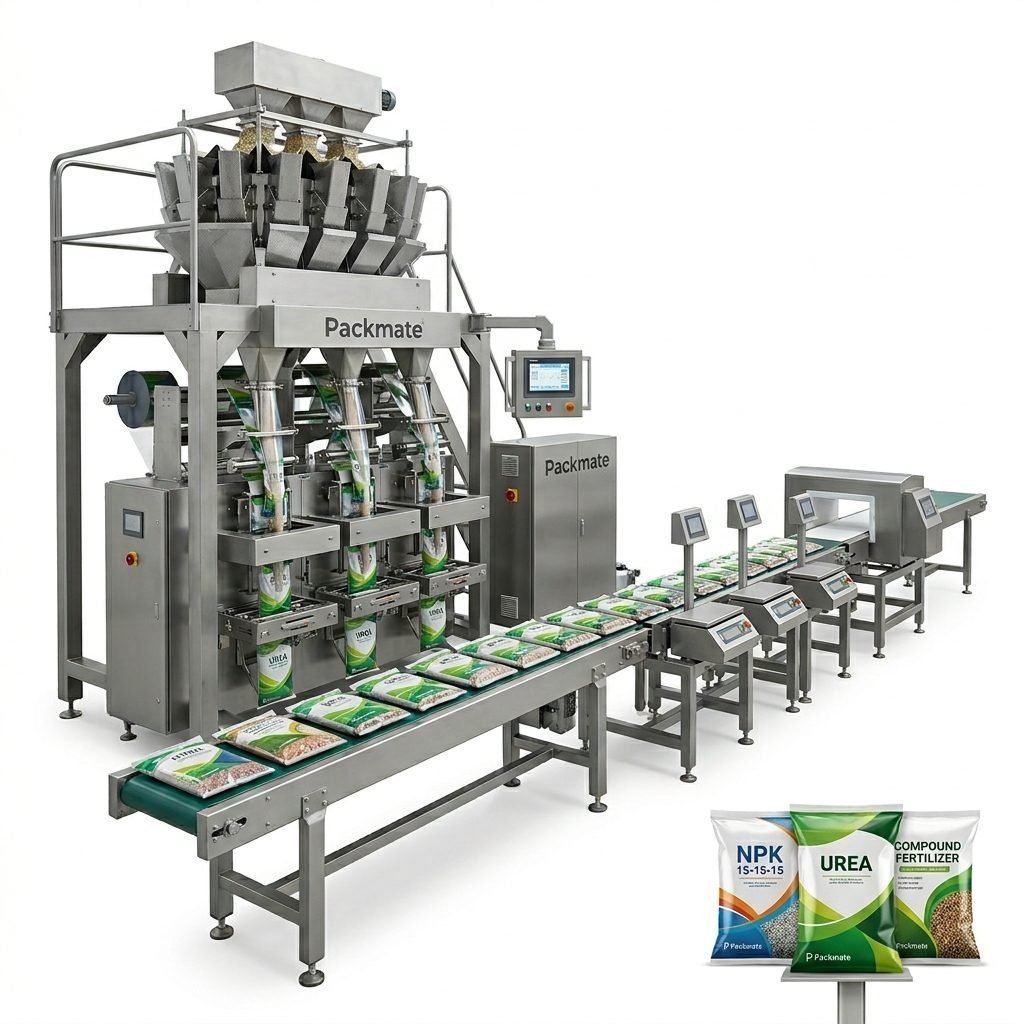
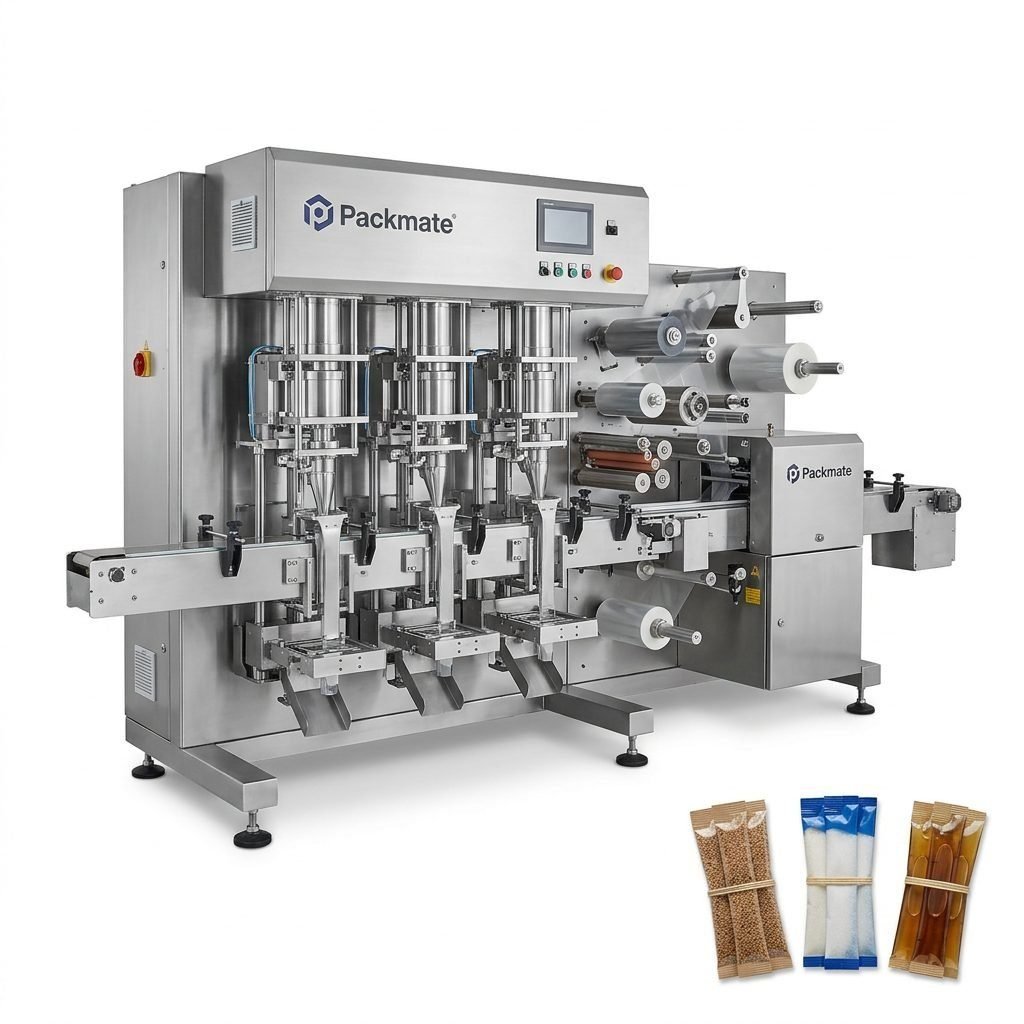
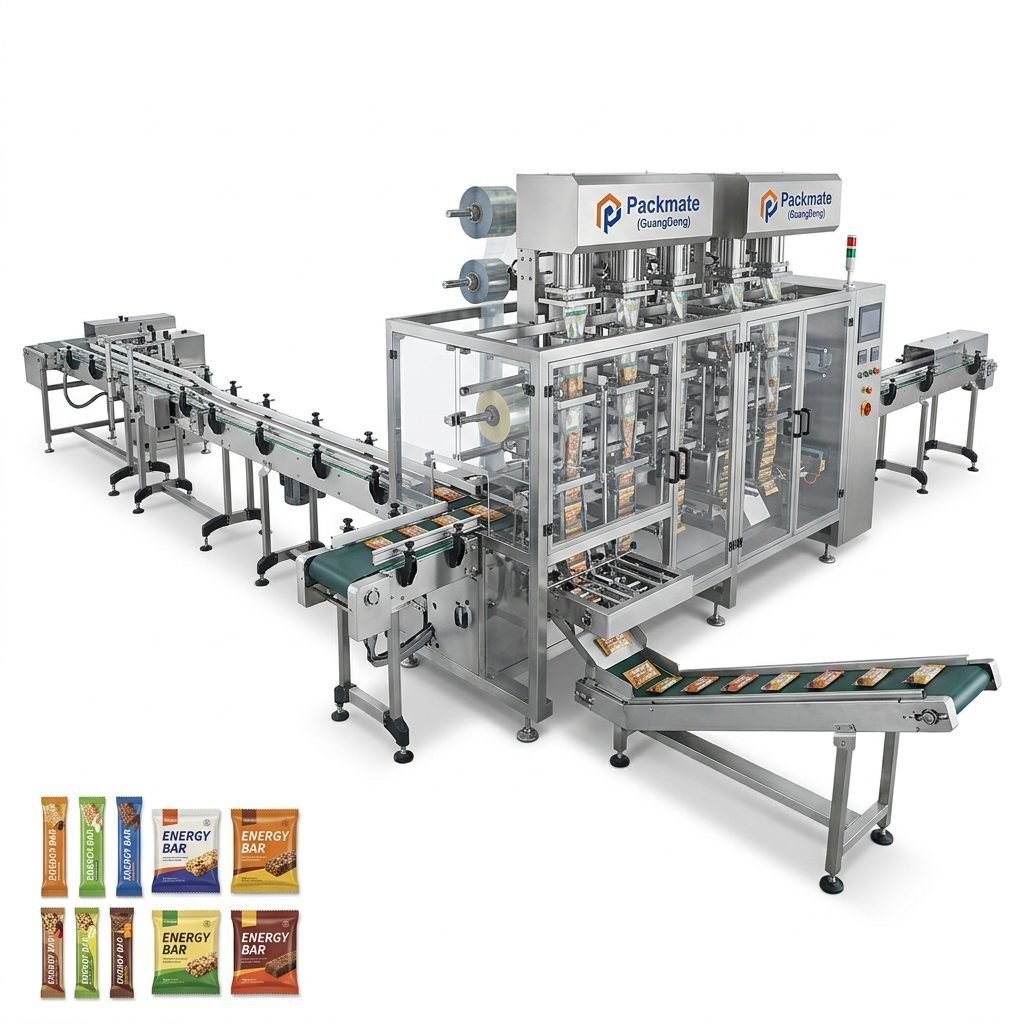
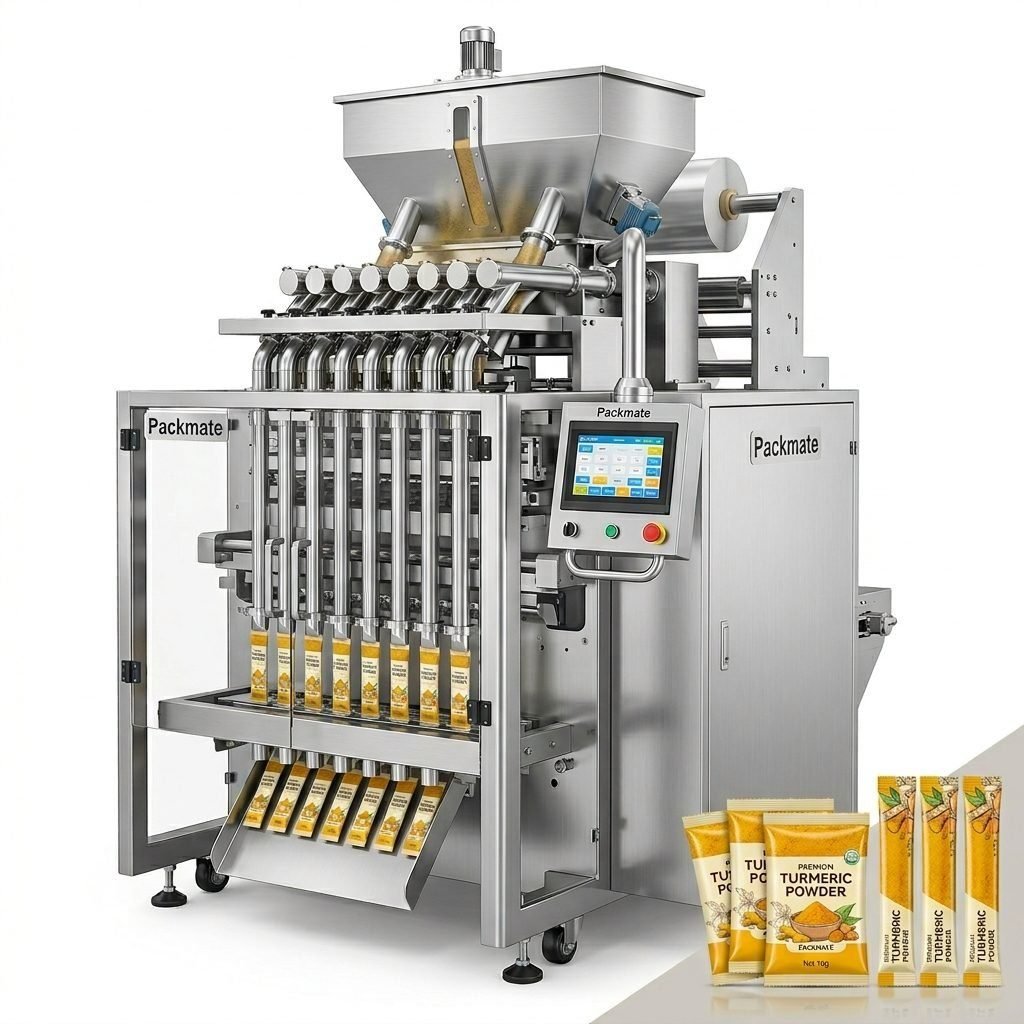
A company with a structured export process and a commitment to long-term support, such as Packmate Machinery, can significantly reduce downtime risks.
Evaluating Support for Remote Locations
Create a checklist with the manufacturer: clarify communication channels, emergency contact procedures, and the availability of critical spare parts locally or within the region. Establishing a clear service agreement before purchase is essential for peace of mind.
Key Factor 4: Machine Quality, Durability, and Ease of Use
Invest in quality that lasts. Machines built with precision components and robust frames tend to have longer lifespans and require less maintenance—a vital consideration where specialist technicians are scarce. Look for manufacturers that use quality materials (e.g., food-grade stainless steel contact parts) and have a documented quality control process in their factory.
Furthermore, ease of use and maintenance are non-negotiable. User-friendly PLC interfaces with clear instructions, easy-access panels for cleaning, and simple mechanical adjustments can empower your local team to manage daily operations effectively.
Key Factor 5: Cost Considerations and Total Value
While initial price is important, the Total Cost of Ownership (TCO) is a better metric. This includes the purchase price, shipping, import duties (a significant factor for Timor-Leste), installation, energy consumption, maintenance costs, and potential downtime. A slightly more expensive machine from a reputable manufacturer might offer far better TCO through higher efficiency, lower waste, and greater reliability.
| Cost Component | Lower-Cost Machine Risk | Quality Machine Advantage |
|---|---|---|
| Initial Purchase | Lower upfront cost | Higher initial investment |
| Maintenance & Downtime | Frequent breakdowns, costly delays | Stable performance, minimal unplanned stops |
| Spare Parts & Support | Parts hard to find, slow support | Reliable parts supply, responsive service |
| Output & Waste | Higher product waste, slower speed | High efficiency, precise filling, less waste |
Key Factor 6: Export Experience and Logistics Support
Choose a manufacturer with substantial export experience, particularly in Southeast Asia. They will be familiar with shipping documentation, customs procedures, and the challenges of delivering machinery internationally. Companies like PacklineOEM, which focus on turnkey line exports, often have dedicated logistics teams to handle these complexities, ensuring your machine arrives correctly and on time.
Expert Tips for the Selection Process in Timor-Leste
Beyond the key factors, here are actionable tips for Timorese business owners and managers:
1. Request Product Samples: Before finalizing a decision, send samples of your actual product (e.g., ground coffee, vanilla powder) to the shortlisted manufacturers. Ask them to run tests and provide video evidence of the machine handling your product. This proves capability beyond brochures.
2. Seek Regional References: Ask potential suppliers for customer references in Indonesia, the Philippines, or other ASEAN nations. Contacting these businesses can provide unbiased insights into machine performance and post-sales service in a regional context similar to Timor-Leste’s.
3. Plan for Power and Environment: Be precise about your factory’s power supply (voltage, stability) and environmental conditions (humidity, dust). Discuss these details with the manufacturer to ensure the machine is properly configured or protected. Consider voltage stabilizers if power fluctuations are common.
For businesses in niche sectors, such as those exploring value-added products, a specialist manufacturer might be the best fit. For example, a company focusing on precision pouch packaging, like SnusMachinery, brings targeted expertise that could be advantageous for high-value, precisely dosed products.
Frequently Asked Questions (FAQs)
Q1: How do I manage machine maintenance if there are no local technicians?
A: Prioritize manufacturers that offer excellent remote guidance, detailed maintenance manuals with videos, and a well-organized parts catalog. Training your own staff during installation is crucial. Stock a basic set of critical spare parts recommended by the supplier to avoid long waits for international shipments.
Q2: What is the typical lead time from order to delivery in Dili?
A: Lead times vary but typically range from 60 to 120 days for standard machines, and longer for custom or complete lines. This includes manufacturing, testing, sea freight, and customs clearance. Always get a detailed timeline from the supplier and factor in potential delays.
Q3: Are turnkey packaging lines a good option for a new factory in Timor-Leste?
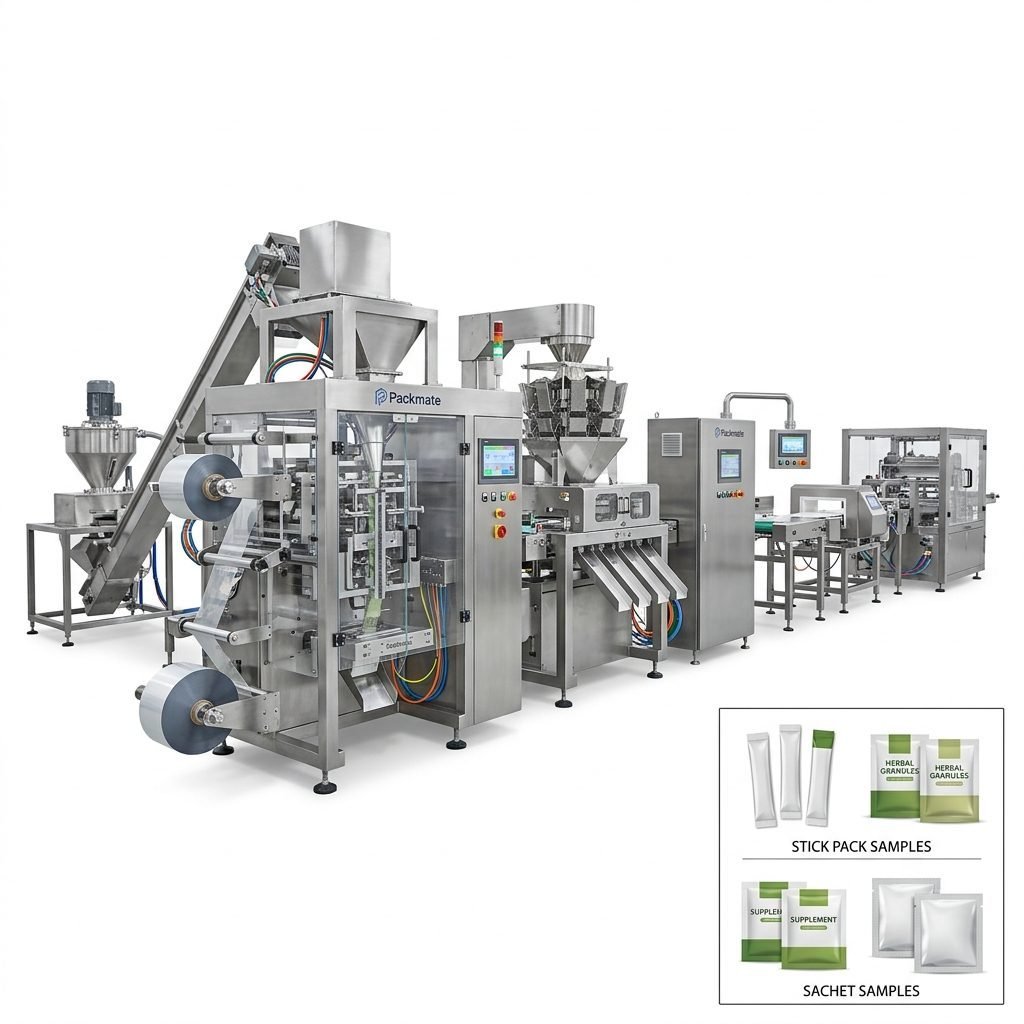
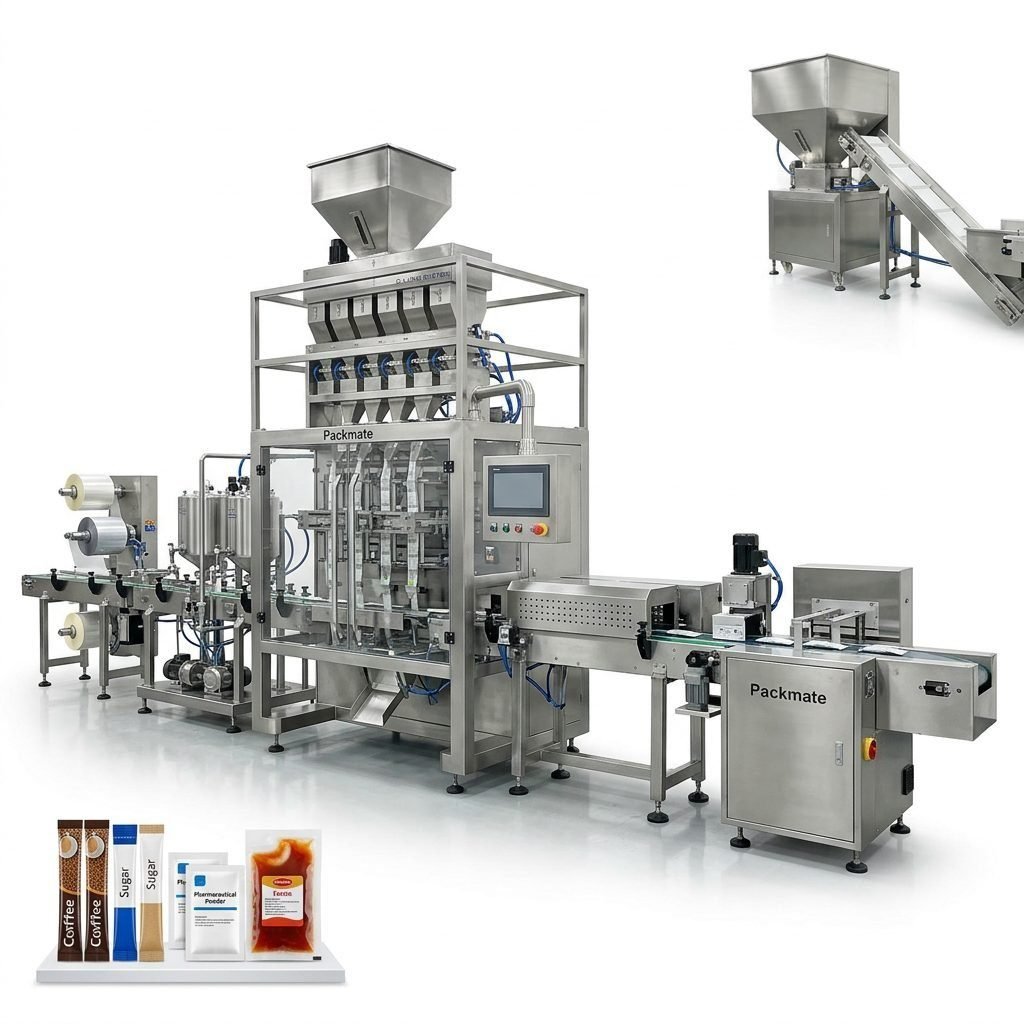
A: Turnkey lines, offered by companies like PacklineOEM, provide a complete, integrated solution which can simplify project management. They are a strong option if you have the capital and want a single point of responsibility for the entire packaging process, from feeding to cartoning.
Q4: How important is energy efficiency for packaging machines in Timor-Leste?
A: Very important. Energy costs can be high, and stable power is not always guaranteed. Discuss energy-saving features (e.g., servo motors) with the manufacturer. Efficient machines reduce operating costs and may place less strain on local power infrastructure.
Q5: Can I start with a basic machine and upgrade later?
A: Yes, modularity is key. Discuss future expansion plans with your supplier from the start. Some machines are designed to be upgraded with additional lanes, feeding systems, or checkweighers later. Choosing a manufacturer with a broad product range facilitates this scalable approach.