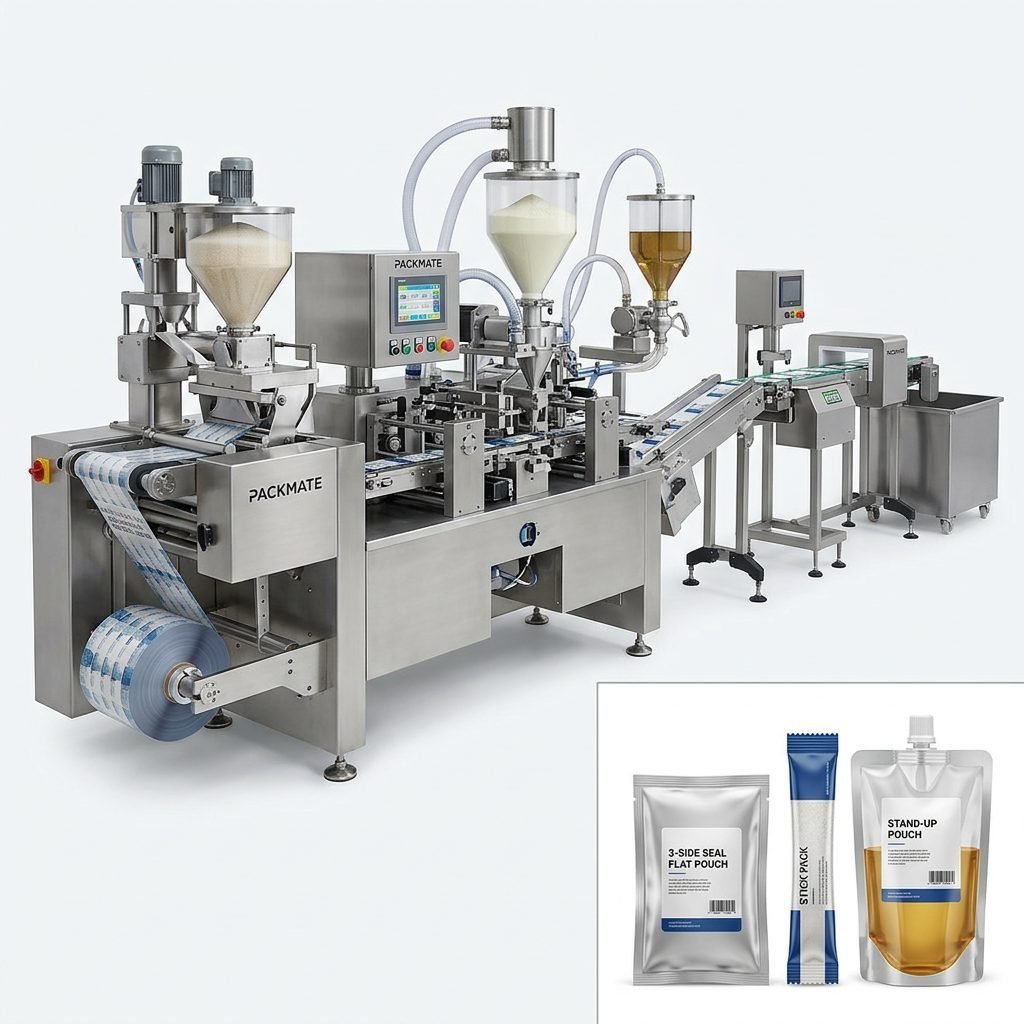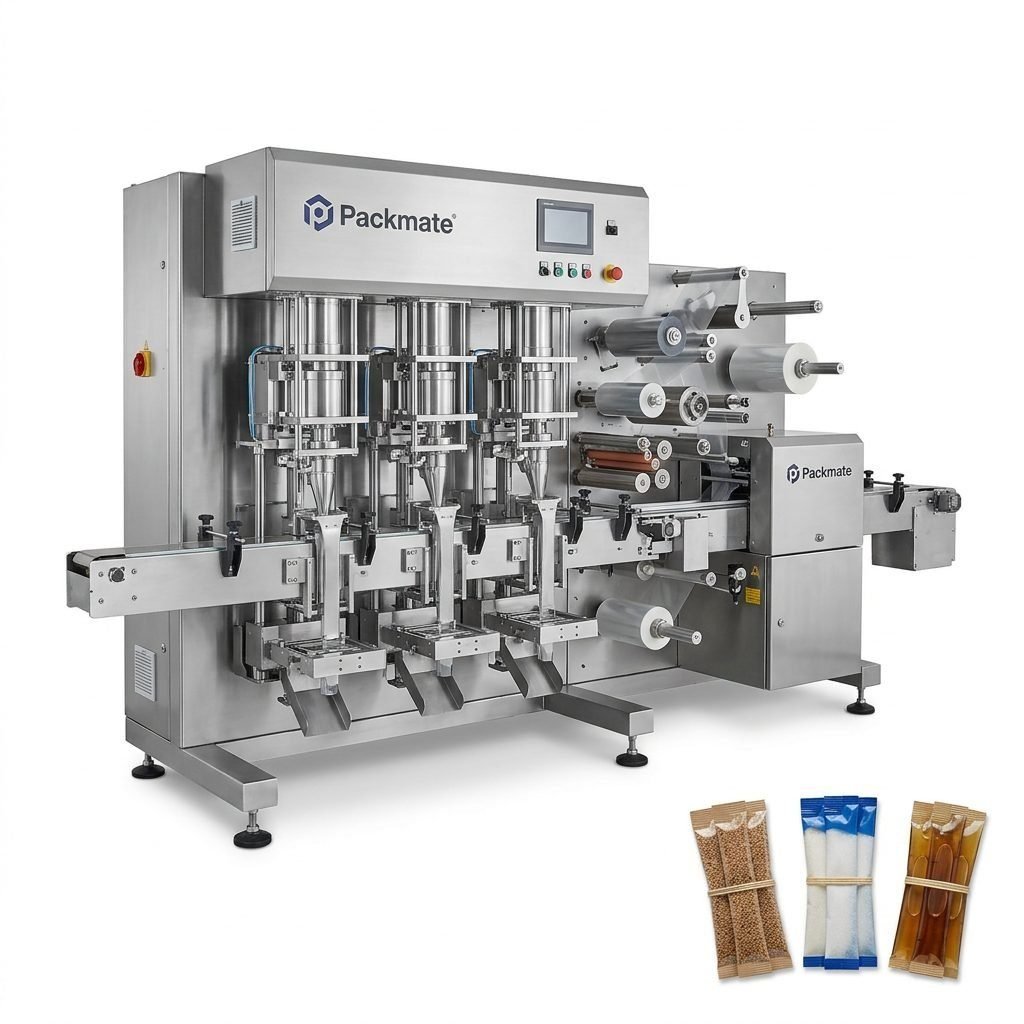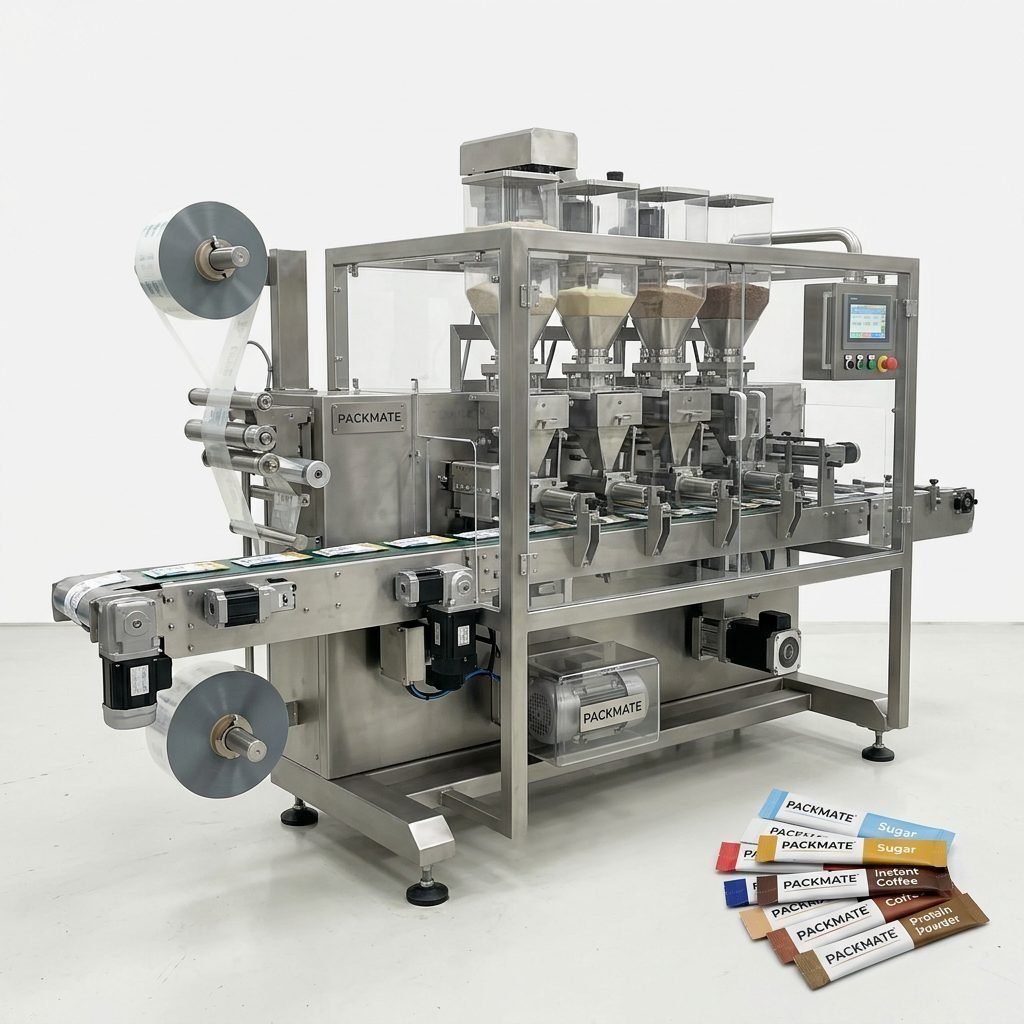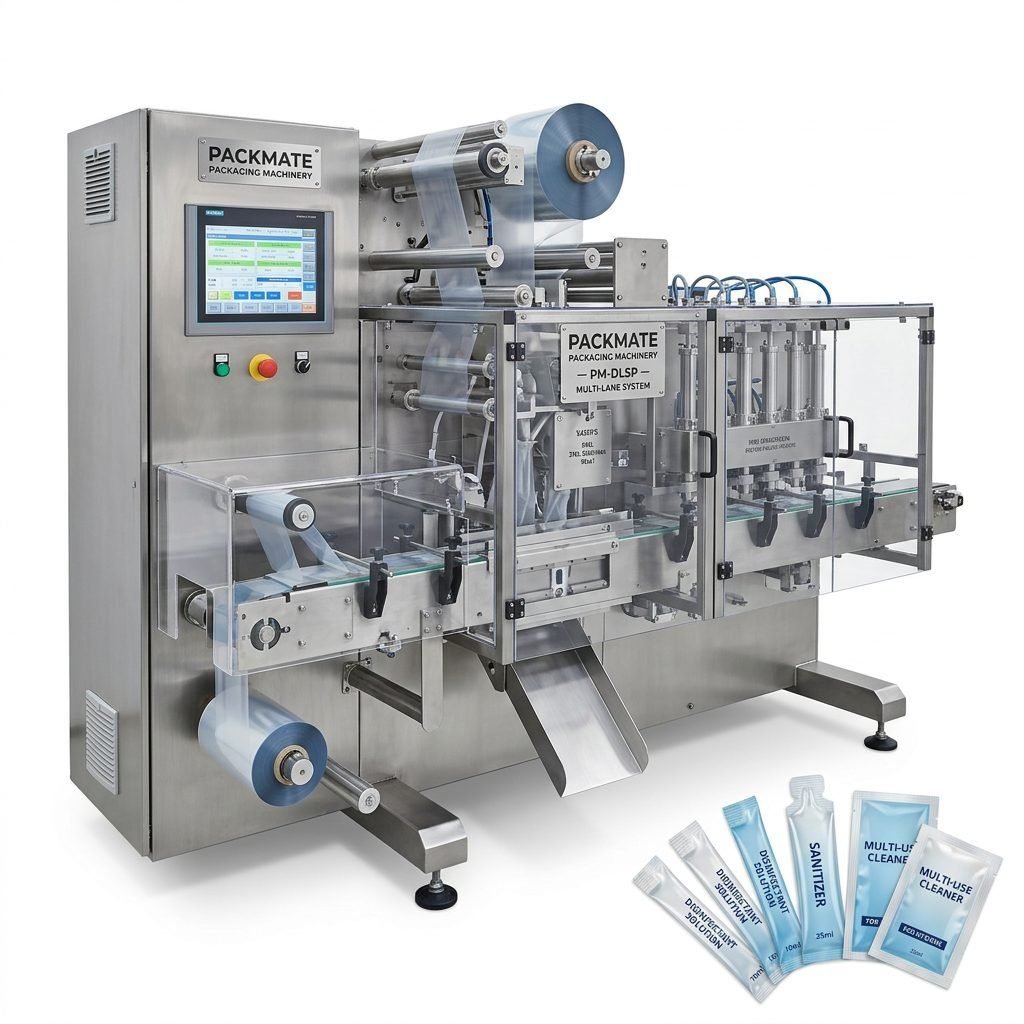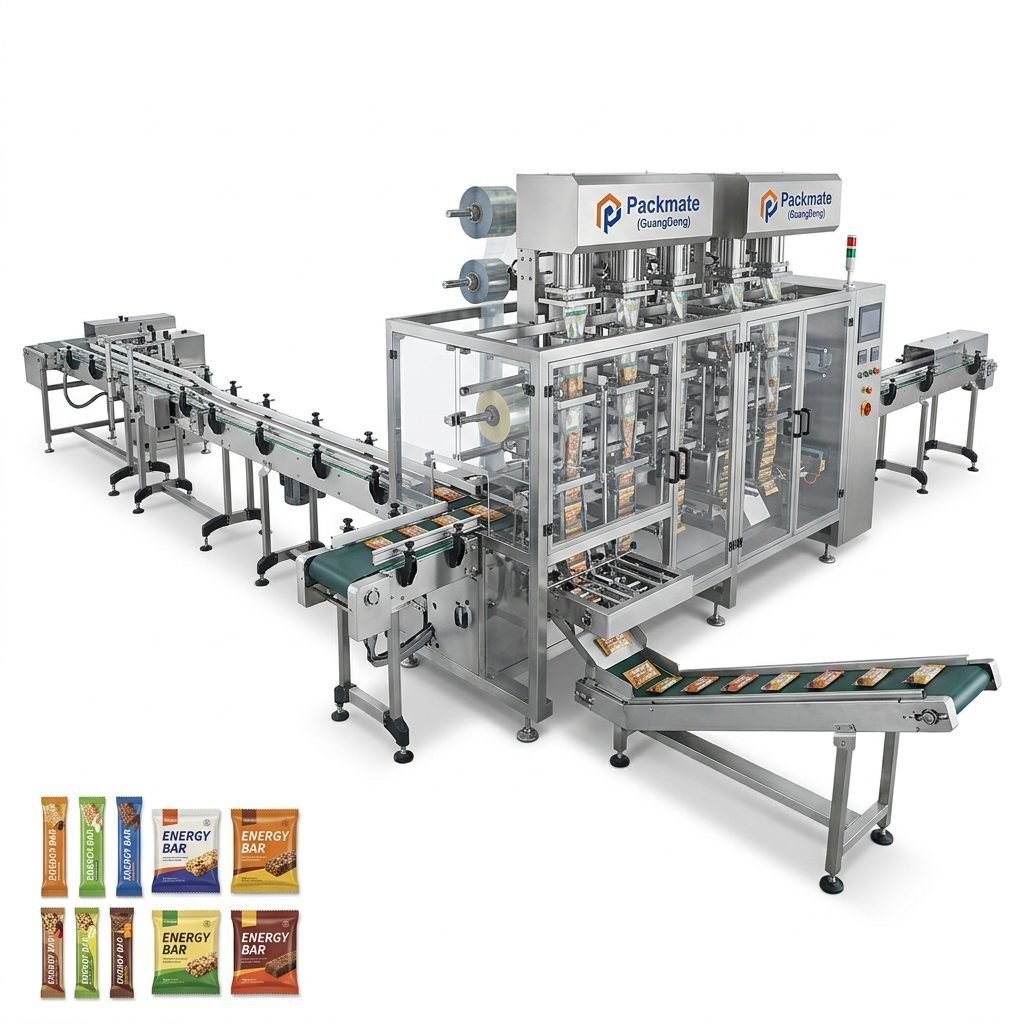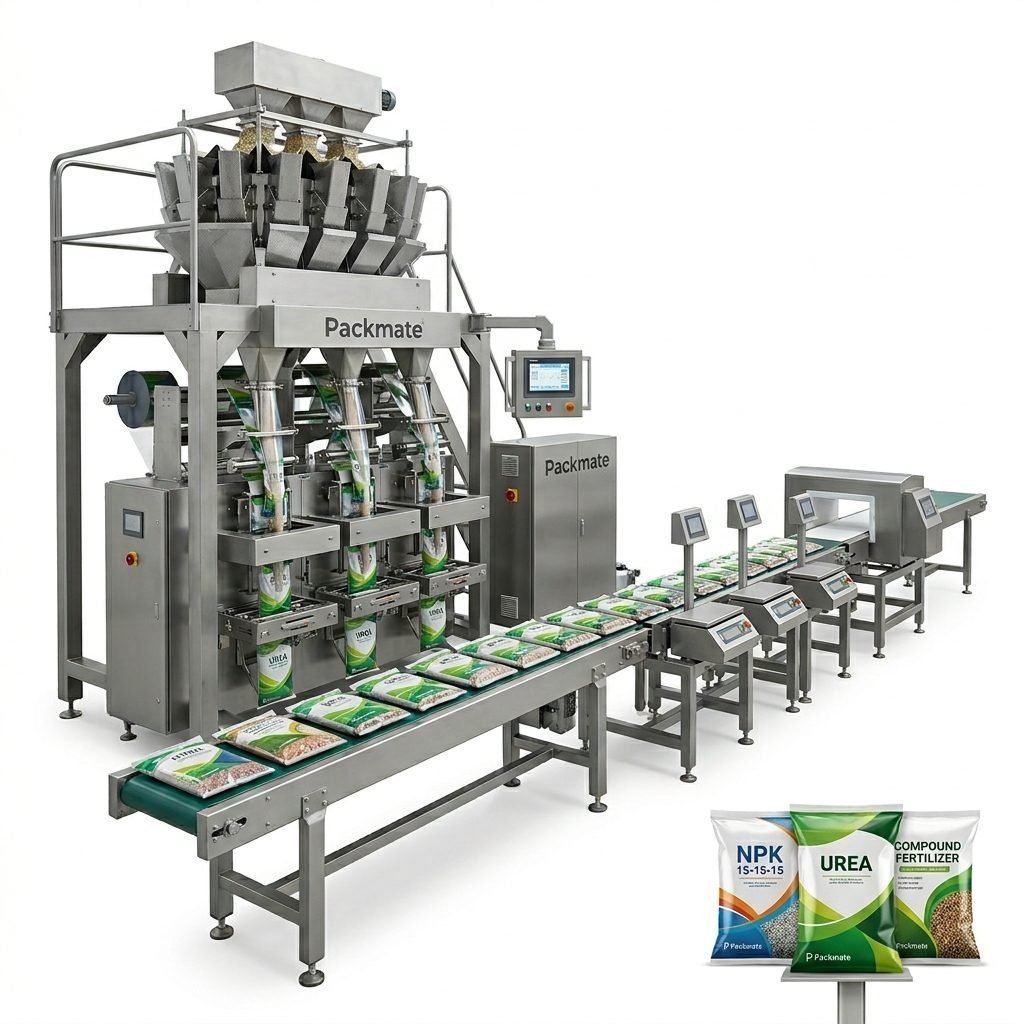
Beverage pouch packaging machines are specialized equipment designed to automatically fill and seal single-serve pouches or sachets with liquid, powder, or granulated beverages. These machines are essential for producing items like instant coffee sticks, milk tea sachets, electrolyte drink powders, protein shakes, and liquid concentrate pouches. The global demand for convenient, portable, and portion-controlled beverage formats has driven significant innovation in this sector.
Core Types of Beverage Pouch Packaging Machines
The market offers several machine configurations, each suited to different production scales, pouch styles, and beverage types. Understanding these core types is the first step in selecting the right equipment.
1. Vertical Form-Fill-Seal (VFFS) Machines
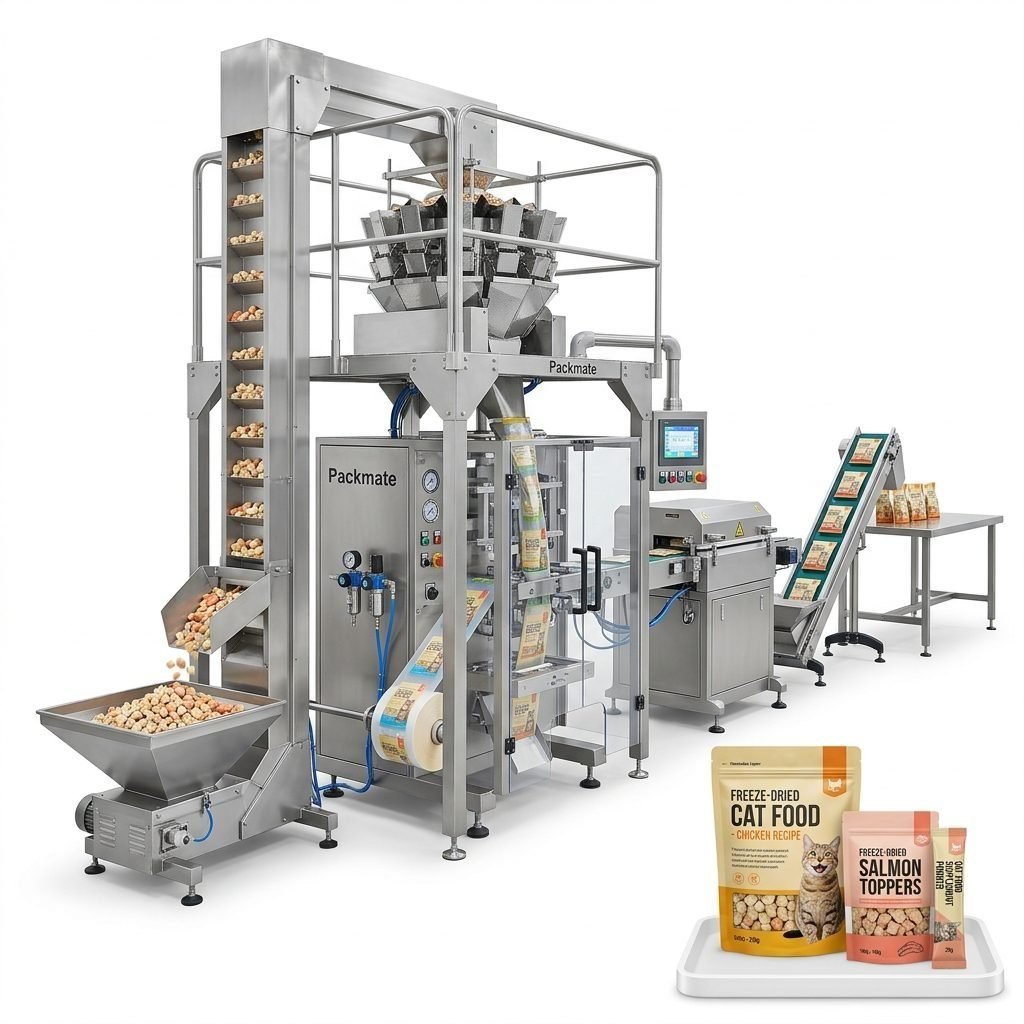
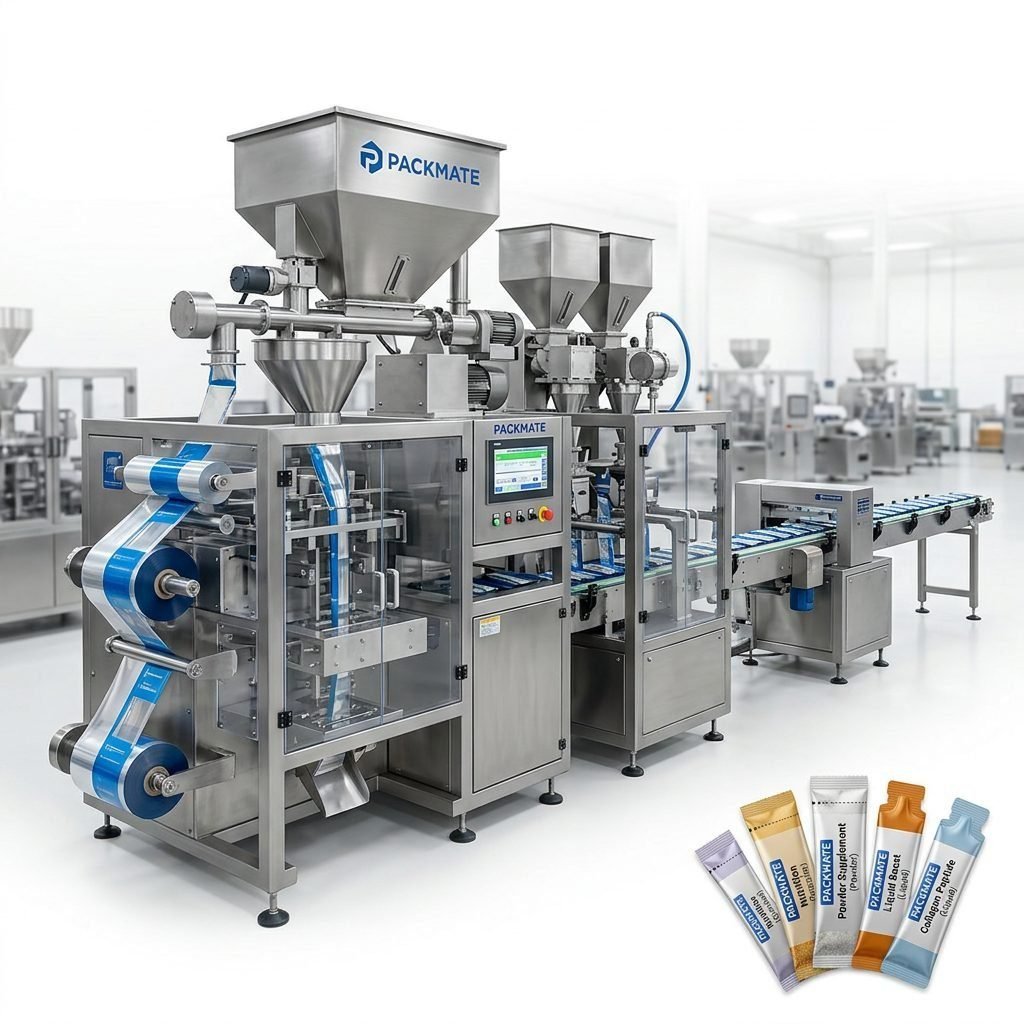
These are the most common type for high-volume production. A VFFS machine forms the pouch from a roll of packaging film, fills it with the precise amount of product, and then seals it—all in one continuous vertical motion. They are incredibly versatile and can produce various pouch styles like pillow packs, gusseted bags, or stick packs. For powdered beverage mixes, they are often paired with auger or volumetric cup fillers for accuracy.
2. Pre-Made Pouch Fill & Seal Machines
This system uses pouches that are already formed, often with sophisticated features like spouts, zippers, or stand-up bottoms. The machine’s function is to open, fill, and then seal the top of the pre-made pouch. This is ideal for premium liquid beverages, dairy drinks, or juices where pouch integrity and presentation are critical. It’s generally used for medium to high-speed operations.
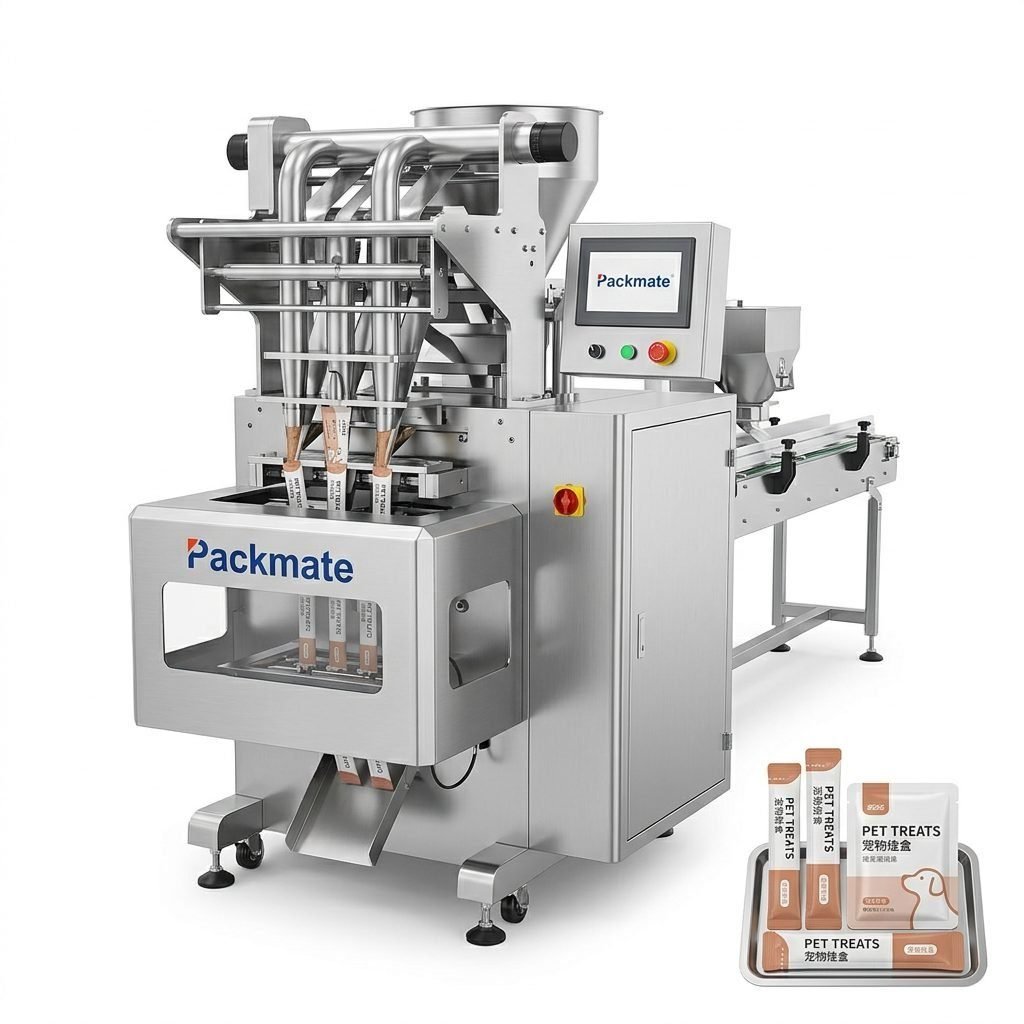
3. Stick Pack Machines
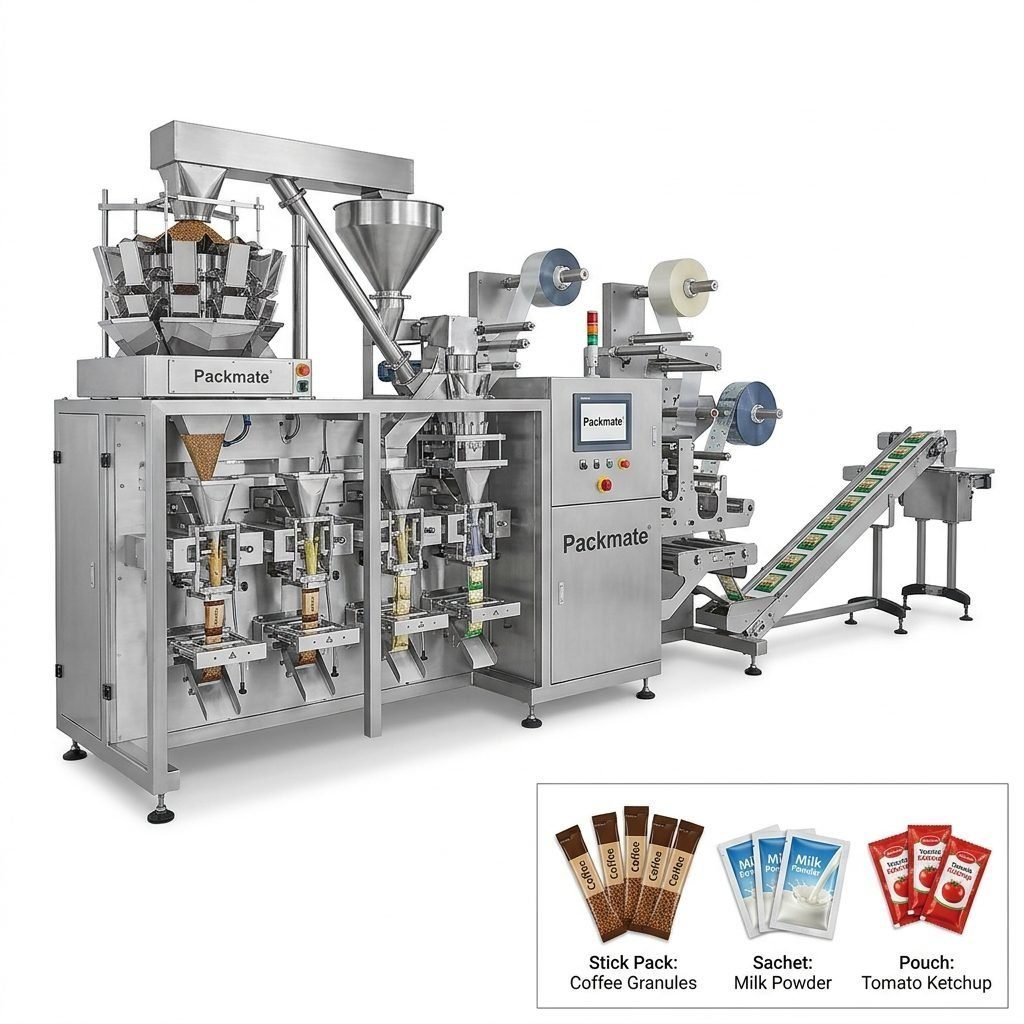
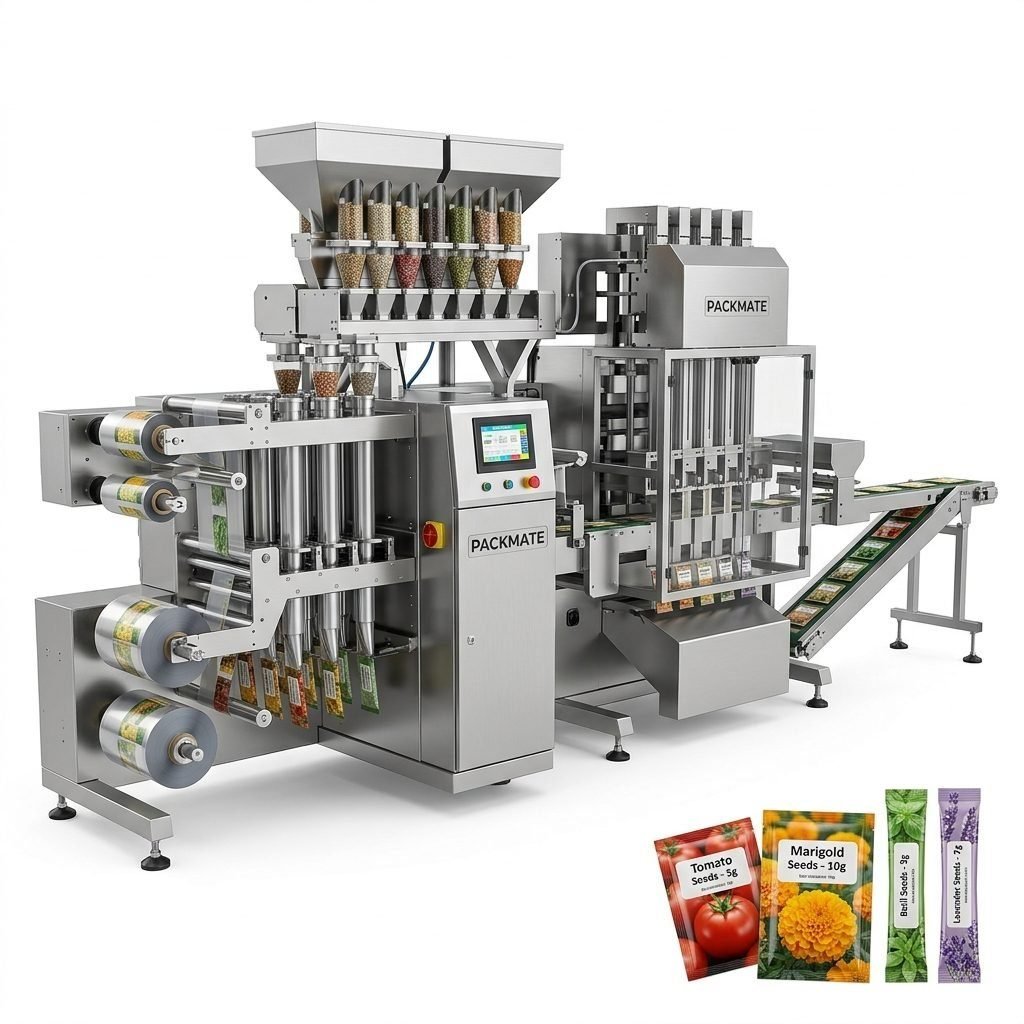
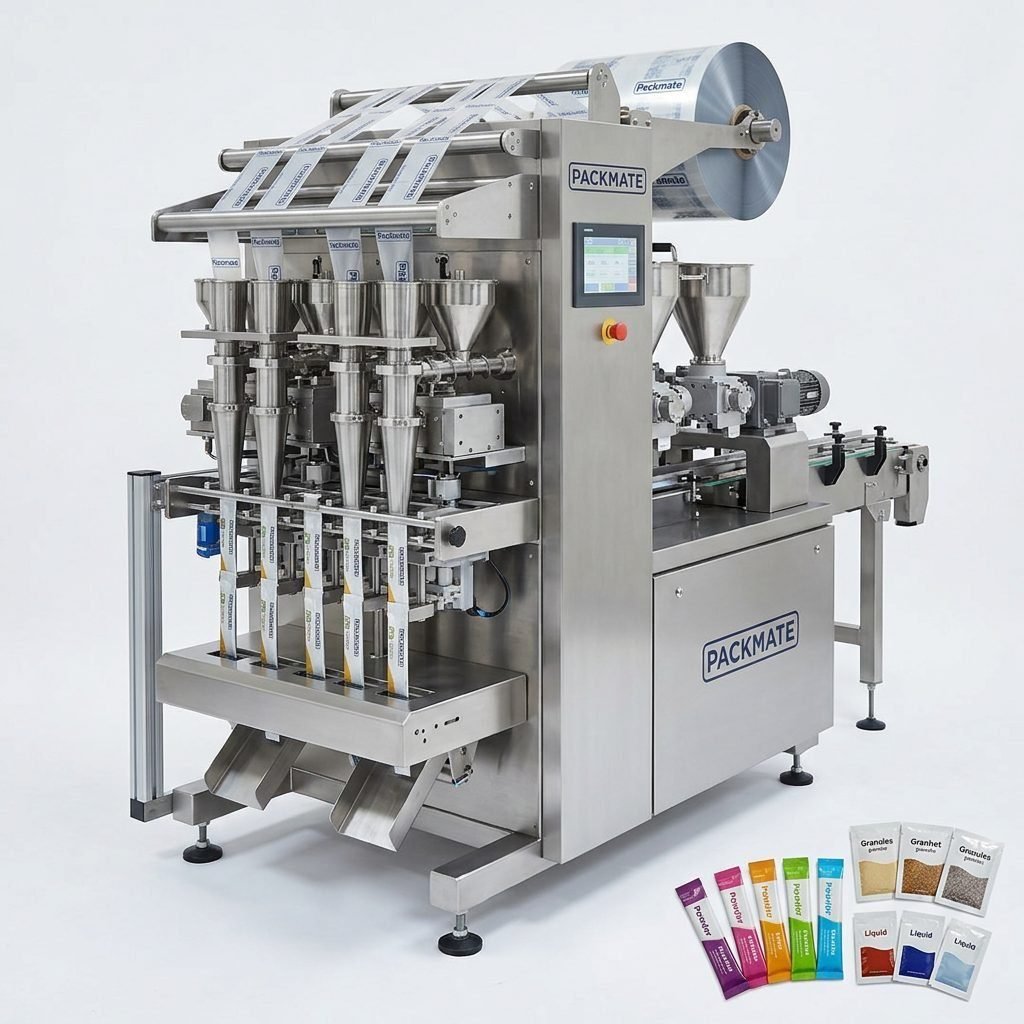
A specialized subset of VFFS machines, stick pack machines are designed to create long, narrow, tube-like pouches. They are the standard for single-serve instant coffee, tea, sugar, and powdered drink mixes. Modern machines often feature multi-lane configurations, where 4, 8, 12, or more lanes operate simultaneously, dramatically increasing output to meet large-scale demand.
4. Liquid Sachet Machines
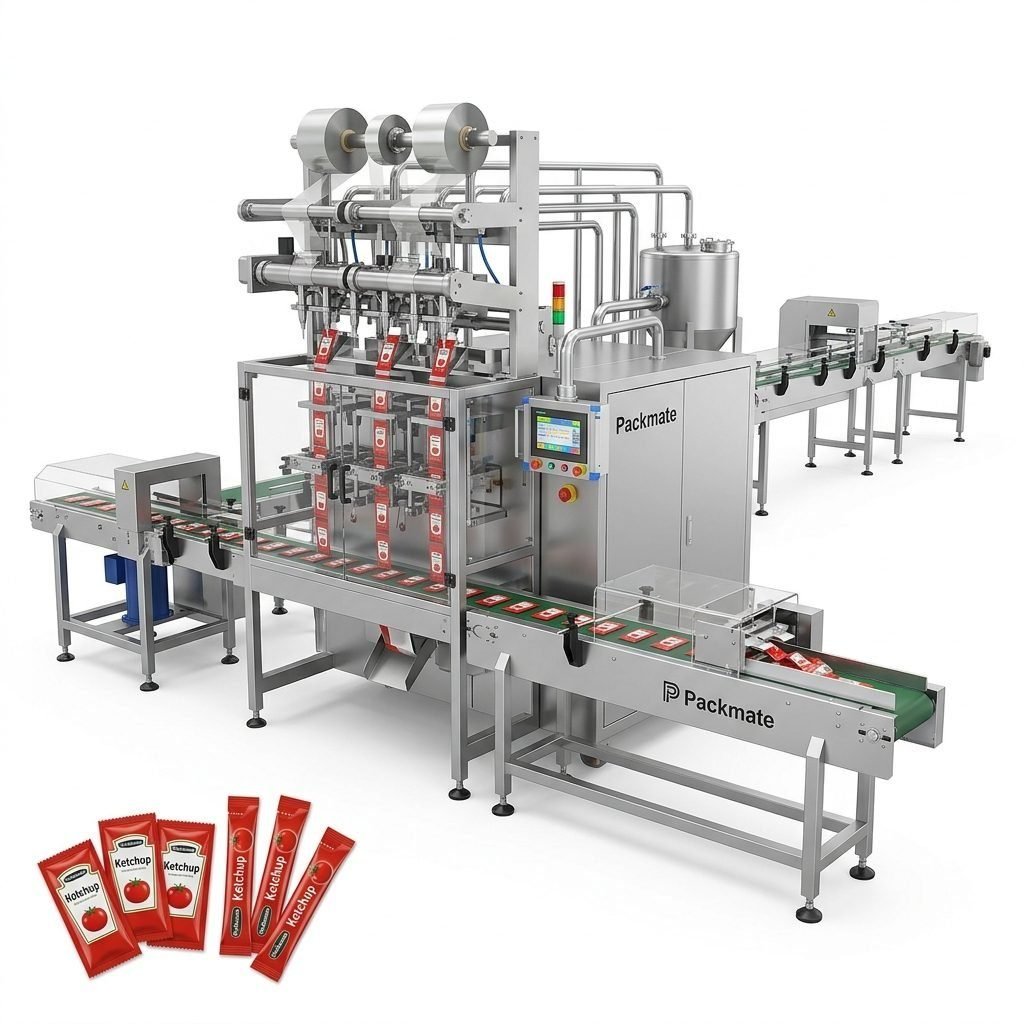
Specifically engineered for liquid or viscous products like creamers, liquid coffee concentrates, sauces for beverages, or syrup shots. These machines require precise liquid filling systems (such as piston pumps) and robust sealing mechanisms to prevent leaks. They can handle a wide range of viscosities and often include features like nitrogen flushing to extend shelf life.
How They Work: The Packaging Process
The operation of a typical beverage pouch machine, especially a VFFS system, follows a precise, automated sequence:
| Step | Process | Key Components Involved |
|---|---|---|
| 1. Film Unwinding & Forming | The roll of laminated film (e.g., PET/AL/PE) is fed into the machine. A forming collar shapes the flat film into a continuous tube. | Film Roll Stand, Forming Collar |
| 2. Vertical Sealing | The longitudinal seam of the tube is sealed with a vertical sealing jaw. | Vertical Sealing Jaw |
| 3. Product Dosing & Filling | At the fill point, a precisely measured dose of the beverage product (powder, granule, or liquid) is injected into the tube. | Auger Filler, Volumetric Cup, Piston Pump, Load Cell |
| 4. Horizontal Sealing & Cutting | Horizontal jaws close to seal the top of the filled pouch and the bottom of the next pouch simultaneously, then cut them apart. | Horizontal Sealing Jaws, Cutting Blade |
| 5. Discharge & Collection | The finished, sealed pouches are discharged via a chute or conveyor for secondary packaging (cartoning, boxing). | Discharge Chute, Conveyor Belt |
Key Considerations When Buying a Machine
Selecting the right beverage pouch packaging machine is a significant investment. Here are the critical factors to evaluate:
1. Product Characteristics
The nature of your beverage dictates the machine type. Is it a free-flowing powder (instant coffee), a hygroscopic powder (milk tea mix), a granule (sugar), or a liquid (concentrate)? Each requires specific filling technology (auger, cup, piston) and may influence the choice of sealing parameters and film material.
2. Production Speed & Output Requirements
Calculate your required output in pouches per minute (PPM). Small-scale producers might suffice with a single-lane machine (40 – 80 PPM). For large-scale manufacturing, multi-lane stick pack machines from suppliers like Ludyway or Packmate Machinery can achieve speeds exceeding 1,000 PPM. Match the machine’s capacity to your current and projected future needs.
3. Pouch Specifications & Material
Define your desired pouch size, shape (stick pack, square sachet), and sealing style (3-side seal, 4-side seal, back seal). The machine must be compatible with your chosen packaging film structure (e.g., metallized polyester for moisture barrier, clear laminate for visibility). Discuss this with the machine supplier to ensure compatibility.
4. Level of Automation & Integration
Consider if you need a standalone machine or a fully integrated turnkey packaging line. A complete line from a provider like PacklineOEM might include automated feeding systems, checkweighers, metal detectors, X-ray inspectors, cartoners, and case packers, minimizing manual labor and maximizing efficiency.
5. Hygiene & Cleanability
For food and beverage applications, hygiene is non-negotiable. Look for machines with stainless steel contact parts, sanitary design with minimal crevices, and easy disassembly for cleaning (CIP/SIP capabilities where applicable). This is crucial for product safety and preventing cross-contamination.
6. Supplier Support & Customization
The machine is just the beginning. Evaluate the supplier’s reputation for after-sales service, availability of spare parts, and technical support. For non-standard applications, the ability to provide customized solutions is vital. Companies like PackingMachineOEM specialize in tailoring machines to specific product and production needs. For niche segments like nicotine pouch beverages, a specialist like SnusMachinery offers targeted expertise.
Global Market Trends & Regional Preferences
The adoption of pouch packaging varies by region. In Europe and North America, demand is driven by sustainability (lightweight, reduced material vs. rigid packaging) and premiumization (high-quality liquid coffee sachets, organic superfood mixes). In Southeast Asia and Africa</strong, the growth is fueled by the massive popularity of affordable, single-serve instant coffee, milk tea, and functional beverage sachets, making high-speed, multi-lane machines essential for manufacturers serving these price-sensitive, high-volume markets.
Frequently Asked Questions (FAQs)
Q1: What is the typical speed range for a beverage stick pack machine?
A: Speeds vary widely. A basic single-lane machine may run at 40-100 pouches per minute (PPM). Industrial multi-lane machines (e.g., 8-lane or 12-lane) can achieve outputs from 600 to over 1,200 PPM, depending on the product and pouch size.
Q2: Can one machine handle both powder and liquid beverages?
A: Some machines are designed to be versatile, but they require different filling systems. A machine might be capable of both if it allows for a quick changeover between an auger filler (for powder) and a piston pump filler (for liquid). This often involves a modular design and additional investment.
Q3: How important is gas flushing (nitrogen) in beverage pouch packaging?
A: It is critical for certain products. Nitrogen flushing displaces oxygen inside the pouch, significantly extending the shelf life of oxygen-sensitive products like whole milk powder, certain creamers, and high-fat beverage mixes by preventing oxidation and rancidity.
Q4: What is the lead time for purchasing and installing a new machine?
A: Lead times depend on the machine’s complexity and customization. For a standard model from stock, it could be 2-4 months. For a fully customized or high-speed turnkey line, lead times can range from 4 to 8 months or more, including manufacturing, factory testing, shipping, and on-site installation.
Q5: What are the common maintenance requirements?
A: Regular maintenance is key to longevity and consistent performance. Daily cleaning, weekly lubrication of moving parts, periodic inspection and replacement of wear parts (like sealing jaws, cutting blades, and filler seals), and calibration of weighing systems are standard practices outlined in the machine manual.