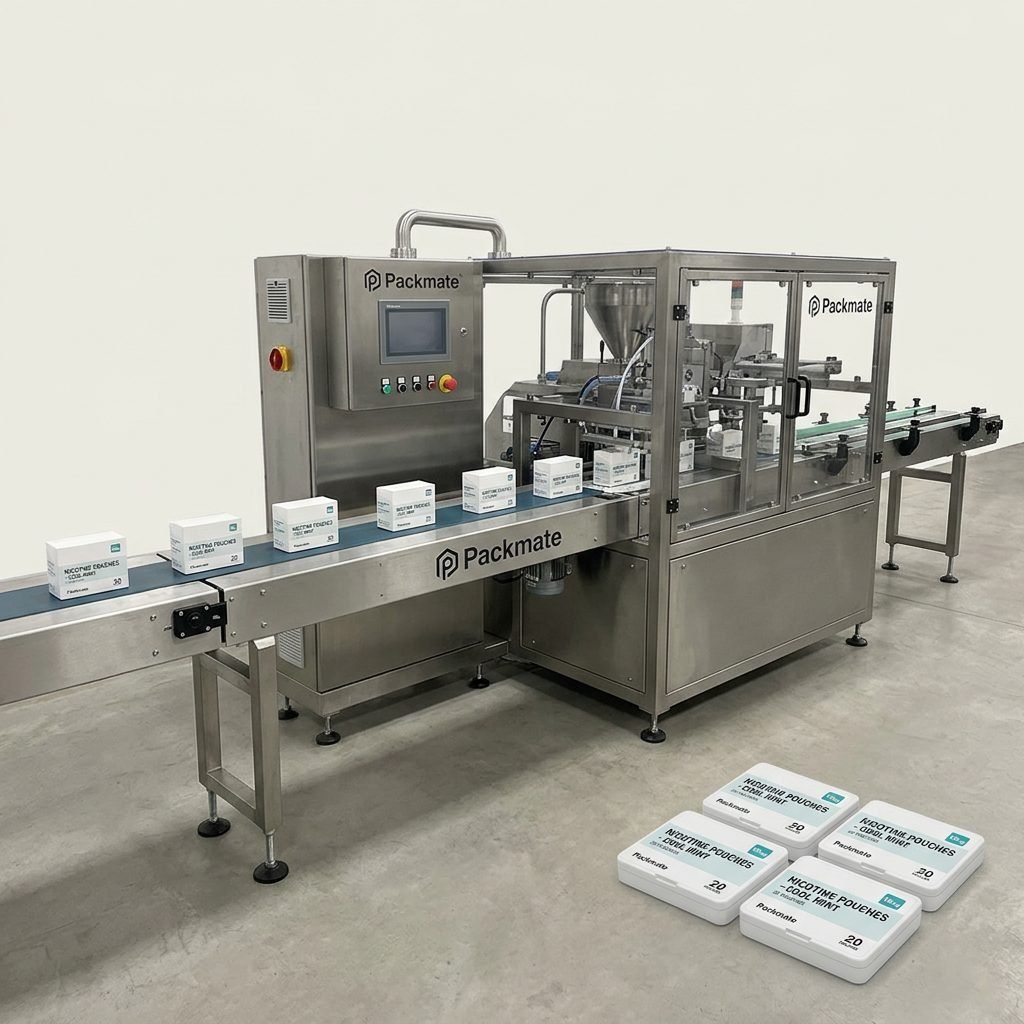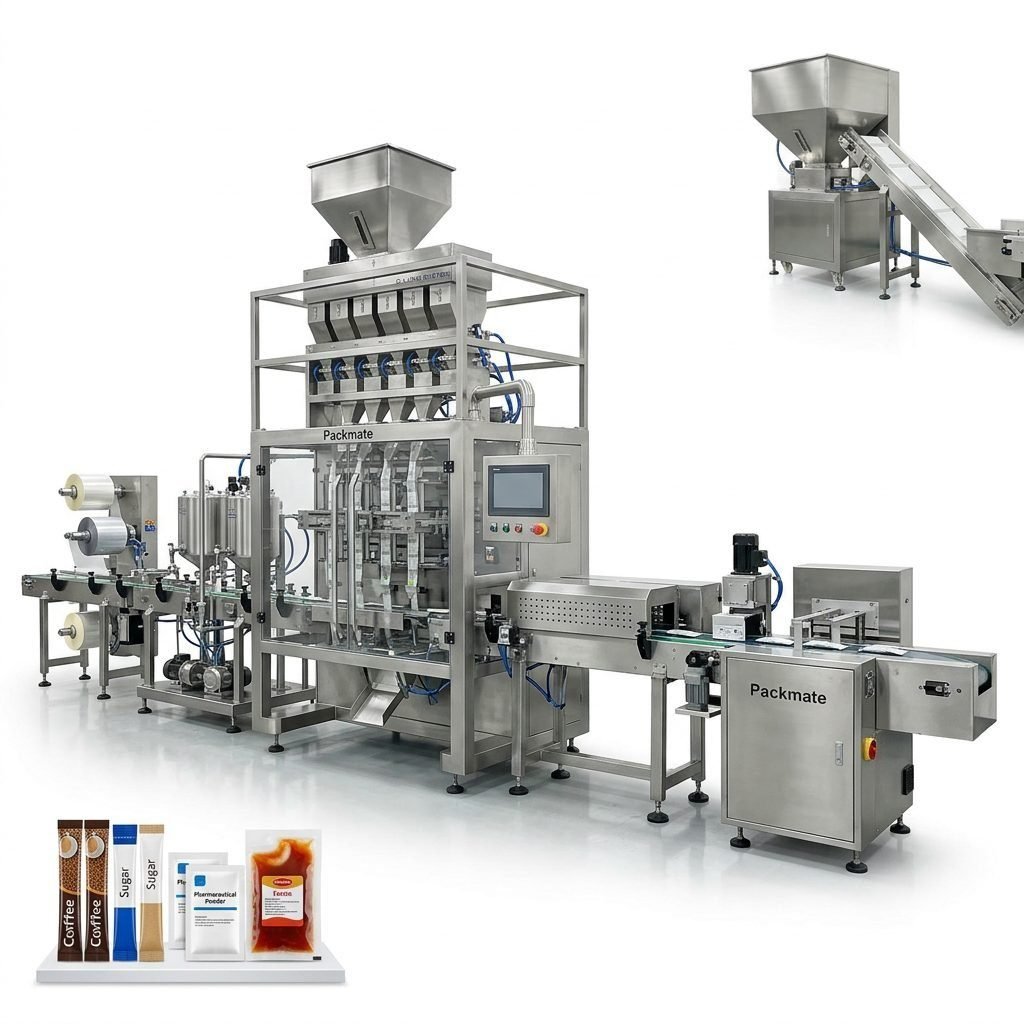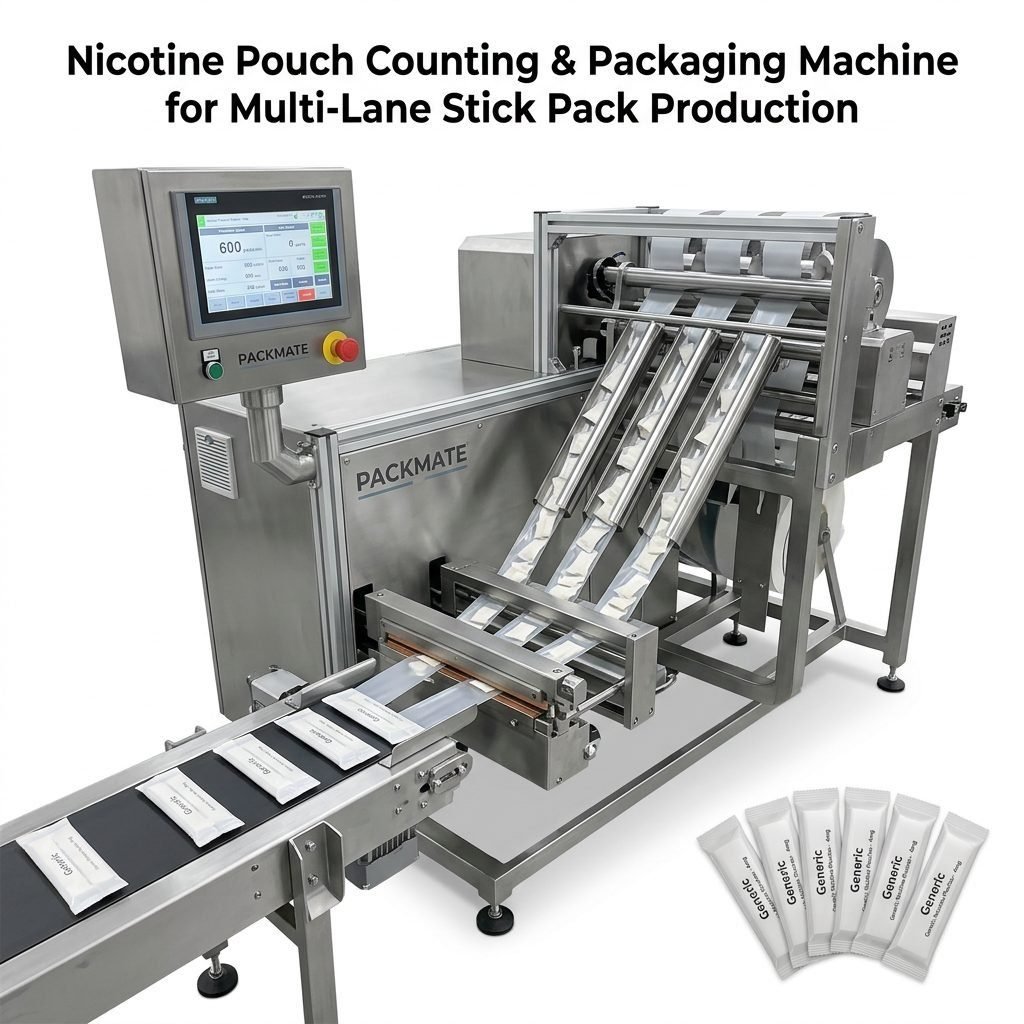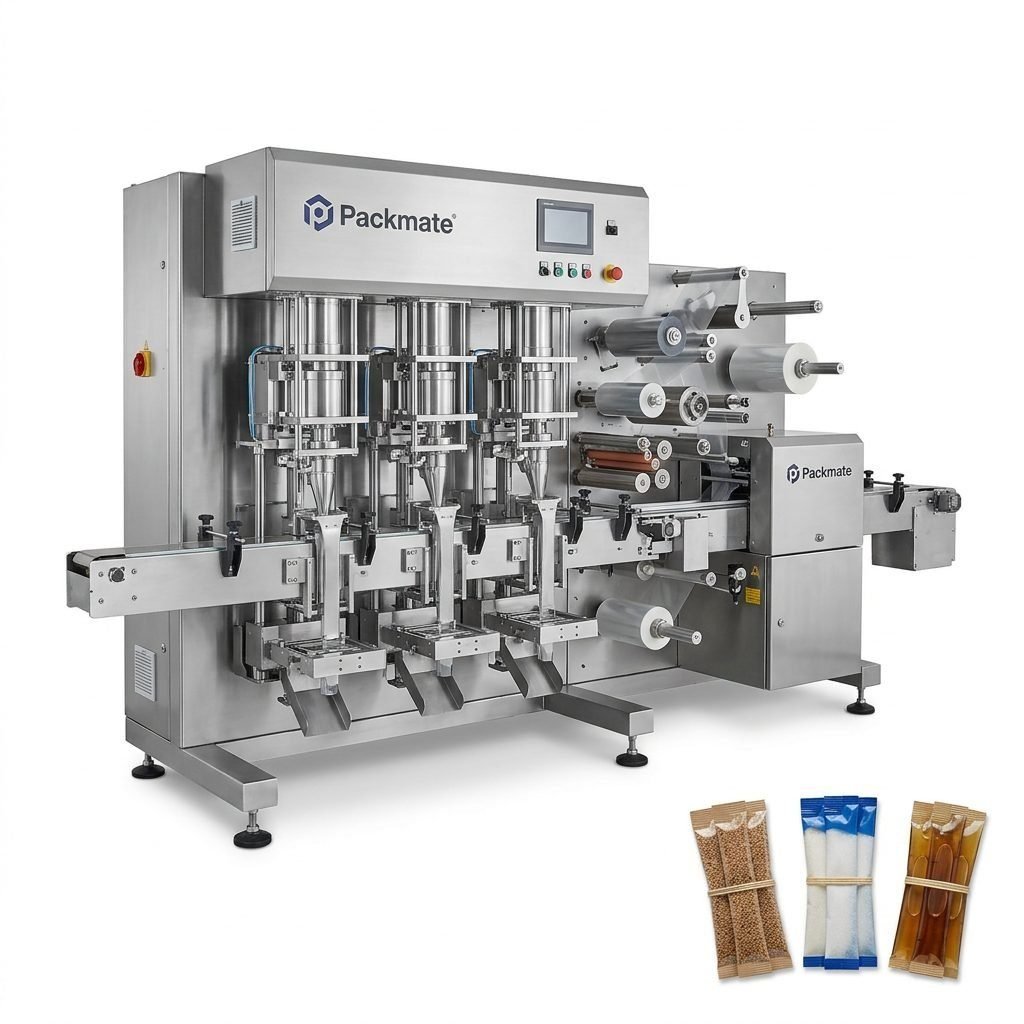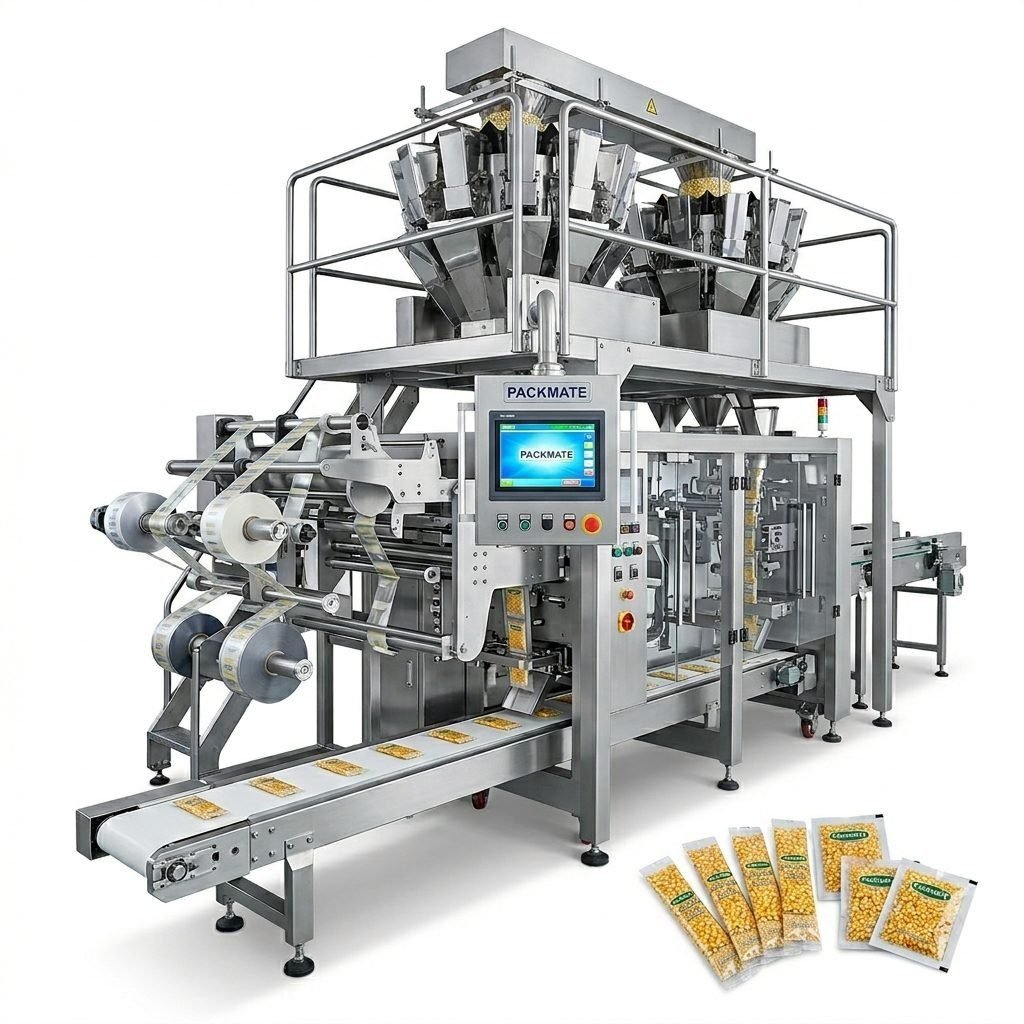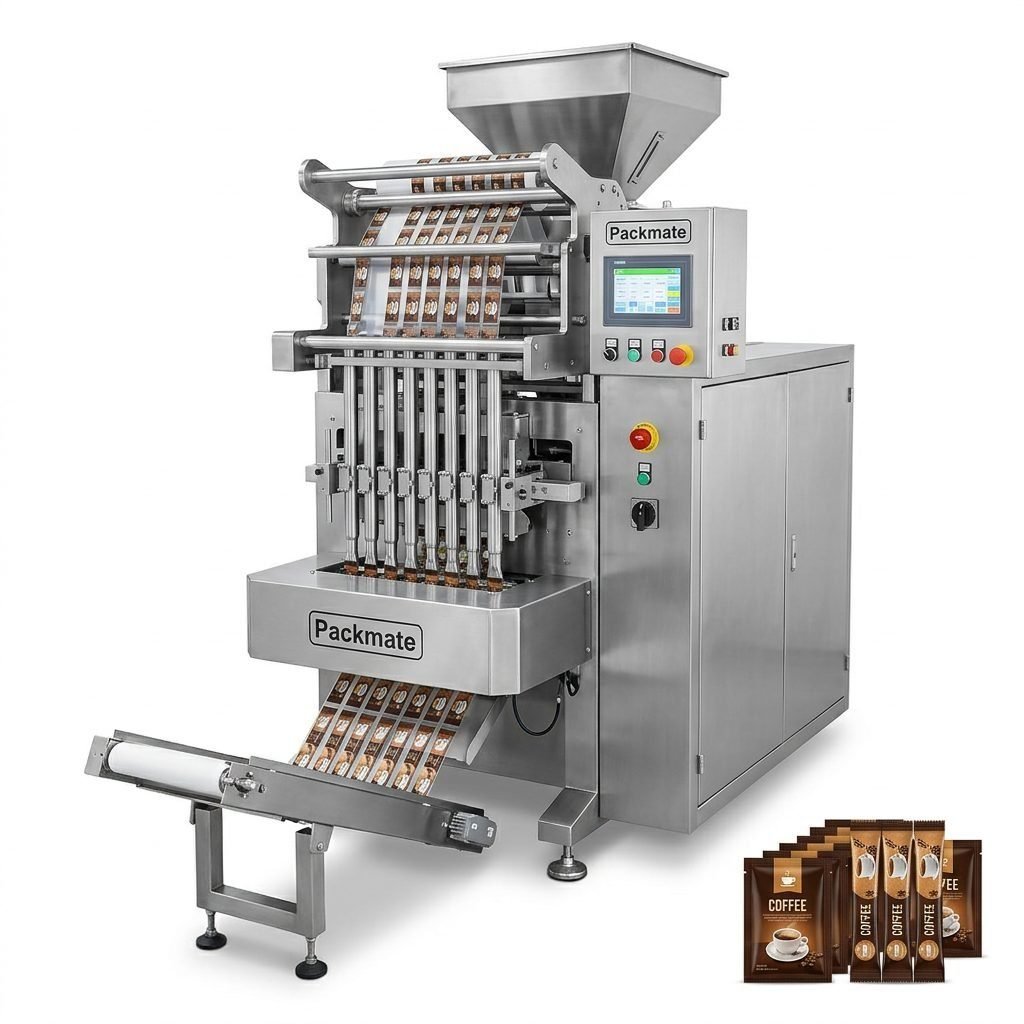
For businesses in Cyprus involved in food processing, pharmaceuticals, nutraceuticals, or consumer goods, finding a reliable packaging machine manufacturer is a critical decision. The right equipment is the backbone of your production line, directly impacting efficiency, product quality, and your bottom line. The process can be complex, especially when sourcing from international suppliers. This guide provides a practical, step-by-step approach to help Cypriot buyers identify, evaluate, and partner with trustworthy packaging machine manufacturers.
Understanding Your Specific Needs for the Cypriot Market
Before you begin your search, it’s essential to have a clear understanding of your own requirements. The Cypriot market, while part of the broader European Union, has its own unique characteristics. Local producers often deal with high-value, quality-focused products like halloumi cheese, wines, pharmaceuticals, and health supplements. Consider the following:
Key Questions to Ask:
- Product Type: What are you packaging? (e.g., granules like coffee or spices, powders like protein or milk powder, liquids like olive oil or sauces, pastes, or solid items).
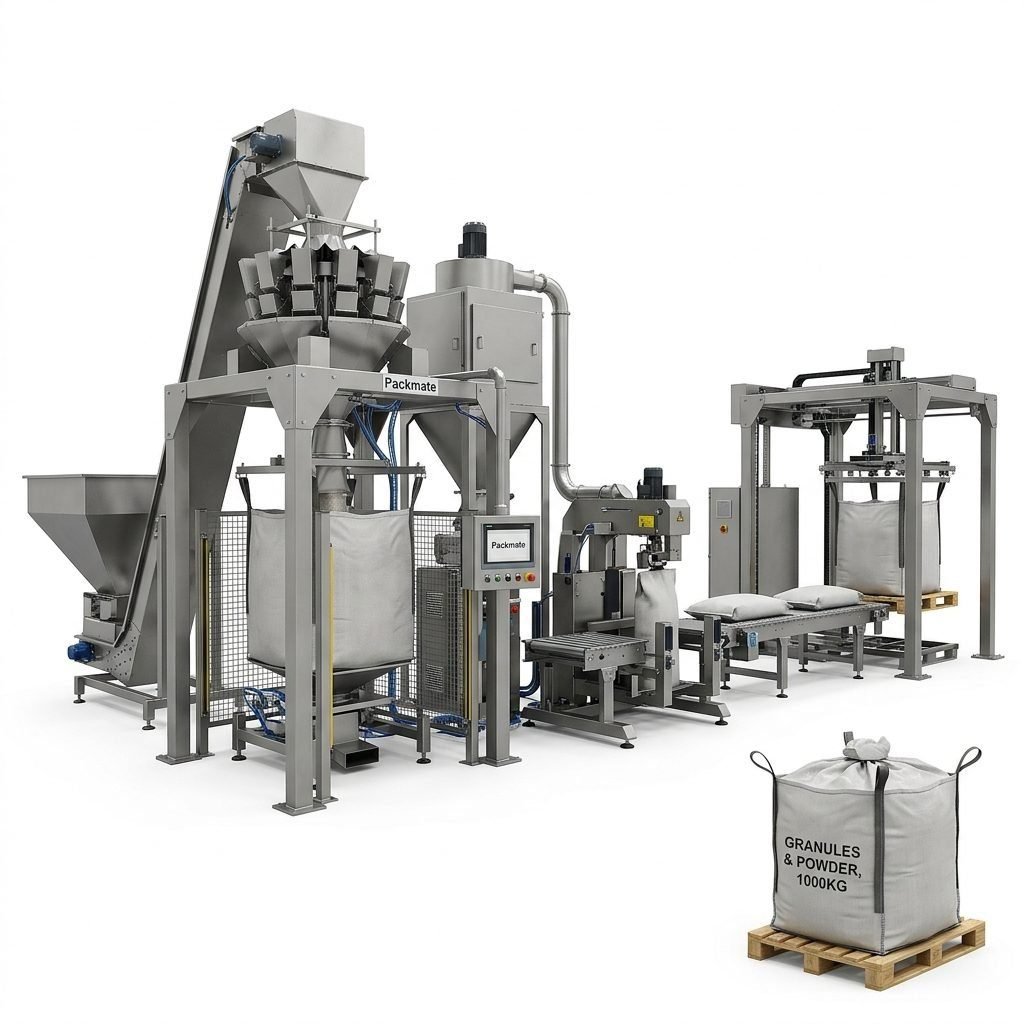
- Packaging Format: Do you need stick packs, sachets, pouches, bottles, or bulk bags?
- Production Capacity: What is your required output (bags/packs per minute)?
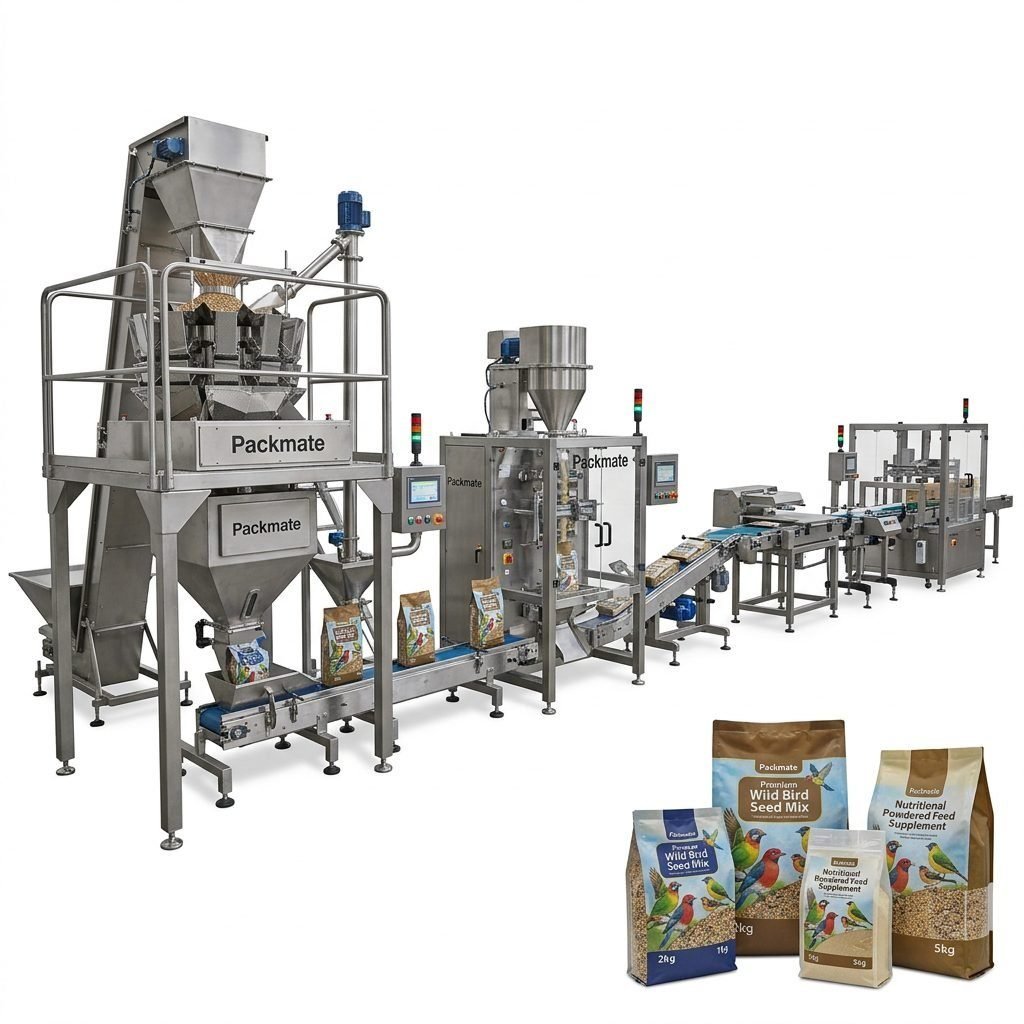
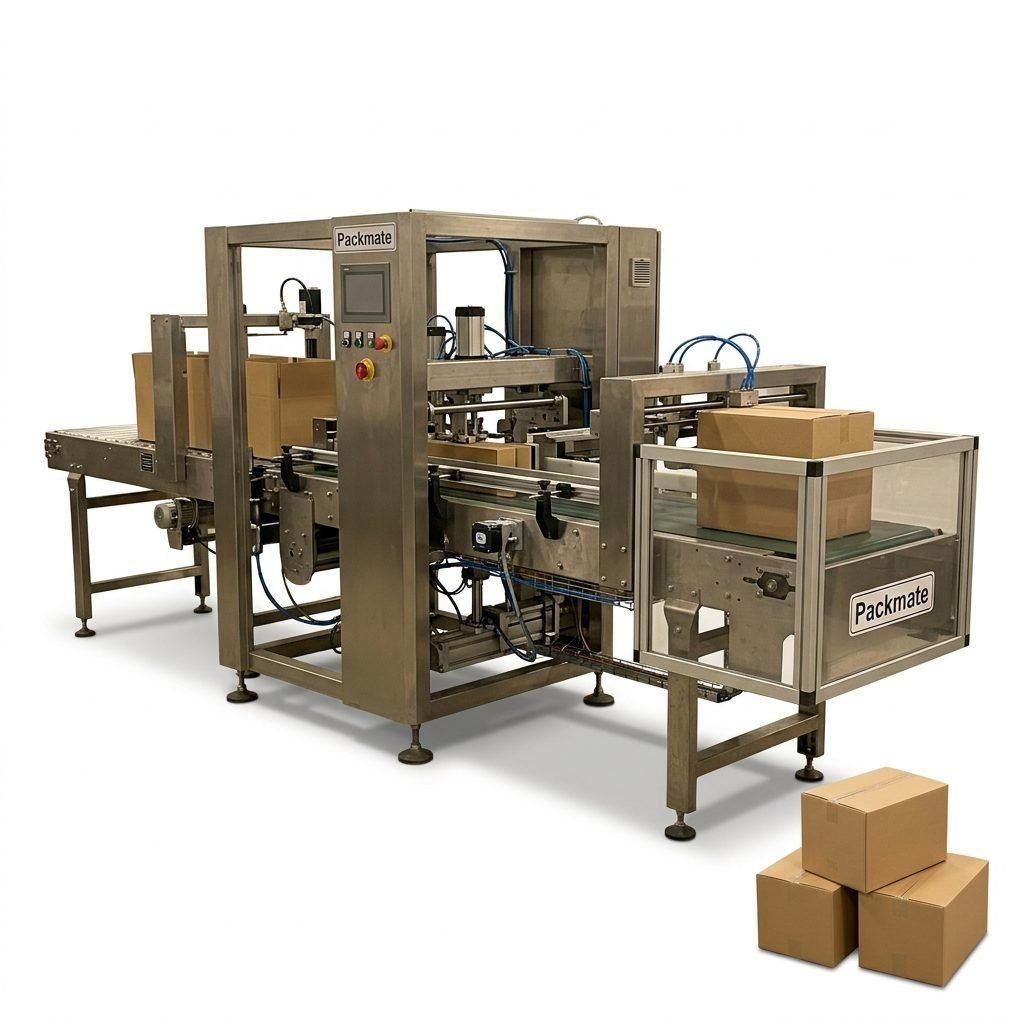
- Level of Automation: Do you need a single machine or a complete turnkey line with feeding, filling, sealing, and cartoning?
- Regulatory Standards: For food and pharma, does the machine need to comply with specific EU or Cypriot food safety (e.g., EHEDG) or pharmaceutical (e.g., GMP) standards?
- Budget and Timeline: What is your investment range and required delivery/installation schedule?
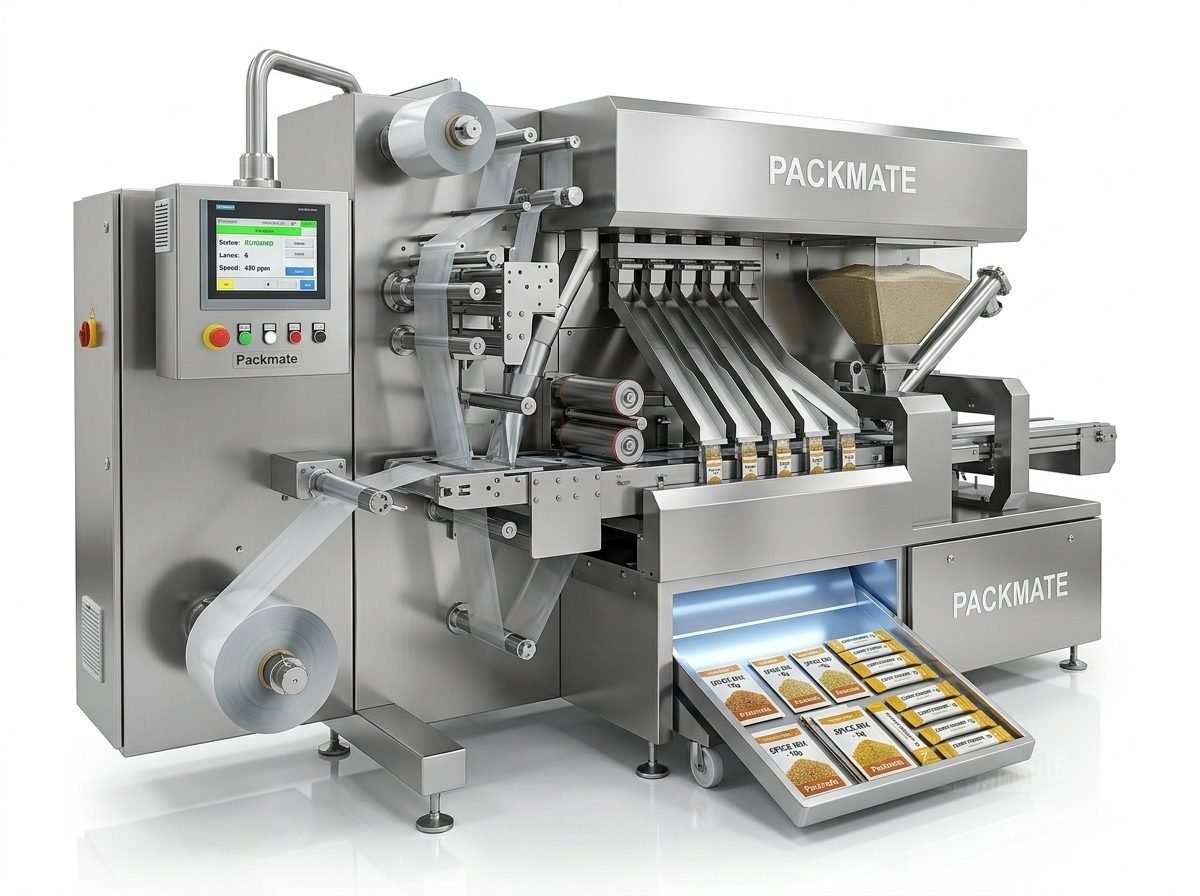
Step 1: Research and Shortlist Potential Manufacturers
Start by casting a wide net. Use a combination of online B2B platforms (like Alibaba, Made-in-China, industry-specific directories), trade shows (Pack Expo, Interpack), and professional referrals. Given Cyprus’s strategic location, many European and Asian manufacturers actively target the region. Look for companies with a stated focus on export markets, particularly Europe and the Middle East.
When researching, prioritize manufacturers with:
- A professional, informative website with clear technical specifications.
- Detailed case studies or project references, especially with products similar to yours.
- Transparent company information (history, factory size, certifications like CE, ISO).
- Evidence of experience with food-grade or pharmaceutical-grade machinery if applicable.
Step 2: Evaluate Technical Capability and Specialization
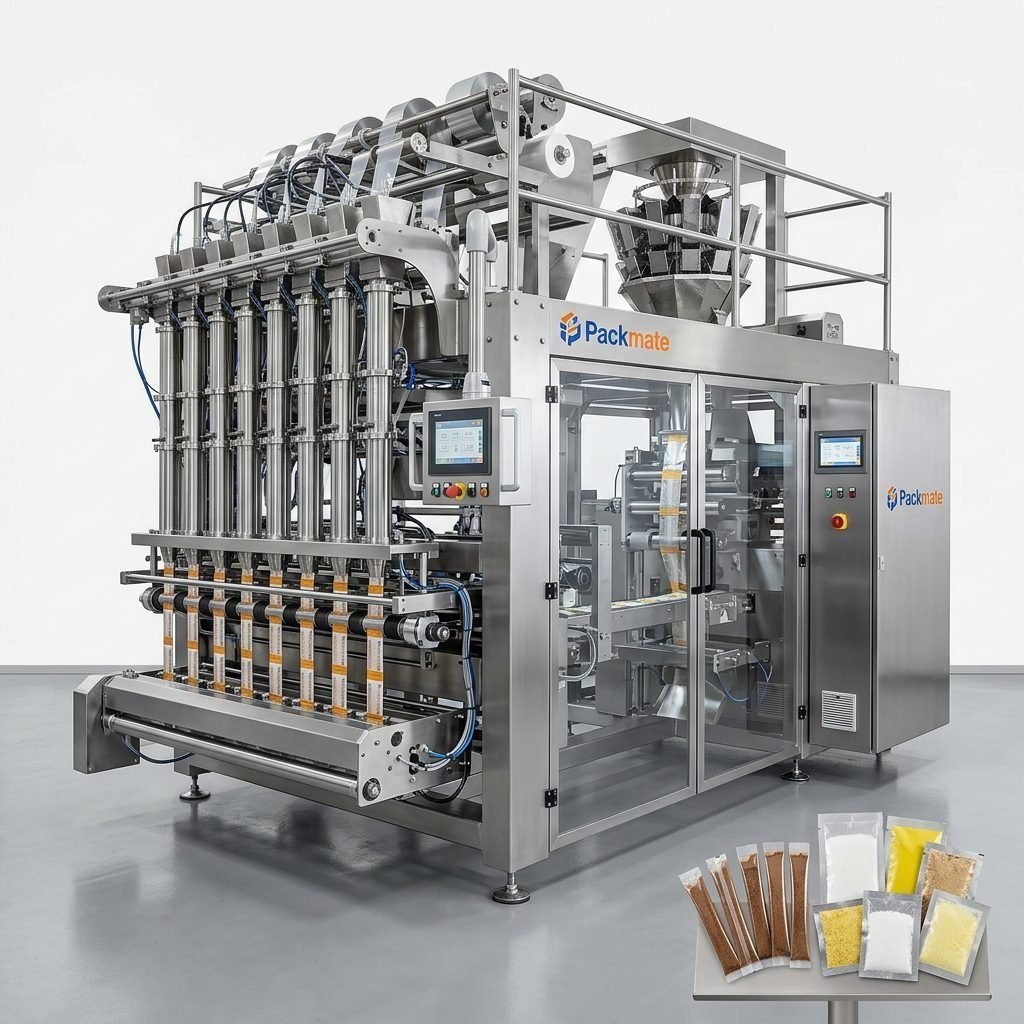
Not all manufacturers are the same. Some excel at high-speed stick pack machines, while others specialize in liquid filling lines or complete turnkey solutions. Scrutinize their product portfolio. For instance, if you are a Cypriot pharmaceutical company, you need a supplier with proven expertise in hygienic design and precision dosing.
| Manufacturer Type | Best For | Consideration for Cyprus |
|---|---|---|
| Specialized Pouch Machine Maker | High-speed sachet/stick pack production for spices, sauces, supplements. | Ideal for SMEs focusing on single-serve or portion-control products. |
| Turnkey Line Integrator | Complete automated lines from raw material to final carton. | Suitable for larger processors aiming for full automation and labor savings. |
| Custom & OEM Specialist | Non-standard products, unique bag shapes, complex dosing. | Good for niche products like specialty herbs or high-end cosmetics. |
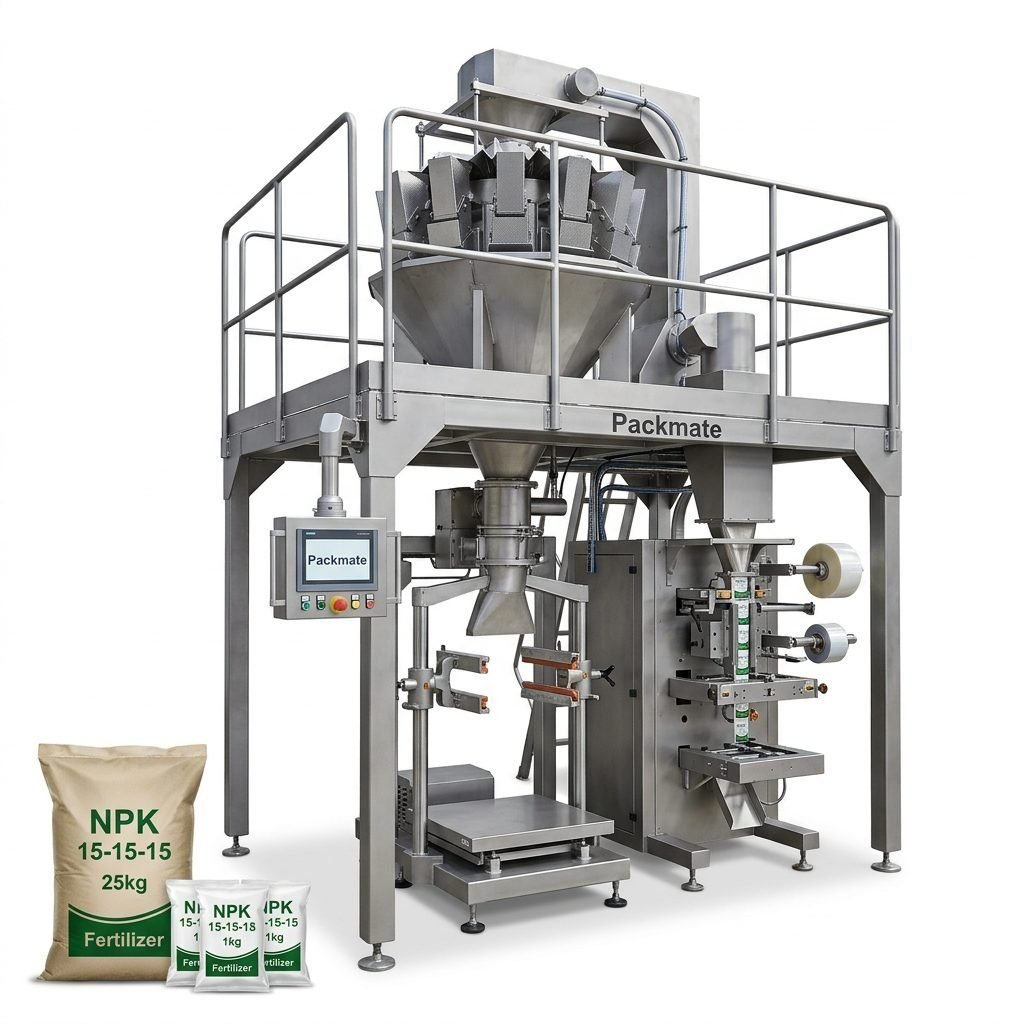
Step 3: Assess Manufacturing Quality and Company Stability
A manufacturer’s website can tell a story, but due diligence is key. Look for signs of a solid, stable operation:
Red Flags vs. Green Flags
Green Flags: Long company history (e.g., 20+ years), own large factory (20,000+ sqm), in-house R&D and machining, detailed quality control process, list of international clients.
Red Flags: Vague company details, only stock photos, inability to provide a virtual or in-person factory tour, no clear after-sales support structure, pressure for immediate payment with few guarantees.
Request a virtual factory tour. A reputable manufacturer like Ludyway or Packmate Machinery, with over 30 years of experience and sizable factories, will be transparent and proud to show their facilities.
Step 4: Scrutinize After-Sales Support and Local Presence
This is arguably the most critical factor for Cypriot buyers. A machine breaking down without local support can halt production for weeks. Investigate:
- Warranty: What is covered and for how long?
- Spare Parts: Are parts readily available? What is the typical delivery time to Cyprus?
- Technical Support: Do they offer remote support (video call)? Do they have English-speaking engineers?
- Installation & Training: Will they send engineers for installation and operator training? What are the costs?
- Local Agents/Partners: Do they have a distributor or service partner in Greece, Turkey, or the Middle East that can provide quicker response? Companies with strong export networks, such as PacklineOEM, often have established channels for support.
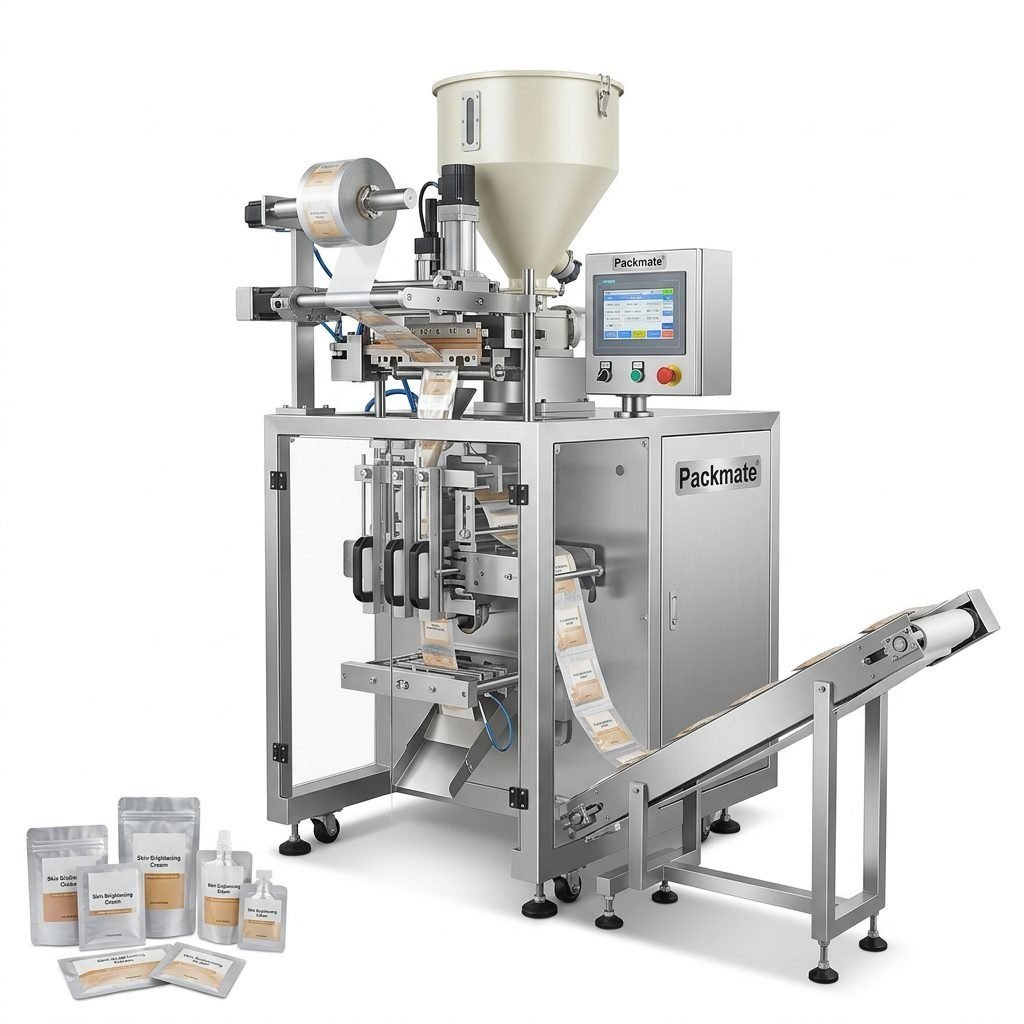
Step 5: Request and Analyze Quotations
Once you have a shortlist of 3-5 qualified manufacturers, request detailed quotations. A professional quote should include:
- Detailed machine specifications and configuration.
- Clear pricing (FOB, CIF to Limassol or Larnaca port).
- Delivery timeline.
- Payment terms (e.g., 30% deposit, 70% before shipment).
- Warranty and support details.
- List of included and optional accessories.
Do not choose based on price alone. A slightly more expensive machine from a reliable supplier with good support will have a lower total cost of ownership than a cheap machine that frequently fails.
Step 6: Validate with References and Testimonials
Ask for customer references, preferably from European or Middle Eastern clients with similar applications. If possible, contact them directly to ask about their experience with machine performance, reliability, and the manufacturer’s responsiveness to issues. Check for online reviews or case studies on their website.
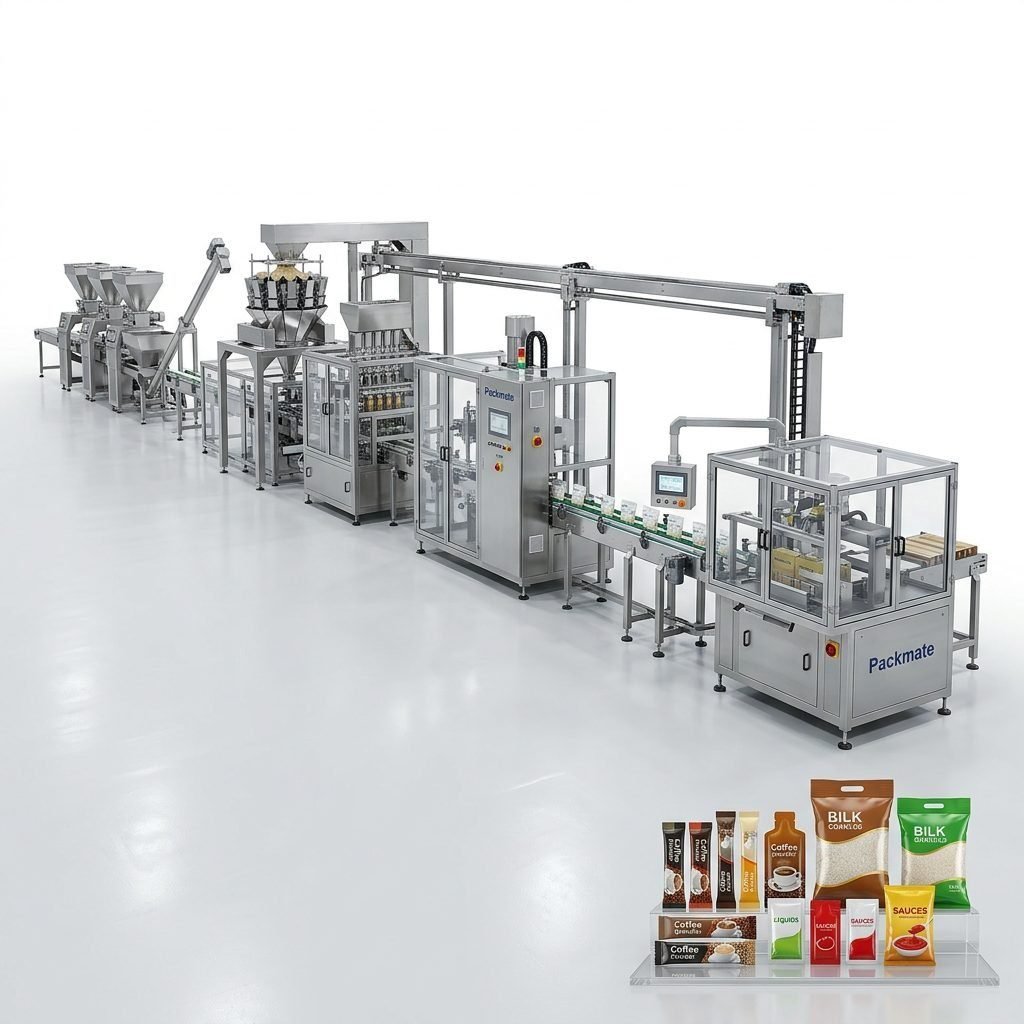
Step 7: Consider a Sample Test or Factory Acceptance Test (FAT)
For significant investments, insist on a Factory Acceptance Test (FAT). This involves visiting the manufacturer’s facility (or participating remotely) to see your machine assembled and run with your actual product or a close substitute. This is the best way to verify performance, speed, and accuracy before shipment. For niche products like nicotine pouches, working with a specialist like SnusMachinery and conducting a FAT is highly recommended.
Step 8: Plan for Logistics and Import into Cyprus
Coordinate with the manufacturer and a reliable freight forwarder experienced in shipping machinery to Cyprus. Understand the Incoterms. Ensure all necessary documentation (commercial invoice, packing list, certificate of origin, CE certification, operation manuals) is provided. Be aware of Cypriot import regulations and potential VAT.
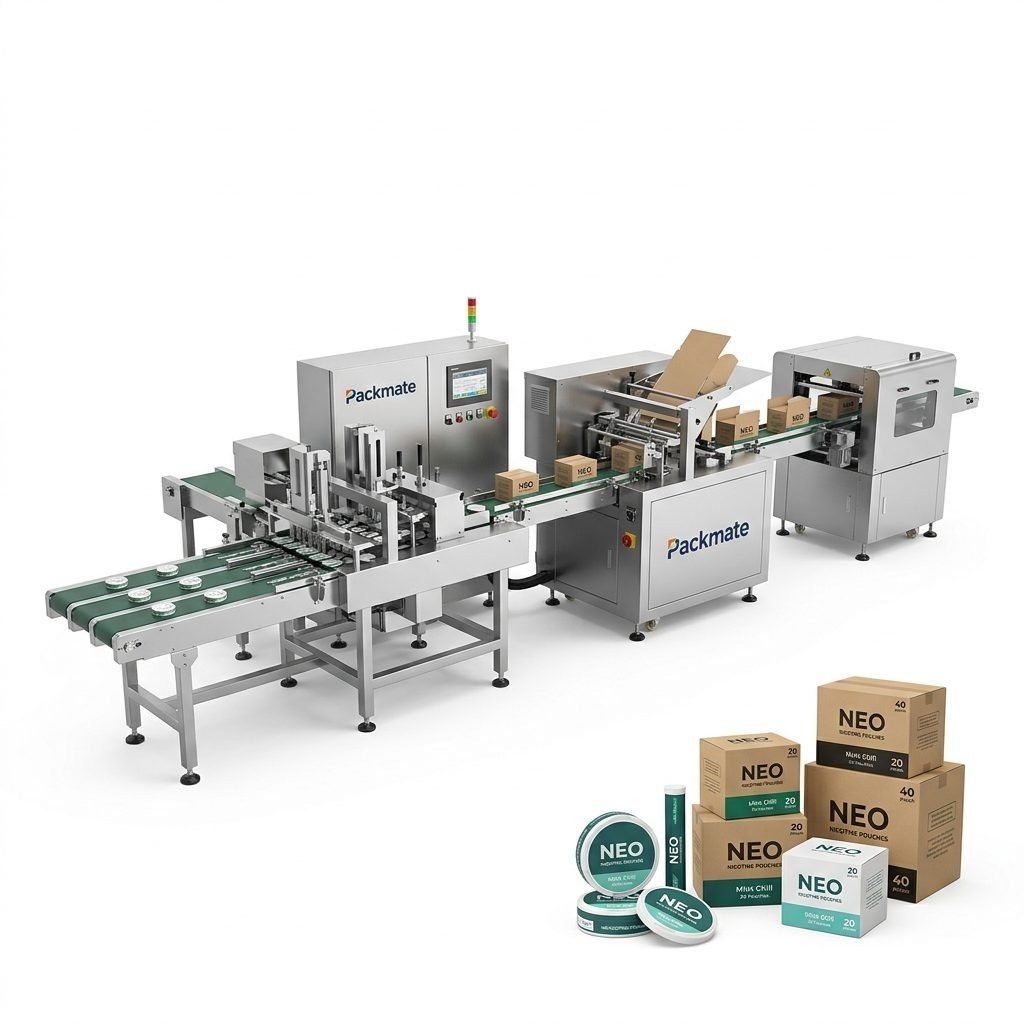
Frequently Asked Questions (FAQs)
1. Should I buy a standard machine or a customized one?
Standard machines are cost-effective and have faster delivery. Choose customization if your product, packaging material, or production process has unique requirements that standard machines cannot meet. Manufacturers like PackingMachineOEM specialize in such non-standard solutions.
2. How important are international certifications (CE, ISO)?
Extremely important. CE marking is mandatory for machinery sold in the EU (including Cyprus). It indicates the machine meets essential health, safety, and environmental requirements. ISO 9001 certification suggests a structured quality management system.
3. What is the typical lead time for a packaging machine?
For standard models, lead times can range from 30 to 90 days. For custom or turnkey lines, it can be 90 to 180 days or more, depending on complexity. Always confirm this during the quotation stage.
4. How can I ensure the machine will work with my local power supply and operators?
Specify your requirements clearly: Cyprus uses 230V/50Hz power (Type G plugs). Ensure the manufacturer can provide machines configured for this and offer English-language manuals and interface. Operator training, either on-site in Cyprus or at the factory, is crucial.
5. What ongoing costs should I budget for?
Beyond the machine price, budget for: shipping and insurance, import duties/VAT, installation and commissioning costs, spare parts kit, annual maintenance, and potential costs for consumables like sealing jaws or specific spare parts.