In today’s fast-paced e-commerce and fulfillment landscape, operational efficiency is the cornerstone of profitability. One of the most impactful areas for improvement lies within the packaging department. Selecting the best packaging equipment for fulfillment centers is not just about automating a single task; it’s about orchestrating a seamless, high-speed flow that directly boosts throughput and lowers shipping costs. This involves moving beyond basic tape dispensers to integrated systems designed for speed, accuracy, and material optimization.
Core Packaging Equipment for Modern Fulfillment Centers
A modern fulfillment center’s packaging line is a symphony of specialized machines. The right combination can transform a bottleneck into a superhighway.
Automated Carton Erectors and Sealers
Manual box setup is a significant time sink. Automated carton erectors take flat corrugated blanks, form them into boxes, and bottom-seal them at remarkable speeds. Paired with automatic case sealers that apply tape or hot melt glue, these systems ensure consistent, secure closures while freeing staff for higher-value tasks. This consistency is crucial for avoiding dimensional weight penalties from poorly formed boxes.
Key Benefit: Dimensional Weight Optimization
Carriers charge based on dimensional weight (DIM weight)—the space a package occupies. Automated systems can be programmed to select or form the right-sized box for every order, dramatically reducing void space and excess packaging material. This precise fit directly translates to lower shipping costs per parcel.
High-Speed Multi-Lane Pouch and Sachet Packers
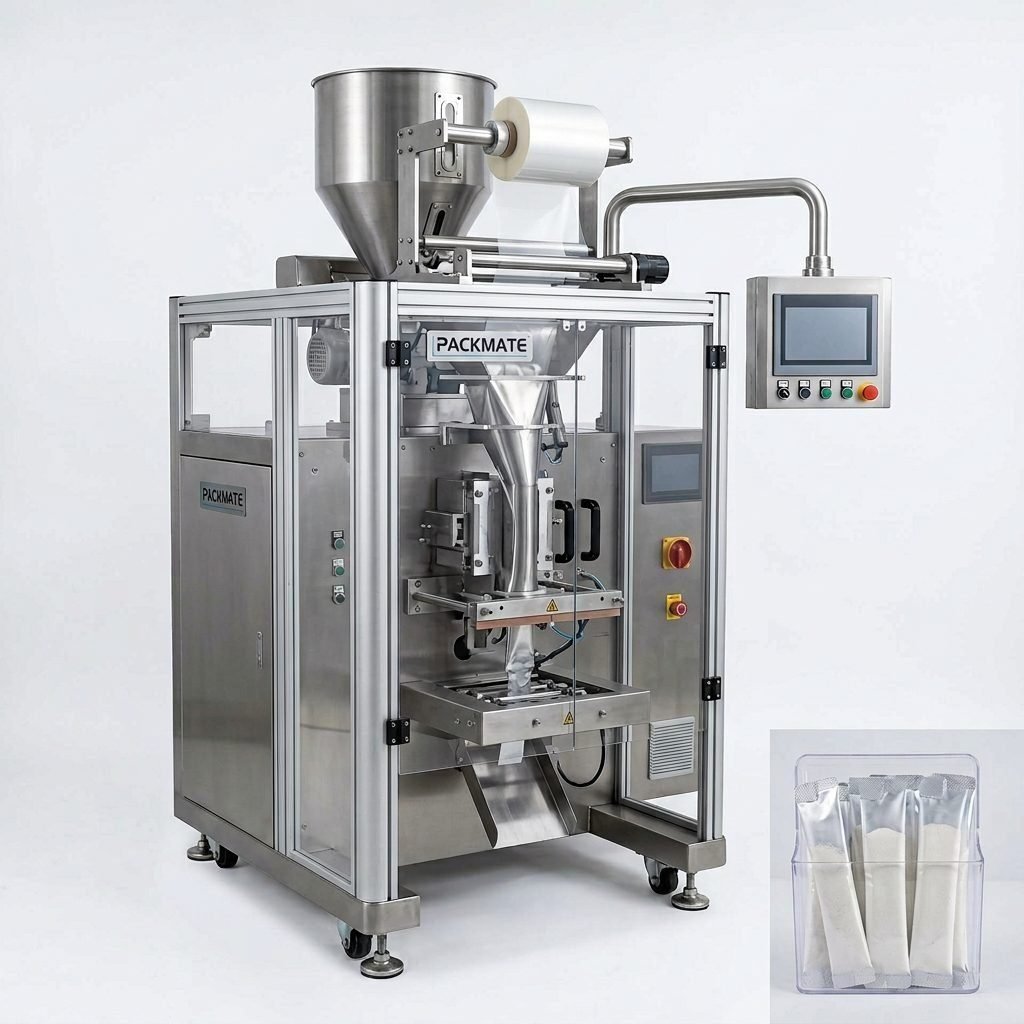
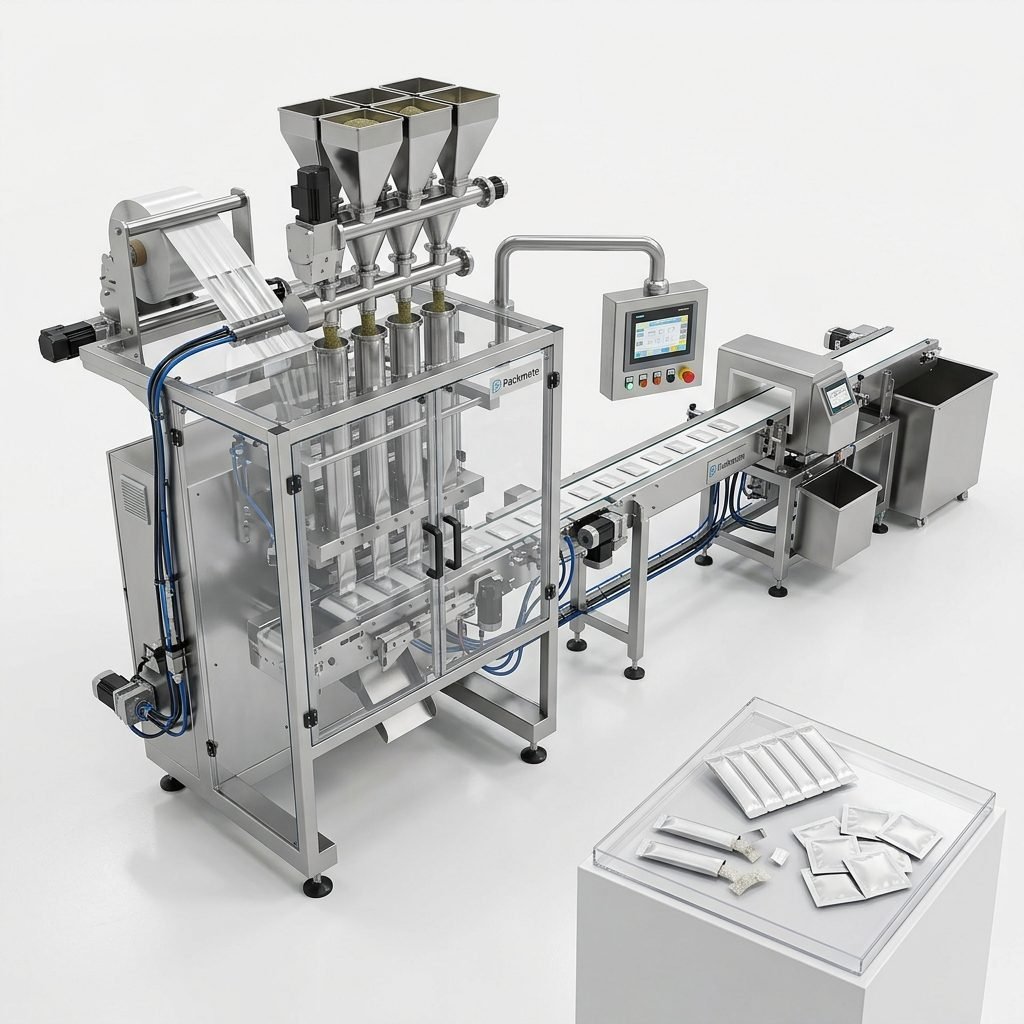
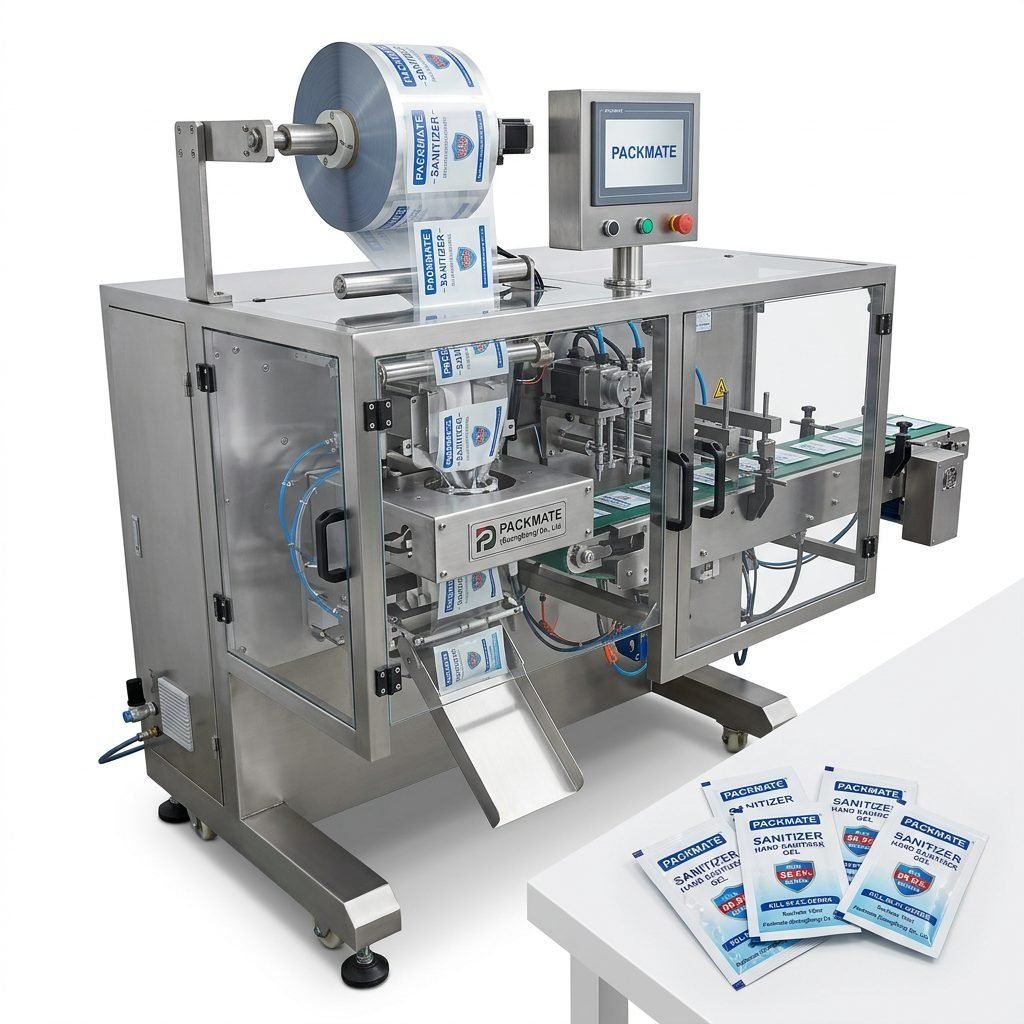
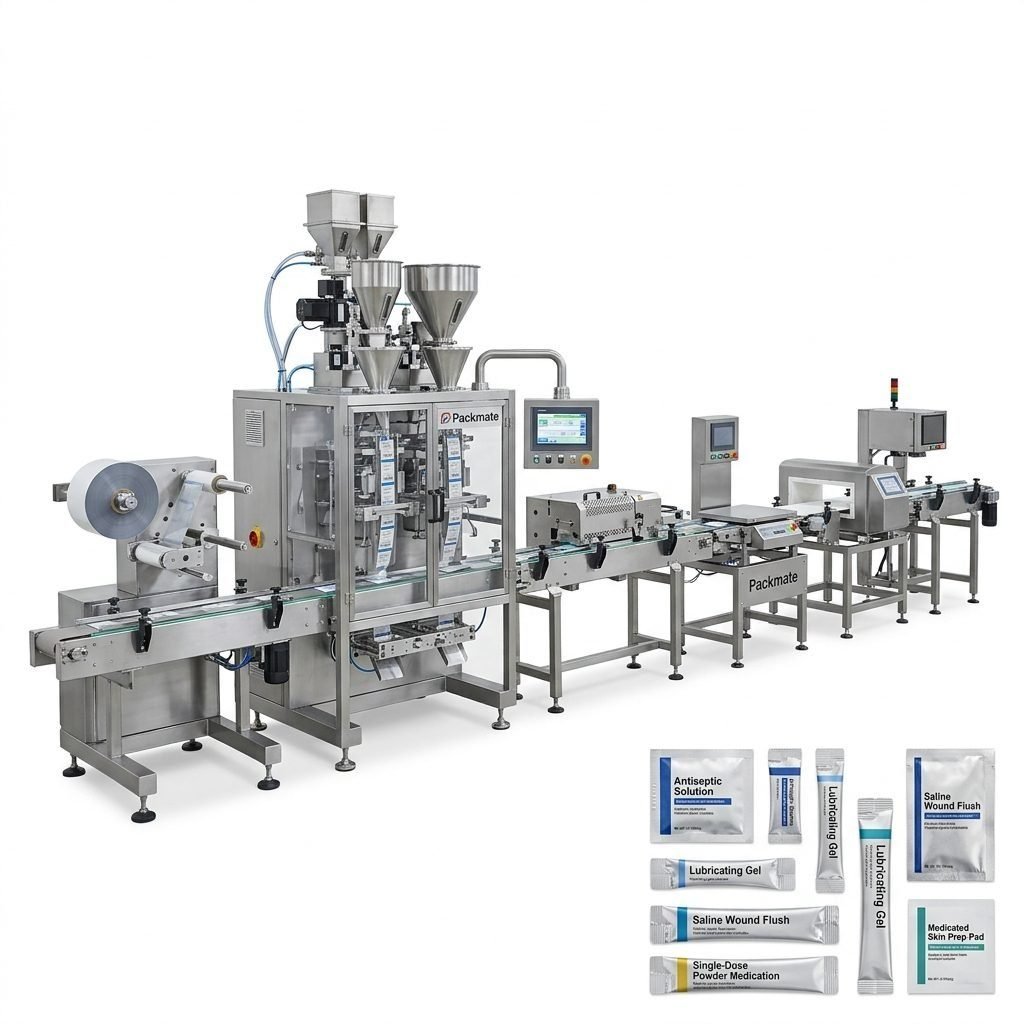
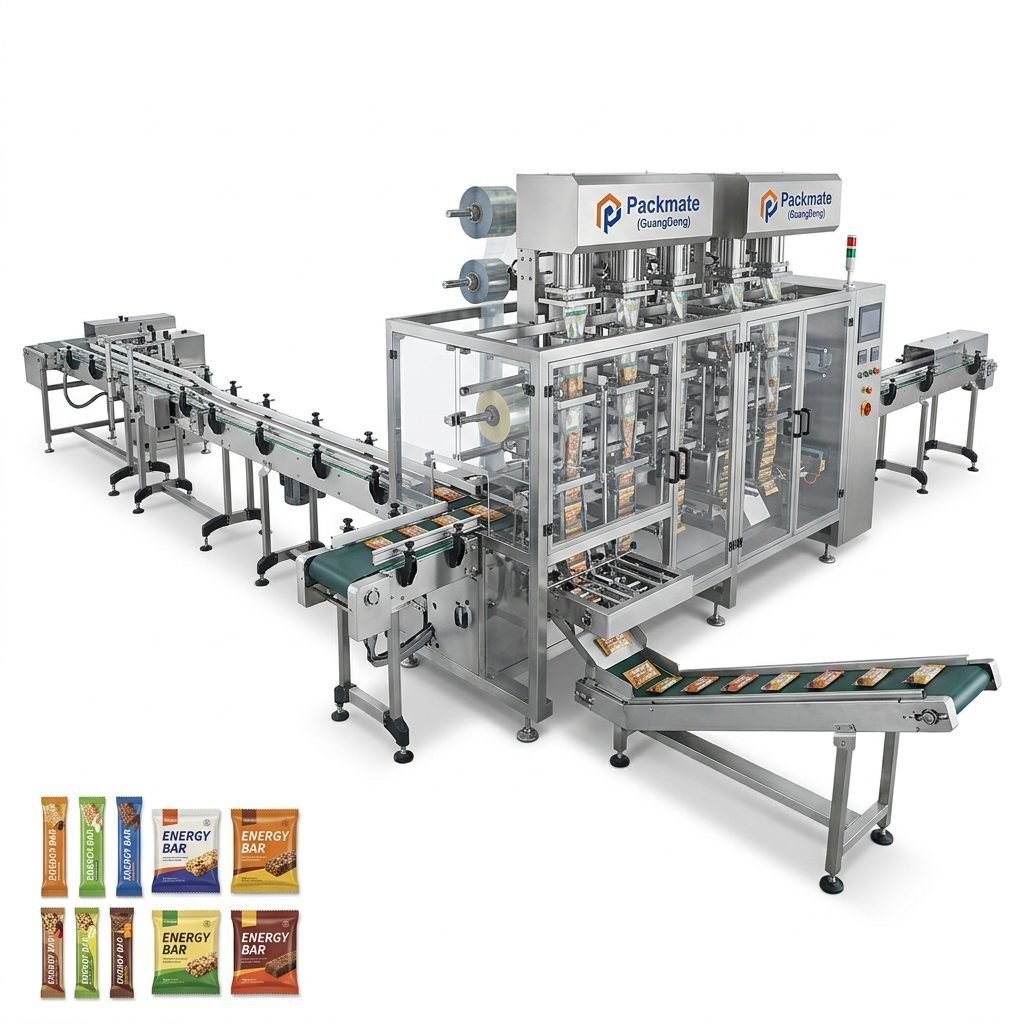
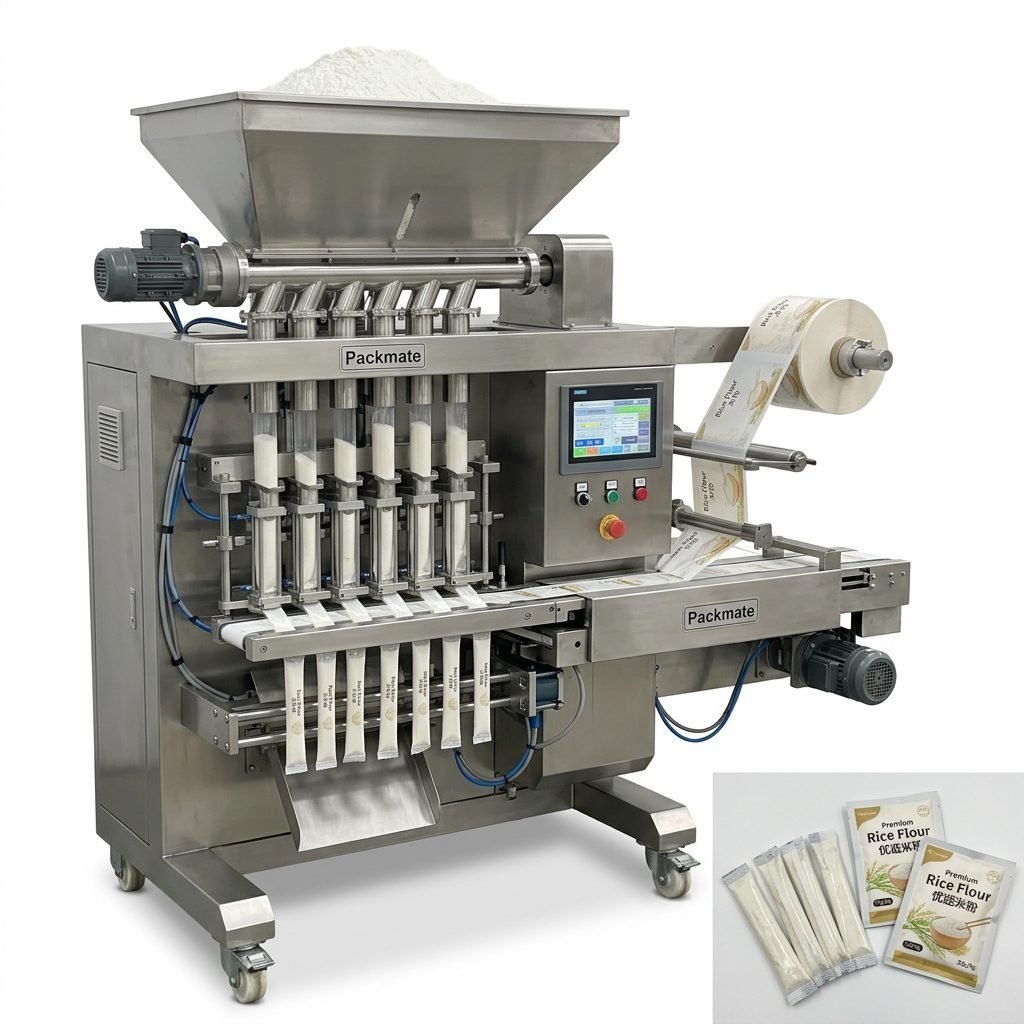
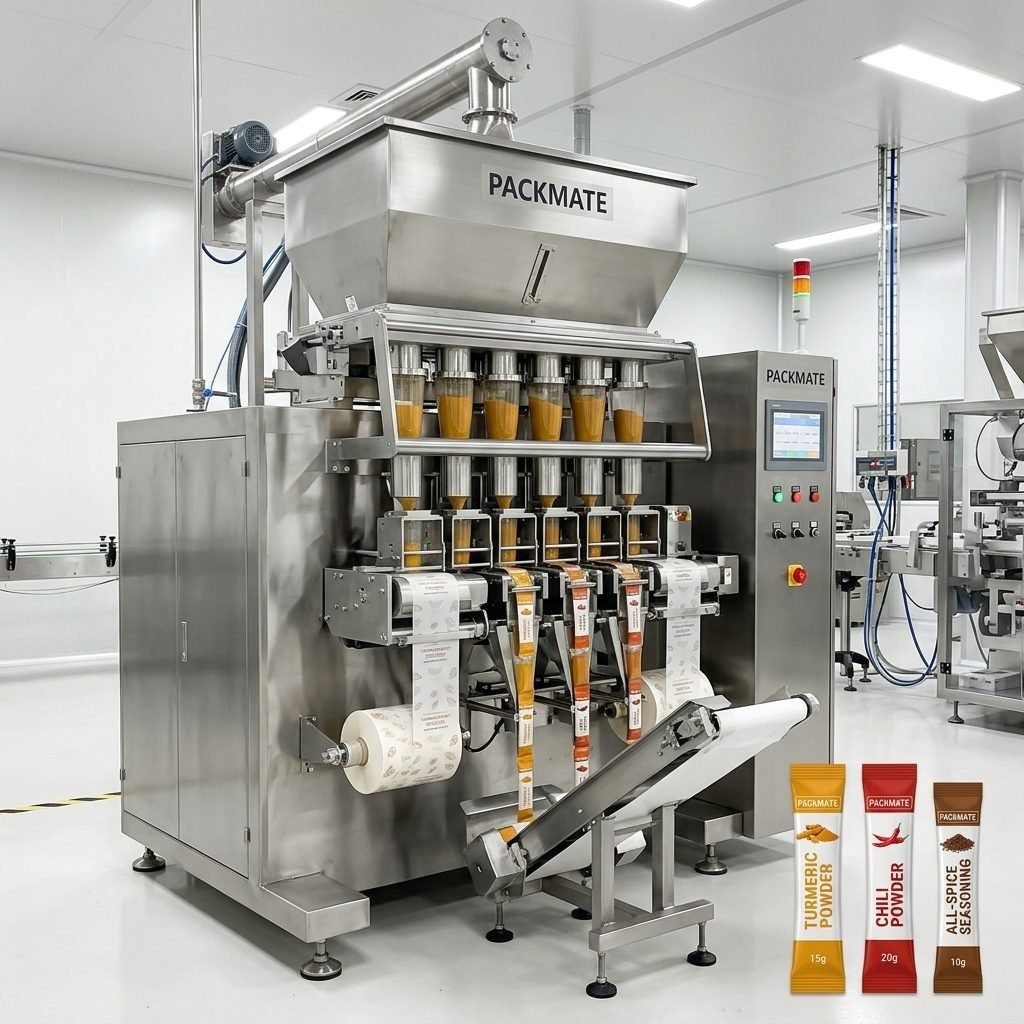
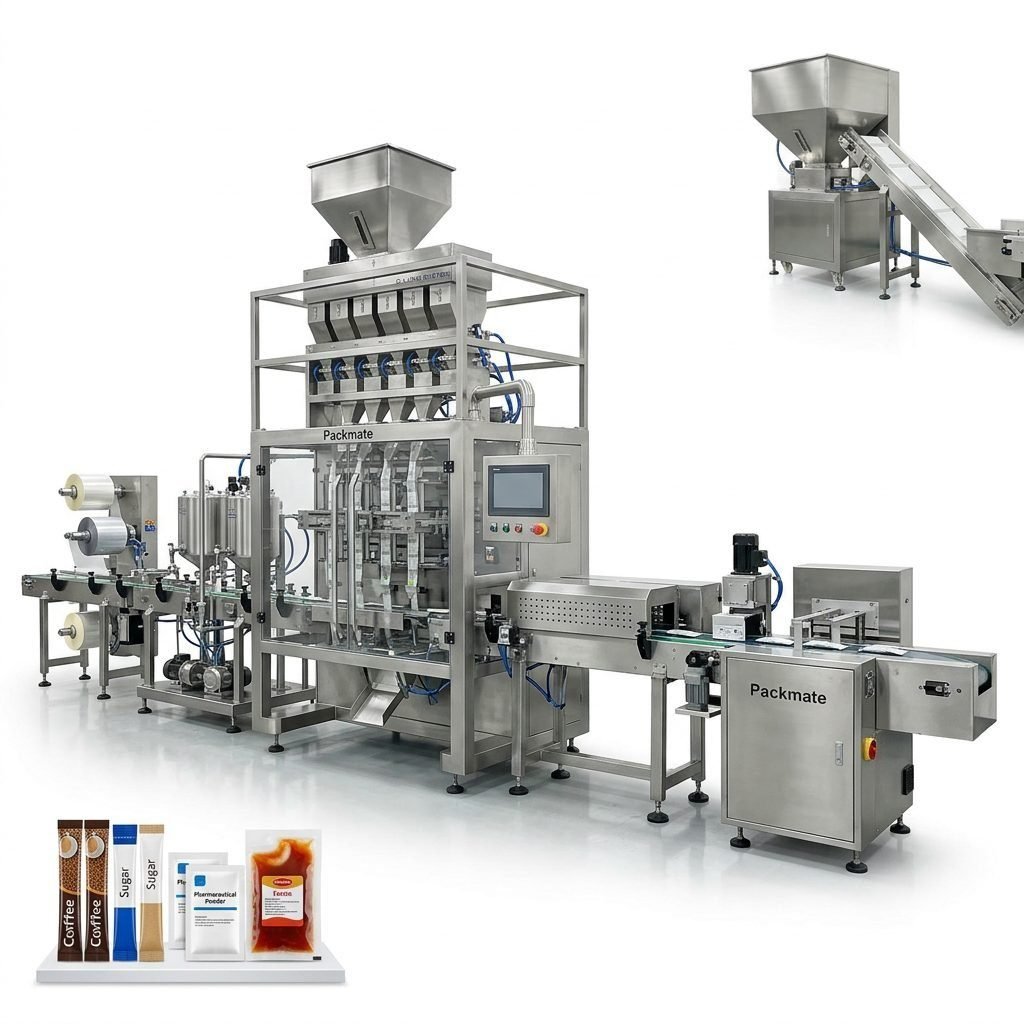
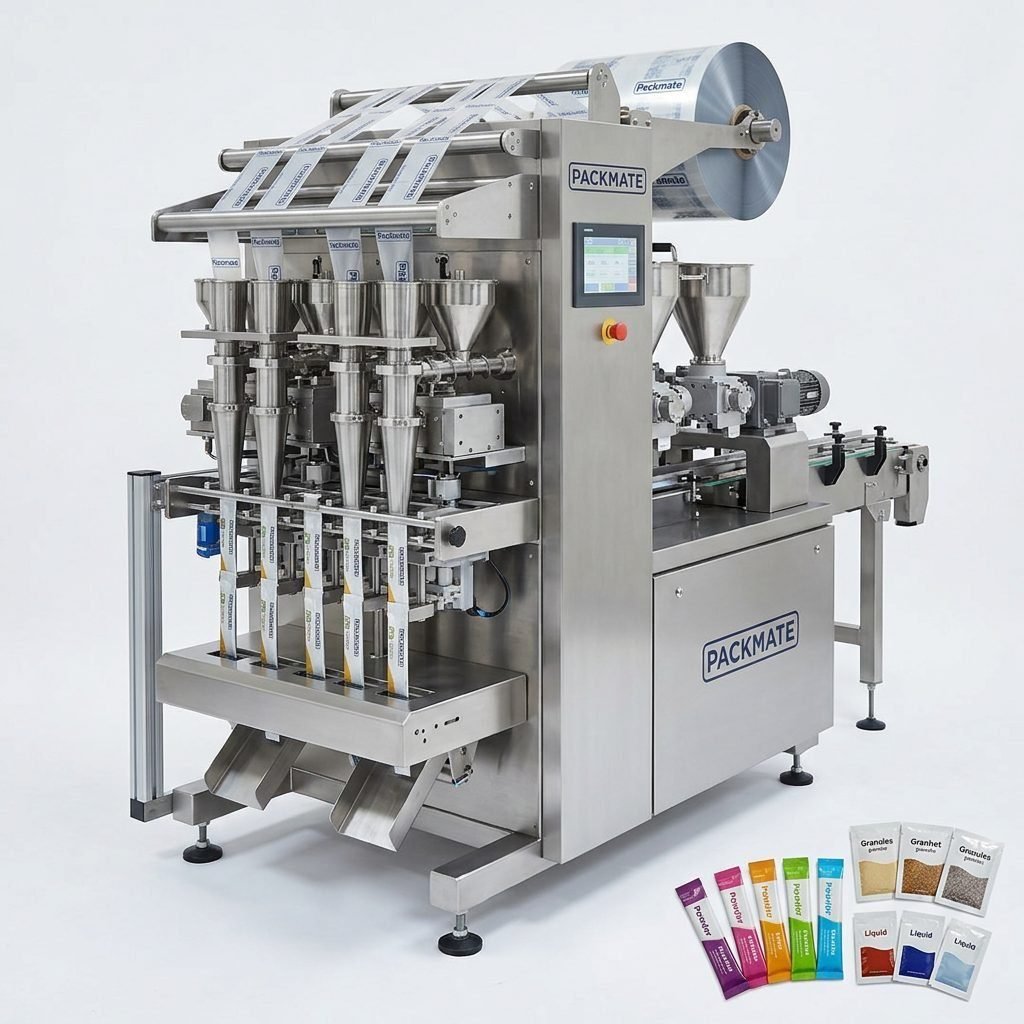
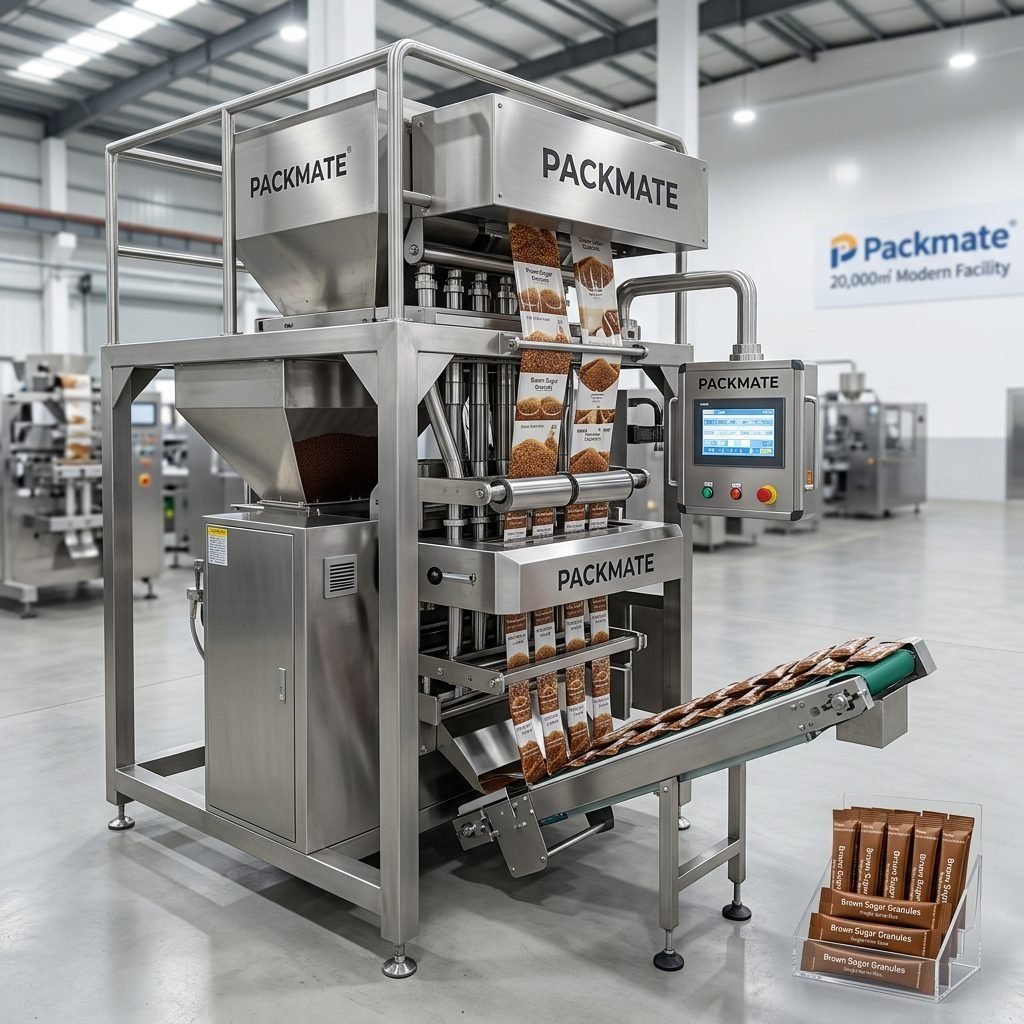
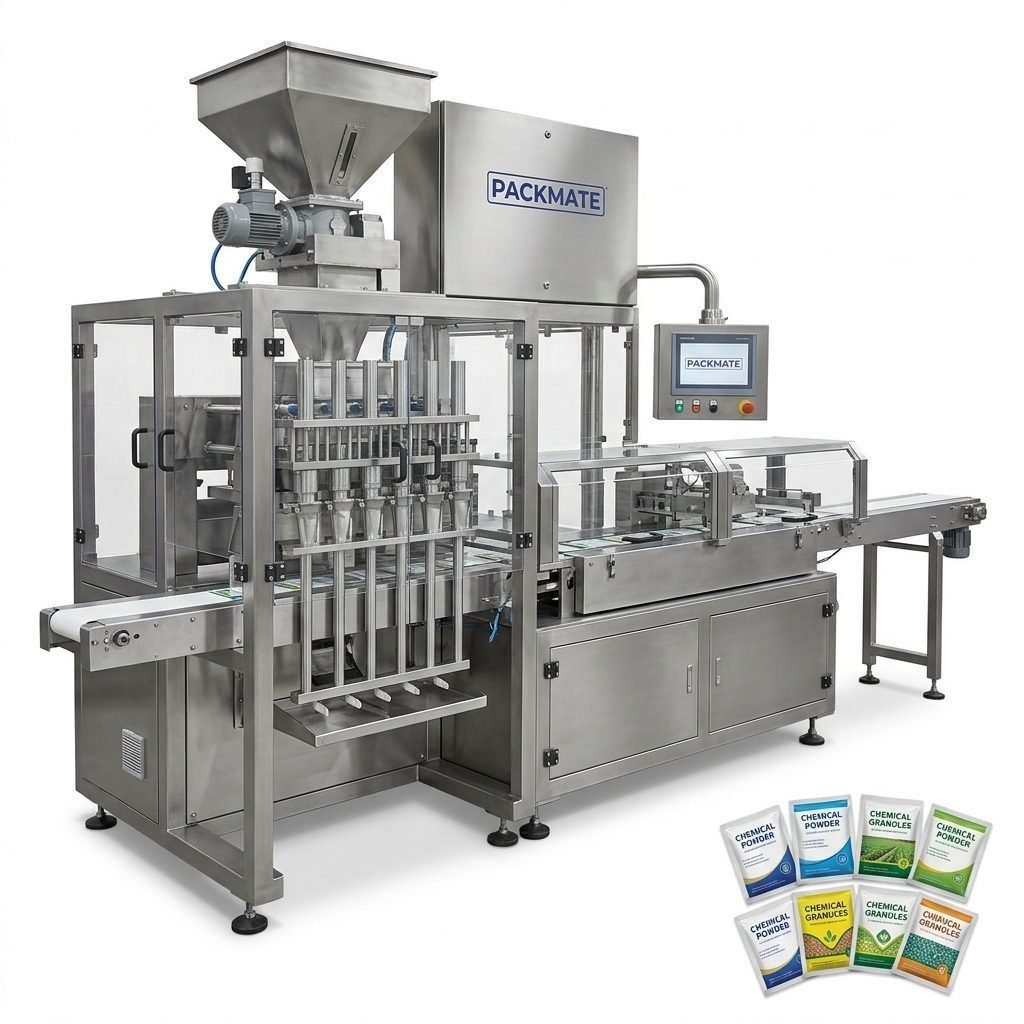
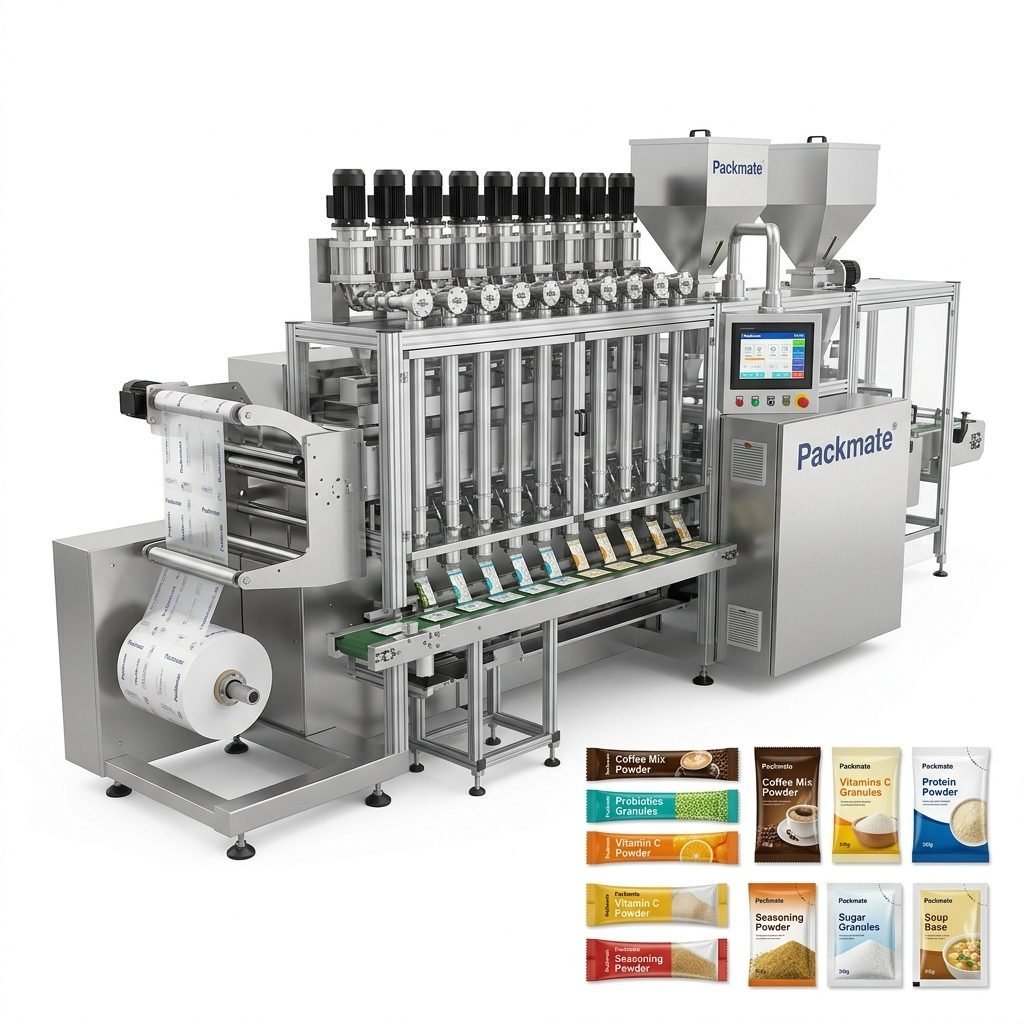
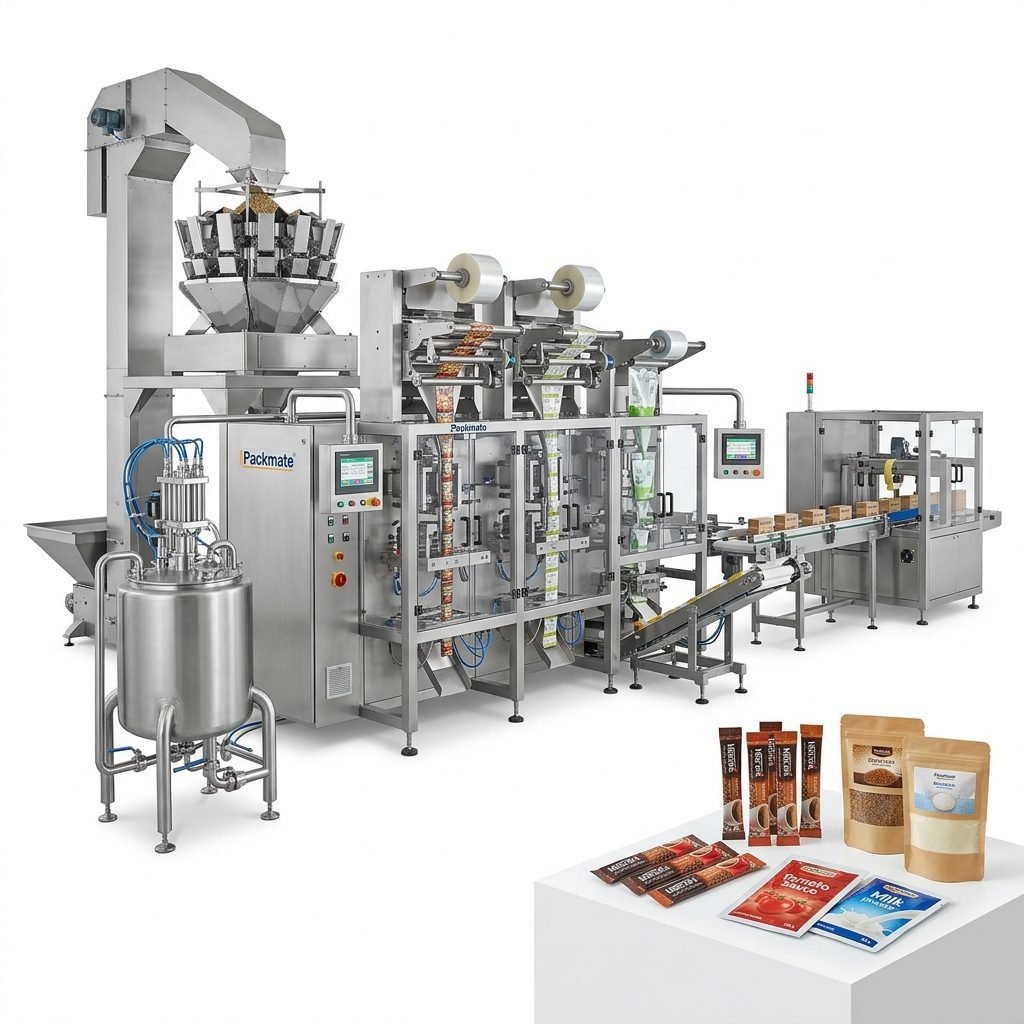
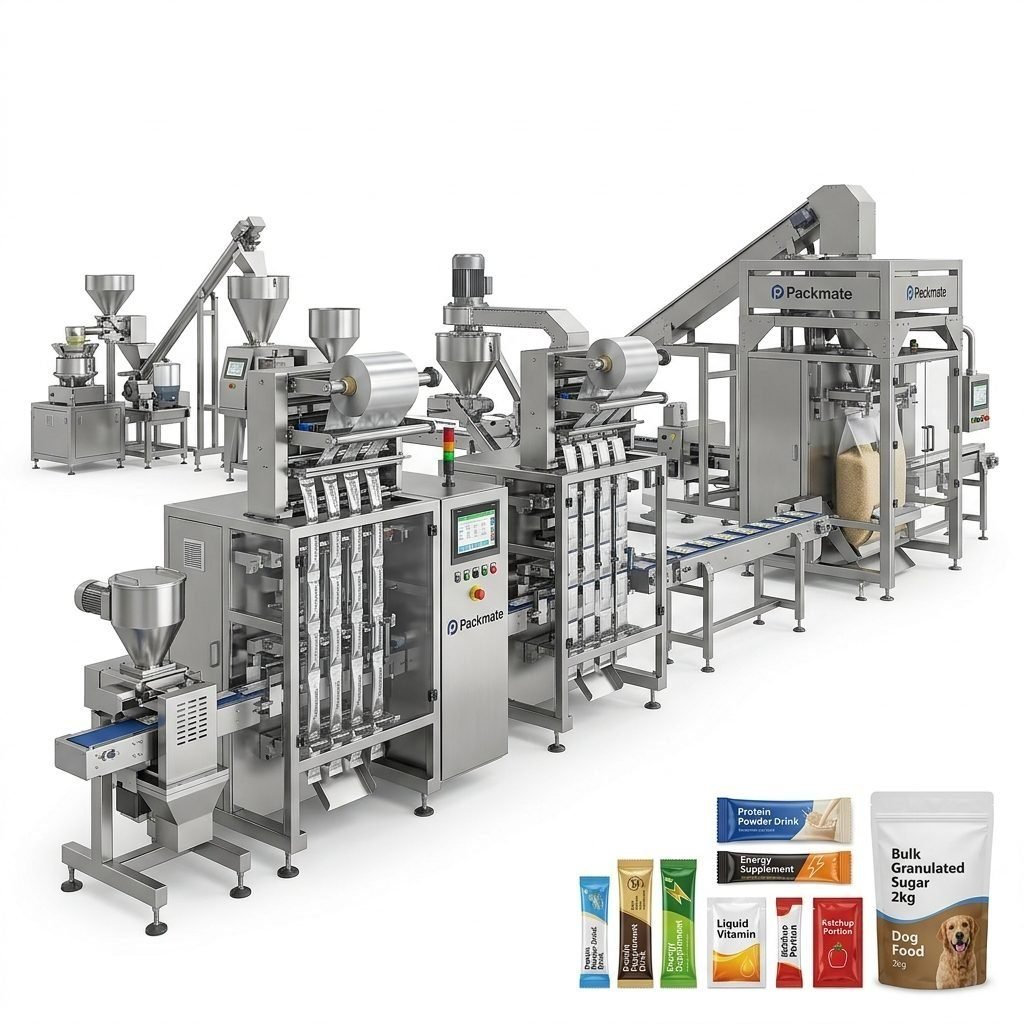
For fulfillment centers handling single-serve items, supplements, or samples, multi-lane pouch packaging systems are game-changers. These machines, like those from leading manufacturers such as Ludyway or Packmate Machinery, can fill and seal dozens of sachets or stick packs simultaneously. They are perfect for creating promotional packs, travel-sized products, or unit-dose pharmaceuticals with unmatched speed and precision, integrating seamlessly into order assembly lines.
Automated Bagging Systems
For non-fragile, flexible items, polybagging is often the most cost-effective solution. Automated bagging systems open bags from a roll, insert products, and seal them in one fluid motion. They are significantly faster than manual bagging and use the minimal amount of film necessary, reducing material costs and package weight—a critical factor for shipping expenses.
Automated Taping and Labeling Solutions
Consistent, accurate label application is vital for sortation and delivery. Print-and-apply systems integrate with your Warehouse Management System (WMS) to print shipping labels and automatically apply them to the correct carton face. Similarly, automated taping stations ensure seal integrity without waste. This eliminates mis-ships and manual handling delays.
Strategic Integration: From Standalone Machines to Turnkey Lines
The greatest efficiency gains come not from isolated machines, but from their intelligent integration. A turnkey packaging line connects equipment into a continuous, automated workflow.
Example Integrated Line Flow:
- Order is Picked: WMS directs items to packaging station.
- Right-Sized Box is Formed: Automated carton erector creates an optimal box.
- Items are Packed: Manual or robotic placement occurs.
- Dunnage is Injected (if needed): On-demand void fill systems add just enough cushioning.
- Box is Sealed & Labeled: Case sealer and print-and-apply unit complete the package.
- Weigh & Manifest: Integrated scale captures final weight for carrier billing.
Companies specializing in integration, such as PacklineOEM, design these cohesive systems to eliminate hand-offs, reduce labor, and maximize throughput. For businesses with unique products, working with a manufacturer like PackingMachineOEM can provide the customized, non-standard solutions needed to automate complex packaging tasks.
Quantifying the ROI: Efficiency Gains and Cost Savings
Investing in advanced packaging equipment yields a clear and measurable return on investment through multiple channels.
| Cost Area | Impact of Advanced Equipment | Potential Savings |
|---|---|---|
| Labor | Reduces manual box setup, taping, and bagging time. | 50-70% reduction in packaging labor hours. |
| Shipping (DIM Weight) | Right-sizing eliminates empty space. | 10-30% reduction in per-package shipping costs. |
| Packaging Materials | Precise consumption of corrugate, tape, and void fill. | 15-25% reduction in material spend. |
| Throughput & Scalability | Handles peak volumes without proportional labor increase. | Enables growth without new packaging lines. |
Specialized Solutions for Niche Markets
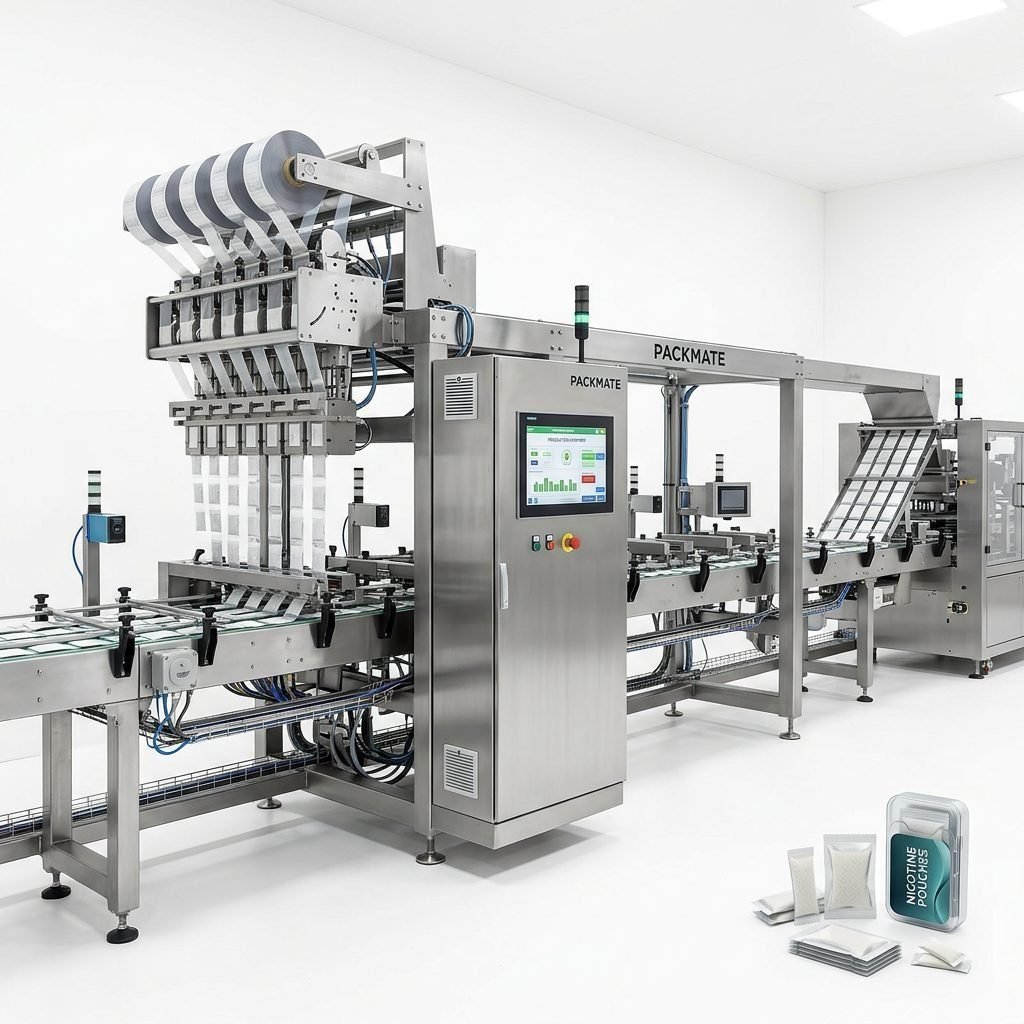
Certain product categories demand specialized equipment. For instance, the rapid growth of the nicotine pouch market requires high-speed, precise, and reliable pouch packaging. Manufacturers like SnusMachinery offer automated multi-lane systems specifically engineered for this sector, ensuring consistent seal integrity and count accuracy for small-format pouches at high volumes. This specialization prevents product loss and maintains brand quality during fulfillment.
Implementation Considerations for Fulfillment Centers
Successfully deploying new packaging technology requires careful planning:
- Space & Layout: Analyze your current warehouse flow. Integrated lines need a logical, linear footprint.
- SKU Variability: Ensure equipment can handle the size and type range of your products, or be quickly reconfigured.
- Software Integration: The packaging line must communicate flawlessly with your WMS and order management systems.
- Supplier Support: Choose partners with proven export experience and strong technical support, crucial for minimizing downtime. The 30+ years of industry experience held by manufacturers like Ludyway and Packmate Machinery is a valuable indicator of reliable support.
Frequently Asked Questions (FAQs)
1. What is the most important packaging machine for reducing shipping costs?
The automated right-sized carton erector is arguably the most critical. It directly attacks the largest cost driver—dimensional weight—by eliminating wasted space in every single box, leading to immediate and recurring savings on carrier invoices.
2. Can automated packaging lines handle a high mix of different product sizes?
Yes, with proper configuration. Modern systems use sensor-based sizing or WMS data to select the correct box or bag format on the fly. For extreme variability, modular systems from suppliers specializing in customization offer the required flexibility.
3. How do I justify the capital investment in packaging automation?
Build a business case focusing on hard ROI: calculate projected savings from reduced labor, lower material usage, and decreased shipping costs. Add soft benefits like improved order accuracy, faster throughput, and the ability to scale without adding labor. The payback period for efficient systems is often surprisingly short.
4. Should I buy standalone machines or a complete turnkey line?
It depends on your scale and pain points. Standalone machines (e.g., an auto-bagger) can solve specific bottlenecks. A turnkey line is best for new facilities, major expansions, or when seeking maximum efficiency gains by eliminating all manual hand-offs between packaging steps.
5. What should I look for in a packaging equipment supplier for an international fulfillment center?
Prioritize suppliers with a strong export history, clear documentation (including in English), readily available spare parts, and responsive remote support capabilities. Their experience in your target regions, as seen with the broad export markets served by the companies profiled, is a strong indicator of their ability to support your operation effectively.