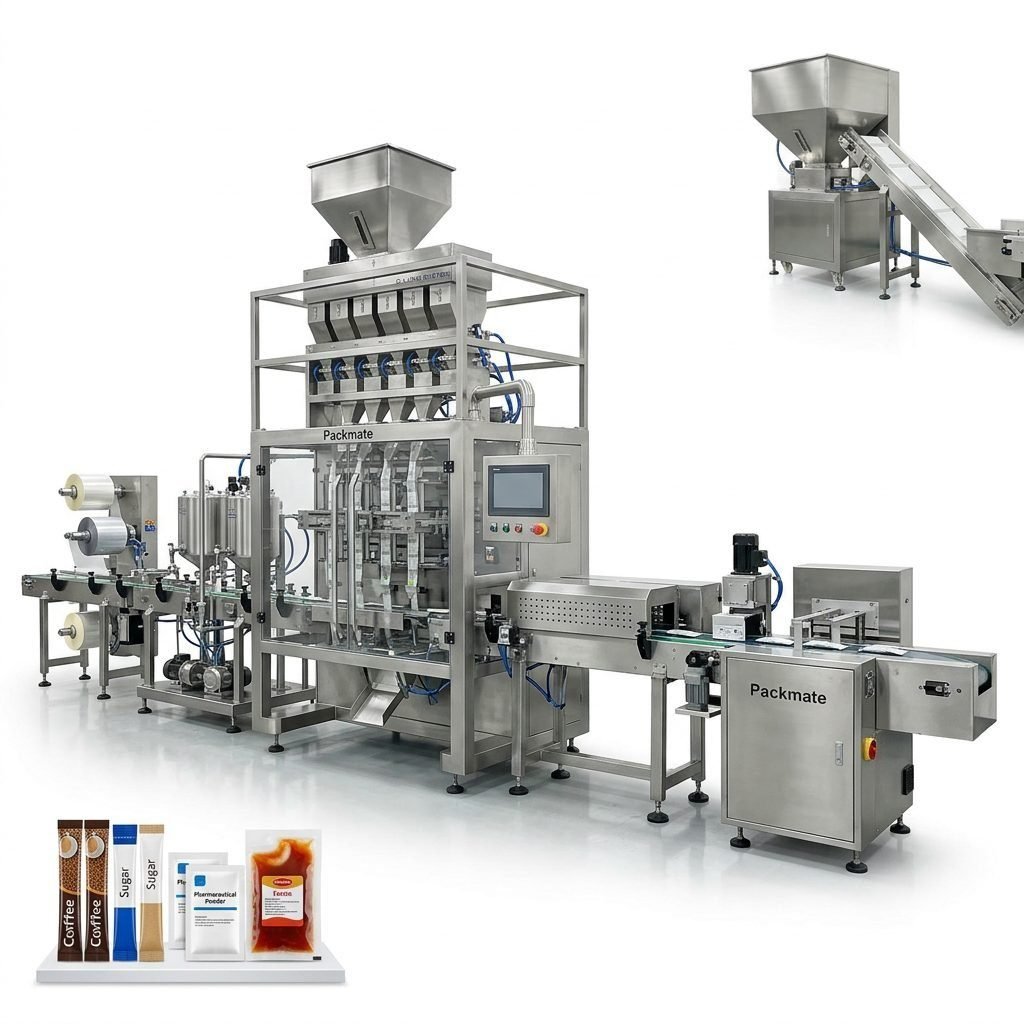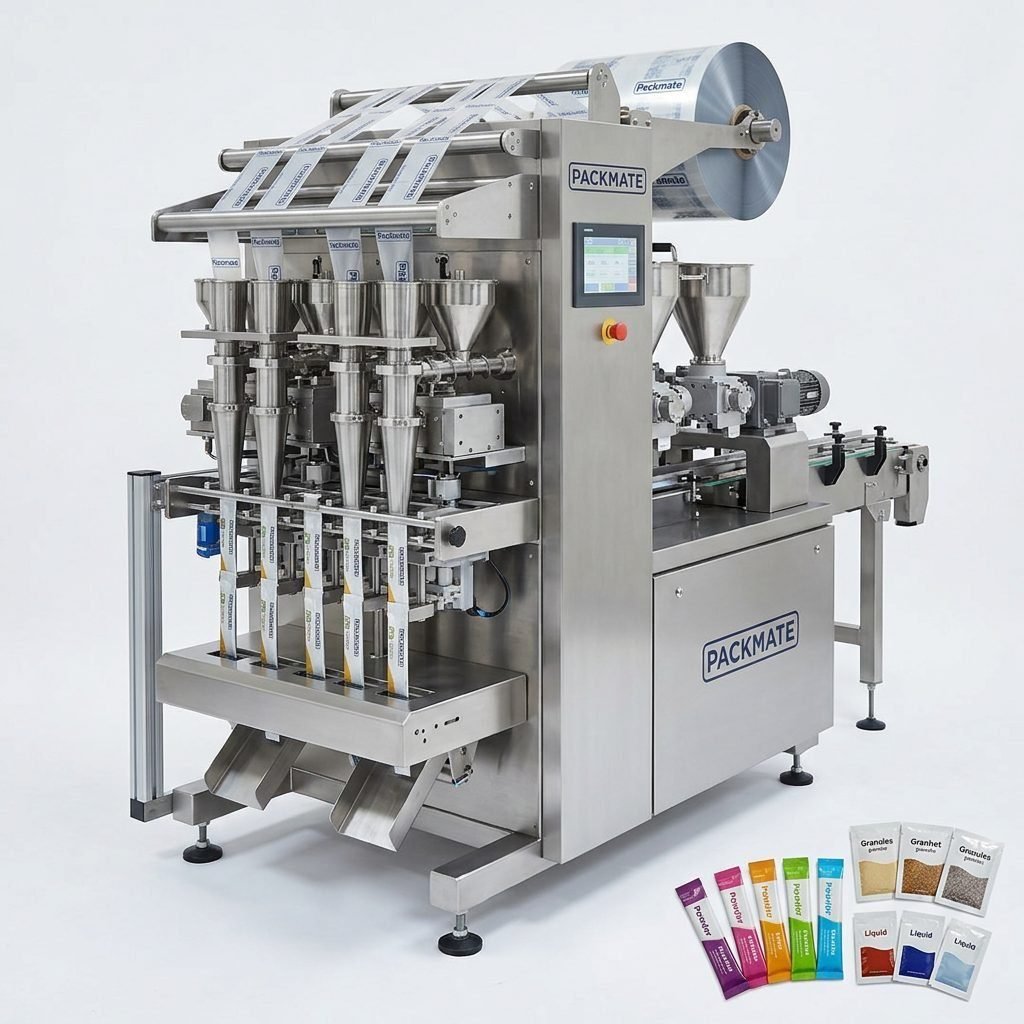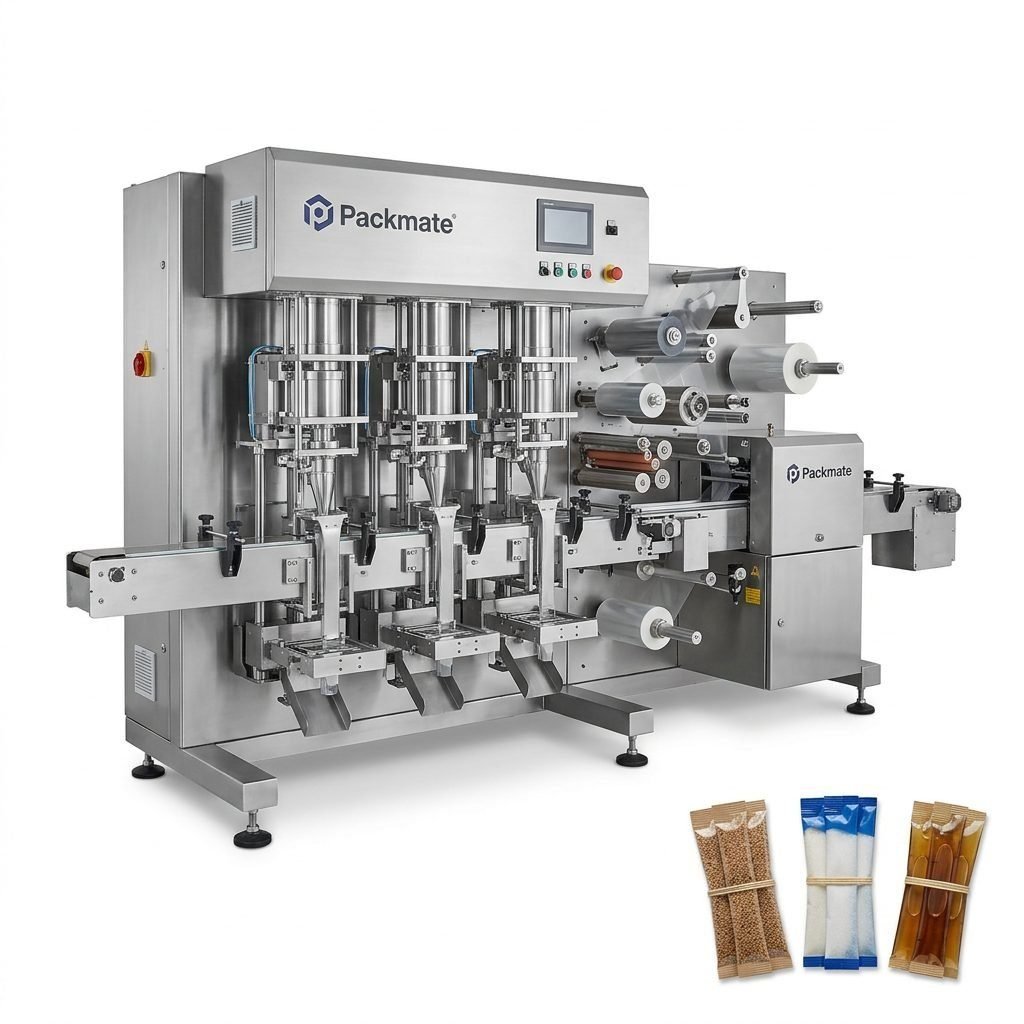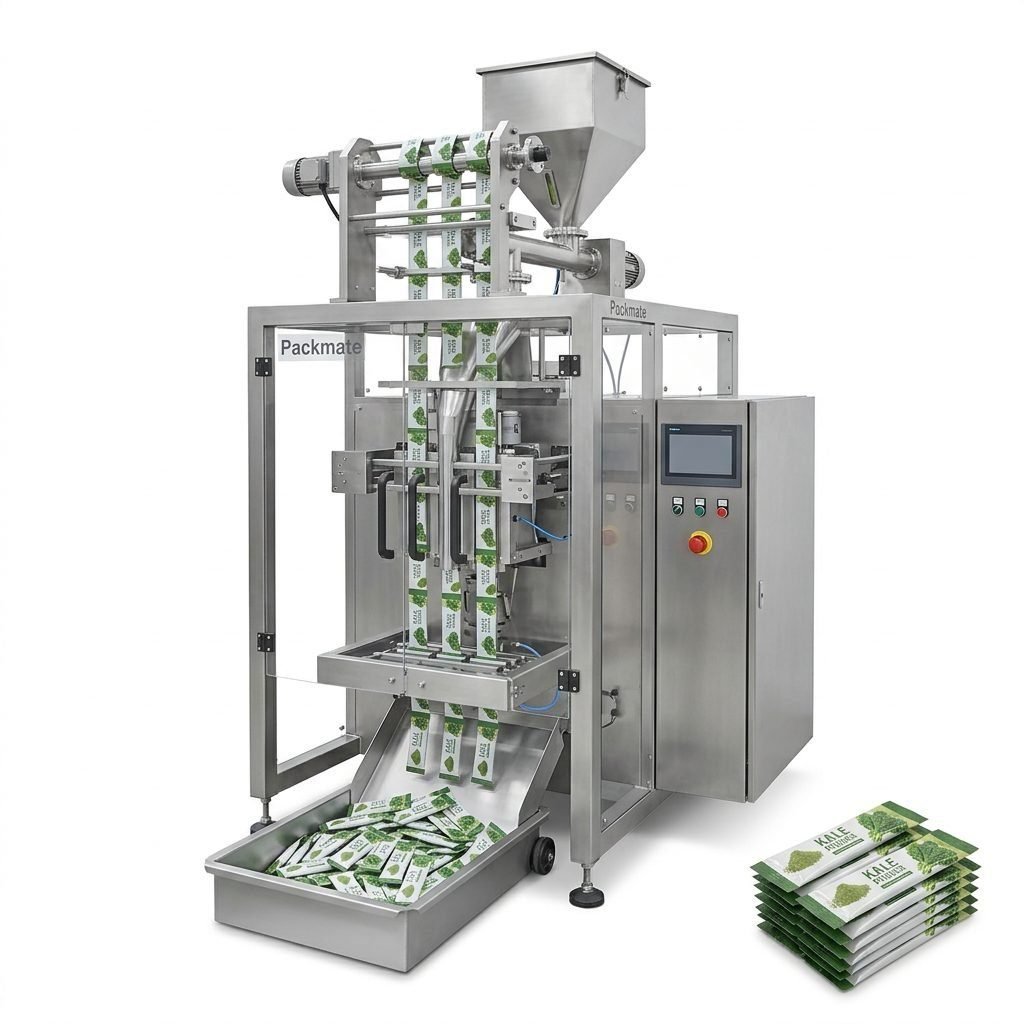
The global demand for efficient, consistent, and cost-effective packaging has made automatic bag packaging machines indispensable across countless industries. From the instant coffee enjoyed in European homes to the pharmaceutical sachets distributed in Southeast Asian clinics, these machines are the backbone of modern product distribution. They transform loose products like powders, granules, liquids, and pastes into neatly sealed, branded packages at incredible speeds, ensuring hygiene, accuracy, and shelf appeal.
Core Types of Automatic Bag Packaging Machines
Understanding the different machine types is the first step to selecting the right solution for your production line. The primary categories are defined by their bag formation method and the product formats they handle.
Vertical Form-Fill-Seal (VFFS) Machines
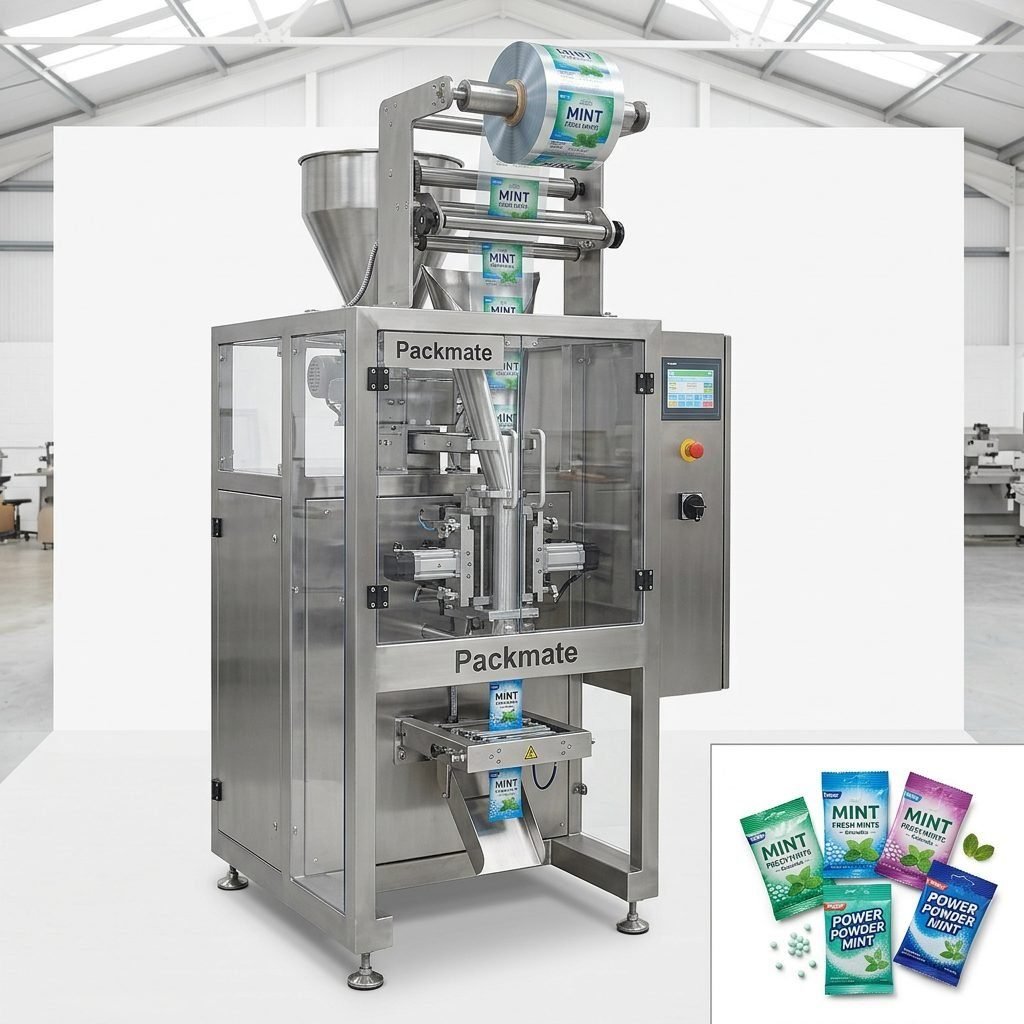
These are the workhorses of the industry. VFFS machines form bags from a continuous roll of film in a vertical orientation. The process involves pulling the film down, forming it into a tube, sealing the bottom, filling the product, and then sealing the top before cutting the individual pouch loose. They are incredibly versatile and commonly used for:
Typical Applications: Snacks (chips, nuts), coffee, pet food, granular chemicals, hardware items (screws, bolts), and frozen vegetables. Their speed and efficiency make them ideal for high-volume production of free-flowing products.
Horizontal Form-Fill-Seal (HFFS) Machines
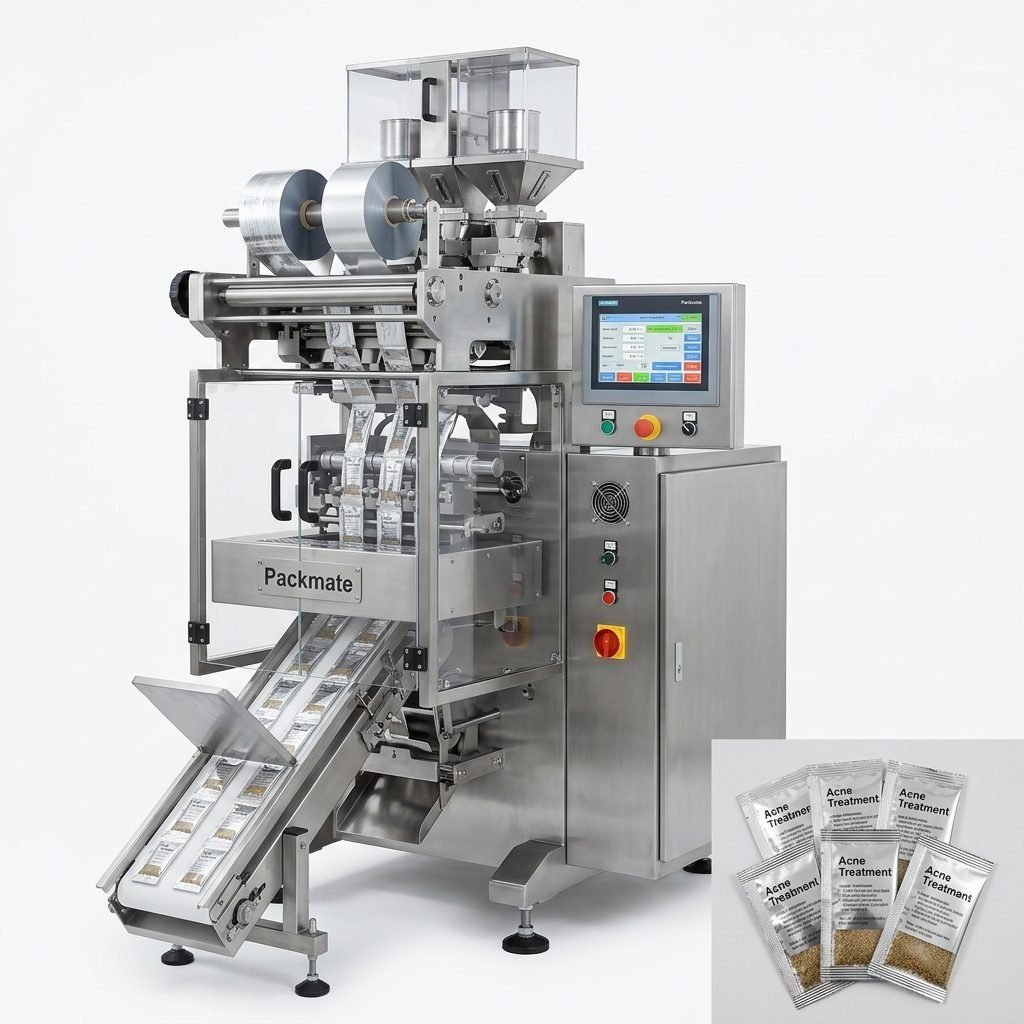
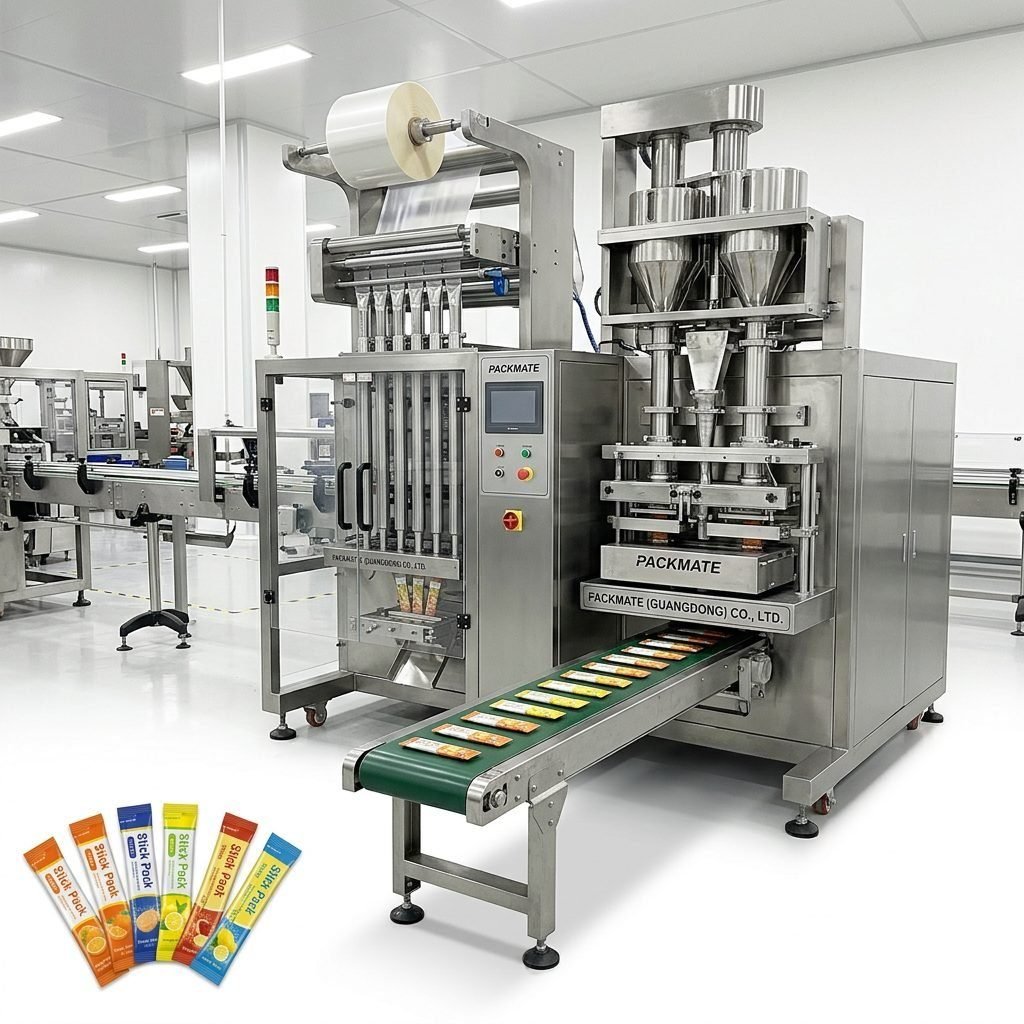
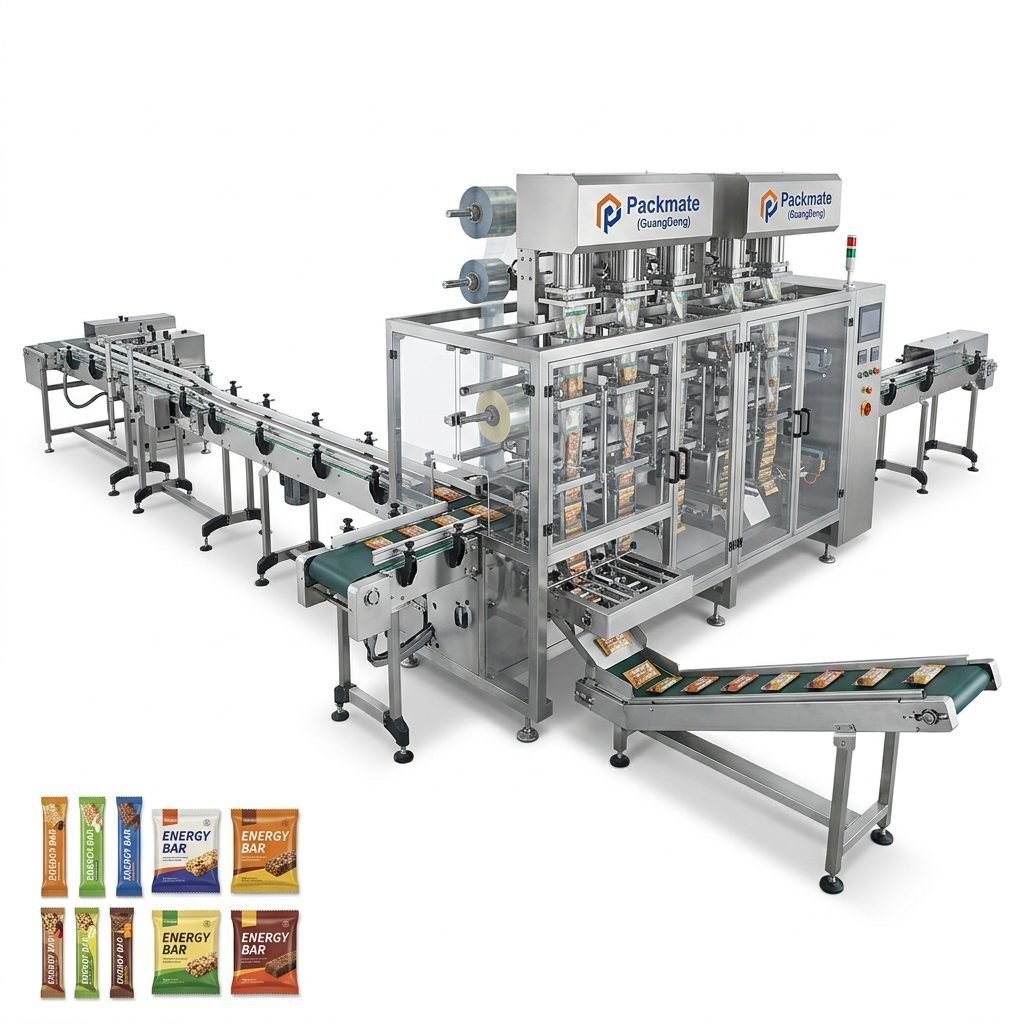
In contrast to VFFS, HFFS machines form pouches on a horizontal plane. They are often used for more complex packaging needs, such as creating multi-lane stick packs or sachets. These machines are excellent for portion control and can handle a variety of materials, including laminated films for better barrier properties.
Typical Applications: Stick packs for beverage powders, sugar, instant soups; sachets for sauces, condiments, shampoo samples, and pharmaceutical powders. They are favored for their ability to create sleek, consumer-friendly single-serve packages.
Pre-Made Pouch Fillers
These machines use pre-manufactured, flat pouches that are opened, filled, and then sealed. This method is ideal for products that are difficult to handle on form-fill-seal machines or where the pouch material or design is complex (e.g., stand-up pouches with zippers, spouts, or unique shapes).
Typical Applications: Liquid products like juices and dairy drinks, wet pet food, premium coffee, gourmet snacks, and products requiring high-quality graphic printing on the pouch.
Specialized Pouch Machines
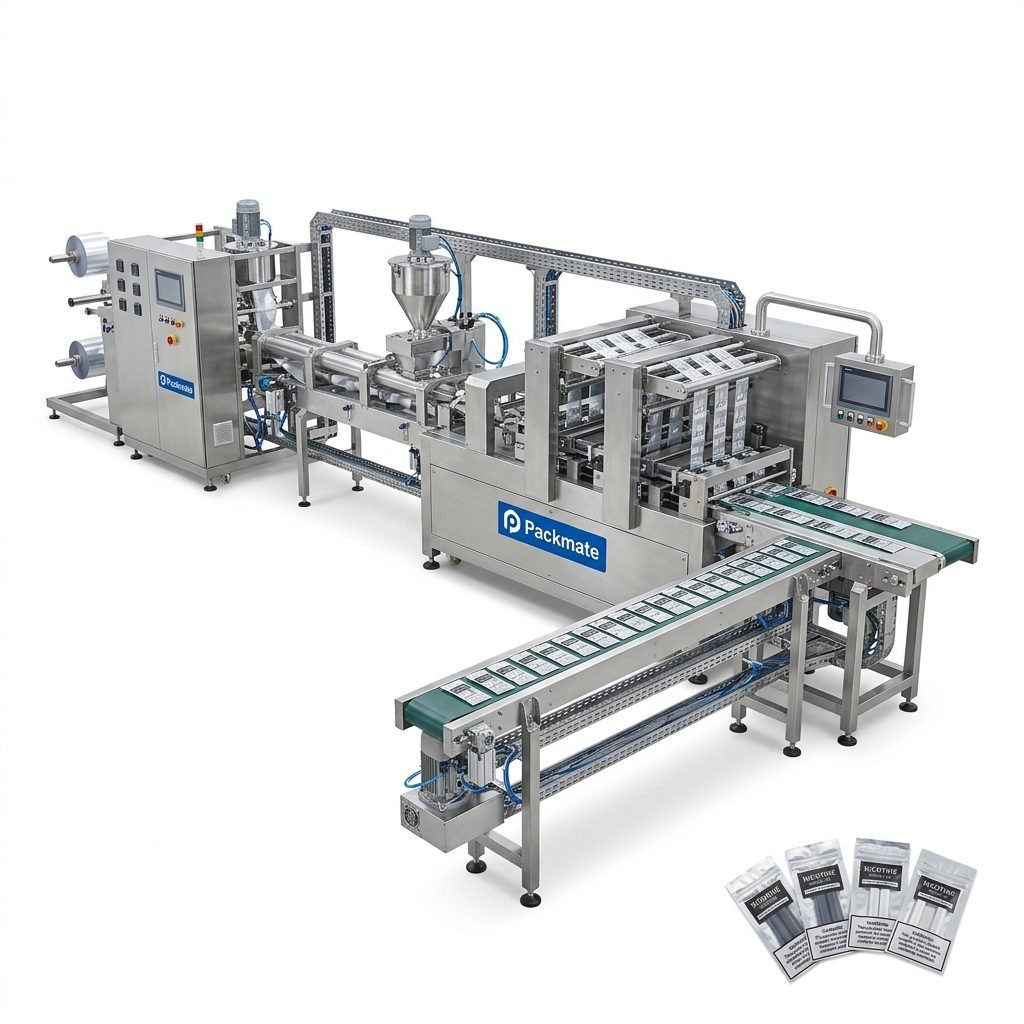
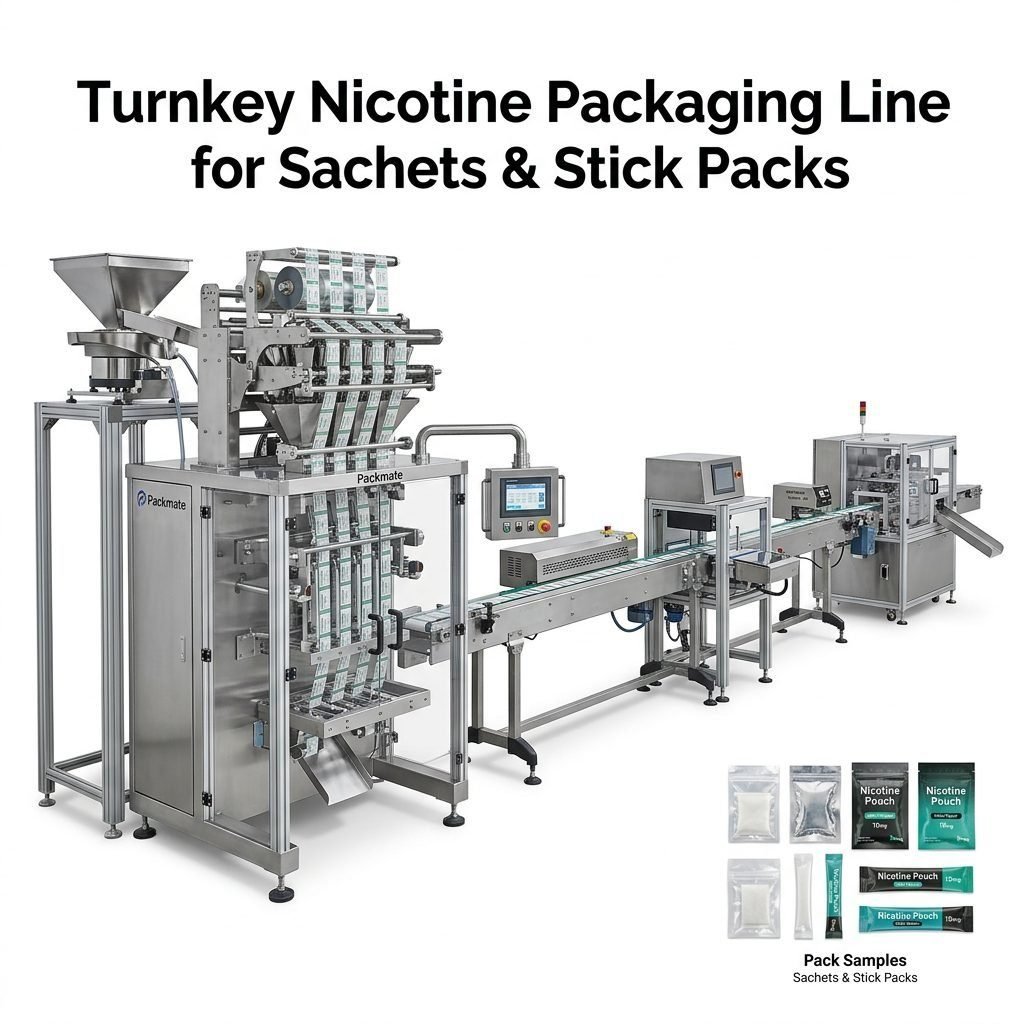
This category includes equipment designed for specific, high-growth niches. A prime example is the nicotine pouch packaging machine. These machines require high precision for small, dry powder doses, consistent sealing for product integrity, and often integrate multi-lane systems for high output. Manufacturers like SnusMachinery have developed deep expertise in this area, offering tailored solutions that meet the stringent requirements of this specialized market.
Key Applications Across Industries
The versatility of automatic bag packers means they serve a vast array of sectors. Regional preferences and regulations also influence machine specifications.
| Industry | Common Products | Machine Considerations |
|---|---|---|
| Food & Beverage | Spices, tea, coffee, sugar, snacks, powdered drinks, pasta, frozen foods. | Hygienic design (often stainless steel), easy-clean features, compliance with food safety standards (e.g., FDA, EU regulations). Machines for Europe and North America often require higher levels of automation and traceability. |
| Pharmaceutical & Nutraceutical | Powdered supplements, oral rehydration salts, herbal powders, single-dose sachets. | High-precision dosing, dust containment, validated cleaning processes, GMP-compliant construction. Markets like the Middle East and Southeast Asia have growing demand for affordable, reliable pharma packaging solutions. |
| Chemicals & Agrochemicals | Detergent powders, pool chemicals, fertilizers, pesticides, industrial powders. | Corrosion-resistant materials, explosion-proof options for volatile substances, robust sealing for moisture-sensitive products. High-volume bagging systems are key for South American and African agricultural markets. |
| Personal Care & Cosmetics | Shampoo sachets, facial cream samples, bath salts, gel sticks. | Ability to handle viscous liquids and pastes, aesthetic sealing, small-batch flexibility for samples. The beauty markets in Europe and North America drive demand for sophisticated, small-format packaging. |
How to Choose the Right Automatic Bag Packaging Machine
Selecting the optimal machine is a strategic investment. A misstep can lead to downtime, product waste, and lost revenue. Here is a structured approach to guide your decision.
1. Define Your Product and Packaging Specifications
This is the foundation. Be precise about your product’s physical characteristics and your desired package.
- Product Type: Is it a free-flowing powder, sticky granule, abrasive material, or viscous liquid?
- Bag Type & Size: Do you need pillow bags, stand-up pouches, stick packs, or sachets? What are the dimensions and weight range?
- Film Material: Determine the required barrier properties (moisture, oxygen, light), sealability, and print quality.
2. Determine Your Production Requirements
Capacity and flexibility are key cost drivers.
- Output Speed (Bags Per Minute – BPM): Calculate your required output based on shifts and future growth. Don’t over-specify, as higher speed often means higher cost.
- Changeover Frequency: If you run multiple products or bag sizes, look for machines with quick-change features (tool-less adjustments, recipe memory).
- Level of Automation: Do you need a standalone machine or a fully integrated line with automated feeding, checkweighing, cartoning, and palletizing? Companies like PacklineOEM specialize in these complete turnkey packaging lines.
3. Evaluate Machine Features and Construction
Look beyond the brochure. The machine’s build and components dictate longevity and performance.
Key Components to Scrutinize:
- Filling System: Volumetric cup, auger screw, weigh scale, or pump? The choice depends on product characteristics and accuracy needs.
- Frame & Contact Parts: Heavy-duty construction ensures stability. Stainless steel (304 or 316) is essential for food and pharmaceutical use.
- Control System: A user-friendly PLC-based HMI (Human-Machine Interface) with diagnostic capabilities simplifies operation and maintenance.
- Sealing System: Heat sealing is most common. Ensure the temperature control is precise and reliable for consistent seals.
4. Consider Supplier Capability and Support
The machine is only as good as the company behind it. This is where the experience of manufacturers like Ludyway and Packmate Machinery, with over 30 years in the field, becomes invaluable.
- Customization: Can the machine be adapted to your specific needs? For non-standard requirements, suppliers like PackingMachineOEM focus on tailored solutions.
- After-Sales Service: What is the warranty? Is there local technical support, or does the supplier provide remote assistance and timely spare parts delivery?
- Training & Documentation: Comprehensive manuals and operator training are crucial for smooth commissioning and long-term efficiency.
5. Analyze Total Cost of Ownership (TCO)
Look beyond the initial purchase price. Factor in operational costs over the machine’s lifespan.
| Cost Factor | Considerations |
|---|---|
| Initial Investment | Machine price, shipping, installation, and commissioning. |
| Operational Costs | Energy consumption, compressed air usage, film waste, and labor. |
| Maintenance & Spares | Cost and availability of spare parts, recommended service intervals. |
| Downtime Cost | The most significant hidden cost. A reliable machine with good support minimizes production losses. |
Frequently Asked Questions (FAQs)
What is the typical output speed of an automatic bag packaging machine?
Speeds vary widely based on the machine type and bag size. A standard vertical form-fill-seal machine can range from 30 to 120 bags per minute (BPM). High-speed multi-lane stick pack or sachet machines can achieve outputs of 400 to over 1,000 BPM by running multiple lanes simultaneously.
Can one machine handle different bag sizes and products?
Yes, most modern machines are designed with changeover capabilities. Look for features like quick-adjust bag forming parts, servo-driven film pull, and digital recipe storage. However, significant product changes (e.g., from powder to liquid) may require a different filling system.
How do I ensure the machine is compatible with my packaging film?
It is crucial to provide your supplier with film samples for testing. They will evaluate sealability, traction, and forming characteristics on their machine. The supplier should specify the film properties (type, thickness, coefficient of friction) that work best with their equipment.
What is the difference between volumetric and net weight filling?
Volumetric filling (using cups or augers) is faster and more cost-effective for uniform, free-flowing products where extreme precision is not critical. Net weight filling (using scales) is slower but offers superior accuracy, essential for high-value products or where regulatory net content rules are strict.
What level of training do operators need?
Basic operation and routine maintenance for standard machines can often be learned in a few days. However, troubleshooting and more complex changeovers require more in-depth training. Reputable suppliers like Ludyway or Packmate Machinery typically provide comprehensive on-site training during installation.