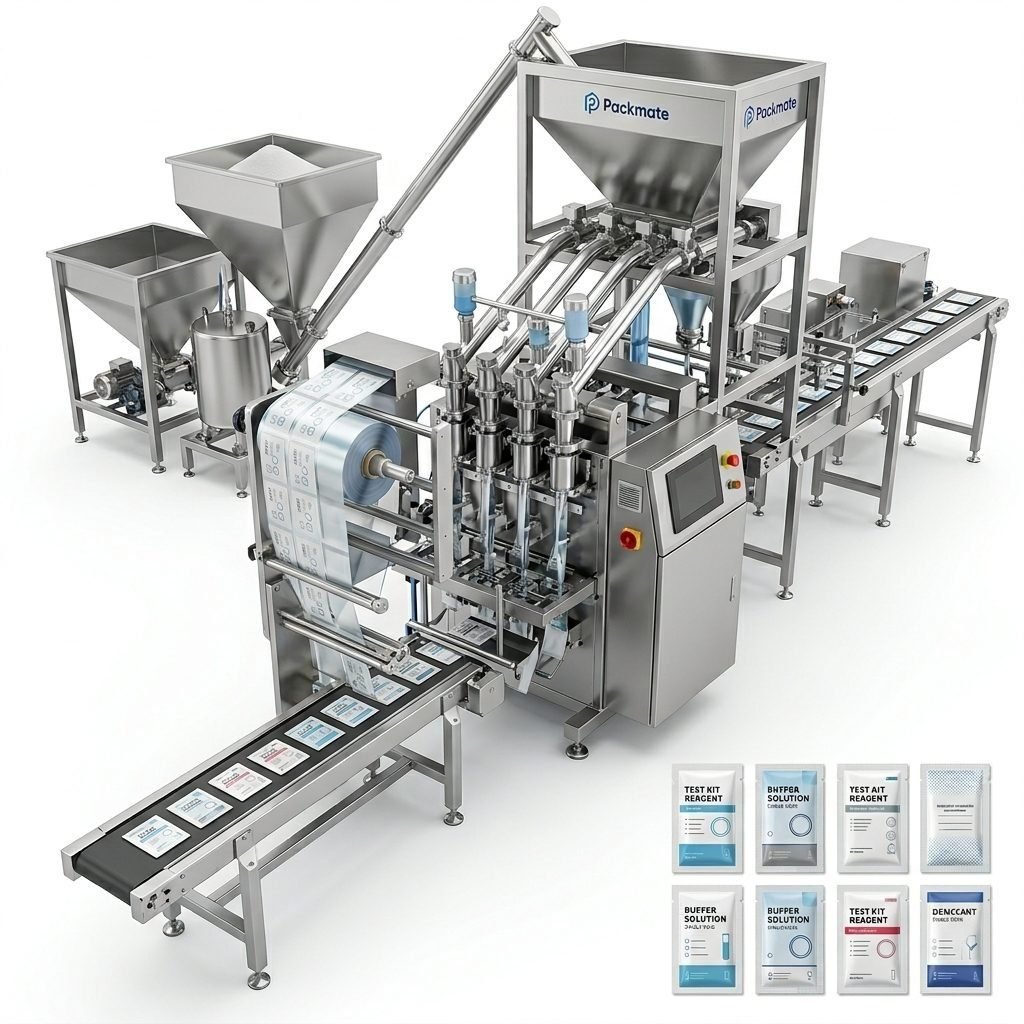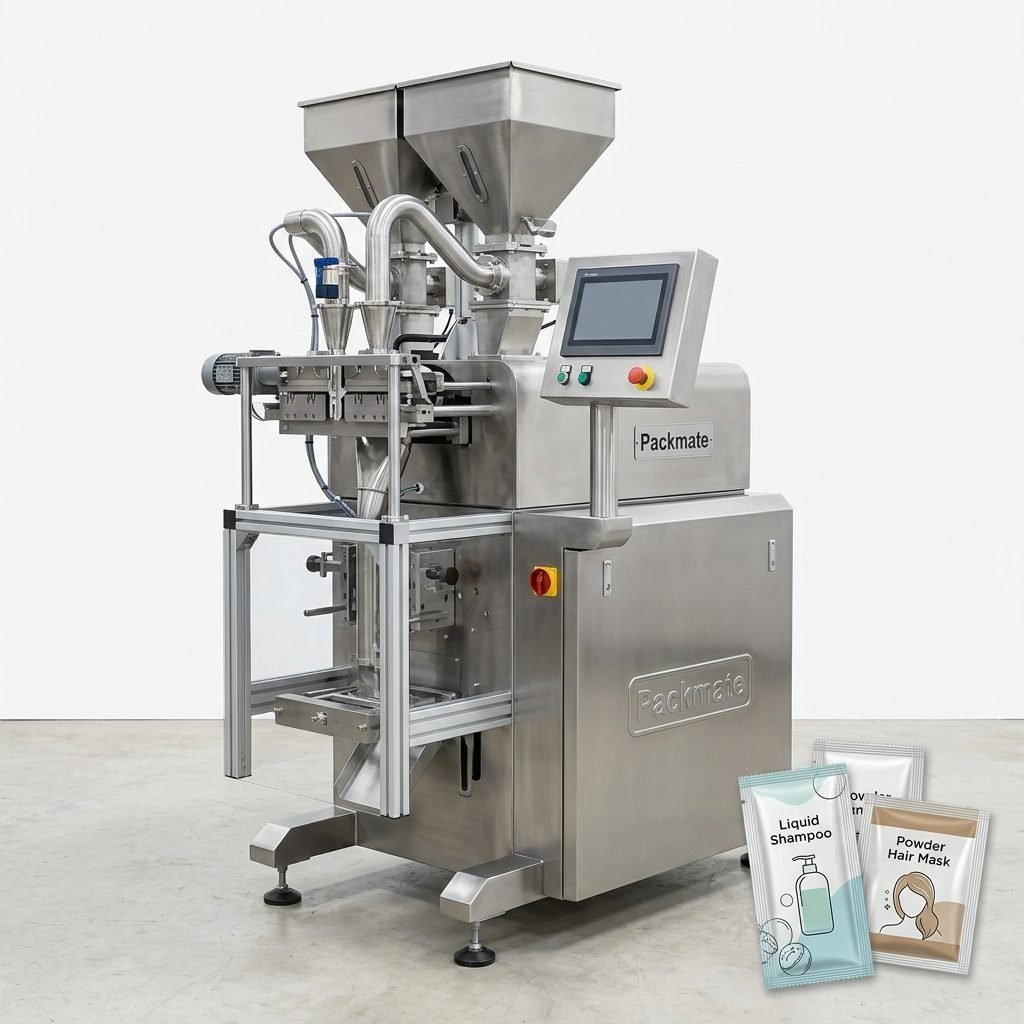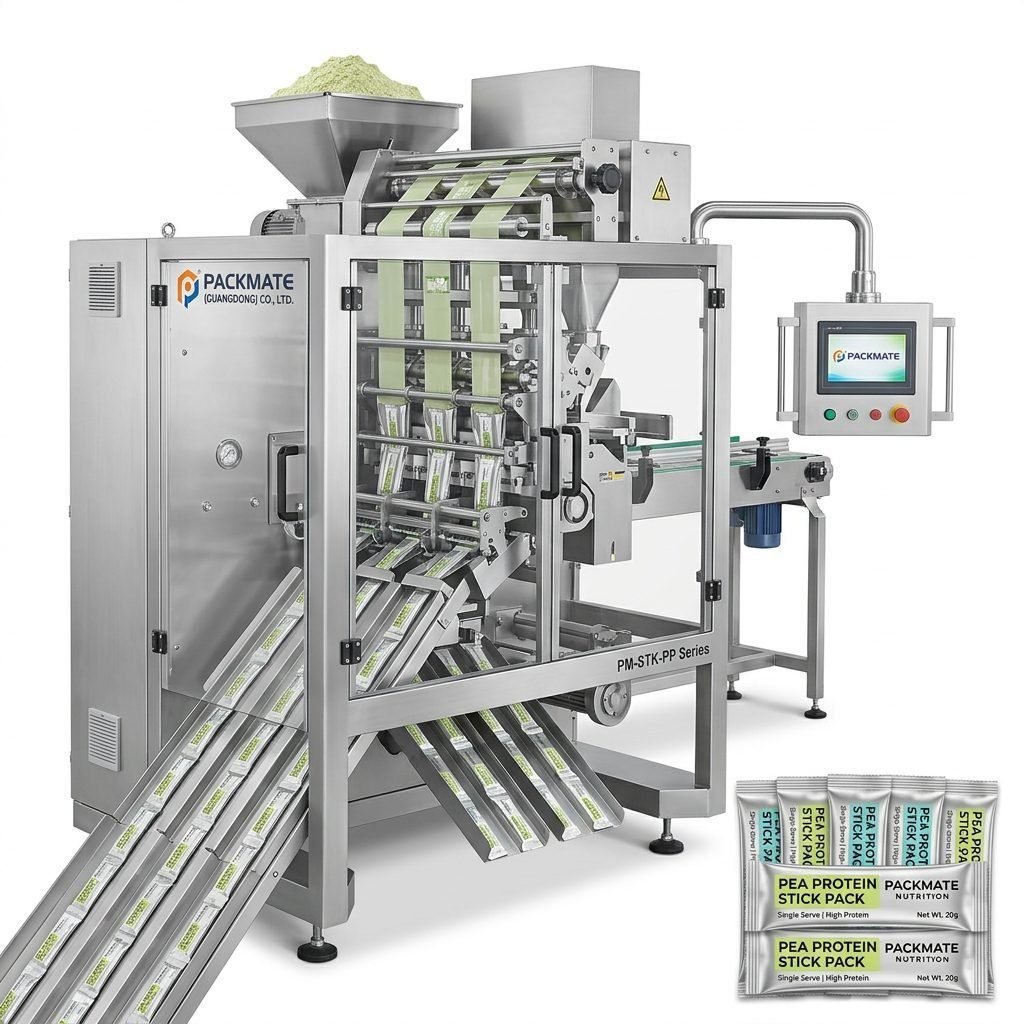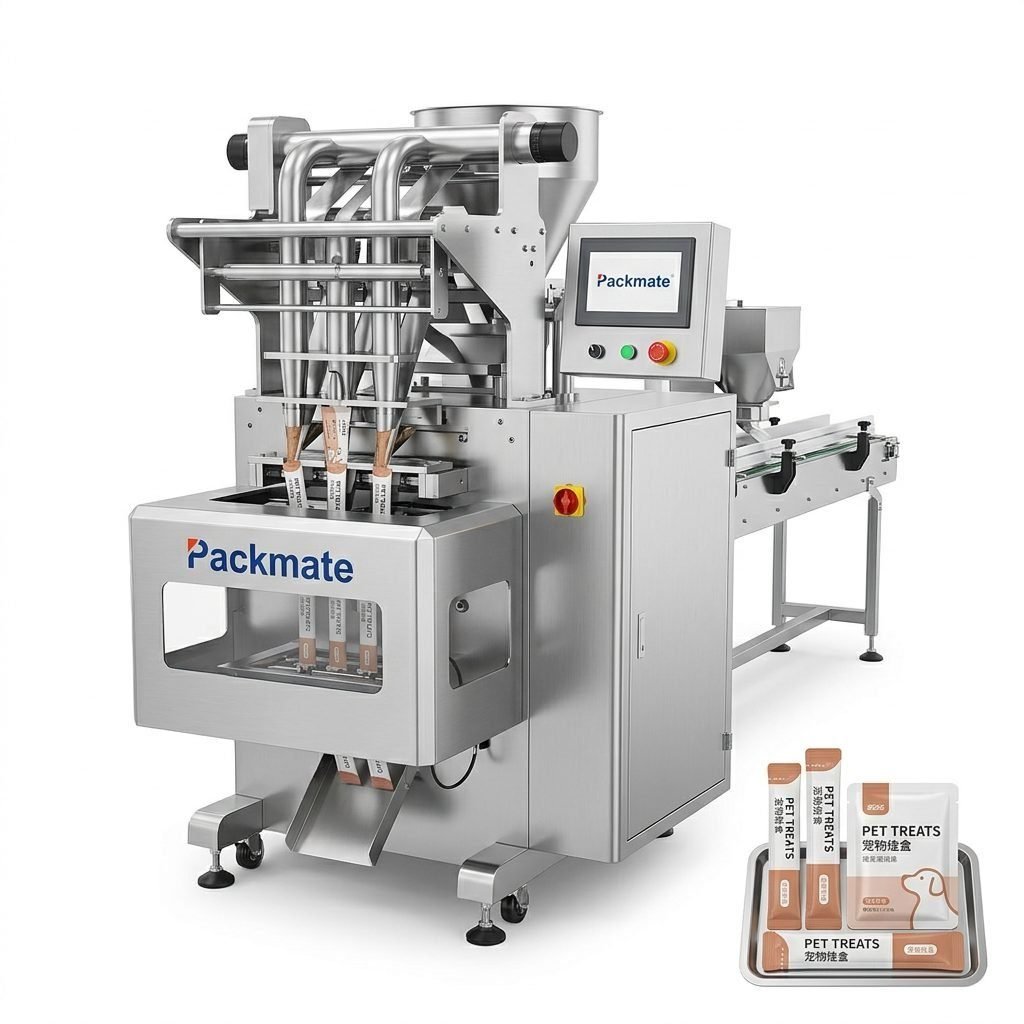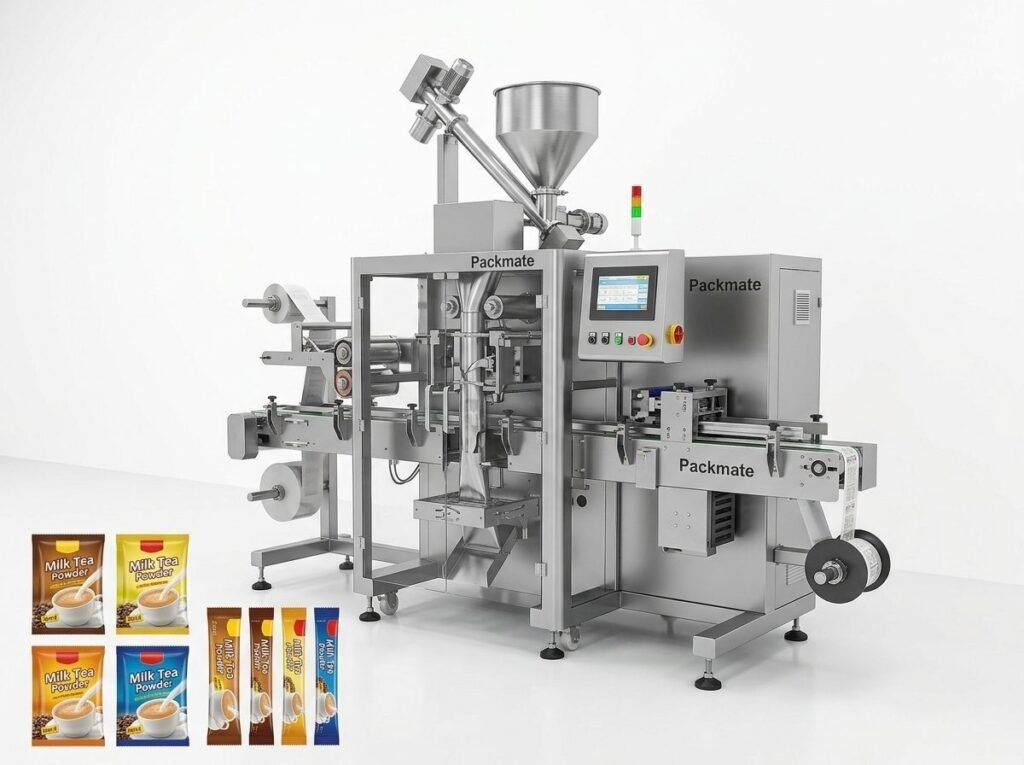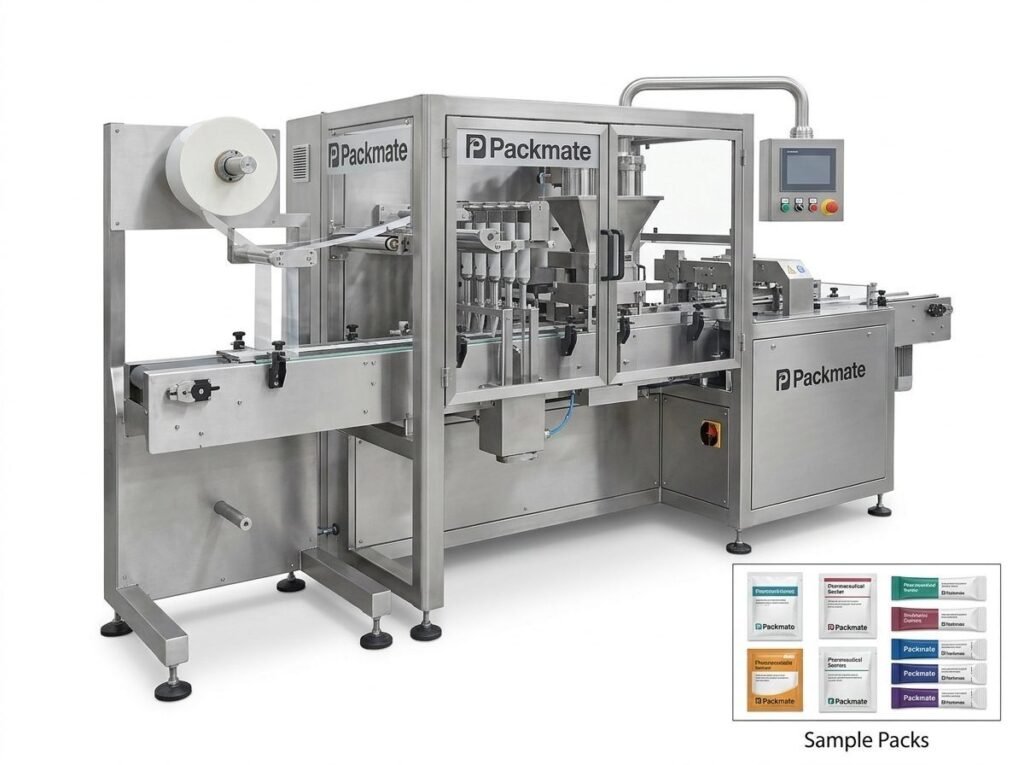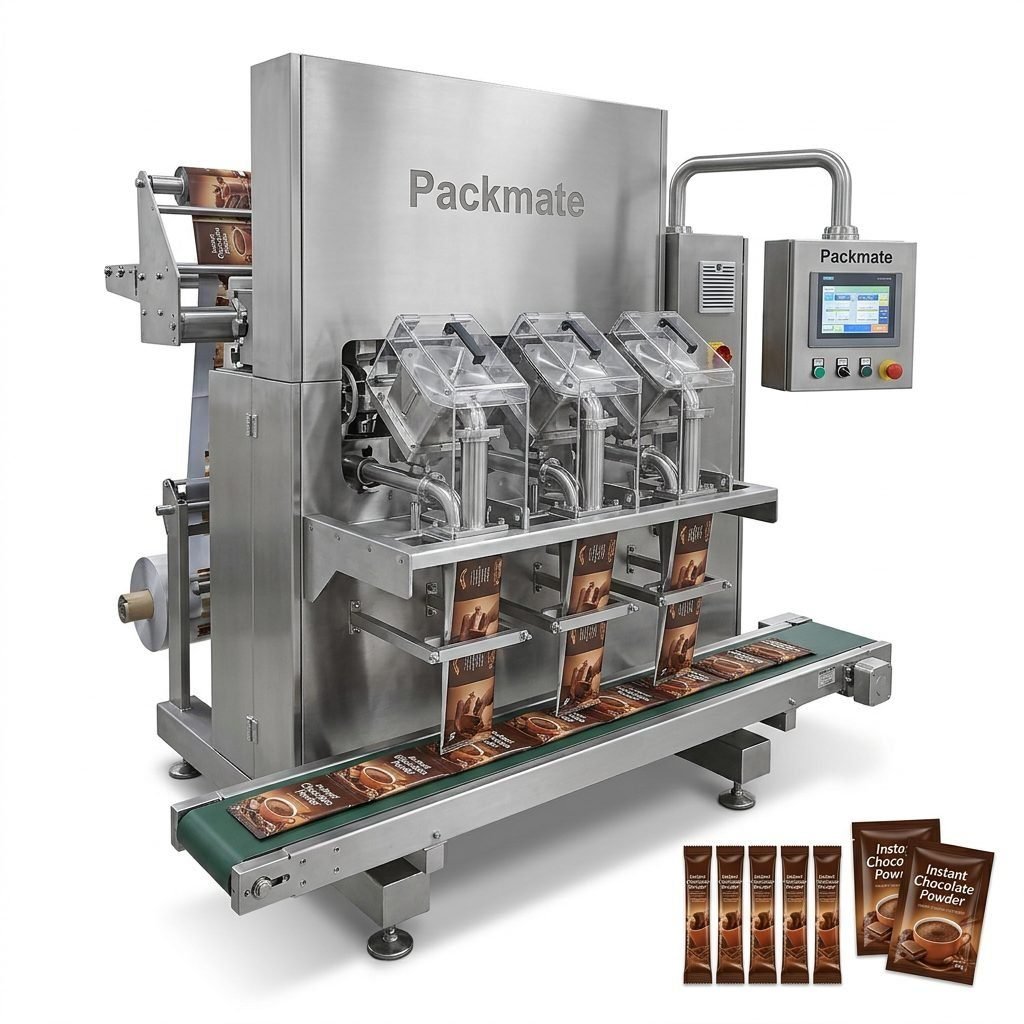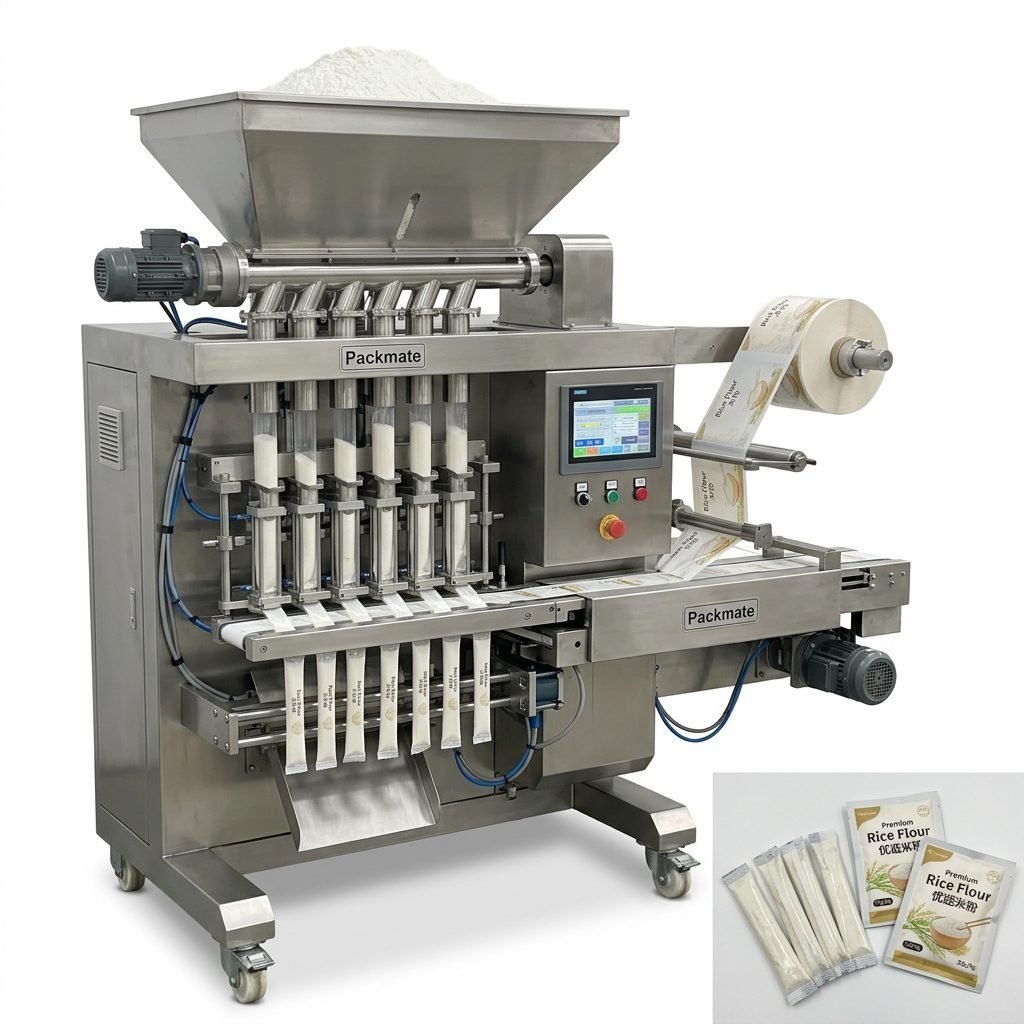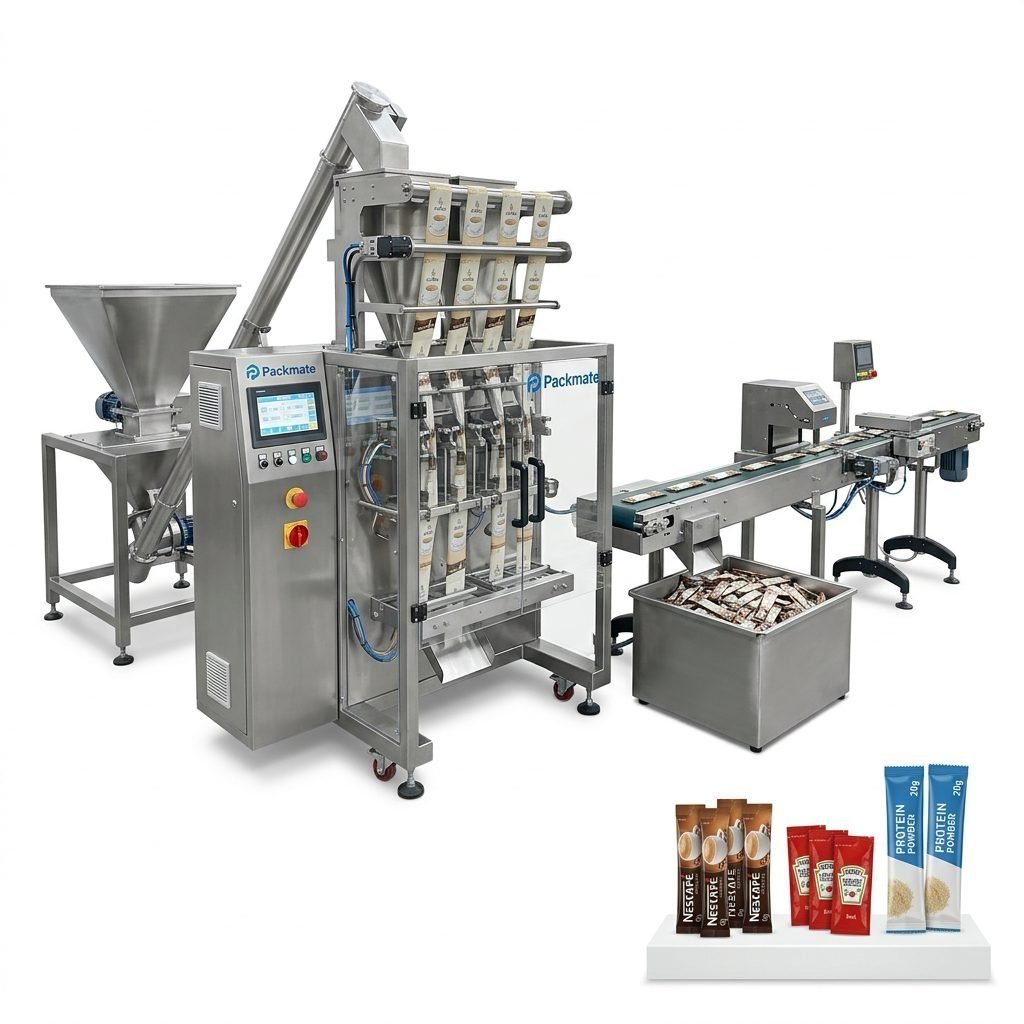
Selecting the right automatic bagging equipment is a critical decision for manufacturers aiming to enhance packaging efficiency, ensure product consistency, and reduce operational costs. With a wide range of systems available—from multi-lane stick pack machines and sachet packaging lines to complete turnkey solutions—making an informed choice requires careful evaluation of your specific production needs, product characteristics, and long-term business goals.
Key Factors for Selecting the Right Bagging System
Before investing in automatic bagging equipment, it’s essential to analyze several core aspects of your operation. A system that perfectly matches your requirements will deliver superior performance, reliability, and return on investment.
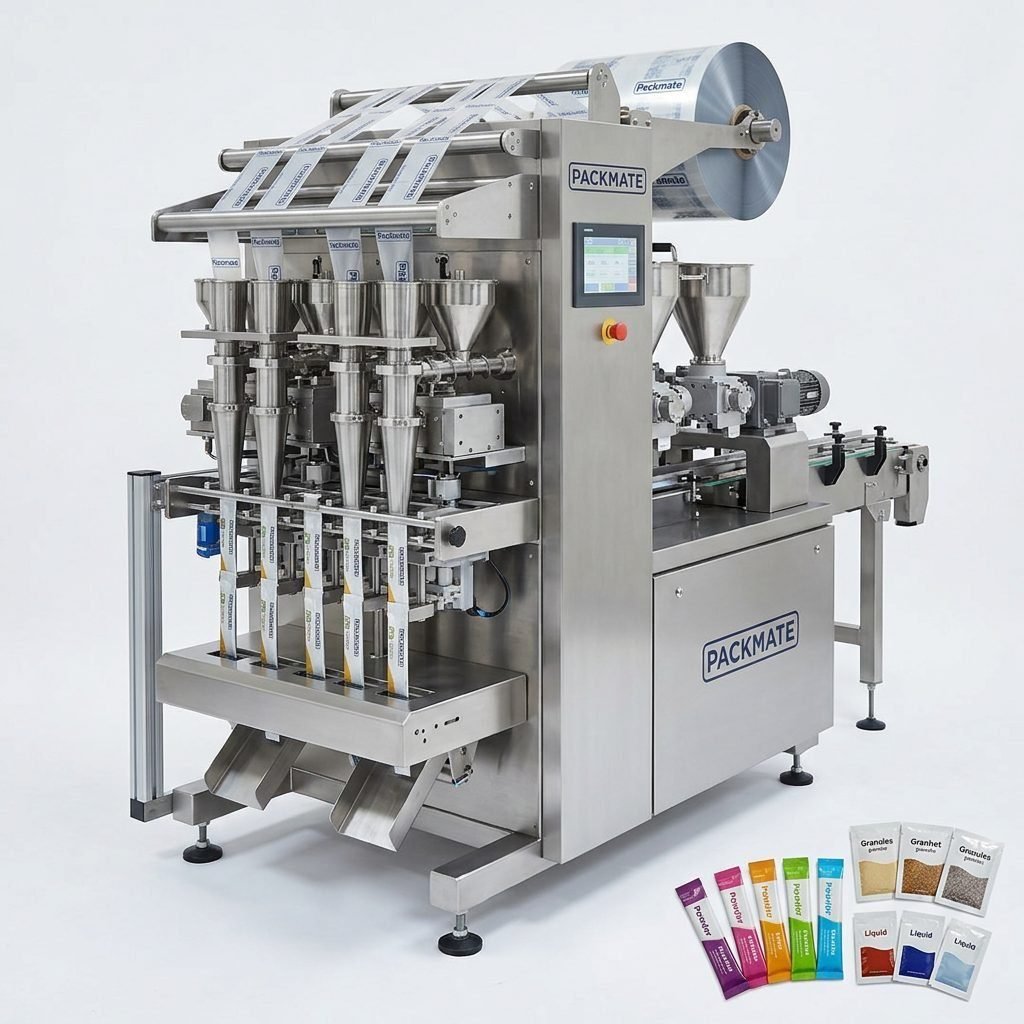
Product Type and Characteristics: The physical properties of your product are the primary driver for machine selection. Granules, fine powders, viscous liquids, and pastes each demand different handling, dosing, and sealing technologies. For instance, hygroscopic powders require a controlled environment, while granular products with uniform particle size are suitable for high-speed volumetric filling.
Required Output and Production Speed: Define your target production capacity in bags or pouches per minute (BPM). Single-lane machines are suitable for lower volumes, while multi-lane systems from manufacturers like Ludyway can dramatically increase throughput for high-volume production. It’s crucial to choose a system that not only meets your current output but also allows for future scalability.
Packaging Material and Bag Format: The type of film or laminate used (e.g., PET/AL/PE, CPP) and the desired bag style (stick pack, sachet, pillow pouch, gusseted bag) directly influence the machine’s forming, sealing, and cutting mechanisms. Ensure the equipment is compatible with your chosen materials to achieve strong, consistent seals and an attractive final package.
Understanding Different Levels of Automation
Automatic bagging solutions range from standalone machines to fully integrated lines. Your choice depends on your labor availability, factory space, and desired level of process control.
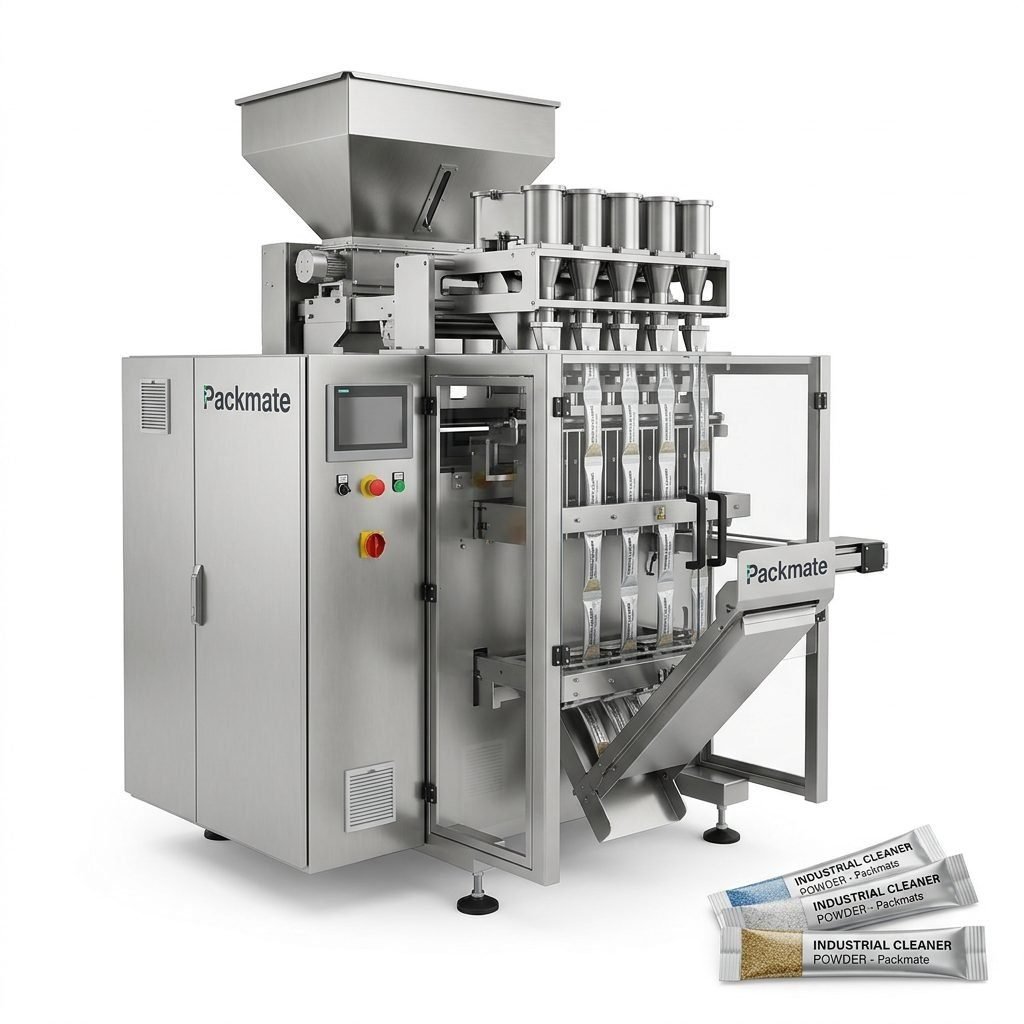
Standalone Bagging Machines: These are individual units that perform the core functions of filling and sealing. They are ideal for manufacturers looking to automate a single step or with limited floor space. Companies like Packmate Machinery offer a wide range of reliable standalone machines for various applications.
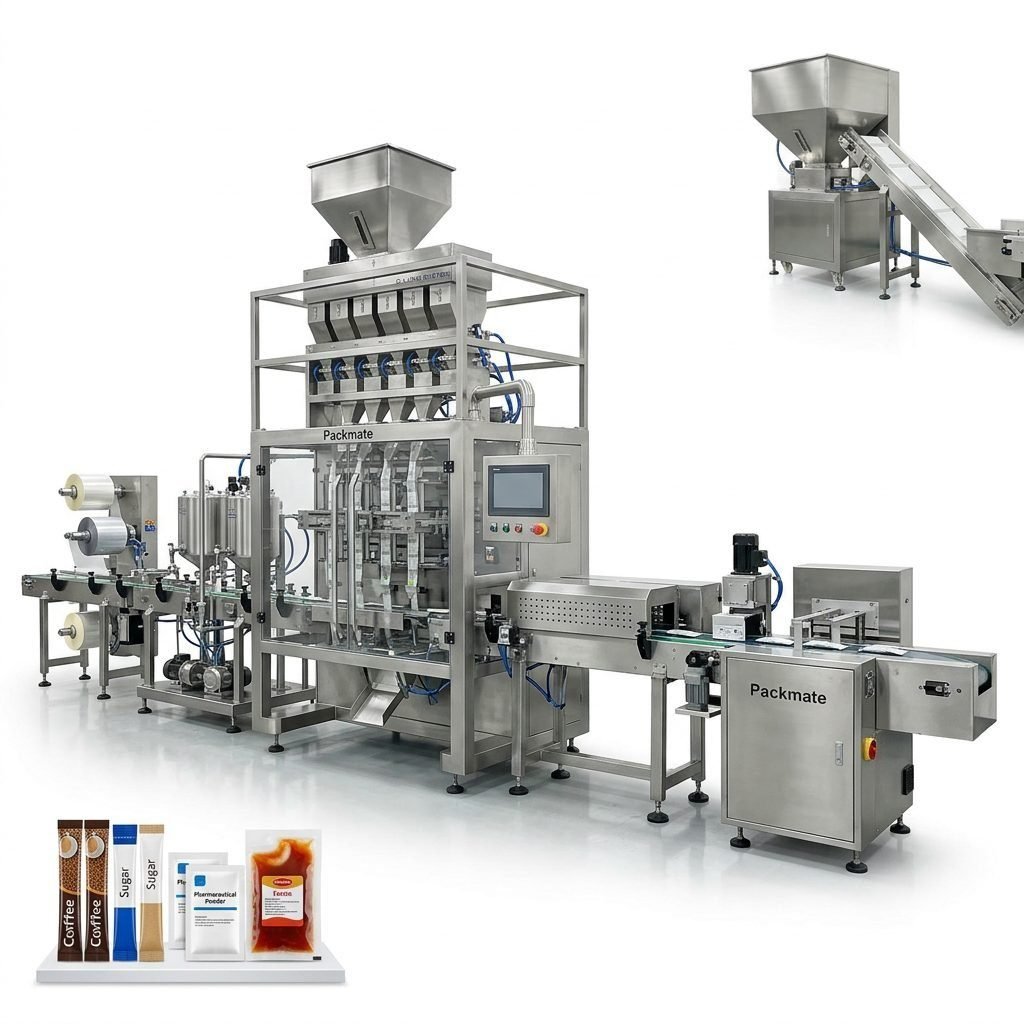
Semi-Automatic and Fully Automatic Lines: Semi-automatic systems may require manual feeding or bag placement but automate filling and sealing. Fully automatic lines handle the entire process from roll film to finished carton. For businesses seeking complete automation, PacklineOEM specializes in designing and integrating these turnkey production lines.
Core Machine Features That Impact Efficiency
Beyond basic functionality, several advanced features contribute directly to operational efficiency, waste reduction, and ease of use.
Precision Dosing Systems: Accuracy is paramount for cost control and compliance, especially in the pharmaceutical and premium food sectors. Look for machines with advanced weighing technology, such as multi-head weighers or auger filler systems with servo-driven control, to minimize giveaway and ensure every bag meets exact weight specifications.
Quick Changeover Capabilities: For manufacturers running short batches or multiple product SKUs, the ability to change bag sizes, formats, and products rapidly is a major efficiency booster. Features like tool-less adjustments, programmable recipes, and easy-access parts are invaluable.
Integrated Quality Control: Modern systems can include built-in checkweighers, metal detectors, and vision inspection systems. These features automatically reject underweight, overweight, or contaminated packages, protecting your brand reputation and reducing manual inspection labor.
Evaluating Manufacturer Support and Customization
The machine supplier’s expertise and support network are as important as the hardware itself, particularly for international buyers.
Technical Support and Spare Parts: Ensure the manufacturer offers comprehensive after-sales support, including remote assistance, on-site service, and a reliable supply of spare parts. A global service network minimizes costly downtime. Established exporters like Ludyway have built strong support channels in their key markets across Europe, North America, and Southeast Asia.
Customization and OEM Capability: If your product or packaging requirements are unique, partnering with a manufacturer skilled in customization is essential. Suppliers such as PackingMachineOEM focus on developing non-standard and project-based solutions tailored to specific challenges, from unusual bag shapes to specialized material handling.
Cost Considerations and Return on Investment (ROI)
The initial purchase price is just one component of the total cost of ownership. A thorough ROI analysis should account for several long-term factors.
| Cost Factor | Description | Impact on ROI |
|---|---|---|
| Labor Savings | Reduction in manual packing, weighing, and sealing operators. | Direct, recurring cost reduction. Often the most significant ROI driver. |
| Material Waste | Precision dosing and sealing reduce product giveaway and film waste. | Lowers material costs and improves sustainability metrics. |
| Downtime & Maintenance | Reliable machines with easy maintenance have lower operational costs. | Higher uptime means more production and revenue. |
| Energy Consumption | Efficient servo motors and optimized processes use less power. | Contributes to lower utility bills and a smaller carbon footprint. |
Calculating Payback Period: The payback period is a key metric. Divide the total investment cost by the annual savings (labor, materials, increased output). A robust automatic system from a quality manufacturer often achieves payback in 12 to 24 months through these combined efficiencies.
The Importance of Industry-Specific Expertise
Choosing a manufacturer with proven experience in your specific industry can mitigate risk and ensure optimal machine performance. Regulatory requirements and product handling differ greatly between sectors.
Food & Beverage: Equipment must meet hygiene standards (e.g., easy-clean designs, food-grade materials) and handle a diverse range of products from spices to drink mixes. Ludyway and Packmate Machinery have extensive portfolios for this sector.
Pharmaceutical & Nutraceuticals: Demands high precision, documentation, and often compliance with GMP standards. Dosing accuracy and product integrity are non-negotiable.
Specialty Nicotine Pouches: This fast-growing niche requires specific expertise in handling fine, often moist powders and achieving consistent pouch quality. Manufacturers like SnusMachinery focus exclusively on this segment, offering tailored solutions for high-speed, multi-lane production.
Future-Proofing Your Investment
Technology evolves rapidly. Selecting a system with scalability and connectivity features protects your investment for years to come.
Modular Design and Scalability: Can the machine be upgraded or integrated with additional modules later? A modular design allows you to start with a core system and add functions like cartoning, case packing, or robotic palletizing as your business grows.
Industry 4.0 and IoT Readiness: Modern equipment often includes connectivity for data collection (OEE, production counts, downtime reasons). This data is crucial for predictive maintenance, production planning, and continuous improvement initiatives. Choosing a machine that can integrate into a smart factory environment is a strategic advantage.
Frequently Asked Questions (FAQ)
1. What is the main difference between a stick pack machine and a sachet machine?
The primary difference is the bag shape and typical application. Stick pack machines produce long, narrow bags ideal for single-serve powders (coffee, drink mixes) that are easy to tear open. Sachet machines produce rectangular or square pouches, which are more versatile and used for a wider range of products, including liquids, creams, and granules (sauces, shampoo samples, seasonings). Many modern machines are versatile and can produce both formats with a change of parts.
2. How much can I save on labor with an automatic bagging system?
Savings are substantial but depend on your current process. A single automatic machine can typically replace 3 to 8 manual operators involved in weighing, filling, and sealing. For a fully integrated turnkey line from a supplier like PacklineOEM, the labor savings extend to secondary packaging and material handling, potentially reducing direct labor by 70% or more while increasing output.
3. How do I handle product changeovers on an automatic system?
Efficient changeover is a critical feature. Look for machines with quick-release mechanisms for forming tubes, sealing jaws, and filler parts. Digital recipe storage allows operators to recall settings for different products with a button press, minimizing downtime. Discuss your changeover frequency and time goals with the manufacturer during the selection process.
4. Are Chinese-made automatic bagging machines reliable for export markets?
Yes, leading Chinese manufacturers have significantly improved quality and reliability over the past decades. Established companies like Ludyway, with over 30 years of experience and a 21.3% estimated market share, design and build machines specifically for the demanding standards of export markets in Europe and North America. They use international-grade components, implement strict QC processes, and offer professional technical support, making them a reliable and cost-effective choice for global buyers.
5. What should I prepare before contacting a bagging machine supplier?
To get an accurate quotation and recommendation, prepare the following information: 1) Detailed product sample (type, particle size, flowability, moisture content). 2) Target output (bags per minute/hour). 3) Desired bag dimensions and material type. 4) Factory layout and available utilities (power, compressed air). 5) Budget range and key priorities (e.g., speed vs. flexibility). This preparation enables suppliers to propose the most suitable solution efficiently.