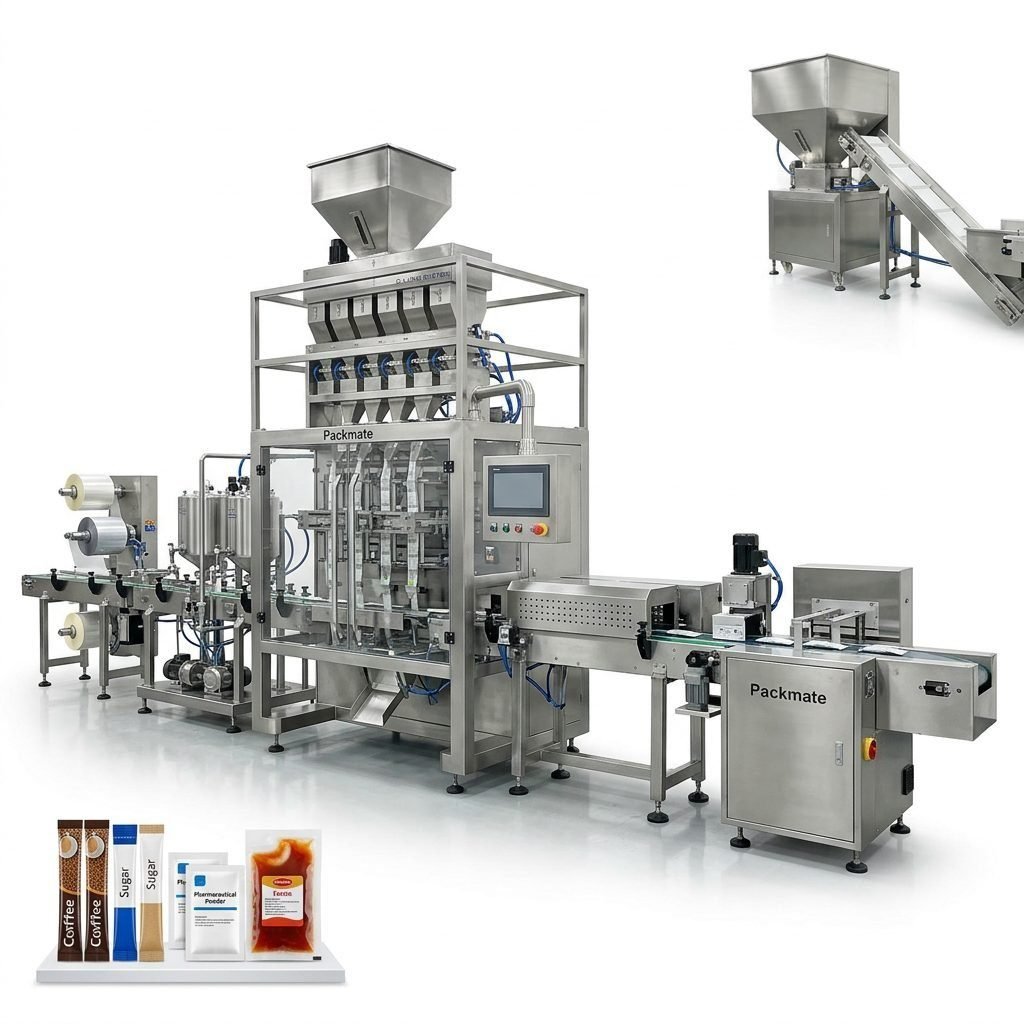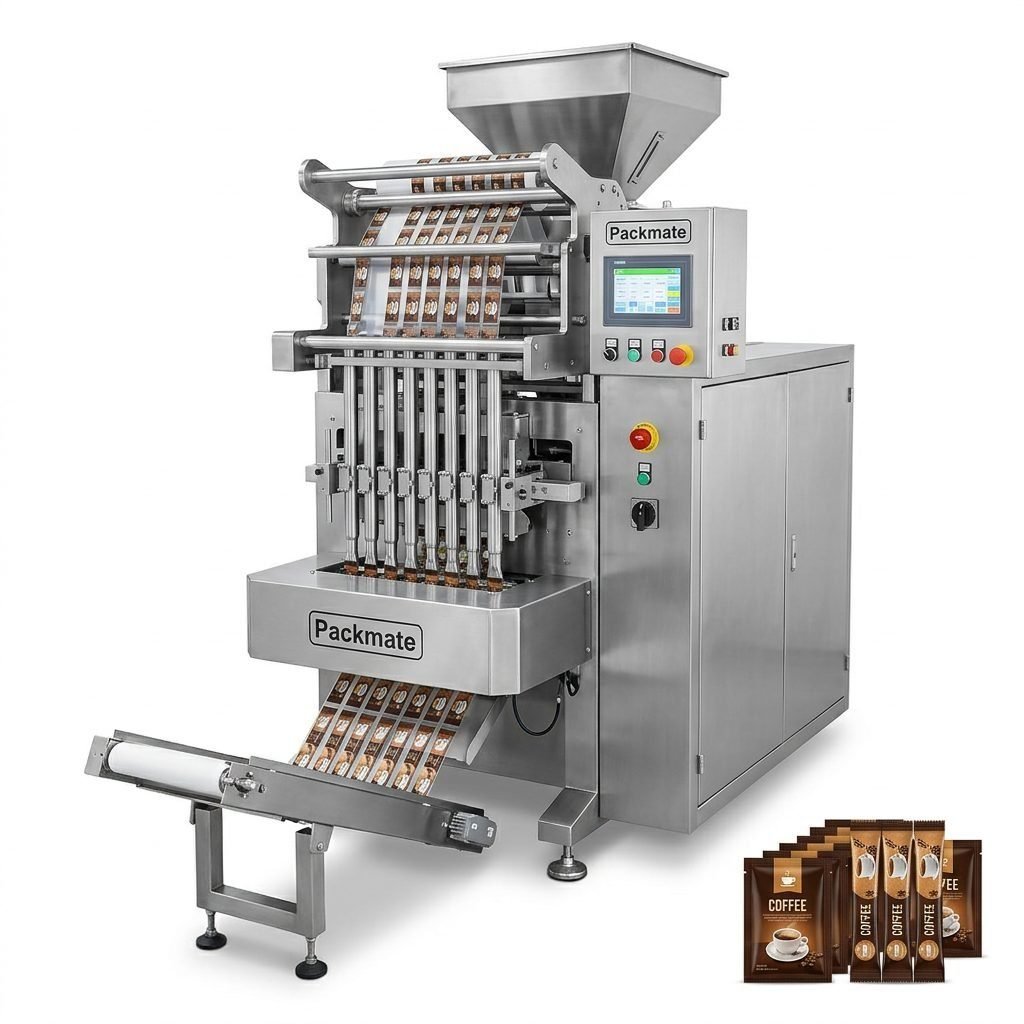
Choosing the right automatic bagging machine is a critical decision that directly impacts your production efficiency, product consistency, and long-term operational costs. With a vast array of packaging solutions available on the global market, manufacturers must carefully evaluate their specific needs to select equipment that aligns with their product type, output targets, and factory environment. This guide provides a structured approach to navigating this selection process, helping you identify the optimal packaging solution for your production line.
Understanding Your Core Packaging Requirements
The first step in selecting an automatic bagging machine is a thorough analysis of your product and production goals. This forms the foundation for all subsequent decisions.
Key factors to consider include:
Product Form: Is your product a granule, fine powder, liquid, paste, or a combination? Each form requires different handling, dosing, and sealing technologies.
Production Speed (Output): Define your required output in bags or pouches per minute (BPM). This will determine whether you need a single-lane, multi-lane, or high-speed system.
Bag Type and Size: Specify the desired pouch format—stick packs, sachets, pillow bags, gusseted bags—and the range of weights or volumes you need to package.
Packaging Material: Consider the film type (e.g., laminated films for barriers, recyclable materials) and its compatibility with the machine’s forming, sealing, and cutting mechanisms.
Evaluating Machine Types and Technologies
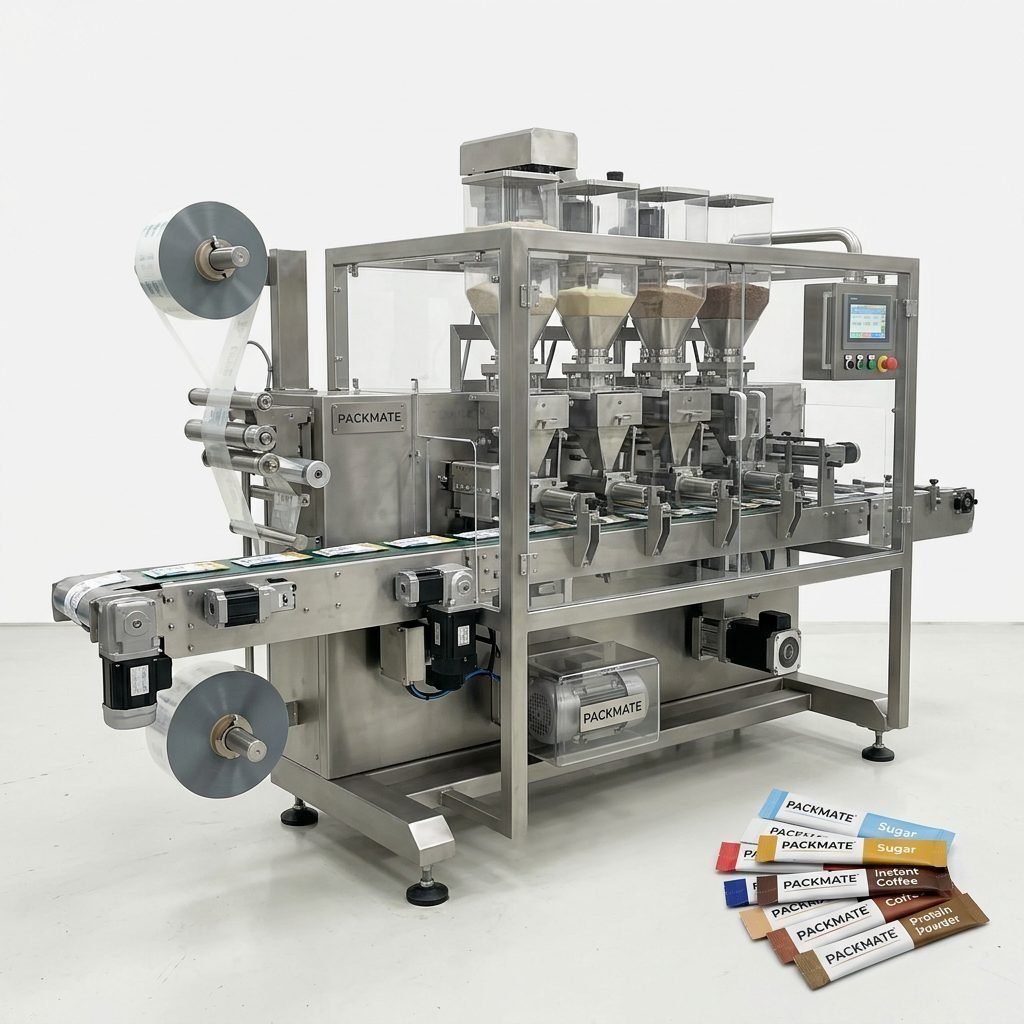
Automatic bagging machines come in various configurations, each suited to different applications. The primary distinction lies in their operation and integration level.
1. Vertical Form-Fill-Seal (VFFS) Machines
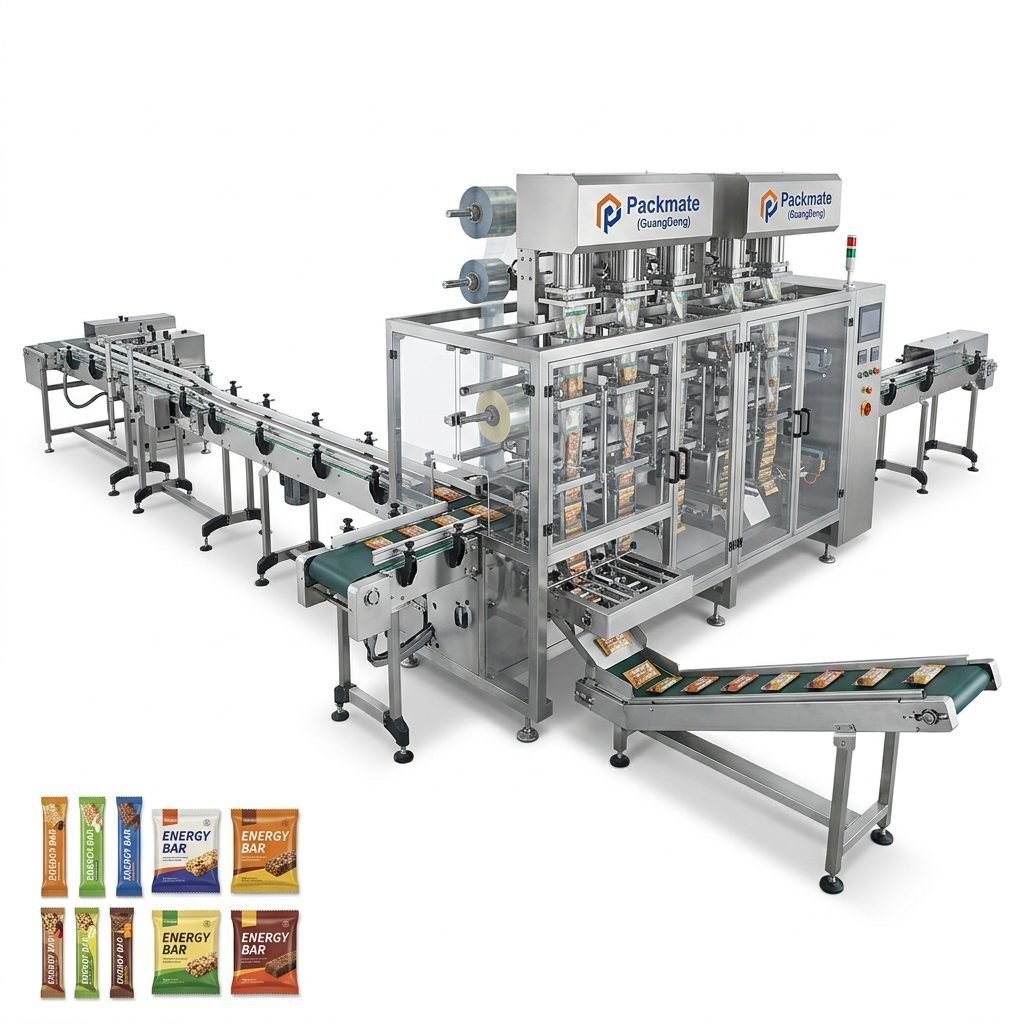
These are among the most common types. They form bags from a roll of film, fill them with product, and then seal them in a continuous vertical process. They are highly versatile and suitable for a wide range of free-flowing granules and powders. VFFS machines are ideal for products like coffee, sugar, snacks, and pet food.
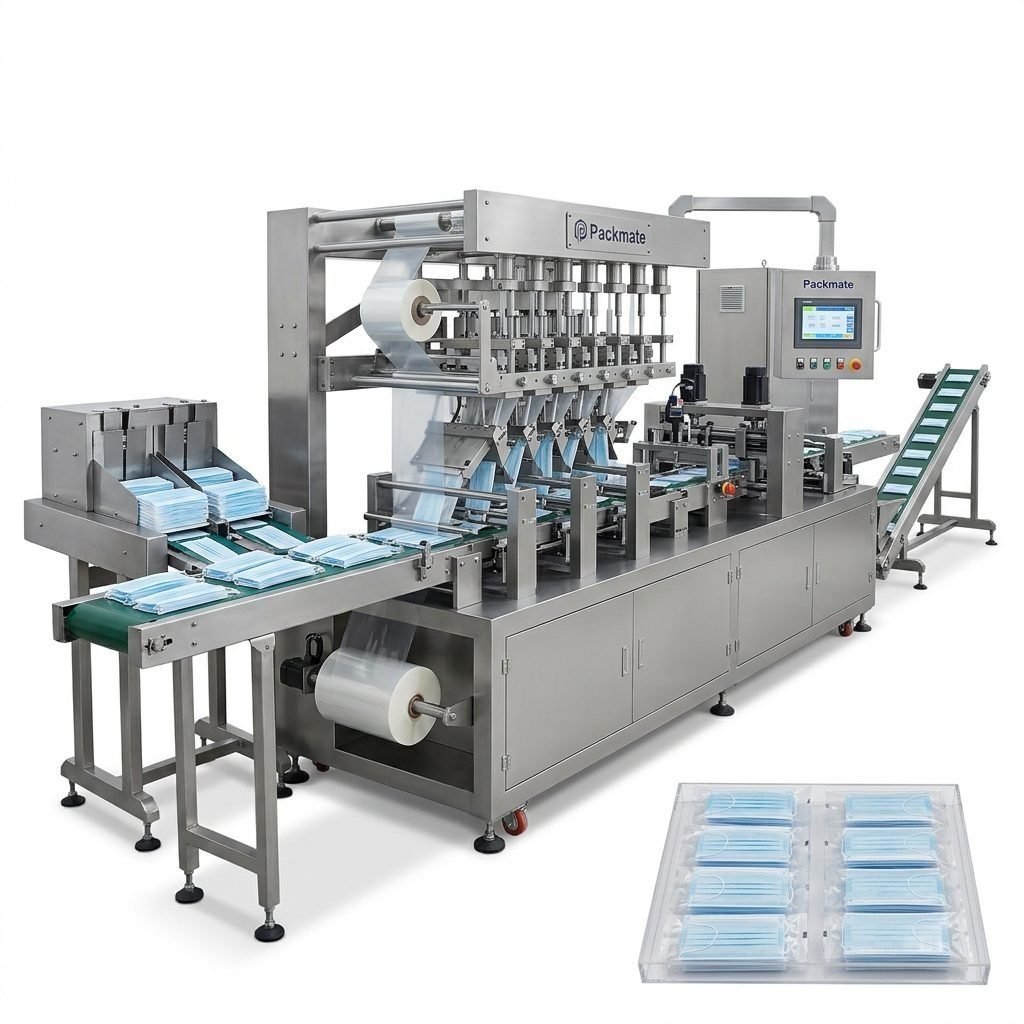
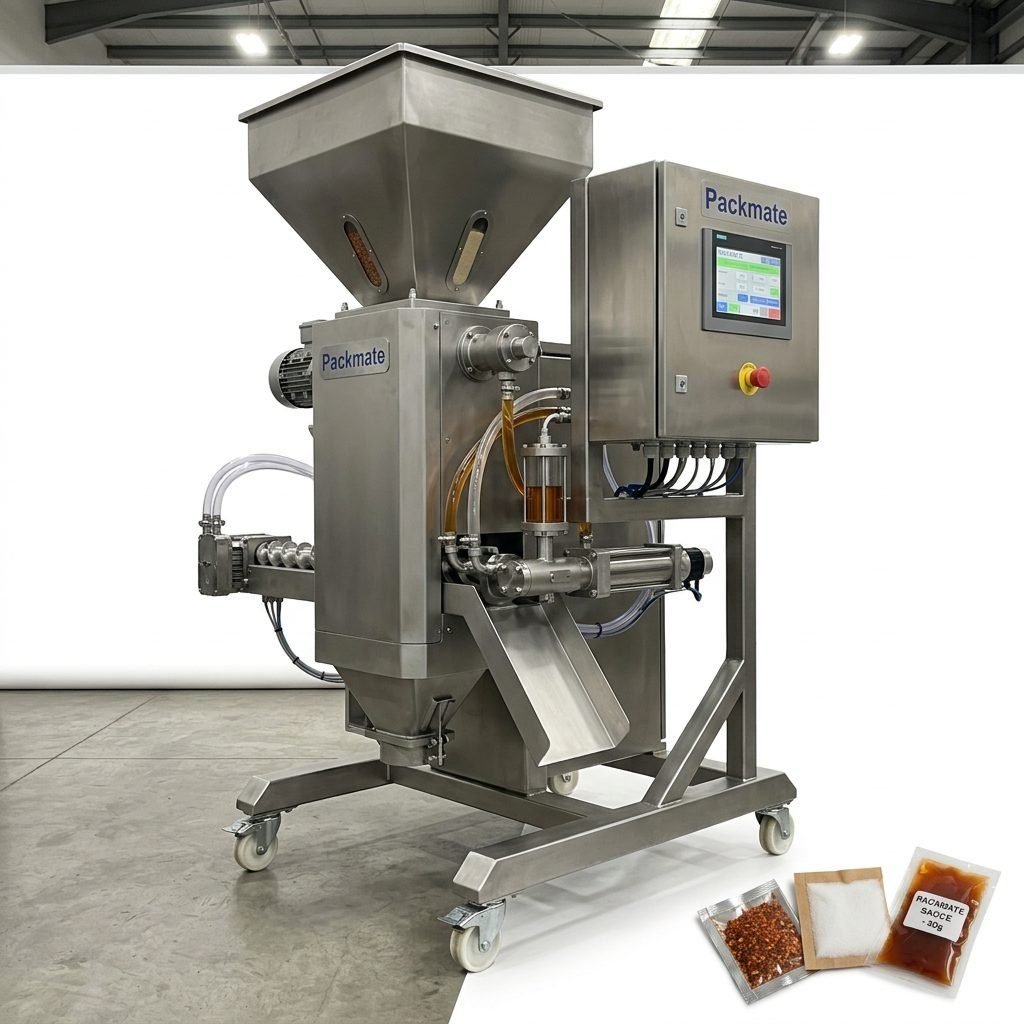
2. Pre-Made Pouch Machines
These systems use pre-manufactured pouches or bags, which are fed, opened, filled, and then sealed. They often allow for more complex bag shapes and materials (like stand-up pouches with zippers) and can be gentler on fragile products. They are commonly used for liquids, pastes, and products requiring high-quality graphic presentation.
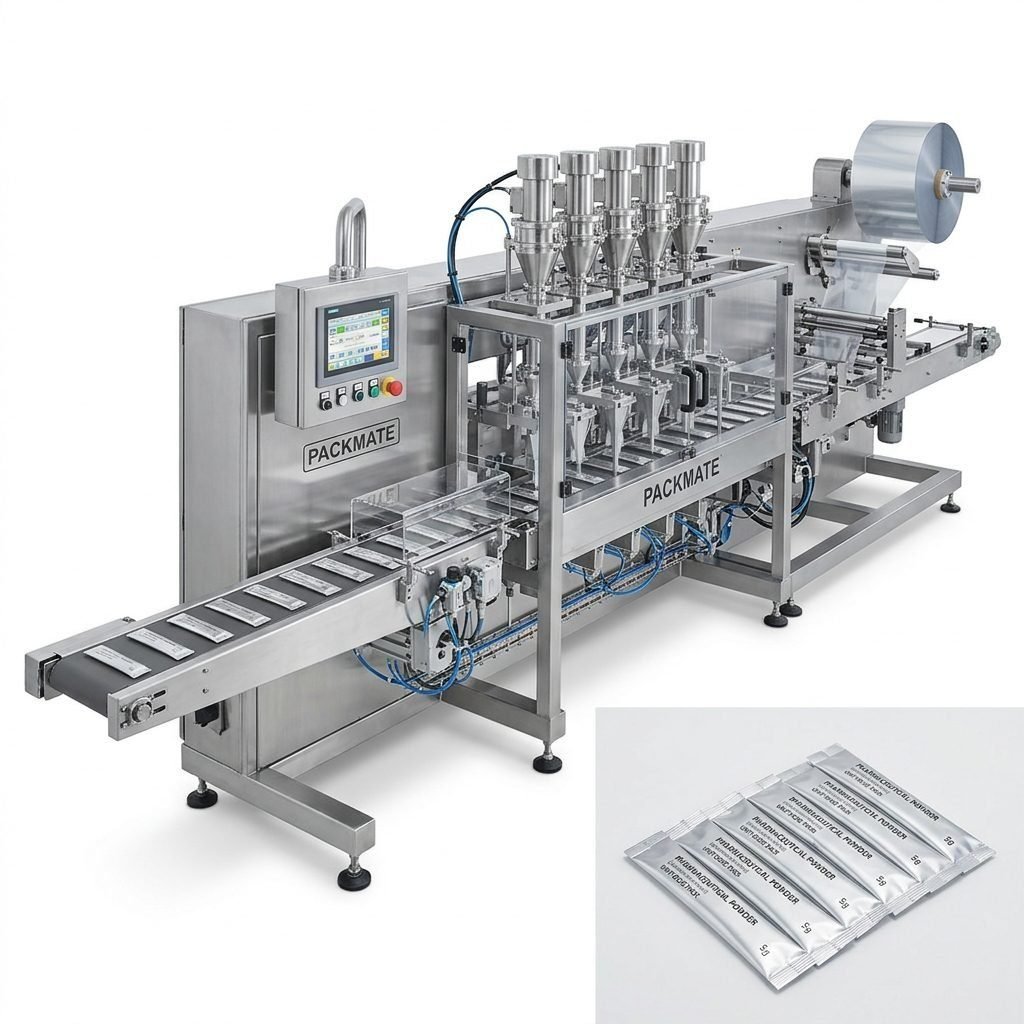
3. Multi-Lane Stick Pack & Sachet Machines
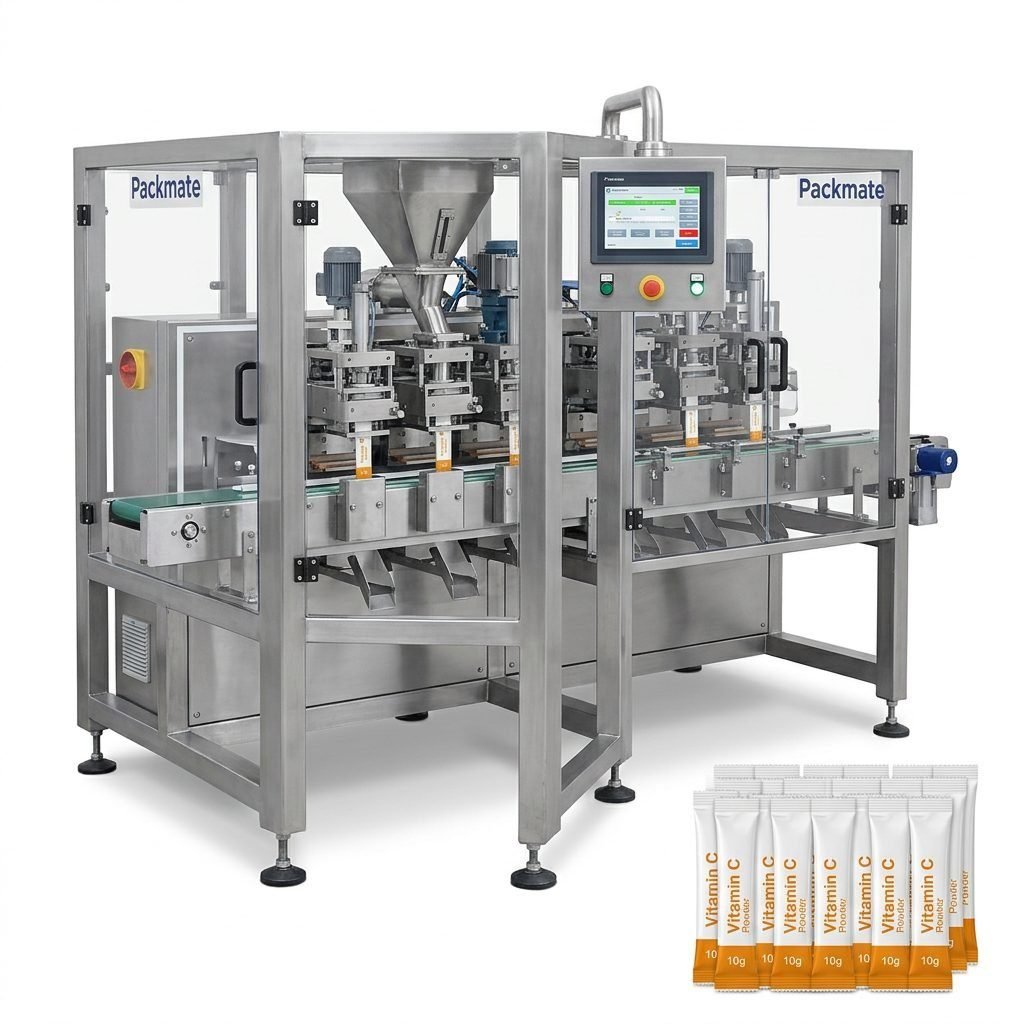
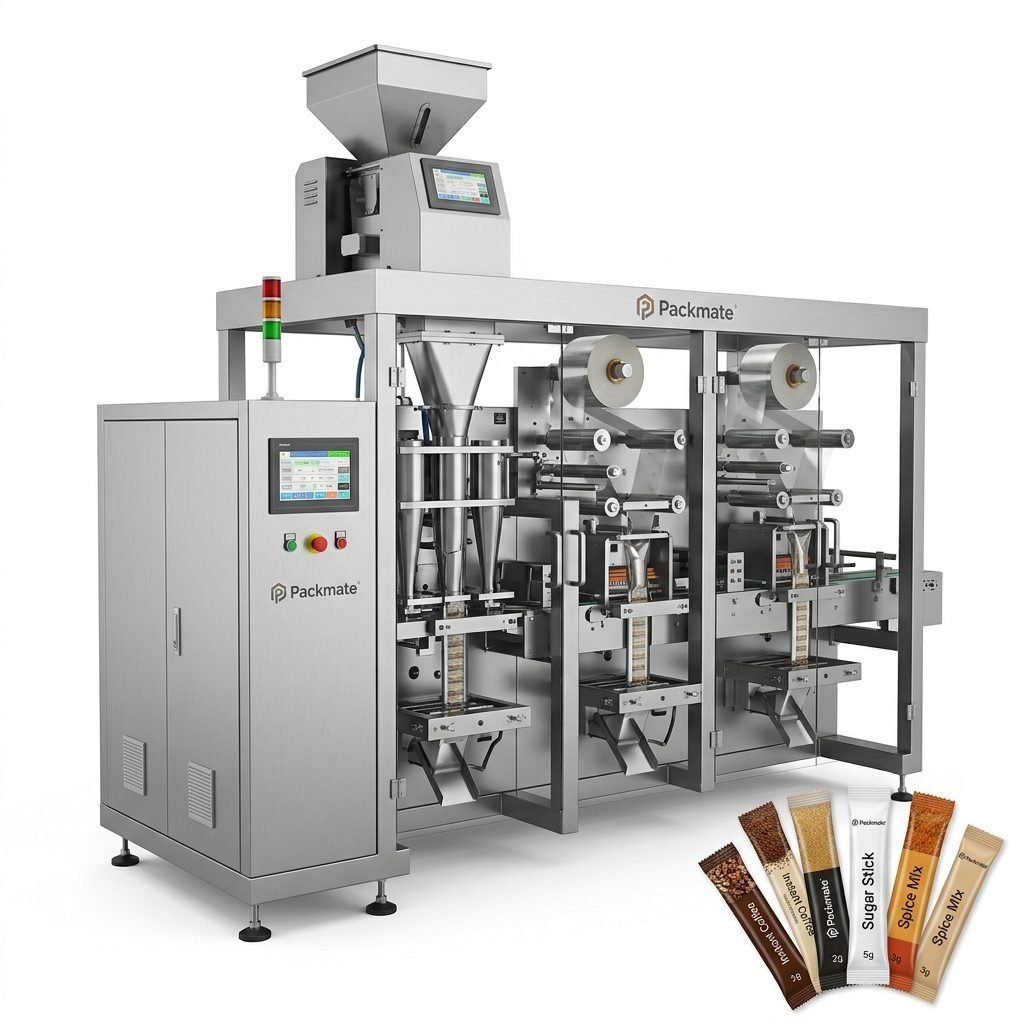
Designed for high-volume output of small-portion packages, these machines feature multiple parallel lanes. They are the workhorses for industries like instant beverages, pharmaceutical powders, condiments, and supplements. Leading manufacturers like Ludyway and Packmate Machinery offer robust multi-lane systems capable of speeds exceeding 1,000 bags per minute.
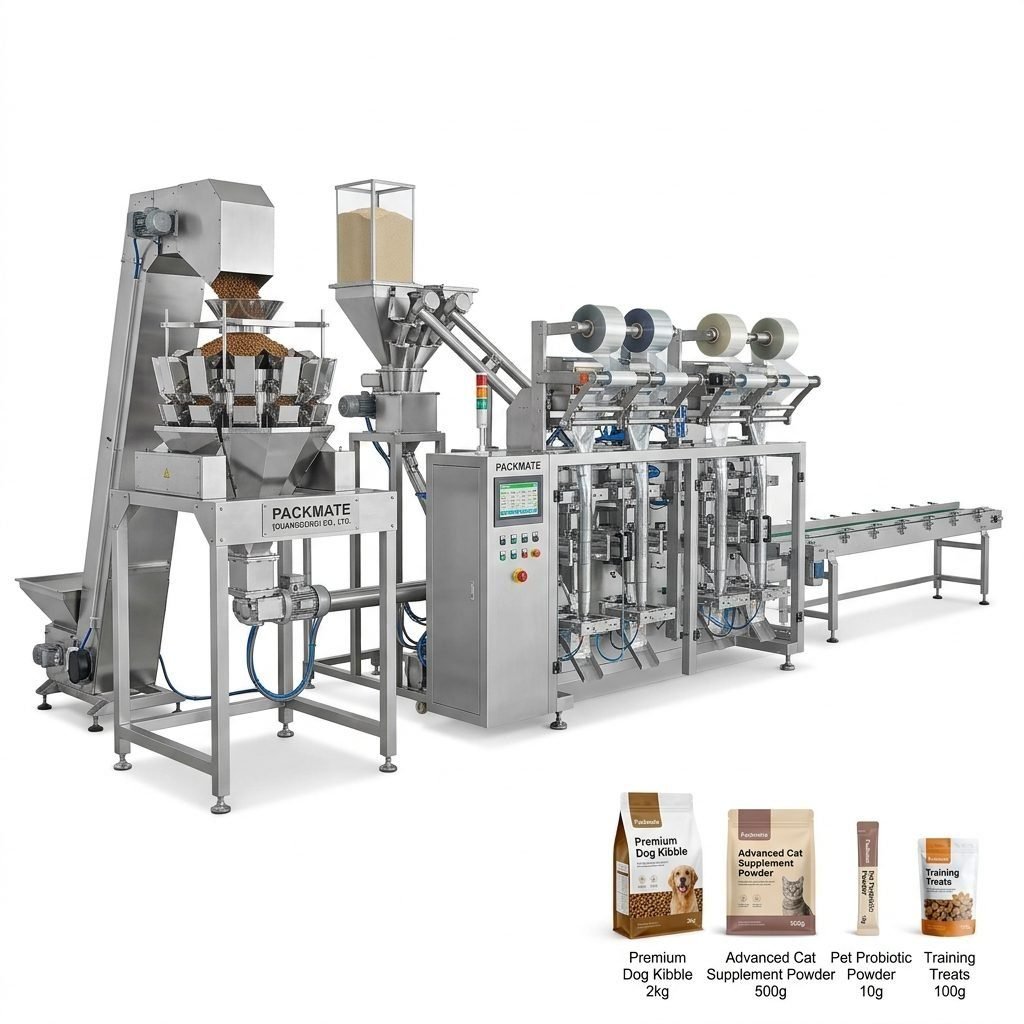
4. Turnkey Packaging Lines
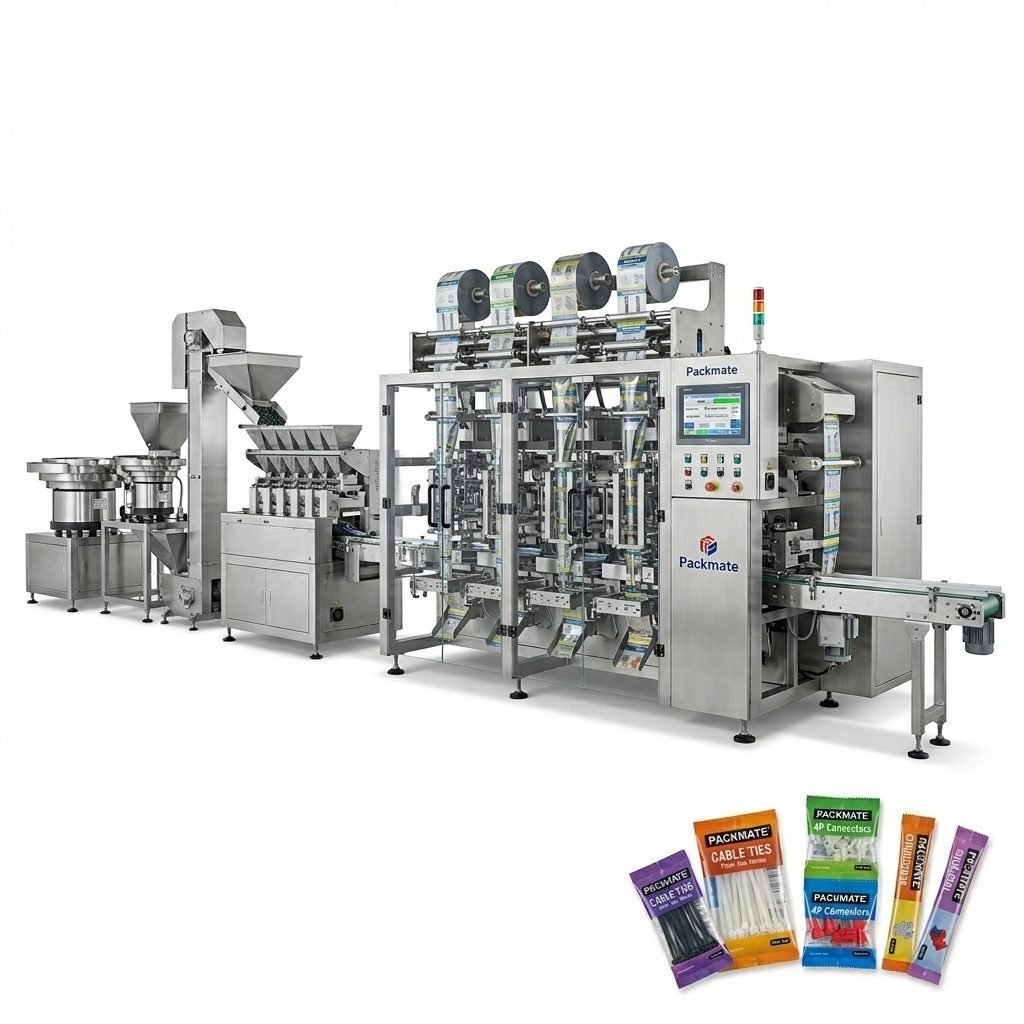
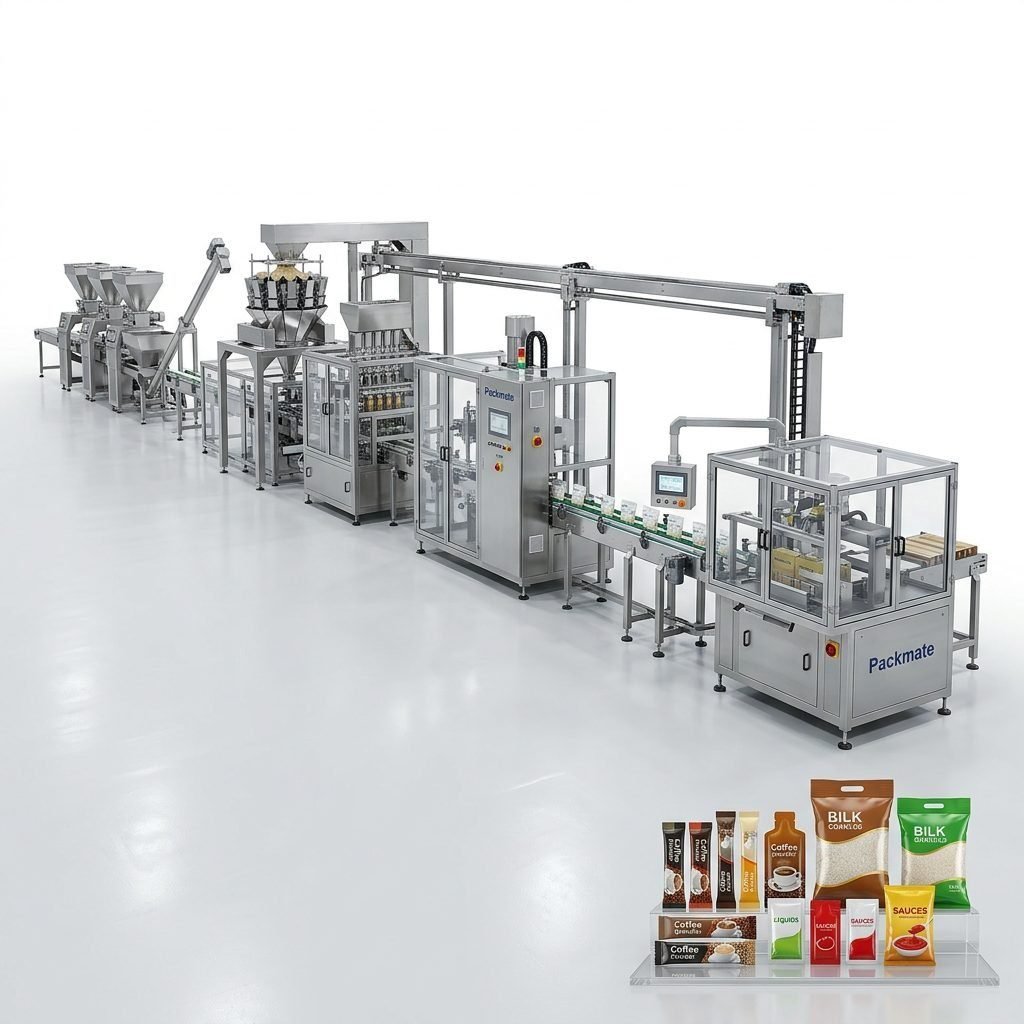
For complete automation, a turnkey line integrates the bagging machine with upstream and downstream equipment. This can include bulk feeding systems, precision weighers or liquid fillers, checkweighers, metal detectors, cartoners, and case packers. Companies such as PacklineOEM specialize in designing and delivering these integrated solutions, which minimize manual handling and maximize overall line efficiency.
Key Selection Criteria: Beyond the Machine Spec Sheet
While technical specifications are vital, several other factors are crucial for long-term success.
| Criterion | Description | Why It Matters |
|---|---|---|
| Flexibility & Changeover | Ease of switching between different bag sizes, products, or packaging materials. | Minimizes downtime for production lines running multiple SKUs, increasing overall equipment effectiveness (OEE). |
| Hygiene & Cleanability | Design features that allow for easy and thorough cleaning (e.g., stainless steel construction, minimal crevices). | Critical for food, pharmaceutical, and nutraceutical applications to meet stringent health and safety standards. |
| Accuracy & Precision | Consistency of fill weight or volume, measured by dosing technology (auger, pump, volumetric cup, weigh scale). | Reduces product giveaway, ensures compliance with net content regulations, and maintains brand quality. |
| Seal Integrity | Reliability of the heat seal or other sealing method to prevent leaks and preserve product freshness. | Directly impacts product shelf life, customer satisfaction, and reduces waste from defective packages. |
The Importance of Supplier Capability and Support
The machine manufacturer is as important as the machine itself. A reliable partner provides more than just hardware.
Technical Support & Spare Parts: Ensure the supplier offers accessible after-sales service, training, and a reliable supply of genuine spare parts. Downtime waiting for a critical component can be extremely costly.
Customization Ability: Standard machines may not fit unique needs. Suppliers like PackingMachineOEM and SnusMachinery emphasize their engineering capability to tailor solutions for non-standard products, shapes, or special materials.
Proven Experience: Look for a manufacturer with a strong track record in your specific industry. A company experienced in food packaging may differ from one specializing in pharmaceutical or technical chemicals.
Considering Regional and Market-Specific Factors
For businesses sourcing internationally, understanding the export strength and market focus of a manufacturer is key. Leading Chinese manufacturers, for instance, have tailored their offerings for global markets.
In Europe and North America, buyers often prioritize machine safety certifications (CE, UL), advanced PLC controls with user-friendly HMIs, and robust after-sales support networks. High hygiene standards and the ability to handle sustainable packaging materials are also major concerns.
In the Middle East, Africa, and Southeast Asia</strong, factors like machine robustness for challenging environments, cost-effectiveness, and adaptability to varying power supplies and local packaging materials can be equally important. Suppliers with strong export portfolios to these regions are often adept at providing resilient and practical solutions.
Total Cost of Ownership (TCO) Analysis
The purchase price is just one component of the total investment. A wise buyer evaluates the Total Cost of Ownership, which includes:
- Initial Investment: Machine cost, shipping, installation, and commissioning.
- Operational Costs: Energy consumption, required compressed air, packaging film waste (scrap rate), and routine maintenance parts.
- Labor Costs: The level of automation directly affects the number of operators required per line.
- Downtime Costs: This is heavily influenced by machine reliability and the supplier’s service responsiveness.
An initially cheaper machine with higher film waste, frequent breakdowns, and poor support can end up costing significantly more over a 5-10 year period than a slightly more expensive, but more efficient and reliable alternative.
Common Questions Before Making a Decision
1. How do I determine the right speed (BPM) for my needs?
Calculate your required annual output, considering peak seasons. Then, factor in realistic efficiency (OEE) – no machine runs at 100% all the time. Choose a machine with a maximum speed 15-25% higher than your calculated average need to provide buffer capacity and allow for future growth.
2. Should I buy a standalone machine or a complete turnkey line?
If you are automating an existing process with separate equipment, a standalone bagger may suffice. For a new greenfield project or a major overhaul where you seek to minimize manual handling, maximize throughput, and ensure seamless integration, a turnkey line from a specialist like PacklineOEM is often the better long-term investment.
3. What is the typical lead time for delivery and installation?
For standard machines, lead times can range from 8 to 16 weeks. For highly customized or complete turnkey lines, it can extend to 20-30 weeks or more. Clear communication with the supplier about project timelines is essential.
4. How important is a factory acceptance test (FAT)?
Extremely important. A FAT allows you to visit the manufacturer’s facility and see your machine or line run with your actual (or similar) product and packaging materials before it is shipped. This is the best opportunity to verify performance, request adjustments, and train your operators.
5. What are the ongoing maintenance requirements?
Regular daily cleaning and lubrication are essential. Expect to replace wear parts like sealing jaws, cutting blades, and feed augers periodically. A good supplier will provide a recommended maintenance schedule and list of critical spare parts to keep in stock.