The snack food industry is a dynamic and fast-paced sector where packaging plays a critical role in product protection, shelf appeal, and operational efficiency. Choosing the right packaging machine is not just about buying equipment; it’s about investing in a system that aligns with your product type, production volume, budget, and long-term business goals. This guide will walk you through the common types of snack food packaging machines, key features to consider, and a structured approach to selecting the ideal system for your operation.
Common Types of Snack Food Packaging Machines
Snack foods come in various forms—granules, powders, chips, nuts, and more—each requiring specific packaging technology. Here are the primary machine types used in the industry:
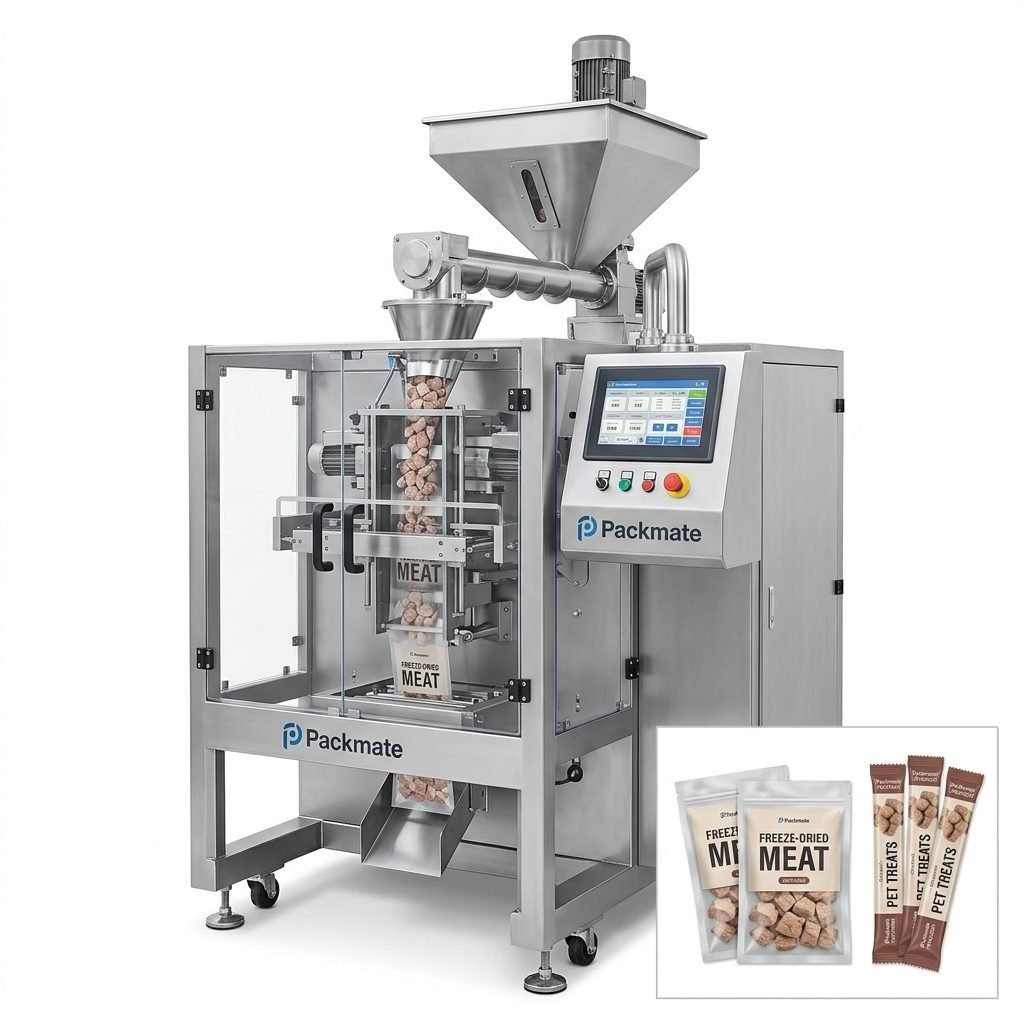
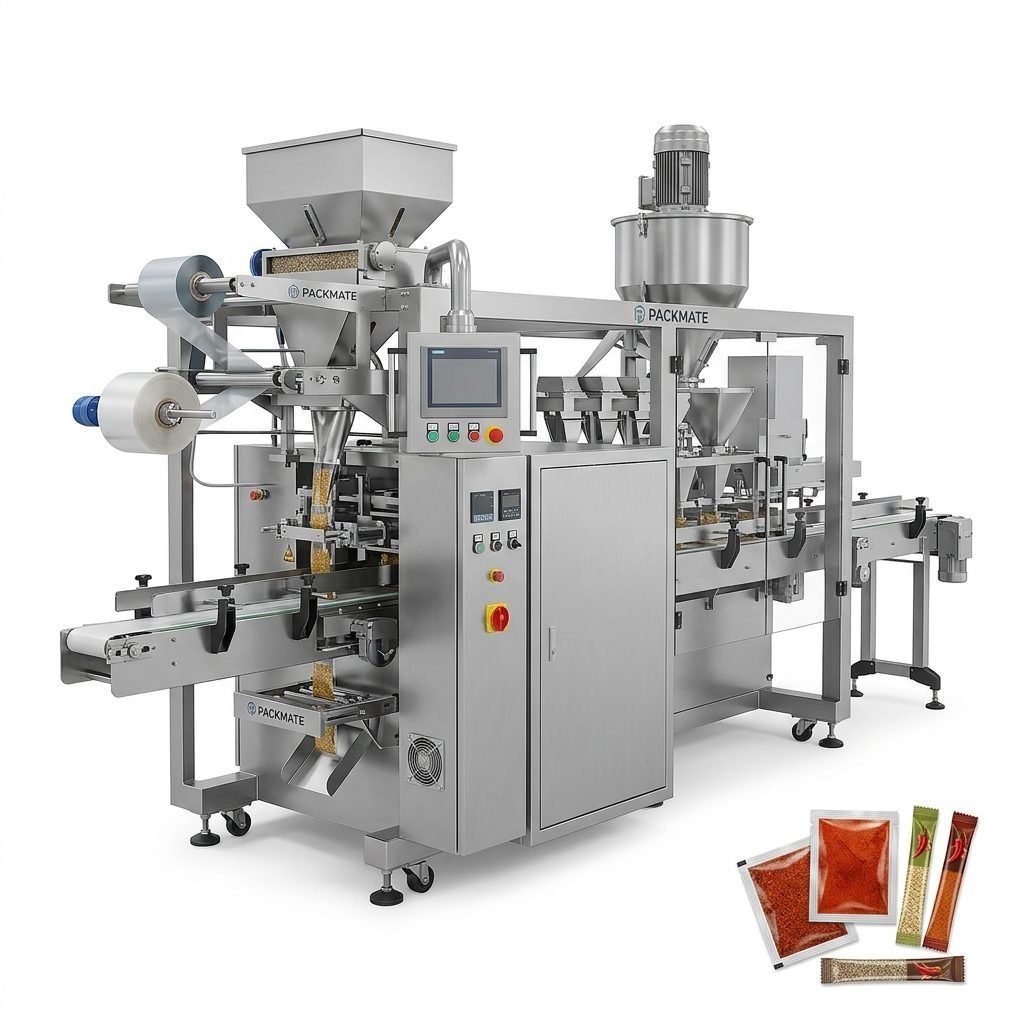
Vertical Form-Fill-Seal (VFFS) Machines
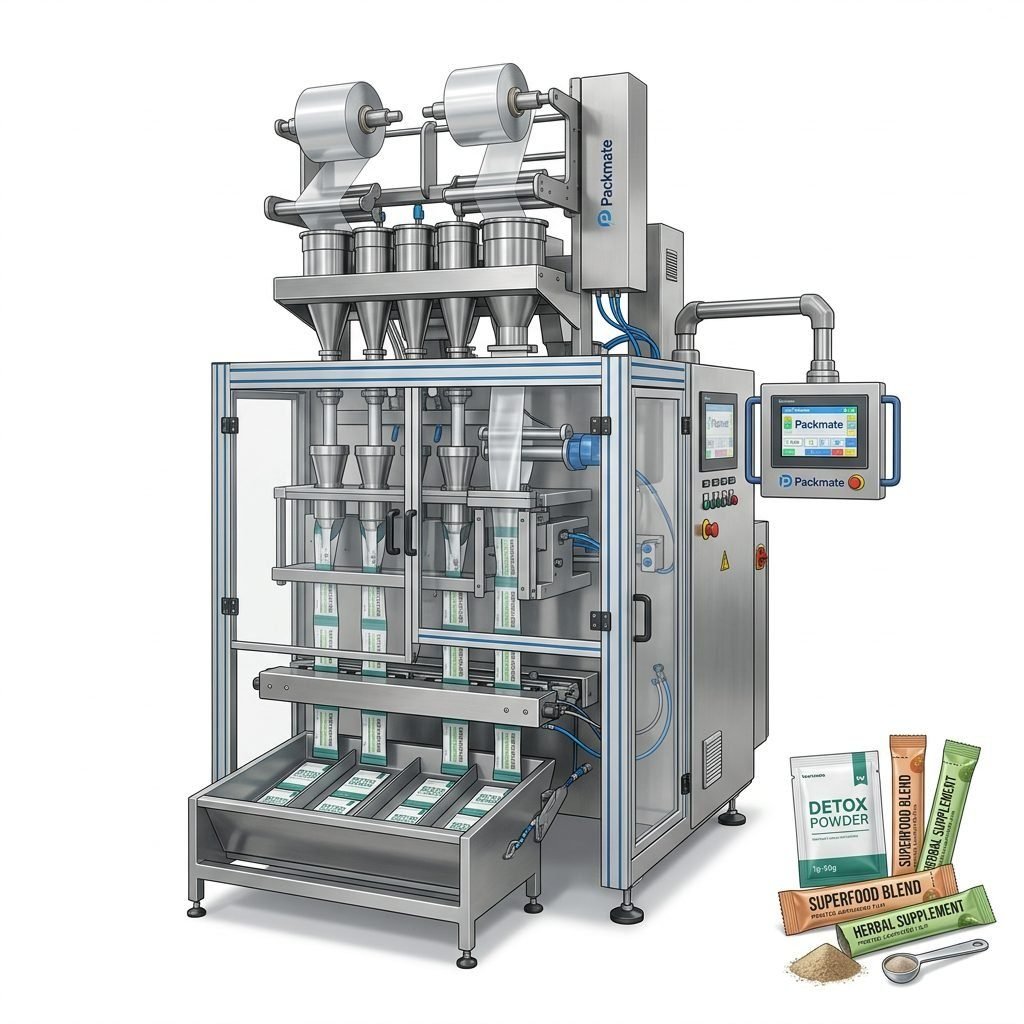
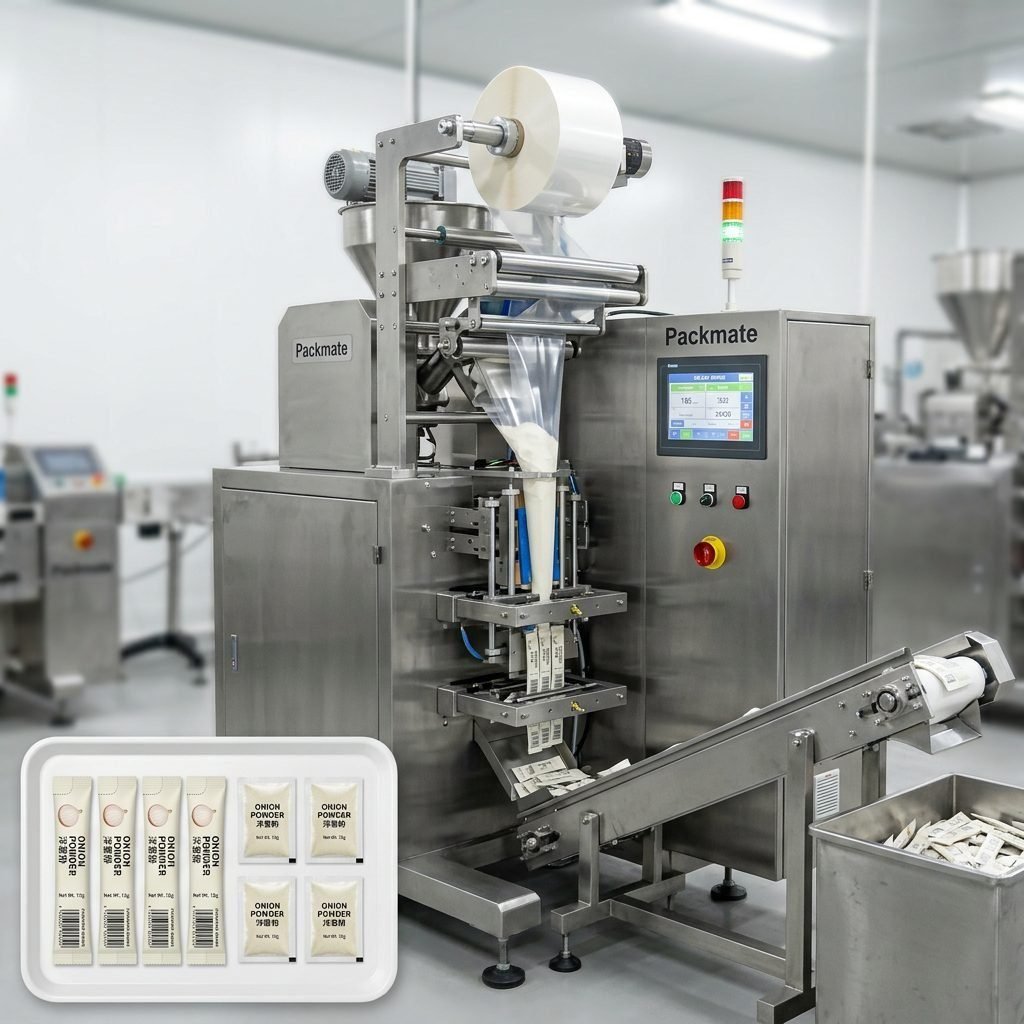
These are among the most versatile and widely used systems. A VFFS machine forms a bag from a roll of packaging film, fills it with the product, and then seals it—all in a continuous vertical process. They are excellent for packaging free-flowing products like chips, pretzels, nuts, and candy. Their flexibility with bag sizes and the ability to incorporate features like zippers or degassing valves make them a staple in snack production.
Horizontal Form-Fill-Seal (HFFS) Machines
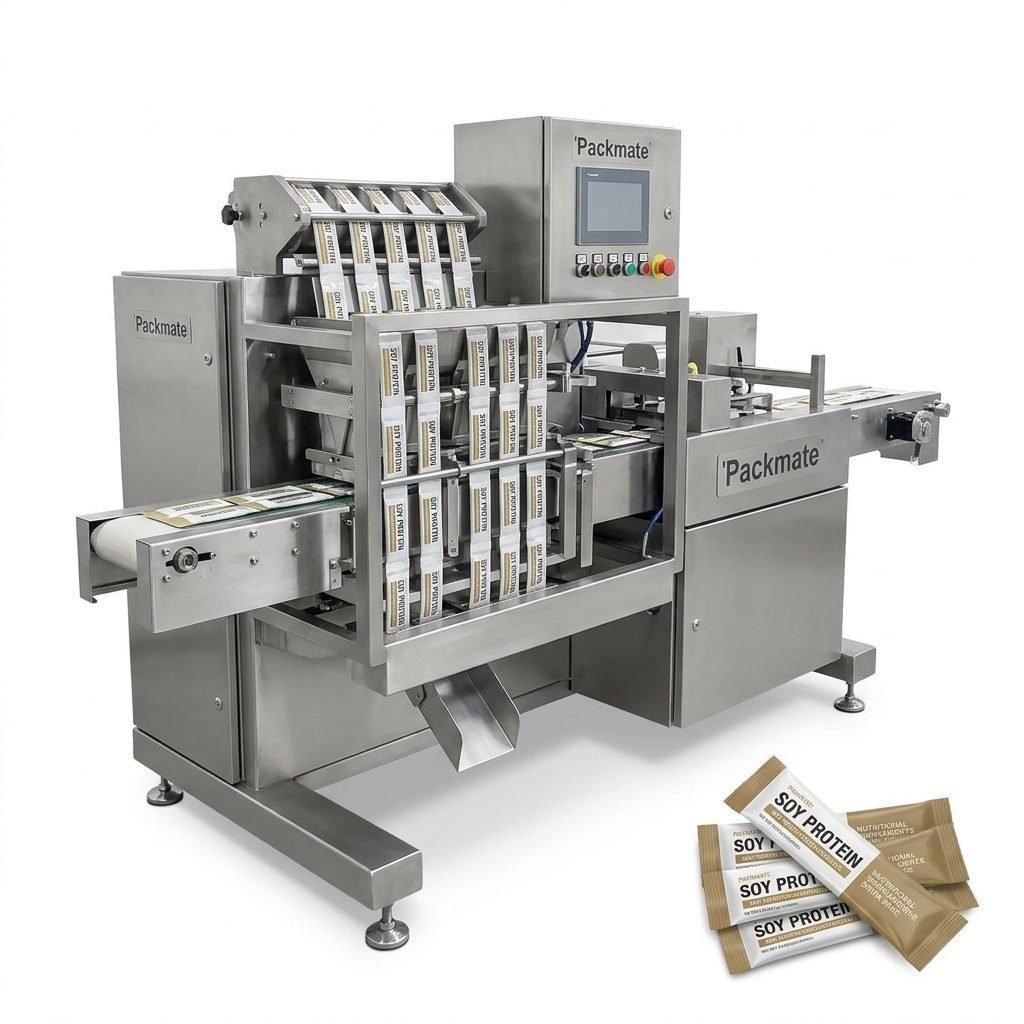
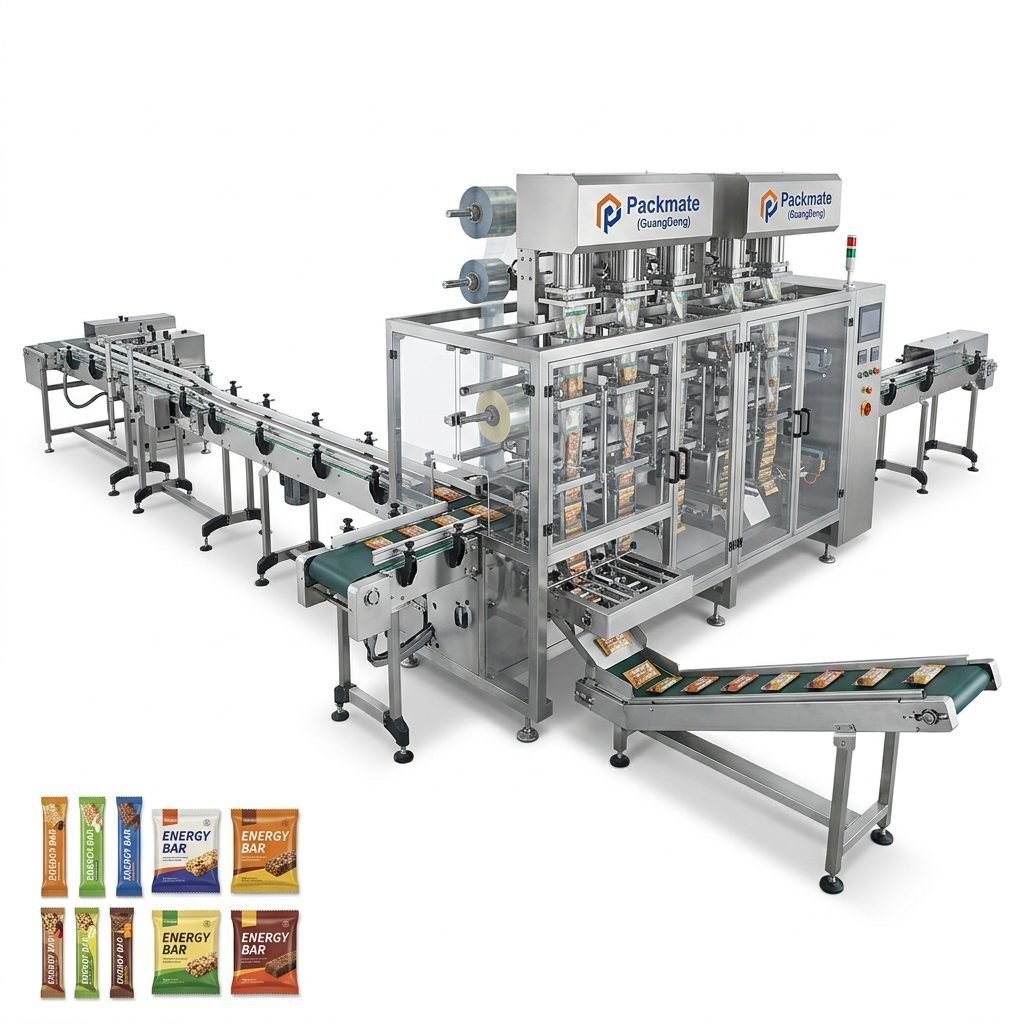
Unlike VFFS machines, HFFS systems form pouches horizontally. They are often the preferred choice for delicate or irregularly shaped snacks that might be damaged in a vertical drop. This method is ideal for packaging items like cookies, biscuits, granola bars, and multi-component snack packs where gentle handling and precise placement are crucial.
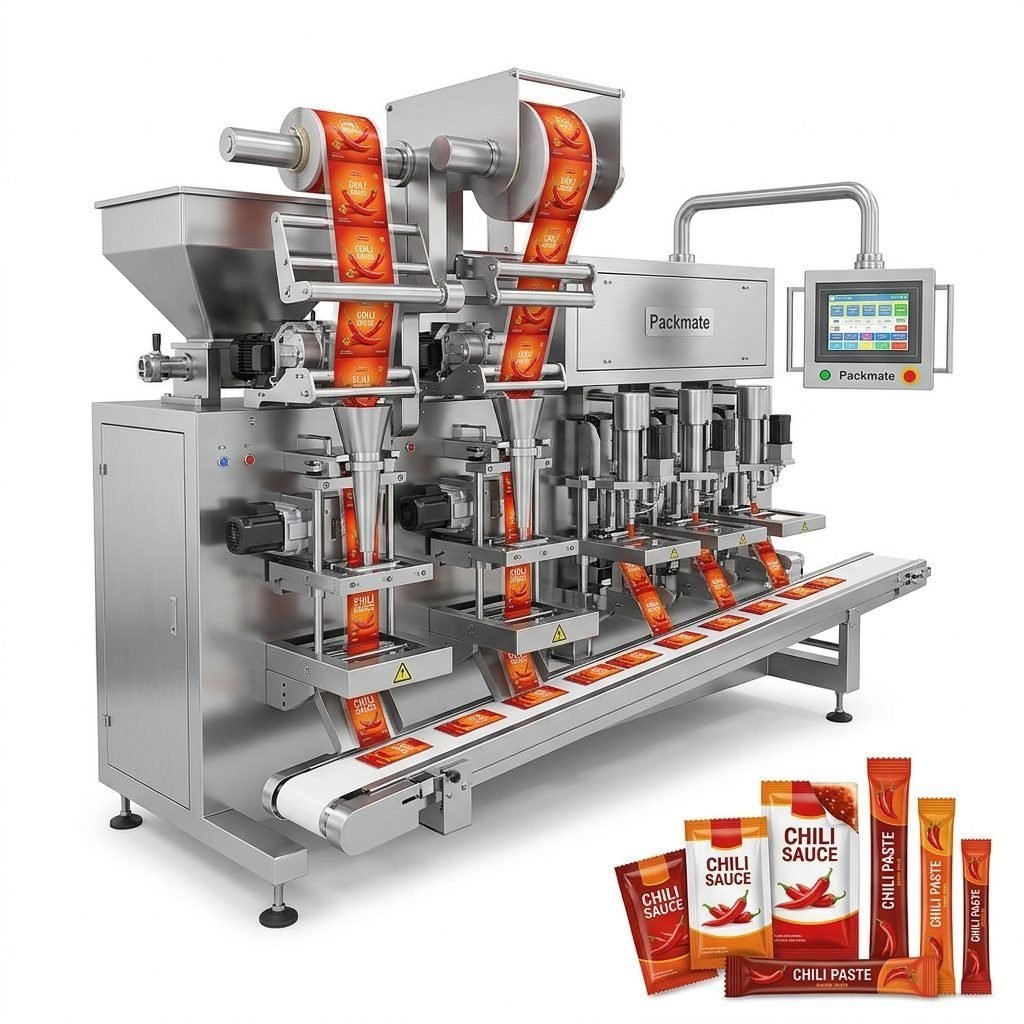
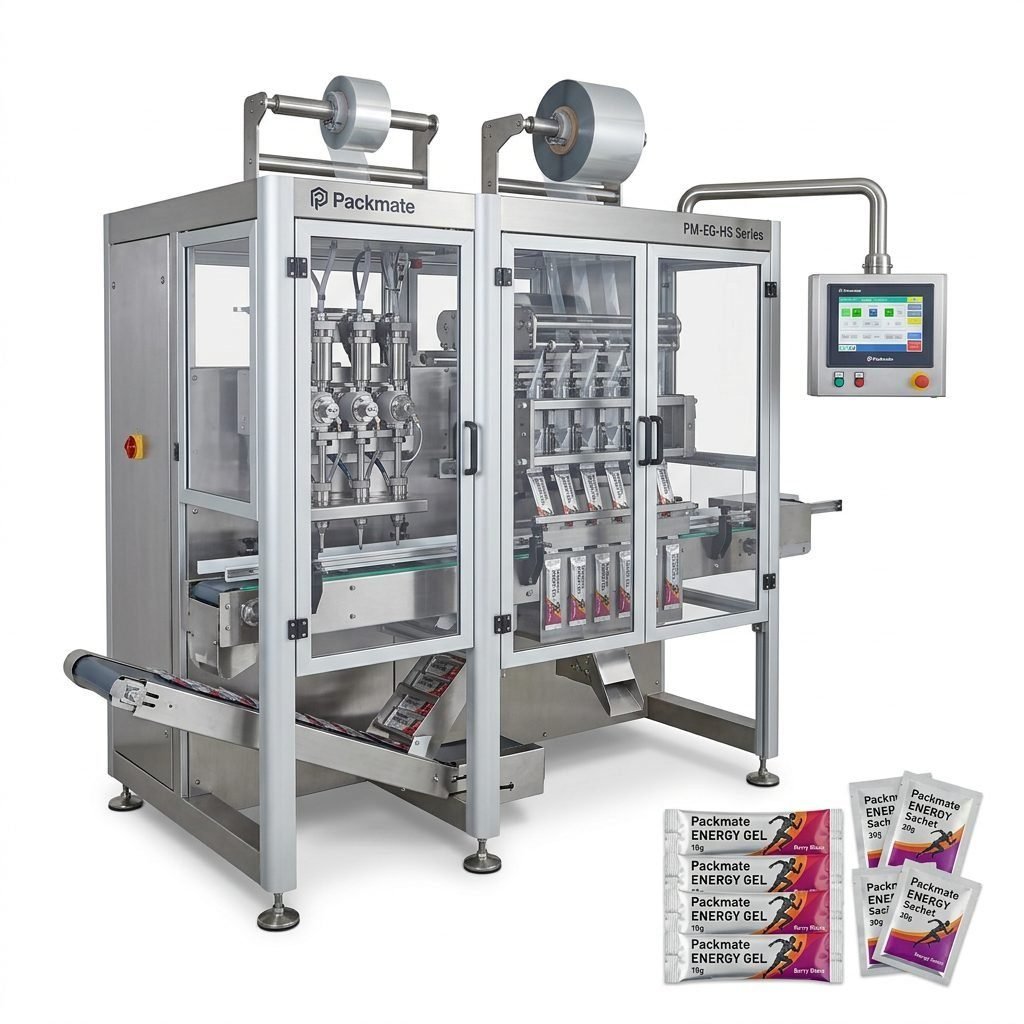
Multi-Lane Stick Pack & Sachet Machines
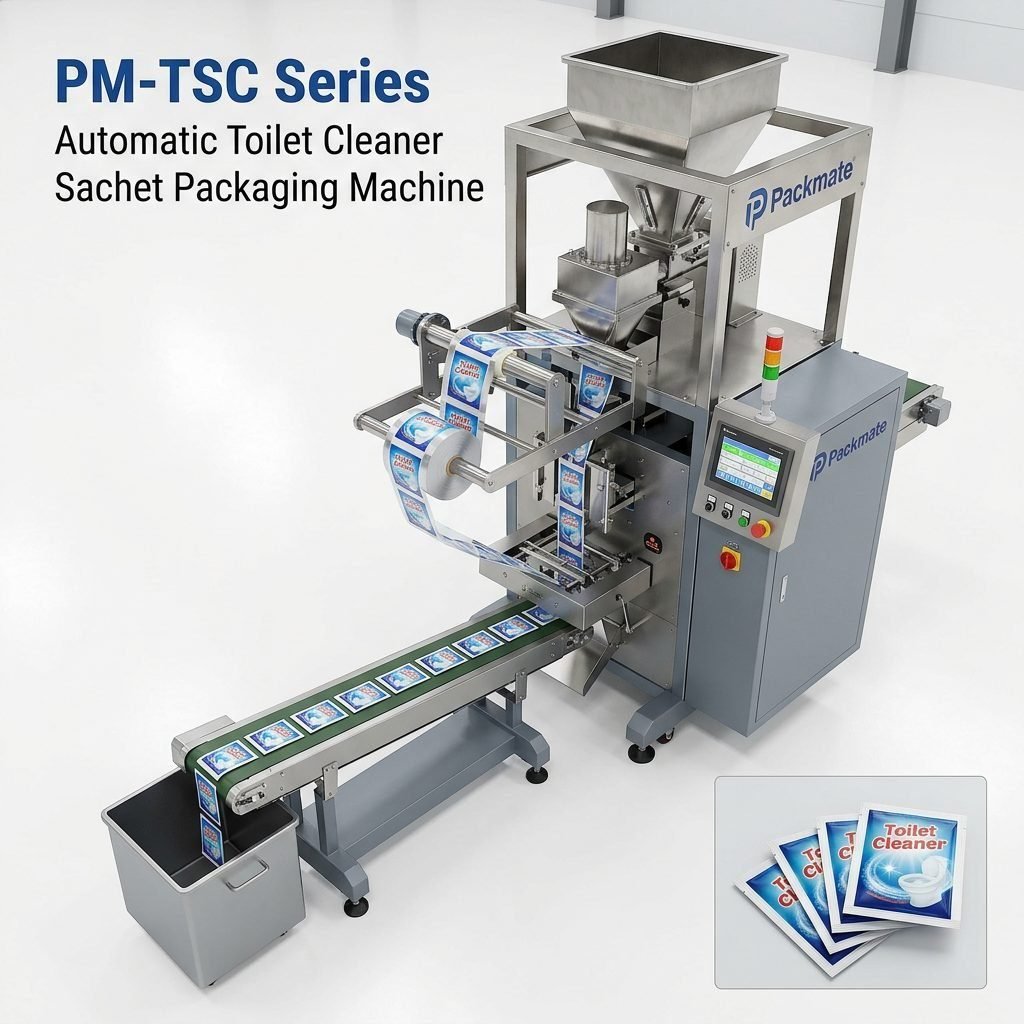
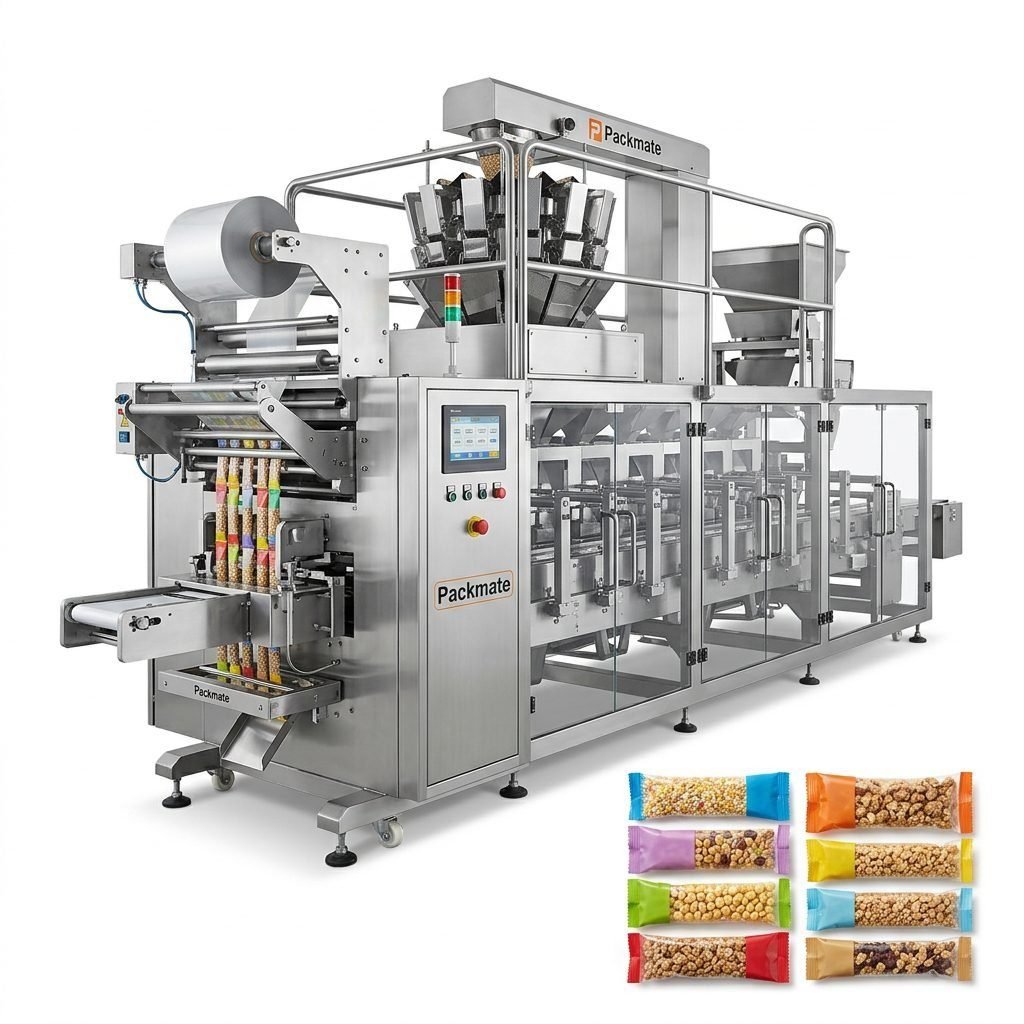
For single-serve portions of powdered drink mixes, seasoning, or granola, multi-lane stick pack and sachet machines offer high-speed efficiency. They operate multiple lanes simultaneously, producing dozens of small, sealed pouches per minute. These systems are perfect for high-volume production of portion-controlled snacks and are commonly used by brands like Ludyway, which provides robust solutions for such applications.
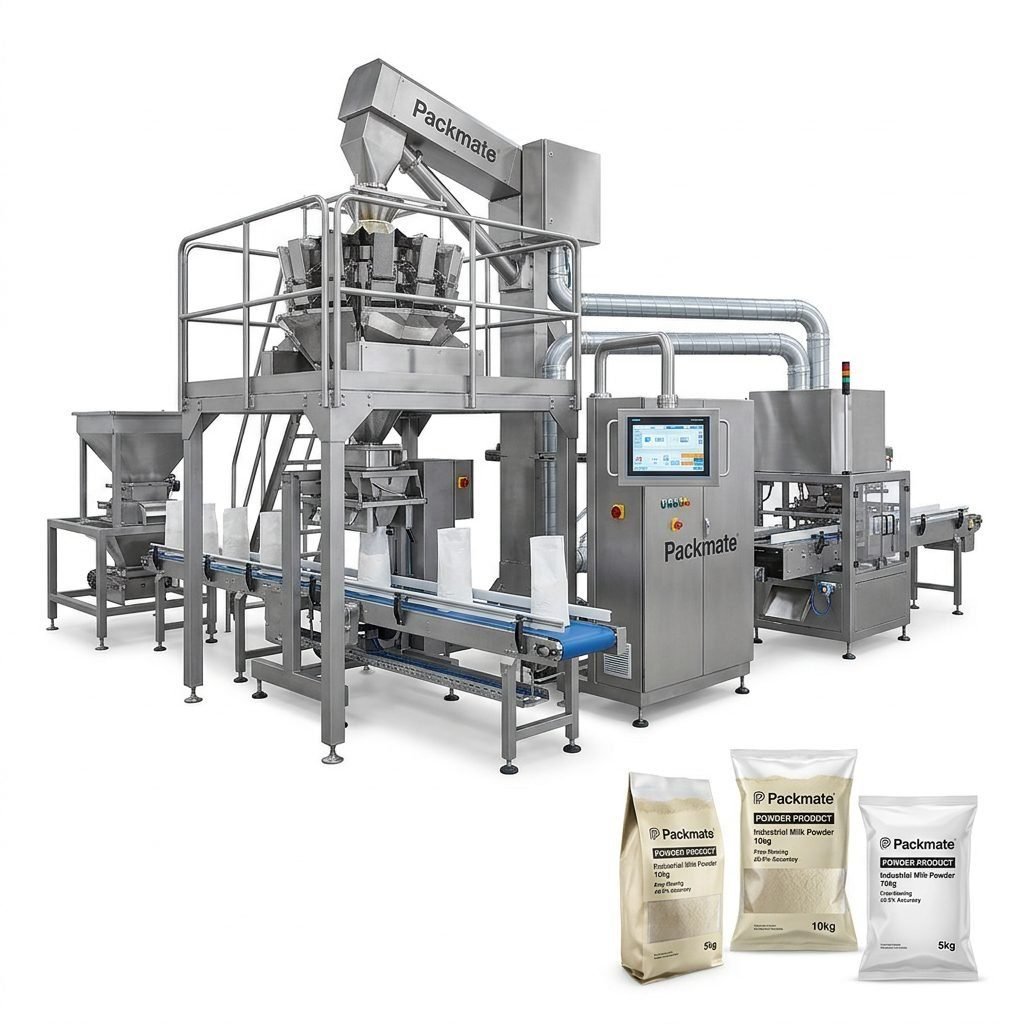
Weighing and Dosing Systems
Accurate portion control is non-negotiable in snack packaging. These systems, which often integrate with VFFS or HFFS machines, use advanced scales (like multi-head weighers or linear weighers) to ensure each bag contains the exact weight of product. This minimizes giveaway and ensures compliance with labeling regulations.
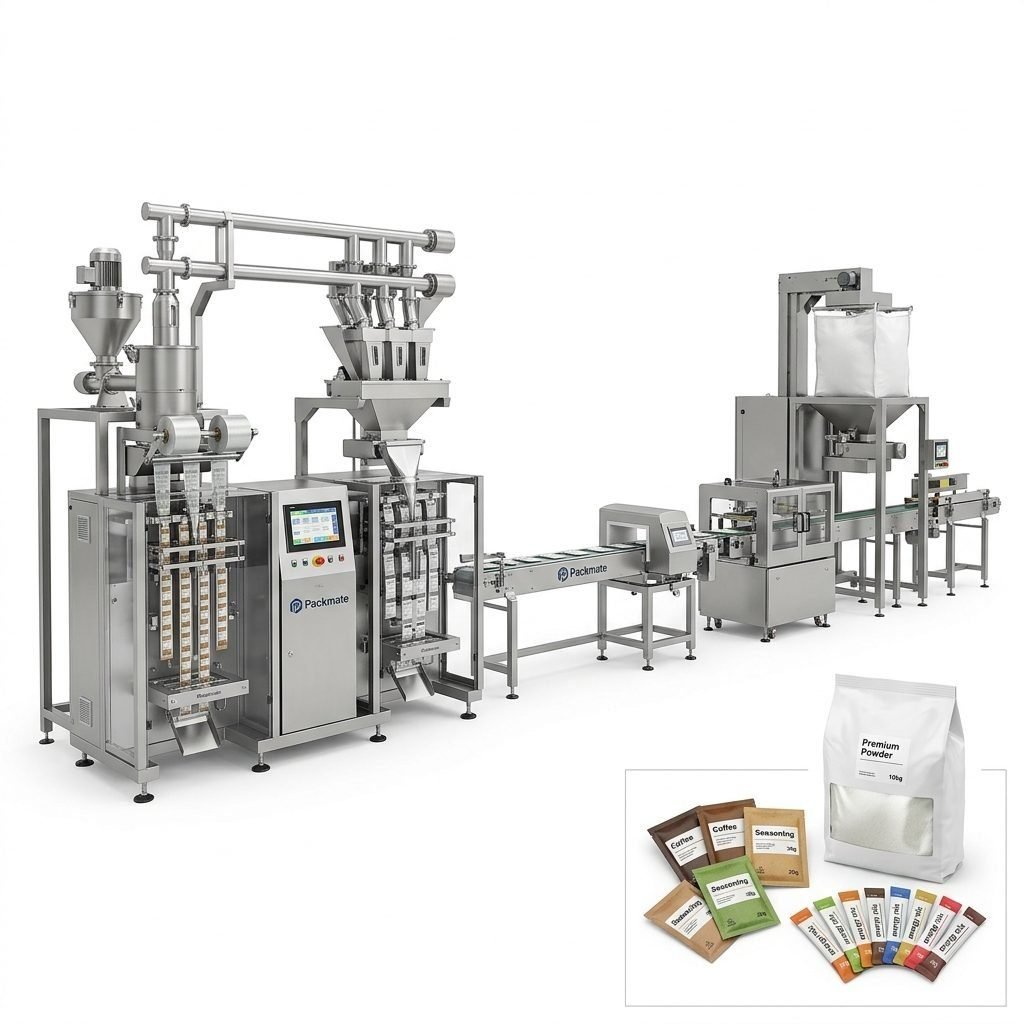
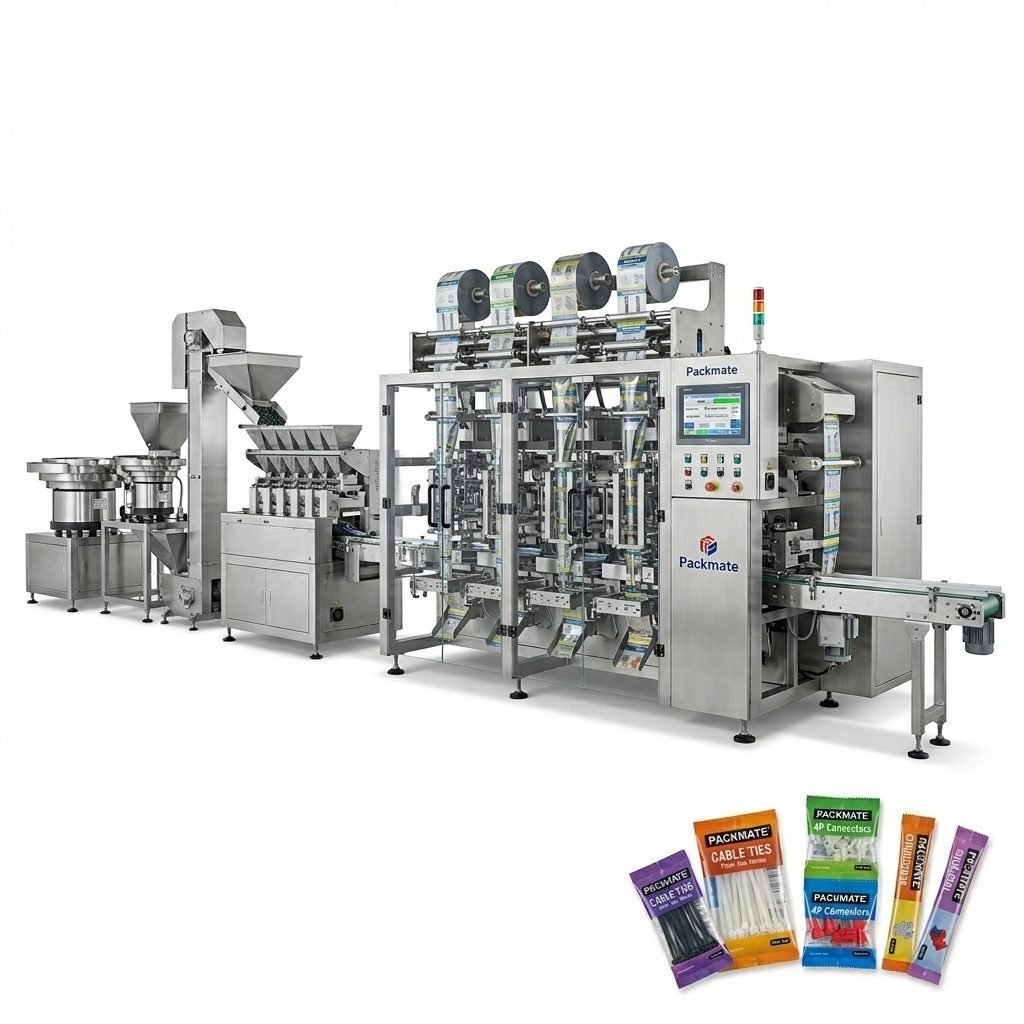
Turnkey Packaging Lines
For large-scale operations, a single machine might not be enough. A complete turnkey line integrates multiple processes: feeding, weighing, packaging, metal detection, checkweighing, and case packing. Companies specializing in integrated solutions, such as PacklineOEM, design these lines to provide a seamless, automated workflow from raw material to palletized finished goods.
Key Features to Evaluate in a Packaging System
Beyond the basic type, several technical features determine a machine’s suitability and return on investment.
- Speed and Output (bags/min): Match the machine’s speed to your current and projected production needs.
- Bag Size Range: Ensure the machine can handle the minimum and maximum bag dimensions your products require.
- Packaging Material Compatibility: The system must work reliably with your chosen film (e.g., laminates, metallized films, biodegradable materials).
- Accuracy of Weighing/Dosing: Look for systems with high-precision scales to control costs and maintain consistency.
- Automation Level & Ease of Use: Features like touchscreen HMIs, recipe storage, and quick-change parts reduce setup time and operator error.
- Hygiene and Cleanability: Sanitary design with easy-access components is vital for food safety, especially for oily or dusty snacks.
- Service and Support: Reliable technical support, availability of spare parts, and comprehensive training are critical for minimizing downtime.
How to Choose the Right Packaging System: A Step-by-Step Guide
Selecting a packaging machine is a significant capital decision. A methodical approach will help you find the best fit.
Step 1: Define Your Product and Packaging Requirements
Start by detailing your snack product’s physical characteristics (size, shape, density, fragility) and your packaging specifications (bag type, material, size, required seals). This is the foundation of your search.
Step 2: Analyze Your Production Volume and Growth Plans
Calculate your required output in bags per minute, shift, or day. It’s wise to choose a machine that can handle 20-30% more capacity than your current needs to accommodate future growth without requiring another major purchase.
Step 3: Evaluate Your Factory Space and Layout
Measure your available floor space, ceiling height, and utility access points (power, compressed air). Ensure the machine footprint and required peripherals (like film unwind stands or conveyors) will fit comfortably into your production line layout.
Step 4: Consider Your Budget (Total Cost of Ownership)
Look beyond the initial purchase price. Consider the total cost of ownership (TCO), which includes:
- Machine purchase price
- Installation and commissioning costs
- Cost of packaging materials and their waste rate
- Energy consumption
- Ongoing maintenance and spare parts
- Potential costs of downtime
For specialized needs, a manufacturer like PackingMachineOEM, which focuses on customization, might offer a better long-term value than a standard off-the-shelf model.
Step 5: Research and Compare Machine Suppliers
Investigate potential suppliers. Key factors include:
- Company Reputation & Experience: How long have they been in business? What is their track record in the snack industry?
- Technical Support: Do they offer local service engineers, remote support, and training?
- Warranty and Spare Parts Policy: Understand the terms and availability of critical components.
- Reference Projects: Ask for case studies or contact existing customers with similar products.
For instance, a company with a strong export footprint like Packmate Machinery often has experience meeting diverse international standards and can provide valuable insights.
Step 6: Request a Product Test Run
Never buy a packaging machine sight-unseen. Most reputable manufacturers will offer a live product test run at their facility. This is the best way to verify the machine’s performance with your specific snack product and packaging materials. Pay close attention to speed, accuracy, seal integrity, and ease of operation.
Comparison Table: Key Packaging Machine Types for Snacks
| Machine Type | Best For | Typical Speed Range | Key Advantage |
|---|---|---|---|
| Vertical Form-Fill-Seal (VFFS) | Chips, nuts, candies, free-flowing granules | 40 – 120 bags/min | High versatility and bag format flexibility |
| Horizontal Form-Fill-Seal (HFFS) | Cookies, biscuits, bars, delicate items | 30 – 100 pouches/min | Gentle product handling and excellent presentation |
| Multi-Lane Stick Pack | Powdered drinks, seasoning, single-serve portions | 200 – 1000+ sticks/min | Extremely high output for small pouches |
| Turnkey Integrated Line | Large-scale, fully automated snack production | Varies by configuration | End-to-end automation, minimal manual intervention |
Step 7: Plan for Installation, Training, and Maintenance
Once you’ve selected a machine, work with the supplier on a detailed installation plan. Ensure your team receives thorough operational and basic maintenance training. Establish a preventive maintenance schedule from day one to ensure reliability and longevity of your equipment. For niche products like nicotine pouches, a specialist such as SnusMachinery can provide critical application-specific knowledge during this phase.
Frequently Asked Questions (FAQs)
What is the typical lead time for a new snack packaging machine?
Lead times can vary significantly based on machine complexity and customization. For a standard VFFS machine, expect 8 to 16 weeks from order to delivery. For highly customized or turnkey lines, the timeline can extend to 20 weeks or more. Always confirm this with your supplier during the quotation process.
Can one machine handle different snack products and bag sizes?
Yes, most modern machines are designed with changeover flexibility. However, the ease and speed of changeover depend on the machine’s design. Look for features like digital recipe storage, quick-change formers, and tool-less adjustments to minimize downtime when switching between products.
How important is after-sales service when choosing a supplier?
Extremely important. A packaging machine is a long-term investment. The quality and responsiveness of the supplier’s after-sales service—including technical support, spare parts availability, and software updates—are crucial for minimizing costly production downtime and ensuring your machine operates at peak efficiency for years.
What are the ongoing operational costs I should budget for?
Beyond the packaging film, budget for periodic replacement of wear parts (like sealing jaws, film pull belts, and cutting blades), regular lubrication, filter changes for pneumatic systems, and potential software license fees. Energy consumption is also a recurring cost.
Is it better to buy a standalone machine or a complete integrated line?
This depends entirely on your scale and automation goals. A standalone machine is suitable for small to medium operations or as a step in a semi-automated line. A complete integrated line is ideal for high-volume producers seeking maximum efficiency, labor savings, and consistent quality control from start to finish. It represents a higher initial investment but offers a faster return through operational excellence.