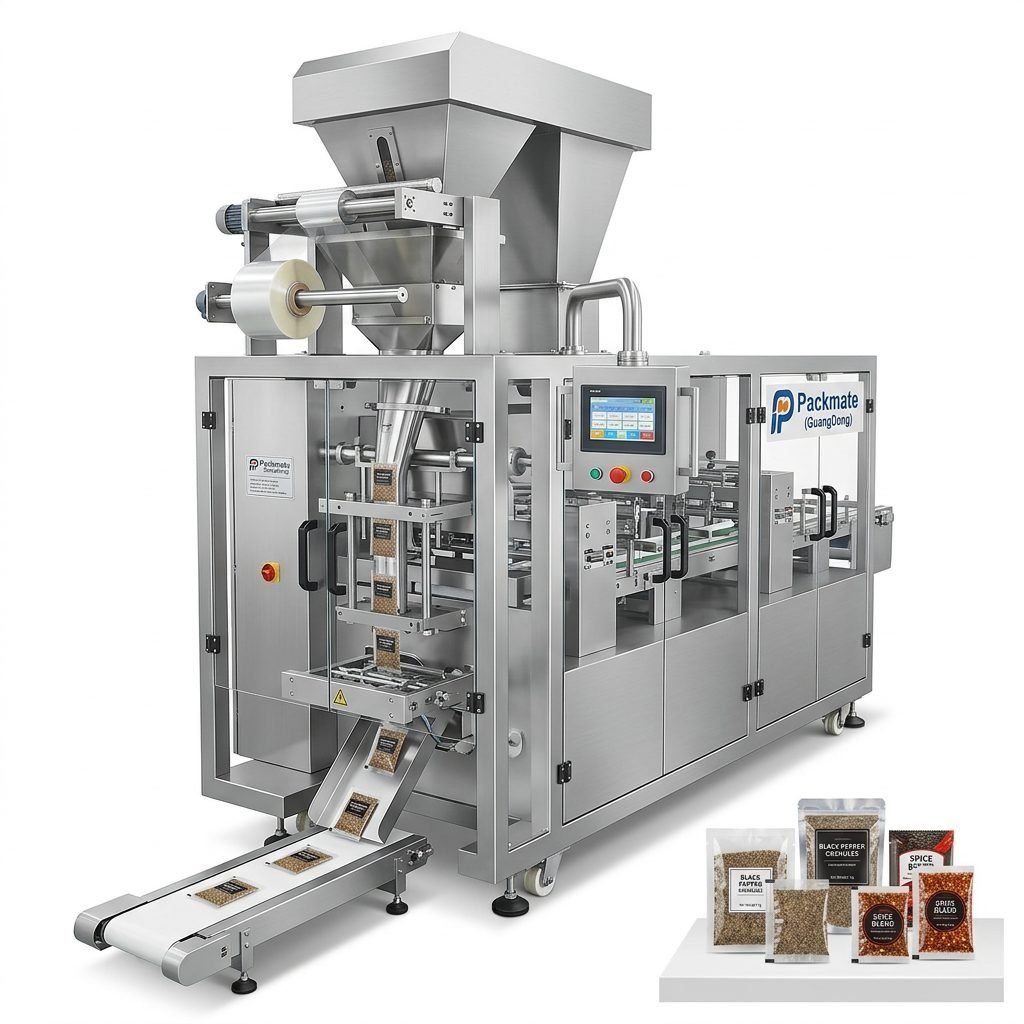
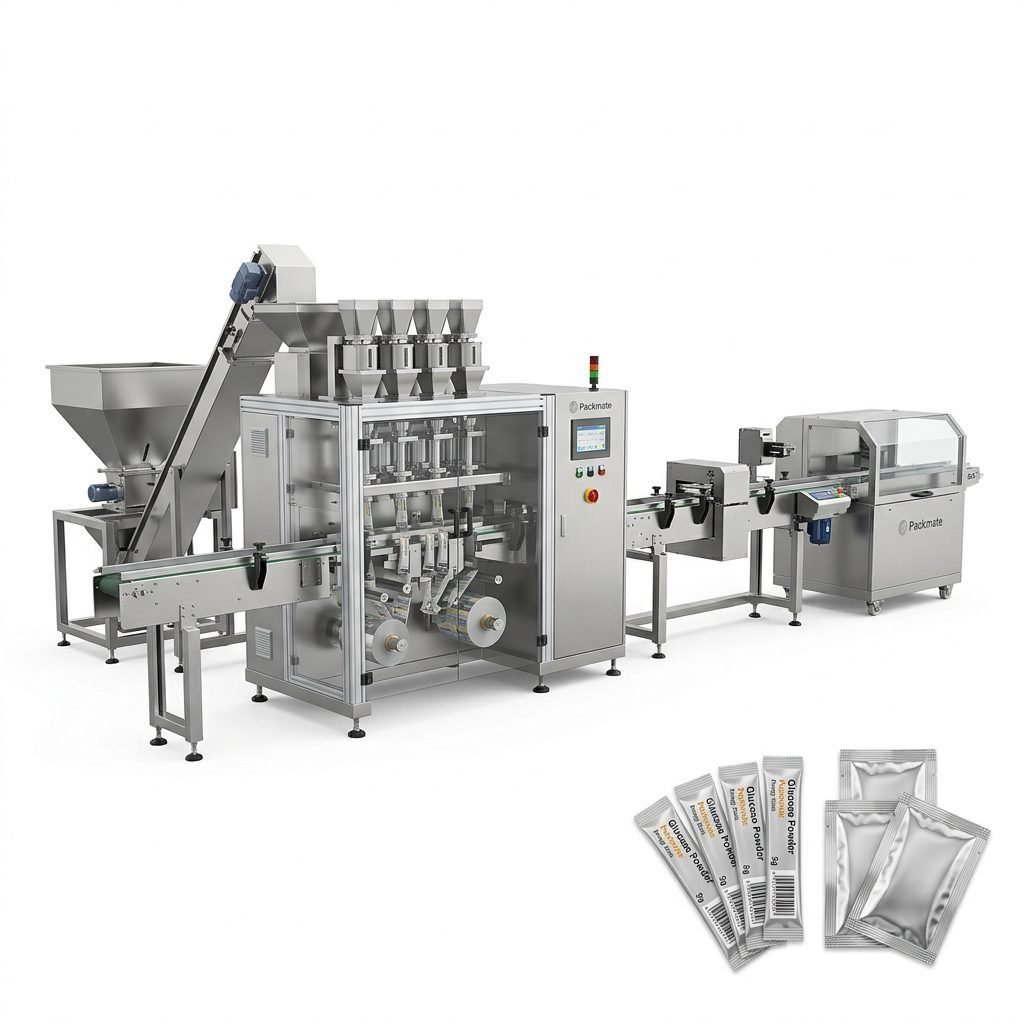
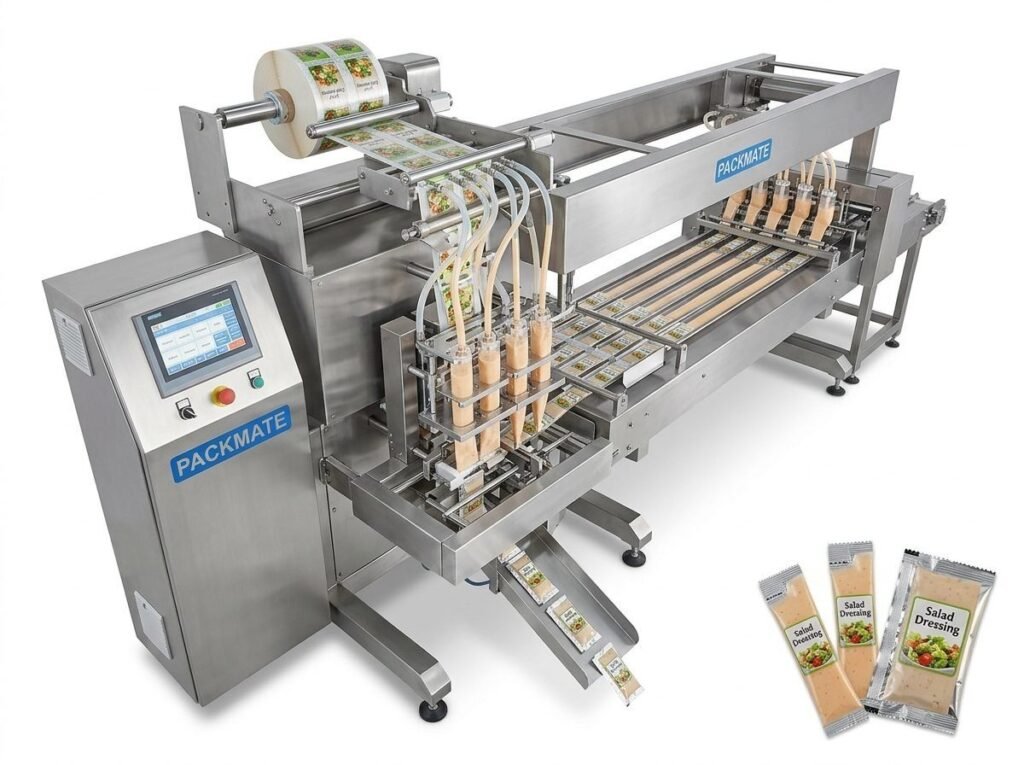
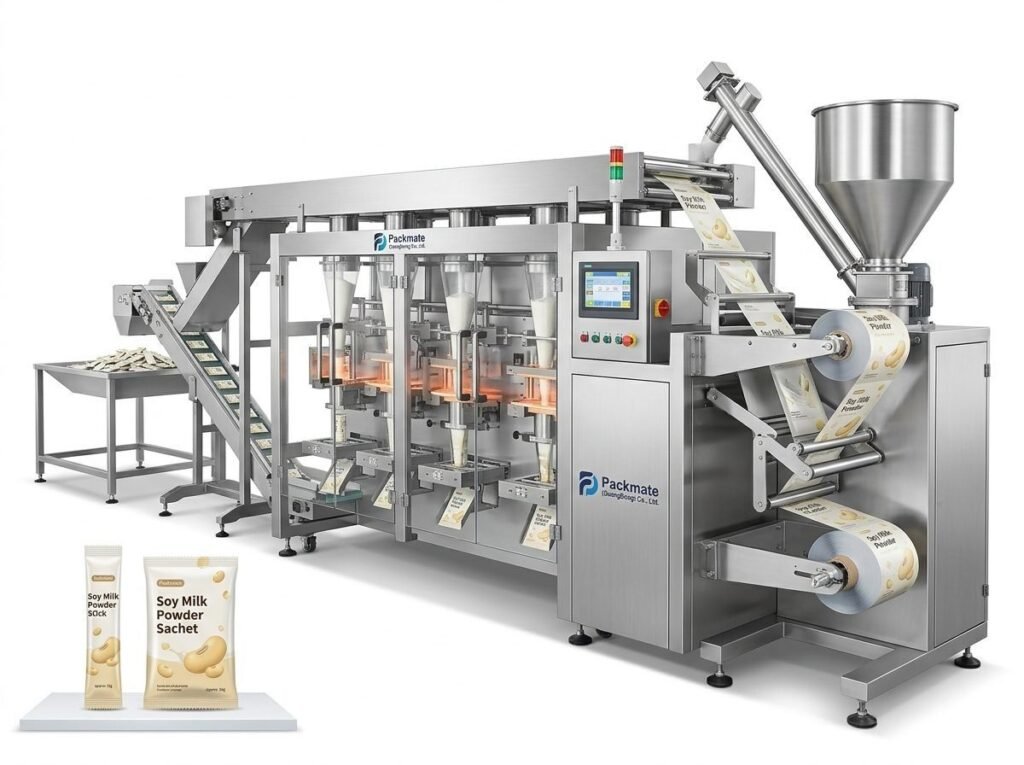
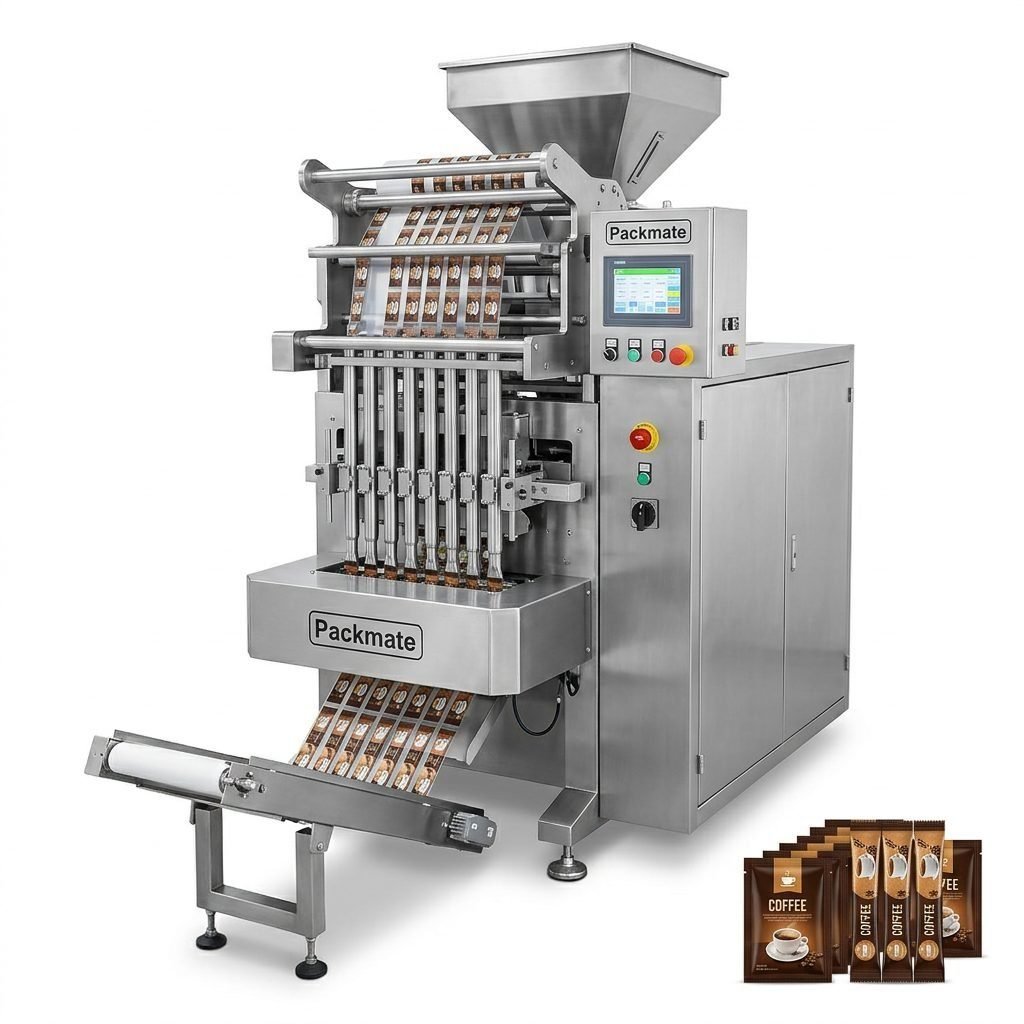
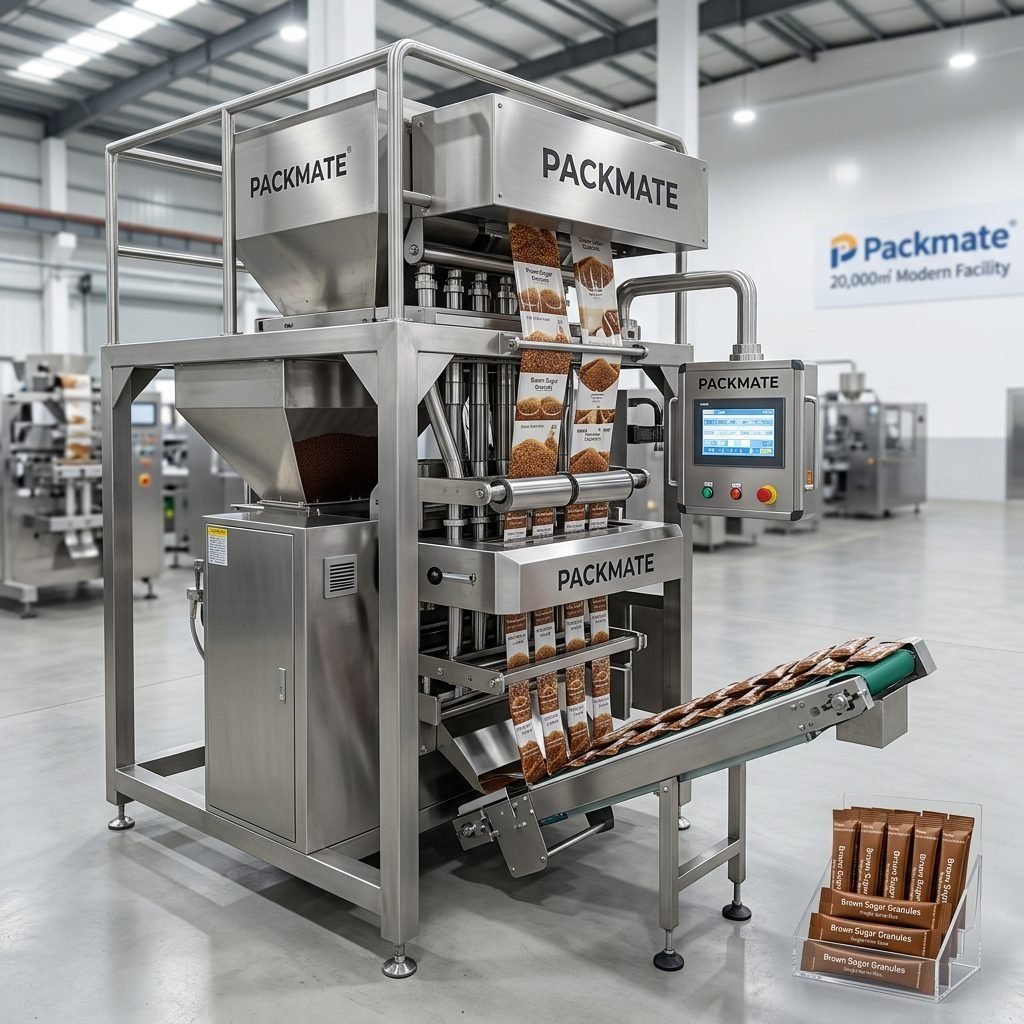
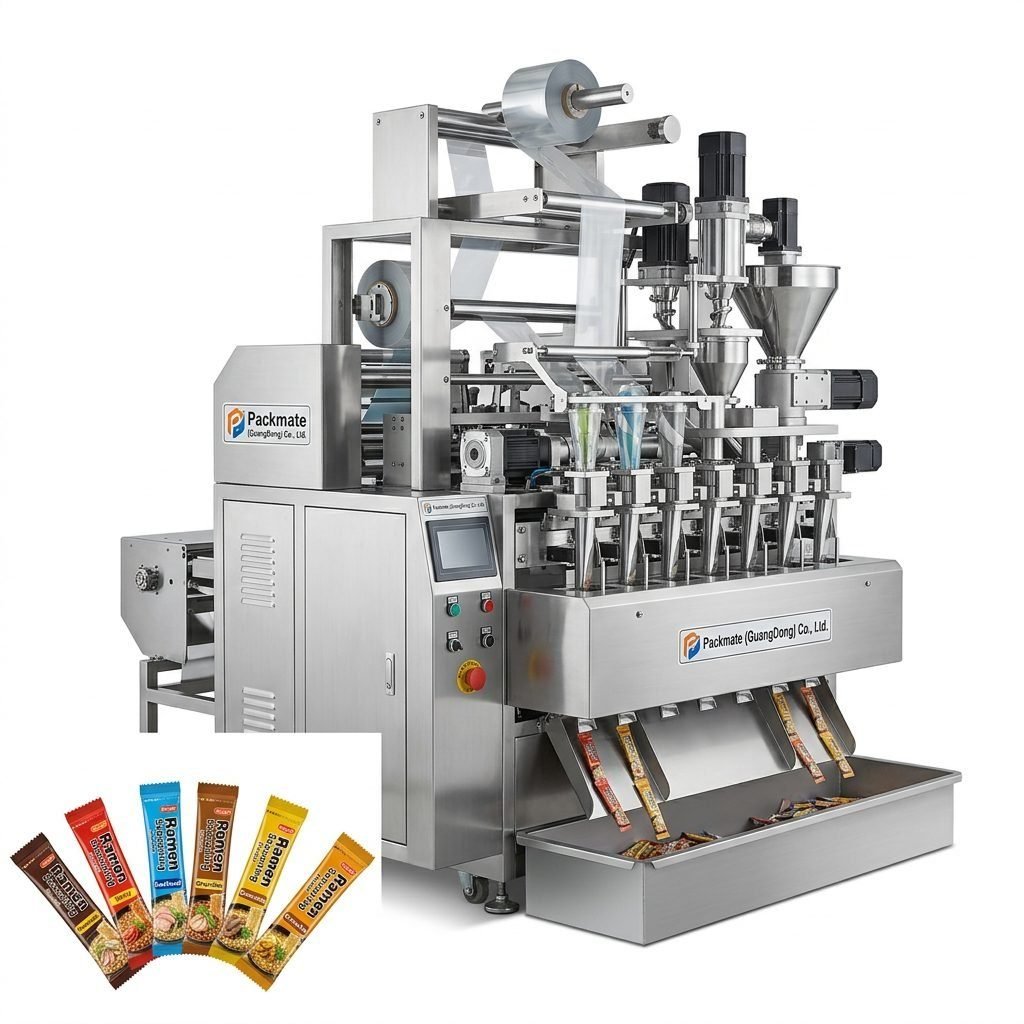
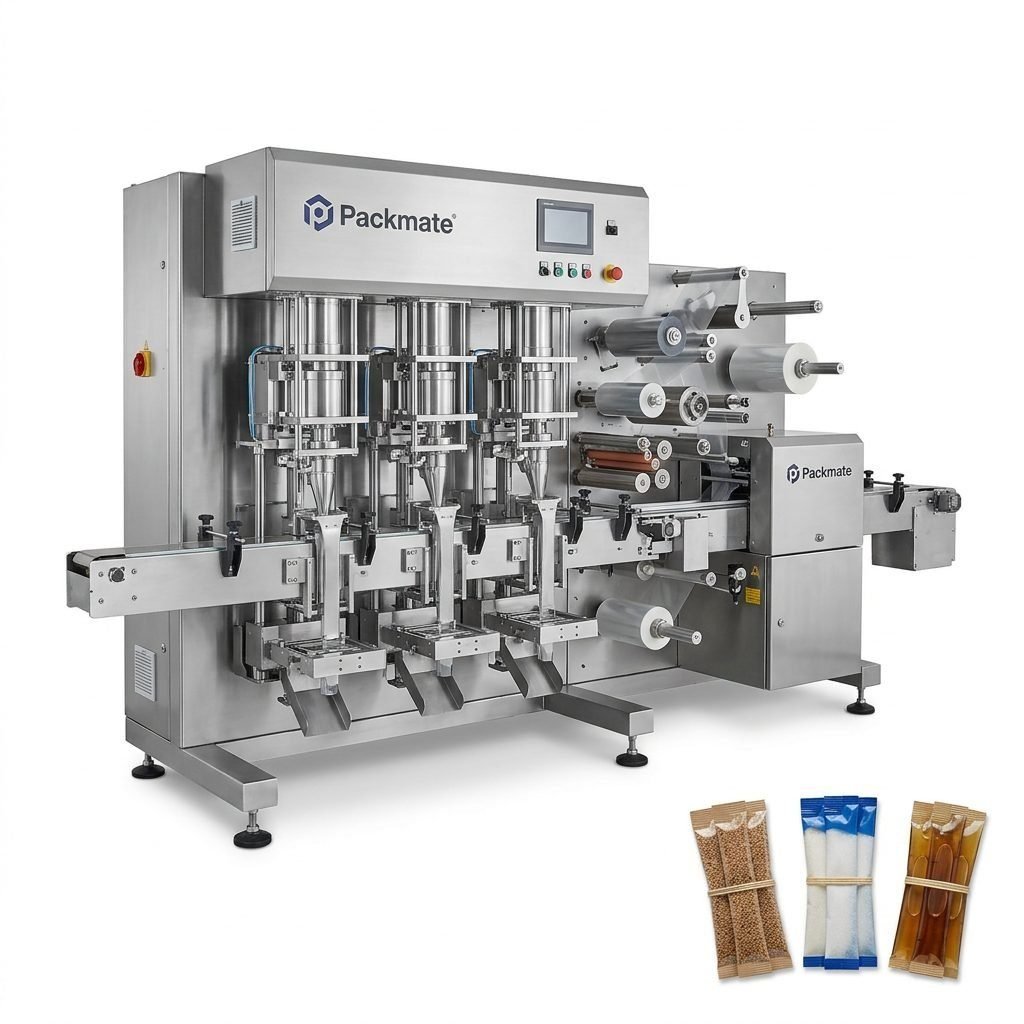
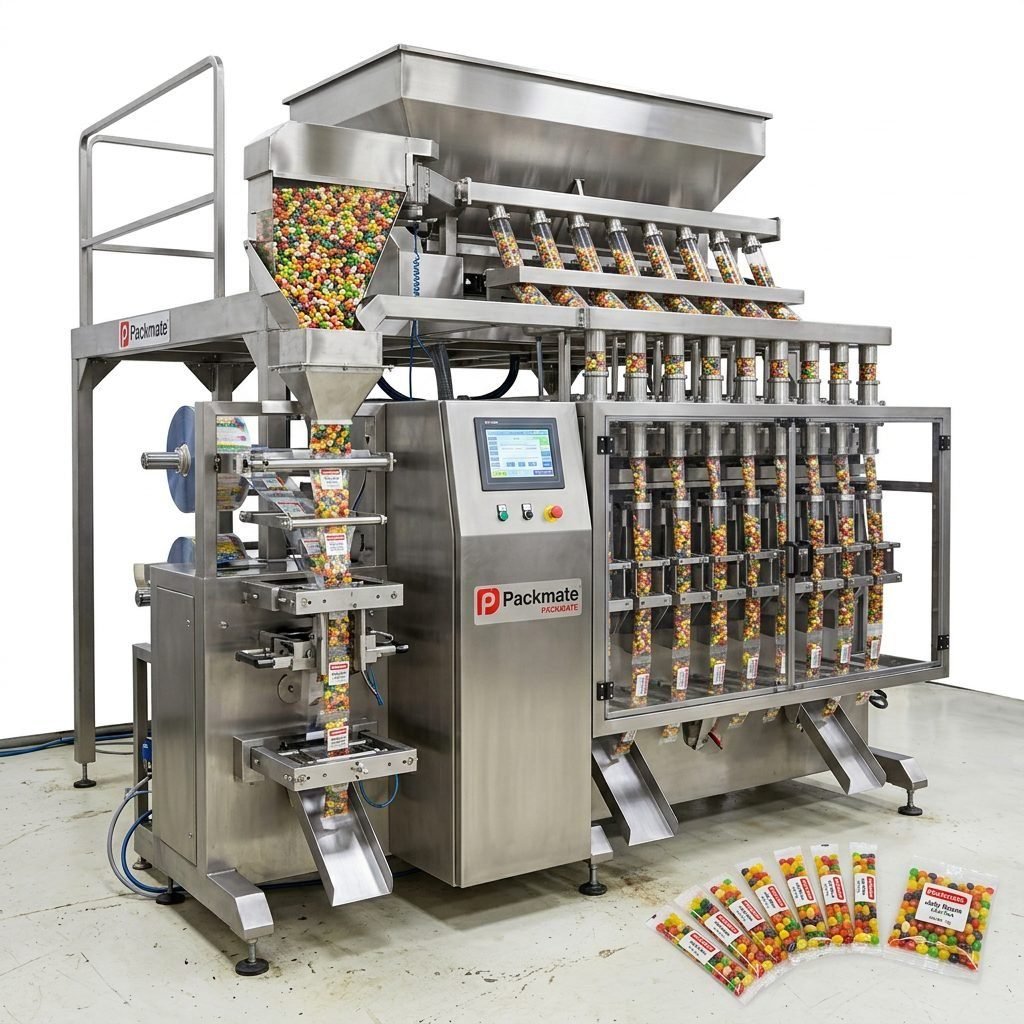
In the world of industrial packaging, efficiency, hygiene, and product integrity are paramount. Back seal packaging machines, also known as fin seal or vertical form-fill-seal (VFFS) machines, are engineered to meet these critical demands. These machines create a secure, three-sided seal, with the primary seal running down the back of the pouch, offering superior strength and a clean, professional appearance. This guide provides a comprehensive overview of back seal packaging machines, exploring their types, applications, and key considerations for purchase, with a focus on the needs of a global market including Europe, North America, and Southeast Asia.
What is a Back Seal Packaging Machine?
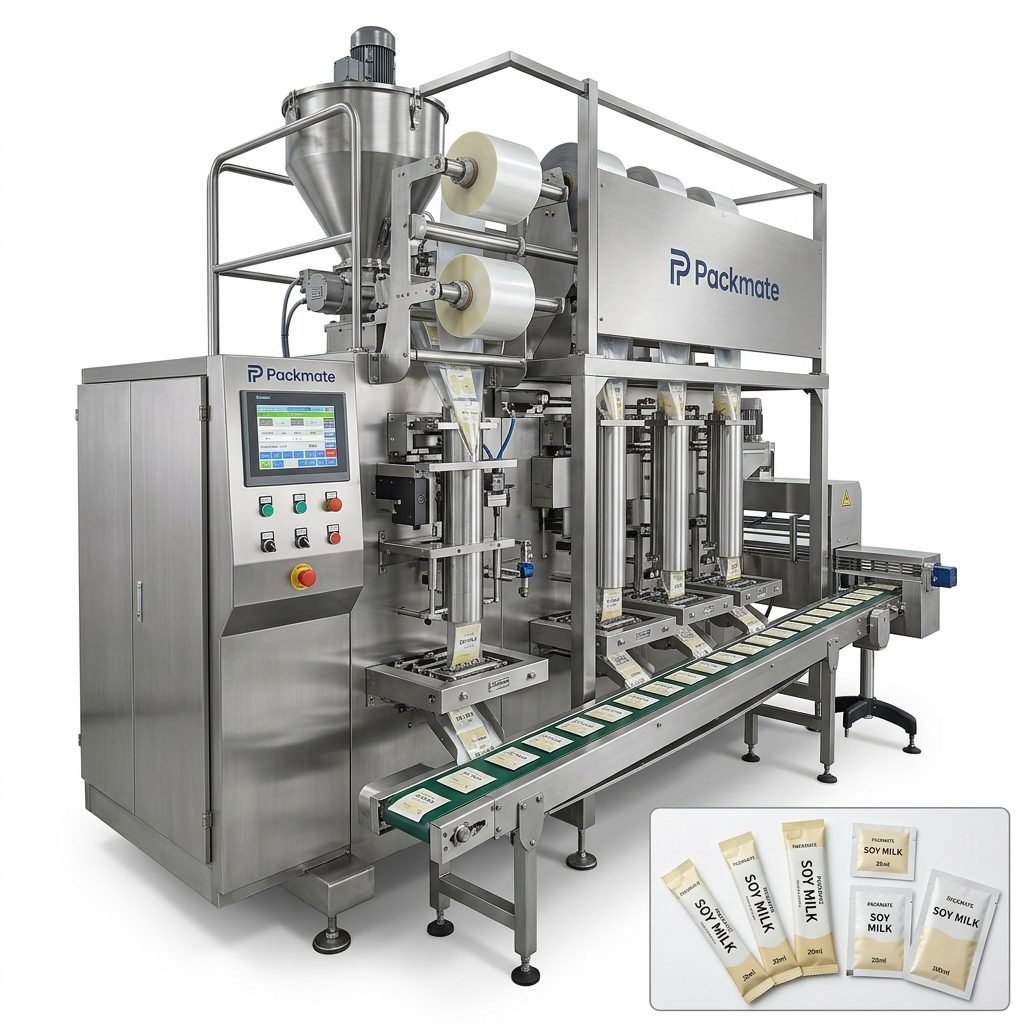
A back seal packaging machine is a type of vertical form-fill-seal system. It operates by forming a continuous roll of packaging film into a tube around a product-filling cylinder. The film’s edges are sealed together along the vertical back of the pouch. The machine then creates the bottom horizontal seal, fills the pouch with the precise amount of product, and finally seals the top, completing the individual package before cutting it from the film web. This process results in a pouch with seals on three sides, renowned for its leak resistance and durability.
Key Advantages of Back Seal Technology
The back seal design offers several distinct benefits over other sealing methods like lap seals. The overlapping seal area is wider and more robust, significantly reducing the risk of seam failure, especially for fine powders or greasy products. It also provides a smoother, more aesthetically pleasing finish, which is crucial for consumer-facing products in retail markets. Furthermore, the seal integrity is less susceptible to contamination from product dust or residue during the filling process.
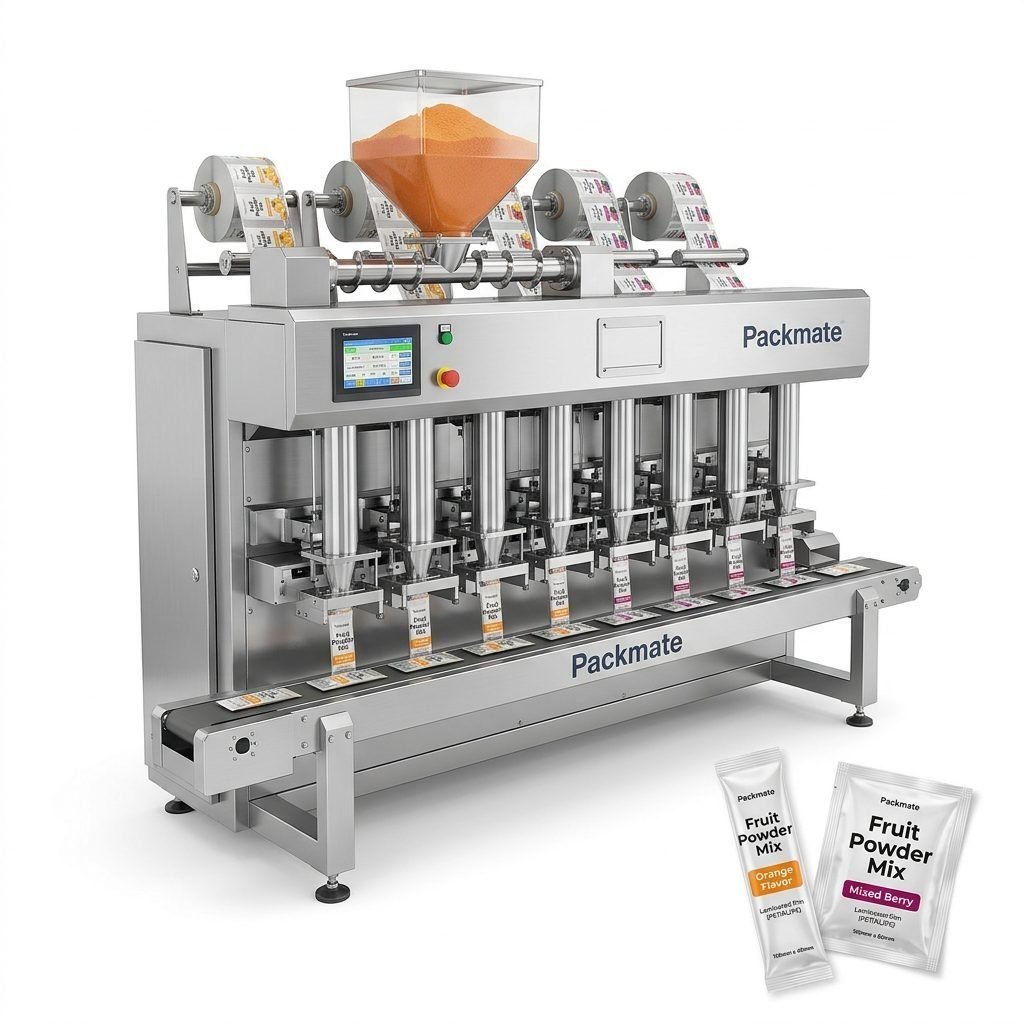
Primary Types of Back Seal Packaging Machines
Back seal machines are highly versatile and can be categorized based on their operational scale and specific features. Understanding these types is essential for selecting the right equipment for your production line.
1. Single-Tube Back Seal Machines
These are the most common and cost-effective entry point for automated packaging. They feature a single forming tube and filling system, ideal for small to medium-scale production. They are perfectly suited for companies looking to automate packaging for products like granular spices, powdered supplements, or small hardware components. Their simplicity makes them reliable and easier to maintain.
2. Multi-Lane Back Seal Machines
For high-volume output, multi-lane machines are the industry standard. They incorporate multiple parallel forming tubes and filling heads, allowing for the simultaneous production of several pouches per cycle. This dramatically increases throughput. For instance, manufacturers like Ludyway and Packmate Machinery offer advanced multi-lane systems capable of producing hundreds of sachets or stick packs per minute, making them indispensable for large-scale food, pharmaceutical, and FMCG operations.
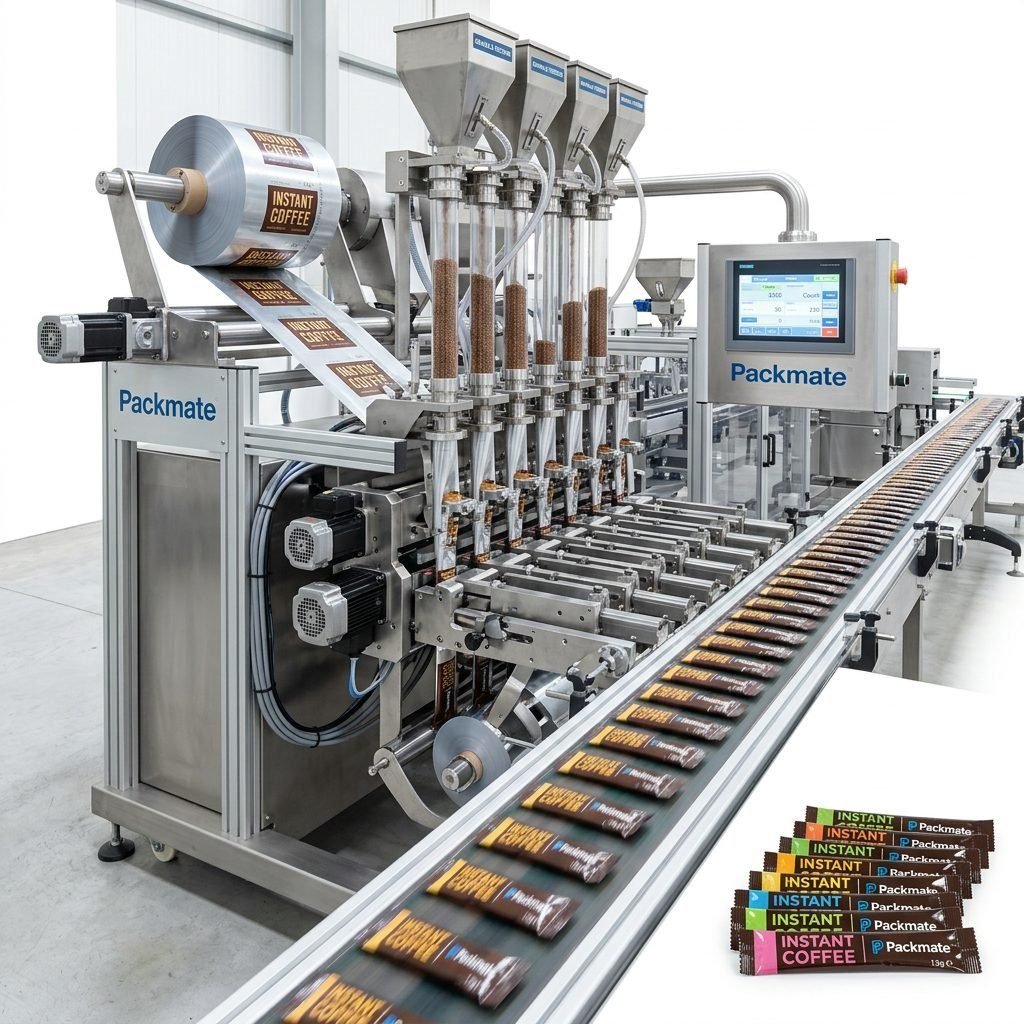
3. Integrated Back Seal Packaging Lines
Beyond standalone machines, complete turnkey solutions integrate the back seal packager with upstream and downstream equipment. This can include automated feeding systems, precision weigh scales, checkweighers, metal detectors, date coders, and cartoning units. Companies such as PacklineOEM specialize in designing these integrated lines, which provide seamless automation from bulk product to retail-ready boxes, maximizing efficiency and minimizing manual handling.
Choosing Between Standard and Customized Machines
While standard machines cover a wide range of applications, specialized products often require custom engineering. Manufacturers like PackingMachineOEM focus on non-standard and customized solutions. This is particularly relevant for niche markets; for example, SnusMachinery provides tailored back seal systems designed specifically for the precise dosing and sealing requirements of nicotine pouches and snus products, which have unique regulatory and consumer safety standards.
Core Applications Across Industries
The robustness and versatility of back seal packaging make it suitable for a vast array of industries. The choice of film material can be adapted to provide barriers against moisture, oxygen, light, or aromas.
| Industry | Typical Products | Key Packaging Requirements |
|---|---|---|
| Food & Beverage | Spices, drink mixes, instant coffee, sauces, snacks | Aroma barrier, moisture protection, attractive print |
| Pharmaceutical & Nutraceutical | Powdered drugs, electrolyte mixes, vitamin sachets | High-integrity seal, contamination prevention, compliance |
| Personal Care & Cosmetics | Shampoo samples, facial cream sachets, bath salts | Leak-proof seal, aesthetic appeal, small-portion packaging |
| Industrial & Chemicals | Detergents, lubricants, adhesives, additives | Chemical resistance, strong seals for heavy/viscous products |
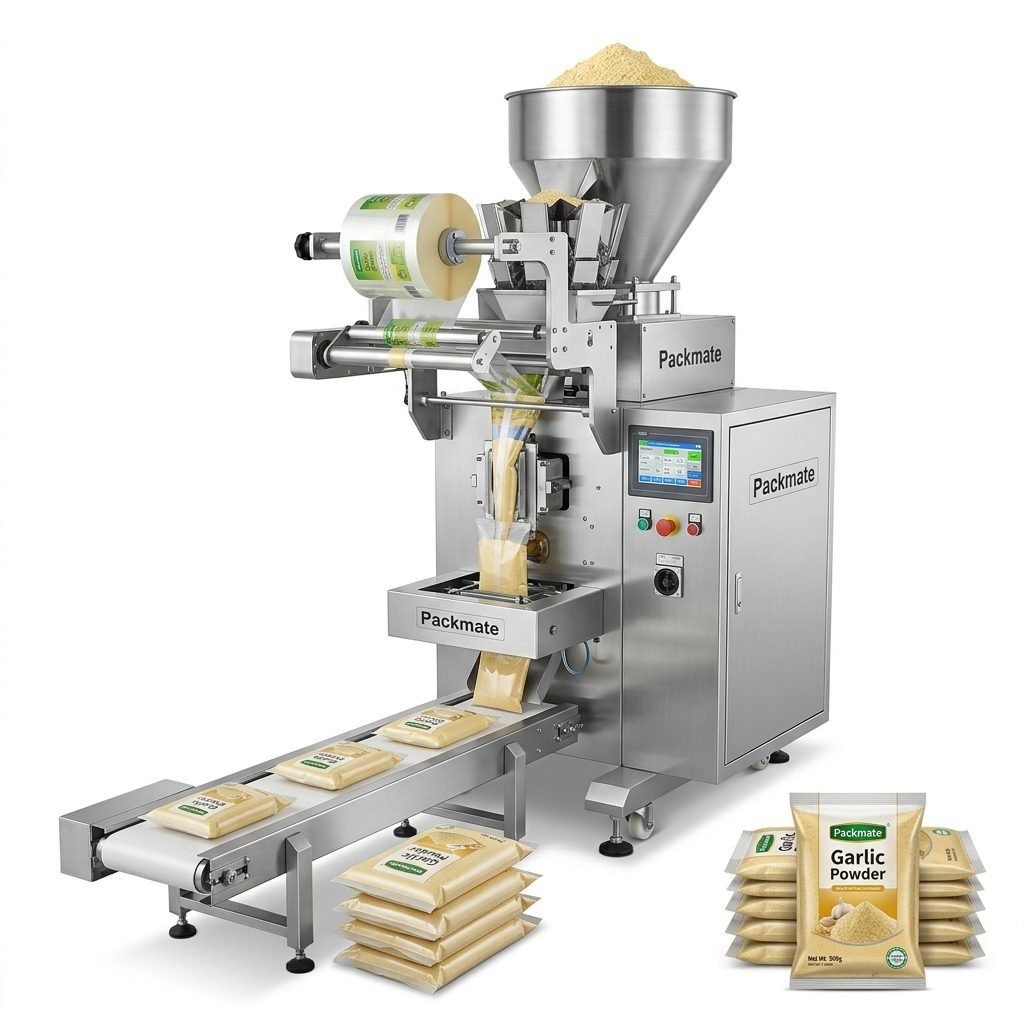
Essential Buying Considerations
Investing in a back seal packaging machine is a significant decision. Here are the critical factors to evaluate to ensure you select a machine that meets your current needs and allows for future growth.
1. Product Characteristics
The physical properties of your product are the primary driver of machine specification. Consider its form (powder, granule, liquid, paste), flowability, abrasiveness, and any special requirements like nitrogen flushing for oxygen-sensitive items. The machine’s filling system (auger, volumetric cup, pump) must be matched to these characteristics.
2. Production Capacity & Speed
Determine your required output in pouches per minute (PPM) or packs per shift. A single-tube machine may suffice for 60-120 PPM, while high-volume production demands a multi-lane system. Remember to factor in potential business growth to avoid outgrowing your equipment too quickly.
3. Film Material and Pouch Specifications
The machine must be compatible with your desired packaging film (e.g., laminates of PET, PE, AL foil) and pouch dimensions (width, length, seal width). Ensure the machine can handle the film roll size and provide the necessary sealing temperature and pressure for a consistent, strong seal.
4. Level of Automation and Integration
Evaluate how the packager will fit into your existing or planned line. Do you need a simple standalone machine, or should it be part of an integrated system with automated feeders and conveyors? Consider features like touchscreen PLC controls, recipe storage, production data tracking, and connectivity for Industry 4.0 integration.
5. Supplier Reliability and Support
The manufacturer’s reputation is crucial. Look for a supplier with proven experience, like those with over 30 years in the industry. Key considerations include:
- After-Sales Service: Availability of spare parts, technical support, and service engineers.
- Training: Comprehensive training for your operators and maintenance staff.
- Customization Ability: Can they modify the machine to your specific needs?
- Global Reach: For exporters, a supplier with a strong international presence, serving markets like Europe and North America, ensures better support.

Frequently Asked Questions (FAQs)
Q1: What is the main difference between a back seal and a lap seal?
A: In a back seal (fin seal), the two inner surfaces of the film are sealed together face-to-face, creating a robust, flat seal on the pouch’s back. In a lap seal, one film edge overlaps the other, sealing the inner surface of one to the outer surface of the other. Back seals are generally stronger and more leak-proof, especially for challenging products.
Q2: Can back seal machines handle liquid products effectively?
A: Yes, absolutely. With the appropriate filling system (such as a piston pump) and precise temperature control on the sealing jaws, back seal machines are excellent for packaging liquids, creams, and pastes. The strong vertical and horizontal seals prevent leakage effectively.
Q3: How difficult is it to changeover pouch sizes on these machines?
A> Modern machines are designed for quicker changeovers. Many parts are tool-less or require simple adjustments. Look for machines with digital settings for pouch length and easy-change forming collars and sealing jaw sets to minimize downtime during product or package size changes.
Q4: What kind of maintenance do back seal packaging machines require?
A: Regular preventive maintenance is key. This typically includes daily cleaning to remove product dust, weekly lubrication of moving parts, and periodic inspection and replacement of wear items like sealing jaw Teflon covers, cutting blades, and filter screens on filling systems. A good supplier will provide a detailed maintenance schedule.
Q5: Are these machines suitable for sterile or cleanroom packaging?
A: Yes, specialized versions can be built for cleanroom environments. These feature stainless steel construction with polished surfaces, easy-clean designs, and can be equipped with HEPA filter enclosures to maintain the required air quality standards for pharmaceutical or medical device packaging.