In the bustling world of coffee, where aroma and freshness are paramount, the final guardian of quality is often the packaging. For roasters and packers aiming to scale operations, meet stringent hygiene standards, and captivate consumers on crowded shelves, investing in the right coffee packaging machinery is not just an operational decision—it’s a strategic one. Automated packing solutions for coffee bags, pouches, and sachets represent the pinnacle of efficiency, consistency, and brand protection in the modern coffee industry.

The Critical Role of Packaging in Coffee Preservation
Coffee is a delicate product, highly susceptible to its greatest enemies: oxygen, moisture, light, and heat. Effective packaging is the primary barrier against these elements, directly impacting shelf life, flavor integrity, and ultimately, customer satisfaction. While manual packing might suffice for small-batch artisanal roasters, commercial-scale operations demand the precision and speed of automation. This is where specialized packing machines become indispensable, ensuring every bag is sealed with consistent quality.
Key Benefits of Automated Coffee Packaging:
- Superior Freshness Lock: Automated machines provide precise, repeatable seals—whether heat seals for flat-bottom bags or ultrasonic seals for foil pouches—creating an impermeable barrier far more reliable than manual methods.
- Dramatically Increased Output: From hundreds to thousands of units per hour, automation allows businesses to meet market demand without compromising on pack quality.
- Reduced Product Waste & Cost: Precision weighing and filling systems minimize giveaway (overfilling) and spillage, leading to significant raw material savings.
- Enhanced Brand Consistency: Every package is identical in appearance, weight, and seal integrity, projecting a professional and trustworthy brand image.
- Improved Hygiene & Safety: Closed systems and reduced human contact lower the risk of contamination, which is crucial for food-grade products like coffee.
Exploring Automatic Coffee Bag, Pouch & Sachet Solutions
The term “coffee packaging machinery” encompasses a diverse range of equipment tailored to different pack styles, volumes, and product forms (whole bean, ground, instant). Understanding the options is the first step toward selecting the ideal packaging solution for your operation.
1. Automatic Bag & Pouch Packaging Machines
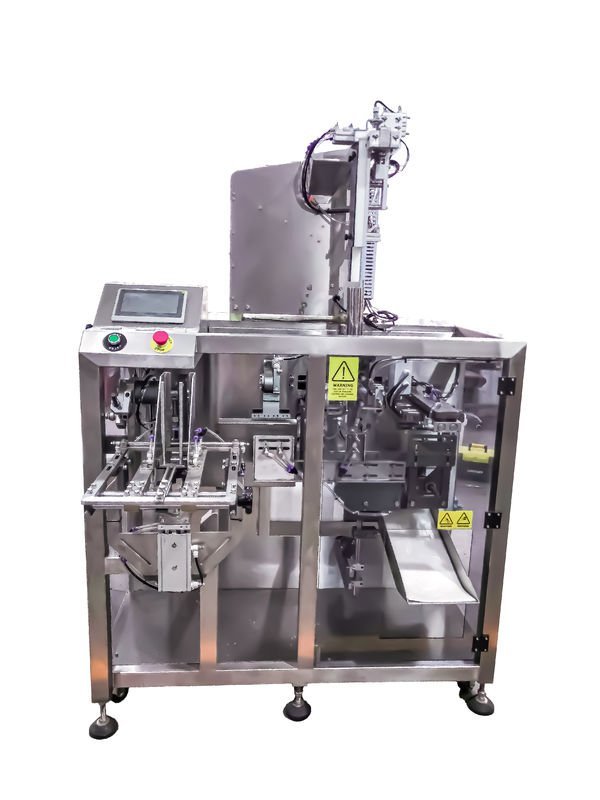
This category is ideal for retail-sized bags, from 250g to 2kg or more. These systems typically form the bag from a roll of laminated film (which can include matte, glossy, or biodegradable materials), fill it with coffee via a precision weigher, and then seal it. Many advanced models integrate degassing valves application, a critical feature for freshly roasted coffee that releases CO2. For stand-up pouches with zippers or spouts, more sophisticated bag & pouch packaging machines handle the complex forming and component insertion with remarkable speed.
2. High-Speed Sachet & Stick Pack Machines
Perfect for single-serve instant coffee, coffee mixes, or premium ground coffee samples, sachet packaging offers convenience and portion control. Multi-lane stick pack machines are the workhorses here, producing several sealed tubes (stick packs) simultaneously from roll film. These machines excel at handling powders and fine granules with high accuracy. Their compact, lightweight output is favored by the hospitality industry (hotels, airlines) and for product sampling. You can explore specialized options in our range of sachet & stick pack machines.
3. Integrated Weighing & Filling Systems
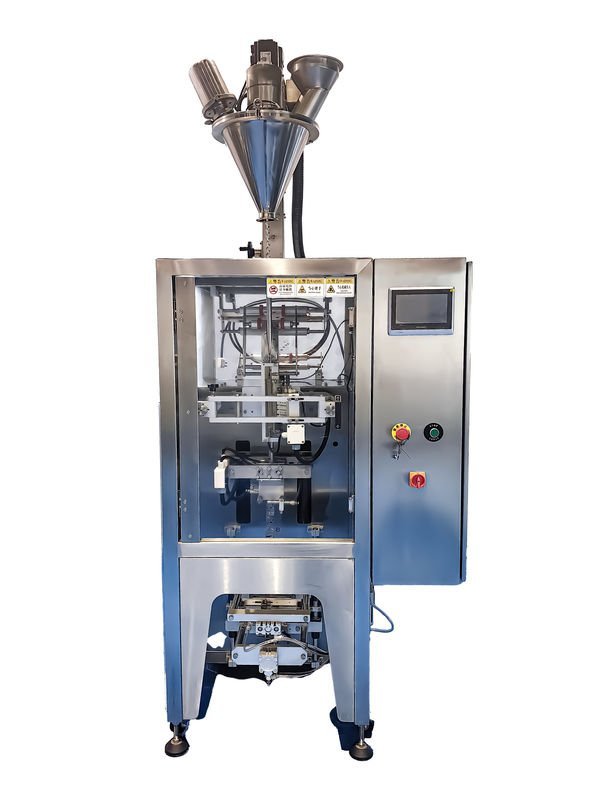
The heart of any accurate packaging line is the weighing system. For coffee, multi-head weighers and auger filler systems are most common. Multi-head weighers use a combination of buckets to achieve a target weight with extreme speed and precision (±0.5g or better), ideal for ground coffee. Auger fillers, driven by a rotating screw, are excellent for both powders and whole beans, offering gentle handling. These systems are seamlessly integrated with bag form-fill-seal machines to create a complete filling & packaging line.
4. Auxiliary & End-of-Line Equipment
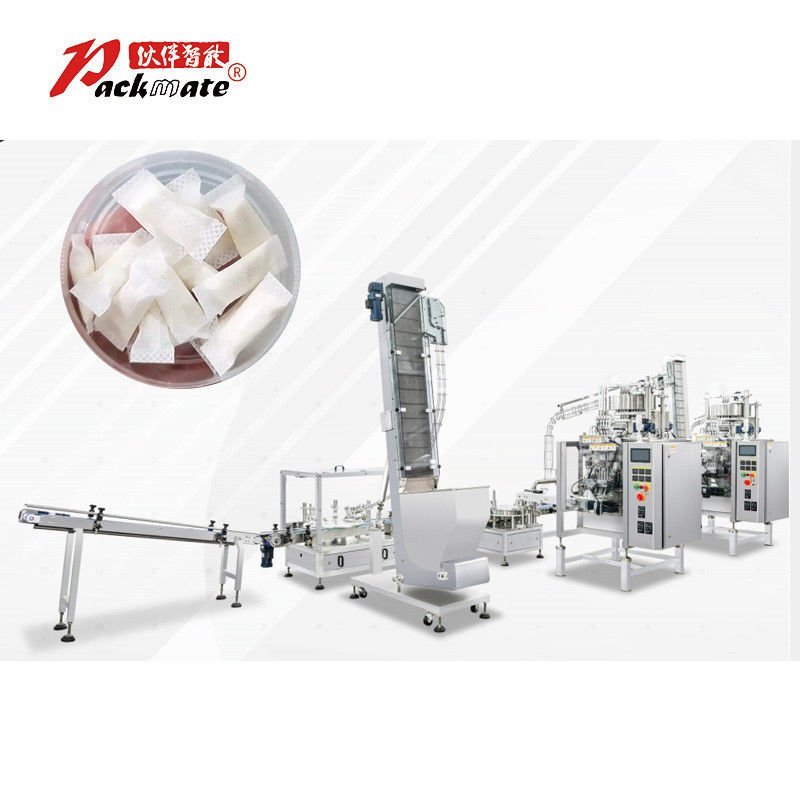
A full turnkey solution often includes more than just the primary packer. Auxiliary equipment ensures a smooth, finished product flow. This can include:
• Checkweighers: To verify every pack is within legal and quality weight tolerances.
• Metal Detectors & X-ray Systems: For critical food safety and contaminant detection.
• Labelers & Date Coders: To apply batch codes, expiry dates, and pricing labels automatically.
• Cartoners & Case Packers: To collate individual bags into boxes for shipping.
Discover supporting equipment in our auxiliary packaging equipment section.
Choosing Your Machinery Partner: Beyond the Machine
Selecting a coffee packaging machine is a significant investment. Look for a supplier with a proven track record in the food industry, one that offers comprehensive support. A reliable partner should provide:
✔ In-depth Consultation & Testing: Offering to test your specific coffee product on their equipment.
✔ Customization Options: Ability to adapt machines to your unique bag size, film type, or filling needs.
✔ Training & After-Sales Service: Ensuring your team can operate and maintain the machinery effectively.
✔ Global Parts & Service Network: Crucial for minimizing downtime in case of maintenance needs.
At Packmate Machinery, with over 30 years of expertise, we embody this partnership approach, delivering not just machines, but complete, reliable packaging solutions backed by our global service commitment. Learn more about our philosophy on our About Us page.
The Future of Coffee Packaging: Trends & Sustainability
The industry is rapidly evolving. Consumers increasingly demand sustainable packaging, pushing for compostable, biodegradable, or recyclable films. Modern packaging machinery must be adaptable to handle these new, sometimes more challenging, materials without sacrificing seal integrity or speed. Another trend is smart packaging and traceability, where machines integrate with software to print QR codes or unique identifiers on each pack, linking consumers to origin stories and brewing tips. Flexibility is key; the ideal machine today is one that can handle both conventional and emerging sustainable materials efficiently.
Frequently Asked Questions (FAQs)
1. What is the typical speed range for an automatic coffee bag packing machine?
Speeds vary greatly depending on the bag size and complexity. A standard vertical form-fill-seal machine for 1lb bags can run at 40-60 bags per minute. High-speed stick pack machines for single-serve sachets can exceed 200 packs per minute per lane, with multi-lane configurations producing over 1000 packs per minute.
2. Can one machine handle both whole bean and ground coffee?
Yes, many machines are versatile. The key is the filling system. A machine equipped with a multi-head weigher is typically best for ground coffee, while one with a combination weigher or a volumetric cup filler might be preferred for whole beans to avoid damage. Some advanced lines can be quickly reconfigured between product types.
3. How important is a degassing valve applicator on the machine?
For roasters packaging freshly roasted coffee (especially whole bean), it is highly recommended. Degassing valves allow CO2 to escape without letting oxygen in, preventing bags from bloating or bursting while preserving freshness. Most modern bagging machines can be equipped with a valve applicator as a standard or optional feature.
4. What kind of packaging film is best for coffee?
Coffee requires a high-barrier laminate to block oxygen and moisture. Common structures include PET/AL/PE (polyester, aluminum foil, polyethylene) or metallized films for a good barrier. For sustainable options, compostable laminates made from plant-based materials are emerging but require specific machine settings to seal properly.
5. What should I consider when planning for a new packaging line?
Start with a clear analysis: your target output (bags per hour), primary bag/pouch style, product types (bean/ground), and future growth plans. Consider factory space, power requirements, and available operator skill level. Most importantly, partner with a machinery supplier who can provide a detailed layout, throughput analysis, and post-installation support to ensure a smooth transition to automation.