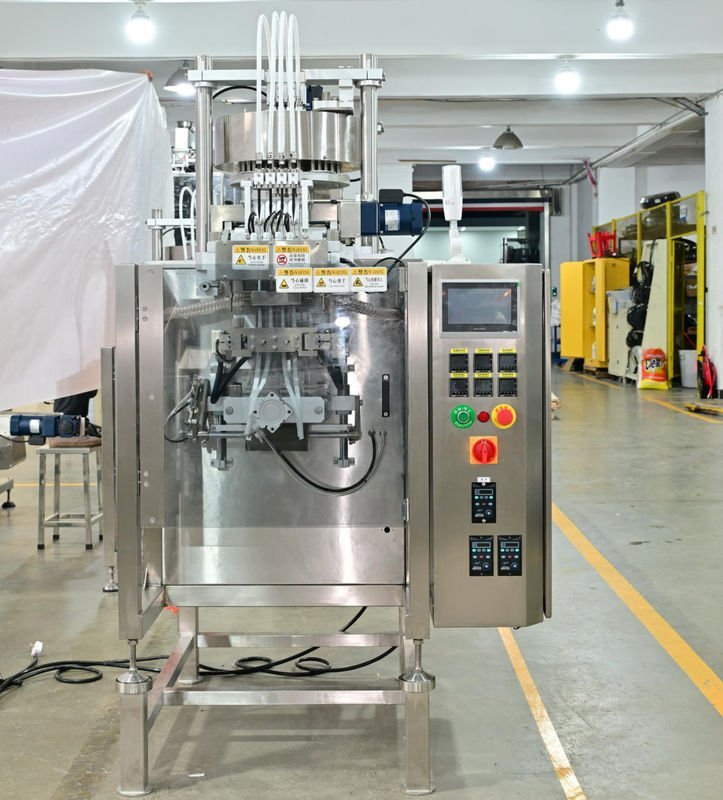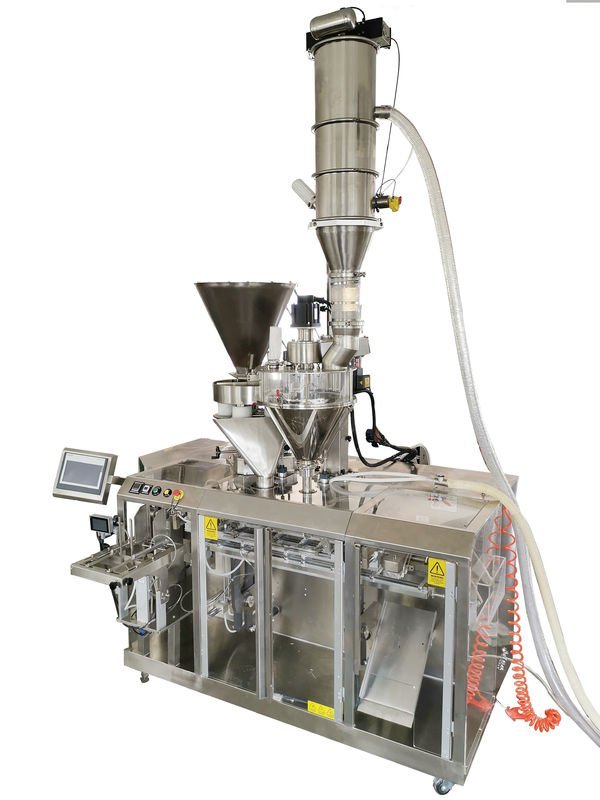
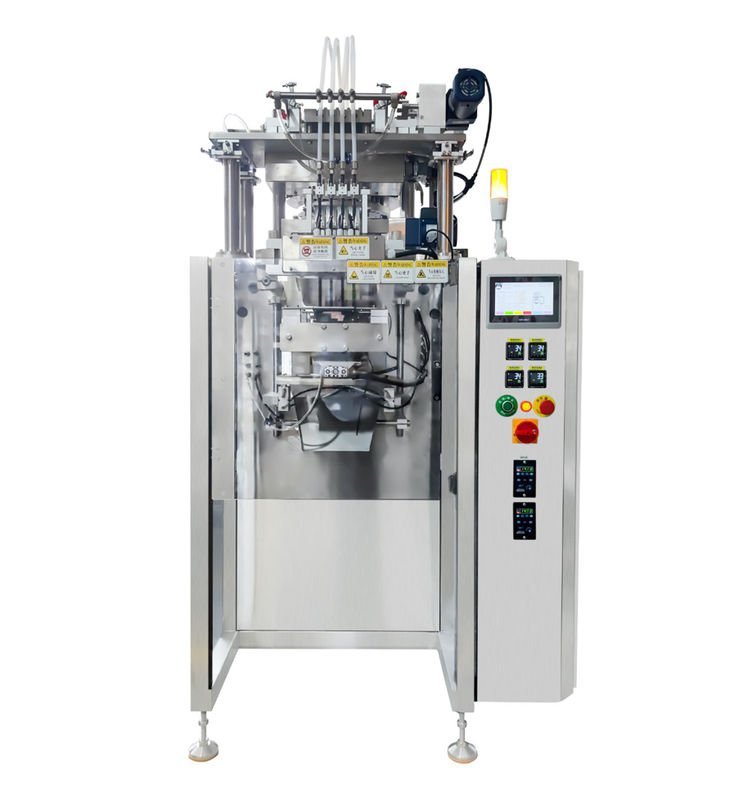
In the fast-paced world of manufacturing, a packaging machine breakdown can bring an entire production line to a grinding halt, leading to significant downtime, wasted materials, and lost revenue. Understanding common issues and their solutions is not just about fixing a machine; it’s about ensuring operational continuity and maximizing your investment. This troubleshooting guide is designed to help operators and maintenance personnel identify, diagnose, and resolve frequent problems encountered with automated packaging equipment, from sachet and stick pack machines to complex filling and packaging lines.
1. Film Feeding and Sealing Problems
Issues with packaging film are among the most common headaches on the production floor. They directly affect the integrity and appearance of the final product.
1.1 Film Misalignment or Wrinkling
This problem often manifests as crooked seals, uneven package edges, or visible wrinkles on the finished pouch.
➤ Primary Causes:
- Incorrect film roll mounting: The film is not seated evenly on the unwind shaft.
- Worn or dirty guide rollers: Accumulated debris or worn surfaces cause the film to track improperly.
- Uneven tension: Incorrect tension settings on the dancer or brake system.
- Misaligned forming collar: Critical for vertical form-fill-seal (VFFS) machines.
➤ Step-by-Step Solution:
- Re-mount the film roll: Ensure it is centered and rotates freely without lateral play.
- Clean all guide rollers and paths with a lint-free cloth and isopropyl alcohol.
- Check and adjust tension controls. The film should feed smoothly without stretching or sagging.
- Inspect the forming collar for damage or misalignment and recalibrate according to the machine manual.
1.2 Poor or Weak Seals
Weak seals lead to leaks, product spoilage, and customer complaints. The seal bar area is the heart of the packaging process.
Causes & Remedies:
- Incorrect Temperature: Too low results in a weak bond; too high can burn through the film. Use a pyrometer to verify jaw temperature matches the film specifications.
- Contaminated Seal Jaws: Product dust, grease, or film residue acts as an insulator. Clean jaws regularly with a brass brush or appropriate solvent when cool.
- Insufficient Pressure or Dwell Time: Adjust the pneumatic pressure and ensure the seal cycle time is adequate for the film type.
- Worn Seal Jaws or Teflon Coating: Inspect for grooves or damage. Replace worn components promptly.
2. Product Weighing and Filling Inaccuracies
Inconsistent fill weights are a direct cost issue, causing giveaways or underweight packages that fail regulatory checks.
2.1 Drifting Weights on Multi-head Weighers
Common in granular and snack packaging, this involves weights gradually becoming inconsistent over time.
➤ Troubleshooting Steps:
- Perform a thorough cleaning: Built-up product dust and oils on weigh buckets, hoppers, and vibratory feed trays can disrupt material flow and sensor accuracy.
- Check for mechanical wear: Inspect bucket gates, discharge chutes, and vibratory drive components for wear that affects timing.
- Recalibrate the scale: Follow the manufacturer’s procedure using certified test weights. Environmental vibrations can affect calibration.
- Review product characteristics: Changes in product size, moisture content, or oiliness can require adjustments to vibration settings and timing.
2.2 Inconsistent Liquid Filling
Seen in liquid filling lines, this includes foam, dripping, or volumetric inaccuracies.
Key Checks: Ensure the product is properly de-aerated before filling. Verify piston seals or pump diaphragms are not worn and are compatible with the liquid. Check for air leaks in suction lines. Adjust fill speed to minimize splashing and foam formation.
3. Mechanical Jams and Stoppages
Sudden jams are urgent issues that require a systematic approach to clear safely and prevent recurrence.
Safety First: Always lock out/tag out (LOTO) the machine before attempting to clear any jam.
3.1 Common Jam Points
- Film Path: Check for tears or snags around the forming collar, guide rollers, and tear-off seals.
- Product Transfer: Look for clogs in funnels, elevators, or the cross-seal area where product can be caught.
- Cutting Mechanism: Inspect rotary or guillotine knives for dullness, damage, or misalignment that causes film to bunch up.
3.2 Proactive Prevention
A robust preventive maintenance schedule is the best defense against jams. This includes:
- Lubrication: Apply the correct lubricant to all bearings, cams, and guides as per the manual.
- Inspection: Regularly check for loose fasteners, worn belts, chains, and gears.
- Component Replacement: Replace wear-prone parts like Teflon strips, gaskets, and seals on a scheduled basis, not just when they fail.
4. Electrical and Control System Faults
Modern machines rely heavily on PLCs, sensors, and servo drives. Electrical issues can be intermittent and tricky to diagnose.
4.1 Sensor Failures
Photoeyes, proximity sensors, and encoders tell the machine where things are. A failure can cause erratic operation.
Diagnosis: Most PLCs have diagnostic lights or software that can indicate a faulty sensor. Physically check for:
Misalignment (is the sensor seeing its target?), Lens Contamination (clean it), and Wiring Damage (check connections).
4.2 Servo Drive Alarms
Servo motors provide precise motion control. An alarm typically indicates overload, feedback error, or communication loss.
➤ Initial Response:
- Note the exact alarm code from the drive display or HMI.
- Consult the machine’s electrical manual for the code’s meaning.
- Power cycle the machine (after a safe stop). Sometimes this clears transient errors.
- Check for mechanical binding in the driven component (like a jammed auger or conveyor) that could overload the motor.
- If the alarm persists, contact technical support. For machines from a provider like Packmate, their service team can often provide remote guidance based on the alarm code.
5. Operational and Performance Optimization
Beyond fixing breakdowns, fine-tuning your equipment is key to achieving peak efficiency and longevity.
5.1 Reducing Product Waste (Giveaway)
Consistently overfilling by even half a gram adds massive cost over time. Utilize the statistical data from your weighing system to find the optimal target weight that meets legal minimums while minimizing giveaway. Regularly audit and adjust.
5.2 Maximizing Machine Speed (Uptime)
The goal is sustainable speed, not just peak speed. Pushing a machine too hard increases wear and failure rates. Find the sweet spot where cycle time, product flow, and mechanical stress are balanced. Analyze stoppage data to identify and address recurring slow-down points.
Summary of Common Problems & Quick Actions
Here is a consolidated list of frequent issues to watch for and their immediate corrective steps:
Frequent Packaging Machine Issues
- Poor Bag Seals:
- Check: Seal jaw temperature, pressure, dwell time, and cleanliness.
- Action: Clean jaws, verify settings against film specs, replace worn Teflon.
- Inconsistent Fill Weight:
- Check: Weigher calibration, product buildup, wear on feed mechanisms.
- Action: Clean thoroughly, recalibrate with test weights, inspect mechanical parts.
- Film Wrinkling/Misalignment:
- Check: Film roll mounting, guide rollers, forming collar, tension.
- Action: Re-center film roll, clean guides, adjust tension, align forming collar.
- Frequent Mechanical Jams:
- Check: Film path, cutting knives, product transfer points.
- Action: Clear obstruction safely (LOTO), identify root cause (wear, misalignment), implement preventive maintenance.
- Servo/Electrical Faults:
- Check: PLC error codes, sensor alignment and cleanliness, for mechanical binding.
- Action: Note error code, power cycle, check for obstructions, consult technical manual or support.
Mastering these troubleshooting fundamentals empowers your team to maintain smooth production. However, for complex issues or to explore upgrading your line for greater reliability, consulting with an expert manufacturer is invaluable. Companies with deep expertise, like Packmate Machinery, offer not only reliable packing machines but also the technical support and complete solutions to prevent problems before they start. Remember, consistent, documented maintenance and operator training are your most powerful tools for ensuring packaging line efficiency and longevity.