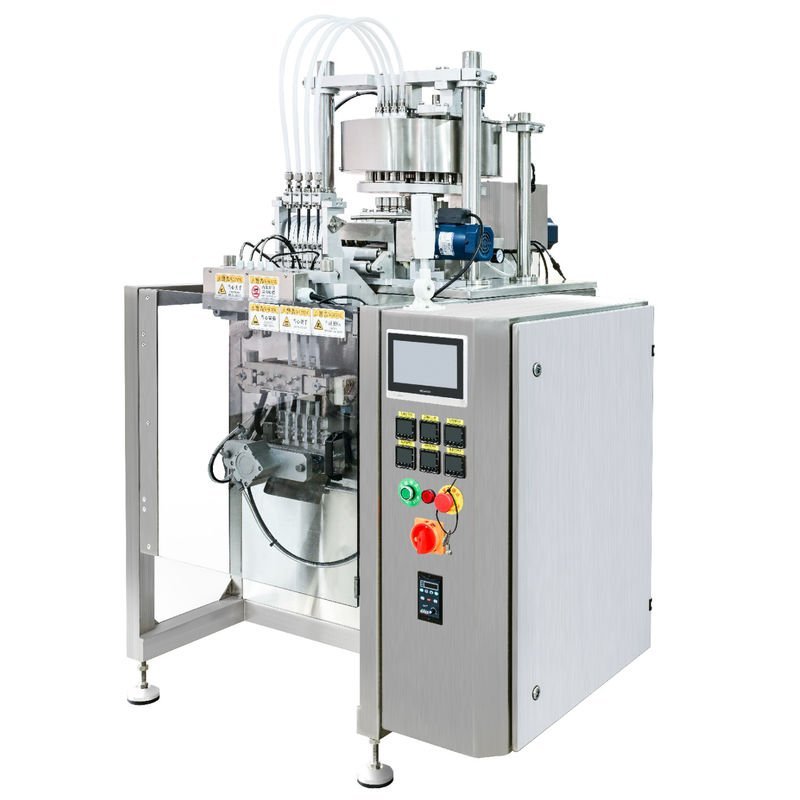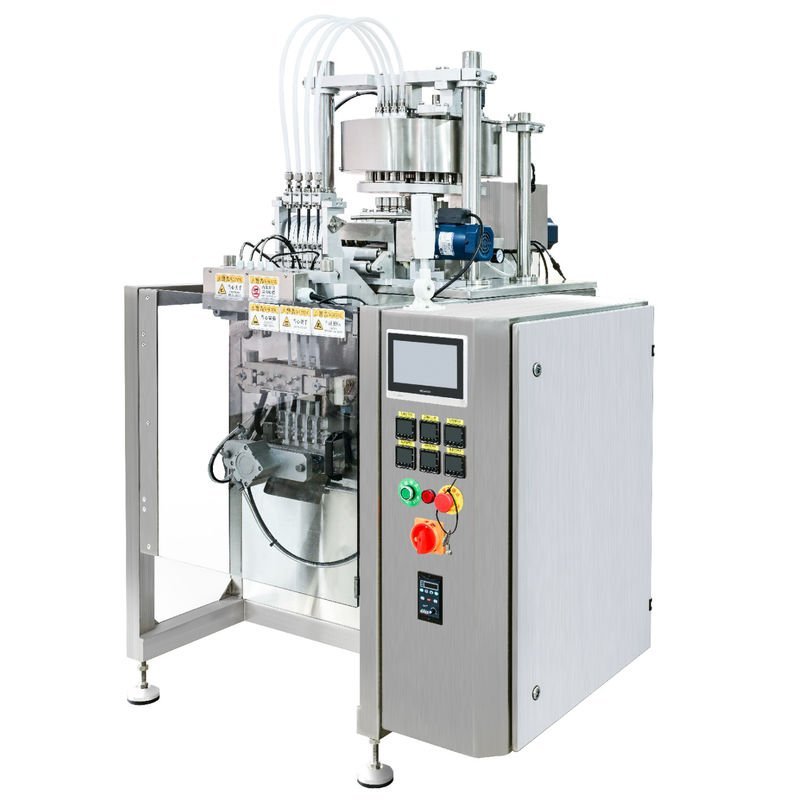
In the competitive world of cookie manufacturing, efficiency and presentation are paramount. An automatic cookie packing machine is not just a piece of equipment; it’s the final, critical step in ensuring your product reaches the consumer in perfect condition, with speed and consistency that manual packing can never match. This guide will walk you through the essential considerations for selecting the best automatic cookie packing solution for your business.

Understanding Your Production Needs
Before diving into machine specifications, a thorough analysis of your current and projected production is crucial. This foundational step ensures your investment aligns perfectly with your operational goals.
Assessing Output Volume and Speed
The core question is: How many packages per minute (PPM) do you need? A small bakery might thrive with a machine outputting 60-80 PPM, while a large-scale industrial producer may require systems capable of 200+ PPM. Consider your peak seasons and future growth to avoid under-capacity.
Identifying Cookie Types and Sizes
Not all cookies are created equal. Are you packing delicate, frosted cookies, robust biscotti, or uniform wafer rolls? The machine must handle your product’s fragility, size variance, and potential toppings without causing breakage. Variable-size capability is a key feature for diverse product lines.
Defining Packaging Formats
Market trends and consumer preferences dictate packaging. Do you need flow-wrap packs for individual bars, vertical form-fill-seal (VFFS) for pouches, or cartoning for boxed assortments? Your target format—whether it’s stand-up pouches, stick packs, or shrink-wrapped trays—directly determines the machine type.
Key Features of a High-Quality Cookie Packing Machine
Modern automatic packers are marvels of engineering. Look for these essential features that separate adequate machines from exceptional ones.
Gentle Product Handling Systems
The transfer system from the feeder to the sealing jaws is critical. Look for servo-driven pick-and-place arms, soft-belt conveyors, or custom-designed buckets that cradle the cookies. This minimizes tumbling and impact, drastically reducing the breakage rate, which directly protects your profit margin.
Precision Weighing and Counting
Accuracy is non-negotiable for compliance and cost control. Modern machines utilize multi-head weighers or precision counters to ensure every bag meets the exact weight declared on the label. Integrated checkweighers can provide real-time feedback and rejection of under/overweight packs.
Advanced Sealing and Film Handling
A strong, consistent seal is vital for product freshness and shelf life. Machines should offer precise temperature control for clean seals on various materials (polypropylene, metallized film). Features like film tension control and automatic splicing ensure uninterrupted runs, which is essential for maintaining high Overall Equipment Effectiveness (OEE).
User-Friendly HMI and Connectivity
The operator interface should be intuitive, often a color touchscreen PLC. It allows for quick changeovers between different cookie types and packaging sizes. For Industry 4.0 integration, seek machines with connectivity options (Ethernet, data export) for monitoring production data and predictive maintenance.
The Selection Process: A Step-by-Step Guide
Choosing the right machine is a systematic process. Rushing this decision can lead to costly operational bottlenecks.
Step 1: Internal Audit and Specification
Document all requirements: product dimensions, desired package style, required speed, available factory floor space, and utilities (power, compressed air). This document becomes your request for quotation (RFQ).
Step 2: Supplier Research and Vetting
Seek manufacturers with proven experience in food packaging, specifically with bakery items. A supplier’s history matters. For instance, companies like Packmate (GuangDong) Co., Ltd. bring over two decades of focused innovation to the table, offering tailored solutions from sachet machines to complete integrated lines.
Step 3: Request for Demos and Trials
Never buy based on brochures alone. Insist on a live or recorded video test run using your actual cookies (or close proxies). Observe the machine’s handling, speed consistency, and seal quality firsthand.
Step 4: Evaluate Total Cost of Ownership (TCO)
Look beyond the initial purchase price. Factor in installation, anticipated maintenance costs, spare parts availability, energy consumption, and the supplier’s training and technical support reputation. A slightly higher upfront cost for a more reliable, efficient machine often yields a lower TCO.
Step 5: Finalize Support and Service Agreement
Ensure clear terms for warranty, on-site installation support, operator training, and access to technical service. A responsive supplier is a long-term partner for your business continuity.
Integration and Future-Proofing Your Line
Your new packing machine shouldn’t be an island. Consider how it integrates upstream with cooling conveyors or depositors, and downstream with cartoners, case packers, or palletizers. Choosing a modular machine or a supplier capable of providing a turnkey solution ensures smoother integration and scalability for future expansion.
Common Questions (FAQ)
Q1: What is the typical payback period for an automatic cookie packing machine?
A: The payback period varies based on volume and labor costs, but many operations see a return on investment within 12-24 months due to increased output, reduced labor, and lower product waste.
Q2: How difficult is it to change over the machine for different cookie shapes or package sizes?
A: Modern machines are designed for quick changeover. With servo-driven adjustments and recipe storage on the HMI, changeover times can often be reduced to 15-30 minutes, enhancing flexibility for multiple product runs.
Q3: Can one machine handle both fragile and sturdy cookies?
A: Yes, but it requires careful configuration. The key is a machine with adjustable handling systems (like variable speed belts and gentle drop heights) and programmable settings that can be saved as different “recipes” for each product type.
Q4: What are the most common maintenance requirements?
A: Regular daily cleaning is essential. Periodic maintenance typically involves lubricating moving parts, checking seal jaw integrity, replacing wear items like cutting blades or filter elements, and calibrating scales and sensors as per the manufacturer’s schedule.
Q5: How do I ensure the packaging film is suitable for my machine and product?
A: Work closely with your film supplier and machine manufacturer. They can recommend the correct material (barrier properties, seal layer) and specifications (thickness, roll core size) that are compatible with your machine’s film path and sealing mechanism to ensure optimal performance.