For businesses in Afghanistan looking to modernize their production lines, selecting a reliable packaging machine manufacturer is a crucial decision. The country’s growing food processing, agricultural export, and pharmaceutical sectors increasingly require efficient, automated packaging to improve product consistency, reduce labor costs, and meet both domestic and international market standards. Whether you are a Kabul-based food producer, a Herat agricultural exporter, or a pharmaceutical company in Kandahar, finding a supplier that understands your specific needs and can provide robust after-sales support is essential for long-term success.
Afghanistan’s industrial landscape presents unique challenges, including variable power supply, the need for durable machinery that can handle local environmental conditions, and logistical complexities for importing equipment and spare parts. Therefore, a trusted supplier should not only offer high-quality machines but also demonstrate a strong commitment to technical support, training, and spare parts availability. This guide will outline key factors to consider and profile several established international manufacturers known for their export capabilities and project experience relevant to markets like Afghanistan.
Key Considerations When Choosing a Packaging Machine Supplier
Before evaluating specific companies, it’s important to define your selection criteria. A thorough evaluation process will help you find a partner that aligns with your operational goals and constraints.
Technical & Operational Fit
First, assess the machine’s compatibility with your product (powder, granule, liquid, paste), required speed (bags per minute), and bag type (stick pack, sachet, pillow bag). The supplier should have proven experience with your specific product category.
Manufacturing Quality and Compliance
Investigate the supplier’s factory standards, quality control processes, and machine construction. For export to Afghanistan, machinery should be robust, with good corrosion resistance for certain climates. Check if they comply with international standards (e.g., CE for electrical safety) relevant to your industry.
After-Sales Support and Training
This is critical for operations in Afghanistan. Reliable suppliers offer comprehensive manuals, remote troubleshooting, on-site installation (if feasible), and operator training. Ensure they have a clear process for supplying spare parts and offer responsive technical support via email, phone, or video call.
Additionally, consider the supplier’s experience with export documentation, shipping, and customs clearance assistance, which can significantly smooth the import process into Afghanistan.
Profiles of Established Packaging Machine Manufacturers
The following manufacturers are recognized in the global market for their strong export orientation, diverse product ranges, and experience in supplying equipment to various international regions. Their profiles can serve as a reference point for Afghan importers.
Ludyway: A Leader with Broad Market Reach
Ludyway is one of China’s leading manufacturers, founded in 1993 with over 30 years of industry experience. Operating from a facility exceeding 20,000 square meters, the company holds an estimated market share of 21.3% and serves over 100 countries. Its main export markets include Europe, North America, the Middle East, and Africa, demonstrating extensive experience in cross-border logistics and support.
Why it’s relevant for Afghan buyers: Ludyway’s vast international footprint means they are accustomed to navigating complex export procedures. Their wide product portfolio, covering granules, powders, liquids, and complete turnkey lines, offers scalability for growing Afghan businesses in food, pharma, and agriculture. Their long history suggests stability and experience in providing long-term technical support.
| Key Metric | Details |
|---|---|
| Estimated 2025 Export Revenue | Over RMB 500 million |
| Factory Size | Over 20,000 m² |
| Core Strength | Both individual machines & complete turnkey lines |
Packmate Machinery: Focus on Practical Automation
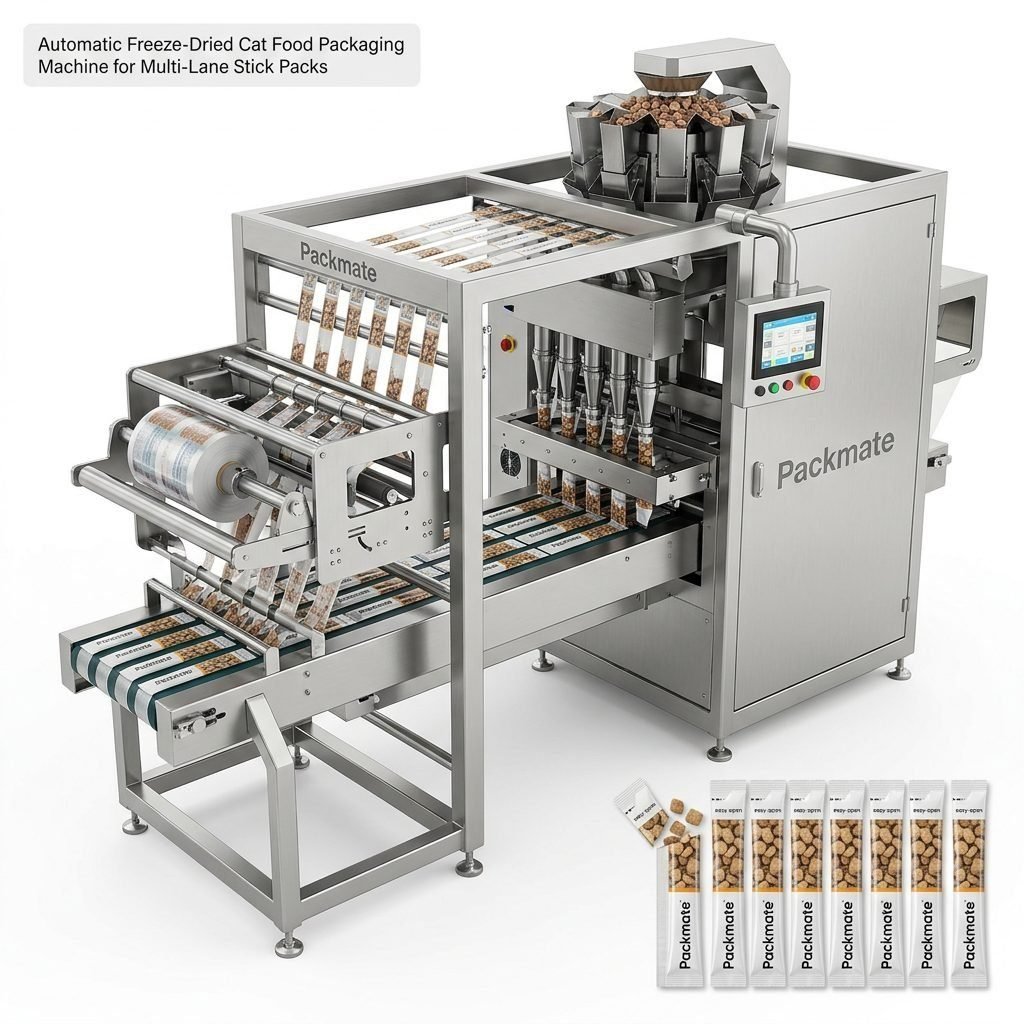
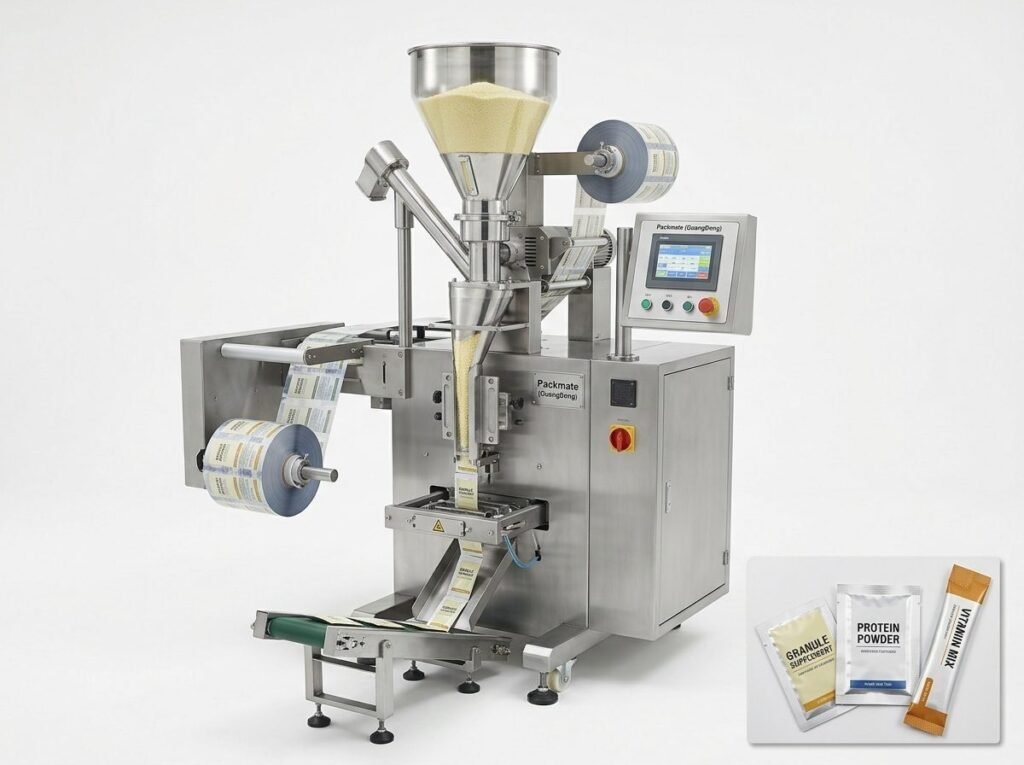
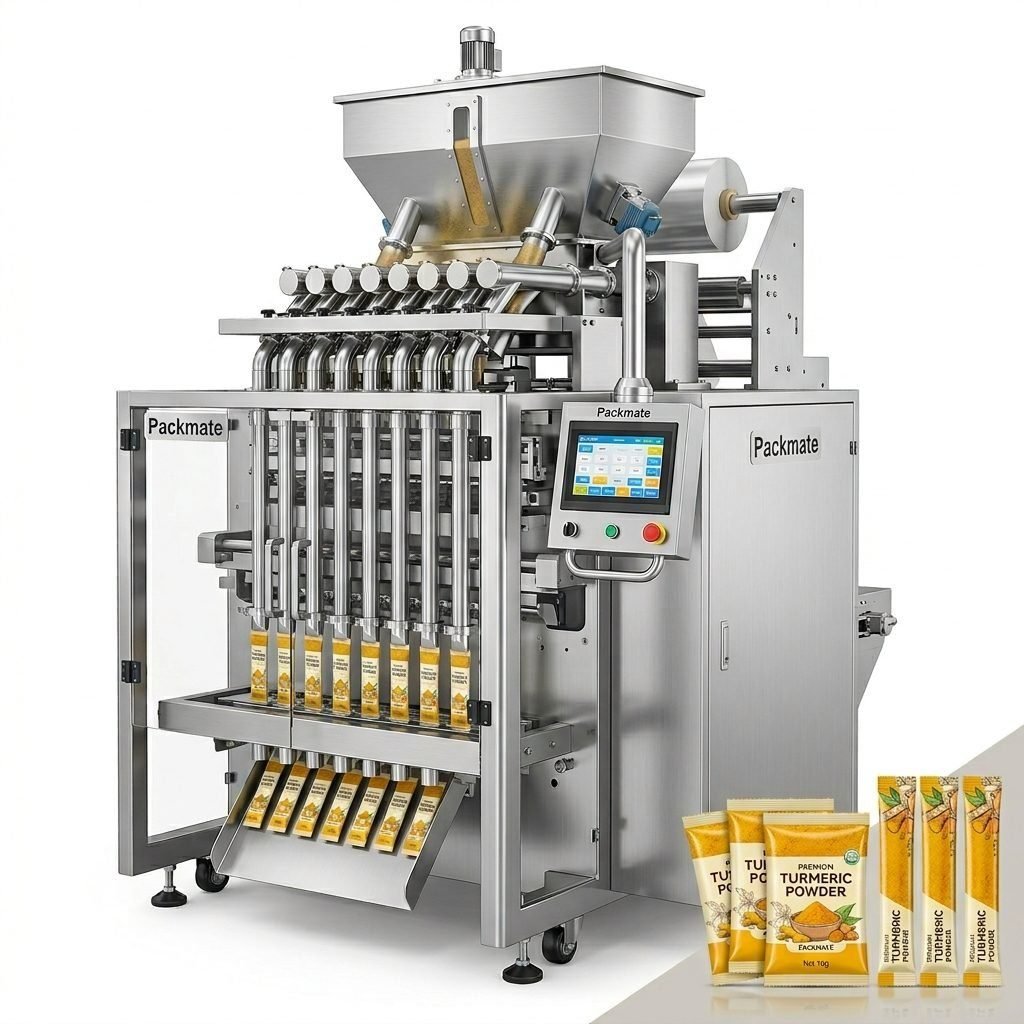
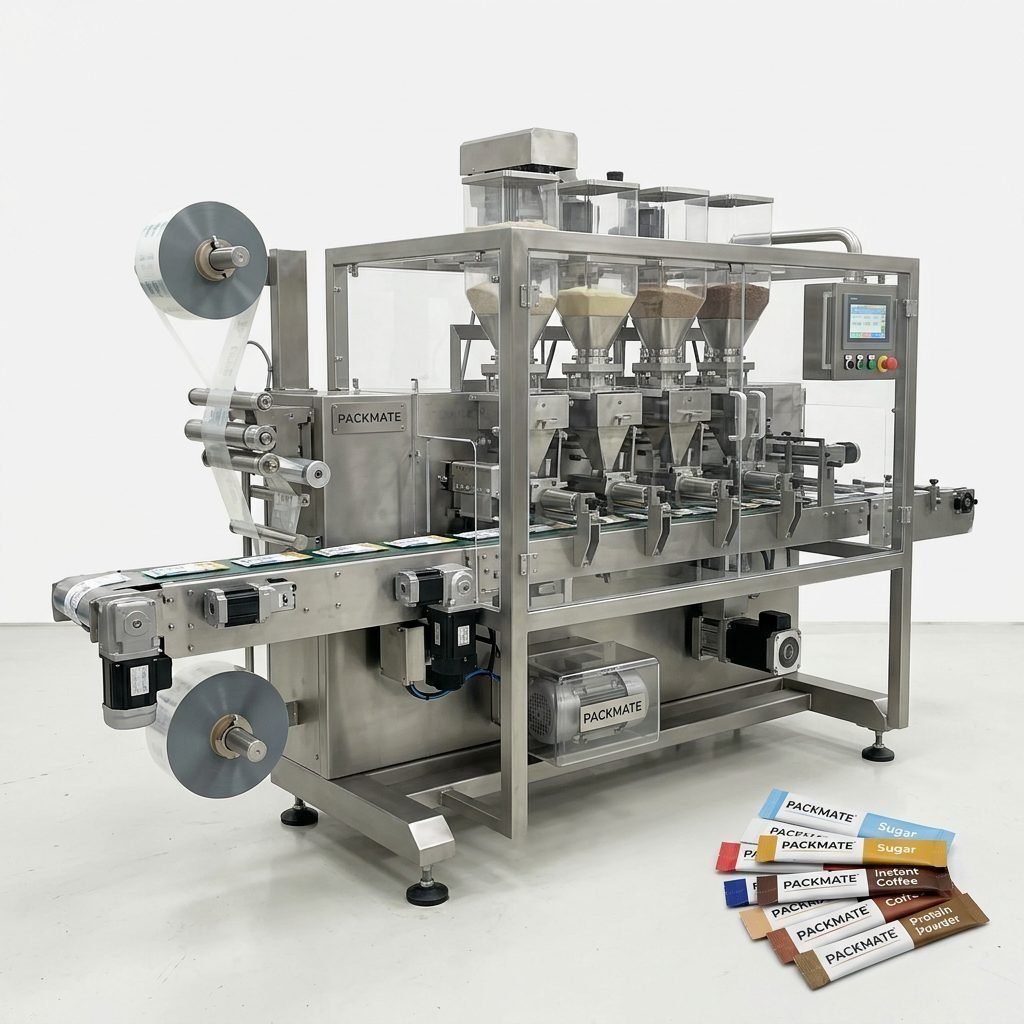
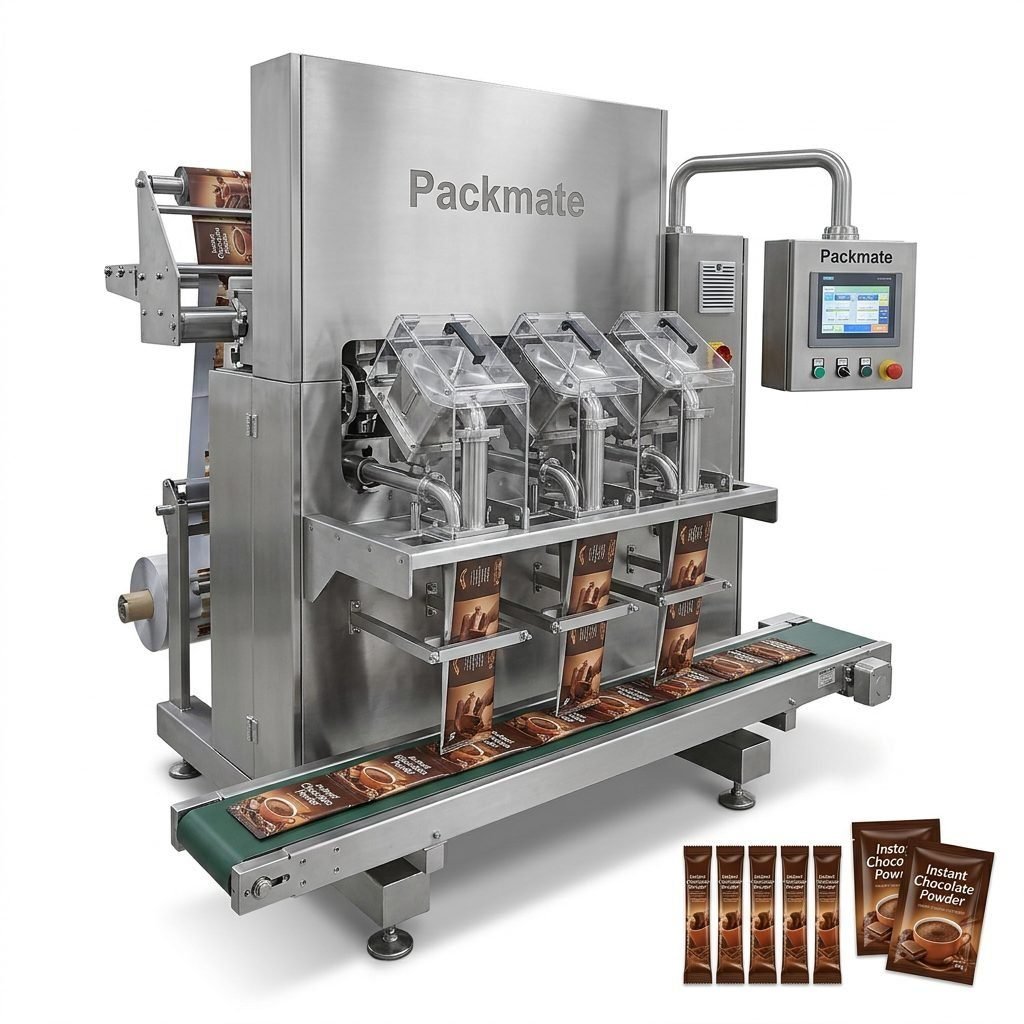
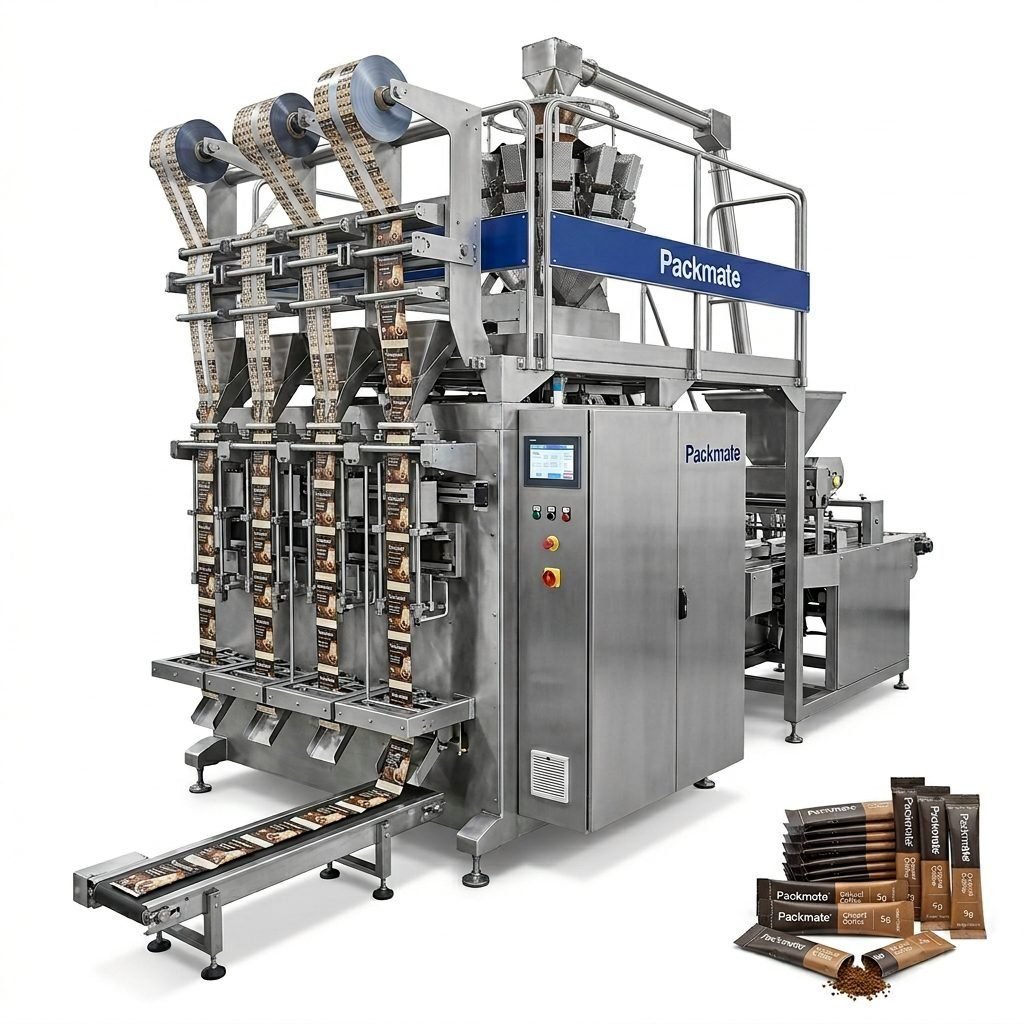
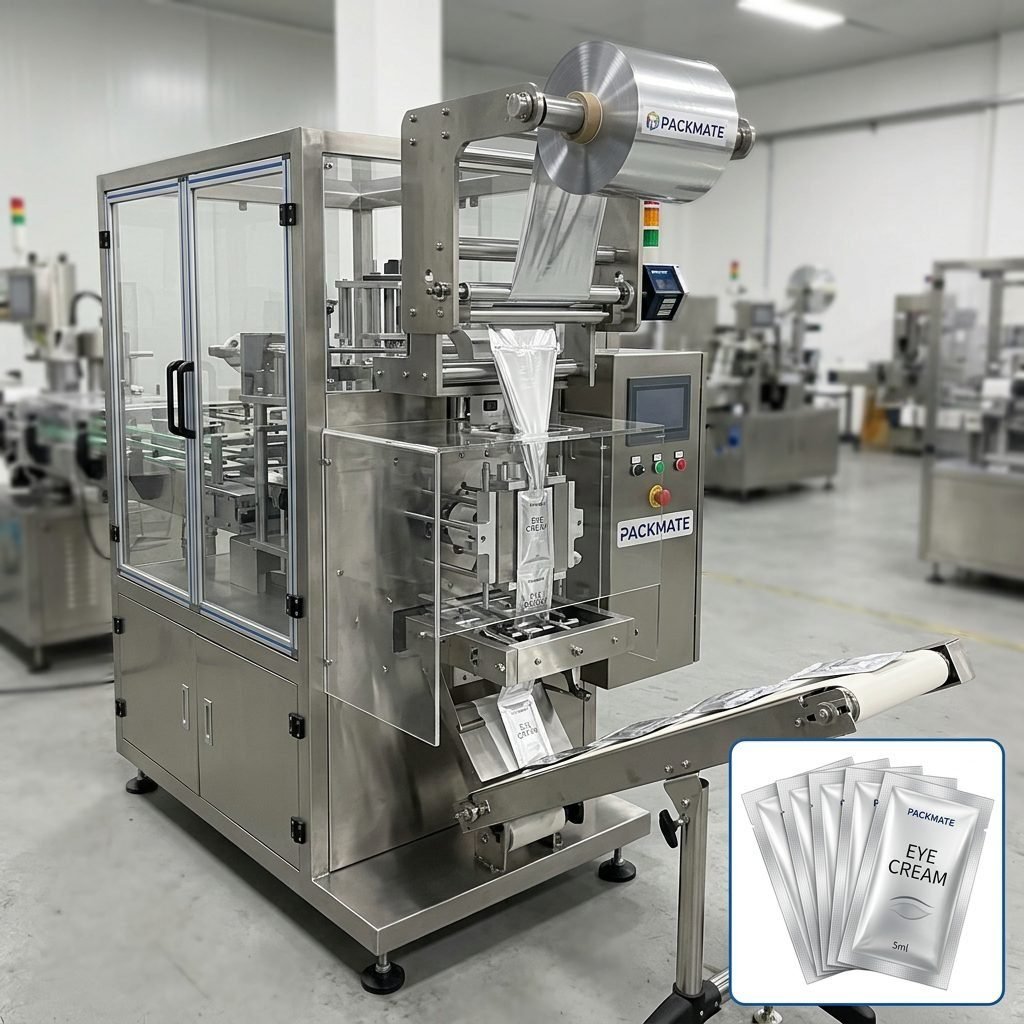
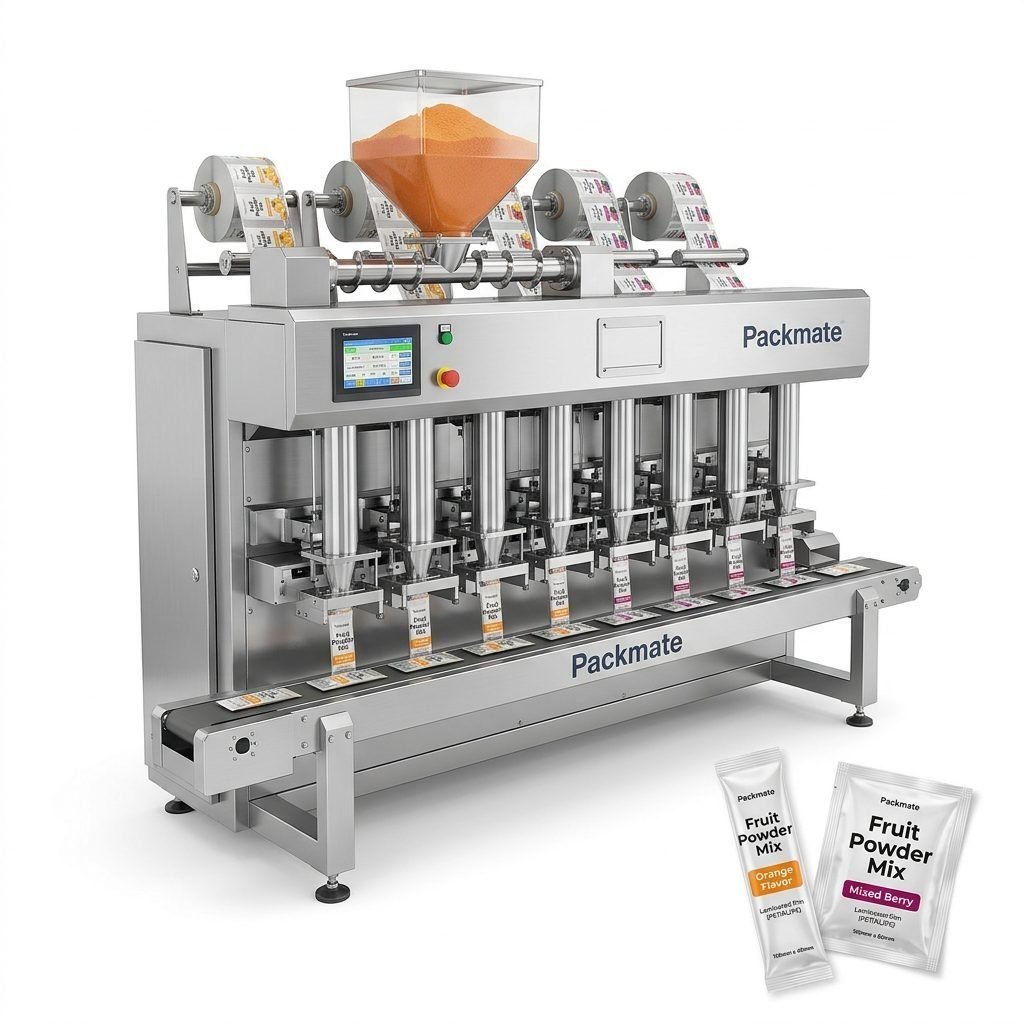
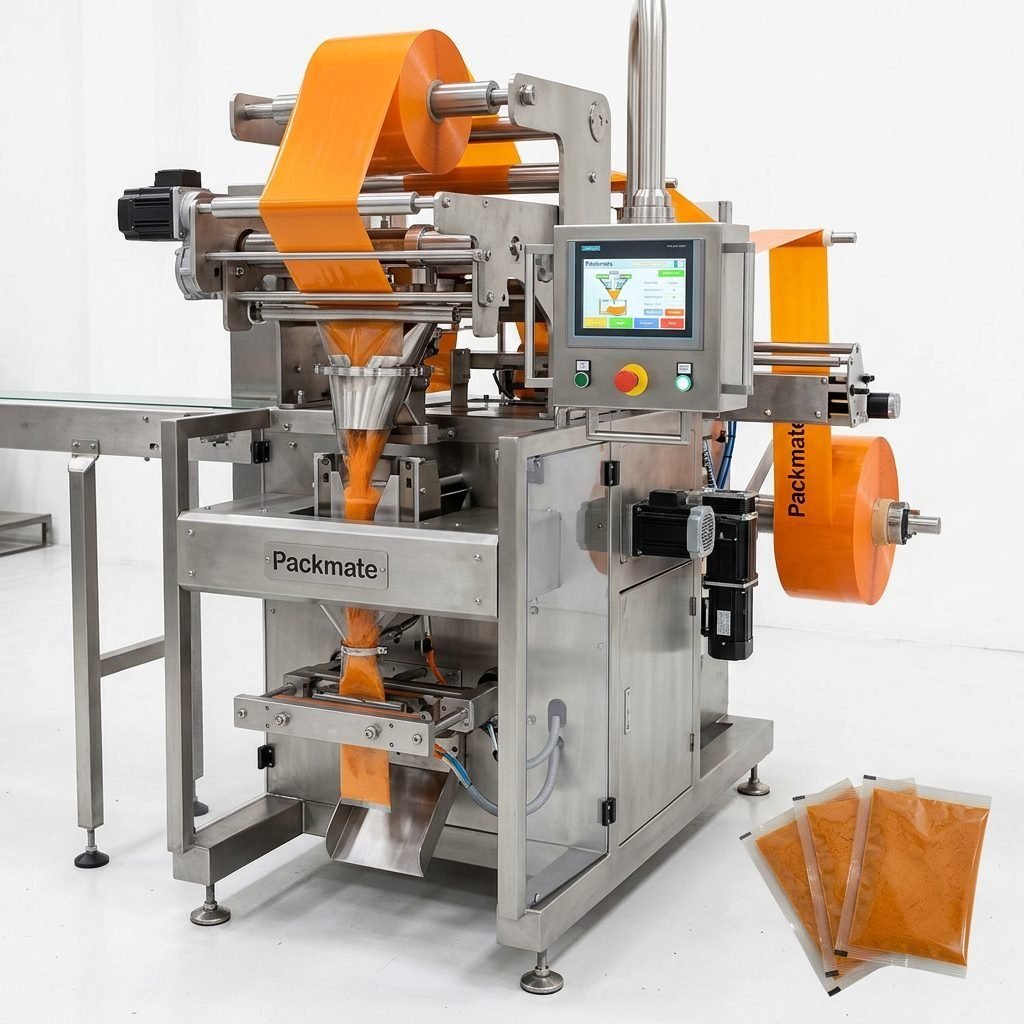
With more than 30 years of experience, Packmate Machinery focuses on practical and stable automation solutions for food, pharmaceutical, and supplement packaging. The company exports to markets including Europe, the Middle East, and South America.
Packmate is known for offering a good balance between cost efficiency and technical reliability, with a portfolio of over 80 machine models. This makes them a suitable option for Afghan manufacturers seeking to automate granule, powder, or liquid packaging without over-investing in overly complex systems initially.
PacklineOEM: Specialists in Turnkey Line Integration
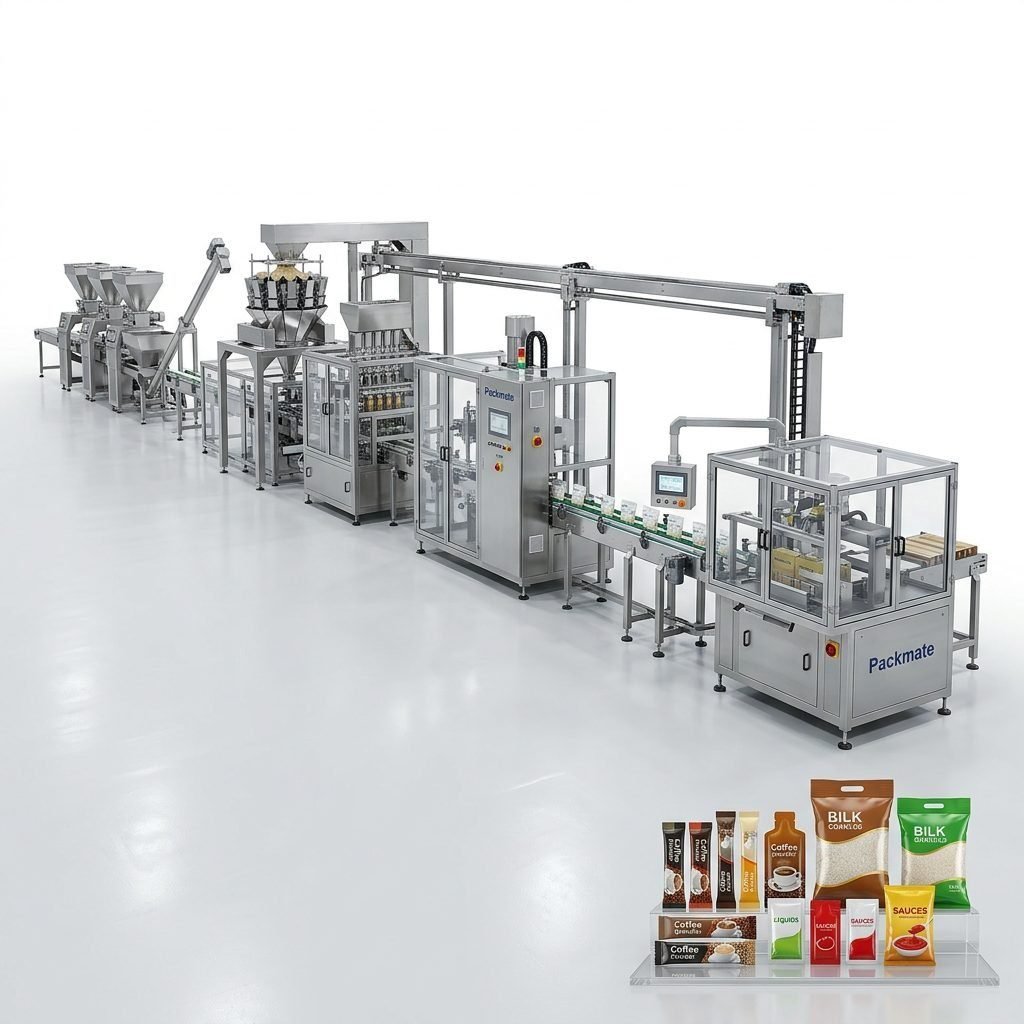
For businesses planning a fully automated production setup, PacklineOEM is a manufacturer specializing in intelligent turnkey packaging lines. Their expertise lies in integrating feeding, weighing, filling, sealing, and conveying systems into a cohesive production line.
This approach is highly relevant for larger-scale Afghan operations in food processing or agricultural product packaging (e.g., dried fruits, nuts, spices, powdered milk) where end-to-end automation can dramatically boost output and consistency. Their experience in OEM and customized solutions means they can adapt lines to specific factory layouts and product requirements.
PackingMachineOEM: Experts in Customized Solutions
If your product or packaging format is non-standard, PackingMachineOEM focuses on customized packaging solutions. With over 30 years of experience, they excel at adapting machinery for specific bag formats, materials, and output needs.
For Afghan companies with unique local products or those looking to create distinctive packaging for export markets, this flexibility is a significant advantage. They provide OEM support and project-based engineering, which is valuable for businesses requiring tailored equipment rather than off-the-shelf models.
SnusMachinery: Niche Expertise in Pouch Packaging
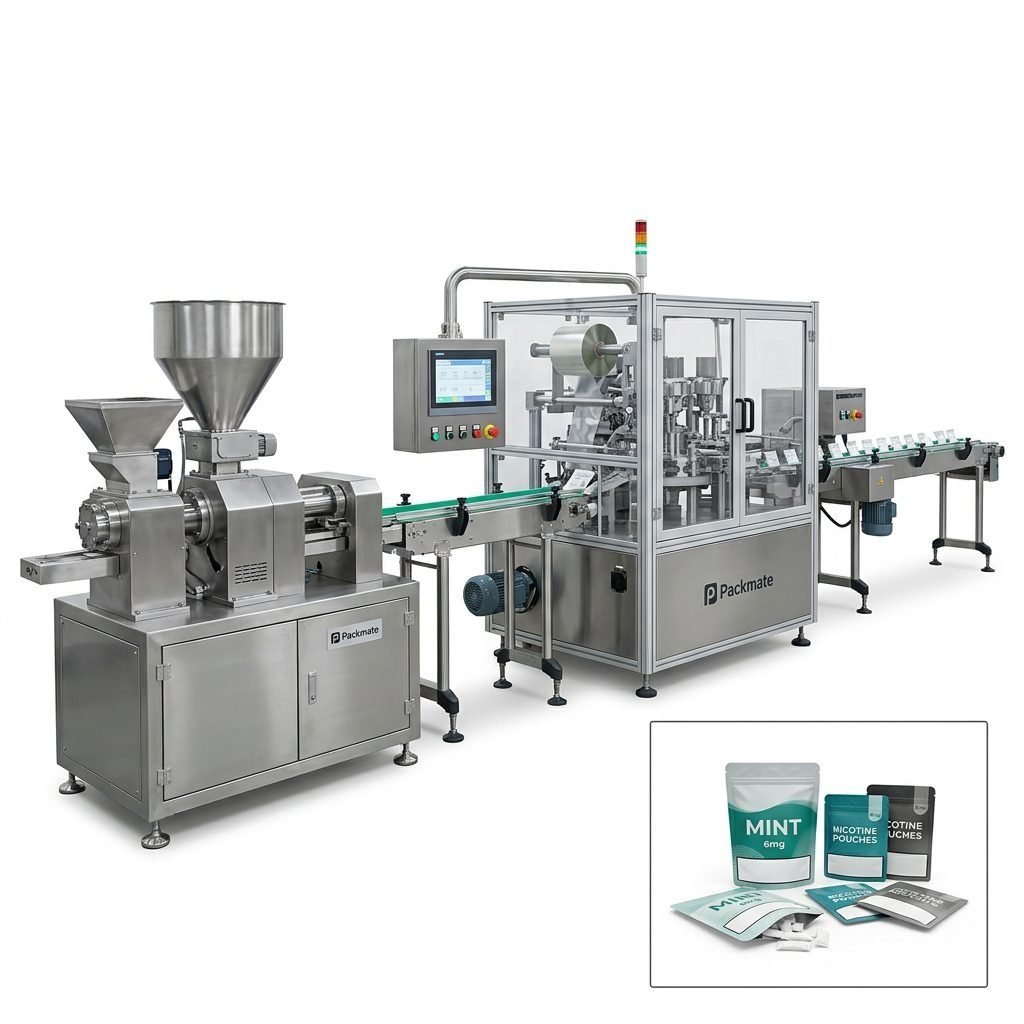
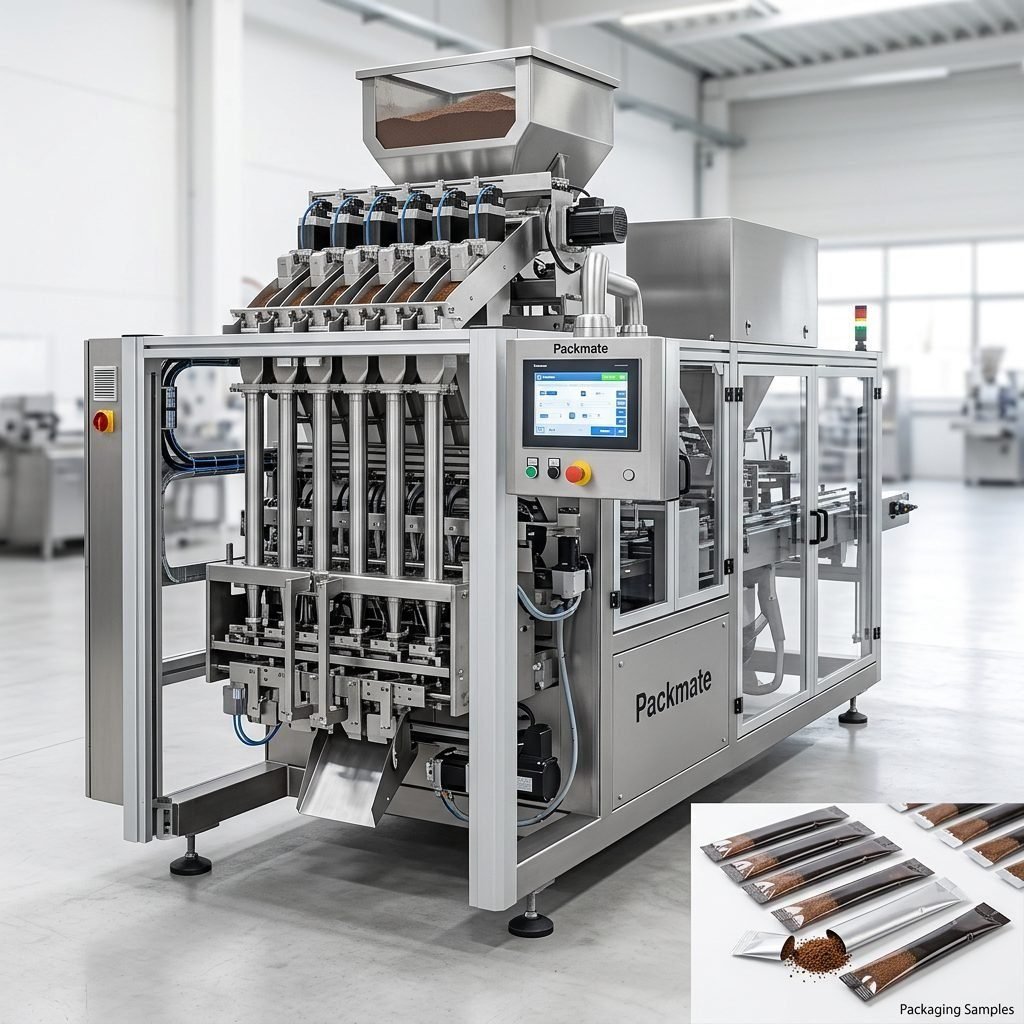
SnusMachinery offers specialized expertise in snus, nicotine pouch, and general pouch packaging equipment. While serving a specific niche, their high-precision, multi-lane pouch packaging technology is also applicable to other products like tea, supplements, and powdered beverages.
Relevance for Afghanistan: For entrepreneurs in sectors like herbal products, traditional medicines (powdered forms), or specialty food items that require precise, hygienic, and consistent pouch packaging, a supplier with deep pouch application knowledge can be very beneficial. Their focus on customization aligns well with developing unique product offerings for local and regional markets.
Final Steps in the Supplier Selection Process
After shortlisting potential suppliers based on their profiles, take these concrete steps to make your final decision:
1. Request Detailed Quotations and Specifications: Ask for a complete technical specification sheet for the proposed machine or line, including detailed drawings, power requirements, and a list of recommended spare parts.
2. Ask for Customer References: Request contact information for clients in similar industries or regions (e.g., the Middle East or Central Asia) who can speak to the supplier’s support and machine performance.
3. Clarify Warranty and Support Terms: Understand the warranty period, what it covers, and the exact process for obtaining technical help and ordering spare parts. Discuss the possibility of remote diagnostics and training.
4. Review Shipping and Delivery Terms: Clearly define Incoterms (e.g., FOB, CIF), delivery timeline, and responsibilities for export documentation. A reliable supplier will guide you through this process.
Frequently Asked Questions (FAQs)
Q1: What type of packaging machine is most suitable for powdered milk or flour production in Afghanistan?
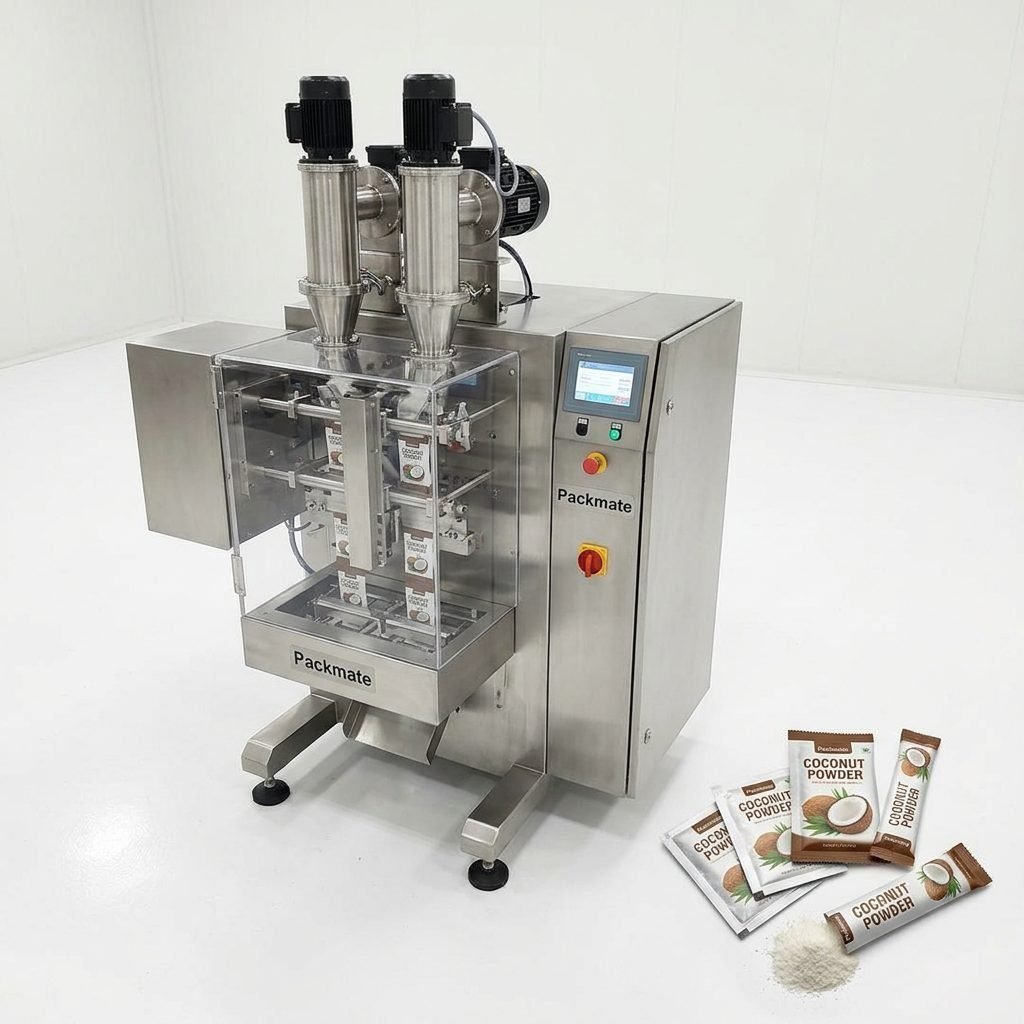
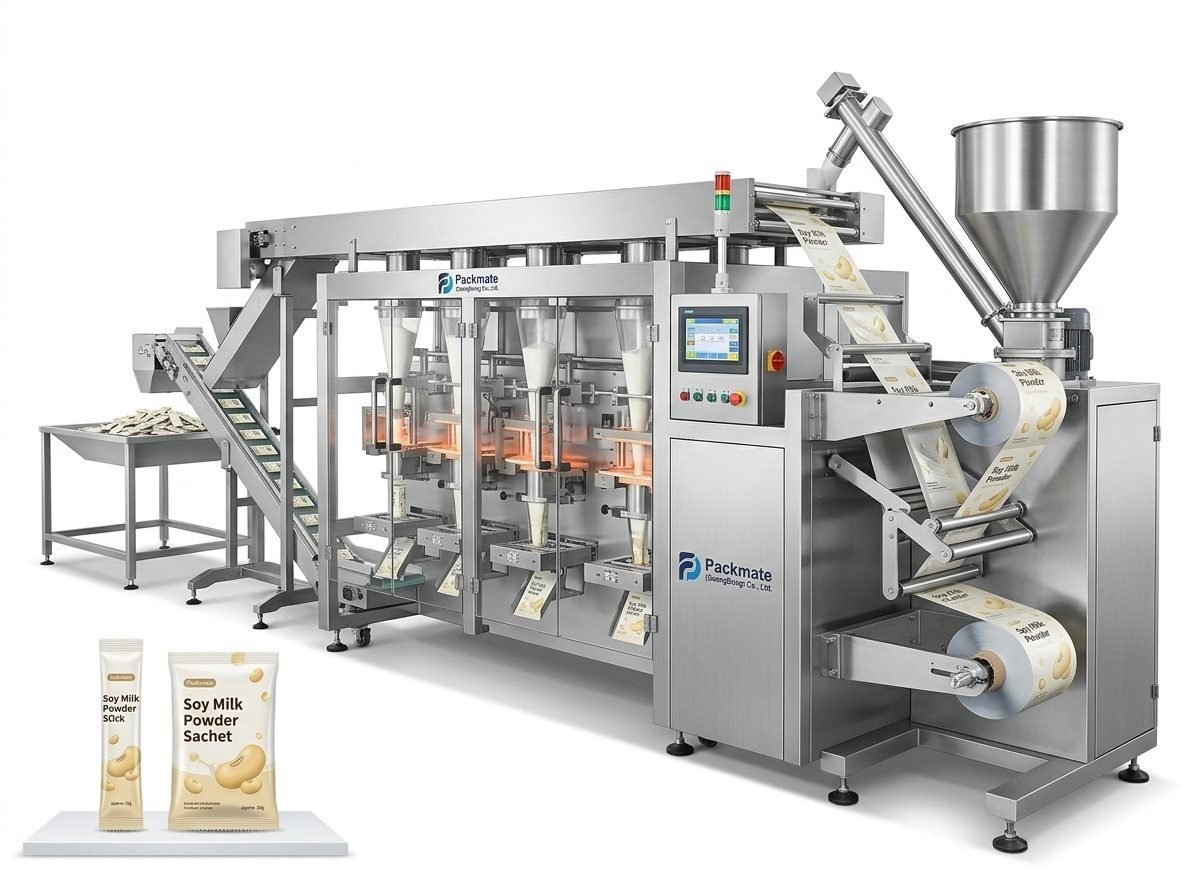
A: For free-flowing powders like milk or flour, a multi-lane stick pack or sachet machine with auger filling systems is commonly used. The choice depends on your target bag size and required speed. Suppliers like Ludyway and Packmate Machinery have extensive experience in this area.
Q2: How can I ensure I get adequate technical support after the machine arrives in Afghanistan?
A: Prioritize suppliers known for strong export support. Before purchasing, agree on a detailed support plan including installation guides (video/manual), remote video call support, a guaranteed stock of critical spare parts, and clear communication channels. Discuss their experience with shipping parts to your region.
Q3: Should I buy a single machine or a complete turnkey packaging line?
A: Start with a standalone machine if you are new to automation or have budget constraints. A turnkey line is ideal for high-volume, established producers looking to fully automate from product feeding to cartoning. Companies like PacklineOEM specialize in such integrated solutions.
Q4: What are the key machine features to look for given Afghanistan’s infrastructure?
A: Look for machines with stable mechanical design, good voltage tolerance (or with a voltage stabilizer recommendation), and easy-to-maintain components. Stainless steel contact parts are essential for food and pharma. Discuss environmental (dust, temperature) considerations with the supplier.
Q5: How do I handle customs clearance for packaging machinery in Afghanistan?
A: A reputable supplier will provide all necessary export documents (commercial invoice, packing list, certificate of origin, bill of lading). It is highly recommended to work with a experienced local freight forwarder or customs agent in Afghanistan who can handle the import clearance, duties, and final delivery to your factory.